
Richard L. Collins (1933–2018)
Author of Flying IFR: The Practical Information You Need to Fly Actual IFR Flights (General Aviation Reading series)
About the Author
Richard Collins has spent his life in aviation, logging over 18,500 flight hours in almost every type of aircraft, and writing about it in 900 magazine articles and 11 books for pilots -- plus many video productions. He has been editor-in-chief of Flying magazine, and publisher and editor-in-chief show more of AOPA Pilot magazine. Collins has won many aviation awards and continues to do extensive research in aviation safety. He is currently editor-at-large for Flying and editorial consultant to Sporty's Academy show less
Works by Richard L. Collins
Flying IFR: The Practical Information You Need to Fly Actual IFR Flights (General Aviation Reading series) (1978) 36 copies, 1 review
The Perfect Flight: The Pilot's Greatest Challenge-The Search for Excellence in Every Flight (Thomasson-Grant Aviation Library) (1988) 15 copies, 1 review
Air Crashes: What Went Wrong, Why, and What Can Be Done about It (General Aviation Reading series) (1986) 14 copies
Tagged
Common Knowledge
- Legal name
- Collins, Richard Leighton
- Birthdate
- 1933
- Date of death
- 2018-04-29
- Gender
- male
- Occupations
- journalist
editor - Nationality
- USA
- Associated Place (for map)
- USA
Members
Reviews

When some people pine for the "good old days" I'm always left thinking about how much it would have sucked to live before vaccines, antibiotics, and being able to vote. In matters pertaining to aviation, one must only read a book from even 5 to 10 years ago to get a feel for how much it would have royally sucked to not have such easy access to so many amazing weather products.
Flying the Weather Map was first published 40 years ago and the most recent edition was published 20 years ago. The show more flights documented in the book are from the late 1970s and reflect the state of technology at the time. Calling up briefers, hoping that they have information that is somewhat up-to-date and hoping also that they can interpret it well, relying on stormscopes and calling up FSS and ATC en route for updated weather was all par for course. The flights herein are just about all IFR in the context of helping the reader to make the connection between the forecasted weather and actual conditions. Reading "it was clear and unlimited all the way" would not have made for an interesting book on aviation weather.
As a visual-only pilot, this level of weather understanding is not all too necessary. Not only are the weather products available to me quite up-to-the-minute and easy to understand (with practice), but I am not going to be purposefully getting into situations where severely limited visibility or being in visible moisture is a possibility. In that regard I found my eyes somewhat glazing over to read every little detail the author made connecting the experienced weather with the briefing that he obtained. Maybe I would have appreciated this book a bit more if I were instrument rated. show less
Flying the Weather Map was first published 40 years ago and the most recent edition was published 20 years ago. The show more flights documented in the book are from the late 1970s and reflect the state of technology at the time. Calling up briefers, hoping that they have information that is somewhat up-to-date and hoping also that they can interpret it well, relying on stormscopes and calling up FSS and ATC en route for updated weather was all par for course. The flights herein are just about all IFR in the context of helping the reader to make the connection between the forecasted weather and actual conditions. Reading "it was clear and unlimited all the way" would not have made for an interesting book on aviation weather.
As a visual-only pilot, this level of weather understanding is not all too necessary. Not only are the weather products available to me quite up-to-the-minute and easy to understand (with practice), but I am not going to be purposefully getting into situations where severely limited visibility or being in visible moisture is a possibility. In that regard I found my eyes somewhat glazing over to read every little detail the author made connecting the experienced weather with the briefing that he obtained. Maybe I would have appreciated this book a bit more if I were instrument rated. show less

Flight-tested keys to success in today's world of IFR flight.
Author Richard Collins shares his experience in this guide to the real world of instrument flight, detailing the IFR system, equipment, and exploring the risks and rewards of instrument flying. The invaluable discussions on instrument airmanship, weather analysis, flight planning and decision making, handling equipment glitches, and that critical survival skill -- partial panel flying -- are all presented for the sole objective of show more better preparing you to fly on IFR flight plans.
The only tests this book prepares you for are those encountered in flying actual IFR. Where the initial instrument checkride leaves off with the applicant receiving a dry instrument ticket, this book provides the information necessary to get it wet. show less
Author Richard Collins shares his experience in this guide to the real world of instrument flight, detailing the IFR system, equipment, and exploring the risks and rewards of instrument flying. The invaluable discussions on instrument airmanship, weather analysis, flight planning and decision making, handling equipment glitches, and that critical survival skill -- partial panel flying -- are all presented for the sole objective of show more better preparing you to fly on IFR flight plans.
The only tests this book prepares you for are those encountered in flying actual IFR. Where the initial instrument checkride leaves off with the applicant receiving a dry instrument ticket, this book provides the information necessary to get it wet. show less
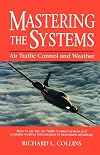
This aviation manual stresses the importance of understanding and gleaning the most from weather and air traffic control (ATC) systems. Pilots are guided through common misconceptions about weather dangers with solid advice and accurate examples for improvement. The effects of wind and storms and the role of the ATC are discussed, and a basic weather course is provided. The most frequent decisions pilots make when they are caught in weather are explained, and all options are presented so show more that pilots can find their way out of undesirable conditions. show less
You May Also Like


Statistics
- Works
- 31
- Members
- 228
- Popularity
- #98,696
- Rating
- 4.2
- Reviews
- 4
- ISBNs
- 39