
Kim Cooper (1)
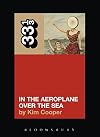
Author of Neutral Milk Hotel's In the Aeroplane Over the Sea
For other authors named Kim Cooper, see the disambiguation page.
Works by Kim Cooper
Bubblegum Music Is the Naked Truth: The Dark History of Prepubescent Pop, from the Banana Splits to Britney Spears (2001) 114 copies, 2 reviews
Tagged
Common Knowledge
- Gender
- female
- Occupations
- magazine editor
Members
Reviews
Wonderful exposition on one of my absolute favorite albums. I really appreciate that Kim Cooper focused on the scene and Jeff's relationship with the musicians around him rather than trying to interpret the meanings of the lyrics. And the closing quote from Julian Koster was a poignant summation of that time period.
In The Aeroplane Over The Sea is one of those albums that, to those of us who love it, is so much more than just some great music collected on a piece of plastic. Both the album itself - so personal, so horriffically beautifully cracked and warm - and the mythology surrounding it and the subsequent disappearance of Jeff Mangum from the music world is too much to collect in one short book. You'd need both a poet and a tabloid journalist to get to grips with all of it, and you'd probably still show more never capture it; don't explain the Kafkaesque joke, don't drag up the personal details the singer spends so much effort transforming into something that means something to others. That old quote about how writing about music is like dancing about architecture is a copout, but as producer Robert Schneider explains at one point, a recording of music isn't the music itself but just what it sounds like, and...
I digress, which is easy with this album. Cooper, to her credit, doesn't try to overplay her hand; she settles for a mostly fairly objective description, touching on the eccentricities of both Mangum and others surrounding the band without getting too personal, touching on the themes of the album without getting too deeply into analysis (no attempt to shovel the glimpse into the ditch of what each one means, to quote another singer) etc. It's a competent and obviously loving portrait of both the band and the album, recommended to those who want to know more without having their personal experiences with it encrouched upon.
And yet afterwards, I put on the album itself, and as usual I wind up crying ugly cleansing tears by the end as Jeff's voice gets to the sober-mo(u)rning-after of the last chorus, and this book seems like a well-written, well-meaning footnote. Which is not criticism; I'm glad it's there, it just doesn't change much about my personal copy of the album. show less
I digress, which is easy with this album. Cooper, to her credit, doesn't try to overplay her hand; she settles for a mostly fairly objective description, touching on the eccentricities of both Mangum and others surrounding the band without getting too personal, touching on the themes of the album without getting too deeply into analysis (no attempt to shovel the glimpse into the ditch of what each one means, to quote another singer) etc. It's a competent and obviously loving portrait of both the band and the album, recommended to those who want to know more without having their personal experiences with it encrouched upon.
And yet afterwards, I put on the album itself, and as usual I wind up crying ugly cleansing tears by the end as Jeff's voice gets to the sober-mo(u)rning-after of the last chorus, and this book seems like a well-written, well-meaning footnote. Which is not criticism; I'm glad it's there, it just doesn't change much about my personal copy of the album. show less
Kim Cooper's 33 1/3 entry on the Neutral Milk Hotel's In the Aeroplane Over the Sea shouldn't be considered definitive: heck, an entire book -- or maybe a blog -- could be written about just the album's influence on its fans' lives. Still, it seems like she spent a good deal of time with many of the people who contributed significantly to this album's creation, and much of her research likely preserved a lot of you-had-to-be-there storytelling that might have been lost otherwise. There are show more interesting bits on Robert Schnieder's role as producer and unofficial band member and entertaining stories about how the loose, energetic collective that was Elephant 6 recordings held together and provided its members with a lot of mutual support and encouragement. I think that Cooper's book will probably appeal most to rock listeners who like to think of bands as alchemical experiments of a sort and albums as the unique products of specific times, places, scenes and people that fall together more or less at random and are helped along by a lot of effort and a little luck. This book provides a pretty good snapshot of one bunch of talented people -- arranged around the appealingly sincere, still rather withdrawn figure of Jeff Mangum -- who came together to create something really extraordinary. show less

Cooper characterises Neutral Milk Hotel's In The Aeroplane Over The Sea as a perennial strong-selling album, but one discovered by word of mouth, trading among fellow enthusiasts, and not from a particularly high profile. That squares with my experience: I'd heard of the album well before hearing it, and when I finally did it was years after it had been released. The recording of it was a years-long project, bringing together many musicians and performers around Jeff Mangum, and culminating show more in a tour and recording session. Based on Cooper's description, the creativity leading to the album was almost all-encompassing for Mangum especially, but also many of those involved in it. Many of them were roommates in various cities.
This is more a biographical than an interpretive essay, surveying members, happenings, recording and rehearsals, some songwriting and touring, and the album's reception. There is a little on lyrical interpretation and sonic descriptions, but Cooper consciously limits this. The reference to Anne Frank's diary as the central motif was enlightening, I'd caught lyrical references but didn't identify them as key to the song cycle overall. Cooper is a fan and takes it as given that the album is great, that most people reading about it know it's great, but everyone will have their idiosyncratic reasons. This works well for the album and the band, actually, and likewise then for the essay.
//
The songs stick to one narrow key, the images repeat and circle back, and to listen is to be absorbed into a singular, heartrending vision. [2]
Cooper doesn't expand on this observation of key, and my listening skill isn't equal to the question of which key that is (or to corroborate it is, in fact, the same key). If it is true, it doesn't translate to the album lacking an emotional arc, despite the Western convention of beginning in one key, shifting to one or more others (never clear to me which others "sound" right and which not), and then return to the tonic. Though perhaps Cooper's statement doesn't preclude the shifting to different keys, so long as each song is rooted in that same key? show less
This is more a biographical than an interpretive essay, surveying members, happenings, recording and rehearsals, some songwriting and touring, and the album's reception. There is a little on lyrical interpretation and sonic descriptions, but Cooper consciously limits this. The reference to Anne Frank's diary as the central motif was enlightening, I'd caught lyrical references but didn't identify them as key to the song cycle overall. Cooper is a fan and takes it as given that the album is great, that most people reading about it know it's great, but everyone will have their idiosyncratic reasons. This works well for the album and the band, actually, and likewise then for the essay.
//
The songs stick to one narrow key, the images repeat and circle back, and to listen is to be absorbed into a singular, heartrending vision. [2]
Cooper doesn't expand on this observation of key, and my listening skill isn't equal to the question of which key that is (or to corroborate it is, in fact, the same key). If it is true, it doesn't translate to the album lacking an emotional arc, despite the Western convention of beginning in one key, shifting to one or more others (never clear to me which others "sound" right and which not), and then return to the tonic. Though perhaps Cooper's statement doesn't preclude the shifting to different keys, so long as each song is rooted in that same key? show less
Lists
You May Also Like


Statistics
- Works
- 3
- Members
- 529
- Popularity
- #47,054
- Rating
- 3.8
- Reviews
- 10
- ISBNs
- 43