
Chris Heath (1)
Author of Feel: Robbie Williams
For other authors named Chris Heath, see the disambiguation page.
Series
Works by Chris Heath
No Road Leading Back: An Improbable Escape from the Nazis and the Tangled Way We Tell the Story of the Holocaust (2024) 51 copies, 2 reviews
Pet Shop Boys Annually 2018 4 copies
Pet Shop Boys Annually 2017 2 copies
Pet Shop Boys Annually 2020 2 copies
Pet Shop Boys Annually 2019 2 copies
Pet Shop Boys Annually 2023 1 copy
Pet Shop Boys Annually 2022 1 copy
About Pet Shop Boys 1 copy
Pet Shop Boys Annually 2021 1 copy
Associated Works
Rolling Stone Australia #568 — some editions — 1 copy
Rolling Stone Australia #564 — some editions — 1 copy
Tagged
Common Knowledge
- Canonical name
- Heath, Chris
- Gender
- male
- Nationality
- UK
- Associated Place (for map)
- UK
Members
Reviews
No Road Leading Back: An Improbable Escape from the Nazis and the Tangled Way We Tell the Story of the Holocaust by Chris Heath
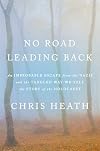
“No Road Leading Back,” is a thorough and harrowing account of the horrors that occurred in Ponar, a forest in Lithuania, during World War II. Journalist Chris Heath spends well over five hundred pages recounting the invasion of Lithuania by the German army; the imprisonment of the Jews in ghettos; and the systematic shooting of at least seventy-thousand Jewish men and women and children in Ponar. Their bodies were subsequently dug up and burned on pyres (to eliminate evidence of the show more carnage) by prisoners forced to carry out this dreadful task. Some of the captives decided to attempt an ambitious escape plan. They dug a tunnel underneath the pit where they spent their nights. Miraculously, they succeeded in completing the tunnel, but sadly only twelve managed to get away.
Heath wrote this work of non-fiction partly to shed light on an unpleasant reality. There is a reason that few people have heard of Ponar. Even though countless manuscripts have been written and scores of documentaries have been made about the Holocaust, only a small number allude to this particular extermination site. Those that do mention Ponar often get the facts wrong. Heath tells us this in order to stress the elusiveness of truth. Memories can be faulty, verification of decades-old events is difficult to come by, and anti-Semitic governments in the Soviet era falsified facts about the Jewish victims of the Holocaust. Because of the shortcomings of written and oral records—and the lack of Holocaust education in most schools—historians and others who care about this subject must constantly remind the world about the attempted eradication of European Jewry by the Nazis and their collaborators.
One of the factors that makes this book unique is Heath’s obsessive search for every scrap of information that he could unearth about Ponar’s survivors. He tracked down as many eyewitnesses and their descendants as he could, and traveled far and wide to interview them. His research is prodigious, drawing on such primary and secondary sources as memoirs, newspaper articles, diaries, and letters. It takes quite a bit of patience to finish “No Road Leading Back,” which is so long that it will likely defeat all but the most dedicated readers. On a brighter note, we cannot help but be inspired by the courage of the escapees who, having experienced so much trauma, went on to find work, marry, and have children in Israel and elsewhere. In addition, those who agreed to bear witness did so in spite of the immense emotional pain that it caused them to revisit the most traumatic events of their lives. show less
Heath wrote this work of non-fiction partly to shed light on an unpleasant reality. There is a reason that few people have heard of Ponar. Even though countless manuscripts have been written and scores of documentaries have been made about the Holocaust, only a small number allude to this particular extermination site. Those that do mention Ponar often get the facts wrong. Heath tells us this in order to stress the elusiveness of truth. Memories can be faulty, verification of decades-old events is difficult to come by, and anti-Semitic governments in the Soviet era falsified facts about the Jewish victims of the Holocaust. Because of the shortcomings of written and oral records—and the lack of Holocaust education in most schools—historians and others who care about this subject must constantly remind the world about the attempted eradication of European Jewry by the Nazis and their collaborators.
One of the factors that makes this book unique is Heath’s obsessive search for every scrap of information that he could unearth about Ponar’s survivors. He tracked down as many eyewitnesses and their descendants as he could, and traveled far and wide to interview them. His research is prodigious, drawing on such primary and secondary sources as memoirs, newspaper articles, diaries, and letters. It takes quite a bit of patience to finish “No Road Leading Back,” which is so long that it will likely defeat all but the most dedicated readers. On a brighter note, we cannot help but be inspired by the courage of the escapees who, having experienced so much trauma, went on to find work, marry, and have children in Israel and elsewhere. In addition, those who agreed to bear witness did so in spite of the immense emotional pain that it caused them to revisit the most traumatic events of their lives. show less

I should really make my confession here and now: I really like Robbie Williams, so of course I was going to buy this book. I have read Feel (his autobiography released some years ago) and thoroughly enjoyed it. What’s not to like about a man who says things like ‘I want to learn how to play the Effexor’? (Like most medical jokes, that one is not even remotely funny).
You Know Me is predominantly a photographic book of the first twenty (yes, twenty!) years of Robbie’s career from Take show more That to solo to Take That again. It is divided into chapters with several pages of text, then photos and Robbie’s take on them. Robbie is still amusing as ever and Chris Heath has a talent in getting the reader into (what we think at least) the mind of the real Robbie. It’s an easy read, be wannabe Mrs Williams’s beware: there are multiple references to his ‘missus’, Ayda Field. (My take: as long as you’re happy Robbie).
The photos are fantastic – Robbie in Egypt with beard (completely unrecognisable), photos on tour (some good memories) and the text gives insight into what was going on.
This is for the fans, but it’s an enjoyable, light holiday read. show less
You Know Me is predominantly a photographic book of the first twenty (yes, twenty!) years of Robbie’s career from Take show more That to solo to Take That again. It is divided into chapters with several pages of text, then photos and Robbie’s take on them. Robbie is still amusing as ever and Chris Heath has a talent in getting the reader into (what we think at least) the mind of the real Robbie. It’s an easy read, be wannabe Mrs Williams’s beware: there are multiple references to his ‘missus’, Ayda Field. (My take: as long as you’re happy Robbie).
The photos are fantastic – Robbie in Egypt with beard (completely unrecognisable), photos on tour (some good memories) and the text gives insight into what was going on.
This is for the fans, but it’s an enjoyable, light holiday read. show less
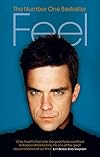
I was really surprised by this book. Not being a fan of Robbie William's brand of pop I hadn't expected to be as engrossed by this book as I was. Rather than taking the usual route of following the star's history since birth, Chris Heath is granted exclusive access to Williams over the course of about a year. Heath manages to capture Williams in unguarded moments, and tell the story without the interesting edges being airbrushed out of existence.
Although perhaps a bit overlong, I found this an engrossing picture of the life of the modern celebrity. Heath draws a fascinating picture of the complex relationship between a pop star, his fans and the press, worth reading even quite apart from the not altogether sympathetic, but believable portrait of the man in question.
Lists
Awards


You May Also Like


Associated Authors
Statistics
- Works
- 33
- Also by
- 4
- Members
- 659
- Popularity
- #38,282
- Rating
- 3.9
- Reviews
- 9
- ISBNs
- 67
- Languages
- 6
- Favorited
- 1