
William G. Robbins
Author of Landscapes of Promise: The Oregon Story, 1800-1940
About the Author
William G. Robbins is Emeritus Distinguished Professor of History at Oregon State University
Works by William G. Robbins
Associated Works
Tagged
Common Knowledge
- Birthdate
- 1935-09-20
- Gender
- male
Members
Reviews
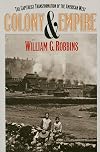
William G. Robbins has written a stimulating, thought-provoking analysis of the American West during the past 150 years. He argues that attention to the movement and dynamics of capitalism reveals more about the region than studies focusing on the clash of cultures, economic development, or the West's status as pacesetter for the rest of the country. The djmamic role of capitalism is the essential ingrediant. nderstanding power, influence, and change throughout the region. Previously, show more historians focused on westward expansion driven by the spirit of Manifest Destiny and on the region as haven, opportu- nity, or refuge. Robbins, however, does not believe these perspectives offer a comprehensive analytical thesis to explain market and class relations or the irfluence and changing nature of capitalism that pro- pelled the modem West into a global economic system.
Although people from all social classes acquired and developed westem resources, especially land, Robbins demonstrates that those with surplus investment capital dominated all economic activities. No single factor was more important than capital invested in railroads and other intemal improvements that created an infrastructure that facili- tated subsequent economic expansion. By the late rüneteenth century, the West was integrally linked with national, even global, industrial enterprises. Robbins believes that mining had a greater Influence on westem history than any other industry, and that wageworkers were as important as subsistence farmers, cattlemen, or sourdough placer miners in the region's development....” show less
Although people from all social classes acquired and developed westem resources, especially land, Robbins demonstrates that those with surplus investment capital dominated all economic activities. No single factor was more important than capital invested in railroads and other intemal improvements that created an infrastructure that facili- tated subsequent economic expansion. By the late rüneteenth century, the West was integrally linked with national, even global, industrial enterprises. Robbins believes that mining had a greater Influence on westem history than any other industry, and that wageworkers were as important as subsistence farmers, cattlemen, or sourdough placer miners in the region's development....” show less
Awards

You May Also Like


Associated Authors
Statistics
- Works
- 12
- Also by
- 2
- Members
- 203
- Popularity
- #108,638
- Rating
- 3.4
- Reviews
- 2
- ISBNs
- 31