
Steph Swainston
Author of The Year of Our War
About the Author
Series
Works by Steph Swainston
The Castle Omnibus: The Year of Our War, No Present Like Time, The Modern World (2009) 62 copies, 5 reviews
Velocity's Aftermath 1 copy
Wrought Gothic 1 copy
Associated Works
Tagged
Common Knowledge
- Birthdate
- 1974
- Gender
- female
- Occupations
- Chemistry teacher
- Awards and honors
- John W. Campbell Award Nominee (2006)
- Nationality
- UK
- Associated Place (for map)
- UK
Members
Reviews

A flying man arrives in a town, buys a newspaper and turns to read about the King's most recent press conference. This is certainly not your usual fantasy novel. Jant, the flying man referred to, is one of the Circle of Immortals, a cadre of some fifty individuals, each with a skill or special ability that the equally immortal Emperor keeps by him to run the Fourlands in the absence of an (unspecified) god who created the world and then went away. The Immortals are not born immortal; show more immortality is bestowed upon them when they join the Circle; it can be taken away from them if any one of them upsets the Emperor, and the Immortals are not invulnerable.
Jant is the Emperor's Messenger, and he has a Circle name, Comet. All the Immortals have their Circle name; these names serve as an official identity and also as a job title. Although one of the races of the Fourlands, the Awia, have vestigial wings, hollow bones and fast metabolisms that suggest that they ought to be able to fly, only Jant actually can. He also has a drug problem, which is described in some graphic detail. But this is not gratuitous awfulness; a heavy dose of his drug of choice can propel him into another world, which is weird, sometimes horribly surreal, but which has a physical reality of its own and which comes to play an important part in the events of the novel.
The Fourlands are besieged by large, beetle-like Insects, against whom the Circle have waged war seemingly without end.. As the novel opens, Insect attacks are growing in intensity and frequency and no-one knows why. Things get complicated when various members of the Circle begin falling out with each other - after all, after between 500 and 1000 years of working together, you might just begin to detest the sight of your colleagues. Jant finds himself at the centre of these disputes and of the war, all the time trying to be a fair go-between for the Emperor, various mortal monarchs and the other members of the Circle. No wonder he took to drugs, you might think.
Jant is far from likeable; but he is a complex character, and not without wit. But he is definitely flawed, and those who like to empathise with their main protagonists will probably react against Jant, his excesses and his addictions.
The world-building is interesting. Fourlands is at tines a modern society; people wear T-shirts, run marathons, measure distances using the metric system, tell the time with a twenty-four hour clock and have a seven-day week that starts on Monday and ends on Sunday. Technology is roughly late Georgian/early Victorian level; there is industry and steelworks and (water-powered) trams and sticky tape; and although there are some things that are inexplicable, and others that are just not explained, there is no highly overt magic as such. I've seen this described as a parallel reality; I tend to visualise this sort of thing as suggesting some sort of far future, lost colony sort of setting, because so many of these things are cultural indicators that a wholly different and separate culture would not have. But I enjoyed it immensely, possibly because of all these contemporary vibes elbowing their way in.
The language is also contemporary; and what with the scenes of graphic drug abuse and some equally graphic sex of dubious consensuality, some readers will not take kindly to this book. But it is no identikit fantasy. The plot gets a bit bogged down in the middle as Jant uncovers the extent and effect of the bickering within the Circle, but once a few heads get knocked together, things move on in interesting ways. Combat is described in some degree of detail, but without gratuitousness. The Insects are truly implacable and their motives unknowable.
To sum up: an unusual fantasy unlike any that you may have read before. There is enough to intrigue if the protagonist's shortcomings don't actually repel you. show less
Jant is the Emperor's Messenger, and he has a Circle name, Comet. All the Immortals have their Circle name; these names serve as an official identity and also as a job title. Although one of the races of the Fourlands, the Awia, have vestigial wings, hollow bones and fast metabolisms that suggest that they ought to be able to fly, only Jant actually can. He also has a drug problem, which is described in some graphic detail. But this is not gratuitous awfulness; a heavy dose of his drug of choice can propel him into another world, which is weird, sometimes horribly surreal, but which has a physical reality of its own and which comes to play an important part in the events of the novel.
The Fourlands are besieged by large, beetle-like Insects, against whom the Circle have waged war seemingly without end.. As the novel opens, Insect attacks are growing in intensity and frequency and no-one knows why. Things get complicated when various members of the Circle begin falling out with each other - after all, after between 500 and 1000 years of working together, you might just begin to detest the sight of your colleagues. Jant finds himself at the centre of these disputes and of the war, all the time trying to be a fair go-between for the Emperor, various mortal monarchs and the other members of the Circle. No wonder he took to drugs, you might think.
Jant is far from likeable; but he is a complex character, and not without wit. But he is definitely flawed, and those who like to empathise with their main protagonists will probably react against Jant, his excesses and his addictions.
The world-building is interesting. Fourlands is at tines a modern society; people wear T-shirts, run marathons, measure distances using the metric system, tell the time with a twenty-four hour clock and have a seven-day week that starts on Monday and ends on Sunday. Technology is roughly late Georgian/early Victorian level; there is industry and steelworks and (water-powered) trams and sticky tape; and although there are some things that are inexplicable, and others that are just not explained, there is no highly overt magic as such. I've seen this described as a parallel reality; I tend to visualise this sort of thing as suggesting some sort of far future, lost colony sort of setting, because so many of these things are cultural indicators that a wholly different and separate culture would not have. But I enjoyed it immensely, possibly because of all these contemporary vibes elbowing their way in.
The language is also contemporary; and what with the scenes of graphic drug abuse and some equally graphic sex of dubious consensuality, some readers will not take kindly to this book. But it is no identikit fantasy. The plot gets a bit bogged down in the middle as Jant uncovers the extent and effect of the bickering within the Circle, but once a few heads get knocked together, things move on in interesting ways. Combat is described in some degree of detail, but without gratuitousness. The Insects are truly implacable and their motives unknowable.
To sum up: an unusual fantasy unlike any that you may have read before. There is enough to intrigue if the protagonist's shortcomings don't actually repel you. show less

Gunpowder has come to the Fourlands, courtesy of an arrogant but brilliant ex-artist fro the newly acquired island. So now there are muskets and rifles and massive traps packed with enough explosive power to wipe out waves of Insects. Or it would, if at the last minute it wasn't discovered that most of the gunpowder has been stolen. This causes horrible problems at the front, but that's nothing compared to the havoc that ensues when the thieves out the gunpowder to uses of their own. show more Terrorism has come to the Fourlands.
Brilliant, thrilling, horrifying breakneck action as an ossified social order acting as bulwark against an existential external threat comes under attack from centuries of built-up anger and resentment, harnessed by one driven genius consumed with hatred and a desire for revenge. But surely no-one could or would threaten the Emperor himself? show less
Brilliant, thrilling, horrifying breakneck action as an ossified social order acting as bulwark against an existential external threat comes under attack from centuries of built-up anger and resentment, harnessed by one driven genius consumed with hatred and a desire for revenge. But surely no-one could or would threaten the Emperor himself? show less
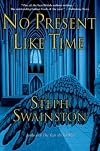
Wit it's twitchy, flying, immortal, drug addicted narrator, its voyage of discovery to uncharted lands, its Empire threatened by dissent and rebellion and the occasional sideways jump to the nightmarish dream-logic world of the Shift, the second volume in the Fourlands series has a LOT going on, but the pacing is calm and the plotting assured. Opening with a duel, ending with a bloody mess of a battle or a riot or both, it's also action-packed. What a weird and brilliant mix.
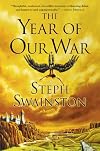
I read the first two Fourlands when they came out, but they fell off my radar somehow, which is annoying, because I really liked them, and now I like them all the more after years of Grimdark fantasies all over the place. So it's great to revisit the Castle and the Circle and rediscover what made them so fresh and exciting. Set in a world under attack from hordes of giant insects, united by an emperor who grants immortality to fifty individuals chosen for excellence in a particular field or show more skill who devote themselves to the defence of the Fourlands when not being distracted by petty squabbles and love affairs and addictions. Jant is Comet, the Messenger, the only person in the world with the power of flight. he's also a junkie, addicted to a drug that sometimes lets him travel to another world he calls The Shift. While helping his mentor, Lightning, prosecute his latest love affair with a aristocratic musician who wants to become immortal through her own merits rather than through marriage, the war with the insects suffers a dramatic reversal as swarms of insects breach the front. It doesn't help that a king has died and been replaced by his more cowardly brother, or that open civil war is breaking out amongst the other immortals. The stresses and pressures send Jant more and more to the drug, which takes a physical and mental toll, particularly when he discovers that the current disaster may be all his fault.
Imposing a modernist style and sensibility on classic fantasy to invigorating effect, this feels like a take on the current moment in our world in the same way any given Discworld novel did. The Year Of Our War is witty, but not comic - it has moments of horror, bloody action, explicit sex, surrealism, and essentially office politics and celebrity culture built around a mythic pantheon in the making. It's written in marvelous polished crystalline prose that reminded me of Gwyneth Jones and is an incredibly assured and confident first novel. show less
Imposing a modernist style and sensibility on classic fantasy to invigorating effect, this feels like a take on the current moment in our world in the same way any given Discworld novel did. The Year Of Our War is witty, but not comic - it has moments of horror, bloody action, explicit sex, surrealism, and essentially office politics and celebrity culture built around a mythic pantheon in the making. It's written in marvelous polished crystalline prose that reminded me of Gwyneth Jones and is an incredibly assured and confident first novel. show less
Lists
Awards


You May Also Like


Associated Authors
Statistics
- Works
- 14
- Also by
- 3
- Members
- 1,334
- Popularity
- #19,298
- Rating
- 3.7
- Reviews
- 51
- ISBNs
- 54
- Languages
- 8
- Favorited
- 12