
Daniel Fuchs (1) (1909–1993)
Author of Three novels
For other authors named Daniel Fuchs, see the disambiguation page.
Works by Daniel Fuchs
Love in Brooklyn 2 copies
Associated Works
32 Współczesne Opowiadania Amerykańskie - Tom I — Contributor — 1 copy
Tagged
Common Knowledge
- Birthdate
- 1909-06-25
- Date of death
- 1993-07-26
- Gender
- male
- Occupations
- screenwriter
fiction writer
essayist - Awards and honors
- American Academy of Arts and Letters Academy Award (Literature ∙ 1962)
- Nationality
- USA
- Birthplace
- Manhattan, New York, USA
- Places of residence
- Brooklyn, New York, USA
- Place of death
- Los Angeles, California, USA
- Associated Place (for map)
- New York, USA
Members
Reviews

1936. Real literature. Daniel Fuchs’ Williamsburg Trilogy is so well-written, it made me wonder why I bother with new books at all. Barely anyone writing today can hold a candle to him.
The middle book in the series, Homage to Blenholt, concerns young Max Balkan, a dreamer and an idealist, hoping to sell a big idea, and get rich. His friend, Mendel Munves, spends all his time studying. Neither one has a job, neither one wants a job. Their girlfriends, Ruth and Rita, want to get married show more someday, so they want them to get jobs. I won’t spoil the ending, but it’s funny and poignant by turns. Great stuff. show less
The middle book in the series, Homage to Blenholt, concerns young Max Balkan, a dreamer and an idealist, hoping to sell a big idea, and get rich. His friend, Mendel Munves, spends all his time studying. Neither one has a job, neither one wants a job. Their girlfriends, Ruth and Rita, want to get married show more someday, so they want them to get jobs. I won’t spoil the ending, but it’s funny and poignant by turns. Great stuff. show less

As noted on the flyleaf, this book, published in 1956, is not an anthology. The four writers represented here simply admired and enjoyed each other’s work and decided to publish some of their recent fiction together in a single volume. More than 60 years later the stories stand up well, though inevitably some have aged better than others. Jean Stafford (1915-1979) was a novelist and short story writer whose collected short fiction won the Pulitzer Prize in 1970. The five stories included show more in Stories demonstrate Stafford’s talent for characterization and are often very humorous (see “Bad Characters”). Stafford places dramatic emphasis on the tensions between generations, and the stories often portray young people struggling to break free of family obligations and gain an independent foothold in the adult world. John Cheever (1912-1982), who gained fame for publishing more than 100 stories in the New Yorker over 5 decades and for his Wapshot novels, also won a Pulitzer for his collected stories, in 1980. His contribution consists of four stories heavy with sun-dappled, New England nostalgia. Standouts include “The Day the Pig Fell into the Well,” written as a pseudo-memoir of the Nudd family’s summer holidays and which depicts a cherished way of life gradually vanishing as family fortunes and circumstances change over the years, and the wonderful classic story “The Country Husband,” in which Francis Weed survives a brush with death only to find himself embroiled in a distressing and embarrassing mid-life crisis. Daniel Fuchs (1909-1993), respected for his screenwriting and his fiction, contributes three stories, two of which are set in Hollywood with characters involved in the entertainment industry and which amusingly depict volatile and mercurial relationships among sets of wealthy, eccentric, and not-so-wealthy movie moguls. And William Maxwell’s (1908-2000) three stories are set in small-town and rural mid-west USA in the early years of the 20th Century and movingly portray the struggles of ordinary men, women and children to make the most of straitened circumstances. Throughout, the writing is nearly flawless, the comedy presented with grace and subtlety. Stories is entertaining from start to finish and serves as an excellent introduction to four noteworthy mid-20th-century American writers whose names and reputations may have faded somewhat from view but whose fiction will always warrant and reward the attention of readers. show less
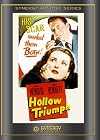
Word is that Henreid also directed this film after firing Sekely a couple of days into shooting. It's a good film noir in lots of ways, including a scene of Angels Flight in Los Angeles! And Henreid, as a criminal with lots of talents but not such good judgment is quite interesting to watch. As is the fascinating Joan Bennett, who is the secretary to a psychologist who happens to look almost like the on-the-run Henreid! The relationship between Henreid and Bennett, however, which is key to show more the whole film, makes very little sense. Henreid wavers between romantic leading man and psychopath. And at the end you have to ask yourself if Bennett is as amoral as he is. This film features an improbable heist that sets Henreid on his course--but just wait to see if he's as smart as he thinks he is. Still, I enjoyed it, it isn't overlong, and I recommend it. Lots of interesting actors here as well. show less

1979. A really great story collection. Memorable characters and descriptions. Going from Williamsburg, Brooklyn, to Hollywood, Fuchs has a great eye for all the types of people along the way. Realism, but not too dark. Really makes you think, why do people do the things they do? A great window into its time and places. Airplane travel is new and exciting. Movies are very important too. Mostly Jewish characters, writers, or in the garment business, the novelty business. If you haven’t read show more his New York trilogy, I highly recommend. show less
Lists
Jewish Books (1)
Awards


You May Also Like


Associated Authors
Statistics
- Works
- 15
- Also by
- 4
- Members
- 312
- Popularity
- #75,594
- Rating
- 3.7
- Reviews
- 8
- ISBNs
- 50
- Languages
- 3