
Jeanine Basinger
Author of The Star Machine
About the Author
Jeanine Basinger is Chair of the Film Studies Program and Corwin-Fuller Professor of Film Studies at Wesleyan University, and Curator of the Cinema Archives there. She lives with her husband in Middletown, Connecticut.
Image credit: Bill Burkhart
Works by Jeanine Basinger
Associated Works
Tagged
Common Knowledge
- Birthdate
- 1934-05-10
- Gender
- female
- Occupations
- film historian
writer
teacher - Organizations
- American Film Institute
National Center for Film and Video Preservation
Association of Independent Video and Filmmakers - Awards and honors
- Doctorate of Humane Letters, American Film Institute, 2006
- Nationality
- USA
- Places of residence
- Middletown, Connecticut, USA
- Associated Place (for map)
- Connecticut, USA
Members
Reviews

The “authors”, really editors who add occasional continuity passages, beautifully patch together quotes from Hollywood actors, directors, screenwriters, producers to create a gripping narrative history of the Hollywood film industry from its beginning. What the authors achieve which makes this book remarkable is that the story is able to maintain real drive and that the story is told by those who were there.
Many of the people involved at the start of Hollywood were only names to me, but show more this history helped to explain their significance and their contribution to the film industry.
I was a child in the 1970’s and so I saw Chaplin and Laurel & Hardy on morning television during the school holidays, I saw “golden age” musicals and westerns from the 1940’s to 1960’s as television matinees on wet Sunday afternoons, and I saw 1970’s and later films at the cinema.
The coverage feels weaker after the 1970’s, perhaps because I lived through that period, but it does try to bring the story up to 2022.
This book provides a fascinating glimpse of that world, and although it is long, it is readable, engaging, funny and entertaining. If you are interested in Hollywood, or popular culture, then this is an excellent read. show less
Many of the people involved at the start of Hollywood were only names to me, but show more this history helped to explain their significance and their contribution to the film industry.
I was a child in the 1970’s and so I saw Chaplin and Laurel & Hardy on morning television during the school holidays, I saw “golden age” musicals and westerns from the 1940’s to 1960’s as television matinees on wet Sunday afternoons, and I saw 1970’s and later films at the cinema.
The coverage feels weaker after the 1970’s, perhaps because I lived through that period, but it does try to bring the story up to 2022.
This book provides a fascinating glimpse of that world, and although it is long, it is readable, engaging, funny and entertaining. If you are interested in Hollywood, or popular culture, then this is an excellent read. show less
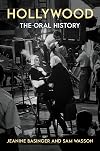
Apart from the author’s intro and outro, this is a wonderful compilation of quotes from big names and the ‘unknown’ behind-the-scenes people. Added together, it makes for a fascinating narrative.
The bulk of material is from the early days through to the 1950s. I found this to be the most entertaining. I watch films from all eras, so I knew many of the old stars who are featured, like comedy genius Harold Lloyd and the wonderful Mary Pickford.
Having mentioned that, Mary is only referred show more to, not quoted. She’s among several big names who aren’t quoted, plus many others don’t get any mention. Clara Bow, for example, is referred to only once.
This isn’t a case of the author deciding certain stars are unworthy to be remembered. Rather, it’s down to the material she had at her disposal. She mentions at the end how she wishes she had more stars to include, and regrets having to cut many hours’ worth of material. What we have, though, is excellent.
Beforehand, I didn’t think I’d be too interested in the cameramen and other behind-the-scenes people, yet they all add to the fascination of early Hollywood.
My fascination downgrades to interest when we leave the Golden Years and venture into the 1960s. From the 1970s onwards, much of the sparkle has gone, but that’s not to say it’s boring. It does become patchy, though.
In the main, however, this is a superb read. show less
The bulk of material is from the early days through to the 1950s. I found this to be the most entertaining. I watch films from all eras, so I knew many of the old stars who are featured, like comedy genius Harold Lloyd and the wonderful Mary Pickford.
Having mentioned that, Mary is only referred show more to, not quoted. She’s among several big names who aren’t quoted, plus many others don’t get any mention. Clara Bow, for example, is referred to only once.
This isn’t a case of the author deciding certain stars are unworthy to be remembered. Rather, it’s down to the material she had at her disposal. She mentions at the end how she wishes she had more stars to include, and regrets having to cut many hours’ worth of material. What we have, though, is excellent.
Beforehand, I didn’t think I’d be too interested in the cameramen and other behind-the-scenes people, yet they all add to the fascination of early Hollywood.
My fascination downgrades to interest when we leave the Golden Years and venture into the 1960s. From the 1970s onwards, much of the sparkle has gone, but that’s not to say it’s boring. It does become patchy, though.
In the main, however, this is a superb read. show less
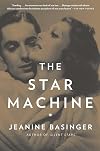
"The idea of a star being born is bushwah. A star is created, carefully and coldbloodedly, built up from nothing, from nobody...Age, beauty, talent - least of all talent - has nothing to do with it...We could make silk purses out of sow's ears every day in the week."
During the Golden Age of movies the studio system controlled and manufactured the lives of their actors, having final say over everything from haircuts to spouses and covering up the seedier side of Hollywood. Basinger brings to show more light the lives of lesser known actors and shows us from the inside out how they were created and kept in line. It's an intimate look at a way of life that has since disappeared, accompanied by a great set of archival photos.
My love of classic movies runs deep so this book was right up my alley. The great part about this book is it introduces the reader to actors they may not know as well. It doesn't cover the John Wayne's and Judy Garland's of the era. Instead it introduces readers to other amazing actors like Jean Arthur and William Powell, stars who were famous more than 50 years ago but have since been mostly forgotten. For me, it was nice to read more about a group of actors I'd watched on screen but knew little about. For example, Eleanor Powell was almost singlehandedly responsible for saving Warner Brothers Studios during the Depression. "Her powerful, low-to-the-ground tap dancing tended to blow any male partner out of the water. She was physically stronger than most of the men available to play opposite her, and she certainly could out-tap everyone."
The reader is told the old studio system is no longer in existence but in its hey day was extremely impressive. MGM could complete a film every nine days. 'In 1950 alone they completed 16 cartoons, 12 "Travelogues", 9 "Pete Smith specialties", 8 "People on Parades", 104 "News of the Day" and 41 feature films.' I tried not to let my jaw hit the floor. The amount of complex coordination it would have taken is mindboggling.
Basinger references a huge stack of movies and provides a variety of stock and candid photos that help put names to faces and also reveal the variety of talent at the studios. I only wish the book had included more actors or had been longer. It was nice to see how things worked but I almost wanted a more chronological approach to see how things started and follow through to when the system broke down. If you love classic movies then I would highly recommend this book. It's a great addition to any library and now has a home in mine. show less
During the Golden Age of movies the studio system controlled and manufactured the lives of their actors, having final say over everything from haircuts to spouses and covering up the seedier side of Hollywood. Basinger brings to show more light the lives of lesser known actors and shows us from the inside out how they were created and kept in line. It's an intimate look at a way of life that has since disappeared, accompanied by a great set of archival photos.
My love of classic movies runs deep so this book was right up my alley. The great part about this book is it introduces the reader to actors they may not know as well. It doesn't cover the John Wayne's and Judy Garland's of the era. Instead it introduces readers to other amazing actors like Jean Arthur and William Powell, stars who were famous more than 50 years ago but have since been mostly forgotten. For me, it was nice to read more about a group of actors I'd watched on screen but knew little about. For example, Eleanor Powell was almost singlehandedly responsible for saving Warner Brothers Studios during the Depression. "Her powerful, low-to-the-ground tap dancing tended to blow any male partner out of the water. She was physically stronger than most of the men available to play opposite her, and she certainly could out-tap everyone."
The reader is told the old studio system is no longer in existence but in its hey day was extremely impressive. MGM could complete a film every nine days. 'In 1950 alone they completed 16 cartoons, 12 "Travelogues", 9 "Pete Smith specialties", 8 "People on Parades", 104 "News of the Day" and 41 feature films.' I tried not to let my jaw hit the floor. The amount of complex coordination it would have taken is mindboggling.
Basinger references a huge stack of movies and provides a variety of stock and candid photos that help put names to faces and also reveal the variety of talent at the studios. I only wish the book had included more actors or had been longer. It was nice to see how things worked but I almost wanted a more chronological approach to see how things started and follow through to when the system broke down. If you love classic movies then I would highly recommend this book. It's a great addition to any library and now has a home in mine. show less
Hollywood: An Oral History by Jeanine Basinger/Sam Wasson is a 2022 Harper publication.
Oral history is a hit or miss with me, but if a book is going to cover old Hollywood at all, I can’t seem to resist. While the page count for this book appears daunting, it’s actually very easy to read. There’s no dense text or history. It is exactly what it says- an oral history. (Though some might beg to differ)
The quotes are quite interesting and give the reader a lay of the land during various show more periods in Hollywood over the years. It also gives one a look at the Hollywood system from the beginning through to the digital age. It does not cover the streaming era, though. Still, it might enlighten those who want to blow off actors’ current complaints, by educating one on how things normally work for them, and it is not at all like what you might expect.
Some of the more surprising passages were those about Marilyn Monroe and Judy Garland- two women who were undoubtedly a victim of the Hollywood system- but were not remembered fondly by some people who had to deal with them in moment.
I did not read this book from start to finish like a novel, but browsed through it here and there until I finished it. I will not lie and say I digested every single portion the same way. The authors cover nearly every single aspect of the movie making business- producers, directors, writers, music, actors, and all points in between. Some of these areas were not as interesting as others, and I seldom recognized the names of the people working some of the behind the scenes jobs- so I confess to having skimmed some sections.
Overall, though, this is a well-organized look at the Hollywood system from every angle, told through the eyes, ears and mouths of those who experienced it firsthand.
It’s an interesting book, and it is obvious the authors put a great deal of effort into it. I think it is important to know two things going in- there is no big, long index, no biographies or photographs. It’s strictly interview snippets that apply to the time period- from silents, to talkies, to the studio system, to the 1970s, the big blockbusters, and finally the digital age.
This is what you should expect and nothing- more- or less. It’s comprehensive and so I can’t imagine why it wouldn't be enough for those interested, but of course the lack of bios and index might be frustrating to some readers. Personally, I didn't feel either of those were necessary.
The book is fun, informative, and should appeal to pop culture enthusiasts, historians, and movie lovers of all ages and stripes.
4 stars show less
Oral history is a hit or miss with me, but if a book is going to cover old Hollywood at all, I can’t seem to resist. While the page count for this book appears daunting, it’s actually very easy to read. There’s no dense text or history. It is exactly what it says- an oral history. (Though some might beg to differ)
The quotes are quite interesting and give the reader a lay of the land during various show more periods in Hollywood over the years. It also gives one a look at the Hollywood system from the beginning through to the digital age. It does not cover the streaming era, though. Still, it might enlighten those who want to blow off actors’ current complaints, by educating one on how things normally work for them, and it is not at all like what you might expect.
Some of the more surprising passages were those about Marilyn Monroe and Judy Garland- two women who were undoubtedly a victim of the Hollywood system- but were not remembered fondly by some people who had to deal with them in moment.
I did not read this book from start to finish like a novel, but browsed through it here and there until I finished it. I will not lie and say I digested every single portion the same way. The authors cover nearly every single aspect of the movie making business- producers, directors, writers, music, actors, and all points in between. Some of these areas were not as interesting as others, and I seldom recognized the names of the people working some of the behind the scenes jobs- so I confess to having skimmed some sections.
Overall, though, this is a well-organized look at the Hollywood system from every angle, told through the eyes, ears and mouths of those who experienced it firsthand.
It’s an interesting book, and it is obvious the authors put a great deal of effort into it. I think it is important to know two things going in- there is no big, long index, no biographies or photographs. It’s strictly interview snippets that apply to the time period- from silents, to talkies, to the studio system, to the 1970s, the big blockbusters, and finally the digital age.
This is what you should expect and nothing- more- or less. It’s comprehensive and so I can’t imagine why it wouldn't be enough for those interested, but of course the lack of bios and index might be frustrating to some readers. Personally, I didn't feel either of those were necessary.
The book is fun, informative, and should appeal to pop culture enthusiasts, historians, and movie lovers of all ages and stripes.
4 stars show less
Lists
Awards


You May Also Like


Associated Authors
Statistics
- Works
- 15
- Also by
- 1
- Members
- 1,170
- Popularity
- #21,986
- Rating
- 4.0
- Reviews
- 32
- ISBNs
- 44
- Languages
- 1
- Favorited
- 3