
Karl Weber (1)
Author of Food Inc.: A Participant Guide: How Industrial Food is Making Us Sicker, Fatter, and Poorer-And What You Can Do About It
For other authors named Karl Weber, see the disambiguation page.
About the Author
Karl Weber is a writer and editor based in New York. He collaborated with Muhammad Yunus on his bestseller Creating a World Without Poverty, edited The Best of I. F. Stone, and, with Andrew W. Savitz, coauthored The Triple Bottom Line: How Today's Best-Run Companies Are Achieving Economic, Social, show more and Environmental Success-And How You Can Too. show less
Series
Works by Karl Weber
Food Inc.: A Participant Guide: How Industrial Food is Making Us Sicker, Fatter, and Poorer-And What You Can Do About It (2009) — Editor — 539 copies, 3 reviews
Waiting for Superman: How We Can Save America's Failing Public Schools (2010) — Editor — 255 copies, 1 review
Last call at the oasis : the global water crisis and where we go from here (2012) — Editor — 27 copies
Associated Works
Tagged
Common Knowledge
- Gender
- male
Members
Reviews
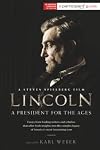
Lincoln: A President for the Ages is a book with an interesting premise, though I'm not sure it fulfills the lofty goals it has set for itself, or even if the goals themselves are worth pursuing. While the essays are interesting and engaging, I'm not sure I see the merit in analyzing what the 16th President might do in situations outside his historical era. A possible exception is Henry Louis Gates, Jr.'s "A Sacred Effort": Lincoln's Unfinished Journey from Slavery to Freedom," which deals show more with Lincoln's handling of the challenges of Reconstruction, had he lived. Otherwise, inserting the character of a man who lived 150 years ago into such topics as the war on terror seems speculation at best, pointless at worst. I understand, of course, the desire to create a way to interest contemporary audiences in a cerebral, historical film, but, in my opinion, as his life and work changed the course of our nation, examining his legacy on its own merits seems a more worthwhile endeavor. show less
 This review was written for LibraryThing Early Reviewers.
As a movie companion book, Lincoln: A President for the Ages is excellent. As a factual history, well, that's debatable. Both scholars and a few of those in the movie provide insight into Lincoln's life and the lives of those close to him. Speculative history and "what if" scenarios provide the reader with alternative views of the former president and his legacy. The writing itself is fast-paced, entertaining, and illustrates the different views of the authors. The essays can be read as show more stand-alone entities if the reader prefers.
Speculative history is always a tricky subject. No one can tell for certain how Lincoln would have performed in the 20th century or even in the years following his unfortunate assassination. I would not recommend the book to an undergraduate history class; however, I think it could be used with fascinating results as an example of historical bias among authors (not a negative as it is present in all works). I personally found it an interesting study in our need to make history contemporary... as well as a lighthearted, interesting read! show less
Speculative history is always a tricky subject. No one can tell for certain how Lincoln would have performed in the 20th century or even in the years following his unfortunate assassination. I would not recommend the book to an undergraduate history class; however, I think it could be used with fascinating results as an example of historical bias among authors (not a negative as it is present in all works). I personally found it an interesting study in our need to make history contemporary... as well as a lighthearted, interesting read! show less
This review was written for LibraryThing Early Reviewers.I was disappointed. This collection of essays interleaved with snippets of Lincoln’s own writings wasmeant to complement the Steven Spielberg film of the same name but did not live up to its own hype. Supposedly, it was meant to advance the hypothesis that the wisdom of Lincoln extends beyond his own time and would have been directly applicable to every crisis and social upheaval America has faced since 1865. It did not.
Because it failed to achieve its purpose does not mean that the book show more is without merit just that the individual essayists would have been better served in a different venue. With but one exception, the individual essays were excellent. The one exception was Gloria Reuben’s article about her role in the movie; it just didn’t fit. It did honors to Elizabeth Keckley, Mary Lincoln’s confidant and to herself but added nothing to our understanding and appreciation of Abraham Lincoln. And that may be the crux of my disappointment – Lincoln, as American Icon, deserves more than a depiction as a character in a cinema, a vulgar expression of the arts if there ever was one. (But, then again, were he to be transported to the present, Lincoln might have felt quite comfortable in such an art form, commonness was basic to his persona. But the vision of Lincoln posing alongside the Terminator grates on my imagination.)
I got the feeling that the book was put together in undue haste. In his acknowledgements, Weber admits as much. While the book purports to be a projection of Lincoln on a kaleidoscope of twentieth century situations and crises, one essayist after another make the case that such an effort is futile. Andrew Ferguson in ‘The Real Lincoln is the Icon’ Chapter 12 in the book, an interview by the Editor, boldly states, “I also think it’s silly to apply his own actions to specific events from different eras….”. In Chapter 10, Douglas Wilson said essentially the same thing. He wrote, “A willingness to change the historical equation by positing a fictitious twenty-first-century Lincoln indicates that the object is less enlightenment than entertainment, which is why most historians shy away from it.” Allen Guelzo, in chapter 7 wrote, ”Perhaps the same practical wisdom should cause us to hesitate in attempting to apply the wisdom of Lincoln to historical challenges from a vastly different set of historical circumstances,” Jean Baker, in Chapter 4 caveats her own essay (but plows ahead anyway) with, “. . . this essay is an exercise in extrapolation based on conjecture about a hypothetical intersection of Lincoln and . . .” With another iteration and a more discerning editor, the book’s thesis could and should have been the opposite of ‘A President for the Ages’ and, instead, be ‘The Best for His Time’.
Was the haste because of a desire to ride the coat tails of the movie? Or maybe, late in the game, it was felt that the movie needed a shot in the arm by enticing a bevy of scholars to interject their thoughts to bolster its authenticity? In either case, the book suffers.
I am of the belief that undue credit has been given Lincoln for controlling events over which he had no power to control. This book reinforces that belief. Andrew Ferguson quotes Lincoln’s letter to Albert Hodges as admitting exactly that. The psychological expression ‘cognitive dissonance’ seems to be most applicable here to describe both Lincoln’s words that reflect his mental state and the idolization accorded him by most writers since his time.
Cognitive dissonance, in this case, can be described as the unconscious substitution of a more noble for a lesser motivation when the results ensuing from the lesser far exceed or swamp earlier expectations. The often subliminally perceived dissonance is resolved by magnifying the role of the more noble justification even though it might have been delegated a more minor role initially.
I am of the opinion that the Civil War was the direct result of unfettered political ambitions that pitted opposing ideological positions against each other. Abraham Lincoln was cast as the pawn between those sides and may or may not have been truly cognizant of the nature of the pre-war political positioning. Ending slavery was not high on his or his party’s list of priorities as evidenced by the equivocation associated with the issuance of the Proclamation of Emancipation and the exceptions it granted ‘friendly’ slave states – it was politically rather than morally balanced.
Saving the Union was an equally vacuous motivation. Secession was not the death knell of the Union; had it succeeded, it would have been the death knell of the Federalist Establishment. The central government’s relevancy would have fallen over the cliff if the balance of power shifted drastically to the individual states. Accepting the Confederacy might have redefined the constituents of the Union and redefined its borders but would not have negated the Constitution. As far as I know, the Confederacy did not move to nullify the Constitution.
After first witnessing the carnage on the Manassas Battlefield and then seeing it repeated and magnified many times over, it would have become increasingly obvious that politics was a very petty determining factor in the decision to go to war. The carnage of the war was unprecedented and not anticipated by North or South. State’s Rights was a more righteous cause around which the South could rally and the abolition of slavery and preservation of the Union served the purpose of Lincoln and the North.
That is not to say that that abolition would not have been an adequate justification of war given no other alternative, but, as James Malanowski’s essay on Lincoln as outlaw writes, “In Lincoln’s mind (consciously or not), the abolition of slavery began to grow in importance both as a war aim and as a method of victory.” He was in the process of resolving his cognitive dissonance.
I have much respect for Lincoln but do not deify him nor confer upon him the title of Junior Saint. He was the right man for those days when America lost its innocence because he symbolized that which we admire but, just as a medal on the breast of a brave soldier symbolizes bravery, the medal itself is not brave, nor was Lincoln all that we have made him out to be. show less
Because it failed to achieve its purpose does not mean that the book show more is without merit just that the individual essayists would have been better served in a different venue. With but one exception, the individual essays were excellent. The one exception was Gloria Reuben’s article about her role in the movie; it just didn’t fit. It did honors to Elizabeth Keckley, Mary Lincoln’s confidant and to herself but added nothing to our understanding and appreciation of Abraham Lincoln. And that may be the crux of my disappointment – Lincoln, as American Icon, deserves more than a depiction as a character in a cinema, a vulgar expression of the arts if there ever was one. (But, then again, were he to be transported to the present, Lincoln might have felt quite comfortable in such an art form, commonness was basic to his persona. But the vision of Lincoln posing alongside the Terminator grates on my imagination.)
I got the feeling that the book was put together in undue haste. In his acknowledgements, Weber admits as much. While the book purports to be a projection of Lincoln on a kaleidoscope of twentieth century situations and crises, one essayist after another make the case that such an effort is futile. Andrew Ferguson in ‘The Real Lincoln is the Icon’ Chapter 12 in the book, an interview by the Editor, boldly states, “I also think it’s silly to apply his own actions to specific events from different eras….”. In Chapter 10, Douglas Wilson said essentially the same thing. He wrote, “A willingness to change the historical equation by positing a fictitious twenty-first-century Lincoln indicates that the object is less enlightenment than entertainment, which is why most historians shy away from it.” Allen Guelzo, in chapter 7 wrote, ”Perhaps the same practical wisdom should cause us to hesitate in attempting to apply the wisdom of Lincoln to historical challenges from a vastly different set of historical circumstances,” Jean Baker, in Chapter 4 caveats her own essay (but plows ahead anyway) with, “. . . this essay is an exercise in extrapolation based on conjecture about a hypothetical intersection of Lincoln and . . .” With another iteration and a more discerning editor, the book’s thesis could and should have been the opposite of ‘A President for the Ages’ and, instead, be ‘The Best for His Time’.
Was the haste because of a desire to ride the coat tails of the movie? Or maybe, late in the game, it was felt that the movie needed a shot in the arm by enticing a bevy of scholars to interject their thoughts to bolster its authenticity? In either case, the book suffers.
I am of the belief that undue credit has been given Lincoln for controlling events over which he had no power to control. This book reinforces that belief. Andrew Ferguson quotes Lincoln’s letter to Albert Hodges as admitting exactly that. The psychological expression ‘cognitive dissonance’ seems to be most applicable here to describe both Lincoln’s words that reflect his mental state and the idolization accorded him by most writers since his time.
Cognitive dissonance, in this case, can be described as the unconscious substitution of a more noble for a lesser motivation when the results ensuing from the lesser far exceed or swamp earlier expectations. The often subliminally perceived dissonance is resolved by magnifying the role of the more noble justification even though it might have been delegated a more minor role initially.
I am of the opinion that the Civil War was the direct result of unfettered political ambitions that pitted opposing ideological positions against each other. Abraham Lincoln was cast as the pawn between those sides and may or may not have been truly cognizant of the nature of the pre-war political positioning. Ending slavery was not high on his or his party’s list of priorities as evidenced by the equivocation associated with the issuance of the Proclamation of Emancipation and the exceptions it granted ‘friendly’ slave states – it was politically rather than morally balanced.
Saving the Union was an equally vacuous motivation. Secession was not the death knell of the Union; had it succeeded, it would have been the death knell of the Federalist Establishment. The central government’s relevancy would have fallen over the cliff if the balance of power shifted drastically to the individual states. Accepting the Confederacy might have redefined the constituents of the Union and redefined its borders but would not have negated the Constitution. As far as I know, the Confederacy did not move to nullify the Constitution.
After first witnessing the carnage on the Manassas Battlefield and then seeing it repeated and magnified many times over, it would have become increasingly obvious that politics was a very petty determining factor in the decision to go to war. The carnage of the war was unprecedented and not anticipated by North or South. State’s Rights was a more righteous cause around which the South could rally and the abolition of slavery and preservation of the Union served the purpose of Lincoln and the North.
That is not to say that that abolition would not have been an adequate justification of war given no other alternative, but, as James Malanowski’s essay on Lincoln as outlaw writes, “In Lincoln’s mind (consciously or not), the abolition of slavery began to grow in importance both as a war aim and as a method of victory.” He was in the process of resolving his cognitive dissonance.
I have much respect for Lincoln but do not deify him nor confer upon him the title of Junior Saint. He was the right man for those days when America lost its innocence because he symbolized that which we admire but, just as a medal on the breast of a brave soldier symbolizes bravery, the medal itself is not brave, nor was Lincoln all that we have made him out to be. show less
This review was written for LibraryThing Early Reviewers."What Would Lincoln Do?"
This is a good way to describe what this book is largely about. A variety of scholars take a chapter each and consider what Lincoln might have done had he lived in a different time. Would he have dropped an atomic bomb on Japan? Would he have supported women's suffrage or gay rights?
Speculation? Sure. And yet it is not the answer to these possibilities that make this book so fascinating. In trying to address the question, each author has to take a close and intimate show more look at who Abraham Lincoln was in the context of his own time. It is not "what would Lincoln do?" but "what DID Lincoln do and why did he do it?" Therein lies the appeal of this book, at least to this reader! I am a devoted fan of Lincoln and all I can truly say about this book is that it was extremely satisfying and that I highly recommend it. I can't wait to watch the movie which I just bought! show less
This is a good way to describe what this book is largely about. A variety of scholars take a chapter each and consider what Lincoln might have done had he lived in a different time. Would he have dropped an atomic bomb on Japan? Would he have supported women's suffrage or gay rights?
Speculation? Sure. And yet it is not the answer to these possibilities that make this book so fascinating. In trying to address the question, each author has to take a close and intimate show more look at who Abraham Lincoln was in the context of his own time. It is not "what would Lincoln do?" but "what DID Lincoln do and why did he do it?" Therein lies the appeal of this book, at least to this reader! I am a devoted fan of Lincoln and all I can truly say about this book is that it was extremely satisfying and that I highly recommend it. I can't wait to watch the movie which I just bought! show less
This review was written for LibraryThing Early Reviewers.You May Also Like


Associated Authors
Statistics
- Works
- 9
- Also by
- 1
- Members
- 936
- Popularity
- #27,446
- Rating
- 3.8
- Reviews
- 38
- ISBNs
- 46
- Languages
- 3
