
Melissa Lucashenko
Author of Too Much Lip
About the Author
Image credit: from author's website
Works by Melissa Lucashenko
Associated Works
Tagged
Common Knowledge
- Birthdate
- 1967
- Gender
- female
- Education
- Griffith University
- Occupations
- novelist
short story writer
essayist - Nationality
- Australia
- Birthplace
- Brisbane, Queensland, Australia
- Places of residence
- Byron Bay, New South Wales, Australia
Canberra, Australian Capital Territory, Australia
Tonga
Darwin, Northern Territory, Australia - Map Location
- Australia
Members
Reviews
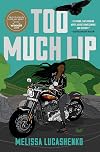
Read for our f2f bookclub gathering this month, TOO MUCH LIP was a perfect book for a club like ours - triggering much discussion. For this reader, starting with that line in the blurb:
"The avalanche of bullshit in the world would drown her if she let it; the least she could do was raise her voice in anger."
... it was a really enjoyable reading experience, providing insight, connection, recognition and an opportunity to learn. Delivered with touches of dark and light humour that frequently show more had me roaring with laughter, and moments that left me breathless with awareness of past cruelties, of lack of understanding and too many things we have been so unwilling to acknowledge or accept for such a long time, and how much we have missed out on because of that.
TOO MUCH LIP is the story of wise-cracking, externally tough as nails, Kerry Salter and her return to the family fold as her Pop lies dying. It's about old family wounds, next generation struggles, and a sense of place that's enviable in the way it wraps identity and belief systems into absolute connection with place, the past and the future. It's about love in unexpected places, acceptance within fractious and complicated families and inter-generational trauma, the amount of damage that colonisation has left in its wake, and the little battles that everybody has on a day to day basis just trying to keep one foot in front of the other.
Told in perfect voices, Kerry and her family are people who are so real you look for them in the room as you're reading about them. It's about a place which is so beautifully depicted you not only see, but feel it. It's a story of survival and pride that made me admire these people so much, with their reality and spirituality, their connection to place, and the creatures that surround them, their ways of looking back for guidance on how to move forward, and their painful but unshrinking confrontation of past abuse.
Somebody told me years ago that you shouldn't finish a review with a declaration of recommendation, that the review itself should imply it, but in case there's any doubt whatsoever TOO MUCH LIP cannot be recommended highly, strongly, persistently enough. On my Australian's mandatory reading list, it's right up towards the very top.
https://www.austcrimefiction.org/review/too-much-lip-melissa-lucashenko show less
"The avalanche of bullshit in the world would drown her if she let it; the least she could do was raise her voice in anger."
... it was a really enjoyable reading experience, providing insight, connection, recognition and an opportunity to learn. Delivered with touches of dark and light humour that frequently show more had me roaring with laughter, and moments that left me breathless with awareness of past cruelties, of lack of understanding and too many things we have been so unwilling to acknowledge or accept for such a long time, and how much we have missed out on because of that.
TOO MUCH LIP is the story of wise-cracking, externally tough as nails, Kerry Salter and her return to the family fold as her Pop lies dying. It's about old family wounds, next generation struggles, and a sense of place that's enviable in the way it wraps identity and belief systems into absolute connection with place, the past and the future. It's about love in unexpected places, acceptance within fractious and complicated families and inter-generational trauma, the amount of damage that colonisation has left in its wake, and the little battles that everybody has on a day to day basis just trying to keep one foot in front of the other.
Told in perfect voices, Kerry and her family are people who are so real you look for them in the room as you're reading about them. It's about a place which is so beautifully depicted you not only see, but feel it. It's a story of survival and pride that made me admire these people so much, with their reality and spirituality, their connection to place, and the creatures that surround them, their ways of looking back for guidance on how to move forward, and their painful but unshrinking confrontation of past abuse.
Somebody told me years ago that you shouldn't finish a review with a declaration of recommendation, that the review itself should imply it, but in case there's any doubt whatsoever TOO MUCH LIP cannot be recommended highly, strongly, persistently enough. On my Australian's mandatory reading list, it's right up towards the very top.
https://www.austcrimefiction.org/review/too-much-lip-melissa-lucashenko show less
"Too much lip, her old problem from way back. And the older she got, the harder it seemed to get to swallow her opinions. The avalanche of bullshit in the world would drown her if she let it; the least she could do was raise her voice in anger."
Too Much Lip by Melissa Lucashenko was about Kerry, a black queer Aboriginal woman who comes home after many years because her grandfather is dying and she needs to help save their ancestral land. Kerry is not your typical protagonist. She lives life show more on her terms, rides a motorcycle and commits some crimes of survival along the way. She's considered the black sheep of the family because she has "too much lip". She's not afraid to take up space and use her voice.
This book was funny but also heartbreaking at the same time. The author tackled difficult topics in a lighthearted way. Each character was flawed, complex and redeemable. The pacing was perfect for when the secrets were finally revealed. I gained perspective about the Indigenous experience of the Goorie people and I can definitely see similarities in overarching themes relevant to the conversation of white supremacy and colonialism. There was also a cute romance that blossomed that did not take away from the core of the novel.
Themes that resonated with me were:
-Black and Indigenous people are not safe anywhere on the globe and police brutality continues to plague their communities at higher rates.
-Generational trauma from removal, genocide and forced assimilation continues to plague Indigenous communities. Alcoholism and mental health are a direct result.
-Sacred lands of Indigenous people continue to be a target of capitalism.
-Women continue to be oppressed by misogyny and patriarchy. When women do not confirm they face threat of violence or are given negative labels.
If you're a fan of wise cracking, swearing like a sailor, badass protagonist types, this one's for you. I'm sad I have to return it to the library because I loved this one. This was a great choice for book club because this one packs a punch and brings up lots of themes to explore for discussion. It will be hard for me to stop thinking about Kerry and her family.
Rating: 4.5 🔥 show less
Too Much Lip by Melissa Lucashenko was about Kerry, a black queer Aboriginal woman who comes home after many years because her grandfather is dying and she needs to help save their ancestral land. Kerry is not your typical protagonist. She lives life show more on her terms, rides a motorcycle and commits some crimes of survival along the way. She's considered the black sheep of the family because she has "too much lip". She's not afraid to take up space and use her voice.
This book was funny but also heartbreaking at the same time. The author tackled difficult topics in a lighthearted way. Each character was flawed, complex and redeemable. The pacing was perfect for when the secrets were finally revealed. I gained perspective about the Indigenous experience of the Goorie people and I can definitely see similarities in overarching themes relevant to the conversation of white supremacy and colonialism. There was also a cute romance that blossomed that did not take away from the core of the novel.
Themes that resonated with me were:
-Black and Indigenous people are not safe anywhere on the globe and police brutality continues to plague their communities at higher rates.
-Generational trauma from removal, genocide and forced assimilation continues to plague Indigenous communities. Alcoholism and mental health are a direct result.
-Sacred lands of Indigenous people continue to be a target of capitalism.
-Women continue to be oppressed by misogyny and patriarchy. When women do not confirm they face threat of violence or are given negative labels.
If you're a fan of wise cracking, swearing like a sailor, badass protagonist types, this one's for you. I'm sad I have to return it to the library because I loved this one. This was a great choice for book club because this one packs a punch and brings up lots of themes to explore for discussion. It will be hard for me to stop thinking about Kerry and her family.
Rating: 4.5 🔥 show less
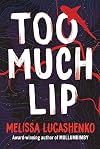
As Bundjalung woman Melissa Lucashenko’s latest novel Too Much Lip draws towards its climax, Black Superman counsels his sister not to abandon her family. And he says these words that are a metaphor for unfinished business in Australian Indigenous affairs:
As I write this, events in Canberra are drawing to a climax too, and show more it’s possible that by the time I publish this review, Australia might have a prime minister who boycotted the formal apology to Australia’s Stolen Generations in 2007. The fact that there are adequate numbers of parliamentarians who consider such a man an acceptable candidate is a matter of shame. It is a matter of shame for the party hacks that he continued to be preselected afterwards, and it is a matter of shame that his constituents voted him back in too. I am noting this here because it’s so relevant to the themes of this novel: that Australia needs to face up to, acknowledge, and apologise for its past treatment of its First Nations so that Indigenous people don’t give up on healing and so that our ‘family’ will include all Australians, of all colours, cultures and histories.
Yet while Too Much Lip has a solemn message that needs to be heard, it is often a very funny book. Its central character Kerry is a wise-cracking hoot of a woman. As the story begins she rides into town on her stolen Harley, enjoying being the blackfella du jour for the astounded locals. On the run for her part in a stupid failed armed robbery, she has come home because her Pop is dying, but her homecoming leaves her seething with resentment at the favoured place of sons in her family.
Black Superman, making a success of his life in faraway Sydney, can do no wrong though he visits less often than she does, and her other brother Ken is a violent wastrel who abuses his teenage son. It never ceases to amaze her how men could flap their gums and have absolutely no doubt that women would hang on their every word. That everything coming out of their mouths was pure genius.
To read the rest of my review please visit https://anzlitlovers.com/2018/08/24/too-much-lip-by-melissa-lucashenko-bookrevie... show less
‘Thing is, you run now, after last night, and it’ll haunt you forever. You can go as far away as you like, but the past always comes along for the ride.’ (p.255)
As I write this, events in Canberra are drawing to a climax too, and show more it’s possible that by the time I publish this review, Australia might have a prime minister who boycotted the formal apology to Australia’s Stolen Generations in 2007. The fact that there are adequate numbers of parliamentarians who consider such a man an acceptable candidate is a matter of shame. It is a matter of shame for the party hacks that he continued to be preselected afterwards, and it is a matter of shame that his constituents voted him back in too. I am noting this here because it’s so relevant to the themes of this novel: that Australia needs to face up to, acknowledge, and apologise for its past treatment of its First Nations so that Indigenous people don’t give up on healing and so that our ‘family’ will include all Australians, of all colours, cultures and histories.
Yet while Too Much Lip has a solemn message that needs to be heard, it is often a very funny book. Its central character Kerry is a wise-cracking hoot of a woman. As the story begins she rides into town on her stolen Harley, enjoying being the blackfella du jour for the astounded locals. On the run for her part in a stupid failed armed robbery, she has come home because her Pop is dying, but her homecoming leaves her seething with resentment at the favoured place of sons in her family.
Black Superman, making a success of his life in faraway Sydney, can do no wrong though he visits less often than she does, and her other brother Ken is a violent wastrel who abuses his teenage son. It never ceases to amaze her how men could flap their gums and have absolutely no doubt that women would hang on their every word. That everything coming out of their mouths was pure genius.
To read the rest of my review please visit https://anzlitlovers.com/2018/08/24/too-much-lip-by-melissa-lucashenko-bookrevie... show less
There are times when you read a book and it makes you feel uncomfortable. You are not sure why but as you read there is a sense that something powerful is coming, something dangerous is about to erupt and it will not be a happy result.
Melissa Lucashenko ‘Too Much Lip’ is that kind of a book. It tells the story of Indigenous woman Kerry Salter, who is expecting to do a flying visit home to Durrongo to say goodbye to her Pop before he succumbs to cancer. Events conspire against her and show more Kerry finds leaving home harder and harder.
Kerry is not an angelic character, she has broken up with her girlfriend, has been involved in some criminal behaviour and is riding a Harley that may or may not be stolen. She is a whirlwind of emotions and contradictions. She is flawed, she is reckless, and there are moments when you like her and other times when you want to give her a good kick in the arse.
Kerry’s immediate family is messy and all have a myriad of problems and issues.
Pretty Mary, Kerry’s mother, is a character that is tied to traditional beliefs, a Christian, works the tarot cards and gives readings at the local fairs. She is a woman who knows the history of the family and tells the stories. Pretty Mary is a woman who defends the men in the family, no matter how appalling they behave towards to her or those she loves. The drink also has a hold on Pretty Mary.
Her brother Ken, a former youth star on the footy field has surrendered to alcohol and carries a fierce raging temper that is always threatening to explode. He is a walking time bomb and one of the reasons you feel uncomfortable as you read. As you never know just who he is going to leash out against. His son Donny, has taken the brunt of Ken’s emotional and physical abuse. Donny hides in the bedroom trying to avoid the maelstrom that is Ken.
The youngest sibling, Black Superman, has moved from Durrongo, to live in the city with his partner Josh. Kerry turns to Black Superman for assistance but he too has issues, trying to raise two traumatised foster children.
There are absent figures, Donna, Kerry’s sister who left home at 16 years of age and has not been heard of since. The circumstances of her leaving are shrouded in mystery as to what really happened and why it happened. Grandfather Charlie looms in the background portrayed as a man to be respected but there are hints of a troubled soul. Snatches of talk reveal that he was volatile and unpredictable.
I would say there is another two characters in this book who make you feel apprehensive the entire time you are reading and this is threat of violence and the impact of the drink. They go hand in hand, always present and a threatening to dominant.
Circling around all the family machinations is the local Mayor and real estate owner Jim Buckley who plans to build a prison on land that has cultural significance to local Indigenous people. Buckley’s plan gives the family a rallying point but it does not mean they are all on the same page as the best way to tackle the problem.
There are some humorous moments, some insights into the Indigenous culture and an accepting and understanding of past events.
This is powerful writing about family, about how the past until confronted, impacts on the present and stops people moving forward. show less
Melissa Lucashenko ‘Too Much Lip’ is that kind of a book. It tells the story of Indigenous woman Kerry Salter, who is expecting to do a flying visit home to Durrongo to say goodbye to her Pop before he succumbs to cancer. Events conspire against her and show more Kerry finds leaving home harder and harder.
Kerry is not an angelic character, she has broken up with her girlfriend, has been involved in some criminal behaviour and is riding a Harley that may or may not be stolen. She is a whirlwind of emotions and contradictions. She is flawed, she is reckless, and there are moments when you like her and other times when you want to give her a good kick in the arse.
Kerry’s immediate family is messy and all have a myriad of problems and issues.
Pretty Mary, Kerry’s mother, is a character that is tied to traditional beliefs, a Christian, works the tarot cards and gives readings at the local fairs. She is a woman who knows the history of the family and tells the stories. Pretty Mary is a woman who defends the men in the family, no matter how appalling they behave towards to her or those she loves. The drink also has a hold on Pretty Mary.
Her brother Ken, a former youth star on the footy field has surrendered to alcohol and carries a fierce raging temper that is always threatening to explode. He is a walking time bomb and one of the reasons you feel uncomfortable as you read. As you never know just who he is going to leash out against. His son Donny, has taken the brunt of Ken’s emotional and physical abuse. Donny hides in the bedroom trying to avoid the maelstrom that is Ken.
The youngest sibling, Black Superman, has moved from Durrongo, to live in the city with his partner Josh. Kerry turns to Black Superman for assistance but he too has issues, trying to raise two traumatised foster children.
There are absent figures, Donna, Kerry’s sister who left home at 16 years of age and has not been heard of since. The circumstances of her leaving are shrouded in mystery as to what really happened and why it happened. Grandfather Charlie looms in the background portrayed as a man to be respected but there are hints of a troubled soul. Snatches of talk reveal that he was volatile and unpredictable.
I would say there is another two characters in this book who make you feel apprehensive the entire time you are reading and this is threat of violence and the impact of the drink. They go hand in hand, always present and a threatening to dominant.
Circling around all the family machinations is the local Mayor and real estate owner Jim Buckley who plans to build a prison on land that has cultural significance to local Indigenous people. Buckley’s plan gives the family a rallying point but it does not mean they are all on the same page as the best way to tackle the problem.
There are some humorous moments, some insights into the Indigenous culture and an accepting and understanding of past events.
This is powerful writing about family, about how the past until confronted, impacts on the present and stops people moving forward. show less
Lists
Awards


You May Also Like


Associated Authors
Statistics
- Works
- 12
- Also by
- 9
- Members
- 649
- Popularity
- #38,890
- Rating
- 3.9
- Reviews
- 26
- ISBNs
- 45
- Languages
- 1
- Favorited
- 1