
Kunio Yanagita (1875–1962)
Author of The Legends of Tono
About the Author
Series
Works by Kunio Yanagita
Mitos Populares de Japón. Leyendas de Tôno: Leyendas de Tono (GRANDES OBRAS DE LA LITERATURA JAPONESA) (2013) 11 copies, 1 review
澪式戦闘機 1 copy
妹の力 (1957年) (角川文庫) 1 copy
Sacrifice (犠牲) 1 copy
Yókai dangi (妖怪談義) 1 copy
年中行事覚書 (1977年) (講談社学術文庫) 1 copy
食物と心臓 (1977年) (講談社学術文庫) 1 copy
国語の将来〈下〉 (1977年) (講談社学術文庫) 1 copy
国語の将来〈上〉 (1977年) (講談社学術文庫) 1 copy
海南小記 (1956年) (角川文庫) 1 copy
雪国の春 (1956年) (角川文庫) 1 copy
野草雑記・野鳥雑記 (1962年) (角川文庫) 1 copy
昔話と文学 (1956年) (角川文庫) 1 copy
火の昔 (1963年) (角川文庫) 1 copy
一目小僧―その他 (1954年) (角川文庫) 1 copy
女性と民間伝承 (1966年) (角川文庫) 1 copy
小さき者の声 (1960年) (角川文庫) 1 copy
地名の研究 (1968年) (角川文庫) 1 copy
伝説 (1940年) (岩波新書) 1 copy
Associated Works
自然読本 野の草 人知れず咲きかおる季節のめぐみ — Contributor — 1 copy
Tagged
Common Knowledge
- Canonical name
- Yanagita, Kunio
- Legal name
- 柳田, 國男
- Other names
- Yanagida, Kunio
- Birthdate
- 1875-07-31
- Date of death
- 1962-08-08
- Gender
- male
- Education
- 東京帝国大学法科大学卒業(法学士)
- Nationality
- Japan
- Birthplace
- Hyogo, Japan
- Associated Place (for map)
- Japan
Members
Reviews
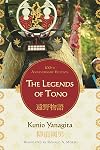
Back in 2015, I visited the rural Japanese town of Tono in Iwate prefecture, excited to see the place known as the “City of Folklore.” Nestled into a fertile valley surrounded by forest covered mountains, local attractions in Tono include a kappa brook (home of the “mischievous water spirits,” kappa, and Unedori-Sama, the matchmaking Shinto shrine, among other well preserved vestiges of Japanese preindustrial culture. This was the landscape that inspired scholar Kunio Yanagita show more (1875-1962), who collected the folk legends of the region at the turn of the twentieth century.
Visiting the town after befriending Kizen Sasaki, a local who had moved to Tokyo, Kunio was fascinated by the stories Sasaki shared from his hometown, and was sparked to explore Tono and collect these tales. The book he published in 1910, Tono-Monogatari (Legends of Tono), became one of the cornerstones of Japanese folklore studies. A slim, fascinating treatise, the Legends of Tono consists of some 119 short vignettes recording tales and stories of the Tono region, as told to Kunio by Kizen. Both eerie and oddly prosaic, the tales reflect the everyday life and concerns of the people of this remote place, both their fears and their desires. Nature, farming, religion, all are dealt with in these stories. Including legends of the kappa, the tengu, snow women, and other supernatural entities, other tales discuss local landmarks and eccentric townspeople.
Throughout the legends, certain elements seem evident and rather disturbing to the modern reader, including a deep suspicion and fear of outsiders- encountering any stranger on the roads or woods outside of the little villages of the Tono valley evokes great fear from the townspeople. Others are more classic folkloric motifs, such as a hunter hearing a premonition of a family tragedy back home. Among the most interesting legends in the book were explanations of local traditions still practiced and evident in Tono, such as the tale of Oshira-sama. A tragic tale of a girl who fell in love with a horse, until her father killed it and hung it from a tree, Oshira-sama became a kami still honored in Tono. Shrines to Oshira-sama can be still seen in the traditional "magariya" farmhouses. show less
Visiting the town after befriending Kizen Sasaki, a local who had moved to Tokyo, Kunio was fascinated by the stories Sasaki shared from his hometown, and was sparked to explore Tono and collect these tales. The book he published in 1910, Tono-Monogatari (Legends of Tono), became one of the cornerstones of Japanese folklore studies. A slim, fascinating treatise, the Legends of Tono consists of some 119 short vignettes recording tales and stories of the Tono region, as told to Kunio by Kizen. Both eerie and oddly prosaic, the tales reflect the everyday life and concerns of the people of this remote place, both their fears and their desires. Nature, farming, religion, all are dealt with in these stories. Including legends of the kappa, the tengu, snow women, and other supernatural entities, other tales discuss local landmarks and eccentric townspeople.
Throughout the legends, certain elements seem evident and rather disturbing to the modern reader, including a deep suspicion and fear of outsiders- encountering any stranger on the roads or woods outside of the little villages of the Tono valley evokes great fear from the townspeople. Others are more classic folkloric motifs, such as a hunter hearing a premonition of a family tragedy back home. Among the most interesting legends in the book were explanations of local traditions still practiced and evident in Tono, such as the tale of Oshira-sama. A tragic tale of a girl who fell in love with a horse, until her father killed it and hung it from a tree, Oshira-sama became a kami still honored in Tono. Shrines to Oshira-sama can be still seen in the traditional "magariya" farmhouses. show less
Interesting historical record of stories and local folklore of a small remote Japanese town.

Kunio Yanagita (1875-1962) was the founder of folklore studies in Japan. Although his writing covered a wide range of interest, in the minds of most Japanese his name is associated with their folk tales which he made popular. To the last he enjoyed sharing them with his readers.
The tales in this collection are a revised selection which he made from those published in various regions over a period of nearly fifty years. It includes forty-three tales that did not appear in the earlier show more edition. It also gives the exact source of the tale and the modern geographical name of the region where it was collected with most of the selections.
The folk tale belongs to the oral literature of this land, handed down by the fireside from generation to generation. In it is found the sense of nearness to nature, of piety, of wisdom, and of humor rooted in the character of the people. show less
The tales in this collection are a revised selection which he made from those published in various regions over a period of nearly fifty years. It includes forty-three tales that did not appear in the earlier show more edition. It also gives the exact source of the tale and the modern geographical name of the region where it was collected with most of the selections.
The folk tale belongs to the oral literature of this land, handed down by the fireside from generation to generation. In it is found the sense of nearness to nature, of piety, of wisdom, and of humor rooted in the character of the people. show less

Fantasmas y aparecidos, deidades locales, forasteros de aspecto inquietante, animales que parecen sacados del mundo sobrenatural, usos y costumbres misteriosas
Cuentos populares y creencias ancestrales, narrados con un estilo poético y sencillo, que disfrutarán tanto los interesados en Japón como los lectores atraídos por los mitos y leyendas, así como los aficionados al manga que deseen conocer el origen de muchos de los personajes fantásticos que aparecen en ellos. Un clásico show more imprescindible de las letras niponas, escrito por Kunio Yanagita, considerado el fundador y primer estudioso del folclore y la mitología popular; sus textos han influido notablemente en varias generaciones de autores, que a partir de la publicación de Tôno Monogatari, comenzaron a recuperar y reunir los cuentos y leyendas más populares de Japón, textos que permitieron al lector occidental conocer un país y una historia hasta entonces desconocida más allá de sus fronteras. Editorial Quaterni presenta un nuevo libro de uno de los escritores más interesantes de la primera mitad del siglo XX, traducido íntegramente del japonés. show less
Sep 9, 2020Spanish
Awards

You May Also Like


Associated Authors
Statistics
- Works
- 87
- Also by
- 3
- Members
- 198
- Popularity
- #110,928
- Rating
- 3.8
- Reviews
- 5
- ISBNs
- 60
- Languages
- 4