
Ryūnosuke Akutagawa (1892–1927)
Author of Rashomon and Other Stories
About the Author
Brilliant, sensitive, neurotic, Akutagawa Ryunosuke left over 100 stories before his suicide at age 35. Feudal fables are often the source for his tales, but Akutagawa also brought his knowledge of several world literatures to enrich his writing. His best-known story, "In a Grove" ("Yabu no naka"), show more has become a play and was made into the prizewinning movie Rashomon by Kurosawa Akira (see Vol. 3). (Bowker Author Biography) show less
Image credit: wikipedia
Works by Ryūnosuke Akutagawa
The Essential Akutagawa: Rashomon, Hell Screen, Cogwheels, A Fool's Life and Other Short Fiction (1999) 37 copies, 1 review
The Essential Akutagawa: Twenty-Two Short Stories by the Japan's Master Storyteller (2025) 21 copies
The Little Black Classics Life of a Stupid Man by Ryunosuke Akutagawa (2015-06-30) Paperback 19 copies
Rashomon and other stories 9 copies
Haiku e scritti scelti 6 copies
De folteringen van de hel en andere griezelverhalen — Author — 5 copies
EL TABACO Y EL DIABLO.: Y OTROS RELATOS CRISTIANOS (MAESTROS DE LA LITERATURA JAPONESA) (2021) 5 copies
Hammasrattad : [novellid] 4 copies
უსიერ ტყეში 4 copies
Japan : reisverhalen 4 copies
(RASHOMON AND SEVENTEEN OTHER STORIES (PENGUIN CLASSICS DELUXE) ) BY Akutagawa, Ryunosuke (Author) Paperback Published on (11 , 2006) (2006) 3 copies
Short Fiction 3 copies
Rashomon and other Stories with Furigana: (In a Grove, Nose, Spider's Thread, Hell Screen, Autumn Mountain) (Japanese Edition) (2013) 3 copies, 2 reviews
Kappa 3 copies
أوجين والخريف وقصص أخرى 3 copies
黄雀風 2 copies
Rashomon and seventeen other stories 2 copies
Las puertas del infierno 2 copies
枯野抄 2 copies
Rashomon e Outros Contos 2 copies
Rasiomono vartai: novelės 2 copies
Kappa e altri racconti 2 copies
芥川龍之介全集第十一巻 2 copies
Rashomon ausgewählte Kurzprosa 2 copies
Hōkyōnin no Shi 2 copies
芥川龍之介全集第六巻 1 copy
芥川龍之介全集第五巻 1 copy
芥川龍之介全集第七巻 1 copy
くもの糸 (日本児童文学名作選 12) 1 copy
芥川龍之介全集第三巻 1 copy
Новеллы. Эссе. Миниатюры 1 copy
羅生門/鼻 1 copy
羅生門・鼻・侏儒の言葉 (1965年) (旺文社文庫) 1 copy
芥川龍之介全集第一巻 1 copy
芥川龍之介全集第二巻 1 copy
芥川龍之介全集第四巻 1 copy
Новеллы 1 copy
芥川龍之介全集第九巻 1 copy
罗生门 1 copy
少年・大道寺信輔の半生 1 copy
Hammasrattad 1 copy
Ρασομίν και άλλες ιστορίες 1 copy
LETRAS EN GUARDIA 1 copy
芥川龍之介全集第八巻 1 copy
侏儒的語言 1 copy
芥川龍之介集 (定本限定版 現代日本文學全集 52) 1 copy
芥川龍之介全集〈2〉 1 copy
羅生門 1 copy
Новеллы 1 copy
芥川龍之介全集第十二巻 1 copy
藪の中 [Yabu no naka] 1 copy
Новеллы 1 copy
蜘蛛の糸 [Kumo no ito] 1 copy
地獄変 1 copy
Green Onions [short story] 1 copy
Pakao i druge priče 1 copy
Cehennem Manzarası 1 copy
Rashomon. 10 Novellen 1 copy
The Christ of Nanking 1 copy
The three treasures 1 copy
Rashomón y otros cuentos 1 copy
De Draak 1 copy
假面具 1 copy
The Christ of Nanking 1 copy
Imogayu 1 copy
Ryū 1 copy
The Three Treasures 1 copy
Chrysanthemen-Ball 1 copy
'Autumn Mountain' 1 copy
The Handkerchief 1 copy
TRINH TIET 1 copy
Die Qualen der Hölle 1 copy
西郷隆盛 [Saigō Takamori] 1 copy
悪魔 [Akuma] 1 copy
Three Japanese Short Stories 1 copy
偸盗 = tonusu 1 copy
羅生門・鼻 = rashomon・hana 1 copy
Rashômon et autres contes 1 copy
Rashómon, Hana (羅生門・鼻) 1 copy
Cuentos herejes 1 copy
ÊRashomon + altre opere 1 copy
By the Sea: A Masterpiece of Japanese Literature by Ryunosuke Akutagawa: Exploring Youth, Dreams, and the Human Psyche in Early 20th Century Japan 1 copy, 1 review
二つの手紙 [Futatsu no tegami] 1 copy
En el bosque 1 copy
Rashômon e outros relatos 1 copy
The Three Treasures 1 copy
地獄変 [Jigoku hen] 1 copy
Loyalty [short story] 1 copy
Dentro do Bosque 1 copy
راشومون و هفده داستان دیگر 1 copy
Sennin 1 copy
Cuộc đời một kẻ ngốc 1 copy
Kairaʼishi 1 copy
O-Gin [short story] 1 copy
Horse Legs [short story] 1 copy
Death Register [short story] 1 copy
Spinning Gears [short story] 1 copy
鼻 [Hana] 1 copy
পটচিত্র 1 copy
Associated Works
Adaptations: From Short Story to Big Screen: 35 Great Stories That Have Inspired Great Films (2005) — Contributor — 136 copies, 1 review
Three-Dimensional Reading: Stories of Time and Space in Japanese Modernist Fiction, 1911-1932 (2013) — Contributor — 11 copies
Takashi Saitō's I Can Read It In One Go! Selection of Masterpieces - Middle School (2006) — Contributor — 2 copies
花の名随筆〈5〉五月の花 — Contributor — 1 copy
石の文学館 ――鉱物の眠り、砂の思考 — Contributor — 1 copy
Tagged
Common Knowledge
- Canonical name
- Akutagawa, Ryūnosuke
- Legal name
- 芥川, 龍之介
- Other names
- Chōkōdō Shujin
- Birthdate
- 1892-03-01
- Date of death
- 1927-07-24
- Gender
- male
- Education
- University of Tokyo (English Literature)
- Occupations
- English instructor (Yokosuka Naval Engineering School)
short story writer - Relationships
- Kikuchi, Kan (friend)
Akutagawa, Fumi (spouse)
Akutagawa, Hiroshi (soni)
Akutagawa, Yasushi (son) - Cause of death
- suicide
- Nationality
- Japan
- Birthplace
- Kyōbashi, Tokyo, Japan
- Places of residence
- Tokyo, Japan
- Place of death
- Tokyo, Japan
- Burial location
- Zoshigaya Cemetery, Tokyo, Tokyo Metropolis, Japan
- Associated Place (for map)
- Tokyo, Japan
Members
Discussions
THE DEEP ONES: "The Hell Screen" by Ryunosuke Akutagawa in The Weird Tradition (February 2025)
Reviews
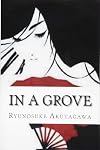
The story is formed in short reports like strobe lights illuminating a group of figurines which are moved significantly between flashes, so every view is an impression of a different story with a few common objects. I think it is a meditation on how little of the truth is recoverable and how much it varies from person to person.
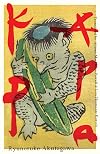
I mean, WHAT? A patient in a mental asylum tells anyone who will listen about the time he fell down a hole and ended up living in Kappa-land. Kappas being horny/hungry frog-like creatures from Japanese folklore.
I had NO idea what I was getting into with this one and had never heard of kappas before. Additionally, there is a lot of satire/commentary on Japanese culture here, a great deal of which I am sure I missed as well. But so much of this is a critique of human society in general, so it show more remains pretty accessible.
Definitely a bit on the dark side. This is not an author having a great time with life. show less
I had NO idea what I was getting into with this one and had never heard of kappas before. Additionally, there is a lot of satire/commentary on Japanese culture here, a great deal of which I am sure I missed as well. But so much of this is a critique of human society in general, so it show more remains pretty accessible.
Definitely a bit on the dark side. This is not an author having a great time with life. show less
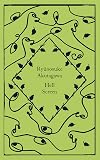
‘’Crows, on the other hand, flocked here in great numbers. During the day they would always be cawing and circling the roof’s high fish-tail ornaments. And when the sky above the gate turned red after sunset, the crows stood out against it like a scattering of sesame seeds. They came to the upper chamber of the gate to peck the flesh of the dead. Today, however, with the late hours, there were no crows to be seen.’’
To my shame, Akutagawa is a writer I wasn’t familiar with until show more very recently. I knew of him, obviously, and Rashōmon is a film that impressed me deeply when I first watched it (I must have been 15 or 16 at the time), but I had never had the pleasure of reading his stories. This was an oversight, as I found a writer unlike any other I’ve encountered in Japanese literature. Reading through this collection is a journey through two very different versions of Akutagawa. It begins with stories of ancient Kyoto, moral dilemmas, and gruesome crimes, fragmented pieces of a dark folklore. But as you follow the order of the book, the atmosphere shifts. The stories stop being about ‘characters’ in moments of history and start guiding the reader into the troubled soul of the writer himself. You move from the external horror of a burning carriage to the internal horror of a man losing his grip on reality.
Rashōmon: In a Kyoto plagued by a series of calamities, crows haunt the land and bodies of unfortunate people are lying everywhere, rotting, prey to the living unfortunate souls. The encounter between a wronged man and an old woman is nightmarish. A superb story, not to be confused with Kurosawa’s film.
‘’When I kill a man, I do it with my sword, but people like you don’t use swords. You gentlemen kill with your power, with your money, and sometimes just with your words: you tell people you’re doing them a favour. True, no blood flows, the man is still alive, but you’ve killed him all the same.’’
In A Bamboo Grove: The haunting story of a double crime, a rape and a murder, through the testimonies of those involved in the incident. Passion, obsession and honour are presented in vicious clarity. This is the story on which Kurosawa’s Rashōmon was based.
The Nose: A state official has a slight problem with his nose, Gogol - style…
‘’ Behind him all that remained was the dangling short end of the spider thread from Paradise, delicately gleaming in the moonless, starless sky.’’
The Spider Thread: A tale of tranquillity, of Hell and Heaven, lotuses and blossoms. The chronicle of a day in Paradise.
‘’I’ll burn a carriage for you,’ he said. ‘And I’ll have a voluptuous woman inside it, dressed in a noblewoman’s clothes. She will die writhing with agony in flames and black smoke. - I have to salute you, Yoshihide. Who could have thought of such a thing but the greatest painter in the land?’’
Hell Screen: The depiction of the eight Buddhist hells becomes a torment for an artist with a devilish soul and his kind daughter. He wants to capture reality at any cost…But the cost won’t be his to pay…This story made me lose my step on the Tube. More nightmarish than Bosch’s Hell, terrifying, layered, unforgettable.
Dr Ogata Ryōsai: Memorandum: In this story, a physician refuses to tend to a woman’s only daughter unless she ‘falls’ and denounces her faith to a sect. Does a physician have the right to consider his soul more important than the life of an innocent child?
The Story of a Head that Fell Off: During the Sino-Japanese War, a Chinese soldier is severely wounded and promises to atone for his sins if only he were allowed to survive. A story that demonstrates the horror of war, the futility of our actions, and the loneliness of death. Quite graphic, even more brilliant.
Horse Legs: In a humorous yet rather poignant story, a man dies suddenly. However, a dire mistake has been made, and now he needs to return to life with two horse legs…
Death Register: Three deaths that have defined the writer in ways he may not be willing to admit. Is the death of a family member less difficult when our relationship with them was complicated? The last paragraph of this story is a beautiful ode to the sadness and silence of death.
‘’He barely made it through each day in the gloom, leaning as it were upon a chipped and narrow sword.’’
The Life of a Stupid Man: How can one describe this series of snippets? These confessions? There is such melancholy, sadness, silence, a bitter feeling of giving in to a life that exhausts you. The pain of love that can’t be fulfilled. In my opinion, the most beautiful moment in the collection.
‘’I left the hotel and hurried toward my sister’s house along streets reflecting blue sky in pools of snowmelt. All the branches and leaves of the park trees along the street had a blackish look, and each tree had a front and a back the way we human beings do. This, too, gave me a sensation closer to fear than annoyance. I recalled the souls in Dante’s Inferno who had been turned into trees, and I decided instead to walk on the other side, across the streetcar line, where only buildings edged the street.’’
Spinning Gears: A chronicle of the writer’s urban Odyssey in electric-lit streets, in a world that feels mundane, stale, unfulfilling. Exhaustion, sadness and apprehension are shown through beautiful allusions and urban imagery.
Akutagawa’s writing has a rare, unsettling power; familiar to those of us who adore Japanese Literature, but communicated in writing that is both direct and cryptic. Mysterious and poignant. Whether it was the visceral imagery of Hell Screen making me tune out the noise of the morning commute or the electric lights casting shadows on a lonely walker in a city that holds neither compassion nor understanding, his stories are insights into the human soul. He describes a life that exhausts the spirit, yet he does it with such precision and beauty that you can’t look away. You close the book, and the silence lingers. What else is this feeling but a token of a writer’s pen piercing your heart?
‘’He happened to pass her on the stairway of a certain hotel. Her face seemed to be bathed in moonglow even now, in daylight. As he watched her walk on (they had never met), he felt a loneliness he had not known before.’’
My reviews can also be found on: https://theopinionatedreaderblog.wordpress.com/ show less
To my shame, Akutagawa is a writer I wasn’t familiar with until show more very recently. I knew of him, obviously, and Rashōmon is a film that impressed me deeply when I first watched it (I must have been 15 or 16 at the time), but I had never had the pleasure of reading his stories. This was an oversight, as I found a writer unlike any other I’ve encountered in Japanese literature. Reading through this collection is a journey through two very different versions of Akutagawa. It begins with stories of ancient Kyoto, moral dilemmas, and gruesome crimes, fragmented pieces of a dark folklore. But as you follow the order of the book, the atmosphere shifts. The stories stop being about ‘characters’ in moments of history and start guiding the reader into the troubled soul of the writer himself. You move from the external horror of a burning carriage to the internal horror of a man losing his grip on reality.
Rashōmon: In a Kyoto plagued by a series of calamities, crows haunt the land and bodies of unfortunate people are lying everywhere, rotting, prey to the living unfortunate souls. The encounter between a wronged man and an old woman is nightmarish. A superb story, not to be confused with Kurosawa’s film.
‘’When I kill a man, I do it with my sword, but people like you don’t use swords. You gentlemen kill with your power, with your money, and sometimes just with your words: you tell people you’re doing them a favour. True, no blood flows, the man is still alive, but you’ve killed him all the same.’’
In A Bamboo Grove: The haunting story of a double crime, a rape and a murder, through the testimonies of those involved in the incident. Passion, obsession and honour are presented in vicious clarity. This is the story on which Kurosawa’s Rashōmon was based.
The Nose: A state official has a slight problem with his nose, Gogol - style…
‘’ Behind him all that remained was the dangling short end of the spider thread from Paradise, delicately gleaming in the moonless, starless sky.’’
The Spider Thread: A tale of tranquillity, of Hell and Heaven, lotuses and blossoms. The chronicle of a day in Paradise.
‘’I’ll burn a carriage for you,’ he said. ‘And I’ll have a voluptuous woman inside it, dressed in a noblewoman’s clothes. She will die writhing with agony in flames and black smoke. - I have to salute you, Yoshihide. Who could have thought of such a thing but the greatest painter in the land?’’
Hell Screen: The depiction of the eight Buddhist hells becomes a torment for an artist with a devilish soul and his kind daughter. He wants to capture reality at any cost…But the cost won’t be his to pay…This story made me lose my step on the Tube. More nightmarish than Bosch’s Hell, terrifying, layered, unforgettable.
Dr Ogata Ryōsai: Memorandum: In this story, a physician refuses to tend to a woman’s only daughter unless she ‘falls’ and denounces her faith to a sect. Does a physician have the right to consider his soul more important than the life of an innocent child?
The Story of a Head that Fell Off: During the Sino-Japanese War, a Chinese soldier is severely wounded and promises to atone for his sins if only he were allowed to survive. A story that demonstrates the horror of war, the futility of our actions, and the loneliness of death. Quite graphic, even more brilliant.
Horse Legs: In a humorous yet rather poignant story, a man dies suddenly. However, a dire mistake has been made, and now he needs to return to life with two horse legs…
Death Register: Three deaths that have defined the writer in ways he may not be willing to admit. Is the death of a family member less difficult when our relationship with them was complicated? The last paragraph of this story is a beautiful ode to the sadness and silence of death.
‘’He barely made it through each day in the gloom, leaning as it were upon a chipped and narrow sword.’’
The Life of a Stupid Man: How can one describe this series of snippets? These confessions? There is such melancholy, sadness, silence, a bitter feeling of giving in to a life that exhausts you. The pain of love that can’t be fulfilled. In my opinion, the most beautiful moment in the collection.
‘’I left the hotel and hurried toward my sister’s house along streets reflecting blue sky in pools of snowmelt. All the branches and leaves of the park trees along the street had a blackish look, and each tree had a front and a back the way we human beings do. This, too, gave me a sensation closer to fear than annoyance. I recalled the souls in Dante’s Inferno who had been turned into trees, and I decided instead to walk on the other side, across the streetcar line, where only buildings edged the street.’’
Spinning Gears: A chronicle of the writer’s urban Odyssey in electric-lit streets, in a world that feels mundane, stale, unfulfilling. Exhaustion, sadness and apprehension are shown through beautiful allusions and urban imagery.
Akutagawa’s writing has a rare, unsettling power; familiar to those of us who adore Japanese Literature, but communicated in writing that is both direct and cryptic. Mysterious and poignant. Whether it was the visceral imagery of Hell Screen making me tune out the noise of the morning commute or the electric lights casting shadows on a lonely walker in a city that holds neither compassion nor understanding, his stories are insights into the human soul. He describes a life that exhausts the spirit, yet he does it with such precision and beauty that you can’t look away. You close the book, and the silence lingers. What else is this feeling but a token of a writer’s pen piercing your heart?
‘’He happened to pass her on the stairway of a certain hotel. Her face seemed to be bathed in moonglow even now, in daylight. As he watched her walk on (they had never met), he felt a loneliness he had not known before.’’
My reviews can also be found on: https://theopinionatedreaderblog.wordpress.com/ show less
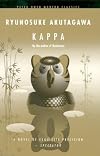
Kappa is a very amusing book. Right at the beginning, we are introduced to the book by way of an ‘author’s preface’, where the ‘author’ tells us that he is merely writing down the story as narrated by a certain Patient No. 23 in a mental asylum. Patient No. 23 will tell his story, it is said, to anyone who is willing to listen.
His story is about this one time when he was out by himself on a summer’s day. There he had a surprise encounter with an odd creature that had a tiger’s show more face and a sharp beak. Chasing after this creature (most probably out of curiosity), he managed to land himself into a hole, where he became unconscious.
When he finally came to his senses, he was surrounded by many Kappas, and thus began his story about his time in Kappaland.
The story is a very short one, a few pages shy of 100. But within the covers I found a tale that was both funny and sad at the same time. It has been described as a ‘brilliant satire’, and I don’t think I would disagree.
There were passages within Kappa that seemed so completely absurd, and yet evoked this feeling of gloom. I could smile and laugh while reading the book, but between the lines, I couldn’t help but wonder at the possible accusations he was making. In one hand, life can be crazy and impossible to comprehend, while on the other hand, the same life could be one of utter misery and completely worthless. show less
His story is about this one time when he was out by himself on a summer’s day. There he had a surprise encounter with an odd creature that had a tiger’s show more face and a sharp beak. Chasing after this creature (most probably out of curiosity), he managed to land himself into a hole, where he became unconscious.
When he finally came to his senses, he was surrounded by many Kappas, and thus began his story about his time in Kappaland.
The story is a very short one, a few pages shy of 100. But within the covers I found a tale that was both funny and sad at the same time. It has been described as a ‘brilliant satire’, and I don’t think I would disagree.
There were passages within Kappa that seemed so completely absurd, and yet evoked this feeling of gloom. I could smile and laugh while reading the book, but between the lines, I couldn’t help but wonder at the possible accusations he was making. In one hand, life can be crazy and impossible to comprehend, while on the other hand, the same life could be one of utter misery and completely worthless. show less
Lists
Awards


You May Also Like


Associated Authors
Statistics
- Works
- 299
- Also by
- 23
- Members
- 5,709
- Popularity
- #4,327
- Rating
- 3.9
- Reviews
- 112
- ISBNs
- 300
- Languages
- 20
- Favorited
- 22
