
Shusaku Endo (1923–1996)
Author of Silence
About the Author
Shusaku Endo was born in Tokyo in 1923 and, with his family, converted to Catholicism while he was still a child. Much of his writing centers on the conflict this conversion engendered as he struggled to develop faith in a deity foreign to Japanese culture. His writings also reflect on his show more experiences during World War II during the bombings and the subsequent shortage of basic human necessities for the Japanese people. He explores the suffering endured and the inevitable shock wave upon human relationships and the human psyche. Endo graduated from Keio University and then journeyed to France after the war to continue his studies, but was forced to return to Japan because of illness. After a period of convalescence Endo decided on a writing career, publishing his first novel, Shiroihito, in 1955. His novel The Samurai, published in the United States in 1996, is considered one of his finest works. His novel Silence, was made into a major motion picture and premiered in November 2016. Endo's reputation is due in part to his exploration of moral dilemma as it relates to divergent cultures. Endo has won many literary awards. In 1982 he was elected to the Japan Arts Academy. Shusaku Endo died in 1996. (Bowker Author Biography) show less
Works by Shusaku Endo
狐狸庵閑話 4 copies
大変だァ 4 copies
愛情セミナー 3 copies
ぐうたら怠談 3 copies
火山 3 copies
ぐうたら生活入門 2 copies
ぐうたら会話集 第1集 2 copies
狐狸庵VSマンボウ 1 2 copies
狐狸庵うちあけばなし 2 copies
人間のなかのX 2 copies
遠藤周作ユーモア小説集 2 copies
怪奇小説集 2 copies
快男児・快男児 2 copies
第二怪奇小説集 2 copies
どっこいショ 2 copies
闇のよぶ声 長編推理小説 2 copies
楽天大将 2 copies
留学 2 copies
療友たち・パロディ 2 copies
埋もれた古城 2 copies
灯のうるむ頃 2 copies
侍 1 copy
どっこいしょ 1 copy
Hav og gift 1 copy
深い河 (ディープ・リバー) 1 copy
Hechimakun (ヘチマくん) 1 copy
Guutara aijógaku (ぐうたら愛情学) 1 copy
Ikoku no yūjintachi ni ; Eiyaku Za Deirī Yomiuri = To friends from other lands : a Shusaku Endo miscellany (1992) 1 copy
Den meget ærede tåbe 1 copy
私のイエス 1 copy
Poems Lyrics & Shit - eBook 1 copy
小説身上相談 = shosetsushinjosodan 1 copy
冬の優しさ = fuyunoyasashisa 1 copy
Sieviete, kuru es pametu 1 copy
ただいま浪人 1 copy
怪奇小説集 1 copy
沈黙 1 copy
大変だァ 1 copy
友を偲ぶ (知恵の森文庫) 1 copy
沈黙 1 copy
Молчание 1 copy
ぐうたら怠談 1 copy
Σιωπή (Chinmoku) 1 copy
悪霊の午後 = Akuryou no gogo 1 copy
Associated Works
A Song for Nagasaki: The Story of Takashi Nagai-Scientist, Convert, and Survivor of the Atomic Bomb (1988) — Foreword, some editions — 249 copies, 4 reviews
Tagged
Common Knowledge
- Legal name
- Endō, Shūsaku
Endō Shūsaku
遠藤 周作 - Other names
- Endo, Shusaku
- Birthdate
- 1923-03-27
- Date of death
- 1996-09-29
- Gender
- male
- Education
- University of Lyon
Keio University (BA|1949)
Waseda University - Occupations
- novelist
short story writer - Organizations
- Sophia University
Seijo University - Awards and honors
- Japan Arts Academy (1982)
Akutagawa Prize (1955)
Order of Culture (1995)
Order of St. Sylvester (1971)
Tanizaki Prize (1966)
Noma Literary Prize (1980) - Relationships
- Endō, Junko (wife)
- Cause of death
- hepatitis (complications)
- Nationality
- Japan
- Birthplace
- Tokyo, Japan
- Places of residence
- Tokyo, Japan
Manchuria, China
Lyon, France
Kobe, Japan - Place of death
- Tokyo, Japan
- Burial location
- Tama Reien, Tama-cho, Fuchu City, Tokyo, Japan
- Associated Place (for map)
- Japan
Members
Discussions
122. Silence by Shusaku Endo in Backlisted Book Club (March 2022)
Group Read, July 2015: Silence in 1001 Books to read before you die (May 2017)
Group read: Silence by Endo? in Catholic Tradition (January 2017)
Scandal by Shusaku Endo in Author Theme Reads (December 2012)
Deep River by Shusaku Endo in Author Theme Reads (December 2012)
When I Whistle by Shusaku Endo. in Author Theme Reads (December 2012)
Five by Endo by Shusaku Endo in Author Theme Reads (December 2012)
The Samurai by Shusaku Endo in Author Theme Reads (September 2012)
A Life of Jesus by Shusaku Endo in Author Theme Reads (August 2012)
[Silence] by [[Shusaku Endo]] in Author Theme Reads (August 2012)
The Sea and Poison by Shusaku Endo in Author Theme Reads (March 2012)
Stained Glass Elegies by Shusaku Endo in Author Theme Reads (January 2012)
Volcano by Shusaku Endo in Author Theme Reads (January 2012)
Reviews
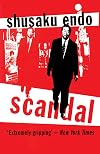
An account of a Christian author, who (very much like the author) is aging and unwell. His books tend to depict "the black, dark, ugly realms within his characters" and yet he is aware that "as he described the murky hearts of his characters, his own mind too became cloudy."
In an unexciting, "respectable" marriage, Sugaru's world is turned upside down when a dubious young woman confronts him at a literary event, reminding this pillar of respectability of their previous encountes in the red show more light district. A dogged reporter hears and begins checking out the story.
But is it- as Sugaru claims- just a lookalike? Or another facet to his personality?
As he becomes unsuitably interested in a teenage girl; as he befriends the kindly, respectable Madame Naruse (whose compassion for the patients at the hospital she works in seems at total variance with her recollections of the excitement she experienced at her husband's war atrocities)...the author confronts the mystery of the subconscious. How can a normal, upright person have such dark inner thoughts? show less
In an unexciting, "respectable" marriage, Sugaru's world is turned upside down when a dubious young woman confronts him at a literary event, reminding this pillar of respectability of their previous encountes in the red show more light district. A dogged reporter hears and begins checking out the story.
But is it- as Sugaru claims- just a lookalike? Or another facet to his personality?
As he becomes unsuitably interested in a teenage girl; as he befriends the kindly, respectable Madame Naruse (whose compassion for the patients at the hospital she works in seems at total variance with her recollections of the excitement she experienced at her husband's war atrocities)...the author confronts the mystery of the subconscious. How can a normal, upright person have such dark inner thoughts? show less
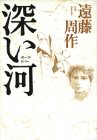
show more 遠藤周作的深河。講幾位年齡、經歷各不相同的日本人,去印度恆河邊「朝聖」,思考生死、宗教與自己人生的關聯。故事藉由多重視角陳述,可以看到每個人的心路歷程,每個人的故事都滿好看的。其中最受讀者注目的應該是原本是天主教修士,後來因為認為每個宗教裡都有耶穌,所以脫離天主教,去恆河邊服務印度教朝聖者的大津。我覺得大津(以及小說中也佔了重要地位的印度教女神查姆達)的愛人、為人服務、無佳形美容、被人厭棄的理念,應該也就是作者想要提倡的信仰之路。但我認同女主角的質疑,大津其人其行雖然動人(真的很動人!),但是一人之力有限,無法改變世界。(我覺得救贖之路一定要由耶穌來走才行得通,因為耶穌是完全的人也是完全的神,能受苦、能被厭棄、能背負人的罪而死,但也能復活、能贖罪、能升天為人預備地方,不是你我這樣凡人。)可惜小說結局戛然而止,有句重要的話說出來了之後,身為讀者很想看到起碼一句關於女主角如何反應的描寫。 show less
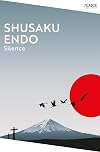
As an atheist I do find it hard to empathise with people undergoing crises of faith. I'm like, get over it! But this tale of a zealous Portuguese missionary being hunted in isolationist Japan, then pressured relentlessly to apostatize, generates a real sense of desolation. The titular heavenly silence gets louder and louder as you turn the pages. And it ends up being about more than the loss of religious faith; it's about futility in general, staring defeat in the face, the crushing of show more dreams and ambitions. show less
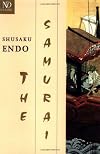
I just finished reading Shusaku Endo’s The Samurai, and it was eye-opening in so many ways. It is the story of two men: Father Velasco, the flawed but well-meaning missionary to Japan, and Hasekura Rokuemon, the quiet Samurai who only wants to do his duty. Both men have a mission, both of them are forced to compromise their integrity for the sake of that mission, and neither of them get what they want. In the end, however, The Samurai is a gentle reminder that God “writes straight with show more crooked lines,” and no matter how hard we try to bring the gospel to others, it is Jesus Christ alone who has the power to convert hearts. Endo, a Japanese Catholic, reminds us that “the essence of Christianity is determined not by bureaucratic fiat, but by the private yearnings of each and every believer.”
On the surface, The Samurai is historical fiction, recounting the journey of Hasekura Rokuemon and other Japanese emissaries to Mexico, Spain, and eventually Rome to see Pope Paul V in 1615. Rokuemon and his companions were the first Japanese emissaries to the Americas. It’s a fascinating story, and Endo tells it with great restraint, avoiding the temptation to over dramatize the events.
At its heart, however, The Samurai is an honest, unsentimental look at religious conversion, and the frustration of trying to bring about conversion in someone else. Father Velasco, as good as his intentions are, makes the mistake of thinking only he can bring salvation to Japan, and that only he understands God’s will. Velasco is a compelling character, because he is so much like so many of us–trying to do the right thing, thinking we know what God has planned for us, and hurt when things don’t go the way we expect them to.
Despite all of Velasco’s manipulations, Hasekura Rokuemon resists Christianity, continually asking the same question: “How can you revere such a miserable, wretched fellow? How can you worship someone so ugly and emaciated?” Yet all the time it is the “ugly emaciated man on the cross” that Rokuemon cannot get out of his head. It is not Velasco’s catechism classes, nor his rational arguments, nor his manipulative machinations. It is simply the man on the cross, the companion in our suffering. In one of the most beautiful scenes from the book, the power of Jesus is summarized in two lines:
“From now on…He will be beside you.” “From now on…He will attend you.”
Unlike Velasco, Jesus makes no promises to us in this life, except that he will always be with us, especially in our suffering.
The Samurai is beautifully written, and an essential book for all Catholics to read, especially those engaged in active evangelization. Highly recommended. show less
On the surface, The Samurai is historical fiction, recounting the journey of Hasekura Rokuemon and other Japanese emissaries to Mexico, Spain, and eventually Rome to see Pope Paul V in 1615. Rokuemon and his companions were the first Japanese emissaries to the Americas. It’s a fascinating story, and Endo tells it with great restraint, avoiding the temptation to over dramatize the events.
At its heart, however, The Samurai is an honest, unsentimental look at religious conversion, and the frustration of trying to bring about conversion in someone else. Father Velasco, as good as his intentions are, makes the mistake of thinking only he can bring salvation to Japan, and that only he understands God’s will. Velasco is a compelling character, because he is so much like so many of us–trying to do the right thing, thinking we know what God has planned for us, and hurt when things don’t go the way we expect them to.
Despite all of Velasco’s manipulations, Hasekura Rokuemon resists Christianity, continually asking the same question: “How can you revere such a miserable, wretched fellow? How can you worship someone so ugly and emaciated?” Yet all the time it is the “ugly emaciated man on the cross” that Rokuemon cannot get out of his head. It is not Velasco’s catechism classes, nor his rational arguments, nor his manipulative machinations. It is simply the man on the cross, the companion in our suffering. In one of the most beautiful scenes from the book, the power of Jesus is summarized in two lines:
“From now on…He will be beside you.” “From now on…He will attend you.”
Unlike Velasco, Jesus makes no promises to us in this life, except that he will always be with us, especially in our suffering.
The Samurai is beautifully written, and an essential book for all Catholics to read, especially those engaged in active evangelization. Highly recommended. show less
Lists
Awards


You May Also Like


Associated Authors
Statistics
- Works
- 165
- Also by
- 7
- Members
- 9,076
- Popularity
- #2,649
- Rating
- 3.9
- Reviews
- 203
- ISBNs
- 418
- Languages
- 26
- Favorited
- 33