
Kenzaburō Ōe (1935–2023)
Author of A Personal Matter
About the Author
Kenzaburo Oe was born on January 31, 1935. He was born in a small village on the island of Shikoku, Japan. A winner of numerous Japanese literary prizes, Oe came to manhood during World War II and the occupation. At Tokyo University, Oe studied Jean-Paul Sartre and absorbed many popular leftist show more ideas. These influences appear in his early writings, which often deal with contemporary issues. With the birth of his deformed son, father and son became the new focus of his work. In his two books, A Personal Matter (1964) and A Healing Family (1996), Oe describes the pain involved with accepting his brain-damaged son and the small victories involved their lives as his son progressed. In 1994, Oe won the Nobel Prize for Literature. (Bowker Author Biography) show less
Disambiguation Notice:
(yid) VIAF:97169275
VIAF:97169275
(ger) VIAF:97169275
Series
Works by Kenzaburō Ōe
Japan, the Ambiguous, and Myself: The Nobel Prize Speech and Other Lectures (1995) 61 copies, 2 reviews
Just Yesterday, Fifty Years Ago: A critical dialogue on the anniversary of the end of the Second World War (1995) 12 copies
Los Premios Nobel de literatura : Derek Walcott : Yorgos Seferis : Kenzaburo Oé (1997) — Author — 3 copies
厳粛な綱渡り 下 2 copies
Němý výkřik 2 copies
厳粛な綱渡り 上 2 copies
The Crazy Iris and Other Stories (OE, Kenzaburo) by Kenzaburo Oe (21-Sep-1994) Paperback 2 copies, 1 review
大江健三郎 : 芽むしり 仔撃ち 2 copies
L’animale d’allevamento, Aghwee il mostro celeste, Insegnaci a superare la nostra pazzia, Il grido silenzioso (1999) 2 copies
Футбол 1860 года : Роман и рассказы 2 copies
ゆるやかな絆 = Yuruyaka na Kizuna 1 copy
Littérature Et Mélancolie 1 copy
℗Il ℗bambino scambiato 1 copy
Gibier D' Elevage 1 copy
El grito silencioso 1 copy
Renacimiento 1 copy
Miru mae ni tobe (見るまえに跳べ) 1 copy
Captura, La 1 copy
Un curieux travail 1 copy
Dias Tranquilos 1 copy
La captura 1 copy
個人的な体験 1 copy
みずから我が涙をぬぐいたまう日 1 copy
「雨の木」を聴く女たち(新潮文庫) 1 copy
ピンチランナー調書(新潮文庫) 1 copy
見るまえに跳べ(新潮文庫) 1 copy
洪水はわが魂に及び(下)(新潮文庫) 1 copy
死者の奢り・飼育 1 copy
Kojintekina taiken (個人的な体験) 1 copy
Associated Works
The Mark Twain Anthology: Great Writers on His Life and Work (2010) — Contributor — 160 copies, 1 review
Meesters der vertelkunst : zevenendertig verhalen uit de moderne wereldliteratuur (1975) — Contributor — 2 copies
Cień wschodzącego słońca — Contributor, some editions — 2 copies
Waseda Bungaku Free Paper WB vol.031_2015_winter — Contributor — 1 copy
Surviving visions : the art of Iri Maruki and Toshi Maruki : an exhibition at the Massachusetts College of Art, March 30 -April 28, 1988 — Contributor — 1 copy, 1 review
新潮 2010年 03月号 [雑誌] — Contributor — 1 copy
大真実 〈Grande Vérité〉 これからを生きるための43章 新潮 1995年4月臨時増刊 — Contributor — 1 copy
新潮 2012年 03月号 — Contributor — 1 copy
Neue Rundschau 1/80 — Author — 1 copy
すばる 2008年 02月号 [雑誌] — Contributor — 1 copy
現代詩手帖 1965年 07月号 — Contributor — 1 copy
平成の名小説 (新潮2019年08月号増刊) — Contributor — 1 copy
星の文学館 銀河も彗星も — Contributor — 1 copy
文芸 1969年5月号 — Contributor — 1 copy
Tagged
Common Knowledge
- Canonical name
- Ōe, Kenzaburō
- Legal name
- Ōe, Kenzaburō
大江健三郎 - Birthdate
- 1935-01-31
- Date of death
- 2023-03-03
- Gender
- male
- Education
- Tokyo University (French literature)
- Occupations
- novelist
short story writer - Organizations
- American Academy of Arts and Letters (Foreign Honorary, Literature, 1997)
- Awards and honors
- Nobel Prize (Literature, 1994)
Akutagawa Prize (1958)
Shinchosha Literary Prize (1965)
Tanizaki Prize (1967)
Man Booker International Prize Finalist (2005) - Relationships
- Oë, Yukari (echtg.)
- Cause of death
- natural causes
- Nationality
- Japan
- Birthplace
- Ehime prefecture, Shikoku, Japan
- Places of residence
- Ehime prefecture, Shikoku, Japan (birth)
- Disambiguation notice
- VIAF:97169275
- Associated Place (for map)
- Ehime prefecture, Shikoku, Japan
Members
Reviews

Death, grief, remorse, blame, impotence, anger, visions, myth-making, danger, self-annihilation, passion, compassion.
All in a mere 27 pages!
What a powerful long short-story this was. I've spent the last several days being haunted by it.
In the story, the narrator is a young man, 28 years old, telling a series of events when he was 18, hired to be a companion to an up-and-coming Japanese composer. His job is to once a week accompany the composer. "D," on walks around Tokyo, visiting sites as show more per D's pleasure. There had been a scandal involving D after the death of his first born child from which he has not emotionally recovered. Indeed, he has begun having hallucinations of the dead child, even having conversations. Ten years later, the narrator is recounting his experience with D, culminating in a shocking death.
Author Kenzaburō Ōe had a son born with a brain hernia, and like the character D, the doctors suggested to Ōe and his wife that they let the child die. Instead, they opted for surgery. Their son, Hikari Ōe, has grown up to be a chamber music composer of some fame but remains severely autistic, mostly mute. Author Ōe was awarded the Nobel prize in no small part in honor of his novel A Personal Matter which has the similar theme of a child born with extreme health challenges.
Another interesting parallel between this story and Ōe's real life is that he wrote this story when his son was only 6 months old who ultimately also became a composer like the protagonist in the story, mastering not spoken language but musical language. How oddly coincidental.
I am certain that there must be some losses in translation from not only the Japanese language but from the Japanese culture to an English-reading Westerner. Yet, it still shone and burned into my mind. It is direct in tone, feeling even somewhat flat, one could be easily deceived by that directness.
Its wow is the subtlety in which it covers the vast ground of the human condition.
Read with The Short Story Club group. You can join here: https://www.goodreads.com/group/show/1187035-the-short-story-club show less
All in a mere 27 pages!
What a powerful long short-story this was. I've spent the last several days being haunted by it.
In the story, the narrator is a young man, 28 years old, telling a series of events when he was 18, hired to be a companion to an up-and-coming Japanese composer. His job is to once a week accompany the composer. "D," on walks around Tokyo, visiting sites as show more per D's pleasure. There had been a scandal involving D after the death of his first born child from which he has not emotionally recovered. Indeed, he has begun having hallucinations of the dead child, even having conversations. Ten years later, the narrator is recounting his experience with D, culminating in a shocking death.
Author Kenzaburō Ōe had a son born with a brain hernia, and like the character D, the doctors suggested to Ōe and his wife that they let the child die. Instead, they opted for surgery. Their son, Hikari Ōe, has grown up to be a chamber music composer of some fame but remains severely autistic, mostly mute. Author Ōe was awarded the Nobel prize in no small part in honor of his novel A Personal Matter which has the similar theme of a child born with extreme health challenges.
Another interesting parallel between this story and Ōe's real life is that he wrote this story when his son was only 6 months old who ultimately also became a composer like the protagonist in the story, mastering not spoken language but musical language. How oddly coincidental.
I am certain that there must be some losses in translation from not only the Japanese language but from the Japanese culture to an English-reading Westerner. Yet, it still shone and burned into my mind. It is direct in tone, feeling even somewhat flat, one could be easily deceived by that directness.
Its wow is the subtlety in which it covers the vast ground of the human condition.
Read with The Short Story Club group. You can join here: https://www.goodreads.com/group/show/1187035-the-short-story-club show less
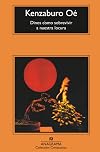
Este libro incluye tres novelas cortas del consagrado escritor japonés Kenzaburo Oé: «Dinos cómo sobrevivir a la locura», «Agüí, el monstruo del cielo» y «El día que él se digne a enjugar mis lágrimas».
Las tres historias se basan en las relaciones entre padre e hijo. El primer relato, que da título al libro, trata sobre un niño deficiente mental y su progenitor. Es demasiado grotesco, demasiado patético para mi gusto. Se que a la crítica especializada le gusta rotular a show more personajes con estas características como «llenos de humanidad», pero en general quedé con una sensación desagradable al terminar esta parte inicial.
Por otro lado, la segunda historia me pareció impecable. La temática aquí es el duelo; tiene todo lo que espero de la literatura japonesa: extraña pero atractiva, una demostración de la clase de Oé con profundas raíces psicológicas. El final es soberbio y algo inesperado.
«El día que él se digne a enjugar mis lágrimas», que da cierre a este volúmen, es la más extensa de las novellas aquí expuestas. Me ha dejado con sensaciones encontradas, resultándome mucho más interesante el relato que da el protagonista de su vida pasada, más que su actualidad. Una especie de anti-Mishima, si se quiere, donde se ponen en duda las ideas sobre traición y heroísmo.
Tal vez no sea un autor para mí, aunque la calidad de su prosa es innegable. Ahora, a leer algo menos pesado. show less
Las tres historias se basan en las relaciones entre padre e hijo. El primer relato, que da título al libro, trata sobre un niño deficiente mental y su progenitor. Es demasiado grotesco, demasiado patético para mi gusto. Se que a la crítica especializada le gusta rotular a show more personajes con estas características como «llenos de humanidad», pero en general quedé con una sensación desagradable al terminar esta parte inicial.
Por otro lado, la segunda historia me pareció impecable. La temática aquí es el duelo; tiene todo lo que espero de la literatura japonesa: extraña pero atractiva, una demostración de la clase de Oé con profundas raíces psicológicas. El final es soberbio y algo inesperado.
«El día que él se digne a enjugar mis lágrimas», que da cierre a este volúmen, es la más extensa de las novellas aquí expuestas. Me ha dejado con sensaciones encontradas, resultándome mucho más interesante el relato que da el protagonista de su vida pasada, más que su actualidad. Una especie de anti-Mishima, si se quiere, donde se ponen en duda las ideas sobre traición y heroísmo.
Tal vez no sea un autor para mí, aunque la calidad de su prosa es innegable. Ahora, a leer algo menos pesado. show less
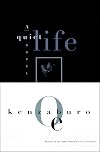
Summary: Ma-chan, a quiet, college age woman is left to care for her older brother who has a neurological disorder and younger, college-bound brother while her father, a famous writer, sorts out his life and faith in California on a writer’s residency.
All Ma-Chan wants is to live a quiet life, writing her thesis on Celine, a French novelist, while caring for her brother, nicknamed Eeyore, who suffers from epileptic fits that have caused brain damage, yet left him with an unusual musical show more talent. She has been more or less marginalized, an orphan even before her parents left Japan for California. Her parents tended to focus on the afflictions of the older brother and the promise of the younger brother, O-Chan, preparing for his college entrance exams while his parents are in America, Her father, a famous writer, has left for a writer’s residency in California. In reality, he is suffering from a “pinch” of the spirit, having suffered a loss of faith that causes him to wonder “how is a faithless person to cope with life?”
Ma-Chan is left to cope at a more practical level. She has to help her older brother deal with his sexual urges in socially appropriate ways while seeing that he gets to his sheltered workshop each day. She has to help others understand her brother’s seizures and resist their mockery of him, often in internal cries of “Hell no! Hell no!” She also takes him to the Shigetos, who help Eeyore discover and develop his unique gift for musical composition. One of these is titled “Sutego” or orphan. Both brother and sister are orphans together.
Eventually, it is recommended that Eeyore take swim lessons to channel some of his physical energies. It is here that they meet Mr. Arai, a shady character who agrees to teach Eeyore to swim. And he is very good at it and a bond develops between them, even as everything in us screams “predator!” Mr Shigeto starts watching out for them until a confrontation with Arai in which Mr. Shigeto is severely beaten, opening the way for Mr. Arai to pursue his designs.
The “quiet life” Ma-Chan wants comes at the cost of submerging her own selfhood. She describes herself as “robotizing.” She sees herself as a skinny thing with stick legs, oblivious of her own sexuality and that others might notice her. Yet there are her “Hell Nos” and her “Diary of Life,” written that “her papa might remember he has a family.” One comes to the end of this novel wondering whether Ma-Chan will find her voice and her self in more than a diary and her internal monologue. Will she heed the self that says “Hell No!” or let her father treat her as an orphan while he pursues an esoteric spiritual search? Will she emerge as the scholar in her own right?
Many of us want a quiet life. Life doesn’t always permit this, and more than that, at what price do we secure such a life? Is it at the price of our selves? Must we robotize? It seems these are the questions Oe’s novel asks of us. Meanwhile, he seems to take a swipe at the pretensions of literary figures who think their existential “pinches” more important than the real pinches they make those around them endure. show less
All Ma-Chan wants is to live a quiet life, writing her thesis on Celine, a French novelist, while caring for her brother, nicknamed Eeyore, who suffers from epileptic fits that have caused brain damage, yet left him with an unusual musical show more talent. She has been more or less marginalized, an orphan even before her parents left Japan for California. Her parents tended to focus on the afflictions of the older brother and the promise of the younger brother, O-Chan, preparing for his college entrance exams while his parents are in America, Her father, a famous writer, has left for a writer’s residency in California. In reality, he is suffering from a “pinch” of the spirit, having suffered a loss of faith that causes him to wonder “how is a faithless person to cope with life?”
Ma-Chan is left to cope at a more practical level. She has to help her older brother deal with his sexual urges in socially appropriate ways while seeing that he gets to his sheltered workshop each day. She has to help others understand her brother’s seizures and resist their mockery of him, often in internal cries of “Hell no! Hell no!” She also takes him to the Shigetos, who help Eeyore discover and develop his unique gift for musical composition. One of these is titled “Sutego” or orphan. Both brother and sister are orphans together.
Eventually, it is recommended that Eeyore take swim lessons to channel some of his physical energies. It is here that they meet Mr. Arai, a shady character who agrees to teach Eeyore to swim. And he is very good at it and a bond develops between them, even as everything in us screams “predator!” Mr Shigeto starts watching out for them until a confrontation with Arai in which Mr. Shigeto is severely beaten, opening the way for Mr. Arai to pursue his designs.
The “quiet life” Ma-Chan wants comes at the cost of submerging her own selfhood. She describes herself as “robotizing.” She sees herself as a skinny thing with stick legs, oblivious of her own sexuality and that others might notice her. Yet there are her “Hell Nos” and her “Diary of Life,” written that “her papa might remember he has a family.” One comes to the end of this novel wondering whether Ma-Chan will find her voice and her self in more than a diary and her internal monologue. Will she heed the self that says “Hell No!” or let her father treat her as an orphan while he pursues an esoteric spiritual search? Will she emerge as the scholar in her own right?
Many of us want a quiet life. Life doesn’t always permit this, and more than that, at what price do we secure such a life? Is it at the price of our selves? Must we robotize? It seems these are the questions Oe’s novel asks of us. Meanwhile, he seems to take a swipe at the pretensions of literary figures who think their existential “pinches” more important than the real pinches they make those around them endure. show less
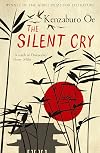
Based on some reviews I read online, I was expecting this book to be hard work. Most reviewers complained that the book is miserable, the characters unpleasant and unsympathetic. While there isn't much in the way of joy or levity in the pages, I felt some sympathy for the main characters. Their lives are hung about with tragedy and hard decisions, and their relations with each other are corrupted as a result. Mitsu and his wife are struggling to make sense of their child's birth defect. show more Mitsu's remaining brother Taka is trying to find a place for himself in the world. He is angry and misguided, and the least likeable of the characters, but he stands as an example of those in Japanese society unwilling to accept their post war subjugation who seek to establish their relevance through violence. Mitsu is weak and floundering in depression. I wanted him to stand up to his brother, but could see why he didn't, in his self-imposed role of guardian of his family's heritage and shame. Largely set in the dying village of their youth in winter, the sense of claustrophobia mounts as Mitsu, prevented by snow from returning to Tokyo, retreats into isolation and Taka exploits the pent up frustration of the village's young men. As events escalate, Mitsu seems on the brink of losing everything, but then Taka makes an unexpected move.
From this novel, the only one of Ōe's I have read so far, it is clear to me why Ōe was awarded the Nobel Prize for Literature, while his contemporary Mishima wasn't. Ōe's prose, in comparison to Mishima's, is poetic and graceful. While there are political messages in the story, they aren't thrust down the reader's throat. The novel is an exploration of human fragility, of our responses to uncontrollable events, of the choices we make in life. It examines the stories we tell ourselves and the way we manipulate memory to both form our self-image and justify it. It considers the nature of truth and whether we ever truly know it or speak it. It documents events that demonstrate social compliance and the fallout when such compliance is exploited for ill. The Nobel judges cited The Silent Cry as a key work in the imagined world Ōe created across his writing, 'where life and myth condense to form a disconcerting picture of the human predicament'. Although it was a difficult read at times, I loved it. show less
From this novel, the only one of Ōe's I have read so far, it is clear to me why Ōe was awarded the Nobel Prize for Literature, while his contemporary Mishima wasn't. Ōe's prose, in comparison to Mishima's, is poetic and graceful. While there are political messages in the story, they aren't thrust down the reader's throat. The novel is an exploration of human fragility, of our responses to uncontrollable events, of the choices we make in life. It examines the stories we tell ourselves and the way we manipulate memory to both form our self-image and justify it. It considers the nature of truth and whether we ever truly know it or speak it. It documents events that demonstrate social compliance and the fallout when such compliance is exploited for ill. The Nobel judges cited The Silent Cry as a key work in the imagined world Ōe created across his writing, 'where life and myth condense to form a disconcerting picture of the human predicament'. Although it was a difficult read at times, I loved it. show less
Lists
Awards


You May Also Like


Associated Authors
Statistics
- Works
- 140
- Also by
- 41
- Members
- 8,421
- Popularity
- #2,860
- Rating
- 3.7
- Reviews
- 168
- ISBNs
- 363
- Languages
- 27
- Favorited
- 38


