

Bernard Clayton (1916–2011)
Author of Bernard Clayton's New Complete Book of Breads
About the Author
Award-winning author Bernard Clayton Jr. began his career as a reporter and foreign correspondent; baking was his hobby. He has been writing cookbooks for more than thirty years. When Mr. Clayton travels, he investigates historical and regional recipes, conversing with bakers and cooks around the show more world. He is the author of several cookbooks. He lives with his wife in Bloomington, Indiana show less
Image credit: Photograph by Jerry Mitchell
Works by Bernard Clayton
Bernard Claytons Complete Book of Small Breads: More Than 100 Recipes for Rolls Buns Biscuits Flatbreads Muffins and Other (1998) 70 copies, 1 review
Tagged
Common Knowledge
- Birthdate
- 1916-12-25
- Date of death
- 2011-03-28
- Gender
- male
- Occupations
- journalist
public relations - Organizations
- Life
Time
Indiana University - Nationality
- USA
- Places of residence
- Bloomington, Indiana, USA
- Associated Place (for map)
- Indiana, USA
Members
Reviews
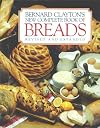
I've been baking bread for decades and this is one of my go-to references. It covers most any kind of bread possibly made in a home kitchen. The sour dough chapter is particularly good and the recipe for buttermilk bread rises higher and lighter than any other bread I have ever made.
I buy most of my books secondhand but this one would be worth the expense of buying new.
I buy most of my books secondhand but this one would be worth the expense of buying new.
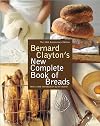
This 700-page tome on the wonders of bread has sat in my to-read pile for years now--what better time to take a look than during quarantine? I skimmed through and jotted down pages and recipes of interest. This book has an incredible variety of bread on offer, from sandwich loaves to rustic boules to rolls to quick breads of all kinds to vegetable-stuffed to how to build your own backyard bread oven.
One of the great surprises was that most of the recipes include three versions: by hand, by show more Kitchen-Aid mixer, or by food processor. And hey, here I have a new big food processor... and lo and behold, I currently have a batch of brioche dough rising in my fridge. That will be the first of many recipes I try from this book. show less
One of the great surprises was that most of the recipes include three versions: by hand, by show more Kitchen-Aid mixer, or by food processor. And hey, here I have a new big food processor... and lo and behold, I currently have a batch of brioche dough rising in my fridge. That will be the first of many recipes I try from this book. show less
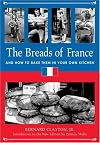
I just fell in love with The Breads of France. It's so awesome! It has loads of interesting, doable recipes from all over France, divided by region, and so much variety. Brioches, bagels, quick breads, cookies, dinner rolls, croissants, Christmas stollen, and lots and lots of straight-up loaves of bread. The cultural information about the different areas of France and the background of the different breads was fascinating and fun to read.
What about the food? The recipes are great. I've made show more several breads and cakes and every one has come out looking like the picture and tasting terrific. They are easy to follow and go together just the way he says. This book is definitely a terrific find. show less
What about the food? The recipes are great. I've made show more several breads and cakes and every one has come out looking like the picture and tasting terrific. They are easy to follow and go together just the way he says. This book is definitely a terrific find. show less

“The first time your mother ever baked a loaf of bread,” my Dad used to tell me with fondness, “it was so hard it put a hole through the drywall in our apartment.” I’ve always had a hard time believing this story, because my mother is one of those people who ends up being very good at whatever she decides to do—from gardening to cooking to raising kids to drawing to decorating Easter eggs to being completely prepared for any eventuality that might occur on a family camping trip show more with three small children. So the idea that she could decide to bake a loaf of bread and have it NOT turn out perfectly stretches the imagination a bit. Still, I have to admit that when I think of my mother and baking, what I remember was an endless series of cookies, pies and desserts; cranberry bread and carrot cake and date pinwheels and banana nut bread. I don’t remember bread—as in sourdough or sandwich, although I suppose she must have made it because otherwise why would my father and I be having that conversation?
Still, it wasn’t until I was out of college and in my own apartment that I started to pay attention to bread, buying my first loaf of non-white, non-presliced, artisan-crafted sourdough from a crunchy-granola supermarket down the street called “Bread and Circus.” I had to buy a bread knife to slice it. At that point in my life, bread—and eating—was an act of resistance. I shopped at food coops for organic produce and bought herbs and spices in little plastic ziploc bags that would have surely made a cop’s eyebrows climb if he happened to peer into my back pack on grocery day. And because I was very poor, and buying organic was rather expensive, I ate a lot of bread, which at least had the virtue of being filling even if it wasn’t all that cheap.
I experimented a little bit with baking my own bread in those days, but I was too easily intimidated by the counter-cooking-culture to really feel comfortable with it. Back then, my friends were the type to build their own wood-fired stone bread ovens in their back yards, and use 100-year-old sour dough cultures they had preserved from immigrant great great grandmothers. They ordered stone ground organic flour off of cheaply printed order forms from special coop farms. They let their breads rise in hand-made bowls and baked them on special stones and tiles they found in little artisan shops in Italy and France. A loaf of their bread probably cost about twenty-five bucks when you took into account all the extra time spent procuring pure ingredients and special equipment, and I could eat for a week on $25 if I didn’t mind the taste of Ramen pride too much. Besides, I lived in a tiny apartment with an oven whose thermostat was…eccentric. It made baking difficult.
So it wasn’t until I came South, moved into a house with a little more space than your average walk-in closet, and installed an oven that meant what it said when it showed the tempurature to be 400 F, that I tried once again to learn how to bake bread. It was a different experience this time around. I was in a brand new kitchen, a brand new house in a brand new city. I didn’t know anyone, and had no one to impress but myself (and my mother, who I still called regularly once a week). I had five pounds of flour in the cupboard and nothing else to do with it but bake. I had one large glass bowl, two regular sized glass bread loaf pans, and one fairly sturdy wooden spoon. I had a baker’s dozen books on the art of baking bread “from scratch.” I had no job and a lot of time.
As it turned out, all my bread baking books, while fascinating to read, were rather more complicated than I was willing to attempt as a nascent bread baker, so after a bit of searching I found what looked like a simple recipe in the back of one of my cookbooks that was actually devoted to soups and stews. “Good soup deserves good bread.” said author Bernard Clayton, who then proceeds to give a simple recipe for “A Peasant Loaf” using only flour, water, yeast and salt. It turned out so well, I have been using the same recipe ever since.
Oh, I’ve wandered. I’ve tried more elaborate doughs, added other ingredients, used other kinds of flour and other types of starters. I have gone through whole grain phases and challah phases and flatbread phases. I even once had the freezer full of naan—a kind of Indian bread made with yogurt that is cooking in a frying pan stuck in an oven. That was educational, but ultimately wasteful since even I couldn’t eat that much naan. But on the whole, Clayton’s original peasant loaf has proved so reliable that I come back to it again and again, the rhythm of it so ingrained in my hands that I haven’t needed to look at the recipe for years. In fact, when a friend asked me for my bread recipe, I had to actually think my way through the steps to give it to her—like the way you can only tell someone the lyrics of a song if you sing it to yourself in your head.
Baking bread became a kind of ritual for me. I often give the loaves away (one person can only eat so much bread) but I used the process as a way to relax. Some people do yoga, I knead dough. The smell of loaves baking in the oven is more therapeutic than aromatherapy. And far more satisfying. It took a few months before I learned—by feel—when the dough had been kneaded to that perfect, silky elasticity, and when I had over done it. It took awhile before I had figured out when the water was too hot or too cold for the yeast. And there was one fateful and sad day when I forgot I had left the dough rising, and it did far more than double in size—spilling over the lip of the bowl and dripping down over the edges of the counter tops.
Now, I use the recipe below—tweaked slightly to accommodate the use of some sourdough starter my mother gave me–and bake bread about once every other week—unless it has been a very stressful week, in which case I might go through a good five pounds of flour baking bread for the neighborhood.
As decompression techniques go kneading bread dough is pretty harmless. I could be out drinking.
also found on here show less
Still, it wasn’t until I was out of college and in my own apartment that I started to pay attention to bread, buying my first loaf of non-white, non-presliced, artisan-crafted sourdough from a crunchy-granola supermarket down the street called “Bread and Circus.” I had to buy a bread knife to slice it. At that point in my life, bread—and eating—was an act of resistance. I shopped at food coops for organic produce and bought herbs and spices in little plastic ziploc bags that would have surely made a cop’s eyebrows climb if he happened to peer into my back pack on grocery day. And because I was very poor, and buying organic was rather expensive, I ate a lot of bread, which at least had the virtue of being filling even if it wasn’t all that cheap.
I experimented a little bit with baking my own bread in those days, but I was too easily intimidated by the counter-cooking-culture to really feel comfortable with it. Back then, my friends were the type to build their own wood-fired stone bread ovens in their back yards, and use 100-year-old sour dough cultures they had preserved from immigrant great great grandmothers. They ordered stone ground organic flour off of cheaply printed order forms from special coop farms. They let their breads rise in hand-made bowls and baked them on special stones and tiles they found in little artisan shops in Italy and France. A loaf of their bread probably cost about twenty-five bucks when you took into account all the extra time spent procuring pure ingredients and special equipment, and I could eat for a week on $25 if I didn’t mind the taste of Ramen pride too much. Besides, I lived in a tiny apartment with an oven whose thermostat was…eccentric. It made baking difficult.
So it wasn’t until I came South, moved into a house with a little more space than your average walk-in closet, and installed an oven that meant what it said when it showed the tempurature to be 400 F, that I tried once again to learn how to bake bread. It was a different experience this time around. I was in a brand new kitchen, a brand new house in a brand new city. I didn’t know anyone, and had no one to impress but myself (and my mother, who I still called regularly once a week). I had five pounds of flour in the cupboard and nothing else to do with it but bake. I had one large glass bowl, two regular sized glass bread loaf pans, and one fairly sturdy wooden spoon. I had a baker’s dozen books on the art of baking bread “from scratch.” I had no job and a lot of time.
As it turned out, all my bread baking books, while fascinating to read, were rather more complicated than I was willing to attempt as a nascent bread baker, so after a bit of searching I found what looked like a simple recipe in the back of one of my cookbooks that was actually devoted to soups and stews. “Good soup deserves good bread.” said author Bernard Clayton, who then proceeds to give a simple recipe for “A Peasant Loaf” using only flour, water, yeast and salt. It turned out so well, I have been using the same recipe ever since.
Oh, I’ve wandered. I’ve tried more elaborate doughs, added other ingredients, used other kinds of flour and other types of starters. I have gone through whole grain phases and challah phases and flatbread phases. I even once had the freezer full of naan—a kind of Indian bread made with yogurt that is cooking in a frying pan stuck in an oven. That was educational, but ultimately wasteful since even I couldn’t eat that much naan. But on the whole, Clayton’s original peasant loaf has proved so reliable that I come back to it again and again, the rhythm of it so ingrained in my hands that I haven’t needed to look at the recipe for years. In fact, when a friend asked me for my bread recipe, I had to actually think my way through the steps to give it to her—like the way you can only tell someone the lyrics of a song if you sing it to yourself in your head.
Baking bread became a kind of ritual for me. I often give the loaves away (one person can only eat so much bread) but I used the process as a way to relax. Some people do yoga, I knead dough. The smell of loaves baking in the oven is more therapeutic than aromatherapy. And far more satisfying. It took a few months before I learned—by feel—when the dough had been kneaded to that perfect, silky elasticity, and when I had over done it. It took awhile before I had figured out when the water was too hot or too cold for the yeast. And there was one fateful and sad day when I forgot I had left the dough rising, and it did far more than double in size—spilling over the lip of the bowl and dripping down over the edges of the counter tops.
Now, I use the recipe below—tweaked slightly to accommodate the use of some sourdough starter my mother gave me–and bake bread about once every other week—unless it has been a very stressful week, in which case I might go through a good five pounds of flour baking bread for the neighborhood.
As decompression techniques go kneading bread dough is pretty harmless. I could be out drinking.
also found on here show less
You May Also Like


Associated Authors
Statistics
- Works
- 8
- Members
- 1,404
- Popularity
- #18,294
- Rating
- 4.1
- Reviews
- 19
- ISBNs
- 20
- Languages
- 1
- Favorited
- 1