
Mikael Niemi
Author of Popular Music from Vittula
About the Author
Works by Mikael Niemi
2008 1 copy
Populr̃musik aus Vittula 1 copy
Tagged
Common Knowledge
- Canonical name
- Niemi, Mikael
- Legal name
- Niemi, Mikael
- Birthdate
- 1959-08-13
- Gender
- male
- Awards and honors
- Augustpriset (2000)
- Relationships
- Tuma, Eelkje (wife)
- Nationality
- Sweden
- Birthplace
- Pajala, Sweden
- Places of residence
- Pajala, Sweden
- Map Location
- Sweden
Members
Reviews
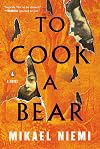
Early in “To Cook a Bear” (2017), Swedish author Mikael Niemi's amazing novel, one finds a discussion of what makes a person good. Jussi, the outcast boy whom Laestadius, a famous pastor (and true historical figure) has adopted informally as his son, suggests the pastor himself as the model of a good person. The pastor, in turn, points to Jussi. "If you're so quiet that you disappear, how could you be evil?" he says.
This question of what makes a person good or evil becomes a dominant show more theme in the novel, which is ultimately a murder mystery. Both Jussi and Laestadius are placed in situations where they must do evil deeds for good ends.
The savage killing of the first young woman is blamed on a bear, which is later caught, killed and eaten. The pastor, however, notices evidence the sheriff chooses to ignore, evidence that points to a human attacker. Then another girl is assaulted. When she later dies, the sheriff attributes it to suicide. Again the pastor knows better.
Eventually, after the sheriff finally agrees there must be a human culprit, it is Jussi who is arrested, convicted and sentenced to decapitation. When Laestadius identifies the true murderer, the question becomes whether evil is the only way to fight evil. Who then is good?
Niemi writes a beautiful novel, which even in translation often reads like poetry. show less
This question of what makes a person good or evil becomes a dominant show more theme in the novel, which is ultimately a murder mystery. Both Jussi and Laestadius are placed in situations where they must do evil deeds for good ends.
The savage killing of the first young woman is blamed on a bear, which is later caught, killed and eaten. The pastor, however, notices evidence the sheriff chooses to ignore, evidence that points to a human attacker. Then another girl is assaulted. When she later dies, the sheriff attributes it to suicide. Again the pastor knows better.
Eventually, after the sheriff finally agrees there must be a human culprit, it is Jussi who is arrested, convicted and sentenced to decapitation. When Laestadius identifies the true murderer, the question becomes whether evil is the only way to fight evil. Who then is good?
Niemi writes a beautiful novel, which even in translation often reads like poetry. show less
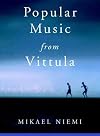
POPULAR MUSIC FROM VITTULA is, quite simply, a terrific book! As a coming of age story, Mikael Niemi's novel often brought to mind another book from Scandinavia titled simply, BEATLES, by Lars Saabye Christensen, which I also loved. Originally published in Swedish, I am quite confident that PMfV lost nothing in its excellent translation into English by Laurie Thompson. The book is full of humor and all the special poignancy that comes with tales of childhood and the tortured rituals of show more adolescence. There is even a chapter on the air rifle wars amongst the not-really-so-violent-or-evil teenage 'gangs' of Pajala, a town located inside the Arctic circle in the northernmost reaches of Sweden near the Finnish border. The BB gun story also brought to mind, naturally, Jean Shepherd's classic story (into classic film), "A Christmas Story." There are other wonderful, funny stories about relatives, weddings and funerals, and various local "characters." I got a good chuckle in reading about what things are 'manly,' as well as comments on "the most dangerous thing of all," according to the father of Matti (the book's narrator), which "was reading books ... Lunatic asylums were overflowing with folk who'd been reading too much."
Perhaps, however, it was the Beatles connection that made the book stand out for me. Because, like the Christensen book, the storyline also portrays four young boys who are electrified by their discovery of rock music and depicts, often in howlingly funny scenes, how mesmerized they are by their first exposure to the Beatles, in the form of the 45 rpm single, "Rock 'n' Roll Music." Matti, the book's narrator, soon forms a musical alliance with his friends Niila, Erkki and Holgeri that will catapult them into local notoriety and a new popularity with girls - a time they will always remember.
A more personal connection for me between the Niemi and Christensen books is found in the references to Radio Luxembourg, often the only link between remote areas of the world and popular music. As a young man in the US Army, I was stationed on a mountain top in northern Turkey in 1963-64, and one of the greatest pleasures for me and my comrades was to sneak a listen to the top tunes on Radio Luxembourg, when we should have been practicing our spycraft of electronic eavesdropping. In fact, I first heard the Beatles on Radio Luxembourg, not long before their first two Parlophone LPs made it to the local PX. Having grown up on Elvis (also mentioned in the Niemi book - Matti's sister had "Jailhouse Rock"), Ricky Nelson and other American pop, we didn't at first quite know what to make of the Beatles, but quickly decided we liked them. A year later, I was a hanger-on with a GI cover band in Germany, who played many of the Beatles tunes as part of their repertoire. In fact, when The Panics' lead singer was injured for a brief time, I got my own chance to be a "rock-n-roll star" for a few shining moments of my youth. (It's all in my own book, SOLDIER BOY.) So maybe that's why I was so caught up in Matti's story that had many of the same ingredients as mine - small towns, sex, drinking, rock & roll. The fact that the story was set in the most remote region of northern Sweden, inside the ARCTIC CIRCLE, for cripes sake, didn't seem to matter. This was just a great story! There, I'm back where I started. I'm so very glad I read Popular Music in Vittula, and plan to tell other folks about it at every opportunity. show less
Perhaps, however, it was the Beatles connection that made the book stand out for me. Because, like the Christensen book, the storyline also portrays four young boys who are electrified by their discovery of rock music and depicts, often in howlingly funny scenes, how mesmerized they are by their first exposure to the Beatles, in the form of the 45 rpm single, "Rock 'n' Roll Music." Matti, the book's narrator, soon forms a musical alliance with his friends Niila, Erkki and Holgeri that will catapult them into local notoriety and a new popularity with girls - a time they will always remember.
A more personal connection for me between the Niemi and Christensen books is found in the references to Radio Luxembourg, often the only link between remote areas of the world and popular music. As a young man in the US Army, I was stationed on a mountain top in northern Turkey in 1963-64, and one of the greatest pleasures for me and my comrades was to sneak a listen to the top tunes on Radio Luxembourg, when we should have been practicing our spycraft of electronic eavesdropping. In fact, I first heard the Beatles on Radio Luxembourg, not long before their first two Parlophone LPs made it to the local PX. Having grown up on Elvis (also mentioned in the Niemi book - Matti's sister had "Jailhouse Rock"), Ricky Nelson and other American pop, we didn't at first quite know what to make of the Beatles, but quickly decided we liked them. A year later, I was a hanger-on with a GI cover band in Germany, who played many of the Beatles tunes as part of their repertoire. In fact, when The Panics' lead singer was injured for a brief time, I got my own chance to be a "rock-n-roll star" for a few shining moments of my youth. (It's all in my own book, SOLDIER BOY.) So maybe that's why I was so caught up in Matti's story that had many of the same ingredients as mine - small towns, sex, drinking, rock & roll. The fact that the story was set in the most remote region of northern Sweden, inside the ARCTIC CIRCLE, for cripes sake, didn't seem to matter. This was just a great story! There, I'm back where I started. I'm so very glad I read Popular Music in Vittula, and plan to tell other folks about it at every opportunity. show less
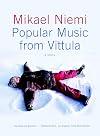
A funny, odd, interesting novel made up of interlocking short stories about growing up in the far north. Often the stories segue into tall tales (e.g. two rough brothers in a laconic family begin to fight and, after being ordered outdoors, they exchange blows and gradually grow fur and fangs and turn into bears). The author makes gentle fun of the perceived backwardness of the residents of this remote part of Sweden while telling the story of two boys growing up and discovering alcohol, sex, show more and rock and roll. Funny and touching and more than a little weird. show less

Biztos láttatok már olyan amerikai katasztrófafilmet, amiben Természet Istenanya letépi láncát, és nekiáll lerázni magáról azokat a kellemetlenül háládatlan levéltetveket, amelyeket a latin homo sapiensnek nevez. Az ilyen katasztrófafilmekben általában több személy között váltogat a kamera, akik mind a maguk módján küzdenek meg az életben maradásért, egyesek közülük olyan energiákat találnak magukban, amelyekről nem is álmodtak, másokra viszont a show more különleges körülmények elaljasítóan hatnak. (Amennyiben többen aljasodnak le, mint ahányan felmagasztosulnak, pesszimista emberképpel operáló műről beszélünk.) Nos, ha mindezt elképzeltük, nagyjából el tudjuk képzelni Niemi könyvét is – ugyanez, csak papíron.
Pörgős - persze, hogyne lenne pörgős, ha egyszer egy gigantikus özönvíz elől menekülnek benne az emberek. Helyenként klausztrofób, mert a nyílt terepen játszódó jelenetek mellett megismerhetjük azt az érzést is, amikor egy folyó fenekére süllyedt gépjárműbe vagyunk bezárva – hát, az se kellemes, senkinek se javaslom, hogy otthon kipróbálja. Részben a folyóhiány miatt. Úgy általában véve is elmondható, hogy Niemi remekül érzékelteti, mennyire cudar dolog egy ilyen szitu, szereplőit pedig változatosan megkínozza: vérzenek, megcsonkulnak, folyékony és szilárd halmazállapotú dolgoknak csapódnak, kihűlnek, időnként meg is halnak. Nem véletlenül szokták mondani a fiktív anyukák a fiktív gyerekeiknek, hogy: „Egyed meg a spenótot, Zsigmondka, mert különben jön Niemi bácsi, és beleír a regényébe!”
Mindazonáltal nem állíthatom nyugodt lelkiismerettel, hogy tetszett. Az a fajta könyv, amiről nem sokat lehet beszélni – el lehet mondani a történetét, ennyi. Valahogy a dolgok felszínén marad, az emberi tettek érdeklik, de nem tesz meg mindent, hogy a motivációk mélyére merüljön. Így viszont enyhén távoli marad, a primer érzéseinkre hat, nem az agyunkra. Amolyan „egyszer el lehet olvasni, de többször minek” könyv. show less
Pörgős - persze, hogyne lenne pörgős, ha egyszer egy gigantikus özönvíz elől menekülnek benne az emberek. Helyenként klausztrofób, mert a nyílt terepen játszódó jelenetek mellett megismerhetjük azt az érzést is, amikor egy folyó fenekére süllyedt gépjárműbe vagyunk bezárva – hát, az se kellemes, senkinek se javaslom, hogy otthon kipróbálja. Részben a folyóhiány miatt. Úgy általában véve is elmondható, hogy Niemi remekül érzékelteti, mennyire cudar dolog egy ilyen szitu, szereplőit pedig változatosan megkínozza: vérzenek, megcsonkulnak, folyékony és szilárd halmazállapotú dolgoknak csapódnak, kihűlnek, időnként meg is halnak. Nem véletlenül szokták mondani a fiktív anyukák a fiktív gyerekeiknek, hogy: „Egyed meg a spenótot, Zsigmondka, mert különben jön Niemi bácsi, és beleír a regényébe!”
Mindazonáltal nem állíthatom nyugodt lelkiismerettel, hogy tetszett. Az a fajta könyv, amiről nem sokat lehet beszélni – el lehet mondani a történetét, ennyi. Valahogy a dolgok felszínén marad, az emberi tettek érdeklik, de nem tesz meg mindent, hogy a motivációk mélyére merüljön. Így viszont enyhén távoli marad, a primer érzéseinkre hat, nem az agyunkra. Amolyan „egyszer el lehet olvasni, de többször minek” könyv. show less
Lists
Awards


You May Also Like


Associated Authors
Statistics
- Works
- 15
- Members
- 2,374
- Popularity
- #10,807
- Rating
- 3.7
- Reviews
- 69
- ISBNs
- 186
- Languages
- 22
- Favorited
- 2