
David Saltzman (–1990)
Author of The Jester Has Lost His Jingle
About the Author
David Saltzman graduated magna cum laude as an English & art major from Yale University in 1989, receiving the David Everett Chantler Award as "the senior who throughout his college career best exemplified the qualities of courage & strength of character & high moral purpose." During his senior show more year at Yale, David was diagnosed with Hodgkins disease. For the next year-and-a half, he kept a comprehensive journal of his thoughts & drawings while completing The Jester Has Lost His Jingle & other stories. In his journal, David wrote, The best we can do is live life, enjoy it & know it is meant to be enjoyed--know how important & special every time...moment...person is. And at the end of the day say, 'I have enjoyed it. I have really lived the moment." That is all. All is that. Is. Is is such a powerful word. It's not was or will be it is IS: Is is alive." David died on March 2, 1990, 11 days before his 23rd birthday. (Bowker Author Biography) show less
Works by David Saltzman
Tagged
Common Knowledge
- Canonical name
- Saltzman, David
- Date of death
- 1990-03-02
- Gender
- male
- Education
- Yale University (1989)
- Nationality
- USA
- Associated Place (for map)
- USA
Members
Reviews
Summary
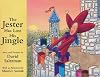
The Jester's job was to make people laugh. He and his wooden helper Pharley, would tell jokes, sing songs, dance and do whatever they needed to do to make people laugh and be happy. However one day the Jester appeared before the king and he was not aware that the king was in a bad mood. He did all his regular acts but the king did not laugh, neither did anyone else. In fact the king banished the Jester. He and Pharley did not give up hope. They travelled many places in the word trying show more to find laughter and happiness. They searched far and wide and asked many people but nobody was happy. People focused on their problems. The jester finally met a little girl in a hospital who he was able to convince to try laughing instead of crying like he did when he was sad. The little girl tried it and soon she was laughing so hard, the laughter spread to many people and eventually the Jester was able to take laughter back to his country to the king and queen. They all realized that laughter was with them all along but it was just hidden deep inside waiting for them to bring it out. And so the Jester brought laughter back to his whole city and beyond.
Critique
An interesting story that really examines the human condition. It suggests that generally we get so caught up with our lives that we do not stop to laugh and relax a little. We as a human race seem to have forgotten what it is to enjoy the happier side of life. From the king to the youngest child all have something to be sad or angry about so laughter is just cast aside. The Jester however was able to restore happiness starting with a child. This makes me think about being aware of the potential that is hidden in every child to make revolutionary changes in the world.
Prompts
P.8 The word "but" changed the mood of the story. It changed from happiness to a feeling that something bad is about to happen.
P8. The author's use of questions prepare you for what is to come. Predict what might happen next in the story.
P. 37 Reflect on how the man felt about the world. Is it really filled with pain and tears with no room for jokes? Why do you think he felt that way.
P.38 The jester was determined to make a difference. What are some ways that we can make a difference in our communities.
Craft element
The author used the complaints and opinions of people to describe the world's condition. Do you agree or disagree with the opinions of the people. Use evidence from the book, things you watch on TV, things you see or hear around you to explain why you agree or disagree with their opinions. show less
The Jester's job was to make people laugh. He and his wooden helper Pharley, would tell jokes, sing songs, dance and do whatever they needed to do to make people laugh and be happy. However one day the Jester appeared before the king and he was not aware that the king was in a bad mood. He did all his regular acts but the king did not laugh, neither did anyone else. In fact the king banished the Jester. He and Pharley did not give up hope. They travelled many places in the word trying show more to find laughter and happiness. They searched far and wide and asked many people but nobody was happy. People focused on their problems. The jester finally met a little girl in a hospital who he was able to convince to try laughing instead of crying like he did when he was sad. The little girl tried it and soon she was laughing so hard, the laughter spread to many people and eventually the Jester was able to take laughter back to his country to the king and queen. They all realized that laughter was with them all along but it was just hidden deep inside waiting for them to bring it out. And so the Jester brought laughter back to his whole city and beyond.
Critique
An interesting story that really examines the human condition. It suggests that generally we get so caught up with our lives that we do not stop to laugh and relax a little. We as a human race seem to have forgotten what it is to enjoy the happier side of life. From the king to the youngest child all have something to be sad or angry about so laughter is just cast aside. The Jester however was able to restore happiness starting with a child. This makes me think about being aware of the potential that is hidden in every child to make revolutionary changes in the world.
Prompts
P.8 The word "but" changed the mood of the story. It changed from happiness to a feeling that something bad is about to happen.
P8. The author's use of questions prepare you for what is to come. Predict what might happen next in the story.
P. 37 Reflect on how the man felt about the world. Is it really filled with pain and tears with no room for jokes? Why do you think he felt that way.
P.38 The jester was determined to make a difference. What are some ways that we can make a difference in our communities.
Craft element
The author used the complaints and opinions of people to describe the world's condition. Do you agree or disagree with the opinions of the people. Use evidence from the book, things you watch on TV, things you see or hear around you to explain why you agree or disagree with their opinions. show less
This book begins with the Jester arriving to the King's court to make the people laugh. However, nobody laughs and the King banishes him from the kingdom. The Jester is then determined to find out what happened to laughter and this starts his journey outside the kingdom. He is going to find laughter and return it to the kingdom.
I love this book. I actually saw it at a bed and breakfast in Norman. The bright vivid colors of the front cover drew me to this book and the title made it show more interesting. The entire book is colorful and it is an easy, interesting read.
This book would be a good starter on a lesson about not giving up on goals and dreams. It would also be useful in teaching children that laughter is contagious and being happy is as easy as smiling. show less
I love this book. I actually saw it at a bed and breakfast in Norman. The bright vivid colors of the front cover drew me to this book and the title made it show more interesting. The entire book is colorful and it is an easy, interesting read.
This book would be a good starter on a lesson about not giving up on goals and dreams. It would also be useful in teaching children that laughter is contagious and being happy is as easy as smiling. show less
So I'm reading this book to my 7 year old last night and about half way through I'm trying to decide whether or not to keep going or stop. I'm thinking - wow. I think this book is well-meaning, but in my opinion - it preaches at, frightens and confuses children. Ok, so the Jester gets banished because the King has lost his sense of humor - but why? And he comes to the city where he runs into a homeless man who wants to know why he should smile or laugh when he has no job, no money, no food, show more no anything - well, it's a good question. Why should he? There was an opportunity for a very thoughtful answer, but the answer given seems to be just because... which rings hollow for children as well as adults. He doesn't show us anything to laugh about besides some weird jester act which he doesn't even show to homeless guy. Now, I got to the end and I read all about the author and he sounds like an intelligent, well-meaning, great guy who died way before his time. And I can see where he was coming from and I get the point - but I don't like the way it was presented. I don't think any children will be scarred from reading this book - but I don't think many will like it either. show less
No one in this particular kingdom feels like laughing, except for one very happy jester who sings and dances. The jester gets banished for having lost his jingle. The jester believes the world has lost its sense of humor and so goes in search of said sense of humor. He interviews many people but it is in a hospital that true inspiration strikes. He returns to the king with positive results and with laughter.
Ages: 3-7
Ages: 3-7
Lists
You May Also Like


Statistics
- Works
- 3
- Members
- 357
- Popularity
- #67,135
- Rating
- 4.1
- Reviews
- 9
- ISBNs
- 6
- Languages
- 1