
Norbert Frei
Author of Adenauer's Germany and the Nazi Past: The Politics of Amnesty and Integration
About the Author
Disambiguation Notice:
(ger) http://www.nng.uni-jena.de/norbert_frei.html
Works by Norbert Frei
Adenauer's Germany and the Nazi Past: The Politics of Amnesty and Integration (1999) 49 copies, 1 review
Das Amt und die Vergangenheit: Deutsche Diplomaten im Dritten Reich und in der Bundesrepublik (2010) — Author — 33 copies, 1 review
Verbrechen erinnern. Die Auseinandersetzung mit Holocaust und Völkermord. (2002) — Editor — 10 copies
Den Holocaust erzählen : Historiographie zwischen wissenschaftlicher Empirie und narrativer Kreativität (2013) 4 copies
Human rights and humanitarian intervention : legitimizing the use of force since the 1970s (2017) 4 copies
Ausbeutung, Vernichtung, Öffentlichkeit neue Studien zur nationalsozialistischen Lagerpolitik (2000) 4 copies
Amerikanische Lizenzpolitik und deutsche Pressetradition : : die Geschichte der Nachkriegszeitung Südost-Kurier. (1986) 4 copies
Die Praxis der Wiedergutmachung : Geschichte, Erfahrung und Wirkung in Deutschland und Israel (2009) 3 copies
Der antikommunismus in seiner Epoche : weltanschauung und Politik in Deutschland, Europa und den USA (2017) 1 copy
Associated Works
Le Troisième Reich dans l'historiographie allemande. Lieux de pouvoir, rivalités de pouvoirs (2013) — Contributor — 2 copies
Tagged
Common Knowledge
- Birthdate
- 1955-03-03
- Gender
- male
- Occupations
- historian
- Nationality
- Germany
- Birthplace
- Frankfurt am Main, Hessen, Deutschland
- Disambiguation notice
- http://www.nng.uni-jena.de/norbert_fr...
- Associated Place (for map)
- Frankfurt am Main, Hessen, Deutschland
Members
Reviews
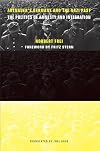
For anyone who wants to understand the mindset of Germany and Germans after the war, this is a book that is belongs on your library. It is fascinating to read about the immediate postway period in Germany, when Germans decided that they had had enough of "denazification" and began a period of instituting what the author calls "politics of the past". The Nazi period and its so-called "excesses" were viewed, after the main leaders were convicted, died, or left in prison into the late 40s and show more start of the 1950s as mere political mistakes, without any moral or ethical ramifications whatsoever. Elements of German leadership took advantage of the need for Germany to act as a buffer against the Communist threat and the need for German soldiers and military leadership to be held in the esteem that they held during and previous to the war. The book is a translation from the German, and is a somtimes difficult read, but I could not put it down as the information, delivered in very precise, detailed narrative is just breathtaking in concept - as policy objectives shifted after WWII, so did the ethics of the governments that fought Nazism. show less


Wer den NationalSozialismus erlebt hat, vermittelt andere Erkenntnisse als Nachgeborene, die 33-45 nur aus der Geschichte kennen. Ein kluges Buch über die ersten Bundespräsidenten und ihre Verbindungen zum Dritten Reich.
Nov 26, 2023German
Das Amt und die Vergangenheit: deutsche Diplomaten im Dritten Reich und in der Bundesrepublik by Eckart Conze
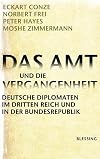
2005 beauftragte Außenminister Joschka Fischer eine inter-nationale Historiker-kommission, die Geschichte des Auswärtigen Amtes während der Nazizeit und vor allem seine fast nahtlose Weiterarbeit mit vielen ehemaligen Nazidiplomaten nach der Gründung der Bundesrepublik 1949 in Bonn zu untersuchen. 2010 wurde die Studie veröffentlicht, die - gestützt auf zahlreiche bis heute unter Verschluss gehaltene Akten – den Mythos wiederlegt, das Auswärtige Amt sei von 1933 bis 1945 ein Hort show more des Widerstands gewesen. Es schirmte die »Judenpolitik« des Dritten Reichs nicht nur nach außen ab, sondern war in allen Phasen aktiv an ihr beteiligt. Opposition aus dem Auswärtigen Dienst heraus blieb individuell und die Ausnahme. Nach Kriegsende wurden nur wenige Beamte für ihr Verhalten zur Rechenschaft gezogen, viele konnten auf ihre Wiederverwendung hoffen und setzten ihre Karriere fort. show less
Feb 28, 2011German
Awards

You May Also Like


Associated Authors
Statistics
- Works
- 39
- Also by
- 3
- Members
- 289
- Popularity
- #80,897
- Rating
- 4.2
- Reviews
- 4
- ISBNs
- 74
- Languages
- 8
