
Simon Wiesenthal (1908–2005)
Author of The Sunflower
About the Author
Simon Wiesenthal was born on December 31, 1908 in a small town near the present-day Ukrainian city of Lvov. He attended the Technical University of Prague after being turned away from the Polytechnic Institute in Lvov because of quota restrictions on Jewish students. He received his degree in show more architectural engineering in 1932 and opened an architectural office in Lvov. He was forced to close his business at the beginning of World War II. By September 1942, a total of eighty-nine members of both his and his wife's families perished. He was liberated from the Mauthausen death camp in Austria by the Americans on May 5, 1945. It was his fifth death camp among the dozen Nazi camps in which he was imprisoned during the war. After the war, Wiesenthal began gathering and preparing evidence on Nazi atrocities for the War Crimes Section of the United States Army and other organizations. He spent more than 50 years hunting Nazi war criminals and speaking out against neo-Nazism and racism. His main function as a Nazi hunter was gathering and analyzing information and then passing it on to the appropriate authorities. According to him, his work helped bring about 1,100 Nazi war criminals to justice; including Adolf Eichmann, Karl Silberbauer, and Franz Stangl. He died on September 20, 2005 in Vienna at the age of 96. (Bowker Author Biography) show less
Image credit: Simon Wiesenthal
Works by Simon Wiesenthal
Eu persegui Eichmann 8 copies
Praga: Fábrica de Óscar Schindler 3 copies
Raoul Wallenberg, der Retter von hunderttausend Juden. Ein Opfer Himmlers und Stalins (1982) — Foreword — 3 copies
Christofer Columbus' hemliga mission 2 copies
Os assassinos entre nós 2 copies
Cristoforo Colombo ebreo di Spagna. La ricerca di una nuova terra promessa, la scoperta delle Americhe (2018) 1 copy
Retfr̆dighed - ikke hv̆n 1 copy
O caçador de nazistas 1 copy
Recht 1 copy
Letter from Birmingham Jail 1 copy
Az igazság malmai... 1 copy
Kristallnacht 1 copy
Associated Works
Portrait of a Young Forger: An Incredible True Story of Triumph over the Third Reich (1985) — Introduction — 65 copies, 1 review
Journey through Darkness: Monowitz, Auschwitz, Gross-Rosen, Buchenwald (1999) — Preface, some editions — 17 copies
Tagged
Common Knowledge
- Other names
- ויזנטל, שמעון
- Birthdate
- 1908-12-31
- Date of death
- 2005-09-20
- Gender
- male
- Education
- Technical University, Prague (Architectural engineering, 1932)
- Occupations
- President, Jewish Documentation Centre
Nazi hunter
Holocaust survivor
memoirist - Organizations
- Simon Wiesenthal Center
- Awards and honors
- Order of Polonia Restituta
Knight of the British Empire (2004)
Erasmus Prize (1992)
Légion d'Honneur (1986)
Congressional Gold Medal (1980) - Relationships
- Lingens, Peter Michael (personal secretary)
Friedman, Tuviah (colleague) - Short biography
- Simon Wiesenthal was born in
Buczacz, then part of Austria-Hungary (present-day Ukraine), and studied architectural engineering at the Technical University of Prague and in Lviv. In 1936, he married Cyla Müller. After the Nazi invasion of Lviv in World War II in 1941, Wiesenthal was separated from his wife and sent to forced labor and to five German concentration camps, including Buchenwald and Mauthausen. He and his wife, who also managed to survive, were reunited at the end of the war. He founded and led the Jewish Documentation Centre in Vienna and dedicated his life to the search for and legal prosecution of Nazi war criminals and to promoting Holocaust memory and education. His best-known published work was his memoir, The Murderers Among Us (1967). - Nationality
- Austria
- Birthplace
- Buczacz, Kingdom of Galicia and Lodomeria, Austria-Hungary (now Temopil Oblast, Ukraine)
- Places of residence
- Vienna, Austria
- Place of death
- Vienna, Austria
- Burial location
- Herzliya, Israel
- Associated Place (for map)
- Austria
Members
Reviews
The Sunflower: On the Possibilities and Limits of Forgiveness (Newly Expanded Paperback Edition) by Simon Wiesenthal
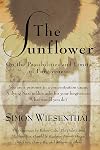
Fran Lebowitz said that Jews believe in revenge, because the Jewish God is an avenging God. On the other hand, forgiveness is a central pillar in Christian theology. Christ died on the cross to cleanse the sin of the world, and in the process forgave his tormentors.
These contrasting views of forgiveness are elucidated by the responses in the symposium - the Jewish thinkers tend to take a harsher view of the SS soldier's confession and hope for absolution, while the Christian thinkers tend to show more err on the side of forgiveness as an absolute moral obligation.
The conversation leads one to see the Christian view as naive - is it possible that the ethos of forgiveness permits the continuation of horrors? Do people feel free in their sin because they know that forgiveness and salvation are ultimately available to all, even the perpetrators of genocide? Whereas Jews more readily acknowledge and live with the consequences of their actions? The fact that Simon Wiesenthal wrestled with this question of forgiveness shows that he does not embrace simple-minded theological dogma in response to complex moral questions. show less
These contrasting views of forgiveness are elucidated by the responses in the symposium - the Jewish thinkers tend to take a harsher view of the SS soldier's confession and hope for absolution, while the Christian thinkers tend to show more err on the side of forgiveness as an absolute moral obligation.
The conversation leads one to see the Christian view as naive - is it possible that the ethos of forgiveness permits the continuation of horrors? Do people feel free in their sin because they know that forgiveness and salvation are ultimately available to all, even the perpetrators of genocide? Whereas Jews more readily acknowledge and live with the consequences of their actions? The fact that Simon Wiesenthal wrestled with this question of forgiveness shows that he does not embrace simple-minded theological dogma in response to complex moral questions. show less

La labor del historiador tiene diferentes caras, desde rata de biblioteca hasta divulgador convencido y, más quisiera, convincente. El método histórico, falible pero esencial si se pretende hacer ciencia y no sólo relato, pasa por diferentes fases: documentación y, en ocasiones, investigación; cotejo y valoración crítica de los datos obtenidos; interpretación de esos datos y extracción de conclusiones evidentes y casi forzadas; enunciación de hipótesis verosímiles y plausibles; show more comprobar o falsar, si es posible, esas hipótesis; y elaboración de conclusiones, o tesis, que posiblemente redunden en nuevas vías de estudio.
Wiesenthal, conocido por su labor para llevar ante la justicia a varios dirigentes nazis, aplica en este libro el método histórico de forma harto irregular. Su labor de documentación parece rigurosa y resulta evidente como varios judíos o descendientes de judíos participaron en la organización y financiación en la expedición de Cristobal Colón. A partir de ahí, sus tesis no son siempre sostenibles por igual. Todo historiador hace Historia desde el presente pero ha de evitar, en la medida de lo posible, hacer presentismo, esto es: valorar, interpretar y comprender los hechos pasados desde los parámetros, intenciones, deseos, proyectos e intereses actuales. Así, pone en la misma balanza documentos y leyendas, hechos y supuestos deseos, previsibles intenciones no demostradas con acciones determinadas. Para el autor el sionismo de los judíos medievales y renacentistas es un hecho, algo cuanto menos controvertido, para luego contradecirse afirmando que los descendientes de los judíos españoles se sentían ante todo sefardíes y añoraban su Sefarad mucho más que un ilusorio estado judío. No afirma que Colón fuese judío, o descendiente, pero insiste en aventurar posibilidades mal sustentadas en su supuesta y desconocida ascendencia. Por otro lado es sugerente el apunte que ofrece de un traductor de hebreo en el primer viaje del almirante, algo sólo útil si pensaban encontrarse con comunidades hebreas al fin del viaje.
En suma, un libro interesante para conocer algunos mimbres sobre los que se armó el viaje colombino pero que hay que leer precavidamente pues Wiesenthal utiliza un hecho pasado para reivindicar el judaísmo contemporáneo: dolerse del holocausto, defender la necesidad y el derecho de un estado judío, primar la importancia cultural e intelectual de los judíos o denunciar el desprecio hacia el judío. Una obra aparentemente histórica pero insidiosamente política. show less
Wiesenthal, conocido por su labor para llevar ante la justicia a varios dirigentes nazis, aplica en este libro el método histórico de forma harto irregular. Su labor de documentación parece rigurosa y resulta evidente como varios judíos o descendientes de judíos participaron en la organización y financiación en la expedición de Cristobal Colón. A partir de ahí, sus tesis no son siempre sostenibles por igual. Todo historiador hace Historia desde el presente pero ha de evitar, en la medida de lo posible, hacer presentismo, esto es: valorar, interpretar y comprender los hechos pasados desde los parámetros, intenciones, deseos, proyectos e intereses actuales. Así, pone en la misma balanza documentos y leyendas, hechos y supuestos deseos, previsibles intenciones no demostradas con acciones determinadas. Para el autor el sionismo de los judíos medievales y renacentistas es un hecho, algo cuanto menos controvertido, para luego contradecirse afirmando que los descendientes de los judíos españoles se sentían ante todo sefardíes y añoraban su Sefarad mucho más que un ilusorio estado judío. No afirma que Colón fuese judío, o descendiente, pero insiste en aventurar posibilidades mal sustentadas en su supuesta y desconocida ascendencia. Por otro lado es sugerente el apunte que ofrece de un traductor de hebreo en el primer viaje del almirante, algo sólo útil si pensaban encontrarse con comunidades hebreas al fin del viaje.
En suma, un libro interesante para conocer algunos mimbres sobre los que se armó el viaje colombino pero que hay que leer precavidamente pues Wiesenthal utiliza un hecho pasado para reivindicar el judaísmo contemporáneo: dolerse del holocausto, defender la necesidad y el derecho de un estado judío, primar la importancia cultural e intelectual de los judíos o denunciar el desprecio hacia el judío. Una obra aparentemente histórica pero insidiosamente política. show less
The Sunflower: On the Possibilities and Limits of Forgiveness (Newly Expanded Paperback Edition) by Simon Wiesenthal
A thought provoking read indeed. I tried to look at this from two perspectives. As an outsider (which I most certainly am) with a knowledge only of the history of the sheer terror, misery, depravity and barbarism that the Jewish people endured (along with many other targeted groups I must add) and then also by trying to put myself in the shoes of the victims. I couldn't even begin to comprehend what those who murdered, tortured, starved, brutalised and humiliated , must have felt and show more therefore I couldn't and wouldn't begin to presume that I could forgive had I been in their shoes. As the outsider, I would like to think that I could forgive, mainly for my own peace of mind and to let go rather than any altruistic reason toward the perpetrator, in the case the dying soldier.
As with all the books about the holocaust, it is difficult to read but nevertheless a worthy read. show less
As with all the books about the holocaust, it is difficult to read but nevertheless a worthy read. show less
The Sunflower: On the Possibilities and Limits of Forgiveness (Newly Expanded Paperback Edition) by Simon Wiesenthal
“The Sunflower” was republished in 1998, after fifty years. In this edition, there are many more respondents to the question that Simon Wiesenthal poses at the end of his story about the sunflower and the dying SS officer, Karl Seidl. It is very thought provoking. The audiobook has two readers who did a superb job playing the roles of the males and females who entered opinions into the narrative. They were able to narrate without affect, but with effective emphasis, leaving the reader to show more draw his/her own conclusion as to the message's meaning and to make a decision without any one’s opinion having undue influence.
As a prisoner in a concentration camp, Simon stood for roll call hoping to be selected to work outside the camp. With the work detail, he is taken to a place that used to be his high school but now serves as a medical facility. On the way there, he suddenly notices sunflowers. They are a happy symbol, and he is surprised to see them. In the camps there are no flowers. A nurse selects him to visit a patient who wants to confess his sins, his awful crime against the Jews. The patient is an SS officer, Karl Seidl. He asked the nurse to bring him any Jew, and she chose Simon. The German officer wants to confess to a Jew, and ask for forgiveness. Although Simon doesn’t want to do this, he remains and listens. He, unlike Karl, really has no choice. Karl wants Simon to forgive him for something he did that haunts him. He wants to die in peace, although he robbed the Jews of that same right when he murdered them. When Simon looked at the soldier’s hands, he thought he saw another sunflower. He thought, this soldier will have a proper burial, but he and the other Jews would not. He left the room without forgiving him. Simon asks the respondents and the reader, “What would you have done”?
The many replies in the book are from participants from all walks of life: Green Berets, former POW’s, religious leaders, political leaders, authors, judges, doctors, activists, Holocaust survivors, Jews, Budhists, Christians, and more. Famous names appear like Dennis Prager, Nelson Mandela, Cynthia Ozick, Harold Kushner, Joseph Telushkin, Primo Levi, Hannah Arendts, and Albert Speer, whom we are told was the only Nazi to ever show any remorse for his crimes at the trials. Some have direct, first hand knowledge of the Holocaust. Each participant‘s response commands the reader’s attention as voice is given to personal perspectives which are based on backgrounds and beliefs.
The book is sometimes heart wrenching because Simon takes the reader into his nightmare, and it is a bad place to be. When he asks the reader to tell him what they would have done had they walked in his shoes, it becomes a more painful read. It is a serious request to ask the reader to enter the world of Nazi Germany, to visit with the SS officer and think about whether or not they would have forgiven the Nazi. Does he even deserve to be forgiven? Perhaps he deserves vengeance for the crimes he has committed. Should he not be punished? Should there not be retribution? Is his fear of dying not a just punishment after what he has done? Would any G-d forgive him?
Is Karl’s crime one that fits into the idea of “turning the other cheek”, or “forgiving them for they know not what they do”? I don’t think so. I don’t think his crime is forgivable. Are such heinous crimes against humanity ever forgivable? For sure, they should never be forgettable. While I do not believe I could have forgiven him, my daughter said she would have. Is it the great distance in years that separates the crime from her personal experience that which makes her more easily forgiving? Or, is it that she really does not know anyone who was directly affected by those atrocious times, as I do. I thought that the horror of the Holocaust continued to project itself on succeeding generations, so should someone who actively participated, who was truly complicit, be forgiven? How can one forgive an SS officer, the very symbol of the Nazi’s brutality?
Why did Karl want a Jew to forgive him, the very same Jew he would have murdered without so much as a second thought? He believed they were not human; they were a scourge to be destroyed. This was what they taught him, and he chose to believe it. He was 16 when he joined the Hitler youth; he was not coerced. His parents did not condone his behavior. He was old enough to know better and did not have to comply with Hitler’s monstrous ideas. Was Karl, now 21, sorry for what he did, or did he just want absolution so he could die in peace? I do not think he really cared about what was happening to the Jews, but rather, only what would happen to himself. When I consider Simon vs. Karl, I choose Simon’s decision. Simon was a Jew waiting for death at the hands of the Nazis. Karl was a Nazi wounded and dying. If Karl was not wounded, would he have continued to kill Jews, would he have killed Simon? Even after witnessing the death of the family that so traumatized him, he continued to murder Jews; he continued to follow orders. His remorse was for himself only, not for the Jews he murdered or even for the family he watched die and helped to murder that inhabited his nightmares. He felt he was too young to die, but he had brutally murdered innocent young children. His pain and fear were due to the memory that haunted him, not to a genuine feeling of sorrow for his victims.
The reader learns that Karl’s mom did not want to sell and leave her home, although her son and husband were dead, for that represented her life, yet the Nazis freely stole the homes of the Jews and never looked back. Did she and others not notice that when the Jews disappeared they often left most of their possessions behind? Was that not their life they were being forced to leave, without any choice in the matter? Even after the war, most survivors had no place to which to return. How can the reader reconcile all of the contradictions and forgive the person responsible for them? Karl never really seemed to recognize the error of his ways, so his sin, to me, was even more unforgivable. When Simon visited Karl’s mother, should he have told her the truth about her son’s crimes, or should he have shielded her from the heinous acts he had committed? She thought he was a good boy. What kind of a good boy would be in the SS? Was she that naïve or simply blinded by her love? In actuality, though, what would be gained by causing her more grief and pain? She did not approve of what her son did, and Karl’s father never had a relationship with him after he joined the Hitler Youth. They were, however, like others, guilty of turning a blind eye to the atrocities going on around them, pretending not to notice, simply pretending that the Jews were just being sent to a place where they could all live happily ever after. That was a ridiculous supposition they chose to believe, and they had to know it was implausible. I do not know if I would have told her about her son’s violent behavior, but I do not think I would have been able to forgive her either.
Because each participant in the narrative is responding to the same question, there is some redundancy, so it would be better to read only a few responses at a time, digesting them first and then moving on to the next so the reader can fully take in and understand all the opinions rendered and acknowledge all of the references mentioned. Even today, looking back at the atrocities committed and those that continue to be, in several countries like Bosnia, China, Viet Nam, Cambodia, Tibet, and the Middle East, peace still remains elusive. I seriously question the theory that the old woman passed on about G-d. Did G-d temporarily turn his head? Did he take a leave of absence? Somehow, that theory does not wash for me. Are all G-d’s absent from time to time? I would prefer to think that for a period of time in history, G-d fails to defeat evil, but that, in itself is a frightening thought. On the subject of fear, how about what frightens me most? I find the need that most people today have to forget the Holocaust, even to rewrite it, to move on, is what concerns me. Forgetting diminishes the memory of those who died and eventually will weaken our resolve to prevent it from happening again. Have we not learned anything from the horror carried out by the Nazis and others like them?
Because there were so many respondents to the question posed, I sometimes lost the thread of the narrative. Since everyone was addressing the same philosophical question, it also sometimes became redundant and occasionally tedious when it took on the feeling of a school lecture. Yet, I believe the book should be taught in every high school class before a student graduates. The need to remember and prevent these genocidal maniacs from taking over should be of paramount concern. There were many interesting facts revealed in the book such as: there were more righteous Christians in Poland than anywhere else, but also Poland had the larger population of Jews, and the only country with an actual organization set up to help the Jews, originated in Poland, so although there was an enormous amount of anti-Semitism there, there was also a positive counterpart, as well. The Sunflower question reminded me of the Trolley conundrum. Both have no one right answer; and both are difficult problems to solve.
I found a couple of messages in the book interesting. They regarded a religious interpretation. One was that “Only G-d can forgive, so throw yourself on G-d’s mercy”, but another was that G-d was absent during the time of the Shoah. Why would G-d be absent, if not to allow it to take place? Was G-d complicit? When G-d returned, would G-d, therefore, actually be able to forgive the murderers? Does G-d exist? For what kind of a G-d would allow such crimes in the first place? show less
As a prisoner in a concentration camp, Simon stood for roll call hoping to be selected to work outside the camp. With the work detail, he is taken to a place that used to be his high school but now serves as a medical facility. On the way there, he suddenly notices sunflowers. They are a happy symbol, and he is surprised to see them. In the camps there are no flowers. A nurse selects him to visit a patient who wants to confess his sins, his awful crime against the Jews. The patient is an SS officer, Karl Seidl. He asked the nurse to bring him any Jew, and she chose Simon. The German officer wants to confess to a Jew, and ask for forgiveness. Although Simon doesn’t want to do this, he remains and listens. He, unlike Karl, really has no choice. Karl wants Simon to forgive him for something he did that haunts him. He wants to die in peace, although he robbed the Jews of that same right when he murdered them. When Simon looked at the soldier’s hands, he thought he saw another sunflower. He thought, this soldier will have a proper burial, but he and the other Jews would not. He left the room without forgiving him. Simon asks the respondents and the reader, “What would you have done”?
The many replies in the book are from participants from all walks of life: Green Berets, former POW’s, religious leaders, political leaders, authors, judges, doctors, activists, Holocaust survivors, Jews, Budhists, Christians, and more. Famous names appear like Dennis Prager, Nelson Mandela, Cynthia Ozick, Harold Kushner, Joseph Telushkin, Primo Levi, Hannah Arendts, and Albert Speer, whom we are told was the only Nazi to ever show any remorse for his crimes at the trials. Some have direct, first hand knowledge of the Holocaust. Each participant‘s response commands the reader’s attention as voice is given to personal perspectives which are based on backgrounds and beliefs.
The book is sometimes heart wrenching because Simon takes the reader into his nightmare, and it is a bad place to be. When he asks the reader to tell him what they would have done had they walked in his shoes, it becomes a more painful read. It is a serious request to ask the reader to enter the world of Nazi Germany, to visit with the SS officer and think about whether or not they would have forgiven the Nazi. Does he even deserve to be forgiven? Perhaps he deserves vengeance for the crimes he has committed. Should he not be punished? Should there not be retribution? Is his fear of dying not a just punishment after what he has done? Would any G-d forgive him?
Is Karl’s crime one that fits into the idea of “turning the other cheek”, or “forgiving them for they know not what they do”? I don’t think so. I don’t think his crime is forgivable. Are such heinous crimes against humanity ever forgivable? For sure, they should never be forgettable. While I do not believe I could have forgiven him, my daughter said she would have. Is it the great distance in years that separates the crime from her personal experience that which makes her more easily forgiving? Or, is it that she really does not know anyone who was directly affected by those atrocious times, as I do. I thought that the horror of the Holocaust continued to project itself on succeeding generations, so should someone who actively participated, who was truly complicit, be forgiven? How can one forgive an SS officer, the very symbol of the Nazi’s brutality?
Why did Karl want a Jew to forgive him, the very same Jew he would have murdered without so much as a second thought? He believed they were not human; they were a scourge to be destroyed. This was what they taught him, and he chose to believe it. He was 16 when he joined the Hitler youth; he was not coerced. His parents did not condone his behavior. He was old enough to know better and did not have to comply with Hitler’s monstrous ideas. Was Karl, now 21, sorry for what he did, or did he just want absolution so he could die in peace? I do not think he really cared about what was happening to the Jews, but rather, only what would happen to himself. When I consider Simon vs. Karl, I choose Simon’s decision. Simon was a Jew waiting for death at the hands of the Nazis. Karl was a Nazi wounded and dying. If Karl was not wounded, would he have continued to kill Jews, would he have killed Simon? Even after witnessing the death of the family that so traumatized him, he continued to murder Jews; he continued to follow orders. His remorse was for himself only, not for the Jews he murdered or even for the family he watched die and helped to murder that inhabited his nightmares. He felt he was too young to die, but he had brutally murdered innocent young children. His pain and fear were due to the memory that haunted him, not to a genuine feeling of sorrow for his victims.
The reader learns that Karl’s mom did not want to sell and leave her home, although her son and husband were dead, for that represented her life, yet the Nazis freely stole the homes of the Jews and never looked back. Did she and others not notice that when the Jews disappeared they often left most of their possessions behind? Was that not their life they were being forced to leave, without any choice in the matter? Even after the war, most survivors had no place to which to return. How can the reader reconcile all of the contradictions and forgive the person responsible for them? Karl never really seemed to recognize the error of his ways, so his sin, to me, was even more unforgivable. When Simon visited Karl’s mother, should he have told her the truth about her son’s crimes, or should he have shielded her from the heinous acts he had committed? She thought he was a good boy. What kind of a good boy would be in the SS? Was she that naïve or simply blinded by her love? In actuality, though, what would be gained by causing her more grief and pain? She did not approve of what her son did, and Karl’s father never had a relationship with him after he joined the Hitler Youth. They were, however, like others, guilty of turning a blind eye to the atrocities going on around them, pretending not to notice, simply pretending that the Jews were just being sent to a place where they could all live happily ever after. That was a ridiculous supposition they chose to believe, and they had to know it was implausible. I do not know if I would have told her about her son’s violent behavior, but I do not think I would have been able to forgive her either.
Because each participant in the narrative is responding to the same question, there is some redundancy, so it would be better to read only a few responses at a time, digesting them first and then moving on to the next so the reader can fully take in and understand all the opinions rendered and acknowledge all of the references mentioned. Even today, looking back at the atrocities committed and those that continue to be, in several countries like Bosnia, China, Viet Nam, Cambodia, Tibet, and the Middle East, peace still remains elusive. I seriously question the theory that the old woman passed on about G-d. Did G-d temporarily turn his head? Did he take a leave of absence? Somehow, that theory does not wash for me. Are all G-d’s absent from time to time? I would prefer to think that for a period of time in history, G-d fails to defeat evil, but that, in itself is a frightening thought. On the subject of fear, how about what frightens me most? I find the need that most people today have to forget the Holocaust, even to rewrite it, to move on, is what concerns me. Forgetting diminishes the memory of those who died and eventually will weaken our resolve to prevent it from happening again. Have we not learned anything from the horror carried out by the Nazis and others like them?
Because there were so many respondents to the question posed, I sometimes lost the thread of the narrative. Since everyone was addressing the same philosophical question, it also sometimes became redundant and occasionally tedious when it took on the feeling of a school lecture. Yet, I believe the book should be taught in every high school class before a student graduates. The need to remember and prevent these genocidal maniacs from taking over should be of paramount concern. There were many interesting facts revealed in the book such as: there were more righteous Christians in Poland than anywhere else, but also Poland had the larger population of Jews, and the only country with an actual organization set up to help the Jews, originated in Poland, so although there was an enormous amount of anti-Semitism there, there was also a positive counterpart, as well. The Sunflower question reminded me of the Trolley conundrum. Both have no one right answer; and both are difficult problems to solve.
I found a couple of messages in the book interesting. They regarded a religious interpretation. One was that “Only G-d can forgive, so throw yourself on G-d’s mercy”, but another was that G-d was absent during the time of the Shoah. Why would G-d be absent, if not to allow it to take place? Was G-d complicit? When G-d returned, would G-d, therefore, actually be able to forgive the murderers? Does G-d exist? For what kind of a G-d would allow such crimes in the first place? show less
Lists
Awards


You May Also Like


Associated Authors
Statistics
- Works
- 47
- Also by
- 3
- Members
- 2,771
- Popularity
- #9,264
- Rating
- 4.0
- Reviews
- 45
- ISBNs
- 105
- Languages
- 13
- Favorited
- 4