
Omar S. Castañeda (1954–1997)
Author of Abuela's Weave
About the Author
Image credit: Omar S. Castañeda (1954-1997)
Works by Omar S. Castañeda
Associated Works
On the Wings of Peace: Writers and Illustrators Speak Out for Peace, in Memory of Hiroshima and Nagasaki (1995) — Contributor — 105 copies, 1 review
Sudden Fiction Latino: Short-Short Stories from the United States and Latin America (2010) — Contributor — 76 copies, 15 reviews
Currents from the Dancing River: Contemporary Latino Fiction, Nonfiction, and Poetry (1994) — Contributor — 54 copies
Tagged
Common Knowledge
- Canonical name
- Castañeda, Omar S.
- Other names
- Castañeda, Omar Sigfrido
- Birthdate
- 1954-09-06
- Date of death
- 1997
- Gender
- male
- Education
- Indiana University
- Occupations
- university professor
scholar of English language and literature
novelist - Organizations
- Western Washington University Department of English
- Awards and honors
- 1993 Charles H. and N. Mildred Nilon Award for Excellence in Minority Fiction
Boston Globe Literary Press Award
Pulitzer Prize nomination
Critchfield Research Award
Fulbright Central American Research Grant - Nationality
- Guatemala (birth)
USA (naturalized|1986) - Birthplace
- Guatemala City, Guatemala
- Places of residence
- Guatemala City, Guatemala
Indiana, USA
Michigan, USA
Florida, USA
Washington, USA
China (show all 7)
Mexico - Place of death
- Bellingham, Washington, USA
- Associated Place (for map)
- USA
Members
Reviews
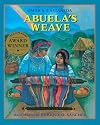
In this story set in Guatemala, Esperanza and her grandmother still weave their wares by hand while most families have switched to commercial made fabrics. Esperanza and her grandma are working on a special project for the upcoming fiesta market. When they go to the village, though, Abuela wraps herself up in a black cloak and walks far behind Esperanza - the year before, people had been wary of her birthmark, and she doesn't want to scare away sales. Esperanza is on her own.
Frightened and show more overwhelmed by all the factory made goods, she is sure no one will even notice her. But when she hangs their special project - a beautiful tapestry depicting the history of Guatemala - the villagers do notice, and flock around her. Soon, all her goods are sold, with promises made to bring more next weekend.
Two aspects of this picture book are striking. One is the use of beautiful illustrations. The varied colors of every picture reflect the vivid tapestries, and in every drawing are Guatemalan inspired symbols that are worked in to the page in various ways. The second thing that captivated me was the subtle message of the story. Abuela hides herself from the world because of her stigma, her birthmark that some call witch craft, and this separates her from her family. At the end of this tale, as the people warm up to Esperanza, Abuela quietly rejoins her granddaughter and removes her cloak. Though the author does not mention this in the text, the story itself and the drawings indicate that people are learning to look beneath the surface and accept Abuela, just as they are accepting these exquisitely made tapestries. A lovely message in a lovely story. show less
Frightened and show more overwhelmed by all the factory made goods, she is sure no one will even notice her. But when she hangs their special project - a beautiful tapestry depicting the history of Guatemala - the villagers do notice, and flock around her. Soon, all her goods are sold, with promises made to bring more next weekend.
Two aspects of this picture book are striking. One is the use of beautiful illustrations. The varied colors of every picture reflect the vivid tapestries, and in every drawing are Guatemalan inspired symbols that are worked in to the page in various ways. The second thing that captivated me was the subtle message of the story. Abuela hides herself from the world because of her stigma, her birthmark that some call witch craft, and this separates her from her family. At the end of this tale, as the people warm up to Esperanza, Abuela quietly rejoins her granddaughter and removes her cloak. Though the author does not mention this in the text, the story itself and the drawings indicate that people are learning to look beneath the surface and accept Abuela, just as they are accepting these exquisitely made tapestries. A lovely message in a lovely story. show less
I liked this book for two reasons. First, I liked the book because of the plot. Abuela’s Weave is about a girl, Esperanza, and her grandmother. Esperanza knows that they must sell the items they weave in order to help her family; the problem is that she must go with her grandmother. Her grandmother, however, has a big birth mark on her face. Afraid that people may not want to buy anything from the family, the grandmother stands from a distance. The plot of the story is that Esperanza must show more walk the streets feeling alone in a big crowed market. When she finds a place for her items, she looks all around to see that the other people are also selling beautiful items. She then sees that people start to buy from her. The thing that catches people’s attention from Esperanza’s items are the elaborate weaving. She is glad her grandmother taught her how to weave. Second, I liked the illustrations. On each page you can see the vibrant colors and patterns that many indigenous native use. You can see why the people at the market bought things from Esperanza. It has many bright purples, reds, and blues. The message of this book is to never doubt your skills. Skills are passed down from generations to generations. show less
This touching story of personal growth and family pride is illustrated with authentic Guatemalan scenery that gives life to the country's radiant landscape and bustling city streets.
Esperanza's Abuela, her grandmother, is unmatched in her skill in weaving traditional Mayan tapestries. She has shared her gift with her granddaughter, and now they plan to sell their goods at the market. However, the birthmark on Abuela's face may scare customers away. So Esperanza must cope with the city show more streets and find buyers alone. show less
Esperanza's Abuela, her grandmother, is unmatched in her skill in weaving traditional Mayan tapestries. She has shared her gift with her granddaughter, and now they plan to sell their goods at the market. However, the birthmark on Abuela's face may scare customers away. So Esperanza must cope with the city show more streets and find buyers alone. show less
Esperanza's Abuela, her grandmother, is unmatched in her skill in weaving traditional Mayan tapestries. She has shared her gift with her granddaughter, and now they plan to sell their goods at the market. However, the birthmark on Abuela's face may scare customers away. So Esperanza must cope with the city streets and find buyers alone. This is a touching story of personal growth and family pride is illustrated with authentic Guatemalan scenery that gives life to the country's radiant show more landscape and bustling city streets. I liked this book because the author did a good job of properly representing the culture and its many colors (because he grew up there). The big idea of this book is to teach students about modern Mayan culture in Guatemala which I believe the other did well. show less
Lists
Awards


You May Also Like


Associated Authors
Statistics
- Works
- 9
- Also by
- 4
- Members
- 950
- Popularity
- #27,087
- Rating
- 3.9
- Reviews
- 32
- ISBNs
- 28
- Languages
- 1
