
Julie Larios
Author of Yellow Elephant: A Bright Bestiary
About the Author
Works by Julie Larios
Associated Works
Tagged
Common Knowledge
- Gender
- female
Members
Reviews
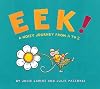
Julie Paschkis is one of my favorite illustrators, and I have a program just on her art with kids - we make lots of colorful swirls, test different colors, and look at how she blends and sketches her work.
Her latest collaboration with poet Julie Larios, is a delightful alphabet book - full of noises! A plump little mouse, sporting Paschkis' trademark vibrant patterns and designs on jacket, pants, and cummerbund, prances through the "story" from an initial achoo, holding a daisy, to show more witnessing an accident as a bike goes "kabonk" on a turtle, sending the riding raccoon tumbling into a bush, to the "varoom" of a pig in a race car and a final sleepy "zzzzz" as the mouse curls up in a lion's hair, daisy tucked behind the sleeping cat's ear.
There's a certain cumulative effect to the story, as the number of animals, items, and noises grow and it gives a narrative flow to an otherwise simple alphabet. While there's plenty of alphabet books around, this is an unusual take and, moreover, an unusual approach that's actual appealing and understandable for pre-reading children. Don't get me started on some people's penchant for "alphabet books" that are actually art books for adults... Don't forget to check out the activity kit online, which fun coloring pages and lots of suggestions for storytimes and activities.
Verdict: If you're looking for something fresh and new in ABC books, this is a fun choice to expand your collection and will make a great interactive storytime read as everyone joins in on the noises.
ISBN: 9781682631690; Published September 2020 by Peachtree; F&G provided by publisher for review; Purchased for the library show less
Her latest collaboration with poet Julie Larios, is a delightful alphabet book - full of noises! A plump little mouse, sporting Paschkis' trademark vibrant patterns and designs on jacket, pants, and cummerbund, prances through the "story" from an initial achoo, holding a daisy, to show more witnessing an accident as a bike goes "kabonk" on a turtle, sending the riding raccoon tumbling into a bush, to the "varoom" of a pig in a race car and a final sleepy "zzzzz" as the mouse curls up in a lion's hair, daisy tucked behind the sleeping cat's ear.
There's a certain cumulative effect to the story, as the number of animals, items, and noises grow and it gives a narrative flow to an otherwise simple alphabet. While there's plenty of alphabet books around, this is an unusual take and, moreover, an unusual approach that's actual appealing and understandable for pre-reading children. Don't get me started on some people's penchant for "alphabet books" that are actually art books for adults... Don't forget to check out the activity kit online, which fun coloring pages and lots of suggestions for storytimes and activities.
Verdict: If you're looking for something fresh and new in ABC books, this is a fun choice to expand your collection and will make a great interactive storytime read as everyone joins in on the noises.
ISBN: 9781682631690; Published September 2020 by Peachtree; F&G provided by publisher for review; Purchased for the library show less
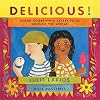
Vibrant and lyrical, this is a celebration of food, which hits taste buds from all corners of the globe.
Snacking is a world-wide, favorite past time, but food varies greatly from one culture to the next. This book takes a look at some well-known foods but mostly at lesser known ones, which kids around the world enjoy. Everything from fried scorpions to hotdogs, it's a vast array of tastes and treats.
Each two-page spread covers a country and food, which might be found at street vendors. The show more illustration shows children of that country getting their favorite treats from various sellers, and these scenes are surrounded by a colorful, busy, and artistic frame. It's bright and colorful and radiates a joyful atmosphere. The food items are shown, but these are small and only a little part of the overall images.
A short poem accompanies each of these scenes. The few lines make for an easy read, while keeping the food of each culture at the center of attention. Young listeners won't recognize all of the dishes, and that's half of the fun. For those seeking more information, there's a short summary of each country and the mentioned food at the end of the book. There are some very unexpected morsels, and some listeners are sure to have heard of themselves. It opens up curiosity and will have kids wondering what each one tastes like...and maybe, wanting to try some themselves.
I received a complimentary copy and enjoyed the artistic flair while learning about food. show less
Snacking is a world-wide, favorite past time, but food varies greatly from one culture to the next. This book takes a look at some well-known foods but mostly at lesser known ones, which kids around the world enjoy. Everything from fried scorpions to hotdogs, it's a vast array of tastes and treats.
Each two-page spread covers a country and food, which might be found at street vendors. The show more illustration shows children of that country getting their favorite treats from various sellers, and these scenes are surrounded by a colorful, busy, and artistic frame. It's bright and colorful and radiates a joyful atmosphere. The food items are shown, but these are small and only a little part of the overall images.
A short poem accompanies each of these scenes. The few lines make for an easy read, while keeping the food of each culture at the center of attention. Young listeners won't recognize all of the dishes, and that's half of the fun. For those seeking more information, there's a short summary of each country and the mentioned food at the end of the book. There are some very unexpected morsels, and some listeners are sure to have heard of themselves. It opens up curiosity and will have kids wondering what each one tastes like...and maybe, wanting to try some themselves.
I received a complimentary copy and enjoyed the artistic flair while learning about food. show less

The poems are simple, easy to read, but don't really distinguish themselves from one another, and while some of the pictures are truly beautiful, others are rather lackluster. I'd also hoped the book would use the poems as a starting point and then elaborate more fully on the nature of the creatures, but the notes on each were limited to a brief sentence or two and, in several instances, didn't explain anything more than the creature's location of origin.
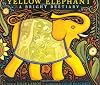
Some poems rhyme, others don’t, in this simple, enjoyable collection of poems that combine an animal with a color (“Gray mama goose in a tizzy, honk-honk-honking herself dizzy”). The poems that don’t rhyme are equally engaging, as with “Green Frog”: “One hop and her green is gone. See how she swims, blue frog now under blue water.”
The poems are very short—perfect for an introduction to poetry for young students, from which one can sample different poetic elements. Besides show more the occasional rhyming, there are examples of alliteration (“Purple Puppy”), onomatopoeia (“’Who?’ asks the white owl, all eyes. ‘Who?’”) and repetition (“Pink collar. Pink bell. Pink pillow. Pink bowl.”). Several of the poems create sensory images for children, though mostly involving sight and sound. “Orange Giraffe” opens with “Orange sun rising over the savanna—Can you see the orange water over the Juba River?” and then “Can you hear the hyena’s high orange laugh?”
The vocabulary is very accessible to young students, as are occasional similes and metaphors. For example, the poem about a brown mouse describes its skittering all around “like she’s jitterbugging on tinfoil.” The integration of Julie Paschkis’s (Glass Slipper Golden Sandal) lovely illustrations with the text produces a very satisfying package for students’ first experiences with this genre. Target audience grades 1-3.
Larios, J. H., & Paschkis, J. (2006). Yellow elephant: A bright bestiary. Orlando: Harcourt. show less
The poems are very short—perfect for an introduction to poetry for young students, from which one can sample different poetic elements. Besides show more the occasional rhyming, there are examples of alliteration (“Purple Puppy”), onomatopoeia (“’Who?’ asks the white owl, all eyes. ‘Who?’”) and repetition (“Pink collar. Pink bell. Pink pillow. Pink bowl.”). Several of the poems create sensory images for children, though mostly involving sight and sound. “Orange Giraffe” opens with “Orange sun rising over the savanna—Can you see the orange water over the Juba River?” and then “Can you hear the hyena’s high orange laugh?”
The vocabulary is very accessible to young students, as are occasional similes and metaphors. For example, the poem about a brown mouse describes its skittering all around “like she’s jitterbugging on tinfoil.” The integration of Julie Paschkis’s (Glass Slipper Golden Sandal) lovely illustrations with the text produces a very satisfying package for students’ first experiences with this genre. Target audience grades 1-3.
Larios, J. H., & Paschkis, J. (2006). Yellow elephant: A bright bestiary. Orlando: Harcourt. show less
Lists
Awards


You May Also Like


Associated Authors
Statistics
- Works
- 6
- Also by
- 3
- Members
- 243
- Popularity
- #93,556
- Rating
- 3.7
- Reviews
- 35
- ISBNs
- 13
- Languages
- 1