
Kama Einhorn
Author of Olivia Opens a Lemonade Stand
About the Author
Works by Kama Einhorn
Cursive Writing Made Easy & Fun!: 101 Quick, Creative Activities & Reproducibles That Help Kids of All Learning Styles master Cursive Writing (2000) 18 copies
I Can Write My ABC's: Mini-Books: 26 Interactive Reproducible Mini-Books That Make Learning to Print the Letters A to Z Easy and Fun! (2001) 12 copies
Phonics Poetry Pages: 50 Fill-in-the-Blank Practice Pages That Help Kids Master Essential Phonics Skills for Reading Success (2011) 11 copies
I Can Write My ABC's! Quick & Creative Activities: 50 Delightful Multi-Sensory Activities with Teaching Tips That Make Learning to Print the Letters A (2001) 11 copies
Cursive Writing Practice Pages With a Twist!: Dozens of Super Reproducible Activities That Help Kids Polish Their Handwriting - While Having Fun! (2002) 10 copies
RTI: Easy Phonics Interventions: Week-by-Week Reproducible Lessons That Teach Key Phonics Skills Students Need to Achieve Reading Success (2011) 8 copies
Follow-the-Directions All About Me: 40 Fun Reproducible Activities That Guide Children to Share About Themselves in Pictures (2012) 5 copies
Letter of the Week Flip Chart: Write-On/Wipe-Off Activity Pages That Introduce Each Letter From A to Z (2010) 5 copies
Bedtime Puppy 4 copies
240 Vocabulary Words Kids Need to Know, Grade 1: 24 Ready-to-reproduce Packets That Make Vocabulary Building Fun & Effective (2012) 4 copies
The Five Senses (Sesame Street) 3 copies
Instant Desktop Organizer: Everything You Need to Manage & Keep Track of Your Paperwork-All Year Long! (2005) 3 copies, 1 review
Word Family Poetry Pages: 50 Fill-in-the-Blank Practice Pages That Help Kids Master Essential Phonograms for Reading Success (2011) 3 copies
Comfy-Cozy Nest 2 copies
Let's Learn about Fish 1 copy
Bilingual Pre-Writing Practice Pages: 40 Irresistible Picture Pages That Help Children Develop the Fine Motor Skills The (2005) 1 copy
We Got This 1 copy
We Got This! 1 copy
A Nap for Zap 1 copy
Tagged
Common Knowledge
- Gender
- female
- Education
- Brandeis University (BA)
University of California, Berkeley (MEd) - Occupations
- author
editor
director
content designer - Organizations
- Sesame Street
- Places of residence
- Brooklyn, New York, New York, USA
- Associated Place (for map)
- New York, USA
Members
Reviews

Be warned: you might change your mind about raccoons as pests after reading this juvenile non-fiction work. Complete with photos, it follows 4 kits rescued from an attic at only two weeks old and their journey from rescue, recovery, rehabilitation to release at around 6 months. The process of recovery and rehabilitation is especially eye opening (they get to live with a well-prepared foster mom in an apartment in San Francisco!). Also, chock-full of cool raccoon behavioral facts and hints on show more how to NOT attract raccoons to your homes. show less
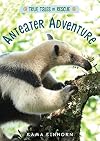
An Anteater's Adventure is also the author's adventure. Although Kama Einhorn thoroughly planned before going to Belize to study anteaters, a hurricane wrecked all of those plans. Instead she stayed to help the ravaged Tamandua Refuge. While helping to clean up the debris and save the animals from high water Einhorn met Ella, the anteater rehabilitator and Abi, a rescued anteater also called tamandua. Even though Ella was restoring her property, saving wildlife, and rehabilitating Abi, she show more was a constant teacher for Einhorn. Einhorn wrote this adventure as if Abi was telling it. This book is a goldmine of information about anteaters, their rehab, jungle canopy habitat, and wonderful people committed to conservation! Well done! show less

Summary: A traveler comes to a small town where no one shares anything. He begins to make "stone soup," putting a stone in a big pot of water. He claims that vegetables would really make the soup come together. So a villager decides to add some of their vegetables. Then the traveler goes on saying "this would make it better.. This, too..." until all of the villagers come together to make the most wonderful soup they've ever tasted.
Personal Reaction: The version of Stone Soup that I read is show more an easy reader, so it's shorter and simple than most versions. But I like the message it gives - that when a group comes together, and every person gives something unique to a project, great things can e accomplished.
Classroom Extensions:
1. In class, we could make our own version of "stone soup." Each student can bring a small baggie of clean, chopped vegetables from home to add to a pot, which will include a thoroughly washed stone. Each student adds their vegetables to the pot and when it's done, the soup is shared.
2. Let the students look at a collection of many stones. As they use magnifying glasses and their hands to see and feel the stones, have them describe each stone, using special descriptive words (smooth, rough, sharp, etc...). show less
Personal Reaction: The version of Stone Soup that I read is show more an easy reader, so it's shorter and simple than most versions. But I like the message it gives - that when a group comes together, and every person gives something unique to a project, great things can e accomplished.
Classroom Extensions:
1. In class, we could make our own version of "stone soup." Each student can bring a small baggie of clean, chopped vegetables from home to add to a pot, which will include a thoroughly washed stone. Each student adds their vegetables to the pot and when it's done, the soup is shared.
2. Let the students look at a collection of many stones. As they use magnifying glasses and their hands to see and feel the stones, have them describe each stone, using special descriptive words (smooth, rough, sharp, etc...). show less

Summary
A Spider, who fancies himself very clever, prods a young boy into leading him to all the best fruits—just so he can eat them all himself! He soon learns a lesson he won’t forget about what happens when you keep everything for yourself.
Reaction
I quite liked this story. It was nice, and served its purpose well, teaching kids a lesson about sharing and being greedy. It’s a good morality story that wraps up a bit neater than, say, Mr. Peabody’s Apples, but it still gets a good show more message across.
Classroom Extension
1. As this is a simpler story aimed towards younger children, perhaps the age where snack time is a part of the curriculum, appoint one student as “daily spider” to help hand out snacks and share like the spider did.
2. Talk to the kids about sharing and why its important show less
A Spider, who fancies himself very clever, prods a young boy into leading him to all the best fruits—just so he can eat them all himself! He soon learns a lesson he won’t forget about what happens when you keep everything for yourself.
Reaction
I quite liked this story. It was nice, and served its purpose well, teaching kids a lesson about sharing and being greedy. It’s a good morality story that wraps up a bit neater than, say, Mr. Peabody’s Apples, but it still gets a good show more message across.
Classroom Extension
1. As this is a simpler story aimed towards younger children, perhaps the age where snack time is a part of the curriculum, appoint one student as “daily spider” to help hand out snacks and share like the spider did.
2. Talk to the kids about sharing and why its important show less
Lists
Youth: Zoology (1)
Awards

You May Also Like


Associated Authors
Statistics
- Works
- 72
- Members
- 2,628
- Popularity
- #9,769
- Rating
- 3.6
- Reviews
- 41
- ISBNs
- 128
- Languages
- 2


