
Jacques Lacarrière (1925–2005)
Author of The Gnostics
About the Author
Series
Works by Jacques Lacarrière
La cendre et les étoiles. Balland. 1970. Broché, jaquette illustrée. 150 pages. (Spiritualités. ) (1970) 2 copies, 1 review
Grécia. Um Olhar Amoroso. 2 copies
Les Mille et une Portes 2 copies
Duhovni život 1 copy
De Paseo con Heródoto 1 copy
Sophocle : Essai 1 copy
L'envol d'Icare 1 copy
Γνωριμία με την Ελλάδα 1 copy
La plus belle aventure du monde (Autour de l'exposition Le monde de Cîteaux, la Bourgogne fondatrice) (1998) 1 copy
L'Aurige : Poème 1 copy
Papiers D'Orange 1 copy
Associated Works
Tagged
Common Knowledge
- Legal name
- Lacarrière, Jacques Raymond
- Birthdate
- 1925-12-02
- Date of death
- 2005-09-17
- Gender
- male
- Awards and honors
- Grand Prix de Littérature de l'Académie française (1991)
- Nationality
- France
- Birthplace
- Limoges, Haute-Vienne, Nouvelle-Aquitaine, France
- Places of residence
- Limoges, France (birth)
- Place of death
- 20e arrondissement, Paris, Île-de-France, France
- Burial location
- Greece (ashes scattered)
- Map Location
- France
- Associated Place (for map)
- Limoges, France
Members
Reviews
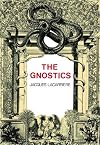
This book is a lyrical meditation on ancient gnosticism as the 'betrayal' of the physical cosmos. It is beautifully written. Lacarriere has heavyweight fans like Lawrence Durrell and Marguerite Yourcenar.
Lacarriere nicely conveys the alienated horror the ancient Gnostics felt for the world around them. And he maintains that this is in some ways comparable to our contemporary alienation under capitalism. In this way, an ancient heresy and modern revolution are used to illuminate each other. show more And our author goes about this in a manner that is very convincing.
I found myself also quite interested by the brief criticisms our author permits himself of the so-called Traditionalist School (the discussion occurs towards the end of the book) that begins with René Guénon. For our purposes here, let us say that the Traditionalist maintain that the Truth that all the Great Religious Traditions point to is unsurpassable, and thus they, and only they, are the bearers of Truth.
The argument with this is (or so I take Lacarriere to mean) that given the radical evil of the World (according to the Gnostics), we can expect no help from past religions that all spoke to a very different time. Our author argues that this 'cult of the past' "can only distract man from his true quest: the quest for a new consciousness, springing from his immediate experience and contingent on the present."
Of course, this is exactly what Guénon feared most. 'Everyone doing their own thing'. While I think Guénon has a point specifically here, Lecarriere is certainly right to argue that Man is no longer the passive recipient of natures blows that he was in either ancient or even medieval times. The modern capitalist industrial / technological revolution has changed all that! The several great religions born in the wake of the Agricultural Revolution and consequent rise of Empire cannot hope to speak to a world in which Man has become an Effective Power.
This is radically new. Our author maintains that religious answers to the human condition, if they can be found, must only be in the future, not the past.
A Huge If, ...but I agree. Modernity has changed the way people live as much as the Agriculture Revolution once did. The Axial Age Religions arose as a response to this. If the changes wrought by modernity (industry, technology and science, media and the internet) prove to be as profound as those at the dawn of History and continue to endure, it is no longer entirely impossible to imagine a new religion (and religious sensibility / ethos) eventually rising and swallowing up its predecessors.
I think that Lecarriere not only imagined this, but hoped for it too show less
Lacarriere nicely conveys the alienated horror the ancient Gnostics felt for the world around them. And he maintains that this is in some ways comparable to our contemporary alienation under capitalism. In this way, an ancient heresy and modern revolution are used to illuminate each other. show more And our author goes about this in a manner that is very convincing.
I found myself also quite interested by the brief criticisms our author permits himself of the so-called Traditionalist School (the discussion occurs towards the end of the book) that begins with René Guénon. For our purposes here, let us say that the Traditionalist maintain that the Truth that all the Great Religious Traditions point to is unsurpassable, and thus they, and only they, are the bearers of Truth.
The argument with this is (or so I take Lacarriere to mean) that given the radical evil of the World (according to the Gnostics), we can expect no help from past religions that all spoke to a very different time. Our author argues that this 'cult of the past' "can only distract man from his true quest: the quest for a new consciousness, springing from his immediate experience and contingent on the present."
Of course, this is exactly what Guénon feared most. 'Everyone doing their own thing'. While I think Guénon has a point specifically here, Lecarriere is certainly right to argue that Man is no longer the passive recipient of natures blows that he was in either ancient or even medieval times. The modern capitalist industrial / technological revolution has changed all that! The several great religions born in the wake of the Agricultural Revolution and consequent rise of Empire cannot hope to speak to a world in which Man has become an Effective Power.
This is radically new. Our author maintains that religious answers to the human condition, if they can be found, must only be in the future, not the past.
A Huge If, ...but I agree. Modernity has changed the way people live as much as the Agriculture Revolution once did. The Axial Age Religions arose as a response to this. If the changes wrought by modernity (industry, technology and science, media and the internet) prove to be as profound as those at the dawn of History and continue to endure, it is no longer entirely impossible to imagine a new religion (and religious sensibility / ethos) eventually rising and swallowing up its predecessors.
I think that Lecarriere not only imagined this, but hoped for it too show less
A fine and erudite meditation on a certain curious strain of thought... The quotations which open each chapter give you the flavor. Nothing if not trenchant and nothing if not radical.

This series of linked essays provides an accessible and imaginative description of Gnosticism in antiquity and its relevance to modernity. Scholars might take issue with some of the implicit generalizations, but the book nevertheless provides ample fodder for religious introspection, and it is written with persuasive elegance.
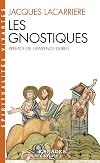
LOS GNÓSTICOS
Este libro es una meditación lírica sobre el gnosticismo antiguo como la "traición" del cosmos físico. Está bellamente escrito. Lacarriere tiene fanáticos de peso pesado como Lawrence Durrell y Marguerite Yourcenar.
Lacarriere transmite amablemente el horror alienado que los antiguos gnósticos sentían por el mundo que les rodea. Y sostiene que esto es en cierto modo comparable a nuestra alienación contemporánea bajo el capitalismo. De esta manera, una herejía antigua show more y una revolución moderna se utilizan para iluminarse mutuamente. Y nuestro autor hace esto de una manera que es muy convincente.
También me interesaron bastante las breves críticas que nuestro autor hace a la llamada Escuela Tradicionalista (la discusión se desarrolla hacia el final del libro) que comienza con René Guénon. Para nuestros propósitos aquí, digamos que los Tradicionalistas sostienen que la Verdad que todas las Grandes Tradiciones Religiosas señalan es insuperable, y así ellos, y solo ellos, son los portadores de la Verdad.
La discusión con esto es (o eso me refiero a Lacarriere) que dado el mal radical del mundo (según los gnósticos), no podemos esperar ninguna ayuda de las religiones pasadas que todos hablaban en un tiempo muy diferente. Nuestro autor argumenta que este "culto del pasado" "solo puede distraer al hombre de su verdadera búsqueda: la búsqueda de una nueva conciencia, que surge de su experiencia inmediata y depende del presente".
Por supuesto, esto es exactamente lo que temía más Guénon. 'Todos haciendo lo suyo'. Aunque creo que Guénon tiene un punto específico aquí, Lecarriere ciertamente tiene razón al argumentar que el Hombre ya no es el receptor pasivo de los golpes de naturaleza que tuvo en la época antigua o incluso medieval. ¡La revolución industrial / tecnológica capitalista moderna ha cambiado todo eso! Las varias grandes religiones que nacieron después de la Revolución Agrícola y el consecuente surgimiento del Imperio no pueden esperar hablar a un mundo en el cual el Hombre se ha convertido en un Poder Eficaz.
Esto es radicalmente nuevo. Nuestro autor sostiene que las respuestas religiosas a la condición humana, si se pueden encontrar, solo deben ser en el futuro, no en el pasado.
A Enorme si, ... pero estoy de acuerdo. La modernidad ha cambiado la forma en que las personas viven tanto como lo hizo la Revolución agrícola. Las Religiones axiales de la edad surgieron como una respuesta a esto. Si los cambios provocados por la modernidad (industria, tecnología y ciencia, medios de comunicación e internet) demuestran ser tan profundos como los que están en los albores de la historia y continúan perdurando, ya no es del todo imposible imaginar una nueva religión (y sensibilidad religiosa). / ethos) eventualmente subiendo y tragándose a sus predecesores.
Creo que Lecarriere no solo se imaginó esto, sino que también lo esperó . show less
Este libro es una meditación lírica sobre el gnosticismo antiguo como la "traición" del cosmos físico. Está bellamente escrito. Lacarriere tiene fanáticos de peso pesado como Lawrence Durrell y Marguerite Yourcenar.
Lacarriere transmite amablemente el horror alienado que los antiguos gnósticos sentían por el mundo que les rodea. Y sostiene que esto es en cierto modo comparable a nuestra alienación contemporánea bajo el capitalismo. De esta manera, una herejía antigua show more y una revolución moderna se utilizan para iluminarse mutuamente. Y nuestro autor hace esto de una manera que es muy convincente.
También me interesaron bastante las breves críticas que nuestro autor hace a la llamada Escuela Tradicionalista (la discusión se desarrolla hacia el final del libro) que comienza con René Guénon. Para nuestros propósitos aquí, digamos que los Tradicionalistas sostienen que la Verdad que todas las Grandes Tradiciones Religiosas señalan es insuperable, y así ellos, y solo ellos, son los portadores de la Verdad.
La discusión con esto es (o eso me refiero a Lacarriere) que dado el mal radical del mundo (según los gnósticos), no podemos esperar ninguna ayuda de las religiones pasadas que todos hablaban en un tiempo muy diferente. Nuestro autor argumenta que este "culto del pasado" "solo puede distraer al hombre de su verdadera búsqueda: la búsqueda de una nueva conciencia, que surge de su experiencia inmediata y depende del presente".
Por supuesto, esto es exactamente lo que temía más Guénon. 'Todos haciendo lo suyo'. Aunque creo que Guénon tiene un punto específico aquí, Lecarriere ciertamente tiene razón al argumentar que el Hombre ya no es el receptor pasivo de los golpes de naturaleza que tuvo en la época antigua o incluso medieval. ¡La revolución industrial / tecnológica capitalista moderna ha cambiado todo eso! Las varias grandes religiones que nacieron después de la Revolución Agrícola y el consecuente surgimiento del Imperio no pueden esperar hablar a un mundo en el cual el Hombre se ha convertido en un Poder Eficaz.
Esto es radicalmente nuevo. Nuestro autor sostiene que las respuestas religiosas a la condición humana, si se pueden encontrar, solo deben ser en el futuro, no en el pasado.
A Enorme si, ... pero estoy de acuerdo. La modernidad ha cambiado la forma en que las personas viven tanto como lo hizo la Revolución agrícola. Las Religiones axiales de la edad surgieron como una respuesta a esto. Si los cambios provocados por la modernidad (industria, tecnología y ciencia, medios de comunicación e internet) demuestran ser tan profundos como los que están en los albores de la historia y continúan perdurando, ya no es del todo imposible imaginar una nueva religión (y sensibilidad religiosa). / ethos) eventualmente subiendo y tragándose a sus predecesores.
Creo que Lecarriere no solo se imaginó esto, sino que también lo esperó . show less
Awards


You May Also Like


Associated Authors
Statistics
- Works
- 72
- Also by
- 3
- Members
- 655
- Popularity
- #38,516
- Rating
- 3.8
- Reviews
- 45
- ISBNs
- 121
- Languages
- 9
- Favorited
- 1