
Raghu Rai
Author of Faith and Compassion: The Life and Work of Mother Teresa
About the Author
Works by Raghu Rai
Earthscapes 2 copies
Delhi 1 copy
The Face of Despair 1 copy
DELHI… THAT WAS 1 copy
Husain, Doshi, Gufa 1 copy
Calcutta-Kolkata 1 copy
Man, mettle & steel 1 copy
Divine Moments 1 copy
Tagged
Common Knowledge
- Birthdate
- 1942
Members
Reviews

The idea for this book germinated when a pictorial feature, shot by Padma Shree photographer Raghu Rai, on a day in the life of Indira Gandhi appeared in JS magazine in June, 1972.
The enthusiastic response to the feature suggested the possibility of its expansion to book form. As the book slowly took shape, with the photographer focusing on the domestic details and the political saga of Mrs. Gandhi's life, someone remarked that the Prime Minister lives a normal lifetime in a single day, and show more so the title was born.
The book is not just another biography illustrated with official photographs. It is rather a sensitive unfolding of a day in the life of a remarkable woman, and of necessity a day that indulges artistic license to span many monumental and ordinary days in order to project an image of the unusually busy and varied life that Mrs. Gandhi leads.
The result is a fresh and unique look at the woman who manages the affairs of a vast nation at this present time. It is intended as a contemporary and human study rather than a political one, as a portrait in personality rather than an exhaustive document of minutiae: the point being not whether Mrs. Gandhi eats two eggs for breakfast or whether she prefers orange to green, but how she is able to remain human in a job that requires superhuman qualifications and stamina. show less
The enthusiastic response to the feature suggested the possibility of its expansion to book form. As the book slowly took shape, with the photographer focusing on the domestic details and the political saga of Mrs. Gandhi's life, someone remarked that the Prime Minister lives a normal lifetime in a single day, and show more so the title was born.
The book is not just another biography illustrated with official photographs. It is rather a sensitive unfolding of a day in the life of a remarkable woman, and of necessity a day that indulges artistic license to span many monumental and ordinary days in order to project an image of the unusually busy and varied life that Mrs. Gandhi leads.
The result is a fresh and unique look at the woman who manages the affairs of a vast nation at this present time. It is intended as a contemporary and human study rather than a political one, as a portrait in personality rather than an exhaustive document of minutiae: the point being not whether Mrs. Gandhi eats two eggs for breakfast or whether she prefers orange to green, but how she is able to remain human in a job that requires superhuman qualifications and stamina. show less
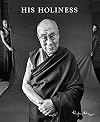
In His Holiness, award-winning photographer Raghu Rai has captured the Dalai Lama’s journey in India since exile from Tibet in 1959. Rai presents an intimate photographic portrayal of the life of one of the most popular twentieth-century spiritual leaders.
Since the fourteenth Dalai Lama’s forced exile from Tibet in 1959, Raghu Rai, one of the world’s most famous photographers, has documented his life in India. Now leading Tibetan Buddhists from afar, His Holiness is respected around show more the world as a pillar of peace and moral strength while he remains separated from his country. Enhanced by historical commentary and archival photos of the Dalai Lama and Tibet, Rai’s work follows the spiritual leader’s journey from exile through his present worldwide influence in a stunning and intimate photo series.
Born to a peasant family in 1935, Lhamo Thondup was recognized at age two as the reincarnation of the Dalai Lama and became the temporal leader of Tibet at age fifteen. In 1959, he was forced into exile in India after the Chinese military occupation of Tibet. Since 1960, he has resided in Dharamsala, aptly known as “Little Lhasa,” the seat of the Tibetan government-in-exile.
Award-wining photographer Raghu Rai has spent over four decades charting the changing face of India. Photographing subjects from Indira Gandhi and Mother Teresa to the victims of Bhopal, he is one of the most prominent and well-known visual chroniclers of the country. In His Holiness, Raghu Rai has captured the journey of the Dalai Lama in India, presenting an intimate photographic portrayal of the life of one of the most popular twentieth-century spiritual leaders, the Dalai Lama. show less
Since the fourteenth Dalai Lama’s forced exile from Tibet in 1959, Raghu Rai, one of the world’s most famous photographers, has documented his life in India. Now leading Tibetan Buddhists from afar, His Holiness is respected around show more the world as a pillar of peace and moral strength while he remains separated from his country. Enhanced by historical commentary and archival photos of the Dalai Lama and Tibet, Rai’s work follows the spiritual leader’s journey from exile through his present worldwide influence in a stunning and intimate photo series.
Born to a peasant family in 1935, Lhamo Thondup was recognized at age two as the reincarnation of the Dalai Lama and became the temporal leader of Tibet at age fifteen. In 1959, he was forced into exile in India after the Chinese military occupation of Tibet. Since 1960, he has resided in Dharamsala, aptly known as “Little Lhasa,” the seat of the Tibetan government-in-exile.
Award-wining photographer Raghu Rai has spent over four decades charting the changing face of India. Photographing subjects from Indira Gandhi and Mother Teresa to the victims of Bhopal, he is one of the most prominent and well-known visual chroniclers of the country. In His Holiness, Raghu Rai has captured the journey of the Dalai Lama in India, presenting an intimate photographic portrayal of the life of one of the most popular twentieth-century spiritual leaders, the Dalai Lama. show less
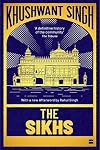
This book is about the sikh religion how it originated by Guru nanak dev ji, and certain things are added, till first sikh prime minister "dr.manmohan singh" reign in 2014.
In between journey of Sikh gurus from spirituality to being a warrior, being an able leader like Banda Singh bahadur, to a leading king like "Maharaja Ranjit Singh" the difference of caste system into "Nirankaris" and "Namdhari" and "Sehajdhari" and the role of sikhs in wars against the powerful and dominating, political show more groups and beliefs, journey of sikh from pain of partitions and genocide of 1984 we all forgive but not forgotten. The history of religion from what it was to what it had become , from a prosperous kingdom to drug addicts youth of today, religion has face it all, from agriculture to business we dominate in every section of society after partition in 1947. Role of freedom fighters there journey and there way of respond to govt. Is all shown bright and carefully. Even one like to read it then one must read it fully and try to understand it not just read it.
In the Last this is reprinted on Guru Nanak dev ji 550years celebration at the opening of Kartarpur corridor by our very own minister who make it possible "Navjot singh sidhu" and greatest achievement in his career would be this, if he ever have to turn back and look at his wide career graph
The mistakes and errors are given below:
Page 14
Missing of word " Guru" before nanak name everywhere
Page 15 "Guru" before arjun and its "Guru Arjan" before not Arjun
Taran tarn not "tarun tarun"
Missing of word "Guru " before gobind is missing every where in the book
It "quran" not "Koran " Muslims holy book
Page no 21
Age of 2 younger sons is "7" and "9" instead of 9, 10.
Page 32
Gurudwaras in Amritsar not "temples"
Page 41
" jalandhar " not "jullundur"
Page 52
"sindh" not "jind" "sindhia" not "scindia"
And everywhere it uses
Page 53
"haraamzaada" not huramzaada"
Page 54 "kathial" not "kythal"
Everywhere it is used.
Page 94 "raikot" not "rakoit"
Page 105 "Raqab ganj" not "rikab ganj"
"Kamagata maru" not " komagata maru"
"Gadar party" instead of "Ghadr party"
(Everywhere in the book)
Page 114 maharani instead of "maha ranee"
Page 121 "Maratha" not "Mahratta"
Page 122 "mintgumri" not "Montgomery"
Montgomery is city in Alabama
Page 127
• Jawala singh not jowala singh
• Kartar singh sarabha not kartar singh saraba and everywhere it is written
• Karam singh cheema not karan singh chima
Page 128
• Santokh singh dhandari not santokh singh dharde
Marathi not mahratti
PAge 183
• gurbaksh singh not gurbakhsh singh show less
In between journey of Sikh gurus from spirituality to being a warrior, being an able leader like Banda Singh bahadur, to a leading king like "Maharaja Ranjit Singh" the difference of caste system into "Nirankaris" and "Namdhari" and "Sehajdhari" and the role of sikhs in wars against the powerful and dominating, political show more groups and beliefs, journey of sikh from pain of partitions and genocide of 1984 we all forgive but not forgotten. The history of religion from what it was to what it had become , from a prosperous kingdom to drug addicts youth of today, religion has face it all, from agriculture to business we dominate in every section of society after partition in 1947. Role of freedom fighters there journey and there way of respond to govt. Is all shown bright and carefully. Even one like to read it then one must read it fully and try to understand it not just read it.
In the Last this is reprinted on Guru Nanak dev ji 550years celebration at the opening of Kartarpur corridor by our very own minister who make it possible "Navjot singh sidhu" and greatest achievement in his career would be this, if he ever have to turn back and look at his wide career graph
The mistakes and errors are given below:
Page 14
Missing of word " Guru" before nanak name everywhere
Page 15 "Guru" before arjun and its "Guru Arjan" before not Arjun
Taran tarn not "tarun tarun"
Missing of word "Guru " before gobind is missing every where in the book
It "quran" not "Koran " Muslims holy book
Page no 21
Age of 2 younger sons is "7" and "9" instead of 9, 10.
Page 32
Gurudwaras in Amritsar not "temples"
Page 41
" jalandhar " not "jullundur"
Page 52
"sindh" not "jind" "sindhia" not "scindia"
And everywhere it uses
Page 53
"haraamzaada" not huramzaada"
Page 54 "kathial" not "kythal"
Everywhere it is used.
Page 94 "raikot" not "rakoit"
Page 105 "Raqab ganj" not "rikab ganj"
"Kamagata maru" not " komagata maru"
"Gadar party" instead of "Ghadr party"
(Everywhere in the book)
Page 114 maharani instead of "maha ranee"
Page 121 "Maratha" not "Mahratta"
Page 122 "mintgumri" not "Montgomery"
Montgomery is city in Alabama
Page 127
• Jawala singh not jowala singh
• Kartar singh sarabha not kartar singh saraba and everywhere it is written
• Karam singh cheema not karan singh chima
Page 128
• Santokh singh dhandari not santokh singh dharde
Marathi not mahratti
PAge 183
• gurbaksh singh not gurbakhsh singh show less
Lists
Check Library (2)
Awards

You May Also Like


Associated Authors
Statistics
- Works
- 46
- Members
- 283
- Popularity
- #82,294
- Rating
- 3.8
- Reviews
- 5
- ISBNs
- 65
- Languages
- 5