
William R. Nester
Author of The Arikara War: The First Plains Indian War, 1823
About the Author
William R. Nester is the author of numerous books on military history, including Titan British Power in the Age of Revolution and Napoleon and the French and Indian War and the Conquest of New France.
Works by William R. Nester
Napoleon and the Art of Diplomacy: How War and Hubris Determined the Rise and Fall of the French Empire (2012) 18 copies
The Revolutionary Years, 1775-1789: The Art of American Power During the Early Republic (2011) 13 copies
The Great Frontier War: Britain, France, and the Imperial Struggle for North America, 1607-1755 (2000) 10 copies
The Jeffersonian Vision, 1801-1815: The Art of American Power During the Early Republic (2013) 10 copies
The Hamiltonian Vision, 1789-1800: The Art of American Power During the Early Republic (2012) 8 copies
Land of War: A History of European Warfare from Achilles to Napoleon, Churchill to Putin (2023) 7 copies
Haunted Victory: The American Crusade to Destroy Saddam and Impose Democracy on Iraq (2011) 5 copies
Franklin D. Roosevelt and the Art of Leadership: Battling the Great Depression and the Axis Powers (2024) 4 copies
Napoleon and the Art of Leadership: How a Flawed Genius Changed the History of Europe and the World (2021) 4 copies
Putin's Virtual War: Russia’s Subversion and Conversion of America, Europe and the World Beyond (2019) 3 copies, 1 review
Hearts, Minds, and Hydras : Fighting Terrorism in Afghanistan, Pakistan, America, and Beyond--Dilemmas and Lessons (2012) 3 copies
America's Unending Civil War: The Enduring Conflict from Jamestown through to Recent Elections (2024) 2 copies
World of War : A History of American Warfare from Jamestown to the War on Terror / William Nester (2024) 2 copies
Tagged
Common Knowledge
There is no Common Knowledge data for this author yet. You can help.
Members
Reviews
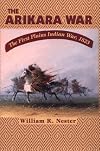
It wasn’t much of a war.
Nester covers it in just three paragraphs in his introduction. On June 2, 1823 the Arikara ambushed a fur trading expedition headed up the Missouri River under the command of William Ashley. The expedition had been conducting trade talks with them. Fourteen of Ashley’s were killed.
The expedition fled down river, stopped, and dispatched a request for aid for help from Colonel Henry Leavenworth at Fort Atkinson north of what’s now Council Bluffs, Iowa.
Two days show more after getting the request, Leavenworth left with 230 soldiers. They were joined by 50 men from another fur trading company, the group being dubbed the Missouri Legion. The help of 750 Sioux warriors was enlisted.
The party arrived at the two Arikara villages on August 8, 1823. The Sioux attacked immediately. The soldiers bombarded the villages the next day with artillery fire, but no assault was made to the disgust of the Sioux who left that night. On August 11th, the Arikara sued for peace, and, against the strenuous objections of the traders, a treaty was made between the U.S. government and the Arikara.
That night the Arikara fled their villages. The traders, against Leavenworth’s orders, fired them villages. The soldiers and Missouri Legion returned south.
But the rest of Nester’s book lays out the context for the war and its effects over 219 pages. This is an academic book complete with bibliography and footnotes, but it’s highly readable and dense with information making it required reading for anyone interest in the America fur trade, Indian wars, or military life on the Dakota frontier. Its information is dense enough that mentioning everything of interest would be a lengthy affair.
Nester has written several books on international relations and trade, and that is a theme here.
Chapter One looks at the two tribes in questions, the Arikara and Sioux, longtime enemies but somewhat economically interdependent before the whites arrived. We get a description of the trade routes and goods in Pre-Columbian North America. The culture and modes of warfare for each tribe are covered.
Chapter Two introduces the whites and the interest the British, French, and Spanish Empires had in the Missouri River Valley. Later, the competition narrowed to just the Hudson Bay Company and various American fur trading companies. The former was a state sponsored monopoly and reaped the advantage of that in the wages it could pay and managing fur resources. American traders existed in a precarious free market that led to vicious competition and short-term exploitation of fur animals.
At the time of the war, there was something of a cold war between Britian and the United States. There were accusations that the Hudson Bay Company illegally traded into America, sold liquor to Indians, and incited the latter to kill Americans. Fur trading was also seen by both countries as crucial to gaining ultimate control of the Oregon Territory, still jointly administered then. Nester says the American accusations against the Hudson Bay Company were partly justified but exaggerated.
At the time of the war, the Indians of the plains had gone from welcoming white traders with eager hospitality to viewing them with less awe and more wariness. Part of that was the disease epidemics brought by the traders to the Missouri since the late 18th century, and part was intertribal warfare. Stone Age tribes they may have been, but they could understand the concept of trade sanctions and economic advantage. The Arikara wanted a cut of the trade they allowed to pass their villages and to keep guns out of the hands of their Sioux enemies. The Sioux were in an expansionist mode. Trade had made them less reliant on the crops the Arikara grew.
Chapter Three covers the trading expeditions and rivalries going on that led to Ahsley’s expedition.
Chapter Four is the ambush and the coincidences, circumstances, and provocations that led up to it.
Chapter Five has much material on the sorry state on the American Army of the period. Desertions and death by scurvy. Soldiers spent time tending their fort’s garden. Leavenworth comes off as logistically gifted but, perhaps, not as aggressive as he should have been. Certainly, his actions came in for a great deal of criticism.
Chapter Six looks at the war’s legacy and controversy around Leavenworth’s actions with most of his critics only disagreeing on how severe the retaliation against the Arikara should have been. Only a few in the Northeast of the United States criticized Ashley’s business venture. Relations between Britain and America worsened, and, in May of 1825, fur trading groups from each country almost got into a battle with each other. Probably the most significant result of the war was the creation of the Bureau of Indian Affairs in America.
The displaced Arikara wandered about for the next several years, and settled near the Mandan and eventually onto the Fort Berthold reservation. Some would find employment as scouts in the United States Army. They would watch the command of Lieutenant Colonel George Armstrong Custer get wiped out at the Battle of the Little Bighorn. Surely, as Nester notes, “with grimly mixed feelings”. show less
Nester covers it in just three paragraphs in his introduction. On June 2, 1823 the Arikara ambushed a fur trading expedition headed up the Missouri River under the command of William Ashley. The expedition had been conducting trade talks with them. Fourteen of Ashley’s were killed.
The expedition fled down river, stopped, and dispatched a request for aid for help from Colonel Henry Leavenworth at Fort Atkinson north of what’s now Council Bluffs, Iowa.
Two days show more after getting the request, Leavenworth left with 230 soldiers. They were joined by 50 men from another fur trading company, the group being dubbed the Missouri Legion. The help of 750 Sioux warriors was enlisted.
The party arrived at the two Arikara villages on August 8, 1823. The Sioux attacked immediately. The soldiers bombarded the villages the next day with artillery fire, but no assault was made to the disgust of the Sioux who left that night. On August 11th, the Arikara sued for peace, and, against the strenuous objections of the traders, a treaty was made between the U.S. government and the Arikara.
That night the Arikara fled their villages. The traders, against Leavenworth’s orders, fired them villages. The soldiers and Missouri Legion returned south.
But the rest of Nester’s book lays out the context for the war and its effects over 219 pages. This is an academic book complete with bibliography and footnotes, but it’s highly readable and dense with information making it required reading for anyone interest in the America fur trade, Indian wars, or military life on the Dakota frontier. Its information is dense enough that mentioning everything of interest would be a lengthy affair.
Nester has written several books on international relations and trade, and that is a theme here.
Chapter One looks at the two tribes in questions, the Arikara and Sioux, longtime enemies but somewhat economically interdependent before the whites arrived. We get a description of the trade routes and goods in Pre-Columbian North America. The culture and modes of warfare for each tribe are covered.
Chapter Two introduces the whites and the interest the British, French, and Spanish Empires had in the Missouri River Valley. Later, the competition narrowed to just the Hudson Bay Company and various American fur trading companies. The former was a state sponsored monopoly and reaped the advantage of that in the wages it could pay and managing fur resources. American traders existed in a precarious free market that led to vicious competition and short-term exploitation of fur animals.
At the time of the war, there was something of a cold war between Britian and the United States. There were accusations that the Hudson Bay Company illegally traded into America, sold liquor to Indians, and incited the latter to kill Americans. Fur trading was also seen by both countries as crucial to gaining ultimate control of the Oregon Territory, still jointly administered then. Nester says the American accusations against the Hudson Bay Company were partly justified but exaggerated.
At the time of the war, the Indians of the plains had gone from welcoming white traders with eager hospitality to viewing them with less awe and more wariness. Part of that was the disease epidemics brought by the traders to the Missouri since the late 18th century, and part was intertribal warfare. Stone Age tribes they may have been, but they could understand the concept of trade sanctions and economic advantage. The Arikara wanted a cut of the trade they allowed to pass their villages and to keep guns out of the hands of their Sioux enemies. The Sioux were in an expansionist mode. Trade had made them less reliant on the crops the Arikara grew.
Chapter Three covers the trading expeditions and rivalries going on that led to Ahsley’s expedition.
Chapter Four is the ambush and the coincidences, circumstances, and provocations that led up to it.
Chapter Five has much material on the sorry state on the American Army of the period. Desertions and death by scurvy. Soldiers spent time tending their fort’s garden. Leavenworth comes off as logistically gifted but, perhaps, not as aggressive as he should have been. Certainly, his actions came in for a great deal of criticism.
Chapter Six looks at the war’s legacy and controversy around Leavenworth’s actions with most of his critics only disagreeing on how severe the retaliation against the Arikara should have been. Only a few in the Northeast of the United States criticized Ashley’s business venture. Relations between Britain and America worsened, and, in May of 1825, fur trading groups from each country almost got into a battle with each other. Probably the most significant result of the war was the creation of the Bureau of Indian Affairs in America.
The displaced Arikara wandered about for the next several years, and settled near the Mandan and eventually onto the Fort Berthold reservation. Some would find employment as scouts in the United States Army. They would watch the command of Lieutenant Colonel George Armstrong Custer get wiped out at the Battle of the Little Bighorn. Surely, as Nester notes, “with grimly mixed feelings”. show less
Putin's Virtual War: Russia’s Subversion and Conversion of America, Europe and the World Beyond by william nester

I often take my books out to read in cafes, and out of all the books I have reviewed, this one has elicited most interest from other people. It has provoked some lively discussion, and I have several people lined up who wish to read it as soon as I have finished with it, or they intend to purchase it.
The author is a Professor at a university in New York in the U.S.A., so the book focuses on the relationship between the U.S.A. and Russia. The author provides a background into the culture and show more power of Russia pre-1917, and then the Soviet Union. The power of the Soviet Union reached a zenith at the end of the Second World War, but it ended with the collapse of the Soviet bloc, the reunification of Germany, and independence of the Soviet bloc countries of Eastern Europe.
Chapters 3 to 5 cover the rise to power of President Putin, and how he maintains and asserts his power throughout the Russian government, commerce and people. Chapter 6 looks at the specific relationship between Russia and the U.S.A., of which much has been said of late. The next chapter covers the relationship with Europe, followed by the wider world. The last chapter considers the future, which is not easy to project.
There is an extensive bibliography and many explanatory notes, indicating that the author has undertaken significant research in compiling this book. Of course, such is the nature of current political discourse, there will be some who will dismiss this book and its contents as ‘fake news’. Other who are more open-minded may find some of the findings in this book disturbing. Sadly, I feel that many people will prejudge this book, whereas it is worthy of due and objective consideration. Any conclusions will be in the mind of the reader alone. show less
The author is a Professor at a university in New York in the U.S.A., so the book focuses on the relationship between the U.S.A. and Russia. The author provides a background into the culture and show more power of Russia pre-1917, and then the Soviet Union. The power of the Soviet Union reached a zenith at the end of the Second World War, but it ended with the collapse of the Soviet bloc, the reunification of Germany, and independence of the Soviet bloc countries of Eastern Europe.
Chapters 3 to 5 cover the rise to power of President Putin, and how he maintains and asserts his power throughout the Russian government, commerce and people. Chapter 6 looks at the specific relationship between Russia and the U.S.A., of which much has been said of late. The next chapter covers the relationship with Europe, followed by the wider world. The last chapter considers the future, which is not easy to project.
There is an extensive bibliography and many explanatory notes, indicating that the author has undertaken significant research in compiling this book. Of course, such is the nature of current political discourse, there will be some who will dismiss this book and its contents as ‘fake news’. Other who are more open-minded may find some of the findings in this book disturbing. Sadly, I feel that many people will prejudge this book, whereas it is worthy of due and objective consideration. Any conclusions will be in the mind of the reader alone. show less
History of the Arikara, specifically the Arikara War.
You May Also Like


Statistics
- Works
- 42
- Members
- 301
- Popularity
- #78,061
- Rating
- 3.9
- Reviews
- 3
- ISBNs
- 99