
Matilde Asensi
Author of The Last Cato
About the Author
Image credit: (c) Miguel Perdiguero
Series
Works by Matilde Asensi
Martín Ojo de Plata: la gran saga del Siglo de Oro (venganza en Sevilla, tierra firme) (Matilde Asensi) (2011) 21 copies, 1 review
Konstantin Mührü 2 copies
Tagged
Common Knowledge
- Canonical name
- Asensi, Matilde
- Legal name
- Asensi Carratalá, Matilde
- Birthdate
- 1962-06-12
- Gender
- female
- Nationality
- Spain
- Birthplace
- Alicante, Spain
- Map Location
- Spain
- Associated Place (for map)
- Alicante, Spain
Members
Reviews
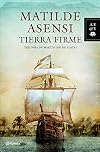
Tierra firme
Matilde Asensi
Publicado: 2007 | 169 páginas
Novela Aventuras Histórico
Serie: Martín Ojo de Plata #1 /sXUZ8FdrUZG4
A través de las hazañas de Martín Ojo de Plata, Matilde Asensi evoca magistralmente la atmósfera de las colonias españolas caribeñas del siglo XVII; un fascinante viaje en el tiempo que nos transportará a un mundo de asombrosas e imprevisibles aventuras. Mar Caribe, 1598. Tras sobrevivir a un abordaje pirata, que acaba con la vida de toda la tripulación, la show more joven Catalina Solís, exhausta y abatida por el brutal asesinato de su hermano durante el ataque, alcanza finalmente una isla. Después de dos años de penurias y adversidades, un navío arriba a la costa del islote. El maestre del barco decide adoptarla, y presentarla como un hijo mestizo desconocido hasta entonces para él. A partir de ese momento, convertida en Martín Nevares, Catalina descubrirá la libertad y la lealtad en un Nuevo Mundo repleto de peligrosos contrabandistas, corsarios y extorsionadores. show less
Matilde Asensi
Publicado: 2007 | 169 páginas
Novela Aventuras Histórico
Serie: Martín Ojo de Plata #1 /sXUZ8FdrUZG4
A través de las hazañas de Martín Ojo de Plata, Matilde Asensi evoca magistralmente la atmósfera de las colonias españolas caribeñas del siglo XVII; un fascinante viaje en el tiempo que nos transportará a un mundo de asombrosas e imprevisibles aventuras. Mar Caribe, 1598. Tras sobrevivir a un abordaje pirata, que acaba con la vida de toda la tripulación, la show more joven Catalina Solís, exhausta y abatida por el brutal asesinato de su hermano durante el ataque, alcanza finalmente una isla. Después de dos años de penurias y adversidades, un navío arriba a la costa del islote. El maestre del barco decide adoptarla, y presentarla como un hijo mestizo desconocido hasta entonces para él. A partir de ese momento, convertida en Martín Nevares, Catalina descubrirá la libertad y la lealtad en un Nuevo Mundo repleto de peligrosos contrabandistas, corsarios y extorsionadores. show less
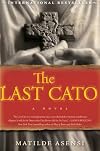
I have absolutely no interest in The Da Vinci Code or any books of that sort, but I picked this up for two reasons: my last name is Cato, and it was only $2 for a hardcover at the Phoenix VNSA sale. Personally relevant and cheap!
I was pleasantly surprised by this massive book. Once it got going, I was completely snared. The main character, Ottavia, is a high-ranking nun working in the Vatican. She specializes in ancient manuscripts and research, and therefore she's stunned when her superiors show more need her expertise in a new assignment - identifying unusual tattoos on the corpse of a dead Ethiopian. To complicate things more, the dead man was carrying along bits of the True Cross - the one Jesus died upon - and bears scarification that suggests a long-lost religious order may not be lost after all. Along with a stoic Swiss Army captain and brilliant Coptic Egyptian, the three of them work through linguistic riddles and discover the key to everything is hidden in plain sight - Dante's The Divine Comedy. As other churches around the world reel from the theft of their fragments of the Cross, Ottavia and the others rush to join this hidden order so they can stop the pilfering and confront the enigmatic leader of the group, Cato.
Reading the book reminded me of Indiana Jones and the Last Crusade. This is an intelligent, well-researched book and it was a great deal of fun. The ending had a nice twist that was followed by a bit of a cliche, but that was fine. I was concerned that I'd go through all 458-pages and be disgusted by the ending, as I was recently with Edgar Sawtelle, but that wasn't the case here. It ended like it should. I have no regrets about this $2 purchase. show less
I was pleasantly surprised by this massive book. Once it got going, I was completely snared. The main character, Ottavia, is a high-ranking nun working in the Vatican. She specializes in ancient manuscripts and research, and therefore she's stunned when her superiors show more need her expertise in a new assignment - identifying unusual tattoos on the corpse of a dead Ethiopian. To complicate things more, the dead man was carrying along bits of the True Cross - the one Jesus died upon - and bears scarification that suggests a long-lost religious order may not be lost after all. Along with a stoic Swiss Army captain and brilliant Coptic Egyptian, the three of them work through linguistic riddles and discover the key to everything is hidden in plain sight - Dante's The Divine Comedy. As other churches around the world reel from the theft of their fragments of the Cross, Ottavia and the others rush to join this hidden order so they can stop the pilfering and confront the enigmatic leader of the group, Cato.
Reading the book reminded me of Indiana Jones and the Last Crusade. This is an intelligent, well-researched book and it was a great deal of fun. The ending had a nice twist that was followed by a bit of a cliche, but that was fine. I was concerned that I'd go through all 458-pages and be disgusted by the ending, as I was recently with Edgar Sawtelle, but that wasn't the case here. It ended like it should. I have no regrets about this $2 purchase. show less
I thought the plot of this True Cross conspiracy meets Dante was way over the top and I didn't like the ending. None of the main characters worked well for me and I found the heroine particularly implausible, especially her Sicilian background. That said, it was well researched and there was enough food for thought in parts of it to encourage me to read more of this writer. She is clearly very knowledgeable. I enjoyed what she had to say about Byzantium and she offered some very interesting show more insights into the Orthodox Church. I am currently reading Asensi's Iacobus, a medieval tale about the lost treasure of the Templars and so far, I think it is a much better book. The translation is better than in The Last Cato. This could be because the book is written in a medieval style and is suited to formal English. show less
No es mala novela, si quitamos los seis quintales métricos de inexactitudes históricas, pero el final es para rilarse. Alucinante el cóctel psicotrópico que nos endilga la autora.
Lists
You May Also Like


Statistics
- Works
- 23
- Members
- 4,501
- Popularity
- #5,566
- Rating
- 3.5
- Reviews
- 176
- ISBNs
- 243
- Languages
- 10
- Favorited
- 7