
Ken Albala
Author of Beans: A History
About the Author
Ken Albala is Professor of History and Director of Food Studies at the University of the Pacific, USA. He is the author of The Food History Reader and A Cultural History of Food in the Renaissance, both published by Bloomsbury.
Works by Ken Albala
The Lost Art of Real Cooking: Rediscovering the Pleasures of Traditional Food One Recipe at a Time (2010) 153 copies, 2 reviews
The Lost Arts of Hearth and Home: The Happy Luddite's Guide to Domestic Self-Sufficiency (2012) 70 copies, 1 review
Associated Works
Tagged
Common Knowledge
- Canonical name
- Albala, Ken
- Birthdate
- 1964
- Gender
- male
- Education
- George Washington University (BA | 1986)
Yale University (MA | 1987)
Columbia University (Ph.D. | 1993) - Occupations
- professor (History)
- Organizations
- Association for the Study of Food and Society
Almond Board of California
International Association of Culinary Professionals
American Historical Association
Renaissance Society of America
Culinary Historians of Northern California (show all 7)
University of the Pacific - Awards and honors
- Phi Kappa Beta (1986)
Phi Kappa Phi Honor Society (2003)
Phi Alpha Theta History Honor Society (2007) - Nationality
- USA
- Associated Place (for map)
- USA
Members
Reviews
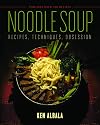
First of all, this is not a generic "Noodle recipes" book. This book is for real fans of noodles; the ones that eat them with pleasure, dare to try new variations and dream about making their own noodles at home. If your mouth is already watering while thinking "mmm...noodles", wait until you hear what's on this book.
We need to define what is considered noodle soup and what isn't. Not so long ago I read a post debating about why a bowl of cereal cant be considered soup, so knowing the rules show more of the game make it easier to break them later on, and this book will keep enticing you to break and bend the rules of what we think of as "noodle soup". The first chapters of this book take care of that; what is considered a noodle, different ingredients and varieties, historical and cultural background, old techniques of noodle soup making from different countries and different centuries, right bowls and other utensils for a good eating experience and kitchen tools for making noodles. Everything explained in great detail and very relevant if we are to experiment with new recipes or ways of eating noodle soups.
Noodles broths garnishes classics:
With that amount of detail on just the historical background, you would be right to expect a lot more in-depth information to come ahead, and there is. A lot of recipes for making all kinds of stocks, gathered from around the world, meat or vegetable stocks. Followed by even more recipes for making all kinds of noodles in all shapes, sizes, textures and even ingredients that I never knew existed. Grain or starch noodles, fermented, smoked, chilled, pulled, alkaline, batter, multicolored, all the way to more exotic versions like flamin' hot cheetos noodle soup or acorn noodles. The garnishes section is not as lengthy but covers well beyond what you need to know in order to make the right choices between all the possible combinations and types of ingredients suitable for your specific noodle soup.
However, if you are not feeling adventurous yet, or simply want a taste of noodles from other countries, there is a section full of classic dishes from places around the world; Japan's Hakata ramen, Indonesia's Cendol, Slovakia's pulled noodles, Korea's Dongchimi-guksu, Switzerland's Chard noodle soup, New Orlean's Yaka-mein among many others from all around the globe.
I bet you weren't expecting this!:
The last two sections of the book is where creativity explodes like multicolored fireworks. First, we have original recipes created by Ken Albala. Some soups sound delicious (and clever) like his onion noodle soup, which is like a traditional onion soup with a noodle twist. Others I wont be trying any time soon, like his French fry noodle soup, just because I don't like the taste of French fries. From here on, the book is full of ideas to inspire you and guide you to explore and stretch the boundaries of Noodleland. Candy noodles, calligraphy on noodles, microwaved noodles, marbleized noodles... all kinds of crazy ideas for you to experiment with. Each comes with commentary and instructions without specific measurements, even less than in the rest of the book. I feel like his idea of Noodle soup cocktails will be a hit in the future; it looks good, sounds good and has alcohol, so, I'm pretty sure it tastes good as well.
If you are planing to give this book as a gift to someone who enjoys ramen, pho or other popular noodle soup, keep it mind that it might not suit those who only want to try basic recipes and would rather have a well detailed list of ingredients followed by step by step instructions, lots of pictures and kitchen tips, in other words, another average cookbook. This book is more of an exploration on the endless possibilities of cooking with noodles and turning them into a soup, an invitation to experiment with ingredients. A reference book with some recipes along the way and explanations on techniques for you to try and tweak to your own preferences. While you can certainly follow along the instructions, most of them require some trial and error and decide on measurements on your own, so for the inexperienced cook this can be very daunting. On the other hand, people like me who don't seem to be able to stick to recipes and love experimenting in the kitchen, will find this book just right up their alley. Even more so if they love soups and noodles! but who doesn't? so I will assume that is a given. I got my eArc via NetGalley show less
We need to define what is considered noodle soup and what isn't. Not so long ago I read a post debating about why a bowl of cereal cant be considered soup, so knowing the rules show more of the game make it easier to break them later on, and this book will keep enticing you to break and bend the rules of what we think of as "noodle soup". The first chapters of this book take care of that; what is considered a noodle, different ingredients and varieties, historical and cultural background, old techniques of noodle soup making from different countries and different centuries, right bowls and other utensils for a good eating experience and kitchen tools for making noodles. Everything explained in great detail and very relevant if we are to experiment with new recipes or ways of eating noodle soups.
Noodles broths garnishes classics:
With that amount of detail on just the historical background, you would be right to expect a lot more in-depth information to come ahead, and there is. A lot of recipes for making all kinds of stocks, gathered from around the world, meat or vegetable stocks. Followed by even more recipes for making all kinds of noodles in all shapes, sizes, textures and even ingredients that I never knew existed. Grain or starch noodles, fermented, smoked, chilled, pulled, alkaline, batter, multicolored, all the way to more exotic versions like flamin' hot cheetos noodle soup or acorn noodles. The garnishes section is not as lengthy but covers well beyond what you need to know in order to make the right choices between all the possible combinations and types of ingredients suitable for your specific noodle soup.
However, if you are not feeling adventurous yet, or simply want a taste of noodles from other countries, there is a section full of classic dishes from places around the world; Japan's Hakata ramen, Indonesia's Cendol, Slovakia's pulled noodles, Korea's Dongchimi-guksu, Switzerland's Chard noodle soup, New Orlean's Yaka-mein among many others from all around the globe.
I bet you weren't expecting this!:
The last two sections of the book is where creativity explodes like multicolored fireworks. First, we have original recipes created by Ken Albala. Some soups sound delicious (and clever) like his onion noodle soup, which is like a traditional onion soup with a noodle twist. Others I wont be trying any time soon, like his French fry noodle soup, just because I don't like the taste of French fries. From here on, the book is full of ideas to inspire you and guide you to explore and stretch the boundaries of Noodleland. Candy noodles, calligraphy on noodles, microwaved noodles, marbleized noodles... all kinds of crazy ideas for you to experiment with. Each comes with commentary and instructions without specific measurements, even less than in the rest of the book. I feel like his idea of Noodle soup cocktails will be a hit in the future; it looks good, sounds good and has alcohol, so, I'm pretty sure it tastes good as well.
If you are planing to give this book as a gift to someone who enjoys ramen, pho or other popular noodle soup, keep it mind that it might not suit those who only want to try basic recipes and would rather have a well detailed list of ingredients followed by step by step instructions, lots of pictures and kitchen tips, in other words, another average cookbook. This book is more of an exploration on the endless possibilities of cooking with noodles and turning them into a soup, an invitation to experiment with ingredients. A reference book with some recipes along the way and explanations on techniques for you to try and tweak to your own preferences. While you can certainly follow along the instructions, most of them require some trial and error and decide on measurements on your own, so for the inexperienced cook this can be very daunting. On the other hand, people like me who don't seem to be able to stick to recipes and love experimenting in the kitchen, will find this book just right up their alley. Even more so if they love soups and noodles! but who doesn't? so I will assume that is a given. I got my eArc via NetGalley show less
"Tell me what you eat, and I will tell you who you are."
Jean Anthelme Brillat-Savarin
Professor Albala opens with the above quote from Brillat-Savarin, and goes on to prove the truth of it by exploring man's relationship to his food throughout the millennia. This course of 36 half hour lectures covering everything from the food of the hunter-gatherers of the stone age, through the Middle Ages and Renaissance when trade brought exotic foods and spices to the table, to the age of expansionism show more and empire when trade empires were created, often on the backs of native people, and finally into the modern age where he discusses food trends, GMOs, nutrition, and counterculture food movements.
Professor Albala is an engaging speaker, so each lecture seems to fly by, and yet each is filled with information about how the availability of food changed human life over and over, beginning with the change from hunter-gatherer tribes to agrarian societies, a change that didn't just have an impact on what we ate, but also on how hard we worked to get it, and on people's roles in society.
He explains the importation of spices and non-native foods to Europe, and how they were costly and therefore exotic and destined only for the nobility. And he explains how falling prices changed tastes, and changed what people spent their money on (tea and sugar.) He also discusses non-European societies and how their cuisines informed and were informed by trade and colonization.
Moving into the present, he explains the process of industrialization of the food chain, the rise of factory farms, and how counterculture food trends have been co-opted by big business. He also does a very good chapter on GMOs, what they are, and why they both are and are not problematic. In the end, Albala is upbeat about the future, discussing what he believes are probable changes for the better. And it's hard not to feel hopeful when he explains his ideas about why our food situation will improve.
This is another terrific course from The Great Courses, and one of the most informative and useful ones I've had the pleasure of listening to. On the strength of it, I'm going to look for more from Professor Albala. show less
Jean Anthelme Brillat-Savarin
Professor Albala opens with the above quote from Brillat-Savarin, and goes on to prove the truth of it by exploring man's relationship to his food throughout the millennia. This course of 36 half hour lectures covering everything from the food of the hunter-gatherers of the stone age, through the Middle Ages and Renaissance when trade brought exotic foods and spices to the table, to the age of expansionism show more and empire when trade empires were created, often on the backs of native people, and finally into the modern age where he discusses food trends, GMOs, nutrition, and counterculture food movements.
Professor Albala is an engaging speaker, so each lecture seems to fly by, and yet each is filled with information about how the availability of food changed human life over and over, beginning with the change from hunter-gatherer tribes to agrarian societies, a change that didn't just have an impact on what we ate, but also on how hard we worked to get it, and on people's roles in society.
He explains the importation of spices and non-native foods to Europe, and how they were costly and therefore exotic and destined only for the nobility. And he explains how falling prices changed tastes, and changed what people spent their money on (tea and sugar.) He also discusses non-European societies and how their cuisines informed and were informed by trade and colonization.
Moving into the present, he explains the process of industrialization of the food chain, the rise of factory farms, and how counterculture food trends have been co-opted by big business. He also does a very good chapter on GMOs, what they are, and why they both are and are not problematic. In the end, Albala is upbeat about the future, discussing what he believes are probable changes for the better. And it's hard not to feel hopeful when he explains his ideas about why our food situation will improve.
This is another terrific course from The Great Courses, and one of the most informative and useful ones I've had the pleasure of listening to. On the strength of it, I'm going to look for more from Professor Albala. show less
Noodle Soup is my go-to comfort food. Udon is my favorite. I was very excited to see this cookbook.
For a cookbook, there is a lot of time spent on exploring the worldwide history of noodles. Recipes are from North Dakota , Tibet, Peru, Morocco, Italy, Singapore, basically everywhere. Techniques are exhaustively explained. Photographs are provided. This is a Noodle Soup Textbook. Only, replete with humor.
I liked the photos and explanation of adding dehydrated vegetables to noodle dough. I show more loved the advice about cricket flour noodles. I loved that there is a recipe for Uyghur Laghman. This is definitely not a vegetarian cookbook, but there are some meatless recipes.
This is a very funny, encyclopedic, practical, well written book. I loved it! Would make a great gift for food historians, cooks, and foodies.
*eARC Netgalley* show less
For a cookbook, there is a lot of time spent on exploring the worldwide history of noodles. Recipes are from North Dakota , Tibet, Peru, Morocco, Italy, Singapore, basically everywhere. Techniques are exhaustively explained. Photographs are provided. This is a Noodle Soup Textbook. Only, replete with humor.
I liked the photos and explanation of adding dehydrated vegetables to noodle dough. I show more loved the advice about cricket flour noodles. I loved that there is a recipe for Uyghur Laghman. This is definitely not a vegetarian cookbook, but there are some meatless recipes.
This is a very funny, encyclopedic, practical, well written book. I loved it! Would make a great gift for food historians, cooks, and foodies.
*eARC Netgalley* show less
The Lost Art of Real Cooking: Rediscovering the Pleasures of Traditional Food One Recipe at a Time by Ken Albala
Only read about half of it before I had to return it, but I really enjoyed it — I’m not much of a cook, but I enjoy knowing the history and the why and the how things are made, and this book does a brilliant job of explaining and giving instructions in short bites.
Awards


You May Also Like


Associated Authors
Statistics
- Works
- 34
- Also by
- 1
- Members
- 1,168
- Popularity
- #22,016
- Rating
- 3.9
- Reviews
- 19
- ISBNs
- 78