
Diane de Anda
Author of Mango Moon: When Deportation Divides a Family
About the Author
Image credit: via Star Bright Books
Works by Diane de Anda
The Monster in the Mattress and Other Stories / El monstruo en el colchon y otros cuentos (English and Spanish Edition) (2011) 17 copies
Associated Works
Tagged
Common Knowledge
There is no Common Knowledge data for this author yet. You can help.
Members
Reviews
Calming and magical, these pages explore the wonders of nighttime life.
The entire family is asleep, but a young girl gazes at the jasmine vines growing outside her window. Careful not to make any noise, she tiptoes through the house, down the stairs, and peers out of the window to watch what happens under the moonlight.
The mix of rhymed text and beautiful illustrations creates a dreamy atmosphere. Each page accompanies the girl on her small journey, which carries a hint of imagination while show more never leaving reality. From the creaking floorboards under her bare feet to the deep ticking of a clock, the imagery nudges the senses with vivid familiarity. The illustrations hold darker hues and subtle tones, while details balance with flowing artistry to add a dreamy flair. These are lovely and invite readers to revisit each scene. The text flows almost as smoothly, staying in a similar inviting style to create a calming, bedtime read.
While this invitation to dreams weaves its magic, the pages also expose various animals and their basic, nightly activities. From racoons to possums and more, readers learn about the nocturnal side of nature. These creatures are, then, revisited at the end of the book, where short summaries give a little more depth into each one.
This is a beautifully illustrated book, which captures the nighttime atmosphere in just the right way for a bedtime read, while incorporating a little bit of knowledge along the way.
I received a DRC and was taken in by the atmosphere. show less
The entire family is asleep, but a young girl gazes at the jasmine vines growing outside her window. Careful not to make any noise, she tiptoes through the house, down the stairs, and peers out of the window to watch what happens under the moonlight.
The mix of rhymed text and beautiful illustrations creates a dreamy atmosphere. Each page accompanies the girl on her small journey, which carries a hint of imagination while show more never leaving reality. From the creaking floorboards under her bare feet to the deep ticking of a clock, the imagery nudges the senses with vivid familiarity. The illustrations hold darker hues and subtle tones, while details balance with flowing artistry to add a dreamy flair. These are lovely and invite readers to revisit each scene. The text flows almost as smoothly, staying in a similar inviting style to create a calming, bedtime read.
While this invitation to dreams weaves its magic, the pages also expose various animals and their basic, nightly activities. From racoons to possums and more, readers learn about the nocturnal side of nature. These creatures are, then, revisited at the end of the book, where short summaries give a little more depth into each one.
This is a beautifully illustrated book, which captures the nighttime atmosphere in just the right way for a bedtime read, while incorporating a little bit of knowledge along the way.
I received a DRC and was taken in by the atmosphere. show less
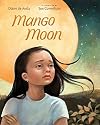
Mango Moon is a story about a ten-year-old girl named Maricela whose father is being deported. The last time the two were together, he pointed out the full moon and called it a “mango moon” because it was the color of a slice of mango.
After Papi was taken away, Mama had to get a second job. She also asked Maricela and her brother Manual to stay inside and lock the doors so they would be safe until she got home each night. Now they are getting ready to move from their house; even with two show more jobs Mama doesn’t make enough to pay the mortgage; they are going to move in with cousins.
Nothing seems to be going right. The kids are teased at school, and Maricela is scared that her mother will be taken away also. Papi is apparently being kept in a detention facility, and Mama has to take a bus to see him. As bad as this is, it is only temporary. Soon, Mama says, they will be sending Papi back to the country he came from. But Maricela knows he left in the first place because it was too dangerous there.
The children give Mama notes and pictures to take with her when she visits Papi, and he sends back letters that Maricela reads over and over.
Maricela is sick from fear and worry and missing her dad. But Mama tells her love is like the mango moon: she and her father can feel its glow no matter where they are.
Realistic illustrations brightly colored but with softened edges by multiple award-winner Sue Cornelison adeptly convey all the emotions Maricela is experiencing.
Evaluation: Although the story is quite sad, it gives a general outline of what is happening to a large number of families in the country right now. Many children will know someone affected by the separation policies of the government, and may be curious about what is going on and what it means. The author does a good job not only directing her story to a young audience (ages 7-10) but balancing the heartbreaking nature of the immigrant situation with what little positive spin she can. show less
After Papi was taken away, Mama had to get a second job. She also asked Maricela and her brother Manual to stay inside and lock the doors so they would be safe until she got home each night. Now they are getting ready to move from their house; even with two show more jobs Mama doesn’t make enough to pay the mortgage; they are going to move in with cousins.
Nothing seems to be going right. The kids are teased at school, and Maricela is scared that her mother will be taken away also. Papi is apparently being kept in a detention facility, and Mama has to take a bus to see him. As bad as this is, it is only temporary. Soon, Mama says, they will be sending Papi back to the country he came from. But Maricela knows he left in the first place because it was too dangerous there.
The children give Mama notes and pictures to take with her when she visits Papi, and he sends back letters that Maricela reads over and over.
Maricela is sick from fear and worry and missing her dad. But Mama tells her love is like the mango moon: she and her father can feel its glow no matter where they are.
Realistic illustrations brightly colored but with softened edges by multiple award-winner Sue Cornelison adeptly convey all the emotions Maricela is experiencing.
Evaluation: Although the story is quite sad, it gives a general outline of what is happening to a large number of families in the country right now. Many children will know someone affected by the separation policies of the government, and may be curious about what is going on and what it means. The author does a good job not only directing her story to a young audience (ages 7-10) but balancing the heartbreaking nature of the immigrant situation with what little positive spin she can. show less
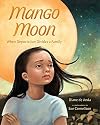
realistic portrayal of a family torn apart.
Ten-year-old Maricela’s mama picks her up from school on the day everything changes. She tells Maricela and her younger brother that their “papi won’t be coming home for a while.” Readers learn through simple prose that Maricela’s undocumented father is being held in a detention center while he awaits deportation to an unnamed but “dangerous” country. Every aspect of Maricela’s young life is affected, from her now-coachless soccer show more practice to her after-school routine. She narrates the story with a sense of grief and honesty true to a child’s understanding of a complicated and devastating situation. Cornelison’s soft, impressionistic illustrations depict the all-Latinx family with light brown skin and straight, black hair and convey the overwhelming loss and sadness felt by a child longing for an absent parent. The unsmiling characters in the story feel authentic to the heaviness of this experience. Despite their separation, Maricela focuses on ways she can stay connected to her papi, through handwritten notes and especially looking up at their same mango moon. Author de Anda honors the real challenge that many children face when a parent is deported and reminds them that it’s “all right…to cry.”
Available in both Spanish and English, this story validates a heartbreaking experience. (Picture book. 7-10)
-Kirkus Review show less
Ten-year-old Maricela’s mama picks her up from school on the day everything changes. She tells Maricela and her younger brother that their “papi won’t be coming home for a while.” Readers learn through simple prose that Maricela’s undocumented father is being held in a detention center while he awaits deportation to an unnamed but “dangerous” country. Every aspect of Maricela’s young life is affected, from her now-coachless soccer show more practice to her after-school routine. She narrates the story with a sense of grief and honesty true to a child’s understanding of a complicated and devastating situation. Cornelison’s soft, impressionistic illustrations depict the all-Latinx family with light brown skin and straight, black hair and convey the overwhelming loss and sadness felt by a child longing for an absent parent. The unsmiling characters in the story feel authentic to the heaviness of this experience. Despite their separation, Maricela focuses on ways she can stay connected to her papi, through handwritten notes and especially looking up at their same mango moon. Author de Anda honors the real challenge that many children face when a parent is deported and reminds them that it’s “all right…to cry.”
Available in both Spanish and English, this story validates a heartbreaking experience. (Picture book. 7-10)
-Kirkus Review show less
A great story about a family torn apart from deportation. The dad in the story is deported from his home and family. The little girl copes through her mother getting a second job and not being able to pick them up from school. They eventually have to move out of their family home because the mother cannot afford it by herself. In the end, she finds comfort in the mango moon as her dad might be looking at the same mango moon.
This story had charming illustrations with bright colors, even show more though the overall mood of the story was sad. It is a great story to have on your bookshelf and to read to your students as some students struggle through these issues at home and are very relevant in today's classrooms. show less
This story had charming illustrations with bright colors, even show more though the overall mood of the story was sad. It is a great story to have on your bookshelf and to read to your students as some students struggle through these issues at home and are very relevant in today's classrooms. show less
Awards


You May Also Like


Associated Authors
Statistics
- Works
- 24
- Also by
- 1
- Members
- 316
- Popularity
- #74,770
- Rating
- 4.1
- Reviews
- 7
- ISBNs
- 63
- Languages
- 1