
Trezza Azzopardi
Author of The Hiding Place
About the Author
Image credit: Trezza Azzopardi, 07 de novembro de 2000
Works by Trezza Azzopardi
Tagged
Common Knowledge
- Canonical name
- Azzopardi, Trezza
- Birthdate
- 1961
- Gender
- female
- Education
- University of East Anglia (Creative Writing)
University of Derby (MA - Film and Television) - Occupations
- novelist
lecturer - Organizations
- University of East Anglia
- Agent
- Derek Johns (AP Watt)
- Nationality
- UK
- Birthplace
- Cardiff, Wales, UK
- Places of residence
- Norwich, Norfolk, England, UK
- Map Location
- Wales, UK
Members
Reviews
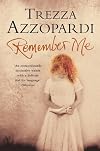
We meet the narrator, who has had many names throughout her life, as an elderly homeless woman determined to live only in the present, but forced by a disturbing assault to remember her own complicated past. Her story unfolds in chapters alternately numbered (one, two, three) and titled ("sticks", "protection", "all-day breakfast"). The numbered chapters take us back in time through the narrator's childhood and gradually on to the present; the titled chapters tell her "now" story. The show more writing is glorious; the narrator sympathetic though surely unreliable; the suspense just intense enough as we experience each new revelation about who Lillian/ Patsy/Beauty/Winnie is and has been. show less

This has been a lesson in reading for me. I attempted to read The Hiding Place in 2010, but chucked it at page 50. I couldn’t get into the story, and I found the writing style odd. I was bored, and despite all the rave reviews, and despite the Booker Prize and Orange Prize nominations, I just couldn’t get interested enough to make more effort. I gave the book away. But the person I gave it to brought it back and told me it was really very good, so I thought I’d better give it one more show more chance.
What a difference a change in mood and frame of mind makes. This time the story and the writing grabbed me right away. Azzopardi uses a complex structure and sophisticated style that demands the reader’s careful attention. But for that reader , the book is highly rewarding.
The main part of the story is set in 1960 in the Maltese immigrant community of Cardiff (who knew there even was one?), and most of the story is narrated by Dolores (Dol), the youngest of six daughters. Her mom was a working class Welsh girl who ran away and then met Dol’s father, who had jumped ship in Wales at the end of WWII. He’s ne’er do well, a gambler, and an all-round nasty individual. Theirs is an extremely dysfunctional family. Dad gambles away the rent money, Dol is disfigured in a house fire, one daughter is given away to settle a debt, one daughter is a pyromaniac, and mom suffers bouts of crippling depression (hmmm, I wonder why!). At age five, Dol’s family disintegrates permanently and she goes into foster care.
Most of the story is told by the now-adult Dol, as she tries to piece together the events of her traumatic early childhood and make sense of the bits of memories. This, of course, makes her a highly unreliable narrator, and I see Azzopardi using this as an experiment in memory. Part of this, and what is key to the novel, is the use of silences—what is not said is usually more important than what actually is said. With each revelation that Dol uncovers, the story shifts a little, building toward a version of what really happened . In the end, some questions are left unanswered, because, well, sometimes life’s like that.
Recommended for: This is a fabulous book for the reader who can pay attention and pick up on the subtleties. Also, you have to be in the mood for this grim world of grinding poverty (I know sometimes I’m not). Despite their bleak lives, Azzopardi treats her characters with dignity. And although the ending isn’t particularly depressing, it’s also not a hopeful feel good story. Because, well, sometimes life’s like that. show less
What a difference a change in mood and frame of mind makes. This time the story and the writing grabbed me right away. Azzopardi uses a complex structure and sophisticated style that demands the reader’s careful attention. But for that reader , the book is highly rewarding.
The main part of the story is set in 1960 in the Maltese immigrant community of Cardiff (who knew there even was one?), and most of the story is narrated by Dolores (Dol), the youngest of six daughters. Her mom was a working class Welsh girl who ran away and then met Dol’s father, who had jumped ship in Wales at the end of WWII. He’s ne’er do well, a gambler, and an all-round nasty individual. Theirs is an extremely dysfunctional family. Dad gambles away the rent money, Dol is disfigured in a house fire, one daughter is given away to settle a debt, one daughter is a pyromaniac, and mom suffers bouts of crippling depression (hmmm, I wonder why!). At age five, Dol’s family disintegrates permanently and she goes into foster care.
Most of the story is told by the now-adult Dol, as she tries to piece together the events of her traumatic early childhood and make sense of the bits of memories. This, of course, makes her a highly unreliable narrator, and I see Azzopardi using this as an experiment in memory. Part of this, and what is key to the novel, is the use of silences—what is not said is usually more important than what actually is said. With each revelation that Dol uncovers, the story shifts a little, building toward a version of what really happened . In the end, some questions are left unanswered, because, well, sometimes life’s like that.
Recommended for: This is a fabulous book for the reader who can pay attention and pick up on the subtleties. Also, you have to be in the mood for this grim world of grinding poverty (I know sometimes I’m not). Despite their bleak lives, Azzopardi treats her characters with dignity. And although the ending isn’t particularly depressing, it’s also not a hopeful feel good story. Because, well, sometimes life’s like that. show less
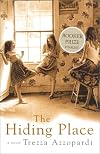
I have to start by saying I would love to meet William Gedney just to ask him about the photograph on the cover of The Hiding Place. I guess Francine Kass (who designed the cover) would be more appropriate to ask of these questions. Nevertheless, here are the things I would ask of either:
The Hiding Place by Trezza Azzopardi is sad, sad, sad. Dolores Gauci is the youngest of six daughters born to Maltese immigrants Frankie and Mary. Her view on the world is both tragic and innocent. She is at once stoic and childish; solemn and naive. What Dolores sees is a family slowly dismantled by a gambling and always losing father. As her siblings are bartered away Dolores must face a grim childhood with fewer and fewer protections as even her mother's will to survive slips away. Serving as the backdrop for the Gauci family is the 1960s landscape of Cardiff, Wales, an immigration town populated with citizens hardened enough to do just about anything to survive. show less
- The girls are in the kitchen obviously paring something (apples? potatoes?). Why do they all have one leg up; why are they standing like storks?
- The painting of the Last Supper - was that meant to be
- symbolic since the girls are standing in a kitchen?
- There is a fourth pair of feet and evidence of a little knee behind the child leaning on the refrigerator. Who is she and why isn't she more visible? I took this to be Dolores, the narrator of The Hiding Place. She is the youngest daughter and paid attention to the least. More symbolism?
The Hiding Place by Trezza Azzopardi is sad, sad, sad. Dolores Gauci is the youngest of six daughters born to Maltese immigrants Frankie and Mary. Her view on the world is both tragic and innocent. She is at once stoic and childish; solemn and naive. What Dolores sees is a family slowly dismantled by a gambling and always losing father. As her siblings are bartered away Dolores must face a grim childhood with fewer and fewer protections as even her mother's will to survive slips away. Serving as the backdrop for the Gauci family is the 1960s landscape of Cardiff, Wales, an immigration town populated with citizens hardened enough to do just about anything to survive. show less
This is a haunting story of a woman's life. We first meet Winnie when she is in her 70s, homeless and the victim of a robbery. As she tells her life story, we learn she suffers from mild retardation and a tendency to see spirits -- making her an unreliable, but unforgettable, narrator of her life's story.
I loved this book, and its examination of vulnerable people in our society.
I loved this book, and its examination of vulnerable people in our society.
Lists
First Novels (1)
Booker Prize (1)
Awards


You May Also Like


Associated Authors
Statistics
- Works
- 6
- Members
- 1,170
- Popularity
- #21,986
- Rating
- 3.4
- Reviews
- 42
- ISBNs
- 78
- Languages
- 7
- Favorited
- 6

