
Robert Goolrick (1948–2022)
Author of A Reliable Wife
About the Author
Robert Goolrick was born in Virginia and attended Johns Hopkins University. He worked in the advertising field for many years and wrote his first published novel, A Reliable Wife, in 2009. He also published a memoir entitled, The End of the World as We Know It. Goolrick resides in Virginia with his show more dog, Preacher. (Bowker Author Biography) show less
Image credit: Robert Goolrick on September 15, 2014 in Vincennes, France
Works by Robert Goolrick
Heading Out to Wonderland 1 copy
La sposa giovane 1 copy
Associated Works
Tagged
Common Knowledge
- Legal name
- Goolrick, Robert Cooke
- Birthdate
- 1948-08-04
- Date of death
- 2022-04-29
- Gender
- male
- Education
- Johns Hopkins University (BA | English)
- Occupations
- advertising copywriter
memoirist
fiction writer - Cause of death
- pneumonia
COVID-19 (complications) - Nationality
- USA
- Birthplace
- Charlottesville, Virginia, USA
- Places of residence
- Lexington, Virginia, USA
New York, New York, USA
Weems, Virginia, USA - Place of death
- Lynchburg, Virginia, USA
- Associated Place (for map)
- Virginia, USA
Members
Reviews
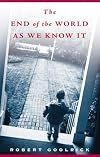
When you end up feeling devastated for the little boy who was Robert Goolrick you will feel like it is THE END OF THE WORLD AS WE KNOW IT, the title of his coming-of-age memoir.
It’s hard for me to write about this book.
Goolrick’s memoir is lyrical and beautiful and tantalizing and glittering. It also presents two viewpoints of the same characters–a sophisticated intellectual family–and the bottom-of-the-barrel people that they became. But the way Goolrick balances these things, you show more don’t realize what is coming.
Then he slams the reader with betrayal and brutality.
Yes, I mean that the reader is assaulted. But Goolrick does so to re-enact how he, as a little boy, was assaulted with betrayal and brutality.
What I learned from this book (aside from the fact that there are books so amazingly written I can’t even hope to follow their model) is that it is possible to withhold something important until way way way into a book. It’s not only possible, but it can be stunning.
I walked around feeling stunned two, maybe three, weeks after I finished reading this book. A few years out, I still feel a little stunned. Now that is a memoir. show less
It’s hard for me to write about this book.
Goolrick’s memoir is lyrical and beautiful and tantalizing and glittering. It also presents two viewpoints of the same characters–a sophisticated intellectual family–and the bottom-of-the-barrel people that they became. But the way Goolrick balances these things, you show more don’t realize what is coming.
Then he slams the reader with betrayal and brutality.
Yes, I mean that the reader is assaulted. But Goolrick does so to re-enact how he, as a little boy, was assaulted with betrayal and brutality.
What I learned from this book (aside from the fact that there are books so amazingly written I can’t even hope to follow their model) is that it is possible to withhold something important until way way way into a book. It’s not only possible, but it can be stunning.
I walked around feeling stunned two, maybe three, weeks after I finished reading this book. A few years out, I still feel a little stunned. Now that is a memoir. show less
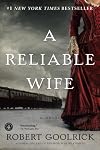
For someone to know you, to know you completely and utterly, and still love you: isn’t that what we all wish for? To know you have sinned, and yet be saved? To feel despicable, and be redeemed? In this remarkable first novel, there are no characters not crippled by hurt, anger, and memories poisoned by a suffocating brew of profligacy and licentiousness. And yet, some of them find redemption. Some of them don’t.
The three sinners who take the main stage of this story don’t know much show more about love. They’ve never had it, and don’t know that it comes from tenderness as much as passion; that it comes from giving love with nothing expected in return. Instead, they try to dull their pain and loneliness with drugs, or lust, or even self-denial. But the pain persists, and they take it out on those who might have loved them, if they had only known what love was about.
When 34-year-old Catherine Land answered an ad for a reliable wife, and came in the cold and bleak winter of Wisconsin in 1907 to marry 54-year-old Ralph Truitt, she didn’t know what to expect. He expected a plain woman; she had sent someone else’s picture. But she was beautiful, and he knew right away that if nothing else, she was a liar.
Ralph had grown up with a cruel, abusive mother and largely absent father. Catherine had grown up an orphan. Neither was confident of having a heart capable of goodness.
On the way back from the train station on the day Ralph picked up Catherine, they had an accident. Catherine had to nurse Ralph back to life, to care for and nurture another human being, a gift that had been denied her in her brutal existence. And so the change in her began.
Tony Moretti was Ralph’s son by his first marriage, a marriage that had ended in mockery and sorrow. Ralph’s first wife Emilia had cared for neither Ralph nor Tony; in fact, Tony’s real father was Emilia’s piano teacher, who soon grew bored with her and left. When Tony was eight, Emilia left as well. Ralph saw in Tony both his mother’s infidelity and his own humiliation and he hated Tony for it. He later admitted to punishing and beating Tony for little reason. And so Tony also was filled with hurt and rage. He lived a dissolute life in a sexual frenzy because, "There was a moment during the act of love in which he forgot who he was, forgot everything…. In sex, he ceased thinking and became only being, all movement and pleasure and expertise.”
And forgetting was what they all three wanted to do. But of course, it was impossible….even when remembering could prove to be lethal.
Discussion:
This is a creative and mesmerizing story skillfully written in spare but elegant prose that constantly surprises the reader with the roiling fervor of thoughts and actions beneath the plain and proper exterior of the words. In this way, the form of the book is a mirror of the characters themselves. Catherine covers up her true persona with plain dark dresses and no ornamentation. Truitt struggles to hide his rambunctious, tormenting demons beneath a strait-laced life of subsistence that serves as self-flagellation. Moretti carefully constructs a façade of insouciance, unconcerned with anything more weighty than securing that evening’s pleasure. All of their exteriors are painstakingly wrought, and turned into well-designed expression, like the words that describe them.
Vivid contrasts also characterize the story itself, from the sex and opium and dissolution of lives made short and harrowing by pain and poverty to the visions of lush gardens Catherine entertains amid the endless white and bitter cold of the winter. Self-hatred and despair are juxtaposed with the shocking possibility of endless grace. These contrasts, set as they are amid surprising plot developments and twists, stun and awaken the senses of the reader much as the frigid wind chill of the Wisconsin winter must have done to inhabitants stepping out of their homes in that endless cold of 1907.
Evaluation:
There is so much here to affect you: bleakness, madness, suffering, longing, tumultuous desire, boundless grief, decency, humanity, moral hope, and glimmerings of happiness. This is a story that will haunt you long after you finish the book. Highly recommended. show less
The three sinners who take the main stage of this story don’t know much show more about love. They’ve never had it, and don’t know that it comes from tenderness as much as passion; that it comes from giving love with nothing expected in return. Instead, they try to dull their pain and loneliness with drugs, or lust, or even self-denial. But the pain persists, and they take it out on those who might have loved them, if they had only known what love was about.
When 34-year-old Catherine Land answered an ad for a reliable wife, and came in the cold and bleak winter of Wisconsin in 1907 to marry 54-year-old Ralph Truitt, she didn’t know what to expect. He expected a plain woman; she had sent someone else’s picture. But she was beautiful, and he knew right away that if nothing else, she was a liar.
Ralph had grown up with a cruel, abusive mother and largely absent father. Catherine had grown up an orphan. Neither was confident of having a heart capable of goodness.
On the way back from the train station on the day Ralph picked up Catherine, they had an accident. Catherine had to nurse Ralph back to life, to care for and nurture another human being, a gift that had been denied her in her brutal existence. And so the change in her began.
Tony Moretti was Ralph’s son by his first marriage, a marriage that had ended in mockery and sorrow. Ralph’s first wife Emilia had cared for neither Ralph nor Tony; in fact, Tony’s real father was Emilia’s piano teacher, who soon grew bored with her and left. When Tony was eight, Emilia left as well. Ralph saw in Tony both his mother’s infidelity and his own humiliation and he hated Tony for it. He later admitted to punishing and beating Tony for little reason. And so Tony also was filled with hurt and rage. He lived a dissolute life in a sexual frenzy because, "There was a moment during the act of love in which he forgot who he was, forgot everything…. In sex, he ceased thinking and became only being, all movement and pleasure and expertise.”
And forgetting was what they all three wanted to do. But of course, it was impossible….even when remembering could prove to be lethal.
Discussion:
This is a creative and mesmerizing story skillfully written in spare but elegant prose that constantly surprises the reader with the roiling fervor of thoughts and actions beneath the plain and proper exterior of the words. In this way, the form of the book is a mirror of the characters themselves. Catherine covers up her true persona with plain dark dresses and no ornamentation. Truitt struggles to hide his rambunctious, tormenting demons beneath a strait-laced life of subsistence that serves as self-flagellation. Moretti carefully constructs a façade of insouciance, unconcerned with anything more weighty than securing that evening’s pleasure. All of their exteriors are painstakingly wrought, and turned into well-designed expression, like the words that describe them.
Vivid contrasts also characterize the story itself, from the sex and opium and dissolution of lives made short and harrowing by pain and poverty to the visions of lush gardens Catherine entertains amid the endless white and bitter cold of the winter. Self-hatred and despair are juxtaposed with the shocking possibility of endless grace. These contrasts, set as they are amid surprising plot developments and twists, stun and awaken the senses of the reader much as the frigid wind chill of the Wisconsin winter must have done to inhabitants stepping out of their homes in that endless cold of 1907.
Evaluation:
There is so much here to affect you: bleakness, madness, suffering, longing, tumultuous desire, boundless grief, decency, humanity, moral hope, and glimmerings of happiness. This is a story that will haunt you long after you finish the book. Highly recommended. show less
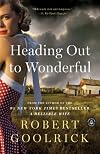
In spite of the title, this is not a "Once upon a Time.....happily ever after" fairy tale.
Seldom does a book leave me speechless, but when I reluctantly closed this one I was stunned, without words and almost unable to breath. It's slow, measured, every word carefully chosen to craft a story of a small town, of quiet ordinary people trying to live moral lives, of ingrained prejudices and lack of education, of Bible thumping preachers and butchers, and seamstresses and secrets and dreams. show more It's a story about morals, ethics, cause and effect, truth and consequences.
Goolrick tells us the story mostly through the eyes of an old man who reflects back on his town Brownsburg, a town "where no crime had ever been committed... where the terrible American wanting hadn't touched yet, where most people lived a simple life without yearning for things they couldn't have." He tells us of an ill-fated illicit love affair between a strong minded and introverted young man Charlie, and the Hollywood obsessed beautiful young wife of the town bully. As their affair develops, they unwittingly involve Sam, the six year old young son of the town butcher, swearing him to secrecy. Sam has hero-worshipped Charlie from the day he arrived to work in his father's butcher shop and even now, sixty years later, still seems to be putting together the pieces of what happened as he relates the story.
There are really two stories here. The author unfolds each slowly tantalizing the reader with possibilities. Charlie's story, which is ultimately Sam's story, is told alongside the life and dreams of Sylvan Glass, a young woman sold into marriage when she was sixteen by a father who wanted security for the rest of his family to to the town bully, a man who wanted a trophy. Once Sylvan walks into the butcher shop, dressed in movie star finery, and once Charlie sees her, the illicit relationship marches inexorably to a conclusion worthy of the movies Sylvan is so in love with.
Goolrick's prose is spare but poetic; it paints a vivid picture of a seemingly idyllic life resting on secrets, immune to modernity, and destined to hold the reader's attention from beginning to end. To more about the plot or the characters wrapped into it would be to spoil one of the best reading experiences available today. I haven't read Goolrick's earlier work but he is certainly going onto my list of authors to search out. show less
Seldom does a book leave me speechless, but when I reluctantly closed this one I was stunned, without words and almost unable to breath. It's slow, measured, every word carefully chosen to craft a story of a small town, of quiet ordinary people trying to live moral lives, of ingrained prejudices and lack of education, of Bible thumping preachers and butchers, and seamstresses and secrets and dreams. show more It's a story about morals, ethics, cause and effect, truth and consequences.
Goolrick tells us the story mostly through the eyes of an old man who reflects back on his town Brownsburg, a town "where no crime had ever been committed... where the terrible American wanting hadn't touched yet, where most people lived a simple life without yearning for things they couldn't have." He tells us of an ill-fated illicit love affair between a strong minded and introverted young man Charlie, and the Hollywood obsessed beautiful young wife of the town bully. As their affair develops, they unwittingly involve Sam, the six year old young son of the town butcher, swearing him to secrecy. Sam has hero-worshipped Charlie from the day he arrived to work in his father's butcher shop and even now, sixty years later, still seems to be putting together the pieces of what happened as he relates the story.
There are really two stories here. The author unfolds each slowly tantalizing the reader with possibilities. Charlie's story, which is ultimately Sam's story, is told alongside the life and dreams of Sylvan Glass, a young woman sold into marriage when she was sixteen by a father who wanted security for the rest of his family to to the town bully, a man who wanted a trophy. Once Sylvan walks into the butcher shop, dressed in movie star finery, and once Charlie sees her, the illicit relationship marches inexorably to a conclusion worthy of the movies Sylvan is so in love with.
Goolrick's prose is spare but poetic; it paints a vivid picture of a seemingly idyllic life resting on secrets, immune to modernity, and destined to hold the reader's attention from beginning to end. To more about the plot or the characters wrapped into it would be to spoil one of the best reading experiences available today. I haven't read Goolrick's earlier work but he is certainly going onto my list of authors to search out. show less
This is a novel from the not long gone, but still days past, and also from the days partly imagined, fashioned with a Holywood movie filter in place. The times past when lives were more singular and the decisions made more grave. One gave in to destiny as if it were true, as if it existed. In a place where love is larger than life itself, and the reason too, and characters cut out sharply in the scorching light of a merciless summer, the mistakes are made but never regretted. One cannot help show more oneself, one accepts whatever comes next. Lives are broken and ruined without hesitation, without even a thought, as if hit by a natural disaster.
I loved the way Goolrick eased us readers into the story like every good storyteller should, by showing us the larger picture of the small town and the country, by setting up the stage for the dramatic love story. It was so good I could almost hear a manly Hollywood movie voice introducing the plot, whispering in my ear, promising terrible, large things, cajoling me into this tragedy. show less
I loved the way Goolrick eased us readers into the story like every good storyteller should, by showing us the larger picture of the small town and the country, by setting up the stage for the dramatic love story. It was so good I could almost hear a manly Hollywood movie voice introducing the plot, whispering in my ear, promising terrible, large things, cajoling me into this tragedy. show less
Lists
Awards


You May Also Like


Associated Authors
Statistics
- Works
- 13
- Also by
- 1
- Members
- 6,042
- Popularity
- #4,068
- Rating
- 3.4
- Reviews
- 459
- ISBNs
- 125
- Languages
- 12
- Favorited
- 6

