
Fleming Rutledge
Author of The Crucifixion: Understanding the Death of Jesus Christ
About the Author
Fleming Rutledge is an Episcopal priest widely recognized in North America and the UK as a preacher, lecturer, and teacher of other preachers. Her published sermon collections, including And God Spoke to Abraham: Preaching from the Old Testament, have received acclaim across denominational lines.
Works by Fleming Rutledge
The Battle for Middle-earth: Tolkien's Divine Design in The Lord of the Rings (2004) 178 copies, 5 reviews
Associated Works
Apocalyptic and the Future of Theology: With and Beyond J. Louis Martyn (2012) — Contributor — 8 copies
Tagged
Common Knowledge
- Birthdate
- 1937
- Gender
- female
- Education
- Sweet Briar College
- Occupations
- preacher
lecturer - Organizations
- Episcopal Church
- Nationality
- USA
- Places of residence
- Franklin, Virginia, USA
- Associated Place (for map)
- Virginia, USA
Members
Reviews
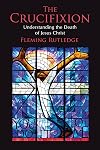
Summary: A study of the meaning of the crucifixion of Jesus including the biblical motifs that have been used to express that meaning.
It is striking to consider how relatively few books in recent Christian publishing deeply explore the meaning of the death of Christ by crucifixion, particularly considering that the death and the resurrection are central to Christian proclamation. Fleming Rutledge's The Crucifixion goes a long way to remedying this deficit.
This is a large book, but I would show more encourage the prospective reader not to be daunted by the size. While rich in insight, it is also a model of clarity, among the very best theological books I have read, both worthy of the academy, and written for the people of God.
The book consists of two parts. The first considers the crucifixion, particularly the godless character of this brutal execution, and the critical importance of this horrible execution as primary to the Christian faith. Rutledge also deals in this part with the biblical understanding of justice as the setting right, or rectifying, of something that is radically wrong, and that this something is the radical power of Sin over humanity. She makes a case that Anselm's version of "satisfaction" is actually closer to her idea of rectification than he is credited for.
The second part of the book (about 400 pages) explores eight biblical motifs of the crucifixion that, together, help us understand the meaning of the crucifixion and what God accomplished in Christ on the cross. Rutledge prefers the language of motif to the more common language of theory because she believes all of these work together, rather than at odds with each other, to convey the glorious significance of the work of Christ. The motifs are:
The Passover and the Exodus
The Blood Sacrifice
Ransom and Redemption
The Great Assize
The Apocalyptic War: Christus Victor
The Descent into Hell
The Substitution
Recapitulation
She would contend that these show two basic things that happen in the cross:
1. God’s definitive action in making vicarious atonement for sin.
2. God’s decisive victory over the alien Powers of Sin and Death.
There are several things about her treatment of these motifs that are quite wonderful. One is that she reintroduces into theological conversation terms we are often averse to speak of: blood, ransom, judgment, hell, and substitution among others. Two is that she helps us see through these terms both the gravity of the human condition and how Christ truly has paid what we could not and triumphed over sin and evil, breaking their power and hold on humanity. These terms tell us essentially that we are worse off than we thought, and that is good news because God has done what we could not. Finally, she retrieves the language of substitution from the disparagement that it has become popular to pile upon it, while acknowledging the problems in some formulations. She beautifully unites the idea of Christ's substitutionary death for us and Christ's victory of the power of Sin, Evil, and Death (she capitalizes these terms reflecting the idea of these as powers). Instead of opposing these two ideas, she sees substitution as the basis of the victory of Jesus. I also found her treatment of Christus Victor as far more compelling than Aulen, in her linkage of this idea with the apocalyptic war.
The conclusion of the work returns to the beginning and amplifies these themes with the motifs she has developed. She emphasizes again the uniqueness of Christianity as the account of the Son of God who not only dies to redeem, but does so facing utter contempt and horrible suffering. And she emphasizes that this work makes right what was wrong. What she does in this conclusion is draw out the implications of these ideas. All the distinctions humans make are muted in the face of this work. All of us are in the same predicament, and this work of Christ addresses the wrongs in all of us, banal or horrid, and sets things right. This is not "God loves you just as you are" as we blithely love to say. The gruesomeness of the death of Christ reflected the cost to God necessary to set things to rights in breaking sin's curse and power, and the horror reflects the power of this act to address the condition of even those who have done the most horrid.
What she is saying is that it is all of grace, all of God. In summary, she writes:
"Forgiveness is not enough. Belief in redemption is not enough. Wishful thinking about the intrinsic goodness of every human being is not enough. Inclusion is not a sufficiently inclusive message, nor does it deliver real justice. There are some things--many things--that must be condemned and set right if we are to proclaim a God of both justice and mercy. Only a Power independent of this world order can overcome the grip of the Enemy of God's purposes for his creation" (p. 610).
This is what the crucifixion accomplished. Not only are individuals justified (or rectified) through this work, but all the injustices of the world are atoned for, and the process of setting these right has begun. Both the preaching of justification by grace, and the preaching of the restoration of justice find their warrant in the cross and are not at odds.
Rutledge does not come out and say this, but an implication of her "inclusiveness" is the possibility of the ultimate "rectification" even of those who have resisted the proclamation of rectification, as in her treatment of the Jews in Romans 9-11. Elsewhere she speaks of the final annihilation of Satan and those given over to him, but here she speaks of Christ's death as an outcast as redeeming even those on the outside. She admits (p. 459, note) to struggling with Matthew 25:46 and Jesus's own statement about eternal punishment. Perhaps this restrains her, as it does me, from asserting a final universal "rectification" of all people, but she comes very close. What is clear is that, for her, this arises from her expansive understanding both of the utter helplessness of all of us to save ourselves, without distinction, and the utter greatness of God to save through the cross of Christ. Perhaps in the end, this is a call to humility, of leaving these matters in God's hand, and never presuming upon but utterly trusting in the grace of this God.
Without question, this was perhaps the most profound theological work I've read in at least the last five years. It made me look again at the uniqueness of Christ and his work on the cross. It made me think deeply not only of why Jesus died, but why he did so in such a horrid way. It made me think, and question, the ways I've formulated my understanding of the work of the cross and particularly challenged me to think more about the victory of Christ on the cross over the power of Sin, as well as his atonement for the guilt of sin. This was a marvelous work to read in this season of Lent.
In addition to this review, I've written three reflections on portions of this work that may be accessed at:
https://bobonbooks.com/2019/03/22/reading-reflections-the-crucifixion-part-one/
https://bobonbooks.com/2019/03/27/reading-reflections-the-crucifixion-part-two-a...
https://bobonbooks.com/2019/04/04/reading-reflections-the-crucifixion-part-two-b... show less
It is striking to consider how relatively few books in recent Christian publishing deeply explore the meaning of the death of Christ by crucifixion, particularly considering that the death and the resurrection are central to Christian proclamation. Fleming Rutledge's The Crucifixion goes a long way to remedying this deficit.
This is a large book, but I would show more encourage the prospective reader not to be daunted by the size. While rich in insight, it is also a model of clarity, among the very best theological books I have read, both worthy of the academy, and written for the people of God.
The book consists of two parts. The first considers the crucifixion, particularly the godless character of this brutal execution, and the critical importance of this horrible execution as primary to the Christian faith. Rutledge also deals in this part with the biblical understanding of justice as the setting right, or rectifying, of something that is radically wrong, and that this something is the radical power of Sin over humanity. She makes a case that Anselm's version of "satisfaction" is actually closer to her idea of rectification than he is credited for.
The second part of the book (about 400 pages) explores eight biblical motifs of the crucifixion that, together, help us understand the meaning of the crucifixion and what God accomplished in Christ on the cross. Rutledge prefers the language of motif to the more common language of theory because she believes all of these work together, rather than at odds with each other, to convey the glorious significance of the work of Christ. The motifs are:
The Passover and the Exodus
The Blood Sacrifice
Ransom and Redemption
The Great Assize
The Apocalyptic War: Christus Victor
The Descent into Hell
The Substitution
Recapitulation
She would contend that these show two basic things that happen in the cross:
1. God’s definitive action in making vicarious atonement for sin.
2. God’s decisive victory over the alien Powers of Sin and Death.
There are several things about her treatment of these motifs that are quite wonderful. One is that she reintroduces into theological conversation terms we are often averse to speak of: blood, ransom, judgment, hell, and substitution among others. Two is that she helps us see through these terms both the gravity of the human condition and how Christ truly has paid what we could not and triumphed over sin and evil, breaking their power and hold on humanity. These terms tell us essentially that we are worse off than we thought, and that is good news because God has done what we could not. Finally, she retrieves the language of substitution from the disparagement that it has become popular to pile upon it, while acknowledging the problems in some formulations. She beautifully unites the idea of Christ's substitutionary death for us and Christ's victory of the power of Sin, Evil, and Death (she capitalizes these terms reflecting the idea of these as powers). Instead of opposing these two ideas, she sees substitution as the basis of the victory of Jesus. I also found her treatment of Christus Victor as far more compelling than Aulen, in her linkage of this idea with the apocalyptic war.
The conclusion of the work returns to the beginning and amplifies these themes with the motifs she has developed. She emphasizes again the uniqueness of Christianity as the account of the Son of God who not only dies to redeem, but does so facing utter contempt and horrible suffering. And she emphasizes that this work makes right what was wrong. What she does in this conclusion is draw out the implications of these ideas. All the distinctions humans make are muted in the face of this work. All of us are in the same predicament, and this work of Christ addresses the wrongs in all of us, banal or horrid, and sets things right. This is not "God loves you just as you are" as we blithely love to say. The gruesomeness of the death of Christ reflected the cost to God necessary to set things to rights in breaking sin's curse and power, and the horror reflects the power of this act to address the condition of even those who have done the most horrid.
What she is saying is that it is all of grace, all of God. In summary, she writes:
"Forgiveness is not enough. Belief in redemption is not enough. Wishful thinking about the intrinsic goodness of every human being is not enough. Inclusion is not a sufficiently inclusive message, nor does it deliver real justice. There are some things--many things--that must be condemned and set right if we are to proclaim a God of both justice and mercy. Only a Power independent of this world order can overcome the grip of the Enemy of God's purposes for his creation" (p. 610).
This is what the crucifixion accomplished. Not only are individuals justified (or rectified) through this work, but all the injustices of the world are atoned for, and the process of setting these right has begun. Both the preaching of justification by grace, and the preaching of the restoration of justice find their warrant in the cross and are not at odds.
Rutledge does not come out and say this, but an implication of her "inclusiveness" is the possibility of the ultimate "rectification" even of those who have resisted the proclamation of rectification, as in her treatment of the Jews in Romans 9-11. Elsewhere she speaks of the final annihilation of Satan and those given over to him, but here she speaks of Christ's death as an outcast as redeeming even those on the outside. She admits (p. 459, note) to struggling with Matthew 25:46 and Jesus's own statement about eternal punishment. Perhaps this restrains her, as it does me, from asserting a final universal "rectification" of all people, but she comes very close. What is clear is that, for her, this arises from her expansive understanding both of the utter helplessness of all of us to save ourselves, without distinction, and the utter greatness of God to save through the cross of Christ. Perhaps in the end, this is a call to humility, of leaving these matters in God's hand, and never presuming upon but utterly trusting in the grace of this God.
Without question, this was perhaps the most profound theological work I've read in at least the last five years. It made me look again at the uniqueness of Christ and his work on the cross. It made me think deeply not only of why Jesus died, but why he did so in such a horrid way. It made me think, and question, the ways I've formulated my understanding of the work of the cross and particularly challenged me to think more about the victory of Christ on the cross over the power of Sin, as well as his atonement for the guilt of sin. This was a marvelous work to read in this season of Lent.
In addition to this review, I've written three reflections on portions of this work that may be accessed at:
https://bobonbooks.com/2019/03/22/reading-reflections-the-crucifixion-part-one/
https://bobonbooks.com/2019/03/27/reading-reflections-the-crucifixion-part-two-a...
https://bobonbooks.com/2019/04/04/reading-reflections-the-crucifixion-part-two-b... show less
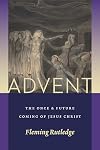
Summary: A collection of sermons and writings organized according to the lectionary calendar of pre-Advent and Advent Sundays and special days, focusing on preparation for return of Christ.
Advent is often thought of as the four Sundays before Christmas, and a time of anticipating the celebration of Christ's birth. It is that, and Fleming Rutledge would propose, far more. Reading Advent, it became more for me as well. This book is a collection of sermons given over many years and various show more locations, as well as a shorter collection of writings. Aside from the writings the sermons are organized by the Episcopal pre-Advent and Advent calendar, spanning a seven week period.
Our typical mental picture of Advent is one of warm, family-centered times of Advent calendars and activities, and the lighting of Advent wreaths. Rutledge presents us with an older tradition, and one not for the faint of heart, She reminds us of Episcopal practice, in which the church is not decorated until Christmas, in contrast to a society that decorates for Christmas with lights, ornaments, trees, and more before Thanksgiving. All this is occurring during Advent which is a time of darkness rather than light.
Rutledge reminds us that Advent occurs in a season of darkness, and in a world that is sin-darkened. It is a season of waiting for the king, and not simply for his first coming, but his return. We wait, conscious of the evil in the world and each one of us. We wait, learning to long for judgment as a setting right of things . We understand that history is coming to a culmination--a cosmic war. We wait, remembering the ministry of John who prepared the Lord's way. Rutledge does not shy from things like judgment and hell, and believes that in the facing of biblical teaching about these things, we understand more clearly the salvation of our God in the two comings of Christ, leading us to welcome his coming in our lives.
The sermons model how to weave the events of the day, from 9/11 to an ordination into the text of a message, and to adapt material to retreats, mid-week services as well as Sundays. Most of the sermons are five or six pages in length, ideal for reading over the course of pre-Advent and Advent as a series of meditations on Advent. The sermons are not theological treatises, but rather theological addresses, from the "I" of the preacher to the "you" of her hearers. They are rich both in the unpacking of the doctrines of the incarnation and return of Christ, and practical application of these truths for individuals and congregations.
Reading this left me with fresh wonder that our God would so seek us out in the person of his Son, and left me longing for his return. To live nearly two-thirds of a century is to see a good deal of evil, including that in myself. To see the atrocities people wreak upon each others, the contemptuousness of many in power for the lowly, the desecration of a beautiful world, all leave me longing for the day when things are set right Rutledge's sermons do not offer an escape from the harsh realities of life. Rather, the sermons repeatedly reframe these in a larger story--one in which the God who has acted in the cradle and the cross, will act decisively both to wondrously save, and judge, wiping away every tear.
It is this we await in the darkness of Advent, mirroring the darkness of the world. Rutledge helps us see what a wonder the coming of the Dayspring truly is. Her forthright messages evidence one who has reached "the simplicity on the other side of complexity" that will prepare our hearts for Christ. There is yet time to sit down with this work before Christmas begins. I was not sorry and I do not think you will be. show less
Advent is often thought of as the four Sundays before Christmas, and a time of anticipating the celebration of Christ's birth. It is that, and Fleming Rutledge would propose, far more. Reading Advent, it became more for me as well. This book is a collection of sermons given over many years and various show more locations, as well as a shorter collection of writings. Aside from the writings the sermons are organized by the Episcopal pre-Advent and Advent calendar, spanning a seven week period.
Our typical mental picture of Advent is one of warm, family-centered times of Advent calendars and activities, and the lighting of Advent wreaths. Rutledge presents us with an older tradition, and one not for the faint of heart, She reminds us of Episcopal practice, in which the church is not decorated until Christmas, in contrast to a society that decorates for Christmas with lights, ornaments, trees, and more before Thanksgiving. All this is occurring during Advent which is a time of darkness rather than light.
Rutledge reminds us that Advent occurs in a season of darkness, and in a world that is sin-darkened. It is a season of waiting for the king, and not simply for his first coming, but his return. We wait, conscious of the evil in the world and each one of us. We wait, learning to long for judgment as a setting right of things . We understand that history is coming to a culmination--a cosmic war. We wait, remembering the ministry of John who prepared the Lord's way. Rutledge does not shy from things like judgment and hell, and believes that in the facing of biblical teaching about these things, we understand more clearly the salvation of our God in the two comings of Christ, leading us to welcome his coming in our lives.
The sermons model how to weave the events of the day, from 9/11 to an ordination into the text of a message, and to adapt material to retreats, mid-week services as well as Sundays. Most of the sermons are five or six pages in length, ideal for reading over the course of pre-Advent and Advent as a series of meditations on Advent. The sermons are not theological treatises, but rather theological addresses, from the "I" of the preacher to the "you" of her hearers. They are rich both in the unpacking of the doctrines of the incarnation and return of Christ, and practical application of these truths for individuals and congregations.
Reading this left me with fresh wonder that our God would so seek us out in the person of his Son, and left me longing for his return. To live nearly two-thirds of a century is to see a good deal of evil, including that in myself. To see the atrocities people wreak upon each others, the contemptuousness of many in power for the lowly, the desecration of a beautiful world, all leave me longing for the day when things are set right Rutledge's sermons do not offer an escape from the harsh realities of life. Rather, the sermons repeatedly reframe these in a larger story--one in which the God who has acted in the cradle and the cross, will act decisively both to wondrously save, and judge, wiping away every tear.
It is this we await in the darkness of Advent, mirroring the darkness of the world. Rutledge helps us see what a wonder the coming of the Dayspring truly is. Her forthright messages evidence one who has reached "the simplicity on the other side of complexity" that will prepare our hearts for Christ. There is yet time to sit down with this work before Christmas begins. I was not sorry and I do not think you will be. show less
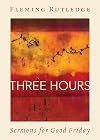
Summary: Short messages on the "seven last words" of Christ on the cross, preached on Good Friday of 2018.
One of the ways churches have remembered the death of Christ on the cross on what is called Good Friday is through a three hour service from noon until 3 pm, usually organized around the seven "words" of Jesus from the cross, interspersed with liturgy, hymns, prayers, and silence.
Fleming Rutledge gave seven meditations on these "seven last words" at St. Thomas Church Fifth Avenue, New show more York City on Good Friday, March 30, 2018. These meditations were published, with little alteration earlier this year, and served as my own Good Friday meditations this past Friday.
Each of these short meditations left me with a thought for reflection. This may or may not have been Rutledge's focus, but I share these as much to capture them for myself, as well as to give you a taste of what is here. There is much more to each short meditation than my summary thought!
Luke 23:32-34. "Father, forgive them; for they know not what they do." What about those who know what they are doing, as is the case for all of us at times? Christ is the one who died to justify the ungodly!
Luke 23:39-43. "Verily, I say unto thee, Today thou shalt be with me in paradise." We speculate much about the afterlife. We focus little on what it means when Jesus says that it will be "with him." "In his presence is fullness of joy!"
John 19: 26-27. "Woman, behold thy son!...Behold thy mother!" Two unrelated believers become kin. "There is no other way to be a disciple of Jesus than to be in communion with other disciples of Jesus" (p, 32).
Matthew 27:45-46. "My God, my God, why have you forsaken me?" Jesus "steered toward the pain" and plumbed the very bottom of despair and alienation as he "became sin" and surrendered to Death. This is the one who has defeated Death and Hell, whose love, nothing can separate us from.
John 19:28-29. "I thirst." Water is life. Living water is nothing less than real water--the water from Jesus side along with his life-giving blood. The one who thirsted now says, "come to the water."
John 19:29-30. "It is finished." Rutledge writes, "The crucifixion is not just an unfortunate thing that happened to Jesus on his way to the resurrection. It is not a momentary blip on the arc of his ascent to the Father. John tells us otherwise. It is precisely on the cross that the work of Jesus is carried through to its completion" (p. 67). Tetelestai!
Luke 23:44-46. "Father, into thy hands I commend my spirit." In Flannery O'Connor's words quoted here, "The creative action of the Christian's life is to prepare his death in Christ." We each may commend our lives to the Father through this Son.
It was the reading of Rutledge's magnificent study on the crucifixion (review) that prompted me to buy this book. In much briefer form, I found the same depth of thoughtfulness, and elegance and economy of words. More than this, I was led to meditate through the Seven Words on the meaning of the cross--who Christ died for, the community Christ established, the hope of being "with him," and the cross as the consummation of Christ's work. I found myself stopping again and again and saying, "Hallelujah, what a Savior!"
This review comes too late for you to read this on Good Friday in 2019. But it is far from too late to acquire and read this book, particularly if you rushed through Passion Week preparing for Easter, or to have on hand for next year. This book will bear multiple readings and I look forward to returning to it again and again. show less
One of the ways churches have remembered the death of Christ on the cross on what is called Good Friday is through a three hour service from noon until 3 pm, usually organized around the seven "words" of Jesus from the cross, interspersed with liturgy, hymns, prayers, and silence.
Fleming Rutledge gave seven meditations on these "seven last words" at St. Thomas Church Fifth Avenue, New show more York City on Good Friday, March 30, 2018. These meditations were published, with little alteration earlier this year, and served as my own Good Friday meditations this past Friday.
Each of these short meditations left me with a thought for reflection. This may or may not have been Rutledge's focus, but I share these as much to capture them for myself, as well as to give you a taste of what is here. There is much more to each short meditation than my summary thought!
Luke 23:32-34. "Father, forgive them; for they know not what they do." What about those who know what they are doing, as is the case for all of us at times? Christ is the one who died to justify the ungodly!
Luke 23:39-43. "Verily, I say unto thee, Today thou shalt be with me in paradise." We speculate much about the afterlife. We focus little on what it means when Jesus says that it will be "with him." "In his presence is fullness of joy!"
John 19: 26-27. "Woman, behold thy son!...Behold thy mother!" Two unrelated believers become kin. "There is no other way to be a disciple of Jesus than to be in communion with other disciples of Jesus" (p, 32).
Matthew 27:45-46. "My God, my God, why have you forsaken me?" Jesus "steered toward the pain" and plumbed the very bottom of despair and alienation as he "became sin" and surrendered to Death. This is the one who has defeated Death and Hell, whose love, nothing can separate us from.
John 19:28-29. "I thirst." Water is life. Living water is nothing less than real water--the water from Jesus side along with his life-giving blood. The one who thirsted now says, "come to the water."
John 19:29-30. "It is finished." Rutledge writes, "The crucifixion is not just an unfortunate thing that happened to Jesus on his way to the resurrection. It is not a momentary blip on the arc of his ascent to the Father. John tells us otherwise. It is precisely on the cross that the work of Jesus is carried through to its completion" (p. 67). Tetelestai!
Luke 23:44-46. "Father, into thy hands I commend my spirit." In Flannery O'Connor's words quoted here, "The creative action of the Christian's life is to prepare his death in Christ." We each may commend our lives to the Father through this Son.
It was the reading of Rutledge's magnificent study on the crucifixion (review) that prompted me to buy this book. In much briefer form, I found the same depth of thoughtfulness, and elegance and economy of words. More than this, I was led to meditate through the Seven Words on the meaning of the cross--who Christ died for, the community Christ established, the hope of being "with him," and the cross as the consummation of Christ's work. I found myself stopping again and again and saying, "Hallelujah, what a Savior!"
This review comes too late for you to read this on Good Friday in 2019. But it is far from too late to acquire and read this book, particularly if you rushed through Passion Week preparing for Easter, or to have on hand for next year. This book will bear multiple readings and I look forward to returning to it again and again. show less
I love the premise of this book! I like to say that I was born into a pew at the Presbyterian church where my grandfather pastored for many years--in other words, that liturgy is in my blood. It's certainly seen a resurgence in my own life over the past few years, and I love it.
So, I was really excited to pick up this read. It proved a bit dry/scholarly for my taste (and had a few rather one-sided/disproportionate statements I felt would have merited from further expansion, or at least equal show more review on the other side of the political spectrum), so is a DNF at this time. Maybe not my best introduction to Rutledge as an author; not sure what would be better.
I received an eARC of the book from the publisher via NetGalley. All opinions are my own. show less
So, I was really excited to pick up this read. It proved a bit dry/scholarly for my taste (and had a few rather one-sided/disproportionate statements I felt would have merited from further expansion, or at least equal show more review on the other side of the political spectrum), so is a DNF at this time. Maybe not my best introduction to Rutledge as an author; not sure what would be better.
I received an eARC of the book from the publisher via NetGalley. All opinions are my own. show less
Awards

You May Also Like


Associated Authors
Statistics
- Works
- 16
- Also by
- 1
- Members
- 1,735
- Popularity
- #14,819
- Rating
- 4.2
- Reviews
- 16
- ISBNs
- 41
- Favorited
- 1