

Bill Schelly
Author of Harvey Kurtzman: The Man Who Created Mad and Revolutionized Humor in America
About the Author
Works by Bill Schelly
Harvey Kurtzman: The Man Who Created Mad and Revolutionized Humor in America (2015) 48 copies, 1 review
James Warren, Empire Of Monsters: The Man Behind Creepy, Vampirella, And Famous Monsters (2019) 36 copies, 1 review
Otto Binder: The Life and Work of a Comic Book and Science Fiction Visionary (2016) 23 copies, 1 review
Founders of Comic Fandom: Profiles of 90 Publishers, Dealers, Collectors, Writers, Artists and Other Luminaries of the 1950s and 1960s (2010) 5 copies
Associated Works
Alter Ego, No. 4, Spring 2000 — Contributor — 2 copies
Alter Ego, No. 9, July 2001 — Contributor — 2 copies
Tagged
Common Knowledge
- Canonical name
- Schelly, Bill
- Gender
- male
Members
Reviews
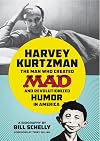
Long-time readers of Mad magazine — by which I mean old men like me —will love Bill Schelly's “Harvey Kurtzman: The Man Who Created MAD and Revolutionized Humor in America” (2015).
In the biography, richly illustrated with Kurtzman drawings, one encounters such names as Jack Davis, Bill Gaines, Wallace Wood, Al Feldstein, Dave Berg, Al Jaffee and Will Elder, all of which appeared prominently and frequently in the magazine during its prime. Gaines was the publisher, the others comic show more artists and writers.
Kurtzman, then working as a comic book artist and writer for Gaines, got the idea for Mad at just the right time. Not only was the world ready for a humor magazine of this sort in the 1950s, but Gaines was in financial trouble. Comic books were under assault for supposedly poisoning the minds of youngsters, especially the violent kind of comics that Gaines specialized in. Mad was a different kind of comic book, and very soon it evolved into a real magazine, not a comic book at all.
Yet Kurtzman and Gaines didn't get along, and Kurtzman actually worked on only a handful of issues of Mad, yet his influence remained throughout its long life. Years later he returned to the magazine briefly.
After he left Mad, Kurtzman struggled for many years. He started a number of other humor magazines, such as Humbug, Trump and Help!, but none of them caught on as Mad did. Mostly he lacked the financial backing to keep his magazines going until they found their audience. Then Hugh Hefner of Playboy came to his rescue. Soon Kurtzman and Elder were producing the Little Annie Fannie comic strip that appeared in the magazine for years. Kurtzman soon lost interest in the strip and hated Hefner's constant interference, yet it paid the bills.
Kurtzman's work, as well as his career as a teacher of comic art, influenced a great many younger artists, including Robert Crumb and Terry Gilliam. Feminist Gloria Steinem, briefly his assistant on Help! as Gilliam was later, also features prominently in his life.
This biography is thick, heavy and constantly entertaining, even if one chooses to read only the comics it contains. show less
In the biography, richly illustrated with Kurtzman drawings, one encounters such names as Jack Davis, Bill Gaines, Wallace Wood, Al Feldstein, Dave Berg, Al Jaffee and Will Elder, all of which appeared prominently and frequently in the magazine during its prime. Gaines was the publisher, the others comic show more artists and writers.
Kurtzman, then working as a comic book artist and writer for Gaines, got the idea for Mad at just the right time. Not only was the world ready for a humor magazine of this sort in the 1950s, but Gaines was in financial trouble. Comic books were under assault for supposedly poisoning the minds of youngsters, especially the violent kind of comics that Gaines specialized in. Mad was a different kind of comic book, and very soon it evolved into a real magazine, not a comic book at all.
Yet Kurtzman and Gaines didn't get along, and Kurtzman actually worked on only a handful of issues of Mad, yet his influence remained throughout its long life. Years later he returned to the magazine briefly.
After he left Mad, Kurtzman struggled for many years. He started a number of other humor magazines, such as Humbug, Trump and Help!, but none of them caught on as Mad did. Mostly he lacked the financial backing to keep his magazines going until they found their audience. Then Hugh Hefner of Playboy came to his rescue. Soon Kurtzman and Elder were producing the Little Annie Fannie comic strip that appeared in the magazine for years. Kurtzman soon lost interest in the strip and hated Hefner's constant interference, yet it paid the bills.
Kurtzman's work, as well as his career as a teacher of comic art, influenced a great many younger artists, including Robert Crumb and Terry Gilliam. Feminist Gloria Steinem, briefly his assistant on Help! as Gilliam was later, also features prominently in his life.
This biography is thick, heavy and constantly entertaining, even if one chooses to read only the comics it contains. show less
This is probably a book with a limited appeal, as it's subject matter is rather narrow, dealing with comics fandom as it does. That being said, I found it a very interesting story of one fan's life in the amateur world that surrounds professional comics, and the ways those worlds intersect. Its so very readable and so well organized and it flows like a story, and anyone who thinks that is a simple or common feature of biographies or non-fiction in general has not read enough of them. Many of show more them are something of a jumble and this book never is that. It was very engaging. show less
James Warren, Empire Of Monsters: The Man Behind Creepy, Vampirella, And Famous Monsters by Bill Schelly

My first issue of Famous Monsters was #169 (dated November 1980) with that delicious Basil Gogos cover painting of Norman Bates' mother! I was definitely a latecomer to that magazine which ended in 1983 and would have only been 7 years old when that issue came out, but I was a fan nonetheless! I also have memories of my mother buying me issues of Creepy and Eerie off the racks at our local grocery store.
This book was a fascinating journey through the history of Warren Publishing. As show more mentioned, I loved the magazines but knew nothing of the overall story of the company. This book was a fascinating and quite readable journey through the company's ups and downs and the people involved.
Great fun and well worth the read! Highly recommended.
FYI: Warren Publishing Archive: https://archive.org/details/warrenpublishing show less
This book was a fascinating journey through the history of Warren Publishing. As show more mentioned, I loved the magazines but knew nothing of the overall story of the company. This book was a fascinating and quite readable journey through the company's ups and downs and the people involved.
Great fun and well worth the read! Highly recommended.
FYI: Warren Publishing Archive: https://archive.org/details/warrenpublishing show less
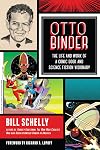
Earl and Otto binder were brothers of german descent. They originally worked together to write sci fi stores as well as comic book stories.
They worked together for some time, then earl went off to follow another dream leaving Otto to continue writing. He wrote for various magazines and moved from Fawcett to DC comics.
His story I Robot created a stir when it appeared in Amazing Stories magazine in 1939. So much so, that Otto's original pan to have the robot Adam Link kill himself after being show more blamed for the death of his creator. It was changed due to the popularity of Link. Link felt emotion and felt sad about the death. Adam wanted to be accepted among humans, and his journey was a popular read at that time.
This book is a surprisingly fascinating story about the success of the man Binder. It includes photographs and examples of the illustrations from Binder's comics and stories. I have to admit that this book is so much more interesting than i expected it to be. I have never been much of a comics fan, but sci-fi is another story. This is the story of a man who contributed a great deal to that genre. show less
They worked together for some time, then earl went off to follow another dream leaving Otto to continue writing. He wrote for various magazines and moved from Fawcett to DC comics.
His story I Robot created a stir when it appeared in Amazing Stories magazine in 1939. So much so, that Otto's original pan to have the robot Adam Link kill himself after being show more blamed for the death of his creator. It was changed due to the popularity of Link. Link felt emotion and felt sad about the death. Adam wanted to be accepted among humans, and his journey was a popular read at that time.
This book is a surprisingly fascinating story about the success of the man Binder. It includes photographs and examples of the illustrations from Binder's comics and stories. I have to admit that this book is so much more interesting than i expected it to be. I have never been much of a comics fan, but sci-fi is another story. This is the story of a man who contributed a great deal to that genre. show less
Lists
Awards

You May Also Like


Associated Authors
Statistics
- Works
- 20
- Also by
- 9
- Members
- 319
- Popularity
- #74,134
- Rating
- 4.1
- Reviews
- 4
- ISBNs
- 27