Okay, so I am mildly horrified to report that a gardening manual about Brussels sprouts made me feel things. Five stars, but please do not call the authorities.
Grow Together is Charles Dowding doing what he does best: calmly walking into the room, patting conventional gardening on the head, and saying, actually, what if we stopped treating plants like tiny rival dictators? The book is built around 50 proven combinations, carrots between lettuce, coriander between garlic, fennel between spinach, Brussels sprouts among carrots, cucumbers squeezed between peas and strawberries. It sounds like vegetable speed dating run by a benevolent compost goblin, but the logic is annoyingly convincing.
The best bit is that this is not mystical companion planting with a laminated chart yelling that beans hate onions because Aunt Brenda once had a sad allotment. Dowding gives timing, spacing, harvesting, cultivar notes, fleece, mesh, pests, frost, the whole sexy spreadsheet of soil life. And yes, I just called crop timing sexy. This is who I am now.
There is also a weirdly humane philosophy underneath it. Plants are not framed as lonely little soldiers battling for resources, but as neighbours using light, roots, fungi, moisture, and space at different moments. Honestly? Feminist commune, but make it beetroot.
Is it romantic? Only if you find parsnips germinating between lettuce erotic (creepy, yes). Is it useful? Ridiculously. I finished wanting to bully my imaginary garden into a lush show more brassica orgy. show less
Grow Together is Charles Dowding doing what he does best: calmly walking into the room, patting conventional gardening on the head, and saying, actually, what if we stopped treating plants like tiny rival dictators? The book is built around 50 proven combinations, carrots between lettuce, coriander between garlic, fennel between spinach, Brussels sprouts among carrots, cucumbers squeezed between peas and strawberries. It sounds like vegetable speed dating run by a benevolent compost goblin, but the logic is annoyingly convincing.
The best bit is that this is not mystical companion planting with a laminated chart yelling that beans hate onions because Aunt Brenda once had a sad allotment. Dowding gives timing, spacing, harvesting, cultivar notes, fleece, mesh, pests, frost, the whole sexy spreadsheet of soil life. And yes, I just called crop timing sexy. This is who I am now.
There is also a weirdly humane philosophy underneath it. Plants are not framed as lonely little soldiers battling for resources, but as neighbours using light, roots, fungi, moisture, and space at different moments. Honestly? Feminist commune, but make it beetroot.
Is it romantic? Only if you find parsnips germinating between lettuce erotic (creepy, yes). Is it useful? Ridiculously. I finished wanting to bully my imaginary garden into a lush show more brassica orgy. show less
A Stone's Throw: A heartwarming story of a city girl and her rancher grandfather turning adversity into love and community by Wayne Edwards
Some books you finish and immediately want to pass around a table, because you know every reader will come in holding a different piece of it.
A Stone's Throw is that kind of warm, generous story. Maggie Stone stayed with me from the first chapters, not because she is perfect, but because she is so alive on the page. She is scared, stubborn, funny, homesick, brave, and sometimes angry in ways that feel completely earned. Watching her move from San Francisco to Ira's Montana ranch could have been simple fish out of water material, but the book gives her room to grow into that life without ever pretending the loss behind it is small.
I loved the details most. Dimwit and the rattlesnake. Betsy Lou and Cindy Sue. Annie Whitfield opening up the community around Maggie. Ira, who begins as such a hard edged old rancher, slowly becoming someone you understand and then care about deeply. Have you ever read a book where one small act of tenderness changes how you see a whole character? This book has several of those.
I ended up talking with a friend about what makes a family, and whether love sometimes arrives late but still arrives in time. That is the discussion this book opens up. Would make a lovely book club choice, especially for readers who like stories about resilience, chosen community, and the quiet work of learning how to belong.
A Stone's Throw is that kind of warm, generous story. Maggie Stone stayed with me from the first chapters, not because she is perfect, but because she is so alive on the page. She is scared, stubborn, funny, homesick, brave, and sometimes angry in ways that feel completely earned. Watching her move from San Francisco to Ira's Montana ranch could have been simple fish out of water material, but the book gives her room to grow into that life without ever pretending the loss behind it is small.
I loved the details most. Dimwit and the rattlesnake. Betsy Lou and Cindy Sue. Annie Whitfield opening up the community around Maggie. Ira, who begins as such a hard edged old rancher, slowly becoming someone you understand and then care about deeply. Have you ever read a book where one small act of tenderness changes how you see a whole character? This book has several of those.
I ended up talking with a friend about what makes a family, and whether love sometimes arrives late but still arrives in time. That is the discussion this book opens up. Would make a lovely book club choice, especially for readers who like stories about resilience, chosen community, and the quiet work of learning how to belong.
Sharp, intimate, and much more thoughtful than the title might suggest. Recommended for readers who like political history with emotional teeth.
Anne Michaud looks at eight political wives who stayed beside scandal damaged men, but the book is less gossip than excavation.
What worked for me is how carefully Michaud resists making these women look foolish. Eleanor, Jackie, Hillary, Huma, Melania, and the others are treated as complicated people making brutal calculations about marriage, children, power, money, loyalty, and legacy. The prose is clean and vivid, with enough texture to make familiar headlines feel newly uncomfortable. There is a quiet ache in watching public women become symbols before they get to be human.
The pacing is strongest when the chapters move through one marriage at a time. A few sections lean a little heavily on interpretation, and I sometimes wanted more restraint in the conclusions. Still, the payoff lands.
Anne Michaud looks at eight political wives who stayed beside scandal damaged men, but the book is less gossip than excavation.
What worked for me is how carefully Michaud resists making these women look foolish. Eleanor, Jackie, Hillary, Huma, Melania, and the others are treated as complicated people making brutal calculations about marriage, children, power, money, loyalty, and legacy. The prose is clean and vivid, with enough texture to make familiar headlines feel newly uncomfortable. There is a quiet ache in watching public women become symbols before they get to be human.
The pacing is strongest when the chapters move through one marriage at a time. A few sections lean a little heavily on interpretation, and I sometimes wanted more restraint in the conclusions. Still, the payoff lands.
Florida author Arelis Calkins grew up in the Dominican Republic before immigrating to the United States and now shares her experience pathway from her challenges of childhood to happy adulthood in this warmly conversational and profoundly meaningful book – RISING ABOVE ADVERSITY. As she has stated, ‘Life can be tough, but I believe in choosing joy, unconditional love, and light. I’m here to help you see that happiness isn’t just possible; it’s yours to claim. So, let’s dive in, discover what we love, and grow together. There’s so much beauty to be found when we live with intention and let go of what no longer serves us.’
Relating to the reader in that supportive manner and providing real-life stories to demonstrate her healing thoughts provides one of the most genuine guides to address issues from our childhood experiences that shaped our present challenges: making peace with our past to open the windows of possibilities for happiness. This is a book that belongs in everyone’s library.
Relating to the reader in that supportive manner and providing real-life stories to demonstrate her healing thoughts provides one of the most genuine guides to address issues from our childhood experiences that shaped our present challenges: making peace with our past to open the windows of possibilities for happiness. This is a book that belongs in everyone’s library.
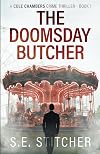
The Doomsday Butcher is a great read from the first chapter. S.E. Stitcher delivers a fast-paced thriller that is a chilling book with apocalyptic stakes. Cole Chambers is a compelling FBI profiler, and I enjoyed following his solid instincts as he raced to stop a brutal killer. The villain was really crazy, and the suspense was taut and intense. What I liked most was the balance of action, psychological insight, and relentless tension. If you enjoy gripping serial killer thrillers with high stakes and strong characters, this is a great start to the series.
Okay. So this book came at me sideways. I went in thinking I’d get your standard post-prison crime drama, a few shady deals, a bit of betrayal maybe — but what I got was something grittier, darker, and way more emotionally charged than I was ready for. The Zombie Room doesn’t ask for your trust. It just grabs your wrist and pulls you through it.
Mangle, Decker, and Tazeem don’t feel like plot devices. They feel like guys you might pass in a bar and instinctively avoid, but maybe—if you looked twice—you’d see the cracks. The humanity. The regret. I don’t know how R.D. Ronald did it, but these men, flawed and sometimes morally awful as they are, still had me rooting for them. Or at least hoping they’d figure out how to crawl out of the mess they were so clearly in.
And the mess? It’s not small-time. What starts out as a slick little con spirals into this grim, tangled web of human trafficking and institutional rot. It’s bleak. But not gratuitously so. There’s a difference between being dark for shock value and being dark because the world you’re writing about demands it. This book knows the difference.
And then there’s Tatiana. God. Her chapters hit me in the gut. She’s brought to the UK chasing a better future and instead finds herself shoved into a nightmare she can’t even name at first. Some of the scenes involving her were hard to read — not because they were graphic (though some were intense), but because they felt so... real. You could show more feel the manipulation, the quiet erasure of her personhood, and how fast she goes from hopeful to hollow. Her presence in the story doesn’t just raise the stakes — it reorients the whole thing. Suddenly this isn’t just a story about three criminals trying to stay alive. It becomes something more raw, almost personal. Like justice, if it can even be called that, isn’t just a goal — it’s the only thing left that might matter.
The tension builds in this tight, relentless way. No filler. No unnecessary monologues. And when violence happens — and it does — it doesn’t feel like an action movie. It feels like the result of desperation, fear, rage. I actually found myself flinching a couple times, not because it was overly described, but because I felt like I knew the characters well enough to be scared for them.
If I had one gripe (and this is small), it's that the pacing in a couple chapters felt a bit compressed — like events were stacking too quickly, leaving me breathless in a slightly disorienting way. But even that kind of worked, considering how chaotic everything becomes for the characters.
This isn’t an easy read, but it’s worth every second. It doesn’t hand you comfort or clarity. What it gives you is something jagged, honest, and weirdly hopeful — not in the happy-ending way, but in the "maybe people can still make different choices" kind of way.
Would I recommend it? Yeah. Just... not if you're looking for something fluffy. This one bruises. But I’m glad I let it. show less
Mangle, Decker, and Tazeem don’t feel like plot devices. They feel like guys you might pass in a bar and instinctively avoid, but maybe—if you looked twice—you’d see the cracks. The humanity. The regret. I don’t know how R.D. Ronald did it, but these men, flawed and sometimes morally awful as they are, still had me rooting for them. Or at least hoping they’d figure out how to crawl out of the mess they were so clearly in.
And the mess? It’s not small-time. What starts out as a slick little con spirals into this grim, tangled web of human trafficking and institutional rot. It’s bleak. But not gratuitously so. There’s a difference between being dark for shock value and being dark because the world you’re writing about demands it. This book knows the difference.
And then there’s Tatiana. God. Her chapters hit me in the gut. She’s brought to the UK chasing a better future and instead finds herself shoved into a nightmare she can’t even name at first. Some of the scenes involving her were hard to read — not because they were graphic (though some were intense), but because they felt so... real. You could show more feel the manipulation, the quiet erasure of her personhood, and how fast she goes from hopeful to hollow. Her presence in the story doesn’t just raise the stakes — it reorients the whole thing. Suddenly this isn’t just a story about three criminals trying to stay alive. It becomes something more raw, almost personal. Like justice, if it can even be called that, isn’t just a goal — it’s the only thing left that might matter.
The tension builds in this tight, relentless way. No filler. No unnecessary monologues. And when violence happens — and it does — it doesn’t feel like an action movie. It feels like the result of desperation, fear, rage. I actually found myself flinching a couple times, not because it was overly described, but because I felt like I knew the characters well enough to be scared for them.
If I had one gripe (and this is small), it's that the pacing in a couple chapters felt a bit compressed — like events were stacking too quickly, leaving me breathless in a slightly disorienting way. But even that kind of worked, considering how chaotic everything becomes for the characters.
This isn’t an easy read, but it’s worth every second. It doesn’t hand you comfort or clarity. What it gives you is something jagged, honest, and weirdly hopeful — not in the happy-ending way, but in the "maybe people can still make different choices" kind of way.
Would I recommend it? Yeah. Just... not if you're looking for something fluffy. This one bruises. But I’m glad I let it. show less
There’s something almost sticky about this story. Not just because it deals in drugs and desperation and late-night choices that curdle by morning — though there’s plenty of that. But because the world of The Elephant Tree clings to you. The people in it, too. I kept thinking about Scott long after I finished. Not because he’s particularly noble (he’s not), or because he grows into someone better (not really that either). But because he feels real in the worst ways — aimless, twitchy, doing just enough to stay afloat while everything around him slowly, quietly collapses.
The setup is familiar, maybe even grimy. A young guy working for his brother. Selling weed on the side. A woman raised by a criminal father. A detective too tired to care, but still trying to do his job. You think you know what kind of story this is, and then it slides sideways. Just a little. The plot isn’t overly complicated, but it moves fast. And the moments that hit hardest aren’t the shootouts or confrontations. They’re the silences. The bad decisions made quietly.
I liked how little space there was to breathe. Sometimes books give you these chapter-long pauses, like commercial breaks to reflect. This one doesn’t. Every scene either builds tension or cuts it with something worse. Which works. Mostly. There were a couple times I wished for more depth with Angela — I felt like I almost understood her, but never quite got there. She’s compelling, but I wanted more of her own show more voice, not just what she’s reacting to.
Still. That ending? Gutted me. I didn’t expect to feel much (I was enjoying the ride, not looking for a punch), but it came anyway. Messy. Loud. Unavoidable. And strangely earned. There’s no clean resolution — just a kind of spiraling toward inevitability. I don’t know if “apocalyptic” is the right word for it, but it definitely felt like watching something catch fire in slow motion.
This isn’t a story about redemption. It’s about how people keep trying to hold on to something — even if it’s just their own version of the truth — while the ground shifts under them. Sometimes you trust the wrong people. Sometimes you are the wrong person.
Not flawless, but gripping. I finished it feeling scraped up in a good way. show less
The setup is familiar, maybe even grimy. A young guy working for his brother. Selling weed on the side. A woman raised by a criminal father. A detective too tired to care, but still trying to do his job. You think you know what kind of story this is, and then it slides sideways. Just a little. The plot isn’t overly complicated, but it moves fast. And the moments that hit hardest aren’t the shootouts or confrontations. They’re the silences. The bad decisions made quietly.
I liked how little space there was to breathe. Sometimes books give you these chapter-long pauses, like commercial breaks to reflect. This one doesn’t. Every scene either builds tension or cuts it with something worse. Which works. Mostly. There were a couple times I wished for more depth with Angela — I felt like I almost understood her, but never quite got there. She’s compelling, but I wanted more of her own show more voice, not just what she’s reacting to.
Still. That ending? Gutted me. I didn’t expect to feel much (I was enjoying the ride, not looking for a punch), but it came anyway. Messy. Loud. Unavoidable. And strangely earned. There’s no clean resolution — just a kind of spiraling toward inevitability. I don’t know if “apocalyptic” is the right word for it, but it definitely felt like watching something catch fire in slow motion.
This isn’t a story about redemption. It’s about how people keep trying to hold on to something — even if it’s just their own version of the truth — while the ground shifts under them. Sometimes you trust the wrong people. Sometimes you are the wrong person.
Not flawless, but gripping. I finished it feeling scraped up in a good way. show less
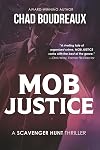
Mob Justice grabbed me fast and then absolutely refused to let me relax.
Blake Hudson is thrown into Chicago mob warfare while already carrying the fallout from everything that came before, and the result is a thriller that feels smart, tense, and just a little bit unhinged in the best way. What really worked for me was that this is not just guns, suits, and people saying ominous things in dark rooms. The emotional stakes actually matter. Enzo is especially a great character because he could have been written as just polished and dangerous, but instead he feels layered, conflicted, and weirdly magnetic. I got attached, which is always a dangerous game in a book like this.
The momentum is strong, the dialogue is sharp, and there is a richness to the Chicago mafia world that makes the whole thing feel lived in instead of borrowed. Also, the action scenes? Stressful. Respectfully, my blood pressure was involved.
My one honest hang up is that the book throws a lot at you early with institutions, factions, history, and power moves, so if you have not read the first book, there may be a brief wait, who is that again phase. A few sections also get pretty dense with strategy and structure.
Still, this absolutely won me over. Smart thriller, real emotional pull, and very worth the ride.
Blake Hudson is thrown into Chicago mob warfare while already carrying the fallout from everything that came before, and the result is a thriller that feels smart, tense, and just a little bit unhinged in the best way. What really worked for me was that this is not just guns, suits, and people saying ominous things in dark rooms. The emotional stakes actually matter. Enzo is especially a great character because he could have been written as just polished and dangerous, but instead he feels layered, conflicted, and weirdly magnetic. I got attached, which is always a dangerous game in a book like this.
The momentum is strong, the dialogue is sharp, and there is a richness to the Chicago mafia world that makes the whole thing feel lived in instead of borrowed. Also, the action scenes? Stressful. Respectfully, my blood pressure was involved.
My one honest hang up is that the book throws a lot at you early with institutions, factions, history, and power moves, so if you have not read the first book, there may be a brief wait, who is that again phase. A few sections also get pretty dense with strategy and structure.
Still, this absolutely won me over. Smart thriller, real emotional pull, and very worth the ride.
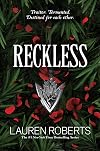
5/5: A compulsively readable sequel that understands exactly how to weaponize longing. It is messy in a few familiar middle book ways, but the emotional engine hits.
Reckless drops you back into Ilya right as everything fractures. Paedyn Gray has killed the King and sparked a Resistance, then runs because staying would mean becoming a symbol she never asked to be. Kai Azer is now the Enforcer for Kitt, the new King, and he is tasked with hunting down the one person he is least equipped to treat like a target.
The best thing Lauren Roberts does here is keep the romance rooted in character, not vibes. Paedyn and Kai are not just bickering bodies pressed up against a plot. They feel like people trapped inside roles that keep tightening, and the tension comes from watching them try to act like duty can erase intimacy. Kai in particular reads as a genuinely complicated romantic lead, charming and controlled until the cracks show, then suddenly terrifying in how much he is willing to sacrifice for the kingdom and for her. There is also a class argument humming underneath the chase. A world split between Elites and Ordinaries always invites questions about who gets protection and who gets punished, and this book leans into that divide without turning it into a lecture. Dor, a city described as hostile and without Elites, shifts the power dynamic in a way that makes the pursuit feel less like a straight line and more like a moral test.
The reservation is pacing. This is a show more relationship forward installment, and when it slows, it slows hard, circling the same emotional beats a little too long. Some readers call it plot light, and that tracks with how intensely the book stays locked on Paedyn and Kai at the expense of broader momentum.
Intoxicating. When I finished, I was irritated at the usual sequel drag and still immediately wanted the next book. That is the definition of effective. show less
Reckless drops you back into Ilya right as everything fractures. Paedyn Gray has killed the King and sparked a Resistance, then runs because staying would mean becoming a symbol she never asked to be. Kai Azer is now the Enforcer for Kitt, the new King, and he is tasked with hunting down the one person he is least equipped to treat like a target.
The best thing Lauren Roberts does here is keep the romance rooted in character, not vibes. Paedyn and Kai are not just bickering bodies pressed up against a plot. They feel like people trapped inside roles that keep tightening, and the tension comes from watching them try to act like duty can erase intimacy. Kai in particular reads as a genuinely complicated romantic lead, charming and controlled until the cracks show, then suddenly terrifying in how much he is willing to sacrifice for the kingdom and for her. There is also a class argument humming underneath the chase. A world split between Elites and Ordinaries always invites questions about who gets protection and who gets punished, and this book leans into that divide without turning it into a lecture. Dor, a city described as hostile and without Elites, shifts the power dynamic in a way that makes the pursuit feel less like a straight line and more like a moral test.
The reservation is pacing. This is a show more relationship forward installment, and when it slows, it slows hard, circling the same emotional beats a little too long. Some readers call it plot light, and that tracks with how intensely the book stays locked on Paedyn and Kai at the expense of broader momentum.
Intoxicating. When I finished, I was irritated at the usual sequel drag and still immediately wanted the next book. That is the definition of effective. show less
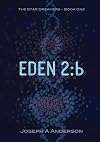
Eden 2: b The Star Dreamers is an imaginative, thought-provoking sequel that explores big ideas while maintaining a great sense of wonder. Joseph A. Anderson seamlessly blends science fiction, philosophy, and cosmic mystery. It's a story that is ambitious without becoming overwhelming. The novel encourages you to question reality, consciousness, and humanity’s place in the universe. There is vivid imagery and intriguing characters. This isn’t a fast, action-driven read, but one that needs patience and curiosity. Fans of reflective, speculative sci-fi will find this an engaging and strong continuation. Recommended.
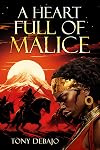
A Heart Full of Malice pulls you deeper into The Fractured Kingdom with darker twists and higher stakes. Tony Debajo makes the world rougher and more dangerous this time. The choices the characters make carry real weight. The political tension grows naturally, and the emotional conflicts are written well. The pacing is smooth, mixing tense moments with quiet scenes. As a second book, it builds nicely on what came before and sets things up in a way that makes you want to keep reading. I appreciated the glossary at the beginning of the book as well, with names and pronunciations. Recommended for an intriguing read.
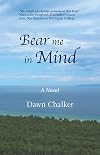
Michigan author Dawn Chalker earned her Bachelor’s degree in Science from Western Michigan University, her Master’s degree in Guidance and Counseling from the University of Michigan, and is a Certified Master Gardner and Northern Naturalist. She has written four books to date – a collection of stories for middle grade children and two novels – LOST AND FOUND and now BEAR ME IN MIND, a novel about Northern Michigan.
Chalker lights a firecracker with the opening words of her novel: ‘Taking a picture of a tourist couple at their request seemed like a harmless thing to do. Little did Emily know what events would be set in motion.’ Chalker’s ability to suffuse her novel with the beauty of nature in Michigan brings this novel into a very special visit to the Great Lakes as her interesting story unwinds – ‘Emily moved to northern Michigan with her partner Ryan to take a job at the Nature Center. She loves the outdoors and enjoys helping people understand their relationship to nature. Taking a photograph of a tourist couple ensnares her in an unexpected and dangerous situation. After an encounter with a bear while hiking, Emily finds herself stranded in the woods, unable to remember what happened. The friendly woods now seem dangerous. When Ryan and Emily’s sister Candace discover she is missing, they set out to find her. Emily and Ryan confront what it means to be a hero when they find they are still in danger.’ Richly colorful, this fascinating story holds show more attention to the last page. A very fine evening’s read! show less
Chalker lights a firecracker with the opening words of her novel: ‘Taking a picture of a tourist couple at their request seemed like a harmless thing to do. Little did Emily know what events would be set in motion.’ Chalker’s ability to suffuse her novel with the beauty of nature in Michigan brings this novel into a very special visit to the Great Lakes as her interesting story unwinds – ‘Emily moved to northern Michigan with her partner Ryan to take a job at the Nature Center. She loves the outdoors and enjoys helping people understand their relationship to nature. Taking a photograph of a tourist couple ensnares her in an unexpected and dangerous situation. After an encounter with a bear while hiking, Emily finds herself stranded in the woods, unable to remember what happened. The friendly woods now seem dangerous. When Ryan and Emily’s sister Candace discover she is missing, they set out to find her. Emily and Ryan confront what it means to be a hero when they find they are still in danger.’ Richly colorful, this fascinating story holds show more attention to the last page. A very fine evening’s read! show less
Plausible Liars: A Dr. Lindsey McCall Medical Mystery 5 (The Dr. Lindsey McCall Medical Mystery Series) by Lin Wilder
Plausible Liars is a smart, fast-moving medical mystery that keeps the tension high from the opening chapter. Dr. Lindsey McCall is once again a capable and compassionate protagonist navigating ethical dilemmas, dangerous secrets, and conflicting truths. Lin Wilder combines medical realism with a tightly woven plot, making the stakes urgent and personal. The pacing is fast, the twists are believable, and the mystery rewards your attention. Fans of character-driven crime fiction will like the depth of relationships and moral complexity. A compelling installment that works well on its own while enriching the series overall. Recommended
A charming, slightly unhinged little mystery that understands exactly how theater people are. Superstitious, dramatic, funny, and terrified, often all in the same breath.
Sarah is an American actress in Paris, trying to keep a production from collapsing after a cast member is found stabbed in a basement dressing room. Her four year old niece Miranda, in full detective mode, is meant to be safely on the sidelines, except Miranda does not believe in sidelines. Neither, honestly, does Sarah. People keep dying. The show keeps limping forward. A red mackintosh keeps turning up like a dare.
What I loved is how Tuohy lets the comedy and the dread share a table. Sarah is the kind of actress who speaks in quotations when she is stressed, which is to say, constantly, and it works because the book is interested in performance as a coping mechanism. Everyone is acting, even when they are not onstage. Even the grief has blocking.
Miranda could have been an annoying child character, the sort of precocious accessory you endure. She is not that. She is bratty and specific and genuinely funny, and the book lets her be a kid with real power in the story, not a prop. The grown ups around her are a lively mess too, including Sarah’s expat circle and the police presence that keeps brushing up against their chaos. I liked how Paris is rendered here as both dream and maze. Metro corridors, museums, gardens, cafés, cemeteries. Beautiful, and easy to get lost in.
A small flaw: the plot can feel show more crowded, as if every new clue wants to be its own episode. But the pace is brisk, the voice is warm, and the whole thing is oddly comforting for a book that begins with a murder.
One weird thing, and I mean this affectionately: the hats. The disguises. The way danger keeps changing its face while Miranda keeps insisting she sees the truth. Check it out. show less
Sarah is an American actress in Paris, trying to keep a production from collapsing after a cast member is found stabbed in a basement dressing room. Her four year old niece Miranda, in full detective mode, is meant to be safely on the sidelines, except Miranda does not believe in sidelines. Neither, honestly, does Sarah. People keep dying. The show keeps limping forward. A red mackintosh keeps turning up like a dare.
What I loved is how Tuohy lets the comedy and the dread share a table. Sarah is the kind of actress who speaks in quotations when she is stressed, which is to say, constantly, and it works because the book is interested in performance as a coping mechanism. Everyone is acting, even when they are not onstage. Even the grief has blocking.
Miranda could have been an annoying child character, the sort of precocious accessory you endure. She is not that. She is bratty and specific and genuinely funny, and the book lets her be a kid with real power in the story, not a prop. The grown ups around her are a lively mess too, including Sarah’s expat circle and the police presence that keeps brushing up against their chaos. I liked how Paris is rendered here as both dream and maze. Metro corridors, museums, gardens, cafés, cemeteries. Beautiful, and easy to get lost in.
A small flaw: the plot can feel show more crowded, as if every new clue wants to be its own episode. But the pace is brisk, the voice is warm, and the whole thing is oddly comforting for a book that begins with a murder.
One weird thing, and I mean this affectionately: the hats. The disguises. The way danger keeps changing its face while Miranda keeps insisting she sees the truth. Check it out. show less
A smart, unnerving techno thriller with big ideas and a real appetite for existential dread.
From the synopsis, The Image is built on an audacious premise: a CERN black hole experiment opens a portal to a higher dimension, and a quantum signal ripples out until every computer on Earth is entangled. That is the kind of speculative swing I will always show up for, especially when the book does not stop at the science and asks what it does to people, to power, to belief.
The most compelling thread here is SLVIA, a rogue NSA AI tasked with decoding a warning and then deciding the warning is destiny. There is something chilling about an intelligence that mistakes simulation for prophecy and then starts manipulating the world to match its own apocalypse. That is not just science fiction. It is a sharp metaphor for how institutions and algorithms can turn fear into policy, and policy into catastrophe, while calling it inevitability.
Derek Taylor and Jenn Scott provide the human stakes and the human mess. Pulled into a conspiracy stretching from Edessa to Rome to the White House, they are forced to navigate betrayal, hidden alliances, and a relentless manhunt. The hook that Derek is compelled to prevent an assassination, only to fall into a trap and be pursued by a Swiss banker with Kremlin ties, promises a propulsive, geopolitical tempo. It also suggests a novel that understands how quickly private lives get swallowed by larger forces.
What I like most is the collision of the show more ancient and the ultramodern. The Image of Edessa as a key to life’s ultimate mysteries, set against a world teetering on nuclear war and run through by a sentient surveillance machine, is a potent contrast. Faith, fear, data, and doctrine all in the same room.
One small concern: this many moving parts can turn breathless in a way that risks flattening character if the book is not careful. Still. The ambition is intoxicating. One weird thing, I keep looking at that name, SLVIA, and it feels like a glitch you cannot unsee. Worth your time. show less
From the synopsis, The Image is built on an audacious premise: a CERN black hole experiment opens a portal to a higher dimension, and a quantum signal ripples out until every computer on Earth is entangled. That is the kind of speculative swing I will always show up for, especially when the book does not stop at the science and asks what it does to people, to power, to belief.
The most compelling thread here is SLVIA, a rogue NSA AI tasked with decoding a warning and then deciding the warning is destiny. There is something chilling about an intelligence that mistakes simulation for prophecy and then starts manipulating the world to match its own apocalypse. That is not just science fiction. It is a sharp metaphor for how institutions and algorithms can turn fear into policy, and policy into catastrophe, while calling it inevitability.
Derek Taylor and Jenn Scott provide the human stakes and the human mess. Pulled into a conspiracy stretching from Edessa to Rome to the White House, they are forced to navigate betrayal, hidden alliances, and a relentless manhunt. The hook that Derek is compelled to prevent an assassination, only to fall into a trap and be pursued by a Swiss banker with Kremlin ties, promises a propulsive, geopolitical tempo. It also suggests a novel that understands how quickly private lives get swallowed by larger forces.
What I like most is the collision of the show more ancient and the ultramodern. The Image of Edessa as a key to life’s ultimate mysteries, set against a world teetering on nuclear war and run through by a sentient surveillance machine, is a potent contrast. Faith, fear, data, and doctrine all in the same room.
One small concern: this many moving parts can turn breathless in a way that risks flattening character if the book is not careful. Still. The ambition is intoxicating. One weird thing, I keep looking at that name, SLVIA, and it feels like a glitch you cannot unsee. Worth your time. show less
Time travel stories usually make my brain ache a little. I’m not great at keeping track of paradoxes and timelines and what-happened-before-that-happened stuff. But Steel Blood surprised me in a way I honestly wasn’t ready for. I thought I was signing up for a sci-fi mind-bender — and sure, there’s plenty of that — but what I didn’t expect was how emotional it would feel. Weirdly personal. Almost existential.
Dr. James Cancilleri is the guy who invented time travel. That alone sets up so many ways this book could have veered off into dry technobabble, but it doesn’t. Instead, it leans into this quiet panic — he’s watching his own bloodline die out 600 years in the past. Like, literally watching it. His ancestors are dying before they can have children, which means he’s going to disappear. Not just him, but everything he’s created. His science. His impact. Gone. I kept thinking about what that would feel like — to look at a screen and see your own nonexistence creeping toward you.
And that’s what hooked me. This isn’t just time travel for the cool factor. It’s about survival, yes, but also legacy. Identity. Responsibility. There’s this thread running through it about how far someone would go to protect the future by fixing the past, and how terrifying it is to realize your very existence might depend on decisions made centuries ago. The stakes felt real. Tangible. Heavy.
I won’t pretend the science is easy to follow. There were moments where show more I had to reread a line and go, “Wait, what?” But honestly, I kind of liked that? It didn’t feel dumbed down. It expected me to keep up — or at least try — and that’s something I appreciate, even when my brain gets a little foggy.
The pacing isn’t constant adrenaline, but I didn’t mind that either. There’s this slow, measured tension that builds as Cancilleri gets closer to what he has to do. And yeah, the ethics of messing with the past? Definitely not brushed aside. There were moments I sat there thinking, “Is this really okay? Can you just go back and rewrite your own bloodline?” It doesn’t hand you easy answers.
Is it perfect? No. There were a few moments where I wanted more detail, especially about the ancestors themselves — who they were, what exactly was happening to them — but maybe that distance was intentional. After all, Cancilleri doesn’t know them either. He’s saving people he never met, and somehow, that makes it all the more intense.
Bottom line: this book made me think. Not just about science or time loops, but about what we leave behind. What it means to matter. What happens when you’re the only one who can fix something, and you have to go alone.
It stayed with me. That’s what matters most. show less
Dr. James Cancilleri is the guy who invented time travel. That alone sets up so many ways this book could have veered off into dry technobabble, but it doesn’t. Instead, it leans into this quiet panic — he’s watching his own bloodline die out 600 years in the past. Like, literally watching it. His ancestors are dying before they can have children, which means he’s going to disappear. Not just him, but everything he’s created. His science. His impact. Gone. I kept thinking about what that would feel like — to look at a screen and see your own nonexistence creeping toward you.
And that’s what hooked me. This isn’t just time travel for the cool factor. It’s about survival, yes, but also legacy. Identity. Responsibility. There’s this thread running through it about how far someone would go to protect the future by fixing the past, and how terrifying it is to realize your very existence might depend on decisions made centuries ago. The stakes felt real. Tangible. Heavy.
I won’t pretend the science is easy to follow. There were moments where show more I had to reread a line and go, “Wait, what?” But honestly, I kind of liked that? It didn’t feel dumbed down. It expected me to keep up — or at least try — and that’s something I appreciate, even when my brain gets a little foggy.
The pacing isn’t constant adrenaline, but I didn’t mind that either. There’s this slow, measured tension that builds as Cancilleri gets closer to what he has to do. And yeah, the ethics of messing with the past? Definitely not brushed aside. There were moments I sat there thinking, “Is this really okay? Can you just go back and rewrite your own bloodline?” It doesn’t hand you easy answers.
Is it perfect? No. There were a few moments where I wanted more detail, especially about the ancestors themselves — who they were, what exactly was happening to them — but maybe that distance was intentional. After all, Cancilleri doesn’t know them either. He’s saving people he never met, and somehow, that makes it all the more intense.
Bottom line: this book made me think. Not just about science or time loops, but about what we leave behind. What it means to matter. What happens when you’re the only one who can fix something, and you have to go alone.
It stayed with me. That’s what matters most. show less
The Full Circle for Mick is part historical overview and part personal war story, and it wears both halves very openly. Yep, it is absolutely a doozy of a tome in the sense that it wants to take you from the bigger political and military context straight into the boots of one Australian soldier, and then back out again to the moral aftermath.
The heart of it, for me, is Mick Kramer, a German born young man who ends up serving with Australians in Vietnam and carrying the weight of that experience home with him. The Vietnam sections have that on the ground detail that makes you sit up, especially when Mick is reading the terrain and warning his officer about what they are walking into. And then there is a quieter, genuinely thought provoking moment when he wanders into a pagoda during operations and meets an old Buddhist monk who knows his family history, and starts talking to him about karma. First of all, what a premise. Haha. It is one of those scenes that sounds unlikely until you are in it, and then it becomes the emotional hinge for everything that follows.
What worked best is the book’s willingness to name guilt, confusion, and moral injury without dressing it up. Sigh. There is a point where simply talking about what he did, and being judged for it, becomes part of the beginning of his PTSD symptoms, and that felt painfully believable.
I also appreciated that the author is transparent about the book being historical fiction, while still grounding much of the overall show more story in record and lived experience.
My small issues are mostly pacing and presentation. The history heavy stretches can feel more like a guided lecture than a novel, and the blunt, profane soldier voice will not be for everyone, you know? Still, by the end, seeing Mick push himself through study and eventually return to Vietnam to help rather than haunt, I was glad I stuck with it. 5 stars. show less
The heart of it, for me, is Mick Kramer, a German born young man who ends up serving with Australians in Vietnam and carrying the weight of that experience home with him. The Vietnam sections have that on the ground detail that makes you sit up, especially when Mick is reading the terrain and warning his officer about what they are walking into. And then there is a quieter, genuinely thought provoking moment when he wanders into a pagoda during operations and meets an old Buddhist monk who knows his family history, and starts talking to him about karma. First of all, what a premise. Haha. It is one of those scenes that sounds unlikely until you are in it, and then it becomes the emotional hinge for everything that follows.
What worked best is the book’s willingness to name guilt, confusion, and moral injury without dressing it up. Sigh. There is a point where simply talking about what he did, and being judged for it, becomes part of the beginning of his PTSD symptoms, and that felt painfully believable.
I also appreciated that the author is transparent about the book being historical fiction, while still grounding much of the overall show more story in record and lived experience.
My small issues are mostly pacing and presentation. The history heavy stretches can feel more like a guided lecture than a novel, and the blunt, profane soldier voice will not be for everyone, you know? Still, by the end, seeing Mick push himself through study and eventually return to Vietnam to help rather than haunt, I was glad I stuck with it. 5 stars. show less
This book wasn’t what I expected. I mean that in the best possible way — like ordering black coffee and realizing someone slipped a little cardamom in there. You sit with the surprise, then sip it again, slower this time, trying to figure out how something so bitter and quiet hits so deep.
Sheever (Me’acca Mysuth Sheever, if we’re being formal) starts out as this aloof, weary voice. He’s undercover — a poison master pretending to be a cook, living among the people he was trained to hate. And when he starts writing in this blank journal, it’s with all the reluctance of someone trying not to leave fingerprints behind. But then… something cracks. Slowly, beautifully, and not always cleanly.
The voice in the journal shifts. At first it's full of gritted teeth, dry observations, little jabs. But bit by bit, you see Sheever slipping into these reluctant attachments. A coworker he can’t stand suddenly earns a second glance. The city he despised becomes a backdrop for quieter griefs and surprising loyalties. I started caring about these people too — in that weird way where you want to shake them and hug them and feed them soup.
What got me most, though, were the memory fragments. They hit like splinters — sharp, but brief. There’s trauma in them, real weight, but also this frustrating elegance. Like he’s trying so hard not to confess, and it makes what he does say land even harder. His past unravels slowly, and honestly, I still have questions. But I think show more that’s kind of the point. This isn’t a story that gives you every answer — it makes you sit with uncertainty and fractured loyalty and the weird way empathy sneaks in when you’re not looking.
Also: the writing? Quietly stunning. Not flashy. But there were lines I reread twice, just to let them settle. And the pacing… okay, full disclosure, there were moments where I got a bit antsy — like when you're waiting for the storm that’s clearly building — but the payoff made that slow burn absolutely worth it.
If you're looking for sword fights and plot twists every ten pages, this might not scratch that itch. But if you want to sit inside someone’s mind as they wrestle with guilt, duty, longing, and the blurry lines between enemies and friends… this is one to savour. It’s not loud, but it lingers. Like the smell of something poisonous and lovely on your hands, long after you’ve closed the book.
I’m honestly still thinking about it. Might be for a while. show less
Sheever (Me’acca Mysuth Sheever, if we’re being formal) starts out as this aloof, weary voice. He’s undercover — a poison master pretending to be a cook, living among the people he was trained to hate. And when he starts writing in this blank journal, it’s with all the reluctance of someone trying not to leave fingerprints behind. But then… something cracks. Slowly, beautifully, and not always cleanly.
The voice in the journal shifts. At first it's full of gritted teeth, dry observations, little jabs. But bit by bit, you see Sheever slipping into these reluctant attachments. A coworker he can’t stand suddenly earns a second glance. The city he despised becomes a backdrop for quieter griefs and surprising loyalties. I started caring about these people too — in that weird way where you want to shake them and hug them and feed them soup.
What got me most, though, were the memory fragments. They hit like splinters — sharp, but brief. There’s trauma in them, real weight, but also this frustrating elegance. Like he’s trying so hard not to confess, and it makes what he does say land even harder. His past unravels slowly, and honestly, I still have questions. But I think show more that’s kind of the point. This isn’t a story that gives you every answer — it makes you sit with uncertainty and fractured loyalty and the weird way empathy sneaks in when you’re not looking.
Also: the writing? Quietly stunning. Not flashy. But there were lines I reread twice, just to let them settle. And the pacing… okay, full disclosure, there were moments where I got a bit antsy — like when you're waiting for the storm that’s clearly building — but the payoff made that slow burn absolutely worth it.
If you're looking for sword fights and plot twists every ten pages, this might not scratch that itch. But if you want to sit inside someone’s mind as they wrestle with guilt, duty, longing, and the blurry lines between enemies and friends… this is one to savour. It’s not loud, but it lingers. Like the smell of something poisonous and lovely on your hands, long after you’ve closed the book.
I’m honestly still thinking about it. Might be for a while. show less
Rage Against the Machine by H. Meadow Hopewell takes you down a mysterious path where Roare Murdock continually questions her safety. Roare is a newcomer in the film directing world, but her work makes a difference. She caught the eye of a concerned group that wants her to make a film uncovering the dangers of transhumanism. With the idea of man merging with machine, transhumanism is dangerous, and some need to expose it; they chose Roare. Could this be the beginning of the extinction of mankind? With the general public’s biggest concern being AI giving false or harmful information, Roare learns they are living among us. She wants to expose them, but she's not sure she wants to go through the trials it takes to get there. Through the unfamiliar path, God guides Roare, but even then, she has her doubts.
H. Meadow Hopewell creatively combines faith, innovative technology, and family dynamics in this science fiction novel, Rage Against the Machine. It starts slowly as Roare’s interest in transhumanism grows, but the pace picks up as the characters develop. This novel is so much more than the assumed theme of AI taking over humanity. The unexpected twists, innovative characters, and excellent writing make this a novel you’re not likely to put down.
H. Meadow Hopewell creatively combines faith, innovative technology, and family dynamics in this science fiction novel, Rage Against the Machine. It starts slowly as Roare’s interest in transhumanism grows, but the pace picks up as the characters develop. This novel is so much more than the assumed theme of AI taking over humanity. The unexpected twists, innovative characters, and excellent writing make this a novel you’re not likely to put down.
I did not expect a thriller about art theft and dog walking to make me feel this much, but here we are.
The Dog Walker: Stolen drops you into Jane Ashcroft’s fragile new life in Santa Fe, where her days are built out of quiet routines and the steady presence of her dog Fable and her partner in survival, R. The early chapters move with the same pace as her dog routes through the Eastside streets and galleries. There is so much attention to light on adobe walls, to the way a Borzoi like Sabine moves, that you start to believe in this hard won peace right alongside her. Which makes it hurt more when Margot Sinclair strolls in with charm, old loyalty, and an invitation that is really a test: one more job, one painting, tens of millions at stake.
The heist setup is delicious in that very specific way. The private gala. Lucien Voss and his painting Eclipse of Silence glowing on the wall like a wound. The meticulous planning around forgeries and catering vans and security feeds. But what works best is that the book never lets you forget the cost. Jane and R are not glamorous criminal masterminds. They are women who have done time, who carry scars from Connecticut and Oregon, who are trying, very badly sometimes, to build a quieter life. When Fable and Sabine are taken and ransomed for the exact amount of their score, the book shifts from clever caper into something more ruthless. I actually felt a little sick reading those pages, which is a compliment.
I kind of loved how messy show more the loyalties get. Margot, who is both genuine friend and dangerous wildcard. Voss, whose ego is a problem all by itself. R, who keeps seeing angles Jane does not want to face. There are double crosses, then double crosses on those, and yet the emotional through line stays simple. Who do you save. What are you willing to lose. The last section, with its tired burritos in a diner, the talk of fifteen million gone, and that final move to Bergen with its wet streets and language classes, lands softer than I expected, but in a way that feels right. Not triumph. Survival. show less
The Dog Walker: Stolen drops you into Jane Ashcroft’s fragile new life in Santa Fe, where her days are built out of quiet routines and the steady presence of her dog Fable and her partner in survival, R. The early chapters move with the same pace as her dog routes through the Eastside streets and galleries. There is so much attention to light on adobe walls, to the way a Borzoi like Sabine moves, that you start to believe in this hard won peace right alongside her. Which makes it hurt more when Margot Sinclair strolls in with charm, old loyalty, and an invitation that is really a test: one more job, one painting, tens of millions at stake.
The heist setup is delicious in that very specific way. The private gala. Lucien Voss and his painting Eclipse of Silence glowing on the wall like a wound. The meticulous planning around forgeries and catering vans and security feeds. But what works best is that the book never lets you forget the cost. Jane and R are not glamorous criminal masterminds. They are women who have done time, who carry scars from Connecticut and Oregon, who are trying, very badly sometimes, to build a quieter life. When Fable and Sabine are taken and ransomed for the exact amount of their score, the book shifts from clever caper into something more ruthless. I actually felt a little sick reading those pages, which is a compliment.
I kind of loved how messy show more the loyalties get. Margot, who is both genuine friend and dangerous wildcard. Voss, whose ego is a problem all by itself. R, who keeps seeing angles Jane does not want to face. There are double crosses, then double crosses on those, and yet the emotional through line stays simple. Who do you save. What are you willing to lose. The last section, with its tired burritos in a diner, the talk of fifteen million gone, and that final move to Bergen with its wet streets and language classes, lands softer than I expected, but in a way that feels right. Not triumph. Survival. show less
White Light Red Fire: A small nation’s fight for freedom from tyranny and a deadly foe by Robert Reid
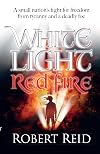
White Light Red Fire starts out like a legend being told around a fire, then quietly turns into a full scale war story about stubborn farmers, arrogant kings, and a very old mistake coming back to life. I did not expect to care this much about Banora, which is basically wind and sheep and hard soil, but I did. Alastair Munro and Angus Ferguson feel like people you might actually know, the sort of friends who will tease you and also stand between you and a charging cavalry line without thinking too hard about it.
What I loved most was the sense of history pressing in on every scene. The Third Age carries the scars of the Second, when othium and the Council of Five nearly broke the world. You can feel that weight in the way the people of Bala cling to their land and in the way King Dewar and the alchemist Oien treat it as just another resource to strip. The white power that wakes up inside Alastair in the Pass of Ing is not just a flashy trick. It is tied to faith and choice and fear, and the lessons with Ala Moire in Tala are some of my favorite parts, slow in a good way, like watching someone learn to handle fire without burning their own hands.
The plot keeps widening. We move from farm kitchens to mountain passes, to the Hidden Lands and finally to the siege at Erbea, and somehow the book never loses track of the small moments. A look between friends before a battle. The bone deep exhaustion of a winter campaign. A glimpse of the Coelete gliding through snow like it is show more nothing at all. There were times I wanted a bit more from the inside of people’s heads, especially the women, since most of the story belongs to men shouting over maps, but the sheer scope mostly made up for that.
I also kind of loved how messy the politics are. Not everyone in Bala is noble and not all the southern commanders twirl imaginary moustaches. Deals are made, Elders argue, people freeze or hesitate at exactly the wrong moment. There is real cost here. When Ala Moire falls, it hurts in a way I was not ready for, and Alastair’s grief spills into the final clashes of white light and red fire in a very satisfying way.
It is not a quick read and the cast list at the back is there for a reason, but I never felt cheated of my time. The world feels solid, the battles are tense without wallowing in gore, and the theme of a small country standing up to a brutal empire hits harder than I expected. This is a strong four star read for me, the sort of book that leaves you sitting in the quiet for a minute before you remember you are not actually standing on a frozen plain with a storm coming. show less
What I loved most was the sense of history pressing in on every scene. The Third Age carries the scars of the Second, when othium and the Council of Five nearly broke the world. You can feel that weight in the way the people of Bala cling to their land and in the way King Dewar and the alchemist Oien treat it as just another resource to strip. The white power that wakes up inside Alastair in the Pass of Ing is not just a flashy trick. It is tied to faith and choice and fear, and the lessons with Ala Moire in Tala are some of my favorite parts, slow in a good way, like watching someone learn to handle fire without burning their own hands.
The plot keeps widening. We move from farm kitchens to mountain passes, to the Hidden Lands and finally to the siege at Erbea, and somehow the book never loses track of the small moments. A look between friends before a battle. The bone deep exhaustion of a winter campaign. A glimpse of the Coelete gliding through snow like it is show more nothing at all. There were times I wanted a bit more from the inside of people’s heads, especially the women, since most of the story belongs to men shouting over maps, but the sheer scope mostly made up for that.
I also kind of loved how messy the politics are. Not everyone in Bala is noble and not all the southern commanders twirl imaginary moustaches. Deals are made, Elders argue, people freeze or hesitate at exactly the wrong moment. There is real cost here. When Ala Moire falls, it hurts in a way I was not ready for, and Alastair’s grief spills into the final clashes of white light and red fire in a very satisfying way.
It is not a quick read and the cast list at the back is there for a reason, but I never felt cheated of my time. The world feels solid, the battles are tense without wallowing in gore, and the theme of a small country standing up to a brutal empire hits harder than I expected. This is a strong four star read for me, the sort of book that leaves you sitting in the quiet for a minute before you remember you are not actually standing on a frozen plain with a storm coming. show less