Baswood's books, music, films and haikus part 1
This topic was continued by Baswood's books, music, films and haikus part 2.
Talk Club Read 2014
Join LibraryThing to post.
This topic is currently marked as "dormant"—the last message is more than 90 days old. You can revive it by posting a reply.
1baswood
New year, new thread, new books. I was up late last night deciding what I was going to read this coming year, the approaching new year does things like that, you always feel like you are making a fresh start; even if you are not.
My reading themes this year are:
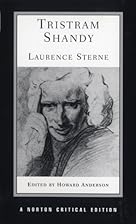
Finish last years reading themes; see what I mean by a fresh start. I have two more books by Albert Camus to read and several more by H G Wells and I will also take in Tristram Shandy
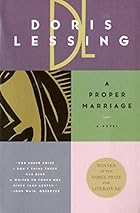
My author for the year (and probably for several years following as she was quite prolific) is Doris Lessing and I intend to read her books chronologically. She is not a new author for me; I have read several of her books and always enjoyed them; she is one of my favourite science fiction writers. The year of Doris will mean that I read more books by female authors.
1914 is going to be significant for me this year. The Literary Centennials group http://www.librarything.com/groups/literarycentennials have an exciting list of novels published in 1914 and I want to read as many as I can - I have 33 on my list. I will also be reading books by Ralph Ellison who was born in 1914.
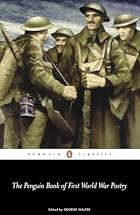
1914 was of course the start of World War 1 which is a reading theme here on Club read. I intend to read poetry from that period and will start a new thread soon. I will also try and read a few novels from that era.
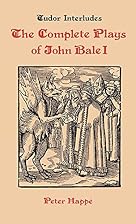
My reading through the ages project has now reached the sixteenth century which means I will be reading plenty of plays leading up to Thomas Kyd and Christopher Marlowe. There are still some books from the Italian renaissance that I want to catch up on and there is the French poets that formed the Pleiade Group to take in.
Science Fiction continues to fascinate me and I will be reading more proto science fiction (science fiction before the genre science fiction was invented) as well as some trashy stuff from the 1940's etc.
I am sure that my book club will continue to choose more contemporary fiction and there is always the possibility that I will read a review in Club Read and think to myself I must read that right now.
My reading themes this year are:
Finish last years reading themes; see what I mean by a fresh start. I have two more books by Albert Camus to read and several more by H G Wells and I will also take in Tristram Shandy
My author for the year (and probably for several years following as she was quite prolific) is Doris Lessing and I intend to read her books chronologically. She is not a new author for me; I have read several of her books and always enjoyed them; she is one of my favourite science fiction writers. The year of Doris will mean that I read more books by female authors.
1914 is going to be significant for me this year. The Literary Centennials group http://www.librarything.com/groups/literarycentennials have an exciting list of novels published in 1914 and I want to read as many as I can - I have 33 on my list. I will also be reading books by Ralph Ellison who was born in 1914.
1914 was of course the start of World War 1 which is a reading theme here on Club read. I intend to read poetry from that period and will start a new thread soon. I will also try and read a few novels from that era.
My reading through the ages project has now reached the sixteenth century which means I will be reading plenty of plays leading up to Thomas Kyd and Christopher Marlowe. There are still some books from the Italian renaissance that I want to catch up on and there is the French poets that formed the Pleiade Group to take in.
Science Fiction continues to fascinate me and I will be reading more proto science fiction (science fiction before the genre science fiction was invented) as well as some trashy stuff from the 1940's etc.
I am sure that my book club will continue to choose more contemporary fiction and there is always the possibility that I will read a review in Club Read and think to myself I must read that right now.













3edwinbcn
That all looks very promising and interesting, Barry.
Happy New Year, from this side of the globe.
Happy New Year, from this side of the globe.
4rebeccanyc
Love your reading shelves, Barry! Happy new year!
5Polaris-
Starred thread! Happy New Year Barry - looking forward to following your reading in 2014 and more of the many great reviews I enjoyed in 2013.
6tonikat
Happy new Year Barry, look forward to following your thread, especially your Lessing and poetry themes.
8janeajones
Starred your thread and look forward, as always to your reviews, Barry!
9Linda92007
I am not much for planning my reading, but your plans do look interesting, Barry. I will be following your reviews of Lessing and Ellison with great interest. Do you have any suggestions on World War I poetry?
10mabith
Looks like it will be a wonderful reading year for you! I'll have to add that WWI poetry anthology to my shelves at some point. It's been a pet subject of mine for quite some time, and wiser than my current project of just getting books by many individual poets involved (especially since my poetry shelves are almost full).
11arubabookwoman
Hi Barry--I'll be interested in following your always fascinating reading this year. I really enjoyed Tristram Shandy, and may want to reread it. As I recall when I read it years ago it was a revelation to me that "ancient" books could be quite funny.
12baswood
Hi Linda, I am going to be reading the Penguin Book of first World war Poetry (penguin classics) edited by George Walter, however confusingly penguin have subsequently issued a revised version edited by Jon Silkin Penguin book of first world war poetry which has some of the same poems as the original' but is arranged differently.
Meredith, nice to see you here
arubabookwoman, Jane, Bill, Tony, Paul, Rebecca and Edwin, Happy New Year to you.
Meredith, nice to see you here
arubabookwoman, Jane, Bill, Tony, Paul, Rebecca and Edwin, Happy New Year to you.
14OscarWilde87
Starred your thread. I'm interested in what you think of Tristram Shandy and would like to hear your thoughts about Dreiser's The Titan. Since I read An American Tragedy I always wanted to read some more by Dreiser.
15Jargoneer
As usual it looks an interesting and erudite list. I just can't figure out how with all this reading, and keeping your thread up to date, you can still find time to practice the saxophone.
16baswood
I wish I had more time to practice the saxophone, but anyway at the moment I am limited by keeping my jaw muscles in place long enough. When I fall asleep over a book it's time to pick up the saxophone.
17Rebeki
Hi Barry, I'm looking forward to reading your reviews of Doris Lessing. I enjoyed The Grass Is Singing when I read it a few years ago, but struggled with The Golden Notebook, and have stayed away from her science fiction altogether, since it's not a genre that interests me. However, I recently watched the BBC documentary about her, reshown following her death, and it's made me reconsider. Where is a good place to start, do you think?
18baswood
Rebeki, if you want to try Doris Lessing's science fiction novels then I would recommend Shikasta or to give it it's fuller title re: Colonised planet 5, Shikasta: Personal, Psychological, Historical Documents relating to visit by Johor (George Sherban), Emissary (Grade 9), 87th of the period of the last days. As you will probably gather from this we are not talking about a science fiction adventure story here, but there is real imagination, world building and some beautiful lyrical prose.


21SassyLassy
Things won't end well. Looking forward to the review.
22baswood
Thomas More: A Biography by Richard Marius
Sir Thomas More the man for all seasons; saint or sinner? Being a flagellator, hair shirt wearer and devout catholic, he would have called himself a sinner, but history has tended to look back on him as a saint. He is seen to be a man who was martyred for his faith by a tyrannical Henry VIII and his corrupt Tudor court. More was beatified in 1886 and canonized in 1935 and the bandwagon has rolled along since then culminating in at least two blockbuster movies. Richard Marius' long and scholarly biography published in 1985; paints a more ambiguous picture.
King Henry VIII made Thomas More his Lord Chancellor following the fall of Cardinal Wolsey, More had already made a name for himself at court as a lawyer and man of letters and his strong but amiable personality had made him well liked; he had a gift for oratory and had been useful on diplomatic missions, but Wolsey was a hard act to follow. The Cardinal had made his home at Hampton Court into a power base that rivalled Henry's court at Westminster and More was always going to struggle following in the footsteps of the big man. Wolsey's fall was as a result of his disastrous foreign policy adventures and his failure to deliver the Pope's agreement for Henry to divorce his queen Catherine of Aragon. More's ability to do the job was without question, but his faith in the catholic church, his ambivalent position on Henry's divorce which put him in opposition to the Boleyn family meant that he became increasingly side-lined as Henry's government's moved further towards a breach with the Pope. More resigned from the Chancellorship and when Parliament passed the Act of Succession in 1534, Henry insisted that all people associated with the government and the clergy should sign an oath that recognised Henry as Supreme head of the Church in England. This Thomas More could not do. with the full knowledge that failure to do so would lay himself open to charges of treason. He was locked up in the Tower of London and after a number of interrogations he was tried and found guilty of treason.
Richard Marius was part of the team at Yale University that worked towards publishing the complete works of Thomas More and he uses More's, books, essays and letters extensively as a basis for his Biography, often quoting directly from them. Marius says that to understand why More found himself on a collision course with Henry, then one needs to fully comprehend Mores' character and the events that unfolded that led him to choose to die on the scaffold at Tyburn. Marius' own religious background has given him an insight into what it would have meant to be a devout Catholic at a time when protestant reform was beginning to make inroads into the Tudor Court and the theological arguments that were so important for More are fully discussed in the book. In fact Marius does such a good job on this that his explanations of the issues have given me as clear a picture as anything else I have read. He is equally good on how renaissance ideas coming over from Europe affected the Tudors and More in particular. He reminds us that Erasmus; one of the greatest essayists from that era was a good friend of More and dedicated his most popular book "In Praise of Folly" to him. He was also part of a group that batted around ideas and theories that were the basis of More's own early masterpiece "Utopia"
Many apologists for Thomas More have difficulty in squaring his early embracing of renaissance thought with his enthusiastic burning of heretics when he came to power, but Marius' ideas on the psychological make up of the man along with references from all of his published works, including Utopia, provide us with an explanation that can easily be believed. He says that More's inner conflicts and fundamental mystery loom darker than most of his modern admirers care to admit. More wanted to be a monk, a religious scholar perhaps embracing the monastic life, but feared that he would not be able to control his sexual drive; the temptations of the flesh. Chastity for him was an essential part of clerical life, but something he could not attain and so he put his great mind to studying the law. He married and had three children whom he loved dearly and they seem to have worshipped him, but it is Marius contention that the hair shirt and the whipping was a continual castigation. Finally there came a chance for him to enter the kingdom of heaven when he ascended the scaffold at Tyburn and died a martyr's death. More's love for his family is well documented, but Marius wonders if it is overstated, More loved a stage, he wanted to demonstrate what a good man he was, but he was also a calculator. He was a successful lawyer, he did not hesitate to put the boot into Wolsey when he finally got the chance and not only did he relentlessly pursue heretics he took delight in interrogating them and boasted about his joy on seeing them burnt at the stake. Marius's conclusion is that he was a divided man, witty and urbane with his friends, clever and calculating with his enemies, a man who embraced ideas from the renaissance but whose faith was firmly back in the darkness of the middle ages.
Richard Marius says that much of Thomas More's later religious writing is overlong and tediously invective against his enemies, almost unreadable, and while Marius's own biography is long it is by no means unreadable. Marius has much to tell us, but is always conscious that he is writing for a more general audience than the scholars he worked with at Yale University. He writes easily and well, but occasionally he leads his readers down some blind alleys. For example More wrote a history about Richard III and Marius examines this as both a historical record and as literature, but this leads him into a discussion about who killed the two princes in the Tower of London, something that has only the most tenuous links to a biography of Thomas More.
This is an excellent in depth biography for the interested general reader and while you might not fully agree with some of Marius' contentions about the character of Thomas More, there is so much information here that at least you will have the context to enable you to come to your own conclusions. I particularly liked Marius' use of Thomas More's own works, some of which I am tempted to delve into myself. I would rate this at 4.5 stars.
Sir Thomas More the man for all seasons; saint or sinner? Being a flagellator, hair shirt wearer and devout catholic, he would have called himself a sinner, but history has tended to look back on him as a saint. He is seen to be a man who was martyred for his faith by a tyrannical Henry VIII and his corrupt Tudor court. More was beatified in 1886 and canonized in 1935 and the bandwagon has rolled along since then culminating in at least two blockbuster movies. Richard Marius' long and scholarly biography published in 1985; paints a more ambiguous picture.
King Henry VIII made Thomas More his Lord Chancellor following the fall of Cardinal Wolsey, More had already made a name for himself at court as a lawyer and man of letters and his strong but amiable personality had made him well liked; he had a gift for oratory and had been useful on diplomatic missions, but Wolsey was a hard act to follow. The Cardinal had made his home at Hampton Court into a power base that rivalled Henry's court at Westminster and More was always going to struggle following in the footsteps of the big man. Wolsey's fall was as a result of his disastrous foreign policy adventures and his failure to deliver the Pope's agreement for Henry to divorce his queen Catherine of Aragon. More's ability to do the job was without question, but his faith in the catholic church, his ambivalent position on Henry's divorce which put him in opposition to the Boleyn family meant that he became increasingly side-lined as Henry's government's moved further towards a breach with the Pope. More resigned from the Chancellorship and when Parliament passed the Act of Succession in 1534, Henry insisted that all people associated with the government and the clergy should sign an oath that recognised Henry as Supreme head of the Church in England. This Thomas More could not do. with the full knowledge that failure to do so would lay himself open to charges of treason. He was locked up in the Tower of London and after a number of interrogations he was tried and found guilty of treason.
Richard Marius was part of the team at Yale University that worked towards publishing the complete works of Thomas More and he uses More's, books, essays and letters extensively as a basis for his Biography, often quoting directly from them. Marius says that to understand why More found himself on a collision course with Henry, then one needs to fully comprehend Mores' character and the events that unfolded that led him to choose to die on the scaffold at Tyburn. Marius' own religious background has given him an insight into what it would have meant to be a devout Catholic at a time when protestant reform was beginning to make inroads into the Tudor Court and the theological arguments that were so important for More are fully discussed in the book. In fact Marius does such a good job on this that his explanations of the issues have given me as clear a picture as anything else I have read. He is equally good on how renaissance ideas coming over from Europe affected the Tudors and More in particular. He reminds us that Erasmus; one of the greatest essayists from that era was a good friend of More and dedicated his most popular book "In Praise of Folly" to him. He was also part of a group that batted around ideas and theories that were the basis of More's own early masterpiece "Utopia"
Many apologists for Thomas More have difficulty in squaring his early embracing of renaissance thought with his enthusiastic burning of heretics when he came to power, but Marius' ideas on the psychological make up of the man along with references from all of his published works, including Utopia, provide us with an explanation that can easily be believed. He says that More's inner conflicts and fundamental mystery loom darker than most of his modern admirers care to admit. More wanted to be a monk, a religious scholar perhaps embracing the monastic life, but feared that he would not be able to control his sexual drive; the temptations of the flesh. Chastity for him was an essential part of clerical life, but something he could not attain and so he put his great mind to studying the law. He married and had three children whom he loved dearly and they seem to have worshipped him, but it is Marius contention that the hair shirt and the whipping was a continual castigation. Finally there came a chance for him to enter the kingdom of heaven when he ascended the scaffold at Tyburn and died a martyr's death. More's love for his family is well documented, but Marius wonders if it is overstated, More loved a stage, he wanted to demonstrate what a good man he was, but he was also a calculator. He was a successful lawyer, he did not hesitate to put the boot into Wolsey when he finally got the chance and not only did he relentlessly pursue heretics he took delight in interrogating them and boasted about his joy on seeing them burnt at the stake. Marius's conclusion is that he was a divided man, witty and urbane with his friends, clever and calculating with his enemies, a man who embraced ideas from the renaissance but whose faith was firmly back in the darkness of the middle ages.
Richard Marius says that much of Thomas More's later religious writing is overlong and tediously invective against his enemies, almost unreadable, and while Marius's own biography is long it is by no means unreadable. Marius has much to tell us, but is always conscious that he is writing for a more general audience than the scholars he worked with at Yale University. He writes easily and well, but occasionally he leads his readers down some blind alleys. For example More wrote a history about Richard III and Marius examines this as both a historical record and as literature, but this leads him into a discussion about who killed the two princes in the Tower of London, something that has only the most tenuous links to a biography of Thomas More.
This is an excellent in depth biography for the interested general reader and while you might not fully agree with some of Marius' contentions about the character of Thomas More, there is so much information here that at least you will have the context to enable you to come to your own conclusions. I particularly liked Marius' use of Thomas More's own works, some of which I am tempted to delve into myself. I would rate this at 4.5 stars.
23NanaCC
Wonderful review, Barry. Such an interesting time to read about, and yet every book makes me realize that I would hate to have lived at that time.
24VivienneR
Great review of Thomas More! Many years ago I read everything I could find on More and anyone else connected with the Tudors. I've forgotten titles and authors (well before LT days) but Richard Darius confirms the opinion I formed of More. If I come across this book I'll snap it up.
25rebeccanyc
Fascinating.
26janeajones
Great review, Barry -- I must admit I was surprised by More's "enthusiastic burning of heretics" when I encountered it in Hilary Mantel's books. I mostly had identified More with his Utopia and the film A Man for all Seasons before then.
27tonikat
Very interesting review thanks Barry, the book sounds fascinating - especially in light of Wolf Hall which questioned that view of More Jane alludes to making me feel more realistic but also still confused as to what story to trust. I wonder if the book has had a Vatican response?
30wildbill
I enjoyed your review very much. I was most interested in the author's account of the intellectual cross currents during that era. It seems that they were reflected in More's inner life also.
I was wondering if More's biography of Richard III was going to get a mention. I first learned of that in Josephine Tey's Daughter of Time.
All round well done Barry. You will have me reading Medieval history soon.
I was wondering if More's biography of Richard III was going to get a mention. I first learned of that in Josephine Tey's Daughter of Time.
All round well done Barry. You will have me reading Medieval history soon.
33avidmom
Just chiming in to repeat what everyone else has said here. I always love the photos and/or art you include with your reviews. Your review reminds me of how very, very little I know about English history. *sigh*
34baswood
Thanks everybody for dropping in.
Bill I have not read More's history of Richard III, but Darius says that his story of the princes murder in the tower is consistent, detailed and a plausible version of events. The history was not published in More's lifetime and so charges of malice against him lose most of their sting.
My own view of events is that it really did not matter all that much who killed the princes. If you were unfortunate to be a minor and heir to the throne in those turbulent times then chances of survival were not good. Henry Tudor (Henry VII) and Richard III were both men of their time who realised that their own survival depended on eliminating other contenders for the throne. Might was right and Henry Tudor got lucky at Bosworth Field.
Bill I have not read More's history of Richard III, but Darius says that his story of the princes murder in the tower is consistent, detailed and a plausible version of events. The history was not published in More's lifetime and so charges of malice against him lose most of their sting.
My own view of events is that it really did not matter all that much who killed the princes. If you were unfortunate to be a minor and heir to the throne in those turbulent times then chances of survival were not good. Henry Tudor (Henry VII) and Richard III were both men of their time who realised that their own survival depended on eliminating other contenders for the throne. Might was right and Henry Tudor got lucky at Bosworth Field.
35Linda92007
Excellent review of Thomas More: A Biography, Barry.
36fannyprice
Just adding my voice to the chorus. Definitely adding the Thomas More bio to my list.
38Jargoneer
Excellent review of the More bio. I'm of the generation of UK school children who were taught A Man For All Seasons as part of the curriculum. That definitely treats More as a heroic figure, a man who sticks to his beliefs irrespective of pressure and consequences. In retrospect it is easy to see why such a figure would appear in the post-war/Cold War period but it does highlight how the fictional recreation of a historical figure can become the dominant view of a person.
39SassyLassy
It didn't end well. Excellent review, though. Looking forward to more of your sixteenth century thoughts.
41Polaris-
Always used to get my Thomases all mixed up at school - Wolsey, More, Cromwell, Cranmer...
...and which one was Terry Scott in Carry on Henry?
...and which one was Terry Scott in Carry on Henry?
43baswood
Descendants of Thomas Crapper used to service my car when I lived near Matlock, Derbyshire.
45baswood
Thomas More's haikus
My head on the block
Motionless, but my world spins
Ants tickle my nose
Luther in the bath
Fucking perverted whorson
Breeze stirs my wife's dress
An heretical sun
England's green and pleasant land
Woodsmoke drifts gently
Thoughts! in a cold sweat
shaking Henry's hand. Anne's sweet
Genitalia
Judged by Thomas's
I don't think they will get it right
See you in heaven?
My head on the block
Motionless, but my world spins
Ants tickle my nose
Luther in the bath
Fucking perverted whorson
Breeze stirs my wife's dress
An heretical sun
England's green and pleasant land
Woodsmoke drifts gently
Thoughts! in a cold sweat
shaking Henry's hand. Anne's sweet
Genitalia
Judged by Thomas's
I don't think they will get it right
See you in heaven?
46baswood

Between 1986 and 1988, the demand for a separate state of Gorkhaland and Kamtapur based on ethnic lines grew strong. Riots between the Gorkha National Liberation Front (GNLF) and the West Bengal government reached a stand-off after a forty-day strike. The town was virtually under siege, and the state government called in the Indian army to maintain law and order. This led to the formation of the Darjeeling Gorkha Hill Council, a body that was given semi-autonomous powers to govern the Darjeeling district, except the area under the Siliguri subdivision. Since 2007, the demand for a separate Gorkhaland state has been revived by the Gorkha Janmukti Morcha and its supporters in the Darjeeling hills. The Kamtapur People's Party and its supporters' movement for a separate Kamtapur state covering North Bengal have gained momentum. (from Wikipedia)
The Inheritance of Loss by Kiran Desai
Kalimpong an Indian Hill station and it's surrounds form the backdrop to Desia's 2006 Man Booker prize winning novel, with the riots in the 1980's resulting from agitation by the Gorkha National Liberation Front forming a centre piece for the story. It's strength lies in its portrayal of life in a post colonial India town, which is home to a number of nationalities and conscious of its history as a crossroads for Tibetan refugees and Chinese incursions. It's weakness lies in a sort of cut and paste structure that does not serve well its central story line which does not come across as strongly as it might have done.
The inheritance of loss is a loss of identity and the themes running through this novel are of individuals struggling to come to terms with displacement of one sort or another. A retired Indian judge who has never recovered from his education in England and the resulting alienation he feels when returning to India is set against the story of his cook's son who is desperately trying to make his way as an illegal immigrant in the United States of America. The colourful elderly residents around Kalimpong; Noni and Lola, Uncle Potty and father Booty are foreigners in a country they have made their home and there is a sense of them clinging onto a life that threatens to be swept away by the Nationalists movement. These people are out of place and out of time, but their situation is in some respects similar to the younger generation; Sai the judges granddaughter and her boyfriend Gyan who being Nepalese is caught up in a struggle that he barely understands and of course Biju the cook's son trying to figure out just what he is doing in the USA.
Desai places the reader convincingly in the crumbling houses and crumbling lives of the community in Kalimpong. The hill station with it's beautiful flora and breath taking views of the Himalayas is contrasted with downtown scruffiness and abject poverty on its outskirts. Her characters are well drawn, but she laughs at them perhaps a little too cruelly at times, these are people that deserve our sympathy a little more than Desai allows us to have for them. I get the feeling she is looking down on her characters rather than looking through them and her superior attitude grates on me a little. Desai is not above having a swipe at other authors writing about India; V S Naipaul for instance and those English writers whose impressions "did not correspond with the truth."
Taking everything into consideration I think Desai's novel is a success, because of her characterisation and her insight into her themes of alienation in a post colonial world. She writes well enough sprinkling her text with Indian and Anglo-Indian expressions that lend it all some authenticity. However I am not entirely convinced with the novel's structure, the continual breaking up of the text into short sections within a chapter makes that cut and paste feeling all too apparent, there are bits pasted in that might have been better to leave out. In my opinion the novel lacks a heart and so I would rate it at 3.5 stars.
47.Monkey.
Too bad the author was a little lacking, it sounds like a very interesting subject matter.
48Linda92007
Excellent review, Barry. Very helpful in providing some perspective on Desai's novel.
49rebeccanyc
Thanks for the background on The Inheritance of Loss. I had high hopes for it when I read, but ended up being disappointed. I think you hit the nail on the head by saying it "lacks a heart." It is some years since I read it, and it was pre-LT so I have no record of why I was disappointed, but my recollection is that I felt Desai was pushing her point of view too much, and I felt the NYC sections didn't really fit (and maybe seemed inaccurate??? I don't remember). Part of my disappointment definitely came from it being hyped so much when it came out; I was reading a lot of Indian literature at the time.
50StevenTX
Interesting perspective on The Inheritance of Loss, particularly the idea of an author not liking her characters well enough. I read it six years ago and gave it 4.5 stars (converted from my pre-LT rating system), but I don't recall specifically what motivated my reaction.
51kidzdoc
Outstanding review of the Thomas More biography, Barry. I'll definitely read it in the near future.
Great review of The Inheritance of Loss as well; thanks for the background information about this conflict. I haven't read it yet, although I've owned it for several years.
Great review of The Inheritance of Loss as well; thanks for the background information about this conflict. I haven't read it yet, although I've owned it for several years.
53dchaikin
A book club read? It seems far off your regular reading route. Enjoyed the thoughtful review and all the context you surrounded it with...you even have me tempted to read it.
54QuentinTom
hey bas, wanted to add my appreciation of your review of More's biography.
Like some of the other posters here, I was brought up on A Man for All Season, (a marvellously sonorous play) and it was only several years later that I realised the version of More portrayed in that work was Catholic hagiography and apologetics at its most powerful. It's impossible to admire a man who stood in the way of freeing England from the darkness of Catholicism, and who enjoyed watching people burn in the name of his religion. Henry did right to remove him, and England and her subsequent history was all the better for it.
More's stance on dying for his conscience shows a mind completely inflexible and imprisoned in its beliefs. How stupid it is to die because you won't change your mind on a metaphysical position.
I think Erasmus's dedication to More of In Praise of Folly, is a subtle ironic comment on this.
Like some of the other posters here, I was brought up on A Man for All Season, (a marvellously sonorous play) and it was only several years later that I realised the version of More portrayed in that work was Catholic hagiography and apologetics at its most powerful. It's impossible to admire a man who stood in the way of freeing England from the darkness of Catholicism, and who enjoyed watching people burn in the name of his religion. Henry did right to remove him, and England and her subsequent history was all the better for it.
More's stance on dying for his conscience shows a mind completely inflexible and imprisoned in its beliefs. How stupid it is to die because you won't change your mind on a metaphysical position.
I think Erasmus's dedication to More of In Praise of Folly, is a subtle ironic comment on this.
56baswood
#54 Hi TC. Yes today Erasmus' dedication of In Praise of Folly to Thomas More is very ironic. I am not so sure it was meant to be when the dedication was made, because Erasmus was bit of an old tart; he would flatter anybody if he thought there was a free meal at the end of it. At the time he was angling for a patron in England and saw More as a way in.
What is interesting about More and Erasmus is how much input Erasmus had in Utopia. We know the two men discussed it at length and Erasmus guided it through it's print runs in Louvain.
What is interesting about More and Erasmus is how much input Erasmus had in Utopia. We know the two men discussed it at length and Erasmus guided it through it's print runs in Louvain.




58baswood
Tarzan of the Apes by Edgar Rice Burroughs
" Jane her lithe, young form flattened against the trunk of a great tree, her hands tight pressed against her rising and falling bosom, and her eyes wide with mingles horror, fascination, fear, and admiration - watched the primordial ape battle with the primeval man for possession of a woman - for her.
As the great muscles of the man's back and shoulders knotted beneath the tension of his efforts, and the huge biceps and forearm held at bay those mighty tusks, the veil of centuries of civilization and culture was swept from the blurred vision of the Baltimore girl."
Edgar Rice Burroughs knew how to tell a good story; his prose carries the reader along effortlessly page after page. Pulp fiction it may be, but it is so well written and at times so convincing that he makes his fantastical stories seam real. I used to gobble these books up as a teenager, and re-reading Tarzan today I was soon under it's spell and could hardly put the book down. Burroughs was in love with his male characters especially his hero Tarzan and if his descriptions of that perfect body are going to put you off then perhaps it's not for you:
She watched him from beneath half-closed lids, Tarzan crossed the little circular clearing toward the trees upon the further side. She noted the graceful majesty of his carriage, the perfect symmetry of his magnificent figure and the poise of his well-shaped head upon his broad shoulders. What a perfect creature! There could be naught of cruelty or baseness beneath that godlike exterior. Never, she thought had such a man strode the earth since God created the first man in his own image."
Burroughs Tarzan is a savage creature, but he is also a noble savage and this is the hook that makes him so attractive. Episodes of the Tarzan story first appeared in 1912 and it was published in book form in 1914 and while the story is very much of it's time as regards attitudes to women and black people, I did not find it overtly racist or sexist; a black maid is singled out as a figure of fun, but then so are two English academics. The black natives are savage and cruel, but Burroughs points out that this is the result of even crueller barbarities practiced on them by white officers of Leopold II's of Belgium regime.
Tarzan is still a rip roaring adventure yarn with a super hero who one could almost believe in and one you might want to believe in. If ever I am in a reading slump I shall just pick up one of these stories, hell I might pick one up if I am not in a slump especially as the Tarzan and Jane story in this first of the series ends in a cliff hanger. Great fun and a four star read.
" Jane her lithe, young form flattened against the trunk of a great tree, her hands tight pressed against her rising and falling bosom, and her eyes wide with mingles horror, fascination, fear, and admiration - watched the primordial ape battle with the primeval man for possession of a woman - for her.
As the great muscles of the man's back and shoulders knotted beneath the tension of his efforts, and the huge biceps and forearm held at bay those mighty tusks, the veil of centuries of civilization and culture was swept from the blurred vision of the Baltimore girl."
Edgar Rice Burroughs knew how to tell a good story; his prose carries the reader along effortlessly page after page. Pulp fiction it may be, but it is so well written and at times so convincing that he makes his fantastical stories seam real. I used to gobble these books up as a teenager, and re-reading Tarzan today I was soon under it's spell and could hardly put the book down. Burroughs was in love with his male characters especially his hero Tarzan and if his descriptions of that perfect body are going to put you off then perhaps it's not for you:
She watched him from beneath half-closed lids, Tarzan crossed the little circular clearing toward the trees upon the further side. She noted the graceful majesty of his carriage, the perfect symmetry of his magnificent figure and the poise of his well-shaped head upon his broad shoulders. What a perfect creature! There could be naught of cruelty or baseness beneath that godlike exterior. Never, she thought had such a man strode the earth since God created the first man in his own image."
Burroughs Tarzan is a savage creature, but he is also a noble savage and this is the hook that makes him so attractive. Episodes of the Tarzan story first appeared in 1912 and it was published in book form in 1914 and while the story is very much of it's time as regards attitudes to women and black people, I did not find it overtly racist or sexist; a black maid is singled out as a figure of fun, but then so are two English academics. The black natives are savage and cruel, but Burroughs points out that this is the result of even crueller barbarities practiced on them by white officers of Leopold II's of Belgium regime.
Tarzan is still a rip roaring adventure yarn with a super hero who one could almost believe in and one you might want to believe in. If ever I am in a reading slump I shall just pick up one of these stories, hell I might pick one up if I am not in a slump especially as the Tarzan and Jane story in this first of the series ends in a cliff hanger. Great fun and a four star read.
59NanaCC
Sounds like fun. I remember watching those Tarzan shows on TV as a kid, but I've never read any books by Burroughs. :)
60.Monkey.
I really want to read Tarzan, but I've never come across a copy in a store (or book event), used or new!
61baswood
Tarzan is free on line at the Gutenberg project http://www.gutenberg.org/ebooks/78
63rebeccanyc
Love the covers!
64StevenTX
I was in a bit of a reading funk a couple of days ago and almost picked up Tarzan of the Apes myself to get out of it. ("Loaded up" would be more accurate, since I'd be reading it as an ebook too.) I'll be reading it before long anyway for the centennial.
I read about half the Tarzan series (along with a lot of other ERB novels) in my younger days, and remember what a great storyteller Burroughs is. (I don't remember any heaving bosoms, but I was not as astute a reader then as I am now.) The "real" Tarzan is quite a contrast from the Johnny Weissmuller movie Tarzan I grew up with. It seems like there was a Tarzan movie on TV every Saturday morning, and I saw them over and over.
I read about half the Tarzan series (along with a lot of other ERB novels) in my younger days, and remember what a great storyteller Burroughs is. (I don't remember any heaving bosoms, but I was not as astute a reader then as I am now.) The "real" Tarzan is quite a contrast from the Johnny Weissmuller movie Tarzan I grew up with. It seems like there was a Tarzan movie on TV every Saturday morning, and I saw them over and over.
65Polaris-
Also love the covers!
This is probably one of those books where you can see about 128 other covers in LT. Always enjoy browsing through the varieties.
This is probably one of those books where you can see about 128 other covers in LT. Always enjoy browsing through the varieties.
66urania1
Don't get me started on the racist overtones in the Tarzan books ... Or it's subtle justification for colonialism based on the book's assumption of the inherent superiority of the white man.
67urania1
But a piece of Tarzan trivia. My 11th grade English teacher had been in her youth, the stunt double for Jane in the swimming scenes of several movies.
68wildbill
Very good review. A"rip roaring adventure yarn" is an excellent description of the book. I reread it two years ago and was surprised how much I enjoyed it.
69kidzdoc
Nice review of Tarzan of the Apes, Barry. However, given Mary's comments, I doubt that I'll ever read it.
70Linda92007
From Thomas More to Tarzan. You are never boring, Barry!
71NanaCC
>64 StevenTX: Steven, Looking back, I can't believe how bad the acting was in those Saturday morning TV shows. :)
72StevenTX
#71 - I'm no judge of acting, but what I always found fascinating was how Tarzan only had to say the word "Ungawa" and the chimp and the elephant would immediately understand that this meant "Hurry to the fort and get the inspector and 100 troops and meet me at the bad guy's camp two miles downstream from the native village where they've got Jane and the professor tied up in the third tent from the left."
73NanaCC
>72 StevenTX: Ha! So true. My hubby was watching an old movie last weekend. It was terrible (IMO). Johnny Weissmuller was a character other than Tarzan, and had far more lines. I think there was a reason he only said "Ungawa" in those Tarzan movies.
74baswood
Lol Colleen. The most recent film of Tarzan of the Apes is Greystoke: The legend of Tarzan Lord of the Apes http://www.imdb.com/title/tt0087365/?ref_=nv_sr_1
This has Christopher Lambert in the title role. From what I can remember of the film it looks good but does not capture the savagery of Burroughs' character.
But everybody knows that the best Tarzan film was "George of the Jungle" http://www.imdb.com/title/tt0119190/?ref_=fn_al_tt_1
This has Christopher Lambert in the title role. From what I can remember of the film it looks good but does not capture the savagery of Burroughs' character.
But everybody knows that the best Tarzan film was "George of the Jungle" http://www.imdb.com/title/tt0119190/?ref_=fn_al_tt_1
75StevenTX
Aren't you forgetting Bo Derek's version? http://www.imdb.com/title/tt0083170/?ref_=nm_flmg_act_27
76NanaCC
> 74 & 75 Lol. Knowing my hubby's viewing habits, I'm sure they've been on TV in the background at some time, but I can't claim to be a connoisseur, at least not in the same way I was as a kid. :)
77AnnieMod
Great review of Thomas Moore: A Biography, Barry. Considering my interest in that specific time in the past, this something that is going on my TBR list...
And I like what you have to say about Desai's book... I had been staying away from it because it is way too popular - and most of the popular books are not exactly worth reading. Sounds like I should pick it up after all...
And I like what you have to say about Desai's book... I had been staying away from it because it is way too popular - and most of the popular books are not exactly worth reading. Sounds like I should pick it up after all...
78avidmom
I remember watching those old Tarzan episodes on Sunday mornings with my Dad when I was little. :)
79baswood

This big band album released originally in 1950 was described on its re-release in 1995 as 50 years ahead of it's time. Some of the music is still way ahead of its time or I have a lot of catching up to do. Bob Graettinger did the arrangements for the bands and his atonal musical textures will sound harsh and discordant to most people, for example I find the opening track Thermopylae almost unlistenable and while I have been playing the CD this week I have regularly skipped this track.
The band used for the sessions was enormous with over 70 musicians and it notably featured a regular big band jazz line up with a string and woodwind orchestra. The tracks tends to feature one or the other of the sections but there are a few that manage to amalgamate the sections to produce some stunning music. The arrangements sound incredibly complicated to my ears and they must have been hell to play and record, but when it comes off the music is exciting and cerebral. Tone colours and textures rather than tunes and rhythmic drive are really what these arrangement are about. Standout tracks for me are "Incident in Jazz" where the amalgamation of the strings with the woodwinds and brass of the jazz orchestra genuinely produce a new listening experience. "A Cello" is like a one movement concerto with woodwinds and brass setting off the featured instrument in sounds and textures that are continually delightful. "A Trumpet" is brassy and loud and features Maynard Ferguson hitting those impossible high notes and I love the tone colours in the final piece "Some Saxophones". Julie Christie bravely delivers some great jazz vocals on "Everything Happens to me" with Greattinger's busy arrangement enhancing the tune.
Probably the recording is not one of the best with the brass sounding very harsh in places, I can't quite decide whether that is the fault of the arrangements or the recording, probably a mixture of both. This CD is not easy listening, but when it works it is astounding.
http://www.youtube.com/watch?v=53GTa7DurnU
80baswood
The Food of the Gods and How it Came to Earth by H G Wells
This is one of H G Wells more obscure science fiction novels and it deserves its obscurity. Published as a novel in 1904 after being serialised, it is by far his weakest novel since he started being published nine years earlier. It is a very tall story and Wells can never make up his mind whether he wants to play it for laughs or make it into a critique of early 20th century society. A couple of scientists come up with a new formula for a synthetic food that will increase growth to the power of 6 or 7 times. The are both bumbling and incompetent in many ways with one of them Mr Bensington suffering from domestic strife at home in the shape of his cousin and housekeeper Jane; none of this is really very funny. The new food is tried out on an experimental farm by less than competent helpers and it soon leaks into the local flora and fauna. The result is battles with giant rats and wasps.
The food is given to the other scientist son and the Redwood boy grows alarmingly; a local engineer and organiser of the hunting parties (Cossar) snaffles some for his children and there are other unofficial trials. A campaign at government level is mounted against the "Food of the Gods", but Wells interrupts his story at this point with a gap of 20 years. A new government is now faced with the threat of a number of young adolescent Giants some of which are under the protective wing of Cossar. This last third of the book has a theme of a new species of Giants against the old normal sized populace and a skirmish soon develops.
Apart from some early excitement in hunting down the giant rodents and some humorous situations there are no other redeeming features. This is a story for the pulp magazines and that is where it should have stayed. Totally unbelievable, threadbare plotting and poor characterisation does not help as Wells stumbles from one idea to another. Oh Dear! 2 stars.
This is one of H G Wells more obscure science fiction novels and it deserves its obscurity. Published as a novel in 1904 after being serialised, it is by far his weakest novel since he started being published nine years earlier. It is a very tall story and Wells can never make up his mind whether he wants to play it for laughs or make it into a critique of early 20th century society. A couple of scientists come up with a new formula for a synthetic food that will increase growth to the power of 6 or 7 times. The are both bumbling and incompetent in many ways with one of them Mr Bensington suffering from domestic strife at home in the shape of his cousin and housekeeper Jane; none of this is really very funny. The new food is tried out on an experimental farm by less than competent helpers and it soon leaks into the local flora and fauna. The result is battles with giant rats and wasps.
The food is given to the other scientist son and the Redwood boy grows alarmingly; a local engineer and organiser of the hunting parties (Cossar) snaffles some for his children and there are other unofficial trials. A campaign at government level is mounted against the "Food of the Gods", but Wells interrupts his story at this point with a gap of 20 years. A new government is now faced with the threat of a number of young adolescent Giants some of which are under the protective wing of Cossar. This last third of the book has a theme of a new species of Giants against the old normal sized populace and a skirmish soon develops.
Apart from some early excitement in hunting down the giant rodents and some humorous situations there are no other redeeming features. This is a story for the pulp magazines and that is where it should have stayed. Totally unbelievable, threadbare plotting and poor characterisation does not help as Wells stumbles from one idea to another. Oh Dear! 2 stars.
81OscarWilde87
So I guess I won't read The Food of the Gods and How it Came to Earth then. The title sounded quite intriguing and I liked Well's The Time-Machine a lot, but now I just think that there's too much else I'd like to read. So thanks for the review.
82StevenTX
I'm pretty sure I read The Food of the Gods as a teenager just because it's part of the collection Seven Science Fiction Novels of H. G. Wells which I checked out of the library several times. I don't remember the story, and your review probably shows why. I guess I'll skip it for a re-read.
83wildbill
Two stars! Sounds like Wells thought he had an idea but couldn't figure out what to do with it. Thanks for reading it so I won't be tempted.
84Polaris-
Great review of the Stan Kenton album Barry. I don't think it would appeal to my tastes, but I do like me a bit of Maynard Ferguson on the horn. Does he play on everything? Any other notable sidemen?
85kidzdoc
Nice review of the Stan Kenton album; I'm listening to it on Spotify now.
ETA: Is that Sarah Vaughan on Everything Happens to Me? Nice!
This is one of H G Wells more obscure science fiction novels and it deserves its obscurity.
That told me all I needed to know. Thanks for your detailed review, though.
ETA: Is that Sarah Vaughan on Everything Happens to Me? Nice!
This is one of H G Wells more obscure science fiction novels and it deserves its obscurity.
That told me all I needed to know. Thanks for your detailed review, though.
86baswood
Darryl, its Julie Christie's vocals on Everything happens to Me and yes it's Niiiice
Paul, Maynard Ferguson plays on some of the other tracks, but he is way down in the mix. Art Pepper and Lee Konitz are other notable sidemen, but there are no solo spots.
Paul, Maynard Ferguson plays on some of the other tracks, but he is way down in the mix. Art Pepper and Lee Konitz are other notable sidemen, but there are no solo spots.
87Polaris-
Cheers. Talking of Art Pepper - did you ever read his autobiography Straight Life? Definitely one of the best jazz biogs I've come across.
88crystalpuppy
i dont get wat you guys are talking about honestly
90QuentinTom
julie christie? yu mean the real... julie christie? omg swoon
91kidzdoc
Actually it's June Christy on that album, not Julie Christie (sorry, Murr). She was Kenton's featured singer for over a decade, after Anita O'Day left his band in 1945. She has quite a voice, although I'm not as familiar with her, or with Stan Kenton, as I should be.
Thanks for mentioning Art Pepper's autobiography, Paul. I saw it at City Lights, but I put it back on the shelf. I've added it to my wish list, and I'll plan to get it the next time I go there.
Thanks for mentioning Art Pepper's autobiography, Paul. I saw it at City Lights, but I put it back on the shelf. I've added it to my wish list, and I'll plan to get it the next time I go there.
92Jargoneer
>79 baswood: - for some reason I have always imagined that Stan Kenton was at the easy listening end of jazz but obviously, on the basis of your review, I've been deluded. Having it read I thought I would look at Allmusic, always a great place to check on artists and albums, the first line of their review is 'To call this music shocking would be an understatement.' Wikipedia has a whole page devoted to the album, which states that Kenton later said about the album, "We'll, I tell ya, it was either the greatest music the band ever presented, or the biggest pile of crap we ever played, and I still do not know which."
>80 baswood: - I've never read the novel but I have seen the very bad 1976 film 'inspired by' the book.
>58 baswood: - I loved the Tarzan books when younger, and the JW films which seemed to on every school break for years. (The second one was quite shocking for the time with Jane seen, depending on country, swimming naked). Although even at that age I found it a little strange that Tarzan was always going out for walk, or swing through the trees, and kept finding lost cities.
>80 baswood: - I've never read the novel but I have seen the very bad 1976 film 'inspired by' the book.
>58 baswood: - I loved the Tarzan books when younger, and the JW films which seemed to on every school break for years. (The second one was quite shocking for the time with Jane seen, depending on country, swimming naked). Although even at that age I found it a little strange that Tarzan was always going out for walk, or swing through the trees, and kept finding lost cities.
93dchaikin
Just last week I listened to Bill Bryson relish in highlighting the (then modern) eugenic ideas underlying Tarzan (and Burroughs). The book was One Summer: America, 1927. He still made Tarzan sound terrific. I'll skip the Wells.

95baswood
The Fall Albert Camus
Over the last two days I have read this novel twice, not that difficult as it weighs in at just 107 pages in my penguin classic edition. After the first reading I felt I had read a masterpiece as Camus writes trenchantly again about the human condition, but just what I had read I couldn't be sure. The second reading gave me some answers but raised even more questions. The prose itself is superb and Camus gives us some key incidents in the book that act like rafts in a grey sea that has no horizon.
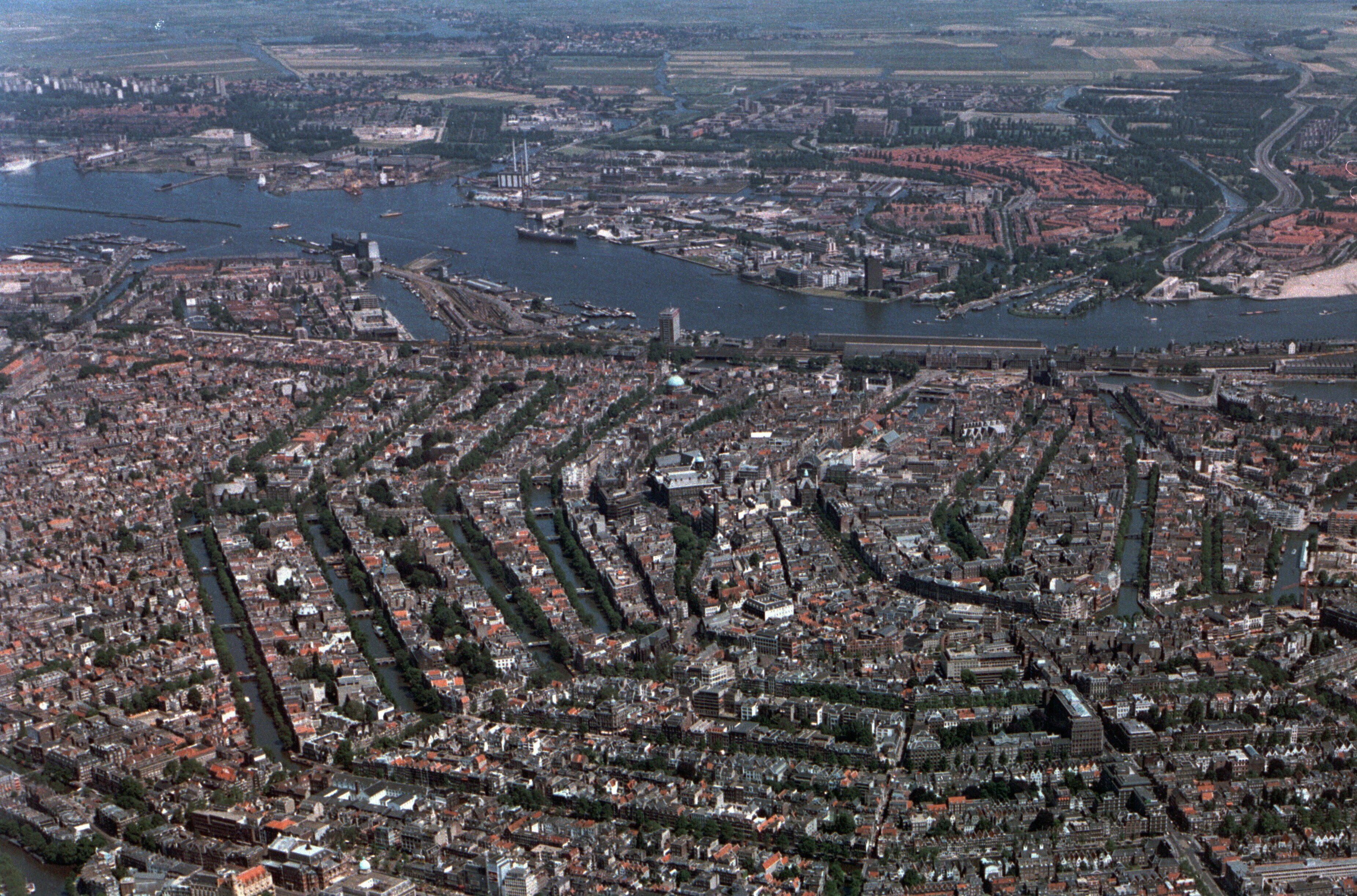
Camus opening paragraphs in all his novels have an immediacy that seem to grab the reader by the scruff of the neck and even if you are not sure where you are being lead you are fascinated by the experience. "May I, Monsieur offer my services without running the risk of intruding? and so starts a dialogue in which you the reader are the willing participant, but of course you can say nothing. Camus places his reader in a bar in Amsterdam; you are approached by Jean-Baptiste Clamence a fellow drinker who proceeds to tell you about his life, thoughts and beliefs while impressing on you that he is a most unreliable witness, because as you know, men are duplicitous beings. Jean-Baptiste's story unfolds over a five day period in which you and meet and drink with him in the bar, take a walk with him through old Amsterdam, accompany him on a trip to the Zuyderzee and finally attend him in his apartment. Towards the end of the novel it appears that you and Jean-Baptiste are strikingly similar, both Lawyers, a similar age, both worked in Paris etc until it appears that you could be the same person, and perhaps this is after all a monologue in which you the reader are the narrator.
The Fall is brilliantly structured as were Camus two previous novels L'Etranger and The Plague The central incident and the one that challenges Jean-Baptiste to the very core of his being occurs almost exactly mid way through the book. Jean-Baptiste is a successful lawyer, he is fit healthy and wealthy with the world seemingly at his feet when one night he crosses a bridge and notices a girl looking over into the canal; he notices the back of her neck cool and damp which stirs him, but he walks on. Fifty metres further along the quayside he hears a splash and knows immediately it is the sound of a body hitting the water, he hears a cry repeated several times but:
The silence that followed, as the night suddenly stood still, seemed interminable. I wanted to run and yet didn't move an inch. I was trembling. I believe from cold and shock. I told myself that I had to be quick and I felt an irresistible weakness steal over me. I have forgotten what I thought then. 'too late. too far.....' or something of the sort. I was still listening as I stood motionless. Then, slowly, in the rain, I went away. I told no one.
From this moment on it is a different sounding Jean-Baptiste that relates his story, he admits to losing the thread, his lucidity that he was known for has deserted him, he no longer has a circle of friends and admirers and Camus story at this point becomes strikingly less lucid. The reader/or Jean-Baptiste struggles with concepts that seem just out of reach. It is brilliantly evoked by the trip to the Zuydersee where the flaccid greyness of the sea and sky blurs the horizon. The final meeting takes place in the apartment where Jean-Baptiste has a fever and his thoughts have taken on an intensity that is missing from the first part of the book and religious vocabulary abounds.
Early on Jean-Baptiste describes Amsterdam's concentric canals as resembling the circles of hell, "the middle class hell of course, peopled with bad dreams" and the first part of the novel is a summing up of the human condition through the eyes of this successful lawyer, much of it is deeply ironical which can be gleaned from the name of the bar 'New Mexico' where the monologue takes place. Camus wit and wisdom are given free reign as he hits home again and again with barbed comments on modern life. However the real meat of the novel is contained in the second part and here the major themes emerge. Jean-Baptiste/you and me; is all about power and domination, which he had acquired as a successful man in Paris. After the incident on the bridge his craving for power is still part of his make-up but it has been shaken by his inability to take action to save the girl. Power he says comes from the ability to judge others and we are all guilty of some crime. If we can recognise and come to terms with this then we have a powerful lever over others and can sit in judgement over them. It is almost as though Camus/Jean-Baptiste is demanding that the reader confess to their own guilt as he takes on the persona of a judge-penitent. This is powerful stuff.
The title of the novel La Chute (the Fall) will immediately alert readers familiar with Christianity that the novel may be heavy with religious symbolism and it certainly is. However Camus' references are by no means obscure and in my opinion enhance the central theme of judgement so as to make it difficult to avoid. I talked earlier on about the superb structure of the novel and echoes and thoughts reflect backwards and forward creating a ripple effect similar to the water in the canals. This is an outstanding work of literature, a work that can be read over and over again and perhaps if you do that you might get to understand all of what Camus was expressing, but at the moment for me it is tantalisingly just out of reach. So typical of Camus. A five star read of course.
Over the last two days I have read this novel twice, not that difficult as it weighs in at just 107 pages in my penguin classic edition. After the first reading I felt I had read a masterpiece as Camus writes trenchantly again about the human condition, but just what I had read I couldn't be sure. The second reading gave me some answers but raised even more questions. The prose itself is superb and Camus gives us some key incidents in the book that act like rafts in a grey sea that has no horizon.
Camus opening paragraphs in all his novels have an immediacy that seem to grab the reader by the scruff of the neck and even if you are not sure where you are being lead you are fascinated by the experience. "May I, Monsieur offer my services without running the risk of intruding? and so starts a dialogue in which you the reader are the willing participant, but of course you can say nothing. Camus places his reader in a bar in Amsterdam; you are approached by Jean-Baptiste Clamence a fellow drinker who proceeds to tell you about his life, thoughts and beliefs while impressing on you that he is a most unreliable witness, because as you know, men are duplicitous beings. Jean-Baptiste's story unfolds over a five day period in which you and meet and drink with him in the bar, take a walk with him through old Amsterdam, accompany him on a trip to the Zuyderzee and finally attend him in his apartment. Towards the end of the novel it appears that you and Jean-Baptiste are strikingly similar, both Lawyers, a similar age, both worked in Paris etc until it appears that you could be the same person, and perhaps this is after all a monologue in which you the reader are the narrator.
The Fall is brilliantly structured as were Camus two previous novels L'Etranger and The Plague The central incident and the one that challenges Jean-Baptiste to the very core of his being occurs almost exactly mid way through the book. Jean-Baptiste is a successful lawyer, he is fit healthy and wealthy with the world seemingly at his feet when one night he crosses a bridge and notices a girl looking over into the canal; he notices the back of her neck cool and damp which stirs him, but he walks on. Fifty metres further along the quayside he hears a splash and knows immediately it is the sound of a body hitting the water, he hears a cry repeated several times but:
The silence that followed, as the night suddenly stood still, seemed interminable. I wanted to run and yet didn't move an inch. I was trembling. I believe from cold and shock. I told myself that I had to be quick and I felt an irresistible weakness steal over me. I have forgotten what I thought then. 'too late. too far.....' or something of the sort. I was still listening as I stood motionless. Then, slowly, in the rain, I went away. I told no one.
From this moment on it is a different sounding Jean-Baptiste that relates his story, he admits to losing the thread, his lucidity that he was known for has deserted him, he no longer has a circle of friends and admirers and Camus story at this point becomes strikingly less lucid. The reader/or Jean-Baptiste struggles with concepts that seem just out of reach. It is brilliantly evoked by the trip to the Zuydersee where the flaccid greyness of the sea and sky blurs the horizon. The final meeting takes place in the apartment where Jean-Baptiste has a fever and his thoughts have taken on an intensity that is missing from the first part of the book and religious vocabulary abounds.
Early on Jean-Baptiste describes Amsterdam's concentric canals as resembling the circles of hell, "the middle class hell of course, peopled with bad dreams" and the first part of the novel is a summing up of the human condition through the eyes of this successful lawyer, much of it is deeply ironical which can be gleaned from the name of the bar 'New Mexico' where the monologue takes place. Camus wit and wisdom are given free reign as he hits home again and again with barbed comments on modern life. However the real meat of the novel is contained in the second part and here the major themes emerge. Jean-Baptiste/you and me; is all about power and domination, which he had acquired as a successful man in Paris. After the incident on the bridge his craving for power is still part of his make-up but it has been shaken by his inability to take action to save the girl. Power he says comes from the ability to judge others and we are all guilty of some crime. If we can recognise and come to terms with this then we have a powerful lever over others and can sit in judgement over them. It is almost as though Camus/Jean-Baptiste is demanding that the reader confess to their own guilt as he takes on the persona of a judge-penitent. This is powerful stuff.
The title of the novel La Chute (the Fall) will immediately alert readers familiar with Christianity that the novel may be heavy with religious symbolism and it certainly is. However Camus' references are by no means obscure and in my opinion enhance the central theme of judgement so as to make it difficult to avoid. I talked earlier on about the superb structure of the novel and echoes and thoughts reflect backwards and forward creating a ripple effect similar to the water in the canals. This is an outstanding work of literature, a work that can be read over and over again and perhaps if you do that you might get to understand all of what Camus was expressing, but at the moment for me it is tantalisingly just out of reach. So typical of Camus. A five star read of course.
96AnnieMod
Barry,
Which of the Camus novels would you recommend to someone that had never read him before?
Interesting review - sounds like one of those novels that does not need to be 700 pages to be considered great... :)
Which of the Camus novels would you recommend to someone that had never read him before?
Interesting review - sounds like one of those novels that does not need to be 700 pages to be considered great... :)
97Linda92007
Fabulous review of The Fall, Barry! This is one I have not read and it is going on the wishlist.
98baswood
Annie, A good place to start would be his sensational first novel L'etranger translated as The Stranger or the Outsider
101janeajones
Fascinating -- I've not read this one, so it's on my radar now. Thanks for the review.
102StevenTX
Great review as usual. Obviously a novel like this can be applied at different levels. Do you think it had a political significance for Camus (as suggested in edwinbc's review)?
104edwinbcn
Great review of La chute ((English: The Fall); In my review last December, I did not mention that I had had many false starts with this novel. I must have started + abandonned reading The Fall at least three times between 1991, when I bought it and 2012, and when I read it in 2013, like you, I had to read it twice (making notes along my reading).
It is incredible that the novel has so many layers of meaning, and is still so accessible to every reader. The lower, deeper levels simply add more meaning.
It is incredible that the novel has so many layers of meaning, and is still so accessible to every reader. The lower, deeper levels simply add more meaning.
105baswood
Steven, as Edwin said in his excellent review and above in #104, there are layers and layers of meaning in The Fall.
Why did a an author who had always written about the Mediterranean life and culture base this novel in Amsterdam with its different political implications?, which were pointed out in Edwin's review.
However of course we must remember that both Jean-Baptiste and his interlocutor were both Parisians, men in exile as it were. Nothing is straight forward in this novel it is all slightly blurry like the mists and watery landscapes of The Zuydersee and much of it shelters under a surface of irony. Philosophical, social, political and in this novel religious themes are all there to be discovered and discussed.
Why did a an author who had always written about the Mediterranean life and culture base this novel in Amsterdam with its different political implications?, which were pointed out in Edwin's review.
However of course we must remember that both Jean-Baptiste and his interlocutor were both Parisians, men in exile as it were. Nothing is straight forward in this novel it is all slightly blurry like the mists and watery landscapes of The Zuydersee and much of it shelters under a surface of irony. Philosophical, social, political and in this novel religious themes are all there to be discovered and discussed.
106wildbill
Thank you for a terrific review. I felt that you did an excellent job of conveying the experience of reading the book. This book has been sitting on my shelf for years and now has moved to the top of my tbr list.
107edwinbcn
>102 StevenTX:, 105
For the political significance of The Fall, in my review I chose to focus on the implications for Dutch readers. However, literary criticism point at a similar complicity of the French Vichy government in assisting the Nazis with the deportation of French Jewish citizens, and the impotence of French citizens to help or act the Jewish people.
On the significance of the choice of location, it is said that Camus was inspired by the concentric circles of the canals, comparing them to the circles in Dante's hell, as pointed out in Barry's review. I did not refer to this in my review, because I had merely read about that in criticism, but in did not figure in or add to my understanding of the novel, and I did not aim to make my review conclusive. Likewise with the name of the bar (was it "New Mexico"?); apparently, at the time Camus visited Amsterdam there was an actual bar of that name, which now no longer exists. I do not believe that all writers are like James Joyce, and would try to assign meaning to all elements in the novel. I would rather surmise that Camus simply picked that name because he overheard some conversation in that bar, or may have been inspired there, perhaps by a painting hanging over the door, or some other clue. It is astonishing how, after a work has become famous, critics start seeing meaning in every part of a novel, even new, unintended meaning, so-called unconsciously or unintended meaning, etc. It is possible, and we should not ignore it.
From some of the comments above, I see that some members are hesitant or reluctant to pick up The Fall. My reiterated comment about the multiple layers of meaning is especially to encourage reading, because I must say that unlike for instance Ulysses after a reading of The Fall even the most inexperienced reader will come away with a feeling of satisfaction and a form of basic understanding of the novel. depending on your interest a re-reading, with or without additional explanatory reading may reveal deeper levels of meaning. The Fall is not a puzzle, but the exploration and discovery of the deeper layers depends on your cultural knowledge and background and your own life experience. The power of the novel is that it appeals to a life experience that everybody has, and denial means the reader would still live in the state of smugness of Jean-Baptiste before "the fall".
I would not have come to reading The Fall if it hadn't been for Barry's choice to make Albert Camus the year-long author of the Literary centennials group. I had read only two short stories of Camus before, and last year read several smaller works in the context of the group readings, which gave me the opportunity to discover Camus as a very fine essayist, although I was mainly charmed by the lyrical essays.
I still have several unread novels lying around, and last year wasn't able to find some of the major works in the book store.
(Unfortunately, Barry has abandoned the Literary Centennials Group (??) or I suppose you find discussion here more lively than there....)
For the political significance of The Fall, in my review I chose to focus on the implications for Dutch readers. However, literary criticism point at a similar complicity of the French Vichy government in assisting the Nazis with the deportation of French Jewish citizens, and the impotence of French citizens to help or act the Jewish people.
On the significance of the choice of location, it is said that Camus was inspired by the concentric circles of the canals, comparing them to the circles in Dante's hell, as pointed out in Barry's review. I did not refer to this in my review, because I had merely read about that in criticism, but in did not figure in or add to my understanding of the novel, and I did not aim to make my review conclusive. Likewise with the name of the bar (was it "New Mexico"?); apparently, at the time Camus visited Amsterdam there was an actual bar of that name, which now no longer exists. I do not believe that all writers are like James Joyce, and would try to assign meaning to all elements in the novel. I would rather surmise that Camus simply picked that name because he overheard some conversation in that bar, or may have been inspired there, perhaps by a painting hanging over the door, or some other clue. It is astonishing how, after a work has become famous, critics start seeing meaning in every part of a novel, even new, unintended meaning, so-called unconsciously or unintended meaning, etc. It is possible, and we should not ignore it.
From some of the comments above, I see that some members are hesitant or reluctant to pick up The Fall. My reiterated comment about the multiple layers of meaning is especially to encourage reading, because I must say that unlike for instance Ulysses after a reading of The Fall even the most inexperienced reader will come away with a feeling of satisfaction and a form of basic understanding of the novel. depending on your interest a re-reading, with or without additional explanatory reading may reveal deeper levels of meaning. The Fall is not a puzzle, but the exploration and discovery of the deeper layers depends on your cultural knowledge and background and your own life experience. The power of the novel is that it appeals to a life experience that everybody has, and denial means the reader would still live in the state of smugness of Jean-Baptiste before "the fall".
I would not have come to reading The Fall if it hadn't been for Barry's choice to make Albert Camus the year-long author of the Literary centennials group. I had read only two short stories of Camus before, and last year read several smaller works in the context of the group readings, which gave me the opportunity to discover Camus as a very fine essayist, although I was mainly charmed by the lyrical essays.
I still have several unread novels lying around, and last year wasn't able to find some of the major works in the book store.
(Unfortunately, Barry has abandoned the Literary Centennials Group (??) or I suppose you find discussion here more lively than there....)
108baswood
Great post Edwin
I certainly have not abandoned the literary centennials group, but admit to failing to copy my review there - I will put that right.
I certainly have not abandoned the literary centennials group, but admit to failing to copy my review there - I will put that right.
109baswood
Among other things which the lady, from whom I procured these
anecdotes, related to me, she mentioned the outline of a ghost story
by Lord Byron. It appears that one evening Lord B., Mr. P. B. Shelly,
the two ladies and the gentleman before alluded to, after having
perused a German work, which was entitled Phantasmagoriana, began
relating ghost stories; when his lordship having recited the beginning
of Christabel, then unpublished, the whole took so strong a hold of
Mr. Shelly's mind, that he suddenly started up and ran out of the
room. The physician and Lord Byron followed, and discovered him
leaning against a mantle-piece, with cold drops of perspiration
trickling down his face. After having given him something to refresh
him, upon enquiring into the cause of his alarm, they found that his
wild imagination having pictured to him the bosom of one of the ladies
with eyes (which was reported of a lady in the neighbourhood where he
lived) he was obliged to leave the room in order to destroy the
impression

anecdotes, related to me, she mentioned the outline of a ghost story
by Lord Byron. It appears that one evening Lord B., Mr. P. B. Shelly,
the two ladies and the gentleman before alluded to, after having
perused a German work, which was entitled Phantasmagoriana, began
relating ghost stories; when his lordship having recited the beginning
of Christabel, then unpublished, the whole took so strong a hold of
Mr. Shelly's mind, that he suddenly started up and ran out of the
room. The physician and Lord Byron followed, and discovered him
leaning against a mantle-piece, with cold drops of perspiration
trickling down his face. After having given him something to refresh
him, upon enquiring into the cause of his alarm, they found that his
wild imagination having pictured to him the bosom of one of the ladies
with eyes (which was reported of a lady in the neighbourhood where he
lived) he was obliged to leave the room in order to destroy the
impression

110baswood
The Vampyre by John William Polidori
That infamous night, sometime in 1816 at Byron's Villa Diodati, when the assembled guests were challenged to tell a ghost story resulted in Mary Shelley's Frankenstein It also led to the publication of The Vampyre , the first vampire tale to feature an aristocrat as a blood sucking fiend. The story's inception and it later publication history is probably more intriguing than the short story itself. John Polidori was a working guest at the villa; apparently Byron's physician and it is probably Byron's story that ended up being published by Polidori although it did originally appear under Byron's name. Byron later claimed not to have written it. A clever deception then by Polidori is enhanced by an extract from a so-called anonymous letter, that appears before the introduction to the book. The letter tells a little about that night at the villa Diodati and then intriguingly paints a portrait of Lord Byron himself:
I have gathered from
their accounts some excellent traits of his lordship's character,
which I will relate to you at some future opportunity. I must,
however, free him from one imputation attached to him--of having in
his house two sisters as the partakers of his revels. This is, like
many other charges which have been brought against his lordship,
entirely destitute of truth. His only companion was the physician I
have already mentioned...... I found a servant there who had lived with him;
she, however, gave me but little information. She pointed out his
bed-chamber upon the same level as the saloon and dining-room, and
informed me that he retired to rest at three, got up at two, and
employed himself a long time over his toilette; that he never went to
sleep without a pair of pistols and a dagger by his side, and that he
never eat animal food.
The above makes Byron sound like a candidate for being a vampire and Polidori followed this up with a quote from Byron's poem Giaour:
But first on earth, as Vampyre sent,
Thy corse shall from its tomb be rent;
Then ghastly haunt the native place,
And suck the blood of all thy race;
There from thy daughter, sister, wife,
At midnight drain the stream of life;
Yet loathe the banquet which perforce
Must feed thy livid living corse,
Thy victims, ere they yet expire,
Shall know the demon for their sire;............
The anonymous letter is steeped in irony and adds greatly to the mystery of the tale. If Polidori thought he could shift copies of his little book by continual references to Byron then he was not wrong. The Vampyre sold well and the central character Lord Ruthven was a dead ringer for Lord Byron. An aristocrat who feeds off the charms of young virginal women and who succeeds in tormenting the young Aubrey into despair and madness; when he kills Aubrey's innocent Greek girlfriend and then schemes to marry his innocent sister. The story has some of the elements that you would expect in a vampire tale and it is well told, it is mysterious and dark and inexorably moves to its conclusion. It is worth reading and I would rate it at 3.5 stars mainly because of the mystery in which it is surrounded.
That infamous night, sometime in 1816 at Byron's Villa Diodati, when the assembled guests were challenged to tell a ghost story resulted in Mary Shelley's Frankenstein It also led to the publication of The Vampyre , the first vampire tale to feature an aristocrat as a blood sucking fiend. The story's inception and it later publication history is probably more intriguing than the short story itself. John Polidori was a working guest at the villa; apparently Byron's physician and it is probably Byron's story that ended up being published by Polidori although it did originally appear under Byron's name. Byron later claimed not to have written it. A clever deception then by Polidori is enhanced by an extract from a so-called anonymous letter, that appears before the introduction to the book. The letter tells a little about that night at the villa Diodati and then intriguingly paints a portrait of Lord Byron himself:
I have gathered from
their accounts some excellent traits of his lordship's character,
which I will relate to you at some future opportunity. I must,
however, free him from one imputation attached to him--of having in
his house two sisters as the partakers of his revels. This is, like
many other charges which have been brought against his lordship,
entirely destitute of truth. His only companion was the physician I
have already mentioned...... I found a servant there who had lived with him;
she, however, gave me but little information. She pointed out his
bed-chamber upon the same level as the saloon and dining-room, and
informed me that he retired to rest at three, got up at two, and
employed himself a long time over his toilette; that he never went to
sleep without a pair of pistols and a dagger by his side, and that he
never eat animal food.
The above makes Byron sound like a candidate for being a vampire and Polidori followed this up with a quote from Byron's poem Giaour:
But first on earth, as Vampyre sent,
Thy corse shall from its tomb be rent;
Then ghastly haunt the native place,
And suck the blood of all thy race;
There from thy daughter, sister, wife,
At midnight drain the stream of life;
Yet loathe the banquet which perforce
Must feed thy livid living corse,
Thy victims, ere they yet expire,
Shall know the demon for their sire;............
The anonymous letter is steeped in irony and adds greatly to the mystery of the tale. If Polidori thought he could shift copies of his little book by continual references to Byron then he was not wrong. The Vampyre sold well and the central character Lord Ruthven was a dead ringer for Lord Byron. An aristocrat who feeds off the charms of young virginal women and who succeeds in tormenting the young Aubrey into despair and madness; when he kills Aubrey's innocent Greek girlfriend and then schemes to marry his innocent sister. The story has some of the elements that you would expect in a vampire tale and it is well told, it is mysterious and dark and inexorably moves to its conclusion. It is worth reading and I would rate it at 3.5 stars mainly because of the mystery in which it is surrounded.
111SassyLassy
Ohhh, lovely. I seem to have missed this book in my gothic reading. I'll have to make up that deficiency. Still working my way through Melmoth
Interesting how many of these works have a similar beginning (the tale told to the author by someone else).
Interesting how many of these works have a similar beginning (the tale told to the author by someone else).
112.Monkey.
>111 SassyLassy: I imagine you may have missed it because it's only a short story, I don't know that you can buy a copy of the single work. I have it in The Vampyre and Other Tales of the Macabre, where it is just one of many stories published in that time period. The history of the piece is included (along with where the others came from). I knew of it because it's one of the influential pieces that inspired Dracula (along with Carmilla and Varney) and is discussed in the introduction of (at least one of) my editions.
113kidzdoc
Fabulous review of The Fall, Barry, and excellent commentary by Edwin and others. I'll add it to my list of TBR books to read this year.
114Linda92007
>111 SassyLassy:, 112 The Vampyre is available as a single work in a few Kindle editions.
116rebeccanyc
Probably not for me, but fun to read about anyway!
117dchaikin
Great stuff on Camus and on The Vampyre (which makes me want to read Byron...which I have never done...)
119wildbill
A good review of an interesting book. It gives me the impulse to finish a novel by Charles Brockden Brown sitting on my shelf.
120StevenTX
The Vampyre was already in my reading plans so your focus on the background rather than the story itself was particularly appropriate for me.
121baswood


SKip James a Delta blues singer, guitarist, pianist and composer was rediscovered in the mid sixties. He had been recorded in 1931, but had then faded into obscurity, when he was hunted down in 1964 he had not played the guitar for over twenty years and he was ill with cancer. The CD Hard Time Killing Floor Blues was released in 2003 and features songs from his first come-back recording session in the 1960's and it is powerful stuff. He accompanies himself on acoustic guitar and delivers a searing set of blues many of which are re-recordings from his 1931 sessions. There is no good time vaudeville type music here, this is heartfelt blues played by a man who still has much of his technique intact. He has a strong tenor voice that can go into a soprano or falsetto register to bring added depth to his songs, his blues style phrasing is masterful and his technique includes humming and shortened or stopped phrases that let the guitar fill in for the vocals. His finger picking guitar style is strong with plenty of low notes underpinning his vocals. The songs are all originals with some standout tracks like "Illinois Blues" "I Don't Want a Woman" and "Cherry Ball Blues". The title song "Hard Time Killing Floor Blues opens the set with a song straight from the depression and sets the tone for what is to follow.
The 1931 recordings were culled from old 78's and so the sound quality leaves much to be desired, however the music shines on through and affords a chance to hear his unique piano style. From this session the Cream recorded Skips "I'm so Glad" for their first LP "Fresh Cream" and it is great to hear the original here; it features some awesome guitar and vocals that still sound astounding. The 2003 CD will delight anybody who likes acoustic blues and the 1931 sessions are well worth a listen. Skip James one of the Great American Delta Blues singers.
http://www.youtube.com/watch?v=4CoXOpdYjpM
http://www.youtube.com/watch?v=byZXD-AHg3g


123baswood
Dr Copernicus by John Banville
There have been many biographies of Nicolaus Copernicus, but Banville has chosen to write an historical novel based on his life and a fascinating portrait of both the man and his times emerges from this well written book. Copernicus (1473 - 1573) was a doctor, churchman and astronomer now famous as the man who first publicly refuted Ptolemy's idea of the universe. Copernicus placed the sun at the still centre the universe while the earth was one of a number of planets (7 at the time) revolving around it. Ptolemy had thought the earth was at the centre and his ideas had been supported and enhanced by theologians since the advent of Christianity.
Banville's book is in four sections three of which place Copernicus at the centre of the novel and are written in the third person, the third section is written in the first person from the point of view of Rheticus who was a pupil of Copernicus for two years and undertook to supervise the printing of his On the Revolution of the Heavenly Spheres This third section brilliantly pulls the book and the portrait of Copernicus together while giving the reader a first hand portrait of the astronomer. It also has an immediacy that drives the story along as it deals with issues around whether Copernicus would allow his masterwork to be printed in his lifetime.
Banville's depicts Copernicus as an able hard working yet diffident man. He could be morose and taciturn and for the most part privately lived in his own world. He was hesitant in getting his treatise published and because of his poor social skills had few friends and was treated with suspicion by fellow churchman, although they valued his dedication to his duties and his intelligence and ability. A man who therefore lends himself to a novelist getting inside his head and seeing the world through his eyes, which Banville does with his portrayal of Copernicus' early life and again in the final section with a moving depiction of his death. In the third section we see the man through the eyes of his pupil Rheticus which gives a well rounded portrait and gives us to understand a man who was not easy to get along with.
The book also takes the reader convincingly back to a period where the middle ages were just giving way to the renaissance and the catholic church was feeling the first salvos from Luther and the protestant movement. Copernicus was well advised to be careful in a world seething with corruption and Banville's illustration of those times is convincing. He sticks closely to known facts but fleshes out two characters whose lives provide an insight into the society around a working churchman in Poland. Andreas the elder brother is seen as a roustabout contemptuous of his younger brothers careful dedication to duty and Banville adds spice to this portrait with a horrific description of a man in the final stages of syphilis. Anna is Copernicus's live in companion in his middle and later years and is a contentious figure because Catholic churchman were supposed to be celibate. Banville does not spare the reader the grotesqueness of the period from Andreas's half eaten face to Copernicus' bishops death from poisoning to Anna's need to go whoring to support her children when her husband goes off to war. Life was hard and cruel and it is all here in this novel.
While Banville fills in the necessary details of Copernicus's astronomy and it's revolutionary aspect this is not the main thrust of the novel. He is more interested in giving the reader an illustrative representation of the life and times of a churchman astronomer. A very good four star read.
There have been many biographies of Nicolaus Copernicus, but Banville has chosen to write an historical novel based on his life and a fascinating portrait of both the man and his times emerges from this well written book. Copernicus (1473 - 1573) was a doctor, churchman and astronomer now famous as the man who first publicly refuted Ptolemy's idea of the universe. Copernicus placed the sun at the still centre the universe while the earth was one of a number of planets (7 at the time) revolving around it. Ptolemy had thought the earth was at the centre and his ideas had been supported and enhanced by theologians since the advent of Christianity.
Banville's book is in four sections three of which place Copernicus at the centre of the novel and are written in the third person, the third section is written in the first person from the point of view of Rheticus who was a pupil of Copernicus for two years and undertook to supervise the printing of his On the Revolution of the Heavenly Spheres This third section brilliantly pulls the book and the portrait of Copernicus together while giving the reader a first hand portrait of the astronomer. It also has an immediacy that drives the story along as it deals with issues around whether Copernicus would allow his masterwork to be printed in his lifetime.
Banville's depicts Copernicus as an able hard working yet diffident man. He could be morose and taciturn and for the most part privately lived in his own world. He was hesitant in getting his treatise published and because of his poor social skills had few friends and was treated with suspicion by fellow churchman, although they valued his dedication to his duties and his intelligence and ability. A man who therefore lends himself to a novelist getting inside his head and seeing the world through his eyes, which Banville does with his portrayal of Copernicus' early life and again in the final section with a moving depiction of his death. In the third section we see the man through the eyes of his pupil Rheticus which gives a well rounded portrait and gives us to understand a man who was not easy to get along with.
The book also takes the reader convincingly back to a period where the middle ages were just giving way to the renaissance and the catholic church was feeling the first salvos from Luther and the protestant movement. Copernicus was well advised to be careful in a world seething with corruption and Banville's illustration of those times is convincing. He sticks closely to known facts but fleshes out two characters whose lives provide an insight into the society around a working churchman in Poland. Andreas the elder brother is seen as a roustabout contemptuous of his younger brothers careful dedication to duty and Banville adds spice to this portrait with a horrific description of a man in the final stages of syphilis. Anna is Copernicus's live in companion in his middle and later years and is a contentious figure because Catholic churchman were supposed to be celibate. Banville does not spare the reader the grotesqueness of the period from Andreas's half eaten face to Copernicus' bishops death from poisoning to Anna's need to go whoring to support her children when her husband goes off to war. Life was hard and cruel and it is all here in this novel.
While Banville fills in the necessary details of Copernicus's astronomy and it's revolutionary aspect this is not the main thrust of the novel. He is more interested in giving the reader an illustrative representation of the life and times of a churchman astronomer. A very good four star read.
124RidgewayGirl
So usually I read your reviews thinking that the review is very good and I'm glad to know about this book because that's as close to reading it as I'm likely to get. This time, I'm hooked. I'll look for this one (and the rest of Banville's Revolutions series).
125rebeccanyc
I bought Dr. Copernicus after someone else in Club Read reviewed it a year or so ago (just checked back -- it was Steven), but it has languished on the TBR. Now, with your review, I am more eager to get to it.
126StevenTX
I'm glad you enjoyed Doctor Copernicus. I didn't realize it had been over a year now since I read it. I've picked up Kepler a couple of times intending to read it, but got caught up in other priorities and never started it.
127Linda92007
Excellent review of Doctor Copernicus, Barry. I have Kepler in my TBR collection, but will now have to add this as well.
128mabith
I will have to see if I can overcome my bad memories of studying The Copernican Revolution in high school humanities to read Dr. Copernicus. It does sound very interesting and enjoyable.
129janeajones
Great review, Barry. Dr Copernicus goes on the wishlist.
130SassyLassy
Are you going on to read the other two books? I bought them all after reading steven's review last year and kept them out of the boxes. Your review added to his makes them closer to being read.
Great title page, I love those old Latin works with the intriguing illustrations. Contrasted to that, the art work in the portrait looks quite contemporary. Is it a self portrait? That looks like his name at the bottom.
Great title page, I love those old Latin works with the intriguing illustrations. Contrasted to that, the art work in the portrait looks quite contemporary. Is it a self portrait? That looks like his name at the bottom.
132baswood
Hi Sassy, I have no immediate plans to read Kepler or the Newton Letter so many other books to read first. The Portrait is by an unknown artist.
Thanks Kay, Rebecca, Linda, Jane, Meredith and Mary for dropping in, hope you like the book if you get to reading it.
Steven I picked up on it through your review last year and so thanks for that.
Thanks Kay, Rebecca, Linda, Jane, Meredith and Mary for dropping in, hope you like the book if you get to reading it.
Steven I picked up on it through your review last year and so thanks for that.
133baswood
Well fresh from reading John Banville's book Dr Copernicus I thought I might read the real thing - I mean how difficult can a 16th century book on astronomy be.
On the Revolution of the Heavenly spheres, Nicolaus Copernicus.
I did not actually read On the Revolution of the Heavenly spheres in its entirety, because the mathematics would have been way beyond my comprehension, but I did find something called Copernicus Work book edited by Patrick Bruskiewitch which contains a large extract from book one of "On the Revolution of the Spheres" as well as Copernicus "A Commentary on the Hypothesis concerning celestial motion" The work book contains an article which introduces Ptolemy's "Almagest" and the concept of the spheres. It also takes the story further with how the study of astronomy developed after the death of Copernicus over 70 years later with Tycho Brae and Galileo's telescope.
Book one of On the Revolution of the Heavenly spheres is perfectly readable and for me added some details that fleshed out my previous understanding of early astronomy. The headings of the sections will give a good idea of the content:
Preface to the revolutionibus with a dedication to the most Holy Lord Pope Paul III;
That the universe is spherical
That the earth is also spherical
How Earth with the water on it forms one sphere
That the motion of the Heavenly bodies is uniform, circular and perpetual or composed of circular motion
Whether circular motion belongs to the earth and concerning its position
Of the vastness of the heavens compared with the size of the earth
Why the ancients believed the earth is at rest like a Centre in the middle of the Universe
The insufficiency of theses arguments and their refutation
Whether more than one motion can be attributed to the earth and of the centre of the universe
Of the Order of the Heavenly bodies
Explanation of the threefold motion of the earth
For anybody who may be interested in the workbook here is the link https://archive.org/stream/CopernicusWorkBook/Copernicus_Book#page/n41/mode/2up
On the Revolution of the Heavenly spheres, Nicolaus Copernicus.
I did not actually read On the Revolution of the Heavenly spheres in its entirety, because the mathematics would have been way beyond my comprehension, but I did find something called Copernicus Work book edited by Patrick Bruskiewitch which contains a large extract from book one of "On the Revolution of the Spheres" as well as Copernicus "A Commentary on the Hypothesis concerning celestial motion" The work book contains an article which introduces Ptolemy's "Almagest" and the concept of the spheres. It also takes the story further with how the study of astronomy developed after the death of Copernicus over 70 years later with Tycho Brae and Galileo's telescope.
Book one of On the Revolution of the Heavenly spheres is perfectly readable and for me added some details that fleshed out my previous understanding of early astronomy. The headings of the sections will give a good idea of the content:
Preface to the revolutionibus with a dedication to the most Holy Lord Pope Paul III;
That the universe is spherical
That the earth is also spherical
How Earth with the water on it forms one sphere
That the motion of the Heavenly bodies is uniform, circular and perpetual or composed of circular motion
Whether circular motion belongs to the earth and concerning its position
Of the vastness of the heavens compared with the size of the earth
Why the ancients believed the earth is at rest like a Centre in the middle of the Universe
The insufficiency of theses arguments and their refutation
Whether more than one motion can be attributed to the earth and of the centre of the universe
Of the Order of the Heavenly bodies
Explanation of the threefold motion of the earth
For anybody who may be interested in the workbook here is the link https://archive.org/stream/CopernicusWorkBook/Copernicus_Book#page/n41/mode/2up
134QuentinTom
I was very disappointed with Dr Copernicus. I read The Untouchable and thought it was excellent, but this one left me unmoved, uninterested and unimpressed.
135dchaikin
Impressed you read those parts of the original. I suspect I would really like Banville's trilogy, but worry I might get caught up in whether or not I buy his portrayal, instead of just enjoying the book.
136mkboylan
Trying to catch up but can't keep up with you!
Crazy good review of Thomas More! What a complicated man. Makes me think of Paul asking why he does the things he does not want to do and does not do the things he wants to do. I can relate ;).
45 - oh dear god that is too freakin funny!
72 - Steven! LOL!
Brilliant reviews as always. I have missed too much!
Crazy good review of Thomas More! What a complicated man. Makes me think of Paul asking why he does the things he does not want to do and does not do the things he wants to do. I can relate ;).
45 - oh dear god that is too freakin funny!
72 - Steven! LOL!
Brilliant reviews as always. I have missed too much!
137avidmom
There's so much to learn here! I have to ask where that gorgeous painting came from in #109. Loved the Skip James review too. Had to give it a listen on youtube. Thanks for that.
138baswood
Hi Susie, Picture at #109 is a hand coloured engraving by Edward Francis Finden circa 1833 after a drawing by William Purser
good to see you here Merrikay
good to see you here Merrikay
139mkboylan
Hey Bas guess what!!? I just finished my first Camus The Stranger and I loved it! Thanks for all the Camus reviews you have posted. I'm looking forward to more.
140kidzdoc
Thanks for mentioning Skip James, Barry. I'm not a huge blues fan, but I'll listen to his recordings on Spotify this weekend.
Great review of Doctor Copernicus. I've added it to my wish list.
Great review of Doctor Copernicus. I've added it to my wish list.
141Polaris-
Also loved your review of Skip James. He's one of my erstwhile bandmate's favourites, and I personally love that Delta blues revival sound. 'Hard Time Killing Floor Blues' has got to be one of the quintessential songs of the Delta. Afraid I'm not too familiar with his other music, so I'll definitely keep an eye out for this album on cd.
Interesting reviews of the Copernicus books.
Interesting reviews of the Copernicus books.


143baswood
Four Morality Plays Edited by Peter Happe
If you went to see some drama in the 15th and first half of the sixteenth century then you would more than likely see a morality play or a play from the mystery cycles, although there were also shorter "interludes". You would expect to experience moral or religious instruction or both and you would be familiar with the subject matter which would in some respects be similar to a sermon or other sort of preaching. The mystery cycles were concerned with theology and would usually tell a story from the life of Christ. Morality plays increasingly moved away from religious stories towards political or social themes, but the message of salvation and redemption would still figure prominently. A typical play would show it's hero trapped into sin by cunning devils and vices, but a change of heart through redemption and divine grace would at least save his soul, but may not save his life. There were no permanent theatres before 1576, but the actors would probably be largely professional players, who would set up a stage on suitable ground.
Morality plays used allegorical figures many of which would be vices and virtues familiar to the audience and these personifications of moral attributes would battle for the soul of the hero. The four plays in this Penguin English Library edition show how the moral stories developed, introducing satire and obscenity into the mix to provide a more complete and probably more intellectual experience. There does not seem to be much actual drama in the plays, as much of it based on dialogue and so in some respects they lend themselves to being read. The Plays are:
The Castle of Perseverence - Anonymous written in 1440
This is unusual in that it has a cast of 36 players and called for an extremely large staging area. A castle in the form of a single tower a circular ditch surrounding a playing area and outside of this five scaffolds. Mankind is first seen in bed in the tower and on the scaffolds are God, Flesh, World, Belyal (daemon) and Covetousness. The play revolves around the temptation of man to take his place on the scaffold of covetousness, There are the seven deadly sins as well as good and bad angels; seven virtues offer to help mankind in his fight and there is a battle in the middle of the arena. Mankind is eventually won over by the temptation of money and is struck dead, however there is redemption in the form of God's mercy and the soul of man is saved from hell. Most of the play is written in stanzas of 13 lines with a regular rhyming scheme and typically characters speak for a whole stanza. The lines are written in a similar style to Langland's Piers Ploughman with heavy use of alliteration, but there are variations with shortened lines. This play is about the salvation of man's soul and as such can be linked more closely to the mystery cycle as there is little political or social comment.
Magnyfycence - John Skelton written in about 1518
This is Skelton's masterpiece and he uses all his skills as a poet to produce a play with varied verse forms. He uses rime royal for most of the telling episodes and other verse forms to suit the mood of the play. The story again is about the temptation of a hero, but the hero in this case is Magnyfycence, who may be Henry VIII (Skelton was his tutor for a time) or is certainly an allegory for kingship. The main theme is the Kings use of his wealth and there are various allegorical characters enticing him to spend frivolously; Crafty Conveyance, Cloked Colusyon, Courtly Abusyon, Counterfeit Countenance, are courtiers around the King who lead him astray and overcome the wise words of Felycyte and Measure, Lyberte is given freedom and Magnyfycence is ruined. The message here is that the king himself must overcome his own wilfulness to gain redemption. This play has of course a high political and instructional content and is in fact a guide to good kingship. There is some quick fire dialogue as well as some set speeches, but the play is still allegorical.
King Johan - John Bale written between 1538-60 (there are three versions)
This play is protestant propaganda and uses the historical figure of King John to demonstrate what can happen to England if the king bows before the Pope and his clergy in running the country. England and the King is brought to it's knees by the corruption of the catholic church and in this case the king must die before his soul can be saved. Again the figures in the play are allegorical with Usurpid power and Sedicyon working with Private wealth to win Nobylyte over to the side of the clerics as they rob the king of his kingdom. There is much fierce condemnation of the church and its practises and the theme emerges of the protestant monarch foiled in his attempts to rely on scripture to institute God's will. The play does not contain the poetry of Skelton's Magnyfycence, but it is well written and brings home its points forcefully.
The Satire of the Three Estaitis - Sir David Lindsay written 1540-1544
This play mixes allegorical figures with real life portraits, with Lindsay more intent in speaking the plain truth. Lindsay's play leans towards the protestant position as it contains the usual attacks on the catholic church, but it is not an exercise in propaganda that distinguishes John Bale's King Johan.
The plays themselves are not easy reading as the form of the old English has been kept, only the letters have been modernised. The earlier play The Castle of Perseverance, uses the English of Langland and Chaucer, although there are translations of the more difficult words at the bottom of each page. The English gets easier with Skelton and is almost recognisable when we get to John Bale. Unfortunately Sir David Lindsay's largely old Scottish language defeated me for the most part. The advantage of an unmodernised text is the scansion and the feel of the poetry, which is certainly important for Skelton's play and I prefer to see it this way. These plays are probably not for the casual reader, but with Peter Happe's superb introduction they are excellent for anyone with an interest in early British drama and so a four star rating from me.
If you went to see some drama in the 15th and first half of the sixteenth century then you would more than likely see a morality play or a play from the mystery cycles, although there were also shorter "interludes". You would expect to experience moral or religious instruction or both and you would be familiar with the subject matter which would in some respects be similar to a sermon or other sort of preaching. The mystery cycles were concerned with theology and would usually tell a story from the life of Christ. Morality plays increasingly moved away from religious stories towards political or social themes, but the message of salvation and redemption would still figure prominently. A typical play would show it's hero trapped into sin by cunning devils and vices, but a change of heart through redemption and divine grace would at least save his soul, but may not save his life. There were no permanent theatres before 1576, but the actors would probably be largely professional players, who would set up a stage on suitable ground.
Morality plays used allegorical figures many of which would be vices and virtues familiar to the audience and these personifications of moral attributes would battle for the soul of the hero. The four plays in this Penguin English Library edition show how the moral stories developed, introducing satire and obscenity into the mix to provide a more complete and probably more intellectual experience. There does not seem to be much actual drama in the plays, as much of it based on dialogue and so in some respects they lend themselves to being read. The Plays are:
The Castle of Perseverence - Anonymous written in 1440
This is unusual in that it has a cast of 36 players and called for an extremely large staging area. A castle in the form of a single tower a circular ditch surrounding a playing area and outside of this five scaffolds. Mankind is first seen in bed in the tower and on the scaffolds are God, Flesh, World, Belyal (daemon) and Covetousness. The play revolves around the temptation of man to take his place on the scaffold of covetousness, There are the seven deadly sins as well as good and bad angels; seven virtues offer to help mankind in his fight and there is a battle in the middle of the arena. Mankind is eventually won over by the temptation of money and is struck dead, however there is redemption in the form of God's mercy and the soul of man is saved from hell. Most of the play is written in stanzas of 13 lines with a regular rhyming scheme and typically characters speak for a whole stanza. The lines are written in a similar style to Langland's Piers Ploughman with heavy use of alliteration, but there are variations with shortened lines. This play is about the salvation of man's soul and as such can be linked more closely to the mystery cycle as there is little political or social comment.
Magnyfycence - John Skelton written in about 1518
This is Skelton's masterpiece and he uses all his skills as a poet to produce a play with varied verse forms. He uses rime royal for most of the telling episodes and other verse forms to suit the mood of the play. The story again is about the temptation of a hero, but the hero in this case is Magnyfycence, who may be Henry VIII (Skelton was his tutor for a time) or is certainly an allegory for kingship. The main theme is the Kings use of his wealth and there are various allegorical characters enticing him to spend frivolously; Crafty Conveyance, Cloked Colusyon, Courtly Abusyon, Counterfeit Countenance, are courtiers around the King who lead him astray and overcome the wise words of Felycyte and Measure, Lyberte is given freedom and Magnyfycence is ruined. The message here is that the king himself must overcome his own wilfulness to gain redemption. This play has of course a high political and instructional content and is in fact a guide to good kingship. There is some quick fire dialogue as well as some set speeches, but the play is still allegorical.
King Johan - John Bale written between 1538-60 (there are three versions)
This play is protestant propaganda and uses the historical figure of King John to demonstrate what can happen to England if the king bows before the Pope and his clergy in running the country. England and the King is brought to it's knees by the corruption of the catholic church and in this case the king must die before his soul can be saved. Again the figures in the play are allegorical with Usurpid power and Sedicyon working with Private wealth to win Nobylyte over to the side of the clerics as they rob the king of his kingdom. There is much fierce condemnation of the church and its practises and the theme emerges of the protestant monarch foiled in his attempts to rely on scripture to institute God's will. The play does not contain the poetry of Skelton's Magnyfycence, but it is well written and brings home its points forcefully.
The Satire of the Three Estaitis - Sir David Lindsay written 1540-1544
This play mixes allegorical figures with real life portraits, with Lindsay more intent in speaking the plain truth. Lindsay's play leans towards the protestant position as it contains the usual attacks on the catholic church, but it is not an exercise in propaganda that distinguishes John Bale's King Johan.
The plays themselves are not easy reading as the form of the old English has been kept, only the letters have been modernised. The earlier play The Castle of Perseverance, uses the English of Langland and Chaucer, although there are translations of the more difficult words at the bottom of each page. The English gets easier with Skelton and is almost recognisable when we get to John Bale. Unfortunately Sir David Lindsay's largely old Scottish language defeated me for the most part. The advantage of an unmodernised text is the scansion and the feel of the poetry, which is certainly important for Skelton's play and I prefer to see it this way. These plays are probably not for the casual reader, but with Peter Happe's superb introduction they are excellent for anyone with an interest in early British drama and so a four star rating from me.
144edwinbcn
I keep thinking that I already have the Four Morality Plays, but haven't. I probably means that subconsciously I feel I should have them (and read them). Great review, Barry.
145StevenTX
A very interesting and informative review of the Morality Plays, though I'm not likely to put forth the effort to read them myself.
146Polaris-
I'm glad that I can follow your thread and learn a little of the Four Morality Plays. Interesting reviews Barry.
147Jargoneer
>143 baswood: - I'm not surprised you struggled with Lindsay's language, even for Scots it is a hard slog. Historically, it's very important in the development of Scottish literature as it is the oldest known play hence it gets studied a lot. It doesn't get revived much though it was last year and I thought about but even the in a cut version it lasted 4.5 hours.
When I saw the top picture in #142 I thought it was Glastonbury, the early years.
When I saw the top picture in #142 I thought it was Glastonbury, the early years.
148Linda92007
Wonderfully informative review, Barry. I probably wouldn't do well with the plays, but as always, I have learned something from your review.
149cabegley
I immediately thought of Unsworth's Morality Play, but I see of course that you've already read it.
150japaul22
I would be interested to know if it added anything to your memories of reading Morality Play by Barry Unsworth. I read that recently as well.
Interesting review!
Interesting review!
151SassyLassy
Same thought as >150 japaul22:. That was what I thought of when I saw your pictures, but knew you had read it, so had to wait to see what else there was. It would be interesting to read some originals like these and compare.
152baswood
Jennifer, I believe that Unsworth's Morality Play was set in the 14th Century, which would have made it much earlier than the Castle of perseverance. I think therefore the actors in that book would have been brave in the extreme to depart from the set scripts of Morality Plays or the mystery cycles. The idea of a travelling troupe of players performing where they were able to do so, would have been possible and Unsworth captured very well a feel for the life and times of the company and he got much of this right I think. In Unsworth's defence just because there are no records of plays departing from the Morality Plays conventions, it does not mean that there were not any, especially as the play performed in Unsworths book was an improvisation, which would not have been recorded. We are talking of a time before printing was available.
153OscarWilde87
Nice stuff you write here. But it is hard to keep up! The only reading I get done these days are all those interesting posts around here!
154baswood
The cinema viewed on my TV screen
First a couple of Blockbusters which turned out to be much better than I expected or perhaps I just don't get out enough.
1) Mission: Impossible - Ghost protocol. You don't watch theses films for plots or story lines but for excitement and almost believable gadgetry and this film delivered on both counts. I thought Tom Cruise's escapades climbing outside on the tallest building in the world; Bhurj Kalifa in Dubai were breathtaking, but then I suffer from a bit of vertigo. http://www.imdb.com/title/tt1229238/?ref_=nv_sr_1
2) John Carter A film that lost Disney a boatload of money can't be all bad and it wasn't. Far better than I expected with an excellent story within a story scenario that rounded off the film nicely. Some excellent special effects, fast moving action and if you can swallow the unlikely fantasy elements then great entertainment. http://www.imdb.com/title/tt0401729/?ref_=fn_al_tt_1
Then a couple of excellent movies that were more suitable for T V screens
1) Juste avant la nuit (just before nightfall) directed by Claude Chabrol 1971
A murder but not a mystery. We almost see the murder being committed in the opening sequence, but we know who the murderer is and we know it happened as a result of a sex game. We soon discover that the murderer Charles has killed his best friends wife. He carries on as if nothing has happened and it becomes clear that he has been eliminated from the police enquiries. He is safe, but his conscience starts to act on him and he wants to confess. Chabrol's film turns into a critique or satire of the bourgeoisie, nobody wants to rock the boat, nobody wants to spoil their lives because of the inconvenience of a murder. Michael Bouquet as Charles is superb as the successful executive whose calm exterior hides a growing guilt of the crime he has committed, he seems to be sleep walking through the film. Stephane Audran as his wife is French bourgeoisie personified. A wonderful film with an ending that is perfect and so subtle. http://www.imdb.com/title/tt0073221/?ref_=fn_al_tt_10
2) The Best Exotic Marigold Hotel 2011 Dir John Madden
Seven British retirees independently reply to an advertisement advertising a luxury hotel for retired people in Jaipur India. When they arrive they find the Hotel might have been luxurious, but now it is falling into serious decay and only kept operating by it's Indian manager whose optimism and energy are his main attributes. There are stories of love, of discovery, of finding oneself and coming to terms with the past as the hotel guests try and come to terms with their new environment. The script has some brilliant lines, the acting is superb and kitsch is largely avoided. Judy Dench, Maggie Smith, Tom Wilkinson, Bill Nighy, Ronald Pickupl perform with an expertise that make every scene a delight. The Indian scenario's too are realistic, the viewer can feel and see the noise, the colour, the confusion and the shabbiness of an Indian city and it's effect on the band of retirees; the vibrancy of the setting gives these over 60 somethings a zest for life and for that I am truly grateful. One to keep for repeated viewings if I am feeling my age.
First a couple of Blockbusters which turned out to be much better than I expected or perhaps I just don't get out enough.
1) Mission: Impossible - Ghost protocol. You don't watch theses films for plots or story lines but for excitement and almost believable gadgetry and this film delivered on both counts. I thought Tom Cruise's escapades climbing outside on the tallest building in the world; Bhurj Kalifa in Dubai were breathtaking, but then I suffer from a bit of vertigo. http://www.imdb.com/title/tt1229238/?ref_=nv_sr_1
2) John Carter A film that lost Disney a boatload of money can't be all bad and it wasn't. Far better than I expected with an excellent story within a story scenario that rounded off the film nicely. Some excellent special effects, fast moving action and if you can swallow the unlikely fantasy elements then great entertainment. http://www.imdb.com/title/tt0401729/?ref_=fn_al_tt_1
Then a couple of excellent movies that were more suitable for T V screens
1) Juste avant la nuit (just before nightfall) directed by Claude Chabrol 1971
A murder but not a mystery. We almost see the murder being committed in the opening sequence, but we know who the murderer is and we know it happened as a result of a sex game. We soon discover that the murderer Charles has killed his best friends wife. He carries on as if nothing has happened and it becomes clear that he has been eliminated from the police enquiries. He is safe, but his conscience starts to act on him and he wants to confess. Chabrol's film turns into a critique or satire of the bourgeoisie, nobody wants to rock the boat, nobody wants to spoil their lives because of the inconvenience of a murder. Michael Bouquet as Charles is superb as the successful executive whose calm exterior hides a growing guilt of the crime he has committed, he seems to be sleep walking through the film. Stephane Audran as his wife is French bourgeoisie personified. A wonderful film with an ending that is perfect and so subtle. http://www.imdb.com/title/tt0073221/?ref_=fn_al_tt_10
2) The Best Exotic Marigold Hotel 2011 Dir John Madden
Seven British retirees independently reply to an advertisement advertising a luxury hotel for retired people in Jaipur India. When they arrive they find the Hotel might have been luxurious, but now it is falling into serious decay and only kept operating by it's Indian manager whose optimism and energy are his main attributes. There are stories of love, of discovery, of finding oneself and coming to terms with the past as the hotel guests try and come to terms with their new environment. The script has some brilliant lines, the acting is superb and kitsch is largely avoided. Judy Dench, Maggie Smith, Tom Wilkinson, Bill Nighy, Ronald Pickupl perform with an expertise that make every scene a delight. The Indian scenario's too are realistic, the viewer can feel and see the noise, the colour, the confusion and the shabbiness of an Indian city and it's effect on the band of retirees; the vibrancy of the setting gives these over 60 somethings a zest for life and for that I am truly grateful. One to keep for repeated viewings if I am feeling my age.
155NanaCC
I really want to see The Best Exotic Marigold Hotel. I never made it to the theater when it was playing.
156avidmom
A film that lost Disney a boatload of money can't be all bad and it wasn't.
LOL!
I love "The Best Exotic Marigold Hotel." :)
LOL!
I love "The Best Exotic Marigold Hotel." :)
157StevenTX
I've been hoping John Carter would be available free on Amazon Prime, but not so far. In the meantime I've been watching a bunch of French horror films directed by Jean Rollin.
158baswood
Those Jean Rollin films are a treat, so stylised and slow moving and repeated endlessly on French TV.


159Jargoneer
>154 baswood: - I agree about John Carter, it wasn't a bad film at all. It's hard to know what went wrong other than it became known as a 'troubled production' and Disney didn't know what to do with it, so in the end just half-heartedly released it.
The Best Exotic Marigold Hotel did so well that it is getting a sequel (with 'Blinky', aka Richard Gere, joining the cast - so that's the acting level taking a serious hit). I'm just looking forward to the suffix - The Best Exotic Marigold Hotel 2: The Wrinkling or The Best Exotic Marigold Hotel 2: The Bladder Strikes Back.
The Best Exotic Marigold Hotel did so well that it is getting a sequel (with 'Blinky', aka Richard Gere, joining the cast - so that's the acting level taking a serious hit). I'm just looking forward to the suffix - The Best Exotic Marigold Hotel 2: The Wrinkling or The Best Exotic Marigold Hotel 2: The Bladder Strikes Back.


161rachbxl
(sighs wistfully) Bas, reading your thread always makes me aware of how many books there are out there that I'll never, ever get to. I enjoy reading your reviews and never fail to learn something. The Grass is Singing, however, I have read...although my copy has a rather different cover! Wow, those are quite shocking.
162stretch
A coworker and I went and saw John Carter in an empty theater. We quite enjoyed ourselves making fun some of the more outlandish scenes, but we still came away with the feeling that it wasn't half as bad as the critics made it out to be.
Jean Rollins films sound like the kind of horror I must see. I'm still stuck Korean horror films one day I'll make it back to Europe.
What's most shocking about those covers for the grass is singing is the completely different meanings they convey. One abject fright and the other domination over a black man. Both are unsettling.
Jean Rollins films sound like the kind of horror I must see. I'm still stuck Korean horror films one day I'll make it back to Europe.
What's most shocking about those covers for the grass is singing is the completely different meanings they convey. One abject fright and the other domination over a black man. Both are unsettling.
163Caroline_McElwee
You have some interesting proposed reading this year Barry. It is many years since I have read Camus. Possibly time to pick one up again.
164baswood
The Grass is Singing Doris Lessing
Doris Lessing moved to London in 1949 and because of her involvement with radical politics was banned from her native Southern Rhodesia until black majority rule in 1980. Her first novel written while she lived in Rhodesia was published in 1950 and was a stunning debut. that brutally exposed the culture of her native country. This is the overriding theme but also the novel deals with psychological and mental breakdown and sexual repression.
The novel opens with the murder of Mary Turner and mental breakdown of her husband Dick and the arrest of the black houseboy Moses. Within the first twenty pages of the first chapter Lessing has told the reader all he needs to know about the repressive racist culture that existed in Rhodesia in the 1940's. We are plunged into a society of masters and slaves, but where the masters are beginning to look over their shoulders. Charlie Slatter and a Police Sergeant arrive at the crime scene and their thoughts are only about clearing away the messy situation as quickly as possible. Tony Marston a trainee farm manager just fresh from England is shocked by the attitudes of the White Rhodesians and Lessing says:
"when old settlers say 'One has to understand the Country' what they mean is 'You have to get used to our ideas about the native' They are saying in effect 'Learn our ideas or otherwise get out: we don't want you. Most of these young men were brought up with vague ideas about equality. They were shocked for the first week or so, by the way the natives were treated. They were revolted a hundred times a day by the casual way they were spoken of, as if they were so many cattle; or by a blow or a look. They were prepared to treat them as human beiings. But they could not stand out against the culture they were joining. It did not take them long to change.
The novel is not about young Tony Marston but tells the back story of Mary and Dick Turner and how they come to such a terrible end. Mary is a city girl who finds that her fear of marriage and of intimacy has left her only with a casual circle of younger friends as she moves into her thirties. She no longer fits and so when Dick Turner a farmer from the veldt asks her to marry him she accepts. Dick is a struggling farmer who cannot seem to make anything work, he has ideas about cultivation that are progressive, but in spite of working hard on the land he cannot carry a project through. He takes a more lenient approach with some of the natives and his unwillingness to involve himself socially with his farming neighbours makes him also a person who "does not fit." The book is about the Turners struggle with their environment, their social and sexual relations and the culture which they buy into, but does not work for them. They are two people who are hopelessly ill equipped to cope with any of the challenges facing them and their ruin and disintegration is inevitable. Lessing ruthlessly exposes their lives concentrating on Mary, whose treatment of her native houseboys is as bad as the culture will allow; she seems to be taking out her frustrations on them and when Moses arrives at the end of a long line of houseboys Mary is seriously and mentally ill and a point is reached where a line is crossed from where there is no turning back:
Remembering that thick black neck with the lather frothing whitely on it, the powerful black stooping over the bucket, was like a goad to her. And she was beyond reflecting her anger, her hysteria, was over nothing, nothing that she could explain. What had happened was that the formal pattern of black-and-white, mistress-and-servant, had been broken by a personal relation; and when a white man in Africa by accident looks into the eyes of a native and sees the human being (which is his chief occupation to avoid, his sense of guilt, which he denies, fumes up in resentment and he brings down the whip.
The Turner's inability to exploit the land and to exploit the natives as well as their neighbours leads to their financial ruin, but this is not the whole story and it is Lessing's brilliant dissection of the Turners characters and relationship that makes their total disintegration so believable. Their inability to fit even with each other and the hints of child molestation in Mary's past explains her frustration and fears of being intimate with Dick. This together with an unrelenting climate and an invidious culture leads inexorably to their tragedy. An excellent novel which I would rate as 4.5 stars.
Doris Lessing moved to London in 1949 and because of her involvement with radical politics was banned from her native Southern Rhodesia until black majority rule in 1980. Her first novel written while she lived in Rhodesia was published in 1950 and was a stunning debut. that brutally exposed the culture of her native country. This is the overriding theme but also the novel deals with psychological and mental breakdown and sexual repression.
The novel opens with the murder of Mary Turner and mental breakdown of her husband Dick and the arrest of the black houseboy Moses. Within the first twenty pages of the first chapter Lessing has told the reader all he needs to know about the repressive racist culture that existed in Rhodesia in the 1940's. We are plunged into a society of masters and slaves, but where the masters are beginning to look over their shoulders. Charlie Slatter and a Police Sergeant arrive at the crime scene and their thoughts are only about clearing away the messy situation as quickly as possible. Tony Marston a trainee farm manager just fresh from England is shocked by the attitudes of the White Rhodesians and Lessing says:
"when old settlers say 'One has to understand the Country' what they mean is 'You have to get used to our ideas about the native' They are saying in effect 'Learn our ideas or otherwise get out: we don't want you. Most of these young men were brought up with vague ideas about equality. They were shocked for the first week or so, by the way the natives were treated. They were revolted a hundred times a day by the casual way they were spoken of, as if they were so many cattle; or by a blow or a look. They were prepared to treat them as human beiings. But they could not stand out against the culture they were joining. It did not take them long to change.
The novel is not about young Tony Marston but tells the back story of Mary and Dick Turner and how they come to such a terrible end. Mary is a city girl who finds that her fear of marriage and of intimacy has left her only with a casual circle of younger friends as she moves into her thirties. She no longer fits and so when Dick Turner a farmer from the veldt asks her to marry him she accepts. Dick is a struggling farmer who cannot seem to make anything work, he has ideas about cultivation that are progressive, but in spite of working hard on the land he cannot carry a project through. He takes a more lenient approach with some of the natives and his unwillingness to involve himself socially with his farming neighbours makes him also a person who "does not fit." The book is about the Turners struggle with their environment, their social and sexual relations and the culture which they buy into, but does not work for them. They are two people who are hopelessly ill equipped to cope with any of the challenges facing them and their ruin and disintegration is inevitable. Lessing ruthlessly exposes their lives concentrating on Mary, whose treatment of her native houseboys is as bad as the culture will allow; she seems to be taking out her frustrations on them and when Moses arrives at the end of a long line of houseboys Mary is seriously and mentally ill and a point is reached where a line is crossed from where there is no turning back:
Remembering that thick black neck with the lather frothing whitely on it, the powerful black stooping over the bucket, was like a goad to her. And she was beyond reflecting her anger, her hysteria, was over nothing, nothing that she could explain. What had happened was that the formal pattern of black-and-white, mistress-and-servant, had been broken by a personal relation; and when a white man in Africa by accident looks into the eyes of a native and sees the human being (which is his chief occupation to avoid, his sense of guilt, which he denies, fumes up in resentment and he brings down the whip.
The Turner's inability to exploit the land and to exploit the natives as well as their neighbours leads to their financial ruin, but this is not the whole story and it is Lessing's brilliant dissection of the Turners characters and relationship that makes their total disintegration so believable. Their inability to fit even with each other and the hints of child molestation in Mary's past explains her frustration and fears of being intimate with Dick. This together with an unrelenting climate and an invidious culture leads inexorably to their tragedy. An excellent novel which I would rate as 4.5 stars.
166baswood
Kevin, Rachel, those old covers are appalling, almost as racist as the culture in 1940's Rhodesia
Hi Caroline. Last year was my year for reading Camus and I became a big fan. I have read the majority of his work and have only Exile and the Kingdom to read. This year is my year for reading Doris (Lessing).
Hi Caroline. Last year was my year for reading Camus and I became a big fan. I have read the majority of his work and have only Exile and the Kingdom to read. This year is my year for reading Doris (Lessing).
167RidgewayGirl
That does sound interesting.
168Caroline_McElwee
I've only read 3-4 of Doris's books Barry. I loved Mara and Dann, due a re-read sometime soon, but loathed The Good Terrorist and threw it aside about half way through (something I rarely do) because I just didn't believe her main character.
I look forward to hearing what you think of her works as you go along. Liked your review above, may have to add that to the list.
I look forward to hearing what you think of her works as you go along. Liked your review above, may have to add that to the list.
169NanaCC
Nice review of The Grass is Singing, Barry. You have me intrigued.
170janeajones
The Grass Is Singing is one of the few Lessings I've missed -- it must just precede the Martha Quest series which takes the protagonist (semi-autobiographical) from Africa to London and onwards. Good review, Barry.
171StevenTX
Great review of The Grass Is Singing. It's a book I will definitely read sometime, though it's not in my immediate plans. All I've read by Lessing so far is The Golden Notebook, which I thought was great.


174baswood
Parineeta by Saratchandra Chattopadhyaya
There have been at least two film versions of Parineeta; which means espoused, the last one made in 2005 which launched a new edition of the novella. It was published in Bengali in 1914 and has been translated by Malobika Chaudhuri for the latest publication and it reads beautifully. It is a simple story based in Kolkatta (Calcutta) at the turn of the century, but has the power to transport the reader back to that time and place.
Gurucharan and his family of five daughters live next door to the family of Nabin Roy, Gurucharan works as a clerk and is in financial difficulties because of his need to find dowry money to marry off his daughters, the last marriage has left him in debt and he has borrowed heavily from Nabin Roy a successful business man. Lalita who Gurucharan considers as one of his daughters is actually an orphan and from the age of three has been a personal helper to Nabin Roy's son Shekhar. She is now 13 years old and is considered to be ready for marriage. She is obviously not suitable for Shekhar because of the family's lack of money, but another neighbour's uncle Girin comes courting. We are told that Lalita is a beautiful girl but a little dark. Shekhar becomes a little jealous that Lalita is no longer around because of Girin and just before he leaves with his mother for a few months away from the city, he sees Lalita on her terrace next door and impulsively places a garland over her head. Lalita immediately returns the garland over Shekhar's head and considers herself married. Some years pass circumstances change and Gurucharan's family move away, but Lalita's situation is still unresolved as Shekhar hears rumours that she is about to be married to a new suitor.
The reader is plunged into a world of arranged marriages, child brides, dowry's, ancient customs, Hindi religion and intimate family relations but it all makes perfect sense as we see it from a Bengali's point of view. There is no criticism of culture and customs as humanity is shown to shine through arrangements that seem very different to ours in the West. There is a ruthless business man (Nabin Roy), but everybody else acts with kindness and compassion in a world that becomes clear to the reader by the end of this short novel. Bengali family terms are kept throughout the book but once the reader learns that mama= uncle, mami=auntie, baba=father, didi=sister and maa=mother then they add to the reading experience of a different culture.
This is a delightful read, which will take just a short afternoon and I hope like me you will be entranced. A four star read
There have been at least two film versions of Parineeta; which means espoused, the last one made in 2005 which launched a new edition of the novella. It was published in Bengali in 1914 and has been translated by Malobika Chaudhuri for the latest publication and it reads beautifully. It is a simple story based in Kolkatta (Calcutta) at the turn of the century, but has the power to transport the reader back to that time and place.
Gurucharan and his family of five daughters live next door to the family of Nabin Roy, Gurucharan works as a clerk and is in financial difficulties because of his need to find dowry money to marry off his daughters, the last marriage has left him in debt and he has borrowed heavily from Nabin Roy a successful business man. Lalita who Gurucharan considers as one of his daughters is actually an orphan and from the age of three has been a personal helper to Nabin Roy's son Shekhar. She is now 13 years old and is considered to be ready for marriage. She is obviously not suitable for Shekhar because of the family's lack of money, but another neighbour's uncle Girin comes courting. We are told that Lalita is a beautiful girl but a little dark. Shekhar becomes a little jealous that Lalita is no longer around because of Girin and just before he leaves with his mother for a few months away from the city, he sees Lalita on her terrace next door and impulsively places a garland over her head. Lalita immediately returns the garland over Shekhar's head and considers herself married. Some years pass circumstances change and Gurucharan's family move away, but Lalita's situation is still unresolved as Shekhar hears rumours that she is about to be married to a new suitor.
The reader is plunged into a world of arranged marriages, child brides, dowry's, ancient customs, Hindi religion and intimate family relations but it all makes perfect sense as we see it from a Bengali's point of view. There is no criticism of culture and customs as humanity is shown to shine through arrangements that seem very different to ours in the West. There is a ruthless business man (Nabin Roy), but everybody else acts with kindness and compassion in a world that becomes clear to the reader by the end of this short novel. Bengali family terms are kept throughout the book but once the reader learns that mama= uncle, mami=auntie, baba=father, didi=sister and maa=mother then they add to the reading experience of a different culture.
This is a delightful read, which will take just a short afternoon and I hope like me you will be entranced. A four star read
175NanaCC
>174 baswood: Another book bullet. I keep trying to duck, but it isn't working. :)
176Linda92007
Great review of The Grass is Singing, Barry. It was a definite favorite of mine, but I haven't read much else by Lessing. I'm anxious for your reviews of her other works.
178avidmom
Wonderful review of The Grass is Singingand Parineeta. And boy, you are right, those book covers for the Lessing novel are shocking.
179kidzdoc
Fabulous review of The Grass Is Singing, Barry; I'll certainly read it in the near future.
180Polaris-
Yes Barry, echoing the sentiments here - your review of The Grass is Singing is great, and I've just wishlisted it too. Not read any Lessing before so I will hopefully rectify that.


182baswood
Sir Thomas More (1478-1535) was executed by Henry VIII for his refusal to sign an oath that all churchman had to pledge that recognised that King Henry was the Supreme Head of the English Church. As an orthodox catholic it was More's belief that the Pope was the head of the English Church and he died a martyr for his faith. Thomas More had been a tutor to the young Prince Henry when he was second in line to the throne and was an important courtier in King Henry's early government. He eventually became Henry's Chancellor when cardinal Wolsey fell from power, however his refusal to compromise his catholic faith eventually meant he was eased aside.
I have just finished reading three books by Thomas More that are available free on the internet, two are from the time when More was in a powerful position in Henry's court, but the third A dialogue of Comfort against Tribulation was written near the end of his life when he was a prisoner in the Tower of London awaiting execution.
The History of King Richard III
Henry Tudor defeated and killed King Richard III at the battle of Bosworth Field and started the Tudor dynasty as Henry VII (father to Henry VIII). Thomas More's biography of King Richard was always going to be a malicious destructive critique of Richard's rise to power and it does not disappoint. His description of Richard has set the trend for many subsequent histories; according to More Richard was:
Little of stature, ill featured of limb, crook-backed, his left shoulder much higher than his right... he was malicious, wrathful, envious and ever forward... he was close and secret, deep dissimuler, lowly of countenance, arrogant of heart, outwardly companionable when inwardly hated, not letting to kiss when he meant to kill, ambitious disposition and cruel, slew with his own hands, he spared no man's death whose life withstood his purpose.
As a History More's book stands up fairly well, it is well written and aims to tell a tale of a Tyranny that comes to a just end. He has an eye for detail which is compelling and although he tends to put speeches into the mouths of some of his protagonists they do not seem too wide of the mark. More makes much of Richard breaking sanctuary in church to take the two young princes away from the Queen and there is a long digression on issues surrounding those who seek sanctuary, which must have been a hot topic at the time. There is a marvellous episode when Richard comes into a room which is full of conspirators and he comments admiringly on some strawberries grown by Lord Hastings and asks him for a mess of them, Richard leaves the room apparently satisfied but returns within the hour grim of face and with armed guards, they seize Hastings who is summarily executed. Beforehand there is the story of Hastings horse stumbling three times on his journey to the Tower and Lord Stanley dreaming about him, all portentous omens that signified his execution.
More claims that Richard ordered the smothering of the Princes in the tower and goes into detail of how it took place. He says that Richard never has peace of mind after the event, but the reader is left wondering how much irony there is attached to this story. There is no doubt that the History was written from a Tudor point of view, but it was probably not just propaganda. It was not published during More's lifetime and is not wildly out of synch with other contemporary histories of the time. Thomas More's English does take a little work, but with some modernisation of the letters the version that I read on the internet was quite readable and well worth the effort.
Giovanni Pico Della Mirandola
This is in fact a translation from Latin of a biography of Pico della Mirandola done by Pico's nephew Giovanni Francesco. It was done when More was a young man and when he was feeling the influence of the Italian renaissance through his correspondence and friendship with Erasmus. The biography is a panegyric and there is much here that More would have admired. Pico was a devout layman exceptionally gifted in intellect, abstemious, noble and prolific with his pen. More might well have seen Pico as an example of the kind of life that he wanted to live himself. This is a fairly short biography but is worth reading for More's translations of the Latin poems that were written by Pico himself and were included in the biography. Some of the poems were in sonnet form and More captures these melancholy verses particularly well keeping the Petrarchan rhyming scheme.
A Dialogue of Comfort Against Tribulation
Written when Thomas More was in Prison in the Tower of London awaiting execution and at a time when his faith was tested to the limit. A dialogue that is long and tends to ramble, but is considered to be a great spiritual masterpiece. Rich in catholic Orthodoxy it would certainly appeal to anybody of or who has interest in the Catholic Faith.
The dialogue is between Anthony (a wise and older man) and his nephew Vincent. It takes place in Anthony's house which is in Hungary at a time when the Turks are massing on the border and as the dialogue proceeds over a two month period an invasion becomes more imminent, until in the third and final book it is evident that the Christian population must prepare itself for the invaders. There are clear parallels between Sir Thomas More under threat of death from Henry VIII and Antony awaiting the Turks, but it is also a treatise on the threat to Christianity from the Moslem world and the third book is no less than a Handbook for Christian martyrs. Throughout the Dialogue there is the continual sense of a man (Anthony/Thomas More) coming to terms with his own impending death, but finally his faith triumphs over any doubts he might have; and indeed no doubts are expressed in this work.
In book one Vincent comes to seek comfort from Anthony due to the pending invasion. Anthony stresses that faith in God will provide far more comfort than ancient philosophies. There follows a discussion on tribulation with Anthony emphasising that Tribulation is necessary and all part of God's plan; Tribulation leads to the purging of our sins and also increases our heavenly reward. In book two there is a dialogue on the various kinds of tribulation and how faith in God will help man to overcome his trials and then there is a protracted dialogue on the kinds of temptation that the devil will use. The third book opens with more temptations but soon becomes more personal and urgent as the Turks are almost knocking on the door; loss of worldly possessions and imprisonment, painful death and martyrdom are all discussed in some detail.
The version that I read was modified from More's sometimes obsolete and obscure language by Monica Stevens and I would never have got through it in the original. Stevens version reads quite well.
I found this is a long and sometimes exhausting read, but a few stories used as illustrations livened up the preaching a little. I could not help comparing it to Boethius' The Consolation of Philosophy which I found much more rewarding.
I have just finished reading three books by Thomas More that are available free on the internet, two are from the time when More was in a powerful position in Henry's court, but the third A dialogue of Comfort against Tribulation was written near the end of his life when he was a prisoner in the Tower of London awaiting execution.
The History of King Richard III
Henry Tudor defeated and killed King Richard III at the battle of Bosworth Field and started the Tudor dynasty as Henry VII (father to Henry VIII). Thomas More's biography of King Richard was always going to be a malicious destructive critique of Richard's rise to power and it does not disappoint. His description of Richard has set the trend for many subsequent histories; according to More Richard was:
Little of stature, ill featured of limb, crook-backed, his left shoulder much higher than his right... he was malicious, wrathful, envious and ever forward... he was close and secret, deep dissimuler, lowly of countenance, arrogant of heart, outwardly companionable when inwardly hated, not letting to kiss when he meant to kill, ambitious disposition and cruel, slew with his own hands, he spared no man's death whose life withstood his purpose.
As a History More's book stands up fairly well, it is well written and aims to tell a tale of a Tyranny that comes to a just end. He has an eye for detail which is compelling and although he tends to put speeches into the mouths of some of his protagonists they do not seem too wide of the mark. More makes much of Richard breaking sanctuary in church to take the two young princes away from the Queen and there is a long digression on issues surrounding those who seek sanctuary, which must have been a hot topic at the time. There is a marvellous episode when Richard comes into a room which is full of conspirators and he comments admiringly on some strawberries grown by Lord Hastings and asks him for a mess of them, Richard leaves the room apparently satisfied but returns within the hour grim of face and with armed guards, they seize Hastings who is summarily executed. Beforehand there is the story of Hastings horse stumbling three times on his journey to the Tower and Lord Stanley dreaming about him, all portentous omens that signified his execution.
More claims that Richard ordered the smothering of the Princes in the tower and goes into detail of how it took place. He says that Richard never has peace of mind after the event, but the reader is left wondering how much irony there is attached to this story. There is no doubt that the History was written from a Tudor point of view, but it was probably not just propaganda. It was not published during More's lifetime and is not wildly out of synch with other contemporary histories of the time. Thomas More's English does take a little work, but with some modernisation of the letters the version that I read on the internet was quite readable and well worth the effort.
Giovanni Pico Della Mirandola
This is in fact a translation from Latin of a biography of Pico della Mirandola done by Pico's nephew Giovanni Francesco. It was done when More was a young man and when he was feeling the influence of the Italian renaissance through his correspondence and friendship with Erasmus. The biography is a panegyric and there is much here that More would have admired. Pico was a devout layman exceptionally gifted in intellect, abstemious, noble and prolific with his pen. More might well have seen Pico as an example of the kind of life that he wanted to live himself. This is a fairly short biography but is worth reading for More's translations of the Latin poems that were written by Pico himself and were included in the biography. Some of the poems were in sonnet form and More captures these melancholy verses particularly well keeping the Petrarchan rhyming scheme.
A Dialogue of Comfort Against Tribulation
Written when Thomas More was in Prison in the Tower of London awaiting execution and at a time when his faith was tested to the limit. A dialogue that is long and tends to ramble, but is considered to be a great spiritual masterpiece. Rich in catholic Orthodoxy it would certainly appeal to anybody of or who has interest in the Catholic Faith.
The dialogue is between Anthony (a wise and older man) and his nephew Vincent. It takes place in Anthony's house which is in Hungary at a time when the Turks are massing on the border and as the dialogue proceeds over a two month period an invasion becomes more imminent, until in the third and final book it is evident that the Christian population must prepare itself for the invaders. There are clear parallels between Sir Thomas More under threat of death from Henry VIII and Antony awaiting the Turks, but it is also a treatise on the threat to Christianity from the Moslem world and the third book is no less than a Handbook for Christian martyrs. Throughout the Dialogue there is the continual sense of a man (Anthony/Thomas More) coming to terms with his own impending death, but finally his faith triumphs over any doubts he might have; and indeed no doubts are expressed in this work.
In book one Vincent comes to seek comfort from Anthony due to the pending invasion. Anthony stresses that faith in God will provide far more comfort than ancient philosophies. There follows a discussion on tribulation with Anthony emphasising that Tribulation is necessary and all part of God's plan; Tribulation leads to the purging of our sins and also increases our heavenly reward. In book two there is a dialogue on the various kinds of tribulation and how faith in God will help man to overcome his trials and then there is a protracted dialogue on the kinds of temptation that the devil will use. The third book opens with more temptations but soon becomes more personal and urgent as the Turks are almost knocking on the door; loss of worldly possessions and imprisonment, painful death and martyrdom are all discussed in some detail.
The version that I read was modified from More's sometimes obsolete and obscure language by Monica Stevens and I would never have got through it in the original. Stevens version reads quite well.
I found this is a long and sometimes exhausting read, but a few stories used as illustrations livened up the preaching a little. I could not help comparing it to Boethius' The Consolation of Philosophy which I found much more rewarding.
183NanaCC
Very interesting review, Barry. I love history from this time period, but your description of "long and sometimes exhausting" makes me think this is not for me.
184rebeccanyc
Just catching up and enjoying and learning from your reviews, as always. The discussion of morality plays was especially interesting since I, too, really loved Unsworth's Morality Play last year.
185StevenTX
A fascinating triptych of reviews. It's ironic that More wrote a history of Richard III that serves to justify the Tudor usurpation (not that this was necessarily his intent), but then died as an enemy of the Tudor king. I wonder if More would have chosen at the end of his life to revise his assessment of Richard.
That first picture you've posted is fascinating: English history taking place in a quintessentially Italian landscape with the civilians in Renaissance garb but the soldiers dressed and armed as Greek hoplites.
That first picture you've posted is fascinating: English history taking place in a quintessentially Italian landscape with the civilians in Renaissance garb but the soldiers dressed and armed as Greek hoplites.
186baswood
The Arrest and supplication/execution of Sir Thomas More was painted by Antoine Caron 1521 1599
This extract from wiki might explain his painting style:
He began painting in his teens doing frescos for a number of churches. Between 1540 and 1550 he worked under Primaticcio and Niccolò dell'Abbate at the School of Fontainebleau. In 1561, he was appointed the court painter by Catherine de' Medici and Henry II of France. As court painter he also had the duties of organizing the court pageants. In this way he was involved in organizing the ceremony and royal entry for the coronation of Charles IX in Paris and the wedding of Henry IV of France with Marguerite de Valois. Some of his surviving illustrations are from these pageants.
His drawings of festivities at the court of Charles IX are likely sources for the depiction of the court in the Valois Tapestries. He died in Paris in 1599.
This extract from wiki might explain his painting style:
He began painting in his teens doing frescos for a number of churches. Between 1540 and 1550 he worked under Primaticcio and Niccolò dell'Abbate at the School of Fontainebleau. In 1561, he was appointed the court painter by Catherine de' Medici and Henry II of France. As court painter he also had the duties of organizing the court pageants. In this way he was involved in organizing the ceremony and royal entry for the coronation of Charles IX in Paris and the wedding of Henry IV of France with Marguerite de Valois. Some of his surviving illustrations are from these pageants.
His drawings of festivities at the court of Charles IX are likely sources for the depiction of the court in the Valois Tapestries. He died in Paris in 1599.
187dchaikin
Catching up, and learning as always here. The primary sources (sometimes in translation) are adding up.


189baswood
Exile and the Kingdom Albert Camus
If anyone doubted Camus creative revival in the 1950's with the publication of The Fall then they had only to pick up Exile and the Kingdom published one year later in 1957 to once again appreciate a novelist whose artistry and power places him amongst the forefront of 20th century writers. Exile and the Kingdom is a collection of six short stories that are arranged in such a way, that allow Camus to develop his theme of exile through each of his characters who are individuals out of step and therefore exiled from those around them and who are searching to find acceptance in some other place. In the final story "The Growing Stone" the French engineer D'Arrast may have found such a place when a family of a primitive Brazilian tribe ask him to 'Sit down with us': the final words of the final story and a truly satisfying end to the collection. In the mid 1950's Camus; a French Algerian was acutely aware of his exile from his native Algeria at a time when the country was embroiled in a desperate revolution against it's colonial rulers and Camus found himself unable to support the Arab Nationalists or their French rulers.
The Adulterous Wife Camus heroes were very rarely women but in this story he tells us of Janine who is accompanying her French husband in the wider areas of North Africa. He is trying to make his living selling cloth to Arab dealers in remote oasis towns. The desert conditions are intolerable and the couple are faced with a proud people who have little respect for the French merchants. Janine in spite of herself is drawn towards the native Africans and slips out of her hotel room at night to retrace the steps that she took earlier in day with her reluctant husband when they climbed to the top of an old fort and Janine saw a campment of nomads. Her night trip is perilous, but she finally gets back to the top of the fort where she has an experience that is sublime.
The Renegade or A Confused Mind is written in the first person and uses a stream of conscious technique to tell in flashbacks the story of a renegade missionary who is held captive by a primitive desert tribe. He is hiding in an outcrop of rocks and he has a rifle with him and is waiting for the next missionary to make an appearance. The renegade we learn has been captured by the tribe, tortured and horribly mutilated and is now completely under their power. Camus skilfully uses modernist techniques to portray a man confused in mind and body and viscerally places the reader inside the character who suffers appallingly. A tour de force.
The Voiceless Although again set in North Africa this story has a very different feel to the others. We first encounter Yvars on his daily bicycle ride to work. Yvars is feeling his age and the reluctance that he feels about his journey today is because he and his workmates have been on strike for a few weeks and have been forced to go back to work without achieving any of their objectives. Camus takes us inside the workshop where the men are making barrels and we follow their uneasy relationship with the boss of the factory who is trying to mend fences. The men refuse to speak to him, but that day the bosses daughter is suddenly taken ill and an ambulance is called. This is a story about changing relationships and of things lost that can never be regained.
The Guest We are in a remote schoolroom in the mountains of Algeria. The schoolmaster; Daru notices two men slowly climbing the mountain towards him, one of the men he knows; a Gendarme who has with him an Arab prisoner. The Gendarme says there has been an uprising and he must get back to headquarters and he instructs Daru to take the prisoner onto regional headquarters where he is to stand trial for murder. Daru and the Arab spend an uncomfortable night together and in the morning Daru has to decide what to do with the Arab, who has resolutely rejected the opportunity to escape that Daru has given him. Daru a lonely exile in a hostile country faces a choice of where he belongs.
Jonas, or the Artist at Work Another change of pace for this story of an Artist who follows his star. He is only interested in his painting, but his fortunate upbringing and his supportive wife and friends allow him to follow his muse. He becomes fashionably famous and Camus has great fun in describing the hordes of admirers that flock to his strangely cramped apartment to be with the artist of the moment. Jonas is a benevolent man to the extent that he works hard not to upset anybody, he is a caring family man whose only regret it seems is that he no longer has much time to paint. He eventually becomes unfashionable has a sort of breakdown and in a last desperate attempt to find space to work he builds himself a mezzanine in one of his large rooms. His muse returns just so that he can at last paint his masterpiece and after days in isolation on his ledge he produces his final canvas.
The Growing Stone A story that is a fitting end to this collection. D'Arrast after a perilous journey arrives at a primitive Brazilian village in the forest where he has been commissioned to build a dam. He is welcomed by the local dignitaries, but seeks his own friends among the working men of the village. He befriends a cook who tells him that he has a price to pay for a stroke of good fortune that saved his life. He must perform a prodigious feet of strength at a religious ceremony to be held in the village the next day. D'Arrast is invited to observe as the villagers whip themselves up into a drug and alcohol infused celebration and D'Arrast finds he becomes inextricably involved in the culture of this strange society.
Camus short stories immediately plunge the reader into his characters situation usually with a description of a challenging environment; he uses the motif of a journey, sometimes in extreme conditions. "The Adulterous Wife" starts with a difficult journey on a local bus through a sandstorm in North Africa and you can almost feel the sand in your hair, Yvas bicycle ride to work on the morning that the strike has been broken is full of nostalgia for a lost youth and remembrance of past journeys when the ride gave him so much pleasure. D'Arrast's journey through the Brazilian rain forest at night in the shadowy wet, sliding down to the river crossing. Then there is the immediacy of the Renegades torture in the mud hut of his captors and Daru's uncomfortable night with the Arab in the schoolroom, these are events full of atmosphere, of trepidation, but above all of realism. The stories are perfectly shaped, with hardly a wasted word and although the endings rarely resolve a situation and throw up as many questions as answers they all feel just right. There are similarities to some of the stories but they each have an individual character of their own, the similarities are because of the themes that link them together; all the heroes are men and women in exile of one kind or another, they are all searching for something different or for times past, their present situation is unsatisfying, they crave for a new kind of freedom and yet they are all sympathetic to their environment. They are looking for the kingdom. This is a wonderful set of stories with not a weak one in the collection, all will linger with me and so a Five star rating.
If anyone doubted Camus creative revival in the 1950's with the publication of The Fall then they had only to pick up Exile and the Kingdom published one year later in 1957 to once again appreciate a novelist whose artistry and power places him amongst the forefront of 20th century writers. Exile and the Kingdom is a collection of six short stories that are arranged in such a way, that allow Camus to develop his theme of exile through each of his characters who are individuals out of step and therefore exiled from those around them and who are searching to find acceptance in some other place. In the final story "The Growing Stone" the French engineer D'Arrast may have found such a place when a family of a primitive Brazilian tribe ask him to 'Sit down with us': the final words of the final story and a truly satisfying end to the collection. In the mid 1950's Camus; a French Algerian was acutely aware of his exile from his native Algeria at a time when the country was embroiled in a desperate revolution against it's colonial rulers and Camus found himself unable to support the Arab Nationalists or their French rulers.
The Adulterous Wife Camus heroes were very rarely women but in this story he tells us of Janine who is accompanying her French husband in the wider areas of North Africa. He is trying to make his living selling cloth to Arab dealers in remote oasis towns. The desert conditions are intolerable and the couple are faced with a proud people who have little respect for the French merchants. Janine in spite of herself is drawn towards the native Africans and slips out of her hotel room at night to retrace the steps that she took earlier in day with her reluctant husband when they climbed to the top of an old fort and Janine saw a campment of nomads. Her night trip is perilous, but she finally gets back to the top of the fort where she has an experience that is sublime.
The Renegade or A Confused Mind is written in the first person and uses a stream of conscious technique to tell in flashbacks the story of a renegade missionary who is held captive by a primitive desert tribe. He is hiding in an outcrop of rocks and he has a rifle with him and is waiting for the next missionary to make an appearance. The renegade we learn has been captured by the tribe, tortured and horribly mutilated and is now completely under their power. Camus skilfully uses modernist techniques to portray a man confused in mind and body and viscerally places the reader inside the character who suffers appallingly. A tour de force.
The Voiceless Although again set in North Africa this story has a very different feel to the others. We first encounter Yvars on his daily bicycle ride to work. Yvars is feeling his age and the reluctance that he feels about his journey today is because he and his workmates have been on strike for a few weeks and have been forced to go back to work without achieving any of their objectives. Camus takes us inside the workshop where the men are making barrels and we follow their uneasy relationship with the boss of the factory who is trying to mend fences. The men refuse to speak to him, but that day the bosses daughter is suddenly taken ill and an ambulance is called. This is a story about changing relationships and of things lost that can never be regained.
The Guest We are in a remote schoolroom in the mountains of Algeria. The schoolmaster; Daru notices two men slowly climbing the mountain towards him, one of the men he knows; a Gendarme who has with him an Arab prisoner. The Gendarme says there has been an uprising and he must get back to headquarters and he instructs Daru to take the prisoner onto regional headquarters where he is to stand trial for murder. Daru and the Arab spend an uncomfortable night together and in the morning Daru has to decide what to do with the Arab, who has resolutely rejected the opportunity to escape that Daru has given him. Daru a lonely exile in a hostile country faces a choice of where he belongs.
Jonas, or the Artist at Work Another change of pace for this story of an Artist who follows his star. He is only interested in his painting, but his fortunate upbringing and his supportive wife and friends allow him to follow his muse. He becomes fashionably famous and Camus has great fun in describing the hordes of admirers that flock to his strangely cramped apartment to be with the artist of the moment. Jonas is a benevolent man to the extent that he works hard not to upset anybody, he is a caring family man whose only regret it seems is that he no longer has much time to paint. He eventually becomes unfashionable has a sort of breakdown and in a last desperate attempt to find space to work he builds himself a mezzanine in one of his large rooms. His muse returns just so that he can at last paint his masterpiece and after days in isolation on his ledge he produces his final canvas.
The Growing Stone A story that is a fitting end to this collection. D'Arrast after a perilous journey arrives at a primitive Brazilian village in the forest where he has been commissioned to build a dam. He is welcomed by the local dignitaries, but seeks his own friends among the working men of the village. He befriends a cook who tells him that he has a price to pay for a stroke of good fortune that saved his life. He must perform a prodigious feet of strength at a religious ceremony to be held in the village the next day. D'Arrast is invited to observe as the villagers whip themselves up into a drug and alcohol infused celebration and D'Arrast finds he becomes inextricably involved in the culture of this strange society.
Camus short stories immediately plunge the reader into his characters situation usually with a description of a challenging environment; he uses the motif of a journey, sometimes in extreme conditions. "The Adulterous Wife" starts with a difficult journey on a local bus through a sandstorm in North Africa and you can almost feel the sand in your hair, Yvas bicycle ride to work on the morning that the strike has been broken is full of nostalgia for a lost youth and remembrance of past journeys when the ride gave him so much pleasure. D'Arrast's journey through the Brazilian rain forest at night in the shadowy wet, sliding down to the river crossing. Then there is the immediacy of the Renegades torture in the mud hut of his captors and Daru's uncomfortable night with the Arab in the schoolroom, these are events full of atmosphere, of trepidation, but above all of realism. The stories are perfectly shaped, with hardly a wasted word and although the endings rarely resolve a situation and throw up as many questions as answers they all feel just right. There are similarities to some of the stories but they each have an individual character of their own, the similarities are because of the themes that link them together; all the heroes are men and women in exile of one kind or another, they are all searching for something different or for times past, their present situation is unsatisfying, they crave for a new kind of freedom and yet they are all sympathetic to their environment. They are looking for the kingdom. This is a wonderful set of stories with not a weak one in the collection, all will linger with me and so a Five star rating.
191wildbill
Barry, I enjoy your reviews of Camus work very much. So far I have only read The Stranger and The Plague but I have several more on my shelves including Exile and the Kingdom. There are now on my must read list. About six months ago I read Camus Nobel Laureate speech. It was very moving.
193Linda92007
Fabulous review of Exile and the Kingdom, Barry! I went immediately to purchase an e-book edition.
194baswood
And so with The Fall ends my reading of Albert Camus for the time being, over the last year I have read:
The Myth of Sisyphus
The Stranger AKA the Outsider
The Rebel: An essay on man in revolt
Resistance Rebellion and Death: Essays
Between Hell and Reason: Essays from the Resistance Newspaper, Combat
Lyrical and Critical Essays
Notebooks, 1942-1951 (volume 2)
The Fall
Exile and the Kingdom
Caligula and other Plays
I have also read the following books about Camus:
Albert Camus: A life Olivier Todd
Albert Camus: Elements of a Life Robert Zaretsky
Albert Camus: A study of his Work Philip Thody
The Cambridge Companion to Camus
The Myth of Sisyphus
The Stranger AKA the Outsider
The Rebel: An essay on man in revolt
Resistance Rebellion and Death: Essays
Between Hell and Reason: Essays from the Resistance Newspaper, Combat
Lyrical and Critical Essays
Notebooks, 1942-1951 (volume 2)
The Fall
Exile and the Kingdom
Caligula and other Plays
I have also read the following books about Camus:
Albert Camus: A life Olivier Todd
Albert Camus: Elements of a Life Robert Zaretsky
Albert Camus: A study of his Work Philip Thody
The Cambridge Companion to Camus


196SassyLassy
Amazing accomplishment. I will miss the reviews. It looks like you are taking a fun break. Looking forward to hearing about those too!
197baswood
First Lensman by E E Doc Smith
The introduction to my Ripping Publication says that "It ain't Shakespeare, but it is one hell of a Ripping Yarn:
"Politically Incorrect - Yes!
Technically Dated - Definitely!
Simplistic and Naïve - Maybe
Absolutely Ripping" - No! I am afraid not
This is the second prequel to "Doc" Smith's classic Lensman series and it tells the back story to the formation of the Galactic Patrol. Published in 1950 it adds nothing to the series; the story shudders along in fits and starts and the writing in places seems slapdash and incomprehensible. It is all those things that Ripping publishing claim it to be: Politically incorrect, Technically dated, simplistic and naïve and I would add; not even decent pulp fiction. A waste of time. A one star rating.
The introduction to my Ripping Publication says that "It ain't Shakespeare, but it is one hell of a Ripping Yarn:
"Politically Incorrect - Yes!
Technically Dated - Definitely!
Simplistic and Naïve - Maybe
Absolutely Ripping" - No! I am afraid not
This is the second prequel to "Doc" Smith's classic Lensman series and it tells the back story to the formation of the Galactic Patrol. Published in 1950 it adds nothing to the series; the story shudders along in fits and starts and the writing in places seems slapdash and incomprehensible. It is all those things that Ripping publishing claim it to be: Politically incorrect, Technically dated, simplistic and naïve and I would add; not even decent pulp fiction. A waste of time. A one star rating.
198RidgewayGirl
But we did get a highly amusing review out of it. Your loss and our gain.
199Jargoneer
>197 baswood: - I tempted to ask how it even managed to get one star.
200StevenTX
Catching up: Your enticing review of Exile and the Kingdom could and should be published as an introduction to the collection.
I think my reading many years ago of the Lensman series got only as far as First Lensman and stopped. I remember nothing of it now, but it may have been because I was as disappointed in it as you were. Are you planning to continue with the series, or have you had enough?
I think my reading many years ago of the Lensman series got only as far as First Lensman and stopped. I remember nothing of it now, but it may have been because I was as disappointed in it as you were. Are you planning to continue with the series, or have you had enough?
202baswood
Steven I am going to give the Lensman series one more chance with Galactic Patrol. The first two in the series that I have read were written after the success of the original books and so I am hoping for better things.
203RidgewayGirl
Bas, I miss the haikus. Will they return?
205baswood
Square-jawed heroes fight
Misogynists, who cared then
Doc's paycheck arrives
Freedom ripping yarns
Bodices wrapt in space suits
Protect our young men
Pulp writing class Z
mom's apple pie kills Commies
How simple is that.
Misogynists, who cared then
Doc's paycheck arrives
Freedom ripping yarns
Bodices wrapt in space suits
Protect our young men
Pulp writing class Z
mom's apple pie kills Commies
How simple is that.
206urania1
Impressive reading. I noticed you had added Parineeta to your library. Nice to see your review. I am adding it to my read in the future list (after my scandalous affair with Balzac wanes).
208StevenTX
Bodices wrapt in space suits
Protect our young men
I'll have to read the novel just to see exactly how they do that.
Protect our young men
I'll have to read the novel just to see exactly how they do that.
209avidmom
mom's apple pie kills Commies
How simple is that.
I'll be laughing about that for the rest of my life! HA!
How simple is that.
I'll be laughing about that for the rest of my life! HA!
This topic was continued by Baswood's books, music, films and haikus part 2.

