Eliz_M (Liz) -- better late than never?
This topic was continued by Eliz_M (Liz) -- ruminations and more procastinations.
Talk Club Read 2016
Join LibraryThing to post.
This topic is currently marked as "dormant"—the last message is more than 90 days old. You can revive it by posting a reply.
1ELiz_M
This is my second year in Club Read. I mostly read books from the 1001-list (a little bit obsessively), but also the random books chosen by my book club, NYRB titles that catch my fancy, and other non-1001 list classics. I have started listening to audio books, but seem to need "lighter" books in that medium.
I grew up in Minnesota, but have been in NYC (Brooklyn) for more than 14 years. I work in the performing arts in a management/logistical capacity. I am (mostly) vegetarian and Sundays are typically reserved for cooking food for the week while listening to podcasts or audio books. I have a bunch of free memberships to various museums in NYC and I hope to spend more time looking at "pretty" pictures this year; a long-term goal is too visit every room in the Met Museum.
I love reading, but am not that fond of writing. Once again, I will attempt to keep up with reviewing this year.
I grew up in Minnesota, but have been in NYC (Brooklyn) for more than 14 years. I work in the performing arts in a management/logistical capacity. I am (mostly) vegetarian and Sundays are typically reserved for cooking food for the week while listening to podcasts or audio books. I have a bunch of free memberships to various museums in NYC and I hope to spend more time looking at "pretty" pictures this year; a long-term goal is too visit every room in the Met Museum.
I love reading, but am not that fond of writing. Once again, I will attempt to keep up with reviewing this year.
2ELiz_M
Currently Reading:
Sodom and Gomorrah by Marcel Proust
Paintings in Proust by Eric Karpeles
Romance of Three Kingdoms
LT adds to the TBR:
The Invention of Nature by Andrea Wulf (cabegley)
Between the World and Me by Ta-Nehisi Coates (theaelizabet, bragan, RidgewayGirl)
Before the Dawn: Recovering the Lost History of Our Ancestors by Nicholas Wade (edwinbcn)
If the Oceans Were Ink by Carla Power (mabith)
The Story of My Teeth by Valeria Luiselli (RidgewayGirl)
Sodom and Gomorrah by Marcel Proust
Paintings in Proust by Eric Karpeles
Romance of Three Kingdoms
LT adds to the TBR:
The Invention of Nature by Andrea Wulf (cabegley)
Between the World and Me by Ta-Nehisi Coates (theaelizabet, bragan, RidgewayGirl)
Before the Dawn: Recovering the Lost History of Our Ancestors by Nicholas Wade (edwinbcn)
If the Oceans Were Ink by Carla Power (mabith)
The Story of My Teeth by Valeria Luiselli (RidgewayGirl)
3ELiz_M
2016 Projects and Goals:
Read more books from the owned-tbr than from other sources
At least 70% of books read from the 1001-list
Choose more woman authors for non-1001 list books
Read at least 10 non-fiction books
GR International Reading: Under the Yoke, Promise at Dawn, The Book of Ebenezer Le Page, The Return of Philip Latinowicz, An African in Greenland, Men of Maize, Beka Lamb,The River Between, Down Second Avenue
Shakespeare History plays:
Jan:King John
Feb: Richard II
Mar: Henry IV, Part 1
Apr: Henry IV, Part 2
Jun: Henry V
Jul: Henry VI, Part 1
Aug: Henry VI, Part 2
Sep: Henry VI, Part 3
Oct: Richard III
Nov: Henry VIII
Proust:
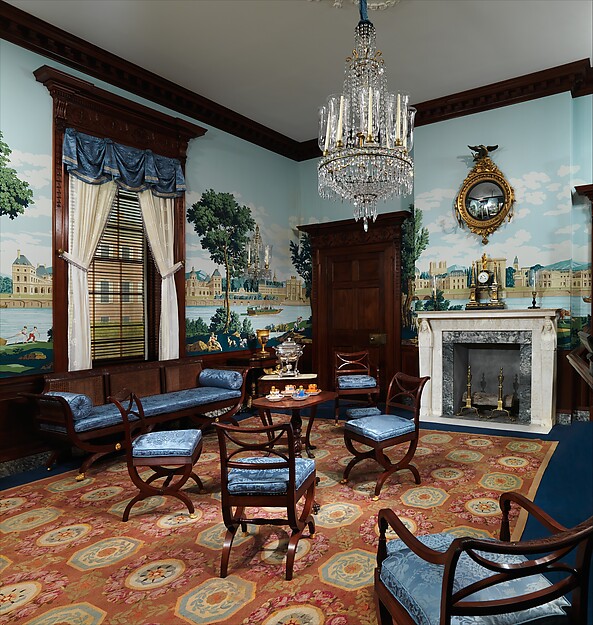
May-Jun:The Guermantes Way
Jul-Aug: Sodom and Gomorrah
Sep-Oct: The Captive & The Fugitive
Nov-Dec: Time Regained
Read more books from the owned-tbr than from other sources
At least 70% of books read from the 1001-list
Choose more woman authors for non-1001 list books
Read at least 10 non-fiction books
GR International Reading: Under the Yoke, Promise at Dawn, The Book of Ebenezer Le Page, The Return of Philip Latinowicz, An African in Greenland, Men of Maize, Beka Lamb,
Shakespeare History plays:
Jan:
Feb: Richard II
Mar: Henry IV, Part 1
Apr: Henry IV, Part 2
Jun: Henry V
Jul: Henry VI, Part 1
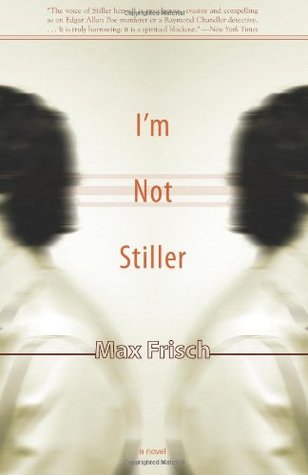
Aug: Henry VI, Part 2
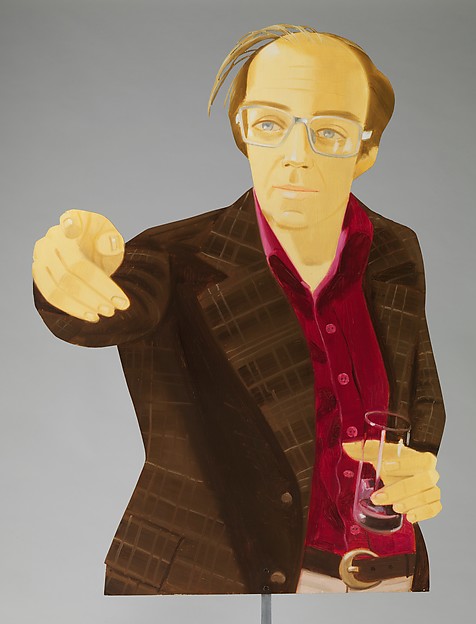
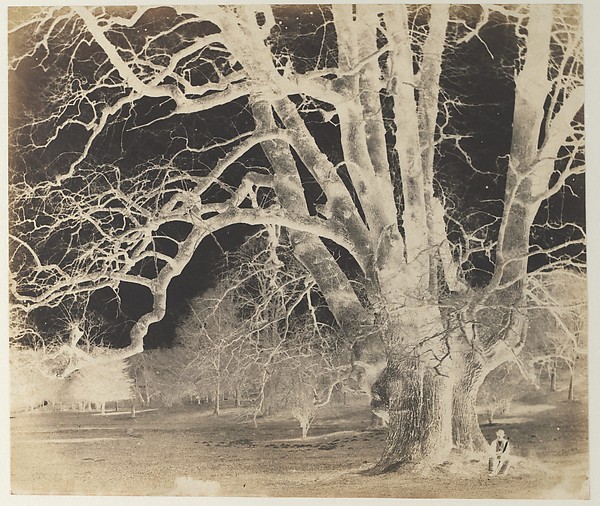
Sep: Henry VI, Part 3
Oct: Richard III
Nov: Henry VIII
Proust:
May-Jun:
Jul-Aug: Sodom and Gomorrah
Sep-Oct: The Captive & The Fugitive
Nov-Dec: Time Regained
4ELiz_M
First Quarter Reading Possibilities:
Dec-Feb:
RwS:The Blindness of the Heart, The Quest for Christa T., The Back Room, The Sea, the Sea, The First Garden, Excellent Women, The Life and Death of Harriett Frean, Love's Work, Nights at the Circus, Democracy
Jan-Mar:
LT Reading Globally (Carribean): The Enigma of Arrival, A High Wind in Jamaica,The History of Mary Prince, Silent Dancing, Singing Softly, Bake-Face and Other Guava Stories, Sans Souci, and Other Stories
January:
Real-life book club:Americanah
GR AtW (NW Africa): The Radiance of the King, The Beggars' Strike
GR Door-stop:A Suitable Boy
GR Proust:Swann's Way
LT 1001 Book:I'm Not Stiller
February:
Real-life book club: The China Dream: Great Power Thinking and Strategic Posture in the Post-American Era
GR AtW (SE Africa):The River Between, A Dry White Season, Down Second Avenue, In the Heart of the Country
GR Door-stop:A Suitable Boy
GR Genre Read: The Three Body Problem
GR New Read: Liar, Temptress, Soldier, Spy
LT 1001 Book: The Voyage Out
March:
Real-life book club:The Long Ships
GR AtW (Oceania): The Tree Of Man, Voss,The Man Who Loved Children
GR Classics: East Lynne
GR Themed-read:Pnin
LT 1001 Book: Harriet Hume
Mar-Jun:
GR Challenge:
Key:
strike through book linked - A book I read this year
strike through - A book I have read before and don't plan to reread
book linked - A book I am thinking of reading for the relevant group/challenge/theme
book title - A book that I haven't read and currently don't plan to read
* - A book I own (paper copy)
Dec-Feb:
RwS:
Jan-Mar:
LT Reading Globally (Carribean): The Enigma of Arrival, A High Wind in Jamaica,
January:
Real-life book club:
GR AtW (NW Africa): The Radiance of the King, The Beggars' Strike
GR Door-stop:
GR Proust:
LT 1001 Book:
February:
Real-life book club: The China Dream: Great Power Thinking and Strategic Posture in the Post-American Era
GR AtW (SE Africa):
GR Door-stop:
GR Genre Read: The Three Body Problem
GR New Read: Liar, Temptress, Soldier, Spy
LT 1001 Book: The Voyage Out
March:
Real-life book club:
GR AtW (Oceania): The Tree Of Man, Voss,
GR Classics: East Lynne
GR Themed-read:
LT 1001 Book: Harriet Hume
Mar-Jun:
GR Challenge:
Key:
strike through book linked - A book I read this year
strike through - A book I have read before and don't plan to reread
book linked - A book I am thinking of reading for the relevant group/challenge/theme
book title - A book that I haven't read and currently don't plan to read
* - A book I own (paper copy)
5ELiz_M
Second Quarter Reading Possibilities:
Mar-Jun:
GR Challenge: Solitude,The House of Ulloa, The House with the Blind Glass Windows, The Bell, The Roots of Heaven, Down Second Avenue, The Crime of Father Amaro, Fever and Spear, Dance and Dream, Poison, Shadow, and Farewell, Facundo, The Woman in the Dunes, Buddha's Little Finger, Demoncracy, Ada or Ardor, Dog Years, Rob Roy, Mother, Nemesis, Old New York
April:
Real-life book club: Dark Money: The Hidden History of the Billionaires Behind the Rise of the Radical Right
GR AtW (South America): The Adventures and Misadventures of Maqroll
LT 1001 Book: Contact
GR Literary Prize:The Grapes of Wrath
GR Genre:Pnin
May:
Real-life book club:Old New York
GR AtW (Caribbean/Central America/Mexico):The Death of Artemio Cruz
LT 1001 Book:Gabriela, Clove and Cinnamon
GR Non-fiction:The Warmth of Other Suns
GR Short Stories: Bluebeard's Egg
GR Proust:The Guermantes Way
June:
Real-life book club:The Invention of Nature
GR AtW (Middle East):The Arabian Nights
LT 1001 Book:The House with the Blind Glass Windows
GR Classic:Of Human Bondage
GR Genre: Harvest
Key:
strike through book linked - A book I read this year
strike through - A book I have read before and don't plan to reread
book linked - A book I am thinking of reading for the relevant group/challenge/theme
book title - A book that I haven't read and currently don't plan to read
* - A book I own (paper copy)
Mar-Jun:
GR Challenge: Solitude,
April:
Real-life book club: Dark Money: The Hidden History of the Billionaires Behind the Rise of the Radical Right
GR AtW (South America): The Adventures and Misadventures of Maqroll
LT 1001 Book: Contact
GR Literary Prize:
GR Genre:
May:
Real-life book club:
GR AtW (Caribbean/Central America/Mexico):
LT 1001 Book:
GR Non-fiction:
GR Short Stories: Bluebeard's Egg
GR Proust:
June:
Real-life book club:
GR AtW (Middle East):
LT 1001 Book:
GR Classic:
GR Genre: Harvest
Key:
book linked - A book I am thinking of reading for the relevant group/challenge/theme
book title - A book that I haven't read and currently don't plan to read
* - A book I own (paper copy)
6ELiz_M
Third Quarter Reading Possibilities:
Extreme Reading
Big Books: Sodom and Gomorrah (734), Romance of the Three Kingdoms (690 + 680), The Adventures and Misadventures of Maqroll (700), The Singapore Grip (572), 2666 (898), Underworld (827),A Dance to the Music of Time: First Movement (732), A Dance to the Music of Time: Second Movement (732), A Dance to the Music of Time: Third Movement (732), A Dance to the Music of Time: Fourth Movement (793)
Baby Books: The Left Handed Women (80), A Month in the Country (135), Matigari (148), Nausea (178), The Path to the Spiders' Nest (185), All Souls (210), Young Törless (217), Platero and I (218), A Woman's Life (245)
Jul-Sep:
LT Reading Globally (Soviet and Post Soviet Writers):
July:
Real-life book club:Woman on the Edge of Time
GR AtW (pre-1900 China):Monkey: The Journey to the West
LT 1001 Book: The Garden of the Finzi-Continis
GR Door-Stop: Romance of the Three Kingdoms
GR New Book: A Little Life
GR Proust: Sodom and Gomorrah
August:
Real-life book club: Gulp
GR AtW (post-1900 China):Wild Swans: Three Daughters of China
LT 1001 Book:
GR Door-Stop: Romance of the Three Kingdoms
Book-to-Film:Empire of the Sun
Genre Read: An Instance of the Fingerpost
September:
Real-life book club:
GR AtW (India):
LT 1001 Book:
GR Themed Read:
GR Classics:
GR Proust: The Captive & The Fugitive
Key:
strike through book linked - A book I read this year
strike through - A book I have read before and don't plan to reread
book linked - A book I am thinking of reading for the relevant group/challenge/theme
book title - A book that I haven't read and currently don't plan to read
* - A book I own (paper copy)
Extreme Reading
Big Books: Sodom and Gomorrah (734), Romance of the Three Kingdoms (690 + 680), The Adventures and Misadventures of Maqroll (700), The Singapore Grip (572), 2666 (898), Underworld (827),
Baby Books: The Left Handed Women (80), A Month in the Country (135), Matigari (148), Nausea (178), The Path to the Spiders' Nest (185), All Souls (210), Young Törless (217), Platero and I (218), A Woman's Life (245)
Jul-Sep:
LT Reading Globally (Soviet and Post Soviet Writers):
July:
Real-life book club:
GR AtW (pre-1900 China):
LT 1001 Book: The Garden of the Finzi-Continis
GR Door-Stop: Romance of the Three Kingdoms
GR New Book: A Little Life
GR Proust: Sodom and Gomorrah
August:
Real-life book club: Gulp
GR AtW (post-1900 China):
LT 1001 Book:
GR Door-Stop: Romance of the Three Kingdoms
Book-to-Film:
Genre Read: An Instance of the Fingerpost
September:
Real-life book club:
GR AtW (India):
LT 1001 Book:
GR Themed Read:
GR Classics:
GR Proust: The Captive & The Fugitive
Key:
book linked - A book I am thinking of reading for the relevant group/challenge/theme
book title - A book that I haven't read and currently don't plan to read
* - A book I own (paper copy)
8ELiz_M
2015 reading stats
Books read/listened: 108
paper/ebook: 85
total pages read: 30,100
ave. # pages: 324
audio: 23
1001-list-books: 64 (59.3% -- would like to increase this number)
Female Authors: 45 (41.7%)
In Translation: 42 (38.9% -- would like to increase this number)
Non-fiction: 6 (5.5% -- would like to read at least 10 non-fiction this year)
Pre-1800: 6 (5.5%)
1800s: 15 (14%)
1900-1949: 13 (12%)
1950-1999: 45 (41.5%)
2000s: 29 (27%)
Libe books: 38 (35.2%)
Owned-pre-2015: 59 (54.6%)
Bought & read: 11 (10.2%)
Bought-2015: 91
Books read/listened: 108
paper/ebook: 85
total pages read: 30,100
ave. # pages: 324
audio: 23
1001-list-books: 64 (59.3% -- would like to increase this number)
Female Authors: 45 (41.7%)
In Translation: 42 (38.9% -- would like to increase this number)
Non-fiction: 6 (5.5% -- would like to read at least 10 non-fiction this year)
Pre-1800: 6 (5.5%)
1800s: 15 (14%)
1900-1949: 13 (12%)
1950-1999: 45 (41.5%)
2000s: 29 (27%)
Libe books: 38 (35.2%)
Owned-pre-2015: 59 (54.6%)
Bought & read: 11 (10.2%)
Bought-2015: 91
9March-Hare
Proust. Excellent choice.
10ELiz_M
>9 March-Hare: Yes, it is! I enjoyed Swann's Way, especially the Swann in Love section, and Within a Budding Grove. I am looking forward to reading more with a (goodreads) group of fun readers.
11janemarieprice
*waves* Another Brooklynite and museum goer here. Looking forward to your reading, etc.
12ELiz_M
>11 janemarieprice: Yay, more visitors! I have been reading your eclectic thread with interest and am happy to see you here.
14FlorenceArt
Hi Liz! Visiting every room in the Met is an impressive goal!
15ELiz_M
>13 kidzdoc: Thanks, Darryl!
>14 FlorenceArt: I know, I've visited 36 and so have only 396 left to see..... :D
>14 FlorenceArt: I know, I've visited 36 and so have only 396 left to see..... :D
16ELiz_M
Americanah by Chimamanda Ngozi Adichie
Finished 1/08/2016
I had read her Half a Yellow Sun many years ago when I read it and had heard enough good things about the new novel to recommend it to my bookclub. The novel is the story of Ifemelu, and to a lesser extent also the story of her first love, Obinze. All their young lives, the West is held up as a shining example and the focus of all their aspirations. Eventually Ifemelu obtains a scholarship and visa for America. Obinze acquires a visa for England. They both suffer as immigrants, trying to adjust to the foreign countries. Ifemelu, after desperate poverty, makes a name for herself by blogging about being a Non-American Black", Obinze also suffers poverty and desperation in England, but does not succeed.
While the novel was fascinating and showed a much needed point of view, I didn't quite take to it. Ifemelu is so clever at being the outside observer/commentator, one who watches, that I never really got emotionally involved in the story. It also felt formulaic -- checking the boxes to show all the possible points of view -- The African boyfriend, the rich white boyfriend, the intellectual African-American boyfriend. And the non-linear story structure was occasionally jarring. It is a very different book that the other novel I had read and for me it was less powerful. But it is, nonetheless, a very good and clever novel and has a unique perspective that I enjoyed reading.


Finished 1/08/2016
I had read her Half a Yellow Sun many years ago when I read it and had heard enough good things about the new novel to recommend it to my bookclub. The novel is the story of Ifemelu, and to a lesser extent also the story of her first love, Obinze. All their young lives, the West is held up as a shining example and the focus of all their aspirations. Eventually Ifemelu obtains a scholarship and visa for America. Obinze acquires a visa for England. They both suffer as immigrants, trying to adjust to the foreign countries. Ifemelu, after desperate poverty, makes a name for herself by blogging about being a Non-American Black", Obinze also suffers poverty and desperation in England, but does not succeed.
While the novel was fascinating and showed a much needed point of view, I didn't quite take to it. Ifemelu is so clever at being the outside observer/commentator, one who watches, that I never really got emotionally involved in the story. It also felt formulaic -- checking the boxes to show all the possible points of view -- The African boyfriend, the rich white boyfriend, the intellectual African-American boyfriend. And the non-linear story structure was occasionally jarring. It is a very different book that the other novel I had read and for me it was less powerful. But it is, nonetheless, a very good and clever novel and has a unique perspective that I enjoyed reading.


17Poquette
I see that you are reading Nights at the Circus, which is on my wish list. I read all of Angela Carter's short stories a couple of years ago. The ones I liked I absolutely loved. Some I wish I hadn't read. She does have a dark side that I could not relate to. But I have heard good things about this novel. She is an absolutely sublime stylist when she wants to be.
Your list of Shakespeare plays makes me want to be a copycat. I have been thinking of doing some marathon watching of filmed theatrical performances in preparation for rereading. I read a many of them at university but I was so young then! Time for a review.
Your list of Shakespeare plays makes me want to be a copycat. I have been thinking of doing some marathon watching of filmed theatrical performances in preparation for rereading. I read a many of them at university but I was so young then! Time for a review.
18ELiz_M
>17 Poquette: ~waves hello~ I am thoroughly enjoying NatC -- it is mesmerizing, just enough magic to keep me wondering....
I was inspired because a local performing arts center is producing the Henrys, and although I have read quite a bit of Shakespeare, I am not familiar with most of the history plays. I thought about watching films, but I hate filmed versions of stage plays -- they never look right. And I haven't investigated movie adaptations yet. I am listening to the play as audiobooks and then reading them -- one gives me the jist of the story and the sound of the poetry, the other has footnotes and makes (more) sense!
I'm tempted to throw in The Merry Wives of Windsor for December, because, well, Falstaff!
I was inspired because a local performing arts center is producing the Henrys, and although I have read quite a bit of Shakespeare, I am not familiar with most of the history plays. I thought about watching films, but I hate filmed versions of stage plays -- they never look right. And I haven't investigated movie adaptations yet. I am listening to the play as audiobooks and then reading them -- one gives me the jist of the story and the sound of the poetry, the other has footnotes and makes (more) sense!
I'm tempted to throw in The Merry Wives of Windsor for December, because, well, Falstaff!
19theaelizabet
I probably liked Americanah a bit more than you, but we share an interest in Shakespeare. The history plays are some of my favorites.
I'm just over the bridge from you, well, a couple of bridges, perhaps, in northern NJ. Stay warm and safe during the storm!
I'm just over the bridge from you, well, a couple of bridges, perhaps, in northern NJ. Stay warm and safe during the storm!
20ELiz_M
>19 theaelizabet: I loved Richard III, but never warmed to the few others that I have read/seen.
I keep hoping the storm will hit a little later -- Sunday/Monday, so I can get a snow day. I'm from MN so I don't think 8-12 inches is that big of a deal, but will avoid the grocery store on Sat. 'cause New Yorkers get a little nutty about bread/milk/T.P.
I hope you already have the necessary supplies to enjoy a day with the books!
I keep hoping the storm will hit a little later -- Sunday/Monday, so I can get a snow day. I'm from MN so I don't think 8-12 inches is that big of a deal, but will avoid the grocery store on Sat. 'cause New Yorkers get a little nutty about bread/milk/T.P.
I hope you already have the necessary supplies to enjoy a day with the books!
21mabith
I think I need some Shakespeare goals this year. It's been ages since I read any of the plays.
I hope you're enjoying Wives and Daughters! Gaskell is one of my favorites, and while the events in that one are pretty predictable that's true of most Victorian literature.
I hope you're enjoying Wives and Daughters! Gaskell is one of my favorites, and while the events in that one are pretty predictable that's true of most Victorian literature.
22ELiz_M
>21 mabith: Hello, I'm happy to see you here! I am very much enjoying Wives and Daughters -- I have gotten some extra chores done around the house because I wasn't ready to stop listening when the dishes were done ;)
23mabith
Audiobooks are great for that! What version are you listening to? I had the Prunella Scales recording and just loved her reading. Gaskell's writing is just so lovely, but also sometimes quite modern and frequently funny.
24ELiz_M
>23 mabith: The narrator is Josephine Bailey and she is delightful. She does a passable faint-Scottish accent for Mr. Gibson and for Molly, the faint-Scottish only comes out when she is upset. Gaskell is perfect for me in audio -- the story is straightforward and the characters are engaging. Also it feels light and/or familiar enough that it doesn't matter if my attention lapses for a few seconds.
25ELiz_M
Reviewed in my 1001-books thread (click the picture to read the full review):
Life and Death of Harriett Frean by May Sinclair, pub. 1922
Finished 1/09/2016
A brief novel encapsulating Harriett Frean's life, from cradle to grave, well-written and yet not quite enjoyable.
Life and Death of Harriett Frean by May Sinclair, pub. 1922
Finished 1/09/2016
A brief novel encapsulating Harriett Frean's life, from cradle to grave, well-written and yet not quite enjoyable.
26ELiz_M
Reviewed in my 1001-books thread (click the picture to read the full review):
Love's Work by Gillian Rose, pub. 1995
Finished 1/13/2016
Another slim novel with some lovely vignettes and much philosophical musing that just did not work for me.
Love's Work by Gillian Rose, pub. 1995
Finished 1/13/2016
Another slim novel with some lovely vignettes and much philosophical musing that just did not work for me.
27mabith
>24 ELiz_M: Oh, exactly, I've never felt lost for a minute with Gaskell on audio. Same with Thomas Hardy. There are only so many ways a story will go with older authors.
 .
. 
29ELiz_M
Reviewed in my 1001-books thread (click the picture to read the full review):
Nights at the Circus by Angela Carter, pub. 1984
Finished 1/23/2016
A mesmerizing novel that perfectly balances realism with enchantment while playing with the conventions of narrative.
Nights at the Circus by Angela Carter, pub. 1984
Finished 1/23/2016
A mesmerizing novel that perfectly balances realism with enchantment while playing with the conventions of narrative.
31ELiz_M
>30 baswood: Thanks!
Yes it was lovely. I am sure hundreds of kids had a delightful time sledding, snowball fighting, etc. I was, and am, disappointed that the storm hit on a Saturday and consequently won't get a snow day. Tomorrow schools are open and the subway is mostly running, so I'll be expected at work. :(
Yes it was lovely. I am sure hundreds of kids had a delightful time sledding, snowball fighting, etc. I was, and am, disappointed that the storm hit on a Saturday and consequently won't get a snow day. Tomorrow schools are open and the subway is mostly running, so I'll be expected at work. :(
32kidzdoc
Nice review of Americanah, Liz. I also found it disappointing compared to her previous books.
33ELiz_M
>32 kidzdoc: Hello, Darryl! I was beginning to think I was the only person that didn't love Americanah!
34cabegley
>33 ELiz_M: Raising my hand. I loved Half of a Yellow Sun, and I thought Purple Hibiscus was very good, too. Americanah was disappointing to me. I read it soon after I read and loved We Need New Names by NoViolet Bulawayo, which was also about the African immigrant experience (from Zimbabwe, in this case), and I thought Americanah suffered in comparison. I wished I hadn't read them so close together, but I'm getting the sense from you and Darryl that it probably wouldn't have mattered.
35ELiz_M
>34 cabegley: Hmmmm, I keep hearing about We Need New Names. Maybe I should finally add it to the tbr list.... And the libe has it on audio, done!
36rachbxl
>35 ELiz_M: Yes, do! I loved We Need New Names. I was disappointed by Americanah too; it wasn't awful, but a real let-down after Purple Hibiscus and Half of a Yellow Sun. I found the blog posts particularly irritating - turning race from an issue into AN ISSUE!!!!
37ELiz_M
Wives and Daughters by Elizabeth Gaskell
Finished 1/24/2016

This extensive novel primarily focuses on young Molly Gibson. Molly is the only child of Dr. Gibson (her mother died of consumption when she was very young, before the events of the novel) and through the guidance of her impossibly good father, is very well-brought up. She is a kind, thoughtful, curious girl, perhaps with a bit of a temper, but generally thinks of others before herself. She lives an idyllic life in a rural parish in England until she becomes old enough that the impropriety of raising a young woman in the same household with young male apprentices becomes apparent to Dr. Gibson. So, he sends her off to stay with the Hamleys as a companion to the invalid Mrs. Hamley while he looks for a more appropriate situation. He solves the social difficulty by taking a second wife, Mrs. Hyacinth Kirkpatrick. The new wife has a daughter from her previous marriage, Cynthia. Cynthia has had a very different upbringing. As a poor widow, Mrs. Kirkpatrick held various governness-like and school-teacher positions and during the holidays made herself familiar with "great families", none of which was conducive to having a young child about and Cynthia was packed off for schooling. Having lost the exclusive company of her beloved father, Molly must put up with the step-mother's airs and schemes to catch good husbands for the young women. There are also various sub-plots involving the two young Hamley, Osborne and Roger, Lady Harriet Cumnor of the "great family" in the neighborhood, and the Mr. Preston.
It is an utterly charming novel, perfect for audio. I had seen the BBC mini-series a few years ago, so I had the general gist of the story already. It contains the usual types of characters/moral lessons. The silly spinster sisters that are patronized by the gentry, the gentile family fallen on hard times and too proud for their present lack of income, the good and plucky heroine, the not-so-good foil for the heroine, the socially unacceptable matches, the tarnished and then rescued reputation, and so on. The only disappointment is that the book was left unfinished at Gaskell's death -- she had not written the final chapter (or two?). The audio book had a lovely coda that included what was known about how Gaskell planned to resolve the final love-story and summarize the likely outcomes for the other major characters. After nearly 24 hours of listening, I was sad to see it end.
Finished 1/24/2016

This extensive novel primarily focuses on young Molly Gibson. Molly is the only child of Dr. Gibson (her mother died of consumption when she was very young, before the events of the novel) and through the guidance of her impossibly good father, is very well-brought up. She is a kind, thoughtful, curious girl, perhaps with a bit of a temper, but generally thinks of others before herself. She lives an idyllic life in a rural parish in England until she becomes old enough that the impropriety of raising a young woman in the same household with young male apprentices becomes apparent to Dr. Gibson. So, he sends her off to stay with the Hamleys as a companion to the invalid Mrs. Hamley while he looks for a more appropriate situation. He solves the social difficulty by taking a second wife, Mrs. Hyacinth Kirkpatrick. The new wife has a daughter from her previous marriage, Cynthia. Cynthia has had a very different upbringing. As a poor widow, Mrs. Kirkpatrick held various governness-like and school-teacher positions and during the holidays made herself familiar with "great families", none of which was conducive to having a young child about and Cynthia was packed off for schooling. Having lost the exclusive company of her beloved father, Molly must put up with the step-mother's airs and schemes to catch good husbands for the young women. There are also various sub-plots involving the two young Hamley, Osborne and Roger, Lady Harriet Cumnor of the "great family" in the neighborhood, and the Mr. Preston.
It is an utterly charming novel, perfect for audio. I had seen the BBC mini-series a few years ago, so I had the general gist of the story already. It contains the usual types of characters/moral lessons. The silly spinster sisters that are patronized by the gentry, the gentile family fallen on hard times and too proud for their present lack of income, the good and plucky heroine, the not-so-good foil for the heroine, the socially unacceptable matches, the tarnished and then rescued reputation, and so on. The only disappointment is that the book was left unfinished at Gaskell's death -- she had not written the final chapter (or two?). The audio book had a lovely coda that included what was known about how Gaskell planned to resolve the final love-story and summarize the likely outcomes for the other major characters. After nearly 24 hours of listening, I was sad to see it end.
38baswood
Good to see a review of Wives and Daughters
39ChocolateMuse
>37 ELiz_M: I love that book not only for its own sake, but also for my experience of reading it for the first time: I'd just had a bad bout of flu, and it was early spring and I was convalescent - I sat outside in the early spring sunshine by a trellis of flowering sweet peas, and I can never adequately convey the magic of that day. It was scented and silent and full of sunshine, just like the book.
40ELiz_M
>39 ChocolateMuse: That sounds delightful!
41thorold
>37 ELiz_M:
Maybe it's just me, but I find that cover-art rather unsettling. Why would anyone put a 1950s last-of-the-débutantes portrait on a mid-Victorian novel?
Maybe it's just me, but I find that cover-art rather unsettling. Why would anyone put a 1950s last-of-the-débutantes portrait on a mid-Victorian novel?
42ELiz_M
>41 thorold: Because it's an audiobook and no one is looking at the cover?
43thorold
>42 ELiz_M:
Probably. Anyway, it's useful to have a reminder that W&D exists - for some reason I've never read it, and I'm sure I should.
Probably. Anyway, it's useful to have a reminder that W&D exists - for some reason I've never read it, and I'm sure I should.
44kidzdoc
Nice review of Wives and Daughters, Liz!
45mabith
>41 thorold: Books in public domain get all kinds of mis-matched covers. One of the key facts about Anne of Green Gables is she has red hair, but some group last year gave the book a cover with a blonde girl in a plaid button down shirt and jeans.
46SassyLassy
>41 thorold: I had the same reaction. That face is just wrong, without even getting into the gloves and dress combo.
48ELiz_M
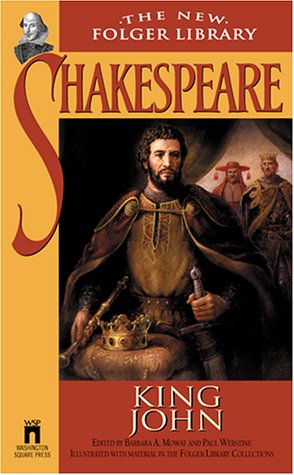
King John by William Shakespeare
Finished 1/27/2016
 .
. 
Also called The Life and Death of King John, it seems to cover the brief contentious period at the end of King John's reign and his struggle to hold onto the crown. John became king after the death of King Richard, the lion-hearted, as he was the eldest surviving brother. However, an older brother had a son who also had a claim to the throne. Whipped into a frenzy by an ambitious mother, King Phillip of France takes up arms on behalf of young Prince Arthur. King John meets him outside Angiers and many battles ensue.
Well, that went much better than expected! I am not fond of history, whether is be dry non-fiction tomes or historical fiction or these history plays:
"“It is one thing to write as poet and another to write as a historian: the poet can recount or sing about things not as they were, but as they should have been, and the historian must write about them not as they should have been, but as they were, without adding or subtracting anything from the truth."
― Miguel de Cervantes Saavedra, Don Quixote
In other words, history can be made quite dull. In play form what could have been a very long serious and tedious description of battles is quickly passed over in a few lines, some of them occasionally witty. The brevity does hinder comprehension, though. I think I might have developed mental whiplash trying to keep straight which lords were siding with which King for which reason (some of them changed sides three times in the course of a two-hour play).
One of the better aspects of the history plays is that is does have some fun roles for the woemn, ther were ~gasp~ three women which long speeches in this play! Constance, Arthur's mother had several monologues and a dramatic grief/mad scene that must be fun to play. Blanche, married off impromtu in an attempt to forge a peace, has an amusing scene about her would be husband. The man is all how could I look at her and not love, while she responds with, well there isn't anything I actively dislike about him.....
Presumably one of Shakespeare's earlier plays, it does not yet demonstrate the poetry and brilliance of language of his later works. There maybe two, at most three, phrases that one would recognize. But there was an excellently crafted scene between Arthur and the man sent to kill him.
In addition to reading the text, I also listened to a full-cast recording. And while it should have been helpful to have different actors reading the various parts, I do not have a good enough ear to distinguish between the men playing the Bastard and Pandulph. But I did learn that war has a drumbeat that you can dance to.
All this and I haven't even mentioned the wonderful and perplexing character of the bastard. Ironically (and intentionally) he was the main focus of the play. The play opens with King John judging a claim by his younger brother to the property of their father. The elder bother, on encouragement from the court, gives up his claim to the property in order to be recognized as the illegitimate son of King Richard. He follows the court to France and war and his impudence and earthy wit frames the scenes and colors the readers perception of the other characters. One of the reasons I both read and listened to this was to get a handle on this odd and interesting character.
Finished 1/27/2016
 .
. 
Also called The Life and Death of King John, it seems to cover the brief contentious period at the end of King John's reign and his struggle to hold onto the crown. John became king after the death of King Richard, the lion-hearted, as he was the eldest surviving brother. However, an older brother had a son who also had a claim to the throne. Whipped into a frenzy by an ambitious mother, King Phillip of France takes up arms on behalf of young Prince Arthur. King John meets him outside Angiers and many battles ensue.
Well, that went much better than expected! I am not fond of history, whether is be dry non-fiction tomes or historical fiction or these history plays:
"“It is one thing to write as poet and another to write as a historian: the poet can recount or sing about things not as they were, but as they should have been, and the historian must write about them not as they should have been, but as they were, without adding or subtracting anything from the truth."
― Miguel de Cervantes Saavedra, Don Quixote
In other words, history can be made quite dull. In play form what could have been a very long serious and tedious description of battles is quickly passed over in a few lines, some of them occasionally witty. The brevity does hinder comprehension, though. I think I might have developed mental whiplash trying to keep straight which lords were siding with which King for which reason (some of them changed sides three times in the course of a two-hour play).
One of the better aspects of the history plays is that is does have some fun roles for the woemn, ther were ~gasp~ three women which long speeches in this play! Constance, Arthur's mother had several monologues and a dramatic grief/mad scene that must be fun to play. Blanche, married off impromtu in an attempt to forge a peace, has an amusing scene about her would be husband. The man is all how could I look at her and not love, while she responds with, well there isn't anything I actively dislike about him.....
Presumably one of Shakespeare's earlier plays, it does not yet demonstrate the poetry and brilliance of language of his later works. There maybe two, at most three, phrases that one would recognize. But there was an excellently crafted scene between Arthur and the man sent to kill him.
In addition to reading the text, I also listened to a full-cast recording. And while it should have been helpful to have different actors reading the various parts, I do not have a good enough ear to distinguish between the men playing the Bastard and Pandulph. But I did learn that war has a drumbeat that you can dance to.
All this and I haven't even mentioned the wonderful and perplexing character of the bastard. Ironically (and intentionally) he was the main focus of the play. The play opens with King John judging a claim by his younger brother to the property of their father. The elder bother, on encouragement from the court, gives up his claim to the property in order to be recognized as the illegitimate son of King Richard. He follows the court to France and war and his impudence and earthy wit frames the scenes and colors the readers perception of the other characters. One of the reasons I both read and listened to this was to get a handle on this odd and interesting character.
49ELiz_M
January:
Books read/listened: 8
paper/ebook: 7
audio: 1
1001-list-books: 4 (50%)
Female Authors: 6 (75%)
In Translation: 1 (12.5%)
Non-fiction: 1
Owned Books read: 4 (50%)
Libe Books read: 4
Books Bought: 0
ETA: Ouch, one month in and I am already behind in my 1001-books goal!
Books read/listened: 8
paper/ebook: 7
audio: 1
1001-list-books: 4 (50%)
Female Authors: 6 (75%)
In Translation: 1 (12.5%)
Non-fiction: 1
Owned Books read: 4 (50%)
Libe Books read: 4
Books Bought: 0
ETA: Ouch, one month in and I am already behind in my 1001-books goal!
50ELiz_M
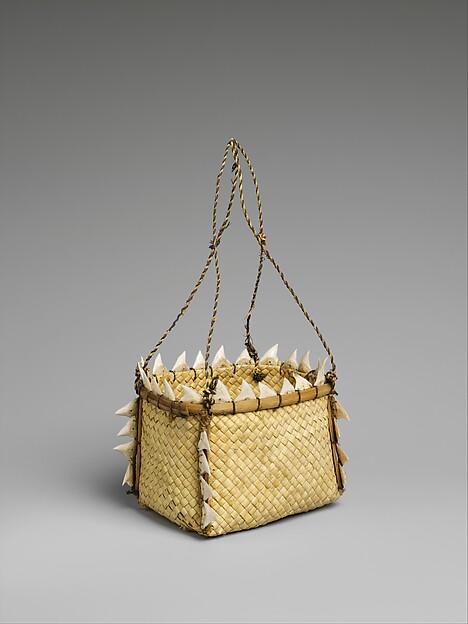
In my continuing effort to visit every room in the Met Museum, I spent a few hours there this morning. Left to my own devices, I would spend all my time with modern European/American painting -- from impressionism forward. So in an effort to widen my horizons and to make it a game, I use a random number generator to choose which galleries I visit.
Below are my favorite objects from each gallery:
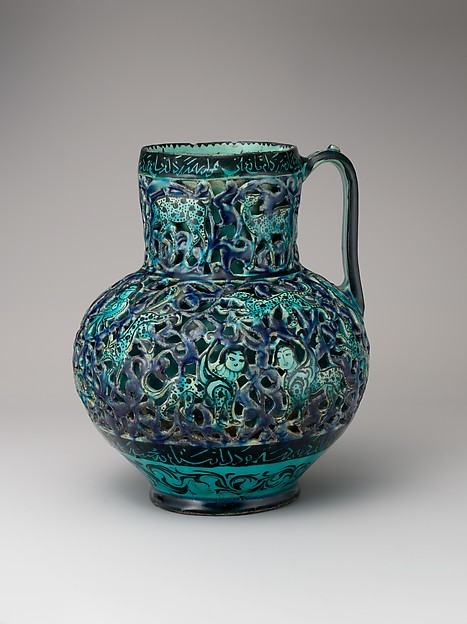 . . . . . . . . . . . . . . . . . . . .
Gallery 453 - Iran and Central Asia (9th–13th centuries) . . . . Gallery 802 - Barbizon School
 . . . . . . . . . .
 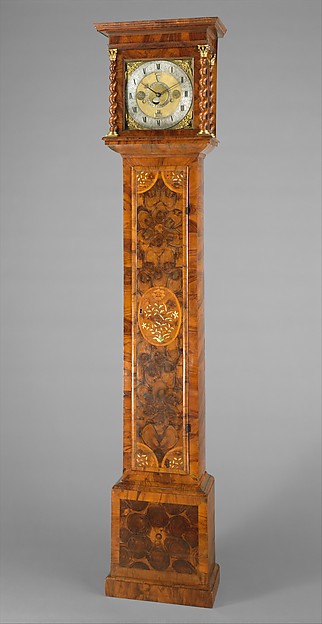 . . . . . . . . . .
Gallery 353 - Polynesia and Micronesia . . . Gallery 518 - Cassiobury Park Staircase . . . Gallery 728 - Parlor from the William C. Williams House
Below are my favorite objects from each gallery:
 . . . . . . . . . . . . . . . . . . . .
Gallery 453 - Iran and Central Asia (9th–13th centuries) . . . . Gallery 802 - Barbizon School
 . . . . . . . . . .
  . . . . . . . . . .
Gallery 353 - Polynesia and Micronesia . . . Gallery 518 - Cassiobury Park Staircase . . . Gallery 728 - Parlor from the William C. Williams House
51RidgewayGirl
What a fun and fascinating challenge to set yourself.
52FlorenceArt
>50 ELiz_M: I should do the same in Le Louvre. I always end up visiting the same areas, when I visit, which isn't often. Although last time I went to the Italian rooms, which I normally avoid because that's where the Mona Lisa is. It turned out these rooms are not as crowded as I feared, and contain some wonderful paintings. I was there to see paintings by Tiziano after seeing a documentary by Hector Obalk about them. I should do it again. Obalk also mentions Ingres a lot...
53baswood
Enjoyed you're review of King John. It's a good idea to either watch a video of the play or listen to a recording, for me that's well worth doing.
(some of them changed sides three times in the course of a two-hour play). Yes and in real life some of them changed sides two or three times in a battle.
(some of them changed sides three times in the course of a two-hour play). Yes and in real life some of them changed sides two or three times in a battle.
54ELiz_M
>53 baswood: Interesting. I was curious how closely the play paralleled history (but haven't yet searched out a reliable, readable source). I assumed the whip-lash effect was due to condensing events into a short period of time, not that the lords were actually re-aligning themselves continuously during the battle!
55ELiz_M
>51 RidgewayGirl:, >52 FlorenceArt: It is a fascinating!
It helps when the museum in question has money enough to use technology intelligently. The entire Met Museum has wi-fi available, which allows me to use their excellent app. The app includes their audio guide so I can type in the various numbers and listen to (most of) the 2-4 minute talks for free. Also, the app connects to the vast info already on the website -- once I've found the audio guide entry for an object in the room, I can click to see the gallery info (which I linked to in >50 ELiz_M:) and a list of all the objects in the gallery and from there click a specific object to see it's basic information, description, signatures/inscriptions/markings, provenance, references, terms related to the artwork, and related artworks. If an object has been in a curated exhibit it will sometimes also have the catalog entry.
The best part of visiting random galleries is that often I am the only visitor in the room. In an hour I may see up to ten other people wander through, but by and large I am the only one reading the placards or stopping in front of a display case. :)
It helps when the museum in question has money enough to use technology intelligently. The entire Met Museum has wi-fi available, which allows me to use their excellent app. The app includes their audio guide so I can type in the various numbers and listen to (most of) the 2-4 minute talks for free. Also, the app connects to the vast info already on the website -- once I've found the audio guide entry for an object in the room, I can click to see the gallery info (which I linked to in >50 ELiz_M:) and a list of all the objects in the gallery and from there click a specific object to see it's basic information, description, signatures/inscriptions/markings, provenance, references, terms related to the artwork, and related artworks. If an object has been in a curated exhibit it will sometimes also have the catalog entry.
The best part of visiting random galleries is that often I am the only visitor in the room. In an hour I may see up to ten other people wander through, but by and large I am the only one reading the placards or stopping in front of a display case. :)
56baswood
It was just that. The Lords at times were realigning themselves during the battle, wanting to appear on the winning side. To be on the losing side meant loss of lands and loss of life in many cases.
57FlorenceArt
>55 ELiz_M: Wow! I wish Le louvre was that good. Online information is not easy to access, although I think there is a pretty good database of works. But I doubt it's easily accessible when actually looking at the piece. I seem to remember that 3G reception was bad, and wifi? Forget it.
58VivienneR
Enjoying your reviews, especially Wives and Daughters, which must have been just right in audio format.
Great idea to choose random galleries at the Met. I envy your opportunity to visit great museums. Small towns have a definite downside.
Great idea to choose random galleries at the Met. I envy your opportunity to visit great museums. Small towns have a definite downside.
59janemarieprice
>50 ELiz_M: Enjoying your comments on the rooms of the Met. Such a great project. I'm hoping to get over to see this exhibit before it closes.
60ELiz_M
>58 VivienneR: Thanks! It really was perfect!
And the downside to having all of the things (museums, theater, music) can be that the choices are overwhelming and it's easier to do nothing and feel guilty about never seeing anything..... It's weird to be in the city and yet, it still takes over an hour on the subway for me to get to the Met Museum from home.
>59 janemarieprice: Interesting, I may have to "randomly" choose one of the music galleries next visit and/or wander into that one! One of the more amusing Museum visits was the evening I accidentally saw China Through the Looking Glass. I was at the museum at closing time near the end of the exhibition and my exit route took me too close to the exhibit which was open until midnight for the final weekends. I got swept up in the crush of people going to the exhibit and at first I couldn't get out and then the dresses were so amazing, i didn't want to get out. I ended up spending four hours wandering through the entire Chinese art section and then spent the next month watching the movies that were shown as clips in the various rooms.
And the downside to having all of the things (museums, theater, music) can be that the choices are overwhelming and it's easier to do nothing and feel guilty about never seeing anything..... It's weird to be in the city and yet, it still takes over an hour on the subway for me to get to the Met Museum from home.
>59 janemarieprice: Interesting, I may have to "randomly" choose one of the music galleries next visit and/or wander into that one! One of the more amusing Museum visits was the evening I accidentally saw China Through the Looking Glass. I was at the museum at closing time near the end of the exhibition and my exit route took me too close to the exhibit which was open until midnight for the final weekends. I got swept up in the crush of people going to the exhibit and at first I couldn't get out and then the dresses were so amazing, i didn't want to get out. I ended up spending four hours wandering through the entire Chinese art section and then spent the next month watching the movies that were shown as clips in the various rooms.
61cabegley
I also love your random galleries approach to the Met. My daughter and I love to go, but we tend to gravitate towards paintings from mid-19th century onwards, there's a lot we don't see. We'll be visiting the museum next Friday, and I'll propose your approach (she's likely to reject, though!). Have you seen this new exhibit yet?
62ELiz_M
>61 cabegley: I haven't seen that room/exhibit yet! Which is weird, because my random number generator seems to hit the 700s (American Wing) numbers more often than any other section of the museum. If you go to the exhibit in the American Wing, and haven't seen it yet, I do love the Frank Lloyd Wright Room.
Between you and Jane, I think I am going to change my routine -- pick one special exhibit that looks interesting and then 3-5 random rooms (depending on how big/how many objects are in the rooms).
Between you and Jane, I think I am going to change my routine -- pick one special exhibit that looks interesting and then 3-5 random rooms (depending on how big/how many objects are in the rooms).
63dchaikin
I'm only just catching up here. Not sure what took me so long. Anyway, I just read all your 2016 reviews. Loved your review of Nights at the Circus. Noting that as a book to read. I was also really intrigued by your comments on Elizabeth Gaskell - on Wives and Daughters. I think I might be jealous of your time in the Met. The Museum of Fine Arts Houston is pretty slight as far a biggest-art-museum-in-major-cities go.
64ELiz_M
>63 dchaikin: Hello, I'm happy to see you here!
Thanks, Nights at the Circus was a fun read, I hope you'll enjoy it as much as I did.
I also highly recommend that you pick up the audio for Wives and Daughters, it was such a lovely story and I found myself anticipating doing chores so I could continue the story (and got a lot more chores done while it was in progress)! I think I need a clever tag for that audiobooks-so-captivating-I-dusted-the-bookshelves or some such.
Thanks, Nights at the Circus was a fun read, I hope you'll enjoy it as much as I did.
I also highly recommend that you pick up the audio for Wives and Daughters, it was such a lovely story and I found myself anticipating doing chores so I could continue the story (and got a lot more chores done while it was in progress)! I think I need a clever tag for that audiobooks-so-captivating-I-dusted-the-bookshelves or some such.
66ELiz_M
Reviewed in my 1001-books thread (click the picture to read the full review):
I'm Not Stiller by Max Frisch, pub. 1954
Finished 2/05/2016
Mis-management of expectations frustrated my attempts to enjoy this novel about the nature of self/identity.
I'm Not Stiller by Max Frisch, pub. 1954
Finished 2/05/2016
Mis-management of expectations frustrated my attempts to enjoy this novel about the nature of self/identity.
67ELiz_M
And I went to the Met again over the weekend. I decided to choose one exhibit to visit (so that I would have at least one gallery I was excited to go see).
Alex Katz might be the closest to contemporary art as the Museum exhibits, while some of the paintings shown are very current (2014), he is 88 years old and the works shown span 60 years. I really loved many of his works and while not my favorite, the following work made me giggle when I saw it.
Gallery 918
What's fun and fascinating is the same image is on the other side and it is displayed in front of a window which reflected the image, so I had a couple of paintings pointing at me :)
Gallery 850
Huh. They must have changed the photos in this gallery (which apparently is done every few months), as none of the images I saw are on the gallery's web page. In any case while the photographs were lovely, it is probably telling that the image I found most arresting was this photo negative from the 1800s. I suspect I would have glanced at it and walked by if it had been a black and white photo....

Gallery 228
 .......
 .......
Gallery 232...................................................Gallery 132.................................Gallery 740
The deer (supposedly known as "Bubbles" by museum staff) is amazing. The underlying form is much more difficult to see in the room as the glass baubles reflect light. It is really quite fabulous and I had to stop and spend some time with this piece when I walked by.
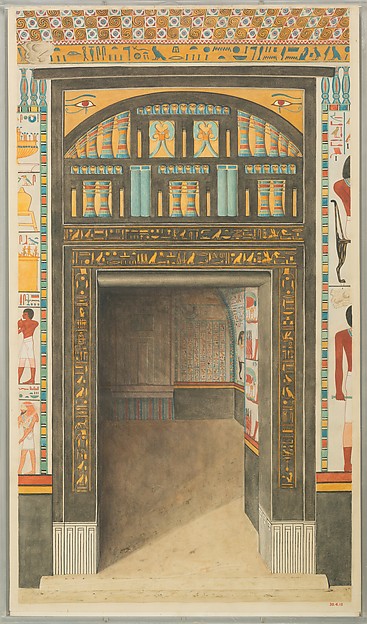
In 1907 an expedition was sent to Egypt to copy many of the wall paintings found around Thebes, capturing not only the outlines but even the brushstrokes and colors. In this gallery, the facsimiles were chosen to correspond with ancient Egyptian love poems displayed with the art.
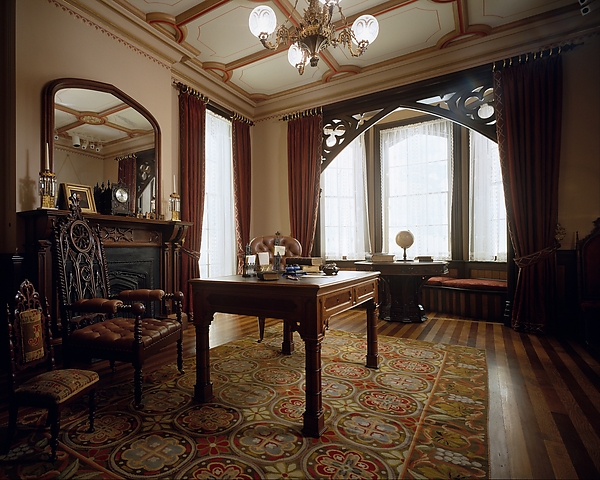
The random number generator really likes the American Wing, and I have visited it several times now. It is somewhat mind-boggling that the Met can dismantle and reassemble entire rooms. Not visible in the picture above, but I was amused that one of the not-so-random items on the desk was a sculpture of the Clasped Hands of Robert and Elizabeth Barrett Browning.
Alex Katz might be the closest to contemporary art as the Museum exhibits, while some of the paintings shown are very current (2014), he is 88 years old and the works shown span 60 years. I really loved many of his works and while not my favorite, the following work made me giggle when I saw it.
Gallery 918
What's fun and fascinating is the same image is on the other side and it is displayed in front of a window which reflected the image, so I had a couple of paintings pointing at me :)
Gallery 850
Huh. They must have changed the photos in this gallery (which apparently is done every few months), as none of the images I saw are on the gallery's web page. In any case while the photographs were lovely, it is probably telling that the image I found most arresting was this photo negative from the 1800s. I suspect I would have glanced at it and walked by if it had been a black and white photo....

Gallery 228
 .......
 .......
Gallery 232...................................................Gallery 132.................................Gallery 740
The deer (supposedly known as "Bubbles" by museum staff) is amazing. The underlying form is much more difficult to see in the room as the glass baubles reflect light. It is really quite fabulous and I had to stop and spend some time with this piece when I walked by.
In 1907 an expedition was sent to Egypt to copy many of the wall paintings found around Thebes, capturing not only the outlines but even the brushstrokes and colors. In this gallery, the facsimiles were chosen to correspond with ancient Egyptian love poems displayed with the art.
The random number generator really likes the American Wing, and I have visited it several times now. It is somewhat mind-boggling that the Met can dismantle and reassemble entire rooms. Not visible in the picture above, but I was amused that one of the not-so-random items on the desk was a sculpture of the Clasped Hands of Robert and Elizabeth Barrett Browning.
68ELiz_M
Reviewed in my 1001-books thread (click the picture to read the full review):

The River Between by Ngũgĩ wa Thiongʾo, pub. 1965
Finished 2/09/2016
A clash of cultures in Kenya masterfully told, with each new development building the tension to the unavoidable climax.
The River Between by Ngũgĩ wa Thiongʾo, pub. 1965
Finished 2/09/2016
A clash of cultures in Kenya masterfully told, with each new development building the tension to the unavoidable climax.
71ELiz_M
Reviewed in my 1001-books thread (click the picture to read the full review):

A Dry White Season by André Brink, pub. 1979
Finished 2/12/2016
A compelling, unsettling story about an ordinary Afrikaner's attempt to find justice for a black acquaintance.

A Dry White Season by André Brink, pub. 1979
Finished 2/12/2016
A compelling, unsettling story about an ordinary Afrikaner's attempt to find justice for a black acquaintance.
72ELiz_M
In Search of Lost Time : Swann's Way: a Graphic Novel by Heuet, Stéphane
Finished 2/15/2016

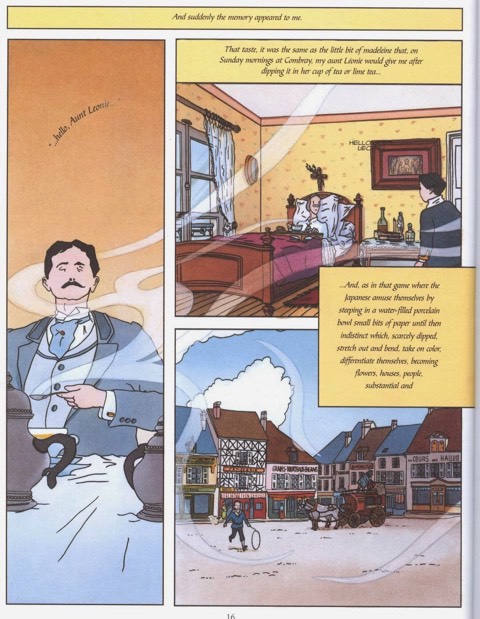
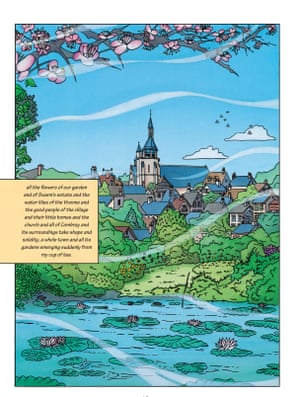
I am not sure how to review this. I read this as a refresher -- I had read Swann's Way and Within A Budding Grove a few years ago and will be picking up the rest of the volumes later this year. So, in that context it is perfectly charming. The illustrations are lovely:
 .
.  .
. 
But the whole point of reading Proust is the language, to be completely immersed in his world and the descriptions of physical sensations and memories. Having someone else's static pictures presented to me kept me outside the story, an uninvolved observer. For me, it was a lesser experience than a book or a movie (which allows submersion by the scale, energy, and the involvement of more than one sense).
The artwork is lovely and the quotes are well -chosen and t is nice to be presented with a page of pictures of a church rather than 15-pages of description, but it may not be the right medium for me.
Finished 2/15/2016

I am not sure how to review this. I read this as a refresher -- I had read Swann's Way and Within A Budding Grove a few years ago and will be picking up the rest of the volumes later this year. So, in that context it is perfectly charming. The illustrations are lovely:
 .
.  .
. 
But the whole point of reading Proust is the language, to be completely immersed in his world and the descriptions of physical sensations and memories. Having someone else's static pictures presented to me kept me outside the story, an uninvolved observer. For me, it was a lesser experience than a book or a movie (which allows submersion by the scale, energy, and the involvement of more than one sense).
The artwork is lovely and the quotes are well -chosen and t is nice to be presented with a page of pictures of a church rather than 15-pages of description, but it may not be the right medium for me.
73SassyLassy
>67 ELiz_M: Gallery 850: What a beautifully composed image and as you say, would not have attracted the eye nearly as much in a positive. That tree is magnificent.
74ursula
>72 ELiz_M: Interesting, I saw a mention of these somewhere else and was wondering about them. One day I might like to check them out in kind of the same way you did, as a sort of refresher.
75baswood
Enjoyed your excellent review of A Dry White Season
76ELiz_M
>73 SassyLassy: ~waves hello~
>74 ursula: As far as I can tell, only the first volume (Swann's Way) is available in English, but volume 2 (Withing a Budding Grove/In the Shadow of Young Girls in Flower) is available in French.
>75 baswood: Thanks!
>74 ursula: As far as I can tell, only the first volume (Swann's Way) is available in English, but volume 2 (Withing a Budding Grove/In the Shadow of Young Girls in Flower) is available in French.
>75 baswood: Thanks!
77rebeccanyc
Wow! Proust as a graphic novel!
78FlorenceArt
>77 rebeccanyc: Sounds almost like an oxymoron, doesn't it?
79rebeccanyc
>78 FlorenceArt: Yes, although he's a very vivid writer, so I often pictured the scenes in my mind's eye . . .
80LolaWalser
>72 ELiz_M:
I agree it's a lesser experience, even for books less immense and intricate than Proust, but I did find one use for this particular version--as a gift to a friends' children. This was many years ago, they were (three girls) tweens to just teen then, very bright.
I gave them only the first volume, leaving the decision about the rest, with its increasing emphasis on sex, to the parents ;). (Don't know how Heuet deals with it later on, but even in Combray he didn't avoid including, at the very end, the lesbian relationship between Mademoiselle Vinteuil and her friend).
Was a great success!
Oh, and I remember what inspired me--as a kid I had read dozens of comics based on classic literature--something similar exists in the US, I think it's called Classics Illustrated--so that by the time I was old enough to tackle the originals, I felt deeply I "owned" the stories already.
I agree it's a lesser experience, even for books less immense and intricate than Proust, but I did find one use for this particular version--as a gift to a friends' children. This was many years ago, they were (three girls) tweens to just teen then, very bright.
I gave them only the first volume, leaving the decision about the rest, with its increasing emphasis on sex, to the parents ;). (Don't know how Heuet deals with it later on, but even in Combray he didn't avoid including, at the very end, the lesbian relationship between Mademoiselle Vinteuil and her friend).
Was a great success!
Oh, and I remember what inspired me--as a kid I had read dozens of comics based on classic literature--something similar exists in the US, I think it's called Classics Illustrated--so that by the time I was old enough to tackle the originals, I felt deeply I "owned" the stories already.
81ELiz_M
>79 rebeccanyc: But his pictures don't match my mental images.....
>80 LolaWalser: That is an excellent idea! I certainly spent way too much time reading classics that I was too young to understand...
>80 LolaWalser: That is an excellent idea! I certainly spent way too much time reading classics that I was too young to understand...
82sibylline
I've noted that Wives and Daughters would be a good audio read. I've read a couple of Gaskells and enjoyed them much more than I thought I would. North and South comes to mind. Certainly that book would last through a very long drive!!!
>81 ELiz_M: Yes, I did much the same thing, and have been repeatedly astonished when I revisit books I claim to have 'read'.
>81 ELiz_M: Yes, I did much the same thing, and have been repeatedly astonished when I revisit books I claim to have 'read'.
83ELiz_M
>82 sibylline: Thanks for stopping by and reminding me I have my own thread to update! I am sure you'll enjoy the audio version of Wives & Daughters, even though the last chapter is a summary rather than the finished story!
84ELiz_M
I am continuing my Met Museum journey, but with more reluctance. They "upgraded" the website and I no longer have access to the gallery links. So if I neglected to photograph an object's placard, I have no way to look it up later :/
I few weeks back I went for a shorter visit (it took too long to leave the house, so I only had about 90 minutes in the museum). I visited four random rooms and one special exhibit:
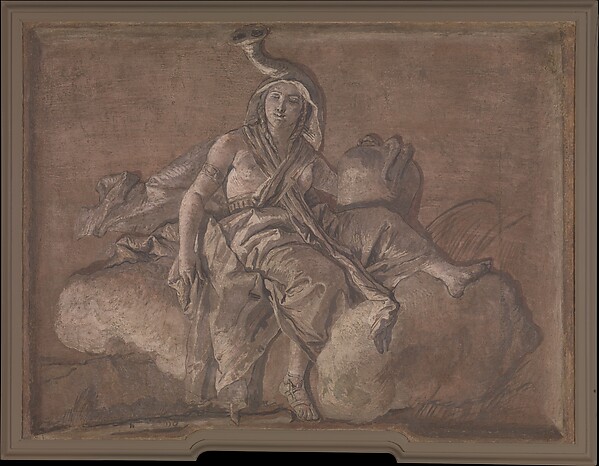
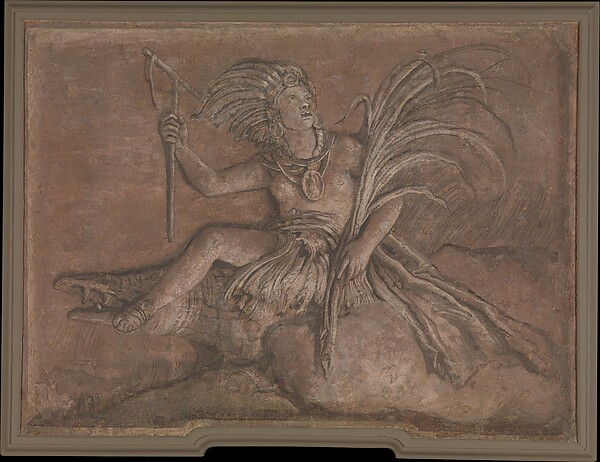
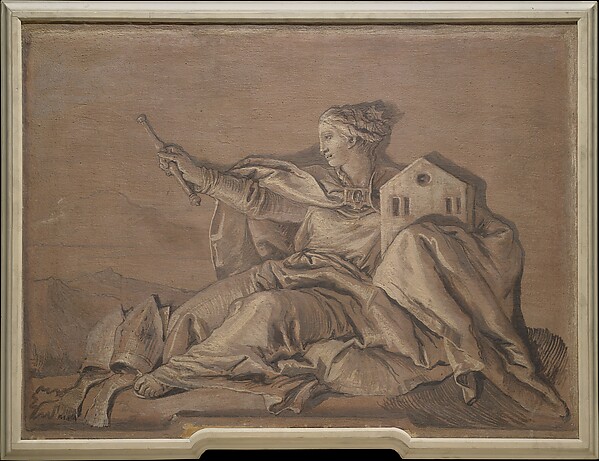
Giovanni Battista Tiepolo was prolific decorative painter in the 1700s. The Met has many of the paintings he did for Palazzo Barbaro, on the Grand Canal, in Venice, but for some reason I was more taken by the over doors paintings representing Africa, America, Asia and Europe (mostly because Europe is not like the others....)
 .
.  .
.  .
. 
.
.
Next up, Chinese ceramics. Many had such simple elegance, that they did not photograph well. But I loved the colors and the little lion gracing this vase. It was also made in the period of the Qing Dynasty that coincides with the lifetime of the author of The Story of the Stone, so I tried to picture it as one of the beautiful objects owned by Bao-yu's family.
 . . . . .
 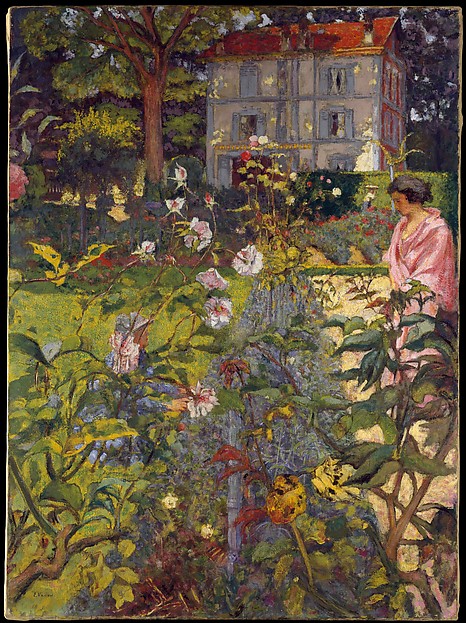 . . . . .
Then I wandered into European paintings to see a room full of Édouard Vuillard's work. The above painting had me wishing for spring.
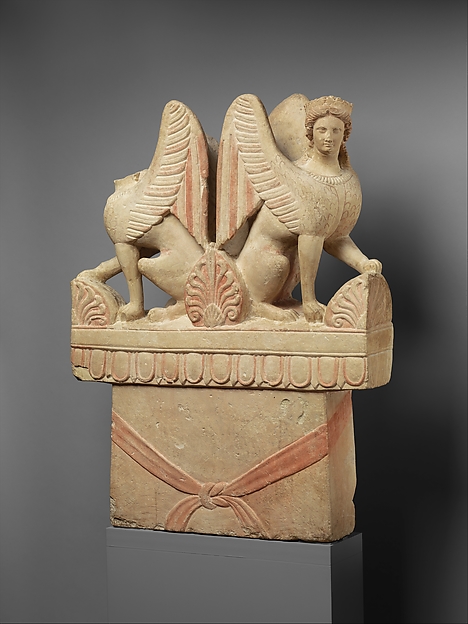
Cyprus, as one could imagine, has some unique artifacts -- the classical sculpture incorporated much from Greek art, but retained local influences. Also, the lack of marble meant that most work was done in limestone. I was quite taken by these Sphinx (Sphinxes? no idea what the plural should be...). It makes for a rather cheerful tombstone, I think (the object is "Limestone funerary stele (shaft) surmounted by two sphinxes").
.
.
The advertising image for a special photograph exhibit (on the left), combined with the title, caught my attention and drew me in, "The Aftermath of Conflict: Jo Ractliffe's Photographs of Angola and South Africa"
 . . . . .
But I was letting my imagination go too far -- the explanation of the above photograph was more mundane than the exhibit title led me to believe, saying it "...forms the backdrop to ghostly signs of economic activity. Workmen’s overalls dangle from a tree at a roadside stall next to a taxi rank..." The exhibit was less about the horror and violence of war (although that was present) than about the hardship and difficulty to return to normal. I liked the donkey best.
I few weeks back I went for a shorter visit (it took too long to leave the house, so I only had about 90 minutes in the museum). I visited four random rooms and one special exhibit:
Giovanni Battista Tiepolo was prolific decorative painter in the 1700s. The Met has many of the paintings he did for Palazzo Barbaro, on the Grand Canal, in Venice, but for some reason I was more taken by the over doors paintings representing Africa, America, Asia and Europe (mostly because Europe is not like the others....)
 .
.  .
.  .
. 
.
.
Next up, Chinese ceramics. Many had such simple elegance, that they did not photograph well. But I loved the colors and the little lion gracing this vase. It was also made in the period of the Qing Dynasty that coincides with the lifetime of the author of The Story of the Stone, so I tried to picture it as one of the beautiful objects owned by Bao-yu's family.
 . . . . .
  . . . . .
Then I wandered into European paintings to see a room full of Édouard Vuillard's work. The above painting had me wishing for spring.
Cyprus, as one could imagine, has some unique artifacts -- the classical sculpture incorporated much from Greek art, but retained local influences. Also, the lack of marble meant that most work was done in limestone. I was quite taken by these Sphinx (Sphinxes? no idea what the plural should be...). It makes for a rather cheerful tombstone, I think (the object is "Limestone funerary stele (shaft) surmounted by two sphinxes").
.
.
The advertising image for a special photograph exhibit (on the left), combined with the title, caught my attention and drew me in, "The Aftermath of Conflict: Jo Ractliffe's Photographs of Angola and South Africa"
 . . . . .
But I was letting my imagination go too far -- the explanation of the above photograph was more mundane than the exhibit title led me to believe, saying it "...forms the backdrop to ghostly signs of economic activity. Workmen’s overalls dangle from a tree at a roadside stall next to a taxi rank..." The exhibit was less about the horror and violence of war (although that was present) than about the hardship and difficulty to return to normal. I liked the donkey best.
85FlorenceArt
Intriguing photographs! And I like the Chinese vase too.
86ELiz_M
>85 FlorenceArt: Thanks for stopping by!
87ELiz_M
Reviewed in my 1001-books thread (click the picture to read the full review):

The Satanic Verses by Salman Rushdie, pub. 1988
Finished 2/29/2016
The Satanic Verses is a mess of a novel. A wonderful, confounding, non-linear, intricately structured mess of a novel.

The Satanic Verses by Salman Rushdie, pub. 1988
Finished 2/29/2016
The Satanic Verses is a mess of a novel. A wonderful, confounding, non-linear, intricately structured mess of a novel.
89ELiz_M
>88 baswood: Oh dear, it's bad news when one begins, however subconsciously, to censor oneself! Thanks for letting me know the link was broken; it should be fixed now.
90ELiz_M
I finally paid a visit to The New Museum, which opened its very modern building in 2007. I didn't know anything about the exhibits, just went on a whim one Saturday morning and was introduced to a phenomenal Albanian artist, Anri Sala. The retrospective was mostly video/music installations. Many pieces were incredibly striking, but I particularity liked "Dammi I Colori", a 16-minute film discussing the Mayor's campaign to literally paint the town of Tirana (picture on the left). Unfortunately, it was located in a terribly awkward small corner room that had three doorways to the other floors/rest of the exhibits and therefore only a few people could stop and watch with creating a traffic jam and those watching had a constant flow of people walking between them and the video.
 .
. 
But the piece that I found absolutely fascinating, and am going to go back to see is "Ravel Ravel". I entered the room from the wrong direction and was thrown into the piece unawares. It is a huge room acoustically designed to absorb sound reflections. On one wall there are two screen showing a man playing the piano from slightly different angles. After several minutes listening/watching the gorgeous musically complex concert, I began to wonder when the pianist was going to use his right hand. After many more minutes, I realized it was two different pianists and they were occasionally playing out of sync..... The piece featured two interpretations of Ravel’s “Piano Concerto for the Left Hand in D-major” (written for a pianist that lost his right hand in WWI) and Sala had deliberately altered the tempo in order for the two pieces to fall in and out of sync with each other, creating echos and a game of musical tag. It was wonderful.
 .
. 
But the piece that I found absolutely fascinating, and am going to go back to see is "Ravel Ravel". I entered the room from the wrong direction and was thrown into the piece unawares. It is a huge room acoustically designed to absorb sound reflections. On one wall there are two screen showing a man playing the piano from slightly different angles. After several minutes listening/watching the gorgeous musically complex concert, I began to wonder when the pianist was going to use his right hand. After many more minutes, I realized it was two different pianists and they were occasionally playing out of sync..... The piece featured two interpretations of Ravel’s “Piano Concerto for the Left Hand in D-major” (written for a pianist that lost his right hand in WWI) and Sala had deliberately altered the tempo in order for the two pieces to fall in and out of sync with each other, creating echos and a game of musical tag. It was wonderful.
92FlorenceArt
I know the name of Anri Sala and I think I saw that video about Tirana, but I can't remember anything else from him. The Ravel piece sounds fascinating.
93janemarieprice
>90 ELiz_M: Ravel Ravel does sound very interesting. Will have to check that one out.
94ELiz_M
>91 baswood:, >92 FlorenceArt:, >93 janemarieprice: I was discussing this with a co-worker (a former museum archivist) and one of the reasons it is so fascinating it that it is not reproducible (well, not without violating copyrights). The room is acoustically designed for the piece -- the sound quality is excellent and the room absorbs sound reflections so only the actual performance(s) is heard. And then because it is two overlapping performances it is not Ravel's original piece (which sounds boring in the you-tube performances I found), so no recording exists for it.
95ELiz_M
The Long Ships by Frans G. Bengtsson
Finished 3/05/2016

This book needs no introduction for many of you. I had been hearing about it for the past year or two on LT, so I suggested it as a title for my bookclub. I was able to sell the book by respond, very enthusiastically "Vikings!" when I was asked what the book was about.
The Long Ships is the author's only work of fiction, best known for his biography of the Swedish king Charles XII. This novel we have today was actually two books, the first published in 1941 and the second in 1945.
The first half begins around 980 A.D. in the main characters youth, when he was kidnapped and taken aboard a ship, to replace the marauder he had killed. The first set of adventures takes Red Orm and his companions south, around France and into Spain. They are captured and spend time as galley slaves and then are sold to the Caliph's regent in Cordoba, Spain to act as his personal guards. Orm, as the youngest in the crew, is able to learn Arabic and becomes the vikings' interpreter and de facto leader. Eventually, growing weary of their lucrative, but subservient position, the vikings take advantage of an opportunity to flee north. They land first in Ireland and after recovering their strength, make their way back to Denmark, just in time to be the King's guests during the Christmas feast days. The following spring Orm joins a large viking raid on England where he wins great wealth and a wife.
The Second half takes place in the home front. After his many adventures and nominal conversion to Christianity, Orm is determined to live a peaceful life, far from his enemies. But in the lawless land of the far North, even the home life can be exciting and lead to many strange adventures, especially if one steadfastly holds true to a foreign religion that is much distrusted by the neighbors. Orm's kind treatment of strangers leads to many difficulties, especially when he and his household travel to a meeting held amongst the Northern tribes every three years to discuss treaties and to settle disputes. Finally, there is Orm's third (?), and final journey, this time to the East as far as Kiev.
The novel is a rollicking good time, a grand adventure story. But it is also slyly poking fun at the world which it depicts -- the raping and pillaging should be horrific, but instead is presented in an almost cartoonish fashion. Additionally, there is little time to worry about morality, as the episodic nature of the book drives the action forward at a relentless pace. It is full of pleasant surprises, as some things are foreshadowed/foretold (Orm's capture, another character's three great sins) and some are not (it is amazing how in the vastness of Europe the characters bump into one another). Finally, the sheer size of the novel allows for the depth of characterization and the realization of the tenth century world in which the story takes place.
Finished 3/05/2016

This book needs no introduction for many of you. I had been hearing about it for the past year or two on LT, so I suggested it as a title for my bookclub. I was able to sell the book by respond, very enthusiastically "Vikings!" when I was asked what the book was about.
The Long Ships is the author's only work of fiction, best known for his biography of the Swedish king Charles XII. This novel we have today was actually two books, the first published in 1941 and the second in 1945.
The first half begins around 980 A.D. in the main characters youth, when he was kidnapped and taken aboard a ship, to replace the marauder he had killed. The first set of adventures takes Red Orm and his companions south, around France and into Spain. They are captured and spend time as galley slaves and then are sold to the Caliph's regent in Cordoba, Spain to act as his personal guards. Orm, as the youngest in the crew, is able to learn Arabic and becomes the vikings' interpreter and de facto leader. Eventually, growing weary of their lucrative, but subservient position, the vikings take advantage of an opportunity to flee north. They land first in Ireland and after recovering their strength, make their way back to Denmark, just in time to be the King's guests during the Christmas feast days. The following spring Orm joins a large viking raid on England where he wins great wealth and a wife.
The Second half takes place in the home front. After his many adventures and nominal conversion to Christianity, Orm is determined to live a peaceful life, far from his enemies. But in the lawless land of the far North, even the home life can be exciting and lead to many strange adventures, especially if one steadfastly holds true to a foreign religion that is much distrusted by the neighbors. Orm's kind treatment of strangers leads to many difficulties, especially when he and his household travel to a meeting held amongst the Northern tribes every three years to discuss treaties and to settle disputes. Finally, there is Orm's third (?), and final journey, this time to the East as far as Kiev.
The novel is a rollicking good time, a grand adventure story. But it is also slyly poking fun at the world which it depicts -- the raping and pillaging should be horrific, but instead is presented in an almost cartoonish fashion. Additionally, there is little time to worry about morality, as the episodic nature of the book drives the action forward at a relentless pace. It is full of pleasant surprises, as some things are foreshadowed/foretold (Orm's capture, another character's three great sins) and some are not (it is amazing how in the vastness of Europe the characters bump into one another). Finally, the sheer size of the novel allows for the depth of characterization and the realization of the tenth century world in which the story takes place.
96rebeccanyc
>95 ELiz_M: I'm so glad you liked The Long Ships; it's one of my favorite books.
97SassyLassy
>95 ELiz_M: I loved that book and couldn't put it down. Glad to see it has found another fan. Good for you for being able to convince your book club, given the size of the book.
98NanaCC
>95 ELiz_M: I'm sure The Long Ships makes a great book for book club discussion. Rollicking good time is an apt description. Despite its size, I found it to be a quick read.
99ELiz_M
>96 rebeccanyc:, >97 SassyLassy:, >98 NanaCC: I'm sure I heard about this book from one or more of the three of you! It was a good book group book, prompting a lively discussion, because there was so much of life in it!
100ELiz_M
The Woman in the Dunes by Kōbō Abe
Finished 3/09/2016

A young school teacher and amateur entomologist takes a few days holiday to a remote seaside area to hunt for unidentified species of sand beetles and fails to return. In clear, sparse prose, the author sets up the narrators impossible predicament, step by step depicting his futile resistance to the situation as well as the estrangement from his previous life that precludes his being found and saved.
It is written as an allegory or myth -- the narrator is nameless until more than halfway through the book and the titular woman never has a name. It is an odd, and utterly compelling novel, In the first pages the author provides the end of the story and yet I found myself willing a different conclusion right through the very last page.
Finished 3/09/2016

A young school teacher and amateur entomologist takes a few days holiday to a remote seaside area to hunt for unidentified species of sand beetles and fails to return. In clear, sparse prose, the author sets up the narrators impossible predicament, step by step depicting his futile resistance to the situation as well as the estrangement from his previous life that precludes his being found and saved.
It is written as an allegory or myth -- the narrator is nameless until more than halfway through the book and the titular woman never has a name. It is an odd, and utterly compelling novel, In the first pages the author provides the end of the story and yet I found myself willing a different conclusion right through the very last page.
101ELiz_M
Chinatown Beat by Henry Chang, pub. 2006
Finished 3/15/2016
The debut mystery novel is set where the author grew up in NYC's Chinatown and portrays an older world. The main protagonist is Jack Yu, a Chinese-American police officer recently transferred to the Chinatown beat, virtually the only non-white officer in the district. For a short novel, here are quite a few story lines -- Jack's father has recently passed away and Jack is unpacking his memories and he packs up the apartment. Jack becomes involved in two cases -- the rape of a Chinese school girl and the murder of the head of a Chinese gang. The story is also told through the eyes of two other characters involved in Jack's cases -- the mistress of the murdered man and a young Chinese gypsy cab driver.
It is a sprawling story, eventually leading to San Francisco, and a an interesting look into a nearby neighborhood that can seem like a foreign world. It is a decent debut, but the number of pages was inadequate for the size of the story.
Finished 3/15/2016
The debut mystery novel is set where the author grew up in NYC's Chinatown and portrays an older world. The main protagonist is Jack Yu, a Chinese-American police officer recently transferred to the Chinatown beat, virtually the only non-white officer in the district. For a short novel, here are quite a few story lines -- Jack's father has recently passed away and Jack is unpacking his memories and he packs up the apartment. Jack becomes involved in two cases -- the rape of a Chinese school girl and the murder of the head of a Chinese gang. The story is also told through the eyes of two other characters involved in Jack's cases -- the mistress of the murdered man and a young Chinese gypsy cab driver.
It is a sprawling story, eventually leading to San Francisco, and a an interesting look into a nearby neighborhood that can seem like a foreign world. It is a decent debut, but the number of pages was inadequate for the size of the story.
102rebeccanyc
>100 ELiz_M: I found The Woman in the Dunes to be so disturbing and claustrophobic that I could barely get through it.
103ELiz_M
Richard II by William Shakespeare
Finished 3/19/2016
In this play, Richard II is portrayed as a King that has squandered the wealth of the kingdom on luxurious living. He perceived as listening to the flatterers that surroud him and paying little heed to the good of the country. The play opens with a thwarted duel between two royal subjects -- Henry Bolingbroke – Duke of Hereford and Thomas Mowbray, Duke of Norfolk, Richard interrupts at the last moment to impose banishment on the Dukes. When Henry's father dies of grief, Richard seizes all his lands and money in order to finance a war in Ireland. Henry, upon hearing of his forced disinheritance, returns to England and raises forces against Richard.
Richard II was first performed around 1595, Shakespeare's 11th play (of 38 plays). In the text, his mastery of language is becoming apparent; there are some beautiful passages. On a first read, however, it is perplexing and it takes some work to sort out Shakespeare's careful and clever structure. It is not just the story of Richard's downfall, it is also the story of Henry's ascent. Instead of the typical dramatic trajectory with exposition, events building to a climax, then an unraveling and a final resolution, Richard begins the play in full glory on the throne with a steady decline until his death while Henry begins with banishment and his circumstances rise until he is crowned King. Instead of a climax near the end, the two trajectories cross about midway.
It is a fascinating work, but one that I found hard to appreciate on it's own terms -- I liked it much better after reading several essays on the play that explained (much better than I did above) the structure and how the play works.
Finished 3/19/2016
In this play, Richard II is portrayed as a King that has squandered the wealth of the kingdom on luxurious living. He perceived as listening to the flatterers that surroud him and paying little heed to the good of the country. The play opens with a thwarted duel between two royal subjects -- Henry Bolingbroke – Duke of Hereford and Thomas Mowbray, Duke of Norfolk, Richard interrupts at the last moment to impose banishment on the Dukes. When Henry's father dies of grief, Richard seizes all his lands and money in order to finance a war in Ireland. Henry, upon hearing of his forced disinheritance, returns to England and raises forces against Richard.
Richard II was first performed around 1595, Shakespeare's 11th play (of 38 plays). In the text, his mastery of language is becoming apparent; there are some beautiful passages. On a first read, however, it is perplexing and it takes some work to sort out Shakespeare's careful and clever structure. It is not just the story of Richard's downfall, it is also the story of Henry's ascent. Instead of the typical dramatic trajectory with exposition, events building to a climax, then an unraveling and a final resolution, Richard begins the play in full glory on the throne with a steady decline until his death while Henry begins with banishment and his circumstances rise until he is crowned King. Instead of a climax near the end, the two trajectories cross about midway.
It is a fascinating work, but one that I found hard to appreciate on it's own terms -- I liked it much better after reading several essays on the play that explained (much better than I did above) the structure and how the play works.
104ELiz_M
Reviewed in my 1001-books thread (click the picture to read the full review):

Facundo by Domingo Faustino Sarmiento, pub. 1845
Finished 3/24/2016
This was never going to be the right book and I possibly read it at the worst time (immediately following one of the best books I have read).

Facundo by Domingo Faustino Sarmiento, pub. 1845
Finished 3/24/2016
This was never going to be the right book and I possibly read it at the worst time (immediately following one of the best books I have read).
105ELiz_M
It took me two visits, but I finally saw Unfinished: Thoughts Left Visible at the Met Museum's new (temporary) building for 20th and 21st Century art.
It is a huge show, more than 200 pieces, most from the Met's collection but several works have been borrowed from other collections and a handful, apparently, have never been exhibited before.
It is an interesting concept and I thoroughly enjoyed the descriptions for each work explaining why a work is unfinished/considered unfinished. But at the same time, I was dissatisfied with the chronological presentation and was left wondering "so what?".
The space, previously owned by The Whitney Museum, is a variation on standard museum aesthetics -- the walls are a neutral grey instead of white and the floors vary in the different galleries -- sometimes the traditional wood floor, sometimes the modern concrete floor, and sometimes a stone tile floor.
 .
. 
There are very few windows, maybe up to two per floor. I suppose it's better for the artwork, but I have become accustomed to the main building's excellent use of natural light in many of the galleries. The ceiling is like square egg cartons and allows the hanging of temporary walls in any configuration imaginable, adding as many wall surfaces as needed. But because most of the temporary walls don't touch the floor and/or leave gaps between them, I found the space to be incredibly loud. I left headphones on the entire time I was there to muffle the sound enough to be able to concentrate on reading the descriptions.
 .
.  .
. 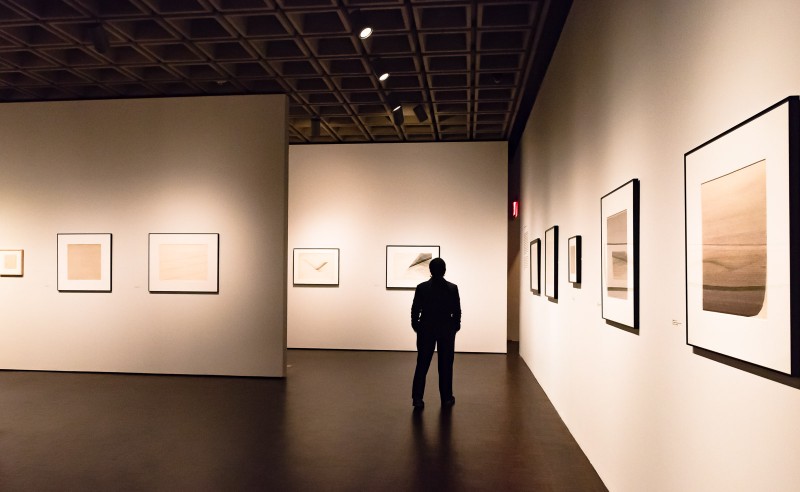
Of course, these are minor distractions from the purpose of visiting a museum. The art is extraordinary:
 .
.  .
. ,-half-length,-in-a-white.jpg) .
.  .
.  .
.  .
.  . .
. .  .
.  .
.  .
. 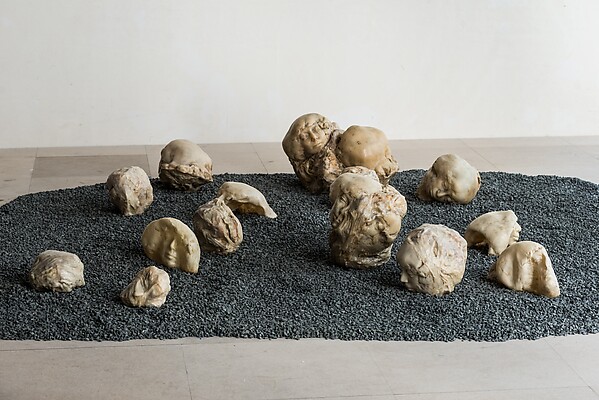 .
. 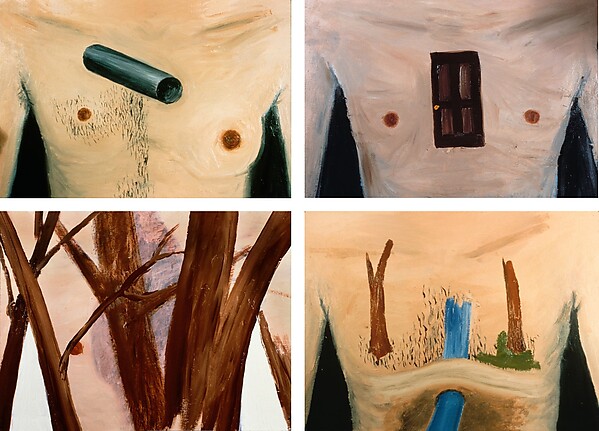
The last picture above does not capture the enthralling artwork -- Robert Gober worked on a single canvas for a year, transforming it from one image to the next. He took a photo every day and turned them into a mesmerizing time-lapse video.
It is a huge show, more than 200 pieces, most from the Met's collection but several works have been borrowed from other collections and a handful, apparently, have never been exhibited before.
It is an interesting concept and I thoroughly enjoyed the descriptions for each work explaining why a work is unfinished/considered unfinished. But at the same time, I was dissatisfied with the chronological presentation and was left wondering "so what?".
The space, previously owned by The Whitney Museum, is a variation on standard museum aesthetics -- the walls are a neutral grey instead of white and the floors vary in the different galleries -- sometimes the traditional wood floor, sometimes the modern concrete floor, and sometimes a stone tile floor.
 .
. 
There are very few windows, maybe up to two per floor. I suppose it's better for the artwork, but I have become accustomed to the main building's excellent use of natural light in many of the galleries. The ceiling is like square egg cartons and allows the hanging of temporary walls in any configuration imaginable, adding as many wall surfaces as needed. But because most of the temporary walls don't touch the floor and/or leave gaps between them, I found the space to be incredibly loud. I left headphones on the entire time I was there to muffle the sound enough to be able to concentrate on reading the descriptions.
 .
.  .
. 
Of course, these are minor distractions from the purpose of visiting a museum. The art is extraordinary:
 .
.  .
. ,-half-length,-in-a-white.jpg) .
.  .
.  .
.  .
.  . .
. .  .
.  .
.  .
.  .
. 
The last picture above does not capture the enthralling artwork -- Robert Gober worked on a single canvas for a year, transforming it from one image to the next. He took a photo every day and turned them into a mesmerizing time-lapse video.
106ELiz_M
Reviewed in my 1001-books thread (click the picture to read the full review):
Tom Jones by Henry Fielding and narrated by Ken Danziger, pub. 1749
Finished 3/26/2016
This 36-hor audio book took two months to get through due to the many boring "author" digressions, but the last 6-8 hours, as the plot lines converged, were captivating.
Tom Jones by Henry Fielding and narrated by Ken Danziger, pub. 1749
Finished 3/26/2016
This 36-hor audio book took two months to get through due to the many boring "author" digressions, but the last 6-8 hours, as the plot lines converged, were captivating.
107ELiz_M
Fever and Spear by Javier Marías
Finished 3/31/2016

A baffling first volume of a three-volume novel. The narrator, Jaime/Jacobo Deza, is a Spaniard, separated from his wife and living in England. This is his second go-round living in England, his first pass many years ago as a visiting professor at Oxford (and the narrator of All Souls. Due to his connections with Oxford dons, Deza is recruited by an unusual organization. So unusual that he doesn't seem to know who or what he is working for, not quit a government intelligence agency but perhaps occasionally working for one. Deza, and the organization, specializes in perceiving/understanding character. Not just the one consciously presented by an individual, but also the subconscious one, how an individual is likely to act under extreme circumstances.
"How can I not know today your face tomorrow, the face that is there already or is being forged beneath the face you show me or beneath the mask you are wearing, and which you will only show me when I am least expecting it?"
What is baffling is that description on the back cover begins "Part spy novel, part Henry James..." and yet it is not until almost halfway through the book that the narrator is hired by the mysterious organization. It is a very wordy novel with many loops and digressions from the linear remembrance. Although we are embedded in the narrators thoughts, the excessive verbiage and the analytical presentation did not lend itself to connecting with the narrator and more often than not my mind wandered away. And yet. It is quite clever and well-written. There are some vividly described scenes. And it ends on, well not a cliff-hanger, but certainly in the middle of one of the few events (rather than thoghts), so I'll have to pick up the next in the near future.
Finished 3/31/2016

A baffling first volume of a three-volume novel. The narrator, Jaime/Jacobo Deza, is a Spaniard, separated from his wife and living in England. This is his second go-round living in England, his first pass many years ago as a visiting professor at Oxford (and the narrator of All Souls. Due to his connections with Oxford dons, Deza is recruited by an unusual organization. So unusual that he doesn't seem to know who or what he is working for, not quit a government intelligence agency but perhaps occasionally working for one. Deza, and the organization, specializes in perceiving/understanding character. Not just the one consciously presented by an individual, but also the subconscious one, how an individual is likely to act under extreme circumstances.
"How can I not know today your face tomorrow, the face that is there already or is being forged beneath the face you show me or beneath the mask you are wearing, and which you will only show me when I am least expecting it?"
What is baffling is that description on the back cover begins "Part spy novel, part Henry James..." and yet it is not until almost halfway through the book that the narrator is hired by the mysterious organization. It is a very wordy novel with many loops and digressions from the linear remembrance. Although we are embedded in the narrators thoughts, the excessive verbiage and the analytical presentation did not lend itself to connecting with the narrator and more often than not my mind wandered away. And yet. It is quite clever and well-written. There are some vividly described scenes. And it ends on, well not a cliff-hanger, but certainly in the middle of one of the few events (rather than thoghts), so I'll have to pick up the next in the near future.
108ELiz_M
March:
Books read/listened: 7
paper/ebook: 6
audio: 1
1001-list-books: 3 (43%) ouch
Female Authors: 0 double-ouch
In Translation: 4 (57%)
Non-fiction: 1
Owned Books read: 5 (71%)
Libe Books read: 1
Books Acquired: 9
------------------
Goal Check:
Read more owned books than from other sources: 12 owned of 21 read (yay!)
70% of books from the 1001-list: 52.4% 1001 books (ouch!)
Read more women authors: I'm at 33%, down from last year's 42% (sad face)
Read at least 10 non-fiction books: 2/10 (on track!)
Shakespeare History Plays: I'm a month behind, having only read two so far
Well if they were easy to obtain, they wouldn't be worthy goals, right? :/
Books read/listened: 7
paper/ebook: 6
audio: 1
1001-list-books: 3 (43%) ouch
Female Authors: 0 double-ouch
In Translation: 4 (57%)
Non-fiction: 1
Owned Books read: 5 (71%)
Libe Books read: 1
Books Acquired: 9
------------------
Goal Check:
Read more owned books than from other sources: 12 owned of 21 read (yay!)
70% of books from the 1001-list: 52.4% 1001 books (ouch!)
Read more women authors: I'm at 33%, down from last year's 42% (sad face)
Read at least 10 non-fiction books: 2/10 (on track!)
Shakespeare History Plays: I'm a month behind, having only read two so far
Well if they were easy to obtain, they wouldn't be worthy goals, right? :/
109janemarieprice
>105 ELiz_M: I'm glad the Met took over the space which is an amazing piece of architecture, but it's never been great for art unless it was much larger scale pieces or site specific. I'm curious to check it out. I thought that they were taking the space permanently, are they not?
110lilisin
>100 ELiz_M:, >102 rebeccanyc:
Kobo Abe is one of my favorite authors but Woman in the Dunes is probably my least favorite of his works.
Kobo Abe is one of my favorite authors but Woman in the Dunes is probably my least favorite of his works.
111ELiz_M
>109 janemarieprice: At the moment, the Met has an 8-year lease for The Breuer while they gut-renovate the Contemporary wing of the main building:
http://www.nytimes.com/2014/05/20/arts/design/in-mets-future-a-redesigned-modern...
http://www.newyorker.com/magazine/2016/01/25/the-met-and-the-now
http://www.nytimes.com/2014/05/20/arts/design/in-mets-future-a-redesigned-modern...
http://www.newyorker.com/magazine/2016/01/25/the-met-and-the-now
112ELiz_M
>110 lilisin: Really? For once I started with the not-so-good book! Which of his books would you recommend?
113ELiz_M
I've reached a rare moment of being caught up with reviews. :) And I've finally updated my quarter 2 reading possibilities in >5 ELiz_M:.
114rebeccanyc
>107 ELiz_M: I read Voyage along the Horizon by Marias and enjoyed it so much I snapped up two more books by him, but not this one. I'll have to read those first, before I buy any more.
116lilisin
>112 ELiz_M:
Well, the the thing is that that book is his most famous and his most loved by most so it's possible that he might not be the right author for you. However, my favorite work of his is The Box Man while his most accessible (re: comprehensible) would be The Face of Another that I also found very interesting.
Well, the the thing is that that book is his most famous and his most loved by most so it's possible that he might not be the right author for you. However, my favorite work of his is The Box Man while his most accessible (re: comprehensible) would be The Face of Another that I also found very interesting.
117sibylline
Oh - I've had The Long Ships on my wishlist for a long time. Good to be reminded!
And I greatly appreciate your illustrated museum wanderings.
And I greatly appreciate your illustrated museum wanderings.
118rebeccanyc
>116 lilisin: Oh, The Box Man was so weird. I found it mystifying.
119ELiz_M
>114 rebeccanyc: And you might also want to read All Souls before Your Face Tomorrow (the same narrator is in both).
>115 baswood: It wasn't a struggle, per se...perhaps just less enjoyable than reading a paper copy where I could have skimmed over the "author interruptions" and read it faster/over a shorter period of time.
>116 lilisin: Thanks for the recommendations! It looks like my library has both as e-books :)
>117 sibylline: Thanks you! I think I enjoy the museum wanderings more, having an outlet to babble on about them ;)
>115 baswood: It wasn't a struggle, per se...perhaps just less enjoyable than reading a paper copy where I could have skimmed over the "author interruptions" and read it faster/over a shorter period of time.
>116 lilisin: Thanks for the recommendations! It looks like my library has both as e-books :)
>117 sibylline: Thanks you! I think I enjoy the museum wanderings more, having an outlet to babble on about them ;)
120kidzdoc
Thanks for your review of the exhibition at The Met Bruer, Liz. I see that it's on until early September, so I'll probably see it this summer when I visit my parents.
For what it's worth, I loved The Woman in the Dunes. It's easy my favorite novel by Kobo Abe.
For what it's worth, I loved The Woman in the Dunes. It's easy my favorite novel by Kobo Abe.
121ELiz_M
>120 kidzdoc: Thanks!
I found Kobo Abe's novel easy to read and very well written, but something didn't click with me. I am hoping another of his books will work better!
I found Kobo Abe's novel easy to read and very well written, but something didn't click with me. I am hoping another of his books will work better!
122valkyrdeath
A lot of interesting books on your thread so far! Too many to comment on right now since I'd lost your thread. I was sure I'd starred it back in January but apparently I hadn't, so I'm commenting now to make sure I don't lose track again!
123ELiz_M
>122 valkyrdeath: Thanks! I am happy that you have found your way here. :)
124deebee1
Interesting stuff on your thread, Eliz_M, both books and the Met tour. Happy to see Kōbō Abe and Javier Marías, two of my favourite authors, being talked about here.
125ELiz_M
>124 deebee1: Thank you!
126ELiz_M
Reviewed in my 1001-books thread (click the picture to read the full review):
Down Second Avenue by Es'kia Mphahlele, pub. 1959
Finished 4/07/2016
An enjoyable memoir/autobiographical novel of the author's life in South Africa's slum that, for me, didn't resonate.
Down Second Avenue by Es'kia Mphahlele, pub. 1959
Finished 4/07/2016
An enjoyable memoir/autobiographical novel of the author's life in South Africa's slum that, for me, didn't resonate.
127ELiz_M
My most recent trip to the Met Museum, took me to the special exhibit of portraits by Vigée Le Brun. The exhibit is HUGE. She was indulged by her father, a portrait and fan painter, who allowed her to dabble in painting although she was a woman and not allowed in art schools or in professional organizations. Due to her charm and immense talent, she became a successful portraitist (women most certainly were not allowed to paint historical or allegorical scenes), patronized by Marie Antoinette. During the French Revolution, she was forced to flee and traveled all over Europe and Russia, continuing to paint noblefolk and royalty.
The paintings are, of course stunning, with lots of huge gorgeous dresses, but without knowing much of the time period and even less about the nobles depicted,it was quite exhausting. I was most charmed by this portrait of her daughter:
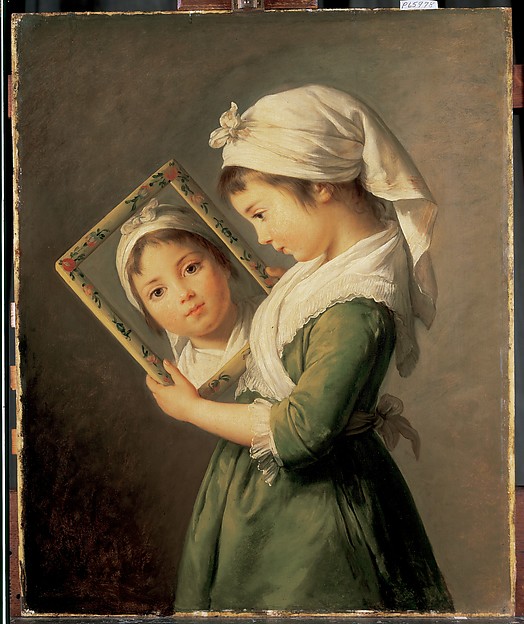
I did not have much time to visit other rooms, just a quick stop to view a room from Hotel Lauzun (accidentally chose a European room from pre-Revolution France, around the time Le Brun was painting...) and part of the Tiffany collection:
 .
. 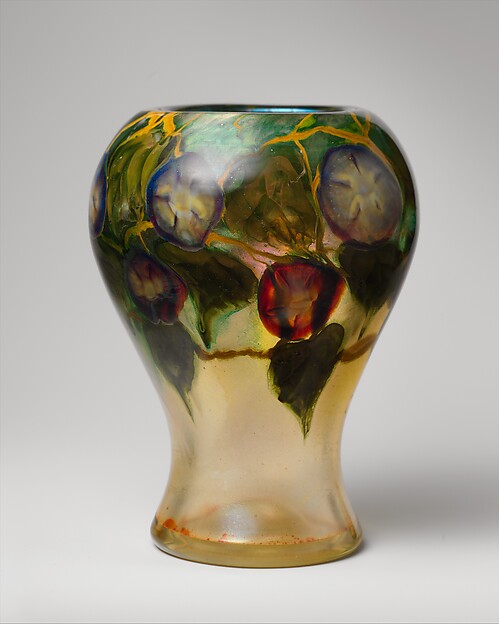 .
.  .
.  .
.  .
. 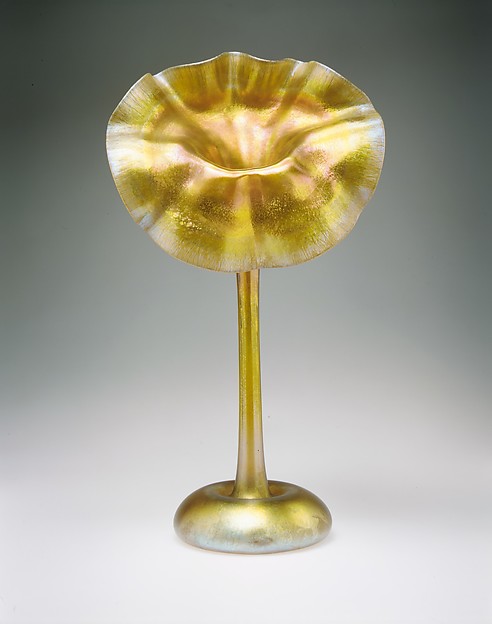 .
. 
The paintings are, of course stunning, with lots of huge gorgeous dresses, but without knowing much of the time period and even less about the nobles depicted,it was quite exhausting. I was most charmed by this portrait of her daughter:
I did not have much time to visit other rooms, just a quick stop to view a room from Hotel Lauzun (accidentally chose a European room from pre-Revolution France, around the time Le Brun was painting...) and part of the Tiffany collection:
 .
.  .
.  .
.  .
.  .
.  .
. 
128sibylline
Lovely museum reviews - spousal unit just took himself and our daughter to the Met-Breuer. He gets home today so I will get a second report!
Vigee Le Brun was clearly a hugely engaging person -- and exceptionally talented.
Vigee Le Brun was clearly a hugely engaging person -- and exceptionally talented.
129ELiz_M
This year I haven't been posting my purchases, perhaps in an effort to pretend that I am not continuing to acquire books that do not fit in my teeny-tiny studio. However, I thought some of the member of Club Read that also participate in Reading Globally might be interested in this one:
The chapters are divided by regions and each section has a paragraph or so devoted to a writer and two to four of his/her works of fiction, for example:
The appendix includes a list of publishers that focus on works in translation, literary prizes for international literature, and other resources. I highly recommend it.
The chapters are divided by regions and each section has a paragraph or so devoted to a writer and two to four of his/her works of fiction, for example:
"Although female poets had established themselves in Iran by the 1960s, most notably Forugh Farrokhzad (1935-1967), fiction was the almost entirely the province of male authors. Simin Daneshvar's (1921-2012) Savushun (1969, English 1990, and as A Persian Requiem 1991) was the first novel by an Iranian woman to be published in Iran. Set in Shiraz during World War II, it remains the foremost novel of Iran's transition to modernity, offering a panoramic view of the country. Since then, women have become major contributors to Iranian literature, but with her Savushun and story collections like Daneshvar's Playhouse (English 1989) and Sutra (English 1994), Daneshvar has gone significantly beyond playing a pioneering role.
The appendix includes a list of publishers that focus on works in translation, literary prizes for international literature, and other resources. I highly recommend it.
130FlorenceArt
Are all those stickers real or is it just a photo for the cover? It looks cute, but maybe not very practical :-)
131Simone2
>129 ELiz_M: Thanks, that looks like a real must-have to me.
132ELiz_M
>128 sibylline: Thanks! I hope your family members enjoyed Met-Breuer and that it wasn't too crowded.
>130 FlorenceArt: the stickers are part of the cover photo :)
>131 Simone2: If you find a copy, I hope you enjoy it!
>130 FlorenceArt: the stickers are part of the cover photo :)
>131 Simone2: If you find a copy, I hope you enjoy it!
133ELiz_M
Reviewed in my 1001-books thread (click the picture to read the full review):

The Water Margin by Shi Nai'an, pub. 1370ish
Finished 04/28/2016
A mostly fun, eminently readable, episodic story of the 108 heroes that band together to become the Outlaws of the Marsh.

The Water Margin by Shi Nai'an, pub. 1370ish
Finished 04/28/2016
A mostly fun, eminently readable, episodic story of the 108 heroes that band together to become the Outlaws of the Marsh.
134ELiz_M
And, as per usual, I am behind with reviews. So here are April's stats:
April:
Books read/listened: 4*
paper/ebook: 3
audio: 1
1001-list-books: 3 (75%)
Female Authors: 1 (25%)
In Translation: 1 (25%)
Non-fiction: 1
Owned Books read: 3 (75%)
Libe Books read: 1
Books Acquired: 4
*One of the books was 800 pages, so that's like reading three normal-sized books. Also, the last week of April I baked 1483 bite-sized cookies instead of reading.
April:
Books read/listened: 4*
paper/ebook: 3
audio: 1
1001-list-books: 3 (75%)
Female Authors: 1 (25%)
In Translation: 1 (25%)
Non-fiction: 1
Owned Books read: 3 (75%)
Libe Books read: 1
Books Acquired: 4
*One of the books was 800 pages, so that's like reading three normal-sized books. Also, the last week of April I baked 1483 bite-sized cookies instead of reading.
135ELiz_M
Henry IV, Part I by William Shakespeare
Finished 4/16/2016
 .
. 
Henry IV, Part II by William Shakespeare
Finished 5/06/2016
 .
. 
Although these two plays are ostensibly about Henry IV, one of the major and most memorable plot lines concerns young Prince Harry (Henry V). These two plays most revolve around the final few years of the life of Henry IV and the squashing of the factions rebelling against his rule. "Serious" scenes focused on various nobles (Henry IV and the gentlemen fomenting rebellion against him) alternate with various more "comic" scenes depicting the lower classes and revolving, by and large, around Falstaff.
I have no grand insights for the text of these two well-known history plays, just thoughts on my experience. In general, I do not do well in reading humor/irony -- I take stories too literally. So, the comedic aspects of these plays falls flat for me. The audio editions help somewhat, but there the difficulty is in not knowing which character is speaking (even though separate actors are used, I couldn't distinguish the voices between many of the men). I suspect the complexity of the humor requires a more visual interpretation -- the bawdiness and double entendre jokes are probably best understood when accompanied with gestures/body language/facial expressions as well as tone of voice. And reading the footnotes explaining the double-entendre, of course. ruins the joke.
Also, a note on editions. I have no consistent set of these plays -- I pick up whatever random edition I find for a few dollars in the used bookstores because I haven't found a publisher that I prefer. I love the formatting of the Folger editions -- simple notes on the left hand page with the definition/meanings of the phrases and the corresponding text on the right-hand size. But I dislike their mass-market size and ugly covers. The Oxford edition is trade-paperback sized and has lovelier covers. But, for me, the footnotes are too erudite -- they tend to be multiple paragraphs explaining why a particular word was used/substituted based on which commentary on which quarto/folio printing.... This, for me, would be better suited as end notes.
Finished 4/16/2016
 .
. 
Henry IV, Part II by William Shakespeare
Finished 5/06/2016
 .
. 
Although these two plays are ostensibly about Henry IV, one of the major and most memorable plot lines concerns young Prince Harry (Henry V). These two plays most revolve around the final few years of the life of Henry IV and the squashing of the factions rebelling against his rule. "Serious" scenes focused on various nobles (Henry IV and the gentlemen fomenting rebellion against him) alternate with various more "comic" scenes depicting the lower classes and revolving, by and large, around Falstaff.
I have no grand insights for the text of these two well-known history plays, just thoughts on my experience. In general, I do not do well in reading humor/irony -- I take stories too literally. So, the comedic aspects of these plays falls flat for me. The audio editions help somewhat, but there the difficulty is in not knowing which character is speaking (even though separate actors are used, I couldn't distinguish the voices between many of the men). I suspect the complexity of the humor requires a more visual interpretation -- the bawdiness and double entendre jokes are probably best understood when accompanied with gestures/body language/facial expressions as well as tone of voice. And reading the footnotes explaining the double-entendre, of course. ruins the joke.
Also, a note on editions. I have no consistent set of these plays -- I pick up whatever random edition I find for a few dollars in the used bookstores because I haven't found a publisher that I prefer. I love the formatting of the Folger editions -- simple notes on the left hand page with the definition/meanings of the phrases and the corresponding text on the right-hand size. But I dislike their mass-market size and ugly covers. The Oxford edition is trade-paperback sized and has lovelier covers. But, for me, the footnotes are too erudite -- they tend to be multiple paragraphs explaining why a particular word was used/substituted based on which commentary on which quarto/folio printing.... This, for me, would be better suited as end notes.
136ELiz_M
Old New York by Edith Wharton
Finished 5/09/2016
This book is composed of four novellas. Each novella is set in a different decade of the 1800s and is a completely separate story, although a few characters reappear (New York high society is a small, closed set, after all).
False Dawn: The Forties - Lewis Raycie is the only son of the formidable Halston Raycie. Lewis, a somewhat sickly boy and fond of literature, could never quite please his less less well-educated robust father, whose main purpose in life is to found "A Family". Lewis, just after his 21st birthday, is sent on The Grand Tour. On the eve of his departure his father commands him to bring back great works of art, enough to establish an impressive family connection, and is given introductions to the right advisors and a list of accepted painters among which to select for purchase. But Lewis, as he tours Europe, realizes that the accepted painters are not the great painters and in defiance of his father begins a collection of true masterpieces.... As this is Wharton, things do not end well.
I thoroughly enjoyed this novellas. Wharton is brilliant at creating a world with simplicity; her prose is wonderful to read. She is also masterful at conveying the injustices of the times depicted with overtly moralizing about them. I found myself, repeatedly, wishing for a better outcome of this story.
The Old Maid: The Fifties - Charlotte Lovell in the weeks before her marriage, pays a desperate call to her cousin Delia Ralston. Begging for assistance in solving a delicate social problem threatening her forthcoming marriage and her piece of mind. Delia has married into an old, very traditional family, and the only way she can assist her cousin is to salvage Charlotte's peace of mind at the expense of the marriage. Delia's action binds the two ladies together in a complicated relationship based on secrets and forced intimacy
for the many years to come.
The longest novella in the collection, The Old Maid has more room to develop the characters and the societal rules that force them into awkward relationships. Again, the many difficulties young women faced in finding happiness in a world in which they have no freedom and very little power is fantastically conveyed. I was quite impressed with Delia's ability influence the world around her.
The Spark: The Sixties - Hayley Delane, a wealthy banker married to the inconstant Leila Gracy, fascinates the narrator. The narrator, in observing Delane's amiable behavior to his wife and his drunkard father-in-law, respectfully believes his attitudes belong to a different, better time.
This is the least interesting novella in the collection. Over and over the narrator tells me what a mysterious character Delane is, but never conveys why. The surprise twist at the ending is not enough to make a story of a dozen pages that don't seem to cohere.
New Year's Day: The Seventies - Lizzie Hazeldean is a woman of humble beginnings who appeared to marry well. But within a few years of her marriage to Charles, the "Hazeldean heart" compels him to give up practicing law and his illness increasing limits his activities, reducing him to studies at home. He encourages Lizzie, a beautiful, ephemeral creature, to continue to accept social invites and attend dinners without him, never hearing the whispers that begin to circulate about Lizzie and the handsome bachelor Henry Prest....
This was my favorite story. The slow reveal of the true circumstances is very well done. In addition I fould Lizzie to be the most sympathetic character. She was the character, out the four stories, that seemed to have the most agency and is the most able to, in a very circumscribed society, to wrest an acceptable life out of a society that was unprepared to allow it.
Overall an enjoyable collection.
Finished 5/09/2016
This book is composed of four novellas. Each novella is set in a different decade of the 1800s and is a completely separate story, although a few characters reappear (New York high society is a small, closed set, after all).
False Dawn: The Forties - Lewis Raycie is the only son of the formidable Halston Raycie. Lewis, a somewhat sickly boy and fond of literature, could never quite please his less less well-educated robust father, whose main purpose in life is to found "A Family". Lewis, just after his 21st birthday, is sent on The Grand Tour. On the eve of his departure his father commands him to bring back great works of art, enough to establish an impressive family connection, and is given introductions to the right advisors and a list of accepted painters among which to select for purchase. But Lewis, as he tours Europe, realizes that the accepted painters are not the great painters and in defiance of his father begins a collection of true masterpieces.... As this is Wharton, things do not end well.
I thoroughly enjoyed this novellas. Wharton is brilliant at creating a world with simplicity; her prose is wonderful to read. She is also masterful at conveying the injustices of the times depicted with overtly moralizing about them. I found myself, repeatedly, wishing for a better outcome of this story.
The Old Maid: The Fifties - Charlotte Lovell in the weeks before her marriage, pays a desperate call to her cousin Delia Ralston. Begging for assistance in solving a delicate social problem threatening her forthcoming marriage and her piece of mind. Delia has married into an old, very traditional family, and the only way she can assist her cousin is to salvage Charlotte's peace of mind at the expense of the marriage. Delia's action binds the two ladies together in a complicated relationship based on secrets and forced intimacy
for the many years to come.
The longest novella in the collection, The Old Maid has more room to develop the characters and the societal rules that force them into awkward relationships. Again, the many difficulties young women faced in finding happiness in a world in which they have no freedom and very little power is fantastically conveyed. I was quite impressed with Delia's ability influence the world around her.
The Spark: The Sixties - Hayley Delane, a wealthy banker married to the inconstant Leila Gracy, fascinates the narrator. The narrator, in observing Delane's amiable behavior to his wife and his drunkard father-in-law, respectfully believes his attitudes belong to a different, better time.
This is the least interesting novella in the collection. Over and over the narrator tells me what a mysterious character Delane is, but never conveys why. The surprise twist at the ending is not enough to make a story of a dozen pages that don't seem to cohere.
New Year's Day: The Seventies - Lizzie Hazeldean is a woman of humble beginnings who appeared to marry well. But within a few years of her marriage to Charles, the "Hazeldean heart" compels him to give up practicing law and his illness increasing limits his activities, reducing him to studies at home. He encourages Lizzie, a beautiful, ephemeral creature, to continue to accept social invites and attend dinners without him, never hearing the whispers that begin to circulate about Lizzie and the handsome bachelor Henry Prest....
This was my favorite story. The slow reveal of the true circumstances is very well done. In addition I fould Lizzie to be the most sympathetic character. She was the character, out the four stories, that seemed to have the most agency and is the most able to, in a very circumscribed society, to wrest an acceptable life out of a society that was unprepared to allow it.
Overall an enjoyable collection.
137ELiz_M
Nemesis by Philip Roth
Finished 5/10/2016

Possibly Roth's last book, this slim novel is set, once again, in Newark, NJ during the summer of 1944. It is the story of Bucky Cantor, a recent college graduate that, although physically fit, was rejected from army service due to his poor eyesight. So, he has been hired as a playground director for the summer before he starts work as an athletic director in the school. Bucky is a fine, upstanding man. He was raised by his grandparents and taught to be upright and to stand up for himself. Bucky desires nothing better than to be a good role model for the boys, but this summer he is tested by a force that cannot be firmly and calmly steered away his boys the way a bully gang of boys from the Italian neighborhood cam. He, and the rest of the city is faced with a polio epidemic.
The opening section of this novel is phenomenal. Roth perfectly captures the bewilderment and growing fear of the neighborhood. It is hard to not get caught up in the speculation of why/how polio is spreading through the Jewish neighborhood. But then there is a change of scene and the novel loses momentum and interest as the struggle turns inwards and more existential. Bucky is not the brightest of Roth's protagonists and, quite frankly, his inner torment is not that compelling. And as per usual, the female love-interest is lacking in interest. Although the final chapters revive some of the intensity of the opening sequence, it is a little heavy on the moral speeches.
Finished 5/10/2016
Possibly Roth's last book, this slim novel is set, once again, in Newark, NJ during the summer of 1944. It is the story of Bucky Cantor, a recent college graduate that, although physically fit, was rejected from army service due to his poor eyesight. So, he has been hired as a playground director for the summer before he starts work as an athletic director in the school. Bucky is a fine, upstanding man. He was raised by his grandparents and taught to be upright and to stand up for himself. Bucky desires nothing better than to be a good role model for the boys, but this summer he is tested by a force that cannot be firmly and calmly steered away his boys the way a bully gang of boys from the Italian neighborhood cam. He, and the rest of the city is faced with a polio epidemic.
The opening section of this novel is phenomenal. Roth perfectly captures the bewilderment and growing fear of the neighborhood. It is hard to not get caught up in the speculation of why/how polio is spreading through the Jewish neighborhood. But then there is a change of scene and the novel loses momentum and interest as the struggle turns inwards and more existential. Bucky is not the brightest of Roth's protagonists and, quite frankly, his inner torment is not that compelling. And as per usual, the female love-interest is lacking in interest. Although the final chapters revive some of the intensity of the opening sequence, it is a little heavy on the moral speeches.
139ELiz_M
>138 kidzdoc: Thanks, Darryl!
140Simone2
>134 ELiz_M: 1483 cookies?!
141ELiz_M
>140 Simone2: Yep, takes all weekend. I moved mid-Dec and, obviously, didn't have time/space to make Christmas cookies for work. So, I waited until the last week of the season (I work for a performing arts venue) to bake and distribute them to colleagues. Stagehands can eat a lot of cookies.
ETA:

ETA:

142Simone2
>141 ELiz_M: Wow Liz, even all different kinds of cookies. They look really professional and delicious!
143sibylline
That's a mess o'cookies! Just yesterday I was talking with a friend who used to work in admin at a theatre here (Burlington VT) and said that the drama people always ate any food she brought as if they hadn't eaten in weeks.
145ELiz_M
Reviewed in my 1001-books thread (click the picture to read the full review):

Adam Bede by George Eliot and narrated by Wanda McCaddon, pub. 1859
Finished 05/12/2016
A promising debut novel by George Eliot beautifully depicting life and moral dilemmas in rural England at the end of the 18th Century.

Adam Bede by George Eliot and narrated by Wanda McCaddon, pub. 1859
Finished 05/12/2016
A promising debut novel by George Eliot beautifully depicting life and moral dilemmas in rural England at the end of the 18th Century.
146ELiz_M
I am really enjoying the late evening openings at the Met Museum -- it's a lovely way to fill a weekend evening when plans fall through or when one doesn't want to be social but also doesn't want to stay at home alone.
The museum has an everlasting, ongoing Prints & Drawings exhibition, with selections changing every 3 months or so; due to light sensitivity, none of these objects are ever on permanent display. The selection I saw a few weeks ago was in homage to the curators that established the department/collection: The Power of Prints: The Legacy of William M. Ivins and A. Hyatt Mayor.
I spent a couple of hours in the exhibit and only saw 2/3 of the object on view. I was especially taken by these:
1) Speke Hall, No. 1 by James McNeill Whistler -- beautiful details, just look at that dress! And the house!
2) A Pier in England (Une Jetée en Angleterre) by Félix-Hilaire Buhot -- something about the composition and the sketches on the left was so charming.
3) October, November, December by Edward Penfield -- nostalgia for bygones days (that I haven't experienced) when reading was part of everyday life for the majority of the population
4) The War Council (Conseil de guerre) by Honoré Daumier -- I enjoyed the sense of motion and the wittiness
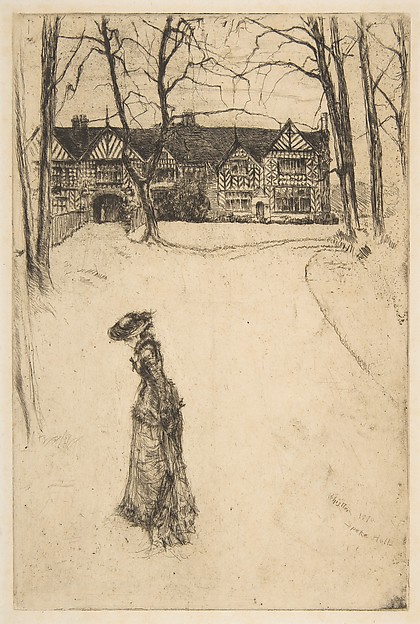 .
. 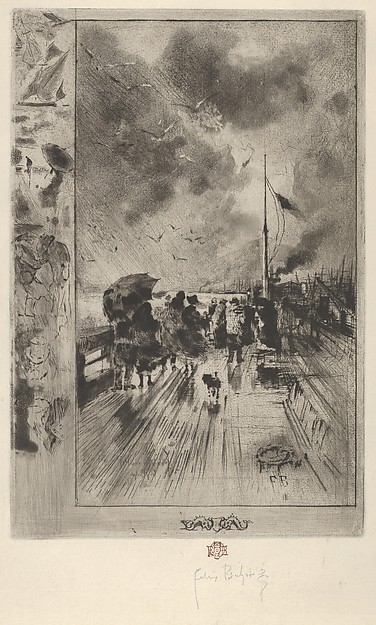 .
. 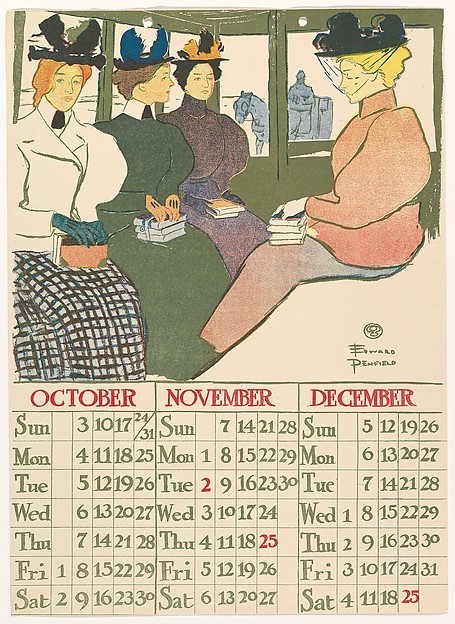 .
. 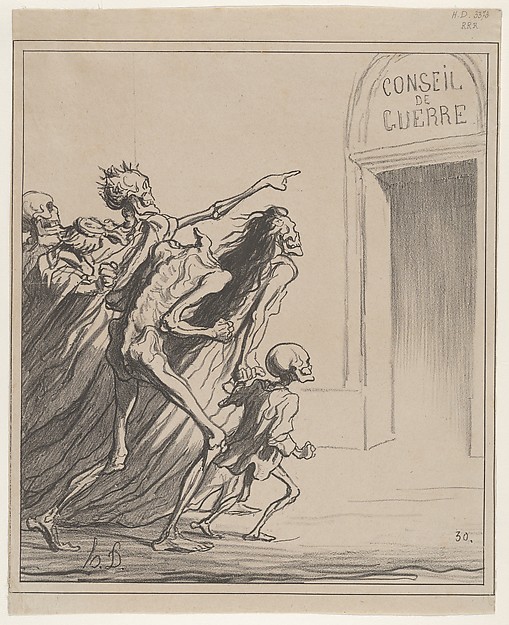 .
.
I then wandered through an Art Nouveau room, some modern (or maybe it's categorized as contemporary?) art, and finally ended the evening admist the paeceful paintings of the Hudson River School:
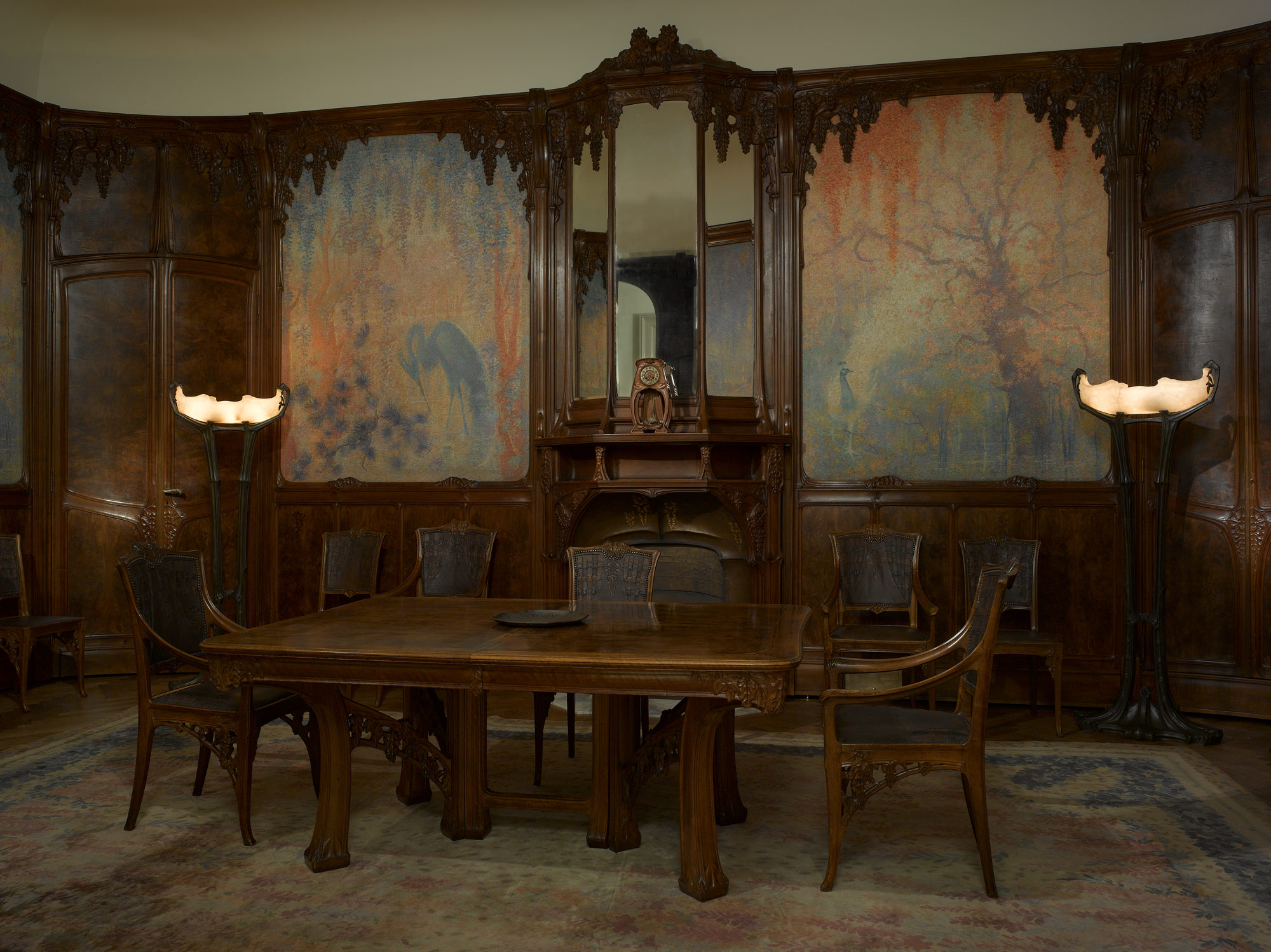 . . .
. . .  . . .
. . . 
The Wisteria Room is stunning; the picture doesn't quite do it justice. I continue to be amazed at the Met's ability to purchase and install entire rooms into the museum.
Ray Man's Object to be Destroyed was first made in 1923 and then revised after a bad break with Lee Miller. In 1957, this object was part of a controversial Dada exhibition in Paris. During student protests, it was stolen. Man Ray used the insurance money to purchase many metronomes and made several copies of the sculpture, renaming it Indestructible Object.
I really need to schedule some vacation time in the Catskills.
The museum has an everlasting, ongoing Prints & Drawings exhibition, with selections changing every 3 months or so; due to light sensitivity, none of these objects are ever on permanent display. The selection I saw a few weeks ago was in homage to the curators that established the department/collection: The Power of Prints: The Legacy of William M. Ivins and A. Hyatt Mayor.
I spent a couple of hours in the exhibit and only saw 2/3 of the object on view. I was especially taken by these:
1) Speke Hall, No. 1 by James McNeill Whistler -- beautiful details, just look at that dress! And the house!
2) A Pier in England (Une Jetée en Angleterre) by Félix-Hilaire Buhot -- something about the composition and the sketches on the left was so charming.
3) October, November, December by Edward Penfield -- nostalgia for bygones days (that I haven't experienced) when reading was part of everyday life for the majority of the population
4) The War Council (Conseil de guerre) by Honoré Daumier -- I enjoyed the sense of motion and the wittiness
 .
.  .
.  .
.  .
. I then wandered through an Art Nouveau room, some modern (or maybe it's categorized as contemporary?) art, and finally ended the evening admist the paeceful paintings of the Hudson River School:
 . . .
. . .  . . .
. . . 
The Wisteria Room is stunning; the picture doesn't quite do it justice. I continue to be amazed at the Met's ability to purchase and install entire rooms into the museum.
Ray Man's Object to be Destroyed was first made in 1923 and then revised after a bad break with Lee Miller. In 1957, this object was part of a controversial Dada exhibition in Paris. During student protests, it was stolen. Man Ray used the insurance money to purchase many metronomes and made several copies of the sculpture, renaming it Indestructible Object.
I really need to schedule some vacation time in the Catskills.
147ELiz_M
Of course, there is more art than just the big-name museums in NYC. One of my co-workers is an artist and has a museum background and has been talking about spending her time off visiting all the galleries in Chelsea. It is through her, that I learned that a couple of big-name artists had showings this month.
I first heard of Cindy Sherman a couple years ago through a podcast -- Studio 360s "American Icon" series:
http://www.wnyc.org/story/american-icons-untitled-film-stills/
I tried to seek out her work, but none seemed to be on view. So I was really excited to hear a new series was going to be on display. Sherman is known for her photographs of herself that seem to evoke old 1920s Hollywood films/film stars. She has a startling ability to make subtle changes in her expression and physical appearance and become different people:
 .
.  .
. 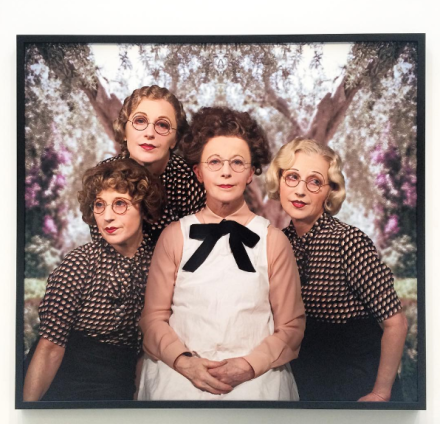
Again, web images do not do the work justice -- in person the color is so vibrant and her image contrasted with the blurred background is hyper-real and gorgeous.
One of my favorite artists, Richard Serra, also had several works on display in Chelsea:
I have to admit, part of the my fascination is the trying to puzzle out how such enormously heavy steal pieces were installed in such a precise arrangement without scraping the cement floor....
 .
.  .
. 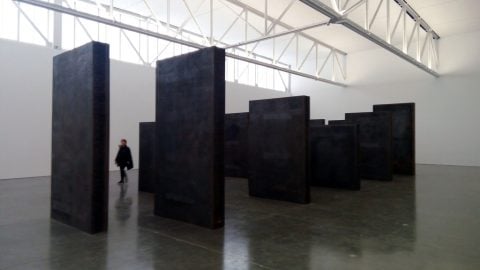 .
. 
I love all of his monumental torqued ellipses and steel ribbons, and this one is also astonishing.
 .
.  .
.  .
. 
It is two bent steel forms nested together that create a narrow circuitous path, with angled orange-steel walls that disrupt equilibrium. I was amused by two small children that were making many circles and somehow managed to pass by me twice, in opposite directions, as I walked through the sculpture.
I first heard of Cindy Sherman a couple years ago through a podcast -- Studio 360s "American Icon" series:
http://www.wnyc.org/story/american-icons-untitled-film-stills/
I tried to seek out her work, but none seemed to be on view. So I was really excited to hear a new series was going to be on display. Sherman is known for her photographs of herself that seem to evoke old 1920s Hollywood films/film stars. She has a startling ability to make subtle changes in her expression and physical appearance and become different people:
 .
.  .
. 
Again, web images do not do the work justice -- in person the color is so vibrant and her image contrasted with the blurred background is hyper-real and gorgeous.
One of my favorite artists, Richard Serra, also had several works on display in Chelsea:
I have to admit, part of the my fascination is the trying to puzzle out how such enormously heavy steal pieces were installed in such a precise arrangement without scraping the cement floor....
 .
.  .
.  .
. 
I love all of his monumental torqued ellipses and steel ribbons, and this one is also astonishing.
 .
.  .
.  .
. 
It is two bent steel forms nested together that create a narrow circuitous path, with angled orange-steel walls that disrupt equilibrium. I was amused by two small children that were making many circles and somehow managed to pass by me twice, in opposite directions, as I walked through the sculpture.
148mabith
I have a similar reaction of "how exactly did they get this in here" to a lot of installation art. That last piece sounds really neat!
149ELiz_M
As per usual, I am about a month behind in reviews.....
Siren of the Waters by Michael Genelin
Finished 5/15/2016
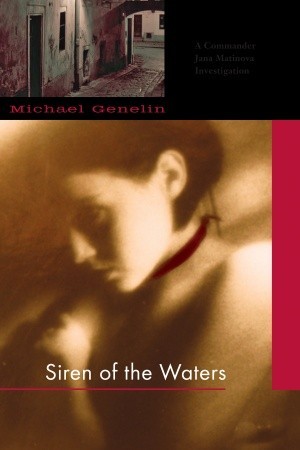
This mystery opens with a familiar theme of the genre -- Jana is at the site of a car "accident" with seven bodies and a fire that seems to be burning too long and too much and is currently irritated by the young, lazy, cocky new man in the department that she is supposed to be training....
The main crime in the book is human trafficking in which the pursuit of the mastermind criminal leads the Slovakian investigator Jana to the Ukraine, a conference in Strasbourg, and finally to carnival at Nice. The story is outlandish and there are far to many convenient coincidences (although they do help minimize the number of characters needed for such a sprawling crime...).
The best part of the story is the other thread -- Jana's past. Jana started in the police force as a young woman when the country was suffering under the Soviet regime. Throughout the oppressive control of the country and her inopportune marriage to an actor turned subversive, Jana manages to do what is best for her family even though is causes her great personal hardships.
So a fabulously interesting protagonist and a so-so plot.
Siren of the Waters by Michael Genelin
Finished 5/15/2016
This mystery opens with a familiar theme of the genre -- Jana is at the site of a car "accident" with seven bodies and a fire that seems to be burning too long and too much and is currently irritated by the young, lazy, cocky new man in the department that she is supposed to be training....
The main crime in the book is human trafficking in which the pursuit of the mastermind criminal leads the Slovakian investigator Jana to the Ukraine, a conference in Strasbourg, and finally to carnival at Nice. The story is outlandish and there are far to many convenient coincidences (although they do help minimize the number of characters needed for such a sprawling crime...).
The best part of the story is the other thread -- Jana's past. Jana started in the police force as a young woman when the country was suffering under the Soviet regime. Throughout the oppressive control of the country and her inopportune marriage to an actor turned subversive, Jana manages to do what is best for her family even though is causes her great personal hardships.
So a fabulously interesting protagonist and a so-so plot.
150ELiz_M
Reviewed in my 1001-books thread (click the picture to read the full review):
The Crime of Father Amaro by Jose Maria Eca de Queiros, pub. 1876
Finished 05/19/2016
A rather boring story told in a wonderful layering of detail.
The Crime of Father Amaro by Jose Maria Eca de Queiros, pub. 1876
Finished 05/19/2016
A rather boring story told in a wonderful layering of detail.
151ELiz_M
Inspector Imanishi investigates by Seicho Matsumoto
Finished 5/20/2016

An unidentified corpse is found in a train yard and Inspector Imanishi is one of the policeman assigned to the case. After tremendous effort only a few clues are discovered -- a meeting in a bar and snippets of overheard conversation, but not enough to determine the corpse's identity. The case is closed and Imanshi is reassigned, but through both his inventive thinking, persistence, and some lucky coincidences, he continues to make progress on the case. And it is an odd, complex case -- involving a linguistic anomaly, too many deaths by natural causes, and a unique murder weapon.
Originally published in the 1960s, this is one of the "plodding" type of detective novels, where persistent doggedness and the painstaking accumulation of information allows the solo detective to break the case. The slowness of the plot is somewhat compensated for by the details conveyed about Japanese life as the old traditions begin to change and a post-war modernization is becoming dominant.
Finished 5/20/2016

An unidentified corpse is found in a train yard and Inspector Imanishi is one of the policeman assigned to the case. After tremendous effort only a few clues are discovered -- a meeting in a bar and snippets of overheard conversation, but not enough to determine the corpse's identity. The case is closed and Imanshi is reassigned, but through both his inventive thinking, persistence, and some lucky coincidences, he continues to make progress on the case. And it is an odd, complex case -- involving a linguistic anomaly, too many deaths by natural causes, and a unique murder weapon.
Originally published in the 1960s, this is one of the "plodding" type of detective novels, where persistent doggedness and the painstaking accumulation of information allows the solo detective to break the case. The slowness of the plot is somewhat compensated for by the details conveyed about Japanese life as the old traditions begin to change and a post-war modernization is becoming dominant.
152ELiz_M
Reviewed in my 1001-books thread (click the picture to read the full review):
The Man Who Loved Children by Christina Stead and narrated by C. M. Hébert, pub. 1940
Finished 05/25/2016
A free-wheeling, inventive, harrowing novel of a very dysfunctional family which would have been much better understood in print form.
The Man Who Loved Children by Christina Stead and narrated by C. M. Hébert, pub. 1940
Finished 05/25/2016
A free-wheeling, inventive, harrowing novel of a very dysfunctional family which would have been much better understood in print form.
153ELiz_M
An Officer and a Spy by Robert Harris
Finished 5/27/2016
The novel opens at the scene of the public degradation of Dreyfus, with the symbols of his military rank literally stripped from his uniform in front of thousands of spectators. The story is told through the eyes of Georges Picquart, soon to be promoted to the head of the "statistical section" of the French army, the intelligence unit responsible for the discovery of Dreyfus' treachery. As Picquart settles into his new position, he slowly begins to realize the extremely tenuous nature of the evidence against Dreyfus. Goaded by his stubbornness and devotion to the army he is worried will be destroyed by the Dreyfus scandal, Picquart continues to re-examine the case against Dreyfus, despite direct orders to leave it alone.
Harris brilliantly, methodically, lays out the complexities of the Dreyfus case and the far-reaching ramifications as the cover-up becomes more entrenched and moves further up the chain of command. It is a comprehensive overview of the affair from an insider-outsider's point of view.
I read this novel primarily because the Dreyfus affair is a touchstone in Proust's The Guermantes Way, used as a short-hand to show character. So, my only critique is perhaps not a fair one -- while the novel explains the complexity of the Dreyfus affair it did not offer one puzzles pieces I had hoped for -- an understanding of impact of the case on French society and what it meant to be a Dreyfussard or anti-Dreyfus.
Finished 5/27/2016
The novel opens at the scene of the public degradation of Dreyfus, with the symbols of his military rank literally stripped from his uniform in front of thousands of spectators. The story is told through the eyes of Georges Picquart, soon to be promoted to the head of the "statistical section" of the French army, the intelligence unit responsible for the discovery of Dreyfus' treachery. As Picquart settles into his new position, he slowly begins to realize the extremely tenuous nature of the evidence against Dreyfus. Goaded by his stubbornness and devotion to the army he is worried will be destroyed by the Dreyfus scandal, Picquart continues to re-examine the case against Dreyfus, despite direct orders to leave it alone.
Harris brilliantly, methodically, lays out the complexities of the Dreyfus case and the far-reaching ramifications as the cover-up becomes more entrenched and moves further up the chain of command. It is a comprehensive overview of the affair from an insider-outsider's point of view.
I read this novel primarily because the Dreyfus affair is a touchstone in Proust's The Guermantes Way, used as a short-hand to show character. So, my only critique is perhaps not a fair one -- while the novel explains the complexity of the Dreyfus affair it did not offer one puzzles pieces I had hoped for -- an understanding of impact of the case on French society and what it meant to be a Dreyfussard or anti-Dreyfus.
154ELiz_M
Reviewed in my 1001-books thread (click the picture to read the full review):

The Parable of the Blind by Gert Hofmann, pub. 1985
Finished 05/29/2016
An odd little book depicting the day's events for the six blind men that are the subject of Breughel's painting of the same name.

The Parable of the Blind by Gert Hofmann, pub. 1985
Finished 05/29/2016
An odd little book depicting the day's events for the six blind men that are the subject of Breughel's painting of the same name.
155ELiz_M
Reviewed in my 1001-books thread (click the picture to read the full review):

Mother by by Maxim Gorky, pub. 1907
Finished 06/02/2016
A skillfully written novel about the simple Mother of a factory-worker-turned-radical and her increasing devotion to the cause.

Mother by by Maxim Gorky, pub. 1907
Finished 06/02/2016
A skillfully written novel about the simple Mother of a factory-worker-turned-radical and her increasing devotion to the cause.
156ELiz_M
The Invention of Nature by Andrea Wulf and narrated by David Drummond, pub. 2015
Finished 6/07/2016
Alexander von Humboldt (1789-1859) was once as well-known as Napoleon. In his lifetime he influenced, and was influenced by Goethe, Joseph Banks, and Thomas Jefferson; his achievement and work inspired, among others, Simón Bolívar, Charles Darwin, and Henry David Thoreau.
A brilliant Renaissance-man, Humboldt was educated and raised to be a government employee, eventually reaching a compromise with his family to work as a mine official. But his passion was for scientific exploration. He was a voracious collector of plant and animal specimens and performer a wide variety of experiments. But it wasn't until the death of his mother in his late 20s that he had both the freedom and the means with which to pursue his passion.
After several attempts to mount various expeditions, he and Bonpland, a French naturalist eventually obtained permission to explore Spanish America; their voyage lasted 5 years. At Lake Valencia, near Caracas, Humboldt observed the dropping water levels and hypothesized it was due in part by deforestation and people’s activities. In Venezuela, Humboldt confirmed that the Orinoco river connected to a tributary of the Amazon (a fact long known to the native peoples but never mapped by European explorers). In the Andes, he climbed Pichincha and Chimborazo, setting a world record hat was not surpassed for 30 years. And in Peru he discovered the magnetic equator. Over the course of the journey, Humboldt & Bonpland identified two thousand new plant species (at the time only six thousand species were known).
Humboldt's South American journey provided him with the insights and the data to formulate revolutionary theories on the interconnections of nature that became the foundation of his 34-volume Personal Narrative of a Journey to the Equinoctial Regions of the New Continentand his further work, Cosmos, intended to be a comprehensive work about geography and the natural sciences; a unification of the sciences then known within a Kantian framework.
The last third of The Invention of Nature discusses far reaching influence of Humboldt's life and work. Here, Wulf writes mini-portraits of various thinkers, such as Charles Darwin, Henry David Thoreau, focusing on how they were inspired by Humboldt, as well as ecologists and activists of the next generation, such as George Perkins Marsh (author of Man and Nature, Ernst Haeckel (author/artist of Art Forms of Nature, and John Muir (founder of the Sierra Club).
while I understand the purpose of the book was to create a biography of the idea of "nature", Humboldt, true to larger-than-character, overwhelmed the book and the final sections seemed disjointed and tacked on. By and large, this was a fascinating and highly readable portrait of an incredibly energetic, prolific and brilliant man and the times in which he lived and the audio book was reasonably well-done.
Finished 6/07/2016
Alexander von Humboldt (1789-1859) was once as well-known as Napoleon. In his lifetime he influenced, and was influenced by Goethe, Joseph Banks, and Thomas Jefferson; his achievement and work inspired, among others, Simón Bolívar, Charles Darwin, and Henry David Thoreau.
A brilliant Renaissance-man, Humboldt was educated and raised to be a government employee, eventually reaching a compromise with his family to work as a mine official. But his passion was for scientific exploration. He was a voracious collector of plant and animal specimens and performer a wide variety of experiments. But it wasn't until the death of his mother in his late 20s that he had both the freedom and the means with which to pursue his passion.
After several attempts to mount various expeditions, he and Bonpland, a French naturalist eventually obtained permission to explore Spanish America; their voyage lasted 5 years. At Lake Valencia, near Caracas, Humboldt observed the dropping water levels and hypothesized it was due in part by deforestation and people’s activities. In Venezuela, Humboldt confirmed that the Orinoco river connected to a tributary of the Amazon (a fact long known to the native peoples but never mapped by European explorers). In the Andes, he climbed Pichincha and Chimborazo, setting a world record hat was not surpassed for 30 years. And in Peru he discovered the magnetic equator. Over the course of the journey, Humboldt & Bonpland identified two thousand new plant species (at the time only six thousand species were known).
Humboldt's South American journey provided him with the insights and the data to formulate revolutionary theories on the interconnections of nature that became the foundation of his 34-volume Personal Narrative of a Journey to the Equinoctial Regions of the New Continentand his further work, Cosmos, intended to be a comprehensive work about geography and the natural sciences; a unification of the sciences then known within a Kantian framework.
The last third of The Invention of Nature discusses far reaching influence of Humboldt's life and work. Here, Wulf writes mini-portraits of various thinkers, such as Charles Darwin, Henry David Thoreau, focusing on how they were inspired by Humboldt, as well as ecologists and activists of the next generation, such as George Perkins Marsh (author of Man and Nature, Ernst Haeckel (author/artist of Art Forms of Nature, and John Muir (founder of the Sierra Club).
while I understand the purpose of the book was to create a biography of the idea of "nature", Humboldt, true to larger-than-character, overwhelmed the book and the final sections seemed disjointed and tacked on. By and large, this was a fascinating and highly readable portrait of an incredibly energetic, prolific and brilliant man and the times in which he lived and the audio book was reasonably well-done.
157ELiz_M
Reviewed in my 1001-books thread (click the picture to read the full review):

The Roots of Heaven by Romain Gary, pub. 1956
Finished 06/10/2016
Set in French Equatorial Guinea, not too long after WWII, it is a beautiful, yet slow, odd read.

The Roots of Heaven by Romain Gary, pub. 1956
Finished 06/10/2016
Set in French Equatorial Guinea, not too long after WWII, it is a beautiful, yet slow, odd read.
158ELiz_M
Requiem by Shizuko Gō, pub. 1972
Finished 6/11/2016
This haunting novella draws on the author's experiences of WWII. The story is mostly told through the memories of a young school girl, Setsuko. Setsuko is deathly ill, lying in a bomb shelter in desperate need of water and medicine, clutching her most precious possession -- a grey notebook. As she slips in and out of consciousness she remembers the horrific events of the past year -- the deteriorating friendship with Naomi, who's correspondence is in the grey notebook she clutches; the death of her brother, a pilot in the air force; the disappearance of her father in a bombing raid; the loss of their house; the increasing hardship of life in the war; and finally the devastating firebombing her city of Yokohama.
A model student, she wholeheartedly believes in the Japanese cause and the idea that while they may be defeated, should never surrender, but her memories lead readers to a different conclusion. Simply and effectively written, the story should have been more upsetting than it was, but the author maintained a bit of difference, a reserve, that I found slightly off-putting.
Finished 6/11/2016
This haunting novella draws on the author's experiences of WWII. The story is mostly told through the memories of a young school girl, Setsuko. Setsuko is deathly ill, lying in a bomb shelter in desperate need of water and medicine, clutching her most precious possession -- a grey notebook. As she slips in and out of consciousness she remembers the horrific events of the past year -- the deteriorating friendship with Naomi, who's correspondence is in the grey notebook she clutches; the death of her brother, a pilot in the air force; the disappearance of her father in a bombing raid; the loss of their house; the increasing hardship of life in the war; and finally the devastating firebombing her city of Yokohama.
A model student, she wholeheartedly believes in the Japanese cause and the idea that while they may be defeated, should never surrender, but her memories lead readers to a different conclusion. Simply and effectively written, the story should have been more upsetting than it was, but the author maintained a bit of difference, a reserve, that I found slightly off-putting.
159ELiz_M
Virgin Soil by Ivan Turgenev, pub. 1877
Finished 6/15/2016

Turgenev's last, and longest novel, depicts a young, idealistic member of Russia's populist movement. In begins in St. Petersburg in the rooms of Nezhdanov. Nezhdanov is a well-educated, illegitimate son of an aristocrat. As such he has no place in society -- too low for the upper classes, too refined to fit in with the working classes. He is disgusted with city life and somewhat disillusioned with the cause has advertised for a tutoring position. A chance encounter at the opera affords him a position to tutor the son of the wealthy Sipyagins at their country estate.
At first the situation is peaceful and idyllic, but complications quickly arise. Mrs. Sipyagin is a beautiful woman, but manipulative and jealous of her husband's orphaned niece. The niece, Marianna, is loved by Mrs. Sipyagin's brother, Markelov. Markelov owns an estate in the neighborhood, and sympathetic to the populist movement, he recognizes a comrade in Nezhdanov and the two had become friends. But there is a growing bond between Marianna and Nezhdanov and when this is noticed by Mrs. Sipyagin, she turns her husband against his unorthodox tutor.
Amidst the complicated familial and romantic entanglements, there is also an undercurrent of political machinations. Markelov is attempting to run his estate in the manner prescribed by socialist ideals and to educate the peasants on his land. Meanwhile, Nezhdanov, has been commanded to incite revolution amongst the people, and to this end some of his comrades have made an appearance....
In many ways, it is an excellently written novel, with well-rounded main characters and satirized supporting ones. The plot is complex and the events in the novel turned out to be remarkably prescient of real-life events that were to take place a few months and a few decades after the novel's publication. And yet, somehow, I managed to find the whole thing a bit dull.
Finished 6/15/2016

Turgenev's last, and longest novel, depicts a young, idealistic member of Russia's populist movement. In begins in St. Petersburg in the rooms of Nezhdanov. Nezhdanov is a well-educated, illegitimate son of an aristocrat. As such he has no place in society -- too low for the upper classes, too refined to fit in with the working classes. He is disgusted with city life and somewhat disillusioned with the cause has advertised for a tutoring position. A chance encounter at the opera affords him a position to tutor the son of the wealthy Sipyagins at their country estate.
At first the situation is peaceful and idyllic, but complications quickly arise. Mrs. Sipyagin is a beautiful woman, but manipulative and jealous of her husband's orphaned niece. The niece, Marianna, is loved by Mrs. Sipyagin's brother, Markelov. Markelov owns an estate in the neighborhood, and sympathetic to the populist movement, he recognizes a comrade in Nezhdanov and the two had become friends. But there is a growing bond between Marianna and Nezhdanov and when this is noticed by Mrs. Sipyagin, she turns her husband against his unorthodox tutor.
Amidst the complicated familial and romantic entanglements, there is also an undercurrent of political machinations. Markelov is attempting to run his estate in the manner prescribed by socialist ideals and to educate the peasants on his land. Meanwhile, Nezhdanov, has been commanded to incite revolution amongst the people, and to this end some of his comrades have made an appearance....
In many ways, it is an excellently written novel, with well-rounded main characters and satirized supporting ones. The plot is complex and the events in the novel turned out to be remarkably prescient of real-life events that were to take place a few months and a few decades after the novel's publication. And yet, somehow, I managed to find the whole thing a bit dull.
160FlorenceArt
Les racines du ciel (The Roots of Heaven) is one of those books that I eternally mean to read some day.
Requiem sounds interesting too.
Requiem sounds interesting too.
161dchaikin
It took me a long time, but I've caught up with your thread. I'm always impressed by the continuous high quality of your reading. (It kept me from skipping or skimming any reviews. They are all interesting. : ) )
Fascinated by your review of Outlaws of the Marsh (or The Water Margin), and impressed you read it in three weeks.
I like your comment on Buddha's Little Finger (not posted here): "If The Master and Margarita and Siddhartha got together and and had a baby, it might be this book.
Sorry the Turgenov was dull. Requiem sounds interesting and might make a nice companion to the Manga series Barefoot Gen, and interesting setting for The Roots of Heaven.
Fascinated by your review of Outlaws of the Marsh (or The Water Margin), and impressed you read it in three weeks.
I like your comment on Buddha's Little Finger (not posted here): "If The Master and Margarita and Siddhartha got together and and had a baby, it might be this book.
Sorry the Turgenov was dull. Requiem sounds interesting and might make a nice companion to the Manga series Barefoot Gen, and interesting setting for The Roots of Heaven.
162ELiz_M
>160 FlorenceArt: Oh, please do read it someday; I found it curious and...charming (not quite the right word) and would love to hear your thoughts.
>161 dchaikin: Not as long as it takes me to get caught up on the reviewing (14 reviews behind!!!) ;) It is such a struggle to write reviews; your compliment is both encouraging and timely.
>161 dchaikin: Not as long as it takes me to get caught up on the reviewing (14 reviews behind!!!) ;) It is such a struggle to write reviews; your compliment is both encouraging and timely.
163ELiz_M
The Odd Women by George Gissing, pub. 1893
Finished 6/18/2016

According to one of the the main characters, there are "half a million more women than men in this happy country of ours.... So many odd women -- no making a pair with them. The pessimists call them useless, lost, futile lives.... I look upon them as a great reserve."
This lesser-known Victorian novel explores the circumstanced choices available to women in the late-19th century England through a couple of intertwined plots and a handful of characters:
Alice, Virginia, and Monica Madden, orphaned as young women are left with very little money and no prospects. The elder sisters make a living as a governess and a ladies companion, respectively, but Monica, the youngest and prettiest is made a shopgirl, where she might have a chance to meet a man.
Edmund Widdowson is a wealthy, middle-aged bachelor. Set in his ways and strictly adhering to convention, he expects his young wife to mold herself to his expectations, demonstrating the typical solution for a young women in Victorian times.
Mary Barfoot is an unmarried woman of means, leading a simple life and devoting her time and money to helping young, respectable women otherwise doomed to a life of poverty. She is assisted in her good works -- primarily a typing school that teaches women the necessary skills to support themselves -- by Rhoda Nunn (she spoke the quote above), a practical, hardworking woman that has determined to be a model of independence and self-sufficiency to young women everywhere.
Everard Barfoot, Mary's cousin, is a clever, well-to-do bachelor, with not the best of reputations. His fascination with Rhoda provides a plot line describing one of the solutions to the problem of the odd woman.
I am still puzzled by the novel, not knowing what to make of it. On the one hand the characters, specifically chosen "types", never quite become fully alive. On the other hand the typical story lines have slightly different outcomes than they "should". The novel is somehow modern and old-fashioned at the same time and I am still unsure of what, if any, solution it endorses.
Finished 6/18/2016

According to one of the the main characters, there are "half a million more women than men in this happy country of ours.... So many odd women -- no making a pair with them. The pessimists call them useless, lost, futile lives.... I look upon them as a great reserve."
This lesser-known Victorian novel explores the circumstanced choices available to women in the late-19th century England through a couple of intertwined plots and a handful of characters:
Alice, Virginia, and Monica Madden, orphaned as young women are left with very little money and no prospects. The elder sisters make a living as a governess and a ladies companion, respectively, but Monica, the youngest and prettiest is made a shopgirl, where she might have a chance to meet a man.
Edmund Widdowson is a wealthy, middle-aged bachelor. Set in his ways and strictly adhering to convention, he expects his young wife to mold herself to his expectations, demonstrating the typical solution for a young women in Victorian times.
Mary Barfoot is an unmarried woman of means, leading a simple life and devoting her time and money to helping young, respectable women otherwise doomed to a life of poverty. She is assisted in her good works -- primarily a typing school that teaches women the necessary skills to support themselves -- by Rhoda Nunn (she spoke the quote above), a practical, hardworking woman that has determined to be a model of independence and self-sufficiency to young women everywhere.
Everard Barfoot, Mary's cousin, is a clever, well-to-do bachelor, with not the best of reputations. His fascination with Rhoda provides a plot line describing one of the solutions to the problem of the odd woman.
I am still puzzled by the novel, not knowing what to make of it. On the one hand the characters, specifically chosen "types", never quite become fully alive. On the other hand the typical story lines have slightly different outcomes than they "should". The novel is somehow modern and old-fashioned at the same time and I am still unsure of what, if any, solution it endorses.
164dchaikin
Interesting about The Odd Women. I wonder about the social mores behind the book.
165ELiz_M
>164 dchaikin: What I decided to NOT include in my review is some biographical information about the author. This is a case of "do I as say, not as I do"; apparently, he was not very nice to the women in his life.
166ELiz_M
Evicted: Poverty and Profit in the American City by Matthew Desmond, pub. 2016
Finished 6/20/2016

As previously reviewed by RidgewayGirl, AnnieMod, and japaul22, this is an extremely well-researched and well-written book about an aspect of poverty in America that has not been previously studied: the role of evictions in exacerbating and perpetuating poverty.
Matthew Desmond spent considerable time living in some of the poorest neighborhoods in Milwaukee, WI -- first in an all-white trailer park and then in a mostly African-American neighborhood -- interviewing hundreds of people, tenants and landlords alike, and collecting their stories. He also conducted a huge survey (surveys?) using the data to augment the book.
The book is very readable, focusing mostly on a handful of people Desmond met, using their personal experiences to illustrate the complexity of the issue. Previously, it had been thought that evictions were a result of poverty, but the book aims to illustrate that they are also the cause of poverty: “If incarceration had come to define the lives of men from impoverished black neighborhoods, eviction was shaping the lives of women. Poor black men were locked up. Poor black women were locked out.”
There are some many facts, so many ideas and arguments to consider, it is difficult to review coherently. A couple of things stuck in my head, though. In Milwaukee, the difference in rent in the worst apartment in the poorest neighborhood and the same size apartment in the wealthiest neighborhood is about $230/mo (I don't have the exact amount -- the book is no longer on hand). It boggled my mind to think that for a single mom on welfare or an amputee collecting disability recieving less than $1000, the cheapest apartment in the city -- one that will be infested with roaches, have no appliances in the kitchen, possibly with broken windows, malfunctioning plumbing, etc. -- is, say, $520/mo. and somewhere in the city, there is probably a privileged white male making $10,000/mo and paying $750 in rent. And for the big picture, "the US spends huge sums to subsidize housing for people who are well-off (through the mortgage interest deduction and other tax breaks)" while most poor renters get nothing: "only one of four low-income households that qualify for assistance gets it".
I need to remember to read sociology-based books out of order -- I never allow myself to be invested in the stories and arguments put forth without knowing the methodology, which is usually explained in the last section/epilogue. My one quibble with the book is the subtitle -- while one of the individuals portrayed in the book is a landlord, I didn't think the main focus of the book was the profits made through exploiting the poor.
Finished 6/20/2016

As previously reviewed by RidgewayGirl, AnnieMod, and japaul22, this is an extremely well-researched and well-written book about an aspect of poverty in America that has not been previously studied: the role of evictions in exacerbating and perpetuating poverty.
Matthew Desmond spent considerable time living in some of the poorest neighborhoods in Milwaukee, WI -- first in an all-white trailer park and then in a mostly African-American neighborhood -- interviewing hundreds of people, tenants and landlords alike, and collecting their stories. He also conducted a huge survey (surveys?) using the data to augment the book.
The book is very readable, focusing mostly on a handful of people Desmond met, using their personal experiences to illustrate the complexity of the issue. Previously, it had been thought that evictions were a result of poverty, but the book aims to illustrate that they are also the cause of poverty: “If incarceration had come to define the lives of men from impoverished black neighborhoods, eviction was shaping the lives of women. Poor black men were locked up. Poor black women were locked out.”
There are some many facts, so many ideas and arguments to consider, it is difficult to review coherently. A couple of things stuck in my head, though. In Milwaukee, the difference in rent in the worst apartment in the poorest neighborhood and the same size apartment in the wealthiest neighborhood is about $230/mo (I don't have the exact amount -- the book is no longer on hand). It boggled my mind to think that for a single mom on welfare or an amputee collecting disability recieving less than $1000, the cheapest apartment in the city -- one that will be infested with roaches, have no appliances in the kitchen, possibly with broken windows, malfunctioning plumbing, etc. -- is, say, $520/mo. and somewhere in the city, there is probably a privileged white male making $10,000/mo and paying $750 in rent. And for the big picture, "the US spends huge sums to subsidize housing for people who are well-off (through the mortgage interest deduction and other tax breaks)" while most poor renters get nothing: "only one of four low-income households that qualify for assistance gets it".
I need to remember to read sociology-based books out of order -- I never allow myself to be invested in the stories and arguments put forth without knowing the methodology, which is usually explained in the last section/epilogue. My one quibble with the book is the subtitle -- while one of the individuals portrayed in the book is a landlord, I didn't think the main focus of the book was the profits made through exploiting the poor.
167ELiz_M
Reviewed in my 1001-books thread (click the picture to read the full review):

Buddha's Little Finger/The Clay-Machine Gun by Viktor Pelevin, pub. 1996
Finished 06/21/2016
I don't know if this book is brilliant or bullshit or both, but I do know that I enjoyed the ride.

Buddha's Little Finger/The Clay-Machine Gun by Viktor Pelevin, pub. 1996
Finished 06/21/2016
I don't know if this book is brilliant or bullshit or both, but I do know that I enjoyed the ride.
168ELiz_M
>161 dchaikin: I like to keep the books in the order in which I finished them, so I couldn't post BLF here until after I (finally) reviewed Evicted :)
169ELiz_M
Reviewed in my 1001-books thread (click the picture to read the full review):

The House with the Blind Glass Windows by Herbjørg Wassmo, pub. 1981
Finished 06/22/2016
This short novel tells, in a simple manner, the story of Tora's coming of age in a small, impoverished, fishing village in Norway in the period following WWII.

The House with the Blind Glass Windows by Herbjørg Wassmo, pub. 1981
Finished 06/22/2016
This short novel tells, in a simple manner, the story of Tora's coming of age in a small, impoverished, fishing village in Norway in the period following WWII.
170ELiz_M
The Warden by Anthony Trollope and narrated by Simon Vance, pub. 1855
Finished 6/26/2016

A relatively short work by Trollope, it is the first book in the Chronicles of Barsetshire. A clergyman, Mr. Harding, is the warden for an almshouse for twelve bedesmen supported by a charitable bequest, which also provides a comfortable abode and living for its warden. A young reformer, John Bold, becomes incensed that the income paid to Mr. Harding far exceeds the amount spent on charity and makes a public case to have the income reduced, despite the fact that he is love with Mr. Harding's younger daughter....
In order to frame the story properly, there is much discussion of arcane church politics and as such, it is not a stellar work on it's own. Presumably this novel is setting the scene for the later novels and introducing characters that may make an appearance in subsequent books. Simon Vance is a capable narrator and I appreciated the ability to tune out the boring bits as I listened to the story.
Finished 6/26/2016
A relatively short work by Trollope, it is the first book in the Chronicles of Barsetshire. A clergyman, Mr. Harding, is the warden for an almshouse for twelve bedesmen supported by a charitable bequest, which also provides a comfortable abode and living for its warden. A young reformer, John Bold, becomes incensed that the income paid to Mr. Harding far exceeds the amount spent on charity and makes a public case to have the income reduced, despite the fact that he is love with Mr. Harding's younger daughter....
In order to frame the story properly, there is much discussion of arcane church politics and as such, it is not a stellar work on it's own. Presumably this novel is setting the scene for the later novels and introducing characters that may make an appearance in subsequent books. Simon Vance is a capable narrator and I appreciated the ability to tune out the boring bits as I listened to the story.
171ELiz_M
Reviewed in my 1001-books thread (click the picture to read the full review):

The Bell by Iris Murdoch, pub. 1958
Finished 06/27/2016
It is an excellent novel; Murdoch does an amazing job portraying the many characters and their struggles to live a "moral" life.
The Bell by Iris Murdoch, pub. 1958
Finished 06/27/2016
It is an excellent novel; Murdoch does an amazing job portraying the many characters and their struggles to live a "moral" life.
172ELiz_M
The History of Mary Prince by Mary Prince, transcribed and edited by Moira Ferguson, pub 1831
Finished 6/28/2016

One of the first slave narratives to be published, this short memoir, told in Mary's own words, describes some of the unforgettable incidents of her life as a West Indian slave and her efforts to become free after her master brought her to England. The book is supplemented with letters attesting to the good character and truthfulness of Mary, written by the English men and women that assist her in her efforts to gain her freedom. It is a very quick read, but the ebook was somewhat confusing -- footnotes and appendices never seem to show up correctly in the Gutenberg free ebooks.
.
The Coquette by Hannah W. Foster, pub. 1797
Finished 6/29/2016
An epistolary novel that tells the downfall of young Eliza Wharton. Courted by two men, the steady and stodgy Rev. Boyer and the libertine Major Peter Sanford, the naive Eliza vacillates between the two men, not ready to settle down and unable to choose, she is manipulated into an compromising position, loosing her reputation and all chance of happiness. An engaging novel, events are shown through the eye of many different characters, with letters between Eliza and her two friends, and the letters each of her suitor exchanges with their respective confidant. While the heroine comes to a predictable bad end, the author does hint that societal constraints are equally to blame.
Finished 6/28/2016

One of the first slave narratives to be published, this short memoir, told in Mary's own words, describes some of the unforgettable incidents of her life as a West Indian slave and her efforts to become free after her master brought her to England. The book is supplemented with letters attesting to the good character and truthfulness of Mary, written by the English men and women that assist her in her efforts to gain her freedom. It is a very quick read, but the ebook was somewhat confusing -- footnotes and appendices never seem to show up correctly in the Gutenberg free ebooks.
.
The Coquette by Hannah W. Foster, pub. 1797
Finished 6/29/2016
An epistolary novel that tells the downfall of young Eliza Wharton. Courted by two men, the steady and stodgy Rev. Boyer and the libertine Major Peter Sanford, the naive Eliza vacillates between the two men, not ready to settle down and unable to choose, she is manipulated into an compromising position, loosing her reputation and all chance of happiness. An engaging novel, events are shown through the eye of many different characters, with letters between Eliza and her two friends, and the letters each of her suitor exchanges with their respective confidant. While the heroine comes to a predictable bad end, the author does hint that societal constraints are equally to blame.
173ELiz_M
Shakespeare Wrote for Money by Nick Hornby, pub 2008
Finished 6/29/2016
This is the third of four slim volumes that collect Hornby's "Stuff I've Been Reading" columns originally written for The Believer magazine. The columns are written with a humorous, conversational voice as Hornby briefly discusses the books he has read in the past month and the life events (some fictitious) that influenced his reading. I loved the wry voice of the columns and the listing of books bought vs. books read that top each column. I didn't find this collection to be as wonderful as some of the other books -- apparently it was the year he discovered YA fiction (not my cup of tea) and one column was devoted to movies rather than books. Still, I will greatly miss catching up with his reading.
Finished 6/29/2016
This is the third of four slim volumes that collect Hornby's "Stuff I've Been Reading" columns originally written for The Believer magazine. The columns are written with a humorous, conversational voice as Hornby briefly discusses the books he has read in the past month and the life events (some fictitious) that influenced his reading. I loved the wry voice of the columns and the listing of books bought vs. books read that top each column. I didn't find this collection to be as wonderful as some of the other books -- apparently it was the year he discovered YA fiction (not my cup of tea) and one column was devoted to movies rather than books. Still, I will greatly miss catching up with his reading.
174ELiz_M
Reviewed in my 1001-books thread (click the picture to read the full review):

The House of Ulloa by Emilia Pardo Bazán, pub. 1886
Finished 06/30/2016
A Gothic, Zola-esque work that I was not in the right frame of mind to appreciate.

The House of Ulloa by Emilia Pardo Bazán, pub. 1886
Finished 06/30/2016
A Gothic, Zola-esque work that I was not in the right frame of mind to appreciate.
175ELiz_M
June stats:
Books read/listened: 14
paper/ebook: 12
audio: 2
1001-list-books: 6 (42.8%)
Female Authors: 6
In Translation: 6 (42.8%)
Non-fiction: 4!
Owned Books read: 5 (35.7%)
Libe Books read: 9
Books Acquired: 15
Books read/listened: 14
paper/ebook: 12
audio: 2
1001-list-books: 6 (42.8%)
Female Authors: 6
In Translation: 6 (42.8%)
Non-fiction: 4!
Owned Books read: 5 (35.7%)
Libe Books read: 9
Books Acquired: 15
176ELiz_M
~Whew~ and that is all of my reading for the first half of 2016!
>3 ELiz_M: Half-point Goal check:
Read more books from the owned-tbr than from other sources: 28 owned, 19 library yay!
At least 70% of books read chosen from the 1001-list: 48.9% ouch
Choose more woman authors for non-1001 list books:
Only 1/3 of books were written by women. This is not going so well -- too many of my off-plan books are written by men, and my planned reads (such as Shakespeare's plays, Proust) are also written by men.
Read at least 10 non-fiction books: 7!!!
The Shakespeare reading is on track and I am only a little behind in the Proust.
>3 ELiz_M: Half-point Goal check:
Read more books from the owned-tbr than from other sources: 28 owned, 19 library yay!
At least 70% of books read chosen from the 1001-list: 48.9% ouch
Choose more woman authors for non-1001 list books:
Only 1/3 of books were written by women. This is not going so well -- too many of my off-plan books are written by men, and my planned reads (such as Shakespeare's plays, Proust) are also written by men.
Read at least 10 non-fiction books: 7!!!
The Shakespeare reading is on track and I am only a little behind in the Proust.
This topic was continued by Eliz_M (Liz) -- ruminations and more procastinations.

