lyzard's list: worshipping obscurity in 2017 - Part 7
This is a continuation of the topic lyzard's list: worshipping obscurity in 2017 - Part 6.
This topic was continued by lyzard's list: worshipping obscurity in 2017 - Part 8.
Talk 75 Books Challenge for 2017
This group has been archived. Find out more.
Join LibraryThing to post.
1lyzard
The far north of Queensland is another area of dramatic contrasts, known equally for its beaches and the ancient Daintree rainforest. On the left is Hill Inlet, located at the northern end of Whitehaven Beach on Whitsunday Island, the largest of the 74 islands located between the coast and the Great Barrier Reef; on the right are the Millaa Millaa Falls, an 18-metre high plunge waterfall situated in the Wooroonooran National Park in the Tablelands Region inland from Cairns.


2lyzard
"When we really worship anything, we love not only its clearness but its obscurity."
---G. K. Chesterton (I'm pretty sure he was talking about books...)
****************************************************

****************************************************
Currently reading:

The Darker Saints by Brian Hodge (1993)
---G. K. Chesterton (I'm pretty sure he was talking about books...)
****************************************************

****************************************************
Currently reading:

The Darker Saints by Brian Hodge (1993)
3lyzard
2017 reading
January:
1. Deerbrook by Harriet Martineau (1839)
2. The Case Of The Black Twenty-Two by Brian Flynn (1928)
3. Forgive Us Our Trespasses by Lloyd C. Douglas (1932)
4. The Man Who Fell Through The Earth by Carolyn Wells (1919)
5. Elsie's Motherhood by Martha Finley (1876)
6. Hatter's Castle by A. J. Cronin (1931)
7. Colonel Gore's Third Case by Lynn Brock (1927)
8. The Four Horsemen Of The Apocalypse by Vicente Blasco Ibáñez (1916)
9. Mrs Tim Flies Home by D. E. Stevenson (1952)
10. Summerhills by D. E. Stevenson (1956)
11. Red Pepper's Patients by Grace S. Richmond (1917)
12. Penelope's English Experiences by Kate Douglas Wiggin (1893)
13. Madeline; or, Love, Treachery And Revenge by James Summerfield Slaughter (1859)
14. The Merriweather Girls At Good Old Rockhill by Lizette M. Edholm (1932)
15. 1815: Regency Britain In The Year Of Waterloo by Stephen Bates (2015)
16. Cousin Kate by Georgette Heyer (1968)
17. One, Two, Buckle My Shoe by Agatha Christie (1940)
18. Mr Pottermack's Oversight by R. Austin Freeman (1930)
19. The Linger-Nots And The Mystery House; or, The Story Of Nine Adventurous Girls by Agnes Miller (1923)
February:
20. The Riddle Of The Mysterious Light by Mary E. Hanshew and Hazel Phillips Hanshew (1921)
21. The Man Without A Face by Clifton Robbins (1932)
22. The Barrakee Mystery by Arthur W. Upfield (1929)
23. More Tales Of The Unexpected by Roald Dahl (1980)
24. Wind In His Fists by Phyllis Bottome (1931)
25. Kai Lung Unrolls His Mat by Ernest Bramah (1928)
26. The Devil's Highway by Harold Bell Wright and John Lebar (1932)
27. The Ellerby Case by John Rhode (1927)
28. Gentlemen Of Crime by Arthur Gask (1932)
29. The Man Of The Forest by Zane Grey (1920)
30. Sons by Pearl S. Buck (1932)
31. Mr Fortune, Please by H. C. Bailey (1927)
32. Death At Four Corners by Anthony Gilbert (1929)
33. Evil Under The Sun by Agatha Christie (1941)
34. Charity Girl by Georgette Heyer (1970)
March:
35. The Duke's Children by Anthony Trollope (1880)
36. Feathers Left Around by Carolyn Wells (1923)
37. Flying Clues by Charles J. Dutton (1927)
38. Murder On The Palisades by Will Levinrew (1930)
39. The Greene Murder Case by S. S. Van Dine (1928)
40. One Wonderful Night by Louis Tracy (1912)
41. Lost Man's Lane by Anna Katharine Green (1898)
42. The Linger-Nots And The Valley Feud; or, The Great West Point Chain by Agnes Miller (1923)
43. Ruth Fielding Down In Dixie; or, Great Times In The Land Of Cotton by Alice B. Emerson (1916)
44. Main Street by Sinclair Lewis (1920)
45. The Hermit In Van Diemen's Land by Henry Savery (1830)
46. This House Of Grief: The Story Of A Murder Trial by Helen Garner (2014)
47. The Magic Pudding by Norman Lindsay (1918)
48. Arresting Delia by Sydney Fowler (1933)
49. Dr Nikola by Guy Newell Boothby (1895)
50. N or M? by Agatha Christie (1941)
51. Lady Of Quality by Georgette Heyer (1972)
52. Daylight Murder by Paul McGuire (1934)
53. The Bartlett Mystery by Louis Tracy (1919)
January:
1. Deerbrook by Harriet Martineau (1839)
2. The Case Of The Black Twenty-Two by Brian Flynn (1928)
3. Forgive Us Our Trespasses by Lloyd C. Douglas (1932)
4. The Man Who Fell Through The Earth by Carolyn Wells (1919)
5. Elsie's Motherhood by Martha Finley (1876)
6. Hatter's Castle by A. J. Cronin (1931)
7. Colonel Gore's Third Case by Lynn Brock (1927)
8. The Four Horsemen Of The Apocalypse by Vicente Blasco Ibáñez (1916)
9. Mrs Tim Flies Home by D. E. Stevenson (1952)
10. Summerhills by D. E. Stevenson (1956)
11. Red Pepper's Patients by Grace S. Richmond (1917)
12. Penelope's English Experiences by Kate Douglas Wiggin (1893)
13. Madeline; or, Love, Treachery And Revenge by James Summerfield Slaughter (1859)
14. The Merriweather Girls At Good Old Rockhill by Lizette M. Edholm (1932)
15. 1815: Regency Britain In The Year Of Waterloo by Stephen Bates (2015)
16. Cousin Kate by Georgette Heyer (1968)
17. One, Two, Buckle My Shoe by Agatha Christie (1940)
18. Mr Pottermack's Oversight by R. Austin Freeman (1930)
19. The Linger-Nots And The Mystery House; or, The Story Of Nine Adventurous Girls by Agnes Miller (1923)
February:
20. The Riddle Of The Mysterious Light by Mary E. Hanshew and Hazel Phillips Hanshew (1921)
21. The Man Without A Face by Clifton Robbins (1932)
22. The Barrakee Mystery by Arthur W. Upfield (1929)
23. More Tales Of The Unexpected by Roald Dahl (1980)
24. Wind In His Fists by Phyllis Bottome (1931)
25. Kai Lung Unrolls His Mat by Ernest Bramah (1928)
26. The Devil's Highway by Harold Bell Wright and John Lebar (1932)
27. The Ellerby Case by John Rhode (1927)
28. Gentlemen Of Crime by Arthur Gask (1932)
29. The Man Of The Forest by Zane Grey (1920)
30. Sons by Pearl S. Buck (1932)
31. Mr Fortune, Please by H. C. Bailey (1927)
32. Death At Four Corners by Anthony Gilbert (1929)
33. Evil Under The Sun by Agatha Christie (1941)
34. Charity Girl by Georgette Heyer (1970)
March:
35. The Duke's Children by Anthony Trollope (1880)
36. Feathers Left Around by Carolyn Wells (1923)
37. Flying Clues by Charles J. Dutton (1927)
38. Murder On The Palisades by Will Levinrew (1930)
39. The Greene Murder Case by S. S. Van Dine (1928)
40. One Wonderful Night by Louis Tracy (1912)
41. Lost Man's Lane by Anna Katharine Green (1898)
42. The Linger-Nots And The Valley Feud; or, The Great West Point Chain by Agnes Miller (1923)
43. Ruth Fielding Down In Dixie; or, Great Times In The Land Of Cotton by Alice B. Emerson (1916)
44. Main Street by Sinclair Lewis (1920)
45. The Hermit In Van Diemen's Land by Henry Savery (1830)
46. This House Of Grief: The Story Of A Murder Trial by Helen Garner (2014)
47. The Magic Pudding by Norman Lindsay (1918)
48. Arresting Delia by Sydney Fowler (1933)
49. Dr Nikola by Guy Newell Boothby (1895)
50. N or M? by Agatha Christie (1941)
51. Lady Of Quality by Georgette Heyer (1972)
52. Daylight Murder by Paul McGuire (1934)
53. The Bartlett Mystery by Louis Tracy (1919)
4lyzard
2017 reading
April:
54. The House Of Discord by Hazel Phillips Hanshew (1922)
55. Death At The Opera by Gladys Mitchell (1934)
56. Danger Point by Patricia Wentworth (1941)
57. None Of My Business by David Sharp (1931)
58. The Tragedy Of Z by Barnaby Ross (1933)
59. The Zoo Murder by Francis D. Grierson (1926)
60. If Winter Comes by A. S. M. Hutchinson (1921)
61. Elsie's Children by Martha Finley (1877)
62. The Linger-Nots And Their Golden Quest; or, The Log Of The Ocean Monarch by Agnes Miller (1923)
63. The Three Just Men by Edgar Wallace (1926)
64. Again The Three Just Men by Edgar Wallace (1928)
65. Ruth Fielding At College; or, The Missing Examination Papers by Alice B. Emerson (1917)
66. The Dangerous Dandy by Barbara Cartland (1974)
67. Graustark: The Story Of A Love Behind A Throne by George Barr McCutcheon (1901)
68. Murder Must Advertise by Dorothy L. Sayers (1933)
69. Peril At Cranbury Hall by John Rhode (1930)
70. The Clutching Hand by Charles J. Dutton (1928)
71. The Body In The Library by Agatha Christie (1942)
72. The Mysteries Of London; or, Revelations Of The British Metropolis by Paul Féval (1847)
73. The Mystery Of The Cape Cod Players by Phoebe Atwood Taylor (1933)
74. The 'Z' Murders by J. Jefferson Farjeon (1932)
75. The Holy War by John Bunyan (1682)
May:
76. Zoe: The History Of Two Lives by Geraldine Jewsbury (1845)
77. Patty's Friends by Carolyn Wells (1908)
78. Peregrine's Progress; or, Diana Of The Dawn by Jeffery Farnol (1922)
79. Agatha Webb by Anna Katharine Green (1899)
80. Black Oxen by Gertrude Atherton (1923)
81. Ruth Fielding In The Saddle; or, College Girls In The Land Of Gold by Alice B. Emerson (1917)
82. Red And Black by Grace S. Richmond (1919)
83. The Bunch Of Violets by Ernest Bramah (1924)
84. Ma Cinderella by Harold Bell Wright (1932)
85. Max Carrados Mysteries by Ernest Bramah (1927)
86. Someone Like You by Roald Dahl (1961)
87. The Beautiful Wretch by William Black (1881)
88. The Chinese Shawl by Patricia Wentworth (1943)
89. Walk With Care by Patricia Wentworth (1933)
90. The Murder At Crome House by G. D. H. and Margaret Cole (1927)
91. Spooky Hollow by Carolyn Wells (1923)
92. Five Little Pigs by Agatha Christie (1942)
93. The Madwoman In The Attic: The Woman Writer And The Nineteenth-Century Literary Imagination by Sandra M. Gilbert and Susan Gubar (1979)
94. Pontifex, Son And Thorndyke by R. Austin Freeman (1931)
June:
95. The Hand Of Power by Edgar Wallace (1927)
96. Streaked With Crimson by Charles J. Dutton (1929)
97. Murder Gone Mad by Philip MacDonald (1931)
98. The Man From The River by G. D. H. and Margaret Cole (1928)
99. The Furthest Fury by Carolyn Wells (1924)
100. Drury Lane's Last Case by Barnaby Ross (1933)
101. The Circular Study by Anna Katharine Green (1900)
102. So Big by Edna Ferber (1924)
103. The Taking Men by Anne Hepple (1940)
104. The Outrageous Lady by Barbara Cartland (1977)
105. The Linger-Nots And The Whispering Charm; or, The Secret From Old Alaska by Agnes Miller (1925)
106. Oh Happy Youth by Kay Cleaver Strahan (1931)
107. Red Of The Redfields by Grace S. Richmond (1924)
108. An International Affair by Bruce Graeme (1934)
109. The Chinese Parrot by Earl Derr Biggers (1926)
110. The Moving Finger by Agatha Christie (1943)
111. Un Crime en Hollande by Georges Simenon (1931)
112. Before The Crossing by Storm Jameson (1947)
April:
54. The House Of Discord by Hazel Phillips Hanshew (1922)
55. Death At The Opera by Gladys Mitchell (1934)
56. Danger Point by Patricia Wentworth (1941)
57. None Of My Business by David Sharp (1931)
58. The Tragedy Of Z by Barnaby Ross (1933)
59. The Zoo Murder by Francis D. Grierson (1926)
60. If Winter Comes by A. S. M. Hutchinson (1921)
61. Elsie's Children by Martha Finley (1877)
62. The Linger-Nots And Their Golden Quest; or, The Log Of The Ocean Monarch by Agnes Miller (1923)
63. The Three Just Men by Edgar Wallace (1926)
64. Again The Three Just Men by Edgar Wallace (1928)
65. Ruth Fielding At College; or, The Missing Examination Papers by Alice B. Emerson (1917)
66. The Dangerous Dandy by Barbara Cartland (1974)
67. Graustark: The Story Of A Love Behind A Throne by George Barr McCutcheon (1901)
68. Murder Must Advertise by Dorothy L. Sayers (1933)
69. Peril At Cranbury Hall by John Rhode (1930)
70. The Clutching Hand by Charles J. Dutton (1928)
71. The Body In The Library by Agatha Christie (1942)
72. The Mysteries Of London; or, Revelations Of The British Metropolis by Paul Féval (1847)
73. The Mystery Of The Cape Cod Players by Phoebe Atwood Taylor (1933)
74. The 'Z' Murders by J. Jefferson Farjeon (1932)
75. The Holy War by John Bunyan (1682)
May:
76. Zoe: The History Of Two Lives by Geraldine Jewsbury (1845)
77. Patty's Friends by Carolyn Wells (1908)
78. Peregrine's Progress; or, Diana Of The Dawn by Jeffery Farnol (1922)
79. Agatha Webb by Anna Katharine Green (1899)
80. Black Oxen by Gertrude Atherton (1923)
81. Ruth Fielding In The Saddle; or, College Girls In The Land Of Gold by Alice B. Emerson (1917)
82. Red And Black by Grace S. Richmond (1919)
83. The Bunch Of Violets by Ernest Bramah (1924)
84. Ma Cinderella by Harold Bell Wright (1932)
85. Max Carrados Mysteries by Ernest Bramah (1927)
86. Someone Like You by Roald Dahl (1961)
87. The Beautiful Wretch by William Black (1881)
88. The Chinese Shawl by Patricia Wentworth (1943)
89. Walk With Care by Patricia Wentworth (1933)
90. The Murder At Crome House by G. D. H. and Margaret Cole (1927)
91. Spooky Hollow by Carolyn Wells (1923)
92. Five Little Pigs by Agatha Christie (1942)
93. The Madwoman In The Attic: The Woman Writer And The Nineteenth-Century Literary Imagination by Sandra M. Gilbert and Susan Gubar (1979)
94. Pontifex, Son And Thorndyke by R. Austin Freeman (1931)
June:
95. The Hand Of Power by Edgar Wallace (1927)
96. Streaked With Crimson by Charles J. Dutton (1929)
97. Murder Gone Mad by Philip MacDonald (1931)
98. The Man From The River by G. D. H. and Margaret Cole (1928)
99. The Furthest Fury by Carolyn Wells (1924)
100. Drury Lane's Last Case by Barnaby Ross (1933)
101. The Circular Study by Anna Katharine Green (1900)
102. So Big by Edna Ferber (1924)
103. The Taking Men by Anne Hepple (1940)
104. The Outrageous Lady by Barbara Cartland (1977)
105. The Linger-Nots And The Whispering Charm; or, The Secret From Old Alaska by Agnes Miller (1925)
106. Oh Happy Youth by Kay Cleaver Strahan (1931)
107. Red Of The Redfields by Grace S. Richmond (1924)
108. An International Affair by Bruce Graeme (1934)
109. The Chinese Parrot by Earl Derr Biggers (1926)
110. The Moving Finger by Agatha Christie (1943)
111. Un Crime en Hollande by Georges Simenon (1931)
112. Before The Crossing by Storm Jameson (1947)
5lyzard
2017 reading
July:
113. He Knew He Was Right by Anthony Trollope (1869)
114. The Merrivale Mystery by James Corbett (1929)
115. Vote For Love by Barbara Cartland (1977)
116. Soundings by A. Hamilton Gibbs (1925)
117. Red Pepper Returns by Grace S. Richmond (1931)
118. Le Histoire de Gil Blas de Santillane by Alain René Le Sage (1715 / 1735)
119. The Bravo Of London by Ernest Bramah (1934)
120. Had You Been In His Place by Lizzie Bates (1873)
121. Towards Zero by Agatha Christie (1944)
122. Down Under by Patricia Wentworth (1937)
August:
123. The Mad Monk by R. T. M. Scott (1931)
124. Death On The Highway by Clifton Robbins (1933)
125. Dead Or Alive by Patricia Wentworth (1936)
126. Death At Windward Hill by Helen Joan Hultman (1931)
127. When Rogues Fall Out by R. Austin Freeman (1932)
128. The Beachcomber by William McFee (1935)
129. The House Of Terror by Edward Woodward (1929)
130. Julia De Roubigné by Henry Mackenzie (1777)
131. The Private Life Of Helen Of Troy by John Erskine (1925)
132. Ruth Fielding In The Red Cross; or, Doing Her Best For Uncle Sam by Alice B. Emerson (1918)
133. Rolling Stone by Patricia Wentworth (1940)
134. Death Of A Ghost by Margery Allingham (1934)
135. The Nine Tailors by Dorothy L. Sayers (1934)
136. Death Comes As The End by Agatha Christie (1944)
137. Who Pays The Piper? by Patricia Wentworth (1940)
September:
138. Agnes Grey by Anne Brontë (1847)
139. Corinne; ou, l'Italie by Madame de Staël (1807)
140. A House Divided by Pearl S. Buck (1935)
141. Elmer Gantry by Sinclair Lewis (1927)
142. Pursuit Of A Parcel by Patricia Wentworth (1942)
143. The Orange Divan by Valentine Williams (1923)
144. Cottage Sinister by Q. Patrick (1931)
145. Wanted! by W. Carlton Dawe (1931)
146. Prillilgirl by Carolyn Wells (1924)
147. Dr Thorndyke Intervenes by R. Austin Freeman (1933)
148. Miss Silver Intervenes by Patricia Wentworth (1944)
149. Gaudy Night by Dorothy L. Sayers (1935)
150. Gallantry Unmask'd; or, Women In Their Proper Colours by Anonymous (1690)
151. The Talented Mr Ripley by Patricia Highsmith (1955)
152. The Killer Inside Me by Jim Thompson (1952)
153. Sparkling Cyanide by Agatha Christie (1945)
154. Sleeping Dogs by Carolyn Wells (1929)
155. The Curse Of Doone by Sydney Horler (1928)
156. Smash And Grab by Clifton Robbins (1934)
October:
157. The Sicilian by "Gabrielli" (1798)
158. Down There by David Goodis (1956)
159. Pick-Up by Charles Willeford (1955)
160. The Real Cool Killers by Chester B. Himes (1957)
July:
113. He Knew He Was Right by Anthony Trollope (1869)
114. The Merrivale Mystery by James Corbett (1929)
115. Vote For Love by Barbara Cartland (1977)
116. Soundings by A. Hamilton Gibbs (1925)
117. Red Pepper Returns by Grace S. Richmond (1931)
118. Le Histoire de Gil Blas de Santillane by Alain René Le Sage (1715 / 1735)
119. The Bravo Of London by Ernest Bramah (1934)
120. Had You Been In His Place by Lizzie Bates (1873)
121. Towards Zero by Agatha Christie (1944)
122. Down Under by Patricia Wentworth (1937)
August:
123. The Mad Monk by R. T. M. Scott (1931)
124. Death On The Highway by Clifton Robbins (1933)
125. Dead Or Alive by Patricia Wentworth (1936)
126. Death At Windward Hill by Helen Joan Hultman (1931)
127. When Rogues Fall Out by R. Austin Freeman (1932)
128. The Beachcomber by William McFee (1935)
129. The House Of Terror by Edward Woodward (1929)
130. Julia De Roubigné by Henry Mackenzie (1777)
131. The Private Life Of Helen Of Troy by John Erskine (1925)
132. Ruth Fielding In The Red Cross; or, Doing Her Best For Uncle Sam by Alice B. Emerson (1918)
133. Rolling Stone by Patricia Wentworth (1940)
134. Death Of A Ghost by Margery Allingham (1934)
135. The Nine Tailors by Dorothy L. Sayers (1934)
136. Death Comes As The End by Agatha Christie (1944)
137. Who Pays The Piper? by Patricia Wentworth (1940)
September:
138. Agnes Grey by Anne Brontë (1847)
139. Corinne; ou, l'Italie by Madame de Staël (1807)
140. A House Divided by Pearl S. Buck (1935)
141. Elmer Gantry by Sinclair Lewis (1927)
142. Pursuit Of A Parcel by Patricia Wentworth (1942)
143. The Orange Divan by Valentine Williams (1923)
144. Cottage Sinister by Q. Patrick (1931)
145. Wanted! by W. Carlton Dawe (1931)
146. Prillilgirl by Carolyn Wells (1924)
147. Dr Thorndyke Intervenes by R. Austin Freeman (1933)
148. Miss Silver Intervenes by Patricia Wentworth (1944)
149. Gaudy Night by Dorothy L. Sayers (1935)
150. Gallantry Unmask'd; or, Women In Their Proper Colours by Anonymous (1690)
151. The Talented Mr Ripley by Patricia Highsmith (1955)
152. The Killer Inside Me by Jim Thompson (1952)
153. Sparkling Cyanide by Agatha Christie (1945)
154. Sleeping Dogs by Carolyn Wells (1929)
155. The Curse Of Doone by Sydney Horler (1928)
156. Smash And Grab by Clifton Robbins (1934)
October:
157. The Sicilian by "Gabrielli" (1798)
158. Down There by David Goodis (1956)
159. Pick-Up by Charles Willeford (1955)
160. The Real Cool Killers by Chester B. Himes (1957)
6lyzard
Books in transit:
On interlibrary loan / branch transfer / storage request:
G. M. W. Reynolds: Nineteenth-Century Fiction, Politics, And The Press by Anne Humpherys and Louis James (eds.)
The Marching Feet by Annie S. Swan
Purchased and shipped:
Reckless Youth by "Valentine" (Archibald Thomas Pechey)
On loan:
*Gaudy Night by Dorothy L. Sayers (18/10/2017)
*Crime Novels: American Noir Of The 1950s by Robert Polito (ed.) (19/10/2017)
The Mysteries Of London by G. W. M. Reynolds (30/10/2017)
Gains And Losses by Robert Lee Wolff (20/11/2017)
The Bridge Of San Luis Rey by Thornton Wilder (20/12/2017)
On interlibrary loan / branch transfer / storage request:
G. M. W. Reynolds: Nineteenth-Century Fiction, Politics, And The Press by Anne Humpherys and Louis James (eds.)
The Marching Feet by Annie S. Swan
Purchased and shipped:
Reckless Youth by "Valentine" (Archibald Thomas Pechey)
On loan:
*Gaudy Night by Dorothy L. Sayers (18/10/2017)
*Crime Novels: American Noir Of The 1950s by Robert Polito (ed.) (19/10/2017)
The Mysteries Of London by G. W. M. Reynolds (30/10/2017)
Gains And Losses by Robert Lee Wolff (20/11/2017)
The Bridge Of San Luis Rey by Thornton Wilder (20/12/2017)
7lyzard
Reading projects 2017:
Blog reads:
Chronobibliography: Gallantry Unmask'd; or, Women In Their Proper Colours by Anonymous / The Secret History Of The Reigns Of K. Charles II, And K. James II by Anonymous
Authors In Depth:
- Forest Of Montalbano by Catherine Cuthbertson
- The Mother-In-Law by E. D. E. N. Southworth
- The Captain Of The Vulture by Mary Elizabeth Braddon
- The Sicilian by 'the author of The Mysterious Wife' / Ellesmere by Mrs Meeke
- Family Pictures by Susannah and Margaret Minifie
- The Old Engagement by Julia Day
- The Refugee In America by Frances Trollope
Reading Roulette: The Prisoners Of Hartling by J. D. Beresford
Australian fiction: Louisa Egerton by Mary Leman Grimstone
Gothic novel timeline: Reginald Du Bray by 'A Late Nobleman'
Early crime fiction: The Mysteries Of London by G. W. M. Reynolds
Related reading: Gains And Losses by Robert Lee Wollf / G. W. M. Reynolds: Nineteenth-Century Fiction, Politics, And The Press by Anne Humpherys and Louis James (eds.) / The Man Of Feeling by Henry Mackenzie / Le Loup Blanc by Paul Féval
Group / tutored reads:
Completed: Deerbrook by Harriet Martineau (thread here)
Completed: The Duke's Children by Anthony Trollope (thread here)
Completed: Zoe: The History Of Two Lives by Geraldine Jewsbury (thread here)
Completed: He Knew He Was Right by Anthony Trollope (thread here)
Completed: Agnes Grey by Anne Bronte (thread here)
Upcoming: The Duke's Children (restored edition) by Anthony Trollope
General reading challenges:
America's best-selling novels (1895 - ????):
Next up: The Bridge Of San Luis Rey by Thornton Wilder
Virago chronological reading project:
Next up: The Semi-Attached Couple; and The Semi-Detached House by Emily Eden
Agatha Christie mysteries in chronological order:
Next up: The Hollow
C.K. Shorter List of Best 100 Novels:
Next up: The Scottish Chiefs by Jane Porter
Mystery League publications:
Next up: The House Of Sudden Sleep by John Hawk
Banned In Boston!:
Next up: The Wayward Man by St John Ervine
The evolution of detective fiction:
Next up: The Mysteries Of London by G. W. M. Reynolds
Random reading 1940 - 1969:
Next up: Reckless Youth by "Valentine" (Archibald Thomas Pechey)
Potential decommission:
Next up: The Darker Saints by Brian Hodge
Completed:
Georgette Heyer historical romances in chronological order
Possible future reading projects:
- Nobel Prize winners who won for fiction
- Daily Telegraph's 100 Best Novels, 1899
- James Tait Black Memorial Prize
- Berkeley "Books Of The Century"
- Collins White Circle Crime Club / Green Penguins
- Dell paperbacks
- "El Mundo" 100 best novels of the twentieth century
- 100 Best Books by American Women During the Past 100 Years, 1833-1933
- 50 Classics of Crime Fiction 1900–1950 (Jacques Barzun and Wendell Hertig Taylor)
- The Guardian's 100 Best Novels
Blog reads:
Chronobibliography: Gallantry Unmask'd; or, Women In Their Proper Colours by Anonymous / The Secret History Of The Reigns Of K. Charles II, And K. James II by Anonymous
Authors In Depth:
- Forest Of Montalbano by Catherine Cuthbertson
- The Mother-In-Law by E. D. E. N. Southworth
- The Captain Of The Vulture by Mary Elizabeth Braddon
- The Sicilian by 'the author of The Mysterious Wife' / Ellesmere by Mrs Meeke
- Family Pictures by Susannah and Margaret Minifie
- The Old Engagement by Julia Day
- The Refugee In America by Frances Trollope
Reading Roulette: The Prisoners Of Hartling by J. D. Beresford
Australian fiction: Louisa Egerton by Mary Leman Grimstone
Gothic novel timeline: Reginald Du Bray by 'A Late Nobleman'
Early crime fiction: The Mysteries Of London by G. W. M. Reynolds
Related reading: Gains And Losses by Robert Lee Wollf / G. W. M. Reynolds: Nineteenth-Century Fiction, Politics, And The Press by Anne Humpherys and Louis James (eds.) / The Man Of Feeling by Henry Mackenzie / Le Loup Blanc by Paul Féval
Group / tutored reads:
Completed: Deerbrook by Harriet Martineau (thread here)
Completed: The Duke's Children by Anthony Trollope (thread here)
Completed: Zoe: The History Of Two Lives by Geraldine Jewsbury (thread here)
Completed: He Knew He Was Right by Anthony Trollope (thread here)
Completed: Agnes Grey by Anne Bronte (thread here)
Upcoming: The Duke's Children (restored edition) by Anthony Trollope
General reading challenges:
America's best-selling novels (1895 - ????):
Next up: The Bridge Of San Luis Rey by Thornton Wilder
Virago chronological reading project:
Next up: The Semi-Attached Couple; and The Semi-Detached House by Emily Eden
Agatha Christie mysteries in chronological order:
Next up: The Hollow
C.K. Shorter List of Best 100 Novels:
Next up: The Scottish Chiefs by Jane Porter
Mystery League publications:
Next up: The House Of Sudden Sleep by John Hawk
Banned In Boston!:
Next up: The Wayward Man by St John Ervine
The evolution of detective fiction:
Next up: The Mysteries Of London by G. W. M. Reynolds
Random reading 1940 - 1969:
Next up: Reckless Youth by "Valentine" (Archibald Thomas Pechey)
Potential decommission:
Next up: The Darker Saints by Brian Hodge
Completed:
Georgette Heyer historical romances in chronological order
Possible future reading projects:
- Nobel Prize winners who won for fiction
- Daily Telegraph's 100 Best Novels, 1899
- James Tait Black Memorial Prize
- Berkeley "Books Of The Century"
- Collins White Circle Crime Club / Green Penguins
- Dell paperbacks
- "El Mundo" 100 best novels of the twentieth century
- 100 Best Books by American Women During the Past 100 Years, 1833-1933
- 50 Classics of Crime Fiction 1900–1950 (Jacques Barzun and Wendell Hertig Taylor)
- The Guardian's 100 Best Novels
8lyzard
A Century (And A Bit) Of Reading:
1807: Corinne; ou, l'Italie by Madame de Staël
1845: Zoe: The History Of Two Lives by Geraldine Jewsbury
1847: Agnes Grey by Anne Brontë
1869: He Knew He Was Right by Anthony Trollope
1873: Had You Been In His Place by Lizzie Bates
1877: Elsie's Children by Martha Finley
1881: The Beautiful Wretch by William Black
1899: Agatha Webb by Anna Katharine Green
1900: The Circular Study by Anna Katharine Green
(Note: I'm not counting the copy read of Paul Féval's The Mysteries Of London, as it is an abridgement.)
1807: Corinne; ou, l'Italie by Madame de Staël
1845: Zoe: The History Of Two Lives by Geraldine Jewsbury
1847: Agnes Grey by Anne Brontë
1869: He Knew He Was Right by Anthony Trollope
1873: Had You Been In His Place by Lizzie Bates
1877: Elsie's Children by Martha Finley
1881: The Beautiful Wretch by William Black
1899: Agatha Webb by Anna Katharine Green
1900: The Circular Study by Anna Katharine Green
(Note: I'm not counting the copy read of Paul Féval's The Mysteries Of London, as it is an abridgement.)
9lyzard
Timeline of detective fiction:
Pre-history:
Things As They Are; or, The Adventures Of Caleb Williams by William Godwin (1794)
Mademoiselle de Scudéri by E.T.A. Hoffmann (1819)
Richmond: Scenes In The Life Of A Bow Street Officer by Anonymous (1827)
Memoirs Of Vidocq by Eugene Francois Vidocq (1828)
Le Pere Goriot by Honore de Balzac (1835)
Passages In The Secret History Of An Irish Countess by J. Sheridan Le Fanu (1838); The Purcell Papers (1880)
The Murders In The Rue Morgue: The Dupin Tales by Edgar Allan Poe (1841, 1842, 1845)
Serials:
The Mysteries Of Paris by Eugene Sue (1842 - 1843)
The Mysteries Of London - Paul Feval (1844)
The Mysteries Of London - George Reynolds (1844 - 1848)
The Mysteries Of The Court Of London - George Reynolds (1848 - 1856)
John Devil by Paul Feval (1861)
Early detective novels:
Recollections Of A Detective Police-Officer by "Waters" (William Russell) (1856)
The Widow Lerouge by Emile Gaboriau (1866)
Under Lock And Key by T. W. Speight (1869)
Checkmate by J. Sheridan LeFanu (1871)
Is He The Man? by William Clark Russell (1876)
Devlin The Barber by B. J. Farjeon (1888)
Mr Meeson's Will by H. Rider Haggard (1888)
The Mystery Of A Hansom Cab by Fergus Hume (1889)
The Queen Anne's Gate Mystery by Richard Arkwright (1889)
The Ivory Queen by Norman Hurst (1889) (Check Julius H. Hurst 1899)
The Big Bow Mystery by Israel Zangwill (1892)
Female detectives:
The Diary Of Anne Rodway by Wilkie Collins (1856)
The Female Detective by Andrew Forrester (1864)
Revelations Of A Lady Detective by William Stephens Hayward (1864)
The Law And The Lady by Wilkie Collins (1875)
Madeline Payne; or, The Detective's Daughter by Lawrence L. Lynch (Emma Murdoch Van Deventer) (1884)
Mr Bazalgette's Agent by Leonard Merrick (1888)
Moina; or, Against The Mighty by Lawrence L. Lynch (Emma Murdoch Van Deventer) (sequel to Madeline Payne?) (1891)
The Experiences Of Loveday Brooke, Lady Detective by Catherine Louisa Pirkis (1893)
When The Sea Gives Up Its Dead by Elizaberth Burgoyne Corbett (Mrs George Corbett)
Dorcas Dene, Detective by George Sims (1897)
- Amelia Butterworth series by Anna Katharine Grant (1897 - 1900)
Miss Cayley's Adventures by Grant Allan (1899)
Hilda Wade by Grant Allan (1900)
Dora Myrl, The Lady Detective by M. McDonnel Bodkin (1900)
The Investigators by J. S. Fletcher (1902)
Lady Molly Of Scotland Yard by Baroness Orczy (1910)
Constance Dunlap, Woman Detective by Arthur B. Reeve (1913)
Related mainstream works:
Adventures Of Susan Hopley by Catherine Crowe (1841)
Men And Women; or, Manorial Rights by Catherine Crowe (1843)
Hargrave by Frances Trollope (1843)
Clement Lorimer by Angus Reach (1849)
True crime:
Clues: or, Leaves from a Chief Constable's Note Book by Sir William Henderson (1889)
Dreadful Deeds And Awful Murders by Joan Lock
Pre-history:
Serials:
The Mysteries Of London - George Reynolds (1844 - 1848)
The Mysteries Of The Court Of London - George Reynolds (1848 - 1856)
John Devil by Paul Feval (1861)
Early detective novels:
Recollections Of A Detective Police-Officer by "Waters" (William Russell) (1856)
The Widow Lerouge by Emile Gaboriau (1866)
Under Lock And Key by T. W. Speight (1869)
Checkmate by J. Sheridan LeFanu (1871)
Is He The Man? by William Clark Russell (1876)
Devlin The Barber by B. J. Farjeon (1888)
Mr Meeson's Will by H. Rider Haggard (1888)
The Mystery Of A Hansom Cab by Fergus Hume (1889)
The Queen Anne's Gate Mystery by Richard Arkwright (1889)
The Ivory Queen by Norman Hurst (1889) (Check Julius H. Hurst 1899)
The Big Bow Mystery by Israel Zangwill (1892)
Female detectives:
The Diary Of Anne Rodway by Wilkie Collins (1856)
The Female Detective by Andrew Forrester (1864)
Revelations Of A Lady Detective by William Stephens Hayward (1864)
Madeline Payne; or, The Detective's Daughter by Lawrence L. Lynch (Emma Murdoch Van Deventer) (1884)
Mr Bazalgette's Agent by Leonard Merrick (1888)
Moina; or, Against The Mighty by Lawrence L. Lynch (Emma Murdoch Van Deventer) (sequel to Madeline Payne?) (1891)
The Experiences Of Loveday Brooke, Lady Detective by Catherine Louisa Pirkis (1893)
When The Sea Gives Up Its Dead by Elizaberth Burgoyne Corbett (Mrs George Corbett)
Dorcas Dene, Detective by George Sims (1897)
- Amelia Butterworth series by Anna Katharine Grant (1897 - 1900)
Miss Cayley's Adventures by Grant Allan (1899)
Hilda Wade by Grant Allan (1900)
Dora Myrl, The Lady Detective by M. McDonnel Bodkin (1900)
The Investigators by J. S. Fletcher (1902)
Lady Molly Of Scotland Yard by Baroness Orczy (1910)
Constance Dunlap, Woman Detective by Arthur B. Reeve (1913)
Related mainstream works:
Clement Lorimer by Angus Reach (1849)
True crime:
Clues: or, Leaves from a Chief Constable's Note Book by Sir William Henderson (1889)
10lyzard
Series and sequels, 1866 - 1919:
(1866 - 1876) **Emile Gaboriau - Monsieur Lecoq - The Widow Lerouge (1/6) {ManyBooks}
(1867 - 1905) **Martha Finley - Elsie Dinsmore - Elsie's Widowhood (7/28) {Project Gutenberg}
(1867 - 1872) **George MacDonald - The Seaboard Parish - Annals Of A Quiet Neighbourhood (1/3) {ManyBooks}
(1878 - 1917) **Anna Katharine Green - Ebenezer Gryce - One Of My Sons (11/13) {Project Gutenberg}
(1896 - 1909) **Melville Davisson Post - Randolph Mason - The Corrector Of Destinies (3/3) {Internet Archive}
(1893 - 1915) **Kate Douglas Wiggins - Penelope - Penelope's Progress (2/4) {Project Gutenberg}
(1894 - 1898) **Anthony Hope - Ruritania - Rupert Of Hentzau (3/3) {Project Gutenberg}
(1895 - 1901) **Guy Newell Boothby - Dr Nikola - The Lust Of Hate (3/5) {Roy Glashan's Library}
(1897 - 1900) **Anna Katharine Green - Amelia Butterworth - The Circular Study (3/3) {Project Gutenberg}
(1899 - 1917) **Anna Katharine Green - Caleb Sweetwater - The Woman In The Alcove (3/6) {Project Gutenberg}
(1899 - 1909) **E. W. Hornung - Raffles - The Black Mask (aka Raffles: Further Adventures Of The Amateur Cracksman) (2/4) {Project Gutenberg}
(1900 - 1974) Ernest Bramah - Kai Lung - The Moon Of Much Gladness (4/6) {State Library NSW, interlibrary loan}
(1901 - 1919) **Carolyn Wells - Patty Fairfield - Patty's Pleasure Trip (7/17) {HathiTrust / Kindle}
(1901 - 1927) **George Barr McCutcheon - Graustark - Beverly Of Graustark (2/6) {Project Gutenberg}
(1903 - 1904) **Louis Tracy - Reginald Brett - The Albert Gate Mystery (2/2) {ManyBooks}
(1905 - 1925) **Baroness Orczy - The Old Man In The Corner - Unravelled Knots (3/3) {Project Gutenberg Australia}}
(1905 - 1928) **Edgar Wallace - The Just Men - Again The Three Just Men (6/6) {Roy Glashan's Library}
(1906 - 1930) **John Galsworthy - The Forsyte Saga - Awakening (4/11) {Project Gutenberg}
(1907 - 1912) **Carolyn Wells - Marjorie - Marjorie's Vacation (1/6) {ManyBooks}
(1907 - 1942) R. Austin Freeman - Dr John Thorndyke - For The Defence: Dr Thorndyke (21/26) {Roy Glashan's Library}
(1907 - 1941) *Maurice Leblanc - Arsene Lupin - The Hollow Needle (3/21) {ManyBooks}
(1908 - 1924) **Margaret Penrose - Dorothy Dale - Dorothy Dale: A Girl Of Today (1/13) {ManyBooks}
(1909 - 1942) *Carolyn Wells - Fleming Stone - Anything But The Truth (18/49) {Rare Books}
(1909 - 1929) *J. S. Fletcher - Inspector Skarratt - Marchester Royal (1/3) {Kindle}
(1909 - 1912) **Emerson Hough - Western Trilogy - 54-40 Or Fight (1/3) {Project Gutenberg}
(1910 - 1936) *Arthur B. Reeve - Craig Kennedy - The Treasure-Train (6/11) {ManyBooks}
(1910 - 1946) A. E. W. Mason - Inspector Hanaud - The House In Lordship Lane (7/7) {Roy Glashan's Library}
(1910 - 1917) ***Edgar Wallace - Inspector Smith - Kate Plus Ten (3/3) {Project Gutenberg Australia}
(1910 - 1930) **Edgar Wallace - Inspector Elk - The Joker (3/6?) {ManyBooks}
(1910 - 1932) *Thomas, Mary and Hazel Hanshew - Cleek - The Amber Junk (9/12) {AbeBooks}
(1910 - 1918) **John McIntyre - Ashton-Kirk - Ashton-Kirk: Special Detective (3/4) {HathiTrust}
(1910 - 1931) Grace S. Richmond - Red Pepper Burns - Red Pepper Returns (6/6) {Internet Archive}
(1910 - 1933) Jeffery Farnol - The Vibarts - The Way Beyond (3/3) {Fisher Library storage}
(1911 - 1935) G. K. Chesterton - Father Brown - The Scandal Of Father Brown (5/5) {branch transfer}
(1911 - 1937) Mary Roberts Rinehart - Letitia Carberry - Tish Marches On (5/5) {Kindle}
(1911 - 1919) **Alfred Bishop Mason - Tom Strong - Tom Strong, Lincoln's Scout (5/5) {Project Gutenberg}
(1911 - 1940) *Bertram Atkey - Smiler Bunn - The Amazing Mr Bunn (1/10) {AbeBooks}
(1912 - 1919) **Gordon Holmes (Louis Tracy) - Steingall and Clancy - The Bartlett Mystery (3/3) {ManyBooks}
(1913 - 1928) **Louis Tracy - Winter and Furneaux - The Strange Case Of Mortimer Fenley (2/9) {ManyBooks}
(1913 - 1934) *Alice B. Emerson - Ruth Fielding - Ruth Fielding At The War Front (14/30) {Project Gutenberg}
(1913 - 1973) Sax Rohmer - Fu-Manchu - The Bride Of Fu-Manchu (6/14) {interlibrary loan / Kindle}
(1913 - 1952) *Jeffery Farnol - Jasper Shrig - The Loring Mystery (3/9) {Project Gutenberg Canada / mobilereads / Rare Books}
(1914 - 1950) Mary Roberts Rinehart - Hilda Adams - Episode Of The Wandering Knife (5/5) Better World Books}
(1914 - 1934) Ernest Bramah - Max Carrados - The Bravo Of London (5/5) {Roy Glashan's Library}
(1916 - 1941) John Buchan - Edward Leithen - Sick Heart River (5/5) {Fisher Library}
(1915 - 1936) *John Buchan - Richard Hannay - The Thirty-Nine Steps (1/5) {Fisher Library / Project Gutenberg / branch transfer / Kindle}
(1915 - 1923) **Booth Tarkington - Growth - The Magnificent Ambersons (2/3) {Project Gutenberg / Fisher Library / Kindle}
(1916 - 1917) **Carolyn Wells - Alan Ford - Faulkner's Folly (2/2) {owned}
(1916 - 1927) **Natalie Sumner Lincoln - Inspector Mitchell - The Nameless Man (2/10) {AbeBooks}
(1916 - 1917) **Nevil Monroe Hopkins - Mason Brant - The Strange Cases Of Mason Brant (1/2) {Coachwhip Books}
(1917 - 1929) **Henry Handel Richardson - Dr Richard Mahony - Australia Felix (1/3) {Fisher Library / Kindle}
(1918 - 1923) **Carolyn Wells - Pennington Wise - In The Onyx Lobby (3/8) {Project Gutenberg}
(1918 - ????) *Valentine Williams - Okewood / Clubfoot - Clubfoot The Avenger (4/?) {AbeBooks}
(1918 - 1950) *Wyndham Martyn - Anthony Trent - Anthony Trent, Master Criminal (1/26) {Project Gutenberg}
(1919 - 1966) *Lee Thayer - Peter Clancy - The Key (6/60) {expensive / Rare Books}
(1919 - 1921) **Octavus Roy Cohen - David Carroll - The Crimson Alibi (1/3) {Rare Books / HathiTrust}
*** Incompletely available series
** Series complete pre-1931
* Present status pre-1931
(1866 - 1876) **Emile Gaboriau - Monsieur Lecoq - The Widow Lerouge (1/6) {ManyBooks}
(1867 - 1905) **Martha Finley - Elsie Dinsmore - Elsie's Widowhood (7/28) {Project Gutenberg}
(1867 - 1872) **George MacDonald - The Seaboard Parish - Annals Of A Quiet Neighbourhood (1/3) {ManyBooks}
(1878 - 1917) **Anna Katharine Green - Ebenezer Gryce - One Of My Sons (11/13) {Project Gutenberg}
(1893 - 1915) **Kate Douglas Wiggins - Penelope - Penelope's Progress (2/4) {Project Gutenberg}
(1895 - 1901) **Guy Newell Boothby - Dr Nikola - The Lust Of Hate (3/5) {Roy Glashan's Library}
(1899 - 1917) **Anna Katharine Green - Caleb Sweetwater - The Woman In The Alcove (3/6) {Project Gutenberg}
(1899 - 1909) **E. W. Hornung - Raffles - The Black Mask (aka Raffles: Further Adventures Of The Amateur Cracksman) (2/4) {Project Gutenberg}
(1900 - 1974) Ernest Bramah - Kai Lung - The Moon Of Much Gladness (4/6) {State Library NSW, interlibrary loan}
(1901 - 1919) **Carolyn Wells - Patty Fairfield - Patty's Pleasure Trip (7/17) {HathiTrust / Kindle}
(1901 - 1927) **George Barr McCutcheon - Graustark - Beverly Of Graustark (2/6) {Project Gutenberg}
(1906 - 1930) **John Galsworthy - The Forsyte Saga - Awakening (4/11) {Project Gutenberg}
(1907 - 1912) **Carolyn Wells - Marjorie - Marjorie's Vacation (1/6) {ManyBooks}
(1907 - 1942) R. Austin Freeman - Dr John Thorndyke - For The Defence: Dr Thorndyke (21/26) {Roy Glashan's Library}
(1907 - 1941) *Maurice Leblanc - Arsene Lupin - The Hollow Needle (3/21) {ManyBooks}
(1908 - 1924) **Margaret Penrose - Dorothy Dale - Dorothy Dale: A Girl Of Today (1/13) {ManyBooks}
(1909 - 1942) *Carolyn Wells - Fleming Stone - Anything But The Truth (18/49) {Rare Books}
(1909 - 1929) *J. S. Fletcher - Inspector Skarratt - Marchester Royal (1/3) {Kindle}
(1909 - 1912) **Emerson Hough - Western Trilogy - 54-40 Or Fight (1/3) {Project Gutenberg}
(1910 - 1936) *Arthur B. Reeve - Craig Kennedy - The Treasure-Train (6/11) {ManyBooks}
(1910 - 1930) **Edgar Wallace - Inspector Elk - The Joker (3/6?) {ManyBooks}
(1910 - 1932) *Thomas, Mary and Hazel Hanshew - Cleek - The Amber Junk (9/12) {AbeBooks}
(1910 - 1918) **John McIntyre - Ashton-Kirk - Ashton-Kirk: Special Detective (3/4) {HathiTrust}
(1910 - 1933) Jeffery Farnol - The Vibarts - The Way Beyond (3/3) {Fisher Library storage}
(1911 - 1940) *Bertram Atkey - Smiler Bunn - The Amazing Mr Bunn (1/10) {AbeBooks}
(1913 - 1928) **Louis Tracy - Winter and Furneaux - The Strange Case Of Mortimer Fenley (2/9) {ManyBooks}
(1913 - 1934) *Alice B. Emerson - Ruth Fielding - Ruth Fielding At The War Front (14/30) {Project Gutenberg}
(1913 - 1973) Sax Rohmer - Fu-Manchu - The Bride Of Fu-Manchu (6/14) {interlibrary loan / Kindle}
(1913 - 1952) *Jeffery Farnol - Jasper Shrig - The Loring Mystery (3/9) {Project Gutenberg Canada / mobilereads / Rare Books}
(1915 - 1936) *John Buchan - Richard Hannay - The Thirty-Nine Steps (1/5) {Fisher Library / Project Gutenberg / branch transfer / Kindle}
(1915 - 1923) **Booth Tarkington - Growth - The Magnificent Ambersons (2/3) {Project Gutenberg / Fisher Library / Kindle}
(1916 - 1927) **Natalie Sumner Lincoln - Inspector Mitchell - The Nameless Man (2/10) {AbeBooks}
(1916 - 1917) **Nevil Monroe Hopkins - Mason Brant - The Strange Cases Of Mason Brant (1/2) {Coachwhip Books}
(1917 - 1929) **Henry Handel Richardson - Dr Richard Mahony - Australia Felix (1/3) {Fisher Library / Kindle}
(1918 - 1923) **Carolyn Wells - Pennington Wise - In The Onyx Lobby (3/8) {Project Gutenberg}
(1918 - ????) *Valentine Williams - Okewood / Clubfoot - Clubfoot The Avenger (4/?) {AbeBooks}
(1918 - 1950) *Wyndham Martyn - Anthony Trent - Anthony Trent, Master Criminal (1/26) {Project Gutenberg}
(1919 - 1966) *Lee Thayer - Peter Clancy - The Key (6/60) {expensive / Rare Books}
(1919 - 1921) **Octavus Roy Cohen - David Carroll - The Crimson Alibi (1/3) {Rare Books / HathiTrust}
*** Incompletely available series
** Series complete pre-1931
* Present status pre-1931
11lyzard
Series and sequels, 1920 - 1927:
(1920 - 1939)E. F. Benson - Mapp And Lucia - Trouble For Lucia (6/6) {interlibrary loan}
(1920 - 1948) *H. C. Bailey - Reggie Fortune - Mr Fortune Speaking (5/23) {State Library NSW, interlibrary loan}
(1920 - 1952) William McFee - Spenlove - Derelicts - (4/7) {Fisher Library storage}
(1920 - 1932) *Alice B. Emerson - Betty Gordon - Betty Gordon At Bramble Farm (1/15) {ManyBooks}
(1920 - 1975) Agatha Christie - Hercule Poirot - The Hollow (24/39) {owned}
(1920 - 1921) **Natalie Sumner Lincoln - Ferguson - The Unseen Ear (2/2) {HathiTrust}
(1920 - 1937) *H. C. McNeile - Bulldog Drummond - Bull-Dog Drummond (1/10 - series continued) {Project Gutenberg / Fisher storage}
(1921 - 1929) **Charles J. Dutton - John Bartley - Streaked With Crimson (9/9) {owned}
(1921 - 1925) **Herman Landon - The Gray Phantom - Gray Terror (3/5) {Amazon}
(1922 - 1973) Agatha Christie - Tommy and Tuppence - By The Pricking Of My Thumbs (4/5) {owned}
(1922 - 1927) *Alice MacGowan and Perry Newberry - Jerry Boyne - The Seventh Passenger (4/5) {Amazon}
(1922 - 1931) *Valentine Williams - Inspector Manderton - The Eye In Attendance (3/4) {AbeBooks}
(1923 - 1937) Dorothy L. Sayers - Lord Peter Wimsey - Busman's Honeymoon (13/15) {Sutherland}
(1923 - 1924) **Carolyn Wells - Lorimer Lane - The Fourteenth Key (2/2) {eBay}
(1923 - 1931) *Agnes Miller - The Linger-Nots - The Linger-Nots And The Secret Maze (5/5) {unavailable}
(1923 - 1927) **Annie Haynes - Inspector Furnival - The Abbey Court Murder (1/3) {Kindle}
(1924 - 1959) Philip MacDonald - Colonel Anthony Gethryn - Persons Unknown (aka "The Maze") (5/24) {academic loan / State Library NSW, held / Kindle / interlibrary loan}
(1924 - 1957) *Freeman Wills Crofts - Inspector French - Inspector French And The Starvel Tragedy (3/30) {academic loan / State Library NSW, Rare Books / Rare Books / Kindle upcoming}
(1924 - 1935) * / ***Francis D. Grierson - Inspector Sims and Professor Wells - The Smiling Death (6/13) {AbeBooks, expensive}
(1924 - 1940) *Lynn Brock - Colonel Gore - The Slip-Carriage Mystery (4/12) {Kindle}
(1924 - 1933) *Herbert Adams - Jimmie Haswell - The Crooked Lip (2/9) {Rare Books}
(1924 - 1944) *A. Fielding - Inspector Pointer - The Charteris Mystery (2/23) {AbeBooks / Rare Books / Kindle, Resurrected Press}
(1924 - 1928) **Ford Madox Ford - Parade's End - No More Parades (2/4) {ebook}
(1925 - 1961) ***John Rhode - Dr Priestley - Death In The Hopfields (25/72) {HathiTrust / State Library NSW, held}
(1925 - 1953) *G. D. H. Cole / M. Cole - Superintendent Wilson - Superintendent Wilson's Holiday (5/?) {Internet Archive}
(1925 - 1937) *Hulbert Footner - Madame Storey - Madame Storey (2/10) {mobilereads / Project Gutenberg Canada}
(1925 - 1932) *Earl Derr Biggers - Charlie Chan - Behind That Curtain (3/6) {Roy Glashan's Library}
(1925 - 1944) *Agatha Christie - Superintendent Battle - Towards Zero (5/5) {owned}
(1925 - 1934) *Anthony Berkeley - Roger Sheringham - The Second Shot (6/10) {academic loan / Rare Books}
(1925 - 1950) *Anthony Wynne (Robert McNair Wilson) - Dr Eustace Hailey - The Double-Thirteen Mystery (2/27) (aka "The Double Thirteen") {AbeBooks / Rare Books}
(1925 - 1939) *Charles Barry (Charles Bryson) - Inspector Lawrence Gilmartin - The Smaller Penny (1/15) {AbeBooks / Amazon}
(1925 - 1929) **Will Scott - Will Disher - Disher--Detective (aka "The Black Stamp") (1/3) {AbeBooks, expensive}
(1925 - 1927) **Francis Beeding - Professor Kreutzemark - The Seven Sleepers (1/2) {State Library NSW, interlibrary loan}
(1926 - 1968) * / ***Christopher Bush - Ludovic Travers - Murder At Fenwold (3/63) {Rare Books}
(1926 - 1939) *S. S. Van Dine - Philo Vance - The Bishop Murder Case (4/12) {Rare Books}
(1926 - 1952) *J. Jefferson Farjeon - Ben the Tramp - The House Opposite (2/8) {interlibrary loan / Kindle / State Library NSW, held}
(1926 - ????) *G. D. H. Cole / M. Cole - Everard Blatchington - Burglars In Bucks (aka "The Berkshire Mystery") (2/6) {Fisher Library}
(1926 - 1936) *Margery Lawrence - The Round Table - Nights Of The Round Table (1/2) {Kindle}
(1926 - ????) *Arthur Gask - Gilbert Larose - Cloud, The Smiter (1/27) {University of Adelaide / Project Gutenberg Australia}
(1927 - 1933) *Herman Landon - The Picaroon - The Picaroon Does Justice (2/7) {Book Searchers}
(1927 - 1932) *Anthony Armstrong - Jimmie Rezaire - The Secret Trail (2/5) {Kindle}
(1927 - 1937) *Ronald Knox - Miles Bredon - Footsteps At The Lock (2/5) {State Library NSW, interlibrary loan / Kindle / Project Gutenberg Canada}
(1927 - 1958) *Brian Flynn - Anthony Bathurst - The Murders Near Mapleton (3/54) {HathiTrust}
(1927 - 1947) *J. J. Connington - Sir Clinton Driffield - Tragedy At Ravensthorpe (2/17) {Murder Room ebook / Kindle}
(1927 - 1935) *Anthony Gilbert (Lucy Malleson) - Scott Egerton - Mystery Of The Open Window (4/10) {expensive}
(1927 - 1932) *William Morton (aka William Blair Morton Ferguson) - Daniel "Biff" Corrigan - Masquerade (1/4) {expensive}
(1927- 1929) **George Dilnot - Inspector Strickland - The Crooks' Game (1/2) {AbeBooks / Amazon}
*** Incompletely available series
** Series complete pre-1931
* Present status pre-1931
(1920 - 1939)
(1920 - 1948) *H. C. Bailey - Reggie Fortune - Mr Fortune Speaking (5/23) {State Library NSW, interlibrary loan}
(1920 - 1952) William McFee - Spenlove - Derelicts - (4/7) {Fisher Library storage}
(1920 - 1932) *Alice B. Emerson - Betty Gordon - Betty Gordon At Bramble Farm (1/15) {ManyBooks}
(1920 - 1975) Agatha Christie - Hercule Poirot - The Hollow (24/39) {owned}
(1920 - 1937) *H. C. McNeile - Bulldog Drummond - Bull-Dog Drummond (1/10 - series continued) {Project Gutenberg / Fisher storage}
(1921 - 1925) **Herman Landon - The Gray Phantom - Gray Terror (3/5) {Amazon}
(1922 - 1973) Agatha Christie - Tommy and Tuppence - By The Pricking Of My Thumbs (4/5) {owned}
(1922 - 1927) *Alice MacGowan and Perry Newberry - Jerry Boyne - The Seventh Passenger (4/5) {Amazon}
(1922 - 1931) *Valentine Williams - Inspector Manderton - The Eye In Attendance (3/4) {AbeBooks}
(1923 - 1937) Dorothy L. Sayers - Lord Peter Wimsey - Busman's Honeymoon (13/15) {Sutherland}
(1923 - 1927) **Annie Haynes - Inspector Furnival - The Abbey Court Murder (1/3) {Kindle}
(1924 - 1959) Philip MacDonald - Colonel Anthony Gethryn - Persons Unknown (aka "The Maze") (5/24) {academic loan / State Library NSW, held / Kindle / interlibrary loan}
(1924 - 1957) *Freeman Wills Crofts - Inspector French - Inspector French And The Starvel Tragedy (3/30) {academic loan / State Library NSW, Rare Books / Rare Books / Kindle upcoming}
(1924 - 1935) * / ***Francis D. Grierson - Inspector Sims and Professor Wells - The Smiling Death (6/13) {AbeBooks, expensive}
(1924 - 1940) *Lynn Brock - Colonel Gore - The Slip-Carriage Mystery (4/12) {Kindle}
(1924 - 1933) *Herbert Adams - Jimmie Haswell - The Crooked Lip (2/9) {Rare Books}
(1924 - 1944) *A. Fielding - Inspector Pointer - The Charteris Mystery (2/23) {AbeBooks / Rare Books / Kindle, Resurrected Press}
(1924 - 1928) **Ford Madox Ford - Parade's End - No More Parades (2/4) {ebook}
(1925 - 1961) ***John Rhode - Dr Priestley - Death In The Hopfields (25/72) {HathiTrust / State Library NSW, held}
(1925 - 1953) *G. D. H. Cole / M. Cole - Superintendent Wilson - Superintendent Wilson's Holiday (5/?) {Internet Archive}
(1925 - 1937) *Hulbert Footner - Madame Storey - Madame Storey (2/10) {mobilereads / Project Gutenberg Canada}
(1925 - 1932) *Earl Derr Biggers - Charlie Chan - Behind That Curtain (3/6) {Roy Glashan's Library}
(1925 - 1934) *Anthony Berkeley - Roger Sheringham - The Second Shot (6/10) {academic loan / Rare Books}
(1925 - 1950) *Anthony Wynne (Robert McNair Wilson) - Dr Eustace Hailey - The Double-Thirteen Mystery (2/27) (aka "The Double Thirteen") {AbeBooks / Rare Books}
(1925 - 1939) *Charles Barry (Charles Bryson) - Inspector Lawrence Gilmartin - The Smaller Penny (1/15) {AbeBooks / Amazon}
(1925 - 1929) **Will Scott - Will Disher - Disher--Detective (aka "The Black Stamp") (1/3) {AbeBooks, expensive}
(1925 - 1927) **Francis Beeding - Professor Kreutzemark - The Seven Sleepers (1/2) {State Library NSW, interlibrary loan}
(1926 - 1968) * / ***Christopher Bush - Ludovic Travers - Murder At Fenwold (3/63) {Rare Books}
(1926 - 1939) *S. S. Van Dine - Philo Vance - The Bishop Murder Case (4/12) {Rare Books}
(1926 - 1952) *J. Jefferson Farjeon - Ben the Tramp - The House Opposite (2/8) {interlibrary loan / Kindle / State Library NSW, held}
(1926 - ????) *G. D. H. Cole / M. Cole - Everard Blatchington - Burglars In Bucks (aka "The Berkshire Mystery") (2/6) {Fisher Library}
(1926 - 1936) *Margery Lawrence - The Round Table - Nights Of The Round Table (1/2) {Kindle}
(1926 - ????) *Arthur Gask - Gilbert Larose - Cloud, The Smiter (1/27) {University of Adelaide / Project Gutenberg Australia}
(1927 - 1933) *Herman Landon - The Picaroon - The Picaroon Does Justice (2/7) {Book Searchers}
(1927 - 1932) *Anthony Armstrong - Jimmie Rezaire - The Secret Trail (2/5) {Kindle}
(1927 - 1937) *Ronald Knox - Miles Bredon - Footsteps At The Lock (2/5) {State Library NSW, interlibrary loan / Kindle / Project Gutenberg Canada}
(1927 - 1958) *Brian Flynn - Anthony Bathurst - The Murders Near Mapleton (3/54) {HathiTrust}
(1927 - 1947) *J. J. Connington - Sir Clinton Driffield - Tragedy At Ravensthorpe (2/17) {Murder Room ebook / Kindle}
(1927 - 1935) *Anthony Gilbert (Lucy Malleson) - Scott Egerton - Mystery Of The Open Window (4/10) {expensive}
(1927 - 1932) *William Morton (aka William Blair Morton Ferguson) - Daniel "Biff" Corrigan - Masquerade (1/4) {expensive}
(1927- 1929) **George Dilnot - Inspector Strickland - The Crooks' Game (1/2) {AbeBooks / Amazon}
*** Incompletely available series
** Series complete pre-1931
* Present status pre-1931
12lyzard
Series and sequels, 1928 - 1930:
(1928 - 1961) Patricia Wentworth - Miss Silver - The Clock Strikes Twelve (7/33) {Kindle / interlibrary loan}
(1928 - 1936) *Gavin Holt - Luther Bastion - The Garden Of Silent Beasts (5/17) {academic loan / State Library NSW, held}
(1928 - ????) Trygve Lund - Weston of the Royal North-West Mounted Police - Robbery At Portage Bend (4/5) {AbeBooks}
(1928 - 1936) *Kay Cleaver Strahan - Lynn MacDonald - October House (4/7) {AbeBooks}
(1928 - 1937) *John Alexander Ferguson - Francis McNab - Murder On The Marsh (2/5) {Internet Archive / Rare Books / State Library NSW, held}
(1928 - 1960) *Cecil Freeman Gregg - Inspector Higgins - The Murdered Manservant (aka "The Body In The Safe") (1/35) {rare, expensive}
(1928 - 1959) *John Gordon Brandon - Inspector Patrick Aloysius McCarthy - The Black Joss (2/53) {State Library NSW, held}
(1928 - 1935) *Roland Daniel - Wu Fang / Inspector Saville - Wu Fang (2/6) {expensive}
(1928 - 1946) *Francis Beeding - Alistair Granby - Pretty Sinister (2/18) {academic loan}
(1928 - 1930) **Annie Haynes - Inspector Stoddart - The Man With The Dark Beard (1/4) {Project Gutenberg Australia / Kindle}
(1928 - 1930) **Elsa Barker - Dexter Drake and Paul Howard - The Cobra Candlestick (aka "The Cobra Shaped Candlestick") (1/3) {AbeBooks / Rare Books}
(1928 - ????) Adam Broome - Denzil Grigson - Crowner's Quest (2/?) {AbeBooks / eBay}
(1929 - 1947) Margery Allingham - Albert Campion - Flowers For The Judge (7/35) {interlibrary loan / Kindle}
(1929 - 1984) Gladys Mitchell - Mrs Bradley - The Devil At Saxon Wall (6/67) {interlibrary loan / Kindle}
(1929 - 1937) Patricia Wentworth - Benbow Smith - Down Under (4/4) {Kindle}
(1929 - ????) Mignon Eberhart - Nurse Sarah Keate - Murder By An Aristocrat (aka "Murder Of My Patient") (5/8) {Rare Books / Kindle US / academic loan}
(1929 - ????) ***Moray Dalton - Inspector Collier - ???? (3/?) - Death In The Cup {unavailable}, The Wife Of Baal {unavailable}
(1929 - ????) * / ***Charles Reed Jones - Leighton Swift - The King Murder (1/?) {AbeBooks}
(1929 - 1931) Carolyn Wells - Kenneth Carlisle - The Doorstep Murders (2/3) {Kindle}
(1929 - 1967) *George Goodchild - Inspector McLean - McLean Of Scotland Yard (1/65) {State Library NSW, held}
(1929 - 1979) *Leonard Gribble - Anthony Slade - The Case Of The Marsden Rubies (1/33) {AbeBooks / Rare Books / re-check Kindle}
(1929 - 1932) *E. R. Punshon - Carter and Bell - The Unexpected Legacy (1/5) {expensive, omnibus / Rare Books}
(1929 - 1971) *Ellery Queen - Ellery Queen - The Roman Hat Mystery (1/40) {interlibrary loan}
(1929 - 1966) *Arthur Upfield - Bony - The Sands Of Windee (2/29) {interlibrary loan / Rare Books}
(1929 - 1931) *Ernest Raymond - Once In England - A Family That Was (1/3) {State Library NSW, interlibrary loan}
(1929 - 1937) *Anthony Berkeley - Ambrose Chitterwick - The Piccadilly Murder (2/3) {interlibrary loan}
(1929 - 1940) *Jean Lilly - DA Bruce Perkins - The Seven Sisters (1/3) {AbeBooks / expensive shipping}
(1929 - 1935) *N. A. Temple-Ellis (Nevile Holdaway) - Montrose Arbuthnot - The Inconsistent Villains (1/4) {AbeBooks / expensive shipping}
(1929 - 1943) *Gret Lane - Kate Clare Marsh and Inspector Barrin - The Cancelled Score Mystery (1/9) {Kindle}
(1929 - 1961) *Henry Holt - Inspector Silver - The Mayfair Mystery (aka "The Mayfair Murder") (1/16) {AbeBooks}
(1929 - 1930) *J. J. Connington - Superintendent Ross - The Eye In The Museum (1/2) {Kindle}
(1929 - 1941) *H. Maynard Smith - Inspector Frost - Inspector Frost's Jigsaw (1/7) {AbeBooks, omnibus}
(1929 - ????) *Armstrong Livingston - Jimmy Traynor - The Doublecross (1/?) {AbeBooks}
(1929 - 1932) Clemence Dane and Helen Simpson - Sir John Saumarez - Re-Enter Sir John (3/3) {Fisher Library storage}
(1929 - 1940) *Rufus King - Lieutenant Valcour - Murder By The Clock (1/11) {AbeBooks, omnibus / Kindle}
(1929 - 1933) *Will Levinrew (Will Levine) - Professor Brierly - Murder From The Grave (3/5) {owned}
(1929 - 1932) *Nancy Barr Mavity - Peter Piper - The Body On The Floor (1/5) {AbeBooks / Rare Books / State Library NSW, held}
(1929 - 1934) *Charles J. Dutton - Professor Harley Manners - The Shadow Of Evil (2/6) {expensive}
(1929 - 1932) *Thomas Cobb - Inspector Bedison - The Crime Without A Clue (1/4) {Kindle}
(1930 - ????) ***Moray Dalton - Hermann Glide - ???? (3/?) {see above}
(1930 - 1932) Hugh Walpole - The Herries Chronicles - Vanessa (4/4) {Fisher Library storage}
(1930 - 1932) Faith Baldwin - The Girls Of Divine Corners - Myra: A Story Of Divine Corners (4/4) {owned}
(1930 - 1960) ***Miles Burton - Desmond Merrion - The Platinum Cat (17/57) {Rare Books}
(1930 - 1960) ***Miles Burton - Inspector Henry Arnold - The Platinum Cat (18/57) {Rare Books}
(1930 - 1933) ***Roger Scarlett - Inspector Kane - In The First Degree (5/5) {unavailable}
(1930 - 1941) *Harriette Ashbrook - Philip "Spike" Tracy - The Murder Of Sigurd Sharon (3/7) {Rare Books}
(1930 - 1943) Anthony Abbot - Thatcher Colt - About The Murder Of The Night Club Lady (3/8) {AbeBooks / serialised}
(1930 - ????) ***David Sharp - Professor Fielding - I, The Criminal (4/?) {unavailable?}
(1930 - 1950) *H. C. Bailey - Josiah Clunk - Garstons (aka The Garston Murder Case) (1/11) {HathiTrust}
(1930 - 1968) *Francis Van Wyck Mason - Hugh North - The Vesper Service Murders (2/41) {Kindle}
(1930 - 1976) *Agatha Christie - Miss Jane Marple - A Murder Is Announced (5/12) {owned}
(1930 - ????) *Anne Austin - James "Bonnie" Dundee - Murder Backstairs (2/?) - {Kindle}
(1930 - 1950) *Leslie Ford (as David Frome) - Mr Pinkerton and Inspector Bull - The Hammersmith Murders (1/11) {AbeBooks / Rare Books}
(1930 - 1935) *"Diplomat" (John Franklin Carter) - Dennis Tyler - Murder In The State Department (1/7) {Amazon / Abebooks}
(1930 - 1962) *Helen Reilly - Inspector Christopher McKee - The Diamond Feather (1/31) {Rare Books}
(1930 - 1933) *Mary Plum - John Smith - The Killing Of Judge MacFarlane (1/4) {AbeBooks / Rare Books}
(1930 - 1945) *Hulbert Footner - Amos Lee Mappin - The Mystery Of The Folded Paper (aka The Folded Paper Mystery (1/10) {mobilereads / omnibus}
(1930 - 1940) *E. M. Delafield - The Provincial Lady - The Provincial Lady In Wartime (4/4) {Fisher Library}
(1930 - 1933) *Monte Barrett - Peter Cardigan - The Pelham Murder Case (1/3) {Amazon}
(1930 - 1931) Vernon Loder - Inspector Brews - Death Of An Editor (2/2) {Kindle}
(1930 - 1931) *Roland Daniel - John Hopkins - The Rosario Murder Case (1/2) {unavailable?}
*** Incompletely available series
** Series complete pre-1931
* Present status pre-1931
(1928 - 1961) Patricia Wentworth - Miss Silver - The Clock Strikes Twelve (7/33) {Kindle / interlibrary loan}
(1928 - 1936) *Gavin Holt - Luther Bastion - The Garden Of Silent Beasts (5/17) {academic loan / State Library NSW, held}
(1928 - ????) Trygve Lund - Weston of the Royal North-West Mounted Police - Robbery At Portage Bend (4/5) {AbeBooks}
(1928 - 1936) *Kay Cleaver Strahan - Lynn MacDonald - October House (4/7) {AbeBooks}
(1928 - 1937) *John Alexander Ferguson - Francis McNab - Murder On The Marsh (2/5) {Internet Archive / Rare Books / State Library NSW, held}
(1928 - 1960) *Cecil Freeman Gregg - Inspector Higgins - The Murdered Manservant (aka "The Body In The Safe") (1/35) {rare, expensive}
(1928 - 1959) *John Gordon Brandon - Inspector Patrick Aloysius McCarthy - The Black Joss (2/53) {State Library NSW, held}
(1928 - 1935) *Roland Daniel - Wu Fang / Inspector Saville - Wu Fang (2/6) {expensive}
(1928 - 1946) *Francis Beeding - Alistair Granby - Pretty Sinister (2/18) {academic loan}
(1928 - 1930) **Annie Haynes - Inspector Stoddart - The Man With The Dark Beard (1/4) {Project Gutenberg Australia / Kindle}
(1928 - 1930) **Elsa Barker - Dexter Drake and Paul Howard - The Cobra Candlestick (aka "The Cobra Shaped Candlestick") (1/3) {AbeBooks / Rare Books}
(1928 - ????) Adam Broome - Denzil Grigson - Crowner's Quest (2/?) {AbeBooks / eBay}
(1929 - 1947) Margery Allingham - Albert Campion - Flowers For The Judge (7/35) {interlibrary loan / Kindle}
(1929 - 1984) Gladys Mitchell - Mrs Bradley - The Devil At Saxon Wall (6/67) {interlibrary loan / Kindle}
(1929 - ????) Mignon Eberhart - Nurse Sarah Keate - Murder By An Aristocrat (aka "Murder Of My Patient") (5/8) {Rare Books / Kindle US / academic loan}
(1929 - ????) * / ***Charles Reed Jones - Leighton Swift - The King Murder (1/?) {AbeBooks}
(1929 - 1931) Carolyn Wells - Kenneth Carlisle - The Doorstep Murders (2/3) {Kindle}
(1929 - 1967) *George Goodchild - Inspector McLean - McLean Of Scotland Yard (1/65) {State Library NSW, held}
(1929 - 1979) *Leonard Gribble - Anthony Slade - The Case Of The Marsden Rubies (1/33) {AbeBooks / Rare Books / re-check Kindle}
(1929 - 1932) *E. R. Punshon - Carter and Bell - The Unexpected Legacy (1/5) {expensive, omnibus / Rare Books}
(1929 - 1971) *Ellery Queen - Ellery Queen - The Roman Hat Mystery (1/40) {interlibrary loan}
(1929 - 1966) *Arthur Upfield - Bony - The Sands Of Windee (2/29) {interlibrary loan / Rare Books}
(1929 - 1931) *Ernest Raymond - Once In England - A Family That Was (1/3) {State Library NSW, interlibrary loan}
(1929 - 1937) *Anthony Berkeley - Ambrose Chitterwick - The Piccadilly Murder (2/3) {interlibrary loan}
(1929 - 1940) *Jean Lilly - DA Bruce Perkins - The Seven Sisters (1/3) {AbeBooks / expensive shipping}
(1929 - 1935) *N. A. Temple-Ellis (Nevile Holdaway) - Montrose Arbuthnot - The Inconsistent Villains (1/4) {AbeBooks / expensive shipping}
(1929 - 1943) *Gret Lane - Kate Clare Marsh and Inspector Barrin - The Cancelled Score Mystery (1/9) {Kindle}
(1929 - 1961) *Henry Holt - Inspector Silver - The Mayfair Mystery (aka "The Mayfair Murder") (1/16) {AbeBooks}
(1929 - 1930) *J. J. Connington - Superintendent Ross - The Eye In The Museum (1/2) {Kindle}
(1929 - 1941) *H. Maynard Smith - Inspector Frost - Inspector Frost's Jigsaw (1/7) {AbeBooks, omnibus}
(1929 - ????) *Armstrong Livingston - Jimmy Traynor - The Doublecross (1/?) {AbeBooks}
(1929 - 1940) *Rufus King - Lieutenant Valcour - Murder By The Clock (1/11) {AbeBooks, omnibus / Kindle}
(1929 - 1933) *Will Levinrew (Will Levine) - Professor Brierly - Murder From The Grave (3/5) {owned}
(1929 - 1932) *Nancy Barr Mavity - Peter Piper - The Body On The Floor (1/5) {AbeBooks / Rare Books / State Library NSW, held}
(1929 - 1934) *Charles J. Dutton - Professor Harley Manners - The Shadow Of Evil (2/6) {expensive}
(1929 - 1932) *Thomas Cobb - Inspector Bedison - The Crime Without A Clue (1/4) {Kindle}
(1930 - 1960) ***Miles Burton - Desmond Merrion - The Platinum Cat (17/57) {Rare Books}
(1930 - 1960) ***Miles Burton - Inspector Henry Arnold - The Platinum Cat (18/57) {Rare Books}
(1930 - 1941) *Harriette Ashbrook - Philip "Spike" Tracy - The Murder Of Sigurd Sharon (3/7) {Rare Books}
(1930 - 1943) Anthony Abbot - Thatcher Colt - About The Murder Of The Night Club Lady (3/8) {AbeBooks / serialised}
(1930 - ????) ***David Sharp - Professor Fielding - I, The Criminal (4/?) {unavailable?}
(1930 - 1950) *H. C. Bailey - Josiah Clunk - Garstons (aka The Garston Murder Case) (1/11) {HathiTrust}
(1930 - 1968) *Francis Van Wyck Mason - Hugh North - The Vesper Service Murders (2/41) {Kindle}
(1930 - 1976) *Agatha Christie - Miss Jane Marple - A Murder Is Announced (5/12) {owned}
(1930 - ????) *Anne Austin - James "Bonnie" Dundee - Murder Backstairs (2/?) - {Kindle}
(1930 - 1950) *Leslie Ford (as David Frome) - Mr Pinkerton and Inspector Bull - The Hammersmith Murders (1/11) {AbeBooks / Rare Books}
(1930 - 1935) *"Diplomat" (John Franklin Carter) - Dennis Tyler - Murder In The State Department (1/7) {Amazon / Abebooks}
(1930 - 1962) *Helen Reilly - Inspector Christopher McKee - The Diamond Feather (1/31) {Rare Books}
(1930 - 1933) *Mary Plum - John Smith - The Killing Of Judge MacFarlane (1/4) {AbeBooks / Rare Books}
(1930 - 1945) *Hulbert Footner - Amos Lee Mappin - The Mystery Of The Folded Paper (aka The Folded Paper Mystery (1/10) {mobilereads / omnibus}
(1930 - 1933) *Monte Barrett - Peter Cardigan - The Pelham Murder Case (1/3) {Amazon}
(1930 - 1931) *Roland Daniel - John Hopkins - The Rosario Murder Case (1/2) {unavailable?}
*** Incompletely available series
** Series complete pre-1931
* Present status pre-1931
13lyzard
Series and sequels, 1931 - 1955:
(1931 - 1940) Bruce Graeme - Superintendent Stevens and Pierre Allain - Satan's Mistress (4/8) {expensive}
(1931 - 1951) Phoebe Atwood Taylor - Asey Mayo - The Mystery Of The Cape Cod Tavern (4/24) {AbeBooks / Book Depository / State Library WA, ILL?}
(1931 - 1955) Stuart Palmer - Hildegarde Withers - Murder On Wheels (2/18) {Kindle}
(1931 - 1951) Olive Higgins Prouty - The Vale Novels - Now, Voyager (3/5) {interlibrary loan / Kindle}
(1931 - 1933) Sydney Fowler - Inspector Cleveland - Arresting Delia (4/4) {Book Depository / Rare Books / online}
(1931 - 1934) J. H. Wallis - Inspector Wilton Jacks - The Capital City Mystery (2/6) {Rare Books}
(1931 - ????) Paul McGuire - Inspector Cummings - Daylight Murder (aka "Murder At High Noon") (3/5) {academic loan / State Library NSW, held}
(1931 - 1937) Carlton Dawe - Leathermouth - The Sign Of The Glove (2/13) {academic loan / State Library NSW, held}
(1931 - 1947) R. L. Goldman - Asaph Clume and Rufus Reed - Murder Without Motive (2/6) {Wildside Press}
(1931 - 1959) E. C. R. Lorac (Edith Caroline Rivett) - Inspector Robert Macdonald - The Murder On The Burrows (1/46) {rare, expensive}
(1931 - ????) Clifton Robbins - Clay Harrison - Methylated Murder (5/5) {Kindle}
(1931 - 1972) Georges Simenon - Inspector Maigret - Au Rendez-vous des Terre-Neuves (9/75) {State Library NSW, held}
(1931 - 1934) T. S. Stribling - The Vaiden Trilogy - The Store (2/3) {Internet Archive / academic loan / State Library, held}
(1931 - 1935) Pearl S. Buck - The House Of Earth - A House Divided (3/3) {Fisher Library storage}
(1931 - 1942) R. A. J. Walling - Garstang - The Stroke Of One (1/3) {Amazon}
(1931 - ????) Francis Bonnamy (Audrey Boyers Walz) - Peter Utley Shane - Death By Appointment (1/8){AbeBooks / Rare Books}
(1931 - 1937) J. S. Fletcher - Ronald Camberwell - Murder In The Squire's Pew (3/11) {Kindle / State Library NSW, held}
(1931 - 1933) Edwin Dial Torgerson - Sergeant Pierre Montigny - The Murderer Returns (1/2) {Rare Books)
(1931 - 1933) Molly Thynne - Dr Constantine and Inspector Arkwright - The Crime At The 'Noah's Ark' (1/3) {Kindle}
(1931 - 1935) Valentine Williams - Sergeant Trevor Dene - Death Answers The Bell (1/4) {Kindle}
(1931 - 1942) Patricia Wentworth - Frank Garrett - Pursuit Of A Parcel (5/5) {Kindle}
(1932 - 1954) Sydney Fowler - Inspector Cambridge and Mr Jellipot - The Bell Street Murders (1/11) {AbeBooks / Rare Books}
(1932 - 1935) Murray Thomas - Inspector Wilkins - Buzzards Pick The Bones (1/3) {AbeBooks, expensive}
(1932 - ????) R. A. J. Walling - Philip Tolefree - Prove It, Mr Tolefree (aka The Tolliver Case) (3/22) {AbeBooks}
(1932 - 1962) T. Arthur Plummer - Detective-Inspector Andrew Frampton - Shadowed By The C. I. D. (1/50) {unavailable?}
(1932 - 1936) John Victor Turner - Amos Petrie - Death Must Have Laughed (1/7) {Rare Books}
(1932 - 1944) Nicholas Brady (John Victor Turner) - Ebenezer Buckle - The House Of Strange Guests (1/4) {Kindle}
(1932 - 1932) Lizette M. Edholm - The Merriweather Girls - The Merriweather Girls At Good Old Rockhill (4/4) {HathiTrust}
(1932 - 1933) Barnaby Ross (aka Ellery Queen) - Drury Lane - Drury Lane's Last Case (4/4) {AbeBooks}
(1932 - 1952) D. E. Stevenson - Mrs Tim - Mrs Tim Flies Home (5/5) {interlibrary loan}
(1932 - ????) Richard Essex (Richard Harry Starr) - Jack Slade - Slade Of The Yard (1/?) {AbeBooks}
(1932 - 1933) Gerard Fairlie - Mr Malcolm - Shot In The Dark (1/3) (State Library NSW, held}
(1932 - 1934) Paul McGuire - Inspector Fillinger - The Tower Mystery (aka Death Tolls The Bell) (1/5) {Rare Books / State Library, held}
(1932 - 1946) Roland Daniel - Inspector Pearson - The Crackswoman (1/6) {unavailable?}
(1933 - 1959) John Gordon Brandon - Arthur Stukeley Pennington - West End! (1/?) {AbeBooks / State Library, held}
(1933 - 1940) Lilian Garis - Carol Duncan - The Ghost Of Melody Lane (1/9) {AbeBooks}
(1933 - 1934) Peter Hunt (George Worthing Yates and Charles Hunt Marshall) - Allan Miller - Murders At Scandal House (1/3) {AbeBooks / Amazon}
(1933 - 1968) John Dickson Carr - Gideon Fell - Hag's Nook (1/23) {Better World Books / State Library NSW, interlibrary loan}
(1933 - 1939) Gregory Dean - Deputy Commissioner Benjamin Simon - The Case Of Marie Corwin (1/3) {AbeBooks / Amazon}
(1933 - 1956) E. R. Punshon - Detective-Sergeant Bobby Owen - Information Received (1/35) {academic loan / State Library NSW, held / Rare Books}
(1933 - 1970) Dennis Wheatley - Duke de Richlieu - The Forbidden Territory (1/11) {Fisher Library}
(1933 - 1934) Jackson Gregory - Paul Savoy - A Case For Mr Paul Savoy (1/3) {AbeBooks / Rare Books}
(1933 - 1957) John Creasey - Department Z - The Death Miser (1/28) {State Library NSW, held}
(1933 - 1940) Bruce Graeme - Superintendent Stevens - Body Unknown (2/2) {expensive}
(1933 - 1952) Wyndham Martyn - Christopher Bond - Christopher Bond, Adventurer (1/8) {rare}
(1934 - 1936) Storm Jameson - The Mirror In Darkness - Company Parade (1/3) {Fisher Library}
(1934 - 1949) Richard Goyne - Paul Templeton - Strange Motives (1/13) {unavailable?}
(1934 - 1941) N. A. Temple-Ellis (Nevile Holdaway) - Inspector Wren - Three Went In (1/3) {unavailable?}
(1934 - 1953) Carter Dickson (John Dickson Carr) - Sir Henry Merivale - The Plague Court Murders (1/22) {Fisher Library}
(1934 - 1968) Dennis Wheatley - Gregory Sallust - Black August (1/11) {interlibrary loan / omnibus}
(1934 - 1961) Mark Cross (Archibald Thomas Pechey) - Daphne Wrayne and her Four Adjusters - The Shadow Of The Four (1/ 46) {rare, expensive}
(1935 - 1939) Francis Beeding - Inspector George Martin - The Norwich Victims (1/3) {AbeBooks / Book Depository / State Library NSW, held}
(1935 - 1976) Nigel Morland - Palmyra Pym - The Moon Murders (1/28) {State Library NSW, held}
(1935 - 1941) Clyde Clason - Professor Theocritus Lucius Westborough - The Fifth Tumbler (1/10) {unavailable?}
(1935 - ????) G. D. H. Cole / M. Cole - Dr Tancred - Dr Tancred Begins (1/?) (AbeBooks, expensive / State Library NSW, held / Rare Books}
(1935 - ????) George Harmon Coxe - Kent Murdock - Murder With Pictures (1/22) {AbeBooks}
(1935 - 1959) Kathleen Moore Knight - Elisha Macomber - Death Blew Out The Match (1/16) {AbeBooks / Amazon}
(1935 - 1953) Leslie Ford (Zenith Jones Brown) - Colonel John Primrose and Grace Latham - The Clock Strikes Twelve (aka "The Supreme Court Murder") (NB: novella) {owned}
(1936 - 1974) Anthony Gilbert (Lucy Malleson) - Arthur Crook - Murder By Experts (1/51) {interlibrary loan}
(1936 - 1952) Helen Dore Boylston - Sue Barton - Sue Barton, Student Nurse (1/7) {interlibrary loan}
(1936 - 1940) George Bell Dyer - The Catalyst Club - The Catalyst Club (1/3) {AbeBooks}
(1938 - 1944) Zelda Popkin - Mary Carner - Death Wears A White Gardenia (1/6) {Kindle}
(1939 - 1942) Patricia Wentworth - Inspector Lamb - Miss Silver Intervenes (4/?) {Kindle}
(1939 - 1940) Clifton Robbins - George Staveley - Six Sign-Post Murder (1/2) {Biblio / rare}
(1940 - 1943) Bruce Graeme - Pierre Allain - The Corporal Died In Bed (1/3) {unavailable?}
(1941 - 1951) Bruce Graeme - Theodore I. Terhune - Seven Clues In Search Of A Crime (1/7) {unavailable?}
(1947 - 1974) Dennis Wheatley - Roger Brook - The Launching Of Roger Brook (1/12) {Fisher Library storage}
(1948 - 1971) E. V. Timms - The Gubbys - Forever To Remain (1/12) {Fisher Library / interlibrary loan}
(1953 - 1960) Dennis Wheatley - Molly Fountain and Colonel Verney - To The Devil A Daughter (1/2) {Fisher Library storage}
(1955 - 1956) D. E. Stevenson - The Ayrton Family - Summerhills (2/2) {interlibrary loan}
(1955 - 1991) Patricia Highsmith - Tom Ripley - Ripley Under Ground (2/5) {interlibrary loan / Kindle}
(1957 - 1993) Chester B. Himes - The Harlem Cycle - For Love Of Imabelle (aka "A Rage In Harlem") (1/9) {interlibrary loan / Kindle}
*** Incompletely available series
** Series complete pre-1931
* Present status pre-1931
(1931 - 1940) Bruce Graeme - Superintendent Stevens and Pierre Allain - Satan's Mistress (4/8) {expensive}
(1931 - 1951) Phoebe Atwood Taylor - Asey Mayo - The Mystery Of The Cape Cod Tavern (4/24) {AbeBooks / Book Depository / State Library WA, ILL?}
(1931 - 1955) Stuart Palmer - Hildegarde Withers - Murder On Wheels (2/18) {Kindle}
(1931 - 1951) Olive Higgins Prouty - The Vale Novels - Now, Voyager (3/5) {interlibrary loan / Kindle}
(1931 - 1934) J. H. Wallis - Inspector Wilton Jacks - The Capital City Mystery (2/6) {Rare Books}
(1931 - ????) Paul McGuire - Inspector Cummings - Daylight Murder (aka "Murder At High Noon") (3/5) {academic loan / State Library NSW, held}
(1931 - 1937) Carlton Dawe - Leathermouth - The Sign Of The Glove (2/13) {academic loan / State Library NSW, held}
(1931 - 1947) R. L. Goldman - Asaph Clume and Rufus Reed - Murder Without Motive (2/6) {Wildside Press}
(1931 - 1959) E. C. R. Lorac (Edith Caroline Rivett) - Inspector Robert Macdonald - The Murder On The Burrows (1/46) {rare, expensive}
(1931 - ????) Clifton Robbins - Clay Harrison - Methylated Murder (5/5) {Kindle}
(1931 - 1972) Georges Simenon - Inspector Maigret - Au Rendez-vous des Terre-Neuves (9/75) {State Library NSW, held}
(1931 - 1934) T. S. Stribling - The Vaiden Trilogy - The Store (2/3) {Internet Archive / academic loan / State Library, held}
(1931 - 1942) R. A. J. Walling - Garstang - The Stroke Of One (1/3) {Amazon}
(1931 - ????) Francis Bonnamy (Audrey Boyers Walz) - Peter Utley Shane - Death By Appointment (1/8){AbeBooks / Rare Books}
(1931 - 1937) J. S. Fletcher - Ronald Camberwell - Murder In The Squire's Pew (3/11) {Kindle / State Library NSW, held}
(1931 - 1933) Edwin Dial Torgerson - Sergeant Pierre Montigny - The Murderer Returns (1/2) {Rare Books)
(1931 - 1933) Molly Thynne - Dr Constantine and Inspector Arkwright - The Crime At The 'Noah's Ark' (1/3) {Kindle}
(1931 - 1935) Valentine Williams - Sergeant Trevor Dene - Death Answers The Bell (1/4) {Kindle}
(1932 - 1954) Sydney Fowler - Inspector Cambridge and Mr Jellipot - The Bell Street Murders (1/11) {AbeBooks / Rare Books}
(1932 - 1935) Murray Thomas - Inspector Wilkins - Buzzards Pick The Bones (1/3) {AbeBooks, expensive}
(1932 - ????) R. A. J. Walling - Philip Tolefree - Prove It, Mr Tolefree (aka The Tolliver Case) (3/22) {AbeBooks}
(1932 - 1962) T. Arthur Plummer - Detective-Inspector Andrew Frampton - Shadowed By The C. I. D. (1/50) {unavailable?}
(1932 - 1936) John Victor Turner - Amos Petrie - Death Must Have Laughed (1/7) {Rare Books}
(1932 - 1944) Nicholas Brady (John Victor Turner) - Ebenezer Buckle - The House Of Strange Guests (1/4) {Kindle}
(1932 - ????) Richard Essex (Richard Harry Starr) - Jack Slade - Slade Of The Yard (1/?) {AbeBooks}
(1932 - 1933) Gerard Fairlie - Mr Malcolm - Shot In The Dark (1/3) (State Library NSW, held}
(1932 - 1934) Paul McGuire - Inspector Fillinger - The Tower Mystery (aka Death Tolls The Bell) (1/5) {Rare Books / State Library, held}
(1932 - 1946) Roland Daniel - Inspector Pearson - The Crackswoman (1/6) {unavailable?}
(1933 - 1959) John Gordon Brandon - Arthur Stukeley Pennington - West End! (1/?) {AbeBooks / State Library, held}
(1933 - 1940) Lilian Garis - Carol Duncan - The Ghost Of Melody Lane (1/9) {AbeBooks}
(1933 - 1934) Peter Hunt (George Worthing Yates and Charles Hunt Marshall) - Allan Miller - Murders At Scandal House (1/3) {AbeBooks / Amazon}
(1933 - 1968) John Dickson Carr - Gideon Fell - Hag's Nook (1/23) {Better World Books / State Library NSW, interlibrary loan}
(1933 - 1939) Gregory Dean - Deputy Commissioner Benjamin Simon - The Case Of Marie Corwin (1/3) {AbeBooks / Amazon}
(1933 - 1956) E. R. Punshon - Detective-Sergeant Bobby Owen - Information Received (1/35) {academic loan / State Library NSW, held / Rare Books}
(1933 - 1970) Dennis Wheatley - Duke de Richlieu - The Forbidden Territory (1/11) {Fisher Library}
(1933 - 1934) Jackson Gregory - Paul Savoy - A Case For Mr Paul Savoy (1/3) {AbeBooks / Rare Books}
(1933 - 1957) John Creasey - Department Z - The Death Miser (1/28) {State Library NSW, held}
(1933 - 1940) Bruce Graeme - Superintendent Stevens - Body Unknown (2/2) {expensive}
(1933 - 1952) Wyndham Martyn - Christopher Bond - Christopher Bond, Adventurer (1/8) {rare}
(1934 - 1936) Storm Jameson - The Mirror In Darkness - Company Parade (1/3) {Fisher Library}
(1934 - 1949) Richard Goyne - Paul Templeton - Strange Motives (1/13) {unavailable?}
(1934 - 1941) N. A. Temple-Ellis (Nevile Holdaway) - Inspector Wren - Three Went In (1/3) {unavailable?}
(1934 - 1953) Carter Dickson (John Dickson Carr) - Sir Henry Merivale - The Plague Court Murders (1/22) {Fisher Library}
(1934 - 1968) Dennis Wheatley - Gregory Sallust - Black August (1/11) {interlibrary loan / omnibus}
(1934 - 1961) Mark Cross (Archibald Thomas Pechey) - Daphne Wrayne and her Four Adjusters - The Shadow Of The Four (1/ 46) {rare, expensive}
(1935 - 1939) Francis Beeding - Inspector George Martin - The Norwich Victims (1/3) {AbeBooks / Book Depository / State Library NSW, held}
(1935 - 1976) Nigel Morland - Palmyra Pym - The Moon Murders (1/28) {State Library NSW, held}
(1935 - 1941) Clyde Clason - Professor Theocritus Lucius Westborough - The Fifth Tumbler (1/10) {unavailable?}
(1935 - ????) G. D. H. Cole / M. Cole - Dr Tancred - Dr Tancred Begins (1/?) (AbeBooks, expensive / State Library NSW, held / Rare Books}
(1935 - ????) George Harmon Coxe - Kent Murdock - Murder With Pictures (1/22) {AbeBooks}
(1935 - 1959) Kathleen Moore Knight - Elisha Macomber - Death Blew Out The Match (1/16) {AbeBooks / Amazon}
(1935 - 1953) Leslie Ford (Zenith Jones Brown) - Colonel John Primrose and Grace Latham - The Clock Strikes Twelve (aka "The Supreme Court Murder") (NB: novella) {owned}
(1936 - 1974) Anthony Gilbert (Lucy Malleson) - Arthur Crook - Murder By Experts (1/51) {interlibrary loan}
(1936 - 1952) Helen Dore Boylston - Sue Barton - Sue Barton, Student Nurse (1/7) {interlibrary loan}
(1936 - 1940) George Bell Dyer - The Catalyst Club - The Catalyst Club (1/3) {AbeBooks}
(1938 - 1944) Zelda Popkin - Mary Carner - Death Wears A White Gardenia (1/6) {Kindle}
(1939 - 1942) Patricia Wentworth - Inspector Lamb - Miss Silver Intervenes (4/?) {Kindle}
(1939 - 1940) Clifton Robbins - George Staveley - Six Sign-Post Murder (1/2) {Biblio / rare}
(1940 - 1943) Bruce Graeme - Pierre Allain - The Corporal Died In Bed (1/3) {unavailable?}
(1941 - 1951) Bruce Graeme - Theodore I. Terhune - Seven Clues In Search Of A Crime (1/7) {unavailable?}
(1947 - 1974) Dennis Wheatley - Roger Brook - The Launching Of Roger Brook (1/12) {Fisher Library storage}
(1948 - 1971) E. V. Timms - The Gubbys - Forever To Remain (1/12) {Fisher Library / interlibrary loan}
(1953 - 1960) Dennis Wheatley - Molly Fountain and Colonel Verney - To The Devil A Daughter (1/2) {Fisher Library storage}
(1955 - 1991) Patricia Highsmith - Tom Ripley - Ripley Under Ground (2/5) {interlibrary loan / Kindle}
(1957 - 1993) Chester B. Himes - The Harlem Cycle - For Love Of Imabelle (aka "A Rage In Harlem") (1/9) {interlibrary loan / Kindle}
*** Incompletely available series
** Series complete pre-1931
* Present status pre-1931
14lyzard
Unavailable series works:
John Rhode - Dr Priestley
The Paddington Mystery (#1)
Tragedy At The Unicorn (#5)
The Hanging Woman (#11)
The Corpse In The Car (#20) {expensive}
Christopher Bush - Ludovic Travers
The Plumley Inheritance (#1)
Moray Dalton - Inspector Collier
>#3 onwards (to end of series)
Moray Dalton - Hermann Glide
>#3 onwards (to end of series)
Miles Burton - Desmond Merrion / Inspector Arnold
>everything from #2 - #11 inclusive
David Sharp - Professor Fielding
When No Man Pursueth (#1)
Francis D. Grierson - Inspector Sims and Professor Wells
The Double Thumb (#3) {expensive}
Roger Scarlett - Inspector Kane
>#4 onwards (to end of series)
Tom Strong - Alfred Bishop Mason
Tom Strong, Boy-Captain (#2)
Tom Strong, Junior (#3)
Tom Strong, Third (#4)
Wu Fang - Roland Daniel
The Society Of The Spiders (#1)
The Linger-Nots - Agnes Miller
The Linger-Nots And The Secret Maze (#5)
John Rhode - Dr Priestley
The Paddington Mystery (#1)
Tragedy At The Unicorn (#5)
The Hanging Woman (#11)
The Corpse In The Car (#20) {expensive}
Christopher Bush - Ludovic Travers
The Plumley Inheritance (#1)
Moray Dalton - Inspector Collier
>#3 onwards (to end of series)
Moray Dalton - Hermann Glide
>#3 onwards (to end of series)
Miles Burton - Desmond Merrion / Inspector Arnold
>everything from #2 - #11 inclusive
David Sharp - Professor Fielding
When No Man Pursueth (#1)
Francis D. Grierson - Inspector Sims and Professor Wells
The Double Thumb (#3) {expensive}
Roger Scarlett - Inspector Kane
>#4 onwards (to end of series)
Tom Strong - Alfred Bishop Mason
Tom Strong, Boy-Captain (#2)
Tom Strong, Junior (#3)
Tom Strong, Third (#4)
Wu Fang - Roland Daniel
The Society Of The Spiders (#1)
The Linger-Nots - Agnes Miller
The Linger-Nots And The Secret Maze (#5)
15lyzard
TBR notes:
Currently 'missing':
The Paddington Mystery by John Rhode (Dr Priestley #1) {CARM}
Tragedy At The Unicorn by John Rhode (Dr Priestley #5) {CARM}
The Corpse In The Car by John Rhode (Dr Priestley #20) {CARM}
The Black Death by Moray Dalton {CARM}
Mystery At Greycombe Farm by John Rhode (Dr Priestley #12) {Rare Books}
Dead Men At The Folly by John Rhode (Dr Priestley #13) {Rare Books}
The Robthorne Mystery by John Rhode (Dr Priestley #17) {Rare Books / State Library NSW, held}
Poison For One by John Rhode (Dr Priestley #18) {Rare Books / State Library NSW, held}
Shot At Dawn by John Rhode (Dr Priestley #19) {Rare Books}
Hendon's First Case by John Rhode (Dr Priestley #21) {Rare Books}
In Face Of The Verdict by John Rhode (Dr Priestley #24) {Rare Books / State Library NSW, held}
Secret Judges by Francis D. Grierson (Sims and Wells #2) {Rare Books}
The Platinum Cat by Miles Burton (Desmond Merrion #17 / Inspector Arnold #18) {Rare Books}
The Double-Thirteen Mystery by Anthony Wynne (Dr Eustace Hailey #2) {Rare Books}
Six Minutes Past Twelve by Gavin Holt (Luther Bastion #1) {State Library NSW, held}
The White-Faced Man by Gavin Holt (Luther Bastion #2) {State Library NSW, held}
Find The Clock by Harry Stephen Keeler {Kindle}
Down River by John Haslette Vahey {serialised, SMH}
The Wychford Poisoning Case by Anthony Berkeley (Roger Sheringham #2) {Kindle}
Mystery At Olympia (aka "Murder At The Motor Show") (Dr Priestley #22) {Kindle / State Library NSW, held}
1931:
The Matilda Hunter Murder by Harry Stephen Keeler {Kindle}
The Marching Feet by Annie S. Swan {interlibrary loan}
Fever Of Love by Denise Robins {interlibrary loan}
The Flickering Lamp by Netta Muskett {interlibrary loan}
After Rain by Netta Muskett {interlibrary loan}
Pack Mule by Ursula Bloom {interlibrary loan, missing?}
The Crime At The 'Noah's Ark' by Molly Thynne (Dr Constantine and Inspector Arkwright #1) {Kindle / Rare Books}
Tragedy On The Line by John Rhode (Dr Priestley #10) {Rare Books}
Death By Appointment by "Francis Bonnamy" (Audrey Walz) (Peter Utley Shane #1) {Rare Books}
The Bell Street Murders by Sydney Fowler (S. Fowler Wright) (Inspector Cambridge and Mr Jellipot #1) {Rare Books}
The Murderer Returns by Edwin Dial Torgerson (Pierre Montigny #1) {Rare Books}
NB: Rest of 1931 listed on the Wiki
Shopping list:
Gray Terror by Herman Landon
The Pelham Murder Case by Monte Barrett
Prove It, Mr Tolefree by R. A. J. Walling
The Eye In Attendance by Valentine Williams
Expensive:
The Amber Junk (aka The Riddle Of The Amber Ship) by Hazel Phillips Hanshew
The Hawkmoor Mystery by W. H. Lane Crauford
Dead Man's Hat by Hulbert Footner
October House by Kay Cleaver Strahan
The Double Thumb by Francis Grierson
The Mystery Of The Open Window by Anthony Gilbert
The Mystery Of The Creeping Man by Frances Shelley Wees
The Shadow Of Evil by Charles J. Dutton
The Seventh Passenger by Alice MacGowan and Perry Newberry
Currently 'missing':
The Paddington Mystery by John Rhode (Dr Priestley #1) {CARM}
Tragedy At The Unicorn by John Rhode (Dr Priestley #5) {CARM}
The Corpse In The Car by John Rhode (Dr Priestley #20) {CARM}
The Black Death by Moray Dalton {CARM}
Mystery At Greycombe Farm by John Rhode (Dr Priestley #12) {Rare Books}
Dead Men At The Folly by John Rhode (Dr Priestley #13) {Rare Books}
The Robthorne Mystery by John Rhode (Dr Priestley #17) {Rare Books / State Library NSW, held}
Poison For One by John Rhode (Dr Priestley #18) {Rare Books / State Library NSW, held}
Shot At Dawn by John Rhode (Dr Priestley #19) {Rare Books}
Hendon's First Case by John Rhode (Dr Priestley #21) {Rare Books}
In Face Of The Verdict by John Rhode (Dr Priestley #24) {Rare Books / State Library NSW, held}
Secret Judges by Francis D. Grierson (Sims and Wells #2) {Rare Books}
The Platinum Cat by Miles Burton (Desmond Merrion #17 / Inspector Arnold #18) {Rare Books}
The Double-Thirteen Mystery by Anthony Wynne (Dr Eustace Hailey #2) {Rare Books}
Six Minutes Past Twelve by Gavin Holt (Luther Bastion #1) {State Library NSW, held}
The White-Faced Man by Gavin Holt (Luther Bastion #2) {State Library NSW, held}
Find The Clock by Harry Stephen Keeler {Kindle}
Down River by John Haslette Vahey {serialised, SMH}
The Wychford Poisoning Case by Anthony Berkeley (Roger Sheringham #2) {Kindle}
Mystery At Olympia (aka "Murder At The Motor Show") (Dr Priestley #22) {Kindle / State Library NSW, held}
1931:
The Matilda Hunter Murder by Harry Stephen Keeler {Kindle}
The Marching Feet by Annie S. Swan {interlibrary loan}
Fever Of Love by Denise Robins {interlibrary loan}
The Flickering Lamp by Netta Muskett {interlibrary loan}
After Rain by Netta Muskett {interlibrary loan}
Pack Mule by Ursula Bloom {interlibrary loan, missing?}
The Crime At The 'Noah's Ark' by Molly Thynne (Dr Constantine and Inspector Arkwright #1) {Kindle / Rare Books}
Tragedy On The Line by John Rhode (Dr Priestley #10) {Rare Books}
Death By Appointment by "Francis Bonnamy" (Audrey Walz) (Peter Utley Shane #1) {Rare Books}
The Bell Street Murders by Sydney Fowler (S. Fowler Wright) (Inspector Cambridge and Mr Jellipot #1) {Rare Books}
The Murderer Returns by Edwin Dial Torgerson (Pierre Montigny #1) {Rare Books}
NB: Rest of 1931 listed on the Wiki
Shopping list:
Gray Terror by Herman Landon
The Pelham Murder Case by Monte Barrett
Prove It, Mr Tolefree by R. A. J. Walling
The Eye In Attendance by Valentine Williams
Expensive:
The Amber Junk (aka The Riddle Of The Amber Ship) by Hazel Phillips Hanshew
The Hawkmoor Mystery by W. H. Lane Crauford
Dead Man's Hat by Hulbert Footner
October House by Kay Cleaver Strahan
The Double Thumb by Francis Grierson
The Mystery Of The Open Window by Anthony Gilbert
The Mystery Of The Creeping Man by Frances Shelley Wees
The Shadow Of Evil by Charles J. Dutton
The Seventh Passenger by Alice MacGowan and Perry Newberry


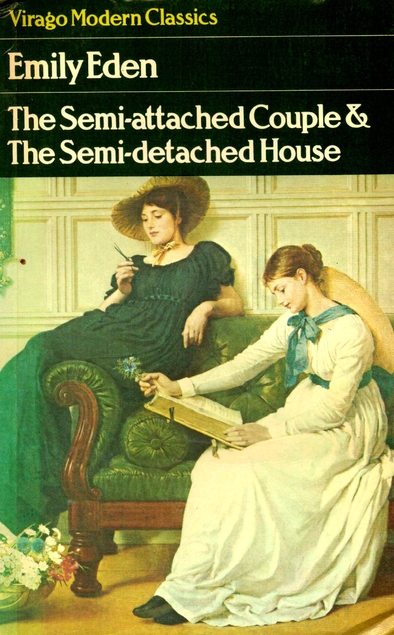


19lyzard
Please note:
Next month, there will be a group read of Anne Bronte's Agnes Grey, for the Virago Chronological Read Project.
Also, it now looks like the group read of the restored edition of Anthony Trollope's The Duke's Children will be happening in November.
All welcome!
Next month, there will be a group read of Anne Bronte's Agnes Grey, for the Virago Chronological Read Project.
Also, it now looks like the group read of the restored edition of Anthony Trollope's The Duke's Children will be happening in November.
All welcome!
22rosalita
Wow, every picture you post of Australia in your thread toppers is more beautiful than the last! I am thoroughly enjoying this virtual tour.
23luvamystery65
Looking forward to Agnes Grey!
26harrygbutler
Happy new thread, Liz!
Is The Curse of Doone the September Mystery League read?
And when are you planning to read Death of a Ghost? That's the next Campion for me, so I might be up for a shared read.
Is The Curse of Doone the September Mystery League read?
And when are you planning to read Death of a Ghost? That's the next Campion for me, so I might be up for a shared read.
27lyzard
Thanks, Julia, Roberta, Paul, Jim and Harry! :)
>22 rosalita:, >24 PaulCranswick:
Glad you like my pictures!
>23 luvamystery65:
Looking forward to having you, Roberta!
>26 harrygbutler:
Not sure yet about September, but it's the next one on the list. (I have to read it on-site at my academic library, so it's a time thing.)
However, Death Of A Ghost is *this* month (a shared TIOLI read with Judy). Love to have you join me!
>22 rosalita:, >24 PaulCranswick:
Glad you like my pictures!
>23 luvamystery65:
Looking forward to having you, Roberta!
>26 harrygbutler:
Not sure yet about September, but it's the next one on the list. (I have to read it on-site at my academic library, so it's a time thing.)
However, Death Of A Ghost is *this* month (a shared TIOLI read with Judy). Love to have you join me!
28harrygbutler
>27 lyzard: October would certainly be fine for The Curse of Doone, Liz. And I'll see if I can dig up my copy of Death of a Ghost in the next couple days, as I have an opening for a crime/mystery read at the moment.
29lyzard
Sounds like a plan! I'll let you know about The Curse Of Doone when I'm a bit more organised.
30lyzard
Finished The Private Life Of Helen Of Troy for TIOLI #2.
Now reading Ruth Fielding In The Red Cross by Alice B. Emerson.
Now reading Ruth Fielding In The Red Cross by Alice B. Emerson.
31Helenliz
Happy new thread!
I have a copy of Agnes Grey from the library all ready to go. Ready when you are. >:-)
I have a copy of Agnes Grey from the library all ready to go. Ready when you are. >:-)
32FAMeulstee
Happy new thread, Liz!
Again lovely places in the pictures at the top, the intense blue of the water on the left picture is so beautiful.
Again lovely places in the pictures at the top, the intense blue of the water on the left picture is so beautiful.
33harrygbutler
>29 lyzard: Hi, Liz! I found my copy of Death of a Ghost, so I'll join you in reading it.
34lyzard
>31 Helenliz:
Thanks, Helen!
I look forward to having you join us.
>32 FAMeulstee:
Hi, Anita - thanks!
>33 harrygbutler:
Excellent!
Thanks, Helen!
I look forward to having you join us.
>32 FAMeulstee:
Hi, Anita - thanks!
>33 harrygbutler:
Excellent!
35lyzard
Finished Ruth Fielding In The Red Cross for TIOLI #13.
Now reading Rolling Stone by Patricia Wentworth.
Now reading Rolling Stone by Patricia Wentworth.
38lyzard

The Mad Monk - This 1931 novel by R. T. M. Scott is an attempt to imagine the childhood of the boy who as an adult would be known to the world simply as "Rasputin", in order to explain some of the events of his later life. As the result of a close encounter with a dying man, a boy grows up with a split personality: at times he reflects the character of the intelligent, erudite Count Grigori Pulaski, at times his own inherently crude, sub-normal personality. After a youth spent within the confines of a monastery, where he is an object of terror to the monks, Rasputin encounters the widow of the dead man, and a strange relationship develops between the two as the Countess recognises her late husband within the enigmatic young man... Though it has some effective elements, The Mad Monk is finally an unsatisfactory work: too aware of real events to let itself be a full-blooded supernatural horror story, too aware that it's just making stuff up to work as historical fiction. Caught between these two stools, it has a variety of strange and disturbing things going on, but never adequately accounts for anything; this determined obliqueness finally grows tiresome. Most of the narrative concerns Rasputin's mediation between the Countess and her dead husband, with this main plot-thread entwined with the Russian soldiery's search for Rasputin after he takes a violent revenge upon the gypsies who attacked and robbed the Countess. Finally cornered, Rasputin is driven to extreme measures to evade arrest; and it is a very strange figure indeed last seen upon the road to St Petersburg...
On his side of the table he pulled out the drawer over which she had bowed her head. Another moment and he had quickly but gently laid upon the table the skeleton of a human hand...
"Old Grigori's hand," Rasputin said with something of fondness in his voice. "It was buried close to the big tree near where the soldiers bivouac. Grigori showed me in the dark while the soldiers slept... You have the emerald ring that Grigori loved so much?" he asked. "The inscription on the ring is 'Marriage in Death'... Bring the ring and place it upon all that is left of his earthly finger."
"It is here on a chain in my breast," she told him in a voice so low that he could scarcely hear.
"From your heart place it upon his dead finger," he directed, "and I shall show you a marvel that will be to you more sacred than your life."
"Surely you cannot be evil," she said in a strange, pleading voice. "Surely you would not harm me!"
"Not now," he answered quickly with a trace of surprise. "I could not harm you; Grigori, your Gregory, guards you. I may have to give my life for you. But there is nothing for you to fear..."
39Matke
Finally caught up here! Amazing reviews from the last thread have made me want to read those Gothic novels; they sound like fun.
And I must get a copy of Towards Zero for my Christie collection. I've been meaning to do that for a while, so thanks for prompting me!
On the other hand, I do believe I'll give The Mad Monk a miss. Sounds dreadful.
I'll be interested in your take on Elmer Gantry when you get to it. I have some mixed feelings about it.
Your threads are very entertaining and informative, Liz.
And I must get a copy of Towards Zero for my Christie collection. I've been meaning to do that for a while, so thanks for prompting me!
On the other hand, I do believe I'll give The Mad Monk a miss. Sounds dreadful.
I'll be interested in your take on Elmer Gantry when you get to it. I have some mixed feelings about it.
Your threads are very entertaining and informative, Liz.
40lyzard
Hi, Gail!
Big fan of Gothic novels here (and looking forward to the time when my blog reading gets me through the "roots" of the genre to the real thing!). It's fascinating watching these first early steps towards a horror literature in Britain, when there was so much resistance at the time to that form of story.
The Mad Monk would have been better if it had been fully fictonalised, instead of a mish-mash of fact and fiction.
But I'll always be a booster for Towards Zero! :D
I've seen the film version of Elmer Gantry but not read the novel before. I'm expecting mixed feelings inasmuch as I always have mixed feelings about Sinclair Lewis.
Aw, thank you! I appreciate your visits very much.
Big fan of Gothic novels here (and looking forward to the time when my blog reading gets me through the "roots" of the genre to the real thing!). It's fascinating watching these first early steps towards a horror literature in Britain, when there was so much resistance at the time to that form of story.
The Mad Monk would have been better if it had been fully fictonalised, instead of a mish-mash of fact and fiction.
But I'll always be a booster for Towards Zero! :D
I've seen the film version of Elmer Gantry but not read the novel before. I'm expecting mixed feelings inasmuch as I always have mixed feelings about Sinclair Lewis.
Aw, thank you! I appreciate your visits very much.
41rosalita
>35 lyzard: It's good to see you plugging away on the Wentworths. I hope that means you are inching closer to being able to take up Miss Silver again?
42lyzard

Death On The Highway - Private investigator Clay Harrison is in the country, giving an invited talk on his work, when his hostess, Miss Julia Docket, asks him to intervene in a local murder. It seems at first a rather sordid matter, one tramp killing another over a small sum of money, but Harrison finds that no-one in the district believes in the guilt of the man known only as 'the Jogger'. This includes the local police constable, though on the evidence he must arrest the man. Harrison learns that Miss Docket leaves the basement of her country house open as a temporary shelter for the district's tramps, and that the dead man was a stranger. From information given him by the other users of the shelter, and by Miss Docket's companion, Miss Rich, Harrison is soon sure there is more to the murder than meets the eye; yet even he, with all his experience, hardly expects that the death of a tramp will bring him into conflict with a dangerous criminal organisation... I was amused and rather delighted when Death On The Highway introduced me to that iconic figure in British crime fiction, "the passing tramp" (as immortalised in the blog of the same name); albeit not in the least surprised when the tramp in question turned out to be merely a fall-guy: "the passing tramp", like "the butler", rarely if ever actually "does it". This third work in Clifton Robbins' Clay Harrison series is an engaging thriller, though it still suffers from the faults of its predecessors: the general fawning attitude displayed towards Harrison by the other characters is tiresome, as is Harrison's interplay with his secretary-assistant, Henry (who isn't nearly as funny as Robbins evidently believed). Robbins again shows his preference for a female villain, which is one of the more interesting aspects of these novels; yet these villains ultimately fail because of their "vanity" and "impulsiveness"; even as Robbins' good women are always on the verge of hysteria, and move the plot along by doing something stupid. (Curiously, this novel contains one significant exception to the last rule in the form of shrewd, generous French cafe owner, Madame: perhaps it's only Englishwomen who are hysterical and stupid?) However, these flaws notwithstanding, Death On The Highway offers an unusual and quite clever plot which carries the reader from the English countryside to the French Riviera, as Harrison tangles with an international gang that specialises in theft, extortion and murder, and which has left a trail of bodies in its wake. Questioning the other tramps who used Miss Docket's shelter on the night of the murder, as well as Miss Docket herself and her companion, Miss Rich, Harrison is soon sure, not only that the dead "tramp" was no such thing, but that the man who spent the night in the shelter and the man found dead in the road were two different people, despite wearing the same clothes. When the dead man's shoes are stolen from the morgue, Harrison realises that his true identity is the key to the crime. Meanwhile, Harrison himself has attracted the attention of Mrs Crewe, an elderly but highly cultured lady visiting the neighbourhood. Over tea, Mrs Crewe and her son and daughter display what Harrison considers a curious degree of interest in the dead tramp. Even so, he is not expecting the reaction he gets when, purely to deflect any more questions, he facetiously links the murder to the operations of an international gang...
"You do not know this coast as I do," answered Madame. "It is fair and lovely to look at. It is Paradise to some. But there are the others. The crooks and murderers and even worse. And they have made this coast their home also."
"And the Crewes?"
"They are of the others," answered Madame. They are clever, oh yes, very clever. They rob and kill, but they are not caught. They have money, they have courage, they have brains. But not all of them. Madame, if I may say so, is clever too... In a flash, before they know, my niece disappears. They ask me. They threaten me. But I do not know. I ask them and I threaten them. They are silent. They cannot answer. If I had not made my niece disappear they would have done so themselves...
"Toulon Harbour is wide. I sometimes say to myself it is the crooks' burying ground. Not once in a while, but week by week, there are bodies washed up in the harbour. Sometimes they are known, often they are unknown. And it is always said that it was an accidental drowning. See," she dashed across to the other counter and brought back a copy of the local newspaper, "here is a little paragraph of two bodies that washed up only yesterday. A little paragraph, that is all. That is the importance of it. It happens so often. But the Crewe people know, and they can smile..."
43lyzard
>41 rosalita:
I'm trying, honest! I still have a couple of intervening books, but I will do my best to catch up. :)
I'm trying, honest! I still have a couple of intervening books, but I will do my best to catch up. :)
45lyzard

Dead Or Alive - After appearing as a supporting character in Patricia Wentworth's 'Benbow Smith' series, Frank Garrett broke out into his own series, beginning with this thriller from 1937. While the two men otherwise have little in common besides their mutual connection with the Foreign Office - Smith is quiet, cultured and sympathetic, whereas Garret is aggressive, blustering and often unpleasant - Wentworth handles Garrett much as she did Smith, that is, by making him a background presence while she foregrounds a plot featuring a young couple in trouble. When Bill Coverdale returns to England after a year spent working in Chile, it is with the hope of marrying Meg O'Hara, who he has loved all his life, and who, after a bitterly unhappy marriage, has been widowed. When Bill visits Meg, however, he is shocked both by the poverty in which she is living, and her state of emotional strain. Meg finally admits to him her conviction that her husband, Robin, is not dead after all... Bill calls upon Frank Garrett, a distant relative of his, for whom O'Hara worked at the Foreign Office. Garrett insists that O'Hara was killed while out of England on a secret mission, and rudely dismisses Meg's belief; arguing that the "evidence" of Robin's unseen visits to her flat are the delusions of a sick mind. Sticking by Meg, Bill tries to discover some reason for these tormenting secret visits beyond Meg's own painful belief that her husband is punishing her for her intention of leaving him, and finds it in a package which O'Hara left to be opened in the event of his proven death... Dead Or Alive is a curious book, with the thriller plot which dominates the second half of the novel coming as a distinct relief after the deeply disturbing portrait of the O'Hara marriage with which we are presented in the first half: an ugly, all-too-believable account of a woman suffering under the tender mercies of a sadistic, controlling man---so that we, too, are able to share Meg's conviction that Robin has faked his own death in order to go on tormenting her: not least by leaving her in a limbo where she is neither married nor widowed - unable to re-marry, as Bill realises in dismay; not even able to obtain probate on her husband's will, though she desperately needs money. (It is rather insulting when the narrative finally soft-pedals Robin's treatment of Meg, in view of his "service to his country".) Bill learns from Frank Garrett that, before he disappeared, Robin had been on the trail of a criminal organisation meddling in international politics and finance. The two men agree that the package he left may hold evidence identifying the conspirators. While pressuring Garrett to produce solid evidence of O'Hara's death, Bill also contacts Meg's only relative, her uncle Professor Henry Postlethwaite, an elderly and extremely absent-minded academic, to try and force him to make financial provision for her. Instead, Meg receives an invitation to live with her uncle in the depths of the country. Though not looking forward to the isolation - or to being separated from Bill - Meg feels she has no choice but to accept---and unknowingly walks into the lion's den...
She wasn't sure it was a burglar. Suppose it was Robin. Horrible to feel you would be more frightened if it was your husband than if it was a burglar. Impossible to risk screaming the house down if it was Robin in there with the torch.
Robin was dead.
She stared into the darkness. How could it be Robin, if Robin was dead? A faintness that was not physical came over her. It was her will, her courage, that was near to fainting. If it was Robin who was there and Robin was alive, what was he doing? What darkness and cruelty was this in which he hid himself? What darkness and suspicion was there in her that she should think him capable of such a thing? She felt an agony of self-abasement. Robin was dead. Whatever had been wrong between them should be blotted out. How vile, how vile, to accuse a dead man in her thoughts---to bring him back from the grave in order to accuse him.
She straightened herself suddenly and stood clear of the door. It was no good. If it was vile to think Robin capable of this, then she was vile. But it was he who had taught her to believe the unbelievable. There was no cruelty and no betrayal which she could not believe of Robin O'Hara...
46rosalita
>45 lyzard: Wow, that one sounds like a wild ride! It's interesting that Wentworth followed the same formula in all three of her series, of having the detective operating more or less in the background. Apparently she was more interested in the personal interrelationships than the mystery-solving. That's no criticism, by the way; as long as you don't go into them expecting a standard mystery plot line, they are quite enjoyable. I was glad to have the heads-up from you before starting the Miss Silver series.
And speaking of the argent lady, I am in no way trying to rush you into resuming the series. We will pick it back up when you're ready, my friend!
And speaking of the argent lady, I am in no way trying to rush you into resuming the series. We will pick it back up when you're ready, my friend!
47lyzard

Death At Windward Hill - When Miss Eugenia Marrender dies, it is not a surprise to anyone: certainly not to Doris Randall, the young nurse tasked with night duties for the terminally ill old lady, who had besides a serious heart condition. When she notices that a number of pills are missing from a vial near the bed, Doris leaps to the conclusion that Miss Marrender has taken her own life; and, her thoughts wholly on the possible impact of a scandal on the career of handsome young Dr Perry Stuart, she impulsively conceals the fact. And indeed, Doris's examination of the body is so perfunctory, she fails to notice that Miss Marrender has been shot dead... By the time the truth is discovered, Doris Randall has left the house with what the police consider suspicious promptitude---and subsequently disappeared. With his resources already stretched elsewhere, Deputy-Inspector Tim Asher requests the help of private investigator, Richard Stowe, who finds himself pondering why anyone would murder a dying woman? - until he learns about the strained relationship between Miss Marrender and her nieces and nephews, the strange ascendancy of her oddly cultured manservant, Cubbage, and her plan to change her will... This 1931 mystery by Helen Joan Hultman has one major flaw, albeit not an uncommon one: this is one of those mysteries that, despite having its murder committed in an isolated location in the middle of the night - and the proverbial "dark and stormy night", no less - manages to have every one of a numerous group of suspects on the spot at the time of the crime, sneaking in and out of the house and grounds for reasons of their own. However, if you can swallow this, Death At Windward Hill is a pretty good mystery; one that, with its tortuous comings and goings, functions as a kind of elaborate logic problem, with the suspects variously accusing and alibiing each other through their shifting accounts of their own movements. It also concludes with an absolutely text-book "gathering of the suspects"; although that scene ends in a way I haven't encountered before. Another positive aspect of this novel is that Richard Stowe's partner in his detective business is his wife, Laura; and although she is not present for the entire story, she shows up late in the narrative to play a significant part in its conclusion. (Somewhat disappointingly, Hultman does not seem to have turned the Stowes into series characters.) Miss Marrender's large fortune and antagonistic relationship with her relatives are complications enough; but Richard Stowe must also consider the motives not only of the immediate family - William and Sally Marrender; Katherine Latimer and her sister, Francesca Penrose; and Eugene Tracy - but those connected with it: Dr Stuart, notoriously involved with the married Katherine; Janet Wilcox, who is devoted to Eugene; and Doris Randall and Cubbage, whose behaviour at the time of the murder is enough to draw suspicion upon them. Cubbage, indeed, is the first suspect; until he, too, is found dead, of an overdose of pills. Is this a confession? - or a second murder? And if the latter, was it committed by the same hand?
Dick moved on to the farther end of the room... At his right hand were Francesca, Dexter, and Will Marrender. Directly behind the latter Laura hovered. Upon his left Mrs Latimer, Sally and Eugene Tracy were seated. Dick slid his eyes from one guarded face to another. Francesca Penrose was not the only skilled actress in the family connection, he was thinking.
Stowe began to speak. "You have been called here to face a grave family crisis. Before you are asked to make a decision, you must all know all that is known. A part of what I shall tell you is already known to you all; parts are known to some of you individually; but none of you know all the circumstances. What I must say will not be pleasant, at times, for any of you. That is the reason Mr Dexter is present. He will serve as a witness---an unprejudiced, disinterested witness, let us hope. There is some one of you who can corroborate every statement that I shall make."
Dick Stowe paused briefly, but no one in the room stirred except Marrender, whose fingers drumed unevenly on the arm of his chair.
"Every crime," Dick's steady voice continued, "calculated or unpremeditated, has its roots in past events. You have just now heard for yourselves the remote cause of the violent death of Eugenia Marrender..."
48lyzard
>46 rosalita:
Neither Smith nor Garrett is ever a "main" character - the main characters consult them and are advised by them - whereas Miss Silver is at least involved directly in the action. (Usually, anyway.)
Yes, if you're used to the more standard mystery structure, Wentworth's books can be disconcerting; even annoying, if you don't happen to like romance in your mysteries; but once you get your head around the fact that this is just what she does, it's fine and often very gripping.
Well, I had meant to be caught up by now, so it's on me, not you. If I can get through them quickly (TIOLI permitting, of course!), I will. :)
Neither Smith nor Garrett is ever a "main" character - the main characters consult them and are advised by them - whereas Miss Silver is at least involved directly in the action. (Usually, anyway.)
Yes, if you're used to the more standard mystery structure, Wentworth's books can be disconcerting; even annoying, if you don't happen to like romance in your mysteries; but once you get your head around the fact that this is just what she does, it's fine and often very gripping.
Well, I had meant to be caught up by now, so it's on me, not you. If I can get through them quickly (TIOLI permitting, of course!), I will. :)
49rosalita
>48 lyzard: I think what makes me consider Miss Silver to be in the background maybe more than she actually is has to do with the fact that so little of each book's story is told from her point of view, certainly compared to the modern mysteries I read where the story revolves around the actions of the detective, and in fact is often told in the first person from his/her perspective. I'll concede that Miss Silver DOES things, but sometime she does them "off-camera" and even when she acts in front of us, we see the action from the side. At least that's been my perception in the first few we've read so far.
50lyzard
No, you're right; that's a very good observation.
Usually in that situation we have a "Watson" to speculate about what's going on but with Miss Silver there's rarely a conduit between her thoughts and the reader.
Usually in that situation we have a "Watson" to speculate about what's going on but with Miss Silver there's rarely a conduit between her thoughts and the reader.
51lyzard

When Rogues Fall Out (US title: Dr Thorndyke's Discovery) - Superintendent Miller calls upon Dr John Thorndyke to make a shocking revelation: his colleague, Inspector Badger, has been murdered, and all resources are being mobilised to find the killer. Thorndyke willingly joins the investigation, and accompanies Miller to the railway tunnel where Badger's mangled body was found upon the tracks. Miller explains that Badger, whose tenacious memory for faces was a by-word at Scotland Yard, was on his way to identify a criminal caught in a general round-up. However, the man managed to escape police custody; the theory is that the red-headed individual seen entering Badger's train compartment was the criminal in question, and that he killed the inspector to avoid being identified. When Thorndyke examines the body, however, he notices that there are no defensive wounds, no sign of a struggle. Moreover, a half-smoked cigar at the scene suggests that Badger was off his guard before his death... When Rogues Fall Out is a curiously mixed but interesting work. It begins like one of R. Austin Freeman's "inverted" mysteries, with its first few chapters describing the formation, and dissolution, of a criminal partnership; it then shifts to a grim narrative of a murdered police officer, before becoming a cautionary tale about the dangers of official tunnel-vision, when Miller ignores Thorndyke's warnings against becoming obsessed with the escaped criminal and suffers the consequences. A seemingly unrelated matter, which finds Thorndyke being consulted by a country solicitor on a difficult point of law, finally brings matters to a head---and unexpectedly reveals When Rogues Fall Out as a belated sequel of sorts to the very first Thorndyke mystery, The Red Thumb Mark; and in fact, if you haven't read that, you shouldn't read this. This latter situation allows for all sorts of narrative call-backs: for example, Thorndyke's associate, Dr Jervis, met his wife during that early case, and Julia puts in a brief but vital appearance; while the same case should have - but evidently did not - teach Superintendent Miller the dangers of taking things at face-value. Miller's fixation leads him to overlook what Thorndyke has seen only too clearly: the resemblance between the current case and that much earlier one; a resemblance which suggests they may be on the trail of an old adversary...
Then the motive showed a like similarity in the two cases. When he had tried to murder Thorndyke (by means of a poisoned cigar) his motive was to get rid of the only person who suspected him. As to the motive for the murder of Badger, Miller was almost certainly right, although he had guessed wrong as to the identity of the murderer. Badger's uncanny memory for faces had made him a dangerous enemy...
Finally, taking the whole set of facts together, the similarity of the two cases was very striking. In each crime, the criminal act had been preceded by a careful preparation to incriminate an innocent person. There had been a systematic scheme of false evidence, thought out and arranged in advance with remarkable completeness and ingenuity, before the criminal had committed himself. Thus, as a whole and in detail, the murder of Inspector Badger virtually repeated a crime which was known to me, and which was utterly unlike any other crime of which I had ever heard. Reluctantly, I had to admit that I had been distinctly "slow in the uptake"...
52lyzard

The Beachcomber - This is the third work in the interesting yet often exasperating series of novels by William McFee featuring Chief Engineer, Fred Spenlove (clearly the author's alter-ego). McFee is often spoken of as a successor to Joseph Conrad, but his books, though set at sea, are more about the men and women who sail than the sea itself. Spenlove - who prefers the sea to the land, and his engines to people - is a detached narrator, usually recounting someone else's experiences to a patient listener. In this case his subject is Sidney Nevile, a younger officer whom he has known and worked with for many years, and who at one time he thought of as a surrogate son; his auditor is Mrs Kavanagh, an Irish-American writer of mysteries looking for plots and "local colour". Nevile is "the beachcomber" of the title: a word used not in the usual sense, but in scorn, to indicate a man who has given up the sea for a job ashore. Spenlove recounts to Mrs Kavanagh the many twists and turns that drove Nevile from the sea, and finally brought him back again... While the Spenlove novels display a passion both for the sea and for human nature, they are also aggravating for their constant subtext of, Women: it's all their fault---even though, invariably, it is their female characters who suffer and even die, while the men whose lives they've "ruined" walk away and start over. Such is the case here: the first half of The Beachcomber deals with Nevile's encounters with a series of women who, when unable to get from him what they want, take a spiteful revenge (women are like that, dontcha know): it is this which costs Nevile his command, and leaves him "cast up" on shore. The second half, meanwhile, recounts Nevile's relationship with the elusive Athalie Rhys, and the devolution from a mutual conviction of passionate, eternal love to misunderstanding, estrangement and tragedy. The novel as a whole winds its way back and forth across the years, even as it moves from sea to land and back again, and from England to America to the West Indies. The Beachcomber's jigsaw-puzzle structure, and the slow revelation of Athalie's unhappy life, hold the interest but, as often with these novels, the reader is left chiefly with a sense of futility.
Mrs Kavanagh smoked fast, so that her cigarette glowed like fire in the shadow. "Look," she said, and nudged Mr Spenlove with her elbow. "Now they're coming this way after all. Who's that he's got?"
Mr Spenlove, who had been absorbed in the contemplation of the sea by night as he explored his memory, came back to reality and gazed about him. He heard the steady thrill of the hull as her propellers thrust her through the Gulf Stream. The slow rise and fall of the deck in the swell, the medley of faint echoes that rose from the ship's interior, told him that everything was going well. And it pleased him, at such times, to explore with the flashlight of his intelligence the darkness of human destiny, to pass an appraising hand over the bright tinsel of human folly.
He saw young Captain Nevile with that girl again. They passed, he with his hand holding her arm, his head bent to hers. She, with her face raised in rapt pleasure, took one or two quick steps on tiny feet to reach the after rail, and there they were silhouetted, for the people in the two chairs, faintly against the sea and sky. As they stood the girl raised her arms in a high wide embrace of something invisible, a gesture Mr Spenlove learned to know very well in the future. There was something of ecstasy in it, even in the luminous darkness of the deck and the darkness, also luminous, of his mind concerning her...
53lyzard

The House Of Terror - The unpleasant and reclusive Rupert Dykeminster is found murdered in his country house, Cleeson Manor. Police suspicion initially falls upon wandering artist, George Fenchurch, who admits being at the scene; but when it is discovered that Dykeminster's much-abused dwarf servant, Pedmore, has disappeared, an alternative explanation presents itself. The dead man's house and fortune are bequeathed to Alicia Dykeminster, a young relative, because of a past at of kindness. Struggling with poverty, Alicia is stunned by her sudden windfall; she rejoices not only in the revolution in her life, but the opportunity it gives her to repay the many favours she has taken from her friend, Veronica Starling. However, almost immediately, Alicia begins receiving mysterious warnings to stay away from Cleeson Manor---or else... Though it opens with a murder, this 1929 novel by Edward Woodward is less a mystery than an Edgar Wallace-like thriller, complete with death by blow-dart, a tussle for possession of a secret formula, sinister servants and people with multiple identities, and a narrative that unexpectedly jumps from England to Spain; while its central plot, concerning the persecution of Alicia Dykeminster, gives it some resemblance to the Gothicky, woman-in-peril novels that became popular two or three decades later (which probably explains why The House Of Terror was reissued in the 1960s). Learning that Cleeson Manor has been bequeathed to her on condition that she occupy it, and that she do her part to restore the Dykeminster name, Alicia is determined not to be driven away from her inheritance despite the warnings and threats received at regular intervals. Frightened but stubborn, Alicia becomes increasingly uncertain about who she can trust. In particular, though she is strongly drawn to George Fenchurch, who has taken a cottage in the neighbourhood, she sees that he is still the object of grave police suspicion. Is he attracted to her, as she has secretly hoped? - or is he manipulating her to gain access to her house's secret? When Veronica is kidnapped and held to ransom, the price being her surrender of her inheritance, Alicia is in despair---but if she is surrounded by enemies, she also has more friends close at hand than she realises...
What was she to do---for herself, and for Veronica? She must do something to save her friend, and yet she felt utterly helpless. Who was there to whom she could turn? Nicholson?---She mentally flinched from the young lawyer's examining eyes. Deepwood?---He had already proved himself one of the enemy. Fenchurch?---And here an added anxiety thrust is leering face into hers; at the moment when Fleeson had come onto the veranda and Fenchurch had handed him the odious message left behind by the abductors, she had seen mutual understanding in their exchange of glances. Were these two men privy to the plot of terrifying her from the Manor?
She thought of the dour housekeeper, Deborah Martuke; how anxious she had been to stay in Veronica's room on the night of the dwarf Pedmore's appearance...it looked as though there was collusion of some sort there... Perhaps the abduction had been planned for that night and had been frustrated by her insistence to remain with her friend. Oh Heaven! Who was there she could trust?
56jnwelch
Oh, The Nine Tailors is a favorite.
58jnwelch
>57 lyzard: Hi, Liz!
When my non-mystery-reading wife (then girlfriend) asked me to recommend a mystery for her to try, to see whether she would like them, that's the one I picked (The Nine Tailors). She has had mysteries in her reading diet ever since.
When my non-mystery-reading wife (then girlfriend) asked me to recommend a mystery for her to try, to see whether she would like them, that's the one I picked (The Nine Tailors). She has had mysteries in her reading diet ever since.
59harrygbutler
Hi, Liz! Are you planning to read The House Opposite anytime soon? I've already read it and am looking forward to reading the next, but if it's a series you plan to tackle this fall, I could (probably :-) ) hold off on Murderer's Trail until a shared read is possible.
60lyzard
>58 jnwelch:
Big recommendation! :)
>59 harrygbutler:
Define "anytime soon". :D
No immediate plans, no. My current focus is on Patricia Wentworth, getting through the intervening books so we can re-start Miss Silver.
I could try to squeeze in The House Opposite, I guess, but if you're keen to go ahead don't wait for me.
Big recommendation! :)
>59 harrygbutler:
Define "anytime soon". :D
No immediate plans, no. My current focus is on Patricia Wentworth, getting through the intervening books so we can re-start Miss Silver.
I could try to squeeze in The House Opposite, I guess, but if you're keen to go ahead don't wait for me.
62Matke
A few bb's here, Liz. Death at Windward Hill looks like a winner. I may have an omnibus volume of Austin Freeman on the kindle, but did add those two books just in case...and House of Terror appeals to my love of the odd--the character Pedmore indicates that the book has promise.
I'll be giving The Beachcomber a big fat miss, though. No need to annoy myself.
I'll be giving The Beachcomber a big fat miss, though. No need to annoy myself.
63lyzard
Hi, Gail - whoo!! :D
Death At Windward Hill is available through the HathiTrust. I found it very engaging, better than the only other book by Hultman that I've read, Murder In The French Room (although that is interesting for having a female store detective as its central character).
I'm a big fan of the Thorndyke novels, though that latter few have had less medicine and science that I like. As a series they are fascinating for covering all the years from gaslight London up to WWII. These two books are explicitly related, but while most of them don't do that there are often callbacks, so you're best reading them - yes, you guessed it! - in order.
As far as Pedmore is concerned, "odd" is putting it mildly!
Oh, yes...The McFee books are well-written and interesting, but there's always those exasperating undertones. They nearly always end depressingly, too...so I suppose you'd call them "literary fiction". :)
Death At Windward Hill is available through the HathiTrust. I found it very engaging, better than the only other book by Hultman that I've read, Murder In The French Room (although that is interesting for having a female store detective as its central character).
I'm a big fan of the Thorndyke novels, though that latter few have had less medicine and science that I like. As a series they are fascinating for covering all the years from gaslight London up to WWII. These two books are explicitly related, but while most of them don't do that there are often callbacks, so you're best reading them - yes, you guessed it! - in order.
As far as Pedmore is concerned, "odd" is putting it mildly!
Oh, yes...The McFee books are well-written and interesting, but there's always those exasperating undertones. They nearly always end depressingly, too...so I suppose you'd call them "literary fiction". :)
64harrygbutler
>60 lyzard: That's OK. I just figured I'd check in case you were aiming to move through the series in the near term. I've enjoyed my time with Ben so far, and I'll probably work my way through the rest at a pace of about one per month.
>63 lyzard: Murder in the French Room is one of the Mystery League books I've yet to get.
Have you read any of Zelda Popkin's books about Mary Carner? She's a store detective in the first, Death Wears a White Gardenia, which has a very good cover in the Dell mapback:

I don't recall whether she remains a store detective for the whole series. The other one I've read so far has a very different setting, but I can't recall whether she was on vacation from the store or had left its employ.
>63 lyzard: Murder in the French Room is one of the Mystery League books I've yet to get.
Have you read any of Zelda Popkin's books about Mary Carner? She's a store detective in the first, Death Wears a White Gardenia, which has a very good cover in the Dell mapback:

I don't recall whether she remains a store detective for the whole series. The other one I've read so far has a very different setting, but I can't recall whether she was on vacation from the store or had left its employ.
65lyzard
>64 harrygbutler:
I'm not sure how this month will be ending: I should be wrapping up my last 'compulsory' book today, my monthly Christie, and after that I have either some straight fiction or some non-fiction I might tackle; or then again it might turn out I just feel like more mysteries---it's been known to happen!
So we'll see.
I still have my copy of Murder In The French Room; if you haven't found one by that time, I would be happy to send it on to you.
I haven't read any Zelda Popkin, but she's now on The List. {Heavy sarcasm} Thanks for that! {/Heavy sarcasm} :D
I'm not sure how this month will be ending: I should be wrapping up my last 'compulsory' book today, my monthly Christie, and after that I have either some straight fiction or some non-fiction I might tackle; or then again it might turn out I just feel like more mysteries---it's been known to happen!
So we'll see.
I still have my copy of Murder In The French Room; if you haven't found one by that time, I would be happy to send it on to you.
I haven't read any Zelda Popkin, but she's now on The List. {Heavy sarcasm} Thanks for that! {/Heavy sarcasm} :D
66lyzard

I have blogged about Julia De Roubigné by Henry Mackenzie, an epistolary novel from 1777 that was an important pushback against the extravagant sentimental novels of the time, and was also one of the earliest works of fiction to take a stance against slavery.
This one became a two-parter:
Julia de Roubigné (Part 1)
Julia de Roubigné (Part 2)

68rosalita
>67 lyzard: Maybe the lemur was just startled to see you publish a blog post?
*ducks and runs for cover*
*ducks and runs for cover*
69lyzard
Excuse me, this makes three in the last three weeks! - a record I expect will stand for some time... :)
70rosalita
>69 lyzard: I sit duly corrected and chastened! You are a blogging machine, and your prolific output is what startled the lemur!
73harrygbutler
>65 lyzard: Thanks for the offer! I'll let you know if I have trouble locating Murder in the French Room.
My Christie reading stalled but will probably resume next month. My next mystery is most likely Murder in the Tomb, which I may start today.
My Christie reading stalled but will probably resume next month. My next mystery is most likely Murder in the Tomb, which I may start today.
74lyzard
As you can see, I'm still plugging away at the Wentworths in the hope of getting back to Miss Silver! :D
75souloftherose
Hi Liz!
>67 lyzard: Just spent 5 mins googling to see if I could identify the type of lemur. Some close friends spent a couple of years working in Madagascar for an NGO and I went out to visit them and we did the tours of the national parks. My favourite lemurs were the indri which are huge yet still manage to leap between trees incredibly fast. And they make the most incredible calls. Anyway, slight digression.
>67 lyzard: Just spent 5 mins googling to see if I could identify the type of lemur. Some close friends spent a couple of years working in Madagascar for an NGO and I went out to visit them and we did the tours of the national parks. My favourite lemurs were the indri which are huge yet still manage to leap between trees incredibly fast. And they make the most incredible calls. Anyway, slight digression.
76lyzard
Hello, stranger. :)
Oh, wow...I am SO jealous! I love lemurs and would adore a chance to see them close up.
Oh, wow...I am SO jealous! I love lemurs and would adore a chance to see them close up.
77lyzard
So---a shout out to Harry and Julia:
I can resume the Miss Silver reads in September if that suits you both, or we can leave it until October, but I do need to know now because it will be an ILL for me---preferences?
I can resume the Miss Silver reads in September if that suits you both, or we can leave it until October, but I do need to know now because it will be an ILL for me---preferences?
78harrygbutler
>77 lyzard: I'm neutral on the question. :-) Julia?
79rosalita
>77 lyzard: How exciting! I'm happy with either timeline, so whatever works best for you, Liz.
80lyzard
Tell you what---I'll place my ILL and then it will be a matter of when it turns up. (Most likely September but I did have a nasty slow one recently.)
81lyzard
Finished Who Pays The Piper? for TIOLI #8, and that will be August done.
Now reading Agnes Grey by Anne Brontë, in preparation for the Virago Chronological Read Project group read.
I will be setting up the thread for that tomorrow - all welcome! (Though no hurry about starting.)
Now reading Agnes Grey by Anne Brontë, in preparation for the Virago Chronological Read Project group read.
I will be setting up the thread for that tomorrow - all welcome! (Though no hurry about starting.)
82lyzard
The thread for the group read of Agnes Grey is now up - here.
86lyzard

Death Of A Ghost - Due to his friendship with Belle Lafcadio, the elderly widow of renowned artist John Lafcardio, Albert Campion is present for the preparations for the posthumous showing of a painting---one of twelve which Lafcadio left to be exhibited, one at a time, long after his death. He is therefore aware both of the peculiarity of the household - which includes two of the artist's former models, and various other hangers-on - and the tension between granddaughter Linda Lafcadio and her former fiancé, Teddy Dacre, whose relationship ended when the latter married his Italian model in order to bring her into the country. The exhibition, managed by Lafcadio's strutting, egotistical artistic executor, Max Fustian, is shaping as a great success when the lights go out---and by the time they go on, Teddy Dacre is dead, fatally stabbed with a pair of scissors... Few of the novels in Margery Allingham's Albert Campion series are conventionally structured mysteries, and though for a time it seems as if Death Of A Ghost is shaping to buck this trend, about halfway through the narrative this mystery takes a dark turn into the realm of the psychological thriller. In the wake of Teddy Dacre's murder, the police focus upon the obvious suspect, Linda Lafcadio. Campion, however, believes Linda's asseveration of innocence, and begins to investigate who else may have had a motive---particularly in light of the self-evidently unpremeditated nature of the crime. The eccentric personalities and relationships that make up the extended Lafcadio household, and the warring egos that surround John Lafcadio's legacy as an artist, all play their part in complicating the investigation. Before long, however, Campion is quite sure who the murderer is---but is entirely unable to prove it, even when a second death follows the first, and even after Campion succeeds in bringing his friend, Inspector Oates, to his way of thinking; while a desperate chase to secure the necessary evidence finds the killer always one step ahead. Campion is contemplating the unthinkable, that the double murderer might get away with it, when he realises to his horror that a third killing is on the cards---and can think of no other way of preventing it than by making himself a target...
"Motive and doubtful circumstantial evidence aren't enough," said the Inspector gloomily, "much less the mixture of conjecture and suspicion we've cooked up. Besides, there may not be a motive."
"What d'you mean?" The words had crystallised a fear which Campion had been fiercely refusing to recognise.
The Inspector met his eyes for an instant. "You know what I mean. Nothing sufficient, not a sane motive... I admit it's a disturbing thought, but you know as well as I do that when someone of that age and type suddenly becomes a killer it means something's gone radically wrong with his sense of proportion. The cleverer he is the later we get him."
"Then you don't think we can do anything now?" Campion's tone was lifeless.
"No," said the Inspector. "No, my boy, he's been too neat. We must wait."
"Good God, what for?"
"Next time. He won't stop at this. They never do. The question is, who is going to annoy him next?"
87lyzard
Best-selling books in the United States for 1926:
1. The Private Life of Helen of Troy by John Erskine
2. Gentlemen Prefer Blondes by Anita Loos
3. Sorrell and Son by Warwick Deeping
4. The Hounds of Spring by Sylvia Thompson
5. Beau Sabreur by P. C. Wren
6. The Silver Spoon by John Galsworthy
7. Beau Geste by P. C. Wren
8. Show Boat by Edna Ferber
9. After Noon by Susan Ertz
10. The Blue Window by Temple Bailey
1926 finds American readers lightening up a bit.
That's a generalisation, though: the war and its aftermath still linger, particularly (understandably) in novels out of Britain. Sylvia Thompson's The Hounds of Spring is about a family torn apart by the conflict and grief; while Warwick Deeping's Sorrell And Son is about a wounded veteran, deserted by his wife, who makes raising their son his life's work. John Galsworthy's The Silver Spoon, meanwhile - one of his "Forsyte Saga" novels - is a generation-gap story about changing social mores in the post-war era.
Both romantic dramas, Susan Ertz's After Noon is about a mid-life second marriage; while Temple Bailey's The Blue Window is about a girl learning a family secret after her mother's death.
P. C. Wren makes the list twice with his romantic adventure stories: Beau Geste, his most famous novel (certainly the most filmed), is about three British brothers who join the French Foreign Legion; while Beau Sabreur is about political intrigue in colonial French Africa---with its subplot about an Islamist splinter group giving it contemporary interest.
Like Beau Geste, Edna Ferber's Show Boat, about a girl growing up as a member of her father's riverboat-based theatrical group is perhaps better known these days via its film adaptations.
Though overtly as different as they could be, the top two books on 1926's best-seller list in fact have an amusing amount in common: they both take the position that "blondes have more fun", and they both spend a great deal of their content contemplating s-e-x.
Anita Loos' Gentlemen Prefer Blondes is a short comic novel about the misadventures of gold-digger Lorelei Lee; like Beau Geste and Show Boat it is probably better known via its film adaptation, famously starring Marilyn Monroe, though the two are quite different.
The #1 book on the list is one of the most unexpected best-sellers so far, John Erskine's The Private Life of Helen of Troy, the story of what happened after Helen went home again...
1. The Private Life of Helen of Troy by John Erskine
2. Gentlemen Prefer Blondes by Anita Loos
3. Sorrell and Son by Warwick Deeping
4. The Hounds of Spring by Sylvia Thompson
5. Beau Sabreur by P. C. Wren
6. The Silver Spoon by John Galsworthy
7. Beau Geste by P. C. Wren
8. Show Boat by Edna Ferber
9. After Noon by Susan Ertz
10. The Blue Window by Temple Bailey
1926 finds American readers lightening up a bit.
That's a generalisation, though: the war and its aftermath still linger, particularly (understandably) in novels out of Britain. Sylvia Thompson's The Hounds of Spring is about a family torn apart by the conflict and grief; while Warwick Deeping's Sorrell And Son is about a wounded veteran, deserted by his wife, who makes raising their son his life's work. John Galsworthy's The Silver Spoon, meanwhile - one of his "Forsyte Saga" novels - is a generation-gap story about changing social mores in the post-war era.
Both romantic dramas, Susan Ertz's After Noon is about a mid-life second marriage; while Temple Bailey's The Blue Window is about a girl learning a family secret after her mother's death.
P. C. Wren makes the list twice with his romantic adventure stories: Beau Geste, his most famous novel (certainly the most filmed), is about three British brothers who join the French Foreign Legion; while Beau Sabreur is about political intrigue in colonial French Africa---with its subplot about an Islamist splinter group giving it contemporary interest.
Like Beau Geste, Edna Ferber's Show Boat, about a girl growing up as a member of her father's riverboat-based theatrical group is perhaps better known these days via its film adaptations.
Though overtly as different as they could be, the top two books on 1926's best-seller list in fact have an amusing amount in common: they both take the position that "blondes have more fun", and they both spend a great deal of their content contemplating s-e-x.
Anita Loos' Gentlemen Prefer Blondes is a short comic novel about the misadventures of gold-digger Lorelei Lee; like Beau Geste and Show Boat it is probably better known via its film adaptation, famously starring Marilyn Monroe, though the two are quite different.
The #1 book on the list is one of the most unexpected best-sellers so far, John Erskine's The Private Life of Helen of Troy, the story of what happened after Helen went home again...
88lyzard

John Erskine was born in New York in 1879, and from the beginning of his education was devoted to academia and literature. He taught at Amherst, Columbia and the University of Chicago where from the earliest days of his career he pushed for a return to a greater focus upon the classics, eventually playing a leading role in "the Great Books Movement" and the selection, collation and publication of the so-called "Great Books Of The Western World".
In addition to his academic career, John Erskine was an accomplished composer and musician, who served as the first president of the Juilliard School of Music before becoming director of the Metropolitan Opera Association.
Erskine was a prolific writer, publishing essays, text-books and biographies, as well as editing volumes of poetry; he was also a novelist, drawing upon his vast classical knowledge in a series of humorous reworkings of various myths and legends. A number of them were adapted into films, and this paved the way for yet another side-career as a subtitler, providing English language translation for a number of French films. Erskine was also one of the writers involved in The President's Mystery, in which a story provided by Franklin D. Roosevelt was turned into a serial story for Liberty Magazine.
Erskine's public reputation as a writer reached its peak in 1925, with the critical and popular success of his novel, The Private Life Of Helen Of Troy, which went on to become America's best-selling novel of 1926.
89lyzard

The Private Life Of Helen Of Troy - At the end of the Trojan War, Menelaus confronts his erring wife, Helen, fully intending to kill her---but in the face of her extraordinary beauty finds himself unable to do so. Instead, he carries her home to Sparta, and the two begin an uneasy domestic existence disrupted by suspicion, parental difficulties and disagreement, and family upheaval... John Erskine's best-selling 1925 novel, in which the reader learns what happened to Helen of Troy after the part of the story that everyone knows, is basically an erudite joke---a clever one, granted, though perhaps one dragged out a bit longer than it should have been. The bulk of the narrative finds a completely unrepentant Helen expounding her theories of life, and various conventionally moral people, while evincing shock and offence, discovering a great deal more truth in her words than they are willing to admit. John Erskine finds much humour in the hypocrisy and posturing that surrounds the devastatingly frank Helen, in her effortless manipulation of the people around her - Menelaus in particular - and in the behaviour of the men who are one and all ready and eager to condemn her---until they get a good look at her. Around this central thread, Erskine builds the story of Agamemnon and Clytemnestra (Menelaus' brother and Helen's sister), and their children, Orestes and Electra. His narrative ploy is to present the unfolding bloody tragedy in the form of a Greek drama---which is to say, it all happens "off-stage", while the reader is confronted with the main characters' reactions. Here, too, Erskine finds a great deal of black humour in the situation: just what is the appropriate response when your sister murders your husband's brother and is then murdered by her son, who happens to be your daughter's fiancé? For the pragmatic Helen, the answer is to accept the new reality and just move on... Though it is certainly not without either literary merit or simple entertainment value (particularly for those who know their classical history), the best-seller status of The Private Life Of Helen Of Troy is curious to contemplate, particularly given the novel's inclusion of numerous long talky scenes of people hashing over Helen's personal philosophy. While the way in which John Erskine makes "the classics" accessible may have had something to do with it, I suspect another, and more prurient, reason. Like the previous year's best-seller, Soundings, The Private Life Of Helen Of Troy spends a lot of time talking about love---and sex; while in this case, with the novel's setting and background as an excuse, the characters behave in a manner that, were they presented in a contemporary setting, would have gotten the novel "banned in Boston", as they say. And while I may be doing American readers of the time an injustice, it seems to me that a large measure of John Erskine's success was due to him giving people a tasteful excuse to read a racy novel.
"If you could not have done otherwise," said Orestes, "you are logically not to blame for the miseries that followed. It's an ingenious point of view, but I don't think it will hold. Who is responsible for it all?"
"I've often wondered," said Helen, "but I still don't know. I could make an argument to show it was Menelaus' fault, but then I should have to explain Menelaus, and the deeper you get in, the more difficult it is. That is why I have learned to accept a thing once done, as done; we must take the consequences, but there's no sense in debating it as though it were still to do, and I am disinclined to pass judgement on the doer."
"That's a most upsetting doctrine! That would leave all wrongdoers unpunished!"
"Never---unless you feel there is nothing ethical in life itself. I still like to believe you can find out whether an action is right or wrong by doing it---that a right action has better results."
"Of course, in general," said Orestes. "But in the practical world, in society, you've got to distinguish between criminals and others."
"I'd like to," said Helen, "but I doubt if anyone can---that is, not until you have a long time to watch the result of their lives. Take yourself, for example: I don't know whether you are a murderer or an unusually dutiful son."
"I tried to do my duty," said Orestes, "but what I did makes me fiendishly unhappy."
"Exactly," said Helen. "You are probably something of both---I meant to say, your deeds were both bad and good. You acted from the highest motives you had, but maybe they weren't high enough. Your morals are beyond criticism, but perhaps your information was inadequate. I notice that most people feel they may safely act when they know they are right. It strikes me, after a few experiments, that when we are sure we are right we had better be careful..."
90swynn
>89 lyzard: I had also guessed that the changes in social mores following a foreign war probably resonated with its mid-1920s audience.
But sex, yeah. Even if it's just talking about sex.
But sex, yeah. Even if it's just talking about sex.
91lyzard
>90 swynn:
I don't know that the mores really change, though; it's just Helen forcing her alternative view on everyone else. But I suppose 20s readers may have taken that away from it.
But, yeah---I'm seeing these books as the Peyton Place of their day! :D
ETA: ...and Elmer Gantry! - illicit sex in a religious setting, better yet!
I don't know that the mores really change, though; it's just Helen forcing her alternative view on everyone else. But I suppose 20s readers may have taken that away from it.
But, yeah---I'm seeing these books as the Peyton Place of their day! :D
ETA: ...and Elmer Gantry! - illicit sex in a religious setting, better yet!
93lyzard

Ruth Fielding In The Red Cross - The entry of America into WWI finds Ruth Fielding and her friends, Helen and Tom Cameron, determined to serve their country. Tom enlists, a decision which brings the feelings that he and Ruth have for each other into focus; while Helen has the opportunity to travel to France with her businessman father, who has a government position. Ruth begins working for the Red Cross, with her dedication and managerial skills making her a valuable acquisition, and paving the way for her to gain a position in a hospital near the front lines... This 13th book in the Ruth fielding series is a curious work, trying to hold onto the structure of the series even while placing its characters in a war zone. Thus we find Ruth dealing with a mystery of sorts; but rather than sorting out a small puzzle that will end in the headmistress's office, she is confronted with embezzlement, profiteering and espionage, which brings her into contact with the French Secret Police. The use of the Red Cross in this short novel is curious, highlighting the doubt which greeted it in America as a non-religiously affiliated organisation, but working to allay the various prevailing suspicions. Ruth herself is wholly dedicated to its principles, so much so she pays her own way to France to occupy a hospital position which grants her the opportunity, in addition to her management duties, to work with the wounded men, reading to them and helping them with their correspondence, as well as doing night-duty in the wards. Ruth's courage is most sorely tested, however, when the delivery of a dirty, blood-stained letter and a garbled message indicate that Tom Cameron may have been seriously wounded---or worse...
There were no American troops in the battle line, as yet, Ruth well knew. But their officers, in small squads, were being sent forward to learn what it meant to be in the trenches under fire. And Tom had been caught in this sudden attack! Evacuated to Lyse! The field hospitals, as well as this one at Clair, were overcrowded. It was a long way to take wounded men to Lyse to be operated upon.
“Operated upon!” The thought made Ruth shudder. She turned sick and dizzy. Tom Cameron crippled and unconscious! An arm torn off! A cripple for the rest of his life!
She looked at the bloody fingerprints on the envelope. Tom’s blood, perhaps.
He was being taken to Lyse, where nobody would know him and he would know nobody! Oh, why had it not been his fate to be brought to this hospital at Clair where Ruth was stationed?
There was a faint call from one of the patients. It occurred twice before the girl aroused to its significance. She must put aside her personal fears and troubles. She was here to attend to the ward while the regular night nurse was engaged elsewhere.
Because Tom Cameron was wounded---perhaps dying---she could not neglect her duty here. She went quietly and brought a drink of cool water to the feverish and restless blessé who had called...
94lyzard

Rolling Stone - A series of art thefts, wherein the paintings are returned to their owners after payment is made by the insurance companies, is brought to the attention of Colonel Frank Garrett of the Foreign Office when it seems that his old bête noire, the criminal organisation once led by 'the Vulture', which specialised in high-level blackmail and extortion, may be responsible. What minor evidence they have points to Brussels; Garrett asks his footloose cousin, the writer Peter Talbot, to follow up the clue. Peter gets on the trail of a man called James 'Spike' Reilly; but by the time he tracks Reilly to his dingy hotel room, he is in a high fever and in danger of his life. Reilly's rambling talk tells Peter that he is on the right trail - that, in fact, something much bigger than art theft may be in the works - and when Reilly dies, he conceives the dangerous idea of taking his place. Amongst the dead man's effects, Peter finds a coded message and the cheap novel from which the cipher has been taken. Its instructions lead him back to England where he is accepted by the criminal gang---but soon realises that the role to be played by Spike Reilly is that of scapegoat... This 1940 thriller by Patricia Wentworth has its improbable aspects - to say the least - but ultimately develops into a gripping suspense story, one much strengthened by the overt reappearance of the Frank Garret series' recurring villain, the female criminal mastermind known only (due to her many assumed identities) by her given names of 'Maud Millicent': I say "overt" because, while the chameleon-like lady appears in all the Garrett novels, it isn't always evident. A brilliant actress, a coolly ruthless criminal planner and a cold-blooded killer, Maud Millicent has slipped through Garrett's fingers before; and when Peter Talbot finds proof that Spike Reilly was a minor functionary in her organisation, Garrett goes along with his plan to take Spike's place. Peter's first assignment puts him at the scene of another art theft, which takes place at the country house of James Cresswell---and which is clearly an inside job. Another person who realises this is Teresa Clive, who sees enough to make her realise that a fellow-guest must be involved in the robbery. Terry's reluctance either to keep quiet or to go to the police leads her to a dangerous third option, making it clear she knows something but will say nothing if the painting is returned. Her hesitation gives the criminal gang time to act; and Peter finds himself a party to Terry's abduction. With a fake suicide the ultimate goal, the gang-members must keep Terry confined and wait until the bruises and hypodermic mark inflicted during the abduction fade---giving Peter a few scant days to win Terry's confidence and find a way out for them both...
Murder past and murder yet to come. That was the burden of Peter's thoughts through the long evening and late into the night. As he saw it, Maud Millicent had laid a very pretty trap for him... All day it had been borne upon him that he was intended to make a really sensational appearance as the murderer of Louisa Spedding. Spike Reilly was Louisa's only relative. She had probably saved money, and what she saved she would have left to her brother. And he was the last person to have seen her alive. The ingenuity of Maud Millicent's plan chilled him to the marrow... If it hadn't been for the breakfast haddock, he wouldn't even had known that Louisa was dead. No newspapers were to be brought into the house, lest Terry Clive should see what she wasn't meant to see. And he had actually swallowed that. Terry Clive, my foot! It was Spike Reilly who wasn't to see a paper and find out that poor Louie had been murdered.
He thought the game had gone on long enough. He hoped for a visit from Maud Millicent. He had met her, talked to her, and had not a single clue to her identity. He had seen an old woman, and he had listened to a shaky voice and a made-up cough. He had seen a hand just for a moment in the flicker of a street-lamp---a small hand with a pistol in it. London was full of women whose hands would fit that picture. There was only one Maud Millicent, and he wanted desperately to find her...
95lyzard
Unless I'm much mistaken, Rolling Stone finds Patricia Wentworth having a small joke at the expense of Dorothy L. Sayers. One of Wentworth's supporting chacters seems somehow familiar:
The man who came in was a long, lazy person, most beautifully dressed. He had a single eyeglass, and fair hair in process of receding from a brow already high. He was, in fact, Mr Fabian Roxley, and he was a good deal more intelligent than he looked...
...although you don't get the cream of the joke until you've read the whole book.
The man who came in was a long, lazy person, most beautifully dressed. He had a single eyeglass, and fair hair in process of receding from a brow already high. He was, in fact, Mr Fabian Roxley, and he was a good deal more intelligent than he looked...
...although you don't get the cream of the joke until you've read the whole book.
96Matke
>86 lyzard: Ah ha! You may have found a Campion novel I'll actually enjoy!
>95 lyzard: That one looks pretty good, too. Somewhere on the kindle I have an omnibus volume of five or seven Wentworth stories. You're prompting me to look at it...
>95 lyzard: That one looks pretty good, too. Somewhere on the kindle I have an omnibus volume of five or seven Wentworth stories. You're prompting me to look at it...
97lyzard
Hi, Gail!
Yes, I saw you had issues with Police At The Funeral, and was going to say something on your thread. Though I agree with most wholeheartedly in general, in that case I don't agree that the usage was "egregious", because it speaks to the motive behind the mystery (and, by the way, makes you sympathise with "the bad guy"!). That is, it is an ugly word used deliberately and with a specific purpose in the book, rather than being used casually, just a reflection of how people talked, as was often the case.
And given that, at that time, we find Dorothy Sayers putting such words in Peter Wimsey's mouth, Albert staying silent is probably the best we can hope for. :(
(Such things are less common in the Campion series than in many, so there's that.)
I've been working through Wentworth's lesser-known Benbow Smith and Frank Garrett series---I like them, though as always with Wentworth there's an emphasis on a central romance that can get in the way of the plot.
Yes, I saw you had issues with Police At The Funeral, and was going to say something on your thread. Though I agree with most wholeheartedly in general, in that case I don't agree that the usage was "egregious", because it speaks to the motive behind the mystery (and, by the way, makes you sympathise with "the bad guy"!). That is, it is an ugly word used deliberately and with a specific purpose in the book, rather than being used casually, just a reflection of how people talked, as was often the case.
And given that, at that time, we find Dorothy Sayers putting such words in Peter Wimsey's mouth, Albert staying silent is probably the best we can hope for. :(
(Such things are less common in the Campion series than in many, so there's that.)
I've been working through Wentworth's lesser-known Benbow Smith and Frank Garrett series---I like them, though as always with Wentworth there's an emphasis on a central romance that can get in the way of the plot.
98lyzard

The Nine Tailors - On New Year's Eve, Lord Peter Wimsey runs his car off the road and finds himself stranded near the village of Fenchurch St Paul. He and his manservant, Bunter, are taken in by the local minister, Mr Venables, and his wife. Lord Peter is able to repay the Rector's kindness when, calling upon boyhood memories, he offers to take the place of one of the local bell-ringers, who is incapacitated with severe influenza. The next day, while recuperating after a long and strenuous night, Lord Peter learns that the year has started sadly for the village with the death of Lady Thorpe, also from influenza. His car repaired, Lord Peter departs Fenchurch St Paul with warm memories of his unplanned visit and especially his host and hostess. It is Easter when he hears from them again, a letter from Mr Venables begging for his help. The letter informs Lord Peter of the death of Sir Henry Thorpe and that, during the preparations for his funeral, an unidentified body was found within the grave of Lady Thorpe... It seems somewhat churlish to start a review of The Nine Tailors with a criticism but, having been unable to reach the point of considering the criticism unwarranted, I will at least get it out of the way at the outset. The eleventh book in Dorothy L. Sayers' series featuring Lord Peter Wimsey is famous for, among other things, its depiction of traditional bell-ringing, an interlude which forms a prelude to the novel's main narrative when Peter volunteers to take part in an all-night session to mark the New Year. My objection to this is not merely the revelation of yet another arcane skill in Peter's repertoire - though really, it's becoming a little absurd - but the way in which this sequence is presented. It is very difficult not to feel that Sayers was chiefly intent here upon showing off her own arcane knowledge; at least, the way the bell-ringing scene is written, it does very little to help the uninformed reader understand or envisage what is going on. Though the bell-ringing eventually becomes an important and integral aspect of the novel, its initial domination of the text comprises an off-putting opening to what is otherwise an extremely fine and complex work of fiction, with the narrative unfolding over the course of a year, and its detective elements woven masterfully into a broader account of life in the fen country, with its beauties and challenges. Particularly heartfelt are those sections of the novel dealing with the quietly self-sacrificing Mr and Mrs Venables, whose care of their parishioners knows no bounds; particularly during the deadly flood which threatens the village, and which, in forming the novel's extended climax, at first pushes its mystery into the background---and then indirectly solves it. Rightly appreciating the character and generosity of the Rector and his wife, Peter is quick to respond to Mr Venables plea for his assistance---even aside from his immediate interest in the bizarre mystery presented by the discovery of the body. During his first stay in Fenchurch St Paul, Peter learned about an earlier village mystery, the theft of an emerald necklace from a relative of the Thorpes. Though two men were arrested and convicted, one of them Sir Charles Thorpe's Butler, Deacon, the necklace was never recovered. Deacon later escaped from prison, killing a warder in the process, only to die himself in a fall on the moors; while his confederate, Cranton, served his time and was released. It is evident to the investigators that the body could only have been hidden in the soil over Lady Thorpe's grave in the immediate wake of her burial; and while the body has been mutilated to prevent identification, the face battered and the hands cut off, the presence - and subsequent disappearance - of a stranger in Fenchurch St Paul during the first week of the New Year offers a clue. The obvious conclusion is that the dead man is Cranton---but then, who killed him? And where is the necklace that he presumably came in search of? When Cranton turns up alive and well, denying both murder and possession of the emeralds, Peter must start again from scratch...
The whole world was lost now in one vast sheet of water. Wimsey hauled himself to his feet and gazed out from horizon to horizon. To the south-west, St Stephen's tower still brooded over a dark platform of land, like a broken mast upon a sinking ship. Every house in the village was lit up; St Stephen was riding out the storm. Westward, the thin line of the railway embankment stretched away to Little Dykesey, unvabquished as yet, but perilously besieged. Due south, Fenchurch St Peter, roofs and spire etched black against the silver, was the centre of a great mere. Close beneath the tower, the village of St Paul lay abandoned, waitig for its fate. Away to the east, a faint pencilling marked the course of the Potters Lode Bank, and while he watched it, it seemed to waver and vanish beneath the marching tide. The Wale River had sunk from sight in the spreading of the flood, but far beyond it, a dull streak showed where the land billowed up seaward, and thrust the water back upon the Fenchurches...
One after another, the bells jangled into silence, Gaude, Sabaoth, John, Jericho, Jubilee, Dimity and Batty Thomas lowered their shouting mouths and were at peace, and in their sudden stillness, Tailor Paul tolled out the Nine Tailors for two souls passed in the night. The notes of the organ rose solemnly.
Wimsey crept down from the tower. Into the ringing-chamber, where old Hezekiah still stood to his bell, streamed light and sound from the crowded church. The Rector's voice, musical and small, came floating up, past the wings of the floating cherubin:
"Lighten our darkness..."
99lyzard

Death Comes As The End - While several of her mysteries are set in the Middle East, and make use of the knowledge and experience gained through accompanying her archaeologist husband into the field, this 1944 novel by Agatha Christie presents the reader with a murder mystery set in Ancient Egypt---refreshingly, not amongst pharaohs and pyramids, but in the midst of what we might consider an ordinary if wealthy family; while the opening section of the narrative is rich with details of normal daily life. (There is also some grim humour surrounding the conduct of the local embalmers, as the central characters become repeat customers.) The central investigation, if we can call it that, is not only necessarily divorced from all modern techniques and ways of thinking, but conversely is deeply imbued with all aspects of the era's culture and religion, and its prevailing beliefs about life and death. But for all that, we come away with the understanding that human nature really doesn't change... Death Comes As The End is told largely from the perspective of Renisenb who, though little more than a girl, returns to the house of her father, Imhotep, as a widow and a mother. Imhotep is a ka-priest, one vested with wealth and property in exchange for maintaining a tomb and performing regular religious rituals on behalf of the dead. Though growing old, Imhotep continues to rule his household, which includes his sharp-tongued mother, Esa; his eldest son, the stolid Yahmose, and his domineering wife, Satipy; his second son, the boastful Sobek, and his wife, Kait, whose focus is wholly upon her children; his youngest son, the spoiled and wilful Ipy; Hori, Imhotep's quiet, intelligent scribe; and Henet, a serving-woman who came to the family with Imhotep's first wife and who, while proclaiming self-sacrifice and devotion, does her best to spread dissension. At first it seems to Renisenb that nothing has changed since she left home to be married---but slowly she becomes aware of new, strange tensions in the family. Matters reach a crisis when Imhotep brings home a concubine, the beautiful young Nofret, who the other women passionately resent, and whose influence over Imhotep threatens his sons' inheritance. No-one is much surprised - still less sorry - when Nofret is found dead at the base of a cliff in what might, after all, have been an accident; but when a second death follows the first, and then a third, it is evident that there is a killer in the family's midst. As panic and mutual suspicion engulf the surviving members of Imhotep's household, terrifying details emerge which begin to suggest that Nofret may be taking her revenge from beyond the grave...
"Renisenb, there is nothing in your mind to rise up against you in judgement."
"You mean, Hori, that if I were to walk down this path alone---at sunset---at that same time when Nofret died---and if I were to turn my head---I should see nothing? I should be safe?"
"You will be safe, Reisenb, because if you walk down the path, I will walk with you and no harm shall come to you."
But Reisenb frowned and shook her head. "No, Hori. I will walk alone."
"But why, little Reisenb. Will you not be afraid?"
"Yes," said Reisenb, "I think I shall be afraid. But all the same that is what has to be done. They are all trembling and shaking in the house and running to the Temples to buy amulets and crying out that it is not well to walk on this path at the hour of sundown. But it was not magic that made Satipy sway and fall---it was fear---fear because of an evil thing that she had done. For it is evil to take life away from someone who is young and strong and who enjoys living. But I have not done any evil thing, and even if Nofret did hate me, her hate cannot harm me. That is what I believe. And anyway if one has to live always in fear it would be better to die..."
100Matke
Two excellent reviews here, Liz! You're right on the mark about Nine Tailors; even though it's one of my favorites in that series, your criticism is both observed and expressed well.
I don't remember much about the Christie except for the character of Nofret. Somehow I've never forgotten her.
I may have discovered a new (to me) mystery author to add to my small collection of favorites: George Bellairs. The one I'm reading now is well-plotted and delightfully funny. I hope it doesn't collapse in the second half, as it would be exciting to have a new series to explore.
Um. I'm sorry; did I just do a bad thing?
I don't remember much about the Christie except for the character of Nofret. Somehow I've never forgotten her.
I may have discovered a new (to me) mystery author to add to my small collection of favorites: George Bellairs. The one I'm reading now is well-plotted and delightfully funny. I hope it doesn't collapse in the second half, as it would be exciting to have a new series to explore.
Um. I'm sorry; did I just do a bad thing?
101lyzard

Who Pays The Piper? - Lucas Dale is a man accustomed to getting what he wants, and by whatever means necessary; and when he makes up his mind that he wants lovely young Susan Lenox, the fact that she is in love with and engaged to another man is beside the point. Susan does her best to avoid Dale, rejecting him clearly when she cannot; but when Dale accuses Susan's physically and emotionally fragile cousin, Cathleen O'Hara, who is also his secretary, of robbing him - making Susan's acquiescence the price of not pressing charges - she feels she has no choice but to give in. However, a terse note informing Bill Carrick that she is breaking her engagement only brings him to the scene. Though Susan tries to hide the details, Bill grasps enough of the situation to storm out, furiously angry, with the intention of confronting Dale. Susan tries to follow him, meaning that she is close enough to hear the shot that takes Lucas Dale's life---and is, like Bill, soon a prime suspect in his murder... This 1940 mystery is the second work in the series by Patricia Wentworth featuring Inspector Ernest Lamb and his subordinate, Sergeant Frank Abbott, and is, like its predecessor, 1939's The Blind Side, something of an odd duck. For one thing, though we do not necessarily demand that the actions of characters in thrillers be wholly credible, here the plot rests far too heavily on behaviour that we might politely call "hard to believe". This is also (like Death At Windward Hill, reviewed up-thread) one of those mysteries where most of the characters manage to place themselves at the scene of a murder, coming and going with split-second timing and generally confusing the issue. Furthermore, if these two first two books are any indication, despite being series characters Lamb and Abbott rarely seem to solve the crime in question---which may explain why the pair went on to become secondary characters in the Miss Silver series. (Here it isn't their fault: they're beset by witnesses who won't talk.) Overall, the most interesting thing about the two is the (mostly) unspoken class consciousness that taints their working relationship. Lamb is an old-school copper, while Abbott is of the modern generation, which allows that a man may be a police officer and yet still "a gentleman". This gap in background and perspective causes tension between the two, as Lamb closes in on Bill Carrick despite Abbott's belief in his innocence: something which Lamb disgustedly ascribes to Carrick being "one of your sort". It's probably just as well that Lamb doesn't realise how smitten Abbott is with Susan Lenox... In spite of the overwhelming circumstantial evidence against Bill Carrick, it is soon evident that Lucas Dale was a thoroughly hateful individual, and that any number of people may have wanted him dead. The police identify one, his estranged ex-wife Cora de Lisle, an actress fallen on very hard times; while Vincent Bell, an old business partner who Dale defrauded, is actually living under his roof, having blackmailed his way in. Meanwhile, despite her agonies over Bill, Susan is only too conscious of Cathleen's motive; while her own innocence comes into question when it is revealed that Dale had made a will leaving her nearly his entire estate. And the police don't even know about Susan's handkerchief being found at the scene; although someone who wants money does...
"Well, have they got anything?" A keen look had displaced Frank Abbott's usual air of languor.
"Depends on what you call anything," said Inspector Lamb.
"What was it?"
Lamb regard him composedly. "All worked up about this, aren't you---set on making out it was this Cora de Lisle because young Carrick's one of your own sort and you like his girl."
Frank Abbott whitened. "You haven't got any right to say that, Inspector."
Lamb sat back, filling his chair. "Well, I'm saying it all the same. my lad---and something else that you can put to it and keep. You can't go looking for a criminal and say, 'This is a chap I like, so he didn't do it and I've got to find someone else', or, 'This chap turns my insides, so he'll do'. And no need to look at me like that, young Abbott. When I've got something to say I'm going to say it. See? What you're looking for every time is facts---lots of potty little facts that you wouldn't give a damn for if you took them one by one, but when you add them up they make something. You can't shirk facts, and you can't bend them..."
102lyzard
>100 Matke:
Hi, Gail - thank you!
It was odd reading The Nine Tailors and Death Comes As The End back-to-back, both mysteries turning on specialised knowledge. There's no disputing the superiority of the former as literature, of course, yet Christie (and without info-dumping) does what Sayers does not - will not - do, make sure that the reader has all the necessary information.
The slow reveal - and too late - of how unhappy Nofret must have been does make her linger in the mind.
Wellll...given that the Bellairs books sit just outside my usual timeframe for reading mysteries, I guess I can forgive you for bringing them to my attention. :)
Hi, Gail - thank you!
It was odd reading The Nine Tailors and Death Comes As The End back-to-back, both mysteries turning on specialised knowledge. There's no disputing the superiority of the former as literature, of course, yet Christie (and without info-dumping) does what Sayers does not - will not - do, make sure that the reader has all the necessary information.
The slow reveal - and too late - of how unhappy Nofret must have been does make her linger in the mind.
Wellll...given that the Bellairs books sit just outside my usual timeframe for reading mysteries, I guess I can forgive you for bringing them to my attention. :)
103lyzard
...and I am now up-to-date to the end of August, reviews and blog posts too; and I had 5 shared reads for the month---whoo!!
August stats:
Works read: 15
TIOLI: 15, in 7 different challenges, with 5 shared reads
Mystery / thriller: 10
Historical drama: 2
Contemporary drama: 1
Young adult: 1
Classic: 1
Re-reads: 1
Series works: 9
Blog reads: 1
1932: 1
1931: 2
Virago / Persephone: 0
Potential decommission: 0
Owned: 3
Library: 5
Ebook: 7
Male authors : female authors: 8 (including 1 using a female pseudonym) : 7
Oldest work: Julia de Roubigné by Henry Mackenzie (1777)
Newest work: Death Comes As The End by Agatha Christie (1944)
***************************************
YTD stats:
Works read: 137
TIOLI: 137, in 96 different challenges, with 18 shared reads and 1 sweep
Mystery / thriller: 72 (52.6%)
Contemporary drama: 17 (12.4%)
Young adult: 12 (8.8%)
Classic: 12 (8.8%)
Historical romance: 7 (5.1%)
Contemporary romance: 3 (2.2%)
Historical drama: 3 (2.2%)
Non-fiction: 3 (2.2%)
Humour: 3 (2.2%)
Short stories: 2 (1.5%)
Science fiction: 1 (0.7%)
Western: 1 (0.7%)
Fantasy: 1 (0.7%)
Re-reads: 20 (14.6%)
Series works: 88 (64.2%)
Blog reads: 5 (3.6%)
1932: 9 (6.6%)
1931: 10 (7.2%)
Virago / Persephone: 2 (1.5%)
Potential decommission: 5 (3.6%)
Owned: 37 (27.0%)
Library: 37 (27.0%)
Ebook: 63 (46.0%)
Male authors : female authors: 76 (52.8%) : 68 (47.2%)
Oldest work: The Holy War by John Bunyan (1682)
Newest work: 1815: Regency Britain In The Year Of Waterloo by Stephen Bates (2015)
August stats:
Works read: 15
TIOLI: 15, in 7 different challenges, with 5 shared reads
Mystery / thriller: 10
Historical drama: 2
Contemporary drama: 1
Young adult: 1
Classic: 1
Re-reads: 1
Series works: 9
Blog reads: 1
1932: 1
1931: 2
Virago / Persephone: 0
Potential decommission: 0
Owned: 3
Library: 5
Ebook: 7
Male authors : female authors: 8 (including 1 using a female pseudonym) : 7
Oldest work: Julia de Roubigné by Henry Mackenzie (1777)
Newest work: Death Comes As The End by Agatha Christie (1944)
***************************************
YTD stats:
Works read: 137
TIOLI: 137, in 96 different challenges, with 18 shared reads and 1 sweep
Mystery / thriller: 72 (52.6%)
Contemporary drama: 17 (12.4%)
Young adult: 12 (8.8%)
Classic: 12 (8.8%)
Historical romance: 7 (5.1%)
Contemporary romance: 3 (2.2%)
Historical drama: 3 (2.2%)
Non-fiction: 3 (2.2%)
Humour: 3 (2.2%)
Short stories: 2 (1.5%)
Science fiction: 1 (0.7%)
Western: 1 (0.7%)
Fantasy: 1 (0.7%)
Re-reads: 20 (14.6%)
Series works: 88 (64.2%)
Blog reads: 5 (3.6%)
1932: 9 (6.6%)
1931: 10 (7.2%)
Virago / Persephone: 2 (1.5%)
Potential decommission: 5 (3.6%)
Owned: 37 (27.0%)
Library: 37 (27.0%)
Ebook: 63 (46.0%)
Male authors : female authors: 76 (52.8%) : 68 (47.2%)
Oldest work: The Holy War by John Bunyan (1682)
Newest work: 1815: Regency Britain In The Year Of Waterloo by Stephen Bates (2015)

105lyzard
Whoo!!
Though there is still one book by Patricia Wentworth (heh, heh) intervening, I will be in a position to get back to the Miss Silver series this month, with Miss Silver Intervenes.
I've missed these shared reads with Julia and Harry for a number of reasons, not least the rich potential for---
---TERRIBLE COVERS!!

(Mind you, while this may be the worst I can tell already that I'm going to struggle to find a decent cover image at all under the book's original title...)
Though there is still one book by Patricia Wentworth (heh, heh) intervening, I will be in a position to get back to the Miss Silver series this month, with Miss Silver Intervenes.
I've missed these shared reads with Julia and Harry for a number of reasons, not least the rich potential for---
---TERRIBLE COVERS!!

(Mind you, while this may be the worst I can tell already that I'm going to struggle to find a decent cover image at all under the book's original title...)
106rosalita
>104 lyzard: Sleepy SLOTH!!!!!!
>105 lyzard: I had a hard time even finding the book, as the U.S. title is different. Miss Silver Deals with Death just isn't very ... specific, is it?
>105 lyzard: I had a hard time even finding the book, as the U.S. title is different. Miss Silver Deals with Death just isn't very ... specific, is it?
107lyzard
>106 rosalita:
Yes, as so often (and so pointlessly!); though I guess Miss Silver Intervenes isn't very specific either.
Going forward, I can make a note of any change, if it would be helpful?
Yes, as so often (and so pointlessly!); though I guess Miss Silver Intervenes isn't very specific either.
Going forward, I can make a note of any change, if it would be helpful?
108lyzard
Finished A House Divided for TIOLI #9; which concludes a trilogy if not exactly a series!
Now reading Elmer Gantry by Sinclair Lewis.
Now reading Elmer Gantry by Sinclair Lewis.

110rosalita
>107 lyzard: Going forward, I can make a note of any change, if it would be helpful?
If it occurs to you that would be great. But once I searched the library website and didn't find it, I remembered that an earlier book had been renamed and came back to check the Common Knowledge section here on LT which listed the U.S. title as well. I wasn't going to give up without a fight!
If it occurs to you that would be great. But once I searched the library website and didn't find it, I remembered that an earlier book had been renamed and came back to check the Common Knowledge section here on LT which listed the U.S. title as well. I wasn't going to give up without a fight!
111lyzard
>110 rosalita:
Ah, true! I usually avoid Common Knowledge until I've finished the book, I find it too spoileriffic.
Ah, true! I usually avoid Common Knowledge until I've finished the book, I find it too spoileriffic.
112lyzard
...because absolutely what I need in my life right now is ANOTHER READING CHALLENGE!!
But, c'mon... "The Banned In Boston Challenge": how can I resist??
From The Guardian, March 1928, via The New York Times:


But, c'mon... "The Banned In Boston Challenge": how can I resist??
From The Guardian, March 1928, via The New York Times:


113rosalita
>111 lyzard: I dip into CK just far enough to get the alternate title and the beat a retreat before I accidentally read something I'll regret. :-)
114Helenliz
>98 lyzard: Ahem. Did I read that right? That the person who thinks anything published this side of the start of the 20th Century dangerously modern actually describe my hobby as arcane? Ahem. Well, I will have you know that it is an effective physical and mental workout, providing mental stimulation and physical exertion as well as camaraderie and musical pleasure to thousands of nerds active participants every week.
And, in a past age, it would have been even less unusual than it is now. With higher church participation, there would have been a lot more interaction with the church at all levels. Boys would have joined the choir until their voices broke, then learnt to rung and maybe progressed back to the choir as their voices settled down.
I'll leave quite how many technical errors there are in the book for another day. That's not the aim of the exercise and you really do need to be a nerd to find them.
And, in a past age, it would have been even less unusual than it is now. With higher church participation, there would have been a lot more interaction with the church at all levels. Boys would have joined the choir until their voices broke, then learnt to rung and maybe progressed back to the choir as their voices settled down.
I'll leave quite how many technical errors there are in the book for another day. That's not the aim of the exercise and you really do need to be a nerd to find them.
115swynn
>109 lyzard: Hooray for naughtiness! I didn't really need more encouragement to read this month's bestseller, but it sweetens the pot. I wonder if anyone else is thinking, "I sure would like a list of the other ten naughty books (or better yet all 57!)" but then ...
>112 lyzard: I should have known someone else was thinking the same thing. Of those: I wish I could remember what was so salacious about The Sun Also Rises -- but I encountered it through the fun-sucking view of Assigned Reading. I'd re-read An American Tragedy, but as for Mosquitoes once was enough, thanks. Manhattan Transfer has been in the swamp forever but I haven't thought about it for ages. Maybe ...
>112 lyzard: I should have known someone else was thinking the same thing. Of those: I wish I could remember what was so salacious about The Sun Also Rises -- but I encountered it through the fun-sucking view of Assigned Reading. I'd re-read An American Tragedy, but as for Mosquitoes once was enough, thanks. Manhattan Transfer has been in the swamp forever but I haven't thought about it for ages. Maybe ...
116luvamystery65
>87 lyzard: We are having a group read of the first three Forstye novels A Man of Property, In Chancery and To Let in the 2018 Challenge Group next year. I've had a copy for ages. I'm not sure I want to read the others.
117lyzard
>113 rosalita:
I've had exactly that happen so now I steer well clear.
>114 Helenliz:
:D
I thought the fact that it was arcane was the point?? It is for most of my hobbies!
And never apologise for nerdy nit-picking, surely one of life's greatest pleasures!!
>115 swynn:
Well, obviously that clipping sent me on a hunt for the rest of the short-list. I did find it, but then I found something even better! It isn't clear what happened - a change of government? - but there was an abrupt upsurge in this nonsense in 1927.
Of course it wasn't only Boston that banned Elmer Gantry, but that was the banning which got noticed in the New York papers. Kansas wasn't very happy about the book, I can tell you! - although, amusingly enough, I found an article in a Des Moines paper scolding the people involved in the banning for making a silly fuss, which I'm guessing was some sort of Kansas vs Iowa thing?? But there was a lot of denouncing-from-the-pulpit going on.
I'm not a big fan of either Hemingway or Dreiser, but this might motivate me to pick them up again. The thing that did make me laugh was finding Lynn Brock's The Kink on the list, which (as you might recall from my review of it) features orgies and homemade pornography starring a former British prime minister---so at least there you know what they were upset about!
They other funny thing is the typo (or Freudian slip) at the outset: The Wayward Man is not by our old pal, John Erskine, but by the Irish writer, St John Ervine (who appears a second time, correctly, a little further down the list).
>116 luvamystery65:
Hi, Roberta! I'll keep an eye on that group read for sure. I keep meaning to get back to the 'Saga' but have only gotten so far as downloading the next book, alas!
I've had exactly that happen so now I steer well clear.
>114 Helenliz:
:D
I thought the fact that it was arcane was the point?? It is for most of my hobbies!
And never apologise for nerdy nit-picking, surely one of life's greatest pleasures!!
>115 swynn:
Well, obviously that clipping sent me on a hunt for the rest of the short-list. I did find it, but then I found something even better! It isn't clear what happened - a change of government? - but there was an abrupt upsurge in this nonsense in 1927.
Of course it wasn't only Boston that banned Elmer Gantry, but that was the banning which got noticed in the New York papers. Kansas wasn't very happy about the book, I can tell you! - although, amusingly enough, I found an article in a Des Moines paper scolding the people involved in the banning for making a silly fuss, which I'm guessing was some sort of Kansas vs Iowa thing?? But there was a lot of denouncing-from-the-pulpit going on.
I'm not a big fan of either Hemingway or Dreiser, but this might motivate me to pick them up again. The thing that did make me laugh was finding Lynn Brock's The Kink on the list, which (as you might recall from my review of it) features orgies and homemade pornography starring a former British prime minister---so at least there you know what they were upset about!
They other funny thing is the typo (or Freudian slip) at the outset: The Wayward Man is not by our old pal, John Erskine, but by the Irish writer, St John Ervine (who appears a second time, correctly, a little further down the list).
>116 luvamystery65:
Hi, Roberta! I'll keep an eye on that group read for sure. I keep meaning to get back to the 'Saga' but have only gotten so far as downloading the next book, alas!
118PaulCranswick
>112 lyzard: I have the Dos Passos, Hemingway and Dreiser on the shelves and would/will join in if any of them get the green light after Boston's red one.
Have a great weekend, Liz.
Have a great weekend, Liz.
119rosalita
>117 lyzard: Re: The Des Moines newspaper chiding the Kansans, it reminds me that stereotypes of rural America as being socially conservative didn't used to be as true as it seems to be now. There were several Midwestern states — Iowa, Wisconsin, Minnesota in particular — that were quite progressive for their time. Hopefully that history can make a comeback post-Trump.
120lyzard
>118 PaulCranswick:
That would be great, Paul!
>119 rosalita:
Interesting, thanks! (And yes, that's certainly something to hope for...)
That would be great, Paul!
>119 rosalita:
Interesting, thanks! (And yes, that's certainly something to hope for...)
121lyzard
Oh, well.
I was kind of kidding at the outset, but now the Banned In Boston Challenge seems to be A Thing!
It will be another without a fixed schedule, though---not least because I suspect quite a number of these books will be hard to get hold of (if not indeed impossible); so like my C. K. Shorter Challenge and the Mystery League Inc. Challenge, it will run at roughly one a month but without any fretting if that turns out not to be doable.
It looks like I will have to buy a copy of The Wayward Man: it was reissued a few years ago and there are inexpensive copies around, thankfully.
(I know The Wayward Man has a scene set in a brothel...)
I was kind of kidding at the outset, but now the Banned In Boston Challenge seems to be A Thing!
It will be another without a fixed schedule, though---not least because I suspect quite a number of these books will be hard to get hold of (if not indeed impossible); so like my C. K. Shorter Challenge and the Mystery League Inc. Challenge, it will run at roughly one a month but without any fretting if that turns out not to be doable.
It looks like I will have to buy a copy of The Wayward Man: it was reissued a few years ago and there are inexpensive copies around, thankfully.
(I know The Wayward Man has a scene set in a brothel...)
122swynn
I was mostly kidding too but I'm genuinely curious.
I can get a copy of The Wayward Man through my library consortium. It's on its way.
I can get a copy of The Wayward Man through my library consortium. It's on its way.
123lyzard
I have to order a copy online so it may be a little while...
ETA: Actually it turns out that the State Library has an accessible copy. It will be a sit-in-the-library job, but that's okay.
ETA: Actually it turns out that the State Library has an accessible copy. It will be a sit-in-the-library job, but that's okay.
125lyzard
Finished Pursuit Of A Parcel for TIOLI #6---which means (for those of you playing along at home) that (i) I have finished the Frank Garrett series by Patricia Wentworth, (ii) I have finished those novels in which Inspector Ernest Lamb and Detective-Sergeant Frank Abbott appear in their own right, and (iii) I am now in a position to resume the Miss Silver series---whoo!!
Now just yet, though!
Now reading The Orange Divan by Valentine Williams.
Now just yet, though!
Now reading The Orange Divan by Valentine Williams.
126lyzard
Having completely overloaded myself with challenges, naturally I'm now feeling panicky and disorganised - caught between what I need to do this month and next - so I thought a list might help.
I mean, when does a list *not* help??
And besides, when you have a list you get to cross stuff off it...
Possible September reading:
Agnes Grey {Virago group read}
Corinne {C. K. Shorter challenge}
Elmer Gantry {best-seller challenge}
Sparking Cyanide {Agatha Christie chronological challenge}
Pursuit Of A Parcel {series work / Patricia Wentworth catch-up}
Miss Silver Intervenes {series work / shared read}
The Curse Of Doone {Mystery League challenge}
Gaudy Night {series work / TIOLI shared read}
The Orange Divan {series work / TIOLI}
Down There {1940 - 1969 random reading}
Gallantry Unmask'd {blog reading}
A House Divided {series work / library book}
Wanted! {1931 reading list}
Cottage Sinister {1931 reading list}
Prillilgirl {series work / TIOLI}
Dr Thorndyke Intervenes {series work / TIOLI}
Upcoming / other possibilities:
The Bridge Of San Luis Rey {best-seller challenge}
The Wayward Man {Banned In Boston challenge}
The Scottish Chiefs {C. K. Shorter challenge}
The Darker Saints {potential decommission}
G. W. M. Reynolds: Nineteenth-Century Fiction, Politics, And The Press by Anne Humpherys and Louis James (eds.) {early detective fiction}
The Killer Inside Me {omnibus library book / potential shared read}
The Talented Mr Ripley {omnibus library book / potential TIOLI}
Pick-Up {omnibus library book}
The Real Cool Killers {omnibus library book}
The Mother-In-Law {blog reading}
The Prisoners Of Hartling {blog reading}
The Woman In The Alcove {series work}
The Moon Of Much Gladness {series work}
Ashton-Kirk: Special Detective {series work}
Smash And Grab {series work}
I mean, when does a list *not* help??
And besides, when you have a list you get to cross stuff off it...
Possible September reading:
Down There {1940 - 1969 random reading}
Upcoming / other possibilities:
The Bridge Of San Luis Rey {best-seller challenge}
The Wayward Man {Banned In Boston challenge}
The Scottish Chiefs {C. K. Shorter challenge}
The Darker Saints {potential decommission}
G. W. M. Reynolds: Nineteenth-Century Fiction, Politics, And The Press by Anne Humpherys and Louis James (eds.) {early detective fiction}
Pick-Up {omnibus library book}
The Real Cool Killers {omnibus library book}
The Mother-In-Law {blog reading}
The Prisoners Of Hartling {blog reading}
The Woman In The Alcove {series work}
The Moon Of Much Gladness {series work}
Ashton-Kirk: Special Detective {series work}
127FAMeulstee
Good luck, Liz, reading them all. With 5 down and 9 to go it should be doable.
I recently started making lists of my planned reads each month. I love to cross the ones I have done. Even more statisfaction when all is done and I wipe the whole message. Only leaving "planned reads done" :-)
I recently started making lists of my planned reads each month. I love to cross the ones I have done. Even more statisfaction when all is done and I wipe the whole message. Only leaving "planned reads done" :-)
128Helenliz
If it's any help, I don't mind postponing Gaudy Night to next month. There's not guarantee I'll get to it this month anyway.
129swynn
Personally I find that preparing lists makes books not on the list irresistibly attractive. I'm up for The Wayward Man whenever, so don't rush on my account.
130lyzard
>127 FAMeulstee:, >129 swynn:
What works best for me is to have that base of three or four "I definitely need to read that this month" books, plus another dozen or so options; after that I let the books themselves speak to me about whether they get read or not and in what order. That's how A House Divided finally got read: it's been sitting around for ages, but suddenly I got that "Yes, now" feeling about it.
TIOLI is a huge help in constructing the possibilities list, since it makes books in the series swamp select themselves. Without something like that I find my lists a bit paralysing. :)
>128 Helenliz:
I've borrowed it and will probably read it, but please don't feel obliged just because I've said this, Helen.
What works best for me is to have that base of three or four "I definitely need to read that this month" books, plus another dozen or so options; after that I let the books themselves speak to me about whether they get read or not and in what order. That's how A House Divided finally got read: it's been sitting around for ages, but suddenly I got that "Yes, now" feeling about it.
TIOLI is a huge help in constructing the possibilities list, since it makes books in the series swamp select themselves. Without something like that I find my lists a bit paralysing. :)
>128 Helenliz:
I've borrowed it and will probably read it, but please don't feel obliged just because I've said this, Helen.
131lyzard
While I'm getting myself organised---
A few threads back I put together a list of series that were in shooting distance of being wrapped up. With the completion of Pearl S. Buck's 'House of earth' trilogy I've now wiped that particular list, and need to construct another. This time it is less about wrapping up series that are nearly finished and more about focusing on a few that are getting into that territory.
Two that I've frustratingly stalled on for cost reasons are the Hanshews' Cleek novels, and the Jerry Boyne series of Alice MacGowan and Perry Newberry. For some reason The Amber Junk (aka "The Riddle Of The Amber Ship") is where people stopped releasing the series on ebook, and while it is available, it is only so with unreasonable international shipping charges. Meanwhile, after the first in the series, none of the Jerry Boyne books are easily available, and The Seventh Passenger is very rare (to the point where I can't find a cover image). Anthony Gilbert's Scott Egerton series, Kay Cleaver Strahan's Lynn MacDonald series and Charles J. Dutton's Harley Manners series are likewise stalled.
Conversely, the discovery that the CARM storage archive will indeed lend out books opens up the possibility of plugging gaps. This is particularly so with respect to John Rhodes' Dr Priestley series where, due to rights issues, many of the early entries are not generally available at all. CARM holds several (though not all) of the early entries I skipped over, including the hen's-teeth first book in the series, The Paddington Mystery.
A couple of important series for which I'm entering the home-straight are the Peter Wimsey books of Dorothy L. Sayers and the Dr John Thorndyke series of R. Austin Freeman, and I'll be focusing on both of those. The Ebenezer Gryce books of Anna Katharine Green are also coming to a close, but at this point the series overlaps with her Caleb Sweetwater series, so I need to focus on those first.
I also want to keep Carolyn Wells' Fleming Stone books ticking along, although I'm only about a third of the way through this very long series. Patricia Wentworth's Miss Silver books will continue to be shared reads.
Meanwhile, a few (much shorter) series are calling: the Inspector Manderton books of Valentine Williams (which morph into his Sergeant Trevor Dene series), the Ashton-Kirk books of John McIntyre (A-K is an unlikeable jerk, or I'd've done it before), the Clay Harrison series by Clifton Robbins (now on Kindle, yay!), and the Kai Lung books of Ernest Bramah.
A few threads back I put together a list of series that were in shooting distance of being wrapped up. With the completion of Pearl S. Buck's 'House of earth' trilogy I've now wiped that particular list, and need to construct another. This time it is less about wrapping up series that are nearly finished and more about focusing on a few that are getting into that territory.
Two that I've frustratingly stalled on for cost reasons are the Hanshews' Cleek novels, and the Jerry Boyne series of Alice MacGowan and Perry Newberry. For some reason The Amber Junk (aka "The Riddle Of The Amber Ship") is where people stopped releasing the series on ebook, and while it is available, it is only so with unreasonable international shipping charges. Meanwhile, after the first in the series, none of the Jerry Boyne books are easily available, and The Seventh Passenger is very rare (to the point where I can't find a cover image). Anthony Gilbert's Scott Egerton series, Kay Cleaver Strahan's Lynn MacDonald series and Charles J. Dutton's Harley Manners series are likewise stalled.
Conversely, the discovery that the CARM storage archive will indeed lend out books opens up the possibility of plugging gaps. This is particularly so with respect to John Rhodes' Dr Priestley series where, due to rights issues, many of the early entries are not generally available at all. CARM holds several (though not all) of the early entries I skipped over, including the hen's-teeth first book in the series, The Paddington Mystery.
A couple of important series for which I'm entering the home-straight are the Peter Wimsey books of Dorothy L. Sayers and the Dr John Thorndyke series of R. Austin Freeman, and I'll be focusing on both of those. The Ebenezer Gryce books of Anna Katharine Green are also coming to a close, but at this point the series overlaps with her Caleb Sweetwater series, so I need to focus on those first.
I also want to keep Carolyn Wells' Fleming Stone books ticking along, although I'm only about a third of the way through this very long series. Patricia Wentworth's Miss Silver books will continue to be shared reads.
Meanwhile, a few (much shorter) series are calling: the Inspector Manderton books of Valentine Williams (which morph into his Sergeant Trevor Dene series), the Ashton-Kirk books of John McIntyre (A-K is an unlikeable jerk, or I'd've done it before), the Clay Harrison series by Clifton Robbins (now on Kindle, yay!), and the Kai Lung books of Ernest Bramah.


134lyzard
Finished The Orange Divan for TIOLI #8.
Now reading Cottage Sinister by "Q. Patrick" (Richard Wilson Webb and Martha Mott Kelley).
Now reading Cottage Sinister by "Q. Patrick" (Richard Wilson Webb and Martha Mott Kelley).
135lyzard
You know---this would be a great cover if they hadn't SLAPPED AN ADVERTISEMENT IN THE MIDDLE OF IT.
Sigh.

I'm tempted to go with the pulp reissue instead:

Sigh.

I'm tempted to go with the pulp reissue instead:

136swynn
Oh dear: the marketing gimmick or the false dichotomy (Lovers? Killers? Why not both?) I have to say, even with the obnoxious ad, the first is more appealing ... And the second would be more at home on my shelves.
138Matke
>135 lyzard: oh, yes, that first cover would have been a true winner!
I think I'll reread Gaudy Night to keep you company, to revisit an old favorite, and to see if my opinion will change from my last reading of it.
A poor view of religion was a factor in Boston's (in)famous Banned Books hoopla.
I think I'll reread Gaudy Night to keep you company, to revisit an old favorite, and to see if my opinion will change from my last reading of it.
A poor view of religion was a factor in Boston's (in)famous Banned Books hoopla.
139lyzard
>136 swynn:
The false dichotomy is entirely false, inasmuch as there's never any suggestion of the central couple being in it together.
Also, far from swanning around in a strapless evening gown, the prime suspect is a village girl who spends most of the book wearing her nurse's uniform.
So - not without regret - #1 it is!
>137 rosalita:
And it was: exasperating but not false, then!
>137 rosalita:
If I was the cover artist, I would be more than a little annoyed by that...
I would love to have you join me for Gaudy Night, Gail!
Yes, I don't doubt it, though from my (admittedly imperfect) knowledge of the books on the list it looks like s-e-x was the overarching issue.
The false dichotomy is entirely false, inasmuch as there's never any suggestion of the central couple being in it together.
Also, far from swanning around in a strapless evening gown, the prime suspect is a village girl who spends most of the book wearing her nurse's uniform.
So - not without regret - #1 it is!
>137 rosalita:
And it was: exasperating but not false, then!
>137 rosalita:
If I was the cover artist, I would be more than a little annoyed by that...
I would love to have you join me for Gaudy Night, Gail!
Yes, I don't doubt it, though from my (admittedly imperfect) knowledge of the books on the list it looks like s-e-x was the overarching issue.
143lyzard
Finished Dr Thorndyke Intervenes for TIOLI #6.
Now reading---
---a drumroll, if you please---
---Miss Silver Intervenes by Patricia Wentworth.
Now reading---
---a drumroll, if you please---
---Miss Silver Intervenes by Patricia Wentworth.
147lyzard
Finished Gaudy Night for TIOLI#6.
Which brings me to #150 for the year! - and as I like to do (assuming I'm sufficiently organised), I'll be reading something for my blog:
Gallantry Unmask'd; or, Women In Their Proper Colours, a bit of anonymous filth from 1690.
Which brings me to #150 for the year! - and as I like to do (assuming I'm sufficiently organised), I'll be reading something for my blog:
Gallantry Unmask'd; or, Women In Their Proper Colours, a bit of anonymous filth from 1690.
149FAMeulstee
Congratulations on reaching 2 x 75, Liz!
150Helenliz
>147 lyzard: Well done on 150!
I'd better get a move on with the Wimsey, hadn't I?
I'd better get a move on with the Wimsey, hadn't I?
151lyzard
>148 scaifea:, >149 FAMeulstee:, >150 Helenliz:
Thank you! I've never hit 150 this early in the year before, so it's very exciting!
>150 Helenliz:
Post 150, to go with book 150? Very slick! :)
Don't worry about Gaudy Night if you're not in the mood, Helen; I think we all agree that obligation reading is a drag!
Thank you! I've never hit 150 this early in the year before, so it's very exciting!
>150 Helenliz:
Post 150, to go with book 150? Very slick! :)
Don't worry about Gaudy Night if you're not in the mood, Helen; I think we all agree that obligation reading is a drag!
152lyzard
Finished Gallantry Unmask'd; or, Women In Their Proper Colours for TIOLI #5---
---which is #150 for the year!!
Now reading The Talented Mr Ripley by Patricia Highsmith.
---which is #150 for the year!!
Now reading The Talented Mr Ripley by Patricia Highsmith.
153rosalita
Congratulations to you on 150 books read! You are a reading machine, my friend. I might be just a tiny bit disappointed that we didn't get a sloth/lemur/other Australian exotic to celebrate, but I'll get over it. :-)

155rosalita
Ooh, I don't believe I've ever seen a tarsier! Rather cute, and the same startled expression as our lemur friends.
156lyzard
Tarsiers are so odd, they're literally in a class of their own---kind of a cross between monkeys and lemurs, but not enough like either to be classified as such.
158harrygbutler
Hurrah for 150, Liz! Well done!
160PaulCranswick
Congratulations on already managing 2x75, Liz, this year.
I am on the look-out for The Wayward Man as I would like to join the challenge.
Have a lovely weekend.
I am on the look-out for The Wayward Man as I would like to join the challenge.
Have a lovely weekend.
161lyzard
>157 rosalita:
That smile! :D
>158 harrygbutler:, >159 drneutron:, >160 PaulCranswick:
Thank you all - it's been a very good reading year. :)
It will be great to have you join in for The Wayward Man, Paul!
That smile! :D
>158 harrygbutler:, >159 drneutron:, >160 PaulCranswick:
Thank you all - it's been a very good reading year. :)
It will be great to have you join in for The Wayward Man, Paul!
163Helenliz
Gaudy Night done. This is me now >:-) all warm and fuzzy. Meet you in TIOLI for Busman's Holiday next month?
Is there a rule at all Ozzie animals have to look perpetually surprised? Can't decide what they're all surprised about, but I bet their first word would be "Streuth!"
Is there a rule at all Ozzie animals have to look perpetually surprised? Can't decide what they're all surprised about, but I bet their first word would be "Streuth!"
164lyzard
Well done!
Assuming TIOLI cooperates, yes!
We can't take the credit this time, Helen: none of these animals are Australian. Tarsiers are found in South-East Asia but didn't make the hop across the Timor Sea, alas! :)
Assuming TIOLI cooperates, yes!
We can't take the credit this time, Helen: none of these animals are Australian. Tarsiers are found in South-East Asia but didn't make the hop across the Timor Sea, alas! :)
165lyzard

Agnes Grey - When her clergyman father's investments fail, young Agnes Grey volunteers to assist the family finances by becoming a governess, naïvely certain that the care and teaching of young children will be a pleasant and fulfilling occupation. Her expectations are immediately crushed, however, when she finds herself dealing with violently wilful children, indifferent yet demanding employers, and the loneliness of her new life... Published in 1847, Anne Brontë's semi-autobiographical first novel is a fairly minor work overall, with an uneven and rather fragmented narrative, yet nevertheless touches upon a number of social themes that would become increasingly important in the second half of the 19th century. Drawing upon Anne's own miserable experiences, this was part of an emerging body of literature written to highlight and protest the often difficult and anomalous life endured by governesses: not only the long hours for low wages, but the lack of real authority, parents more interested in acquiring a nanny than a teacher, and the isolation that came with being neither a family member nor a servant. Agnes Grey was also one of the earliest novels to concern itself with society's treatment of animals, and includes some disturbing scenes of cruelty. More broadly, the narrative deals with the perpetual 19th century novel question of love and marriage, with a sharp contrast drawn between the cool determination of one of Agnes's pupils to marry for a title and an estate and Agnes's own shy attraction to the new curate in the district. But as a governess and a daughter, Agnes is not in control of her own life; and when her circumstances remove her from the vicinity of Mr Weston, she can only wait and hope that chance will bring them together again...
But soon my trials in this quarter came to a close---sooner than I either expected or desired... Mrs Bloomfield sent for me, and calmly told me that after Midsummer my services would be no longer required. She assured me that my character and general conduct were unexceptionable; but the children had made so little improvement since my arrival that Mr Bloomfield and she felt it their duty to seek some other mode of instruction. Though superior to most children of their years in abilities, they were decidedly behind them in attainments; their manners were uncultivated, and their tempers unruly. And this she attributed to a want of sufficient firmness, and diligent, persevering care on my part.
Unshaken firmness, devoted diligence, unwearied perseverance, unceasing care, were the very qualifications on which I had secretly prided myself; and by which I had hoped in time to overcome all difficulties, and obtain success at last. I wished to say something in my own justification; but in attempting to speak, I felt my voice falter; and rather than testify any emotion, or suffer the tears to overflow that were already gathering in my eyes, I chose to keep silence, and bear all like a self-convicted culprit.
Thus was I dismissed, and thus I sought my home. Alas! what would they think of me? unable, after all my boasting, to keep my place, even for a single year...
166lyzard

Corinne; ou, l'Italie - Travelling for his health after suffering a breakdown, Oswald, Lord Nevil, a young British peer, arrives in Rome just in time to witness an enthusiastic public ceremony lauding the poetic achievements of the woman known only as 'Corinne'. Struck by Corinne's beauty and intelligence, Oswald makes a point of being introduced to her; she, in turn, is strongly drawn to his evident intellectual capacity, and what she senses of his deeper nature. The two fall love---but Oswald's prejudice against women in public life and Corinne's passionate devotion to her art threaten to create between the two an insuperable barrier... Written while its Swiss-born, French-raised author was living in exile between Rome and Vienna and published in 1807, Germaine de Staël's Corinne is a profoundly contradictory work---on one hand, clunkily written, over-obvious in its philosophy, full of lectures disguised as conversation (and sometimes not disguised at all), and with a heroine whose artistic genius we are asked to take mostly on faith; on the other, a landmark in 19th century Romanticism, and a vital feminist work that lit a fire in aspiring women artists all around the world---Mary Shelley, Jane Austen and George Eliot amongst them. Two aspects of this novel make it rather an endurance test for modern readers. As its subtitle indicates, Corinne is very much about Italy, a country whose virtues and beauties Madame de Staël had discovered during her own travels, and which she attempts her to present the world in contradistinction to the contemporary perception of Italy as a rather crude and backward nation, one fallen from the pinnacles of its history into fragmentation and chaos. To make her arguments, de Staël resorts to lengthy travelogues and lectures about art and history (presented as Corinne enlightening Oswald on these subjects), which become very trying to the patience of the reader. Italy also has a deep symbolic meaning in the novel, representing the beauty, the artistry, the devotion and the passion of Corinne herself---particularly as they are contrasted with the "coldness" and "repression" of countries such as Britain. The other difficulty of Corinne, one entirely intended as such by its author, is that the affair between Corinne and Oswald is self-evidently doomed from the outset: as the inevitable unfolds over several hundred painful pages, it's rather like watching a slow-motion car-crash. This is, however, part of this novel's most vital and enduring theme, in its demand not just for female autonomy, but female artistic autonomy. The tragedy of Corinne is that Oswald simply isn't a big enough man. A constant contrast is drawn between the generous and respectful admiration shown to Corinne by her fellow Italians, and Oswald's jealous resentment of having to "share" her with society. An earlier, ugly relationship with a Frenchwoman that seems to confirm all his deep-rooted prejudices about "foreigners" colours Oswald's attitude to Corinne; while the pleasure she takes in her very public life and the acclaim it brings her offends his narrow ideas about womanhood. Though passing many months in her company, and with every opportunity to truly know her for the honest, devout and moral individual she is, on some level Oswald is in constant expectation of Corinne exposing herself as the "immodest" and "immoral" person a female artist must be. Though he struggles with and, as he falsely believes, overcomes these unjust assumptions, Oswald nevertheless expects everything to be on his own terms: that Corinne will prove her love by giving up her art - her life in Italy - all that defines her. Meanwhile, Corinne's own struggle between her devotion to her art and her desire for love is presented as both bitter and profoundly unfair, as she is asked to do what no man would be, and found lacking when she cannot - will not - give up her natural gifts. The novel's explicit championing of Corinne in her refusal to diminish herself, to pretend to be less than she is, made this book highly controversial in its day, and also turned it into a feminist bible for women wrestling with guilt over their own artistic leanings, and who were forced to battle ridicule and condemnation for the right to express themselves.
Prince Castel-Forte was extremely solicitous of Corinne, and all the Italians in her circle showed their feelings for her in the most delicate and diligent attentions and compliments; the adoration they lavished spread a kind of festive air over all the days of her life. Corinne was happy to be loved; but happy like those who live in a mild climate, who hear harmonious sounds, who meet pleasantness alone. The deep and serious feeling of love was not imprinted on this face whose lovely mobile features seemed to express everything. Oswald looked at her in silence. His presence stirred her, inspiring the will to please. Yet she would break off at the most brilliant point in her conversation, disconcerted by his outward calm, uncertain whether he approved or secretly blamed her, whether his English views would allow him to applaud such achievement in a woman.
Oswald was too captivated by Corinne's charm to remember his former opinions about women's proper seclusion; but he wondered if it were possible to be loved by her, to have concentrated on oneself alone such diverse beams of light. In a word, he was dazzled and uneasy; and even though she very courteously invited him back as he was leaving, he let a whole day go by, terrified by the emotion sweeping him off.
From time to time he compared his new feeling to the fatal error he had made in his earliest youth, only to reject the comparison violently afterward; for whereas a treacherous artfulness had subjected him then, he could not doubt Corinne's sincerity. Was there some magic in her charm or was it poetic inspiration? Was she Armida or Sappho? Could one ever hope to win a genius endowed with splendid wings?
169rosalita
Just checking in, Liz, to say that I've got Miss Silver Deals With Death on my e-reader and I'll be starting it today. It looks like it will end up being a September read after all!
171lyzard
I didn't think I would be able to fit it in this month, but it now seems I will be off to sit in Rare Books this afternoon and make a start on---
The Mystery League Inc. Challenge:
#4: The Curse Of Doone by Sydney Horler (1928 in the UK, 1930 in the US; cover art by Gene Thurston)
This seems to have been one of the more popular works to appear under the Mystery League imprint (of course, that's a relative term): there were three English editions, in 1928, 1932 and 1934, in addition to the American edition of 1930; it was also one of the Mystery League books that got a 'pulp fiction' reissue in the 1960s, presumably because, like the previous book in this challenge, Edward Woodward's The House Of Terror, it more or less fit in with the era's taste for Gothicky, menaced-woman stories.
Unusually, the Mystery League cover exists in two different variants:


The pulp fiction reissue seems to have the heroine being menaced by a vampire, which may or may not be an accurate rendering of the story (however, note the bat on the Mystery League cover!):

The Mystery League Inc. Challenge:
#4: The Curse Of Doone by Sydney Horler (1928 in the UK, 1930 in the US; cover art by Gene Thurston)
This seems to have been one of the more popular works to appear under the Mystery League imprint (of course, that's a relative term): there were three English editions, in 1928, 1932 and 1934, in addition to the American edition of 1930; it was also one of the Mystery League books that got a 'pulp fiction' reissue in the 1960s, presumably because, like the previous book in this challenge, Edward Woodward's The House Of Terror, it more or less fit in with the era's taste for Gothicky, menaced-woman stories.
Unusually, the Mystery League cover exists in two different variants:


The pulp fiction reissue seems to have the heroine being menaced by a vampire, which may or may not be an accurate rendering of the story (however, note the bat on the Mystery League cover!):

172harrygbutler
>171 lyzard: That was a surprise. :-)
173rosalita
Looking at both of those covers, I will be sorely disappointed if there is NOT a vampire in this book!
Also the style of the first covers made me twitch; bad flashback to my edition of the Merrivale Mystery faradiddle. :-)
Also the style of the first covers made me twitch; bad flashback to my edition of the Merrivale Mystery faradiddle. :-)
174lyzard
>172 harrygbutler:
A couple of afternoons opened up so I'm good to go. Don't worry if you can't squeeze it in, though!
>173 rosalita:
Get used to it: Gene Thurston's art-deco covers are the leading feature of the whole series. :)
I'm keeping my expectations low in anticipation of a pseudo-vampire, but I'll be delighted if it turns out to be the real deal!
A couple of afternoons opened up so I'm good to go. Don't worry if you can't squeeze it in, though!
>173 rosalita:
Get used to it: Gene Thurston's art-deco covers are the leading feature of the whole series. :)
I'm keeping my expectations low in anticipation of a pseudo-vampire, but I'll be delighted if it turns out to be the real deal!
175lyzard

A House Divided - The final work in Pearl S. Buck's 'House of Earth' trilogy is set against the Xinhai Revolution of 1911, which resulted in the end of the Qing Dynasty and the establishment of the Republic of China. Picking up in the immediate wake of Sons, the narrative focuses upon Wang Yuan, grandson of Wang Lung, the builder of the house of earth, and son of war-lord, Wang the Tiger. Yuan is an often exasperating character, vacillating from moment to moment over what he wants and what he believes, and championing "the new ways" and "the old ways" as it happens to suit his mood and convenience. (He is particularly given to this when it comes to his interactions with women.) However, this is clearly a deliberate choice by Buck, with Yuan representing the upheavals of the time: the growing and increasingly violent conflict between the traditional and the modern, the country and the city, the conventional older generation and the westernised young people, the imperial government and the revolutionary party. Part of this conflict is thrust upon him by his ageing father, who is determined to have Yuan follow in his footsteps whether he likes it or not. Having forced his scholarly son to train in military techniques from an early age, Wang the Tiger finally listens to the self-interested advice of Yuan's tutor and sends the young man south to military school---only to get a great deal more than he bargained for when Wang Yuan returns wearing the uniform of the Revolutionary Army. However, aware that his father is one of the manifestations of "old China" that the revolutionaries are determined to destroy, Yuan pulls away from both sides of the conflict, escaping to the city home of his father's second wife and concentrating upon his education. At this time, he discovers within himself a passion for land, for agriculture, which he knows is his legacy from his grandfather. However, under the influence of one of his cousins and of an attractive young woman in his class, both committed revolutionaries, Yuan is drawn into the burgeoning conflict almost against his volition. A savage crackdown by the authorities sees the members of the student cell swept up into prison and condemned to summary execution. Due to his family's influence, Yuan narrowly escapes the bloody purge, fleeing not only the city but China itself...
Every night they danced, man and maid together, in the way foreigners did, and even sometimes as shamelessly, cheek pressed to cheek, and hand put into hand. Only Yuan did not dance. In such small ways he held himself apart from these his own people when they did that which was foreign to him. He said to himself, forgetting he used to do it, "It is a foreign thing, this dancing"...
So those days passed, and Yuan wondered more and more what his country would seem to him after all these years. On the day when he was to reach it, he went alone to the front of the ship and there watched the coming of the land. The land put forth its shadow into the ocean long before it could be seen. Into the clear cold green of the ocean water Yuan looked down and saw the yellow line of clay which was the earth the river tore away in its passing through thousands of miles of land, and carried turbulently down to throw into the sea. There the line was as clearly as though a hand had drawn it, so that every wave was pushed back and held away. Yuan one moment saw himself upon the ocean, and the next moment, as though the ship had leaped a barrier he looked down into swirling yellow waves and knew himself at home.
When later he went to bathe himself, for the day was the midst of summer and of great heat, the water rushed out yellow, and Yuan thought first, "Shall I bathe myself in it?" For at first it seemed to him not clean. Then he said, "Why should I not bathe myself in it? It is dark with the good earth of my fathers"...
176rosalita
>174 lyzard: I'm sure the knee jerk reaction will wear off eventually. Truthfully they are quite attractive covers to me, bar the reflex reaction to a bad memory. :-)
178rosalita
>177 lyzard: Oh! Well, in that case I LOVED The Merrivale Mystery. :-)
180lyzard
Well, well...!
From The Curse Of Doone:
Scarcely able to credit what he saw, he strained his eyes. The apparition was in the form of a bat, but it was a bat larger than any ever recorded in the annals of zoology; even though the light was so bad, he could see that it was a monstrous size. This foul Thing might have come out of some foetid African jungle; it was incredibly alien to a sweet-smelling, dreaming English countryside.
The first feeling he had was that an icy hand had been placed on his spine. The impossible had happened, the unbelievable had come true! The Creature, far too huge to be a bat, flying noiselessly round the house, took on the shape of a man with wings.
The Vampire of Doone Hall...
I'm still expecting to be let down in the long run, but this is further than I thought it would go, so it's all good. :D
From The Curse Of Doone:
Scarcely able to credit what he saw, he strained his eyes. The apparition was in the form of a bat, but it was a bat larger than any ever recorded in the annals of zoology; even though the light was so bad, he could see that it was a monstrous size. This foul Thing might have come out of some foetid African jungle; it was incredibly alien to a sweet-smelling, dreaming English countryside.
The first feeling he had was that an icy hand had been placed on his spine. The impossible had happened, the unbelievable had come true! The Creature, far too huge to be a bat, flying noiselessly round the house, took on the shape of a man with wings.
The Vampire of Doone Hall...
I'm still expecting to be let down in the long run, but this is further than I thought it would go, so it's all good. :D
181lyzard
So, yeah:
Now reading The Curse Of Doone by Sydney Horler; still reading Sleeping Dogs by Carolyn Wells.
Now reading The Curse Of Doone by Sydney Horler; still reading Sleeping Dogs by Carolyn Wells.
182rosalita
>180 lyzard: Oooh, ooh, ooh! An actual shapeshifting bat? Cool beans!
183harrygbutler
>180 lyzard: It reminds me of Rohmer's The Day the World Ended, which had giant man-bats in the Black Forest.
184lyzard
>182 rosalita:
An actual shapeshifting something; I'm not prepared to commit myself just yet!
>183 harrygbutler:
Thanks, Harry; because of course, another on The List is what I need most. :D
An actual shapeshifting something; I'm not prepared to commit myself just yet!
>183 harrygbutler:
Thanks, Harry; because of course, another on The List is what I need most. :D
185harrygbutler
>184 lyzard: Always glad to be of assistance! :-)
186lyzard
Finished Sleeping Dogs for TIOLI #15.
Now reading Smash And Grab by Clifton Robbins; still reading The Curse Of Doone by Sydney Horler.
Now reading Smash And Grab by Clifton Robbins; still reading The Curse Of Doone by Sydney Horler.
188lyzard
It's looking like Smash And Grab will wrap up September for me, so naturally it's time to ponder October!
If anyone is thinking about joining in with any of my potential reads (or if they're not going to work out for you next month), please let me know so I can factor that into my planning:
Likely October reading:
The Bridge Of San Luis Rey by Thornton Wilder {best-seller challenge}
The Scottish Chiefs by Jane Porter {C. K. Shorter challenge}
The Wayward Man by St John Ervine {Banned In Boston challenge} {State Library}
The Hollow by Agatha Christie {chronological challenge}
Down There by David Goodis {random 1940 - 1969 / ILL}
The Darker Saints by Brian Hodge {potential decommission}
G. M. W. Reynolds: Nineteenth-Century Fiction, Politics, And The Press by Anne Humpherys and Louis James (eds.) {blog reading}
Busman's Honeymoon by Dorothy L. Sayers {shared read / TIOLI}
Methylated Murder by Clifton Robbins {TIOLI}
The Bishop Murder Case by S. S. Van Dine {TIOLI} {Rare Books}
Elsie's Widowhood by Martha Finley {TIOLI}
The Marching Feet by Annie S. Swan {TIOLI / ILL}
Other possibilities
The House Of Sudden Sleep by John Hawk {Mystery League challenge}
The Clock Strikes Twelve by Patricia Wentworth {Miss Silver}
The Sicilian by 'the author of The Mysterious Wife' {blog reading}
The Shadow On Mockways by Marjorie Bowen {TIOLI} {Rare Books}
The Black Mask by E. W. Hornung
For The Defence: Dr Thorndyke by R. Austin Freeman
Pick-Up by Charles Willeford
The Real Cool Killers by Chester Himes
Ashton-Kirk: Special Detective by John T. McIntyre
The Woman In The Alcove by Anna Katharine Green
Murder Backstairs by Anne Austin
If anyone is thinking about joining in with any of my potential reads (or if they're not going to work out for you next month), please let me know so I can factor that into my planning:
Likely October reading:
The Bridge Of San Luis Rey by Thornton Wilder {best-seller challenge}
The Scottish Chiefs by Jane Porter {C. K. Shorter challenge}
The Wayward Man by St John Ervine {Banned In Boston challenge} {State Library}
The Hollow by Agatha Christie {chronological challenge}
The Darker Saints by Brian Hodge {potential decommission}
G. M. W. Reynolds: Nineteenth-Century Fiction, Politics, And The Press by Anne Humpherys and Louis James (eds.) {blog reading}
Busman's Honeymoon by Dorothy L. Sayers {shared read / TIOLI}
Methylated Murder by Clifton Robbins {TIOLI}
The Bishop Murder Case by S. S. Van Dine {TIOLI} {Rare Books}
Elsie's Widowhood by Martha Finley {TIOLI}
The Marching Feet by Annie S. Swan {TIOLI / ILL}
Other possibilities
The House Of Sudden Sleep by John Hawk {Mystery League challenge}
The Clock Strikes Twelve by Patricia Wentworth {Miss Silver}
The Shadow On Mockways by Marjorie Bowen {TIOLI} {Rare Books}
The Black Mask by E. W. Hornung
For The Defence: Dr Thorndyke by R. Austin Freeman
The Real Cool Killers by Chester Himes
Ashton-Kirk: Special Detective by John T. McIntyre
The Woman In The Alcove by Anna Katharine Green
Murder Backstairs by Anne Austin
189lyzard
Finished Smash And Grab for TIOLI #6, and that is indeed September done and dusted.
Now reading The Sicilian, a four-volume Gothic novel from 1798, by "Gabrielli" (Elizabeth Meeke).
Now reading The Sicilian, a four-volume Gothic novel from 1798, by "Gabrielli" (Elizabeth Meeke).
190lyzard
Oh, dear.
I read so much old stuff that I'm usually pretty good at taking words for what they meant at the time, rather than applying a different meaning that they might have acquired since. However, every now and then I come across something so infelicitous, it surprises a snicker out of me.
For example, from The Curse Of Doone:
"I'm halfway through it. Sat up all night. Thought you were as snug as a bug in a rug. Called up: 'What about a bite of breakfast.' Got no answer. Went wanking upstairs..."
(Mind you--- Of this guy, I can believe it!)
I read so much old stuff that I'm usually pretty good at taking words for what they meant at the time, rather than applying a different meaning that they might have acquired since. However, every now and then I come across something so infelicitous, it surprises a snicker out of me.
For example, from The Curse Of Doone:
"I'm halfway through it. Sat up all night. Thought you were as snug as a bug in a rug. Called up: 'What about a bite of breakfast.' Got no answer. Went wanking upstairs..."
(Mind you--- Of this guy, I can believe it!)
192FAMeulstee
>188 lyzard: Exited to see a book I have read in your October list, I read The Bridge Of San Luis Rey last June :-)
193Matke
>190 lyzard: 😉
You have some great reviews here. Even though you make Corinne sound interesting and (almost) readable, I believe I'll skip it. Agnes Grey, on the other hand, has been in my household stacks for some time; I need to move it on up.
I'm dying for your review of Gaudy Night. Every time I read it, I have a different reaction. This time it was mixed, but I'll wait for your remarks.
Congratulations on doubling your pleasure with 150! Quite an achievement, especially considering the length of some of your books!
I'm sad to say I see nothing on your lists for October that corresponds to mine. I *think* I may concentrate on horror a bit, or at least things dark and strange, for October.
You have some great reviews here. Even though you make Corinne sound interesting and (almost) readable, I believe I'll skip it. Agnes Grey, on the other hand, has been in my household stacks for some time; I need to move it on up.
I'm dying for your review of Gaudy Night. Every time I read it, I have a different reaction. This time it was mixed, but I'll wait for your remarks.
Congratulations on doubling your pleasure with 150! Quite an achievement, especially considering the length of some of your books!
I'm sad to say I see nothing on your lists for October that corresponds to mine. I *think* I may concentrate on horror a bit, or at least things dark and strange, for October.
194lyzard
>191 Helenliz:
:D
>192 FAMeulstee:
Hi, Anita! We seem to be moving into more familiar territory in the best-seller challenge. I haven't read The Bridge Of San Luis Rey before so I'm glad of the opportunity.
>193 Matke:
Thanks, Gail! :)
I couldn't conscientiously recommend Corinne, but you can certainly understand why it was such an important book. Agnes Grey however is short and quite readable (though the animal cruelty is jolting).
I always have to distinguish between Sayers' text and her attitude: there's always something in the latter that sets my teeth on edge and gets in the way of the former.
Sorry we won't be sharing reads! The Darker Saints is a horror story set in Nawlins, but that looks like being my only venture into proper October reading.
:D
>192 FAMeulstee:
Hi, Anita! We seem to be moving into more familiar territory in the best-seller challenge. I haven't read The Bridge Of San Luis Rey before so I'm glad of the opportunity.
>193 Matke:
Thanks, Gail! :)
I couldn't conscientiously recommend Corinne, but you can certainly understand why it was such an important book. Agnes Grey however is short and quite readable (though the animal cruelty is jolting).
I always have to distinguish between Sayers' text and her attitude: there's always something in the latter that sets my teeth on edge and gets in the way of the former.
Sorry we won't be sharing reads! The Darker Saints is a horror story set in Nawlins, but that looks like being my only venture into proper October reading.
195lyzard
Best-selling books in the United States for 1927:
1. Elmer Gantry by Sinclair Lewis
2. The Plutocrat by Booth Tarkington
3. Doomsday by Warwick Deeping
4. Sorrell and Son by Warwick Deeping
5. Jalna by Mazo de la Roche
6. Lost Ecstasy by Mary Roberts Rinehart
7. Twilight Sleep by Edith Wharton
8. Tomorrow Morning by Anne Parrish
9. The Old Countess by Anne Douglas Sedgwick
10. A Good Woman by Louis Bromfield
Popular literature in 1927 was dominated by the questioning of established values.
The exceptions to this generalisation are Jalna, the first book in Mazo de la Roche long-running historical saga about the Canadian Whiteoaks family, and Anne Parrish's Tomorrow Morning, about a widowed mother raising her only son---although, unlike in the novel's evident model, Edna Ferber's So Big, few unpleasant realities are confronted.
Meanwhile, though Mary Roberts Rinehart's Lost Ecstasy does fall generally under that heading, it's culture-clash romance between an east-coast heiress and a performing cowboy hardly deserves to be classified so seriously.
With Sorrell and Son hanging on from the 1926 list, Warwick Deeping's Doomsday is about the difficult relationship between a man trying to re-establish his family's failed farm property, and the woman who loves him but is reluctant to take on the hard life of a farmer's wife.
Anne Douglas Sedgwick's The Old Countess is about the tangle of relationships that develop between an English artist and his wife, and an elderly French aristocrat and her ward, when the artist persuades the Countess to let him paint her portrait. Booth Tarkington's The Plutocrat also uses art in a symbolic fashion, with a young man raised to admire intellectual and artistic ability having his beliefs challenged through his interaction with a crude but rich and powerful businessman. Edith Wharton's Twilight Sleep is one of her bitter social dissections, about a wealthy woman unaware of the distance that her privileged existence has placed between herself and the world she dreams of "changing".
Religion is the focus of the remaining two books in the Top Ten---being, in both cases, dissected to its disadvantage. Louis Bromfield's A Good Woman is the story of a devout woman who goes through life without ever realising the narrow, self-serving nature of her faith; while Sinclair Lewis's Elmer Gantry is a satirical exposé of religious hypocrisy. Lewis's disrespectful attitude to religion (and liberal inclusion of s-e-x) made his novel highly controversial...and helped turn it into the year's best-seller.
1. Elmer Gantry by Sinclair Lewis
2. The Plutocrat by Booth Tarkington
3. Doomsday by Warwick Deeping
4. Sorrell and Son by Warwick Deeping
5. Jalna by Mazo de la Roche
6. Lost Ecstasy by Mary Roberts Rinehart
7. Twilight Sleep by Edith Wharton
8. Tomorrow Morning by Anne Parrish
9. The Old Countess by Anne Douglas Sedgwick
10. A Good Woman by Louis Bromfield
Popular literature in 1927 was dominated by the questioning of established values.
The exceptions to this generalisation are Jalna, the first book in Mazo de la Roche long-running historical saga about the Canadian Whiteoaks family, and Anne Parrish's Tomorrow Morning, about a widowed mother raising her only son---although, unlike in the novel's evident model, Edna Ferber's So Big, few unpleasant realities are confronted.
Meanwhile, though Mary Roberts Rinehart's Lost Ecstasy does fall generally under that heading, it's culture-clash romance between an east-coast heiress and a performing cowboy hardly deserves to be classified so seriously.
With Sorrell and Son hanging on from the 1926 list, Warwick Deeping's Doomsday is about the difficult relationship between a man trying to re-establish his family's failed farm property, and the woman who loves him but is reluctant to take on the hard life of a farmer's wife.
Anne Douglas Sedgwick's The Old Countess is about the tangle of relationships that develop between an English artist and his wife, and an elderly French aristocrat and her ward, when the artist persuades the Countess to let him paint her portrait. Booth Tarkington's The Plutocrat also uses art in a symbolic fashion, with a young man raised to admire intellectual and artistic ability having his beliefs challenged through his interaction with a crude but rich and powerful businessman. Edith Wharton's Twilight Sleep is one of her bitter social dissections, about a wealthy woman unaware of the distance that her privileged existence has placed between herself and the world she dreams of "changing".
Religion is the focus of the remaining two books in the Top Ten---being, in both cases, dissected to its disadvantage. Louis Bromfield's A Good Woman is the story of a devout woman who goes through life without ever realising the narrow, self-serving nature of her faith; while Sinclair Lewis's Elmer Gantry is a satirical exposé of religious hypocrisy. Lewis's disrespectful attitude to religion (and liberal inclusion of s-e-x) made his novel highly controversial...and helped turn it into the year's best-seller.
196lyzard

Elmer Gantry marked the second time that Sinclair Lewis authored America's most popular novel, after Main Street topped the 1921 best-seller list.
197lyzard

Elmer Gantry - An uncommitted student at a small Bible college, sent there by his devout, hardworking mother, Elmer Gantry divides his time between playing football and indulging his hedonistic impulses; taking pride in defying the college hierarchy and his fellow students. But when his mother persuades him to attend a prayer meeting, Gantry finds himself swept away by the crowd's passion, convincing himself that he is "saved", and even that he has the call to be a minister. For a time Gantry is able to play the part he has chosen, with his charismatic personality and powerful oratory winning him a reputation as a saver of souls; but the twin temptations of women and liquor mean that his first stint as a minister ends in disaster. It is not until he meets the evangelist, Sister Sharon Falconer, and becomes part of her retinue - and her lover - that Gantry's eyes are opened to how he can have it all: fame, power, wealth and the adoration of the public---all in the name of God... Sinclair Lewis's scathing, satirical deconstruction of religious hypocrisy lit a firestorm of controversy in 1927, with Elmer Gantry simultaneously the subject of widespread denunciation and even banning, and America's best-selling novel of the year. That there was an uncomfortable measure of truth in the novel was not, however, something that could be denied even at the time of the book's first publication; now, decades later, we are even more bitterly aware of how selfishness, greed and sin can lurk behind a pious public image, and how those in power can take religious faith and twist it into a weapon. So far, so true; but as always with Sinclair Lewis, he is not content merely to tell a truth, but insists that this one view is all the truth. Though the domination of the novel by the powerful, perverse characters of Elmer Gantry and Sharon Falconer is unavoidable, Lewis makes no effort at all to balance his narrative. He seems, indeed, unable to grasp that there might be such a thing as genuine faith, with his other characters presented as deluded at best, at worst as hypocritical as Gantry, albeit without his powers; his "good" ministers are invariably shown as regretting their choices, or feeling that they have wasted their lives. This stacking of the deck ultimately undermines the novel, leaving it lacking in substance beyond the satire. Still, the satire itself is often dead on the mark. In particular, the Sharon Falconer interlude, Sharon's ability to shift without a blink from messianic minister with full belief in her hotline to God to hard-bitten businesswomen with an eye to every dollar, is both funny and terrifying. People who only know Elmer Gantry from the 1960 screen adaptation should be aware that the film version stops about halfway through the novel, so that it can end with the conman-preacher getting something of a comeuppance. In the novel, he recovers from this as from all else: in Lewis's view, the Gantrys of the world must inevitably succeed.
So Elmer came, though tardily, to the Great Idea which was to revolutionise his life and bring him eternal and splendid fame.
That shabby Corsican artillery lieutenant and author, Bonaparte, first conceiving that he might be the ruler of Europe---Darwin seeing dimly the scheme of evolution---Paolo realising that all of life was nothing but an irradiation of Francesca---Newton pondering on the falling apple---Paul of Tarsus comprehending that a certain small Jewish sect might be the new religion of the doubting Greeks and Romans---Keats beginning to write "The Eve of St Agnes"---none of these men, transformed by a Great Idea from mediocrity to genius, was more remarkable than Elmer Gantry of Paris, Kansas, when he beheld the purpose for which the heavenly powers had been training him.
He was walking the deck---but only in the body, for his soul was soaring among the stars---he was walking the deck alone, late at night, clenching his fists and wanting to shout as he saw it all clearly.
He would combine in one association all the moral organisations in America---perhaps, later on, in the entire world. He would be the executive of that combination; he would be the super-president of the United States, and someday the dictator of the world...
199rosalita
>197 lyzard: I've always wanted to read that one. Your analysis of the novel's single-mindedness undermining its message is a good one that I find too many "message" novels suffer from.
200lyzard
It seems to be a recurrent issue with Lewis's writing: his points are valid but he's not content to let them stand on their own merit, he has to eliminate all opposing viewpoints.
201swynn
I agree with comments about Lewis's limited perspective. Since it happens to play to a personal weakness, and given the current environment, I found it uncomfortably on point.
202lyzard
Well, yes: you could certainly make the argument that he was presenting the majority position. :)
I don't doubt at all that what Lewis says in his novels is accurate enough (in this case you're a LOT closer to the subject matter and I'm willing to accept your judgement on that), but it seems to me he's never much interested in anything that doesn't illustrate his own take on a topic, so in the end it just feels like piling on.
But on the other hand I found that quote disturbingly apropos.
I don't doubt at all that what Lewis says in his novels is accurate enough (in this case you're a LOT closer to the subject matter and I'm willing to accept your judgement on that), but it seems to me he's never much interested in anything that doesn't illustrate his own take on a topic, so in the end it just feels like piling on.
But on the other hand I found that quote disturbingly apropos.
203rosalita
G'day, Liz! I'm hoping you and/or Harry can refresh my memory: Are we reading Miss Silver on an every-other-month basis? Or monthly? I tried scrolling back through old threads but got tangled up and decided to just ask. :-)
204lyzard
The original arrangement was every second month, an agreement we promptly violated. So it's not surprising if you're confused! :)
So yeah, we were going at one a month just because it turned out to be convenient for all of us, before I put the reads on hiatus. Since both you and Harry were late getting hold of Miss Silver Intervenes I was assuming we would wait until November for The Clock Strikes Twelve but had not actually got around to checking that with either of you.
So yeah, we were going at one a month just because it turned out to be convenient for all of us, before I put the reads on hiatus. Since both you and Harry were late getting hold of Miss Silver Intervenes I was assuming we would wait until November for The Clock Strikes Twelve but had not actually got around to checking that with either of you.
205rosalita
I like that none of us are uptight about sticking to a strict schedule. Although it might be more accurate to say that none of us can remember a schedule once we've set it. :-)
I'm fine with reading the next in November, unless Harry needs/wants to move up the schedule (which I would also be OK with). I will be sure to make sure I get my name on the holds list early enough this time!
I'm fine with reading the next in November, unless Harry needs/wants to move up the schedule (which I would also be OK with). I will be sure to make sure I get my name on the holds list early enough this time!
206lyzard
The Clock Strikes Twelve is an ILL for me too so November would be better.

209luvamystery65
>208 lyzard: I love that cover Liz
210Helenliz
>208 lyzard: Really? Is the alliteration really necessary?? And does she need to be quite so helpless at remaining dressed???
I'd roll my eyes at the cover artist, but would need to find a time machine for that to be at all useful, so will restrict myself to a world weary sigh instead.
*sigh*
I'd roll my eyes at the cover artist, but would need to find a time machine for that to be at all useful, so will restrict myself to a world weary sigh instead.
*sigh*
211rosalita
>208 lyzard: That cover can't be real — she's not a redhead!
213lyzard
>209 luvamystery65:, >210 Helenliz:, >211 rosalita:
Nothing like distilling something down to its essence! :D
Yeah, I was looking at her hair... Surely those are red tints?? (She's a blonde in the book, but I doubt that's why she's a blonde on the cover.)
>212 harrygbutler:
If that suits both of you, we'll lock it in - excellent!
Nothing like distilling something down to its essence! :D
Yeah, I was looking at her hair... Surely those are red tints?? (She's a blonde in the book, but I doubt that's why she's a blonde on the cover.)
>212 harrygbutler:
If that suits both of you, we'll lock it in - excellent!
214rosalita
>213 lyzard: if I were her I'd be more concerned by that weird zigzaggy left eyebrow! Maybe that's how a lush applies eye makeup?
216lyzard

Pursuit Of A Parcel - Berlin, 1940. Dutch agent Cornelius Rossiter tells his Gestapo superior that he has in his possession a recording of the officer saying disparaging things about Hitler and that, should anything happen to him, a parcel containing the wax cylinder will be delivered to Goering... In London, Colonel Frank Garrett of the Foreign Office admits his doubts about double-agent Cornelius to his adopted brother, intelligence officer Antony Rossiter. Ordered into occupied Holland to make contact and review the situation, Antony pays a fleeting visit to Delia Merridew, with whom he is in love, urging her to pretend to the world at large that the two of them have quarrelled, to explain his sudden absence. Consequently, when a parcel addressed to Antony arrives at the law offices of Philip Merridew, Delia's uncle and Anthony's guardian, it cannot be delivered. When the office is bombed, and Mr Merridew injured, the parcel falls into the hands of Emanuel Holt, the lawyer's clerk, who suddenly finds himself the target of a dangerous pursuit... The final entry in Patricia Wentworth's series featuring Frank Garrett (and which also has a supporting appearance by Inspector Ernest Lamb of Scotland Yard), Pursuit Of A Parcel is an engaging war-time thriller, with Cornelius Rossiter's parcel passing from hand to hand to hand, and the battle for possession of it escalating to involve not only the British Secret Service and the Nazi agents sent to secure it, but Scotland Yard, the country constabulary, a handful of unfortunate civilians, and a strangely elusive Cornelius Rossiter, who seems desperate to get the item back... Pursuit Of A Parcel also offers a fascinating glimpse of London during the Blitz, with the residents going defiantly about their normal business despite the clear and present danger. Among them are the Holts who, in addition to the nightly threat of bombing raids, are the victims of a strange burglary, with their rooms ransacked but nothing taken...possibly because the parcel was in the garden bomb-shelter. When a visit from a fake water-board inspector follows, Emanuel carries the parcel to Mr Merridew's country house and entrusts it to Delia, warning her that it should be kept in a safe or at the bank. But when a local woman who very much resembles Delia is found savagely beaten, it is frighteningly clear that those in pursuit will not stop at theft...
"Look here, sir, the parcel's gone."
Garrett threw himself back into his chair and glowered. "What!" he said.
"The bank was burgled last night. Hole in the wall---oxyacetylene flame used on the safe. Very expert job. Net haul about five hundred pounds, the late Mrs Canning's jewellery---some quite good pearls, and a diamond necklace. And the parcel. And, Frank, here's something. You know the yarn Cornelius put up about a wax cylinder full of blazing indiscretions---well, as far as I can make out he was leading everybody on---de l'audace, de l'audace, et toujours de l'audace."
Garrett stared. "What's this?"
"Delia opened the parcel," said Antony with an agreeable smile, "...and there wasn't any cylinder. And from what she said, it hadn't been taken out, because the box was full of papers. My own belief is that Cornelius got away with a most almighty bluff, and the people who took the parcel will have the devil to pay. Do you think they're going to be able to persuade the little man whom Cornelius bluffed that there really wasn't any record in that parcel, or do you think he'll have some nasty suspicions about them and wonder whether they're not holding it up on him? Quite a lot of possibilities, don't you think?"
217lyzard
In Rolling Stone, the previous book in the Frank Garrett series, Patricia Wentworth has a joke at the expense of Dorothy Sayers and her Lord Peter Wimsey; Pursuit Of A Parcel, meanwhile, offers a smiling nod at two more of Wentworth's contemporaries, via irascible country police officer Sergeant Hopkins:
"What I say is this, if a man's a baker, you let him get on with his baking, and if a man's a farmer, you let him get on with his farming. But if a man's a policeman, every Tom, Dick and Harry thinks he can do his job better than what he can himself, and wants to put a meddling finger in the pie. Too many of these detective stories---that's what's the matter with them. And all of them thinking they're Sherlock Holmes, or Mr Fortune, or Mounseer Poyrott."
"What I say is this, if a man's a baker, you let him get on with his baking, and if a man's a farmer, you let him get on with his farming. But if a man's a policeman, every Tom, Dick and Harry thinks he can do his job better than what he can himself, and wants to put a meddling finger in the pie. Too many of these detective stories---that's what's the matter with them. And all of them thinking they're Sherlock Holmes, or Mr Fortune, or Mounseer Poyrott."
218lyzard

The Orange Divan - Jim Cranmore and his wife, Carmen, live a life of perfect domestic bliss. The only minor disruption in their household concerns Carmen's young sister, Dolores Driscol, whose budding romance with artist Julian Quayre they have felt compelled to quash, despite Quayre being a friend of the sisters from their youth in New York. When Carmen fails to return home one evening, Jim is at first confused---then frightened. Reluctant to go to the police, he calls upon his friend Harringay, a newspaper editor, and learns to his horror that a woman matching Carmen's description has been stabbed to death. After identifying the body where it lies in the back of a chemist's shop in a disreputable corner of London, the shattered Jim learns that Carmen managed to stagger some distance from the scene of the fatal attack---which apparently occurred in Julian Quayre's studio... This 1923 mystery by Valentine Williams is something of a mixed work. The story itself is not particularly strong, besides being over-reliant upon coincidence and big deductions from flimsy evidence; and it is also shot through with anti-Semitic nastiness. At the same time, The Orange Divan does a few things unusual in this style of novel. In particular, there is an unusual emphasis upon the happiness of the Cranmore marriage, and subsequently upon Jim's horror and grief over Carmen's death---and his escalating misery when it seems that, at best, secrets from Carmen's past may have contributed to her death. At worst, though Jim refuses to believe it, there may have been something between herself and Quayre; or was the artist involved in a triangle with both sisters...? The Orange Divan is the second work in Williams' series to feature the rather unlikeable Inspector Manderton, who (rather like Patricia Wentworth's Inspector Lamb) always seems to latch onto the wrong suspect---in this case, Julian Quayre. Fortunately for the artist, Manderton has a companion in the form of Monsieur Boulot, formerly a police inspector himself, and a war-time friend of Jim Cranmore. Interested to observe English police methods, the Frenchman accompanies Manderton as he undertakes his investigation---but soon finds himself at loggerheads with his colleague when their ideas about the case diverge, and as Manderton begins to believe that, swayed by his friendship for Jim, Boulot is seeking away to clear Carmen's reputation at the cost of the truth. As Manderton builds a case against Quayre, Boulot tries to determine why the arrival on a passenger-ship of a man called Ramon de la Bandeira should have sent Carmen hurrying to the artist's studio; why, with her dying breath, she should have spoken urgently on an orange divan she had owned since her childhood; and why unknown people are making drastic efforts to get the divan into their possession...
"But the orange divan?" Boulot said in a constrained voice.
Manderton laughed stridently. "The young woman's working backwards. She's remembered her sister's last words, or else---" he looked sharply at the Frenchman---"some one has been putting ideas into her head."
Boulout sighed gently. His signs of temper seemed to have vanished. "But," he observed mildly, "you forget, I was here myself."
"Quite so," was Manderton's mocking answer. "And did you see our friend, Ramon?"
"No," admitted the Frenchman. "He shot the light out before I was in the room. You will scarcely contend that the girl and I imagined that?"
"I have far too great a belief in the young woman's resourcefulness to imagine anything of the sort. The gentleman, who so obligingly played the role of Ramon, filled his part even to the extent of shooting out the light...unless, of course, your shot did that!... Come, come, Mossoo Boulot, this has gone far enough. You must recognise the determined effort which is being made to drag outside parties into what, I venture to think, is a pretty plain case. All of you in turn, Miss Driscol, yourself, Mr George Cranmore here, even Mrs Harbury, with some cock-and-bull story about a furniture man, have tried to draw a red herring across the trail! But I'm an old hound in the pack, and I'm not to be thrown off the scent. And that's that!"
220Matke
>217 lyzard: That made me laugh aloud, Liz!
222lyzard
Cottage Sinister - In the village of Crosby-Stourton, the Lubbocks are unpopular with their neighbours due to a feeling that they are unfairly favoured by Lady Crosby, whose late mother was nursed by Mrs Lubbock during the last years of her life, when she developed certain mental issues. In particular, there is resentment over the Lubbocks' occupation of the beautiful little cottage known as Lady's Bower, and the opportunities given to the youngest daughter, Lucy, who is a nurse. The two elder sisters, Isabel and Amy, have positions in London and are not bothered by the local hostility, but Lucy must deal with it on a daily basis---as well as the gossip about herself and Christopher, the Crosbys son and heir, who has defied his father by studying medicine. A rare visit home by Isabel and Amy prompts Mrs Lubbock to invite the neighbours for tea. Lucy drops in to see her sisters, but explains she must return to the cottage hospital on a serious case; eyebrows are raised when Dr Crosby calls for her himself. The next morning, Amy is found dead in her bed. Both Dr Crosby and his older colleague, Dr Hoskins, are stumped by the tragedy: Amy's health was sound, and she was not the suicidal type. The doctors are still contemplating the unthinkable when Isabel, too, dies---but in a manner that leaves no doubt it was murder... "Q. Patrick" was one of the pseudonyms used by a revolving team of American writers, who also published as "Patrick Quentin" and "Jonathan Stagge". With respect to the 1931 mystery, Cottage Sinister, it hid Richard Wilson Webb and his first writing partner, Martha Mott Kelley, who despite their own origins chose to set their first novel in a small English village, and to make the local class system a significant aspect of their story. This causes something of a problem in Cottage Sinister, with the authors' American background giving itself away in the overuse, and misuse, of the term "aristocracy", and an accompanying attitude that is simultaneously too cringing and too democratic. Missteps aside, however, this is an unusual and imaginative mystery, with death striking repeatedly in and around the Lubbocks' cottage; albeit that the grim story is leavened with a certain black humour. Inspector Inge of Scotland Yard - known to his colleagues as "the Archdeacon" for his deceptively clerical appearance - is sent to Crosby-Stourton after the death of Isabel, and finds himself travelling down from London with Lady Crosby herself, who has seen a newspaper story about the deaths. Searching for motive, Inge learns about an outbreak of poison-pen letters some years before, which inflicted much pain, and were commonly believed to be the work of Isabel Lubbock; there is also some evidence that she may have moved on to blackmail. Initially considering that Amy's death was a mis-strike by someone who wished to dispose of Isabel, Inspector Inge's focus soon settles upon Lucy: the cause of death is confirmed as poisoning with hyosine, to which she had access at the hospital, and she admits washing out the tea-cup in which the poison must have been given to Isabel. Two more deaths follow - each time with Lucy on the scene - and an arrest is imminent when Christopher Crosby intervenes, taking drastic action to keep Lucy safe, and pursuing a theory of the crimes so incredible, he can barely admit it to himself...
On the following morning England's newspapers rang with the strange story of the death of Lady Crosby. Headlines varied, according to journalistic temper and tradition. There was the "Lamentable and Premature Decease of a Notable Philanthropic Woman" by which a well-known twopenny paper announced the event. There was the "Mysterious Murder of the Bountiful Lady Crosby" with which an equally well-known penny sheet beguiled its readers, and there were many shades of emphasis between. However, the keynote of all was the same---a keynote of mystery, horror, and eager, if sometimes veiled, conjecture...
Under ordinary circumstances the almost simultaneous death of an obscure and elderly villager like Mrs Lubbock would have occasioned small comment. On this particular morning, however, the papers devoted almost as much space and speculation to the cottage as to the Hall, and every fulsome notice of Lady Crosby was followed by a detailed account of the three deaths in Lady's Bower. In fact, the papers so obviously connected the four tragedies together into one grim holocaust that the most popular feeling in the village itself was that Lady Crosby, after a lifelong demonstration of favouritism towards the Lubbock family, had at last shown them a supreme condescension in permitting them to join her in her exit from this world...
223lyzard

Wanted! - Driving from London to London to Folkestone, Richard Saxenham stops to help a girl whose own car has broken down, and is immediately smitten with her. She avoids his attempt to learn her name, but when she has gone he discovers she has dropped her note-case at the scene; inside is the card of a Mr Oliver Strangford. Making this his excuse, he finds his way to Quarry Farm, where he finds the girl and her unlikely companions, the opulently beautiful Madame Lepidski and her rather blundering husband. The girl, Vivian Marshton, remains wary and uncommunicative, but Madame presses her to accept Richard's dinner invitation; accepting for all of them. When they meet, though Madame dominates the conversation and tries to fix his attention upon herself, Richard becomes convinced that Vivian is frightened of something; he manages to make an appointment with her, to meet alone. Afterwards, as he walks alone on the waterfront, a man called Quarl attaches himself to Richard, forcing upon him a conversation about the contents of the newspaper, including a daring jewel theft. Intent upon Vivian, Richard takes little notice of his new acquaintance---until a later meeting, when he reveals himself as a police detective in pursuit of a gang: a gang headed by the absent Oliver Stangford, and of which, he believes, Vivian is a member... This 1931 thriller by the Australian-born author, William Carlton Dawe, is in most respects a fairly typical example of this particular subgenre, with a footloose young man being drawn into a dangerous adventure by way of his attraction to a young woman in trouble. Indeed, it is all typical in that it features Richard Saxenham becoming fixated upon Vivian Marshton via a single brief meeting, and thereafter behaving like a stalker until he wears down her resistance. (Richard's constant aggrieved reflections that Vivian ought to be able to see he's "not like that" are rather creepy: don't all stalkers think like that?) However, once Inspector Quarl reveals his hand, Wanted! takes a much more interesting turn---not least in that Vivian's uncle really is a career criminal, and that Vivian, albeit unknowingly, has indeed been involved in the jewel robberies. Moreover, though Richard and Vivian are fairly standard romantic leads, Quarl is an intriguing character---shrewd, implacable, and willing to take dangerous risks in pursuit of his ends. When Quarl's raid upon Quarry Farm finds the isolated house abandoned and empty, except for the body of the murdered Conrad Lepidski, the narrative takes a still darker turn. Now chasing a murderer, whoever it might be, Quarl enters into a pact of sorts with Richard, who remains convinced of Vivian's innocence and is determined to extricate her from her perilous situation. Quarl, on the other hand, considers Vivian his best chance of tracking down Oliver Strangford; reckoning without the intense loyalty of the girl towards the man who, criminal or not, is her only living relative, and who has raised her since childhood...
The pale despondency of the girl beside him stirred thought to unaccustomed activity. What could he do for her, how could he help her? Was there a way of ensuring her security? She , too, like those others, was "wanted." Would they credit her story, being without his faith? He could scarcely hope for this: it went beyond all bounds of reason. Had not Quarl already pronounced judgement against her: Quarl who loomed darkly like implacable fate? No sentiment about him; just a machine of a man who ground the evil-doer to dust. To lay her by the heels would add a bright feather to his cap, she who had so cleverly outwitted the smartest of his breed. Cleverly! What a mockery it seemed to him who knew the truth. And if Oliver Strangford should prove to be Slim Nolan, what a gorgeous capture!
The more he thought of Bernard Quarl the more he feared him. Could there possibly be escape from such a man? Though all three had so far succeeded in eluding his vigilance, what hope was there that they would continue to do so? Sooner or later the net would enfold them. Of that he had not the faintest shadow of a doubt. Death alone could save them from ultimate capture. He shuddered perceptibly as he remembered Vivian's reference to the river. Driven to desperation she might even seek that way out...
225lyzard

Prillilgirl (UK title: Prillil Girl) - Appalled by the naive Corinne Deane's reckless determination to acquire a husband, actor-manager Guy Thorndike marries her himself: making it clear, however, that it is a marriage in name only, and that he and Corinne will live entirely separate lives; in fact, he doesn't want to know she's in the house. Guy may have no interest in his wife, but Corinne's fragile loveliness is a powerful magnet for other men, including theatrical manager Dan Larkin, and artist-turned-playwright Mallory Vane, whose first play is the object of a violent rivalry between Guy and Larkin. Meanwhile, actress Agatha Barr, who has been trying for years to manoeuvre Guy into marriage, is gripped by a furious jealousy. Thinking she can help Guy acquire the play, Corinne accepts invitations to Vane's studio---but soon realises Vane has other things on his mind... When Vane's roommate, artist Pete Jessup, arrives home one evening, it is to find Vane dead, stabbed, and Corinne unconscious within the studio's small telephone room, her hands covered in blood... After a brief upswing with The Furthest Fury, the previous entry in Carolyn Wells' Fleming Stone series, with Prillilgirl we're back in the realm of idiotic people behaving idiotically. Not a single aspect of this book is remotely believable---least of all its heroine, whose naivety borders on the cretinous. Corinne - known by her nickname of 'Prillilgirl' (which the Brits broke into two words, presumably as a pronunciation guide) - is one of Wells' infuriating child-women, whose beauty is supposed to excuse everything, and whose behaviour, far from being "cute" and "appealing" as the author intends, makes you want to grab her by the hair and smack her head against the wall. But Corinne herself is simply the eye of a storm of stupidity, which finds man after man after man falling for her alleged charms, Pete Jessup responding to his instantaneous passion by cleaning up the crime-scene and falsifying evidence, and the police barely bothering to rap him over the knuckles in response. They, like everyone else, are desperate to pin the crime on someone, anyone, other than obvious suspect Corinne - regretfully accepting they can't get away with calling it suicide - and in fact it is the detective in charge of the case who advises Guy Thorndike to call in Fleming Stone. As far as the mystery of Vane's murder goes, Wells actually constructs a decent motive and some relatively subtle clues; but ultimately, these are all but lost in the escalating imbecility of her story.
"It's this way, old man," Larkin said. "That little girl of yours committed that murder, and I saw her do it. I was around there you know, and I saw you come out, about six o'clock, or whatever it was, and I slipped in. I wanted to see Vane again about the play. Well, when I got up there, I opened the door softly, and there was the little lady just plunging that sharp devilish dagger into Vane's heart. I think she was unconscious of what she was doing. I think, rather, it was a subconscious action, for the man had tormented her so..."
"I don't believe you, Dan," Thorndike said, coolly.
"I knew you wouldn't---I know you don't. But here's what I'm here to tell you. That Stone person is a wizard. He's going to ferret out the truth, and the truth is just what I've told you. When he gets to it, and he's nearly there now, there won't be a chance for Corinne! Not a chance! Also, I'm going to take a hand. I'm telling you first, and afterwards my actions depend on your decision."
"Go ahead, state your plans."
"Just this, then. You give me Corinne---oh, I know she isn't yours to give, but if you tell her to, she'll marry me, and in return I'll give you the play and also guarantee to have her relieved of all suspicion. I can do this, and you know it. Fleming Stone can't do it---all he can do is to get her in deeper than she's in now."
226rosalita
OK, I have to ask: What the heck is a Prilllil Girl?! And don't say I have to read the book to find out, because after that review there's no way I'm reading that dreck. :-)
227lyzard
Baby-talk for 'Pretty Little Girl'.
She's also known as 'Sweet o' the Year' and 'The Person of Moonshine'.
Doesn't all this just make you LOVE her??
She's also known as 'Sweet o' the Year' and 'The Person of Moonshine'.
Doesn't all this just make you LOVE her??
230lyzard

Dr Thorndyke Intervenes - A man claiming a box at Fenchurch Street Station is disturbed when he discovers that, though it looks like his, it has been replaced by a similar one. He is even more disturbed when he opens the box and discovers inside a human head. He runs off, declaredly to get a policeman, but does not come back... Witnesses to the scene at the station are Mr Christopher Pippet, an American, and his shipboard acquaintance, Mr Buffham. When the latter learns that Pippet is in the country to make a claim as heir to a lapsed earldom and the associated property, he steers him towards a legal acquaintance, Mr Horatio Gimbler... Dr John Thorndyke is consulted by the solicitor Mr Brodribb, who represents the alternative claimant to the Winsborough title, Giles Engleheart: the current Lord Winsborough disappeared while exploring, and cannot be declared legally dead except via an application by his heir; while legally, no-one can be declared the heir unless it is accepted that the Earl is dead. Mr Brodribb questions Thorndyke's other visitor, Superintendent Miller, about Mr Gimbler, and learns that he is a suspicious character who deals chiefly with the criminal classes. Miller has also come to consult Thorndyke, telling him about a daring theft of platinum carried out in Latvia---and his belief that the stolen platinum was what the man at Fenchurch Street expected to find in the box... The 20th book in R. Austin Freeman's Dr Thorndyke series is a lengthy, unfocused work - the narrative itself uses the word 'discursive' - that meanders through several seemingly unrelated subplots---before, of course, they all come together at the end, thanks to the intervention of our old friend, Mr Coincidence. The good news is that each of the subplots is both complicated and entertaining, while the disparate threads woven together overall by a thread of black humour that helps to lighten a gruesome narrative involving multiple murder, stray body parts and exhumations. The novel's best joke is the subplot concerning Mr Gimbler, who is so used to dealing with (and profiting from) his criminal clients, it doesn't even occur to him that Mr Pippet might have a legitimate case: he just starts falsifying evidence as a matter of course... (It's interesting watching the British equivalent of the American "mob lawyer" in action.) Science has taken a backseat in the previous Thorndyke novels, but here readers learn as much as they ever wanted to know about the chemical properties of platinum; probably a great deal more. However, it's all relevant to the plot, which finds Thorndyke dividing his attention between the details of the platinum theft, and the criminals' clever - as it turns out, overly clever - plan for smuggling the material past the Customs officials, and the court-case between Christopher Pippet and Giles Engleheart. Though Pippet's claim is based largely upon the contents of his grandfather's diary, it also involves something which can be immediately tested: the assertion that his grandfather was living a double life, and faked his own death. An order is obtained to open the relevant coffin, to determine whether it contains a body or lead weights. The latter proves to be the case, supporting Pippet's claim---except that Thorndyke is sure the weights aren't lead at all, but platinum...
"Well, Doctor," said Miller, "you've given us a bit of a surprise, as you generally do. But," he added, pointing to the head, which lay with its shrunken, discoloured face turned up to the sky, "what are we to make of that? We've got a head too many."
"Too many for what?" asked Thorndyke.
"For what we were inquiring into," Miller replied testily. "See what you have done for us. We find a head in a box at Fenchurch Street Station. Then we keep a look-out for the body belonging to it, and at last it turns up. Then you bring us here and produce another head; which puts us back where we started. We've still got a spare head that we can't account for."
Thorndyke smiled grimly. "I am not under a contract," said he, "to supply facts that will fit your theory of a crime. We must take the facts as they come; and I think there can be no doubt that this head belongs to the body that was found on the shelf a few yards from here."
"Then what about the other head?" demanded Miller. "Where is the body belonging to that?"
231lyzard

Miss Silver Intervenes (US title: Miss Silver Deals With Death) - The occupants of an apartment building in war-ravaged London have more to worry about than the regular nightly bombing raids. Meade Underwood, having mourned her fiancé, Giles Armitage, presumed killed when his ship was torpedoed, is overwhelmed to have him restored to her, recovering from his injuries and suffering amnesia; but her joy is short-lived when actress Carola Roland, who occupies the top-floor flat, claims him as her husband---even as she continues to toy with tenant Mr Willard, much to his wife's anger and humiliation. The elderly Miss Garside, at the extremity of poverty and facing starvation, concocts a desperate scheme when she realises that her paste ring is visually indistinguishable from Carola's real diamond; while Meade's aunt-by-marriage, Mrs Underwood, becomes convinced he actress is the blackmailer who has been tormenting her. Everyone is shocked but not, perhaps, altogether surprised when Carola is found dead... All of Patricia Wentworth's ongoing series collide in this 1944 mystery, with Inspector Ernest Lamb and his offsider, Sergeant Abbott, in charge of the investigation into Carola Roland's murder, and with significant in-text references to Colonel Frank Garrett of the Foreign Office, though he does not himself appear---but it is, of course, the unflappable Miss Silver who eventually carries away the honours. Wentworth has a great deal of fun here contrasting the heavy-handed official approach of Inspector Lamb with Miss Silver's quietly unorthodox methods (no-one wants to talk to the police, but Maud extracts a wealth of information from the building's garrulous charwoman simply by offering to help her do the dishes): a difference which the intelligent young Frank Abbott, amused but increasingly admiring, learns to appreciate. Unlike many of the author's novels, which could more accurately be described as romantic thrillers, Miss Silver Intervenes is a proper mystery, with a victim begging to be murdered and a whole building full of viable suspects; and before the killer can be identified, a number of subsidiary mysteries involving the various tenants must be cleared up. Inspector Lamb's suspicions are first divided between Giles and Meade, with their self-evident motives and Giles' open threats against Carola, and Mrs Willard, who the morning after the crime has blood upon her sleeve; but Mrs Underwood's strange behaviour and evident state of fear also require explanation. Having already consulted her about the blackmail, a desperate Mrs Underwood turns for help to Miss Silver...
"In order to arrive at a just conclusion we need the whole of the evidence. It is made up of an indefinite number of words and actions which act and react upon each other, combining, separating, and joining up again. Gossip picks out some of these words and actions, focuses a strong light on them, and puts them under a microscope, with the result that the balance is destroyed and a distorted picture obtained. This is undoubtedly what Lord Tennyson had in mind when he wrote that 'A lie which is all a lie may be met and fought with outright, But a lie which is part a truth is a harder matter to fight.'" Miss Silver turned the Air Force sock and gazed mildly at it.
Frank Abbott smiled. If there was a faint flavour of satire in his appreciation, it was nevertheless perfectly sincere. He said, "You know, you haven't answered my question. I suppose you didn't mean to, or perhaps it just slipped out of your mind. I did say that we could see the wood for the trees, and I did ask you what sort of wood you thought it was. In other words, is there something behind all this, and if so, what? Is this just a casual murder which happened because someone was jealous or didn't keep his temper, or is there something behind it---something that makes the murder just a symptom?"
232rosalita
>231 lyzard: Lovely review of this one, Liz. You have a knack for plot summary that I struggle with. I usually entangle myself in compound sentences trying to cover all the angles until I don't know whether I'm coming or going!
Also, I'm just noticing that you read two books (back to back?) with the title of "X Intervenes". Surely just a coincidence?
Also, I'm just noticing that you read two books (back to back?) with the title of "X Intervenes". Surely just a coincidence?
233lyzard
Thank you - there was so much going on in this one it was tricky!
I know, isn't that weird?? And the books were more than a decade apart, so it isn't just that the word 'intervenes' was "in" or anything! :D
I know, isn't that weird?? And the books were more than a decade apart, so it isn't just that the word 'intervenes' was "in" or anything! :D
234lyzard
Well.
Brave New World, etc.
I resigned my job some time ago for a variety of reasons, and when I sat down to the task of finding another, it was with the hope of making it part of some significant life-changes. My last position was full-time and full-on, and effectively took over to the exclusion of most other things; I had also, over time, drifted further and further away from my medical / scientific roots into admin.
So after battling through surely life's most thankless and dispiriting task ("You're perfectly qualified, we're just not going to hire you!"), I have been hired at a specialist dermatology clinic, a part-time position (around 24 hours a week) as assistant to the lead dermatologist, which involves taking medical histories and photographs in the clinic, and maintaining medical records. It is a teaching clinic, and I will also be involved in the supervision of medical students; there are also clinical trials and various research projects being conducted, so I might have a chance to really get back to my roots!
The position involves a loooong Tuesday, which is the main day for general patients, and long-ish half-days on Thursdays and Fridays for the specialty clinics. After being a lady of leisure for some time, I'm sure this is going to be quite the shock to the system! - particularly being on my feet for a full day...although I'm also very aware that, once I get used to it, it will be a lot better for me than my previous, very sedentary position.
I admit, though, I'm going to miss my unrestricted reading / library visiting time!
Brave New World, etc.
I resigned my job some time ago for a variety of reasons, and when I sat down to the task of finding another, it was with the hope of making it part of some significant life-changes. My last position was full-time and full-on, and effectively took over to the exclusion of most other things; I had also, over time, drifted further and further away from my medical / scientific roots into admin.
So after battling through surely life's most thankless and dispiriting task ("You're perfectly qualified, we're just not going to hire you!"), I have been hired at a specialist dermatology clinic, a part-time position (around 24 hours a week) as assistant to the lead dermatologist, which involves taking medical histories and photographs in the clinic, and maintaining medical records. It is a teaching clinic, and I will also be involved in the supervision of medical students; there are also clinical trials and various research projects being conducted, so I might have a chance to really get back to my roots!
The position involves a loooong Tuesday, which is the main day for general patients, and long-ish half-days on Thursdays and Fridays for the specialty clinics. After being a lady of leisure for some time, I'm sure this is going to be quite the shock to the system! - particularly being on my feet for a full day...although I'm also very aware that, once I get used to it, it will be a lot better for me than my previous, very sedentary position.
I admit, though, I'm going to miss my unrestricted reading / library visiting time!
235rosalita
Congratulations on your new position! It sounds like a good fit for your skills, which is always a refreshing thing to have happen. I'm envious of your part-time schedule — I find myself more and more resistant to the whole 40-hour workweek, which is unfortunate because I'm still quite a few years from being able to chuck it all and lounge around in the library all day.
I hope you get to assist on lots of interesting cases!
I hope you get to assist on lots of interesting cases!
236lyzard
Thanks, Julia!
I'm fortunate that I'm able to accept a part-time position. That was one if the things I made up my mind to do if at all possible - which is why I was unemployed longer than desirable! - because with my last, full-time job, it just felt increasingly like there was NOTHING ELSE; it became very stressful and exhausting. I'm also closer to home, so with less travelling, which was another aspect I held out for. So theoretically this is exactly what I wanted - hopefully it works out that way in practice!
I'm fortunate that I'm able to accept a part-time position. That was one if the things I made up my mind to do if at all possible - which is why I was unemployed longer than desirable! - because with my last, full-time job, it just felt increasingly like there was NOTHING ELSE; it became very stressful and exhausting. I'm also closer to home, so with less travelling, which was another aspect I held out for. So theoretically this is exactly what I wanted - hopefully it works out that way in practice!
237rosalita
It sounds like all the pieces line up to make this an excellent decision for you. It's so nice when good things happen to good people!
239harrygbutler
>234 lyzard: Congratulations on the new job, Liz! It does sound a good match, and I hope it proves to be so.
241Helenliz
>234 lyzard: oh exciting! It's always good to hold out for what you want, rather than accepting "something" just because it's there. I hope it meets your expectations.
242swynn
Congratulations on the new job. I completely sympathize with the "full-time, full-time on" feeling, as well as with the administration creep. (When in the world did my days become solid meetings?) I hope the change is satisfying for you -- let us know, as I may be taking notes.
244drneutron
Congrats! I hope this job works out to be something you can use to get back to your roots, as you said. One of the things I'm hoping to do after getting Solar Probe done is to work on something smaller and a bit more new tech development, for much the same reason you made a change.
245FAMeulstee
>234 lyzard: Congratulations, Liz, it sounds like a fitting job, enjoy! :-)
When do you start?
When do you start?
246lyzard
Thank you Helen, Steve, Amber, Jim and Anita for all for the good wishes! :)
>241 Helenliz:
I was lucky that I was in a financial position to hold out; of course, not everyone has that luxury. Sometimes pragmatism is the only option.
>242 swynn:, >244 drneutron:
I got forcibly moved out of research some years back due to staff cuts, and from there it became more and more admin-y; while my last job progressively narrowed down to eight hours a day of computer work which, by the end, I felt was---if not literally killing me, certainly not doing my health any favours! And, oh yes, meetings, meetings, meetings; committees, committees, committees... :(
I'm back in a medical / health care area now but an entirely unfamiliar one with mountains of new terminology. I'm currently in that inevitable overwhelmed-and-panicky phase but hopefully I'll get my head around it all.
>245 FAMeulstee:
I started yesterday; I posted here just before setting out for my first day. :)
>241 Helenliz:
I was lucky that I was in a financial position to hold out; of course, not everyone has that luxury. Sometimes pragmatism is the only option.
>242 swynn:, >244 drneutron:
I got forcibly moved out of research some years back due to staff cuts, and from there it became more and more admin-y; while my last job progressively narrowed down to eight hours a day of computer work which, by the end, I felt was---if not literally killing me, certainly not doing my health any favours! And, oh yes, meetings, meetings, meetings; committees, committees, committees... :(
I'm back in a medical / health care area now but an entirely unfamiliar one with mountains of new terminology. I'm currently in that inevitable overwhelmed-and-panicky phase but hopefully I'll get my head around it all.
>245 FAMeulstee:
I started yesterday; I posted here just before setting out for my first day. :)
This topic was continued by lyzard's list: worshipping obscurity in 2017 - Part 8.

