This topic is currently marked as "dormant"—the last message is more than 90 days old. You can revive it by posting a reply.
1Meredy
This is a continuation of my 2018 reading journal, which didn't have enough entries in it to generate an automatic connection.
2019 will be better, I hope.
2019 will be better, I hope.
2Meredy
Welcome to my ongoing reading record, and thank you for your interest. This is my eighth year of logging my reading history on LibraryThing. I wish I had kept a reading journal all my life.
Writing about what I read is part of my reading experience, thanks in no small part to Mr. Hofferty, the high school English teacher who taught me to think about literature and discuss it intelligently (in essays composed with unity, coherence, and emphasis, expressed with depth and precision)--and always substantiate, substantiate, substantiate.
If he didn't think much of what you wrote, he would scrawl "Junk" on it in blunt, bold pencil, right over your worthless words.
If he liked it--ah, praise. Rare and precious.
A full and heartfelt tribute to Mr. Hofferty is below.

John Hofferty, 1964
There are no spoilers in my reviews.
Solid star (★) = 1 star. Open star (☆) = ½ star. Post references are links. Reviews are posted on the works pages as well as in this thread.
Current fast-track read(s):
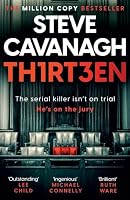
Thirteen: The serial killer isn't on trial. He's on the jury, by Steve Cavanaugh

Beloved, by Toni Morrison
January
• Becoming, by Michelle Obama (Crown, 2018), 428 pages; 1/27/2019 (★★★★)
February
• Good Omens: The Nice and Accurate Prophecies of Agnes Nutter, Witch, by Neil Gaiman & Terry Pratchett (Morrow, 2007), 400 pages; read-aloud reread; 2/6/2019 (★★★). Review: post 43.
• Poems of the Late T'ang, by A. C. Graham (trans.) (NY Review, 1965/1977), 173 pages; 2/7/2019 (★★★★)
• Words at the Threshold: What We Say as We're Nearing Death, by Lisa Smartt (New World Library, 2017), 179 pages + index = 196; 2/17/2019 (★★★). Review: post 41.
March
• The Chequer Board, by Nevil Shute (Morrow, 1947), 380 pages; 3/3/2019 (★★★☆).
• A Brief History of Japan: Samurai, Shogun and Zen: The Extraordinary Story of the Land of the Rising Sun, by Jonathan Clements (2017), 307 pages; 3/18/2019 (★★★★). Review: post 49.
• Peyton Place, by Grace Metalious (1956; Northeastern University Press, 1999), 372 pages; 3/24/2019 (★★★). Review: post 51.
April
• Something Like an Autobiography, by Akira Kurosawa, trans. Audie Bock (1983), 205 pages; 4/10/2019 (★★★★).
• The True Believer: Thoughts on the Nature of Mass Movements, by Erich Hoffer (1951/2010), 168 pages + backmatter; read-aloud; 4/17/2019 (★★★★).
May
• F*ck Feelings: One Shrink's Practical Advice for Managing All Life's Impossible Problems, by Michael I. Bennett, M.D., and Sarah Bennett (New York: Simon & Schuster, 2015), 348 pages + backmatter = 371; 5/11/2019 (★★★★☆). Review: post 80.
• The Power of Myth, by Joseph Campbell, with Bill Moyers (New York: Random House, 1988), 317 pages; 5/23/2019 (★★★★).
• Lud-in-the-Mist, by Hope Mirrlies (1926), 237 pages; reread; 5/28/2019 (★★★☆).
June
• The Assimilated Cuban's Guide to Quantum Santeria, by Carlos Hernandez (Rosarium Publishing, 2016), 280 pages; read-aloud; 6/5/2019 (★★★).
• Plot It Yourself, by Rex Stout (Nero Wolfe 32, 1959), 208 pages; 6/5/19 (★★★).
July
• Renoir's Dancer, by Catherine Hewitt (2017), 394 pages + backmatter; 7/3/2019 (★★★☆).
• Religion, Art, and Visual Culture: A Cross-Cultural Reader, by S. Brent Plate (2002), 232 pages + backmatter = 240; class reading; 7/18/2019 (★★★★).
August
• Creative Life: Spirit, Power, and Relationship in the Practice of Art, by Bandhu Scott Dunham (2005), 192 pages + backmatter = 212; class reading; 8/1/2019 (★★☆).
• Three Cups of Tea, by Greg Mortenson and David Oliver Relin (2007), 338 pages + backmatter = 349; 8/1/2019 (★★★☆).
• Too Many Clients, by Rex Stout (Nero Wolfe 33; 1960), 164 pages; 8/9/19 (★★★☆).
• Bad Blood: Secrets and Lies in a Silicon Valley Startup, by John Carreyrou (Knopf, 2019); 8/29/2019 (★★★★).
September
• Th1rt3en, by Steve Cavanaugh (2019), 323 pages; 9/14/2019 (★★★☆).
• Final Gifts: Understanding the Special Awareness, Needs, and Communications of the Dying, by Maggie Callanan and Patricia Kelley (1992), 241 pages; 9/27/2019 (★★★☆).
October
• Skulls of Istria, by Rick Harsch (2011), 146 pages; 10/9/2019 (★★★★☆).
• NOS4A2, by Joe Hill (2011), 760 pages; abandoned unfinished at page 208 (27.5%), 10/19/2019 (not rated).
November
• House of Trump, House of Putin, by Craig Unger (2018/2019), 296 pages + backmatter = 368; 11/11/2019 (★★★★).
December
• The Godfather, by Mario Puzo.
• The Final Deduction, by Rex Stout.
• The Stately Home Murder, by Catherine Aird.
Writing about what I read is part of my reading experience, thanks in no small part to Mr. Hofferty, the high school English teacher who taught me to think about literature and discuss it intelligently (in essays composed with unity, coherence, and emphasis, expressed with depth and precision)--and always substantiate, substantiate, substantiate.
If he didn't think much of what you wrote, he would scrawl "Junk" on it in blunt, bold pencil, right over your worthless words.
If he liked it--ah, praise. Rare and precious.
A full and heartfelt tribute to Mr. Hofferty is below.

John Hofferty, 1964
There are no spoilers in my reviews.
Solid star (★) = 1 star. Open star (☆) = ½ star. Post references are links. Reviews are posted on the works pages as well as in this thread.
Current fast-track read(s):
Thirteen: The serial killer isn't on trial. He's on the jury, by Steve Cavanaugh

Beloved, by Toni Morrison
January
• Becoming, by Michelle Obama (Crown, 2018), 428 pages; 1/27/2019 (★★★★)
February
• Good Omens: The Nice and Accurate Prophecies of Agnes Nutter, Witch, by Neil Gaiman & Terry Pratchett (Morrow, 2007), 400 pages; read-aloud reread; 2/6/2019 (★★★). Review: post 43.
• Poems of the Late T'ang, by A. C. Graham (trans.) (NY Review, 1965/1977), 173 pages; 2/7/2019 (★★★★)
• Words at the Threshold: What We Say as We're Nearing Death, by Lisa Smartt (New World Library, 2017), 179 pages + index = 196; 2/17/2019 (★★★). Review: post 41.
March
• The Chequer Board, by Nevil Shute (Morrow, 1947), 380 pages; 3/3/2019 (★★★☆).
• A Brief History of Japan: Samurai, Shogun and Zen: The Extraordinary Story of the Land of the Rising Sun, by Jonathan Clements (2017), 307 pages; 3/18/2019 (★★★★). Review: post 49.
• Peyton Place, by Grace Metalious (1956; Northeastern University Press, 1999), 372 pages; 3/24/2019 (★★★). Review: post 51.
April
• Something Like an Autobiography, by Akira Kurosawa, trans. Audie Bock (1983), 205 pages; 4/10/2019 (★★★★).
• The True Believer: Thoughts on the Nature of Mass Movements, by Erich Hoffer (1951/2010), 168 pages + backmatter; read-aloud; 4/17/2019 (★★★★).
May
• F*ck Feelings: One Shrink's Practical Advice for Managing All Life's Impossible Problems, by Michael I. Bennett, M.D., and Sarah Bennett (New York: Simon & Schuster, 2015), 348 pages + backmatter = 371; 5/11/2019 (★★★★☆). Review: post 80.
• The Power of Myth, by Joseph Campbell, with Bill Moyers (New York: Random House, 1988), 317 pages; 5/23/2019 (★★★★).
• Lud-in-the-Mist, by Hope Mirrlies (1926), 237 pages; reread; 5/28/2019 (★★★☆).
June
• The Assimilated Cuban's Guide to Quantum Santeria, by Carlos Hernandez (Rosarium Publishing, 2016), 280 pages; read-aloud; 6/5/2019 (★★★).
• Plot It Yourself, by Rex Stout (Nero Wolfe 32, 1959), 208 pages; 6/5/19 (★★★).
July
• Renoir's Dancer, by Catherine Hewitt (2017), 394 pages + backmatter; 7/3/2019 (★★★☆).
• Religion, Art, and Visual Culture: A Cross-Cultural Reader, by S. Brent Plate (2002), 232 pages + backmatter = 240; class reading; 7/18/2019 (★★★★).
August
• Creative Life: Spirit, Power, and Relationship in the Practice of Art, by Bandhu Scott Dunham (2005), 192 pages + backmatter = 212; class reading; 8/1/2019 (★★☆).
• Three Cups of Tea, by Greg Mortenson and David Oliver Relin (2007), 338 pages + backmatter = 349; 8/1/2019 (★★★☆).
• Too Many Clients, by Rex Stout (Nero Wolfe 33; 1960), 164 pages; 8/9/19 (★★★☆).
• Bad Blood: Secrets and Lies in a Silicon Valley Startup, by John Carreyrou (Knopf, 2019); 8/29/2019 (★★★★).
September
• Th1rt3en, by Steve Cavanaugh (2019), 323 pages; 9/14/2019 (★★★☆).
• Final Gifts: Understanding the Special Awareness, Needs, and Communications of the Dying, by Maggie Callanan and Patricia Kelley (1992), 241 pages; 9/27/2019 (★★★☆).
October
• Skulls of Istria, by Rick Harsch (2011), 146 pages; 10/9/2019 (★★★★☆).
• NOS4A2, by Joe Hill (2011), 760 pages; abandoned unfinished at page 208 (27.5%), 10/19/2019 (not rated).
November
• House of Trump, House of Putin, by Craig Unger (2018/2019), 296 pages + backmatter = 368; 11/11/2019 (★★★★).
December
• The Godfather, by Mario Puzo.
• The Final Deduction, by Rex Stout.
• The Stately Home Murder, by Catherine Aird.
4pgmcc
>3 Meredy: I look forward to the return of your six word reviews.
5Marissa_Doyle
So happy to see you here, and Happy New Year!
7Sakerfalcon
Happy new year! I'm looking forward to following your reading again in 2019.
9Peace2
Happy New Year! May 2019 be a great year in life and reading (are they separate - probably not!). Looks like you're starting with two interesting ones - I shall be watching to see how things go and whether you're off to a great start in terms of book bullets as well.
10Bookmarque
A peaceful New Year to you. May 2019 be full of joy and laughter.
12MrsLee
Happy New Year! Mr. Hofferty has blessed us all with his excellent teaching through your reviews and summations of the works you read.
14hfglen
>12 MrsLee: Me three!
15Meredy
John Steven Hofferty (10/16/1908-11/28/1991)
I had Mr. Hofferty for English in tenth grade at North Quincy High School. He terrified people. He was tough and brilliant, with fiercely intelligent blue eyes and a feline way of stalking about the room. He tolerated no distractions and pounced like a tiger on anyone who dared to whisper. I loved him.
A veteran of World War II, he taught grammar as if he were teaching warcraft and weaponry, as if our lives depended on being able to recite correlatives in pairs, recognize when "because of" and not "due to" was the correct construction, and conjugate verbs in the subjunctive.
He taught writing as if it were the key to college admission, if not to life, and for some of us it was. Even the students who hated and feared him came eventually to see that their admissions to Harvard, MIT, Brown, Tufts, Smith, and other select schools owed no small debt to the teachings in room 205. I won a full scholarship to college on the strength of an essay.
Often we would come into the classroom and find a single line written on the blackboard. That was our challenge. We would sit down silently and start writing. We were to explicate the thought, citing two or more examples from literature to back it up, and reach a conclusion that was not simply a rehash of the beginning.
He would pace among our desks, urging us on with emphatic little sprays of spit, declaring that he wanted to see pools of mental sweat around our chairs. Later he would read excerpts from the worst essays, shredding them aloud, exposing the trite and weak with his merciless condemnations. Then he would give a showcase reading of the best, lauding its virtues. Few things in my life have equaled the glow of pride I felt when an essay of mine was chosen for the honor.
Every day of my working life in my career as an editor, I used something Mr. Hofferty taught me.
In eleventh grade, English department head Miss Leavitt taught my division. At the end of that year, she retired--and Mr. Hofferty was appointed head. The others in my division groaned, but I was ecstatic. We had him again in twelfth grade. That crucial second year with him cemented my grasp of his lessons. If I had become a teacher, he'd have been my role model. Although I don't believe I would ever have achieved his command of written English or interpretation of literature, I had a star to reach for.
If there are any teachers like that any more, I don't know where they are. Unless they had teachers like that, people who actually knew where to put the comma and when to use "like" versus "as" and could explain the reason, I don't know how there could be. How would they transmit love of something they don't love themselves?
Mr. Hofferty and I corresponded for years after I graduated. He retired and moved to Florida, and we would exchange notes at Christmas. I'm glad to say that I told him, once, how much his teaching had meant to me. I hope there are still teachers in the world who can inspire students and change lives by what they bring to the classroom. We should build great monuments to them. Instead of marble I humbly submit this tribute.
I had Mr. Hofferty for English in tenth grade at North Quincy High School. He terrified people. He was tough and brilliant, with fiercely intelligent blue eyes and a feline way of stalking about the room. He tolerated no distractions and pounced like a tiger on anyone who dared to whisper. I loved him.
A veteran of World War II, he taught grammar as if he were teaching warcraft and weaponry, as if our lives depended on being able to recite correlatives in pairs, recognize when "because of" and not "due to" was the correct construction, and conjugate verbs in the subjunctive.
He taught writing as if it were the key to college admission, if not to life, and for some of us it was. Even the students who hated and feared him came eventually to see that their admissions to Harvard, MIT, Brown, Tufts, Smith, and other select schools owed no small debt to the teachings in room 205. I won a full scholarship to college on the strength of an essay.
Often we would come into the classroom and find a single line written on the blackboard. That was our challenge. We would sit down silently and start writing. We were to explicate the thought, citing two or more examples from literature to back it up, and reach a conclusion that was not simply a rehash of the beginning.
He would pace among our desks, urging us on with emphatic little sprays of spit, declaring that he wanted to see pools of mental sweat around our chairs. Later he would read excerpts from the worst essays, shredding them aloud, exposing the trite and weak with his merciless condemnations. Then he would give a showcase reading of the best, lauding its virtues. Few things in my life have equaled the glow of pride I felt when an essay of mine was chosen for the honor.
Every day of my working life in my career as an editor, I used something Mr. Hofferty taught me.
In eleventh grade, English department head Miss Leavitt taught my division. At the end of that year, she retired--and Mr. Hofferty was appointed head. The others in my division groaned, but I was ecstatic. We had him again in twelfth grade. That crucial second year with him cemented my grasp of his lessons. If I had become a teacher, he'd have been my role model. Although I don't believe I would ever have achieved his command of written English or interpretation of literature, I had a star to reach for.
If there are any teachers like that any more, I don't know where they are. Unless they had teachers like that, people who actually knew where to put the comma and when to use "like" versus "as" and could explain the reason, I don't know how there could be. How would they transmit love of something they don't love themselves?
Mr. Hofferty and I corresponded for years after I graduated. He retired and moved to Florida, and we would exchange notes at Christmas. I'm glad to say that I told him, once, how much his teaching had meant to me. I hope there are still teachers in the world who can inspire students and change lives by what they bring to the classroom. We should build great monuments to them. Instead of marble I humbly submit this tribute.
17haydninvienna
>15 Meredy: Thank you for posting that. A fine tribute to a man who was clearly a brilliant teacher.
18ScoLgo
>15 Meredy: Wow! What a great tribute!
19Narilka
>15 Meredy: That was lovely. Thanks for sharing.
20catzteach
>15 Meredy: What a fabulous tribute to a teacher! I love hearing from students I've had and know that I made a positive impact on them! I know he was grateful for the relationship he had with you.
21pgmcc
>15 Meredy:
That is wonderful. I am jealous. During my first year at grammar school I had a reasonable English teacher but my years after that were marred by two teachers who loved themselves rather than the subject and they inspired no thought or understanding. Things had to be learned by rote to be regurgitated in exams, but they were a total waste of space; pompous, self opinionated wasters. I wish I had had Mr. Hofferty for English.
That is wonderful. I am jealous. During my first year at grammar school I had a reasonable English teacher but my years after that were marred by two teachers who loved themselves rather than the subject and they inspired no thought or understanding. Things had to be learned by rote to be regurgitated in exams, but they were a total waste of space; pompous, self opinionated wasters. I wish I had had Mr. Hofferty for English.
22SylviaC
>15 Meredy: That's a wonderful tribute! I had two inspirational English teachers: Mr. Crerar in grade 9 and Professor Coggins in my first year of university. It's great to have some teachers who we can still remember so clearly many decades later, for all the right reasons.
24Sakerfalcon
>15 Meredy: Just to echo what others have said: that is a beautiful tribute. I'm really glad that you were able to keep in touch with him and let him know how he inspired too. Too often we never get the chance.
25NorthernStar
>15 Meredy: - Loved it. You were lucky to have him as a teacher, and it sounds like he was lucky to have you as a student.
26MrsLee
>15 Meredy:. Thank you for sharing that. The only way I would ever want to relive my highschool years, is if I could take the appreciation I have now for learning back with me. We had a science teacher and a couple of others who were doing their best to impart knowledge, but I was an idiot who only itched to be free of them.
27Meredy
Michelle Obama's book Becoming took me nearly the whole month; I deliberately began it on January 1st. My pace has slowed down lately because of a change in domestic rhythms. I wanted a decent book to begin my year's list, after starting my record thoughtlessly one year and then having to look at a really stupid selection at the top of it for the next 12 months.
I'll have some comments on her excellent (4-star excellent) memoir shortly. For now, I do want to recommend it as a worthwhile read.
I'll have some comments on her excellent (4-star excellent) memoir shortly. For now, I do want to recommend it as a worthwhile read.
28pgmcc
>27 Meredy:
I bought that for my wife at Christmas but I am tempted to read it myself. Your praise for a book is always a good recommendation.
ETA: Great to see you here.
I bought that for my wife at Christmas but I am tempted to read it myself. Your praise for a book is always a good recommendation.
ETA: Great to see you here.
29Jim53
>15 Meredy: Excellent. I was a math whiz (love questions with correct answers!), but I wonder if I'd have learned to love to read and write earlier if I had had an English teacher like Mr. Hofferty.
>27 Meredy: >28 pgmcc: Like Peter, I purchased Becoming as a Christmas gift for my wife, and I'm waiting for her to read it so I can too.
>27 Meredy: >28 pgmcc: Like Peter, I purchased Becoming as a Christmas gift for my wife, and I'm waiting for her to read it so I can too.
30Meredy
Psst, >28 pgmcc: >29 Jim53: Great. I hope you do. My husband got it for me because I put it at the top of my Christmas wish list. I hesitated because I was afraid it might be kind of girl-talk-oriented (or whatever they call it now). I apologize, Michelle. I should have known better. It's from a woman's point of view, all right, because she's a woman, but it isn't meant "for" women.
31jillmwo
>30 Meredy: You reassure me. I have hesitated over picking up Becoming because I worried that it might be too much of a shallow-and-short Big Name memoir, published because the Name will ensure sales rather than being due to the work's intrinsic value. I take it that's I need not be particularly concerned about that aspect?
32Meredy
>31 jillmwo: One of the strongest running themes of Becoming is family. Michelle's own family of origin was a great source of strength and stability to her, and she tried to give the same to her daughters, even through the pressure of political campaigns and then living in a house where no family member could even step onto a balcony for a breath of air without alerting security teams in advance. Protecting her family's normality (which she consistently expresses as "normalcy") was a huge challenge, as was trying to sustain her own identity, interests, and career orientation through someone else's all-consuming commitment. How she accomplishes this is a matter of much more attention in the book than any self-congratulatory ego trips.
Michelle recognizes her own abilities and achievements, but this comes across as vanquishing self-doubt with well-earned confidence and not as boasting.
At one point she says flatly of the presidency: "He wanted it and I didn't." (page 223)
No, I shouldn't say "all-consuming," because one thing she stresses is that Barack is wholly into whatever he's into, so when he's with the family, he's really there. I'll bet there are millions of spouses and children who wish they could say the same of a partner in their lives.
I can't wave aside your concerns, but I had them too (and after I saw an excerpt talking about their attempts to conceive by in vitro fertilization, I said I really don't want to know this about the Obamas). In the end I realized that I expected much more than that of our former First Lady, even though I didn't know very much about her, and so I went ahead. In reading the book, I was not disappointed
Michelle recognizes her own abilities and achievements, but this comes across as vanquishing self-doubt with well-earned confidence and not as boasting.
At one point she says flatly of the presidency: "He wanted it and I didn't." (page 223)
No, I shouldn't say "all-consuming," because one thing she stresses is that Barack is wholly into whatever he's into, so when he's with the family, he's really there. I'll bet there are millions of spouses and children who wish they could say the same of a partner in their lives.
I can't wave aside your concerns, but I had them too (and after I saw an excerpt talking about their attempts to conceive by in vitro fertilization, I said I really don't want to know this about the Obamas). In the end I realized that I expected much more than that of our former First Lady, even though I didn't know very much about her, and so I went ahead. In reading the book, I was not disappointed
33MrsLee
One of our gruff, old, male, conservative customers came in and was reading Becoming in our waiting room a couple of weeks ago. I asked him what he thought, and he said his son had given it to him and he was enjoying it very much. So apparently, it appeals even to some who might not otherwise be attracted to the story. That sold me more than anything, and although I don't have the book at the moment, I would like to read it one day.
34Meredy
>33 MrsLee: Interesting, especially that he got it from his son (there's a story there). I am a gruff old female liberal, and I very much enjoyed reading John McCain's book.
I understand the desire of a lot of people to read and see subjects and characters who are like them, but I generally prefer to read about people who are not like me so I can find out what it's like. The similarities can be comforting and maybe also validating, but it's the differences that make for the most interesting reading. I like reading things that teach me something.
I understand the desire of a lot of people to read and see subjects and characters who are like them, but I generally prefer to read about people who are not like me so I can find out what it's like. The similarities can be comforting and maybe also validating, but it's the differences that make for the most interesting reading. I like reading things that teach me something.
35MrsLee
>34 Meredy: Agreed
36Meredy
Opium Fiend: A 21st Century Slave to a 19th Century Addiction, by Steven Martin (2012)
Six-word review: Tragic and fascinating; definitely worth reading.
I don't know what I expected when I downloaded this as a Kindle book after reading Colin Falconer's entertaining novel Opium, but I think the word "fiend" made me anticipate something darkly humorous, as if the idea were inherently an exaggeration. It wasn't.
Instead what I found was a penetrating, moving, and terrifying personal history that I feel at a loss to describe. My first posted review was inadequate. I bought a hardcover copy and read it, and then I tried but failed to review it again. Maybe I will make another attempt when I've read it a third time.
★★★★☆
Six-word review: Tragic and fascinating; definitely worth reading.
I don't know what I expected when I downloaded this as a Kindle book after reading Colin Falconer's entertaining novel Opium, but I think the word "fiend" made me anticipate something darkly humorous, as if the idea were inherently an exaggeration. It wasn't.
Instead what I found was a penetrating, moving, and terrifying personal history that I feel at a loss to describe. My first posted review was inadequate. I bought a hardcover copy and read it, and then I tried but failed to review it again. Maybe I will make another attempt when I've read it a third time.
★★★★☆
37pgmcc
>36 Meredy:
I have missed your six-word reviews.
I have missed your six-word reviews.
39Sakerfalcon
>36 Meredy: This sounds very good. You may have hit me with a book bullet there.
40Meredy
>39 Sakerfalcon: I would love to know your thoughts on it. This was unlike anything else I've ever read, including Thomas de Quincey.
41Meredy
Words at the Threshold: What We Say as We're Nearing Death, by Lisa Smartt (2017): 3 stars
Six-word review: Objectively comforting despite promoting irrational beliefs.
Extended review:
I've told my sons that no matter what I die of, I don't want my obituary to use the word "battle."
As for exit lines, I think it would be most fitting if mine were simply "Now what?" That, of course, would reflect my prior experience as much as the one I was about to have. I don't happen to believe that there is anything coming next, but if it turns out that there is, I can understand the desire to report back.
Personally, I envision death as nothing more than a decomposition into our elemental components and a passing of breath into the air. It's our fear that gives it larger meaning.
The premise of this book is that something is to be learned from the last words of ordinary people as they approach their moment of death. The author has collected a quantity of final utterances heard at the bedsides of the dying by relatives, friends, and caregivers. She groups them according to certain commonalities and then analyzes the linguistic patterns and themes she identifies in them. Her idea is that people's attempts to express in words the experience of transition out of life point to a dimension beyond life that has a reality of its own--and that in their various modes of speech they are talking about the same dimension.
If that experience is in any way reflected in people's parting words, death is for many not a defeat, much less a terrifying confrontation with annihilation. Rather, it sounds more like a passage through an altered mental state that bystanders may conceive as a trip in the hallucinogenic sense--otherworldly, ecstatic, and inexpressible. Our vocabulary is not equal to it, and hence the often enigmatic speech of those on the verge of departure. It is not a battle fought and lost but an entry into another and seemingly more glorious form of existence.
It is this latter notion, that in death we are not being extinguished but actually going someplace else, and that last words offer a glimpse of that other realm, that moves this book out of the sphere of language study and into the sphere of belief. The author takes her time about transitioning from a quasi-scientific view to a mystical one, but by about the midpoint of the book she is sounding less analytic and more credulous, even citing psychics and mediums as authorities. For example, she quotes (page 119) a psychic by the name of Saavedra: "'When I do remote viewings or psychic readings, I am trying to get all the information embedded in the fabric of the universe. There is so much that we do not perceive with our senses, but does that mean it does not exist?'" Smartt's unquestioning acceptance of this view becomes a premise for explorations that lie still further from any objectively verifiable observations.
The author goes on to affirm the conclusions of a psychic medium named Stillman (pp. 128-129): "He believes, as I do, that the realm of the unseen is a world of symbols and metaphors--just as we often see in the language of the dying." By this point we're straying well away from anything that is evidence-based, so it is hardly surprising that we move on to messages sent from the dead to the living by various mystical and synchronistic means, such as mysterious doorbell ringings and anomalous light blinkings.
Assertions without evidence may be of interest as idea-starters, but to me they haven't much value as a source of knowledge. In my opinion, "speculative" is about the kindest term that can be applied to the parts of the text that go beyond straightforward factual recording of the last words of the dying and their linguistic characteristics. Examination of their subjective import is an act of imagination, not science.
And even if there were a logical basis for the author's interpretations of the samples she has collected, it's worth noting that they come from only one category of mortal departures. There is nothing here about people who don't get to die in a warm, quiet room with loved ones close at hand; nothing about people who die suddenly, disastrously, by accident or violence or natural catastrophe or slow torture, or by their own act. Are they going to the same place or a different one? Do their parting words, if any, offer glimpses of the same transformative experience or something a bit less appealing? The book does not consider such questions. It is at least arguable that the generalities noted among deaths that occur between clean white sheets do not extend to the nasty, ugly deaths that befall some of us.
So, rather early on, I concluded that I was reading something more fanciful and mystifying than rigorously fact-bound and analytic. If nothing else, the author's stunningly inept assertions about grammar (she defines prepositions as "those small words that represent where we are in space" [page 87]) call into question the reliability of her attention to accuracy.
Nevertheless, I read on out of curiosity, although with mounting skepticism. The notes in my reading journal grow more and more scornful as we progress; e.g., at page 143, "Now we're really into woo-woo territory."
And yet I must confess that my predominant impression at the end was this: Despite the heavy load of BS, Words at the Threshold is oddly comforting in the simple fact that (if faithfully recorded) the utterances of those on the brink of death seem to convey, by and large, a not unpleasant experience. It's not a battle lost but a possibly graceful (and gracious) transition. That's an appealing shore to land on, even if we had to wade through some goop to get there.
Six-word review: Objectively comforting despite promoting irrational beliefs.
Extended review:
I've told my sons that no matter what I die of, I don't want my obituary to use the word "battle."
As for exit lines, I think it would be most fitting if mine were simply "Now what?" That, of course, would reflect my prior experience as much as the one I was about to have. I don't happen to believe that there is anything coming next, but if it turns out that there is, I can understand the desire to report back.
Personally, I envision death as nothing more than a decomposition into our elemental components and a passing of breath into the air. It's our fear that gives it larger meaning.
The premise of this book is that something is to be learned from the last words of ordinary people as they approach their moment of death. The author has collected a quantity of final utterances heard at the bedsides of the dying by relatives, friends, and caregivers. She groups them according to certain commonalities and then analyzes the linguistic patterns and themes she identifies in them. Her idea is that people's attempts to express in words the experience of transition out of life point to a dimension beyond life that has a reality of its own--and that in their various modes of speech they are talking about the same dimension.
If that experience is in any way reflected in people's parting words, death is for many not a defeat, much less a terrifying confrontation with annihilation. Rather, it sounds more like a passage through an altered mental state that bystanders may conceive as a trip in the hallucinogenic sense--otherworldly, ecstatic, and inexpressible. Our vocabulary is not equal to it, and hence the often enigmatic speech of those on the verge of departure. It is not a battle fought and lost but an entry into another and seemingly more glorious form of existence.
It is this latter notion, that in death we are not being extinguished but actually going someplace else, and that last words offer a glimpse of that other realm, that moves this book out of the sphere of language study and into the sphere of belief. The author takes her time about transitioning from a quasi-scientific view to a mystical one, but by about the midpoint of the book she is sounding less analytic and more credulous, even citing psychics and mediums as authorities. For example, she quotes (page 119) a psychic by the name of Saavedra: "'When I do remote viewings or psychic readings, I am trying to get all the information embedded in the fabric of the universe. There is so much that we do not perceive with our senses, but does that mean it does not exist?'" Smartt's unquestioning acceptance of this view becomes a premise for explorations that lie still further from any objectively verifiable observations.
The author goes on to affirm the conclusions of a psychic medium named Stillman (pp. 128-129): "He believes, as I do, that the realm of the unseen is a world of symbols and metaphors--just as we often see in the language of the dying." By this point we're straying well away from anything that is evidence-based, so it is hardly surprising that we move on to messages sent from the dead to the living by various mystical and synchronistic means, such as mysterious doorbell ringings and anomalous light blinkings.
Assertions without evidence may be of interest as idea-starters, but to me they haven't much value as a source of knowledge. In my opinion, "speculative" is about the kindest term that can be applied to the parts of the text that go beyond straightforward factual recording of the last words of the dying and their linguistic characteristics. Examination of their subjective import is an act of imagination, not science.
And even if there were a logical basis for the author's interpretations of the samples she has collected, it's worth noting that they come from only one category of mortal departures. There is nothing here about people who don't get to die in a warm, quiet room with loved ones close at hand; nothing about people who die suddenly, disastrously, by accident or violence or natural catastrophe or slow torture, or by their own act. Are they going to the same place or a different one? Do their parting words, if any, offer glimpses of the same transformative experience or something a bit less appealing? The book does not consider such questions. It is at least arguable that the generalities noted among deaths that occur between clean white sheets do not extend to the nasty, ugly deaths that befall some of us.
So, rather early on, I concluded that I was reading something more fanciful and mystifying than rigorously fact-bound and analytic. If nothing else, the author's stunningly inept assertions about grammar (she defines prepositions as "those small words that represent where we are in space" [page 87]) call into question the reliability of her attention to accuracy.
Nevertheless, I read on out of curiosity, although with mounting skepticism. The notes in my reading journal grow more and more scornful as we progress; e.g., at page 143, "Now we're really into woo-woo territory."
And yet I must confess that my predominant impression at the end was this: Despite the heavy load of BS, Words at the Threshold is oddly comforting in the simple fact that (if faithfully recorded) the utterances of those on the brink of death seem to convey, by and large, a not unpleasant experience. It's not a battle lost but a possibly graceful (and gracious) transition. That's an appealing shore to land on, even if we had to wade through some goop to get there.
42jillmwo
I've told my sons that no matter what I die of, I don't want my obituary to use the word "battle.". Hear, hear. On the one hand, I don't know if I'd be brave enough to read that particular title. There would be much eye-rolling and gnashing of teeth. On the other hand, it's not something that gets discussed -- that is, the last words of the dying. I wonder sometimes what some of my friends will be saying (or have already said) in that context.
43Meredy
Good Omens: The Nice and Accurate Prophecies of Agnes Nutter, Witch, by Neil Gaiman & Terry Pratchett (2007): 3 stars
Six-word review: Not as funny the second time.
My husband and I tackled this book for our weekly read-aloud session, not once but twice. Somehow it seemed much longer this time than it did ten or more years ago. Maybe four months just feels like a bigger chunk of life than it did then. I must say that I remembered so little from the first time that it almost seemed like a new book.
Parts of it were entertaining enough, and the sly musings on good and evil and their reciprocal dependence contributed a little depth along with the levity. There is a line of Sgt. Shadwell, the witch-finding Scot, that will probably never fail to amuse me. But on the whole it is immensely self-indulgent on the part of the authors, who make no attempt to conceal their glee in their own inventive cleverness and each other's, to the point of going overboard with intemperate frequency.
I readily acknowledge that reading aloud skews the common experience of reading a book, not least because it is significantly slower than silent reading. But we have gone lightly through 800-page novels without feeling that they were burdensome. In this instance, twice two hundred pages strike me as twice too many.
Six-word review: Not as funny the second time.
My husband and I tackled this book for our weekly read-aloud session, not once but twice. Somehow it seemed much longer this time than it did ten or more years ago. Maybe four months just feels like a bigger chunk of life than it did then. I must say that I remembered so little from the first time that it almost seemed like a new book.
Parts of it were entertaining enough, and the sly musings on good and evil and their reciprocal dependence contributed a little depth along with the levity. There is a line of Sgt. Shadwell, the witch-finding Scot, that will probably never fail to amuse me. But on the whole it is immensely self-indulgent on the part of the authors, who make no attempt to conceal their glee in their own inventive cleverness and each other's, to the point of going overboard with intemperate frequency.
I readily acknowledge that reading aloud skews the common experience of reading a book, not least because it is significantly slower than silent reading. But we have gone lightly through 800-page novels without feeling that they were burdensome. In this instance, twice two hundred pages strike me as twice too many.
44-pilgrim-
>41 Meredy: The restriction of the sample to those who have died a peaceful, and presumably pain-medicated, death seems to me a wilful omission.
Some available sources:
1. Soldiers are often affected by, and record in their memoirs, the last words of dying comrades;
2. victims of torture often have their interrogations recorded in detail. A search through the archives of fallen dictatorships should provide enough transcripts for an informative (although immensely harrowing) read;
3. victims of natural disaster are harder to sample, given their survivors are usually too busy running, but the journals of mountaineers might be a suitable source;
4. the last words of those sentenced to death by the State are a matter of public record - and of particular interest here, since they represent a section of the community most likely to be going to a "different place" (if there is one).
Some available sources:
1. Soldiers are often affected by, and record in their memoirs, the last words of dying comrades;
2. victims of torture often have their interrogations recorded in detail. A search through the archives of fallen dictatorships should provide enough transcripts for an informative (although immensely harrowing) read;
3. victims of natural disaster are harder to sample, given their survivors are usually too busy running, but the journals of mountaineers might be a suitable source;
4. the last words of those sentenced to death by the State are a matter of public record - and of particular interest here, since they represent a section of the community most likely to be going to a "different place" (if there is one).
45Meredy
>44 -pilgrim-: Thanks. I wasn't seeking this information myself, but the author should have been. The point was that she generalizes about the experience of death--and hypothesizes an actual soul- or spirit-resident place (my phrase) on the other side of it--without taking into account any but the peaceful, lovingly attended deaths in bed. She does not even acknowledge the fact that her research is confined to this category, yet because of the common themes she sees, she thinks she can infer from this what the realm on the other side is like for all.
I was captivated by the notion of applying linguistic analysis to an extraordinary set of utterances, thinking mainly that it would conclude something revealing about language. I was not expecting it to make a case for a life beyond.
I was captivated by the notion of applying linguistic analysis to an extraordinary set of utterances, thinking mainly that it would conclude something revealing about language. I was not expecting it to make a case for a life beyond.
46-pilgrim-
>45 Meredy: I didn't mean to sound as if I was lecturing you - I was simply agreeing with you!
I was tempted by parts of your description, from an anthropological perspective. I think the author's basic idea is valid, in that the words of those at the point of death could tell us something about the nature of human religious experience, but to bias her sample in the manner you described, completely invalidates her methodology (as does her selection of "authorities " on the subject).
Sometimes authors use biased samples unconsciously, because they only use easily obtainable data. But the relevant information IS accessible, so I presume the author's bias was deliberate.
To find a book with a preconceived agenda, when you are expecting an analysis of the topic, is always infuriating. I appreciated your warning.
I was tempted by parts of your description, from an anthropological perspective. I think the author's basic idea is valid, in that the words of those at the point of death could tell us something about the nature of human religious experience, but to bias her sample in the manner you described, completely invalidates her methodology (as does her selection of "authorities " on the subject).
Sometimes authors use biased samples unconsciously, because they only use easily obtainable data. But the relevant information IS accessible, so I presume the author's bias was deliberate.
To find a book with a preconceived agenda, when you are expecting an analysis of the topic, is always infuriating. I appreciated your warning.
47Marissa_Doyle
>41 Meredy: I admire your restraint, Meredy. I think I might have thrown it across the room. I have a writer friend who is in her last days (pancreatic cancer). She was able to finish her last story last week, before she grew too weak, so maybe I'm feeling a little tender on the subject of last words.
48Meredy
>46 -pilgrim-: Thanks. I did think you were suggesting that I should do more research, when this isn't my subject. It would be interesting if the author expanded her collection as you propose.
I agree with the author's notion that those final words, if they're not random, tell us something; but I think she's mistaken about what. She clearly acknowledges her personal motivation in the dying words of her father, which she quotes again and again. I think the spiritual bias must have been present beforehand, and I believe her selection of samples and interpretation fell nicely into line with that bias.
>47 Marissa_Doyle: I did feel vexed when I realized where this was going, but my upbringing gave me a pretty effective filter for speculative content, so I extracted some interesting information from it without getting caught up in the metaphysics of it.
Your friend accomplished something meaningful in her last days. That's an admirable achievement. I'm sorry you have to say good-bye.
I think about death a lot, and have for a long time; every day, in fact. I did appreciate the frankness of this book on a subject that we naturally tend to veer away from.
I agree with the author's notion that those final words, if they're not random, tell us something; but I think she's mistaken about what. She clearly acknowledges her personal motivation in the dying words of her father, which she quotes again and again. I think the spiritual bias must have been present beforehand, and I believe her selection of samples and interpretation fell nicely into line with that bias.
>47 Marissa_Doyle: I did feel vexed when I realized where this was going, but my upbringing gave me a pretty effective filter for speculative content, so I extracted some interesting information from it without getting caught up in the metaphysics of it.
Your friend accomplished something meaningful in her last days. That's an admirable achievement. I'm sorry you have to say good-bye.
I think about death a lot, and have for a long time; every day, in fact. I did appreciate the frankness of this book on a subject that we naturally tend to veer away from.
49Meredy
A Brief History of Japan: Samurai, Shogun and Zen: The Extraordinary Story of the Land of the Rising Sun, by Jonathan Clements (2017): 4 stars
Six-word review: Japan sure has lots of history.
It seems to me that being Japanese must be complicated in a way that I can only dimly imagine.
Even though I never set out to study Japan, I find that my reading over the years has included a disproportionate number of Japan-related titles, from the novels of Haruki Murakami to Donald Richie's analyses of the films of Kurosawa, most of which I've seen; from Tanizaki's quiet meditation on shadows to a hefty tome on Japan's recovery from World War II; from Mr. Nakano's thrift shop to the imperial palace. I've given a thoughtful viewing to the films of Ozu and examined photos of samurai artifacts and traditional Japanese hairstyles. On a separate track, I've studied Zen Buddhism.
The more I read, the less I feel that I comprehend.
I thought that reading a broad-scoped history of Japan, packing fifteen or more centuries into a compact 300 pages, would give me a sense of context and place some events of lore and legend in relation to events of record. And perhaps it would have, if I had read it straight through and sustained the connections from one era to another. Unfortunately, this was the Kindle book I chose to read in waiting rooms and during down time on volunteer shifts, and so for me it was seven months from beginning to end.
I didn't manage to sustain much at all, apart from the experience of having it go on and on and on, which is pretty much what Japanese history has done. But I did gain a sense of vast complexity: of recorded deeds interwoven with myth, of tradition, of numerous strands of culture and ethnicity braided into one, of geographic smallness and military might, of privilege and poverty, humility and insuperable pride. Politics and poetry blend with cherished archetypes and deep symbolism; much is not as it seems. A reverence for delicate beauty abides with bloodthirsty ferocity. Zen and samurai, samurai and zen. I am only guessing. I know nothing.
Between the time before World War II and the emperor's surrender on August 15, 1945, the world changed.
If this book has not greatly enlarged my understanding, the book is not at fault. There is too much to know. I progress by mere inches.
Six-word review: Japan sure has lots of history.
It seems to me that being Japanese must be complicated in a way that I can only dimly imagine.
Even though I never set out to study Japan, I find that my reading over the years has included a disproportionate number of Japan-related titles, from the novels of Haruki Murakami to Donald Richie's analyses of the films of Kurosawa, most of which I've seen; from Tanizaki's quiet meditation on shadows to a hefty tome on Japan's recovery from World War II; from Mr. Nakano's thrift shop to the imperial palace. I've given a thoughtful viewing to the films of Ozu and examined photos of samurai artifacts and traditional Japanese hairstyles. On a separate track, I've studied Zen Buddhism.
The more I read, the less I feel that I comprehend.
I thought that reading a broad-scoped history of Japan, packing fifteen or more centuries into a compact 300 pages, would give me a sense of context and place some events of lore and legend in relation to events of record. And perhaps it would have, if I had read it straight through and sustained the connections from one era to another. Unfortunately, this was the Kindle book I chose to read in waiting rooms and during down time on volunteer shifts, and so for me it was seven months from beginning to end.
I didn't manage to sustain much at all, apart from the experience of having it go on and on and on, which is pretty much what Japanese history has done. But I did gain a sense of vast complexity: of recorded deeds interwoven with myth, of tradition, of numerous strands of culture and ethnicity braided into one, of geographic smallness and military might, of privilege and poverty, humility and insuperable pride. Politics and poetry blend with cherished archetypes and deep symbolism; much is not as it seems. A reverence for delicate beauty abides with bloodthirsty ferocity. Zen and samurai, samurai and zen. I am only guessing. I know nothing.
Between the time before World War II and the emperor's surrender on August 15, 1945, the world changed.
If this book has not greatly enlarged my understanding, the book is not at fault. There is too much to know. I progress by mere inches.
50MrsLee
>45 Meredy: "I was captivated by the notion of applying linguistic analysis to an extraordinary set of utterances, thinking mainly that it would conclude something revealing about language.
Now that would interest me. And I would have been very frustrated at the turn the author took.
Now that would interest me. And I would have been very frustrated at the turn the author took.
51Meredy
Peyton Place, by Grace Metalious (1956): 3 stars
Six-word review (1): Ah, for a more innocent time.
or
Six-word review (2): Okay, let's get this over with.
The novel Peyton Place created a sensation when it first appeared in 1956. I had an extremely sheltered religious upbringing in the 1950s and 1960s, and it was barely whispered about in that setting, but even I was aware of it.
The 1957 movie was likewise verboten (or perhaps even more so, because all movies were verboten, whereas books came in a wide range of flavors and degrees of waywardness). From my present vantage point, and knowing some things about my parents that I didn't know then, I'd guess they probably read it secretly and maybe even saw the movie; for which their good colleagues would have briskly commended them to hellfire. But I never read it, never saw it, never even saw a single episode of the TV series that ran from 1964 to 1969 and made Mia Farrow a star. I had no interest and wasn't even curious; naughtiness for its own sake didn't appeal to me. I took it for cheap trash, the novel equivalent of "true romance" magazines, and left it alone.
(I made an important distinction between sheer naughtiness and principled rebellion, which was known territory to me, whether it meant long hair, bare feet, and musical protests or simply testing whether M&Ms would melt in my hand.)
So now, here, in January of 2019, Peyton Place turned up in the neighborhood Little Free Library box when I was dropping off a Murakami novel, and I thought, "Why not?"
This edition is a 1999 reissue, by Northeastern University Press, no less, with a cover tag "Fiction/Popular Culture" and an introduction that labels it "America's first blockbuster." There's a certain wry amusement in conjecturing that this might be assigned reading in some college course. I guess I'm not numb yet, even after decades of hearing Bob Dylan tunes transmogrified into elevator music.
And now I've read it.
Truthfully, it was a bit of a slog. I had to push myself to wade on through the dozens of characters, whose amplified backgrounds and omniscient-author internal monologues made me think they were going to be important characters. They commanded my sympathy, but in the end they just stood there with nothing to do, no more than a tree that just stands and waits for the seasons to change. The schoolteacher, for instance. I also waited for some dramatic moments that never came--that felt as if they were part of a suspenseful buildup (would Allison meet her father in New York?) but that just slipped away unrealized. It was more like a dense collection of character vignettes giving a fly's compound-eye view of the spectacle. I was about 150 pages in, about 40 percent, before something happened, and even at that it seemed pretty tame by 21st-century standards.
And after all that, the ending seemed abrupt.
There were a few semi-pithy passages and vivid lines, particularly those depicting a small-town New England way of life of bygone days that is still halfway familiar to me, just by osmosis, even though I grew up in a suburb close to Boston. I don't think I've heard anyone use "ride" as a transitive verb in this manner since I was a little girl: "You'd better let me ride you home." We used to say to one another, "Will you ride me on your bike?" The phrase hit my inner ear somewhere close to the place where I store the fragrance of burning leaves in autumn.
So I read it and read it for a while, and eventually I came to the end of it. And that's the kind of book it was, for me.
More than anything else, I'd say it made me nostalgic for a time when this would have been shocking--heaven knows it isn't now--and also for a touch of that New England quirkiness and odd little habits of speech that once seasoned my youth.
I did pick up a few lines for my reading journal, and here's one of them. Allison is sure she knows how Ted would have behaved if he had really loved Selena, and Tom says: "There is such a thing as love not meeting a test, but that does not mean that it was not a kind of love to begin with." More insights like this and less overt courting of the "scandalous" label would have made it more of a novel.
Six-word review (1): Ah, for a more innocent time.
or
Six-word review (2): Okay, let's get this over with.
The novel Peyton Place created a sensation when it first appeared in 1956. I had an extremely sheltered religious upbringing in the 1950s and 1960s, and it was barely whispered about in that setting, but even I was aware of it.
The 1957 movie was likewise verboten (or perhaps even more so, because all movies were verboten, whereas books came in a wide range of flavors and degrees of waywardness). From my present vantage point, and knowing some things about my parents that I didn't know then, I'd guess they probably read it secretly and maybe even saw the movie; for which their good colleagues would have briskly commended them to hellfire. But I never read it, never saw it, never even saw a single episode of the TV series that ran from 1964 to 1969 and made Mia Farrow a star. I had no interest and wasn't even curious; naughtiness for its own sake didn't appeal to me. I took it for cheap trash, the novel equivalent of "true romance" magazines, and left it alone.
(I made an important distinction between sheer naughtiness and principled rebellion, which was known territory to me, whether it meant long hair, bare feet, and musical protests or simply testing whether M&Ms would melt in my hand.)
So now, here, in January of 2019, Peyton Place turned up in the neighborhood Little Free Library box when I was dropping off a Murakami novel, and I thought, "Why not?"
This edition is a 1999 reissue, by Northeastern University Press, no less, with a cover tag "Fiction/Popular Culture" and an introduction that labels it "America's first blockbuster." There's a certain wry amusement in conjecturing that this might be assigned reading in some college course. I guess I'm not numb yet, even after decades of hearing Bob Dylan tunes transmogrified into elevator music.
And now I've read it.
Truthfully, it was a bit of a slog. I had to push myself to wade on through the dozens of characters, whose amplified backgrounds and omniscient-author internal monologues made me think they were going to be important characters. They commanded my sympathy, but in the end they just stood there with nothing to do, no more than a tree that just stands and waits for the seasons to change. The schoolteacher, for instance. I also waited for some dramatic moments that never came--that felt as if they were part of a suspenseful buildup (would Allison meet her father in New York?) but that just slipped away unrealized. It was more like a dense collection of character vignettes giving a fly's compound-eye view of the spectacle. I was about 150 pages in, about 40 percent, before something happened, and even at that it seemed pretty tame by 21st-century standards.
And after all that, the ending seemed abrupt.
There were a few semi-pithy passages and vivid lines, particularly those depicting a small-town New England way of life of bygone days that is still halfway familiar to me, just by osmosis, even though I grew up in a suburb close to Boston. I don't think I've heard anyone use "ride" as a transitive verb in this manner since I was a little girl: "You'd better let me ride you home." We used to say to one another, "Will you ride me on your bike?" The phrase hit my inner ear somewhere close to the place where I store the fragrance of burning leaves in autumn.
So I read it and read it for a while, and eventually I came to the end of it. And that's the kind of book it was, for me.
More than anything else, I'd say it made me nostalgic for a time when this would have been shocking--heaven knows it isn't now--and also for a touch of that New England quirkiness and odd little habits of speech that once seasoned my youth.
I did pick up a few lines for my reading journal, and here's one of them. Allison is sure she knows how Ted would have behaved if he had really loved Selena, and Tom says: "There is such a thing as love not meeting a test, but that does not mean that it was not a kind of love to begin with." More insights like this and less overt courting of the "scandalous" label would have made it more of a novel.
52Bookmarque
Nice. I think if I read it I'd have a similar experience as you. Thanks for taking one for the team.
53Meredy
>52 Bookmarque: Thank you. Intentionally firing blanks on this one. If anyone gets hit, you'll know it was self-inflicted.
54MrsLee
>51 Meredy: That's similar to the feeling I had when I read Gone with the Wind, or when I finally saw the movie, The Birds, which my mother vigilantly protected me from, but neglected to protect me from the flying monkeys in The Wizard of Oz.
55reading_fox
>43 Meredy: - I've read Good Omens several times and while it is frequently too over-the-top for me, I don't find it more so, on further re-reads. I agree with your line that the authors "make no attempt to conceal their glee in their own inventive cleverness and each other's, to the point of going overboard with intemperate frequency." I do wonder how much of it is appreciated by non-UK audiences as much of the setting is so very english in tone.
I'm very much looking forward to the much trailed TV adaption released soon.
I'm very much looking forward to the much trailed TV adaption released soon.
56pgmcc
>43 Meredy: & >55 reading_fox:
I have only read Good Omens once and found it very amusing. This would have been some time in the 1990s. My wife had bought it for me as a Christmas present.
One thing I read subsequently was Terry Pratchett's comment when asked about the collaboration: he said he never wanted to collaborate on a book again. History has demonstrated that he did subsequently collaborate, but it struck me that there was something about the collaboration on "Good Omens" that did not sit well with him.
I have only read Good Omens once and found it very amusing. This would have been some time in the 1990s. My wife had bought it for me as a Christmas present.
One thing I read subsequently was Terry Pratchett's comment when asked about the collaboration: he said he never wanted to collaborate on a book again. History has demonstrated that he did subsequently collaborate, but it struck me that there was something about the collaboration on "Good Omens" that did not sit well with him.
57Marissa_Doyle
>56 pgmcc: I read his The Long Earth series collaboration and wasn't impressed--it felt more like "idea by Terry Pratchett handed over to Stephen Baxter to actually write." Mr. Baxter should probably be getting top billing on the covers...
58YouKneeK
>57 Marissa_Doyle: I actually have that Long Earth series on my list to read soon, probably in another 5-6 books. I’ve had this on my schedule more than once in previous years and taken it off because I wasn’t sure I’d enjoy it. I don’t know why since I really don’t know anything about it, but it sounds like I may have reason for skepticism. I’m determined to not push it off again this year, though. Worst case, if I don’t like the first book well enough, I can free up the remaining 1500 pages’ worth of precious space on my schedule.
I had mixed feelings about Good Omens. I did enjoy most of the humor, but I went into it prepared for that silly, wink-at-the-reader humor. The story and the characters didn't always hold my attention very well, though.
I had mixed feelings about Good Omens. I did enjoy most of the humor, but I went into it prepared for that silly, wink-at-the-reader humor. The story and the characters didn't always hold my attention very well, though.
59Marissa_Doyle
>58 YouKneeK: I kind of wished I'd stopped after the first book, but it's an interesting premise and I was hoping something would happen in books 2 and 3. Not much did. Pratchett and Baxter don't really mix, voice-wise and how they look at story.
60Busifer
>55 reading_fox: I love Good Omens and am so looking forward to the TV adaption (soon!)
The only problem is I will need to sign a subscription for Amazon Prime, which is very much a marginal service in Sweden... and I already pay for three other content providers, including Netflix.
(One of the others we'd be able to cut if it wasn't for dear OH's Emmerdale Farm addiction... )
The only problem is I will need to sign a subscription for Amazon Prime, which is very much a marginal service in Sweden... and I already pay for three other content providers, including Netflix.
(One of the others we'd be able to cut if it wasn't for dear OH's Emmerdale Farm addiction... )
61-pilgrim-
>60 Busifer: for dear OH's Emmerdale Farm addiction... )
You intrigue me. It's been just Emmerdale here for years now. Is Sweden running that far behind, or is your OH watching reruns?
You intrigue me. It's been just Emmerdale here for years now. Is Sweden running that far behind, or is your OH watching reruns?
62Busifer
>61 -pilgrim-: It's just Emmerdale, as far as I know, now when you say it. I don't watch it myself. At all. Husband has followed it since forever. It goes by "Hem till gården" here, literally "Back to the farm", which is the name it got back in the 70's.
Apparently it's on season 33, here.
Apparently it's on season 33, here.
63pgmcc
>61 -pilgrim-: & >60 Busifer:
There was an old radio soap called "The Archers" that was on around 6pm. When my wife and I were married one of our neighbours would tell people that we stayed up late to listen to the Archers before going to bed. :-)
There was an old radio soap called "The Archers" that was on around 6pm. When my wife and I were married one of our neighbours would tell people that we stayed up late to listen to the Archers before going to bed. :-)
64hfglen
>63 pgmcc: "The Archers" are still going strong on BBC4.
65Meredy
>54 MrsLee: And I got utterly absorbed in Gone with the Wind when I encountered it at about age 14 and raced right through it, and I was never frightened by the winged monkeys, maybe because I'd read the book first (but that moment in the movie when the witch turns right toward you and cackles so wickedly--heartstop!)--but I was a gasping wreck watching The Birds on a little TV, alone at night, even with the relief of commercial breaks.
66pgmcc
>64 hfglen: I must sit up late and listen to it.
67hfglen
>66 pgmcc: For a given value of "Late". It now goes out at 2 pm.
68pgmcc
>67 hfglen:
Wow, Hugh. That is really late.
Wow, Hugh. That is really late.
69Meredy
I'm taking a class in mythology and folklore at a local community college. This is a subject I've read in all my life, beginning with Bulfinch when I was about 8, after hearing my mother tell me her favorite myths and stories in her own oral tradition for as far back as I can remember.
The field is so vast that there's no danger of exhausting it. In recent years I've twice watched the fascinating miniseries The Power of Myth, wherein Bill Moyers interviews Joseph Campbell. Now I'm reading an edited and published transcription of it in searchable Kindle form just as a supplement to the course readings.
Doing class assignments keeps the part of my brain awake that doesn't get much stimulation these days. I'm always in input mode with respect to subjects of interest (and what subject isn't interesting?), but apart from LT I don't normally spend much time writing or voicing responses with reasoned analysis.
It doesn't bother me to be the oldest student in the class. I learn something from the youngsters' comments, which come from a vastly different place from my own. The class is so-called distance learning, taught and taken online, so people post their reading responses and then comment on others' posts. I get to see what four dozen young people think of ancient tales with big, eternal themes, and it's more heartening than otherwise.
The field is so vast that there's no danger of exhausting it. In recent years I've twice watched the fascinating miniseries The Power of Myth, wherein Bill Moyers interviews Joseph Campbell. Now I'm reading an edited and published transcription of it in searchable Kindle form just as a supplement to the course readings.
Doing class assignments keeps the part of my brain awake that doesn't get much stimulation these days. I'm always in input mode with respect to subjects of interest (and what subject isn't interesting?), but apart from LT I don't normally spend much time writing or voicing responses with reasoned analysis.
It doesn't bother me to be the oldest student in the class. I learn something from the youngsters' comments, which come from a vastly different place from my own. The class is so-called distance learning, taught and taken online, so people post their reading responses and then comment on others' posts. I get to see what four dozen young people think of ancient tales with big, eternal themes, and it's more heartening than otherwise.
70pgmcc
>69 Meredy: That sounds fantastic. I am sure you will get some interesting and possibly surprising interpretations of myths from your classmates.
71YouKneeK
>69 Meredy: I’m glad you’re having a good experience with the distance learning! I’ve taken several distance learning courses in my adult years and I love the format, although in my case most of the students were also adults.
I’ve never enjoyed sitting through lectures. I do better when I can process all the course materials in a written format, taking short breaks as needed so I can return to the material with more energy. The writing assignments helped me think through the material on a deeper level, and also helped me get my thoughts in order so that I could understand and retain the information better. I learned a lot about my learning style through that process that I wish I had known when I was younger. I also felt more like I was being given a real chance to demonstrate that I understood the material versus regurgitating memorized facts for a test.
I’ve never enjoyed sitting through lectures. I do better when I can process all the course materials in a written format, taking short breaks as needed so I can return to the material with more energy. The writing assignments helped me think through the material on a deeper level, and also helped me get my thoughts in order so that I could understand and retain the information better. I learned a lot about my learning style through that process that I wish I had known when I was younger. I also felt more like I was being given a real chance to demonstrate that I understood the material versus regurgitating memorized facts for a test.
72Narilka
>69 Meredy: That sounds like a fun course. Is it general world mythology or is there a specific area of focus?
73Meredy
>72 Narilka: It's from all over. And it's caused me to pull out and gather up my books on the subject, all those I could find (I know there are more somewhere). My library has little in the way of subject-matter groupings, so this is probably a good thing, although the downside is that somehow I'm going to have to open up some contiguous space to put them away. And you know how it is with books, I'm sure: the spaces I took them from have already closed up.
>71 YouKneeK: Thanks. This is my third distance learning course. It's surprising how readily I've taken to them, even though I'm comfortable with the traditional lecture and reading format and I'm never really going to be at home with computers. The fact that everyone is required to post reading responses and then comment on those of others broadens the exposure to other students' thinking beyond what's possible in a classroom discussion.
As with the other courses I've taken at this community college in the ten years since I retired, it's the structured reading and the discipline of analytical writing that make it stimulating for me, even if the content itself isn't new.
>70 pgmcc: Yes, I think that will be true. On the other hand, it does always bother me to be reminded that many people seem to believe Walt Disney was the author of stories such as "Snow White" and "Cinderella." I hope exposure to older versions of those tales will be enlightening for these young people.
My copy of Into the Woods came today, and I think it will fit right into this exploration.
>71 YouKneeK: Thanks. This is my third distance learning course. It's surprising how readily I've taken to them, even though I'm comfortable with the traditional lecture and reading format and I'm never really going to be at home with computers. The fact that everyone is required to post reading responses and then comment on those of others broadens the exposure to other students' thinking beyond what's possible in a classroom discussion.
As with the other courses I've taken at this community college in the ten years since I retired, it's the structured reading and the discipline of analytical writing that make it stimulating for me, even if the content itself isn't new.
>70 pgmcc: Yes, I think that will be true. On the other hand, it does always bother me to be reminded that many people seem to believe Walt Disney was the author of stories such as "Snow White" and "Cinderella." I hope exposure to older versions of those tales will be enlightening for these young people.
My copy of Into the Woods came today, and I think it will fit right into this exploration.
75Meredy
Yesterday I met a friend for dinner in a popular retail center that we hadn't been to in a number of years. I'd almost forgotten my way around the place, and a lot had changed, so I parked pretty far from the restaurant. My walk took me down a little side path--and glory be! There was a new bookstore!
It's actually a new (less than a year old) branch of a small independent chain that bills itself as the oldest independent bookstore in the West:
https://www.booksinc.net/Campbell
It looks like a real bookstore, with lots of actual books. And people were in there buying them.
I was a few minutes early, so naturally I went in. And came out with a book.
In the face of Amazon and the demise of so many booksellers, I felt it was my duty and privilege to support this young scion of a venerable family. I earnestly hope they survive.
It's actually a new (less than a year old) branch of a small independent chain that bills itself as the oldest independent bookstore in the West:
https://www.booksinc.net/Campbell
It looks like a real bookstore, with lots of actual books. And people were in there buying them.
I was a few minutes early, so naturally I went in. And came out with a book.
In the face of Amazon and the demise of so many booksellers, I felt it was my duty and privilege to support this young scion of a venerable family. I earnestly hope they survive.
76pgmcc
>75 Meredy:
As soon as I read, "in a popular retail center that we hadn't been to in a number of years" I sensed this was going to lead to a bookstore. I am proud of you!
As soon as I read, "in a popular retail center that we hadn't been to in a number of years" I sensed this was going to lead to a bookstore. I am proud of you!
77Sakerfalcon
>75 Meredy: How wonderful! I'm so glad you did your duty and supported this worthy enterprise.
78haydninvienna
>75 Meredy: Yes, well done indeed!
79Meredy
Thanks. There used to be a very large Barnes & Noble in that complex, busy at all hours, with a little attached cafe and enough floor space that a local writers' group could hold open mics there once a week. When that closed, I thought books were pretty much done for across the board, there'd been so many local closings over the decade.
Of course I always preferred the independents, but some bookstore is better than no bookstore. This gives me hope.
Of course I always preferred the independents, but some bookstore is better than no bookstore. This gives me hope.
80Meredy
F*ck Feelings: One Shrink's Practical Advice for Managing All Life's Impossible Problems, by Michael I. Bennett, M.D., and Sarah Bennett (2015): 4 1/2 stars
Six-word review: Worth keeping an open mind for.
I'm not much of a reader in the self-help genre, but I had to read this one because it's the one I bought in post #75 (above). Its brightly expressive cover

just rang my chimes, given the mood I was in that night (and, to tell you the truth, I have been in a lot of the time lately). I flipped it open and saw a page with these lead-ins to bulleted lists:
What I didn't realize at first glance was that this was the template for the whole book. Chapter by chapter, topic by topic, the author sets up each so-called impossible problem with general remarks and anecdotal examples, and then come those bulleted lists. Not much in the way of denial or delusion is apt to stand up against them; they are exceptionally BS-resistant and seemingly reality-tested. In forty years of clinical practice, the principal author, a Harvard-educated psychiatrist, has probably heard just about everything and dealt out treatments to hundreds of patients. Now here we have his diagnoses and prescriptions, voiced with wisdom and humor, in hardcover, for the cost of approximately ten minutes with a mental health professional in private practice.
I've spent a lot of time thinking about the classic Serenity Prayer (which, although used by twelve-step programs, was not original with them), and so I took note of this remark in the chapter called "Fuck Serenity":
There's probably no one so unfortunate and miserable as to need all the guidance in this book, but I, for one, found none of it useless or boring. I was too busy noticing the many ways it does apply to me, appreciating the reminders to be proud of the good efforts I do make instead of flogging myself for the failures, and wondering how to hold Dr. Bennett's good counsel in mind as I venture on into the fray.
I wouldn't recommend this book to everybody, only to those who have impossible problems.
And yes, his language is a little bit startling, but he has a reason for it. If you're attracted to this book for its content, don't let the cover get in your way.
(Edited to replace image. I don't know why images keep dropping out of my posts lately.)
Six-word review: Worth keeping an open mind for.
I'm not much of a reader in the self-help genre, but I had to read this one because it's the one I bought in post #75 (above). Its brightly expressive cover

just rang my chimes, given the mood I was in that night (and, to tell you the truth, I have been in a lot of the time lately). I flipped it open and saw a page with these lead-ins to bulleted lists:
Here's what you wish for and can't have:This struck me as eminently-- indeed, blindingly--simple and straightforward and essentially sold me.
Here's what you can aim for and actually achieve:
Here's how you can do it:
What I didn't realize at first glance was that this was the template for the whole book. Chapter by chapter, topic by topic, the author sets up each so-called impossible problem with general remarks and anecdotal examples, and then come those bulleted lists. Not much in the way of denial or delusion is apt to stand up against them; they are exceptionally BS-resistant and seemingly reality-tested. In forty years of clinical practice, the principal author, a Harvard-educated psychiatrist, has probably heard just about everything and dealt out treatments to hundreds of patients. Now here we have his diagnoses and prescriptions, voiced with wisdom and humor, in hardcover, for the cost of approximately ten minutes with a mental health professional in private practice.
I've spent a lot of time thinking about the classic Serenity Prayer (which, although used by twelve-step programs, was not original with them), and so I took note of this remark in the chapter called "Fuck Serenity":
Remember that the actual Serenity Prayer, which is central to twelve-step methodology, isn't a prayer to end stress and anger, but for the clarity and humility to deal with whatever life inevitably throws at you. (page 143)In reflecting on this, I realized that without saying it in so many words, Dr. Bennett has written a book that essentially spells out the application of the Serenity Prayer to life situations of all kinds. Exposing our wishful thinking and magical beliefs for what they are, his template makes a firm distinction between what we can change and what we cannot, and then points to the all-important how.
There's probably no one so unfortunate and miserable as to need all the guidance in this book, but I, for one, found none of it useless or boring. I was too busy noticing the many ways it does apply to me, appreciating the reminders to be proud of the good efforts I do make instead of flogging myself for the failures, and wondering how to hold Dr. Bennett's good counsel in mind as I venture on into the fray.
I wouldn't recommend this book to everybody, only to those who have impossible problems.
And yes, his language is a little bit startling, but he has a reason for it. If you're attracted to this book for its content, don't let the cover get in your way.
(Edited to replace image. I don't know why images keep dropping out of my posts lately.)
81pgmcc
>80 Meredy: OK, I have been hit by that one.
82pgmcc
>80 Meredy: Your post reminded me of something I saw on-line recently. It was entitled, "What your drink says about you." It listed three drinks and their meaning.
Gin & tonic: "You couldn't possibly do that."
Wine: "Why would anyone be bothered doing that?"
Tequila: "Did you really just do that?"
Gin & tonic: "You couldn't possibly do that."
Wine: "Why would anyone be bothered doing that?"
Tequila: "Did you really just do that?"
83MrsLee
>80 Meredy: "I wouldn't recommend this book to everybody, only to those who have impossible problems."
I'm not sure that phrase doesn't describe everybody at some point in their life. :)
I'm not sure that phrase doesn't describe everybody at some point in their life. :)
84Meredy
>81 pgmcc: Always gratifying to hit your target. I liked the humor, too. Even the index is funny.
>83 MrsLee: Exactly.
Inexplicable breakup, incompetent boss, impairing illness, realizing you're being a jerk, knowing you need help and not wanting to go, knowing he needs helps and refuses to go, worrying about a loved one's addiction . . . things like this are snakes that creep into even the jolliest gardens. Dr. Bennett calls a snake a snake, tells you frankly that you can't banish it with a magic wand, and then explains in plain language how to wrangle it or just get it to leave quietly.
P.S. Note that the title says managing, not solving. That's the key: learning how to live with things we can't fix, while fixing the things we can.
>83 MrsLee: Exactly.
Inexplicable breakup, incompetent boss, impairing illness, realizing you're being a jerk, knowing you need help and not wanting to go, knowing he needs helps and refuses to go, worrying about a loved one's addiction . . . things like this are snakes that creep into even the jolliest gardens. Dr. Bennett calls a snake a snake, tells you frankly that you can't banish it with a magic wand, and then explains in plain language how to wrangle it or just get it to leave quietly.
P.S. Note that the title says managing, not solving. That's the key: learning how to live with things we can't fix, while fixing the things we can.
85Narilka
>80 Meredy: Book bullet.
86Meredy
Most of my reading in June has been assignments for my class in mythology and folklore, which has just ended; but I didn't read much beyond the assigned chapters, so I can't say I completed the books. When I abandon a book, I list it, mark it as partial, and don't rate it. These are a different case. I guess I'll figure it out.
The class has been very enriching for me, even though it's at a junior college level. For me that's about doing the reading and overdoing the writing. I'd read most of the selections before, from childhood onward, but now I've read a quantity of them in a short space of time and written analytic essays about them. That's very different from reading them (over and over) as a young person who simply enjoyed them. I'd like to say something about depths and insights, but our current Wednesday-night read-aloud is The Mind Is Flat, which argues that those presumed depths are an illusion, and I'm not sure what I think about that yet.
On Monday I start a compressed six-week summer class called "Art and the Human Spirit," with more cross-cultural readings and some art study. In anticipating this class, I suddenly caught onto an idea of the extent to which human religious practice, belief systems, traditions, and maybe even cultural identities depend on artists' interpretations. I don't know what the class will show, but I'm realizing that what I've always seen as supplementary and even decorative embellishment to the religions and spiritual practices of the world may in fact be fundamental to it, or at least crucially supportive. So I'm looking forward to this class with interest.
The class has been very enriching for me, even though it's at a junior college level. For me that's about doing the reading and overdoing the writing. I'd read most of the selections before, from childhood onward, but now I've read a quantity of them in a short space of time and written analytic essays about them. That's very different from reading them (over and over) as a young person who simply enjoyed them. I'd like to say something about depths and insights, but our current Wednesday-night read-aloud is The Mind Is Flat, which argues that those presumed depths are an illusion, and I'm not sure what I think about that yet.
On Monday I start a compressed six-week summer class called "Art and the Human Spirit," with more cross-cultural readings and some art study. In anticipating this class, I suddenly caught onto an idea of the extent to which human religious practice, belief systems, traditions, and maybe even cultural identities depend on artists' interpretations. I don't know what the class will show, but I'm realizing that what I've always seen as supplementary and even decorative embellishment to the religions and spiritual practices of the world may in fact be fundamental to it, or at least crucially supportive. So I'm looking forward to this class with interest.
87pgmcc
>86 Meredy: Your courses sound fascinating.
I'm realizing that what I've always seen as supplementary and even decorative embellishment to the religions and spiritual practices of the world may in fact be fundamental to it, or at least crucially supportive.
I think you will also find that, like architecture, much religious art was commissioned to strike awe into the congregations and followers. When you see painting in churches and the learn the faces on the characters are those of the lords, ladies and rich members of the congregation you start to realise the artist was not simply painting to honour a god, but also to bolster the establishment and flatter the sponsors who were paying for his/her keep.
I'm realizing that what I've always seen as supplementary and even decorative embellishment to the religions and spiritual practices of the world may in fact be fundamental to it, or at least crucially supportive.
I think you will also find that, like architecture, much religious art was commissioned to strike awe into the congregations and followers. When you see painting in churches and the learn the faces on the characters are those of the lords, ladies and rich members of the congregation you start to realise the artist was not simply painting to honour a god, but also to bolster the establishment and flatter the sponsors who were paying for his/her keep.
88Meredy
>87 pgmcc: Oh, yes, absolutely. I'm aware of art patronage. My art study goes all the way back to early childhood, and I've spent a lot of time in museums and with art books (and, more lately, Google images). Consequently I really haven't distanced myself enough to think about how it looks or looked from the point of view of a religious congregation or practitioner rather than an art lover. To suddenly consider how the paintings, sculptures, stained glass works, etc., have been a principal source of doctrine and dogma--really putting the interpretation in the hands of the artist and not the ordained clergy--gives a new perspective.
89clamairy
>86 Meredy: I'm quite envious of your classes. I would have to commute 40 minutes each way for any class I'd consider attending. I have thought about online classes, but I suspect, knowing my personality quirks, that I'd procrastinate too much and nothing would be accomplished.
90pgmcc
>89 clamairy: I suspect, knowing my personality quirks, that I'd procrastinate too much and nothing would be accomplished.>
How is the unpacking going?
How is the unpacking going?
91clamairy
>90 pgmcc: It's mostly not! :oP I'm still waiting for my basement planking to be installed. So I'm working on the yard until the flooring guy gets around to doing his job. Speaking of procrastinating he has been pushing the job back repeatedly. He does good work plus I've already him paid in advance for the planking, or I'd find someone else.
92Meredy
>89 clamairy:, in fact you could attend the same classes I'm taking--that would be a kick.
I'm a habitual procrastinator too, at least with certain things, and I was terrible about it when I was in school. So many last-minute history papers, collections of leaf varieties, dinosaur projects, frantic 5-a.m. dashes through some topic in the Encyclopaedia Britannica. Even in college I was like that. Ever try to cram Thomas Carlyle? I got through the heavy reading assignments of an English major mostly by not doing them; but I knew how to write a good essay (see John Hofferty at #15 above) and got mostly A's anyway.
Now, though, it's for pleasure; and along the way I've learned not only the joy of mental exercise and stretching but also the much-overlooked fact that when you're a full-time student, that's the last time in your life that it's going to be all about you. I wish more students knew that and didn't imagine that they were somehow doing it for the teacher. My schooldays are long, long past, but I can still keep the active learning part of my mind alive. And so I do all the reading, conscientiously and thoroughly, and write every assignment as if I were being paid top rates for it. Together with art class, yoga class, and some volunteering, it's keeping my life in balance.
The ultimate wiggle room in my lit classes is that nothing is riding on it. I could fail or drop out and there would be no consequences in my life. Very liberating, that. And so I maintain my 100%, which, given the online context, I tend to think of as a video game score.
I'm a habitual procrastinator too, at least with certain things, and I was terrible about it when I was in school. So many last-minute history papers, collections of leaf varieties, dinosaur projects, frantic 5-a.m. dashes through some topic in the Encyclopaedia Britannica. Even in college I was like that. Ever try to cram Thomas Carlyle? I got through the heavy reading assignments of an English major mostly by not doing them; but I knew how to write a good essay (see John Hofferty at #15 above) and got mostly A's anyway.
Now, though, it's for pleasure; and along the way I've learned not only the joy of mental exercise and stretching but also the much-overlooked fact that when you're a full-time student, that's the last time in your life that it's going to be all about you. I wish more students knew that and didn't imagine that they were somehow doing it for the teacher. My schooldays are long, long past, but I can still keep the active learning part of my mind alive. And so I do all the reading, conscientiously and thoroughly, and write every assignment as if I were being paid top rates for it. Together with art class, yoga class, and some volunteering, it's keeping my life in balance.
The ultimate wiggle room in my lit classes is that nothing is riding on it. I could fail or drop out and there would be no consequences in my life. Very liberating, that. And so I maintain my 100%, which, given the online context, I tend to think of as a video game score.
94Busifer
>87 pgmcc:, >88 Meredy: I'd say that it is beyond art patronage: it often is about justifying the deeds of a ruler by depicting him in the place of the saint, or likewise about mocking him. At least in christian places of worship.
Sounds like fun classes!
Sounds like fun classes!
95Meredy
Last week I finished Three Cups of Tea and thought I'd read something informative and inspiring. A little follow-up research led me to the unwelcome revelation that Greg Mortenson's book might not have been entirely honest. His coauthor committed suicide after a controversy arose.
Now (after a brief but happy Nero Wolfe interlude--#33, Too Many Clients)--I've begun Bad Blood, one of a growing number of bizarre Silicon Valley entrepreneurial histories.
Last night I watched Netflix's stunning (and very deftly edited) The Great Hack, which makes it chillingly plain that things are way worse than we thought . . . even though my first (and unanswered) question at the conclusion was, "Why did Netflix make this?" Netflix is one of them, amazing Silicon-Valley startups that altered life on our planet. I pass their headquarters every time I go see my doctor. Are they trying to assert a good-guy role? How can any high-tech data manipulator (and probably vendor) do that?
Is there anyone in the world, or has there ever been, who propounds the philosophy that things are what they seem?
Now (after a brief but happy Nero Wolfe interlude--#33, Too Many Clients)--I've begun Bad Blood, one of a growing number of bizarre Silicon Valley entrepreneurial histories.
Last night I watched Netflix's stunning (and very deftly edited) The Great Hack, which makes it chillingly plain that things are way worse than we thought . . . even though my first (and unanswered) question at the conclusion was, "Why did Netflix make this?" Netflix is one of them, amazing Silicon-Valley startups that altered life on our planet. I pass their headquarters every time I go see my doctor. Are they trying to assert a good-guy role? How can any high-tech data manipulator (and probably vendor) do that?
Is there anyone in the world, or has there ever been, who propounds the philosophy that things are what they seem?
96pgmcc
>95 Meredy: A former manager gave me a copy of the Netflix corporate culture definition. It was not human friendly. It was a manifesto for slave labour. If one wanted to have a family Netflix did not want you working for them. They wanted people who would be devoted totally to the company and would all the hours available. I found it disgusting.
97Meredy
>96 pgmcc: Ugh, I never heard that. Every time I pass their main building--this place, in Los Gatos--

I have an urge to stop in and say, "Can I just see? Can I see what it looks like inside and where the DVDs are?" Wonder what would happen if I did. I've been a customer almost since the beginning, and what attracted me most, even more than the inventory and the home delivery, was no late fees ever--because we'd paid a lot of them at our local video rental.
I wonder what happened to so many companies that, like Google, initially resolved not to be evil. And yet of course I know the answer.

I have an urge to stop in and say, "Can I just see? Can I see what it looks like inside and where the DVDs are?" Wonder what would happen if I did. I've been a customer almost since the beginning, and what attracted me most, even more than the inventory and the home delivery, was no late fees ever--because we'd paid a lot of them at our local video rental.
I wonder what happened to so many companies that, like Google, initially resolved not to be evil. And yet of course I know the answer.
98pgmcc
>97 Meredy: Yes! That is the answer.
99littlegeek
I have a friend who is a software engineer and she worked at Netflix for a while, working on their algorithms for suggesting shows. She is in demand as an engineer and changes jobs frequently. Also, she works and travels constantly. Her family is grown, but she never did get to spend much time with her kids.
She sure has a lot of money tho!
She sure has a lot of money tho!
100Meredy
NOS4A2, by Joe Hill (2013): 0 stars (not finished, hence not rated)
Six-word review: Ditched for infidelity at 27.5 percent.
I thought this horror novel by the King's son would be a good seasonal spooker, so I started it on October 11th. Didn't really expect it to be up to his old man's standards, but then, most of the genre won't be. King has so mastered his craft that he can get away with just about any narrative trick or self-indulgent shenanigan and we won't hold it against him (other than a standing indictment of his child dialogue, which invariably rings false). Pulling the same sorts of stunts when you don't have the mastery behind you is sort of like thinking that if you carry a big enough white handkerchief, you can sing like Pavarotti.
Reading NOS4A2, I skated over a number of rough spots--slightly clumsy locutions, amateurish devices, and the like--but didn't hit a terminal obstacle until page 208.
It's my belief that the essential element of the author-reader bond is trust. Peter and I went into this topic to some extent in my 2014 journal thread:
https://www.librarything.com/topic/163765#4707970
https://www.librarything.com/topic/163765#4708006
Here's part of that: trusting a writer means that he or she
• is a competent writer (knows his craft),
• delivers what he promises (the book sets expectations and then fulfills them), and
• doesn't cheat (no rabbits pulled out of hats, no weird left turns, no sentimental, manipulative goop, no major threads left hanging or questions whose answers are just wrong).
I described Tim Powers thus, for example:
On page 208 of 754, 27.5%, I'm done with Joe Hill and his poke in the reader's eye, clever book title notwithstanding.
Here's what he did. He broke the rules of his own world, and did it with a laugh.
There's plenty in this novel that is corny, derivative, awkward, and uneven, but--as with any other fantasy yarn--we go along with the author's conceits as long as he upholds them.
We grant the illusion that what he creates is real, for the duration of the story, and that he will play fair with us, even while sustaining suspense and delivering twists.
When he creates a good guy and gives us assurance that he is indeed a good guy and not a false actor, we believe that.
And unless we're reading humor or a parody, we expect sincerity.
So Hill creates a good guy. He proves to us that he's a good guy. Then, a few pages later, Hill kills him off.
And makes a wisecrack about it.
The author intrudes with a wisecrack in the narrative, a pun that makes light of the death of a good guy.
Spoiler? Not mine. I'm not the one who spoiled this. An author makes a flippant remark about an admirable character's death for the sake of a weak, throwaway joke, and I know I can't trust him.
What's more, he can't trust the people who ought to have told him not to do it.
An author has to have a commitment to his characters. He has to love them, the bad as well as the good. At the least, he has to take them as seriously as he cues the reader to take them. He has to play by the rules that he sets down and sustain the illusions that he generates. He can't change the rules as he goes. That's cynical, it's insincere, it's a dirty trick.
I'm out, Joe. Bye-bye.
Six-word review: Ditched for infidelity at 27.5 percent.
I thought this horror novel by the King's son would be a good seasonal spooker, so I started it on October 11th. Didn't really expect it to be up to his old man's standards, but then, most of the genre won't be. King has so mastered his craft that he can get away with just about any narrative trick or self-indulgent shenanigan and we won't hold it against him (other than a standing indictment of his child dialogue, which invariably rings false). Pulling the same sorts of stunts when you don't have the mastery behind you is sort of like thinking that if you carry a big enough white handkerchief, you can sing like Pavarotti.
Reading NOS4A2, I skated over a number of rough spots--slightly clumsy locutions, amateurish devices, and the like--but didn't hit a terminal obstacle until page 208.
It's my belief that the essential element of the author-reader bond is trust. Peter and I went into this topic to some extent in my 2014 journal thread:
https://www.librarything.com/topic/163765#4707970
https://www.librarything.com/topic/163765#4708006
Here's part of that: trusting a writer means that he or she
• is a competent writer (knows his craft),
• delivers what he promises (the book sets expectations and then fulfills them), and
• doesn't cheat (no rabbits pulled out of hats, no weird left turns, no sentimental, manipulative goop, no major threads left hanging or questions whose answers are just wrong).
I described Tim Powers thus, for example:
He is also reliable when it comes to grammar, usage, and style. His plots and characterization are sound. He presents ideas and themes without being didactic or moralistic or laying out naked messages. And he has an imaginative, even mythic, quality that makes me feel he's tapping into something a little bit deeper.The implicit bargain with the author is that the author returns perceived value in exchange for my time and attention (leaving aside the matter of royalties). If the author betrays his or her part of that bargain by forfeiting my trust, I'm done.
On page 208 of 754, 27.5%, I'm done with Joe Hill and his poke in the reader's eye, clever book title notwithstanding.
Here's what he did. He broke the rules of his own world, and did it with a laugh.
There's plenty in this novel that is corny, derivative, awkward, and uneven, but--as with any other fantasy yarn--we go along with the author's conceits as long as he upholds them.
We grant the illusion that what he creates is real, for the duration of the story, and that he will play fair with us, even while sustaining suspense and delivering twists.
When he creates a good guy and gives us assurance that he is indeed a good guy and not a false actor, we believe that.
And unless we're reading humor or a parody, we expect sincerity.
So Hill creates a good guy. He proves to us that he's a good guy. Then, a few pages later, Hill kills him off.
And makes a wisecrack about it.
The author intrudes with a wisecrack in the narrative, a pun that makes light of the death of a good guy.
Spoiler? Not mine. I'm not the one who spoiled this. An author makes a flippant remark about an admirable character's death for the sake of a weak, throwaway joke, and I know I can't trust him.
What's more, he can't trust the people who ought to have told him not to do it.
An author has to have a commitment to his characters. He has to love them, the bad as well as the good. At the least, he has to take them as seriously as he cues the reader to take them. He has to play by the rules that he sets down and sustain the illusions that he generates. He can't change the rules as he goes. That's cynical, it's insincere, it's a dirty trick.
I'm out, Joe. Bye-bye.
101Meredy
Have moved on to a real horror story: House of Trump, House of Putin, by Craig Unger.
102Bookmarque
yeah, I couldn't get through that one either. It's been a long time since I tried, but I remember that it was really really repetitive. Like, get over yourself, Hill, you like your own gags too much.
103haydninvienna
>100 Meredy: Um, you do realise that you made me go and read the whole thread you linked to, don't you? I had to exert iron control to stop my wishlist from exploding. (I may yet have to yield on one or two things, in particular The Cry of the Sloth.)
But I loved the quotation from Dame Judi Dench on retirement, which parallels the comment that I remember as being by Robert Altman: "Retirement? That's death, right?"
But I loved the quotation from Dame Judi Dench on retirement, which parallels the comment that I remember as being by Robert Altman: "Retirement? That's death, right?"
104pgmcc
>100 Meredy:
Thank you for reminding me of our discussions in 2014. It is a long time since I was thinking as lucidly as I appear to have been when writing those posts. I obviously miss the intellectual challenges you used to put in front of me. I miss your coaching.
Thank you for reminding me of our discussions in 2014. It is a long time since I was thinking as lucidly as I appear to have been when writing those posts. I obviously miss the intellectual challenges you used to put in front of me. I miss your coaching.
105haydninvienna
I looked at the reviews page for The Cry of the Sloth and there found this startling opinion: "... good literature is essentially reality pushed to ridiculous extremes". Huh?
106pgmcc
>100 Meredy:
Apart from my gratitude for reminding me of clear thinking days, I am also indebted to you for saving me the effort of trying any of Joe Hill's work. I have been tempted but your post has left me happy in the knowledge that I need not bother.
Thank you!
Apart from my gratitude for reminding me of clear thinking days, I am also indebted to you for saving me the effort of trying any of Joe Hill's work. I have been tempted but your post has left me happy in the knowledge that I need not bother.
Thank you!
107Meredy
Oooh, not only a modest spray of book bullets but even a book-bullet-proof vest. I hope you don't mind if I preen a little. I've been so badly out of touch on account of massive household drama, and I really miss the engagement. I've just been reminded that 2014 was my sole 100-book year. This year won't be half that.
May I also say, now that I'm feeling a little bit sorry for young Joe, that I do realize I might have felt more charitable at another time. I've put up with worse and gone on to wring some enjoyment out of a story. The fact is, though, that right now I have almost zero patience for being f*cked with, and that's what that was.
Even if my posts have been scanty, I've kept up my (paper) reading journal, and as things settle down around here I do plan to pull out some notes and assemble some comments.
Thank you for looking in.
May I also say, now that I'm feeling a little bit sorry for young Joe, that I do realize I might have felt more charitable at another time. I've put up with worse and gone on to wring some enjoyment out of a story. The fact is, though, that right now I have almost zero patience for being f*cked with, and that's what that was.
Even if my posts have been scanty, I've kept up my (paper) reading journal, and as things settle down around here I do plan to pull out some notes and assemble some comments.
Thank you for looking in.
108pgmcc
>107 Meredy:
...I do plan to pull out some notes and assemble some comments.
I look forward to that day.
...I do plan to pull out some notes and assemble some comments.
I look forward to that day.
109MrsLee
>107 Meredy: I hear you on the zero patience thing. *hug*
110Meredy
>109 MrsLee: Thank you, sweetie. Same to you.
111pgmcc
>101 Meredy:
I bought House of Trump, House of Putin some months ago, supposedly for my wife but really for myself*. It is sitting on my bedside cabinet awaiting attention.
*We were spending a weekend in Westport and found a local bookshop. I spotted this book and thought it would be interesting. As my wife is the politico in the family I drew her attention to it and asked if she would like me to get it for her.
The plan worked a treat. she said, "Yes please!" :-)
I bought House of Trump, House of Putin some months ago, supposedly for my wife but really for myself*. It is sitting on my bedside cabinet awaiting attention.
*We were spending a weekend in Westport and found a local bookshop. I spotted this book and thought it would be interesting. As my wife is the politico in the family I drew her attention to it and asked if she would like me to get it for her.
The plan worked a treat. she said, "Yes please!" :-)
112Meredy
>111 pgmcc: Ah, but it'll be no treat, my friend. I finished it last night, and my first response is a play on that famous Haldane quote about the universe; to wit, that things are not just worse than we imagine but worse than we can imagine.
And, unlike horror fiction or even just plain bad fiction, it doesn't end.
I'll be writing some review comments shortly, but for now I'm offering that as my initial reaction.
Do read it, though. Read it, everyone.
I do like your devices and stratagems for adding books without taking the hit for them. Does your wife know what you're up to? (Of course she does.) By my count, I've added 36 titles already this year, the only spreadable blame being two birthday acquisitions. That's without counting copy 3 of The Romance of Tristan and Iseult, in the beautiful Hilaire Belloc translation, which I just had to read again and repurchased when I couldn't find either of the other two copies. It's a skinny little volume, you know? Easily misplaced.
And, unlike horror fiction or even just plain bad fiction, it doesn't end.
I'll be writing some review comments shortly, but for now I'm offering that as my initial reaction.
Do read it, though. Read it, everyone.
I do like your devices and stratagems for adding books without taking the hit for them. Does your wife know what you're up to? (Of course she does.) By my count, I've added 36 titles already this year, the only spreadable blame being two birthday acquisitions. That's without counting copy 3 of The Romance of Tristan and Iseult, in the beautiful Hilaire Belloc translation, which I just had to read again and repurchased when I couldn't find either of the other two copies. It's a skinny little volume, you know? Easily misplaced.
113pgmcc
>112 Meredy:
Your mention of Hilaire Belloc reminded me of my copy of a debate between G. K. Chesterton and George Bernard Shaw which was chaired by Hilaire Belloc. The motion was "Do we agree?"
The Prefatory Note:
In justice to all concerned I feel it to be my duty to state frankly
that this account of a public discussion between Mr. Chesterton
and Mr. Shaw is something less than a verbatim report.
But with some assistance from the debaters it has been possible
to save enough from oblivion to justify publication.
CECIL PALMER
London, 1928
In answer to your query, I suspect your self-provided answer is correct.
to wit, that things are not just worse than we imagine but worse than we can imagine.
A running theme at Science Fiction, Horror and Fantasy conventions I have attended over the past three years, has been the despondency of authors who feel they have become redundant. They say they cannot come up with fiction that is any more amazing or strange than what is appearing in the newspapers and TV news reports. If they do manage to come up with some strange and horrifying idea, they write it down, but before it is published the politicians have done something even worse.
Your mention of Hilaire Belloc reminded me of my copy of a debate between G. K. Chesterton and George Bernard Shaw which was chaired by Hilaire Belloc. The motion was "Do we agree?"
The Prefatory Note:
In justice to all concerned I feel it to be my duty to state frankly
that this account of a public discussion between Mr. Chesterton
and Mr. Shaw is something less than a verbatim report.
But with some assistance from the debaters it has been possible
to save enough from oblivion to justify publication.
CECIL PALMER
London, 1928
In answer to your query, I suspect your self-provided answer is correct.
to wit, that things are not just worse than we imagine but worse than we can imagine.
A running theme at Science Fiction, Horror and Fantasy conventions I have attended over the past three years, has been the despondency of authors who feel they have become redundant. They say they cannot come up with fiction that is any more amazing or strange than what is appearing in the newspapers and TV news reports. If they do manage to come up with some strange and horrifying idea, they write it down, but before it is published the politicians have done something even worse.
114Meredy
The ink never runs dry on LibraryThing. I appreciate that. Forward to 2020.
Here's the link to my 2020 reading journal.
Here's the link to my 2020 reading journal.

