1justchris
0 21 was still too interesting, and 2022 is shaping up as more of the same. OTOH, I managed to stay involved in the group through to the end of the year and actually exceed 75 books for the first time in years. Glad to remain in the group for another year! I hope to become more active and actually post more reviews, building on my progress last year.
BOOKS READ IN 2022:
January
1. Past Lives, Present Tense edited by Elizabeth Ann Scarborough - ROOT 1
2. Malice Domestic 7 edited by Sharyn McCrumb - ROOT 2
3. Charity Girl by Georgette Heyer(*)
4. By Honor Betray'd by Debra Doyle and James D. McDonald*
5. Despatches from the Frontiers of the Female Mind edited by Jen Green and Sarah Lefanu - ROOT 3
6. Grass by Sherri S. Tepper - ROOT 4
7. Raising the Stones by Sherri S. Tepper - ROOT 5
8. Sideshow by Sherri S. Tepper - ROOT 6
9. The Grand Sophy by Georgette Heyer*
10. Tai Chi Secrets of the Yang Style by Yang Jwing-Ming NF - ROOT 7
11. On Earth We're Briefly Gorgeous by Ocean Vuong (book club)
12. A Civil Contract by Georgette Heyer*
13. Home by Toni Morrison - ROOT 8
February
14. Lao Tzu: Tao Te Ching: A Book about the Way and the Power of the Way by Ursula LeGuin NF - ROOT 9
15. The Thread that Binds the Bones by Nina Kiriki Hoffman*
16. The Bluest Eye by Toni Morrison - ROOT 10
17. Spirits that Walk in Shadow by Nina Kiriki Hoffman*
18. The Silent Strength of Stones by Nina Kiriki Hoffman*
19. A Fistful of Sky by Nina Kiriki Hoffman*
20. Fall of Light by Nina Kiriki Hoffman*
21. Beloved by Toni Morrison(*) - ROOT 11
22. The Vor Game by Lois McMaster Bujold*
23. Permeable Borders by Nina Kiriki Hoffman* (e)
24. Hero with a Thousand Faces by Joseph Campbell NF - ROOT 12
March
25. Memory by Lois McMaster Bujold*
26. Tiopa Ki Lakota by D. Jordan Redhawk - ROOT 13
27. The City We Became by N. K. Jemison - ROOT 14
28. The Hundred Thousand Kingdoms by N. K. Jemison - ROOT 15
29. Miles in Love by Lois McMaster Bujold*
30. Catastrophic Rupture: A Memoir of Healing by K. Jane Lee NF (book club)
31. Dealing with Dragons by Patricia C. Wrede*
32. Searching for Dragons by Patricia C. Wrede*
April
33. Captain Vorpatril's Alliance by Lois McMaster Bujold* e
34. Sister Mine by Nalo Hopkinson - ROOT 16
35. Chalice by Robin McKinley*
36. Bleak House by Charles Dickens - ROOT 17
37. Calling on Dragons by Patricia C. Wrede*
38. Cry Wolf by Patricia Briggs*
May
39. Hunting Ground by Patricia Briggs*
40. Fair Game by Patricia Briggs*
41. Dead Heat by Patricia Briggs*
42. Kindred/Fledgling/Collected Stories by Octavia E. Butler - ROOT 18
June
43. The Tale of the Five Omnibus by Diane Duane e
44. The Black Moth by Georgette Heyer*
45. Go Tell It on the Mountain by James Baldwin - ROOT 19
46. These Old Shades by Georgette Heyer*
47. The Half Has Never Been Told: Slavery and the Making of American Capitalism by Edward W. Baptist NF - ROOT 20 (book club)
48, Who Fears Death by Nnedi Okorafor - ROOT 21
49. The Crystal Sword by Adrienne Martine-Barnes - ROOT 22
50. The Rainbow Sword by Adrienne Martine-Barnes - ROOT 23
51. The Sea Sword by Adrienne Martine-Barnes - ROOT 24
52. Devil's Cub by Georgette Heyer*
53. Spindle's End by Robin McKinley - ROOT 25
July
54. An Infamous Army by Georgette Heyer*
55. Lauriat: A Filipino-Chinese Speculative Fiction Anthology edited by Charles Tan - ROOT 26
56. Mistress Masham's Repose by T. H. White - ROOT 27
57. Dead and Buried by Barbara Hambly (e)
August
58. Uprooted by Naomi Novik*
59. Atomic Habits by James Clear NF - ROOT 28
60. Honoring Your Ancestors: A Guide to Ancestor Veneration by Mallory Vaudoise NF - ROOT 29
61. Gaudy Night by Dorothy Sayers*
62. Rising to the Challenge: The Transition Movement and People of Faith by Ruah Swennerfelt NF
63. Red Unicorn by Tanith Lee - ROOT 30
64. Mind Changer by James White - ROOT 31
September
65. Silence Fallen by Patricia Briggs (e)
66. Tastes Like War (book club)
67. Burn Bright by Patricia Briggs (e)
68. Busman's Honeymoon by Dorothy Sayers*
69. Maus I: A Survivor's Tale: My Father Bleeds History by Art Spiegelman - ROOT 32 (BOOK CLUB) GNF
70. Maus II: And Here My Troubles Began by Art Spiegelman GNF
71. Nice White Ladies by Jessie Daniels NF (book club)
72. The Masqueraders by Georgette Heyer*
73. Consolation for an Exile by Caroline Roe - ROOT 33
74. Lord Greywell's Dilemma by Laura Matthews*
75. Wild Sign by Patricia Briggs (e)
76. Night by Elie Wiesel - ROOT 34 NF
77. Memory by Lois McMaster Bujold*
October
78. Thomas the Rhymer by Ellen Kushner - ROOT 35
79. The White Racial Frame by Joe Feagin NF - ROOT 36
80. Badass Ancestors by Patti Wigington NF - ROOT 37
81. The Color Purple by Alice Walker - ROOT 38
82. The Curse of Chalion by Lois McMaster Bujold*
83. A Master of Djinn by P. Djeli Clark - ROOT 39
84. The Haunting of Tram Car 015 by P. Djeli Clark (e)
85. Ring Shout by P. Djeli Clark (e)
86. Spinning Silver by Naomi Novik*
87. We Do This Til We Free Us by Mariame Kaba NF - ROOT 40
88. Sunshine by Robin McKinley*
November
89. How the Word Is Passed: A Reckoning with the History of Slavery Across America by Clint Smith NF - R00T 41 (book club)
90. Lawn Boy by Jonathan Evison (book club)
91. Ride the River by Louis L'Amour*
92. The Daybreakers by Louis L'Amour* (e)
93. Sackett by Louis L'Amour* (e)
94. Bannon by Louis L'Amour* (e)
95. The Warrior's Path by Louis L'Amour* (e)
96. Tales from Watership Down by Richard Adams - ROOT 41
97. The Talisman Ring by Georgette Heyer*
98. The Bully, the Bullied, and the Bystander by Barbara Coloroso NF - ROOT 42
December
99. Well, That Escalated Quickly by Franchesca Ramsey NF - ROOT 43
100. Raising the Stones by Sherri S. Tepper*
101. Midworld by Alan Dean Foster - ROOT 44
102. Unapologetic by Charlene Carruthers NF - ROOT 45
103. Wishful Drinking by Carrie Fisher NF (e)
104. The Dead Mountaineer's Inn by Boris and Arkady Strugatsky - ROOT 46
105. Beauvallet by Georgette Heyer - ROOT 47
106. do less: a minimalist guide to a simplified, organized, and happy life by Rachel Jonat NF - ROOT 48
107. Make Your Place: Affordable, Sustainable Nesting Skills by Raleigh Briggs NF - ROOT 49
currently reading
A Beginner's Guide to Meditation NF
Chi and Creativity NF
City Witchery NF
The Song of God: Bhagavad-Gita
The Princess Diarist NF (e)
currently in bedtime reading rotation
key:
* reread
(*) I know it's a reread, but I don't really remember it
G graphic novel/comic
NF nonfiction
P poetry
~P text contains significant chunks of poetry
(e) e-book
The order of finished books may be approximate because I often do not update my records in a timely fashion.
My previous 75 Book Challenge threads:
2021
2020
2019
2018
2017
2016
2015
2014
2013
2012
2011
2010
2009
BOOKS READ IN 2022:
January
1. Past Lives, Present Tense edited by Elizabeth Ann Scarborough - ROOT 1
2. Malice Domestic 7 edited by Sharyn McCrumb - ROOT 2
3. Charity Girl by Georgette Heyer(*)
4. By Honor Betray'd by Debra Doyle and James D. McDonald*
5. Despatches from the Frontiers of the Female Mind edited by Jen Green and Sarah Lefanu - ROOT 3
6. Grass by Sherri S. Tepper - ROOT 4
7. Raising the Stones by Sherri S. Tepper - ROOT 5
8. Sideshow by Sherri S. Tepper - ROOT 6
9. The Grand Sophy by Georgette Heyer*
10. Tai Chi Secrets of the Yang Style by Yang Jwing-Ming NF - ROOT 7
11. On Earth We're Briefly Gorgeous by Ocean Vuong (book club)
12. A Civil Contract by Georgette Heyer*
13. Home by Toni Morrison - ROOT 8
February
14. Lao Tzu: Tao Te Ching: A Book about the Way and the Power of the Way by Ursula LeGuin NF - ROOT 9
15. The Thread that Binds the Bones by Nina Kiriki Hoffman*
16. The Bluest Eye by Toni Morrison - ROOT 10
17. Spirits that Walk in Shadow by Nina Kiriki Hoffman*
18. The Silent Strength of Stones by Nina Kiriki Hoffman*
19. A Fistful of Sky by Nina Kiriki Hoffman*
20. Fall of Light by Nina Kiriki Hoffman*
21. Beloved by Toni Morrison(*) - ROOT 11
22. The Vor Game by Lois McMaster Bujold*
23. Permeable Borders by Nina Kiriki Hoffman* (e)
24. Hero with a Thousand Faces by Joseph Campbell NF - ROOT 12
March
25. Memory by Lois McMaster Bujold*
26. Tiopa Ki Lakota by D. Jordan Redhawk - ROOT 13
27. The City We Became by N. K. Jemison - ROOT 14
28. The Hundred Thousand Kingdoms by N. K. Jemison - ROOT 15
29. Miles in Love by Lois McMaster Bujold*
30. Catastrophic Rupture: A Memoir of Healing by K. Jane Lee NF (book club)
31. Dealing with Dragons by Patricia C. Wrede*
32. Searching for Dragons by Patricia C. Wrede*
April
33. Captain Vorpatril's Alliance by Lois McMaster Bujold* e
34. Sister Mine by Nalo Hopkinson - ROOT 16
35. Chalice by Robin McKinley*
36. Bleak House by Charles Dickens - ROOT 17
37. Calling on Dragons by Patricia C. Wrede*
38. Cry Wolf by Patricia Briggs*
May
39. Hunting Ground by Patricia Briggs*
40. Fair Game by Patricia Briggs*
41. Dead Heat by Patricia Briggs*
42. Kindred/Fledgling/Collected Stories by Octavia E. Butler - ROOT 18
June
43. The Tale of the Five Omnibus by Diane Duane e
44. The Black Moth by Georgette Heyer*
45. Go Tell It on the Mountain by James Baldwin - ROOT 19
46. These Old Shades by Georgette Heyer*
47. The Half Has Never Been Told: Slavery and the Making of American Capitalism by Edward W. Baptist NF - ROOT 20 (book club)
48, Who Fears Death by Nnedi Okorafor - ROOT 21
49. The Crystal Sword by Adrienne Martine-Barnes - ROOT 22
50. The Rainbow Sword by Adrienne Martine-Barnes - ROOT 23
51. The Sea Sword by Adrienne Martine-Barnes - ROOT 24
52. Devil's Cub by Georgette Heyer*
53. Spindle's End by Robin McKinley - ROOT 25
July
54. An Infamous Army by Georgette Heyer*
55. Lauriat: A Filipino-Chinese Speculative Fiction Anthology edited by Charles Tan - ROOT 26
56. Mistress Masham's Repose by T. H. White - ROOT 27
57. Dead and Buried by Barbara Hambly (e)
August
58. Uprooted by Naomi Novik*
59. Atomic Habits by James Clear NF - ROOT 28
60. Honoring Your Ancestors: A Guide to Ancestor Veneration by Mallory Vaudoise NF - ROOT 29
61. Gaudy Night by Dorothy Sayers*
62. Rising to the Challenge: The Transition Movement and People of Faith by Ruah Swennerfelt NF
63. Red Unicorn by Tanith Lee - ROOT 30
64. Mind Changer by James White - ROOT 31
September
65. Silence Fallen by Patricia Briggs (e)
66. Tastes Like War (book club)
67. Burn Bright by Patricia Briggs (e)
68. Busman's Honeymoon by Dorothy Sayers*
69. Maus I: A Survivor's Tale: My Father Bleeds History by Art Spiegelman - ROOT 32 (BOOK CLUB) GNF
70. Maus II: And Here My Troubles Began by Art Spiegelman GNF
71. Nice White Ladies by Jessie Daniels NF (book club)
72. The Masqueraders by Georgette Heyer*
73. Consolation for an Exile by Caroline Roe - ROOT 33
74. Lord Greywell's Dilemma by Laura Matthews*
75. Wild Sign by Patricia Briggs (e)
76. Night by Elie Wiesel - ROOT 34 NF
77. Memory by Lois McMaster Bujold*
October
78. Thomas the Rhymer by Ellen Kushner - ROOT 35
79. The White Racial Frame by Joe Feagin NF - ROOT 36
80. Badass Ancestors by Patti Wigington NF - ROOT 37
81. The Color Purple by Alice Walker - ROOT 38
82. The Curse of Chalion by Lois McMaster Bujold*
83. A Master of Djinn by P. Djeli Clark - ROOT 39
84. The Haunting of Tram Car 015 by P. Djeli Clark (e)
85. Ring Shout by P. Djeli Clark (e)
86. Spinning Silver by Naomi Novik*
87. We Do This Til We Free Us by Mariame Kaba NF - ROOT 40
88. Sunshine by Robin McKinley*
November
89. How the Word Is Passed: A Reckoning with the History of Slavery Across America by Clint Smith NF - R00T 41 (book club)
90. Lawn Boy by Jonathan Evison (book club)
91. Ride the River by Louis L'Amour*
92. The Daybreakers by Louis L'Amour* (e)
93. Sackett by Louis L'Amour* (e)
94. Bannon by Louis L'Amour* (e)
95. The Warrior's Path by Louis L'Amour* (e)
96. Tales from Watership Down by Richard Adams - ROOT 41
97. The Talisman Ring by Georgette Heyer*
98. The Bully, the Bullied, and the Bystander by Barbara Coloroso NF - ROOT 42
December
99. Well, That Escalated Quickly by Franchesca Ramsey NF - ROOT 43
100. Raising the Stones by Sherri S. Tepper*
101. Midworld by Alan Dean Foster - ROOT 44
102. Unapologetic by Charlene Carruthers NF - ROOT 45
103. Wishful Drinking by Carrie Fisher NF (e)
104. The Dead Mountaineer's Inn by Boris and Arkady Strugatsky - ROOT 46
105. Beauvallet by Georgette Heyer - ROOT 47
106. do less: a minimalist guide to a simplified, organized, and happy life by Rachel Jonat NF - ROOT 48
107. Make Your Place: Affordable, Sustainable Nesting Skills by Raleigh Briggs NF - ROOT 49
currently reading
A Beginner's Guide to Meditation NF
Chi and Creativity NF
City Witchery NF
The Song of God: Bhagavad-Gita
The Princess Diarist NF (e)
currently in bedtime reading rotation
key:
* reread
(*) I know it's a reread, but I don't really remember it
G graphic novel/comic
NF nonfiction
P poetry
~P text contains significant chunks of poetry
(e) e-book
The order of finished books may be approximate because I often do not update my records in a timely fashion.
My previous 75 Book Challenge threads:
2021
2020
2019
2018
2017
2016
2015
2014
2013
2012
2011
2010
2009
2richardderus
Hiya Chris, Merry 2022!
3drneutron
Hey, hey! Glad you're with us again. I hope 2022 is friendly enough that you can reach another 75!
4justchris
>2 richardderus: and >3 drneutron: Thank you for the welcome and good wishes, Richard and Jim!
 ed!!
ed!!7PaulCranswick
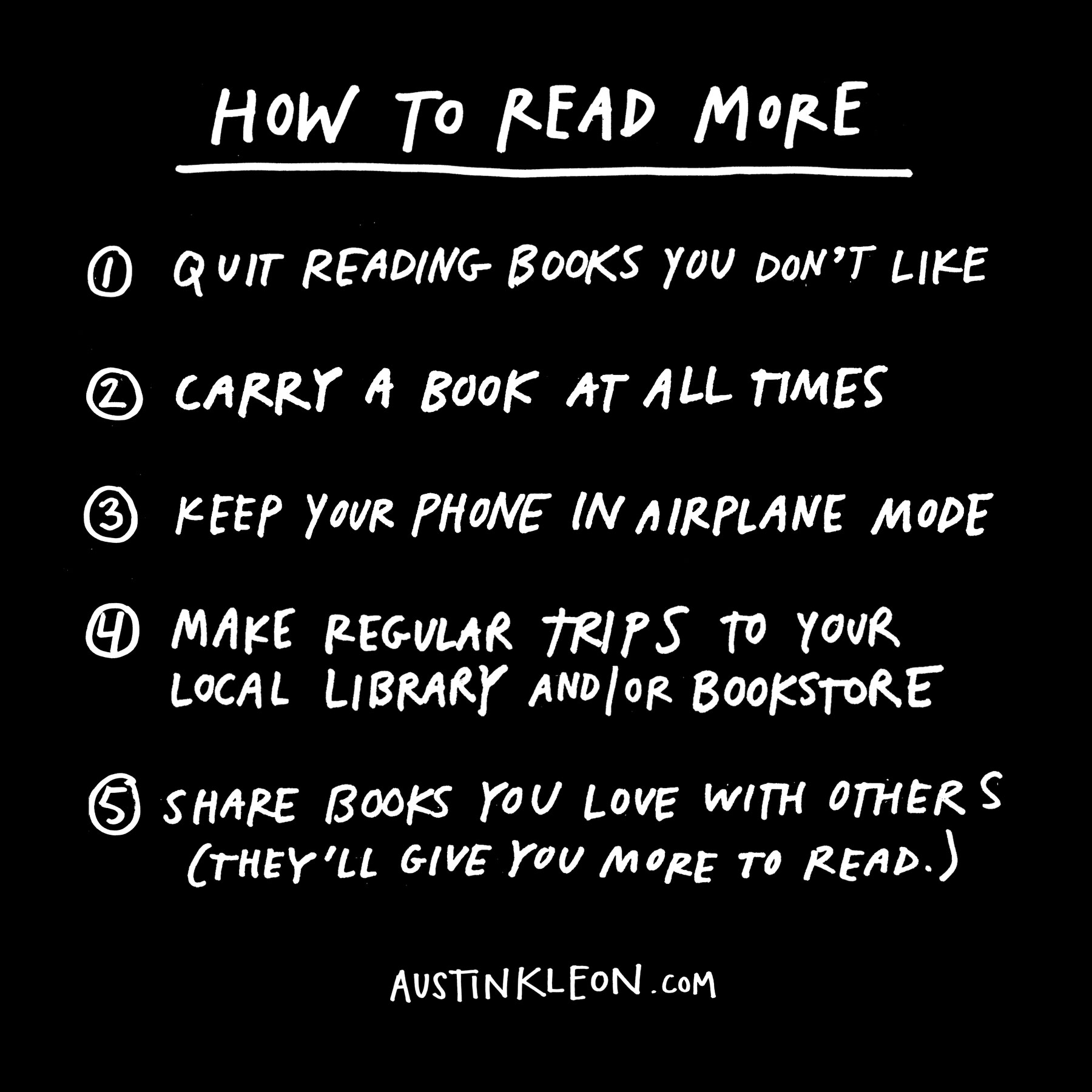
This group always helps me to read; welcome back, Chris.
9FAMeulstee
Happy reading in 2022, Chris!

11thornton37814
Hope you have a great year of reading!

13justchris
>5 Berly: and >12 Berly: Thank you, Kim! I got you starred, too! Though I have failed to pop into your thread to say so. And I hope you have a wonderful 2022 too!
>6 ffortsa: >8 banjo123: >9 FAMeulstee: >10 quondame: >11 thornton37814: Thank you, Judith, Rhonda, Anita, Susan, and Lori! Off to a good start so far!
>7 PaulCranswick: That's great, Paul. I've saved the meme to remind me how to live my life.
>6 ffortsa: >8 banjo123: >9 FAMeulstee: >10 quondame: >11 thornton37814: Thank you, Judith, Rhonda, Anita, Susan, and Lori! Off to a good start so far!
>7 PaulCranswick: That's great, Paul. I've saved the meme to remind me how to live my life.
15justchris
>14 ronincats: Thank you, Roni!
16justchris
Past Lives, Present Tense is an interesting conceit. It's a what if scenario--what if historical figures could be brought into the present day, uploaded into a modern person's mind through some mystical DNA extraction process mated with the staring eyeballs technique in A Clockwork Orange to bring the personality, memories, and maybe even talents of someone famous to someone excessively rich. Editor Elizabeth Ann Scarborough wrote the origin story that kicks off the collection and introduces the two characters who show up throughout the rest of the stories because they're the access point to this highly secret and expensive procedure that they presented to the 0.01% who could afford it without any pesky government regulations or ethical considerations getting in the way. In fact, they make a big point of emphasizing grave robbing, museum looting, government corruption, etc. to get the necessary DNA samples to process.
Each author picks someone from history then writes a story explaining who and why they get uploaded into the present (well, 1999, when this collection was published) and the consequences that ensue. I recognized only four of the authors as being relatively big names back in the day, though another couple sound vaguely familiar. Their author creds at the end are arranged in the order of their stories; several of them have published franchise novels of one sort or another, or coauthored within established series by bigger name authors, and covering a range of genres: speculative, mystery, romance, historical.
Here's the list of authors, stories, and historical personages bought by:
1. Elizabeth Ann Scarborough, "Soul Mates" - Sir Walter Scott
2. Lillian Stewart Carl, "A Rose with All Its Thorns" - Anne Boleyn
3. Elizabeth Moon, "Silver Lining" - George Silver
4. Margaret Ball, "Shell Game" - Jesus Christ
5. Jerry Oltian, "Renaissance Man" - Leonardo da Vinci
6. Thomas W. Knowles, "Luck of the Draw" - Doc Holliday
7. Sharon Newman, "Divine Guidance" _ Saint Elspeth (actually, I suspect this one is fictional)
8. Janet Berliner, "Eye of the Day" - Mata Hari
9. Nina Kiriki Hoffman, "Voyage of Discover" - Meriwether Lewis
10. Kristine Kathryn Rusch, "Relics" - Jesus Christ again
11. Carole Nelson Douglas, "Night Owl" - Florence Nightengale
12. Gary A. Braunbeck, "Who Am a Passer By" - Edgar Allen Poe
13. Rod Garcia y Robertson, "Forever Free" - JEB Stuart
14. Sandy Schofield, "Stepping Up to the Plate" - Babe Ruth
15. David Bischoff, "Sittin' on the Dock" Otis Redding
I was prepared to like the book. Certainly the cover description intrigued me enough to pick it up. But no. It was all stereotypes. All the stereotypes. Inscrutable, zenlike oriental, momma's boy wanting to please her during her last days, man-hating humorless feminazi who discovers her sensual feminine side, misogynistic racist asshole who resents his "inferiors" beating him in his chosen hobbies, backwater imaginary African nation whose leader has large Swiss bank accounts and is at risk of backsliding into tribal warfare, nerdy brilliant virgin inventor who doesn't know how to people especially with girls, Texas man forever trying to live up to the toxic masculinity expectations of his deceased father in all the testosterone-fueled activities, corrupt manager trying to refurbish his golden goose star, Caribbean voodoo curse, overbearing controlling mother who wants a living doll, rich and powerful man looking for a convenient puppet and working class orphan wanting only to be accepted, the horrors of autism!!!, more men with mommy issues and rich people wanting the personality equivalent of a food taster, star-crossed lovers reunited plus Lost Cause nostalgia and a terrible misuse of the Emancipation Proclamation, another nerdy man who doesn't know how to live, and the white man taking cultural appropriation to a whole new level and then essentially experiencing spiritual conversion. Yikes.
Admittedly, this book was published during the Clinton years, the period of neoliberal capitalism run amok, and it shows. The 0.01% characters who buy this unique personality transplant are self-made millionaires or have inherited wealth and lead empty lives. The ambience really reflects the conspicuous consumption of the 1990s economic boom. But reading this in 2021, when income and wealth inequalities meet or exceed those the 1920s Gilded Age and we are seeing the consequences of this as the pandemic plays out around the world and labor strikes are on the rise, it feels inappropriate at best and seriously out of sync. Who cares about the psychological woes of the uber-privileged? Wah wah. And worse is the contrast with the lower class marginalized characters acting as guinea pigs or objects of redemption. Admittedly, we know a lot more about the autism spectrum than we did back in 1999, but still, that particular story rankled--Autism Speaks could certainly use it in its marketing of how autism destroys lives and needs to be cured. It's got tiny science fiction touches, such as cold fusion, the prevalence of androids in entertainment spectacles, and other little details that don't really add much or change the feel of the era. It's also got very dated details like tape recordings and some pop culture references. Definitely not a keeper.
*1. Elizabeth Ann Scarborough, "Soul Mates" - Sir Walter Scott
2. Lillian Stewart Carl, "A Rose with All Its Thorns" - Anne Boleyn
3. Elizabeth Moon, "Silver Lining" - George Silver
4. Margaret Ball, "Shell Game" - Jesus Christ
5. Jerry Oltian, "Renaissance Man" - Leonardo da Vinci
6. Thomas W. Knowles, "Luck of the Draw" - Doc Holliday
7. Sharon Newman, "Divine Guidance" _ Saint Elspeth (actually, I suspect this one is fictional)
8. Janet Berliner, "Eye of the Day" - Mata Hari
9. Nina Kiriki Hoffman, "Voyage of Discover" - Meriwether Lewis
10. Kristine Kathryn Rusch, "Relics" - Jesus Christ again
11. Carole Nelson Douglas, "Night Owl" - Florence Nightengale
12. Gary A. Braunbeck, "Who Am a Passer By" - Edgar Allen Poe
13. Rod Garcia y Robertson, "Forever Free" - JEB Stuart
14. Sandy Schofield, "Stepping Up to the Plate" - Babe Ruth
15. David Bischoff, "Sittin' on the Dock" Otis Redding
(edited to include origin story)
Each author picks someone from history then writes a story explaining who and why they get uploaded into the present (well, 1999, when this collection was published) and the consequences that ensue. I recognized only four of the authors as being relatively big names back in the day, though another couple sound vaguely familiar. Their author creds at the end are arranged in the order of their stories; several of them have published franchise novels of one sort or another, or coauthored within established series by bigger name authors, and covering a range of genres: speculative, mystery, romance, historical.
Here's the list of authors, stories, and historical personages bought by:
1. Elizabeth Ann Scarborough, "Soul Mates" - Sir Walter Scott
2. Lillian Stewart Carl, "A Rose with All Its Thorns" - Anne Boleyn
3. Elizabeth Moon, "Silver Lining" - George Silver
4. Margaret Ball, "Shell Game" - Jesus Christ
5. Jerry Oltian, "Renaissance Man" - Leonardo da Vinci
6. Thomas W. Knowles, "Luck of the Draw" - Doc Holliday
7. Sharon Newman, "Divine Guidance" _ Saint Elspeth (actually, I suspect this one is fictional)
8. Janet Berliner, "Eye of the Day" - Mata Hari
9. Nina Kiriki Hoffman, "Voyage of Discover" - Meriwether Lewis
10. Kristine Kathryn Rusch, "Relics" - Jesus Christ again
11. Carole Nelson Douglas, "Night Owl" - Florence Nightengale
12. Gary A. Braunbeck, "Who Am a Passer By" - Edgar Allen Poe
13. Rod Garcia y Robertson, "Forever Free" - JEB Stuart
14. Sandy Schofield, "Stepping Up to the Plate" - Babe Ruth
15. David Bischoff, "Sittin' on the Dock" Otis Redding
I was prepared to like the book. Certainly the cover description intrigued me enough to pick it up. But no. It was all stereotypes. All the stereotypes. Inscrutable, zenlike oriental, momma's boy wanting to please her during her last days, man-hating humorless feminazi who discovers her sensual feminine side, misogynistic racist asshole who resents his "inferiors" beating him in his chosen hobbies, backwater imaginary African nation whose leader has large Swiss bank accounts and is at risk of backsliding into tribal warfare, nerdy brilliant virgin inventor who doesn't know how to people especially with girls, Texas man forever trying to live up to the toxic masculinity expectations of his deceased father in all the testosterone-fueled activities, corrupt manager trying to refurbish his golden goose star, Caribbean voodoo curse, overbearing controlling mother who wants a living doll, rich and powerful man looking for a convenient puppet and working class orphan wanting only to be accepted, the horrors of autism!!!, more men with mommy issues and rich people wanting the personality equivalent of a food taster, star-crossed lovers reunited plus Lost Cause nostalgia and a terrible misuse of the Emancipation Proclamation, another nerdy man who doesn't know how to live, and the white man taking cultural appropriation to a whole new level and then essentially experiencing spiritual conversion. Yikes.
Admittedly, this book was published during the Clinton years, the period of neoliberal capitalism run amok, and it shows. The 0.01% characters who buy this unique personality transplant are self-made millionaires or have inherited wealth and lead empty lives. The ambience really reflects the conspicuous consumption of the 1990s economic boom. But reading this in 2021, when income and wealth inequalities meet or exceed those the 1920s Gilded Age and we are seeing the consequences of this as the pandemic plays out around the world and labor strikes are on the rise, it feels inappropriate at best and seriously out of sync. Who cares about the psychological woes of the uber-privileged? Wah wah. And worse is the contrast with the lower class marginalized characters acting as guinea pigs or objects of redemption. Admittedly, we know a lot more about the autism spectrum than we did back in 1999, but still, that particular story rankled--Autism Speaks could certainly use it in its marketing of how autism destroys lives and needs to be cured. It's got tiny science fiction touches, such as cold fusion, the prevalence of androids in entertainment spectacles, and other little details that don't really add much or change the feel of the era. It's also got very dated details like tape recordings and some pop culture references. Definitely not a keeper.
*1. Elizabeth Ann Scarborough, "Soul Mates" - Sir Walter Scott
2. Lillian Stewart Carl, "A Rose with All Its Thorns" - Anne Boleyn
3. Elizabeth Moon, "Silver Lining" - George Silver
4. Margaret Ball, "Shell Game" - Jesus Christ
5. Jerry Oltian, "Renaissance Man" - Leonardo da Vinci
6. Thomas W. Knowles, "Luck of the Draw" - Doc Holliday
7. Sharon Newman, "Divine Guidance" _ Saint Elspeth (actually, I suspect this one is fictional)
8. Janet Berliner, "Eye of the Day" - Mata Hari
9. Nina Kiriki Hoffman, "Voyage of Discover" - Meriwether Lewis
10. Kristine Kathryn Rusch, "Relics" - Jesus Christ again
11. Carole Nelson Douglas, "Night Owl" - Florence Nightengale
12. Gary A. Braunbeck, "Who Am a Passer By" - Edgar Allen Poe
13. Rod Garcia y Robertson, "Forever Free" - JEB Stuart
14. Sandy Schofield, "Stepping Up to the Plate" - Babe Ruth
15. David Bischoff, "Sittin' on the Dock" Otis Redding
(edited to include origin story)
17justchris
I forgot to mention that when I looked up the author of the fictitious African country (and all the stereotypes of a primitive and corrupt banana republic with lifetime strongman), I found a right-wing racist author blog that repeatedly quotes at least one person of Sad Puppies/Rabid Puppies infamy, rants about Critical Race Theory, and refers to President Biden as FICUS (Fraud-in-Chief...). So the red flags I read in that story were a true signal. Another yikes.
18quondame
>16 justchris: >17 justchris: I'm more interested in knowing who the sad puppy adjacent author is than in reading the book. Using historical figures as puppets is something I find both interesting and annoying. I know the editor and Elizabeth Moon who I mostly like, and have heard of Margaret Ball, Nina Kiriki Hoffman, and David Bischoff and possibly Thomas W. Knowles, but then 1990-2004 I just was not even trying to read anything I didn't already know I wanted to read like Bujold, Cherryh, Wolfe, and Prachett.
19justchris
>18 quondame: It was Margaret Ball, who I have a vague sense emerged from fandom as an author. And in my brief scan of her recent blog entries, she regularly references Sarah Hoyt. The authors I know and had read before (and enjoyed!) are Elizabath Ann Scarborough, Elizabeth Moon, Nina Kiriki Hoffman (love her stuff!), and Carole Nelson Douglas. I believe I've read stories by David Bischoff in other anthologies, and Lilian Stewart Carl rings a bell. The others--had no idea who they were.
20quondame
>19 justchris: Ah, sexist me, I didn't suspect a woman! No wonder my searches on the men didn't turn up the dirt. We all have our blind spots.
I may check out some Nina Kiriki Hoffman books. I have one on my wish list. I think I've read every novel of Elizabeth Moon's and Elizabeth Ann Scarborough's collaborations with Anne McCaffrey.
I may check out some Nina Kiriki Hoffman books. I have one on my wish list. I think I've read every novel of Elizabeth Moon's and Elizabeth Ann Scarborough's collaborations with Anne McCaffrey.
21thornton37814
>16 justchris: That one sounds different.
22justchris
>20 quondame: Yup. The alt-right/white supremacist movement is dominated by white straight men, but there's always the contingent of women/POC/queer folks among them, sadly, TradWives and all that.
The first Nina Kiriki Hoffman book I read was The Silent Strength of Stones. It electrified me, just in the first couple of chapters.
>21 thornton37814: Thanks for the comment.
The first Nina Kiriki Hoffman book I read was The Silent Strength of Stones. It electrified me, just in the first couple of chapters.
>21 thornton37814: Thanks for the comment.
23justchris
Malice Domestic 7 is maybe the first collection of murder mystery short stories I have read. This collection of 13 stories plus the editor's intro featured a range of authors and settings in the USA, UK, and Australia, from the early nineteenth century to present day (well, at least to 1998, the publication year). It felt like speed dating--just enough to get a sense of the author's style and an introduction to their protagonists if they happen to have a series in progress (more than half of these stories featured their main characters in a little one-off situation).
I have discovered these are not for me. I enjoy the mystery genre quite a bit, mostly historical but some contemporary. The problem with short stories is lack of space. Presenting the protagonist, the context, the murder, the potential suspects, and the solution in 7500 words or less doesn't really allow for much development of character, plot, the accumulation of clues, or narrative arc. What I found in these stories was pretty much the protagonist, the murder, and the solution, with maybe a clue or two thrown in. Often presented as the narrator witnessing the death, engaging in some serious cogitation, solving it, and that's it.--or maybe it's a past murder brought to light and resolved in present day with no action to be taken as a result. No process of discovery, no hints or red herrings, no exploration of the various possibilities. Just jump from crime to solution with not much in between. Sometimes it starts with the body, and sometimes ends with it. Sometimes the narrator decided whether to tell someone what happened. Or the story is the context and the murder and its consequences from the murderer's perspective.
I've learned to enjoy speculative fiction short stories and have amassed quite a few anthologies, but I just don't see that happening for mysteries. Yet clearly it works for plenty of other readers. After all, this is the seventh installment in the series. And I have greatly enjoyed every book from Sharyn McCrumb that I've read. I expect it was her name as editor that inspired to pick up this book in the first place. My ultimate reaction: meh. Another book that's not a keeper.
I have discovered these are not for me. I enjoy the mystery genre quite a bit, mostly historical but some contemporary. The problem with short stories is lack of space. Presenting the protagonist, the context, the murder, the potential suspects, and the solution in 7500 words or less doesn't really allow for much development of character, plot, the accumulation of clues, or narrative arc. What I found in these stories was pretty much the protagonist, the murder, and the solution, with maybe a clue or two thrown in. Often presented as the narrator witnessing the death, engaging in some serious cogitation, solving it, and that's it.--or maybe it's a past murder brought to light and resolved in present day with no action to be taken as a result. No process of discovery, no hints or red herrings, no exploration of the various possibilities. Just jump from crime to solution with not much in between. Sometimes it starts with the body, and sometimes ends with it. Sometimes the narrator decided whether to tell someone what happened. Or the story is the context and the murder and its consequences from the murderer's perspective.
I've learned to enjoy speculative fiction short stories and have amassed quite a few anthologies, but I just don't see that happening for mysteries. Yet clearly it works for plenty of other readers. After all, this is the seventh installment in the series. And I have greatly enjoyed every book from Sharyn McCrumb that I've read. I expect it was her name as editor that inspired to pick up this book in the first place. My ultimate reaction: meh. Another book that's not a keeper.
24justchris
My replacement copy of Charity Girl finally arrived this week, and I was able to resume the story on page 125 and finish it the same night. The original copy I received had an egregious printing error that duplicated pages 93-124 in lieu of pages 125-56, right in the middle of the story. Sigh.
Charity Girl begins with Viscount Ashley Desford making a summer visit to the family estate in Hertfordshire, where his father, Earl of Wroxton, is laid up with gout and exceedingly grumpy. From there, our hero proceeds to his aunt's house party in Hampshire. He accompanies her to a country ball hosted by Lady Bugle whose daughter is the local beauty. Taking a timeout in the hall after waltzing with the beauty to check his appearance, he encounters Charity Steane, known as Cherry, the poor cousin living with Bugles, who is spying on the ball from the stairs. And thus the adventure begins.
The day after the ball, Desford heads for London in his curricle. He encounters Cherry running away from home. Treated as a despised servant and accused by her maternal aunt of attempting to steal Desford from the beauty, she decides that she'll have better luck with her estranged paternal grandfather in London, who disowned his son before Cherry was born. Concerned what could happen to an innocent teenager on her own, he gives her a ride, but alas, her grandfather's house is closed up. Now what to do? The only option he sees is to track the old man down and meanwhile leave Cherry with his childhood playmate and lifelong friend Henrietta Silverdale, who still lives at home with her mother at the neighboring estate of Inglehurst Place. He's annoyed to see that Hetta is being courted by Cary Nethercott, a new neighbor who recently inherited yet another nearby estate.
A comedy quest ensues. Who ends up with whom? Is Cherry really an orphan? No one's heard from her disreputable father for years. Will her grandfather refuse to take her in? Has Desford fallen for the pretty little innocent? Will Hetta finally get married? What could go wrong? What misunderstandings ensue? It's a standard Regency rom-com from Heyer.
Charity Girl begins with Viscount Ashley Desford making a summer visit to the family estate in Hertfordshire, where his father, Earl of Wroxton, is laid up with gout and exceedingly grumpy. From there, our hero proceeds to his aunt's house party in Hampshire. He accompanies her to a country ball hosted by Lady Bugle whose daughter is the local beauty. Taking a timeout in the hall after waltzing with the beauty to check his appearance, he encounters Charity Steane, known as Cherry, the poor cousin living with Bugles, who is spying on the ball from the stairs. And thus the adventure begins.
The day after the ball, Desford heads for London in his curricle. He encounters Cherry running away from home. Treated as a despised servant and accused by her maternal aunt of attempting to steal Desford from the beauty, she decides that she'll have better luck with her estranged paternal grandfather in London, who disowned his son before Cherry was born. Concerned what could happen to an innocent teenager on her own, he gives her a ride, but alas, her grandfather's house is closed up. Now what to do? The only option he sees is to track the old man down and meanwhile leave Cherry with his childhood playmate and lifelong friend Henrietta Silverdale, who still lives at home with her mother at the neighboring estate of Inglehurst Place. He's annoyed to see that Hetta is being courted by Cary Nethercott, a new neighbor who recently inherited yet another nearby estate.
A comedy quest ensues. Who ends up with whom? Is Cherry really an orphan? No one's heard from her disreputable father for years. Will her grandfather refuse to take her in? Has Desford fallen for the pretty little innocent? Will Hetta finally get married? What could go wrong? What misunderstandings ensue? It's a standard Regency rom-com from Heyer.
25justchris
Next book for February social justice book club: On Earth We're Briefly Gorgeous. Got the library book now.
26richardderus
>25 justchris: It will be interesting to see what you think of the read, Chris.
Charity Girl was standard Heyer? I call that praise, given how much more her writing offers than most!
Happy week-ahead's reads!
Charity Girl was standard Heyer? I call that praise, given how much more her writing offers than most!
Happy week-ahead's reads!
27justchris
>26 richardderus: Thank you for the good wishes! I'm loving it so far. Very impressed with the prose.
28justchris
Probably just as well I read this anthology after the others. It's so much better and more interesting that the others would have landed even worse than they did. Admittedly, Past Lives, Present Tense was different authors all picking up the same toy and spinning it, while this collection is a motley of imaginative toys, each one generated by a different author. Hard to shine when everyone's left fingerprints all over a single shared item--a singularly yucky image during pandemic.
Despatches from the Frontiers of the Female Mind was published by the Women's Press in 1984. Edited and with an introduction by Jen Green and Sarah Lefanu, this collection of 17 short stories written by women is most definitely feminist, exploring themes of gender roles, reproductive choices, societal trends, science fiction gender tropes, and more. Indeed, this anthology is clearly the child of second-wave feminism. The introduction does a great job discussing representation of women in science fiction by male authors, why women want to write speculative fiction, and name checking all the big names (of women authors) from the 1950s to the 1980s. It references and builds upon the groundbreaking Women of Wonder anthology from 1978 (also part of my personal library).
The only authors presented here whose names I recognized were Joanna Russ, Tanith Lee, Mary Gentle, and Raccoona Sheldon. Not surprising, since the majority of the authors are British, and I'm just not familiar with British speculative fiction. Each story is prefaced by an author bio and in many cases her comments about the story and its inspiration.
ALL of the stories are interesting. "Big Operation on Altair Three" opens the collection with a satirical take on advertising, consumerism, and mature female stars, which is just as relevant today. Some are not at all subtle, such as "The Cliches from Outer Space" and "Morality Meat." Some I found kinda bizarre and will probably have to sit with for awhile ("Apples in Winter" and "Instructions for Exiting This Building in Case of Fire" and "Words" and "Relics"). I particularly enjoyed "Spinning the Green," a retelling of Beauty and the Beast, my favorite fairy tale as a child. "Atlantis 2045: no love between planets" and "The Awakening" were quite chilling dystopias. "The Intersection," "Love Alters," and "A Sun in the Attic" were very memorable visions of distant-future alternative societies. "Cyclops" connects ancient Greece with the distant future among the stars. "Mab" imagines human parthenogenesis. I found "Long Shift" charming and bittersweet in its portrayal of women using telekinesis in an industrial capacity and dedication to the public welfare.
I enjoyed the range of styles, topics, and points of view. I certainly recommend others try to find this book too.
Despatches from the Frontiers of the Female Mind was published by the Women's Press in 1984. Edited and with an introduction by Jen Green and Sarah Lefanu, this collection of 17 short stories written by women is most definitely feminist, exploring themes of gender roles, reproductive choices, societal trends, science fiction gender tropes, and more. Indeed, this anthology is clearly the child of second-wave feminism. The introduction does a great job discussing representation of women in science fiction by male authors, why women want to write speculative fiction, and name checking all the big names (of women authors) from the 1950s to the 1980s. It references and builds upon the groundbreaking Women of Wonder anthology from 1978 (also part of my personal library).
The only authors presented here whose names I recognized were Joanna Russ, Tanith Lee, Mary Gentle, and Raccoona Sheldon. Not surprising, since the majority of the authors are British, and I'm just not familiar with British speculative fiction. Each story is prefaced by an author bio and in many cases her comments about the story and its inspiration.
ALL of the stories are interesting. "Big Operation on Altair Three" opens the collection with a satirical take on advertising, consumerism, and mature female stars, which is just as relevant today. Some are not at all subtle, such as "The Cliches from Outer Space" and "Morality Meat." Some I found kinda bizarre and will probably have to sit with for awhile ("Apples in Winter" and "Instructions for Exiting This Building in Case of Fire" and "Words" and "Relics"). I particularly enjoyed "Spinning the Green," a retelling of Beauty and the Beast, my favorite fairy tale as a child. "Atlantis 2045: no love between planets" and "The Awakening" were quite chilling dystopias. "The Intersection," "Love Alters," and "A Sun in the Attic" were very memorable visions of distant-future alternative societies. "Cyclops" connects ancient Greece with the distant future among the stars. "Mab" imagines human parthenogenesis. I found "Long Shift" charming and bittersweet in its portrayal of women using telekinesis in an industrial capacity and dedication to the public welfare.
I enjoyed the range of styles, topics, and points of view. I certainly recommend others try to find this book too.
29quondame
>28 justchris: I haven't read Dispatches.., but I noticed that it includes Lisa Tuttle who has written a thing or two that I really like and some weird stuff that I don't quite know what to think of.
30justchris
>29 quondame: Lisa Tuttle's story was "From a Sinking Ship." Think dolphins a la Thanks for All the Fish but not humorous at all.
31justchris
Just finished the Arbai trilogy. Can tell they are Tepper stories. Hitting on themes covered in other stories, plus I can see the influences of other authors. In the end, I like the True Game triple trilogies better. Hoping to write a review. Likely be long because I'm long-winded. Going to have to fortify myself for the effort.
32quondame
>31 justchris: Yes, The True Game books are much more likeable! I wasn't satisfied with what she did with the timeline tying them back to A Plague of Angels and it's sequels, but there was some fun stuff there too. Then there is Shadow's End which isn't much fun at all.
33PaulCranswick
Good start to the reading year, Chris.
Have a great weekend.
Have a great weekend.
34justchris
>31 justchris: Started the book review during the weekend. Got about half a page and needed to go deal with other things. Maybe I'll finish it this coming weekend...
>32 quondame: I replied to you over the weekend, but I see it didn't take! I've never read A Plague of Angels et al. Not sure I'd care for the character crossover.
>33 PaulCranswick: Thank you for stopping by and the good wishes, Paul!
>32 quondame: I replied to you over the weekend, but I see it didn't take! I've never read A Plague of Angels et al. Not sure I'd care for the character crossover.
>33 PaulCranswick: Thank you for stopping by and the good wishes, Paul!
35Berly
>25 justchris: I will be interested to see what you and your group think of On Earth We're Briefly Gorgeous -- it is in my TBR stacks. Happy reading and kudos on thorough, informative reviews!
36justchris
>36 justchris: I liked it. I agree with the reviews who say the prose is stunning and poetic. It is. Not surprised to discover the author is a poet first. I enjoyed the elliptical storytelling. The choice to use second person narrative felt like part of the overall experimental, push-the-format nature of the work. I read it slowly over a couple of weeks so I could savor it, devouring a trilogy and completing a nonfiction book in the interim. I also agree with the reviewers who considered it brutal in its intimately detailed portrayal of violence and addiction. Definitely. The graphic scene of animal torture/destruction was truly nauseating, and I'm glad that the passage of time has blurred that one in my memory. Other people were put off by the explicit gay sex scenes. Given the number of explicit and over-the-top straight sex scenes I've had to get through in books, it wasn't a problem for me. I assume that complaint was largely unacknowledged homophobia. Overall, a memorable and rewarding read. This was a pick for my social justice book club. It will be interesting to hear reactions from the largely white, upper middle class, retired folks.
37Berly
The sex scenes, gay or straight, I can deal with, if its consensual. The animal torture, violence and addiction? Ugh. Do I really want to read this book? Is the poetry and storytelling enough?
38justchris
>38 justchris: Can't advise you on whether the poetry and storytelling are enough for you to overcome the significant negatives. That's such a personal call.
39PaulCranswick
>36 justchris: I'm white, heterosexual but neither retired nor upper middle class and I am looking forward to reading Ocean Vuong's book very soon. His poetry is stunning.
Love scenes are all about the conveying of feelings and it doesn't matter the participants so long as the writing is sublime. My proclivities may be, erm, orthodox but, I will not shut my heart to those brothers and sisters who don't coincide with me in that detail. No sexuality has a monopoly on beautiful expression.
Have a great weekend, Chris.
Love scenes are all about the conveying of feelings and it doesn't matter the participants so long as the writing is sublime. My proclivities may be, erm, orthodox but, I will not shut my heart to those brothers and sisters who don't coincide with me in that detail. No sexuality has a monopoly on beautiful expression.
Have a great weekend, Chris.
40justchris
>39 PaulCranswick: I hear you on the feelings of love scenes.
I'm just thinking about the reaction of book club members to Parable of the Sower by Octavia Butler. More than one person was put off by the violence, which to me was pretty limited and mild compared to the sequel Parable of the Talents, and certainly nothing compared to what's depicted in Vuong's story. Otherwise, I was reacting to (and hypothesizing about) the negativity in LT reviews of the book at a quick pass through them.
I'm just thinking about the reaction of book club members to Parable of the Sower by Octavia Butler. More than one person was put off by the violence, which to me was pretty limited and mild compared to the sequel Parable of the Talents, and certainly nothing compared to what's depicted in Vuong's story. Otherwise, I was reacting to (and hypothesizing about) the negativity in LT reviews of the book at a quick pass through them.
41PaulCranswick
Wishing you a great weekend, Chris.
42justchris
Sheri S. Tepper is very much a second wave ecofeminist speculative fiction author. Her books explore themes of patriarchy, religion, misogyny, ecological destruction, the paradox of tolerance, and how do societies deal with bad actors, as individuals or as a class or as a whole society (to keep going up levels of analysis)--in other words questions of morality and ethics. She tends to rely rather too much on deus ex machina for my taste in the form of some sort of benevolent ultimate power, whether that's in the form of aliens with superior technology (Fresco ) or a sentient planet (True Game ) in the best animist sense of early modern ecological theories a la Clements or colonization by a fungal network that bestows collective empathy (Raising the Stones ). I can sympathize with that kind of liberal fantasy about how to cure what ails mankind (and it is very much *man*kind in Tepper's stories) even as I dislike some of her presentations of how that would work.
I had heard great things about the Arbai trilogy and finally managed to round up copies of Grass, Raising the Stones, and Sideshow. And now I've read them as part of my ongoing category challenge to eliminate my fiction TBR piles. I liked them, wanted to like them, and didn't like them to varying degrees. Tepper does know how to write a plot and create a sense of suspense that keep the story moving forward, making it hard to put the book down. I appreciate the worldbuilding, the interesting and memorable characters, and the grappling with big ideas. I raced through all three books in a week.
As mentioned above, I don’t care for benevolent higher power as always the solution to social ills. I don't like the harmful stereotypes she perpetuated as part of her axe grinding and the relative lack of nuance in her characters, as interesting as many of them are. I don't like the female protagonist heading into Mary Sue territory. I do tend to agree with the criticisms about her heavy-handedness/lack of subtlety and generally preachy tone, plus some skeeviness in some of the relationships she sets up between older men and younger women/girls or the unconsciously irresistible female protagonist. People have read genocide apologism in her works—she certainly explores that issue, along with whiffs of eugenics, but I can’t decisively declare that she is pro-genocide, though she is most definitely for euthanizing/removing problematic, harmful people who are incapable of learning/transforming. She doesn’t even frame it as justice as such, more as putting them out of their misery (along with protecting the vulnerable/society as a whole). Disability activists quite reasonably give the side-eye to such arguments because all too often they are the first and most heavily impacted by such “cleansing” reforms.
Grass was engrossing, with a mystery to propel the story forward—what is causing the plague that is slowly wiping out humanity across the galaxy? And what secrets are at the center of the annual hunts of the aristocracy on the mostly isolated and unknown planet of Grass, where the humans in remote and scattered estates engage in annual foxen hunts, riding Hippae and following hounds. What is the connection among these three native species? Who’s really in charge, and what does all this mean? And how does it connect to the all of the people dying elsewhere?
The story opens with a glorious description of the planet’s landscape and then segues into Diamantine bon Damfels going on her first hunt, establishing the atmosphere of suspense and dread. It then moves to overcrowded Terra and the protagonist, Lady Marjorie Westriding Yrarier, an Old Catholic aristocrat who won an Olympic gold medal in horse events (still a thing in the distant future!). Her husband, Rodrigo Yrarier, agrees to travel to Grass as Ambassador at the behest of his uncle, the Hierarch of Sanctity, the interstellar evangelical theocracy that dominates human space, with the secret mission to discover whether the rumors of a cure and/or immunity on Grass are true. Thus the Yrarier household arrives on Grass—Marjorie and Rigo, their teenage kids, their 2 household priests, Rigo’s mistress, and a half dozen horses—and events spiral out of control from there. The narrative shifts among a multitude characters (including the horses) in multiple locations who eventually come together as the plot thickens and races along like a spring flood in a river gorge.
I liked the worldbuilding, evocative scenery, interesting alien biology (I figured out part but not all of it), likable characters, action, and general imagination involved. And yet. The story just didn’t hang together for me, particularly in terms of the science and putative mechanisms, but also in terms of the character dynamics and key plot points. From here on spoilers!
Most of the plants are thousands of varieties of grass, from fine, moss-like groundcover, to giant bamboo-like stands with few trails through their vastness. Wet areas are the only places with trees—in essence swamp forests. The famous grass gardens of the aristocratic estates supposedly were designed as firebreaks for apparently rare grassfires. No understanding of fire ecology in this story—continuous vegetation, especially grass, is not actually a firebreak. No mention of major water bodies like rivers or lakes, which could act as natural firebreaks and more importantly, sources of water for fire suppression. Apparently there’s no lightning on the planet? Otherwise, grassfires would be happening all the time, and there’d be huge swathes of land showing signs of past fires. Which begs the question of what starts the fires, and how the hell they’re stopped, and how do all the critters avoid getting killed because a grassfire with a good wind can move fast! (Of course, this becomes a key plot point too.)
Then there’s the native animals: central to the story are the hounds (the size of horses), Hippae (twice as large, so maybe the size of draft horses? small elephants?), and foxen (bigger still—massive—far bigger than any apex predator on Earth). Also important are peepers and migerers, and passing mention of giant grazers and finally smallest of all the described lifeforms are the bats (vampire, of course, maybe the size of soccer balls). All of these (except the bats and maybe the digging migerers) are quite large organisms. No mention of birds, or rodents, or herpetiles or large predators, (except the foxen and a now extinct even larger predator), or carrion eaters, or any of the myriad other functional roles of a food web. The foxen apparently eat peepers and not much else. What do the hounds and Hippae eat? What about the peepers themselves? Does anything eat the giant grazers? How do all these large organisms sustain their mass and their planet-wide populations?
The human dynamics on the planet don’t quite hold up either. Each aristocratic estate has its own servant-class village. Plus, the only urban area on the planet is around the spaceport, located in an open area surrounded by impenetrable swamp forest, keeping outside influences contained and planetary secrets intact. Turns out, a lot of the villagers spend the winter in the city. And all of them are far more educated and economically better off than the nobility. They essentially humor the aristocrats and their delusions of superiority. O rly? That’s how that works? And the aristocrats never abuse their servants such that they walk out and leave them to their isolated estates? No real class tensions at all?
Moreover, when the diplomatic party from Terra arrives, the non-aristocratic locals just open right up and help them along at first ask? No need for trust-building? Marjorie just inspires that kind of reaction with everyone? Despite her husband being a giant dick? Despite the clearly dysfunctional family dynamics?
Then there’s the whole plague thing. Not surprisingly, Grass is both the source and the solution to this pandemic that is slowly wiping out humanity. Supposedly, a virus on the planet converts the amino acid L-alanine to D-alanine, and the latter cannot be metabolized by human bodies, leading to slow decomposition and death as the virus churns out more and more D-alanine in an L-alanine universe. And Grass is the only place in the universe with D-alanine in equilibrium with L-alanine, so the virus also converts D-alanine to L-alanine in equal measure and thus people there don’t get sick. Like, that’s not how chirality and stereochemistry and metabolism work. And even if it were, it wouldn’t lead to the symptoms so vividly described in the book, any more than hemoglobin in blood binding carbon monoxide preferentially to oxygen, which certainly can lead to death, but not decomposition. So living on Grass means that the virus does not reproduce destructively in the human population, but surely, when such people leave the planet, they would become just as susceptible? How could they have generalized immunity when the putative mechanism is so location specific?
And then there’s the delivery system. The Hippae apparently would ride off with young women during the hunt every now and then, mindwipe them, and then implant an impulse to go to the spaceport and stow away with dead bats (the disease vector) in hand. Or maybe just lob them into the open hatches. This plague has been going on for many, many years, but the first time one of these naked brainless girls is discovered is after the Terran diplomats arrive? And apparently epidemiology is not a thing? Like, wouldn’t the ship crews get sick first? Wouldn’t it be easy to connect the spread with ship routes? I know that the premise is the complete suppression of information surrounding the plague by the Sanctity government, but human gossip is a thing, and ship crews, I would expect would compare notes.
And none of this even touches on the themes and issues and narrative of the story, the things that Tepper has to say about organized religion, authoritarianism, patriarchy, intimacy, etc. But this review is already quite long just discussing the first book and my inability to suspend disbelief. So I wanted to like this book, and I did appreciate many aspects of it, but in the end, I think it’s not a keeper.
I had heard great things about the Arbai trilogy and finally managed to round up copies of Grass, Raising the Stones, and Sideshow. And now I've read them as part of my ongoing category challenge to eliminate my fiction TBR piles. I liked them, wanted to like them, and didn't like them to varying degrees. Tepper does know how to write a plot and create a sense of suspense that keep the story moving forward, making it hard to put the book down. I appreciate the worldbuilding, the interesting and memorable characters, and the grappling with big ideas. I raced through all three books in a week.
As mentioned above, I don’t care for benevolent higher power as always the solution to social ills. I don't like the harmful stereotypes she perpetuated as part of her axe grinding and the relative lack of nuance in her characters, as interesting as many of them are. I don't like the female protagonist heading into Mary Sue territory. I do tend to agree with the criticisms about her heavy-handedness/lack of subtlety and generally preachy tone, plus some skeeviness in some of the relationships she sets up between older men and younger women/girls or the unconsciously irresistible female protagonist. People have read genocide apologism in her works—she certainly explores that issue, along with whiffs of eugenics, but I can’t decisively declare that she is pro-genocide, though she is most definitely for euthanizing/removing problematic, harmful people who are incapable of learning/transforming. She doesn’t even frame it as justice as such, more as putting them out of their misery (along with protecting the vulnerable/society as a whole). Disability activists quite reasonably give the side-eye to such arguments because all too often they are the first and most heavily impacted by such “cleansing” reforms.
Grass was engrossing, with a mystery to propel the story forward—what is causing the plague that is slowly wiping out humanity across the galaxy? And what secrets are at the center of the annual hunts of the aristocracy on the mostly isolated and unknown planet of Grass, where the humans in remote and scattered estates engage in annual foxen hunts, riding Hippae and following hounds. What is the connection among these three native species? Who’s really in charge, and what does all this mean? And how does it connect to the all of the people dying elsewhere?
The story opens with a glorious description of the planet’s landscape and then segues into Diamantine bon Damfels going on her first hunt, establishing the atmosphere of suspense and dread. It then moves to overcrowded Terra and the protagonist, Lady Marjorie Westriding Yrarier, an Old Catholic aristocrat who won an Olympic gold medal in horse events (still a thing in the distant future!). Her husband, Rodrigo Yrarier, agrees to travel to Grass as Ambassador at the behest of his uncle, the Hierarch of Sanctity, the interstellar evangelical theocracy that dominates human space, with the secret mission to discover whether the rumors of a cure and/or immunity on Grass are true. Thus the Yrarier household arrives on Grass—Marjorie and Rigo, their teenage kids, their 2 household priests, Rigo’s mistress, and a half dozen horses—and events spiral out of control from there. The narrative shifts among a multitude characters (including the horses) in multiple locations who eventually come together as the plot thickens and races along like a spring flood in a river gorge.
I liked the worldbuilding, evocative scenery, interesting alien biology (I figured out part but not all of it), likable characters, action, and general imagination involved. And yet. The story just didn’t hang together for me, particularly in terms of the science and putative mechanisms, but also in terms of the character dynamics and key plot points. From here on spoilers!
Then there’s the native animals: central to the story are the hounds (the size of horses), Hippae (twice as large, so maybe the size of draft horses? small elephants?), and foxen (bigger still—massive—far bigger than any apex predator on Earth). Also important are peepers and migerers, and passing mention of giant grazers and finally smallest of all the described lifeforms are the bats (vampire, of course, maybe the size of soccer balls). All of these (except the bats and maybe the digging migerers) are quite large organisms. No mention of birds, or rodents, or herpetiles or large predators, (except the foxen and a now extinct even larger predator), or carrion eaters, or any of the myriad other functional roles of a food web. The foxen apparently eat peepers and not much else. What do the hounds and Hippae eat? What about the peepers themselves? Does anything eat the giant grazers? How do all these large organisms sustain their mass and their planet-wide populations?
The human dynamics on the planet don’t quite hold up either. Each aristocratic estate has its own servant-class village. Plus, the only urban area on the planet is around the spaceport, located in an open area surrounded by impenetrable swamp forest, keeping outside influences contained and planetary secrets intact. Turns out, a lot of the villagers spend the winter in the city. And all of them are far more educated and economically better off than the nobility. They essentially humor the aristocrats and their delusions of superiority. O rly? That’s how that works? And the aristocrats never abuse their servants such that they walk out and leave them to their isolated estates? No real class tensions at all?
Moreover, when the diplomatic party from Terra arrives, the non-aristocratic locals just open right up and help them along at first ask? No need for trust-building? Marjorie just inspires that kind of reaction with everyone? Despite her husband being a giant dick? Despite the clearly dysfunctional family dynamics?
Then there’s the whole plague thing. Not surprisingly, Grass is both the source and the solution to this pandemic that is slowly wiping out humanity. Supposedly, a virus on the planet converts the amino acid L-alanine to D-alanine, and the latter cannot be metabolized by human bodies, leading to slow decomposition and death as the virus churns out more and more D-alanine in an L-alanine universe. And Grass is the only place in the universe with D-alanine in equilibrium with L-alanine, so the virus also converts D-alanine to L-alanine in equal measure and thus people there don’t get sick. Like, that’s not how chirality and stereochemistry and metabolism work. And even if it were, it wouldn’t lead to the symptoms so vividly described in the book, any more than hemoglobin in blood binding carbon monoxide preferentially to oxygen, which certainly can lead to death, but not decomposition. So living on Grass means that the virus does not reproduce destructively in the human population, but surely, when such people leave the planet, they would become just as susceptible? How could they have generalized immunity when the putative mechanism is so location specific?
And then there’s the delivery system. The Hippae apparently would ride off with young women during the hunt every now and then, mindwipe them, and then implant an impulse to go to the spaceport and stow away with dead bats (the disease vector) in hand. Or maybe just lob them into the open hatches. This plague has been going on for many, many years, but the first time one of these naked brainless girls is discovered is after the Terran diplomats arrive? And apparently epidemiology is not a thing? Like, wouldn’t the ship crews get sick first? Wouldn’t it be easy to connect the spread with ship routes? I know that the premise is the complete suppression of information surrounding the plague by the Sanctity government, but human gossip is a thing, and ship crews, I would expect would compare notes.
And none of this even touches on the themes and issues and narrative of the story, the things that Tepper has to say about organized religion, authoritarianism, patriarchy, intimacy, etc. But this review is already quite long just discussing the first book and my inability to suspend disbelief. So I wanted to like this book, and I did appreciate many aspects of it, but in the end, I think it’s not a keeper.
43justchris
>41 PaulCranswick: Thank you, Paul. I appreciate your constancy in checking in and sharing good wishes.
44quondame
>42 justchris: I mostly enjoy reading Tepper, but my favorites are the ones where she's less obviously riding her causes. Her Marianne books and The True Game series have been frequent re-reads, while Shadow's End has haunted me after a single reading, however much I wish it would clear out.
The Arbai collection is sure a mixed bag of silly and memorable and ghastly and intriguing. I can't for sure recall anything about the second book, but there are things in the first and third which are brain burrs.
The Arbai collection is sure a mixed bag of silly and memorable and ghastly and intriguing. I can't for sure recall anything about the second book, but there are things in the first and third which are brain burrs.
45justchris
Grass, Raising the Stones, and Sideshow are known as the Arbai trilogy because humanity has expanded across many planets, and everywhere they go, they find the ruins of Arbai civilization and the mysterius Arbai gates found on all those worlds. Grass introduces us to the extinct Arbai, their gates, and explorations of good and evil; these are the elements that connect the three books that have otherwise unrelated stories, being separated by hundreds of years and on distant planets.
Grass features Lady Marjorie Westriding on overcrowded Terra and then Grass, home to the alien Hippae. Raising the Stones features Samasnier Girat on Hobb's World, a very boring agricultural colony that humans settled amidst the last of the native Owlbrit who went extinct soon after.. Sideshow opens on present-day Terra (the 1990s when the book was published) and then largely takes place on the planet Elsewhere. The other connecting element that unites these books as a trilogy is the recurring characters who go from protagonists in their origin novels to a retrospective cameo in the middle story, to important supporting characters and key plot points in the final story. That these are the same characters are not immediately obvious, which is a nice touch on Tepper's part.
Of the three stories, I think I liked Raising the Stones best. I appreciated how Hobb's World was developed and how the gods organically emerged and human society adapted in response. Plus, I thought the portrayal of the different human reactions and interpretations to what was happening was well done. It was all intriguing and interesting and well played.
However, I didn't care for the Islamophobia that was a huge part of the story in terms of the fundamentalist patriarchal misogynist religious terrorist society featuring men in turbans and women in hijab (though neither of those terms were used), and headed by the supreme leader, the Awateh (see what she did there?). Admittedly, Tepper claims that this fundamentalist religious sect is a fusion of three Old Earth tribal religions, which clearly includes both Catholic and Protestant Christianity along with Islam (with its prophets, priests, and pastors for the 3 different levels of society).
In contrast to the zealot men of Voorstod devoted to the Cause (ie, destruction of the infidel) and committed to the brutal enslavement of the diminutive Gharm are the Baidee who are far more egalitarian and tolerant and not interested in dominating others but instead living rightly among themselves. And yet, they are capable of just as much religious zealotry that can lead to atrocities, admittedly due to misguidance and fear more than religious hatred. Extremism is extremism, in effect.
And then there are the gods of Hobb's Land. Not so much human institutions as ecological symbiosis leading to maximum human cooperation. These gods are also responsive to human (and Gharm) needs, resulting in semimiraculous terraforming and other pseudomagical manifestations that can change reality. So what happens when these different religious trajectories collide?
Of course, the evils of organized religion as a human institution is the main focus of this book. The story also explores the role of history, legends and myths, matriarchal vs patriarchal social systems, the evils of chattel slavery and generational resistance and survival of the enslaved.
As someone who is exploring what decolonization looks like for me as a white person, I think a lot about relationships to place and people and past, and how we need connections to both our ancestors and our future descendants and our present environment, and that the stories we tell ourselves tell us who we are and how we relate to the world. Tepper argues that we should get rid of the stories of the past: "we need no bloody heroes...no more heavy legends, full of death and pain. No more heroes raising the stones to find marvelous things, and leaving the holes to become graves for those they've killed." Maybe I am misinterpreting, and she doesn't mean severing all ties with the past (it is that severing of aspects of identity that seems to be part of the violence of colonialism, both internally for white people who immigrate and become white and also externally acted upon the colonized peoples). And yet, I make that interpretation based on exactly how Hobb's Land was settled by people escaping their past and effectively reinventing themselves. Maybe this too is part of why I like this book best--I need to think about it more.
Grass features Lady Marjorie Westriding on overcrowded Terra and then Grass, home to the alien Hippae. Raising the Stones features Samasnier Girat on Hobb's World, a very boring agricultural colony that humans settled amidst the last of the native Owlbrit who went extinct soon after.. Sideshow opens on present-day Terra (the 1990s when the book was published) and then largely takes place on the planet Elsewhere. The other connecting element that unites these books as a trilogy is the recurring characters who go from protagonists in their origin novels to a retrospective cameo in the middle story, to important supporting characters and key plot points in the final story. That these are the same characters are not immediately obvious, which is a nice touch on Tepper's part.
Of the three stories, I think I liked Raising the Stones best. I appreciated how Hobb's World was developed and how the gods organically emerged and human society adapted in response. Plus, I thought the portrayal of the different human reactions and interpretations to what was happening was well done. It was all intriguing and interesting and well played.
However, I didn't care for the Islamophobia that was a huge part of the story in terms of the fundamentalist patriarchal misogynist religious terrorist society featuring men in turbans and women in hijab (though neither of those terms were used), and headed by the supreme leader, the Awateh (see what she did there?). Admittedly, Tepper claims that this fundamentalist religious sect is a fusion of three Old Earth tribal religions, which clearly includes both Catholic and Protestant Christianity along with Islam (with its prophets, priests, and pastors for the 3 different levels of society).
In contrast to the zealot men of Voorstod devoted to the Cause (ie, destruction of the infidel) and committed to the brutal enslavement of the diminutive Gharm are the Baidee who are far more egalitarian and tolerant and not interested in dominating others but instead living rightly among themselves. And yet, they are capable of just as much religious zealotry that can lead to atrocities, admittedly due to misguidance and fear more than religious hatred. Extremism is extremism, in effect.
And then there are the gods of Hobb's Land. Not so much human institutions as ecological symbiosis leading to maximum human cooperation. These gods are also responsive to human (and Gharm) needs, resulting in semimiraculous terraforming and other pseudomagical manifestations that can change reality. So what happens when these different religious trajectories collide?
Of course, the evils of organized religion as a human institution is the main focus of this book. The story also explores the role of history, legends and myths, matriarchal vs patriarchal social systems, the evils of chattel slavery and generational resistance and survival of the enslaved.
As someone who is exploring what decolonization looks like for me as a white person, I think a lot about relationships to place and people and past, and how we need connections to both our ancestors and our future descendants and our present environment, and that the stories we tell ourselves tell us who we are and how we relate to the world. Tepper argues that we should get rid of the stories of the past: "we need no bloody heroes...no more heavy legends, full of death and pain. No more heroes raising the stones to find marvelous things, and leaving the holes to become graves for those they've killed." Maybe I am misinterpreting, and she doesn't mean severing all ties with the past (it is that severing of aspects of identity that seems to be part of the violence of colonialism, both internally for white people who immigrate and become white and also externally acted upon the colonized peoples). And yet, I make that interpretation based on exactly how Hobb's Land was settled by people escaping their past and effectively reinventing themselves. Maybe this too is part of why I like this book best--I need to think about it more.
46quondame
>45 justchris: Maybe I'll re-read Raising the Stones.
47justchris
>45 justchris: If you do, let me know what you think.
For me, it's another story where Tepper is not at all subtle, and the stereotypes (and mischaracterizations) abound, and the characters really seem to lack depth. It's funny that I love the True Game stories so much and just cannot like these other Tepper stories as such. I like elements of them, I enjoyed aspects of them, and yet, I don't think I want to keep them. Same thing with The Fresco--I wanted to like it, was primed to like it, and really ended up not liking it for various reasons. These books fall between those two poles.
For me, it's another story where Tepper is not at all subtle, and the stereotypes (and mischaracterizations) abound, and the characters really seem to lack depth. It's funny that I love the True Game stories so much and just cannot like these other Tepper stories as such. I like elements of them, I enjoyed aspects of them, and yet, I don't think I want to keep them. Same thing with The Fresco--I wanted to like it, was primed to like it, and really ended up not liking it for various reasons. These books fall between those two poles.
48justchris
Finally, Sideshow is the last of the Arbai trilogy. It opens with one of those leading statements that reveals the destination, and then the story leads the reader to that point before moving beyond: "Humanity was saved from certain destruction when, on their wedding night, Lek Korsyzczy informed his wife that their first child was to be a son." This starting point and the book's title derive from the conjoined (Siamese) fraternal twins Nela and Bertran and their career on Old Earth before being catapulted through time and space via a newly materialized Arbai gate.
From their origin story, the narrative moves to the origin of Elsewhere, a remote planet colonized by humans fleeing the perceived enslavement of the Hobbs Land Gods. This colony is a living manifestation of the amoral paradox of tolerance (indeed, the capitol is called Tolerance), the population divided into 1003 individual provinces governed by a noninterference pact--each province could do whatever the hell it wants with its people who cannot leave, and thus the planet becomes a millenium-long museum exhibit of human cultural/religious/governance diversity: authoritarian society based on extensive child sacrifice (Molock) or racial enslavement (Derbeck), extreme misogynist patriarchy dedicated to female enslavement and suffering (Thrasis), across the river from extreme misandrist matriarchy in which dependent men can only travel with their "mothers" (Beanfields), extreme caste differences (Enarae), military autocracy (Frick), extreme bureaucracy (New Athens), legal system based on mutilation and death penalties (Sandylwaith), society based on musical contributions (Choire), cyborg "dinks" created from deconstructed human parts to pursue either a life of the mind or of simplified bodily sensations (City Fifteen), and on and on. You see how many of these reflect extremism?
Elsewhere's founders were university professors from Brannigan Galaxity, and the premise for the colony's arrangement is a literal living lab to manifest the answer to the existential question "What is the ultimate destiny of man?" Tolerance is built atop the mysterious Core, where puzzling and scary manifestations are happening. Dragons have been reported in the mysterious and unexplored center of the continent. The Provost of Tolerance keeps receiving the message "The people of Elsewhere are respectfully requested to rethink their position with respect to the rest of the universe" in various increasingly improbably ways. So many interlinked mysteries! And thus a quest gets underway, traveling through the provinces and seeking the source. What is the nature of God? What is freedom/free will? What is the ultimate destiny of humanity? What is good/moral/just? Will our heroes survive? And how do the Arbai fit into all this?
I haven't even mentioned the other main characters: Council Enforcers Zasper Ertigon, Danivon Luze, Fringe Owldark, and Curvis; Provost Boarmus of the Council Advisory; Jory, Asner, and Great Dragon, plus an assortment of minor characters who help carry the plot forward. It's an interesting story generally well told. I just didn't love it. And once again, I am sympathetic with many of Tepper's points and appreciated her storytelling, but I don't agree with her final conclusions. I also noticed a bit of a gendered double standard. Whereas Sam in Raising the Stones is recklessly and foolishly yearning for heroic greatness and something beyond the quotidian, Fringe Owldark's similar seeking for something more is shows her exceptionalism and leads to transcendence. Hmmm. In the end, I am ambivalent about these stories and unsure whether I want to keep the trilogy.
From their origin story, the narrative moves to the origin of Elsewhere, a remote planet colonized by humans fleeing the perceived enslavement of the Hobbs Land Gods. This colony is a living manifestation of the amoral paradox of tolerance (indeed, the capitol is called Tolerance), the population divided into 1003 individual provinces governed by a noninterference pact--each province could do whatever the hell it wants with its people who cannot leave, and thus the planet becomes a millenium-long museum exhibit of human cultural/religious/governance diversity: authoritarian society based on extensive child sacrifice (Molock) or racial enslavement (Derbeck), extreme misogynist patriarchy dedicated to female enslavement and suffering (Thrasis), across the river from extreme misandrist matriarchy in which dependent men can only travel with their "mothers" (Beanfields), extreme caste differences (Enarae), military autocracy (Frick), extreme bureaucracy (New Athens), legal system based on mutilation and death penalties (Sandylwaith), society based on musical contributions (Choire), cyborg "dinks" created from deconstructed human parts to pursue either a life of the mind or of simplified bodily sensations (City Fifteen), and on and on. You see how many of these reflect extremism?
Elsewhere's founders were university professors from Brannigan Galaxity, and the premise for the colony's arrangement is a literal living lab to manifest the answer to the existential question "What is the ultimate destiny of man?" Tolerance is built atop the mysterious Core, where puzzling and scary manifestations are happening. Dragons have been reported in the mysterious and unexplored center of the continent. The Provost of Tolerance keeps receiving the message "The people of Elsewhere are respectfully requested to rethink their position with respect to the rest of the universe" in various increasingly improbably ways. So many interlinked mysteries! And thus a quest gets underway, traveling through the provinces and seeking the source. What is the nature of God? What is freedom/free will? What is the ultimate destiny of humanity? What is good/moral/just? Will our heroes survive? And how do the Arbai fit into all this?
I haven't even mentioned the other main characters: Council Enforcers Zasper Ertigon, Danivon Luze, Fringe Owldark, and Curvis; Provost Boarmus of the Council Advisory; Jory, Asner, and Great Dragon, plus an assortment of minor characters who help carry the plot forward. It's an interesting story generally well told. I just didn't love it. And once again, I am sympathetic with many of Tepper's points and appreciated her storytelling, but I don't agree with her final conclusions. I also noticed a bit of a gendered double standard. Whereas Sam in Raising the Stones is recklessly and foolishly yearning for heroic greatness and something beyond the quotidian, Fringe Owldark's similar seeking for something more is shows her exceptionalism and leads to transcendence. Hmmm. In the end, I am ambivalent about these stories and unsure whether I want to keep the trilogy.
49PaulCranswick
Hope all is well over here.
50justchris
>49 PaulCranswick: Thanks for checking in, Paul. I was so excited to start off with a series of book reviews, I wanted to keep on the roll then got bogged down. Sigh. Plus, I've disappeared into Discord for the last while, so not as much time on LT.
In other news, I am mostly definitely picking Maus for my book club read this year.
In other news, I am mostly definitely picking Maus for my book club read this year.
51justchris
Trying a book review after 6 weeks!
Tai Chi Secrets of the Yang Style offers translations and commentary by Dr. Yang Jwing-Ming of Chinese classics on this soft martial art. The book comprises five chapters bookended by foreward (from Grandmaster Liang Qiang-Ya), author information, preface, acknowledgments, introduction, and Yang family early history at the front, and references, glossary of Chinese terms, and index at the back. Now 20+ years old, this book was published in 2001 by the author's press: YMAA Publication Center, a subsidiary of Yang's Martial Arts Academy, founded in 1982, later to become part of Yang's Oriental Arts Association.
Each chapter focuses on a single tai chi classic, organized in chronological order, from the founder of this taiji lineage (1799-1872), to two of his sons (between 1837 and 1917), and finally, one of his grandsons (1883-1936). The chapters vary in length according to the size of the work from a single paragraph to 40 subsections covering more than a hundred pages:
1. The brief summary of taiji by Yang Jian-Ho
2. Nine key secrets of taijiquan by Yang Yu (Ban-Hou)
3. Forty taijiquan treatises by Yang Yu (Ban-Hou)
4. Ten important keys to taijiquan, dictated by Yang Chen-Fu, recorded by Chen Wei-Ming
5. Explanation of taijiquan's harmonious stepping in four sides of pushing hands by Yang Chen-Fu
Each chapter comprises three parts: a literal translation in italics with missing English words supplied in parentheses, then the original Chinese ideograms, and last a grammatical translation with greater or lesser commentary and interpretation. Some chapters include illustrations: photographs of the author demonstrating an action with a partner, acupuncture anatomical diagrams, metaphysical illustrations such as the eight trigrams and alignment of four seasons and five qis.
It's a good resource that provides historical context, aids for better comprehension and further learning, an overview of the development of the Yang style and the first generations of the Yang family practitioners with assorted anecdotes of their prowess and encounters, and the cultural context of the Chinese taiji classics. The content of the classics is a mix of practical and theoretical and metaphysical. It's a collection that can be read repeatedly to glean new understandings each time.
Tai Chi Secrets of the Yang Style offers translations and commentary by Dr. Yang Jwing-Ming of Chinese classics on this soft martial art. The book comprises five chapters bookended by foreward (from Grandmaster Liang Qiang-Ya), author information, preface, acknowledgments, introduction, and Yang family early history at the front, and references, glossary of Chinese terms, and index at the back. Now 20+ years old, this book was published in 2001 by the author's press: YMAA Publication Center, a subsidiary of Yang's Martial Arts Academy, founded in 1982, later to become part of Yang's Oriental Arts Association.
Each chapter focuses on a single tai chi classic, organized in chronological order, from the founder of this taiji lineage (1799-1872), to two of his sons (between 1837 and 1917), and finally, one of his grandsons (1883-1936). The chapters vary in length according to the size of the work from a single paragraph to 40 subsections covering more than a hundred pages:
1. The brief summary of taiji by Yang Jian-Ho
2. Nine key secrets of taijiquan by Yang Yu (Ban-Hou)
3. Forty taijiquan treatises by Yang Yu (Ban-Hou)
4. Ten important keys to taijiquan, dictated by Yang Chen-Fu, recorded by Chen Wei-Ming
5. Explanation of taijiquan's harmonious stepping in four sides of pushing hands by Yang Chen-Fu
Each chapter comprises three parts: a literal translation in italics with missing English words supplied in parentheses, then the original Chinese ideograms, and last a grammatical translation with greater or lesser commentary and interpretation. Some chapters include illustrations: photographs of the author demonstrating an action with a partner, acupuncture anatomical diagrams, metaphysical illustrations such as the eight trigrams and alignment of four seasons and five qis.
It's a good resource that provides historical context, aids for better comprehension and further learning, an overview of the development of the Yang style and the first generations of the Yang family practitioners with assorted anecdotes of their prowess and encounters, and the cultural context of the Chinese taiji classics. The content of the classics is a mix of practical and theoretical and metaphysical. It's a collection that can be read repeatedly to glean new understandings each time.
52Berly
Very much behind, but Hi!!
>40 justchris: I enjoyed The Parables, so perhaps the book would work for me after all. Someday.
>51 justchris: You did it! Nice review. I am into TKD, a hard martial art, but Tai Chi sounds very interesting.
Oh, and happy Monday. : )
>40 justchris: I enjoyed The Parables, so perhaps the book would work for me after all. Someday.
>51 justchris: You did it! Nice review. I am into TKD, a hard martial art, but Tai Chi sounds very interesting.
Oh, and happy Monday. : )
53justchris
>52 Berly: I love Parable of the Talents! It had me buzzing for days. I liked Parable of the Sower. I'm looking forward to reading her collected works in Octavia E. Butler: Fledgling, Kindred, Collected Stories.
How long have you been practicing taekwondo? Are you good at practicing at home? I'm terrible at that, though I always want to do better.
How long have you been practicing taekwondo? Are you good at practicing at home? I'm terrible at that, though I always want to do better.
54Berly
I also enjoyed Fledgling and Kindred -- you'll have fun with them.
I just took a pre-test last Saturday so I am now officially halfway to Master (4th degree Black Belt) in TKD. I had my entire living room cleared out, with all breakable put away and couches against the wall so I could practice at home during COVID. But right now I am back in the dojang, and we'll just have to see how things go. ; ) I am really good with the nunchucks, but need to memorize the forms a bit better. And I am out of shape for sparring. LOL.
I just took a pre-test last Saturday so I am now officially halfway to Master (4th degree Black Belt) in TKD. I had my entire living room cleared out, with all breakable put away and couches against the wall so I could practice at home during COVID. But right now I am back in the dojang, and we'll just have to see how things go. ; ) I am really good with the nunchucks, but need to memorize the forms a bit better. And I am out of shape for sparring. LOL.
55justchris
>54 Berly: I am impressed with the nunchucks! I attended half of a mini-festival of martial arts cinema and was once again very impressed by that particular weapon form. The only taiji weapon form I have learned is sword. I'd like to also learn fan, cane, and saber.
I am fortunate in having a fitness room. On the rare occasion I attend a zoom sword class, that's where I go. Just not enough room in my condo for it. However, for regular open hand form class, I use an area rug in my bedroom as my practice space and set my laptop on the dresser. I do regret the lack of push hands in person practices. I need a lot more time working one-on-one with others.
Congrats on the latest pre-test! I hope you continue to make steady progress despite all the challenges of the pandemic.
I did read Kindred last year, borrowed from a neighbor. Wrote a long review of it, even. I appreciated it and can see why it is probably the most frequently taught work in Butler's oeuvre.
I am fortunate in having a fitness room. On the rare occasion I attend a zoom sword class, that's where I go. Just not enough room in my condo for it. However, for regular open hand form class, I use an area rug in my bedroom as my practice space and set my laptop on the dresser. I do regret the lack of push hands in person practices. I need a lot more time working one-on-one with others.
Congrats on the latest pre-test! I hope you continue to make steady progress despite all the challenges of the pandemic.
I did read Kindred last year, borrowed from a neighbor. Wrote a long review of it, even. I appreciated it and can see why it is probably the most frequently taught work in Butler's oeuvre.
56justchris
I enjoyed Bleak House, but I don't think I'll keep the book. With a long-distance move in the planning, I need to winnow my collection. I don't think I'll reread this literature classic, or have need of it as a reference, and those are my usual criteria for my permanent collection.
57PaulCranswick
>56 justchris: It is a bulky one for sure! I keep editions of all Dickens' novels, Chris, and with my magpie tendencies I couldn't let them go!
58justchris
>58 justchris: I'm kinda rethinking it as I continue to reflect on the writing. I have a weekly meetup with my writing buddy, and we may even get to writing. Anyway, I took a series of Writing the Other workshops that I greatly enjoyed in 2020. And I am greatly reminded of the points made in the dalogue and dialects workshop. Dickens definitely had an ear and a gift for characterization through both description and dialogue. So I dunno. Sit with it until it's time to pack up books, maybe.
59justchris
I co-facilitate a social justice book club, which means I get to pick our reads/screenings. And I've just drafted my picks for the months I'm leading in 2022:
May and June - The Half Has Never Been Told: Slavery and the Making of American Capitalism by Edward E. Baptist
Last quarter of 2022 to focus on recent banned books/media
October - Maus: A Survivor's Tale by Art Spiegelman
November - Lawn Boy by Jonathon Evison
December - The Yes Men Fix the World
https://www.youtube.com/watch?v=OazUh0Ym8rc
https://archive.org/details/the-yes-men-fix-the-world/The.Yes.Men.Fix.The.World....
And none of them are available as book club kits from the library, unlike all of my selections last year. Oh well.
May and June - The Half Has Never Been Told: Slavery and the Making of American Capitalism by Edward E. Baptist
Last quarter of 2022 to focus on recent banned books/media
October - Maus: A Survivor's Tale by Art Spiegelman
November - Lawn Boy by Jonathon Evison
December - The Yes Men Fix the World
https://www.youtube.com/watch?v=OazUh0Ym8rc
https://archive.org/details/the-yes-men-fix-the-world/The.Yes.Men.Fix.The.World....
And none of them are available as book club kits from the library, unlike all of my selections last year. Oh well.
60richardderus
>59 justchris: Lawn Boy is an excellent read, one I think is underrated because it doesn't use flash and sparkle but instead heft and depth to do its magic. I hope you'll enjoy it when its turn comes.
>53 justchris: Kindred...omigawd...I'm *so*jealous* that you get to discover it. What a book! What a story, what words Butler formed into the artifact it is. The only other book I can think of that made me have the same "I couldn't...wouldn't...change one word" reaction is Larry Watson's Montana 1948.
>53 justchris: Kindred...omigawd...I'm *so*jealous* that you get to discover it. What a book! What a story, what words Butler formed into the artifact it is. The only other book I can think of that made me have the same "I couldn't...wouldn't...change one word" reaction is Larry Watson's Montana 1948.
61justchris
>60 richardderus: Thank you for the recommendation! It confirms my selection of Lawn Boy. I'm looking forward to it.
Sorry to disappoint. Already read Kindred last year, and even wrote an extensive review. But it was a library book so I am most pleased to have my own copy of it. I too thought it was magnificent and can understand why it is often used in classrooms.
Sorry to disappoint. Already read Kindred last year, and even wrote an extensive review. But it was a library book so I am most pleased to have my own copy of it. I too thought it was magnificent and can understand why it is often used in classrooms.
62Berly
>60 richardderus: >61 justchris: Read Kindred and helped edit Montana 1948 at Milkweed Editions. So how was Lawn Boy? : )
63justchris
>62 Berly: What did you think of Kindred?
I spent a week in North Carolina at the end of May. In the interest of minimizing stuff, I brought my tablet for fiction reading and one nonfiction book. Quite restrained for me. Good to dive into one of the larger works that's been sitting there waiting for me. Finally finished it a couple days ago.
I spent a week in North Carolina at the end of May. In the interest of minimizing stuff, I brought my tablet for fiction reading and one nonfiction book. Quite restrained for me. Good to dive into one of the larger works that's been sitting there waiting for me. Finally finished it a couple days ago.
64richardderus
Hiya Chris! I'm happy to hear from you. Do you think you'll get to setting down some thoughts on the reading?
65justchris
>64 richardderus: That would be nice, but I have so many things competing for my attention, many of them urgent. LT has really dropped off my radar this year compared to last year, but I have freshly remembered it this week.
66Fourpawz2
>65 justchris: - I hate when work starts stealing reading time away because LT time (which is slightly less precious) always suffers.
Kindred looks awfully good. Am thinking that used copies of it are still a bit pricey, but I just remembered that I am sitting on top of a still-unused B&N gift card. So tempting...
Kindred looks awfully good. Am thinking that used copies of it are still a bit pricey, but I just remembered that I am sitting on top of a still-unused B&N gift card. So tempting...
67justchris
>66 Fourpawz2: Kindred is definitely worth reading. It's actually probably Butler's most still in print book, but used is certainly cheaper than new.
68xieouyang
>67 justchris:
Hi Chris, I remember you from several years ago. i brlieve you live (lived) in Wisconsin.
How are you?
Hi Chris, I remember you from several years ago. i brlieve you live (lived) in Wisconsin.
How are you?
69justchris
>68 xieouyang: xieouyang!!! Wonderful to see you! Yes, I am still in Wisconsin. Are you still in Kohler? I nicely wrapped up a little giftie for you many years ago and then never did anything with it. I might still have it lying around...
I did eventually finish Don Quijote, but it took me many, many months and other reads in between chapters. It is indeed a work of literary genius.
This year I finally read Bleak House and can say that Dickens is an amazing writer with a gift for characterization. Those may be my only two encounters with literature this decade.
I did eventually finish Don Quijote, but it took me many, many months and other reads in between chapters. It is indeed a work of literary genius.
This year I finally read Bleak House and can say that Dickens is an amazing writer with a gift for characterization. Those may be my only two encounters with literature this decade.
70xieouyang
>69 justchris:
Yes, we are still living in Kohler. Even though I retired (almost 10 years now) I have continued to work, part-time consulting. I like staying busy doing somewhat challenging work.
If you ever decide to come visit Kohler it’d be great to meet you in person, I don’t offer to travel because my wife has some mobility difficulty and is hard for her to walk around, so we stay put mostly.
I read Bleak House, and several other Dickens books a few years back. From time to time I’d like to read them again, but then there is so much more to read fighting for my time.
Yes, we are still living in Kohler. Even though I retired (almost 10 years now) I have continued to work, part-time consulting. I like staying busy doing somewhat challenging work.
If you ever decide to come visit Kohler it’d be great to meet you in person, I don’t offer to travel because my wife has some mobility difficulty and is hard for her to walk around, so we stay put mostly.
I read Bleak House, and several other Dickens books a few years back. From time to time I’d like to read them again, but then there is so much more to read fighting for my time.
71justchris
>70 xieouyang: Will let you know if I ever head up that way. It's conceivable as I have family north of you.
I hear you on too many books, not enough lifetime.
I hear you on too many books, not enough lifetime.
72xieouyang
Chris, you know Spanish, right?
In case you are interested Vargas Llosa, one of my favorite authors, just finished a book on Perez Galdós. I ordered it from Amazon, it’s coming out onthe 22nd this month.
In case you are interested Vargas Llosa, one of my favorite authors, just finished a book on Perez Galdós. I ordered it from Amazon, it’s coming out onthe 22nd this month.
73justchris
>72 xieouyang: Thanks for the heads up. The sad truth is that my acquaintance with Spanish literature is even more limited than with English literature. It sounds like an interesting book.
74justchris
So I just finished the elemental sword books by Adrienne Martine-Barnes. I really love The Dragon Rises and have reread it repeatedly over many years. For the longest time, it was the only book of hers I'd ever seen on bookshelves, then I found The Fire Sword--back in 2013, according to LT, though it doesn't seem like it's been that long. And apparently read it back in 2016, which explains why I don't remember it particularly well now. And I discovered it was part of a set, and I was lucky enough to begin with the first of them. Took a few years, but I finally managed to collect all four, and I sped through the remaining 3 this week.
The Fire Sword, The Crystal Sword, The Rainbow Sword, and The Sea Sword are magical swords representing the four elements. Classic high fantasy about our heroes on a quest to save the land right out of Campbell. However, these books are from the 1980s and are also clearly second-wave feminist speculative fiction centered around gender dynamics grounded in mythology. Each stands alone, but they function best as a set. So Light vs Dark and battle of the sexes and Freudian issues with parents and journeys of self-discovery.
Each magic sword has a magic sheath made from the skin of the Earth Serpent, the only thing strong enough to contain the power of the swords. And sword and sheath are used as literal metaphors (is that an oxymoron?) for mystical union of man and woman. So each book is about bringing magical artifacts and magical people together into unbreakable union. Yadda yadda. All very heteronormative and reifying plenty of gender stereotypes.
The Fire Sword begins with Eleanor, a modern women who wakes to find herself in 1220 England. Again, it was the 1980s and modern person yanked to an earlier time was a common trope. I remember reading a lot of stories along those lines, though only The Gandalara Cycle comes to mind right now. And of course, these days Outlander is the obvious example. The narrative is third person personal, mostly from Eleanor's perspective with the occasional paragraph from the hero's perspective.
Anyway, Eleanor wakes up in 1220 just a little confused as to what's going on. Turns out the Darkness is taking over Albion (not England), including the current King Henry on the throne, and the Irish goddess Bridget has brought Eleanor back to carry the fire sword into battle to defeat the Darkness, possibly an evil from another universe, that first appeared in Iberia in 1169. Actually, Eleanor has been dropped into an alternate timeline, where Pope Adrian IV declared the multiverse part of church doctrine, Guillaume the Strong (not William the Conqueror) is the Savior of Albion, Islam never emerged, the Crusades never happened, and Jerusalem is an unconquered Jewish city.
After getting her marching orders and the magic sword from Bridget and being brought up to speed by Brother Ambrosius (such interlocutors are handy for dropping lots of context for the readers), Eleanor finds a wolf companion and is soon underway to Hibernia (Irish legends, remember?). Along the way, she also meets Saille, goddess of willows, Orphiana, the Earth Serpent, and her twin sons Doyle and Baird ever struggling for dominance (and recalling other divine twins or battling brothers including Cain and Abel). Turns out Eleanor has a lot of magical gifts (bestowed by goddesses), and Doyle is a shapechanger. Having special powers certainly helps to defeat evil.
A lot of the dialogue and the emotional heart of the story is very much about intimacy and love, and not necessarily just sexual relationship. This is true for all of the books. They all very much emphasize consent (at least when the female protagonists are dealing with the heroes) and also the omnipresent threat of sexual violence. All about the power and mystery and complexity of woman. Plus king-making and passing the magical artifacts onto the ruler of the land. Then exit stage left to retire and make babies.
The Crystal Sword opens with the legend of the forging of the 4 magical swords that smacks of Norse myth, Odin, and the worldtree. The story features Eleanor and Doyle's son Dylan, who must travel to Franconia (not France), which is covered in Darkness, to find the woman who holds the sword of the earth element. Sal, his mother's divine friend and his own, shows him a vision of Aenor, trapped underground under a spell of amnesia for unknown years, captive of the fae (known as White Folk here). Eleanor is having none of it. After all, she did all that work in service to the divine, why should one of her kids have to do the same. The goddess wins, of course. Dylan is ready for his own adventure and starts off on his quest having known the minstrels' tales told about his parents and having heard them tell their stories growing up.
The chapters alternate between Dylan's viewpoint and Aenor's. Like his father, Dylan has shapechanging ability and becomes Lord of the Beasts with mystical antlers that sometimes manifest. Aenor has at least one White Folk ancestor, and after years in their underground kingdom has absorbed their magical skills, manifested through song. This book features such creatures as licornes (referenced as unicorns in The Fire Sword) and salamanders that can move through solid rock. No king-making as such in this book, but it does feature royal St Louis who is effectively on crusade to rid Franconia of Dark-infested people. Which takes a lot of killing. Helped along by the crystal sword, once Dylan finds the sheath, rescues Aenor, they get it on, and each wield the magical weapon to save the day. Then exit stage right (to Italy) to make babies and breed horses.
The Rainbow Sword features Dylan and Aenor's son Geoffrey. He's a student in Venice who races home to find his mother dying and father grief-stricken and meets his aunt Rowena, who has written a history of their family's exploits. His parents didn't really talk about their deeds or their contact with the divine, so he is unprepared for the goddess of poppies to appear and send him on a quest to Byzantium in search of a healing elixir. He doesn't quite realize she's a goddess, and he's overcome with grief and envy of his parents' closeness (very Freudian), so he steals a horse, food, money, and his aunt's book (how else is he going to understand what the hell is going on) to seek adventure and save his mother (he thinks).
This time it's the Holy Land, the Levant, that is the scene for immortal struggle. Geoffrey spends the whole time maundering about what a coward he is, how unlike his dad he is, how he's relied on logic and reason yet divine visitations are challenging his understanding of the world. He's not a warrior like his father, nor a singer like his mother. But he plays a mean flute and can feel the music of his lineage in his bones. Geoffrey doesn't make it to Byzantium because he returns to Venice to arrange transportation and gets stuck when the Doge shuts down maritime travel. He befriends Hermes (though of course at first he doesn't realize he's had another encounter with the divine), who helps him get out of the city and on the road. He eventually figures out the goddess of poppies is Persephone, and it's all about Hellenic myths this time.
But what about the sword, and the girl? The scenes alternate primarily between Geoffrey and Helene, the daughter of Hiram, one of the powerful Byzantine mages whose magics have kept the city safe for centuries. She's got a massive inferiority complex and a lot of rage because her father hates her for not being a boy, even though she does her best to be a boy, pursuing the arts of war and studying magic. Byzantium is under attack by an invading army, and Helene flees in the chaos with an artifact from her father that turns out to be effectively a light saber. Just some sort of cross shape until she empowers it (there's a sexual component to this--the book is not subtle), and then it develops an ethereal and ultimately material blade. Turns out she's had a relationship with an unnamed goddess since she was a child who guides and aids her on her journey.
Helene hates and fears men, not surprising given how many violent encounters she has: her father wants to use her as a blood sacrifice, then a shapechanging mage captures her, then an Arab mage attempts to seduce/rape her. And Geoffrey thinks he's not man enough for women besides being raped by Maenads and wants nothing to do with sex or women. So here they are, traveling companions who sleep with the sword between them while they build trust and understanding. In addition to Persephone and Hermes, we get Artemis, Aphrodite, Ares, and Dionysius at least mentioned if not all showing up in scenes.
But wait, there's more. Other chapters feature the viewpoint of Michael ben Avi and his twin brother Jacob, who are rivals in leading their people under siege and as refugees from the fall of Jerusalem (called Salem in this book). Is one of them destined to be the king who ultimately receives the magic sword and defeats Darkness?
So this third book is unlike the previous two. It moves out of northern Europe into the eastern Mediterranean. And the book opens with a disclaimer that this alternate timeline had no Mohammed, no Islam, no Crusades, no religious schism and hence no Greek Orthodox church. That's a little bit of a red flag for me. Like, this is book 3 in a series already well established as an alternate historical fantasy. Why signpost No Muslims Here so loudly? Islamophobia maybe?
And then we get to these Jewish potential kings. Not that they're ever called that. But the chapter that introduces Michael ben Avi shows him abandoning his extremely pregnant wife Rebecca to pursue his holy mission as the Messiah, and thinking of her as nagging and complaining. And focused on the adulation of his followers and the power struggle with his twin brother. When Geoffrey and Helene see him, he's described as having "huge doe-like eyes rimmed with ebony lashes, wavy black hair, pronounced nose, and a square black beard" and is later described him as rubbing his hands together. The anti-semitism is not subtle. That along with his greed for the sword and attempted coercion and general zealotry.
Adrienne Martine-Barnes shifts her setting but makes it a misogynistic, violent place full of dangerous dark men, unnamed nomadic peoples, invasions from the east, some of which is Darkness, and some apparently just brown people on a rampage. The racism is strong in this book. Not like those things aren't present in Albion and Franconia, but she really kicked it up a lot more notches and made it clear she thought it was a cultural problem, not just an asshole/Darkness problem.
In comparison, The Sea Sword isn't quite as virulently racist, but it's even more white savior. This time, it's Geoffrey and Helen's daughter Claire. She's learned the arts of war from her mother and the arts of magic and general scholarship from her father, seeking her parent's love and approval yet not gifted in any of these things nor in a traditional domestic gender role. She knows about her parent's adventures but never thought she'd be called to find a sword. Everyone knew that would be her twin brother. But lo, of the 4 children, two are sent west (her brother and a sister), and she's sent east, and one remains home as solace to the parents.
I wondered whether all of the siblings' quests would be presented, but no, the whole book was Clair's POV with rare references to her brother and sister and parents. The family grew up traveling throughout the Mediterranean, and Clair is a polyglot who has lived in a lot of places and tried a lot of things. So when an Indian fakir shows up at the bazaar saying he was sent to find her, she's prepared to venture into the unknown. The book opens with a convocation of the goddesses, all of them, from all mythologies. Darkness is still in the world, and due to the events in the preceding books, the goddesses no longer can godphone directly with humanity. So it's a lot harder to send people on quests directly through direct dialogue.
Clair and her mentor Djurjati take a sea voyage back to India, while he tries to teach her Hinduism and Buddhism and does teach her meditation and Hindi. While all the time telling her that women can't ascend because they're impure. So again, brown people with cultural misogyny, not like those Europeans amirite?
Clair knows her family's history. She knows about connections with the goddesses, and how they have acted as loving mothers and patronesses to the generations before her, yet what she experiences are terrifying wordless visions of her death. On visiting Kali's temple she is possessed with the divine dance, which turns into a sword match with the goddess whose idol steps down from the altar, resulting in her taking the sea sword and also losing a hand, leaving her disabled and despairing and very confused. This isn't the script. Clair is claimed by Kali, and dance is her connection to the divine, while Darkness-fueled mobs destroy temples, and the Indian pantheon fights back. She travels through India to the Himalayas through Tibet and Nepal and ultimately into China, encountering yetis, guardian lion-dogs, and various peoples.
She also knows about the sword and the sheath and the mystical union of lovers/soulmates. But then she kills a Chinese dragon and finds in its wake the sheath along with a few other magical artifacts. So then she maunders on about how she's doomed to eternal loneliness because the dragon ate the man who was destined to give her the sheath and be joined as soulmates. Yadda yadda. We can all see the plot twist a mile away.
The dalai llama of that time and place tells her that her coming was prophesied and she is there to heal someone. Turns out his spirit has gotten lost, and she needs to reel it back to the body, which requires blending their essences. And we can see where this is going too. Guess who this is? The exiled Son of Heaven who was banished by his Empress mother 20 years ago after she married the leader of the invaders (I assume these are intended to be Mongols).
The magical sword was hardly used in this book and was seen as far more threat than salvation. Too powerful, the sword of waters could drown the world if fully unleashed. Without the mystical union of fated man and woman it is an uncontrolled artifact. Plus other magical artifacts play a role, including the jade rod of imperial power and heavenly mandate. Insert phallic joke here. In addition to Kali, Tara and Kuanyin make divine appearances not just to Clair but as public manifestations at times.
So white savior king-maker is the entire plotline. The true Emperor of China needs essentially his culturally appropriate foreign Joan of Arc to get him on the throne. Cultural appropriation, maybe, long before that was a concept that entered public awareness. And certain plenty of cultural/racial stereotyping when describing India and other regions of East Asia. Very dismissive of the Hindu caste system, and Clair is appalled by the entire concept of untouchables (which, fair point), yet she falls in love with Han China and doesn't seem to recognize the vast inequities and class system there. Again, might be authorial racism because Indians tend to be much darker than Han Chinese.
I liked this book best because it was a lot more philosophical, exploring the nature of reality and life and death from various religious and cultural perspectives. And Clair's growth and self-revelation went deeper than earlier characters as she struggled with disability along with the inevitable parental issues and childhood traumas and her connections with a fearsome aspect of divinity. She found a spiritual home and an adopted land, far more so than previous generations who settled elsewhere. She did retire at the end of the book, but no making babies--this book was far to metaphysical for that. Plus I liked that this book was far more travelogue giving a sense of the flavors and sights and sounds of these cultures. The heroine thought logically in Greek and poetically in Arabic. She wrote home in Arabic and learned the Chinese writing system. This book was not at all about centering northern European culture and its presumed superiority.
So what to do? I didn't love the series and really hated book 3. I tend to prefer to keep sets together, so maybe I'll get rid of all of them. Or maybe I'll keep just the last book. I had similar issues with Madeline L'Englle's A Wrinkle in Time series. I enjoyed the first book but disliked each successive book more because the Christianity message overwhelmed the story too much. Ugh.
The Fire Sword, The Crystal Sword, The Rainbow Sword, and The Sea Sword are magical swords representing the four elements. Classic high fantasy about our heroes on a quest to save the land right out of Campbell. However, these books are from the 1980s and are also clearly second-wave feminist speculative fiction centered around gender dynamics grounded in mythology. Each stands alone, but they function best as a set. So Light vs Dark and battle of the sexes and Freudian issues with parents and journeys of self-discovery.
Each magic sword has a magic sheath made from the skin of the Earth Serpent, the only thing strong enough to contain the power of the swords. And sword and sheath are used as literal metaphors (is that an oxymoron?) for mystical union of man and woman. So each book is about bringing magical artifacts and magical people together into unbreakable union. Yadda yadda. All very heteronormative and reifying plenty of gender stereotypes.
The Fire Sword begins with Eleanor, a modern women who wakes to find herself in 1220 England. Again, it was the 1980s and modern person yanked to an earlier time was a common trope. I remember reading a lot of stories along those lines, though only The Gandalara Cycle comes to mind right now. And of course, these days Outlander is the obvious example. The narrative is third person personal, mostly from Eleanor's perspective with the occasional paragraph from the hero's perspective.
Anyway, Eleanor wakes up in 1220 just a little confused as to what's going on. Turns out the Darkness is taking over Albion (not England), including the current King Henry on the throne, and the Irish goddess Bridget has brought Eleanor back to carry the fire sword into battle to defeat the Darkness, possibly an evil from another universe, that first appeared in Iberia in 1169. Actually, Eleanor has been dropped into an alternate timeline, where Pope Adrian IV declared the multiverse part of church doctrine, Guillaume the Strong (not William the Conqueror) is the Savior of Albion, Islam never emerged, the Crusades never happened, and Jerusalem is an unconquered Jewish city.
After getting her marching orders and the magic sword from Bridget and being brought up to speed by Brother Ambrosius (such interlocutors are handy for dropping lots of context for the readers), Eleanor finds a wolf companion and is soon underway to Hibernia (Irish legends, remember?). Along the way, she also meets Saille, goddess of willows, Orphiana, the Earth Serpent, and her twin sons Doyle and Baird ever struggling for dominance (and recalling other divine twins or battling brothers including Cain and Abel). Turns out Eleanor has a lot of magical gifts (bestowed by goddesses), and Doyle is a shapechanger. Having special powers certainly helps to defeat evil.
A lot of the dialogue and the emotional heart of the story is very much about intimacy and love, and not necessarily just sexual relationship. This is true for all of the books. They all very much emphasize consent (at least when the female protagonists are dealing with the heroes) and also the omnipresent threat of sexual violence. All about the power and mystery and complexity of woman. Plus king-making and passing the magical artifacts onto the ruler of the land. Then exit stage left to retire and make babies.
The Crystal Sword opens with the legend of the forging of the 4 magical swords that smacks of Norse myth, Odin, and the worldtree. The story features Eleanor and Doyle's son Dylan, who must travel to Franconia (not France), which is covered in Darkness, to find the woman who holds the sword of the earth element. Sal, his mother's divine friend and his own, shows him a vision of Aenor, trapped underground under a spell of amnesia for unknown years, captive of the fae (known as White Folk here). Eleanor is having none of it. After all, she did all that work in service to the divine, why should one of her kids have to do the same. The goddess wins, of course. Dylan is ready for his own adventure and starts off on his quest having known the minstrels' tales told about his parents and having heard them tell their stories growing up.
The chapters alternate between Dylan's viewpoint and Aenor's. Like his father, Dylan has shapechanging ability and becomes Lord of the Beasts with mystical antlers that sometimes manifest. Aenor has at least one White Folk ancestor, and after years in their underground kingdom has absorbed their magical skills, manifested through song. This book features such creatures as licornes (referenced as unicorns in The Fire Sword) and salamanders that can move through solid rock. No king-making as such in this book, but it does feature royal St Louis who is effectively on crusade to rid Franconia of Dark-infested people. Which takes a lot of killing. Helped along by the crystal sword, once Dylan finds the sheath, rescues Aenor, they get it on, and each wield the magical weapon to save the day. Then exit stage right (to Italy) to make babies and breed horses.
The Rainbow Sword features Dylan and Aenor's son Geoffrey. He's a student in Venice who races home to find his mother dying and father grief-stricken and meets his aunt Rowena, who has written a history of their family's exploits. His parents didn't really talk about their deeds or their contact with the divine, so he is unprepared for the goddess of poppies to appear and send him on a quest to Byzantium in search of a healing elixir. He doesn't quite realize she's a goddess, and he's overcome with grief and envy of his parents' closeness (very Freudian), so he steals a horse, food, money, and his aunt's book (how else is he going to understand what the hell is going on) to seek adventure and save his mother (he thinks).
This time it's the Holy Land, the Levant, that is the scene for immortal struggle. Geoffrey spends the whole time maundering about what a coward he is, how unlike his dad he is, how he's relied on logic and reason yet divine visitations are challenging his understanding of the world. He's not a warrior like his father, nor a singer like his mother. But he plays a mean flute and can feel the music of his lineage in his bones. Geoffrey doesn't make it to Byzantium because he returns to Venice to arrange transportation and gets stuck when the Doge shuts down maritime travel. He befriends Hermes (though of course at first he doesn't realize he's had another encounter with the divine), who helps him get out of the city and on the road. He eventually figures out the goddess of poppies is Persephone, and it's all about Hellenic myths this time.
But what about the sword, and the girl? The scenes alternate primarily between Geoffrey and Helene, the daughter of Hiram, one of the powerful Byzantine mages whose magics have kept the city safe for centuries. She's got a massive inferiority complex and a lot of rage because her father hates her for not being a boy, even though she does her best to be a boy, pursuing the arts of war and studying magic. Byzantium is under attack by an invading army, and Helene flees in the chaos with an artifact from her father that turns out to be effectively a light saber. Just some sort of cross shape until she empowers it (there's a sexual component to this--the book is not subtle), and then it develops an ethereal and ultimately material blade. Turns out she's had a relationship with an unnamed goddess since she was a child who guides and aids her on her journey.
Helene hates and fears men, not surprising given how many violent encounters she has: her father wants to use her as a blood sacrifice, then a shapechanging mage captures her, then an Arab mage attempts to seduce/rape her. And Geoffrey thinks he's not man enough for women besides being raped by Maenads and wants nothing to do with sex or women. So here they are, traveling companions who sleep with the sword between them while they build trust and understanding. In addition to Persephone and Hermes, we get Artemis, Aphrodite, Ares, and Dionysius at least mentioned if not all showing up in scenes.
But wait, there's more. Other chapters feature the viewpoint of Michael ben Avi and his twin brother Jacob, who are rivals in leading their people under siege and as refugees from the fall of Jerusalem (called Salem in this book). Is one of them destined to be the king who ultimately receives the magic sword and defeats Darkness?
So this third book is unlike the previous two. It moves out of northern Europe into the eastern Mediterranean. And the book opens with a disclaimer that this alternate timeline had no Mohammed, no Islam, no Crusades, no religious schism and hence no Greek Orthodox church. That's a little bit of a red flag for me. Like, this is book 3 in a series already well established as an alternate historical fantasy. Why signpost No Muslims Here so loudly? Islamophobia maybe?
And then we get to these Jewish potential kings. Not that they're ever called that. But the chapter that introduces Michael ben Avi shows him abandoning his extremely pregnant wife Rebecca to pursue his holy mission as the Messiah, and thinking of her as nagging and complaining. And focused on the adulation of his followers and the power struggle with his twin brother. When Geoffrey and Helene see him, he's described as having "huge doe-like eyes rimmed with ebony lashes, wavy black hair, pronounced nose, and a square black beard" and is later described him as rubbing his hands together. The anti-semitism is not subtle. That along with his greed for the sword and attempted coercion and general zealotry.
Adrienne Martine-Barnes shifts her setting but makes it a misogynistic, violent place full of dangerous dark men, unnamed nomadic peoples, invasions from the east, some of which is Darkness, and some apparently just brown people on a rampage. The racism is strong in this book. Not like those things aren't present in Albion and Franconia, but she really kicked it up a lot more notches and made it clear she thought it was a cultural problem, not just an asshole/Darkness problem.
In comparison, The Sea Sword isn't quite as virulently racist, but it's even more white savior. This time, it's Geoffrey and Helen's daughter Claire. She's learned the arts of war from her mother and the arts of magic and general scholarship from her father, seeking her parent's love and approval yet not gifted in any of these things nor in a traditional domestic gender role. She knows about her parent's adventures but never thought she'd be called to find a sword. Everyone knew that would be her twin brother. But lo, of the 4 children, two are sent west (her brother and a sister), and she's sent east, and one remains home as solace to the parents.
I wondered whether all of the siblings' quests would be presented, but no, the whole book was Clair's POV with rare references to her brother and sister and parents. The family grew up traveling throughout the Mediterranean, and Clair is a polyglot who has lived in a lot of places and tried a lot of things. So when an Indian fakir shows up at the bazaar saying he was sent to find her, she's prepared to venture into the unknown. The book opens with a convocation of the goddesses, all of them, from all mythologies. Darkness is still in the world, and due to the events in the preceding books, the goddesses no longer can godphone directly with humanity. So it's a lot harder to send people on quests directly through direct dialogue.
Clair and her mentor Djurjati take a sea voyage back to India, while he tries to teach her Hinduism and Buddhism and does teach her meditation and Hindi. While all the time telling her that women can't ascend because they're impure. So again, brown people with cultural misogyny, not like those Europeans amirite?
Clair knows her family's history. She knows about connections with the goddesses, and how they have acted as loving mothers and patronesses to the generations before her, yet what she experiences are terrifying wordless visions of her death. On visiting Kali's temple she is possessed with the divine dance, which turns into a sword match with the goddess whose idol steps down from the altar, resulting in her taking the sea sword and also losing a hand, leaving her disabled and despairing and very confused. This isn't the script. Clair is claimed by Kali, and dance is her connection to the divine, while Darkness-fueled mobs destroy temples, and the Indian pantheon fights back. She travels through India to the Himalayas through Tibet and Nepal and ultimately into China, encountering yetis, guardian lion-dogs, and various peoples.
She also knows about the sword and the sheath and the mystical union of lovers/soulmates. But then she kills a Chinese dragon and finds in its wake the sheath along with a few other magical artifacts. So then she maunders on about how she's doomed to eternal loneliness because the dragon ate the man who was destined to give her the sheath and be joined as soulmates. Yadda yadda. We can all see the plot twist a mile away.
The dalai llama of that time and place tells her that her coming was prophesied and she is there to heal someone. Turns out his spirit has gotten lost, and she needs to reel it back to the body, which requires blending their essences. And we can see where this is going too. Guess who this is? The exiled Son of Heaven who was banished by his Empress mother 20 years ago after she married the leader of the invaders (I assume these are intended to be Mongols).
The magical sword was hardly used in this book and was seen as far more threat than salvation. Too powerful, the sword of waters could drown the world if fully unleashed. Without the mystical union of fated man and woman it is an uncontrolled artifact. Plus other magical artifacts play a role, including the jade rod of imperial power and heavenly mandate. Insert phallic joke here. In addition to Kali, Tara and Kuanyin make divine appearances not just to Clair but as public manifestations at times.
So white savior king-maker is the entire plotline. The true Emperor of China needs essentially his culturally appropriate foreign Joan of Arc to get him on the throne. Cultural appropriation, maybe, long before that was a concept that entered public awareness. And certain plenty of cultural/racial stereotyping when describing India and other regions of East Asia. Very dismissive of the Hindu caste system, and Clair is appalled by the entire concept of untouchables (which, fair point), yet she falls in love with Han China and doesn't seem to recognize the vast inequities and class system there. Again, might be authorial racism because Indians tend to be much darker than Han Chinese.
I liked this book best because it was a lot more philosophical, exploring the nature of reality and life and death from various religious and cultural perspectives. And Clair's growth and self-revelation went deeper than earlier characters as she struggled with disability along with the inevitable parental issues and childhood traumas and her connections with a fearsome aspect of divinity. She found a spiritual home and an adopted land, far more so than previous generations who settled elsewhere. She did retire at the end of the book, but no making babies--this book was far to metaphysical for that. Plus I liked that this book was far more travelogue giving a sense of the flavors and sights and sounds of these cultures. The heroine thought logically in Greek and poetically in Arabic. She wrote home in Arabic and learned the Chinese writing system. This book was not at all about centering northern European culture and its presumed superiority.
So what to do? I didn't love the series and really hated book 3. I tend to prefer to keep sets together, so maybe I'll get rid of all of them. Or maybe I'll keep just the last book. I had similar issues with Madeline L'Englle's A Wrinkle in Time series. I enjoyed the first book but disliked each successive book more because the Christianity message overwhelmed the story too much. Ugh.
75quondame
>74 justchris: I don't recall reading any of Adrienne Martine-Barnes' sword books, though I might well have - I met her a few times at SF conventions in the 80s, mostly at the period dancing, and have read the Darkover books she co-authored.
Madeleine L'Engle is the author of A Wrinkle in Time, that not being at all the sort of thing Ursula LeGuin would write.
76richardderus
>74 justchris: Oh my. Well, that wasn't likely to appeal to me anyway, but now it's on the "hard pass forever" list.
Thanks for the warning, Chris. Sorry you experienced it, and appreciate your thorough detailing of your responses.
Thanks for the warning, Chris. Sorry you experienced it, and appreciate your thorough detailing of your responses.
77justchris
>75 quondame: Thanks for the correction. The hazards of writing a review so late at night. Fixed.
78justchris
It's those L names, I guess. I've never seen Ursula LeGuin do much in the way of Christianity, that's for sure.
>75 quondame: Yeah, I looked at the publishing history of Adrienne Martine-Barnes and figured she was probably on the con scene of the day.
>76 richardderus: There were things I liked, and the first and last books were definitely the best of the set. But still, very Wiccan pagan vibe of goddess-horned god duality going on, at least at the start. I'm hanging out in queer pagan spaces a lot these days, and it's funny to see such a heteronormative binary interpretation of divinities from multiple cultures because the mythologies show just how gender-bending, genderfluid, and generally queer so many of the divinities are, also across cultures. But yikes, the anti-semitism worst of all--I can't remember if I've ever read something that terrible in fiction that wasn't actually hate materials from white nationalists, etc.
>75 quondame: Yeah, I looked at the publishing history of Adrienne Martine-Barnes and figured she was probably on the con scene of the day.
>76 richardderus: There were things I liked, and the first and last books were definitely the best of the set. But still, very Wiccan pagan vibe of goddess-horned god duality going on, at least at the start. I'm hanging out in queer pagan spaces a lot these days, and it's funny to see such a heteronormative binary interpretation of divinities from multiple cultures because the mythologies show just how gender-bending, genderfluid, and generally queer so many of the divinities are, also across cultures. But yikes, the anti-semitism worst of all--I can't remember if I've ever read something that terrible in fiction that wasn't actually hate materials from white nationalists, etc.
79richardderus
>78 justchris: *shudder*
80thornton37814
When I took the advanced Spanish class in high school (Spanish III, back in the day), we read Don Quixote in Spanish. We really enjoyed it. I do not remember if it was the full version or an abridged one, but it was great fun. We felt we'd accomplished something when we completed it.
81justchris
>80 thornton37814: That's awesome! I transferred school districts during high school, and my new district started language classes later than my old one, so I was a year ahead of everyone in Spanish, and they did not have a new level for me my senior year. I did independent study with the Spanish teacher instead, which included excerpts of Don Quixote. And because I was a smartass, I turned in a character analysis of Sancho Panza's donkey as my book report.
82ronincats
Did you ever read Gael Baudino in the 80s? Your descriptors of the Martine-Barnes books makes me think of her books.
83justchris
>82 ronincats: I remember seeing them in the stores, but I don't think I ever got around to them. Gossamer Axe looks interesting. The Dragonsword books sound the most similar to the Martine-Barnes books, for obvious reasons.
84thornton37814
>81 justchris: I'm sure your Spanish teacher enjoyed the independent study and the report!
85Berly
Hi! It's been a bit, but I'm here again. : )
I loved Kindred and read several of her stories for a class. I also really enjoyed her vampire novel Fledgling! LOL. It still explores class from, obviously, a very different outlook. And I completely agree with you about the A Wrinkle in Time series. Still love the first one.
I loved Kindred and read several of her stories for a class. I also really enjoyed her vampire novel Fledgling! LOL. It still explores class from, obviously, a very different outlook. And I completely agree with you about the A Wrinkle in Time series. Still love the first one.
86justchris
>84 thornton37814: I think she did enjoy the independent study and had a kind heart so was easy on the grading.
>85 Berly: We are agreed on all counts!
>85 Berly: We are agreed on all counts!
87justchris
I feel like my name should be Old Unreliable. I made an effort last year to maintain a presence here. And this year, I just haven't been able to. Sigh. I'm pretty scattered, and it's been especially bad in the last month or two.
My condo building has a social justice book/media club. I've missed out on the last couple of discussions: Winter on Fire: Ukraine's Fight for Freedom and Nice White Ladies. I borrowed Nice White Ladies from the facilitator after the fact and started reading it. Then realized I need to write in it and thus got my own copy. Next weekend, we'll be discussing Tastes Like War. I thought I'd try to get my act together and borrow it from the library. Nope, on hold all over the place.
Then I thought maybe a library e-book would work. So I downloaded Libby onto my smartphone but couldn't get it working. The e-book was available, just couldn't get it onto my phone. Turns out my library card expired, and they had expunged me from the system. So I had to go in and get a new library card. Went back to Libby and found the e-book now had multiple holds too.
So I decided to download #10 in the urban fantasy series that I love/hate. No longer willing to buy the books but borrowing might be ok. Ended up staying up all night to finish the book. Not good for productivity at work. Plus, I am catering a meal for 50+ on Saturday and been busy with prep the last 2 weeks. I hit a wall tonight and think I'll go to bed early. After massaging my neck and head with peppermint oil. Got another headache going. They're becoming chronic, and this particular flavor seems to be directly associated to spending time on my personal laptop. Sigh.
In the meantime, really liking Tastes Like War.
My condo building has a social justice book/media club. I've missed out on the last couple of discussions: Winter on Fire: Ukraine's Fight for Freedom and Nice White Ladies. I borrowed Nice White Ladies from the facilitator after the fact and started reading it. Then realized I need to write in it and thus got my own copy. Next weekend, we'll be discussing Tastes Like War. I thought I'd try to get my act together and borrow it from the library. Nope, on hold all over the place.
Then I thought maybe a library e-book would work. So I downloaded Libby onto my smartphone but couldn't get it working. The e-book was available, just couldn't get it onto my phone. Turns out my library card expired, and they had expunged me from the system. So I had to go in and get a new library card. Went back to Libby and found the e-book now had multiple holds too.
So I decided to download #10 in the urban fantasy series that I love/hate. No longer willing to buy the books but borrowing might be ok. Ended up staying up all night to finish the book. Not good for productivity at work. Plus, I am catering a meal for 50+ on Saturday and been busy with prep the last 2 weeks. I hit a wall tonight and think I'll go to bed early. After massaging my neck and head with peppermint oil. Got another headache going. They're becoming chronic, and this particular flavor seems to be directly associated to spending time on my personal laptop. Sigh.
In the meantime, really liking Tastes Like War.
89justchris
>88 Berly: Thank you so much for checking in! I had a 3-day headache last, week, so misbehaving is more like.
The catering job went fine. Turned out to be a rainy day, but I had the fire well established by then and was able to cook fine. Got all the food done on time and with a reasonable amount of leftovers. Did I mention I was cooking over fire? A super-sized Dutch oven and 3 more reasonably sized ones. Made a nice show for people.
The catering job went fine. Turned out to be a rainy day, but I had the fire well established by then and was able to cook fine. Got all the food done on time and with a reasonable amount of leftovers. Did I mention I was cooking over fire? A super-sized Dutch oven and 3 more reasonably sized ones. Made a nice show for people.
90ronincats
>87 justchris: What's the urban fantasy series?
91justchris
>90 ronincats: The werewolf books by Patricia Briggs. Werewolves are my favorite of the urban fantasy magical creatures. Briggs writes well-plotted stories that keep the reader hooked and endearing characters with interesting growth. That's the love part. But her concept of werewolves is the worst mash-up of toxic masculinity and negative wolf myths wrapped up in abuser logic that slides under the door because she does do a good job of portraying sexual violence and ptsd. So she appears to challenge abuse narratives while simultaneously reinforcing them--it's pretty fucking insidious. That's the hate part.
She had some serious Native American protagonist fail and overcompensated later in the series--that's a white author gaffe but not a game-ender for me. It's the abuse stuff that's the game ender for me. And yet I haven't been able to walk away completely. Just resist and only borrow the books rarely.
She had some serious Native American protagonist fail and overcompensated later in the series--that's a white author gaffe but not a game-ender for me. It's the abuse stuff that's the game ender for me. And yet I haven't been able to walk away completely. Just resist and only borrow the books rarely.
92PaulCranswick
>87 justchris: Don't feel pressured, Chris. Just visit when you are able to - your pals will still be here for you!
93justchris
>92 PaulCranswick: Thanks for the kind words, Paul. I hope you and your loved ones are doing ok.
I didn't realize The Color Purple is an epistolary novel--a genre that I do enjoy. I'd seen the movie back in the day. I think I enjoyed the novel even more.
I didn't realize The Color Purple is an epistolary novel--a genre that I do enjoy. I'd seen the movie back in the day. I think I enjoyed the novel even more.
94Berly
Hi there! >91 justchris: Totally get what you are saying and yet I too read on in the series....
95justchris
>94 Berly: It's a very seductive series. Though I did seriously piss off someone here on LT a few years ago when they asked for evidence of my viewpoint, and I pulled quotes from the first 6 books to demonstrate. But then I was taking them out of context. Yah!
96PaulCranswick
Thank you as always for books, thank you for this group and thanks for you. Have a lovely day, Chris.
97justchris
>96 PaulCranswick: Thanks so much, Paul!

99PaulCranswick

Malaysia's branch of the 75er's wishes you and yours a happy holiday season, Chris.
100justchris
>98 Berly: and >99 PaulCranswick: Thank you so much for the holiday greetings, Kim and Paul! Thank you for continuing to drop by despite my lack of community participation this year.
101justchris
A handful of days left to 2022! My ROOT goal of 50 of my own books is potentially achievable--I'm at 47 as of today.
The complication is that I am away from home for a month, staying with a friend. Choosing which books to take with me, without overdoing it, was quite a trick. I was so tempted to bring my whole box of unread fiction. The good news is that it is only 1 box now.
In the end, I opted for the pile of paused fiction and nonfiction books sitting atop my fiction shelves, plus a couple remaining in one of my ROOT categories from the unread fiction box. Though I'm sure I won't complete The Milagro Beanfield War this coming week. I bogged down years ago, so it's one of my paused fiction books.
At my friend's house, I have rare access to Netflix, so I am binge streaming various shows while they are away at surgery. This cuts into my reading time. OTOH, I finally got to see Avatar: The Last Airbender, and rediscovered The Legend of Korra, which we had started watching during my week-long visit a year ago. But I stopped watching that one alone so we could resume once my friend returns home tomorrow. So I switched to Call the Midwife, which I have caught intermittently on PBS. I'm appreciating a more systemic viewing starting from season 2 (having managed all of season 1). My friend started me on Orange Is the New Black. And it is good. But it's a little too grim and real-world for me right now.
The complication is that I am away from home for a month, staying with a friend. Choosing which books to take with me, without overdoing it, was quite a trick. I was so tempted to bring my whole box of unread fiction. The good news is that it is only 1 box now.
In the end, I opted for the pile of paused fiction and nonfiction books sitting atop my fiction shelves, plus a couple remaining in one of my ROOT categories from the unread fiction box. Though I'm sure I won't complete The Milagro Beanfield War this coming week. I bogged down years ago, so it's one of my paused fiction books.
At my friend's house, I have rare access to Netflix, so I am binge streaming various shows while they are away at surgery. This cuts into my reading time. OTOH, I finally got to see Avatar: The Last Airbender, and rediscovered The Legend of Korra, which we had started watching during my week-long visit a year ago. But I stopped watching that one alone so we could resume once my friend returns home tomorrow. So I switched to Call the Midwife, which I have caught intermittently on PBS. I'm appreciating a more systemic viewing starting from season 2 (having managed all of season 1). My friend started me on Orange Is the New Black. And it is good. But it's a little too grim and real-world for me right now.
103justchris
>102 Berly: One down, 2 to go!

