MissWatson hatches a cunning plan (B) ...
This is a continuation of the topic MissWatson hatches a cunning plan (A) ....
This topic was continued by MissWatson hatches a cunning plan (C) ....
Talk 2024 Category Challenge
Join LibraryThing to post.
1MissWatson
... which is to have no plan. This is my first year in retirement, and I have no idea where it will be taking me. So I'll just list my reading on a monthly basis, following the CATs and KITs as my fancy takes me.
To brighten things up, I am using the birthstone for each month to illustrate the thread. It will feature a book from my library which relates in some way to the jewel.
Oh, and I almost forgot to introduce myself: I'm Birgit and I live on the shore of the Baltic sea.

The gentleman in this picture is named Corrado, one of my faithful travelling companions.
To brighten things up, I am using the birthstone for each month to illustrate the thread. It will feature a book from my library which relates in some way to the jewel.
Oh, and I almost forgot to introduce myself: I'm Birgit and I live on the shore of the Baltic sea.

The gentleman in this picture is named Corrado, one of my faithful travelling companions.
2MissWatson

January+February: 6,857 pages
March: 3,464 pages
April: 3,663 pages
May: 4,372 pages
June: 4,769
July: 3,741
3MissWatson
January: Garnet

The name of the heroine is Garnet, and like me she was born in January, hence her name. One of my first historical fiction reads.
Unter Katzenfreunden by Axel Scheffler and Frantz Wittkamp
Carlo und Cleopatra : erste Begegnung by Victoria and Zaeri Mehrdad
Alles ganz wunderbar weihnachtlich by Kirsten Boie AlphaKIT
Shakespeare Katzen by Susan Herbert
Eisvögel by Karel Nový RandomKIT
Den Titel hab ich leider vergessen ... aber es ist blau by Monika Reitprecht
Die weiße Iris by Fabcaro and Didier Conrad
Yukon Ho! by Bill Watterson AlphaKIT
Little Novels by Wilkie Collins CalendarCAT, Bingo: personal name in the title
Flash for Freedom! by George MacDonald Fraser CalendarCAT, Bingo: three-word title
Atemschaukel by Herta Müller PrizeCAT, AlphaKIT, Lists
Sommerfreuden by Herman Bang CalendarCAT
After dark by Wilkie Collins CalendarCAT, AlphaKIT, Bingo: paper-based item
Flashman and the Redskins by George M. Fraser HistoryCAT, Historical Fiction, Bingo: read a CAT
Miss Marple – The Complete Short Stories by Agatha Christie AlphaKIT, MysteryKIT, Bingo: short story collection
Eldest by Christopher Paolini SFF KIT, Bingo: mercenaries or warriors
Der große Ausverkauf by Vicki Baum CalendarCAT, AlphaKIT, Bingo: fewer than 100 copies on LT, lists
Stalking the angel by Robert Crais AlphaKIT, Bingo: set in a city

The name of the heroine is Garnet, and like me she was born in January, hence her name. One of my first historical fiction reads.
Unter Katzenfreunden by Axel Scheffler and Frantz Wittkamp
Carlo und Cleopatra : erste Begegnung by Victoria and Zaeri Mehrdad
Alles ganz wunderbar weihnachtlich by Kirsten Boie AlphaKIT
Shakespeare Katzen by Susan Herbert
Eisvögel by Karel Nový RandomKIT
Den Titel hab ich leider vergessen ... aber es ist blau by Monika Reitprecht
Die weiße Iris by Fabcaro and Didier Conrad
Yukon Ho! by Bill Watterson AlphaKIT
Little Novels by Wilkie Collins CalendarCAT, Bingo: personal name in the title
Flash for Freedom! by George MacDonald Fraser CalendarCAT, Bingo: three-word title
Atemschaukel by Herta Müller PrizeCAT, AlphaKIT, Lists
Sommerfreuden by Herman Bang CalendarCAT
After dark by Wilkie Collins CalendarCAT, AlphaKIT, Bingo: paper-based item
Flashman and the Redskins by George M. Fraser HistoryCAT, Historical Fiction, Bingo: read a CAT
Miss Marple – The Complete Short Stories by Agatha Christie AlphaKIT, MysteryKIT, Bingo: short story collection
Eldest by Christopher Paolini SFF KIT, Bingo: mercenaries or warriors
Der große Ausverkauf by Vicki Baum CalendarCAT, AlphaKIT, Bingo: fewer than 100 copies on LT, lists
Stalking the angel by Robert Crais AlphaKIT, Bingo: set in a city
4MissWatson
February: Amethyst

The ancients apparently believed that the stone could protect against drunkenness, hence its name. While this particular myth is not referred to in this book, this was my introduction to the ancient Greeks when I was a kid: Die schönsten Sagen des klassischen Altertums. I loved the complicated names!
The woman in white by Wilkie Collins HistoryCAT, RandomKIT
Nina Balatka by Anthony Trollope CalendarCAT
Geschichte Tschechiens by Joachim Bahlcke
Das Feuerschiff by Siegfried Lenz RandomKIT, AlphaKIT, Bingo: features water
Die Purpurlinie by Wolfram Fleischhauer AlphaKIT, MysteryKIT
Katzenberge by Sabrina Janesch PrizeCAT, RandomKIT
Emil und die drei Zwillinge by Erich Kästner CalendarCat, AlphaKIT, Bingo: about friendship
Der kleine Mann by Erich Kästner CalendarCAT, AlphaKit, Bingo: the word little in the title
Meisternovellen by Stefan Zweig CalendarCAT, AlphaKIT
La femme de trente ans by Honoré de Balzac AlphaKIT
The ancients apparently believed that the stone could protect against drunkenness, hence its name. While this particular myth is not referred to in this book, this was my introduction to the ancient Greeks when I was a kid: Die schönsten Sagen des klassischen Altertums. I loved the complicated names!
The woman in white by Wilkie Collins HistoryCAT, RandomKIT
Nina Balatka by Anthony Trollope CalendarCAT
Geschichte Tschechiens by Joachim Bahlcke
Das Feuerschiff by Siegfried Lenz RandomKIT, AlphaKIT, Bingo: features water
Die Purpurlinie by Wolfram Fleischhauer AlphaKIT, MysteryKIT
Katzenberge by Sabrina Janesch PrizeCAT, RandomKIT
Emil und die drei Zwillinge by Erich Kästner CalendarCat, AlphaKIT, Bingo: about friendship
Der kleine Mann by Erich Kästner CalendarCAT, AlphaKit, Bingo: the word little in the title
Meisternovellen by Stefan Zweig CalendarCAT, AlphaKIT
La femme de trente ans by Honoré de Balzac AlphaKIT
5MissWatson
March: Aquamarine

Aquamarine is Latin for seawater, and seafaring tales are among my favourites. Nevertheless, I've chosen something else because it has a lovely picture of the Mediterranean on the cover.
Die rätselhaften Honjin-Morde by Seishi Yokomizo AlphaKIT, Bingo: current bestseller
After the ice by Steven Mithen HistoryCAT
Goethes Leichen by Paul Kohl DNF
Die Reise unserer Gene by Johannes Krause and Thomas Trappe HistoryCAT, AlphaKIT
Schönbrunner Finale by Gerhard Loibelsberger MysteryKIT, historical fiction
Watership Down by Richard Adams CalendarCAT, PrizeCAT, RandomKIT, AlphaKIT
Am Weg by Herman Bang AlphaKIT
Guy Mannering by Walter Scott February HistoryCAT
Die Henkerstochter by Oliver Pötzsch

Aquamarine is Latin for seawater, and seafaring tales are among my favourites. Nevertheless, I've chosen something else because it has a lovely picture of the Mediterranean on the cover.
Die rätselhaften Honjin-Morde by Seishi Yokomizo AlphaKIT, Bingo: current bestseller
After the ice by Steven Mithen HistoryCAT
Goethes Leichen by Paul Kohl DNF
Die Reise unserer Gene by Johannes Krause and Thomas Trappe HistoryCAT, AlphaKIT
Schönbrunner Finale by Gerhard Loibelsberger MysteryKIT, historical fiction
Watership Down by Richard Adams CalendarCAT, PrizeCAT, RandomKIT, AlphaKIT
Am Weg by Herman Bang AlphaKIT
Guy Mannering by Walter Scott February HistoryCAT
Die Henkerstochter by Oliver Pötzsch
6MissWatson
April: Diamond

The title translates as "Diamond girl" and it's still on my TBR.
My Lady's Money by Wilkie Collins
Le rêve by Émile Zola CalendarCAT
La disparue du Père-Lachaise by Claude Izner MysteryKIT
L. A. Requiem by Robert Crais MysteryKIT
Watery Grave by Bruce Alexander CalendarCAT, HistoryCAT, MysteryKIT, Historical FictionKIT
Der letzte Satz by Robert Seethaler Bingo: similar library
Post Captain by Patrick O'Brian AlphaKIT, Historical FictionKIT, Bingo: re-read a favourite
L'ombre du Vétéran by Jean Failler AlphaKIT, Historical FictionKIT
Rapscallion by James McGee MysteryKIT, HistoryCAT, Historical Fiction: favourite period
Les adieux à la Reine by Chantal Thomas HistoryCAT, PrizeCAT, Historical Fiction: real event
Undine und andere Erzählungen by Friedrich de La Motte-Fouqué AlphaKIT
Der grüne Fürst by Heinz Ohff AlphaKIT, RandomKIT
The two destinies by Wilkie Collins DNF
The title translates as "Diamond girl" and it's still on my TBR.
My Lady's Money by Wilkie Collins
Le rêve by Émile Zola CalendarCAT
La disparue du Père-Lachaise by Claude Izner MysteryKIT
L. A. Requiem by Robert Crais MysteryKIT
Watery Grave by Bruce Alexander CalendarCAT, HistoryCAT, MysteryKIT, Historical FictionKIT
Der letzte Satz by Robert Seethaler Bingo: similar library
Post Captain by Patrick O'Brian AlphaKIT, Historical FictionKIT, Bingo: re-read a favourite
L'ombre du Vétéran by Jean Failler AlphaKIT, Historical FictionKIT
Rapscallion by James McGee MysteryKIT, HistoryCAT, Historical Fiction: favourite period
Les adieux à la Reine by Chantal Thomas HistoryCAT, PrizeCAT, Historical Fiction: real event
Undine und andere Erzählungen by Friedrich de La Motte-Fouqué AlphaKIT
Der grüne Fürst by Heinz Ohff AlphaKIT, RandomKIT
The two destinies by Wilkie Collins DNF
7MissWatson
May: Emerald

The heroine in Hugo's classic Notre Dame de Paris is named Esmeralda, which is Spanish for emerald.
Merlin's Keep by Madeleine Brent Historical Fiction: has a speculative element, Bingo: set in multiple countries
La place des bonnes by Anne Martin-Fugier CalendarCAT, AlphaKIT
Mörder mögen keine Matjes by Krischan Koch CalendarCAT, Bingo: food or cooking
Louis by Tom Lichtenheld
Johanna im Zug by Kathrin Schärer RandomKIT
Das Duell der Großmütter by Hannes Wirlinger
Die Erlebnisse des Polizeiagenten Schipow bei der Verfolgung des Schriftstellers Tolstoj by Bulat Okudschawa CalendarCAT, Bingo: epistolary
Mord in der Josefstadt by Milos Urban DNF
Les empires normands d'Orient by Pierre Aubé HistoryCAT, AlphaKIT
Murder Underground by Mavis Doriel Hay MysteryKIT
The curios incident of the dog in the night-time by Mark Haddon PrizeCAT, AlphaKIT, lists
Wolfszeit by Harald Jähner CalendarCAT
A practical guide to conquering the world by KJ Parker AlphaKIT
L'énigme des Blancs-Manteaux by Jean-François Parot AlphaKIT, Historical Fiction
Aller Tage Abend by Jenny Erpenbeck PrizeCAT
Versailles Château de la France et orgueil des rois by Claire Constans RandomKIT
Amrum by Hark Bohm and Philipp Winkler CalendarCAT, Bingo: author older than 65
Die Zauberin von Ravenna by Klaus Herrmann DNF

The heroine in Hugo's classic Notre Dame de Paris is named Esmeralda, which is Spanish for emerald.
Merlin's Keep by Madeleine Brent Historical Fiction: has a speculative element, Bingo: set in multiple countries
La place des bonnes by Anne Martin-Fugier CalendarCAT, AlphaKIT
Mörder mögen keine Matjes by Krischan Koch CalendarCAT, Bingo: food or cooking
Louis by Tom Lichtenheld
Johanna im Zug by Kathrin Schärer RandomKIT
Das Duell der Großmütter by Hannes Wirlinger
Die Erlebnisse des Polizeiagenten Schipow bei der Verfolgung des Schriftstellers Tolstoj by Bulat Okudschawa CalendarCAT, Bingo: epistolary
Mord in der Josefstadt by Milos Urban DNF
Les empires normands d'Orient by Pierre Aubé HistoryCAT, AlphaKIT
Murder Underground by Mavis Doriel Hay MysteryKIT
The curios incident of the dog in the night-time by Mark Haddon PrizeCAT, AlphaKIT, lists
Wolfszeit by Harald Jähner CalendarCAT
A practical guide to conquering the world by KJ Parker AlphaKIT
L'énigme des Blancs-Manteaux by Jean-François Parot AlphaKIT, Historical Fiction
Aller Tage Abend by Jenny Erpenbeck PrizeCAT
Versailles Château de la France et orgueil des rois by Claire Constans RandomKIT
Amrum by Hark Bohm and Philipp Winkler CalendarCAT, Bingo: author older than 65
Die Zauberin von Ravenna by Klaus Herrmann DNF
8MissWatson
June: Pearl
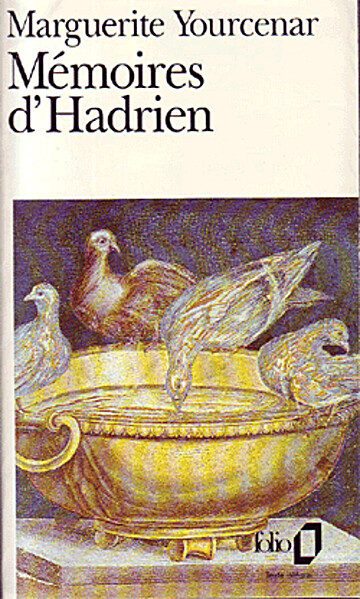
The name Margaret/Marguerite is said to mean "pearl", so this month features the most famous book of Marguerite Yourcenar.
Das Geheimnis der Porzellanmalerin by Birgit Jasmund AlphaKIT, RandomKIT, Historical fiction: my own country
Babel by Kenah Cusanit HistoryCAT, AlphaKIT, Bingo: specific knowledge
Im Lande Ur by Hans Baumann HistoryCAT, AlphaKIT
Das Geheimnis von Salem by Birgit Rückert AlphaKIT, RandomKIT, MysteryKIT, historical fiction: a real person
Kaisergestalten des Mittelalters May HistoryCAT
Der arme Awrosimow by Bulat Okudschawa AlphaKIT, RandomKIT, Bingo: ugly cover, HF: a period you know little about
Meurtre dans le boudoir by Frédéric Lenormand AlphaKIT, MysteryKIT
The handmaid's tale by Margaret Atwood PrizeCAT
Von Gibbon zu Rostovtzeff by Karl Christ HistoryCAT, Bingo: only title and author on the cover
Verwandlung am Bodensee by Alberta Rommel AlphaKIT
Der Zwölfte by Gertrud von Brockdorff CalendarCAT, AlphaKIT, RandomKIT
Das Haus am Gordon Place by Karina Urbach HistoryCAT, Bingo: published in -24
Das Buch Alice by Karina Urbach HistoryCAT, AlphaKIT
In tiefen Schluchten by Anne Chaplet MysteryKIT
Alexander in Babylon by Jakob Wassermann AlphaKIT, Historical fiction: a real person
The name Margaret/Marguerite is said to mean "pearl", so this month features the most famous book of Marguerite Yourcenar.
Das Geheimnis der Porzellanmalerin by Birgit Jasmund AlphaKIT, RandomKIT, Historical fiction: my own country
Babel by Kenah Cusanit HistoryCAT, AlphaKIT, Bingo: specific knowledge
Im Lande Ur by Hans Baumann HistoryCAT, AlphaKIT
Das Geheimnis von Salem by Birgit Rückert AlphaKIT, RandomKIT, MysteryKIT, historical fiction: a real person
Kaisergestalten des Mittelalters May HistoryCAT
Der arme Awrosimow by Bulat Okudschawa AlphaKIT, RandomKIT, Bingo: ugly cover, HF: a period you know little about
Meurtre dans le boudoir by Frédéric Lenormand AlphaKIT, MysteryKIT
The handmaid's tale by Margaret Atwood PrizeCAT
Von Gibbon zu Rostovtzeff by Karl Christ HistoryCAT, Bingo: only title and author on the cover
Verwandlung am Bodensee by Alberta Rommel AlphaKIT
Der Zwölfte by Gertrud von Brockdorff CalendarCAT, AlphaKIT, RandomKIT
Das Haus am Gordon Place by Karina Urbach HistoryCAT, Bingo: published in -24
Das Buch Alice by Karina Urbach HistoryCAT, AlphaKIT
In tiefen Schluchten by Anne Chaplet MysteryKIT
Alexander in Babylon by Jakob Wassermann AlphaKIT, Historical fiction: a real person
9MissWatson
July: Ruby

"Karfunkel" is an ancient name for red jewels, from the time when people couldn't distinguish clearly between rubies, garnets and spinells. Die Frau mit den Karfunkelsteinen is a nicely trashy 19th century romance.
Der Thronfolger by Ludwig Winder June CalendarCAT
Geschichte der Spätantike by Alexander Demandt AlphaKIT
À bicyclette by Su Tong AlphaKIT
La conquête de Plassans by Émile Zola CalendarCAT, RandomKIT, Yearlong AlphaKIT
Das Mangobaumwunder by Leo Perutz and Paul Frank RandomKIT
Spy's Honour by Gavin Lyall CalendarCAT, AlphaKIT
Kriegsausbruch by Sönke Neitzel AlphaKIT
Wie unsere Märchen weitergehn by Frida Schanz
Wir sind Tiger by Edward van de Vendel
Ein Buch allein im Wald by Nathalie Wyss
Ich bin Flocke – Alle Hufe voll zu tun by Maren Dammann
Das doppelte Lottchen by Erich Kästner CaldendarCAT, RandomKIT, Bingo: twins
Le carrefour des Écrasés by Claude Izner CalendarCAT, RandomKIT, MysteryKIT, AlphaKIT
When we were orphans by Kazuo Ishiguro PrizeCAT, AlphaKIT, Bingo: PoC
"Karfunkel" is an ancient name for red jewels, from the time when people couldn't distinguish clearly between rubies, garnets and spinells. Die Frau mit den Karfunkelsteinen is a nicely trashy 19th century romance.
Der Thronfolger by Ludwig Winder June CalendarCAT
Geschichte der Spätantike by Alexander Demandt AlphaKIT
À bicyclette by Su Tong AlphaKIT
La conquête de Plassans by Émile Zola CalendarCAT, RandomKIT, Yearlong AlphaKIT
Das Mangobaumwunder by Leo Perutz and Paul Frank RandomKIT
Spy's Honour by Gavin Lyall CalendarCAT, AlphaKIT
Kriegsausbruch by Sönke Neitzel AlphaKIT
Wie unsere Märchen weitergehn by Frida Schanz
Wir sind Tiger by Edward van de Vendel
Ein Buch allein im Wald by Nathalie Wyss
Ich bin Flocke – Alle Hufe voll zu tun by Maren Dammann
Das doppelte Lottchen by Erich Kästner CaldendarCAT, RandomKIT, Bingo: twins
Le carrefour des Écrasés by Claude Izner CalendarCAT, RandomKIT, MysteryKIT, AlphaKIT
When we were orphans by Kazuo Ishiguro PrizeCAT, AlphaKIT, Bingo: PoC
10MissWatson
August: Peridot/Olivin
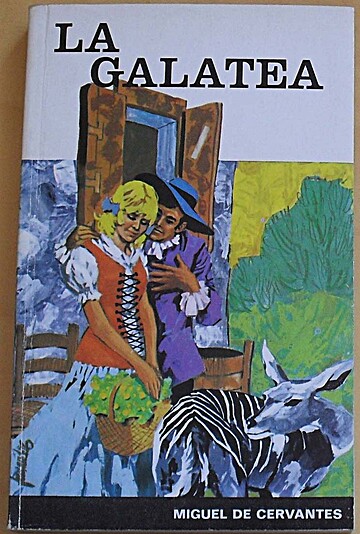
Olivin is the name under which I first saw this stone in a shop on Tenerife, and yes, I bought a matching pendant and earring set. I also bought quite a few books in Spanish on the island over the years, and La Galatea is one of the oldest.
Mord im Auwald by Beate Maly AlphaKIT, MysteryKIT
Ich war den Hunnen untertan by Géza Gárdonyi HistoryCAT, CalendarCAT, AlphaKIT, historical fiction
Fräulein Schläpples fabelhafte Steuererklärung by Catrin Barnsteiner RandomKIT
Lost in Fuseta by Gil Ribeiro PrizeCAT, AlphaKIT
Schlechte Karten für den Barista by Marco Malvaldi MysteryKIT, AlphaKIT
Alter schützt vor Morden nicht by Helene Tursten CalendarCAT, AlphaKIT
Wiener Totenlieder by Theresa Prammer PrizeCAT
Tod in Baden by Beate Maly MysteryKIT, AlphaKIT
Tod vor dem Steffl by Albert Frank RandomKIT
84 Charing Cross Road by Helene Hanff
The Hollow Hills by Mary Stewart AlphaKIT
Toine by Guy de Maupassant CalendarCAT, AlphaKIT
Giovanni's Room by James Baldwin CalendarCAT, AlphaKIT
Die Geschichte der Normannen by Rudolf Simek AlphaKIT
Olivin is the name under which I first saw this stone in a shop on Tenerife, and yes, I bought a matching pendant and earring set. I also bought quite a few books in Spanish on the island over the years, and La Galatea is one of the oldest.
Mord im Auwald by Beate Maly AlphaKIT, MysteryKIT
Ich war den Hunnen untertan by Géza Gárdonyi HistoryCAT, CalendarCAT, AlphaKIT, historical fiction
Fräulein Schläpples fabelhafte Steuererklärung by Catrin Barnsteiner RandomKIT
Lost in Fuseta by Gil Ribeiro PrizeCAT, AlphaKIT
Schlechte Karten für den Barista by Marco Malvaldi MysteryKIT, AlphaKIT
Alter schützt vor Morden nicht by Helene Tursten CalendarCAT, AlphaKIT
Wiener Totenlieder by Theresa Prammer PrizeCAT
Tod in Baden by Beate Maly MysteryKIT, AlphaKIT
Tod vor dem Steffl by Albert Frank RandomKIT
84 Charing Cross Road by Helene Hanff
The Hollow Hills by Mary Stewart AlphaKIT
Toine by Guy de Maupassant CalendarCAT, AlphaKIT
Giovanni's Room by James Baldwin CalendarCAT, AlphaKIT
Die Geschichte der Normannen by Rudolf Simek AlphaKIT
11MissWatson
September: Sapphire
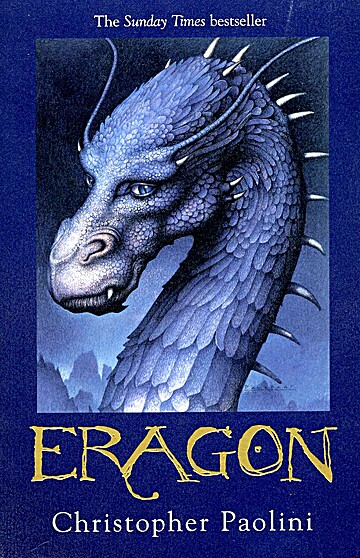
The dragon's name is Saphira.
The dragon's name is Saphira.
12MissWatson
October: Tourmaline

Tourmalines are among my favorite jewels, and they are usually bichromatic, showing dark green and pink. So for this I have chosen a bilingual book, which has a few Russian fairy tales in both Russian and German.

Tourmalines are among my favorite jewels, and they are usually bichromatic, showing dark green and pink. So for this I have chosen a bilingual book, which has a few Russian fairy tales in both Russian and German.
13MissWatson
November: Citrine
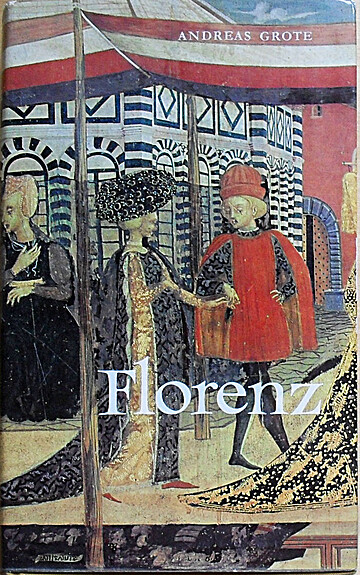
Citrines come in wonderful shades of yellow, gold and brown, and I own a ring with a citrine made by a small Italian jewelry outfit whose design was inspired by the Duomo in Florence.
Citrines come in wonderful shades of yellow, gold and brown, and I own a ring with a citrine made by a small Italian jewelry outfit whose design was inspired by the Duomo in Florence.
14MissWatson
December: Turquoise
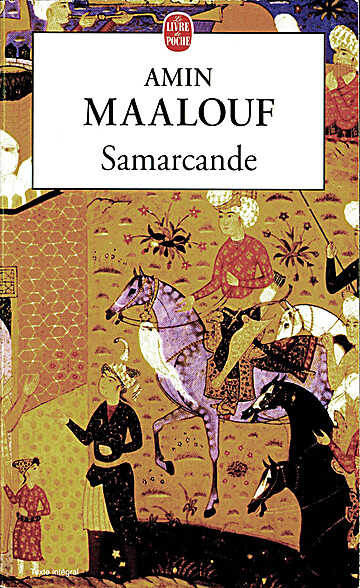
Okay, this is a bit far-fetched, but turquoise proved difficult. However, Samarcande is famous for its many mosques wth bright, turquoise tiles on their walls and roofs. So there.
Okay, this is a bit far-fetched, but turquoise proved difficult. However, Samarcande is famous for its many mosques wth bright, turquoise tiles on their walls and roofs. So there.
15MissWatson
BingoDOG
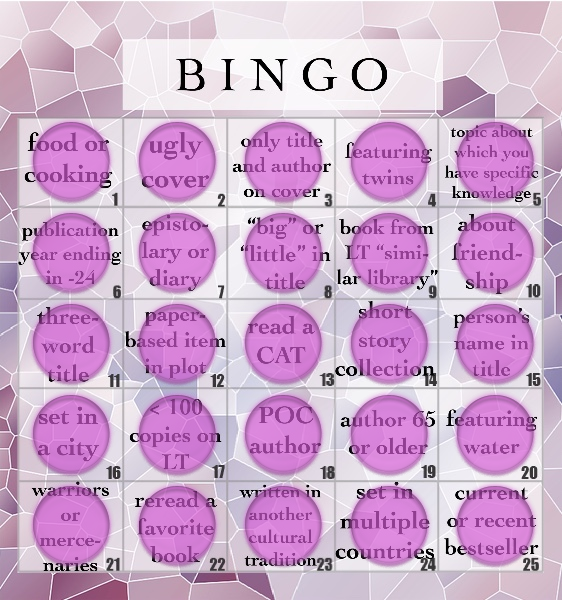
1: Mörder mögen keine Matjes by Krischan Koch
2: Der arme Awrosimow by Bulat Okudschawa
3: Von Gibbon zu Rostovtzeff by Karl Christ
4: Das doppelte Lottchen by Erich Kästner
5: Babel by Kenah Cusanit
6: Das Haus am Gordon Place by Karina Urbach
7: Die Erlebnisse des Polizeiagenten Schipow bei der Verfolgung des Schriftstellers Tolstoj by Bulat Okudschawa
8: Der kleine Mann by Erich Kästner
9: Der letzte Satz by Robert Seethaler
10: Emil und die drei Zwillinge by Erich Kästner
11: Flash for Freedom! by George MacDonald Fraser
12: After dark by Wilkie Collins
13: Flashman and the Redskins by George M. Fraser
14: Miss Marple – The Complete Short Story Collection by Agatha Christie
15: Little Novels by Wilkie Collins
16: Stalking the Angel by Robert Crais
17: Der große Ausverkauf by Vicki Baum
18: When we were orphans by Kazuo Ishiguro
19: Amrum by Hark Bohm and Philipp Winkler
20: Das Feuerschiff by Siegfried Lenz
21: Eldest by Christopher Paolini
22: Post Captain by Patrick O'Brian
23: À bicyclette by Su Tong
24: Merlin's Keep by Madeleine Brent
25: Die rätselhaften Honjin-Morde by Seishi Yokomizo
1: Mörder mögen keine Matjes by Krischan Koch
2: Der arme Awrosimow by Bulat Okudschawa
3: Von Gibbon zu Rostovtzeff by Karl Christ
4: Das doppelte Lottchen by Erich Kästner
5: Babel by Kenah Cusanit
6: Das Haus am Gordon Place by Karina Urbach
7: Die Erlebnisse des Polizeiagenten Schipow bei der Verfolgung des Schriftstellers Tolstoj by Bulat Okudschawa
8: Der kleine Mann by Erich Kästner
9: Der letzte Satz by Robert Seethaler
10: Emil und die drei Zwillinge by Erich Kästner
11: Flash for Freedom! by George MacDonald Fraser
12: After dark by Wilkie Collins
13: Flashman and the Redskins by George M. Fraser
14: Miss Marple – The Complete Short Story Collection by Agatha Christie
15: Little Novels by Wilkie Collins
16: Stalking the Angel by Robert Crais
17: Der große Ausverkauf by Vicki Baum
18: When we were orphans by Kazuo Ishiguro
19: Amrum by Hark Bohm and Philipp Winkler
20: Das Feuerschiff by Siegfried Lenz
21: Eldest by Christopher Paolini
22: Post Captain by Patrick O'Brian
23: À bicyclette by Su Tong
24: Merlin's Keep by Madeleine Brent
25: Die rätselhaften Honjin-Morde by Seishi Yokomizo
16MissWatson
Birgit's lists
I looked at the Popsugar Challenge for 2024 and found it geared too much to younger readers and social media, which I don't follow, so I've decided to read from the various lists that I maintain on my spreadsheet. These are the notorious 1001 BYMRBYD list, another of 100 German novels compiled by Deutsche Welle, ZEIT newspaper presented a new list just in time for Christmas (they had a similar project in the 1980s), and a long time ago Rowohlt publishers also offered a list of 100 novels from the century. I'm not sure how far I'll get with this, but it's worth a try.
ETA Because some books appear on several lists, I need to rearrange mine here, or there will be too many duplicate touchstones. So now it's:
Atemschaukel by Herta Müller Deutsche welle 100
Der große Ausverkauf by Vicki Baum German authors in exile published by Querido
Der Amokläufer by Stefan Zweig 1001 BYMRBYD
Schachnovelle by Stefan Zweig 1001 B
The curious incident of the dog in the night-time by Mark Haddon 1001 B, Guardian
The handmaid's tale by Margaret Atwood 1001 B, Guardian, ZEIT 100
I looked at the Popsugar Challenge for 2024 and found it geared too much to younger readers and social media, which I don't follow, so I've decided to read from the various lists that I maintain on my spreadsheet. These are the notorious 1001 BYMRBYD list, another of 100 German novels compiled by Deutsche Welle, ZEIT newspaper presented a new list just in time for Christmas (they had a similar project in the 1980s), and a long time ago Rowohlt publishers also offered a list of 100 novels from the century. I'm not sure how far I'll get with this, but it's worth a try.
ETA Because some books appear on several lists, I need to rearrange mine here, or there will be too many duplicate touchstones. So now it's:
Atemschaukel by Herta Müller Deutsche welle 100
Der große Ausverkauf by Vicki Baum German authors in exile published by Querido
Der Amokläufer by Stefan Zweig 1001 BYMRBYD
Schachnovelle by Stefan Zweig 1001 B
The curious incident of the dog in the night-time by Mark Haddon 1001 B, Guardian
The handmaid's tale by Margaret Atwood 1001 B, Guardian, ZEIT 100
17MissWatson
Just in case
If anything else pops up ... which is the bicentenary of the birth of Wilkie Collins. I think I'll do a major re-read of his works, as he is one of my favourite authors.
1. Little Novels
2. After dark
3. My Lady's Money
4. The two destinies DNF
If anything else pops up ... which is the bicentenary of the birth of Wilkie Collins. I think I'll do a major re-read of his works, as he is one of my favourite authors.
1. Little Novels
2. After dark
3. My Lady's Money
4. The two destinies DNF
18MissWatson
Welcome! Step in, have a coffee or a cup of tea and let's talk books.
19charl08
Happy new thread.
Your June heading reminds me that I have Memoirs of Hadrian this on the shelf to read, having found an old penguin copy second hand too hard to resist.
Your June heading reminds me that I have Memoirs of Hadrian this on the shelf to read, having found an old penguin copy second hand too hard to resist.
20christina_reads
Happy new thread! I love the connections between your books and the jewels for each month.
21MissBrangwen
Happy New Thread, Birgit!
23thornton37814
Happy new thread!
24DeltaQueen50
Happy new thread, Brigit, I am looking forward to seeing where your reading will lead you. :)
25lowelibrary
Happy new thread.
28MissWatson
>19 charl08: Thanks! I liked that book very much.
>20 christina_reads: Hi Christina! I was surprised to find so many on my own shelves.
>21 MissBrangwen: Thanks, Mirjam!
>22 LisaMorr: Thanks, Lisa!
>23 thornton37814: Thanks, Lori!
>24 DeltaQueen50: Thanks, Judy. Right now I am drawn to Paris.
>25 lowelibrary: Thanks, April!
>26 Jackie_K: Thanks, Jackie. I could easily have stayed another week!
>27 Tess_W: Thanks, Tess. We had a great time. And I bought books!
Today we had warm weather and no rain, so I got on the bus and took a trip to our 1972 Olympic village, where the sailing competitions were held way back. They have been hit very hard by a storm last October and the damage is still not fully cleared up. But it was lovely to see children playing on the beach.
And tomorrow our first open air fleamarket takes place. I wonder if there will be books...
>20 christina_reads: Hi Christina! I was surprised to find so many on my own shelves.
>21 MissBrangwen: Thanks, Mirjam!
>22 LisaMorr: Thanks, Lisa!
>23 thornton37814: Thanks, Lori!
>24 DeltaQueen50: Thanks, Judy. Right now I am drawn to Paris.
>25 lowelibrary: Thanks, April!
>26 Jackie_K: Thanks, Jackie. I could easily have stayed another week!
>27 Tess_W: Thanks, Tess. We had a great time. And I bought books!
Today we had warm weather and no rain, so I got on the bus and took a trip to our 1972 Olympic village, where the sailing competitions were held way back. They have been hit very hard by a storm last October and the damage is still not fully cleared up. But it was lovely to see children playing on the beach.
And tomorrow our first open air fleamarket takes place. I wonder if there will be books...
29MissWatson
The weather gods have been kind and there was sun most of the time, so I spent some lovely hours browsing. Way too many second-hand clothes, though.
30MissWatson
CalendarCAT
Le rêve is not set in Paris, but it was next on my Zola to-read list. This one is odd, as we have none of the usual depravity for which the Rougon-Macquart are notorious. And only the reader gets to know the connection the heroine has to that family, she is an illegitimate daughter of Sidonie Rougon whom we met just before in La curée, and as far as I recall there was no mention of a child. The atmosphere of growing up in this small house in the shadow of a cathedral is claustrophobic, and the ancient trade of embroidery adds to a sensation of having fallen out of time. Angélique leads a strangely isolated life, away from contemporary friends, with a single book of legends of the saints for reading matter (nothing else holds her attention), so her thinking is rather warped. And yet it is convincing as a portrait of a girl in puberty, all fervour and longing and certainty that things will turn out as she dreamt them.
Le rêve is not set in Paris, but it was next on my Zola to-read list. This one is odd, as we have none of the usual depravity for which the Rougon-Macquart are notorious. And only the reader gets to know the connection the heroine has to that family, she is an illegitimate daughter of Sidonie Rougon whom we met just before in La curée, and as far as I recall there was no mention of a child. The atmosphere of growing up in this small house in the shadow of a cathedral is claustrophobic, and the ancient trade of embroidery adds to a sensation of having fallen out of time. Angélique leads a strangely isolated life, away from contemporary friends, with a single book of legends of the saints for reading matter (nothing else holds her attention), so her thinking is rather warped. And yet it is convincing as a portrait of a girl in puberty, all fervour and longing and certainty that things will turn out as she dreamt them.
31MissWatson
April MysteryKIT: series
La disparue du Père-Lachaise is the second in a series about Victor Legris, owner of a bookshop in Paris in late 19th century Paris. I'm still not overly fond of our hero, but I enjoyed walking around Paris and encountering the names of familiar streets which were still present to my mind.
I was also surprised to learn that the Musée d'Orsay, formerly a train station, was built on the grounds of a palais that housed the Cours des comptes until it was torched during the 1871 uprising. The place was in ruins until they decided to build the train station there. My guidebook never mentioned this.
La disparue du Père-Lachaise is the second in a series about Victor Legris, owner of a bookshop in Paris in late 19th century Paris. I'm still not overly fond of our hero, but I enjoyed walking around Paris and encountering the names of familiar streets which were still present to my mind.
I was also surprised to learn that the Musée d'Orsay, formerly a train station, was built on the grounds of a palais that housed the Cours des comptes until it was torched during the 1871 uprising. The place was in ruins until they decided to build the train station there. My guidebook never mentioned this.
32MissWatson
April MysteryKIT: series
If I ever do a challenge based on quotes from my favourite wizard, the top slot will go to "I have no memory of this place...", a category for books where I have completely forgotten the plot. This happens more and more frequently, and usually these are mysteries. Have I read too many of those that they start to blur or vanish entirely from my mind?
It's particularly odd in the case of L. A. Requiem, because this is the one where we learn the backstory of Joe Pike, who was the only reason I kept buying the books. I marked it as "To read" when I entered it, and on re-reading it I found much of the plot was unfamiliar, but as the final showdown in Palm Springs played out I knew I had read this before. I find this a little worrying.
The book differs from others in the series in that it is not a straightforward first-person narrative from Cole, as usual, Pike's past is spread around the text in inserts and there are also scenes tolod from the killer's POV, which was distracting. And I really can't be bothered with Cole's girlfriend troubles, tbh. This time it will go to a new home.
If I ever do a challenge based on quotes from my favourite wizard, the top slot will go to "I have no memory of this place...", a category for books where I have completely forgotten the plot. This happens more and more frequently, and usually these are mysteries. Have I read too many of those that they start to blur or vanish entirely from my mind?
It's particularly odd in the case of L. A. Requiem, because this is the one where we learn the backstory of Joe Pike, who was the only reason I kept buying the books. I marked it as "To read" when I entered it, and on re-reading it I found much of the plot was unfamiliar, but as the final showdown in Palm Springs played out I knew I had read this before. I find this a little worrying.
The book differs from others in the series in that it is not a straightforward first-person narrative from Cole, as usual, Pike's past is spread around the text in inserts and there are also scenes tolod from the killer's POV, which was distracting. And I really can't be bothered with Cole's girlfriend troubles, tbh. This time it will go to a new home.
33dudes22
>32 MissWatson: - I looked to see where I was in the series and found I read this 3 years ago and I have no memory of it either. I don't usually read mysteries to remember them, but still - I would have thought I would remember Pike's back story. so you're not the only one.
34Helenliz
Happy new thread. Glad you were able to get out and have a browse at the flea market. Weather's been dreadful all year, it seems.
>33 dudes22: I must have got ~ 50 pages into a book before it seemed in the least bit familiar. LT has helped in that regard, by providing a hint as to what I thought of it last time.
>33 dudes22: I must have got ~ 50 pages into a book before it seemed in the least bit familiar. LT has helped in that regard, by providing a hint as to what I thought of it last time.
35MissWatson
>33 dudes22: That's a relief. I usually remember previously read books much sooner than this.
>34 Helenliz: Yes, adding a tag in my LT catalagoue helps a lot with this. I've also started taking short reading notes, and that helps, too. The downside of fleamarkets is that it usually involveds the buying of books. Ah, at least they are cheap.
>34 Helenliz: Yes, adding a tag in my LT catalagoue helps a lot with this. I've also started taking short reading notes, and that helps, too. The downside of fleamarkets is that it usually involveds the buying of books. Ah, at least they are cheap.
36MissWatson
CalendarCAT / HistoryCAT / MysteryKIT / Historical Fiction
Watery Grave is the third book in a series of a historical mystery series about a real person, Sir John Fielding of the Bow Street Court. I found this the weakest of the three books I have read so far, the nautical bits didn't feel very credible to me (and I have made my way through the entire Hornblower, Delancey and Jack Aubrey series, among others). I also found some of the attitudes towards young Jeremy reflected 20th century thinking too much. But I'll definitely pick up the next book if they cross my path.
Watery Grave is the third book in a series of a historical mystery series about a real person, Sir John Fielding of the Bow Street Court. I found this the weakest of the three books I have read so far, the nautical bits didn't feel very credible to me (and I have made my way through the entire Hornblower, Delancey and Jack Aubrey series, among others). I also found some of the attitudes towards young Jeremy reflected 20th century thinking too much. But I'll definitely pick up the next book if they cross my path.
37MissWatson
Bingo: from a similar LT library
Der letzte Satz was an impulse buy from the remainders box, because I thought it would fit the recent bestseller prompt. But that has already been filled, so it's a good thing that it also shows up in several of my similar libraries.
This is very short and deceptively easy to read. Composer Gustav Mahler sits on the deck of a steamer crossing the Atlantic and reflects on his life and his approaching death. Beautifully written, yes, but it is strangely lightweight and insubstantial for such an amazing life. And at 139 pages printed in a very large font, it leaves you wanting much, much more.
Der letzte Satz was an impulse buy from the remainders box, because I thought it would fit the recent bestseller prompt. But that has already been filled, so it's a good thing that it also shows up in several of my similar libraries.
This is very short and deceptively easy to read. Composer Gustav Mahler sits on the deck of a steamer crossing the Atlantic and reflects on his life and his approaching death. Beautifully written, yes, but it is strangely lightweight and insubstantial for such an amazing life. And at 139 pages printed in a very large font, it leaves you wanting much, much more.
38MissWatson
AlphaKIT / Historical Fiction KIT / Bingo: re-read a favourite
My niggling doubts about Watery Grave turned me to Post Captain, and I think I was right to be skeptical. It's also nice to re-visit the adventures of Jack Aubrey and Stephen Maturin, and this one is a rollercoaster ride in many respects. I love how the depth of their friendship is described as being able to keep house together, given Stephen's slovenly habits and Jack's obsession with cleaning and swabbing everything. There is so much truth in that.
My niggling doubts about Watery Grave turned me to Post Captain, and I think I was right to be skeptical. It's also nice to re-visit the adventures of Jack Aubrey and Stephen Maturin, and this one is a rollercoaster ride in many respects. I love how the depth of their friendship is described as being able to keep house together, given Stephen's slovenly habits and Jack's obsession with cleaning and swabbing everything. There is so much truth in that.
39Tess_W
>36 MissWatson: I've got book one on my TBR, but so far......
40MissWatson
>39 Tess_W: It's not a "you must read this!" series for me.
41MissWatson
AlphaKIT / Historical Fiction: based on a real event
L'ombre du Vétéran tells an episode from the history of Concarneau, a small fishing port in Brittany. A French navy threedecker runs from a Royal Navy squadron into the safety of this port and remains trapped there for years. One of the local boys tells the story years later, and it reads like one of those Boys' Own Adventure yarns aimed at the under-twelves, but the surprising thing here is that this is based on fact. I immediately looked up if Bonaparte's brother Jérôme really commanded the ship, and yes, he did. Of course, he was ordered off to Paris immediately on disembarkation and another man took over. We get a plot where the Chouans want to blow up the ship, foiled by our spunky hero, and some local colour about the sardine fishery disrupted by the English blockade. It's not great literature, but interesting enough, especially if you know the ville close.
L'ombre du Vétéran tells an episode from the history of Concarneau, a small fishing port in Brittany. A French navy threedecker runs from a Royal Navy squadron into the safety of this port and remains trapped there for years. One of the local boys tells the story years later, and it reads like one of those Boys' Own Adventure yarns aimed at the under-twelves, but the surprising thing here is that this is based on fact. I immediately looked up if Bonaparte's brother Jérôme really commanded the ship, and yes, he did. Of course, he was ordered off to Paris immediately on disembarkation and another man took over. We get a plot where the Chouans want to blow up the ship, foiled by our spunky hero, and some local colour about the sardine fishery disrupted by the English blockade. It's not great literature, but interesting enough, especially if you know the ville close.
42MissWatson
MysteryKIT: series / HistoryCAT: mayhem / Historical fiction: favourite period
The narrator in L'ombre du Vétéran tells us that he joined the French navy and was captured and imprisoned on a prison hulk in England from where he escaped. This put me instantly in mind of Rapscallion where Bow Street Runner Hawkwood is sent to such a prison hulk undercover to find out how such escapes are organised (and what happened to the Navy lieutenants gone missing on the same mission). There's a near rebellion on board before Hawkwood makes good his exit, in the company of a French privateer, and with the help of English smugglers who hate to see their business disrupted by government. One of them plans to attack the admiralty office in Deal where the gold for Wellington's army is to be shipped, and also the gold that goes across the Channel on the infamous guinea boats.
This was a rip-roaring adventure yarn with loads of mayhem, not to mention the conflicting loyalties and double or even triple crossings. The lecture on the economics of the guinea boats was a trifle long, but enlightening. That's something to read up on, especially as the trade was controlled by the Rothschilds, which was surprising (there's that episode in the Sharpe series where Nathan Rothschild smuggled the pay for Wellington's army into Spain himself...). The author's historical note makes suggestions for further reading.
Looks like I'm going to stay with this period for some time yet...
The narrator in L'ombre du Vétéran tells us that he joined the French navy and was captured and imprisoned on a prison hulk in England from where he escaped. This put me instantly in mind of Rapscallion where Bow Street Runner Hawkwood is sent to such a prison hulk undercover to find out how such escapes are organised (and what happened to the Navy lieutenants gone missing on the same mission). There's a near rebellion on board before Hawkwood makes good his exit, in the company of a French privateer, and with the help of English smugglers who hate to see their business disrupted by government. One of them plans to attack the admiralty office in Deal where the gold for Wellington's army is to be shipped, and also the gold that goes across the Channel on the infamous guinea boats.
This was a rip-roaring adventure yarn with loads of mayhem, not to mention the conflicting loyalties and double or even triple crossings. The lecture on the economics of the guinea boats was a trifle long, but enlightening. That's something to read up on, especially as the trade was controlled by the Rothschilds, which was surprising (there's that episode in the Sharpe series where Nathan Rothschild smuggled the pay for Wellington's army into Spain himself...). The author's historical note makes suggestions for further reading.
Looks like I'm going to stay with this period for some time yet...
43MissWatson
HistoryCAT: revolutions / PrizeCAT: women's writing / Historical Fiction: real event
I was looking for a prizewinning book that wouldn't take me too far away from my current reading focus, and I was happy to see that Les adieux à la Reine has won the Prix Femina in 2002. It looks at the first days of the French Revolution from the perspective of the Queen's reader (a rather lowly occupation at a status-conscious court) and it succeeds well in giving you an idea of how far removed from the real world of Paris this court life was.
I was looking for a prizewinning book that wouldn't take me too far away from my current reading focus, and I was happy to see that Les adieux à la Reine has won the Prix Femina in 2002. It looks at the first days of the French Revolution from the perspective of the Queen's reader (a rather lowly occupation at a status-conscious court) and it succeeds well in giving you an idea of how far removed from the real world of Paris this court life was.
44MissWatson
AlphaKIT: U
The first "U"book that caught my eye on the shelf was Undines Tod, but the blurb suggests that you need to have read ETA Hoffmann's Kreisleriana to enjoy it fully, so I'm saving it for later. Instead I read the original, contained in Undine und andere Erzählungen. This was published in 1812, so there's a connection to my previous books, but the turbulent times aren't mentioned here. These are tales full of romance, magic and idealised Middle Ages, a product of the German Romantic period. And again, Fouqué's writing style hasn't aged well. But it was interesting to learn that Scott borrowed the theme of Undine for The Monastery, and that Robert Louis Stevenson's The Bottle Imp copies Das Galgenmännlein. Which makes for an ever-growing list...
The first "U"book that caught my eye on the shelf was Undines Tod, but the blurb suggests that you need to have read ETA Hoffmann's Kreisleriana to enjoy it fully, so I'm saving it for later. Instead I read the original, contained in Undine und andere Erzählungen. This was published in 1812, so there's a connection to my previous books, but the turbulent times aren't mentioned here. These are tales full of romance, magic and idealised Middle Ages, a product of the German Romantic period. And again, Fouqué's writing style hasn't aged well. But it was interesting to learn that Scott borrowed the theme of Undine for The Monastery, and that Robert Louis Stevenson's The Bottle Imp copies Das Galgenmännlein. Which makes for an ever-growing list...
45MissWatson
AlphaKIT: O / RandomKIT: Enchanting garden visitors
Der grüne Fürst is a biography of Prince Hermann Pückler-Muskau, and all I knew going in was that an ice-cream is named after him and that he created two English landscape gardens at his castles Muskau and Branitz. It turned out to be the life of a truly fascinating character who lived a long life in turbulent times. When he was born in 1785, Germany was a patchwork of tiny statelets, and he headed one of them, exercising feudal rights that he himself considered obsolete. He died shortly after Wilhelm was proclaimed Emperor in Versailles. And in between he lived life to the full, having affairs without count with famous and infamous women, travelled widely, gambled himself into debt, spent several fortunes on his garden projects and wrote books that were bestsellers in his time. And he knew or met everybody, it seems.
I'll be keeping this for further reference, as he provides a detailed list of his sources which may turn into another reading project.
ETA: This was first published in 1991, so the bulk of it was probably written while German reunification was happening. It would be interesting to know what has become of the gardens in Muskau and Branitz, left derelict after the war, and Branitz is now cut in two by the German-Polish border. At the time of writing they were still in ruins.
Der grüne Fürst is a biography of Prince Hermann Pückler-Muskau, and all I knew going in was that an ice-cream is named after him and that he created two English landscape gardens at his castles Muskau and Branitz. It turned out to be the life of a truly fascinating character who lived a long life in turbulent times. When he was born in 1785, Germany was a patchwork of tiny statelets, and he headed one of them, exercising feudal rights that he himself considered obsolete. He died shortly after Wilhelm was proclaimed Emperor in Versailles. And in between he lived life to the full, having affairs without count with famous and infamous women, travelled widely, gambled himself into debt, spent several fortunes on his garden projects and wrote books that were bestsellers in his time. And he knew or met everybody, it seems.
I'll be keeping this for further reference, as he provides a detailed list of his sources which may turn into another reading project.
ETA: This was first published in 1991, so the bulk of it was probably written while German reunification was happening. It would be interesting to know what has become of the gardens in Muskau and Branitz, left derelict after the war, and Branitz is now cut in two by the German-Polish border. At the time of writing they were still in ruins.
46MissWatson
So, it's the last day of April and I don't know how that happened. My time is my own, and there still aren't enough hours in the day for all the books I want to read. Well, I hope I can finish The two destinies today.
47Tess_W
>46 MissWatson: I think many of us have discovered that strange phenomena!
48MissWatson
>47 Tess_W: That's good to know!
49MissWatson
Just in case / DNF
I have decided to bail on The two destinies. I am on page 112, and for the third time there are several lines missing from a paragraph. Important information is lost, and it ruins the story. I think at a later point I will go looking for a digitised copy online, but right now I'm also not in the mood to tolerate the idea of two people being "meant" for each other. Frankly, George is a pain in the neck. I am also afraid that my other Collins novels from this publisher will suffer from the same defect, so there may be more DNFs in my future.
April has been a good reading month, and I notice that I read more than in previous years, even when I'm travelling. Yay to that! And now we're in May. Again, I'm not planning ahead much, but I have put La place des bonnes on my desk. More Paris, and more 19th century, that's the plan.
I have decided to bail on The two destinies. I am on page 112, and for the third time there are several lines missing from a paragraph. Important information is lost, and it ruins the story. I think at a later point I will go looking for a digitised copy online, but right now I'm also not in the mood to tolerate the idea of two people being "meant" for each other. Frankly, George is a pain in the neck. I am also afraid that my other Collins novels from this publisher will suffer from the same defect, so there may be more DNFs in my future.
April has been a good reading month, and I notice that I read more than in previous years, even when I'm travelling. Yay to that! And now we're in May. Again, I'm not planning ahead much, but I have put La place des bonnes on my desk. More Paris, and more 19th century, that's the plan.
50MissWatson
Historical fiction: a speculative element / Bingo: set in multiple countries
The first book of May is a re-read from my youth, a historical romance set in the days when the map of the world showed pink: Merlin's Keep. The sinister Vernon Quayle uses his dark arts to ensnare a young woman, which provides the speculative element.
ETA: strictly speaking, we visit only two countries, but Jani has to cross India on her way from and to Mustang, so I'll stretch it a bit.
The first book of May is a re-read from my youth, a historical romance set in the days when the map of the world showed pink: Merlin's Keep. The sinister Vernon Quayle uses his dark arts to ensnare a young woman, which provides the speculative element.
ETA: strictly speaking, we visit only two countries, but Jani has to cross India on her way from and to Mustang, so I'll stretch it a bit.
51susanj67
Birgit, you have read so much! I have also started things only to realise I've read them before - most recently with a Robert Harris novel which I only read in 2017! Maybe if we read less we would remember more, but that doesn't sound like a good solution. Like Helen, I find my LT library very useful for double-checking. I only list books I've read.
52MissWatson
>51 susanj67: Hi Susan, nice to "see" you! Being retired means I have definitely more time for reading, but I'm still buying them faster than I can read. Every time I see an interesting review I take a note. And I entered them all in LT to reduce buying duplicate copies. Which has worked quite well, so far.
53LadyoftheLodge
>52 MissWatson: I agree, although I am reading a lot more, I am also buying the books faster than I can get through them. Unfortunately, that does not seem to be abating, and I have had the "book addiction" since I was a kid. When there was still a large bookstore near me, I once ran into a colleague there whose expertise was addictions counseling. I had a bunch of books in my hand and he quipped,"Feeding your addiction?" He must have been doing the same as he had books in his hand too.
54Helenliz
I'm still buying them faster than I can read
I hear you.
I've taken the decision that seeing I've not read even half of the books I bought for last year's thingaversary/birthday I'm not going to buy any this year.
Let's see how long that lasts... I have a list that I fancy getting, which will just get longer, I suspect.
I hear you.
I've taken the decision that seeing I've not read even half of the books I bought for last year's thingaversary/birthday I'm not going to buy any this year.
Let's see how long that lasts... I have a list that I fancy getting, which will just get longer, I suspect.
55MissWatson
>53 LadyoftheLodge: Yes, sometimes it feels like an addiction. At least it doesn't harm anyone.
>54 Helenliz: Ha. I tried that, in vain. My only concession now is that I try to buy them only secondhand, cheaply.
>54 Helenliz: Ha. I tried that, in vain. My only concession now is that I try to buy them only secondhand, cheaply.
56MissWatson
May CalendarCAT / May AlphaKIT: P
La place des bonnes was a surprisingly quick read for a non-fiction history of female servants in Paris, and in particular the poor maids of all work. Statistical facts are hard to come by, but she gives what she found, and also supplies information about hiring, firing, wages, and conditions of work. Much of her analysis about the relationship between masters and servants is drawn from literature, there's much citing from Balzac, Maupassant, Flaubert, Zola and Proust, and one of two authors new to me. I think I'll be reading those classics with a different eye from now on.
La place des bonnes was a surprisingly quick read for a non-fiction history of female servants in Paris, and in particular the poor maids of all work. Statistical facts are hard to come by, but she gives what she found, and also supplies information about hiring, firing, wages, and conditions of work. Much of her analysis about the relationship between masters and servants is drawn from literature, there's much citing from Balzac, Maupassant, Flaubert, Zola and Proust, and one of two authors new to me. I think I'll be reading those classics with a different eye from now on.
57MissWatson
May CalendarCAT / Bingo: food or cooking
I was rather amused to learn on local TV that last Saturday was "Weltfischbrötchentag" (World Fish-in-a-bun Day). I instantly thought of Mörder mögen keine Matjes. This is the seventh book in a series of cosy mysteries set in a small village on the North Frisian coast which has only one police officer. His regular gang of friends meet at the local diner where Fischbrötchen are a must-eat item on the menu. This time they go to Hamburg to visit one of their gang in hospital, and the diner's owner also wants to do a little market research. They also get embroiled in a mystery whose plot is shamelessly lifted from The Big Sleep, adapted to snobbish Hamburg shipowner's. Fun, but forgettable.
I was rather amused to learn on local TV that last Saturday was "Weltfischbrötchentag" (World Fish-in-a-bun Day). I instantly thought of Mörder mögen keine Matjes. This is the seventh book in a series of cosy mysteries set in a small village on the North Frisian coast which has only one police officer. His regular gang of friends meet at the local diner where Fischbrötchen are a must-eat item on the menu. This time they go to Hamburg to visit one of their gang in hospital, and the diner's owner also wants to do a little market research. They also get embroiled in a mystery whose plot is shamelessly lifted from The Big Sleep, adapted to snobbish Hamburg shipowner's. Fun, but forgettable.
58cbl_tn
Wilkie Collins is one of my favorite authors, too, and so far you've managed to read books that I haven't got around to reading yet!
59MissWatson
>58 cbl_tn: Thanks to the internet and digitisation, many of the more obscure titles are now easier to find. I would love to see more of his novels turned into films, instead of umpteen versions of Austen.
60MissWatson
I'll be away for a few days and visit my sister. We've got concert tickets, and there's the annual garden show at Castle Wilhelmsthal. If only the weather will hold!
See you on Monday. Happy reading!
See you on Monday. Happy reading!
61MissWatson
RandomKIT
It's been a lovely weekend, and because of the carnival some of the shops in my sister's small town opened on Sunday. She found three children's books for the library which we all finished on the same day, and one of them is unusual enough to fit for the May RandomKIT of art and architecture: Johanna im Zug. It's a picture book, and on every page you see the artist at work, drawing her own hands drawing the story, as well as the implements, like erasers, pencils and crayons. The others are Louis, a picture book about a teddy bear, and Das Duell der Großmütter, which had rather more text than is usual for first or second grade readers.
It's been a lovely weekend, and because of the carnival some of the shops in my sister's small town opened on Sunday. She found three children's books for the library which we all finished on the same day, and one of them is unusual enough to fit for the May RandomKIT of art and architecture: Johanna im Zug. It's a picture book, and on every page you see the artist at work, drawing her own hands drawing the story, as well as the implements, like erasers, pencils and crayons. The others are Louis, a picture book about a teddy bear, and Das Duell der Großmütter, which had rather more text than is usual for first or second grade readers.
62MissWatson
May CalendarCAT / May AlphaKIT / Bingo: epistolary
I noticed that Bulat Okudschawa had his 100th birthday on 9 May, so I picked up Die Erlebnisse des Polizeiagenten Schipow bei der Verfolgung des Schriftstellers Tolstoj which I have owned for decades. Since uni days, I think. The author was a popular singer-songwriter in the Soviet Union back in the 1970s, and he wrapped his social satire in historical novels such as this. I'm afraid the satire was lost on me, but the letters going back and forth between the various departments involved in the police surveillance of suspected revolutionaries, all trying to cover their asses in case of failure, are timeless.
I noticed that Bulat Okudschawa had his 100th birthday on 9 May, so I picked up Die Erlebnisse des Polizeiagenten Schipow bei der Verfolgung des Schriftstellers Tolstoj which I have owned for decades. Since uni days, I think. The author was a popular singer-songwriter in the Soviet Union back in the 1970s, and he wrapped his social satire in historical novels such as this. I'm afraid the satire was lost on me, but the letters going back and forth between the various departments involved in the police surveillance of suspected revolutionaries, all trying to cover their asses in case of failure, are timeless.
63MissWatson
DNF
I also borrowed a book from my sister's library which looked interesting: Mord in der Josefstadt, a historical mystery set in Prague in the late 19th century when the city was being remodelled on a grand scale. The former Jewish ghetto is being torn down, and the inhabitants pushed out to the suburbs. However, I strongly dislike the narrator who is a narcissist impoverished nobleman, and there's far too much about him coughing into his handkerchief and messing around with prostitutes, and not enough about the city. Or a mystery, come to think of it. We're 80 pages in and still no case. I'm bailing.
I also borrowed a book from my sister's library which looked interesting: Mord in der Josefstadt, a historical mystery set in Prague in the late 19th century when the city was being remodelled on a grand scale. The former Jewish ghetto is being torn down, and the inhabitants pushed out to the suburbs. However, I strongly dislike the narrator who is a narcissist impoverished nobleman, and there's far too much about him coughing into his handkerchief and messing around with prostitutes, and not enough about the city. Or a mystery, come to think of it. We're 80 pages in and still no case. I'm bailing.
64MissBrangwen
>45 MissWatson: I owned this book twenty years ago (when my mom worked in a bookshop and brought home lots of defective copies), but I did not read it and gave it away when I moved. But I have read a few other books by Heinz Ohff and enjoyed them. I like his style.
65MissWatson
>64 MissBrangwen: Yes, I'm looking forward to read more from him. I found another gardening book at the charity bookshop the other day.
66cbl_tn
>61 MissWatson: What a wonderful find! I have never grown out of enjoying a good children's picture book.
67MissWatson
>66 cbl_tn: Whenever I visit my sister (she's a librarian) I happily browse the picture book section. There are so many gorgeous illustrators to discover.
68MissWatson
HistoryCAT: Middle Ages / AlphaKIT: N and P
Les empires normands d'Orient is a non-fiction book about the Norman kingdom of Sicily. And a severe disappointment it was.
There's the misleading title: at the beginning there is mention of Viking raids against Constantinople and their hiring as imperial guards, but the bulk of the book is concerned with their conquest and rule of Sicily and Southern Italy, and that's not the Orient to me. (But that word is dangerous territory I won't enter now).
Next, he quotes frequently from other historians' works without giving proper citations, no endnotes. That's a serious fault in my mind. And then his writing style is incoherent, larded with colourful phrases that he probably lifted straight from the medieval chronicles, and it seems to me that he takes them at face value too often. How many times can a city be raised to the ground and suffer the same fate again twenty years later? Does he really expect us to believe they rebuilt it in that time? And who exactly does the building if the entire population is massacred?
The fact that nearly all of these men are named Roger, Richard or Guillaume doesn't help, either. I did learn one new thing: the kings relied on an elite cavalry force recruited from the muslims, an Arab legion.
Les empires normands d'Orient is a non-fiction book about the Norman kingdom of Sicily. And a severe disappointment it was.
There's the misleading title: at the beginning there is mention of Viking raids against Constantinople and their hiring as imperial guards, but the bulk of the book is concerned with their conquest and rule of Sicily and Southern Italy, and that's not the Orient to me. (But that word is dangerous territory I won't enter now).
Next, he quotes frequently from other historians' works without giving proper citations, no endnotes. That's a serious fault in my mind. And then his writing style is incoherent, larded with colourful phrases that he probably lifted straight from the medieval chronicles, and it seems to me that he takes them at face value too often. How many times can a city be raised to the ground and suffer the same fate again twenty years later? Does he really expect us to believe they rebuilt it in that time? And who exactly does the building if the entire population is massacred?
The fact that nearly all of these men are named Roger, Richard or Guillaume doesn't help, either. I did learn one new thing: the kings relied on an elite cavalry force recruited from the muslims, an Arab legion.
69MissWatson
May MysteryKIT: Golden Age
Welcome relief from my tedious non-fiction book, or so I thought. But Murder Underground has one of the most annoying male characters I have ever run across in a mystery. I could have gladly shoved Basil Pongleton down the Underground stairs on which his aunt was murdered just to get rid of him. Not even Georgette Heyer's Freddie Standen was such a ninny, and that's saying something.
Whereas the structure of the novel is quite unusual, the investigation is watched entirely from the POV of the victim's relatives and co-lodgers at the boarding-house. The police don't show up until the final chapters. There are also some nice digs at the tropes of the mystery novels written at the time.
Welcome relief from my tedious non-fiction book, or so I thought. But Murder Underground has one of the most annoying male characters I have ever run across in a mystery. I could have gladly shoved Basil Pongleton down the Underground stairs on which his aunt was murdered just to get rid of him. Not even Georgette Heyer's Freddie Standen was such a ninny, and that's saying something.
Whereas the structure of the novel is quite unusual, the investigation is watched entirely from the POV of the victim's relatives and co-lodgers at the boarding-house. The police don't show up until the final chapters. There are also some nice digs at the tropes of the mystery novels written at the time.
70christina_reads
>69 MissWatson: Aw, I LOVE Freddy Standen! But I can understand that he's not for everyone. :) I remember mildly liking Murder Underground, but I remember very little else about it at this point.
71MissWatson
>70 christina_reads: So do I, because he grows up in a very believable manner. Which Basil doesn't do, in my opinion.
72MissWatson
PrizeCAT: Doubling up / AlphaKIT: N / lists
The curious incident of the dog in the night-time features on the Guardian's 1000 Books list, and on the other one, and for once I think it deserves this place. It won the Guardian's Children's Fiction Prize, but this is a book which adults can enjoy just as well, and it may also give them an insight into what it means to think differently from everyone else around you. I'm glad I finally got round to this.
The curious incident of the dog in the night-time features on the Guardian's 1000 Books list, and on the other one, and for once I think it deserves this place. It won the Guardian's Children's Fiction Prize, but this is a book which adults can enjoy just as well, and it may also give them an insight into what it means to think differently from everyone else around you. I'm glad I finally got round to this.
73LadyoftheLodge
>72 MissWatson: I was fortunate to see this one enacted on stage. The actor portraying the main character Christopher was very authentic because he had the same ways of thinking as the main character, with the same condition of autism. There was also an interview with the actor included in the program book. I read the book first before seeing the play and both were exceptional.
74MissWatson
>73 LadyoftheLodge: That must have been a notable experience!
75pamelad
>72 MissWatson: Putting it on the wish list for the November PrizeCAT. Children’s book awards.
76Tess_W
>72 MissWatson: Have that one on my TBR. Am mentally moving it up!
77MissWatson
>75 pamelad: >76 Tess_W: It's worth spending time with Christopher.
78MissWatson
CalendarCAT
The brief years between the capitualtion in May 1945 and the currency reform in 1948 didn't receive much attention in my school history, so I thought the 75th anniversary of the Basic Law coming into effect was a good reason to read Wolfszeit which offers a German social history of those years. It's well written, and there are lots of endnotes and a bibliography, to delve deeper into topics that were only briefly touched on here.
The brief years between the capitualtion in May 1945 and the currency reform in 1948 didn't receive much attention in my school history, so I thought the 75th anniversary of the Basic Law coming into effect was a good reason to read Wolfszeit which offers a German social history of those years. It's well written, and there are lots of endnotes and a bibliography, to delve deeper into topics that were only briefly touched on here.
79MissWatson
May AlphaKIT: P
A practical guide to conquering the world offered a welcome escape from the rather grim content of my previous book, and I stayed up till way after midnight to see how it ends. We get another odd fish out of water, and I loved the fact that he is a translator, and how that was worked into the story. And all that time in the library was obviously well-spent!
So, we are entering the last days of May. What do I want to read next, now that all the categories are more or less checked off? I watched a documentary about the Louis XV style on Arte TV the other day and it wasn't until the end that I realised that he died 250 years ago this 10 May. I think I'll go back to France and his time with L'énigme des Blancs-Manteaux.
A practical guide to conquering the world offered a welcome escape from the rather grim content of my previous book, and I stayed up till way after midnight to see how it ends. We get another odd fish out of water, and I loved the fact that he is a translator, and how that was worked into the story. And all that time in the library was obviously well-spent!
So, we are entering the last days of May. What do I want to read next, now that all the categories are more or less checked off? I watched a documentary about the Louis XV style on Arte TV the other day and it wasn't until the end that I realised that he died 250 years ago this 10 May. I think I'll go back to France and his time with L'énigme des Blancs-Manteaux.
80VivienneR
>69 MissWatson: I have Murder Underground on my wishlist but your opinion makes me want to remove it.
>78 MissWatson: Jahner's book sounds interesting. I have placed a hold on the English version at the library. The topic and time frame didn't receive much attention in my history either.
>78 MissWatson: Jahner's book sounds interesting. I have placed a hold on the English version at the library. The topic and time frame didn't receive much attention in my history either.
81MissWatson
>80 VivienneR: I think it much depends on your mental form while reading it. On another day I might have had more patience with Basil.
Jähner's book is interesting, the most interesting part for me was the information about the newspapers the allies set up. The author is a journalist, so knowledgeable about the business. But there also very depressing bits, especially the fact that the Germans didn't face up to their guilt. In light of current events, it's also very scary.
Jähner's book is interesting, the most interesting part for me was the information about the newspapers the allies set up. The author is a journalist, so knowledgeable about the business. But there also very depressing bits, especially the fact that the Germans didn't face up to their guilt. In light of current events, it's also very scary.
82MissWatson
AlphaKIT: P / Historical fiction: not set in your country
I returned to the Nicolas Le Floch series and re-read the first book, L'énigme des Blancs-Manteaux which was much easier this time around. And I had the city still before my eyes while reading it, that also adds to the enjoyment. I really want to continue with this, but there are so many distractions...
...like this: Jenny Erpenbeck has received the International Booker Prize for Kairos. I almost missed this because I don't keep up with the news these days, shame on me. So I took down Aller Tage Abend from the shelf for which she won the Independent Foreign Fiction Prize, a forerunner of the International Booker.
I returned to the Nicolas Le Floch series and re-read the first book, L'énigme des Blancs-Manteaux which was much easier this time around. And I had the city still before my eyes while reading it, that also adds to the enjoyment. I really want to continue with this, but there are so many distractions...
...like this: Jenny Erpenbeck has received the International Booker Prize for Kairos. I almost missed this because I don't keep up with the news these days, shame on me. So I took down Aller Tage Abend from the shelf for which she won the Independent Foreign Fiction Prize, a forerunner of the International Booker.
83MissWatson
May PrizeCAT
And I finished it in one go. The writing just sucks you in, with its hypnotic rhythm of repetition. And it is carefully constructed, much planning must have gone into it. Wonderful.
And I finished it in one go. The writing just sucks you in, with its hypnotic rhythm of repetition. And it is carefully constructed, much planning must have gone into it. Wonderful.
84MissWatson
May RandomKIT: Art and Architecture
I had another book in mind for this, but reading so much about 18th century France lately sent me to a short guide to the history of Versailles Château de la France et orgueil des rois. Instructive, but a larger format would have suited the lovely illustrations better.
ETC
I had another book in mind for this, but reading so much about 18th century France lately sent me to a short guide to the history of Versailles Château de la France et orgueil des rois. Instructive, but a larger format would have suited the lovely illustrations better.
ETC
85MissWatson
CalendarCAT / Bingo: author older than 65
I listened to Amrum on radio where they read it in half-hour instalments. I find that that is a length where I can keep my concentration. It was co-written by two authors, and one of them, Hark Bohm, turned 85 this May. I think much of this is autobiographical, and tells the end of the Second World War as seen through the eyes of a ten-year old. This POV is ridigly adhered to, so it leaves you with many questions. And it ends with the boy leaving the island.
I listened to Amrum on radio where they read it in half-hour instalments. I find that that is a length where I can keep my concentration. It was co-written by two authors, and one of them, Hark Bohm, turned 85 this May. I think much of this is autobiographical, and tells the end of the Second World War as seen through the eyes of a ten-year old. This POV is ridigly adhered to, so it leaves you with many questions. And it ends with the boy leaving the island.
86MissWatson
DNF
I have given up on Die Zauberin von Ravenna which should have been a historical fiction book, but I simply can't get into it. The two main fictional characters are too insipid, and we've only caught an unimpressive glimpse of the title character so far – at least I assume Queen Amalaswintha is meant by this. I'm not curious enough to find out. One for the bin.
Which leaves me with an extraordinary number of books read in May, 18 in all. Admittedly, some very short ones. And the picture books were by far the best, with an honourable mention for Aller Tage Abend, too.
I have given up on Die Zauberin von Ravenna which should have been a historical fiction book, but I simply can't get into it. The two main fictional characters are too insipid, and we've only caught an unimpressive glimpse of the title character so far – at least I assume Queen Amalaswintha is meant by this. I'm not curious enough to find out. One for the bin.
Which leaves me with an extraordinary number of books read in May, 18 in all. Admittedly, some very short ones. And the picture books were by far the best, with an honourable mention for Aller Tage Abend, too.
87MissWatson
June AlphaKIT / June RandomKIT: Initials / Historical fiction: my own country
A few years ago, I read a non-fiction book about the history of the china industry in Germany, from Dresden to post-war Bavaria, and I was very surprised to find that the author repeatedly cited a historical fiction novel to explain details about the painting of china. I am even more surprised, having now read said novel, Das Geheimnis der Porzellanmalerin. There's amazingly little about the technical side of manufacture and painting china in these 433 pages, the rest is an insipid love story and an even more ludicrous search of a young half-Creole woman for her father. All she has is a miniature portrait of him, and she naively sets out as a teenager from her native Santo Domingo (and my immediate question was why the author uses the Spanish name when her heroine is the daughter of French planters??) for Saxony.
The plot meanders, the heroine is not believable, and again and again things are apparently going to happen, only to peter out without consequences. I am sure the author studied her period and her subject carefully, but little of this found its way into the story. A disappointment.
A few years ago, I read a non-fiction book about the history of the china industry in Germany, from Dresden to post-war Bavaria, and I was very surprised to find that the author repeatedly cited a historical fiction novel to explain details about the painting of china. I am even more surprised, having now read said novel, Das Geheimnis der Porzellanmalerin. There's amazingly little about the technical side of manufacture and painting china in these 433 pages, the rest is an insipid love story and an even more ludicrous search of a young half-Creole woman for her father. All she has is a miniature portrait of him, and she naively sets out as a teenager from her native Santo Domingo (and my immediate question was why the author uses the Spanish name when her heroine is the daughter of French planters??) for Saxony.
The plot meanders, the heroine is not believable, and again and again things are apparently going to happen, only to peter out without consequences. I am sure the author studied her period and her subject carefully, but little of this found its way into the story. A disappointment.
88MissWatson
HistoryCAT: historians / AlphaKIT: B / Bingo: specific knowledge
Babel was a slog.
The year is 1913, and Robert Koldewey is sitting in his study on the Babylon digsite reflecting on his work, his team, his difficult relations with his funders in Berlin, his health, his foreign competitors, the volatile political situation and many other things. We learn much about conditions on site, about Babylonian civilisation, about the changes the discovery and translation of ancient tablets have made for the understanding of the history of the Ancient Orient. It's a subject matter that fascinates me, but I couldn't really enjoy it here, because from beginning to the end I struggled with the writing.
The author is an academic in the field of Ancient Oriental studies, and she writes like an academic: long, convoluted sentences piling subclause on subclause. I lost count of how often I had to stop, go back to the beginning of a sentence and try to parse which verb goes with with noun. Sometimes I couldn't, and it wasn't always my fault. At work, I used to edit and sometimes rewrite texts for the library website, so I do know something about German grammar. In this book I felt a constant itch to pick up a pen and re-arrange her text to make it comprehensible. Which is a pity, because there was lots in here to set me thinking, and she often uses the subtleties of German prefixes to great effect.
Babel was a slog.
The year is 1913, and Robert Koldewey is sitting in his study on the Babylon digsite reflecting on his work, his team, his difficult relations with his funders in Berlin, his health, his foreign competitors, the volatile political situation and many other things. We learn much about conditions on site, about Babylonian civilisation, about the changes the discovery and translation of ancient tablets have made for the understanding of the history of the Ancient Orient. It's a subject matter that fascinates me, but I couldn't really enjoy it here, because from beginning to the end I struggled with the writing.
The author is an academic in the field of Ancient Oriental studies, and she writes like an academic: long, convoluted sentences piling subclause on subclause. I lost count of how often I had to stop, go back to the beginning of a sentence and try to parse which verb goes with with noun. Sometimes I couldn't, and it wasn't always my fault. At work, I used to edit and sometimes rewrite texts for the library website, so I do know something about German grammar. In this book I felt a constant itch to pick up a pen and re-arrange her text to make it comprehensible. Which is a pity, because there was lots in here to set me thinking, and she often uses the subtleties of German prefixes to great effect.
89MissWatson
HistoryCAT: historians / AlphaKIT: B
After finishing Babel, I picked up Im Lande Ur for a re-read which gives a nice introduction to Sumerian archaeology and civilisation for youngsters. For a moment I thought that Cusanit's book would have worked better as non-fiction, but then she would have had to include the recent damages the sites suffered during the recent wars ... not a pretty prospect.
After finishing Babel, I picked up Im Lande Ur for a re-read which gives a nice introduction to Sumerian archaeology and civilisation for youngsters. For a moment I thought that Cusanit's book would have worked better as non-fiction, but then she would have had to include the recent damages the sites suffered during the recent wars ... not a pretty prospect.
90MissWatson
AlphaKIT: B / RandomKIT: B / MysteryKIT: new author / historical fiction: real person
I bought Das Geheimnis von Salem in the museum shop when we visited the monastery four years ago. With this kind of local history, I don't expect high literature, and I was pleasantly surprised to find it well-written, well-informed and quite entertaining. The author works in tourism management and studied history, so I assume that all the information about monastic life in Salem in 1485 is correct. The abbot of the monastery in this book was a real person, and we briefly meet the future emperor Maximilian. It's not much of a mystery with lots of sleuthing, and I could have done without the romance, but there's enough meat here to make me look out for potential sequels when we go to Lake Constance in August.
I bought Das Geheimnis von Salem in the museum shop when we visited the monastery four years ago. With this kind of local history, I don't expect high literature, and I was pleasantly surprised to find it well-written, well-informed and quite entertaining. The author works in tourism management and studied history, so I assume that all the information about monastic life in Salem in 1485 is correct. The abbot of the monastery in this book was a real person, and we briefly meet the future emperor Maximilian. It's not much of a mystery with lots of sleuthing, and I could have done without the romance, but there's enough meat here to make me look out for potential sequels when we go to Lake Constance in August.
91LadyoftheLodge
>90 MissWatson: Is there an English language edition of this book? It sounds like something I would like.
92MissWatson
>91 LadyoftheLodge: Unfortunately, no. I checked the German National Library, but I didn't really expect to find one. The publisher specialises in regional mysteries which have a very limited appeal, mostly for local people.
93MissWatson
May HistoryCAT: Middle Ages
I meant to have finished Kaisergestalten des Mittelalters in May, but the nature of the book didn't invite continuous reading. It's a collection of cameo biographies of 15 German emperors from Charlemagne to Maximilian, and they packed a lot of info, names and events into a few pages. Some were very dry, but all in all a good read.
I meant to have finished Kaisergestalten des Mittelalters in May, but the nature of the book didn't invite continuous reading. It's a collection of cameo biographies of 15 German emperors from Charlemagne to Maximilian, and they packed a lot of info, names and events into a few pages. Some were very dry, but all in all a good read.
94MissWatson
AlphaKIT: B / RandomKIT: Initials / Bingo: ugly cover / historical fiction: a period you don't know much about
Der arme Awrosimow is another historical novel by Bulat Okudschawa, whose 100th birthday was in May. I have owned this book since my university days, and in those days all books published by dtv had covers designed by Celestino Piatti which, to be honest, I never liked.
The story is set in the winter of 1825/26, after the December uprising, and our hero is a young man just arrived from the province whose uncle has finagled him a job as clerk for the committee conducting the interrogations of the culprits, and here in particular of a Colonel Pestel. But the focus is on the clerk, as he tries to make sense of life in the capital, the inner workings of the bureaucracy, his own thoughts. Much of it takes place in his head and it's not always easy to make out what is real and what not. So, all in all, rather weird.
As an afterword, we are offered two reviews written at the time of publication, and Georgij Storm draws comparisons with Gogol. There may be someting in it. He also says that the narrator of the story, who frequently addresses his audience directly, tells it in 1861, a long time after, and I couldn't work out how he knows this. But then, I probably don't know enough about this historical event to be able to recognise such indications.
Der arme Awrosimow is another historical novel by Bulat Okudschawa, whose 100th birthday was in May. I have owned this book since my university days, and in those days all books published by dtv had covers designed by Celestino Piatti which, to be honest, I never liked.
The story is set in the winter of 1825/26, after the December uprising, and our hero is a young man just arrived from the province whose uncle has finagled him a job as clerk for the committee conducting the interrogations of the culprits, and here in particular of a Colonel Pestel. But the focus is on the clerk, as he tries to make sense of life in the capital, the inner workings of the bureaucracy, his own thoughts. Much of it takes place in his head and it's not always easy to make out what is real and what not. So, all in all, rather weird.
As an afterword, we are offered two reviews written at the time of publication, and Georgij Storm draws comparisons with Gogol. There may be someting in it. He also says that the narrator of the story, who frequently addresses his audience directly, tells it in 1861, a long time after, and I couldn't work out how he knows this. But then, I probably don't know enough about this historical event to be able to recognise such indications.
95MissWatson
AlphaKIT: B / MysteryKIT: an author new to you
I picked up Meurtre dans le boudoir at my charity bookshop, because they rarely have French books and I like to encourage them to think that there are people interested in such books. And the story seemed entertaining enough: the year is 1733, Voltaire is eager to see his Lettres Philosophiques published, but the censor is not, and when a man is found dead in a brothel in a scene reminiscent of an illicit book, the chief of police tells Voltaire to find out what happened.
The mystery is a dud. As a guided tour of the Paris literary scene of the time it works very well. The author knows his stuff. However, nearly everyone in the book is a historical person, and thus the modern language doesn't go down well. His "funny" similes don't always work (as in "his vodka turned to vinegar") and the humour is heavy-handed. And the books we learn most about here are of the pronographic sort, so that's another downside.
The author is quite prolific, with at least two other series to his name. None of which I will bother to seek out.
I picked up Meurtre dans le boudoir at my charity bookshop, because they rarely have French books and I like to encourage them to think that there are people interested in such books. And the story seemed entertaining enough: the year is 1733, Voltaire is eager to see his Lettres Philosophiques published, but the censor is not, and when a man is found dead in a brothel in a scene reminiscent of an illicit book, the chief of police tells Voltaire to find out what happened.
The mystery is a dud. As a guided tour of the Paris literary scene of the time it works very well. The author knows his stuff. However, nearly everyone in the book is a historical person, and thus the modern language doesn't go down well. His "funny" similes don't always work (as in "his vodka turned to vinegar") and the humour is heavy-handed. And the books we learn most about here are of the pronographic sort, so that's another downside.
The author is quite prolific, with at least two other series to his name. None of which I will bother to seek out.
96MissWatson
PrizeCAT: book lists / my own lists
The handmaid's tale features on most lists that I know of. Reading this almost forty years after it first came out, it was bound to fall short of expectations. Then again, maybe I didn't pick up on some cultural signs that would have helped me pick up on where and when this is supposed to take place. I felt very much lost in this, which may have been the author's purpose, of course. What I loved best was Offred's use of language, the way she moves from one word to the next in some kind of free association game.
The handmaid's tale features on most lists that I know of. Reading this almost forty years after it first came out, it was bound to fall short of expectations. Then again, maybe I didn't pick up on some cultural signs that would have helped me pick up on where and when this is supposed to take place. I felt very much lost in this, which may have been the author's purpose, of course. What I loved best was Offred's use of language, the way she moves from one word to the next in some kind of free association game.
97MissWatson
HistoryCAT: historians / Bingo: only title and author on the cover
In Von Gibbon zu Rostovtzeff, the author presents the life and work of fifteen eminent ancient historians. I knew the names of few of them, as most hail from the 19th century and are probably considered outdated. But in this way we get an idea of how the study of ancient history evolved, which was quite fascinating. Most surprising to me was the career of Barthold Georg Niebuhr, son of Carsten, who also served as financial adviser and diplomat to Denmark and Prussia. And the one I want to read is Michael I. Rostovtzeff who travelled widely and knew most important digsite from his own eyes. He also included material remains as sources for the first time in a significant way.
And I also learned that Leipzig was a centre of oriental studies in the 19th century, where one of the historians presented here studied egyptology with Georg Ebers, whom I only know as the author of historical fiction. I am pretty sure I've got one of those novels on the shelves somewhere...
In Von Gibbon zu Rostovtzeff, the author presents the life and work of fifteen eminent ancient historians. I knew the names of few of them, as most hail from the 19th century and are probably considered outdated. But in this way we get an idea of how the study of ancient history evolved, which was quite fascinating. Most surprising to me was the career of Barthold Georg Niebuhr, son of Carsten, who also served as financial adviser and diplomat to Denmark and Prussia. And the one I want to read is Michael I. Rostovtzeff who travelled widely and knew most important digsite from his own eyes. He also included material remains as sources for the first time in a significant way.
And I also learned that Leipzig was a centre of oriental studies in the 19th century, where one of the historians presented here studied egyptology with Georg Ebers, whom I only know as the author of historical fiction. I am pretty sure I've got one of those novels on the shelves somewhere...
98MissWatson
AlphaKIT
...so I searched the top of the shelves. I didn't find the Ebers book, but Verwandlung am Bodensee was a nice substitute, as we plan a holiday on Lake Constance later this year.
We meet Sonja, a war orphan living with an aunt and uncle in straitened circumstances, who is on her own, planning to walk around the lake in emulation of her father who travelled around Europe before the war. He was killed on the Russian front, and she never knew him, so she treasures his books.
She finds a purse with an enormous amount of money inside and impulsively spends it on everything she has always coveted. Instead of walking to her aunt residing in Austria, as planned, she stays in a pension near Lindau. Her host, an impoverished widow, knew her father, and gradually she also warms to her niece. This is an educational story, so of course she returns the money she found, and finds a new family.
This is a book for girls from 1960, and surprising in some ways. Sonja is sixteen and curiously level-headed, despite her initial shopping spree, and resourceful. She dreams of adventures like the ones she reads about in the magazines she delivers to the subscribers of a circulating library, but at the same time knows that this is not reality. She meets a young man in a café who had small parts in films and is flattered, but never falls for him in the breathless passion of puppy love. And there's Ute, a few years older, who dreams of going to university and wants a career for herself, not to have it vicariously through a husband. I am quite happy I found this.
...so I searched the top of the shelves. I didn't find the Ebers book, but Verwandlung am Bodensee was a nice substitute, as we plan a holiday on Lake Constance later this year.
We meet Sonja, a war orphan living with an aunt and uncle in straitened circumstances, who is on her own, planning to walk around the lake in emulation of her father who travelled around Europe before the war. He was killed on the Russian front, and she never knew him, so she treasures his books.
She finds a purse with an enormous amount of money inside and impulsively spends it on everything she has always coveted. Instead of walking to her aunt residing in Austria, as planned, she stays in a pension near Lindau. Her host, an impoverished widow, knew her father, and gradually she also warms to her niece. This is an educational story, so of course she returns the money she found, and finds a new family.
This is a book for girls from 1960, and surprising in some ways. Sonja is sixteen and curiously level-headed, despite her initial shopping spree, and resourceful. She dreams of adventures like the ones she reads about in the magazines she delivers to the subscribers of a circulating library, but at the same time knows that this is not reality. She meets a young man in a café who had small parts in films and is flattered, but never falls for him in the breathless passion of puppy love. And there's Ute, a few years older, who dreams of going to university and wants a career for herself, not to have it vicariously through a husband. I am quite happy I found this.
99MissWatson
CalendarCAT / AlphaKIT: B / RandomKIT: Initials
Der Zwölfte stood next to Verwandlung am Bodensee on the shelf, and I picked it up immediately because the author's name matches my initials. As it turned out, it also works for the CalendarCAT: 17 June used to be a national holiday, Day of German Unity, marking the day of the worker's uprising in East Berlin 1953. German unity is something that the officers in this novel desperately hope for, it first became a national ambition during the Napoleonoic Wars.
The author caught my name in an article about writers working or born in Schleswig-Holstein, and when I saw this it aroused my curiosity. It's historical fiction about an abortive attempt to revolt against the French occupation under Napoleon, the name of Major von Schill was probably a household name in patriotic Prussian times, but no longer remembered. And books like this are unlikely to change that, it was boring, annoying and exasperating in turns. Not to mention that she doesn't stick to historical facts, as regards the fate of Schill's officers. Ah well, it's off the shelf, and because I looked up Schill, I learned something.
Der Zwölfte stood next to Verwandlung am Bodensee on the shelf, and I picked it up immediately because the author's name matches my initials. As it turned out, it also works for the CalendarCAT: 17 June used to be a national holiday, Day of German Unity, marking the day of the worker's uprising in East Berlin 1953. German unity is something that the officers in this novel desperately hope for, it first became a national ambition during the Napoleonoic Wars.
The author caught my name in an article about writers working or born in Schleswig-Holstein, and when I saw this it aroused my curiosity. It's historical fiction about an abortive attempt to revolt against the French occupation under Napoleon, the name of Major von Schill was probably a household name in patriotic Prussian times, but no longer remembered. And books like this are unlikely to change that, it was boring, annoying and exasperating in turns. Not to mention that she doesn't stick to historical facts, as regards the fate of Schill's officers. Ah well, it's off the shelf, and because I looked up Schill, I learned something.
100MissBrangwen
>99 MissWatson: What a pity, the topic does sound interesting!
101MissWatson
>100 MissBrangwen: It was published in 1936, so I wasn't really surprised. But I sometimes wonder why nobody today tries to tell such stories.
102MissWatson
HistoryCAT: historians / Bingo: published in -24
I spent the weekend at my sister's, and when I arrived at her library she had just unpacked a shipment of new books, one of which was Das Haus am Gordon Place. This had already caught my eye in the bookstores, so I borrowed it and finished it in two days. It features the dreaded dual timeline: an English historian is contacted by MI6 when he arrives in New York because someone has been murdered in his apartment, and they have a reason for involving him in the investigation: the original owner of the apartment was an MI6 agent back in the Cold War, in the immediate post-WWII days in Vienna. Carol Reed and his film team also have a brief scene...
This was very well written and based on real events, and I am very happy I picked this up.
It would also have worked for the Spies in July, but since the author is a historian currently teaching in Princeton I am counting it for June. She made a splash a few years ago with a book about her grandmother, who was the author of a bestselling cookbook in Vienna which the Nazis appropriated and republished under another author's name. (More about that later, I'm currently reading it.) And her debut novel, published under a pseudonym, is about the Cambridge Five, which is now on my "find this now!" list.
I spent the weekend at my sister's, and when I arrived at her library she had just unpacked a shipment of new books, one of which was Das Haus am Gordon Place. This had already caught my eye in the bookstores, so I borrowed it and finished it in two days. It features the dreaded dual timeline: an English historian is contacted by MI6 when he arrives in New York because someone has been murdered in his apartment, and they have a reason for involving him in the investigation: the original owner of the apartment was an MI6 agent back in the Cold War, in the immediate post-WWII days in Vienna. Carol Reed and his film team also have a brief scene...
This was very well written and based on real events, and I am very happy I picked this up.
It would also have worked for the Spies in July, but since the author is a historian currently teaching in Princeton I am counting it for June. She made a splash a few years ago with a book about her grandmother, who was the author of a bestselling cookbook in Vienna which the Nazis appropriated and republished under another author's name. (More about that later, I'm currently reading it.) And her debut novel, published under a pseudonym, is about the Cambridge Five, which is now on my "find this now!" list.
103MissWatson
HistoryCAT: Historians / AlphaKIT: B
Das Buch Alice is a very personal book: the author's American cousin found letters written in the 1930s and other effects and gave them to her, and she got to know more about her grandmother, whom she seldom saw, and her own father. And although the discipline frowns on historians writing about their own families (it's a bit like surgeons not operating on their family members, too much emotion), she started digging deeper, especially since it involves a kind of theft that hasn't been addressed by the discipline yet: robbing Jewish authors of their intellectual property by republishing their books under new names.
In the case of her grandmother, Alice Urbach, it was a best-selling cookbook. After the war, she vainly tried get the rights back.
But there is much more in this book. It begins with her great-grandfather's commercial success and rise into a grand bourgeois lifestyle in Vienna, with maids, nurses and governesses, and an illustrious social circle. The patriarch of the family disposes of his children's careers as he sees fit, and it is Alice's bad luck that the husband he picks is a gambler. Her dowry is lost, the disastrous economic situation after the end of the Habsburg empire piles on more calamity, and Alice gives successful cooking classes to keep herself and her two sons. And then the Nazis arrive, and the Austrian antisemites happily fall into their laps. A desperate struggle to leave the country follows.
This is where the author's own father Otto has a prominent role. He had the good luck to study at Reed College, he met Cordelia Dodson and her family, and together they managed to get his brother Karl to the States and his mother first to England and then to the States. A few other family members could also escape, but many others were murdered. The author also found out more about her father's work in espionage, although most of that is still classified – but that's where she found the idea for her book Das Haus am Gordon Place.
This is a proper history book with copious endnotes telling fascinating details, and a long list of books to read. The only thing that bothered me is that the number of typos increased towards the end, and the sloppy typesetting. Separating words at the end of a line into nonsensical syllables is a serious no-go. That's why it's not a full five stars.
Das Buch Alice is a very personal book: the author's American cousin found letters written in the 1930s and other effects and gave them to her, and she got to know more about her grandmother, whom she seldom saw, and her own father. And although the discipline frowns on historians writing about their own families (it's a bit like surgeons not operating on their family members, too much emotion), she started digging deeper, especially since it involves a kind of theft that hasn't been addressed by the discipline yet: robbing Jewish authors of their intellectual property by republishing their books under new names.
In the case of her grandmother, Alice Urbach, it was a best-selling cookbook. After the war, she vainly tried get the rights back.
But there is much more in this book. It begins with her great-grandfather's commercial success and rise into a grand bourgeois lifestyle in Vienna, with maids, nurses and governesses, and an illustrious social circle. The patriarch of the family disposes of his children's careers as he sees fit, and it is Alice's bad luck that the husband he picks is a gambler. Her dowry is lost, the disastrous economic situation after the end of the Habsburg empire piles on more calamity, and Alice gives successful cooking classes to keep herself and her two sons. And then the Nazis arrive, and the Austrian antisemites happily fall into their laps. A desperate struggle to leave the country follows.
This is where the author's own father Otto has a prominent role. He had the good luck to study at Reed College, he met Cordelia Dodson and her family, and together they managed to get his brother Karl to the States and his mother first to England and then to the States. A few other family members could also escape, but many others were murdered. The author also found out more about her father's work in espionage, although most of that is still classified – but that's where she found the idea for her book Das Haus am Gordon Place.
This is a proper history book with copious endnotes telling fascinating details, and a long list of books to read. The only thing that bothered me is that the number of typos increased towards the end, and the sloppy typesetting. Separating words at the end of a line into nonsensical syllables is a serious no-go. That's why it's not a full five stars.
104Tess_W
Brigit, it sounds as if you are reading some really good books! I have come across the name Von Schill in reading many books on history/historical fiction, but it was nothing major and I can't place where I have seen his name before.
As to Urbach's grandmother's cookbook, I've got that on my TBR pile.
Hope you get to many more great books this summer!
As to Urbach's grandmother's cookbook, I've got that on my TBR pile.
Hope you get to many more great books this summer!
105MissWatson
>104 Tess_W: Hi Tess! Yes, I am very happy with my latest picks. Wishing you great reading this summer!
106MissWatson
MysteryKIT: a new author
It's Kiel Week, the city is full of rowdy people, and there are five big stages for music, which means that it's loud till late in the night. I find I don't have the concentration for my big book about the History of Late Antiquity (far too many Romans bearing the same name), so I chose In tiefen Schluchten which was recommended to me by my sister a few years ago.
It's billed as a mystery, but that's not the main point here. It's the story of a German woman who lives in a small village in the Ardèche region. She is recently widowed and grieving, and trying to summon the energy to do what her husband wanted to do: find out more about his Huguenot ancestors who lived in the area before they emigrated to Germany in the early 18th century.
It turns out that the past plays a huge role in this closed rural community: not only the Protestants and their suffering under Louis’ XIV persecution, but also the aftermath of the German occupation in WW2. A Dutch tourist is missing, and nobody cares particularly, an elderly inhabitant falls down some stairs, his nephew is shot, the local pharmacist kills herself. Is there a connection? If so, what is it?
In the end, little is resolved, nothing brought into the open, the secrets remain secrets. As a mystery it feels unsatisfactory, but the atmosphere of village life and the beauty of the landscape are beautifully captured. I think the author's other books are well worth trying.
It's Kiel Week, the city is full of rowdy people, and there are five big stages for music, which means that it's loud till late in the night. I find I don't have the concentration for my big book about the History of Late Antiquity (far too many Romans bearing the same name), so I chose In tiefen Schluchten which was recommended to me by my sister a few years ago.
It's billed as a mystery, but that's not the main point here. It's the story of a German woman who lives in a small village in the Ardèche region. She is recently widowed and grieving, and trying to summon the energy to do what her husband wanted to do: find out more about his Huguenot ancestors who lived in the area before they emigrated to Germany in the early 18th century.
It turns out that the past plays a huge role in this closed rural community: not only the Protestants and their suffering under Louis’ XIV persecution, but also the aftermath of the German occupation in WW2. A Dutch tourist is missing, and nobody cares particularly, an elderly inhabitant falls down some stairs, his nephew is shot, the local pharmacist kills herself. Is there a connection? If so, what is it?
In the end, little is resolved, nothing brought into the open, the secrets remain secrets. As a mystery it feels unsatisfactory, but the atmosphere of village life and the beauty of the landscape are beautifully captured. I think the author's other books are well worth trying.
107MissWatson
AlphaKIT: B / Historical fiction: a real person
Alexander in Babylon retells the last days of Alexander the Great, based on the Greek sources, I think. The afterword forgets to mention this. This was first published in 1905, when Ancient Greek was a compulsary subject in German higher education, so the readers would have been familiar with the people and events in this. I wasn't and had to look up quite a few things. There's lots of description of the landscape, the city of Babylon and I kept wondering where the author got this. Very wordy, and not my thing.
Alexander in Babylon retells the last days of Alexander the Great, based on the Greek sources, I think. The afterword forgets to mention this. This was first published in 1905, when Ancient Greek was a compulsary subject in German higher education, so the readers would have been familiar with the people and events in this. I wasn't and had to look up quite a few things. There's lots of description of the landscape, the city of Babylon and I kept wondering where the author got this. Very wordy, and not my thing.
108MissWatson
We've gone from 30°C on Thursday to 19° today, and it's raining. So I won't go down to the harbour for the traditional fireworks at the end of Kiel Week, but hope to finish one last book for the June CalendarCAT: Der Thronfolger, about Archduke Franz Ferdinand who was assassinated on 28 June.
109MissWatson
June roundup
I didn't finish my book, because I watched some documentaries on TV, so there. And I caught some of the fireworks last night, a spectacular sight from my bedroom window.
I briefly considered setting up a new thread for the new quarter, but decided to wait, I don't have the patience right now and want to get back to my books as soon as possible.
My June reading has been a very mixed bunch, the real standouts were the books by Karina Urbach.
I didn't finish my book, because I watched some documentaries on TV, so there. And I caught some of the fireworks last night, a spectacular sight from my bedroom window.
I briefly considered setting up a new thread for the new quarter, but decided to wait, I don't have the patience right now and want to get back to my books as soon as possible.
My June reading has been a very mixed bunch, the real standouts were the books by Karina Urbach.
110pamelad
>108 MissWatson: Glad you had a good view of the fireworks. I'm adding Alice's Book: How the Nazis Stole My Grandmother's Cookbook to my wish list. (When I wrote just Alice's Book the first million touchstones went to Alice in Wonderland). Happy reading in the new financial year!
111MissWatson
>110 pamelad: I hope you like it!
112MissWatson
June CalendarCAT
Der Thronfolger is 572 pages long, and they just flew by. It's a novel about Archduke Franz Ferdinand, and it gives a vivid portrait of a very difficult personality. The book suffered the fate of so many others: when their Jewish authors had to flee the Nazis, it was completely forgotten. I am glad I found this. His descriptions of the oppressive atmosphere at court are chilling.
Der Thronfolger is 572 pages long, and they just flew by. It's a novel about Archduke Franz Ferdinand, and it gives a vivid portrait of a very difficult personality. The book suffered the fate of so many others: when their Jewish authors had to flee the Nazis, it was completely forgotten. I am glad I found this. His descriptions of the oppressive atmosphere at court are chilling.
113Tess_W
>112 MissWatson: would love to read the book on the archduke, but it appear to be only in German. Good for watching TV & the fireworks. Now that you are retired, there is tomorrow;)
114MissWatson
>113 Tess_W: Yes, it was translated only into Czech, which is a pity. It beats most NF biographies, according to the afterword.
115MissWatson
From blistering heat last Thursday, we've gone back to rain and it looks like it's going to stay. To cheer myself up, I went to Hamburg yesterday and spent part of my retirement gift voucher for yarn. It's a nice little shop specialising in handmade and hand-dyed yarns, and I came home with a lilac linen yarn. Hopefully there will be sun when the project is finished!
And of course I browsed a bookstore in the city centre which has a wide selection of English books and brought home The man who fell to earth, Sparrow and High-rise. I was very surprised to see that JG Ballard's books are available again, hadn't seen that before!
And of course I browsed a bookstore in the city centre which has a wide selection of English books and brought home The man who fell to earth, Sparrow and High-rise. I was very surprised to see that JG Ballard's books are available again, hadn't seen that before!
116charl08
>115 MissWatson: That sounds like a fun trip.
Your read >112 MissWatson: sounds good, I am again reminded of how much I miss by not working on language skills.
Your read >112 MissWatson: sounds good, I am again reminded of how much I miss by not working on language skills.
117rabbitprincess
>115 MissWatson: Ooh that yarn sounds pretty! What will you be making with it?
118MissWatson
>116 charl08: It would be great to see it translated, but then I count myself lucky it has been rediscovered.
>117 rabbitprincess: I'm planning a shortsleeved summer pullover.
>117 rabbitprincess: I'm planning a shortsleeved summer pullover.
119MissWatson
The FAZ reports the death of Ismail Kadare, and Bernhard Schlink turns 80 today. Maybe I should do some digging in the piles...
120rabbitprincess
>118 MissWatson: Nice! That sounds perfect :)
121pamelad
>119 MissWatson: I've moved Chronicle in Stone from the tbr shelf to the read now pile where it's sitting with Desertion by Abdulrazak Gurner. Good to give it an airing. Perhaps this time I'll read it instead of leaving it in the pile for a while then moving it back to the shelf.
122MissWatson
>121 pamelad: I own several books by him, and the blurb promises very gruesome reads, which I'm not really in the right frame of mind for now. Then again, one rarely is.
123MissWatson
AlphaKIT: S
Geschichte der Spätantike is a very hefty non-fiction tome about the history of late antiquity. It's a popular edition of the author's scholarly handbook on the same topic, without the footnotes and only a slimmed-down bibliography which I didn't realise when I bought it. It does make for smoother reading if you don't interrupt yourself every five lines, and I appreciated this. But there are quite a few apodictic statements where I think a footnote would have provided the context that I wanted. Its origin as a handbook also means it's not intended to be read continuously, so there's much repetition between the chronological tale and the chapters addressing specific aspects.
Geschichte der Spätantike is a very hefty non-fiction tome about the history of late antiquity. It's a popular edition of the author's scholarly handbook on the same topic, without the footnotes and only a slimmed-down bibliography which I didn't realise when I bought it. It does make for smoother reading if you don't interrupt yourself every five lines, and I appreciated this. But there are quite a few apodictic statements where I think a footnote would have provided the context that I wanted. Its origin as a handbook also means it's not intended to be read continuously, so there's much repetition between the chronological tale and the chapters addressing specific aspects.
124Tess_W
>115 MissWatson: I have The Man Who Fell to Earth on my TBR....you reminded me to pull it out!
125MissWatson
>124 Tess_W: I remember the movie with David Bowie and wonder how it compares to the book!
126MissWatson
AlphaKIT: S / Bingo: written in another cultural tradition
À bicyclette is an odd little book. French Wikipedia calls it a collection of novellas, the English micro-essays and reminiscences. I tend to agree with that: he recalls scenes from his youth in Suzhou during the Cultural Revolution, in others he reflects on his writing and his relationship with his readers. It's a world quite different from my own.
He is best known for the novel on which the movie Raise the Red Lantern is based. If I run across this, I'll happily read it.
À bicyclette is an odd little book. French Wikipedia calls it a collection of novellas, the English micro-essays and reminiscences. I tend to agree with that: he recalls scenes from his youth in Suzhou during the Cultural Revolution, in others he reflects on his writing and his relationship with his readers. It's a world quite different from my own.
He is best known for the novel on which the movie Raise the Red Lantern is based. If I run across this, I'll happily read it.
127hailelib
>110 pamelad: I’m adding Alice’s Book to my wishlist too.
128MissWatson
>127 hailelib: I'm glad to see it finds interest.
129MissWatson
CalendarCAT: Bastille Day / RandomKIT: favourite literary century / Yearlong AlphaKIT: Z
In La conquête de Plassans, we return to the small provincial town where the Rougon have their origin. The mother, Félicité, is the leadong light of social life. Her married daughter lives a very quiet life until her husband rents the first floor of the house to a newly-posted priest and his mother. Gradually, the priest takes over the house, the spirital life of Marthe, the local clergy and the political life. It ends in tragedy, of course.
In La conquête de Plassans, we return to the small provincial town where the Rougon have their origin. The mother, Félicité, is the leadong light of social life. Her married daughter lives a very quiet life until her husband rents the first floor of the house to a newly-posted priest and his mother. Gradually, the priest takes over the house, the spirital life of Marthe, the local clergy and the political life. It ends in tragedy, of course.
130MissWatson
RandomKIT: favourite author
One of my favourite authors is Leo Perutz who writes remarkable historical novels, usually with a speculative element. Das Mangobaumwunder is his second published book, co-autored with Paul Frank.
A doctor and natural scientist is called to a baron's house where someone has suffered a venomous snake bite. The old man is desperately worried for the victim, his Indian gardener, to be saved for one final task, and the doctor falls head over heels for the baron's capricious daughter. But things are not what they seem – and a modern reader can guess far too early what is going on. Instead of terrible suspense we get impatience with the main character for his obtuseness.
It is an odd story, and not entirely successful, because it hasn't aged well. It was first published in 1916, and the attitudes of the time towards "inferior" people are all too obvious.
One of my favourite authors is Leo Perutz who writes remarkable historical novels, usually with a speculative element. Das Mangobaumwunder is his second published book, co-autored with Paul Frank.
A doctor and natural scientist is called to a baron's house where someone has suffered a venomous snake bite. The old man is desperately worried for the victim, his Indian gardener, to be saved for one final task, and the doctor falls head over heels for the baron's capricious daughter. But things are not what they seem – and a modern reader can guess far too early what is going on. Instead of terrible suspense we get impatience with the main character for his obtuseness.
It is an odd story, and not entirely successful, because it hasn't aged well. It was first published in 1916, and the attitudes of the time towards "inferior" people are all too obvious.
131MissWatson
CalendarCAT: Spies in July / AlphaKIT: S
Spy's Honour was a re-read after ten years. The Kiel episode was still in my mind, because I checked up on the local information he gave (he got it right), but the rest was like new to me. And the final episode in Budapest tied in neatly with my recent read about Archduke Franz Ferdinand, but I'm afraid this was less than credible. He just didn't get the Austrian atmosphere right.
Spy's Honour was a re-read after ten years. The Kiel episode was still in my mind, because I checked up on the local information he gave (he got it right), but the rest was like new to me. And the final episode in Budapest tied in neatly with my recent read about Archduke Franz Ferdinand, but I'm afraid this was less than credible. He just didn't get the Austrian atmosphere right.
132MissWatson
AlphaKIT: S
Kriegsausbruch is a non-fiction book about European politics in the run-up to the First World War. I've owned this for quite some years and took it down because my memory of some of the events mentioned in Spy's honour and Der Thronfolger were a bit hazy. This worked nicely as a refresher, a succinct summary of the most important players and events, and he comments recent research (at the time of publication, which was 2002).
Kriegsausbruch is a non-fiction book about European politics in the run-up to the First World War. I've owned this for quite some years and took it down because my memory of some of the events mentioned in Spy's honour and Der Thronfolger were a bit hazy. This worked nicely as a refresher, a succinct summary of the most important players and events, and he comments recent research (at the time of publication, which was 2002).
133MissWatson
Festival season is here, and tonight we're going to our first concert. My sister and my friend are staying for a week, so I won't be spending much time online. Or reading, for that matter!
The weather forecast says there will be little rain, so between concerts we can be outdoors. Tell you all about it later!
The weather forecast says there will be little rain, so between concerts we can be outdoors. Tell you all about it later!
134MissWatson
We had a wonderful time, almost a small vacation. Lovely concerts, and lots of shopping. My sister bought children's books for her library, which we all read, of course. So I can report some reading, but none of them fit CATs or KITs.
And now I'm off to catch up with threads.
And now I'm off to catch up with threads.
136MissWatson
>135 Helenliz: Thank you! The weather could have been nicer, we were not tempted to go to the beach. But shopping is a good substitute.
137MissWatson
CalendarCAT / RandomKIT: favourites / Bingo: features twins
The display in one of our bookstores reminded us that 29 July marked the 50th anniversary of Erich Kästner's death. So after I waved goodbye to my visitors, I sat down and re-read Das doppelte Lottchen which is one of my absolute favourites. I love the way he treats his young readers as serious and independent minds.
The display in one of our bookstores reminded us that 29 July marked the 50th anniversary of Erich Kästner's death. So after I waved goodbye to my visitors, I sat down and re-read Das doppelte Lottchen which is one of my absolute favourites. I love the way he treats his young readers as serious and independent minds.
138MissWatson
CalendarCAT / RandomKIT: favourites / MysteryKIT: genre-crossing / AlphaKIT: I
Le carrefour des Écrasés is a historical mystery set in Paris in 1891. The detective owns a bookstore together with his Japanese mentor, and although there are murders to be solved, the mystery is of minor interest. Much room is taken up by his private life and the world of arts and books, and these are what attracts me. Plus, there's always Paris to dream of.
Le carrefour des Écrasés is a historical mystery set in Paris in 1891. The detective owns a bookstore together with his Japanese mentor, and although there are murders to be solved, the mystery is of minor interest. Much room is taken up by his private life and the world of arts and books, and these are what attracts me. Plus, there's always Paris to dream of.
140MissWatson
>139 MissBrangwen: I hope you like it. Franz Ferdinand is not a person to like, but the author succeeds in making you understand how he became this person. And I learned a lot about the situation in the Balkans which rarely get a mention in other histories.
141MissWatson
PrizeCAT: a prize from a country not your own / AlphaKIT: I / Bingo: written by a person of colour
I succeeded to finish When we were orphans on the last day of July, and the cover says it was shortlisted for the Booker Prize, which was a happy coincidence. But the book was a baffling read, from start almost to the finish. I'm still mulling this.
I succeeded to finish When we were orphans on the last day of July, and the cover says it was shortlisted for the Booker Prize, which was a happy coincidence. But the book was a baffling read, from start almost to the finish. I'm still mulling this.
142MissWatson
July roundup
In all, July was a successful reading month, even with a ten-day hiatus for our festival programme. I have filled my Bingo card and found something for my favourite challenges. The standout book was Der Thronfolger, I am so glad I found this.
In all, July was a successful reading month, even with a ten-day hiatus for our festival programme. I have filled my Bingo card and found something for my favourite challenges. The standout book was Der Thronfolger, I am so glad I found this.
143MissWatson
AlphaKIT: M / MysteryKIT: Amateur sleuths
Mord im Auwald is fifth in a series of historical mysteries set in 1920s Vienna, featuring a retired teacher and her landlord, who is very reluctant to get involved when Ernestine's curiosity embroils her in mysterious deaths. This time they have borrowed a cabin in a holiday colony on the outskirts of Vienna which is frequented by many artists, and one of them is found dead. The sleuthing is done quite leisurely, and most of the pages are devoted to family life, but there is a surprising twist towards the end.
These are quick and relaxing reads, ideal for refreshment between serious books.
Mord im Auwald is fifth in a series of historical mysteries set in 1920s Vienna, featuring a retired teacher and her landlord, who is very reluctant to get involved when Ernestine's curiosity embroils her in mysterious deaths. This time they have borrowed a cabin in a holiday colony on the outskirts of Vienna which is frequented by many artists, and one of them is found dead. The sleuthing is done quite leisurely, and most of the pages are devoted to family life, but there is a surprising twist towards the end.
These are quick and relaxing reads, ideal for refreshment between serious books.
144thornton37814
>143 MissWatson: I commented on the MysteryKIT thread that it sounds delightful. I was intrigued by your comparing the sleuth to Miss Marple.
145MissWatson
>144 thornton37814: Miss Marple as played by Margaret Rutherford bears little resemblance to the quiet old lady in the books: she is nosy, energetic and orders her male companion around forcefully, just like Ernestine Kirsch makes her landlord do her bidding.
146MissWatson
CalendarCAT / HistoryCAT: Byzantine Empire / AlphaKIT: G / Historical fiction: a real person
How can it be August already? Where has the year gone? I think I spent most of it buried in a book. Such as Ich war den Hunnen untertan.
It's historical fiction from Hungary, a country I know little about, so I thought this could be interesting. However, the writing style (or the translation) is very pedestrian and the first-person narrator not very likeable. He is a young slave from Constantinople who travels to Attila's court with his master, a high-ranking offical at the Emperor's court. He then falls for the daughter of a Hunnic nobleman and runs away from his master to stay with her, goes to war with Attila's army and survives the battle of the Catalaunian Fields. He returns to Constantinople safely after Attila's death.
The Hungarians see themselves as descendants of the Huns and therefore they are presented here in a very positive light (in the West of course, he was the scourge of God). As far as I could check in my history of Late Antiquity, the author gets his facts right. But it would be interesting to read something more modern about the Huns now...
ETA: I have learned that the master of our irritating young narrator was a real person, Priskos, who left a report about his mission to Attila's court. It adds a little more authority to the book, and I'm counting it for the historical fiction challenge now. Non-fiction is proving a little hard to find...
How can it be August already? Where has the year gone? I think I spent most of it buried in a book. Such as Ich war den Hunnen untertan.
It's historical fiction from Hungary, a country I know little about, so I thought this could be interesting. However, the writing style (or the translation) is very pedestrian and the first-person narrator not very likeable. He is a young slave from Constantinople who travels to Attila's court with his master, a high-ranking offical at the Emperor's court. He then falls for the daughter of a Hunnic nobleman and runs away from his master to stay with her, goes to war with Attila's army and survives the battle of the Catalaunian Fields. He returns to Constantinople safely after Attila's death.
The Hungarians see themselves as descendants of the Huns and therefore they are presented here in a very positive light (in the West of course, he was the scourge of God). As far as I could check in my history of Late Antiquity, the author gets his facts right. But it would be interesting to read something more modern about the Huns now...
ETA: I have learned that the master of our irritating young narrator was a real person, Priskos, who left a report about his mission to Attila's court. It adds a little more authority to the book, and I'm counting it for the historical fiction challenge now. Non-fiction is proving a little hard to find...
147MissWatson
RandomKIT: titles
Hugendubel have put up those dangerous "3 for 12€" boxes again, and I did find quite a few books in there. Yesterday it was Fräulein Schläpples fabelhafte Steuererklärung, and although I normally don't read RomCom, I couldn't resist this because it is set in Swabia, more precisely in Sindelfingen (home of DaimlerBenz) and Böblingen, and the hero is a tax inspector. And "Schläpple" is the Swabian diminutive of slippers, the kind you wear around the house. I would have liked a bit more dialect in this, but you can't have everything. It was nice, quick fun.
Hugendubel have put up those dangerous "3 for 12€" boxes again, and I did find quite a few books in there. Yesterday it was Fräulein Schläpples fabelhafte Steuererklärung, and although I normally don't read RomCom, I couldn't resist this because it is set in Swabia, more precisely in Sindelfingen (home of DaimlerBenz) and Böblingen, and the hero is a tax inspector. And "Schläpple" is the Swabian diminutive of slippers, the kind you wear around the house. I would have liked a bit more dialect in this, but you can't have everything. It was nice, quick fun.
148MissWatson
PrizeCAT: genre prize / AlphaKIT: G
The tax inspector in my previous book struck me as a possibly autistic person, and I was reminded of Lost in Fuseta, warmly recommended by my sister. A German police detective comes to a small town in the Algarve on an exchange programme funded by the EU. He strikes the Portuguese police officers as a rather odd person, and it turns out that he has Asperger's. It has enabled him to learn Portuguese quickly, and he has other qualities they can use...
The author's real name is Holger Karsten Schmidt, and he has written lots of mysteries and political thrillers for German TV. Quite a few have received the prestigious Grimme award, and he also has a genre prize for one of the mysteries written under his real name. I'll definitely read more of his books.
The tax inspector in my previous book struck me as a possibly autistic person, and I was reminded of Lost in Fuseta, warmly recommended by my sister. A German police detective comes to a small town in the Algarve on an exchange programme funded by the EU. He strikes the Portuguese police officers as a rather odd person, and it turns out that he has Asperger's. It has enabled him to learn Portuguese quickly, and he has other qualities they can use...
The author's real name is Holger Karsten Schmidt, and he has written lots of mysteries and political thrillers for German TV. Quite a few have received the prestigious Grimme award, and he also has a genre prize for one of the mysteries written under his real name. I'll definitely read more of his books.
149MissWatson
MysteryKIT: amateur sleuths / AlphaKIT: M
Schlechte Karten für den Barista was another quick and enjoyable read, set in a bar in Tuscany full of quirky characters. Again, we are confronted with a death long ago that seems suspicious in hindsight, and I have to say, the solution for this was truly unusual.
Schlechte Karten für den Barista was another quick and enjoyable read, set in a bar in Tuscany full of quirky characters. Again, we are confronted with a death long ago that seems suspicious in hindsight, and I have to say, the solution for this was truly unusual.
150MissWatson
CalendarCAT / AlphaKIT: M
Alter schützt vor morden nicht is a collection of short stories featuring a very old lady living on her own in a huge apartment who takes drastic measures when her living is threatened. The German title is a two-edged sword here: spelled as a verb, it is unmistakable what Maud is up to, spelled as a noun (Morden), it leaves more room for suspense. The publishers have wisely spelled the title in capital letters on the cover and inside and thus avoided tying themselves down.
Read immediately one after the other, the stories contained too much repetition of known facts, and I also found them too predictable. I do not feel tempted to explore the author's Irene Huss series.
Alter schützt vor morden nicht is a collection of short stories featuring a very old lady living on her own in a huge apartment who takes drastic measures when her living is threatened. The German title is a two-edged sword here: spelled as a verb, it is unmistakable what Maud is up to, spelled as a noun (Morden), it leaves more room for suspense. The publishers have wisely spelled the title in capital letters on the cover and inside and thus avoided tying themselves down.
Read immediately one after the other, the stories contained too much repetition of known facts, and I also found them too predictable. I do not feel tempted to explore the author's Irene Huss series.
151Tess_W
>138 MissWatson: I've got book #1 in that series, Murder on the Eiffel Tower. I'm going to try to read it this year.
152MissWatson
>151 Tess_W: Hi Tess! It gets off to a very slow start, as I recall. Not exactly a page turner, but lots of info about the world exhibition.
153MissWatson
PrizeCAT: genre prizes
The Leo Perutz Prize is awarded annually by the city of Vienna to mysteries that are related to Vienna, and Wiener Totenlieder won it in 2015. I think the number of candidates for this cannot be overly large, and this would not have been my choice, no matter who the competitors were. There's just too much of everything here.
We have three distinct types of chapter: a first-person narrative by Lotta Fiore, failed opera singer and alcoholic, flashbacks to a little girl who has been abducted, and the POV of the victims in the situation of their death, and the constant change between these narratives is disorienting. Lotta's behaviour is irrational and self-destructive, but you pretty soon guess what is going on here with her and the former police officer who has been persudaded to go undercover with her as an extra at the Vienna Opera House where a serial killer is rampant. We also meet Lotta's former lover who gets stabbed by one of Lotta's one night stands who turns out to be a wanted psychopath – oh, really?! The whole thing is like the plot of an opera, which may have been the author's intention, but I still found it hard to swallow.
I'll happily return to Ernestine Kisch and her sedate pleasures. It's too hot to read any serious books, and gentle historical mysteries will do nicely.
The Leo Perutz Prize is awarded annually by the city of Vienna to mysteries that are related to Vienna, and Wiener Totenlieder won it in 2015. I think the number of candidates for this cannot be overly large, and this would not have been my choice, no matter who the competitors were. There's just too much of everything here.
We have three distinct types of chapter: a first-person narrative by Lotta Fiore, failed opera singer and alcoholic, flashbacks to a little girl who has been abducted, and the POV of the victims in the situation of their death, and the constant change between these narratives is disorienting. Lotta's behaviour is irrational and self-destructive, but you pretty soon guess what is going on here with her and the former police officer who has been persudaded to go undercover with her as an extra at the Vienna Opera House where a serial killer is rampant. We also meet Lotta's former lover who gets stabbed by one of Lotta's one night stands who turns out to be a wanted psychopath – oh, really?! The whole thing is like the plot of an opera, which may have been the author's intention, but I still found it hard to swallow.
I'll happily return to Ernestine Kisch and her sedate pleasures. It's too hot to read any serious books, and gentle historical mysteries will do nicely.
154MissWatson
I just noticed that I have reached 100 books read with >149 MissWatson:. Retirement is great!
155christina_reads
>154 MissWatson: Congratulations!
156MissWatson
>155 christina_reads: Thank you!
157MissWatson
AlphaKIT: M / MysteryKIT: amateur sleuths
Tod in Baden is the fourth in the series about Ernestine Kisch. This time, her friend and landlord has health problems – too much fine food – and his doctor recommends a health resort. He is not amused, so Ernestine offers to go with him. She rather enjoys the regime with underwater gymnastics, fango etc (though not the sulphur water). And of course she sticks her nose in when the fiancée of a famous footballeris killed.
I did wonder briefly how a retired teacher could afford to stay at a spa where industrialists and well-paid professional footballers hang out, but apart from that it's fun.
The heat has broken, at least for today, but I think I'll continue my inroads into the mountains of books I bought at reduced prices. It's high time I try to read (and discard) as many as I bring home. (Haha.)
Tod in Baden is the fourth in the series about Ernestine Kisch. This time, her friend and landlord has health problems – too much fine food – and his doctor recommends a health resort. He is not amused, so Ernestine offers to go with him. She rather enjoys the regime with underwater gymnastics, fango etc (though not the sulphur water). And of course she sticks her nose in when the fiancée of a famous footballeris killed.
I did wonder briefly how a retired teacher could afford to stay at a spa where industrialists and well-paid professional footballers hang out, but apart from that it's fun.
The heat has broken, at least for today, but I think I'll continue my inroads into the mountains of books I bought at reduced prices. It's high time I try to read (and discard) as many as I bring home. (Haha.)
158MissWatson
RandomKIT: titles
The title Tod vor dem Steffl tells me we're in Vienna, and I bought it in of those 1-Euro-shops, didn't know anything about it or the author. As it turns out, he works mostly in theatre as a director, actor and writer, and this was originally a play.
The title is misleading, as we do not investigate any murders, and the only deaths are those of a pet pekinese and some pigeons. But we do get a load of Viennese black and sarcastic humour, in a tale of a police station which was forgotten in the last reorganisation of the police force, manned by three officers. One has an obsession with getting rid of pigeons, the female officer is obsessed with gene-manipulated food, and the third with the Austrian national football (soccer) team. He has met a biologist online in a chatroom who shares this obsession and has hatched a plan to blackmail the powers that be into funding a better team by threatening them with giant pigeons (as a health hazard). Unfortunately, his genetically enhanced birds hatch early and break out of their prison, and Vienna is invaded by pigeons the size of eagles...
Yes, the plot is absurd, but the ensuing madness is all too credible. Like I said, black and almost morbid.
ETC
The title Tod vor dem Steffl tells me we're in Vienna, and I bought it in of those 1-Euro-shops, didn't know anything about it or the author. As it turns out, he works mostly in theatre as a director, actor and writer, and this was originally a play.
The title is misleading, as we do not investigate any murders, and the only deaths are those of a pet pekinese and some pigeons. But we do get a load of Viennese black and sarcastic humour, in a tale of a police station which was forgotten in the last reorganisation of the police force, manned by three officers. One has an obsession with getting rid of pigeons, the female officer is obsessed with gene-manipulated food, and the third with the Austrian national football (soccer) team. He has met a biologist online in a chatroom who shares this obsession and has hatched a plan to blackmail the powers that be into funding a better team by threatening them with giant pigeons (as a health hazard). Unfortunately, his genetically enhanced birds hatch early and break out of their prison, and Vienna is invaded by pigeons the size of eagles...
Yes, the plot is absurd, but the ensuing madness is all too credible. Like I said, black and almost morbid.
ETC
159LadyoftheLodge
>154 MissWatson: I agree, retirement is great! "Six Saturdays and one Sunday," according to a friend of mine.
160Tess_W
>154 MissWatson: Yes, it is great, for many reasons. Although, after 3 years, I went back to work part-time (6 hours per week), because ........well......I was bored....I think! My husband is chair bound so there isn't much travel unless it's with my sister, who lives 800 miles away! However, in 2025 we are going to Auschwitz and hope to hang around Austria, Hungary, and the Czech Republic along the way.
161MissWatson
>159 LadyoftheLodge: Nice phrasing. The funny thing is, I still do most of my household chores on the weekend, because that's been my weekly rhythm for decades.
>160 Tess_W: Right now I'm quite happy to do as little as possible. This may change, of course.
>160 Tess_W: Right now I'm quite happy to do as little as possible. This may change, of course.
162MissWatson
84 Charing Cross Road by Helene Hanff
I saw this at the charity bookshop and snapped it up immediately, because it fits the monthly Reading Through Time Challenge. It is a lovely read and sent me back in time to the first London trip I took with my best friend: we spent many hours browsing the shops on Charing Cross Road, and I bought some lovely hardback Everymans and Nelsons there. I was also interested to see "Book Post" mentioned several times in the letters from Marks & Co, it seems there was a time when you could send printed matter across the Atlantic at reduced rates. There was an agreement about this in the Treaty of Bern. It's a pity they didn't keep this up.
I saw this at the charity bookshop and snapped it up immediately, because it fits the monthly Reading Through Time Challenge. It is a lovely read and sent me back in time to the first London trip I took with my best friend: we spent many hours browsing the shops on Charing Cross Road, and I bought some lovely hardback Everymans and Nelsons there. I was also interested to see "Book Post" mentioned several times in the letters from Marks & Co, it seems there was a time when you could send printed matter across the Atlantic at reduced rates. There was an agreement about this in the Treaty of Bern. It's a pity they didn't keep this up.
163Tess_W
>162 MissWatson: One of my all-time favorite reads!
164MissWatson
>163 Tess_W: I keep thinking they must have been used to very eccentric customers at that shop, from that unflappable reaction to her distinctly unusual writing style.
165MissWatson
AlphaKIT: M
In my memory, Merlin spends a considerable time travelling the Byzantine Empire after Arthur is born, which is why I took The Hollow Hills down for the HistoryCAT. But that section is shorter than I remembered, and pretty vague about affairs in the Eastern half of the Roman Empire, so I'm not counting it there. I just enjoyed it as a marvellous version of the coming of Arthur.
In my memory, Merlin spends a considerable time travelling the Byzantine Empire after Arthur is born, which is why I took The Hollow Hills down for the HistoryCAT. But that section is shorter than I remembered, and pretty vague about affairs in the Eastern half of the Roman Empire, so I'm not counting it there. I just enjoyed it as a marvellous version of the coming of Arthur.
166MissWatson
CalendarCAT / AlphaKIT: M and G
Guy de Maupassant was born on 5 August, and he has written a huge number of short stories, mostly published in journals and written for a specific audience. The ones collected in Toine were first published in "Gil Blas", except for one, and they are all pretty explicit, given the time (early 1880s).
I find them easy to read, even when he includes Norman dialect, but I cannot help thinking that he didn't like his countrymen very much. They behave in morally dubious ways, like the lawyer who marries a girl for her dowry and then abandons her on a Paris omnibus, much like people today who abandon their pets on the street when they take a holiday.
ETC
Guy de Maupassant was born on 5 August, and he has written a huge number of short stories, mostly published in journals and written for a specific audience. The ones collected in Toine were first published in "Gil Blas", except for one, and they are all pretty explicit, given the time (early 1880s).
I find them easy to read, even when he includes Norman dialect, but I cannot help thinking that he didn't like his countrymen very much. They behave in morally dubious ways, like the lawyer who marries a girl for her dowry and then abandons her on a Paris omnibus, much like people today who abandon their pets on the street when they take a holiday.
ETC
167MissWatson
CalendarCAT / AlphaKIT: G
James Baldwin had his centenary on 2 August, and his books are prominently displayed in most bookstores, so I took home Giovanni's Room because it was short. It's not exactly enjoyable, as I liked none of the characters. But I think no reader can dislike the narrator more than he dislikes himself, he is deeply unhappy.
James Baldwin had his centenary on 2 August, and his books are prominently displayed in most bookstores, so I took home Giovanni's Room because it was short. It's not exactly enjoyable, as I liked none of the characters. But I think no reader can dislike the narrator more than he dislikes himself, he is deeply unhappy.
168MissWatson
AlphaKIT
Die Geschichte der Normannen is one of those small Reclams you can easily carry around with you, and that's what I did for some weeks. A plain non-fiction summary of the Normans from their settlement in Normandy to the various corners of Europe where they established lordship over a territory, i.e. England, Southern Italy, Sicily and Antiochia, and as a completionist he also throws in a few paragraphs about Robert Burdet who was count of Tarragona in reconquered Spain for a brief time. Since he relies on a handful of chroniclers, there is a certain amount of repetition. He provides biographical information about the writers, which was useful and quite entertaining occasionally, and there is an extensive bibliography to dip in.
Die Geschichte der Normannen is one of those small Reclams you can easily carry around with you, and that's what I did for some weeks. A plain non-fiction summary of the Normans from their settlement in Normandy to the various corners of Europe where they established lordship over a territory, i.e. England, Southern Italy, Sicily and Antiochia, and as a completionist he also throws in a few paragraphs about Robert Burdet who was count of Tarragona in reconquered Spain for a brief time. Since he relies on a handful of chroniclers, there is a certain amount of repetition. He provides biographical information about the writers, which was useful and quite entertaining occasionally, and there is an extensive bibliography to dip in.
169MissWatson
In other news, I've been packing my suitcase for our upcoming vacation. I hope it won't be too hot in the South, so we can actually go and visit things. There's an exhibtion at the Landesmuseum about Reichenau Abbey (which celebrates 1300 years of existence) that I want to see.
I'm leaving on Monday morning, and I hope to finish at least one book until then. And maybe set up a new thread tomorrow...
I'm leaving on Monday morning, and I hope to finish at least one book until then. And maybe set up a new thread tomorrow...
170MissBrangwen
>169 MissWatson: Oh, the exhibition sounds great! I only visited Reichenau once, in 2020, and I enjoyed it so much, so learning more in an exhibition must be interesting. Fingers crossed for the weather!
171pamelad
>169 MissWatson: Have a good trip!
172MissWatson
>170 MissBrangwen: They're showing rare documents from the Middle Ages at the museum, and the island is having local activities, and I'm very much looking forward to it.
>171 pamelad: If the trains run on time, the rest will be a ball.
>171 pamelad: If the trains run on time, the rest will be a ball.
173MissWatson
It's Saturday morning, the sun is shining and I'm doing last preparations for my trip, housekeeping wise, later this day. Until then, setting up a new thread seems like a good idea, so I can return to it all ready and waiting when I get back. Catching up with other threads will take long much time then!
Come on over for coffee or tea. https://www.librarything.com/topic/362708
Come on over for coffee or tea. https://www.librarything.com/topic/362708
This topic was continued by MissWatson hatches a cunning plan (C) ....

