1Helenliz
I'm Helen and I'm head of quality in a small firm that makes inhaler devices for delivery of drugs to the lung. It's a small team and I love my job. (Usually)
After a rather busy 2024, I'm hoping 2025 is a bit more relaxed. I've had a rejig of some categories and added a couple to try and stretch my reading a little. I may be asking for ideas on at least one of them!
I was feeling rather uninspired for categories, so I'm just using images of books I have read. After last year's crafty thread, I will continue to post my crafty activities as well.![]()
![]()
After a rather busy 2024, I'm hoping 2025 is a bit more relaxed. I've had a rejig of some categories and added a couple to try and stretch my reading a little. I may be asking for ideas on at least one of them!
I was feeling rather uninspired for categories, so I'm just using images of books I have read. After last year's crafty thread, I will continue to post my crafty activities as well.
2Helenliz
The LIST
January
1. Hide my Eyes, Margery Allingham, ***
2. The Heart of the Matter, Graham Greene, ***1/2
3. David Copperfield, Charles Dickens, ****
4. On Chapel Sands, Laura Cumming, ***
5. Sex and The City of Ladies, Lisa Hilton, ****
6. A Question of Upbringing, Anthony Powell, ****
February
7. The Golden Mole, Katherine Rundell, ***1/2
8. The Other Americans, Laila Lalami, ****
9. Six Stories and an Essay, Andrea Levy, ***
10. The Last Remains, Elly Griffiths, ***
11. Knife, Salman Rushdie, ***
12. The Nonesuch, Georgette Heyer, ****
13. The Golden Spoon, Jessa Maxwell, **
March
14. A Flat Place, Noreen Masud, ****
15. Gallows Court, Martin Edwards, ***
16. Roseanna, Maj Sjöwall & Per Wahlöö, ***
17. A Buyers Market, Anthony Powell, ***
18. Black Butterflies, Priscilla Morris, ***
19. Kindred, Octavia E Butler, **
20. The Owl and the Nightingale, Simon Armitage, ***
21. The Colour, Rose Tremain, **
April
22. The Acceptance World, Anthony Powell, ***
23. The Bookshop, Penelope Fitzgerald, ****
24. Notebook, Tom Cox, ***1/2
25. Rules for Perfect Murders, Peter Swanson, ***
26. The evening of the Holiday, Shirley Hazzard, ***
27. A Mouth full of Salt, Reem Gaafar, ***
28. Eight Detectives, Alex Pavesi - ***
January
1. Hide my Eyes, Margery Allingham, ***
2. The Heart of the Matter, Graham Greene, ***1/2
3. David Copperfield, Charles Dickens, ****
4. On Chapel Sands, Laura Cumming, ***
5. Sex and The City of Ladies, Lisa Hilton, ****
6. A Question of Upbringing, Anthony Powell, ****
February
7. The Golden Mole, Katherine Rundell, ***1/2
8. The Other Americans, Laila Lalami, ****
9. Six Stories and an Essay, Andrea Levy, ***
10. The Last Remains, Elly Griffiths, ***
11. Knife, Salman Rushdie, ***
12. The Nonesuch, Georgette Heyer, ****
13. The Golden Spoon, Jessa Maxwell, **
March
14. A Flat Place, Noreen Masud, ****
15. Gallows Court, Martin Edwards, ***
16. Roseanna, Maj Sjöwall & Per Wahlöö, ***
17. A Buyers Market, Anthony Powell, ***
18. Black Butterflies, Priscilla Morris, ***
19. Kindred, Octavia E Butler, **
20. The Owl and the Nightingale, Simon Armitage, ***
21. The Colour, Rose Tremain, **
April
22. The Acceptance World, Anthony Powell, ***
23. The Bookshop, Penelope Fitzgerald, ****
24. Notebook, Tom Cox, ***1/2
25. Rules for Perfect Murders, Peter Swanson, ***
26. The evening of the Holiday, Shirley Hazzard, ***
27. A Mouth full of Salt, Reem Gaafar, ***
28. Eight Detectives, Alex Pavesi - ***
3Helenliz
1. New authors

I aim to read a good proportion of new authors. This cover is the most recent of my new authors, and as it includes the word new in the sub-title, that makes it a perfect fit.
1. On Chapel Sands, Laura Cumming
2. A Question of Upbringing, Anthony Powell
3. The Golden Mole, Katherine Rundell
4. The Other Americans, Laila Lalami
5. The Golden Spoon, Jessa Maxwell,
6. A Flat Place, Noreen Masud, ****
7. Gallows Court, Martin Edwards, ***
8. Roseanna, Maj Sjöwall & Per Wahlöö, ***
9. Black Butterflies, Priscilla Morris, ***
10. Kindred, Octavia E Butler, **
11. Notebook, Tom Cox, ***1/2
12. Rules for Perfect Murders, Peter Swaonson, ***
13. The evening of the Holiday, Shirley Hazzard, ***
14. A Mouth full of Salt, Reem Gaafar, ***

I aim to read a good proportion of new authors. This cover is the most recent of my new authors, and as it includes the word new in the sub-title, that makes it a perfect fit.
1. On Chapel Sands, Laura Cumming
2. A Question of Upbringing, Anthony Powell
3. The Golden Mole, Katherine Rundell
4. The Other Americans, Laila Lalami
5. The Golden Spoon, Jessa Maxwell,
6. A Flat Place, Noreen Masud, ****
7. Gallows Court, Martin Edwards, ***
8. Roseanna, Maj Sjöwall & Per Wahlöö, ***
9. Black Butterflies, Priscilla Morris, ***
10. Kindred, Octavia E Butler, **
11. Notebook, Tom Cox, ***1/2
12. Rules for Perfect Murders, Peter Swaonson, ***
13. The evening of the Holiday, Shirley Hazzard, ***
14. A Mouth full of Salt, Reem Gaafar, ***
4Helenliz
2. Woman Authors

I aim to read a good proportion of women authors, last year that was approaching 2/3rds. The image is a catalogue of a photographic exhibition of 100 women who were firsts in some way. An excellent exhibition, I saw it in 2018. https://1stwomenuk.co.uk/
1. Hide my Eyes, Margery Allingham
2. On Chapel Sands, Laura Cumming
3. Sex and The City of Ladies, Lisa Hilton,
4. The Golden Mole, Katherine Rundell
5. The Other Americans, Laila Lalami,
6. Six Stories and an Essay, Andrea Levy,
7. The Last Remains, Elly Griffiths
8. The Nonesuch, Georgette Heyer
9. The Golden Spoon, Jessa Maxwell,
10. A Flat Place, Noreen Masud,
11. Black Butterflies, Priscilla Morris,
12. Kindred, Octavia E Butler,
13. The Bookshop, Penelope Fitzgerald,
14. The evening of the Holiday, Shirley Hazzard,
15. A Mouth full of Salt, Reem Gaafar,

I aim to read a good proportion of women authors, last year that was approaching 2/3rds. The image is a catalogue of a photographic exhibition of 100 women who were firsts in some way. An excellent exhibition, I saw it in 2018. https://1stwomenuk.co.uk/
1. Hide my Eyes, Margery Allingham
2. On Chapel Sands, Laura Cumming
3. Sex and The City of Ladies, Lisa Hilton,
4. The Golden Mole, Katherine Rundell
5. The Other Americans, Laila Lalami,
6. Six Stories and an Essay, Andrea Levy,
7. The Last Remains, Elly Griffiths
8. The Nonesuch, Georgette Heyer
9. The Golden Spoon, Jessa Maxwell,
10. A Flat Place, Noreen Masud,
11. Black Butterflies, Priscilla Morris,
12. Kindred, Octavia E Butler,
13. The Bookshop, Penelope Fitzgerald,
14. The evening of the Holiday, Shirley Hazzard,
15. A Mouth full of Salt, Reem Gaafar,
5Helenliz
3. Authors of colour

I've not tracked my reading by non-white authors, but I feel that it could be rather white and pasty in general. This title was looking at the impact of Latinx people in the US, so would be an example of the people I want to try and make sure I am reading.
1. The Other Americans, Laila Lalami
2. Six Stories and an Essay, Andrea Levy
3. A Flat Place, Noreen Masud,
4. Kindred, Octavia E Butler,
5. A Mouth full of Salt, Reem Gaafar,

I've not tracked my reading by non-white authors, but I feel that it could be rather white and pasty in general. This title was looking at the impact of Latinx people in the US, so would be an example of the people I want to try and make sure I am reading.
1. The Other Americans, Laila Lalami
2. Six Stories and an Essay, Andrea Levy
3. A Flat Place, Noreen Masud,
4. Kindred, Octavia E Butler,
5. A Mouth full of Salt, Reem Gaafar,
6Helenliz
4. Books in Translation

A chance to read things that are a little out of the ordinary and not necessarily from an English perspective. This will capture all those books that were originally written in a different language and have been translated into English.
1. Roseanna, Maj Sjöwall & Per Wahlöö,
2. The Owl and the Nightingale, Simon Armitage

A chance to read things that are a little out of the ordinary and not necessarily from an English perspective. This will capture all those books that were originally written in a different language and have been translated into English.
1. Roseanna, Maj Sjöwall & Per Wahlöö,
2. The Owl and the Nightingale, Simon Armitage
7Helenliz
5. Library books
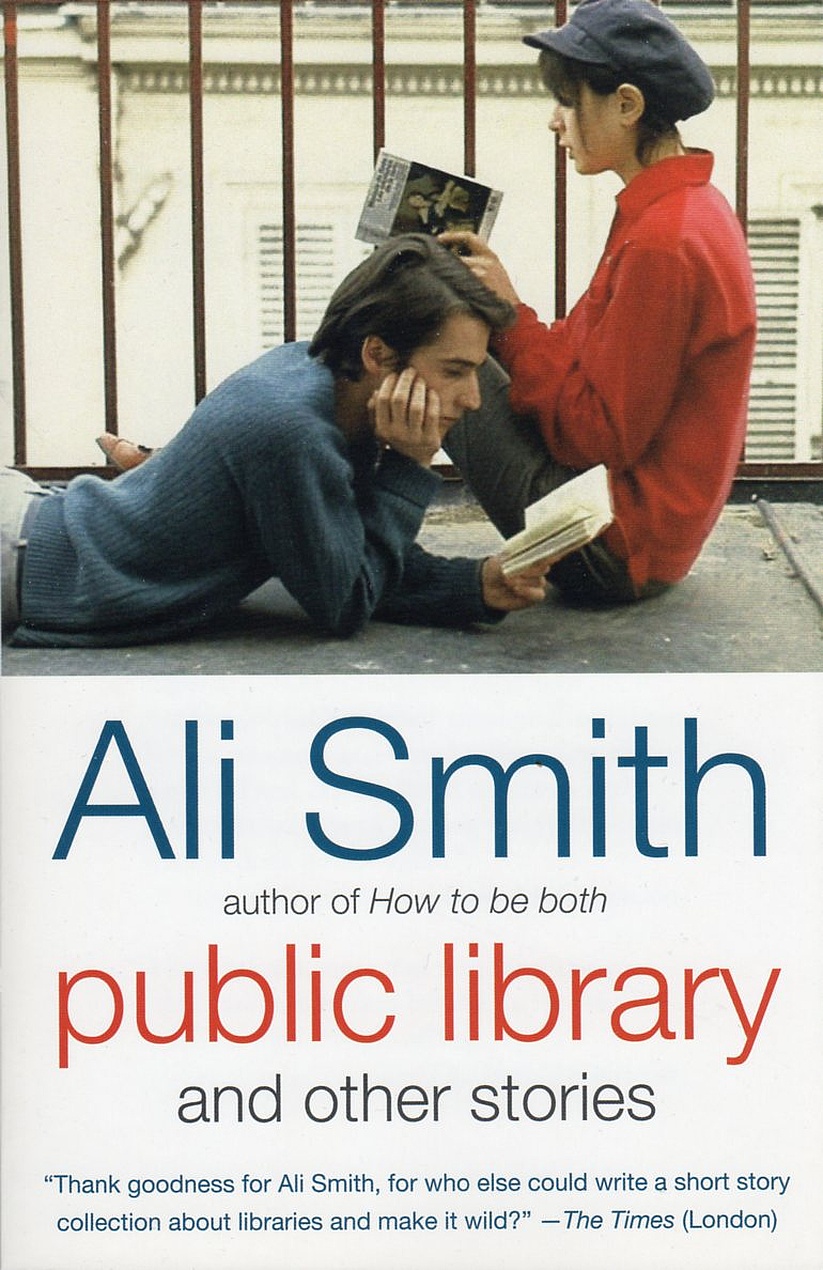
I try and make use of my local library, be that actually or via the BorrowBox app. This will keep track of the books I have borrowed.
1. The Heart of the Matter, Graham Greene
2. David Copperfield, Charles Dickens,
3. On Chapel Sands, Laura Cumming
4. Sex and The City of Ladies, Lisa Hilton,
5. A Question of Upbringing, Anthony Powell
6. The Golden Mole, Katherine Rundell
7. Six Stories and an Essay, Andrea Levy
8. The Last Remains, Elly Griffiths
9. Knife, Salman Rushdie,
10. The Golden Spoon, Jessa Maxwell,
11. A Flat Place, Noreen Masud,
12. Gallows Court, Martin Edwards,
13. Roseanna, Maj Sjöwall & Per Wahlöö,
14. A Buyers Market, Anthony Powell,
15. Kindred, Octavia E Butler
16. The Acceptance World, Anthony Powell,
17. The Bookshop, Penelope Fitzgerald,
18. Rules for Perfect Murders, Peter Swaonson,
19. The evening of the Holiday, Shirley Hazzard,
I try and make use of my local library, be that actually or via the BorrowBox app. This will keep track of the books I have borrowed.
1. The Heart of the Matter, Graham Greene
2. David Copperfield, Charles Dickens,
3. On Chapel Sands, Laura Cumming
4. Sex and The City of Ladies, Lisa Hilton,
5. A Question of Upbringing, Anthony Powell
6. The Golden Mole, Katherine Rundell
7. Six Stories and an Essay, Andrea Levy
8. The Last Remains, Elly Griffiths
9. Knife, Salman Rushdie,
10. The Golden Spoon, Jessa Maxwell,
11. A Flat Place, Noreen Masud,
12. Gallows Court, Martin Edwards,
13. Roseanna, Maj Sjöwall & Per Wahlöö,
14. A Buyers Market, Anthony Powell,
15. Kindred, Octavia E Butler
16. The Acceptance World, Anthony Powell,
17. The Bookshop, Penelope Fitzgerald,
18. Rules for Perfect Murders, Peter Swaonson,
19. The evening of the Holiday, Shirley Hazzard,
8Helenliz
6. Audio books

Audio books are read by voices, but hopefully not distant ones. This category will capture the books I have listened to.
1. The Heart of the Matter, Graham Greene
2. On Chapel Sands, Laura Cumming
3. Sex and The City of Ladies, Lisa Hilton,
4. The Golden Mole, Katherine Rundell
5. Knife, Salman Rushdie
6. The Golden Spoon, Jessa Maxwell
7. A Flat Place, Noreen Masud,
8. Roseanna, Maj Sjöwall & Per Wahlöö,
9. The Bookshop, Penelope Fitzgerald,
10. Rules for Perfect Murders, Peter Swaonson,

Audio books are read by voices, but hopefully not distant ones. This category will capture the books I have listened to.
1. The Heart of the Matter, Graham Greene
2. On Chapel Sands, Laura Cumming
3. Sex and The City of Ladies, Lisa Hilton,
4. The Golden Mole, Katherine Rundell
5. Knife, Salman Rushdie
6. The Golden Spoon, Jessa Maxwell
7. A Flat Place, Noreen Masud,
8. Roseanna, Maj Sjöwall & Per Wahlöö,
9. The Bookshop, Penelope Fitzgerald,
10. Rules for Perfect Murders, Peter Swaonson,
9Helenliz
7. Non-fiction

Facts are usually important in books of Non-Fiction, hence this is where I'll capture my factual reading.
1. On Chapel Sands, Laura Cummings
2. Sex and The City of Ladies, Lisa Hilton, (mostly)
3. The Golden Mole, Katherine Rundell
4. Knife, Salman Rushdie
5. A Flat Place, Noreen Masud,

Facts are usually important in books of Non-Fiction, hence this is where I'll capture my factual reading.
1. On Chapel Sands, Laura Cummings
2. Sex and The City of Ladies, Lisa Hilton, (mostly)
3. The Golden Mole, Katherine Rundell
4. Knife, Salman Rushdie
5. A Flat Place, Noreen Masud,
10Helenliz
8. Series reads

This category contains 1 author and 2 series read that I hope to wrap up in 2025. At times it feels like series contain one book too many!
Heyer
Finished
✔️ The Black Moth (g) 1921 Finished 01Jan18, ****1/2
✔️ Powder and Patch (g) 1923 Finished 05Feb18, ***
✔️ The Great Roxhythe (h) 1923 Finished 30Apr18, ***
✔️ Simon the Coldheart (h) 1925 Finished 7May18, ***
✔️ These Old Shades (g) 1926 Finished 31May18, ***
✔️ The Masqueraders (g) 1928 Finished 17Jul18, ****
✔️ Beauvallet (h) 1929 Finished 08Sep2018, ****
✔️ The Conqueror (h) 1931 Finished 25Dec2018, ****
✔️ Devil's Cub (g) 1932 Finished 31Jan2019, ****
✔️ The Convenient Marriage (g) 1934 Finished 12Mar2019, ****1/2
✔️ Regency Buck (r) 1935 Finished 08May2019, ****1/2
✔️ The Talisman Ring, Georgette Heyer Finished 10Aug2019, ***
✔️ An Infamous Army, Georgette Heyer Finished 13Oct2019, ***
✔️ Royal Escape, Georgette Heyer Finished 14Feb2020, ***
✔️ The Spanish Bride, Georgette Heyer Finished 28Mar2020, ***
✔️ The Corinthian, Georgette Heyer Finished 17Jun2020, ****
✔️ Faro's Daughter, Georgette Heyer Finished 25Aug2020, ****
✔️ Friday's Child, Georgette Heyer Finished 10Oct2020, ****
✔️ The Reluctant Widow, (r) Finished 24Jan2021, ****
✔️ The Foundling (r) 1948 Finished 21Apr2021, ****
✔️ Arabella, (r) 1949 ****1/2 Finished 19Jun2021
✔️ The Grand Sophy, (r) 1950, **** Finished 25Jul2021
✔️ The Quiet Gentleman (r) 1951, ****1/2 Finished 24Sep2021
✔️ Cotillion (r) 1953, **** Finished 15Apr2023
✔️ The Toll Gate (r) 1954, **** Finished 31May2023
✔️ Bath Tangle (r) 1955, Georgette Heyer, **** Finished 10Sep2023
✔️ Sprig Muslin (r) 1956, ****, Finished 23Sep2023
✔️ April Lady (r) 1957, *** Finished 17Nov2023
✔️ Sylvester, or The Wicked Uncle (r) 1957, *** Finished 02Feb2024
✔️ Venetia (r) 1958, ***** Finished 03May2024
✔️ The Unknown Ajax (r) 1959 ***** Finished 02Jul2024
✔️ Pistols for Two (short stories) 1960, **** 05Oct2024
✔️A Civil Contract (r) 1961, *** 22Nov2024
To be Read
The Nonesuch (r) 1962
False Colours (r) 1963
Frederica (r) 1965
Black Sheep (r) 1966
Cousin Kate (r) 1968
Charity Girl (r) 1970
Lady of Quality (r) 1972
My Lord John (h) 1975
Albert Campion
To read
✔️Hide My Eyes
The China Governess
The Mind Readers
Cargo of Eagles
Ruth Griffiths
To read
✔️The Last Remains
(must be doable, yes?!) YES!

This category contains 1 author and 2 series read that I hope to wrap up in 2025. At times it feels like series contain one book too many!
Heyer
Finished
✔️ The Black Moth (g) 1921 Finished 01Jan18, ****1/2
✔️ Powder and Patch (g) 1923 Finished 05Feb18, ***
✔️ The Great Roxhythe (h) 1923 Finished 30Apr18, ***
✔️ Simon the Coldheart (h) 1925 Finished 7May18, ***
✔️ These Old Shades (g) 1926 Finished 31May18, ***
✔️ The Masqueraders (g) 1928 Finished 17Jul18, ****
✔️ Beauvallet (h) 1929 Finished 08Sep2018, ****
✔️ The Conqueror (h) 1931 Finished 25Dec2018, ****
✔️ Devil's Cub (g) 1932 Finished 31Jan2019, ****
✔️ The Convenient Marriage (g) 1934 Finished 12Mar2019, ****1/2
✔️ Regency Buck (r) 1935 Finished 08May2019, ****1/2
✔️ The Talisman Ring, Georgette Heyer Finished 10Aug2019, ***
✔️ An Infamous Army, Georgette Heyer Finished 13Oct2019, ***
✔️ Royal Escape, Georgette Heyer Finished 14Feb2020, ***
✔️ The Spanish Bride, Georgette Heyer Finished 28Mar2020, ***
✔️ The Corinthian, Georgette Heyer Finished 17Jun2020, ****
✔️ Faro's Daughter, Georgette Heyer Finished 25Aug2020, ****
✔️ Friday's Child, Georgette Heyer Finished 10Oct2020, ****
✔️ The Reluctant Widow, (r) Finished 24Jan2021, ****
✔️ The Foundling (r) 1948 Finished 21Apr2021, ****
✔️ Arabella, (r) 1949 ****1/2 Finished 19Jun2021
✔️ The Grand Sophy, (r) 1950, **** Finished 25Jul2021
✔️ The Quiet Gentleman (r) 1951, ****1/2 Finished 24Sep2021
✔️ Cotillion (r) 1953, **** Finished 15Apr2023
✔️ The Toll Gate (r) 1954, **** Finished 31May2023
✔️ Bath Tangle (r) 1955, Georgette Heyer, **** Finished 10Sep2023
✔️ Sprig Muslin (r) 1956, ****, Finished 23Sep2023
✔️ April Lady (r) 1957, *** Finished 17Nov2023
✔️ Sylvester, or The Wicked Uncle (r) 1957, *** Finished 02Feb2024
✔️ Venetia (r) 1958, ***** Finished 03May2024
✔️ The Unknown Ajax (r) 1959 ***** Finished 02Jul2024
✔️ Pistols for Two (short stories) 1960, **** 05Oct2024
✔️A Civil Contract (r) 1961, *** 22Nov2024
To be Read
The Nonesuch (r) 1962
False Colours (r) 1963
Frederica (r) 1965
Black Sheep (r) 1966
Cousin Kate (r) 1968
Charity Girl (r) 1970
Lady of Quality (r) 1972
My Lord John (h) 1975
Albert Campion
To read
✔️
The China Governess
The Mind Readers
Cargo of Eagles
Ruth Griffiths
To read
✔️
(must be doable, yes?!) YES!
11Helenliz
9. CATs

A title containg cats and books, what could be a better fit for my CAT reads.
RandomCAT: Hosting in April
January: food
February: Playing with Time The Last Remains, Elly Griffiths
AlphaKit
January: S&O On Chapel Sands, Laura Cumming, Sex and The City of Ladies, Lisa Hilton,
February: L&G The Golden Mole, Katherine Rundell; The Other Americans, Laila Lalami; Six Stories and an Essay; The Last Remains, Elly Griffiths; The Nonesuch, Georgette Heyer; The Golden Spoon, Jessa Maxwell;

A title containg cats and books, what could be a better fit for my CAT reads.
RandomCAT: Hosting in April
January: food
February: Playing with Time The Last Remains, Elly Griffiths
AlphaKit
January: S&O On Chapel Sands, Laura Cumming, Sex and The City of Ladies, Lisa Hilton,
February: L&G The Golden Mole, Katherine Rundell; The Other Americans, Laila Lalami; Six Stories and an Essay; The Last Remains, Elly Griffiths; The Nonesuch, Georgette Heyer; The Golden Spoon, Jessa Maxwell;
12Helenliz
10. Colour CAT
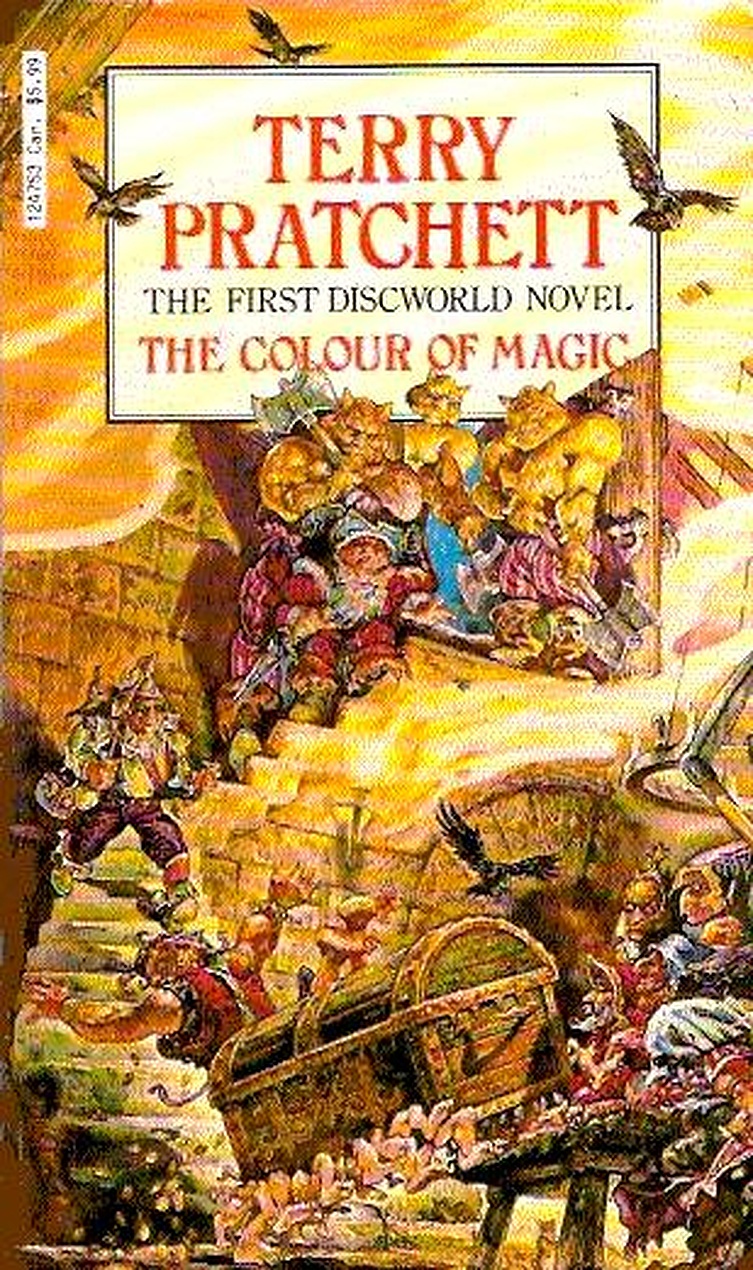
I'm splitting ColourCat out as I think this might need a bit of extra planning. Looking forward to this one. AIming to pick from the 1001 list where I can.
January – Green - Graeme Greene Brighton Rock (library) / Margery Allingham a Penguin Crime green cover
1. Hide my Eyes, Margery Allingham
2. The Heart of the Matter, Graham Greene
February – Gold - Oliver Goldsmith Vicar of Wakefield (library) or Henry James The Golden bowl (library)
1. The Golden Mole, Katherine Rundell,
2. The Golden Spoon, Jessa Maxwell
March – Pink - Rose Tremain
1. Roseanna, Maj Sjöwall & Per Wahlöö,
2. The colour, Rose Tremain
April – Brown (hosting) Sir Thomas Browne (own shelves)
May – Red - The Red and the Black Stendhal (library)
June – Yellow - Crome Yellow Aldous Huxley (library)
July – White - TH WHite Once & Future King (own shelves)
August – Grey
September – Silver
October – Black
November – Blue
December - Purple
I'm splitting ColourCat out as I think this might need a bit of extra planning. Looking forward to this one. AIming to pick from the 1001 list where I can.
January – Green - Graeme Greene Brighton Rock (library) / Margery Allingham a Penguin Crime green cover
1. Hide my Eyes, Margery Allingham
2. The Heart of the Matter, Graham Greene
February – Gold - Oliver Goldsmith Vicar of Wakefield (library) or Henry James The Golden bowl (library)
1. The Golden Mole, Katherine Rundell,
2. The Golden Spoon, Jessa Maxwell
March – Pink - Rose Tremain
1. Roseanna, Maj Sjöwall & Per Wahlöö,
2. The colour, Rose Tremain
April – Brown (hosting) Sir Thomas Browne (own shelves)
May – Red - The Red and the Black Stendhal (library)
June – Yellow - Crome Yellow Aldous Huxley (library)
July – White - TH WHite Once & Future King (own shelves)
August – Grey
September – Silver
October – Black
November – Blue
December - Purple
13Helenliz
11. Art that made us list

I'm a sucker for a list, this one has the advantage of being manageable! Let's see how far I can get through.
Episode 1: Light in the darkness (Pre history to the Bayeux Tapestry)
Y Gododdin, Bard Aneirin
Lindisfarne Gospels, Eadfrith
✔️ Beowulf, Anon
Episode 2: Revolution of the Dead (Black Death)
✔️ Pearl, Anon
✔️ Canterbury Tales, Geoffrey Chaucer
The Vision of Piers Plowman, William Langland
✔️ Revelations of Divine Love, Julian of Norwich
The book of Margery Kemp, Margery Kemp
Episode 3: Queens, Feud & Faith (Tudors)
Foxe's Book of Martyrs, John Foxe
On Monsieur's Departure, Elizabeth I
Beibl William Morgan, William Morgan
✔️ Othello, William Shakespeare
Episode 4: To Kill a King (Civil war, Commonwealth & Restoration)
✔️ Paradise Lost, John Milton
Micrographia, Robert Hooke
✔️ The Rover, Aphra Behn
Episode 5: Consumers & Conscience (18th century)
A Modest Proposal, Jonathan Swift
✔️ A Vindication of the Rights of Woman, Mary Wollstonecraft
A Man's a Man for all that, Robert Burns
✔️ Mansfield Park, Jane Austen
The Interesting narrative of the life of Olaudah Equiano, Olaudah Equiano
Episode 6: The Rise of Cities (The industrial Revolution)
Rural Rides, William Cobbett
✔️ North & South, Elizabeth Gaskell
✔️ The Picture of Dorian Grey, Oscar Wilde
Episode 7: Wars and Peace (early 20th century)
✔️ Easter, 1916, WB Yeats
Episode 8: Brilliant Isles (post war to current)
A taste of honey, Shelagh Delaney
Going Going, Philip Larkin
✔️ The Buddha of Suburbia, Hanif Kureshi
✔️ Trainspotting, Irvine Welsh
✔️ Harry Potter and the Philosopher's Stone, JK Rowling

I'm a sucker for a list, this one has the advantage of being manageable! Let's see how far I can get through.
Episode 1: Light in the darkness (Pre history to the Bayeux Tapestry)
Y Gododdin, Bard Aneirin
Lindisfarne Gospels, Eadfrith
✔️ Beowulf, Anon
Episode 2: Revolution of the Dead (Black Death)
✔️ Pearl, Anon
✔️ Canterbury Tales, Geoffrey Chaucer
The Vision of Piers Plowman, William Langland
✔️ Revelations of Divine Love, Julian of Norwich
The book of Margery Kemp, Margery Kemp
Episode 3: Queens, Feud & Faith (Tudors)
Foxe's Book of Martyrs, John Foxe
On Monsieur's Departure, Elizabeth I
Beibl William Morgan, William Morgan
✔️ Othello, William Shakespeare
Episode 4: To Kill a King (Civil war, Commonwealth & Restoration)
✔️ Paradise Lost, John Milton
Micrographia, Robert Hooke
✔️ The Rover, Aphra Behn
Episode 5: Consumers & Conscience (18th century)
A Modest Proposal, Jonathan Swift
✔️ A Vindication of the Rights of Woman, Mary Wollstonecraft
A Man's a Man for all that, Robert Burns
✔️ Mansfield Park, Jane Austen
The Interesting narrative of the life of Olaudah Equiano, Olaudah Equiano
Episode 6: The Rise of Cities (The industrial Revolution)
Rural Rides, William Cobbett
✔️ North & South, Elizabeth Gaskell
✔️ The Picture of Dorian Grey, Oscar Wilde
Episode 7: Wars and Peace (early 20th century)
✔️ Easter, 1916, WB Yeats
Episode 8: Brilliant Isles (post war to current)
A taste of honey, Shelagh Delaney
Going Going, Philip Larkin
✔️ The Buddha of Suburbia, Hanif Kureshi
✔️ Trainspotting, Irvine Welsh
✔️ Harry Potter and the Philosopher's Stone, JK Rowling
14Helenliz
12. BingoDog

Hoping that BingoDog doesn't cause the black dog to descend. Hoping, instead, it reflects a blackout at the end!
1. A place you've never been The Heart of the Matter, Graham Greene
2. Either "Library" or "Thing" in title
3. Writing about writers Eight Detectives
4. Oldest book in your TBR Religio Medici
5. A holiday in title The evening of the Holiday, Shirley Hazzard,
6. A long title (5+ words) Sex and The City of Ladies, Lisa Hilton,
7. Features adoption/foster care/nontraditional family On Chapel Sands, Laura Cumming
8. Medical topic Knife, Salman Rushdie
9. The sun on cover/in title A Moment of War Laurie Lee
10. Child as a main character A Question of Upbringing, Anthony Powell
11. Newly in public domain
12.Author has your or relative’s 1st or last name Joe Cinque's Consolation Helen Gardner
13. Read a CAT
14. Totally random The Murder of Halland
15. Features a birth A Mouth full of Salt, Reem Gaafar,
16. Nonhuman narrator The Owl and the Nightingale, Simon Armitage,
17. Features winged creature(s) The Golden Mole, Katherine Rundell
18. A profession in title The Soldier's Art Anthony Powell
19. Travel Six Stories and an Essay, Andrea Levy
20. Recommended by a friend or LT member Rules for Perfect Murders, Peter Swaonson
21. Set in your favorite season As I walked out one Midsummer Morning Laurie Lee
22. Originally published in a language not your own Roseanna, Maj Sjöwall & Per Wahlöö
23. Hollywood! Cider with Rosie Laurie Lee
24. A piece of furniture on the cover the Acceptance World Anthony Powell
25. Features fire Hide my Eyes, Margery Allingham

Hoping that BingoDog doesn't cause the black dog to descend. Hoping, instead, it reflects a blackout at the end!
1. A place you've never been The Heart of the Matter, Graham Greene
2. Either "Library" or "Thing" in title
3. Writing about writers Eight Detectives
4. Oldest book in your TBR Religio Medici
5. A holiday in title The evening of the Holiday, Shirley Hazzard,
6. A long title (5+ words) Sex and The City of Ladies, Lisa Hilton,
7. Features adoption/foster care/nontraditional family On Chapel Sands, Laura Cumming
8. Medical topic Knife, Salman Rushdie
9. The sun on cover/in title A Moment of War Laurie Lee
10. Child as a main character A Question of Upbringing, Anthony Powell
11. Newly in public domain
12.Author has your or relative’s 1st or last name Joe Cinque's Consolation Helen Gardner
13. Read a CAT
14. Totally random The Murder of Halland
15. Features a birth A Mouth full of Salt, Reem Gaafar,
16. Nonhuman narrator The Owl and the Nightingale, Simon Armitage,
17. Features winged creature(s) The Golden Mole, Katherine Rundell
18. A profession in title The Soldier's Art Anthony Powell
19. Travel Six Stories and an Essay, Andrea Levy
20. Recommended by a friend or LT member Rules for Perfect Murders, Peter Swaonson
21. Set in your favorite season As I walked out one Midsummer Morning Laurie Lee
22. Originally published in a language not your own Roseanna, Maj Sjöwall & Per Wahlöö
23. Hollywood! Cider with Rosie Laurie Lee
24. A piece of furniture on the cover the Acceptance World Anthony Powell
25. Features fire Hide my Eyes, Margery Allingham
15Charon07
I like your books as a theme! Your selections are very appropriate for your categories. I hope you enjoy your 2025 reading!
18dudes22
I love the way you've matched books to your categories. What a great idea. Looking forward to your reading.
21lowelibrary
Great job matching covers to categories. I bet you spent a lot of time preparing this.
22MissWatson
That’s a very imaginative theme, Helen. Happy reading!
23LadyoftheLodge
I enjoyed looking at the book covers you included! Happy New Thread.
29DeltaQueen50
Looking forward to following along, in 2025.
30mstrust
Happy reading in 2025! You seem like a very well-organized person and I hope you reach all your goals.
32MissBrangwen
Great categories and reading goals! Happy reading in the year to come!
33Caroline_McElwee

Setting down my cushion Helen, and looking forward to your reading and other 2025 adventures.
36Crazymamie
Here's hoping that your New Year is full of happy, Helen!
37lowelibrary
Happy New Year and good luck with your reading.
38thornton37814
Hope you have a great year of reading!
39beebeereads
Enjoy your reading year!
40Helenliz
Hello all. I'm not actually absent without official leave on my own thread - I just haven't finished anything yet. Not for want of trying. I started David Copperfield over the holidays, figuring I'd have plenty of time to try and crack on with it. I'm at 2/5ths distance, so hopeful of finishing before March!
Also started Hide my Eyes for the ColourCAT (it's a penguin crime green cover) as DC is rather too large to carry in a handbag and I went shopping on Cambridge today. He was bellringing and I was shopping, but I'd finished before he did, so bought a coffee and read some while waiting for him. Very successful shopping day, got everything I went in for, including a new handbag. Last one was bought ~ 14 years ago, not long after we moved in here, so it's had a pretty good life. This came from a small business and they were lovely, we must have had half the shop out at one point! Went for a grey/beige colour that looks better than it sounds!
In terms of listening, I've been making my way through episodes of This Cultural Life on BBC Sounds. There are loads to listen to and I like the variety. I've not made any progress on my audiobook though.
Tree comes down tomorrow and Christmas can go back in the box for another year. Back to work on Monday...
Also started Hide my Eyes for the ColourCAT (it's a penguin crime green cover) as DC is rather too large to carry in a handbag and I went shopping on Cambridge today. He was bellringing and I was shopping, but I'd finished before he did, so bought a coffee and read some while waiting for him. Very successful shopping day, got everything I went in for, including a new handbag. Last one was bought ~ 14 years ago, not long after we moved in here, so it's had a pretty good life. This came from a small business and they were lovely, we must have had half the shop out at one point! Went for a grey/beige colour that looks better than it sounds!
In terms of listening, I've been making my way through episodes of This Cultural Life on BBC Sounds. There are loads to listen to and I like the variety. I've not made any progress on my audiobook though.
Tree comes down tomorrow and Christmas can go back in the box for another year. Back to work on Monday...
41elkiedee
I like listening to This Cultural Life. I mostly hear it on the radio but the interviews also seem to be recorded for TV so are presumably available via Iplayer (I sometimes catch an interview on BBC Four late at night that I've heard on Radio 4.
42SandDune
>40 Helenliz: Cambridge is where I do most of my shopping. Now I’m intrigued as to where you bought the bag!
43Helenliz
>41 elkiedee: I've seen a few on the TV, there seem to be more on Sounds.
>42 SandDune: Since the John Lewis in Peterborough closed, Cambridge is my nearest good shopping centre, it's just a bit of a palava to get there. Hence I don't go shopping all that often. Bag came from SageBrown on Trinity street. They were very nice about wreaking their displays to get all the bags down and unstuffed!
DC update - now at half way...
>42 SandDune: Since the John Lewis in Peterborough closed, Cambridge is my nearest good shopping centre, it's just a bit of a palava to get there. Hence I don't go shopping all that often. Bag came from SageBrown on Trinity street. They were very nice about wreaking their displays to get all the bags down and unstuffed!
DC update - now at half way...
45charl08
>43 Helenliz: Well that led me down a handbag rabbit hole...
46SandDune
>43 Helenliz: They look very pretty handbags!
47Helenliz
>44 katiekrug: Yes, thanks, Tree is down, roast dinner cooked & eaten. Not sure I'm looking forward to work in the morning, but it has to be done.
>45 charl08: Sorry.
>46 SandDune: it is lurvely. I'm very pleased with it.
>45 charl08: Sorry.
>46 SandDune: it is lurvely. I'm very pleased with it.
48rabbitprincess
Congrats on the new handbag! How many books can it hold? :D
49lauralkeet
Happy New Year Helen, I apologize for my late arrival. I made a note of the link you posted on your 2024 thread and only just realized I'd never come over here to drop a star. I'm looking forward to following your reading this year.
50Helenliz
>48 rabbitprincess: ha! Is that the universal measure of handbag capacity? Quite a lot, but I've not tested it for total carrying capacity yet. It fits my laptop in, vertically (sticks out the top, but that's OK).
>49 lauralkeet: I can hardly chastise lateness, when I've barely been here myself!
Currently just over 3/4 through David Copperfield.
Listening to The heart of the matter.
Reading Hide my eyes as it is much easier to fit in a handbag than DC and I'm in the London office today. Train time to read, which is nice.
>49 lauralkeet: I can hardly chastise lateness, when I've barely been here myself!
Currently just over 3/4 through David Copperfield.
Listening to The heart of the matter.
Reading Hide my eyes as it is much easier to fit in a handbag than DC and I'm in the London office today. Train time to read, which is nice.
51Helenliz
Hurrah! I've finally finished a book!
Book: 1
Title: Hide my Eyes
Author: Margery Allingham
Published: 1958
Rating: ***
Why: To move on with the series and it was a lot lighter than David Copperfield for the train.
Challenge: Woman Author, ColourCAT, BingoDog
TIOLI Challenge: #10: Read a book with the name of something you'd drink from in the title or author's name
This is very inventive. There's a serial killer on the loose in London and Charlie Luke has a bee in his bonnet about him - trouble is, no-one else thinks he's onto anything. There are a number of crimes that circle Garden Green, but they are all quite different. Is he on to something or not? There's not a lot of Campion or detection in here, we see the last in the series of crimes with the perpetrator in real time rather than seeing it in the aftermath.
There are an array of supporting characters, Polly Tassie is the pivot the case revolves around. She's invited her niece, Jennifer, to come and live with her (with a view for companionship and maybe a sport of matchmaking) only her younger sister Annabelle turns up. She at least takes the precaution of meeting the only person she knows in London, Richard Waterfield, who used to court her sister, but is now rather taken with how Annabelle has blossomed in the last 2 years since he saw her last. He sees Gerry leaving the house, decides he doesn't like the look of him and tails him. He then gets embroiled in Gerry's plans for the day, which are busy and most of the action takes place in the following 12 hours.
The scene shifts through the various characters, following their actions over periods of time. The Police do rather seem to be playing catch up, and there remains, at the end, no certainty that having got their man that they will be able to get the charges to stick.
It's quite a different story, less a whodunit than a will he get away with it.
Book: 1
Title: Hide my Eyes
Author: Margery Allingham
Published: 1958
Rating: ***
Why: To move on with the series and it was a lot lighter than David Copperfield for the train.
Challenge: Woman Author, ColourCAT, BingoDog
TIOLI Challenge: #10: Read a book with the name of something you'd drink from in the title or author's name
This is very inventive. There's a serial killer on the loose in London and Charlie Luke has a bee in his bonnet about him - trouble is, no-one else thinks he's onto anything. There are a number of crimes that circle Garden Green, but they are all quite different. Is he on to something or not? There's not a lot of Campion or detection in here, we see the last in the series of crimes with the perpetrator in real time rather than seeing it in the aftermath.
There are an array of supporting characters, Polly Tassie is the pivot the case revolves around. She's invited her niece, Jennifer, to come and live with her (with a view for companionship and maybe a sport of matchmaking) only her younger sister Annabelle turns up. She at least takes the precaution of meeting the only person she knows in London, Richard Waterfield, who used to court her sister, but is now rather taken with how Annabelle has blossomed in the last 2 years since he saw her last. He sees Gerry leaving the house, decides he doesn't like the look of him and tails him. He then gets embroiled in Gerry's plans for the day, which are busy and most of the action takes place in the following 12 hours.
The scene shifts through the various characters, following their actions over periods of time. The Police do rather seem to be playing catch up, and there remains, at the end, no certainty that having got their man that they will be able to get the charges to stick.
It's quite a different story, less a whodunit than a will he get away with it.
52Crazymamie

Nice review, Helen. I especially liked, "...less a whodunit than a will he get away with it."
54Helenliz
>52 Crazymamie:, >53 katiekrug: I know and I've finished another one!!
Book: 2
Title: The Heart of the Matter
Author: Graham Greene
Published: 1948
Rating: ***1/2
Why: ColourCAT!
Challenge: ColourCAT, BingoDog, Audio
TIOLI Challenge: #1: Read a book which has a least one set of double letters in both the title and the author's name
I listened to this. Richard Scobie is a Police officer in an unnamed African colony in WW2. We see him first through the eyes of Wilson, who is supposed to be here as an accountant, but actually has some surveillance position. Scobie is seen as suspect as his has integrity and is honest. He is also married to Louise, who might be described as difficult. It;s not a happy marriage, he;s not in love with her and she's not happy in their current situation. Even their rows follow the same path, with the routine accusations, defence and counter accusation. They are catholic and this has a significant bearing on the later actions.
Wilson meets Louise and falls in love with her, it's unclear if she reciprocates, she doesn;t overtly and brushes it under the carpet.
His wedding day vow that Louise would be happy is Scobie's downfall. She wants to go to South Africa, but they don;t have the saving to pay for passage. The bank manager declines to help, so Scobie goes to Yousuf, a Syrian in a feud with Tallet, a fell ow Syrian but of a different religion. From here there are any number of consequences, all of which weigh on Scobie and infect his honesty, integrity and self esteem.
She leaves and while she is away he travels to Pendee to help recieve the survivors of a sinking, who have survived 40 days in open boats. There are very few of them and some die when back in the care of the British. One is a young girl, who calls Scobie "Father" as he makes a pattern of a rabbit and she dies. He didn't see his own daughter die, that was Louise's burden. He also sees Helen Rolt, a very young woman who lost her husband of a month in the sinking. He is taken with her and they meet later when she is released from hospital. They embark on an affair while Louise is away and she is added to Scobie's burden of responsibility. As the affair continue, he changes (or his perception of her changes) and she becomes, in his mind, like a younger version of his own wife, the demands and the accusations might be different, but the pattern is recreating itself. As a Catholic, he struggles with his conscience and the taking of communion while not repenting of his affair. This has soured his relationship and Louise's return complicates the matter further. He sees no way out of his increasingly complicated relationship.
This can be contrasted with the death of Pemberton, a young man at a remote station who commit suicide as a result of his debts. He becomes the source of gossip and is dehumanised.
This is a sad story of a loveless marriage and two adjacent relationships. Scobie is a principled man who makes a decision to fulfill a promise and finds that events gradually flow away form him and leave him out of control. He struggled with his faith and his actions and reconciling the two. As someone of no religious faith, I found this hard to understand, but it is crucial to his mental makeup. There are no really good or really bad people in here, just a lot of people who are trying to get by and are unhappy to different degrees. They hide it under the film of form and the club and too much alcohol. It's a time past (and for some of the attitudes displayed here that is a very good thing). Some of these people live in a very isolated or rarefied. That Scobie, in his role as a Police Officer, comes into contact with them and treats then as more human is seem as a source of suspicion. Apart from the references to the heat, the ubiquitous "boy", the wildlife and the rains, this could be set almost anywhere, Africa is just a convenient painted backdrop. Which is a shame.
Book: 2
Title: The Heart of the Matter
Author: Graham Greene
Published: 1948
Rating: ***1/2
Why: ColourCAT!
Challenge: ColourCAT, BingoDog, Audio
TIOLI Challenge: #1: Read a book which has a least one set of double letters in both the title and the author's name
I listened to this. Richard Scobie is a Police officer in an unnamed African colony in WW2. We see him first through the eyes of Wilson, who is supposed to be here as an accountant, but actually has some surveillance position. Scobie is seen as suspect as his has integrity and is honest. He is also married to Louise, who might be described as difficult. It;s not a happy marriage, he;s not in love with her and she's not happy in their current situation. Even their rows follow the same path, with the routine accusations, defence and counter accusation. They are catholic and this has a significant bearing on the later actions.
Wilson meets Louise and falls in love with her, it's unclear if she reciprocates, she doesn;t overtly and brushes it under the carpet.
His wedding day vow that Louise would be happy is Scobie's downfall. She wants to go to South Africa, but they don;t have the saving to pay for passage. The bank manager declines to help, so Scobie goes to Yousuf, a Syrian in a feud with Tallet, a fell ow Syrian but of a different religion. From here there are any number of consequences, all of which weigh on Scobie and infect his honesty, integrity and self esteem.
She leaves and while she is away he travels to Pendee to help recieve the survivors of a sinking, who have survived 40 days in open boats. There are very few of them and some die when back in the care of the British. One is a young girl, who calls Scobie "Father" as he makes a pattern of a rabbit and she dies. He didn't see his own daughter die, that was Louise's burden. He also sees Helen Rolt, a very young woman who lost her husband of a month in the sinking. He is taken with her and they meet later when she is released from hospital. They embark on an affair while Louise is away and she is added to Scobie's burden of responsibility. As the affair continue, he changes (or his perception of her changes) and she becomes, in his mind, like a younger version of his own wife, the demands and the accusations might be different, but the pattern is recreating itself. As a Catholic, he struggles with his conscience and the taking of communion while not repenting of his affair. This has soured his relationship and Louise's return complicates the matter further. He sees no way out of his increasingly complicated relationship.
This can be contrasted with the death of Pemberton, a young man at a remote station who commit suicide as a result of his debts. He becomes the source of gossip and is dehumanised.
This is a sad story of a loveless marriage and two adjacent relationships. Scobie is a principled man who makes a decision to fulfill a promise and finds that events gradually flow away form him and leave him out of control. He struggled with his faith and his actions and reconciling the two. As someone of no religious faith, I found this hard to understand, but it is crucial to his mental makeup. There are no really good or really bad people in here, just a lot of people who are trying to get by and are unhappy to different degrees. They hide it under the film of form and the club and too much alcohol. It's a time past (and for some of the attitudes displayed here that is a very good thing). Some of these people live in a very isolated or rarefied. That Scobie, in his role as a Police Officer, comes into contact with them and treats then as more human is seem as a source of suspicion. Apart from the references to the heat, the ubiquitous "boy", the wildlife and the rains, this could be set almost anywhere, Africa is just a convenient painted backdrop. Which is a shame.
55katiekrug
>54 Helenliz: - Nice comments, Helen. I have yet to read any Graham Greene, though I have a few in the stacks.
Hope you have a good weekend!
Hope you have a good weekend!
56Helenliz
>55 katiekrug: I've read a few. I preferred The Quiet American the The End of the Affair. I think this slots in the middle.
You too, I have a meeting to go to this afternoon and a quiet Sunday planned.
You too, I have a meeting to go to this afternoon and a quiet Sunday planned.
57Crazymamie
I have read quite a few by Greene, but not that one. So far The Quiet American has been my favorite. I have loads more in the stacks, and am hoping to get to either Travels With My Aunt or Brighton Rock this year.
58Helenliz
>57 Crazymamie: in a traditional reserving more books than I can possibly read, I have Brighton Rock as well.
59Crazymamie
I have it in a Penguin Deluxe Classics edition because I cannot resist them. I mean, deckled edge pages!
60Jackie_K
>54 Helenliz: That is the only Graham Greene I have ever read; it was one of my A'level set texts back in the day. I seem to remember we had a lot to discuss in class, although I also remember it being pretty bleak.
61Helenliz
>60 Jackie_K: I can imagine that giving lots of scope of essay questions. It's that kind of thing that makes me think I should do a degree in literature for my retirement project. I reckon I'd be much better now at that old "Compare and contrast the treatment of (insert subject here) in The Heart of the Matter with that in (Insert book here)".
But as my retirement project degree subject changes on a weekly basis, depending on which good documentary I just watched on BBC4, its a good job retirement is still some distance away!
But as my retirement project degree subject changes on a weekly basis, depending on which good documentary I just watched on BBC4, its a good job retirement is still some distance away!
62Jackie_K
>61 Helenliz: that made me laugh - depending on the time of day/day of the week/etc, my retirement projects include a creative writing degree, learning BSL, painting, doing more exercise, etc etc etc. It's good to dream.
63Helenliz
>62 Jackie_K: ha! I like that I'm not the only indecisive one!!
I've resurrected my blog. I felt like I wanted somewhere for a longer form of writing. Bluesky's a nice pleace, but 300 characters is rather limiting.
Anyway, my latest offering is a bit of an oddity.
https://helenruns.wordpress.com/2025/01/19/a-blast-from-the-past/
I've resurrected my blog. I felt like I wanted somewhere for a longer form of writing. Bluesky's a nice pleace, but 300 characters is rather limiting.
Anyway, my latest offering is a bit of an oddity.
https://helenruns.wordpress.com/2025/01/19/a-blast-from-the-past/
64Helenliz
I FINISHED DAVID COPPERFIELD
Only taken me just on a month...
Only taken me just on a month...
65clue
>62 Jackie_K: I went through that too and did Art History. Every day I come up with a new idea on what I want to do next.
66susanj67
>64 Helenliz: Well done! It's definitely worth the effort!
67Crazymamie
>64 Helenliz: Congratulations!
68MissBrangwen
>64 Helenliz: Yay, you did it! :-)
69Helenliz
>65 clue: Art History is sometimes on the list!
>66 susanj67:, >67 Crazymamie:, >68 MissBrangwen:. Only took me most of a month. Glad that's done and I can pick up something physically lighter and less wordy!
>66 susanj67:, >67 Crazymamie:, >68 MissBrangwen:. Only took me most of a month. Glad that's done and I can pick up something physically lighter and less wordy!
70mathgirl40
>64 Helenliz: Congratulations on finishing! I've read a lot of Dickens but haven't gotten around to tackling that gigantic tome yet.
71RidgewayGirl
>63 Helenliz: I enjoyed your blog post. I suspect the US and the UK are very different right now in that regard -- a rather unpleasant anti-democracy crank was recently given a prominent interview in the NYT, all because he is a favorite of the new Administration. But the Mitford sisters role in the UK back at that time was interesting and certainly their views were not that far removed from those of some of the Windsors.
72lauralkeet
>63 Helenliz:, >71 RidgewayGirl: I enjoyed your blog post too, Helen. I knew nothing about the Mitfords until I joined LT and even then, I only knew about Nancy. Somehow I learned about Unity but didn't know Diana also held similar beliefs. Egads. Full marks to the BBC for retaining and rebroadcasting the programme.
73DeltaQueen50
Congrats on finishing David Copperfield. Even though it is my favorite Dickens, I do remember that satisfied feeling of accomplishment when I finished reading it.
74VivienneR
Good for you sticking with David Copperfield! Like many here, it's my favourite Dickens.
I enjoyed your blog about Lady Mosley. I have enjoyed books by Nancy and Deborah Mitford but know only the basics about Diana. However, it was the mention of Desert Island Discs a one-time favourite radio program that was a blast from the past for me. I always tried to listen when I lived in the UK. When I was a kid most guests I'd never heard of, but the idea of taking music to a desert island was fascinating. Since then I often choose my own eight discs (that change regularly). Now and then I've managed to get a podcast, the latest one was when Charlie Watts (of the Rolling Stones) was the guest. It was re-broadcast after his death.
I enjoyed your blog about Lady Mosley. I have enjoyed books by Nancy and Deborah Mitford but know only the basics about Diana. However, it was the mention of Desert Island Discs a one-time favourite radio program that was a blast from the past for me. I always tried to listen when I lived in the UK. When I was a kid most guests I'd never heard of, but the idea of taking music to a desert island was fascinating. Since then I often choose my own eight discs (that change regularly). Now and then I've managed to get a podcast, the latest one was when Charlie Watts (of the Rolling Stones) was the guest. It was re-broadcast after his death.
75Helenliz
Book: 3
Title: David Copperfield
Author: Charles Dickens
Published: 1850
Rating: ****
Why: An idea to read a chunky book starting at Christmas and break the back of it.
Challenge: Library book
TIOLI Challenge: #6: Read a book you acquired in December 2024 without paying for it
I think the first thing that you can't avoid noticing about this is that it is so very very long. Like really long. My Penguin edition had 880 pages of David Copperfield, plus 50 odd pages of introduction and getting on for 100 of end notes. It makes for a very heavy bed time book. At times I ended up with pins & needles just holding it.
The book included star marks between chapters where that was the block that was serialised in each edition, which was interesting. I still think that Dickens could have done with a ruthless editor; he was paid by the words and I think it shows. The condensed version could be done in, what, 3-4 hundred pages? Take out the repetitions and digressions and it would be a much more taught experience. Not necessarily better of itself, but maybe more modern, more concentrated, less discursive. I found myself wanting to give David a slap and work out what should have happened much earlier than it actually did.
This is narrated by David, retelling his life from birth to adulthood, told from a perspective of what I feel is probably middle age. There's a touch of complacency in here occasionally. There's also a sense of who his life partner should be that we get and he doesn't until much later. I did want to give him a good shake about this - would have saved us all several chapters!
David himself is a bit difficult to grasp. He asks at the beginning of the book if he will turn out to be the hero of his own story and I feel the answer to that is probably not. He's not very dynamic, he drifts and is led or directed by his friends and relatives more than creates his own agency. But then, at the end of the book he is still in his 20s, he's still quite young and I wonder if he comes into his own in a more settled environment. Is his wife the making of him? It wouldn't be the first time.
In terms of the style, my previous Dickens experience has led me to spend the first 2/3rds of the book slogging through, before there's a rollercoaster ride to the finish. This was less pronounced in terms of plotting, there's event and activity the whole way through this. There remains that sense of moving to a conclusion that the rest of us have seen coming a long way out.
The great things about this isn't David, who remains a bit of a damp squib the entire way, it's the cast of characters that come and go in his life. Some are clearly good, some clearly bad and some occupy a rather ambiguous position. Even if they only appear fleetingly (like the undertaker) they add to the story and the familiarity acts as a shortcut as we know who David is with and their history. It provides a sense of stability, in a way.
The one positive I'd take from this is that Dickens can write his female characters as well as he writes his men. There are fewer of them and they sometimes come as a adjunct (I'm thinking of Mr Micawber and Emma Micawber, of Traddles and his best darling). But to conunteract that there's Betsy Trotwood, Peggotty and Agnes. They are vivid and vital and have a clear inward life and past that impacts on their actions in a way that makes a consistent picture of behaviour.
While I might moan about the length of it and the sheer weight of the book, I can't say that I'm sorry to have read it. It is worth the read. I started it over Christmas on the grounds that I'd have some time to break the back of it. It took me just on a month to read it.
Title: David Copperfield
Author: Charles Dickens
Published: 1850
Rating: ****
Why: An idea to read a chunky book starting at Christmas and break the back of it.
Challenge: Library book
TIOLI Challenge: #6: Read a book you acquired in December 2024 without paying for it
I think the first thing that you can't avoid noticing about this is that it is so very very long. Like really long. My Penguin edition had 880 pages of David Copperfield, plus 50 odd pages of introduction and getting on for 100 of end notes. It makes for a very heavy bed time book. At times I ended up with pins & needles just holding it.
The book included star marks between chapters where that was the block that was serialised in each edition, which was interesting. I still think that Dickens could have done with a ruthless editor; he was paid by the words and I think it shows. The condensed version could be done in, what, 3-4 hundred pages? Take out the repetitions and digressions and it would be a much more taught experience. Not necessarily better of itself, but maybe more modern, more concentrated, less discursive. I found myself wanting to give David a slap and work out what should have happened much earlier than it actually did.
This is narrated by David, retelling his life from birth to adulthood, told from a perspective of what I feel is probably middle age. There's a touch of complacency in here occasionally. There's also a sense of who his life partner should be that we get and he doesn't until much later. I did want to give him a good shake about this - would have saved us all several chapters!
David himself is a bit difficult to grasp. He asks at the beginning of the book if he will turn out to be the hero of his own story and I feel the answer to that is probably not. He's not very dynamic, he drifts and is led or directed by his friends and relatives more than creates his own agency. But then, at the end of the book he is still in his 20s, he's still quite young and I wonder if he comes into his own in a more settled environment. Is his wife the making of him? It wouldn't be the first time.
In terms of the style, my previous Dickens experience has led me to spend the first 2/3rds of the book slogging through, before there's a rollercoaster ride to the finish. This was less pronounced in terms of plotting, there's event and activity the whole way through this. There remains that sense of moving to a conclusion that the rest of us have seen coming a long way out.
The great things about this isn't David, who remains a bit of a damp squib the entire way, it's the cast of characters that come and go in his life. Some are clearly good, some clearly bad and some occupy a rather ambiguous position. Even if they only appear fleetingly (like the undertaker) they add to the story and the familiarity acts as a shortcut as we know who David is with and their history. It provides a sense of stability, in a way.
The one positive I'd take from this is that Dickens can write his female characters as well as he writes his men. There are fewer of them and they sometimes come as a adjunct (I'm thinking of Mr Micawber and Emma Micawber, of Traddles and his best darling). But to conunteract that there's Betsy Trotwood, Peggotty and Agnes. They are vivid and vital and have a clear inward life and past that impacts on their actions in a way that makes a consistent picture of behaviour.
While I might moan about the length of it and the sheer weight of the book, I can't say that I'm sorry to have read it. It is worth the read. I started it over Christmas on the grounds that I'd have some time to break the back of it. It took me just on a month to read it.
76purpleiris
Great review of David Copperfield. I haven't read it in ages and now I'm wondering if I should search out my copy.
77Crazymamie
I agree that David could have done with a slap and Dickens an editor, Helen. Loved reading through your review. I read that one years ago when I was in middle school and liked but didn't love it. Tried it again several years ago when there was a group read going on in the 75ers, and NOPE. I can appreciate Dickens but do not love him with the exception of A Christmas Carol, which is sheer perfection to me and one I read almost every year.
"The great things about this isn't David, who remains a bot of a damp squib the entire way..." Made me laugh! Well said.
"The great things about this isn't David, who remains a bot of a damp squib the entire way..." Made me laugh! Well said.
78Helenliz
>76 purpleiris: My first time through. It was good but not so good that I'd want to read it again!
>77 Crazymamie: I can appreciate that he can write characters, but it's the sheer length that puts me off. He can write in short form, as his short stories demonstrate and A Christmas Carol is an excellent example. But he was paid by the word and I think it shows at times.
I'm also not sure I can forgive him for editing North and South as it was "too long" when he produces this kind of thing.
>77 Crazymamie: I can appreciate that he can write characters, but it's the sheer length that puts me off. He can write in short form, as his short stories demonstrate and A Christmas Carol is an excellent example. But he was paid by the word and I think it shows at times.
I'm also not sure I can forgive him for editing North and South as it was "too long" when he produces this kind of thing.
79lauralkeet
Helen, have you read Demon Copperhead? It's long, but not nearly as long as the original, which I admit I haven't read. But thanks to Wikipedia, I was able to see how Kingsolver lifted bits for her novel. It was one of my favorite books of 2023. That said, I can understand not rushing to it right away and perhaps rewarding yourself with lighter reads.
80Helenliz
>79 lauralkeet: No, I've not read that yet. It has been suggested as a follow up but maybe not quite yet...
81Crazymamie
>78 Helenliz: SO true about North and South!
82elkiedee
I'm currently reading, very slowly, A Tale of Two Cities, one of his shorter novels, because it was a choice for my library reading group (months ago) - it's ages since I even started the book for the group on time, never mind finished. At school at one point, I have a memory of being set lots of comprehensions on Charles Dickens extracts, and I found his writing quite irritating from a young age. But I did read and quite like Bleak House, on the go at the same time as other (shorter) books, perhaps 20 years ago now, and I've found various TV/radio adaptations of his work quite interesting. I do think that pay per word serials encouraged some very self-indulgent writing, none more so than Charles Dickens.
I also loved Demon Copperhead, without having read David Copperfield first - though I do have it in both paperback and Kindle (Penguin Classics).
I also loved Demon Copperhead, without having read David Copperfield first - though I do have it in both paperback and Kindle (Penguin Classics).
83mnleona
>82 elkiedee: I have Tale of Two Cities on my table so I can read it this year
84mnleona
>75 Helenliz: I have not read it. Great review.
85charl08
I read this (DC) on the train going back and forth for two weeks work experience. Some bright spark thought it linked well with us all heading off to the world of work for the first time, I suspect. Can report it worked quite well in 30 minute bursts of reading. Although I did once get on the wrong train and not notice for about 20 minutes...
(Probably not Dickens' fault.)
(Probably not Dickens' fault.)
86mstrust
That's a thumbs up review. I haven't read David Copperfield yet, but I do want to. And I agree, his heavy books are too much for me, so I have the complete works on Kindle.
87Charon07
Demon Copperhead is in my TBR, and I toyed with the idea of reading David Copperfield first, but I can’t abide Dickens (other than A Christmas Carol). My most epic DNF is Great Expectations: I made it to within about 50 pages of the end, but I just couldn’t care enough to finish it.
88MissBrangwen
>75 Helenliz: Great review! I read DC eight or nine years ago and loved it, but I haven't read any of Dickens's other great novels since then precisely because I know I will need such a long time to do so. I have most of them on my shelves, though, and want to get to them one day!
89Helenliz
Book: 4
Title: On Chapel Sands
Author: Laura Cumming
Published: 2019
Rating: ***
Why: The title caught my eye
Challenge: New author, woman author, non-fiction, Library, CAT, Bingo.
TIOLI Challenge: #11: Read a book you acquired in January of 2025
This starts with a family photograph album. The pictures are mainly of young Betty, between the ages of 3 and 13. Taken by her father, they start as suddenly as they stop. What stories are they telling. More intriguingly, what is not being told or is being obscured behind the happy face. And what is the last photo in the album doing, with the child identified with another name, Grace, not Betty. All families have their secrets, some of them are told and some are not. In this case, there is a big secret, layered with other secrets and few people are telling.
Laura Cummings writes of her mother's childhood. Betty is the child in the photographs, and we trace Betty's life from her earliest memories to her teens. At its basic level, George and Veda are 49 when Betty comes to live with them. They bring her up and see her go to school, then grammar school, then to the post office and finally to art school. We hear a lot about the restrictions that are imposed on her life and strange incidents where certain people are no longer to be welcomed or accepted as friends. The odd incidents, such as the bakers' boy delivering to all of the row except theirs and the woman on the bus saying she had a grandmother who missed her all act as pointers to something not being quite normal. This way Betty finds out of her adoption, as a teenager - probably the worst time to be unmoored like that. Part of this is from Betty's own memoir, some of it seems to have been imagined. We cannot, at this remove, possibly know what George's thoughts or feelings were and to try and imagine them feels, to me, to be a fruitless exercise. The story progresses in an approximately linear manner, with Betty's childhood being laid out in the photographs and the setting she was in. It is interspersed with the efforts that she and the family made to find out things like her father's name and the circumstances of her adoption. The kidnapping, which Betty knew nothing of, is only examined at the end, alongside the present, when Betty meets her half siblings.
I felt that, at times, the author had a preconceived set of ideas about her mother's parents, including how they should have behaved and what they should have felt. These were clearly coloured by current expectations of families and their behaviour. It was a different time, with different social mores and to apply a modern sensibility to people of the past feels unfair to all concerned. I also felt that there was a mismatch between the author's feelings about the grandmother she knew and the way that she perceived that the same person had behaved to her mother. I also felt that the feelings of her grandmother on taking in the child of her husband and another woman were complex and yet were not really explored. It seemed that George was being painted as the villain of the piece and yet it turned out to be rather more complicated than that. The final photograph that is examined changes the picture extensively.
This is a valiant attempt to explore a past that is no longer accessible, those involved are mostly dead, though some on the periphery of the story survive. After decades of silence, they open up. It feels to me that the author wants more than this and regrets the delay in the finding out. Some remained silent until those involved had passed, the absence freeing them from a loyalty that is understandable from their perspective, while being frustrating from the other side.
I listened to this, I wonder if the written text included more in the way of visual materials, the photos, a map of the village and locality. If so, then I would suggest that might be a slightly more fulfilling read. The landscape was most evocatively described, I could almost smell the sea and see the beech stretching for miles.
Title: On Chapel Sands
Author: Laura Cumming
Published: 2019
Rating: ***
Why: The title caught my eye
Challenge: New author, woman author, non-fiction, Library, CAT, Bingo.
TIOLI Challenge: #11: Read a book you acquired in January of 2025
This starts with a family photograph album. The pictures are mainly of young Betty, between the ages of 3 and 13. Taken by her father, they start as suddenly as they stop. What stories are they telling. More intriguingly, what is not being told or is being obscured behind the happy face. And what is the last photo in the album doing, with the child identified with another name, Grace, not Betty. All families have their secrets, some of them are told and some are not. In this case, there is a big secret, layered with other secrets and few people are telling.
Laura Cummings writes of her mother's childhood. Betty is the child in the photographs, and we trace Betty's life from her earliest memories to her teens. At its basic level, George and Veda are 49 when Betty comes to live with them. They bring her up and see her go to school, then grammar school, then to the post office and finally to art school. We hear a lot about the restrictions that are imposed on her life and strange incidents where certain people are no longer to be welcomed or accepted as friends. The odd incidents, such as the bakers' boy delivering to all of the row except theirs and the woman on the bus saying she had a grandmother who missed her all act as pointers to something not being quite normal. This way Betty finds out of her adoption, as a teenager - probably the worst time to be unmoored like that. Part of this is from Betty's own memoir, some of it seems to have been imagined. We cannot, at this remove, possibly know what George's thoughts or feelings were and to try and imagine them feels, to me, to be a fruitless exercise. The story progresses in an approximately linear manner, with Betty's childhood being laid out in the photographs and the setting she was in. It is interspersed with the efforts that she and the family made to find out things like her father's name and the circumstances of her adoption. The kidnapping, which Betty knew nothing of, is only examined at the end, alongside the present, when Betty meets her half siblings.
I felt that, at times, the author had a preconceived set of ideas about her mother's parents, including how they should have behaved and what they should have felt. These were clearly coloured by current expectations of families and their behaviour. It was a different time, with different social mores and to apply a modern sensibility to people of the past feels unfair to all concerned. I also felt that there was a mismatch between the author's feelings about the grandmother she knew and the way that she perceived that the same person had behaved to her mother. I also felt that the feelings of her grandmother on taking in the child of her husband and another woman were complex and yet were not really explored. It seemed that George was being painted as the villain of the piece and yet it turned out to be rather more complicated than that. The final photograph that is examined changes the picture extensively.
This is a valiant attempt to explore a past that is no longer accessible, those involved are mostly dead, though some on the periphery of the story survive. After decades of silence, they open up. It feels to me that the author wants more than this and regrets the delay in the finding out. Some remained silent until those involved had passed, the absence freeing them from a loyalty that is understandable from their perspective, while being frustrating from the other side.
I listened to this, I wonder if the written text included more in the way of visual materials, the photos, a map of the village and locality. If so, then I would suggest that might be a slightly more fulfilling read. The landscape was most evocatively described, I could almost smell the sea and see the beech stretching for miles.
90Helenliz
>81 Crazymamie: I know, right?!
>82 elkiedee: I seem to remember Bleak House being very slow for 2/3rds then being a mad rush to the finish. This felt to be written at a more even pace.
>83 mnleona: not one I have read.
>84 mnleona: Thank you.
>85 charl08: I've listened to a few Dickens while commuting. I'd agree that it works in a discrete aliquot.
>86 mstrust: Thank you too. It is one of the best arguments in favour of a Kindle. Still not going to get one though. >:-)
>87 Charon07: I think I can get that!
>88 MissBrangwen: Thank you. Periodically I decide to read a big book, starting at Christmas when I should have time to break that back of it. Have done that for Dickens a few times, but it'll be a few years before I do that again.
>82 elkiedee: I seem to remember Bleak House being very slow for 2/3rds then being a mad rush to the finish. This felt to be written at a more even pace.
>83 mnleona: not one I have read.
>84 mnleona: Thank you.
>85 charl08: I've listened to a few Dickens while commuting. I'd agree that it works in a discrete aliquot.
>86 mstrust: Thank you too. It is one of the best arguments in favour of a Kindle. Still not going to get one though. >:-)
>87 Charon07: I think I can get that!
>88 MissBrangwen: Thank you. Periodically I decide to read a big book, starting at Christmas when I should have time to break that back of it. Have done that for Dickens a few times, but it'll be a few years before I do that again.
91Helenliz
Book: 5
Title: Sex and The City of Ladies
Author: Lisa Hilton
Published: 2020
Rating: ****
Why: The title caught my eye (again - I'm easily swayed)
Challenge: Woman author, non-fiction (?), Library, CAT, Bingo.
TIOLI Challenge: #13: Life is short: read a short book (
Title: Sex and The City of Ladies
Author: Lisa Hilton
Published: 2020
Rating: ****
Why: The title caught my eye (again - I'm easily swayed)
Challenge: Woman author, non-fiction (?), Library, CAT, Bingo.
TIOLI Challenge: #13: Life is short: read a short book (
92Helenliz
Book: 6
Title: A Question of Upbringing
Author: Anthony Powell
Published: 1951
Rating: ****
Why: Year long read of A Dance to the Music of Time series.
Challenge: New author, Library, Bingo
TIOLI Challenge: #2: Read a book that is the first or last in a series, or contains those words in the title
This is the first in the 12 book cycle "A Dance to the Music of Time". Knowing that it feels a lot like a prolonged introduction rather than a piece in its own right. Not a lot happens, but there's clearly a lot of ground work being laid for what is to follow.
We follow Jenkins as he progresses through school to a summer in France to Cambridge. It's a very particular set of people, they are all of the upper classes and it shows at several points. It is also very very male. There are a few women, but they are very much supporting players.
Jenkins is rooming with Stringham and Templer and we meet them each several times as the book progresses. The school is a private school, and is not named explicitly, but being between London & Reading, it's being Eton is rather probable. Stringham leaves school early and visits East Africa to be with his father for a while. Jenkins visits Templer at home in London, meeting his sister Jean and falling for her in some way that's not immediately obvious.
Jenkins meets Stringham again at Cambridge, to which he returns after the Africa trip. They react differently to the environment and each other, with Jenkins seeming to be settling down to gain a degree, while Stringham is unsettled from the first and finds a job with a firm in the city.
These three start as the closet of friends. but there is even in the beginning seeds of dispersal. Their relationships change as their circumstances change. They drift apart and when Stringham leaves to go to a party, Jenkins senses the closing of a door in that relationship. It's true of all relationship from youth to young adult hood, they don't all survive the transition.
We meet a number of other characters along the way, that are painted with a deft stroke of the pen. Widmerpool promises to be a feature in the future, based on his prominence. He had a reputation of being "different" all based around an overcoat and a propensity for solitary runs. Uncle Giles, particularly, sticks in the memory as being slight disreputable and thus so much more interesting. Sillery comes across as slightly sinister, in a pulling strings from behind the curtains manner.
Despite not a lot happening, this was not at all boring. There are events, even if they are relatively minor. There are character studies and the boys all grow and evolve in a believable way. If I had a quibble, it is that it is terribly class ridden. The attitude displayed towards Quiggen, who speaks with North Country vowels and has several scholarships to earn his place leaves a bit of a nasty taste in the mouth.
Title: A Question of Upbringing
Author: Anthony Powell
Published: 1951
Rating: ****
Why: Year long read of A Dance to the Music of Time series.
Challenge: New author, Library, Bingo
TIOLI Challenge: #2: Read a book that is the first or last in a series, or contains those words in the title
This is the first in the 12 book cycle "A Dance to the Music of Time". Knowing that it feels a lot like a prolonged introduction rather than a piece in its own right. Not a lot happens, but there's clearly a lot of ground work being laid for what is to follow.
We follow Jenkins as he progresses through school to a summer in France to Cambridge. It's a very particular set of people, they are all of the upper classes and it shows at several points. It is also very very male. There are a few women, but they are very much supporting players.
Jenkins is rooming with Stringham and Templer and we meet them each several times as the book progresses. The school is a private school, and is not named explicitly, but being between London & Reading, it's being Eton is rather probable. Stringham leaves school early and visits East Africa to be with his father for a while. Jenkins visits Templer at home in London, meeting his sister Jean and falling for her in some way that's not immediately obvious.
Jenkins meets Stringham again at Cambridge, to which he returns after the Africa trip. They react differently to the environment and each other, with Jenkins seeming to be settling down to gain a degree, while Stringham is unsettled from the first and finds a job with a firm in the city.
These three start as the closet of friends. but there is even in the beginning seeds of dispersal. Their relationships change as their circumstances change. They drift apart and when Stringham leaves to go to a party, Jenkins senses the closing of a door in that relationship. It's true of all relationship from youth to young adult hood, they don't all survive the transition.
We meet a number of other characters along the way, that are painted with a deft stroke of the pen. Widmerpool promises to be a feature in the future, based on his prominence. He had a reputation of being "different" all based around an overcoat and a propensity for solitary runs. Uncle Giles, particularly, sticks in the memory as being slight disreputable and thus so much more interesting. Sillery comes across as slightly sinister, in a pulling strings from behind the curtains manner.
Despite not a lot happening, this was not at all boring. There are events, even if they are relatively minor. There are character studies and the boys all grow and evolve in a believable way. If I had a quibble, it is that it is terribly class ridden. The attitude displayed towards Quiggen, who speaks with North Country vowels and has several scholarships to earn his place leaves a bit of a nasty taste in the mouth.
93Helenliz
January roundup.
Read: 6 (6)
F/M: 3/3 (3/3)
Audio:3 (3)
Paper: 3 (3)
Library: 5 (5)
Owned: 1 (1)
New authors: 2 (2)
New books: 6 (6)
Re-reads: 0 (0)
January
1. Hide my Eyes, Margery Allingham, ***
2. The Heart of the Matter, Graham Greene, ***1/2
3. David Copperfield, Charles Dickens, ****
4. On Chapel Sands, Laura Cumming, ***
5. Sex and The City of Ladies, Lisa Hilton, ****
6. A Question of Upbringing, Anthony Powell, ****
Not a bad month really. Low on numbers, but that's what you get when you decide to read Dickens. Duty feels like it is done there for a few years!
Read: 6 (6)
F/M: 3/3 (3/3)
Audio:3 (3)
Paper: 3 (3)
Library: 5 (5)
Owned: 1 (1)
New authors: 2 (2)
New books: 6 (6)
Re-reads: 0 (0)
January
1. Hide my Eyes, Margery Allingham, ***
2. The Heart of the Matter, Graham Greene, ***1/2
3. David Copperfield, Charles Dickens, ****
4. On Chapel Sands, Laura Cumming, ***
5. Sex and The City of Ladies, Lisa Hilton, ****
6. A Question of Upbringing, Anthony Powell, ****
Not a bad month really. Low on numbers, but that's what you get when you decide to read Dickens. Duty feels like it is done there for a few years!
94katiekrug
>92 Helenliz: - I remember struggling with the start of ADttMoT but ended up really liking parts of it, and admiring what Powell had achieved.
Happy weekend!
Happy weekend!
95Helenliz
>94 katiekrug: I liked the writing, so I'm hoping one a month is doable.
My weekend involved a meeting with the snappy title of Finance & General Purposes Committee this morning and writing the minutes this afternoon!
Hoping for a better Sunday.
My weekend involved a meeting with the snappy title of Finance & General Purposes Committee this morning and writing the minutes this afternoon!
Hoping for a better Sunday.
97lauralkeet
>92 Helenliz: I read *Dance* in "quartet" format (four omnibus editions) so it felt like I moved on from the laying of groundwork fairly quickly. I completely agree about the maleness and class issues, although some of the latter is important to the story.
Widmerpool promises to be a feature in the future, based on his prominence.
Oh yes, indeed. It's been more than 10 years since I read the books, but my husband and I still reference Widmerpool from time to time!
Have a great Sunday, Helen.
Widmerpool promises to be a feature in the future, based on his prominence.
Oh yes, indeed. It's been more than 10 years since I read the books, but my husband and I still reference Widmerpool from time to time!
Have a great Sunday, Helen.
98charl08
>92 Helenliz: I've never read these, they're not leaping out at me for now. The way of these things, I'll spot them in a charity shop/ secondhand shop in the future and feel inspired.
Sorry if I missed this in the thread: what made you pick them up for this year?
Sorry if I missed this in the thread: what made you pick them up for this year?
99Helenliz
>98 charl08: I've heard of them, but that's it. On BlueSky, Neglected Books is running a year long read, and I figured that was a level I ought to be able to commit to. The library seems to have most of them, so we'll have to see.
>97 lauralkeet: I hope to see how Widmerpool progresses! I was pleased at how brief the first book was. If they;re that size, I can see how 3 per volume would work quite well.
>97 lauralkeet: I hope to see how Widmerpool progresses! I was pleased at how brief the first book was. If they;re that size, I can see how 3 per volume would work quite well.
100Helenliz
Book: 7
Title: The Golden Mole
Author: Katherine Rundell
Published: 2022
Rating: ***1/2
Why: Colour CAT
Challenge: New author, woman author, ColourCAT, Library, Audio, Bingo
TIOLI Challenge: #6: Read a book with 25 or more characters in the title/subtitle
This is a collection of short essays about different species, what makes the special, what we've written about them historically, invariably which bit of them we thought was a aphrodisiac or medicine and have killed them for as well as how they are currently doing (spoiler alert - not terribly well is the general rule). It is filled with facts about these creatures. The Greenland shark is the longest lived of creatures, they live for upwards of 600 years, so there are some around now that saw Elizabeth I on the throne, as well as Elizabeth II. The Golden Mole of the title isn't really a mole, it's a relation of the elephant, but quite a bit smaller. Like a lot of moles, it lives in burrows underground and is blind, which makes its iridescence, the only mammal that has that property, all the more amazing. Swifts sleep on the wing, and fly far enough to go to the moon and back 2.5 times in a lifetime. Rosetti owned a wombat and Pangolins keep their tongue in a pocket near their hip.
There are 22 creatures, representing the sea, land and air, and creatures large and small. It is a wide ranging study, with each essay being 5 to 10 minutes or so to listen to. Long enough to be interesting, short enough to keep the attention engaged.
I listened to this, as narrated by Lenny Henry and he did a good job of the wonder and surprising elements along with the more serious and sad aspects.
In the acknowledgements she references the London Review of Books, where some of these first appeared. I've been tempted to subscribe, this might just tip me over the edge!
Title: The Golden Mole
Author: Katherine Rundell
Published: 2022
Rating: ***1/2
Why: Colour CAT
Challenge: New author, woman author, ColourCAT, Library, Audio, Bingo
TIOLI Challenge: #6: Read a book with 25 or more characters in the title/subtitle
This is a collection of short essays about different species, what makes the special, what we've written about them historically, invariably which bit of them we thought was a aphrodisiac or medicine and have killed them for as well as how they are currently doing (spoiler alert - not terribly well is the general rule). It is filled with facts about these creatures. The Greenland shark is the longest lived of creatures, they live for upwards of 600 years, so there are some around now that saw Elizabeth I on the throne, as well as Elizabeth II. The Golden Mole of the title isn't really a mole, it's a relation of the elephant, but quite a bit smaller. Like a lot of moles, it lives in burrows underground and is blind, which makes its iridescence, the only mammal that has that property, all the more amazing. Swifts sleep on the wing, and fly far enough to go to the moon and back 2.5 times in a lifetime. Rosetti owned a wombat and Pangolins keep their tongue in a pocket near their hip.
There are 22 creatures, representing the sea, land and air, and creatures large and small. It is a wide ranging study, with each essay being 5 to 10 minutes or so to listen to. Long enough to be interesting, short enough to keep the attention engaged.
I listened to this, as narrated by Lenny Henry and he did a good job of the wonder and surprising elements along with the more serious and sad aspects.
In the acknowledgements she references the London Review of Books, where some of these first appeared. I've been tempted to subscribe, this might just tip me over the edge!
101charl08
>100 Helenliz: I found the LRB's "political" essays a bit longwinded for regular reading. I still end up getting one when I go through Euston though.
103Crazymamie
Hello, Helen! Happy Wednesday to you.
>92 Helenliz: I have this in the stacks - not sure when I will get to it, but I will enjoy tracking your progress.
>92 Helenliz: I have this in the stacks - not sure when I will get to it, but I will enjoy tracking your progress.
104Helenliz
>101 charl08: Noted. I'm not great at the political essay. They've been posting on Bluesky and a lot of it looks interesting.
>102 clue: I hope you enjoy it.
>103 Crazymamie: And to you Mamie. I have book 2 waiting for me in the library. Will report back.
>102 clue: I hope you enjoy it.
>103 Crazymamie: And to you Mamie. I have book 2 waiting for me in the library. Will report back.
105Helenliz
Book: 8
Title: The Other Americans
Author: Laila Lalami
Published: 2019
Rating: ****
Why: Shelterbox book (and I finished it in time!!)
Challenge: New author, woman author, authors of colour,
TIOLI Challenge: #4. Read a book where the title contains a place name
This is really very good. It starts with someone describing it's been 4 years since their father died. We then dive into the story, which is narrated by a series of people in short chapters, including the deceased man, Driss. He's an immigrant from Morocco, who moved to America to avoid the uprising when he was a philosophy student. He, his wife, Maryam, and elder daughter, Selma, moved to the US, ended up in the desert in California, opening a doughnut restaurant, then taking on a diner. We hear most from his younger daughter, Nora, who was close to her father, he supported her in her career as a musician (not being a doctor or lawyer that her mother wanted her to be).
Along the way we also hear from Jeremy, a school friend of Nora's who played in the school band with her and who is now a policeman, Coleman, the detective investigating the accident in which Driss died and Efrain, who witnessed the incident. In each case they are not a WASP person, they all have some degree of other, be it place of birth, cultural heritage or colour. It was interesting what motivated different people to action or inaction and it contrasted with the only 2 white voices, which we heard from very briefly.
It all works very well. The story is mostly linear, even the sections narrated by Driss and Maryam that refer back to past events fit into the story arc, with each section explaining or revealing something that has been reached in the chapters narrated by those dealing with the aftermath.
While there is an uncovering of the events leading up to Driss' death, the story itself also deals with how grief affects people differently. Nora has lost a beloved father and until that happens has been unable to see him as a human being, with his flaws. I felt this rang remarkably true, having experienced the same with my own father. She also has to renegotiate her relationships with her family, which also struck a chord in me. Each of the people involved has a different emotional response, and we see the different pressures of family, the expectations of each parent on the siblings and the result of those over a lifetime.
I felt that the different voices weren't sufficiently well differentiated, they didn't sound particularly different form each other in their use of language. I also found it difficult to keep track of time after the event, because the different voices moved forward at different speeds. Some just retold what we'd seen from another perspective.
This is worth a read.
Title: The Other Americans
Author: Laila Lalami
Published: 2019
Rating: ****
Why: Shelterbox book (and I finished it in time!!)
Challenge: New author, woman author, authors of colour,
TIOLI Challenge: #4. Read a book where the title contains a place name
This is really very good. It starts with someone describing it's been 4 years since their father died. We then dive into the story, which is narrated by a series of people in short chapters, including the deceased man, Driss. He's an immigrant from Morocco, who moved to America to avoid the uprising when he was a philosophy student. He, his wife, Maryam, and elder daughter, Selma, moved to the US, ended up in the desert in California, opening a doughnut restaurant, then taking on a diner. We hear most from his younger daughter, Nora, who was close to her father, he supported her in her career as a musician (not being a doctor or lawyer that her mother wanted her to be).
Along the way we also hear from Jeremy, a school friend of Nora's who played in the school band with her and who is now a policeman, Coleman, the detective investigating the accident in which Driss died and Efrain, who witnessed the incident. In each case they are not a WASP person, they all have some degree of other, be it place of birth, cultural heritage or colour. It was interesting what motivated different people to action or inaction and it contrasted with the only 2 white voices, which we heard from very briefly.
It all works very well. The story is mostly linear, even the sections narrated by Driss and Maryam that refer back to past events fit into the story arc, with each section explaining or revealing something that has been reached in the chapters narrated by those dealing with the aftermath.
While there is an uncovering of the events leading up to Driss' death, the story itself also deals with how grief affects people differently. Nora has lost a beloved father and until that happens has been unable to see him as a human being, with his flaws. I felt this rang remarkably true, having experienced the same with my own father. She also has to renegotiate her relationships with her family, which also struck a chord in me. Each of the people involved has a different emotional response, and we see the different pressures of family, the expectations of each parent on the siblings and the result of those over a lifetime.
I felt that the different voices weren't sufficiently well differentiated, they didn't sound particularly different form each other in their use of language. I also found it difficult to keep track of time after the event, because the different voices moved forward at different speeds. Some just retold what we'd seen from another perspective.
This is worth a read.
106katiekrug
>105 Helenliz: - I read that one a few years ago and don't remember much about it, but I think I liked it well enough!
107RidgewayGirl
>105 Helenliz: I've been wondering about Lalami's novels. Thanks for the review. I'll look for a copy.
108Helenliz
Book: 9
Title: Six stories and an essay
Author: Andrea Levy
Published: 2014
Rating: ***
Why: I enjoyed Small Island very much.
Challenge: woman author, authors of colour, Library, CAT, Bingo
TIOLI Challenge: #12: Read a historical fiction book published after 1980
The first thing to note about this is the quality of the product. the paper feels much thicker than a normal paperback. It gives the book a really satisfying feel, turning the page is a pleasure. It also adds physical weight and heft to something that could be quite slight. By adding that physical weight it also adds psychological weight, you take the contents more seriously when someone has taken this much care in the presentation.
Despite the title it starts with the essay, which is suitably thought provoking. The Six stories each begin with a short introduction on the context in which it was written and the genesis of the idea. This is really useful and helps the reader understand the story. The stories themselves are quite varied, while all being set within the lives of the Carribean residents of the islands and North London. I enjoyed this set of stories.
Book: 10
Title: The Last Remains
Author: Elly Griffiths
Published: 2023
Rating: ***
Why: Series finish!
Challenge: woman author, library, Series
TIOLI Challenge: #8: Read a book with a word of at least four letters found in the word VALENTINE'S DAY
Hurrah - I've finished a series.
Part of me is quite relieved that this is done. While there's a lot to enjoy about this series, there were some things that annoyed me and it became more irritating as the series progressed. The like first - I like the West Norfolk setting. I work in King's Lynn and I have spent far too long trying to work out where the author has plonked a university. I like the descriptions of places I know and can recognise. There is something about the breadth of the sky in a flat landscape - it can feel a lot closer or far more distant than in a hilly landscape. I also like Ruth. I feel sure that I'd like her if we met, being of an age and having that scientific bent.
However Ruth is also the cause of one of my annoyances. She has a tendency to turn her brain off and run headlong into a risky situation that always feels somewhat out of character. She could do with a healthy dose of skepticism which might prevent any number of these situations. And she needs rescuing each time, which irritates me and doesn't feel quite in keeping with the rest of her character. I also found the on/off nature of her relationship with Nelson to be dragged on for rather too long. At least there is some resolution in this book. It feels like a fitting end to the series.
In this entry in the series, a body is discovered walled up in a building in King's Lynn that is being renovated. The body is soon identified and it turns out that Cathbad knows her, in fact saw her on her last morning. Emily was an archeology student in Cambridge and she spent her last weekend at a dig at Grime's Graves, near Thetford. The investigation gets rather close to home, with Cathbad being implicated and Judy unable to take part in the investigation. As usual, Ruth goes haring off after something and ends up trapped in a neolithic mine. This time with Kate in tow. She ends up being found by a blast from the past. Lucy, who was the missing child in an earlier book, has become a policeofficer and is loaned to Nelson's team when they are short staffed. It could be a huge co-incidence, but it feels potentially real enough.
Title: Six stories and an essay
Author: Andrea Levy
Published: 2014
Rating: ***
Why: I enjoyed Small Island very much.
Challenge: woman author, authors of colour, Library, CAT, Bingo
TIOLI Challenge: #12: Read a historical fiction book published after 1980
The first thing to note about this is the quality of the product. the paper feels much thicker than a normal paperback. It gives the book a really satisfying feel, turning the page is a pleasure. It also adds physical weight and heft to something that could be quite slight. By adding that physical weight it also adds psychological weight, you take the contents more seriously when someone has taken this much care in the presentation.
Despite the title it starts with the essay, which is suitably thought provoking. The Six stories each begin with a short introduction on the context in which it was written and the genesis of the idea. This is really useful and helps the reader understand the story. The stories themselves are quite varied, while all being set within the lives of the Carribean residents of the islands and North London. I enjoyed this set of stories.
Book: 10
Title: The Last Remains
Author: Elly Griffiths
Published: 2023
Rating: ***
Why: Series finish!
Challenge: woman author, library, Series
TIOLI Challenge: #8: Read a book with a word of at least four letters found in the word VALENTINE'S DAY
Hurrah - I've finished a series.
Part of me is quite relieved that this is done. While there's a lot to enjoy about this series, there were some things that annoyed me and it became more irritating as the series progressed. The like first - I like the West Norfolk setting. I work in King's Lynn and I have spent far too long trying to work out where the author has plonked a university. I like the descriptions of places I know and can recognise. There is something about the breadth of the sky in a flat landscape - it can feel a lot closer or far more distant than in a hilly landscape. I also like Ruth. I feel sure that I'd like her if we met, being of an age and having that scientific bent.
However Ruth is also the cause of one of my annoyances. She has a tendency to turn her brain off and run headlong into a risky situation that always feels somewhat out of character. She could do with a healthy dose of skepticism which might prevent any number of these situations. And she needs rescuing each time, which irritates me and doesn't feel quite in keeping with the rest of her character. I also found the on/off nature of her relationship with Nelson to be dragged on for rather too long. At least there is some resolution in this book. It feels like a fitting end to the series.
In this entry in the series, a body is discovered walled up in a building in King's Lynn that is being renovated. The body is soon identified and it turns out that Cathbad knows her, in fact saw her on her last morning. Emily was an archeology student in Cambridge and she spent her last weekend at a dig at Grime's Graves, near Thetford. The investigation gets rather close to home, with Cathbad being implicated and Judy unable to take part in the investigation. As usual, Ruth goes haring off after something and ends up trapped in a neolithic mine. This time with Kate in tow. She ends up being found by a blast from the past. Lucy, who was the missing child in an earlier book, has become a policeofficer and is loaned to Nelson's team when they are short staffed. It could be a huge co-incidence, but it feels potentially real enough.
109elkiedee
>108 Helenliz: On The Last Remains, I don't really care about spoilers for me anyway, because I assume I will forget them and I don't read for plot. In this case, I'm more interested in what will happen to the recurring series characters than the mystery. But for readers of your thread/the Ruth Galloway books do care, this post needs a spoiler warning for the last paragraph. I know that LT offers a chance to write spoiler-y things and then give readers the choice whether or not to read that part of the post - I see Charlotte use it fairly regularly.
110charl08
I am going to ask for a spoiler - does she end up with Nelson? I gave up on the books, but still want to know.
I just got to the point where I felt like it was bonkers how much archaeology related crime was in the area (sorry Ruth fans).
I just got to the point where I felt like it was bonkers how much archaeology related crime was in the area (sorry Ruth fans).
111katiekrug
>108 Helenliz: - I agree with your criticism of the Ruth Galloway series. They always seem to come to a head with Ruth doing something stupid, but we are supposed to believe she's this very sensible woman. Very out of character indeed!
I still read all of them because I liked the personal relationships...
I still read all of them because I liked the personal relationships...
112Helenliz
>106 katiekrug: I can't imagine I'll remember much of the details in a couple of years time either.
>107 RidgewayGirl: That one is worth a read, I can't comment on the others she may have written. But that one is worth a read.
>109 elkiedee: What can I say, Charlotte's nicer than I am.
>110 charl08:Yes, they do. Michelle leaves for Blackpool in lockdown, or gets stuck there, not sure which. In this one she comes back, but it turns out if Norfolk she's missed, not Nelson, so he & Ruth move into a house on the coast, not her cottage. No, you're not wrong on that huge level of co-incidence involved in the series. I almost gave up, but I'd got so far that the completest in me had to just finish it up. Glad I did; not embarking on her next series.
>111 katiekrug: I know, right? If she was that smart, stop being an idiot at least once in every book!
>107 RidgewayGirl: That one is worth a read, I can't comment on the others she may have written. But that one is worth a read.
>109 elkiedee: What can I say, Charlotte's nicer than I am.
>110 charl08:
>111 katiekrug: I know, right? If she was that smart, stop being an idiot at least once in every book!
113charl08
>112 Helenliz: I have the same issue with Shetland (the TV series). The RL population is less than 23K.
(Nicer. Ha!)
(Nicer. Ha!)
114Helenliz
>113 charl08: It's a bit like Midsomer is clearly the most dangerous place in the country, according to the crime rate in Midsomer Murders.
(well more considerate, at least. You get what you get around here - and niceness isn't usually on the agenda).
(well more considerate, at least. You get what you get around here - and niceness isn't usually on the agenda).
115Crazymamie
>111 katiekrug: Like Katie, I agree with your criticism of the Ruth Galloway books. For me, it's not that they are great mysteries, it's just that they are so crazy they are addictive to me. Like soap opera murder mysteries. I love Ruth, I love that there is a character called Nelson (this was my Dad's name), and I love all of the quirky side characters.
>112 Helenliz: "What can I say, Charlotte's nicer than I am." This made me laugh.
*back to say that you got me with Six Stories and An Essay, and thank you for commenting on the quality of the physical book.
>112 Helenliz: "What can I say, Charlotte's nicer than I am." This made me laugh.
*back to say that you got me with Six Stories and An Essay, and thank you for commenting on the quality of the physical book.
116Helenliz
>115 Crazymamie: happy to help on all fronts >:-)
117Helenliz
Book: 11
Title: Knife
Author: Salman Rushdie
Published: 2024
Rating: ***
Why: The cover
Challenge: non-fiction, library, audio
TIOLI Challenge: #5: Read a book with a biblical name in the author's name or title (yes, with his views on religion, this might be the most inappropriate pairing of book and challenge!)
This is an account of the stabbing and subsequent recovery of the author Salman Rushdie. I listened to this, as narrated by the author. The first chapter lays out the background, the fatwa, the security concerns and his move to New York. Then we get to the assault itself and this is described in quite intricate detail. There are then a number of chapters that deal with the medical details and the recovery. It gets rather graphic, the squeamish may choose to listen with their fingers half over their ears. I have a bit of a thing about eyes. Like the author, I can't cope with the idea of contact lenses or putting something in my eye. Unlike the author it;s not a fear of blindness so much as being squeamish about eyes. On one occasion, at school we dissected an Ox's eye ball - well my lab partner did, I just sat on the stool trying not to look and feeling really very unwell. On another occasion, as a laser safety officer, I attended a course where one of the talks was about laser eye surgery and the presentation included a video of the surgery on an eyeball that must have been projected at 7 ft across. Freaked the hell out of me! So the wound to the eye, the aftermath, with it hanging outside the socket, then the eyelid being sewn shut really did turn my stomach. Sorry, but you need to know that so it's not a surprise.
The recovery happens in stages, with the period in the trauma ward, then in rehab, then in the apartment of friends before going home. The one chapter that does not work is the one where he imagines a conversation with the assailant. It felt like he was making a series of judgements on the type of person who would do this and presenting the assailant as brainwashed and not very well educated. That may be a true assessment, but it felt a bit unfair and, having spent portions of the book showing how he does not live up to stereotype, this felt lie stereotyping.I listened to this as the trial was starting - co-incidentally, and he discusses how the need to confront the attacker varied as his recovery continued. It ends a year, a month and a week after the attack with him and his wife visiting the site of the attack and embracing.
As someone who can remember the Satanic Verses being published and the fatwa being issued, as a late teenager, the attack wasn't the surprising thing, it was the timing of it - so long after the furore had been thought to have died down. The assailant (he explains that he will not call him by his name, he calls him the A throughout) wasn't even born. That seems to have been the common response.
Rushdie discusses the fatwa and the security response, how it impacted him and how he came to realise that he would have to step out of the protective cordon, as it would never, of itself, be let down. He discusses his life and the 4 great dislocations that have driven him and the need to reinvent himself each time, moving from India to England to New York and then the life since the assault. He reviews other authors who have had experiences with knife crime (Beckett amongst others) and books that deal with blindness and how those experiences offer parallels or not to his experience. He does deal with his views on religion, having grown up in a mostly secular muslim family, and how he feels about religion and its place in society. In the face of a growing extremism with respect to religion in many areas, I fear that a call for a tolerant secularism might be a call in the wilderness.
There is quite a bit of philosophising, and reflection. His views on art and the place of artists in society is strident. His views on how he presents himself, the author and the private face are not necessarily the same and there are different public Rushdies, depending on the media presentation at the time. What is clear is the strength of his family ties and the love for his wife, found late in life and now a pillar of support. This could so easily tear a couple apart, I hope that their bond remains strong and continues to flourish.
I should mention the cover design, which is very striking. The plain cover has the word KNIFE across it, with the I being replaced by what looks like a blade cutting through the cover. It is highly effective and not a little scary.
Title: Knife
Author: Salman Rushdie
Published: 2024
Rating: ***
Why: The cover
Challenge: non-fiction, library, audio
TIOLI Challenge: #5: Read a book with a biblical name in the author's name or title (yes, with his views on religion, this might be the most inappropriate pairing of book and challenge!)
This is an account of the stabbing and subsequent recovery of the author Salman Rushdie. I listened to this, as narrated by the author. The first chapter lays out the background, the fatwa, the security concerns and his move to New York. Then we get to the assault itself and this is described in quite intricate detail. There are then a number of chapters that deal with the medical details and the recovery. It gets rather graphic, the squeamish may choose to listen with their fingers half over their ears. I have a bit of a thing about eyes. Like the author, I can't cope with the idea of contact lenses or putting something in my eye. Unlike the author it;s not a fear of blindness so much as being squeamish about eyes. On one occasion, at school we dissected an Ox's eye ball - well my lab partner did, I just sat on the stool trying not to look and feeling really very unwell. On another occasion, as a laser safety officer, I attended a course where one of the talks was about laser eye surgery and the presentation included a video of the surgery on an eyeball that must have been projected at 7 ft across. Freaked the hell out of me! So the wound to the eye, the aftermath, with it hanging outside the socket, then the eyelid being sewn shut really did turn my stomach. Sorry, but you need to know that so it's not a surprise.
The recovery happens in stages, with the period in the trauma ward, then in rehab, then in the apartment of friends before going home. The one chapter that does not work is the one where he imagines a conversation with the assailant. It felt like he was making a series of judgements on the type of person who would do this and presenting the assailant as brainwashed and not very well educated. That may be a true assessment, but it felt a bit unfair and, having spent portions of the book showing how he does not live up to stereotype, this felt lie stereotyping.I listened to this as the trial was starting - co-incidentally, and he discusses how the need to confront the attacker varied as his recovery continued. It ends a year, a month and a week after the attack with him and his wife visiting the site of the attack and embracing.
As someone who can remember the Satanic Verses being published and the fatwa being issued, as a late teenager, the attack wasn't the surprising thing, it was the timing of it - so long after the furore had been thought to have died down. The assailant (he explains that he will not call him by his name, he calls him the A throughout) wasn't even born. That seems to have been the common response.
Rushdie discusses the fatwa and the security response, how it impacted him and how he came to realise that he would have to step out of the protective cordon, as it would never, of itself, be let down. He discusses his life and the 4 great dislocations that have driven him and the need to reinvent himself each time, moving from India to England to New York and then the life since the assault. He reviews other authors who have had experiences with knife crime (Beckett amongst others) and books that deal with blindness and how those experiences offer parallels or not to his experience. He does deal with his views on religion, having grown up in a mostly secular muslim family, and how he feels about religion and its place in society. In the face of a growing extremism with respect to religion in many areas, I fear that a call for a tolerant secularism might be a call in the wilderness.
There is quite a bit of philosophising, and reflection. His views on art and the place of artists in society is strident. His views on how he presents himself, the author and the private face are not necessarily the same and there are different public Rushdies, depending on the media presentation at the time. What is clear is the strength of his family ties and the love for his wife, found late in life and now a pillar of support. This could so easily tear a couple apart, I hope that their bond remains strong and continues to flourish.
I should mention the cover design, which is very striking. The plain cover has the word KNIFE across it, with the I being replaced by what looks like a blade cutting through the cover. It is highly effective and not a little scary.
118whitewavedarling
>117 Helenliz:, I'm reading his Joseph Anton now, which is a memoir of all of the years he spent in exile because of the fatwa, and his fights against censorship. I'm wondering how much overlap there, but I'm enjoying it so much that, paired with your review, I think I may have to read this one also. Thanks for the thorough review!
119Helenliz
Excellent day out, went to Oxford, to meet a friend I met at university. Trying NOT to recall that was 35 years ago...
And a couple of books finished, which I will mull over and report back on.
>118 whitewavedarling: Happy to help >:-) I keep thinking I should read more of his fiction, but its deciding what
And a couple of books finished, which I will mull over and report back on.
>118 whitewavedarling: Happy to help >:-) I keep thinking I should read more of his fiction, but its deciding what
120charl08
>119 Helenliz: And did you avoid the bookshops?
121Helenliz
>120 charl08: We did! But we did mooch round two exhibitions in the Bodleian library, and had a cup of tea there.
122katiekrug
>119 Helenliz: - My best friend was here overnight, and we were both shocked to realize that next year will be 30 years of friendship!
123Helenliz
Book: 13
Title: The Golden Spoon
Author: Jessa Maxwell
Published: 2023
Rating: **
Why: ColourCAT
Challenge: new author, woman author, colour cat, library, audio
TIOLI Challenge: #5: Read a book with a biblical name in the author's name or title
I appreciate that I am probably not the target audience for this. I am aware of GBBO, but have never actually watched more than snippets of it. Having said that I'm sufficiently aware of the surmise of the series to know enough to follow this. It is a US set version, set at Grafton Manor, in rural Vermont. Betsy Martin is the inventor of the show, host and judge. It is filmed at her family house and the tent is in the grounds.
This is the 10th series and Betsy has been saddled with an aggressive male co-host, Archie Morris, who is known for a more overly competitive baking show, The Cutting Board.
We know from the off that someone died in a storm, but we don't know who at this stage. We then go back to hear the biographies of the 6 contestants and then to the evening of the contest when the contestants arrive before working our way forward in time to the events that were described in the prologue.
The contestants tell their stories in the first person, Betsy has hers told in he 3rd. It's an odd stylistic choice. I'm not sure the 1st person telling works as they are all quite similar in language use, and while the narrators were different, the people being narrated were fairy indistinguishable and bland. The voice of Stella, in particular, grated, as she was voiced as being rather dumb, when her story indicated she was not at all. They all have some secret of some story, and these are clearly supposed to ramp up some tension, but it is never used to any great effect. I found Stella's back story to be an interesting attempt to show the impact of a trauma in her attempts to save Hannah. Gerald is more a mass of neuroses than human. Pradyumna's depression was handled sensitively, but it seemed come and go at a whim of the story and didn't feel entirely convincing.
There are a couple of incidents that could be carelessness (a fridge left open, a hob turned up and not off) and some that could well be sabotage. This comes back at the end, with the producer, Melanie, having taken over more responsibility and trying to change the show into something with more drama and anguish. It didn't need the additional stress point.
The ending is by way of a documentary a year later and we find out what happened, but it all feels rather unsatisfactory and not well thought out.
Problems: The author appears never to have seen a tent. Or be aware how big they are, that they need guy ropes and that you can't stick one right by a house. Someone falling out of a window would not land on the top of a tent in any practical universe. Even if the upper stories jutted out, it's not going to jut out enough to get to the middle of a marquee large enough to host a cooking competition and film crew.
There were some plot holes. At one point Stella opens a door and blacks out, but in another narrative she is functioning perfectly normally past this point, until she is abandoned in front of an open window with the storm lashing outside. It didn't make sense in either narrative.
The box of baking recipes was never really dealt with and why keep the incriminating document for all these years? It didn't hang together as a coherent whole.
The pacing was off. There is the drama of the opening passage, then we get 2/3rd of baking show goings on. The potential sabotage is clearly meant to ramp up the tension, along with the slowly revealing backstories, but it feels like the last 1/4 is packed full of too much incident. It feels hectic and muddled, rather than urgent and pacy. It is also such a contract to the earlier portion that it feels like 2 different books.
I felt the writing was unsophisticated, there there are themes in here that deserved to be explored, but that the execution let the ideas down. The pacing didn't help. It wasn't that I thought this bad, it was that I never connected with any of the characters and I just didn't really care about any of them enough to feel anything much about this book. It felt like going through the motions and it just wasn't for .
Title: The Golden Spoon
Author: Jessa Maxwell
Published: 2023
Rating: **
Why: ColourCAT
Challenge: new author, woman author, colour cat, library, audio
TIOLI Challenge: #5: Read a book with a biblical name in the author's name or title
I appreciate that I am probably not the target audience for this. I am aware of GBBO, but have never actually watched more than snippets of it. Having said that I'm sufficiently aware of the surmise of the series to know enough to follow this. It is a US set version, set at Grafton Manor, in rural Vermont. Betsy Martin is the inventor of the show, host and judge. It is filmed at her family house and the tent is in the grounds.
This is the 10th series and Betsy has been saddled with an aggressive male co-host, Archie Morris, who is known for a more overly competitive baking show, The Cutting Board.
We know from the off that someone died in a storm, but we don't know who at this stage. We then go back to hear the biographies of the 6 contestants and then to the evening of the contest when the contestants arrive before working our way forward in time to the events that were described in the prologue.
The contestants tell their stories in the first person, Betsy has hers told in he 3rd. It's an odd stylistic choice. I'm not sure the 1st person telling works as they are all quite similar in language use, and while the narrators were different, the people being narrated were fairy indistinguishable and bland. The voice of Stella, in particular, grated, as she was voiced as being rather dumb, when her story indicated she was not at all. They all have some secret of some story, and these are clearly supposed to ramp up some tension, but it is never used to any great effect. I found Stella's back story to be an interesting attempt to show the impact of a trauma in her attempts to save Hannah. Gerald is more a mass of neuroses than human. Pradyumna's depression was handled sensitively, but it seemed come and go at a whim of the story and didn't feel entirely convincing.
There are a couple of incidents that could be carelessness (a fridge left open, a hob turned up and not off) and some that could well be sabotage. This comes back at the end, with the producer, Melanie, having taken over more responsibility and trying to change the show into something with more drama and anguish. It didn't need the additional stress point.
The ending is by way of a documentary a year later and we find out what happened, but it all feels rather unsatisfactory and not well thought out.
Problems: The author appears never to have seen a tent. Or be aware how big they are, that they need guy ropes and that you can't stick one right by a house. Someone falling out of a window would not land on the top of a tent in any practical universe. Even if the upper stories jutted out, it's not going to jut out enough to get to the middle of a marquee large enough to host a cooking competition and film crew.
There were some plot holes. At one point Stella opens a door and blacks out, but in another narrative she is functioning perfectly normally past this point, until she is abandoned in front of an open window with the storm lashing outside. It didn't make sense in either narrative.
The box of baking recipes was never really dealt with and why keep the incriminating document for all these years? It didn't hang together as a coherent whole.
The pacing was off. There is the drama of the opening passage, then we get 2/3rd of baking show goings on. The potential sabotage is clearly meant to ramp up the tension, along with the slowly revealing backstories, but it feels like the last 1/4 is packed full of too much incident. It feels hectic and muddled, rather than urgent and pacy. It is also such a contract to the earlier portion that it feels like 2 different books.
I felt the writing was unsophisticated, there there are themes in here that deserved to be explored, but that the execution let the ideas down. The pacing didn't help. It wasn't that I thought this bad, it was that I never connected with any of the characters and I just didn't really care about any of them enough to feel anything much about this book. It felt like going through the motions and it just wasn't for .
124Helenliz
Book: 12
Title: The Nonesuch
Author: Georgette Heyer
Published: 1962
Rating: ****
Why: Heyer series read
Challenge: woman author, Series read, CATs
TIOLI Challenge: #16: Read a book that has at least 3 animals on the cover
The Nonesuch of the title is Sir Waldo Hawkridge, a man about town par execellence, who has just inherrited an estate in Yorkshire. He and his cousin, Julian, Lord Lindeth, go to inspect the place and put it into order. Initially he goes for a week or so, but ends up staying as romantic entanglements work out their kinks for both men.
The village of Oversett is somewhat overset by the news of their arrival and their entry into the social scene. Fortunately, Waldo is responsible and the ladies of the village have no worries about their sons mimicking poor behaviour. He's almost a bit too good to be true.
Of the ladies, the most noticeable is Tiffany Wield, who has to be the most memorably unpleasant lady in any of Heyer's books - I can't remember one I enjoyed disliking more. She's an orphan heiress, and has been shunted from aunts and uncles on both sides of the family and rarely taken care of by anyone. She's spoilt and rude and utterly unbearable and needs a right set down (one can only applaud when it is delivered). Her current governess is the hard pressed Miss Ancilla Trent and we very soon realise that she & Waldo have an attraction. She tries to deny it because of her position, the fact that her family is down on its luck and she's had to take paid employment. He, fortunately, is liberal enough to not see that as a barrier. They meet, they waltz, she tries to avoid the gossip and innuendo that spreads about the village. It's quite a low key romance. The position of the governess, as not being a servant, but not being of the family, is well described, and the reservation with which that romance comes to a head feels genuine enough. Waldo feels a little bit too good to be true, being an exceptional sportsman, having liberal values and being a philanthropist with an orphan school. Surely all too much in one man!
As a contrast, we have Julian having his head turned by Tiffany, in his first romance, and it is only after several incidents that he starts to realise that beauty is only skin deep. In the place of the infatuation, there is a more tender romance, that has started as friendship and then blossoms into something more when Patience dives under a coach and horses to rescue an urchin. As you might expect, Tiffany takes this badly and the loss of an admirer turns into a disaster when she seems to be falling out of fashion. It's a real check, well delivered and, you feel, utterly wasted.
The thing about Heyer's books isn't that the ending is a surprise for the key protagonists (and it isn't here either), it's the way you get there and the supporting cast. In this case we have several families, with Mrs Underhill trying her best to present a polished side to her practical common sense and propriety. The vicar and his wife being in mixed minds about the waltz - I can see him trying it later with his wife, in the privacy of their own home. They're all solid characters, each with their aims and expectations of life and trying to make the best of the situation. Oversett is a delightful place to spend some time.
Title: The Nonesuch
Author: Georgette Heyer
Published: 1962
Rating: ****
Why: Heyer series read
Challenge: woman author, Series read, CATs
TIOLI Challenge: #16: Read a book that has at least 3 animals on the cover
The Nonesuch of the title is Sir Waldo Hawkridge, a man about town par execellence, who has just inherrited an estate in Yorkshire. He and his cousin, Julian, Lord Lindeth, go to inspect the place and put it into order. Initially he goes for a week or so, but ends up staying as romantic entanglements work out their kinks for both men.
The village of Oversett is somewhat overset by the news of their arrival and their entry into the social scene. Fortunately, Waldo is responsible and the ladies of the village have no worries about their sons mimicking poor behaviour. He's almost a bit too good to be true.
Of the ladies, the most noticeable is Tiffany Wield, who has to be the most memorably unpleasant lady in any of Heyer's books - I can't remember one I enjoyed disliking more. She's an orphan heiress, and has been shunted from aunts and uncles on both sides of the family and rarely taken care of by anyone. She's spoilt and rude and utterly unbearable and needs a right set down (one can only applaud when it is delivered). Her current governess is the hard pressed Miss Ancilla Trent and we very soon realise that she & Waldo have an attraction. She tries to deny it because of her position, the fact that her family is down on its luck and she's had to take paid employment. He, fortunately, is liberal enough to not see that as a barrier. They meet, they waltz, she tries to avoid the gossip and innuendo that spreads about the village. It's quite a low key romance. The position of the governess, as not being a servant, but not being of the family, is well described, and the reservation with which that romance comes to a head feels genuine enough. Waldo feels a little bit too good to be true, being an exceptional sportsman, having liberal values and being a philanthropist with an orphan school. Surely all too much in one man!
As a contrast, we have Julian having his head turned by Tiffany, in his first romance, and it is only after several incidents that he starts to realise that beauty is only skin deep. In the place of the infatuation, there is a more tender romance, that has started as friendship and then blossoms into something more when Patience dives under a coach and horses to rescue an urchin. As you might expect, Tiffany takes this badly and the loss of an admirer turns into a disaster when she seems to be falling out of fashion. It's a real check, well delivered and, you feel, utterly wasted.
The thing about Heyer's books isn't that the ending is a surprise for the key protagonists (and it isn't here either), it's the way you get there and the supporting cast. In this case we have several families, with Mrs Underhill trying her best to present a polished side to her practical common sense and propriety. The vicar and his wife being in mixed minds about the waltz - I can see him trying it later with his wife, in the privacy of their own home. They're all solid characters, each with their aims and expectations of life and trying to make the best of the situation. Oversett is a delightful place to spend some time.
125Helenliz
>122 katiekrug: It's a nasty shock! I mean part of me knows I'm not 18 any more, but I'm surely not that far from 18! I'm god mother to her daughter, who is now at university, older than we were when we met. I mean how is that even possible!
126katiekrug
I was very much the target audience for The Golden Spoon and found it super lame.
The goddaughter situation certainly does put things in perspective!
The goddaughter situation certainly does put things in perspective!
127christina_reads
>124 Helenliz: That's a Heyer I haven't read in a while, and you're reminding me that I really should!
128VivienneR
Enjoyed the discussion about Ellie Griffiths' Ruth Galloway mysteries. I agree with the criticism but would still pick up another one if I noticed it on the library shelf. The Magic Men series was my favourite, at least the early ones were. They reminded me of my childhood in the UK.
129Helenliz
I'm not going to finish anything I have ongoing, so this is February's roundup.
Read: 7 (13)
F/M: 6/1 (9/4)
Audio:3 (6)
Paper: 4 (7)
Library: 5 (10)
Owned: 2 (3)
New authors: 3 (5)
New books: 7 (13)
Re-reads: 0 (0)
7. The Golden Mole, Katherine Rundell, ***1/2
8. The Other Americans, Laila Lalami, ****
9. Six Stories and an Essay, Andrea Levy, ***
10. The Last Remains, Elly Griffiths, ***
11. Knife, Salman Rushdie, ***
12. The Nonesuch, Georgette Heyer, ****
13. The Golden Spoon, Jessa Maxwell, **
Read: 7 (13)
F/M: 6/1 (9/4)
Audio:3 (6)
Paper: 4 (7)
Library: 5 (10)
Owned: 2 (3)
New authors: 3 (5)
New books: 7 (13)
Re-reads: 0 (0)
7. The Golden Mole, Katherine Rundell, ***1/2
8. The Other Americans, Laila Lalami, ****
9. Six Stories and an Essay, Andrea Levy, ***
10. The Last Remains, Elly Griffiths, ***
11. Knife, Salman Rushdie, ***
12. The Nonesuch, Georgette Heyer, ****
13. The Golden Spoon, Jessa Maxwell, **
131Helenliz
Book: 14
Title: A Flat Place
Author: Noreen Masud
Published: 2024
Rating: ****
Why: Caroline caught me - and I've a fondness for the fens.
Challenge: woman author, new author, audio, library, non-white author.
TIOLI Challenge: #1: Read a memoir written by and about someone you've never heard of before 2025
This is one of those books that's difficult to rate. it is not always an enjoyable read (or listen), but I never thought of stopping or putting it down. At times it is hard to listen to, because of content of what the author describes and its implications to each of us. So did I enjoy it? In parts yes. Am I pleased to have read it? Yes. Should you read it? I think that we do owe it to the author to acknowledge her experience.
Noreen is one of 4 sister, born in Pakistan to a Pakistani father and Scottish mother. They live a constrained life, while they share a house with their wider family, the girls do not learn sufficient Urdu to communicate, they always talk in English, meaning that they cannot effectively communicate with their family the neighbours ets. They also don't go out, they go to school and they are at home and that is the limit of their lives. Is it any wonder that Noreen has no sense of direction, that element of exploration of limits has never taken place. We gradually head of a very controlling father and a tense situation at home, always on the alert, never able to relax. One one level her father describes his 4 girls as being as good as boys and they do, at least, have an education, but that does not offset the deeply oppressive nature of his control. There is a climax scene where they leave and part of me wanted to cheer. Gat's not to say that there's not a huge amount of fall out as a result, but there is a sense of turning a corner and that they are now in control of their own destiny (baggage permitting).
This less than ideal upbringing has left a trail of trouble in its wake. Noreen describes a diagnosis of Complex Post Traumatic Stress Disorder, where, unlike PTSD, there is not one origin moment of event for the trauma, the trauma is built up of years of living in a stressed environment where the people that any child should depend on the most is unable to protect them from the environment. In this case her parents were the source of and no protection from the traumatic environment. Like any mental health problem that has accumulated over years it can take a very long time to unravel, if that's even possible. There were several mentions of a therapist and I was most pleased to see that they were there. At times I wanted to scoop Noreen up into a protective hug and hide her from the world. But I was also paying attention and know that such a thing would not be comforting to her, when touch or affection is difficult to show and express when you've had no model of that in childhood.
Noreen has a childhood memory of a flat landscape in Lahore a green expanse on the way to school. In the book, she seeks out several other flat landscapes. I began to understand that for her a flat emotional life is best felt and played out in a physically flat place. No great upswings of landscape or emotion to put things out of kilter. I both understand this, in emotional terms, and don't see the landscape this way. I'm of fenland origins, my maternal ancestors were from the fens and we used to spend holidays there. I love the skies. The huge expanse of the sky, stretching above us in a dome. Except on the very greyest of days, to me, the skies seem limitless. To me they seem to be so expansive in their scope and so give us room to breathe deeply and to give us permission to fill the space around us. She describes the sky as seeming to sit on the pylons and the space between earth and sky to be where she can inhabit. I think it interesting that two people can view the same sky and see such different things - but that is the essence of being human. In terms of the flattening of emotional range, that I think I do understand a little. If there are no great highs there can be no great troughs, you can't be let down by the emotion and in a life where there's been little freedom and support I can see that those great highs are to be feared. I think it a great shame and an indictment of her upbringing, that it was allowed to happen and result in this.
She doesn't mention how her 3 sisters reacted to life and, indeed, to this book. And I understand that, theirs in not her story to tell. However, this is a lived experience and it is no less valuable for being different from my own lived experience. If we cannot relate to all of it, it has something to tell us - even if that is just didn't we get the good dice in the game of life.
Title: A Flat Place
Author: Noreen Masud
Published: 2024
Rating: ****
Why: Caroline caught me - and I've a fondness for the fens.
Challenge: woman author, new author, audio, library, non-white author.
TIOLI Challenge: #1: Read a memoir written by and about someone you've never heard of before 2025
This is one of those books that's difficult to rate. it is not always an enjoyable read (or listen), but I never thought of stopping or putting it down. At times it is hard to listen to, because of content of what the author describes and its implications to each of us. So did I enjoy it? In parts yes. Am I pleased to have read it? Yes. Should you read it? I think that we do owe it to the author to acknowledge her experience.
Noreen is one of 4 sister, born in Pakistan to a Pakistani father and Scottish mother. They live a constrained life, while they share a house with their wider family, the girls do not learn sufficient Urdu to communicate, they always talk in English, meaning that they cannot effectively communicate with their family the neighbours ets. They also don't go out, they go to school and they are at home and that is the limit of their lives. Is it any wonder that Noreen has no sense of direction, that element of exploration of limits has never taken place. We gradually head of a very controlling father and a tense situation at home, always on the alert, never able to relax. One one level her father describes his 4 girls as being as good as boys and they do, at least, have an education, but that does not offset the deeply oppressive nature of his control. There is a climax scene where they leave and part of me wanted to cheer. Gat's not to say that there's not a huge amount of fall out as a result, but there is a sense of turning a corner and that they are now in control of their own destiny (baggage permitting).
This less than ideal upbringing has left a trail of trouble in its wake. Noreen describes a diagnosis of Complex Post Traumatic Stress Disorder, where, unlike PTSD, there is not one origin moment of event for the trauma, the trauma is built up of years of living in a stressed environment where the people that any child should depend on the most is unable to protect them from the environment. In this case her parents were the source of and no protection from the traumatic environment. Like any mental health problem that has accumulated over years it can take a very long time to unravel, if that's even possible. There were several mentions of a therapist and I was most pleased to see that they were there. At times I wanted to scoop Noreen up into a protective hug and hide her from the world. But I was also paying attention and know that such a thing would not be comforting to her, when touch or affection is difficult to show and express when you've had no model of that in childhood.
Noreen has a childhood memory of a flat landscape in Lahore a green expanse on the way to school. In the book, she seeks out several other flat landscapes. I began to understand that for her a flat emotional life is best felt and played out in a physically flat place. No great upswings of landscape or emotion to put things out of kilter. I both understand this, in emotional terms, and don't see the landscape this way. I'm of fenland origins, my maternal ancestors were from the fens and we used to spend holidays there. I love the skies. The huge expanse of the sky, stretching above us in a dome. Except on the very greyest of days, to me, the skies seem limitless. To me they seem to be so expansive in their scope and so give us room to breathe deeply and to give us permission to fill the space around us. She describes the sky as seeming to sit on the pylons and the space between earth and sky to be where she can inhabit. I think it interesting that two people can view the same sky and see such different things - but that is the essence of being human. In terms of the flattening of emotional range, that I think I do understand a little. If there are no great highs there can be no great troughs, you can't be let down by the emotion and in a life where there's been little freedom and support I can see that those great highs are to be feared. I think it a great shame and an indictment of her upbringing, that it was allowed to happen and result in this.
She doesn't mention how her 3 sisters reacted to life and, indeed, to this book. And I understand that, theirs in not her story to tell. However, this is a lived experience and it is no less valuable for being different from my own lived experience. If we cannot relate to all of it, it has something to tell us - even if that is just didn't we get the good dice in the game of life.
132Jackie_K
>131 Helenliz: that's on my pile to read this month. I'm looking forward to it. I'll be reading rather than listening though.
133charl08
>131 Helenliz: It was a memorable book, for sure. I think the point about the emotional links we make to landscape is a good one. My mum used to complain that she had moved from one flat place to the only flat corner of a very hilly county!
It wasn't ever a "look how far I'd come" memoir but I did think it was a pretty impressive tribute to the potential for recovery from traumatic childhood experiences, if (obviously) not forgetting them.
It wasn't ever a "look how far I'd come" memoir but I did think it was a pretty impressive tribute to the potential for recovery from traumatic childhood experiences, if (obviously) not forgetting them.
134clue
>133 charl08: I have always lived where there are mountains around me. When I travel to a place that is flat it makes me uneasy, I feel unprotected.
135Helenliz
Not reading, but cultural. I saw Much Ado About Nothing in London today. It was a joyful production, excellently done. With a LOT of pink.


136Helenliz
>132 Jackie_K: Looking forward to seeing what you make of it.
>133 charl08: Agreed.
>134 clue: That's interesting. I grew up between the hills and the sea, but love the open skies.
>133 charl08: Agreed.
>134 clue: That's interesting. I grew up between the hills and the sea, but love the open skies.
137christina_reads
>135 Helenliz: Oh, I love Much Ado! Glad the production was a good one!
138Helenliz
It's not often my paper and audio reads are similar, but I've finished 2 different detective novels in the last week.
Book: 15
Title: Gallows Court
Author: Martin Edwards
Published: 2018
Rating: ***
Why: I've read several collections he's edited, this sounded like a modern Golden Age mystery.
Challenge: new author, library,
TIOLI Challenge: #4: Read a book with a four-letter word embedded in a longer word in the title
I'd misinterpreted the description of this as a Golden Age mystery - it wasn't what I expected. It is set in the 1930s, but it is not what I would describe as a 1930s mystery and is written in a modern style.
Our main characters are Jacob, a young journalist at a scandal paper (think the Daily Mail of today) and Rachel Savernake, who is the daughter of a controversial judge and has recently come into her inheritance. She is living life to the full in London, with a husband & wife as domestic help and a maid who has a ruined face after an acid attack.
Jacob finds himself on the receiving end of information about a suicide of a banker to the upper classes. At the scene he meets a PC he has occasionally had a drink with a paid for information. The banker has left a confession to the murder of a young lady. And so we go into the dark underside of London, a shady variety theatre and a elite looking but not at all genteel Gentleman's club. Interspersed we have the diary of Rachel Savernake's niece and the picture of Rachel in the extracts is different from the Rachel we are seeing in the narrative. We spend a significant proportion of the book not being sure who is acting in good faith and who is a bad actor - and there are a considerable number of those.
There is a lot going on in here, almost too much and there are so many links to the gentleman's club that it stretched credibility at times. It seems everyone was involved or investigating it. The body count is also extremely high, and there are quite a number of accidents that are no such thing. One feels that somebody ought to have noticed!
I said this was a modern crime, the idea of revenge on behalf of a third party feels like a modern sensibility, especially in this case. Once past the scene setting, this didn't feel intrinsically set in the 1930s, it was probably limited to the interwar years, but it didn't feel rooted in the period.
It was entertaining enough, once I got past the expectation mismatch and it clearly sets up a follow on with Rachel & Jacob in the lead.
Book: 16
Title: Roseanna
Author: Maj Sjöwall & Per Wahlöö
Published: 1965
Rating: ***
Why: ColourCAT
Challenge: woman author, new author, audio, library, translation
TIOLI Challenge: #4: Read a book with a four-letter word embedded in a longer word in the title
This might be seen as an origin of Nordic noir. Martin Beck is on the national murder squad. He is in a less than happy marriage, shouldn't drink as much coffee as he does and ought to eat more regularly as he suffers almost continually with his stomach. He's methodical and determined and he does solve this murder, but it comes at quite a cost.
Dredging the lock at a lake in the country a body emerges with the spoil. Initially she has no name, it takes 3 months to identify her. That in itself dates this piece, it is written in the 60s and the policing methods reflect that, no DNA, no complex forensics, no e-mails and international phone calls have to be placed. The body is the Roseanna of the title and the book concentrates of the police's efforts to catch the killer in the 6 or 7 months after the body is found.
According to the introduction by Henning Mankell, the authors wrote this series of 10 books featuring Martin Beck as much as a reflection of society as of a police procedural. The mystery isn't necessarily the central thrust of the story. Martin and the team is the centre of the story and it revolves around them and their efforts. It is solved, but it's as much gut as it is by policing and it puts an officer in extreme danger. Any lawyer worth their salt now would be screaming entrapment and it seems that Martin Beck (as he is always referred to as) is going to carry that one for some time.
Book: 15
Title: Gallows Court
Author: Martin Edwards
Published: 2018
Rating: ***
Why: I've read several collections he's edited, this sounded like a modern Golden Age mystery.
Challenge: new author, library,
TIOLI Challenge: #4: Read a book with a four-letter word embedded in a longer word in the title
I'd misinterpreted the description of this as a Golden Age mystery - it wasn't what I expected. It is set in the 1930s, but it is not what I would describe as a 1930s mystery and is written in a modern style.
Our main characters are Jacob, a young journalist at a scandal paper (think the Daily Mail of today) and Rachel Savernake, who is the daughter of a controversial judge and has recently come into her inheritance. She is living life to the full in London, with a husband & wife as domestic help and a maid who has a ruined face after an acid attack.
Jacob finds himself on the receiving end of information about a suicide of a banker to the upper classes. At the scene he meets a PC he has occasionally had a drink with a paid for information. The banker has left a confession to the murder of a young lady. And so we go into the dark underside of London, a shady variety theatre and a elite looking but not at all genteel Gentleman's club. Interspersed we have the diary of Rachel Savernake's niece and the picture of Rachel in the extracts is different from the Rachel we are seeing in the narrative. We spend a significant proportion of the book not being sure who is acting in good faith and who is a bad actor - and there are a considerable number of those.
There is a lot going on in here, almost too much and there are so many links to the gentleman's club that it stretched credibility at times. It seems everyone was involved or investigating it. The body count is also extremely high, and there are quite a number of accidents that are no such thing. One feels that somebody ought to have noticed!
I said this was a modern crime, the idea of revenge on behalf of a third party feels like a modern sensibility, especially in this case. Once past the scene setting, this didn't feel intrinsically set in the 1930s, it was probably limited to the interwar years, but it didn't feel rooted in the period.
It was entertaining enough, once I got past the expectation mismatch and it clearly sets up a follow on with Rachel & Jacob in the lead.
Book: 16
Title: Roseanna
Author: Maj Sjöwall & Per Wahlöö
Published: 1965
Rating: ***
Why: ColourCAT
Challenge: woman author, new author, audio, library, translation
TIOLI Challenge: #4: Read a book with a four-letter word embedded in a longer word in the title
This might be seen as an origin of Nordic noir. Martin Beck is on the national murder squad. He is in a less than happy marriage, shouldn't drink as much coffee as he does and ought to eat more regularly as he suffers almost continually with his stomach. He's methodical and determined and he does solve this murder, but it comes at quite a cost.
Dredging the lock at a lake in the country a body emerges with the spoil. Initially she has no name, it takes 3 months to identify her. That in itself dates this piece, it is written in the 60s and the policing methods reflect that, no DNA, no complex forensics, no e-mails and international phone calls have to be placed. The body is the Roseanna of the title and the book concentrates of the police's efforts to catch the killer in the 6 or 7 months after the body is found.
According to the introduction by Henning Mankell, the authors wrote this series of 10 books featuring Martin Beck as much as a reflection of society as of a police procedural. The mystery isn't necessarily the central thrust of the story. Martin and the team is the centre of the story and it revolves around them and their efforts. It is solved, but it's as much gut as it is by policing and it puts an officer in extreme danger. Any lawyer worth their salt now would be screaming entrapment and it seems that Martin Beck (as he is always referred to as) is going to carry that one for some time.
139MissWatson
>138 Helenliz: Interesting about the foreword by Henning Mankell. My edition also has one (the same?), when the German publishers brought out new translations of the entire series. Unabridged this time.
140Helenliz
Book: 17
Title: A Buyer's Market
Author: Anthony Powell
Published: 1952
Rating: ***
Why: Book 2 of 12 (yes, I'm late)
Challenge: library,
TIOLI Challenge: #5: Read a book where one of the author's names starts with one of LMNOP
If I'd got this as a stand alone novel, I think I would be very disappointed. As 1/12th of a series, I think it makes more sense. The basic structure is 4 different social events at which Nick meets various people form his social circle and re-meets those we have met previously. It's not entirely clear from the text when this is set after the conclusion of the preceding books, probably a few years. In this installment, Nick finds a love rival, falls out of love, meets an old love and grows up just a bit.
In this growing up there is the interaction with Mr Deacon, the painter, who appeared in book 1, but passes away in book 2. The framing device in this is Nick sees some of his paintings for sale at an auction and it reminds him of a painting by Deacon that used to hang in a house he visited - and so we are in the house and attending a party.
I suspect this might be a theme, but the ladies aren't terribly well represented. It is a very male, upper crust world. The treatment of Gypsy Jones got me rather riled. We hear of her difficulty with Widemerpool (we imagine that he has got her pregnant and is paying for the abortion) but we hear it just from Widmerpool and we hear it as if it is an imposition on him, at no point do we hear from Gypsy herself on the subject. The privilege displayed is quite astounding.
The writing is quite lovely at times and I do want to know where this is going to go, albeit slowly, over the next 10 books.
Title: A Buyer's Market
Author: Anthony Powell
Published: 1952
Rating: ***
Why: Book 2 of 12 (yes, I'm late)
Challenge: library,
TIOLI Challenge: #5: Read a book where one of the author's names starts with one of LMNOP
If I'd got this as a stand alone novel, I think I would be very disappointed. As 1/12th of a series, I think it makes more sense. The basic structure is 4 different social events at which Nick meets various people form his social circle and re-meets those we have met previously. It's not entirely clear from the text when this is set after the conclusion of the preceding books, probably a few years. In this installment, Nick finds a love rival, falls out of love, meets an old love and grows up just a bit.
In this growing up there is the interaction with Mr Deacon, the painter, who appeared in book 1, but passes away in book 2. The framing device in this is Nick sees some of his paintings for sale at an auction and it reminds him of a painting by Deacon that used to hang in a house he visited - and so we are in the house and attending a party.
I suspect this might be a theme, but the ladies aren't terribly well represented. It is a very male, upper crust world. The treatment of Gypsy Jones got me rather riled. We hear of her difficulty with Widemerpool (we imagine that he has got her pregnant and is paying for the abortion) but we hear it just from Widmerpool and we hear it as if it is an imposition on him, at no point do we hear from Gypsy herself on the subject. The privilege displayed is quite astounding.
The writing is quite lovely at times and I do want to know where this is going to go, albeit slowly, over the next 10 books.
141Helenliz
Book: 18
Title: Black Butterflies
Author: Priscilla Morris
Published: 2022
Rating: ***
Why: Shelterbox book club
Challenge: new author, woman author
TIOLI Challenge: #8. Read a book with an adjective that can be applied to a geometric solid
Can an event you remember be historical fiction? Looks like it is here. This is set in the civil war that erupted in Yugoslavia in early 1990s. The setting is Sarajevo, and the main character is Zora, a middle aged art teacher who lives with her husband Franjo in an 8th floor flat in the city and has a studio in the town hall. Her daughter lives in England with her English husband and their daughter. At the start of the book, war is encroaching and the movement of people in and out - those escaping and the refugees from the countryside, has an impact when a family take over Zora's mother's empty flat - she lives with Zora and Franjo for the winter. After Franjo & Zora's mother leave for England, Zora remains in the city, teaching her art students and working on a monumental picture of the Goat Bridge.
Zora seems to think that the war won;t come to her, and so when it does, it seems to be a surprise. She and the other residents of the flat make certain accommodations to adjust to the situation. The tree she paints with Una and the art she makes of the war (both representing it and made of the materials of it) are a way of coping. Zora always seems to be disbelieving of the situation, that it can't be happening. But with the electricity going on and off and the news being erratic, how do you find out what is happening? She seems to be a bystander, rather than taking a proactive role in her own life, but when the world is so out of kilter, steering your own course, rather than reacting to events, seems a very tall order.
There is an afterward by the author and this details the experiences of the people that have formed part of the fictional narrative. This might not have happened in full, but there is a core of truth around which the narrative is constructed.
The black butterflies of the title are the tattered remains of the library that was bombed and burnt down, the ashes falling on the city afterwards like black butterflies. It is a most affecting image.
Title: Black Butterflies
Author: Priscilla Morris
Published: 2022
Rating: ***
Why: Shelterbox book club
Challenge: new author, woman author
TIOLI Challenge: #8. Read a book with an adjective that can be applied to a geometric solid
Can an event you remember be historical fiction? Looks like it is here. This is set in the civil war that erupted in Yugoslavia in early 1990s. The setting is Sarajevo, and the main character is Zora, a middle aged art teacher who lives with her husband Franjo in an 8th floor flat in the city and has a studio in the town hall. Her daughter lives in England with her English husband and their daughter. At the start of the book, war is encroaching and the movement of people in and out - those escaping and the refugees from the countryside, has an impact when a family take over Zora's mother's empty flat - she lives with Zora and Franjo for the winter. After Franjo & Zora's mother leave for England, Zora remains in the city, teaching her art students and working on a monumental picture of the Goat Bridge.
Zora seems to think that the war won;t come to her, and so when it does, it seems to be a surprise. She and the other residents of the flat make certain accommodations to adjust to the situation. The tree she paints with Una and the art she makes of the war (both representing it and made of the materials of it) are a way of coping. Zora always seems to be disbelieving of the situation, that it can't be happening. But with the electricity going on and off and the news being erratic, how do you find out what is happening? She seems to be a bystander, rather than taking a proactive role in her own life, but when the world is so out of kilter, steering your own course, rather than reacting to events, seems a very tall order.
There is an afterward by the author and this details the experiences of the people that have formed part of the fictional narrative. This might not have happened in full, but there is a core of truth around which the narrative is constructed.
The black butterflies of the title are the tattered remains of the library that was bombed and burnt down, the ashes falling on the city afterwards like black butterflies. It is a most affecting image.
142Helenliz
Book: 19
Title: Kindred
Author: Octavia E Butler
Published: 1979
Rating: **
Why: Branching out...
Challenge: new author, woman author, POC
TIOLI Challenge: #3: Read a book that features a character who works in a creative profession
This review had probably best start with the line "it's not you, it's me". We come to any book with baggage, our past, our beliefs, our class and upbringing, our experiences and our mindset all influence how we experience a book, making any reading experience unique. We might both love or hate a book, but the shade of that is coloued by our own baggage and so is always slightly different. One of the pieces of my baggage is that anything with overtones of science fiction has to be logical and self consistent and not break any of the laws of physics without warning me in advance. And time travel is one specific area that I have a major problem with. I simply can't get over the idea that it is not self consistent. So in this case my reaction to this book is heavily coloured by my own mental baggage.
The book itself concerns Dana, a black American living in 1976 with husband Kevin, who is white. She gets drawn back through time to 1815 to a slave estate in Maryland where she saves the life of Rufus Weylin. Rufus turns out to be an ancestor and she needs to save him in order to ensure that he has his children and so Dana's family tree can continue unbroken. OK, and here's my problem with this, in order for Dana to be born, Rufus has to survive without her intervention, because she's not yet been born. So the need for her intervention is not self consistent with her existence. And at some level I can't get past that, which is a shame because otherwise it is a very good book. I told you it was me.
The set up gives the author a lot of scope for a critique of slavery, from a current standpoint of both black and white, and from the imagined view of those experiencing it. Dana & Kevin experience the past differently, as they have different narratives from their own pasts - see even characters come with baggage. Dana's experiences and the way that she relates the life of the slaves and free blacks she lives and interacts with is detailed. Kevin experiences this differently, and they have trouble with their relationship in the past, having to present it in a specific way for it to make sense to those around them. The most startling thing is how she manages to slip into their life and almost start thinking like them, how easily is slavery imposed on the slaves. What makes them stay, what makes then run away and t,he consequences of either action is seen in the characters she paints. By returning several times over the course of years to them, but in a matter of months to Dana means that we can see the evolving characters over a shorter book than writing a straight history would allow. Dana jumps back into their lives, then departs and picks up a while later, depending on when Rufus next needs saving from himself.
There are some serious writing chops on display here, and apart from the time travel moments, I could get wrapped up in the story and the fish out of water aspects of trying to live a life. How Dana manages knowledge that she has and they don't is interesting, the practical being of more use than the political. Knowing to keep woulds clean to avoid infection is of more value than that the abolition of slavery will come in the lifetimes of some of the people she meets. Their reaction to her is equally interesting, the pecking order amongst the slaves, the field hands and the house hands being a segregation withing a segregated society.
In short, read it, because it would be very good if you happen not to be me!
Title: Kindred
Author: Octavia E Butler
Published: 1979
Rating: **
Why: Branching out...
Challenge: new author, woman author, POC
TIOLI Challenge: #3: Read a book that features a character who works in a creative profession
This review had probably best start with the line "it's not you, it's me". We come to any book with baggage, our past, our beliefs, our class and upbringing, our experiences and our mindset all influence how we experience a book, making any reading experience unique. We might both love or hate a book, but the shade of that is coloued by our own baggage and so is always slightly different. One of the pieces of my baggage is that anything with overtones of science fiction has to be logical and self consistent and not break any of the laws of physics without warning me in advance. And time travel is one specific area that I have a major problem with. I simply can't get over the idea that it is not self consistent. So in this case my reaction to this book is heavily coloured by my own mental baggage.
The book itself concerns Dana, a black American living in 1976 with husband Kevin, who is white. She gets drawn back through time to 1815 to a slave estate in Maryland where she saves the life of Rufus Weylin. Rufus turns out to be an ancestor and she needs to save him in order to ensure that he has his children and so Dana's family tree can continue unbroken. OK, and here's my problem with this, in order for Dana to be born, Rufus has to survive without her intervention, because she's not yet been born. So the need for her intervention is not self consistent with her existence. And at some level I can't get past that, which is a shame because otherwise it is a very good book. I told you it was me.
The set up gives the author a lot of scope for a critique of slavery, from a current standpoint of both black and white, and from the imagined view of those experiencing it. Dana & Kevin experience the past differently, as they have different narratives from their own pasts - see even characters come with baggage. Dana's experiences and the way that she relates the life of the slaves and free blacks she lives and interacts with is detailed. Kevin experiences this differently, and they have trouble with their relationship in the past, having to present it in a specific way for it to make sense to those around them. The most startling thing is how she manages to slip into their life and almost start thinking like them, how easily is slavery imposed on the slaves. What makes them stay, what makes then run away and t,he consequences of either action is seen in the characters she paints. By returning several times over the course of years to them, but in a matter of months to Dana means that we can see the evolving characters over a shorter book than writing a straight history would allow. Dana jumps back into their lives, then departs and picks up a while later, depending on when Rufus next needs saving from himself.
There are some serious writing chops on display here, and apart from the time travel moments, I could get wrapped up in the story and the fish out of water aspects of trying to live a life. How Dana manages knowledge that she has and they don't is interesting, the practical being of more use than the political. Knowing to keep woulds clean to avoid infection is of more value than that the abolition of slavery will come in the lifetimes of some of the people she meets. Their reaction to her is equally interesting, the pecking order amongst the slaves, the field hands and the house hands being a segregation withing a segregated society.
In short, read it, because it would be very good if you happen not to be me!
143elkiedee
>142 Helenliz: This sounds like Kindred by Octavia E Butler? I assume you've copied the headings from your review of Black Butterflies and need to update. I loved Kindred. I also like her near future dystopia The Parable of the Sower and have been intending to read the sequel Parable of the Talents for 20 years or so.
I think it's time slip rather than time travel, as the character finds herself slipping back in time unwittingly, rather than deliberately seeking to travel through time.
I think it's time slip rather than time travel, as the character finds herself slipping back in time unwittingly, rather than deliberately seeking to travel through time.
144Helenliz
>143 elkiedee: yes, thanks, Copy & paste fairy didn't do the necessary updates.
I can see she's got writing chops, but it just isn't for me. I usually avoid time travel like the plague, but it was the only book of hers the library had.
I can see she's got writing chops, but it just isn't for me. I usually avoid time travel like the plague, but it was the only book of hers the library had.
145katiekrug
I really liked Black Butterflies when I read it a couple of years ago.
I found Kindred to be a bit of a slog...
Have a great weekend, Helen!
I found Kindred to be a bit of a slog...
Have a great weekend, Helen!
146SandDune
>142 Helenliz: I remember really enjoying Kindred when I read it but that was probably thirty odd years ago.
147Helenliz
Book: 20
Title: The Owl and the Nightingale
Author: Simon Armitage
Published: 2021/C12th or C13th
Rating: ***
Why: I've liked previous translations by him
Challenge: translation
TIOLI Challenge: #2: Read a book with a beverage in the title
This is a middle English poem, written in the 12th or 13th Century, and translated into modern English. It is written in 900 rhyming couplets, all in iambic tetrameter. The rhythm means that this seems to rush onward. It reads very differently from the previous alliterative poetry, which I think I prefer reading.
This tells of a verbal contest between an Owl and a Nightingale as to which is the better bird. They are both written as female, being each being referred to as she. They really tear a strip off each other, there's nothing courtly or even polite about this contest. There are myth and story in here, usually being throw at the other bird as evidence of the other bird's underhand or sinful nature. This is probably where you get closest to the time of the poem's creation. It is setting up a false opposition, an Owls makes a good owls, nightingales make good nightingales, it's like asking if you prefer Daddy or chips (yes, I know not everyone will get that reference!). At the end the birds agree to take their competition to an independent adjudicator, which is most amusingly done.
Title: The Owl and the Nightingale
Author: Simon Armitage
Published: 2021/C12th or C13th
Rating: ***
Why: I've liked previous translations by him
Challenge: translation
TIOLI Challenge: #2: Read a book with a beverage in the title
This is a middle English poem, written in the 12th or 13th Century, and translated into modern English. It is written in 900 rhyming couplets, all in iambic tetrameter. The rhythm means that this seems to rush onward. It reads very differently from the previous alliterative poetry, which I think I prefer reading.
This tells of a verbal contest between an Owl and a Nightingale as to which is the better bird. They are both written as female, being each being referred to as she. They really tear a strip off each other, there's nothing courtly or even polite about this contest. There are myth and story in here, usually being throw at the other bird as evidence of the other bird's underhand or sinful nature. This is probably where you get closest to the time of the poem's creation. It is setting up a false opposition, an Owls makes a good owls, nightingales make good nightingales, it's like asking if you prefer Daddy or chips (yes, I know not everyone will get that reference!). At the end the birds agree to take their competition to an independent adjudicator, which is most amusingly done.
148threadnsong
Hi Helen and glad to be catching up on your thread!
Congrats on finishing up the Ruth Galloway series. Reading several of her books makes me want to someday visit the Norfolk fens, though I agree with your assessment of her not being able to take her brilliant mind and cluing in on consistently bad decisions.
>142 Helenliz: I appreciate your candor with this book. Time travel can either be a good plot line or it can fall flat. And there is always the question about if you don't succeed in your endeavors in the past, will you even exist?
Congrats on finishing up the Ruth Galloway series. Reading several of her books makes me want to someday visit the Norfolk fens, though I agree with your assessment of her not being able to take her brilliant mind and cluing in on consistently bad decisions.
>142 Helenliz: I appreciate your candor with this book. Time travel can either be a good plot line or it can fall flat. And there is always the question about if you don't succeed in your endeavors in the past, will you even exist?
149Helenliz
It's all been a bit hectic recently. So a bundle of finishes since the tail end of March.
Book: 21
Title: The Colour
Author: Rose Tremain
Published: 2003
Rating: **
Why: Rose for ColourCAT
Challenge: Woman author, library, audio, ColourCAT
TIOLI Challenge: #4: Read a book with a four-letter word embedded in a longer word in the title
I struggle to work out what exactly it is about this that didn't work, but it didn't work for me. At no point was it positively bad, but I just can't say that I ever felt really engaged with it. Joseph Blackstone travels to New Zealand with his wife, Harriet, and mother, Lilian. They create a homestead and a small farm and struggle to find a foothold in the landscape. While he is digging a pond off a creek, he finds gold glinting in the silt and from here he becomes obsessed about finding gold, referred to as The Colour. In the end he leaves to the gold fields on the other coast, leaving Harriet to hold the fort. In the winter storms the cob house begins to deteriorate and Lillian dies trying to save it. Harriet sets off to tell him and so ends up on the gold fields. There's a lot of trouble and kerfuffle and not a lot of gold being found and it gets rather wearing. I found Joseph to be unsympathetic, he's dragged his mother across the globe and acquired a wife along the way and doesn't really are about either. I gave up caring ehat happened to him quite a while before the end. Harriet has more about her, but there's too much of her tagging along behind Joseph to make her really engaging too.
Alongside this there is a family on an adjacent sheep run that is doing rather better, their son and Maori nursemaid. That, too, got rather convoluted and unecessary to the thrust of the story.
Book: 22
Title: The Acceptance World
Author: Anthony Powell
Published: 1955
Rating: ***
Why: 3rd book in the series
Challenge: Library
TIOLI Challenge: #19: Read a book that you intended to read in the First Quarter of 2025
In this edition, we find Nick later in his 20s. He's got a job and is established in the publishing world. He meets up with several of the people we've met in previous editions and embarks upon a more mature relationship with Jean Templer. It feels a little like he has matured, having gone from young man with expectations that the world will come to him to a more measured personality. It remains incredibly male and is set very much in its time and class. I do want to know where this goes.
Book: 23
Title: The Bookshop
Author: Penelope Fitzgerald
Published: 1977
Rating: ****
Why: Contain Book for a TIOLI challenge
Challenge: woman author, library, audio
TIOLI Challenge: #11: Read a book with the work "book" in the title or images of books (plural) on the cover
Oh goodness, this is sad. Florence Green used to work in a bookshop. Some years after having become a widow, she decides to open a bookshop in the Suffolk seaside town of Harborough that she lives in. She takes on the Old House, which has been empty for some years and suffers from damp and needs a lot of work to be habitable. There is a mixed reaction to the bookshop, some people take it as a positive and join the lending library, others think that the Old House would be better as an arts centre and so take against, despite not having done anything about it themselves in the recent past. Florence is far to innocent to survive against the machinations of the village hierarchy; it becomes a case of when and how will they destroy her rather than will they. Her most steadfast supporter makes a stand and then drops dead, leaving his actions open to interpretation and manipulation, and leaving Florence feeling she was betrayed.
The whole of village life is here at its ugly, bitter, backbiting best (I grew up in a village, I know of what I speak). Smiles on the outside, knives in the back. And yet it is all in such lovely prose that the bitterness seems less overt. You can't help but feel for Florence and her bookshop and that this is the town's loss.
Book: 24
Title: Notebook
Author: Tom Cox
Published: 2022
Rating: ***1/2
Why: The Author was offering copies on Bluesky - thought I'd better read it!
Challenge: new author, non-fiction
TIOLI Challenge: #11: Read a book with the work "book" in the title or images of books (plural) on the cover
This is an unusual little book. The author has kept notebooks of jottings, thoughts, events, observations etc. Not a diary, as such, more a collection of ideas. One of the notebooks is stolen, when a bag is taken. The missing book is a lacuna. It seems to act a bit like a missing tooth that you can't leave alone with your tongue - it attracts attention by its absence. That triggers a look at the rest of the notebooks and this book is then a selection of items that are roughly themed.
I feel that there is an intermediate step that hasn't been acknowledge clearly, these don;t feel like jottings in a notebook, they feel like jottings that have been polished. And that's OK. They're of various length, some being just a line or two, others stretch to a page or so. It was an entertaining read, not to dense or intense. Perfect book for reading on a train, lots of pauses for people to get on, off and shift about. It's fun and sad, frothy with occasional depths.
Book: 21
Title: The Colour
Author: Rose Tremain
Published: 2003
Rating: **
Why: Rose for ColourCAT
Challenge: Woman author, library, audio, ColourCAT
TIOLI Challenge: #4: Read a book with a four-letter word embedded in a longer word in the title
I struggle to work out what exactly it is about this that didn't work, but it didn't work for me. At no point was it positively bad, but I just can't say that I ever felt really engaged with it. Joseph Blackstone travels to New Zealand with his wife, Harriet, and mother, Lilian. They create a homestead and a small farm and struggle to find a foothold in the landscape. While he is digging a pond off a creek, he finds gold glinting in the silt and from here he becomes obsessed about finding gold, referred to as The Colour. In the end he leaves to the gold fields on the other coast, leaving Harriet to hold the fort. In the winter storms the cob house begins to deteriorate and Lillian dies trying to save it. Harriet sets off to tell him and so ends up on the gold fields. There's a lot of trouble and kerfuffle and not a lot of gold being found and it gets rather wearing. I found Joseph to be unsympathetic, he's dragged his mother across the globe and acquired a wife along the way and doesn't really are about either. I gave up caring ehat happened to him quite a while before the end. Harriet has more about her, but there's too much of her tagging along behind Joseph to make her really engaging too.
Alongside this there is a family on an adjacent sheep run that is doing rather better, their son and Maori nursemaid. That, too, got rather convoluted and unecessary to the thrust of the story.
Book: 22
Title: The Acceptance World
Author: Anthony Powell
Published: 1955
Rating: ***
Why: 3rd book in the series
Challenge: Library
TIOLI Challenge: #19: Read a book that you intended to read in the First Quarter of 2025
In this edition, we find Nick later in his 20s. He's got a job and is established in the publishing world. He meets up with several of the people we've met in previous editions and embarks upon a more mature relationship with Jean Templer. It feels a little like he has matured, having gone from young man with expectations that the world will come to him to a more measured personality. It remains incredibly male and is set very much in its time and class. I do want to know where this goes.
Book: 23
Title: The Bookshop
Author: Penelope Fitzgerald
Published: 1977
Rating: ****
Why: Contain Book for a TIOLI challenge
Challenge: woman author, library, audio
TIOLI Challenge: #11: Read a book with the work "book" in the title or images of books (plural) on the cover
Oh goodness, this is sad. Florence Green used to work in a bookshop. Some years after having become a widow, she decides to open a bookshop in the Suffolk seaside town of Harborough that she lives in. She takes on the Old House, which has been empty for some years and suffers from damp and needs a lot of work to be habitable. There is a mixed reaction to the bookshop, some people take it as a positive and join the lending library, others think that the Old House would be better as an arts centre and so take against, despite not having done anything about it themselves in the recent past. Florence is far to innocent to survive against the machinations of the village hierarchy; it becomes a case of when and how will they destroy her rather than will they. Her most steadfast supporter makes a stand and then drops dead, leaving his actions open to interpretation and manipulation, and leaving Florence feeling she was betrayed.
The whole of village life is here at its ugly, bitter, backbiting best (I grew up in a village, I know of what I speak). Smiles on the outside, knives in the back. And yet it is all in such lovely prose that the bitterness seems less overt. You can't help but feel for Florence and her bookshop and that this is the town's loss.
Book: 24
Title: Notebook
Author: Tom Cox
Published: 2022
Rating: ***1/2
Why: The Author was offering copies on Bluesky - thought I'd better read it!
Challenge: new author, non-fiction
TIOLI Challenge: #11: Read a book with the work "book" in the title or images of books (plural) on the cover
This is an unusual little book. The author has kept notebooks of jottings, thoughts, events, observations etc. Not a diary, as such, more a collection of ideas. One of the notebooks is stolen, when a bag is taken. The missing book is a lacuna. It seems to act a bit like a missing tooth that you can't leave alone with your tongue - it attracts attention by its absence. That triggers a look at the rest of the notebooks and this book is then a selection of items that are roughly themed.
I feel that there is an intermediate step that hasn't been acknowledge clearly, these don;t feel like jottings in a notebook, they feel like jottings that have been polished. And that's OK. They're of various length, some being just a line or two, others stretch to a page or so. It was an entertaining read, not to dense or intense. Perfect book for reading on a train, lots of pauses for people to get on, off and shift about. It's fun and sad, frothy with occasional depths.
150MissBrangwen
>138 Helenliz: I want to try this series one day as I have often seen it referred to as the birth of Nordic Noir.
151threadnsong
>149 Helenliz: Your review of "The Bookshop" just was so touching. What a travesty of the town, especially when the townsfolk had done nothing towards making an arts center a reality, and instead Florence's dream of owning a bookshop was shattered. Thank you for your honesty about this book.
152Helenliz
Book: 25
Title: Rules for Perfect Murders
Author: Peter Swanson
Published: 2019
Rating: ***
Why: Amber's review
Challenge: new author, audio, library
TIOLI Challenge: #18: Read a book with a game in the title
This starts with the owner of a book shop that specialises in mysteries, thrillers & horror receives a call from an FBI agent. She is trying to track down a couple of unsolved cases and thinks that they sound a lot like plots of certain detective fiction. So three victims with bird related names seem to fit together in a set akin to the ABC murders, where the victims are linked by name. She's come to this bookshop because Malcom once wrote a blog post entitled 8 Perfect Murders (a much better title btw) and the 8 that made the list were:
The Red House Mystery, Malice Aforethought, The A.B.C. Murders, Double Indemnity, Strangers on a Train, The Drowner, Deathtrap and The Secret History. The post goes on to explain what it is about each that makes them stand out from the crowd. The agent, Gwen, goes on to meet Malcolm a couple of times over the book, exploring more possible crimes and how they might fit into his lost - it seems like someone is working their way through the list. The question is who. At first it looks like they are trying to frame Malcolm, but it quickly becomes clear that it is a lot more complicated than that. Malcolm says he doesn't lie to us, bit her certainly commits the sin of omission until it suits him to reveal something else about his activities of the last few years. In Malcolm's company we revisit a number of events several times over the course of the book, each time revealing a darker reading of events until it becomes clear that Malcolm is not as innocent as he might have us believe.
At times, it is a little far fetched, and there is a high degree of co-incidence at work. Having said that, it makes for a great trip through a number of great mysteries and seeing how they could be repeated, how to make the murder meet the spirit of the book rather than simply copying it is an excellent take.
It starts of quite fun, it ends up in a very dark place indeed. I have read a number of the list, but there are some I want to get to!
Book: 26
Title: The Evening of the Holiday
Author: Shirley Hazzard
Published: 1966
Rating: ***1/
Why: Saw it recommended, figured why not?
Challenge: new author, library
TIOLI Challenge: #9: Read a book that names a flower or garden in the fourth chapter
Ahh, haven't we all had thoughts of a holiday romance. This tells of just such a romance, where the ending is predetermined by the time we start. Sophie is half Italian, half English and is in a small town in Italy, visiting her mother's half sister for a period. It's an extended visit, this doesn't take place on a 2 week package holiday. She meets Tancredi who is separated from his wife and not living with her or their children. As this is set in the 1960s in Italy, separated comes with baggage of its own that is probably not viewed in quite the same light now. At first she dislikes him, but they rapidly fall into a relationship. They don't follow the same trajectory in their emotional feelings towards each other, at times he is more engaged than her, the ending seems to come of more as a surprise to him than to her. She sets the terms of the ending.
This is as much about the description of the emotional state of the two lovers as it is about telling their story.
The coda at the end begs the question as to if she regrets the romance or not.
Title: Rules for Perfect Murders
Author: Peter Swanson
Published: 2019
Rating: ***
Why: Amber's review
Challenge: new author, audio, library
TIOLI Challenge: #18: Read a book with a game in the title
This starts with the owner of a book shop that specialises in mysteries, thrillers & horror receives a call from an FBI agent. She is trying to track down a couple of unsolved cases and thinks that they sound a lot like plots of certain detective fiction. So three victims with bird related names seem to fit together in a set akin to the ABC murders, where the victims are linked by name. She's come to this bookshop because Malcom once wrote a blog post entitled 8 Perfect Murders (a much better title btw) and the 8 that made the list were:
The Red House Mystery, Malice Aforethought, The A.B.C. Murders, Double Indemnity, Strangers on a Train, The Drowner, Deathtrap and The Secret History. The post goes on to explain what it is about each that makes them stand out from the crowd. The agent, Gwen, goes on to meet Malcolm a couple of times over the book, exploring more possible crimes and how they might fit into his lost - it seems like someone is working their way through the list. The question is who. At first it looks like they are trying to frame Malcolm, but it quickly becomes clear that it is a lot more complicated than that. Malcolm says he doesn't lie to us, bit her certainly commits the sin of omission until it suits him to reveal something else about his activities of the last few years. In Malcolm's company we revisit a number of events several times over the course of the book, each time revealing a darker reading of events until it becomes clear that Malcolm is not as innocent as he might have us believe.
At times, it is a little far fetched, and there is a high degree of co-incidence at work. Having said that, it makes for a great trip through a number of great mysteries and seeing how they could be repeated, how to make the murder meet the spirit of the book rather than simply copying it is an excellent take.
It starts of quite fun, it ends up in a very dark place indeed. I have read a number of the list, but there are some I want to get to!
Book: 26
Title: The Evening of the Holiday
Author: Shirley Hazzard
Published: 1966
Rating: ***1/
Why: Saw it recommended, figured why not?
Challenge: new author, library
TIOLI Challenge: #9: Read a book that names a flower or garden in the fourth chapter
Ahh, haven't we all had thoughts of a holiday romance. This tells of just such a romance, where the ending is predetermined by the time we start. Sophie is half Italian, half English and is in a small town in Italy, visiting her mother's half sister for a period. It's an extended visit, this doesn't take place on a 2 week package holiday. She meets Tancredi who is separated from his wife and not living with her or their children. As this is set in the 1960s in Italy, separated comes with baggage of its own that is probably not viewed in quite the same light now. At first she dislikes him, but they rapidly fall into a relationship. They don't follow the same trajectory in their emotional feelings towards each other, at times he is more engaged than her, the ending seems to come of more as a surprise to him than to her. She sets the terms of the ending.
This is as much about the description of the emotional state of the two lovers as it is about telling their story.
The coda at the end begs the question as to if she regrets the romance or not.
153Helenliz
Book: 28
Title: Eight Detectives
Author: Alex Pavesi
Published: 2020
Rating: ***
Why: Amber again.
Challenge: new author, library, audio
TIOLI Challenge: #19: Read a book that you intended to read in the First Quarter of 2025
There's a lot to like about this, but, ultimately, it fell short for me.
The surmise is that a mathematician, Grant MacAllister, writes a paper on the mathematical definitions of murder mysteries and accompanies it with 7 stories that show some of the permutations that arise.This was self published in the 1920s, and resurfaces in the 1940s. Julia presents as an editor who works for a small press that is interested in publishing the book again. The author has seemingly vanished from the scene and is only to be found on a Mediterranean island. She tracks him down and they spend time talking and going through the stories. After each short story, the mathematician explains how it fits and obeys some of the rules. It's best to imagine this as a set of Venn diagrams, with different requirements as to the set size.
Once we hear all 7 stories, Julia entices Grant on a walk up the hill above the cottage and puts some home truths to him. She has had her doubts about his claim of authorship and has changed the content and ending of the stories we've just heard. She then describes how the endings and details were changed in each story and uses this to cast doubt on the authorship. He may have forgotten one over the years, but all of them is highly unlikely. We then discover that the person she;s been talking to isn't who he claims to be at all and the history of this person and Grant is gone into. It's all a case of mistaken identity. She challenges him again about the title of the collection, "The White Murders" and the co-incidence of a murder of an Elizabeth White where some of the details of the murder find their way into the stories.
We then have 2 separate, but parallel endings, with Julia's real interest in Grant MacAllister coming out while the person she's been talking to goes to a store room and discovers proof that the authorship wasn't Grant's in the first place either.
The details also fell short for me. I found the use of actor to describe a female actor to be false. in the 1920s and 1940s, they would they used and been described as an actress. If you're trying to write in a period, it feels important to be appropriate in the use of language. At times it felt that this was set in no period in particular.
It's all trying a bit too hard to be a bit too clever. The short stories and the explanation of the possible permutations of a mystery all work well enough, but I felt rather short changed by hearing how Julia had changed the stories we've just heard. I also though that the authorship being cast doubt on not just once but twice was unnecessarily complicated. That the original author has their stories changed twice along the way feels like a disservice to them. A case of a little less would have been rather more.
Title: Eight Detectives
Author: Alex Pavesi
Published: 2020
Rating: ***
Why: Amber again.
Challenge: new author, library, audio
TIOLI Challenge: #19: Read a book that you intended to read in the First Quarter of 2025
There's a lot to like about this, but, ultimately, it fell short for me.
The surmise is that a mathematician, Grant MacAllister, writes a paper on the mathematical definitions of murder mysteries and accompanies it with 7 stories that show some of the permutations that arise.This was self published in the 1920s, and resurfaces in the 1940s. Julia presents as an editor who works for a small press that is interested in publishing the book again. The author has seemingly vanished from the scene and is only to be found on a Mediterranean island. She tracks him down and they spend time talking and going through the stories. After each short story, the mathematician explains how it fits and obeys some of the rules. It's best to imagine this as a set of Venn diagrams, with different requirements as to the set size.
Once we hear all 7 stories, Julia entices Grant on a walk up the hill above the cottage and puts some home truths to him. She has had her doubts about his claim of authorship and has changed the content and ending of the stories we've just heard. She then describes how the endings and details were changed in each story and uses this to cast doubt on the authorship. He may have forgotten one over the years, but all of them is highly unlikely. We then discover that the person she;s been talking to isn't who he claims to be at all and the history of this person and Grant is gone into. It's all a case of mistaken identity. She challenges him again about the title of the collection, "The White Murders" and the co-incidence of a murder of an Elizabeth White where some of the details of the murder find their way into the stories.
We then have 2 separate, but parallel endings, with Julia's real interest in Grant MacAllister coming out while the person she's been talking to goes to a store room and discovers proof that the authorship wasn't Grant's in the first place either.
The details also fell short for me. I found the use of actor to describe a female actor to be false. in the 1920s and 1940s, they would they used and been described as an actress. If you're trying to write in a period, it feels important to be appropriate in the use of language. At times it felt that this was set in no period in particular.
It's all trying a bit too hard to be a bit too clever. The short stories and the explanation of the possible permutations of a mystery all work well enough, but I felt rather short changed by hearing how Julia had changed the stories we've just heard. I also though that the authorship being cast doubt on not just once but twice was unnecessarily complicated. That the original author has their stories changed twice along the way feels like a disservice to them. A case of a little less would have been rather more.
154Helenliz
Life's been a bit hectic recently. Nothing going wrong, just not a lot of time spare.
I notice that, while it is the end of April, I never did March's round up. So here are March & April.
March
Read: 8 (21)
F/M: 4/3 (13/7)
Audio: 5 (11)
Paper: 3 (10)
Library: 6 (16)
Owned: 2 (5)
New authors: 6 (11)
New books: 8 (21)
Re-reads: 0 (0)
14. A Flat Place, Noreen Masud, ****
15. Gallows Court, Martin Edwards, ***
16. Roseanna, Maj Sjöwall & Per Wahlöö, ***
17. A Buyers Market, Anthony Powell, ***
18. Black Butterflies, Priscilla Morris, ***
19. Kindred, Octavia E Butler, **
20. The Owl and the Nightingale, Simon Armitage, ***
21. The Colour, Rose Tremain, **
April
Read: 7 (28)
F/M: 3/4 (16/11)
Audio: 3 (14)
Paper: 4 (14)
Library: 5 (21)
Owned: 2 (7)
New authors: 5 (16)
New books: 7 (28)
Re-reads: 0 (0)
22. The Acceptance World, Anthony Powell, ***
23. The Bookshop, Penelope Fitzgerald, ****
24. Notebook, Tom Cox, ***1/2
25. Rules for Perfect Murders, Peter Swanson, ***
26. The evening of the Holiday, Shirley Hazzard, ***
27. A Mouth full of Salt, Reem Gaafar, ***
28. Eight Detectives, Alex Pavesi - ***
I notice that, while it is the end of April, I never did March's round up. So here are March & April.
March
Read: 8 (21)
F/M: 4/3 (13/7)
Audio: 5 (11)
Paper: 3 (10)
Library: 6 (16)
Owned: 2 (5)
New authors: 6 (11)
New books: 8 (21)
Re-reads: 0 (0)
14. A Flat Place, Noreen Masud, ****
15. Gallows Court, Martin Edwards, ***
16. Roseanna, Maj Sjöwall & Per Wahlöö, ***
17. A Buyers Market, Anthony Powell, ***
18. Black Butterflies, Priscilla Morris, ***
19. Kindred, Octavia E Butler, **
20. The Owl and the Nightingale, Simon Armitage, ***
21. The Colour, Rose Tremain, **
April
Read: 7 (28)
F/M: 3/4 (16/11)
Audio: 3 (14)
Paper: 4 (14)
Library: 5 (21)
Owned: 2 (7)
New authors: 5 (16)
New books: 7 (28)
Re-reads: 0 (0)
22. The Acceptance World, Anthony Powell, ***
23. The Bookshop, Penelope Fitzgerald, ****
24. Notebook, Tom Cox, ***1/2
25. Rules for Perfect Murders, Peter Swanson, ***
26. The evening of the Holiday, Shirley Hazzard, ***
27. A Mouth full of Salt, Reem Gaafar, ***
28. Eight Detectives, Alex Pavesi - ***
155Helenliz
I wondered why the numbers didn't add up when doing my review at the end of April, then I realised I'd missed posting a review.
Book: 27
Title: A Mouth Full of Salt
Author: Reem Gaafar
Published: 2024
Rating: ****
Why: Shelterbox book club
Challenge: new author, woman author, Author of colour.
TIOLI Challenge: #15: Read a book whose title mentions poison or a treatment for poison
This is told in 2 time frames, all based around a village and the families than inhabit it.
In the recent timeframe, things are not going well. A young boy has gone missing, presumed drowned, in the Nile that flows through the village. He's not the first, there are several people in this tale who have gone missing in the river, to such an extent that there is a well established process for trying to find the person and to find their body when it floats back to the surface.
Following this, all of the village's animal die and then the date plantation burns. What is going on to cause all of these disasters to come at once is not really explained. There are several references to recent flooding and that the water in the well is not as fresh as it once was. There seems to be a shift in the water system, but not one that stops drowning villagers.
Fatima is our key contact here. She is in her teens and is about to be married to a cousin who she barely knows and has little respect for, however he proves to be more than he appears at first. We follow Fatima as she grieves for her brother, drowned in the river a few years ago, and deals with her parents method of dealing (or otherwise) with the event. It is all very sad and mysterious, and the events seem to come on the village like a series of plagues, with no rational explanation. There is some talk of a mysterious woman who predicts that someone will drown, but this is subject to hearsay and Fatima doesn't believe it. Her friend Sawsan does and there are tragic after effects of this.
Alongside Fatima, we follow the fortunes of Sulafa, the mother of the latest child to drown. She has had just the one child and so is being sidelined by the second wife, who is pregnant with twins, having already given birth to 2 girls.
The second part follows the life of Nyamakeem, a woman of the South, married to a man of the North, living in Khartoum in the civil war as British rule comes to an end. She meets him, and marries him, despite her family's objections and then has to face his family's objections. They have a son and he grows from baby to teenager through the various upheavals of both family and national life. They suffer diminshing fortunes as Hassan spends more and more time back in the North. Eventually she returns to the village and finds out what her husband's family have done to her son.
The story comes together in the third part, where we find that the drowned boy is Hassan's grandson, and that Nyamakeem is the figure in black that supposedly curses people with being drowned - the story told, however, puts a very different spin on this. Sulafa and Nyamakeen share a common experience, on losing a child, while Fatima's response to discovering the horrific truth is to run away from it, and be followed by Sadig, who has a different perspective. I can see both Fatima's desire to change the world and Sadig's view that you can't change the world and that, in a few weeks, the heat in the subject will have died away and life will go on.
I found this really interesting, knowing next to nothing of Sudan and its past. The creation of South Sudan clearly has a long and painful gestation. The portrayal of the Nile as both a source of water and life versus the death by drowning that seems very common. It's painful and distressing at times, but there is a sense of hope and the fact that life can and will go on.
Book: 27
Title: A Mouth Full of Salt
Author: Reem Gaafar
Published: 2024
Rating: ****
Why: Shelterbox book club
Challenge: new author, woman author, Author of colour.
TIOLI Challenge: #15: Read a book whose title mentions poison or a treatment for poison
This is told in 2 time frames, all based around a village and the families than inhabit it.
In the recent timeframe, things are not going well. A young boy has gone missing, presumed drowned, in the Nile that flows through the village. He's not the first, there are several people in this tale who have gone missing in the river, to such an extent that there is a well established process for trying to find the person and to find their body when it floats back to the surface.
Following this, all of the village's animal die and then the date plantation burns. What is going on to cause all of these disasters to come at once is not really explained. There are several references to recent flooding and that the water in the well is not as fresh as it once was. There seems to be a shift in the water system, but not one that stops drowning villagers.
Fatima is our key contact here. She is in her teens and is about to be married to a cousin who she barely knows and has little respect for, however he proves to be more than he appears at first. We follow Fatima as she grieves for her brother, drowned in the river a few years ago, and deals with her parents method of dealing (or otherwise) with the event. It is all very sad and mysterious, and the events seem to come on the village like a series of plagues, with no rational explanation. There is some talk of a mysterious woman who predicts that someone will drown, but this is subject to hearsay and Fatima doesn't believe it. Her friend Sawsan does and there are tragic after effects of this.
Alongside Fatima, we follow the fortunes of Sulafa, the mother of the latest child to drown. She has had just the one child and so is being sidelined by the second wife, who is pregnant with twins, having already given birth to 2 girls.
The second part follows the life of Nyamakeem, a woman of the South, married to a man of the North, living in Khartoum in the civil war as British rule comes to an end. She meets him, and marries him, despite her family's objections and then has to face his family's objections. They have a son and he grows from baby to teenager through the various upheavals of both family and national life. They suffer diminshing fortunes as Hassan spends more and more time back in the North. Eventually she returns to the village and finds out what her husband's family have done to her son.
The story comes together in the third part, where we find that the drowned boy is Hassan's grandson, and that Nyamakeem is the figure in black that supposedly curses people with being drowned - the story told, however, puts a very different spin on this. Sulafa and Nyamakeen share a common experience, on losing a child, while Fatima's response to discovering the horrific truth is to run away from it, and be followed by Sadig, who has a different perspective. I can see both Fatima's desire to change the world and Sadig's view that you can't change the world and that, in a few weeks, the heat in the subject will have died away and life will go on.
I found this really interesting, knowing next to nothing of Sudan and its past. The creation of South Sudan clearly has a long and painful gestation. The portrayal of the Nile as both a source of water and life versus the death by drowning that seems very common. It's painful and distressing at times, but there is a sense of hope and the fact that life can and will go on.
156MissBrangwen
>155 Helenliz: Great review, I'm adding this one to my WL.
158Helenliz
Book: 29
Title: Bloody Scotland
Author: Ed James Crawford
Published: 2017
Rating: ***
Why: I like a good murder.
Challenge: hmm.
TIOLI Challenge: #7: Read a book that has a word in the title that is also an authors name
This is an excellent wheeze, ask 12 Scottish authors of mysteries or crime novels to write a short story set at one of 12 Scottish landmarks. It works out really well. They each interpret the brief differently, some taking the history of the place into the heart of their story, others using the mood of the place as its anchor. They are set at different time, some contemporary, some set at a different point in the past.
So we have Lin Anderson at Maeshowe, Val McDermid at The Hermit's Castle, ES Thomson at Stanley Mills, Doug Johnstone on the Forth Bridge, Chris Brookmyre at Bothwell Castle, Sara Sheridanat Kinneil House, Stuart MacBride at Kinnaird Head Lighthouse, Gordon Brown at Crookstone Castle, Louise Walsh at Crossraguel Abbey, Denise Mina at Edinburgh Castle and Ann Cleeves at Mousa Broch.
I liked that each short story was prefaced by a full page picture of some element of the place. That at Bothwell Castle used a picture of a re-enactment, which is what was going on when the story was set.
Some of these places I've been to, others are on my to-visit list.
As in any short story collection, some are stronger than others, some just appeal more than others. I liked that by Chris Brookmyre the best, very inventive and full of fun touches amid the incident.
Title: Bloody Scotland
Author: Ed James Crawford
Published: 2017
Rating: ***
Why: I like a good murder.
Challenge: hmm.
TIOLI Challenge: #7: Read a book that has a word in the title that is also an authors name
This is an excellent wheeze, ask 12 Scottish authors of mysteries or crime novels to write a short story set at one of 12 Scottish landmarks. It works out really well. They each interpret the brief differently, some taking the history of the place into the heart of their story, others using the mood of the place as its anchor. They are set at different time, some contemporary, some set at a different point in the past.
So we have Lin Anderson at Maeshowe, Val McDermid at The Hermit's Castle, ES Thomson at Stanley Mills, Doug Johnstone on the Forth Bridge, Chris Brookmyre at Bothwell Castle, Sara Sheridanat Kinneil House, Stuart MacBride at Kinnaird Head Lighthouse, Gordon Brown at Crookstone Castle, Louise Walsh at Crossraguel Abbey, Denise Mina at Edinburgh Castle and Ann Cleeves at Mousa Broch.
I liked that each short story was prefaced by a full page picture of some element of the place. That at Bothwell Castle used a picture of a re-enactment, which is what was going on when the story was set.
Some of these places I've been to, others are on my to-visit list.
As in any short story collection, some are stronger than others, some just appeal more than others. I liked that by Chris Brookmyre the best, very inventive and full of fun touches amid the incident.
159katiekrug
>158 Helenliz: - That sounds like fun.
160MissBrangwen
>158 Helenliz: I'm adding that one to my WL.
161charl08
>158 Helenliz: Only been to two of those places, sounds like a great way to get people visiting the ones they've missed!
162VivienneR
>158 Helenliz: That's a BB for me!
163threadnsong
Hi Helen! Just popping in this weekend and thought I would wave and see how you're doing.
164Helenliz
Thanks for keeping the thread warm - life has just been very busy. I've been reading, and recording books, but not necessarily writing reviews. I think I've now got time back to be able to keep this up to date again. I'll post what I've read in the next few posts.
165MissBrangwen
>164 Helenliz: I'm glad to see you here again and to know that you're ok. I wondered where you were and I'm looking forward to your future posts.
166Helenliz
May
30: The Heart in Winter, Kevin Barry, ***
31: Missing the Midnight, Jane Gardam, ****
32: At Lady Molly's, Anthony Powell, ***
32: The Last Gift, Abdulrazak Gurnah, ***
June
33: Happiness, Aminatta Forna, ***
34: Religio Medici and Other Writings, Sir Thomas Browne, ***
35: A History of Women in 101 Objects, *****
36: Blood Water Paint, Joy McCullough, ***
30: The Heart in Winter, Kevin Barry, ***
31: Missing the Midnight, Jane Gardam, ****
32: At Lady Molly's, Anthony Powell, ***
32: The Last Gift, Abdulrazak Gurnah, ***
June
33: Happiness, Aminatta Forna, ***
34: Religio Medici and Other Writings, Sir Thomas Browne, ***
35: A History of Women in 101 Objects, *****
36: Blood Water Paint, Joy McCullough, ***
167Helenliz
Book: 34
Title: Religio Medici and other writings
Author: Sir Thomas Browne
Rating: **
This might be a lesson in not to re-read. When I first read Religio Medici, I had no idea what to expect - the musings on a 17th Century doctor on religion and the nature of life might not sound up my street. Well I loved it; it took me completely by surprise and I thought he had the most fascinating mind. At times he sounded positively medieval, at others startlingly modern, he;s on the cusp of the modern world and it shows in the odd mixture of superstition, belief and genuine enquiry.
Trouble with trying to re-read a book like that is the surprise element is gone and you're expecting to be blown away again, when nothing is going to live up to expectations that high. So I'm feeling a bit flat, like the re-read has spoilt the magic of the first read.
This time, however, I did read the other writings in this edition. And they were an equally mixed bag. he last piece, particularly, sounded very different in tone, far more rigid and didactic than the tone of Religio Medici. It felt to have been written by a much older man, more set in hos ways and no longer keen on embracing the new with a spirit of curiosity.
So I'm pleased I've finally got round to reading more of his work, but I wish I hadn't read Religio Medici again - I should have kept the rose tinted glasses in place.
Title: Religio Medici and other writings
Author: Sir Thomas Browne
Rating: **
This might be a lesson in not to re-read. When I first read Religio Medici, I had no idea what to expect - the musings on a 17th Century doctor on religion and the nature of life might not sound up my street. Well I loved it; it took me completely by surprise and I thought he had the most fascinating mind. At times he sounded positively medieval, at others startlingly modern, he;s on the cusp of the modern world and it shows in the odd mixture of superstition, belief and genuine enquiry.
Trouble with trying to re-read a book like that is the surprise element is gone and you're expecting to be blown away again, when nothing is going to live up to expectations that high. So I'm feeling a bit flat, like the re-read has spoilt the magic of the first read.
This time, however, I did read the other writings in this edition. And they were an equally mixed bag. he last piece, particularly, sounded very different in tone, far more rigid and didactic than the tone of Religio Medici. It felt to have been written by a much older man, more set in hos ways and no longer keen on embracing the new with a spirit of curiosity.
So I'm pleased I've finally got round to reading more of his work, but I wish I hadn't read Religio Medici again - I should have kept the rose tinted glasses in place.
168Helenliz
Book: 35
Title: A History of Women in 101 Objects
Author: Annabelle Hirsch
Rating: *****
This is an excellent book. I imagine it is a different experience to read it, not necessarily better, just different.
The surmise is simple the author has selected 101 objects from prehistory to very recent history that say something about women, be it their place in society, their activities, their suffering, their pleasures and so on. Each item is accompanied by a short narrative history including who it belonged to and what it represents. It sometimes is used as a springboard for a more general history of the item in relation to women or can be a route into a specific individual's experience. Some of the descriptions are lovely, other will make your blood boil.
I listened to this, as read by a cast of 101 women. There was some inspired casting, some people read items that they had a professional or personal link to. Miriam Margoyles reading about a 16th Century glass dildo was a hoot.
Having had a look last time I went into a bookshop, the paperback version has pictures of each item, albeit in black & white. I might have to seek out the hardback version. One for the bookshelf and every young lady you know.
Title: A History of Women in 101 Objects
Author: Annabelle Hirsch
Rating: *****
This is an excellent book. I imagine it is a different experience to read it, not necessarily better, just different.
The surmise is simple the author has selected 101 objects from prehistory to very recent history that say something about women, be it their place in society, their activities, their suffering, their pleasures and so on. Each item is accompanied by a short narrative history including who it belonged to and what it represents. It sometimes is used as a springboard for a more general history of the item in relation to women or can be a route into a specific individual's experience. Some of the descriptions are lovely, other will make your blood boil.
I listened to this, as read by a cast of 101 women. There was some inspired casting, some people read items that they had a professional or personal link to. Miriam Margoyles reading about a 16th Century glass dildo was a hoot.
Having had a look last time I went into a bookshop, the paperback version has pictures of each item, albeit in black & white. I might have to seek out the hardback version. One for the bookshelf and every young lady you know.
169Helenliz
July:
37: The Complete Short Stories of AA Milne, AA Milne, ****
38: Burning Questions, Margaret Atwood, ****
39: Latitudes of Longing, Shubhangi Swarup, **
40: The Man who went up in Smoke, Maj Sjöwall & Per Wahlöö, ***
41: F*cking History: 111 Lessons You Should Have Learned in School, The Captain, ***
Book: 41
Title: F*cking History: 111 Lessons You Should Have Learned in School
Author: The Captain
Rating: ***
This is history for the Tiktok generation. Each chapter is maybe 2 minutes long and couples a historic event or person with a modern life lesson. As in if you think your love life is bad, imagine catching the eye of Henry the VIIIth. (that's not a chapter, but you get the idea). It's fairly wide ranging, and somewhat on a feminist slant. It is very very sweary and full of sexual innuendo. I found it amusing, but it is most certainly not for everyone!
37: The Complete Short Stories of AA Milne, AA Milne, ****
38: Burning Questions, Margaret Atwood, ****
39: Latitudes of Longing, Shubhangi Swarup, **
40: The Man who went up in Smoke, Maj Sjöwall & Per Wahlöö, ***
41: F*cking History: 111 Lessons You Should Have Learned in School, The Captain, ***
Book: 41
Title: F*cking History: 111 Lessons You Should Have Learned in School
Author: The Captain
Rating: ***
This is history for the Tiktok generation. Each chapter is maybe 2 minutes long and couples a historic event or person with a modern life lesson. As in if you think your love life is bad, imagine catching the eye of Henry the VIIIth. (that's not a chapter, but you get the idea). It's fairly wide ranging, and somewhat on a feminist slant. It is very very sweary and full of sexual innuendo. I found it amusing, but it is most certainly not for everyone!
171Helenliz
August (guess who had some holiday - hence a few more books!)
42: History - A Mess, Sigrun Palsdđottir, Lytton Smith (Translator), ***
43: Casanova's Chinese Restaurant, Anthony Powell, ***
44: The Kindly Ones, Anthony Powell, ***
45: Checkmate to Murder, ECR Lorac, ****
46: The Saga of the Volsungs, Anon, ***
47: The Sea Around Us, Rachel Carson, ***
48: Guidebooks, Various ***
42: History - A Mess, Sigrun Palsdđottir, Lytton Smith (Translator), ***
43: Casanova's Chinese Restaurant, Anthony Powell, ***
44: The Kindly Ones, Anthony Powell, ***
45: Checkmate to Murder, ECR Lorac, ****
46: The Saga of the Volsungs, Anon, ***
47: The Sea Around Us, Rachel Carson, ***
48: Guidebooks, Various ***
172Helenliz
Book: 49
Title: The Abundance
Author: Amit Majmudar
Published: 2013
Rating: ****
Why: Shelterbox book club for this month.
This is beautifully done. Told from the perspective of a first generation Indian immigrant to America, we hear about her life, her family, her children, grandchildren and the terminal illness that changes the family dynamics in the last few months of her life. While we hear about the present, the progress of the disease, the family trying to male the most of the time they have we also hear about their Indian family, the family ties and the challenges that they faced and face now. The family interactions are entirely convincing in the face of the news the children receive. I had a very similar conversation when Dad told me & my brother about his illness. Christmas, we were both together in person. It does change things. The mother daughter relationship was especially convincing and tied you into the family.
Title: The Abundance
Author: Amit Majmudar
Published: 2013
Rating: ****
Why: Shelterbox book club for this month.
This is beautifully done. Told from the perspective of a first generation Indian immigrant to America, we hear about her life, her family, her children, grandchildren and the terminal illness that changes the family dynamics in the last few months of her life. While we hear about the present, the progress of the disease, the family trying to male the most of the time they have we also hear about their Indian family, the family ties and the challenges that they faced and face now. The family interactions are entirely convincing in the face of the news the children receive. I had a very similar conversation when Dad told me & my brother about his illness. Christmas, we were both together in person. It does change things. The mother daughter relationship was especially convincing and tied you into the family.
173Helenliz
Book: 50
Title: How to be a Woman
Author: Caitlin Moran
Published: 2011
Rating: ****
Why: I listened to her appearance on Radio 4's "This Cultural Life" and wanted to read more by her.
I'm a couple of years older than Caitlin, grew up in less than affluent circumstances (my family wasn't as large or as poor as hers - I didn't have 7 siblings - thank goodness! one was enough!), was a chubby teen and rather bookish. So we start from a similar place, making this, for me, a thoroughly familiar journey to womanhood. We're going to have to disagree on some details of pants (her - big is better, me - it depends), and heels (I can walk in them, she can't. Not saying I'm elegant in them but I love my heels). At times this had me laughing out loud while listening in the car. That's not to say that it is avoiding difficult issues, the chapter on abortion, in particular, pulls no punches. She tackles difficult issues of body confidence, misogyny, reproduction, the media and the benefits of a good duffel coat. Written a while ago now, this is part memoir, part rant, part essay. It was a timely reminder of how awful being a teenager was and how much better life is now than then. Like her, I can only think I've got this being a woman thing nailed, but I have only ever got my version of it nailed.
Title: How to be a Woman
Author: Caitlin Moran
Published: 2011
Rating: ****
Why: I listened to her appearance on Radio 4's "This Cultural Life" and wanted to read more by her.
I'm a couple of years older than Caitlin, grew up in less than affluent circumstances (my family wasn't as large or as poor as hers - I didn't have 7 siblings - thank goodness! one was enough!), was a chubby teen and rather bookish. So we start from a similar place, making this, for me, a thoroughly familiar journey to womanhood. We're going to have to disagree on some details of pants (her - big is better, me - it depends), and heels (I can walk in them, she can't. Not saying I'm elegant in them but I love my heels). At times this had me laughing out loud while listening in the car. That's not to say that it is avoiding difficult issues, the chapter on abortion, in particular, pulls no punches. She tackles difficult issues of body confidence, misogyny, reproduction, the media and the benefits of a good duffel coat. Written a while ago now, this is part memoir, part rant, part essay. It was a timely reminder of how awful being a teenager was and how much better life is now than then. Like her, I can only think I've got this being a woman thing nailed, but I have only ever got my version of it nailed.
174Helenliz
Book: 51
Title: Funky Turkeys
Author: Benjamin Zephaniah
Published: 2019
Rating: ***
Why: Needed a Z author for this month's TIOLI
This makes for an interesting listen, I often think that listening to poetry, rather than reading it, means you get to hear the rhythms inherent in the writer's speech that are not present in the written word. That's especially true of this collection, read by the author. This is a mix of poems aimed at the younger reader. They are mostly fairly short, a few are presented in a short series. But that's not to say that they are all childish, there are some difficult themes in here, climate change, the environment, abuse, racism, all the unpleasantness of makes an appearance in some form. That's not to say that it is dark or oppressive, as it isn't.
Title: Funky Turkeys
Author: Benjamin Zephaniah
Published: 2019
Rating: ***
Why: Needed a Z author for this month's TIOLI
This makes for an interesting listen, I often think that listening to poetry, rather than reading it, means you get to hear the rhythms inherent in the writer's speech that are not present in the written word. That's especially true of this collection, read by the author. This is a mix of poems aimed at the younger reader. They are mostly fairly short, a few are presented in a short series. But that's not to say that they are all childish, there are some difficult themes in here, climate change, the environment, abuse, racism, all the unpleasantness of makes an appearance in some form. That's not to say that it is dark or oppressive, as it isn't.
175Helenliz
Book: 52
Title: Coriolanus
Author: William Shakespeare
Published: 1623
Rating: ***
Why: Part of the plan to listen to all the plays...
This would, I suspect, have played better in theatre than in recording. There are a majority of males voices, and it's difficult to tell them apart, so you're not sure who is speaking, whereas you would if you could also see who was on stage. It is a hero to zero story arc, how deeds are not necessarily enough, you have to present yourself successfully and that might mean presented differently to different audiences. The title character fails to understand this and pays the price.
Title: Coriolanus
Author: William Shakespeare
Published: 1623
Rating: ***
Why: Part of the plan to listen to all the plays...
This would, I suspect, have played better in theatre than in recording. There are a majority of males voices, and it's difficult to tell them apart, so you're not sure who is speaking, whereas you would if you could also see who was on stage. It is a hero to zero story arc, how deeds are not necessarily enough, you have to present yourself successfully and that might mean presented differently to different audiences. The title character fails to understand this and pays the price.
176Helenliz
>165 MissBrangwen:, >170 katiekrug:.
Thanks both. All's been well, it's just been time that has been lacking. I've taken on too much and it all peaked at once. Some of that is work, which I can;t do much about. Planning on standing down as secretary next year - I've accepted that I can't do everything and something has to go. I've hardly got out in the garden at all this year and it needs more attention than I've been able to give it.
Thanks both. All's been well, it's just been time that has been lacking. I've taken on too much and it all peaked at once. Some of that is work, which I can;t do much about. Planning on standing down as secretary next year - I've accepted that I can't do everything and something has to go. I've hardly got out in the garden at all this year and it needs more attention than I've been able to give it.
178lowelibrary
Taking a BB for >168 Helenliz:. It looks like the Kindle edition has color photos.
179charl08
Lovely to have you back.
Hope your holiday was a good break too, sounds like it was much needed!
Hope your holiday was a good break too, sounds like it was much needed!
180Helenliz
>179 charl08: holiday was excellent, thanks. Weather unbelievably good! Got lots of sightseeing in, racked up the steps and ate loads! All good really.
>178 lowelibrary: that's interesting to know. The audio certainly lacked the images, so I went and bought the paperback, which only has b&w images.
>177 Jackie_K: Hello. Nice to feel I have time to be back. Making no promises on catching up on what's been happening around here!
>178 lowelibrary: that's interesting to know. The audio certainly lacked the images, so I went and bought the paperback, which only has b&w images.
>177 Jackie_K: Hello. Nice to feel I have time to be back. Making no promises on catching up on what's been happening around here!
181threadnsong
Welcome back! So glad to see you posting again, and my hat is off to you for recognizing the need to step back from too many obligations. Neglecting one's own garden is tough and hope yours sees some autumn care.
>169 Helenliz: Your reviewed book sounds like a hoot! I just finished an Alison Weir about the last 4 months of Anne Boleyn's life, and there were a lot of women who caught Henry VIII's eye.
>169 Helenliz: Your reviewed book sounds like a hoot! I just finished an Alison Weir about the last 4 months of Anne Boleyn's life, and there were a lot of women who caught Henry VIII's eye.
182Helenliz
Book: 53
Title: Nutshell
Author: Ian McEwan
Published: 2016
Rating: *****
Why: Keep meaning to read more of him.
This is unexpected and very very good.
The outline of the story is that of Hamlet, with John's wife Trude having an affair with his brother, Claude. Instead of an angst ridden 20 something, our narrator is the late term foetus that Trude is carrying, John's son. The yet to be born child can hear and feel but not see and so infers a great deal about the outside world. He listens to Trude's body as well as what is being said outside and this includes Claude and Trude plotting John's murder.
It is a very novel idea and, once you get over the surprise that an unborn child sounds a lot like a 40 year old, it works remarkably well. The idea that the foetus has agency is appealing, the kicks delivered at various times almost hurt with the vigorousness of their application (in triplicate!).
There are echoes of Hamlet in the way that the brothers are contrasted, the ideal John, the bumbling and jealous Claude. Even the title is taken from a quote from Hamlet. I'm sure there are other references I missed, the book felt littered with them.
This is very inventive as an idea and I felt it really worked well. I listened to it on audio book, Rory Kinnear narrated and did a good job of reflecting the different voices the unborn child hears without resorting to caricature.
Title: Nutshell
Author: Ian McEwan
Published: 2016
Rating: *****
Why: Keep meaning to read more of him.
This is unexpected and very very good.
The outline of the story is that of Hamlet, with John's wife Trude having an affair with his brother, Claude. Instead of an angst ridden 20 something, our narrator is the late term foetus that Trude is carrying, John's son. The yet to be born child can hear and feel but not see and so infers a great deal about the outside world. He listens to Trude's body as well as what is being said outside and this includes Claude and Trude plotting John's murder.
It is a very novel idea and, once you get over the surprise that an unborn child sounds a lot like a 40 year old, it works remarkably well. The idea that the foetus has agency is appealing, the kicks delivered at various times almost hurt with the vigorousness of their application (in triplicate!).
There are echoes of Hamlet in the way that the brothers are contrasted, the ideal John, the bumbling and jealous Claude. Even the title is taken from a quote from Hamlet. I'm sure there are other references I missed, the book felt littered with them.
This is very inventive as an idea and I felt it really worked well. I listened to it on audio book, Rory Kinnear narrated and did a good job of reflecting the different voices the unborn child hears without resorting to caricature.
183Helenliz
>181 threadnsong: Thanks for the welcome return.
I thought it was funny, but I can appreciate that it is certainly not for everyone. You need to be happy with the robust, I think.
I thought it was funny, but I can appreciate that it is certainly not for everyone. You need to be happy with the robust, I think.
184katiekrug
>182 Helenliz: - I remember enjoying that one..very clever.
185Helenliz
>184 katiekrug: It is. It deserves points for inventiveness before you get to the quality of the writing.
186charl08
>182 Helenliz: I hated this book! But I think it wasn't helped by my attitude to him: I want all his books to be versions of Atonement. Which I appreciate is neither fair nor sensible.
187Helenliz
>186 charl08: Well it certainly isn't Atonement, I agree with that! I like that his books are all very different. I have had problems with his habit of whipping the carpet away, usually towards the end of the story and undermining everything you thought you knew. Atonement a class example, don't read the last chapter and it's an entirely different book. No such issues here.
188VivienneR
Welcome back, Helen! Glad you were able to keep up your reading.
>182 Helenliz: I thought Nutshell was excellent and gave it five stars too!
>182 Helenliz: I thought Nutshell was excellent and gave it five stars too!
189Helenliz
Book: 54
Title: Cruel Crime and Painful Punishment
Author: Terry Deary
Published: 2002
Rating: ***
Why: I found myself without a book and an hour to kill. Borrowed this from the Church's eclectic selection!
So let's first say I am not the target audience for this, not being a preteen child who is probably not that keen on reading. The subject matter aims to snag their interest and the short-form approach means that they might not get too bored. There are illustrations, cartoons & quizzes in among the facts. Arranged in chronological order, it starts with trying to define what crime is and why it would be punished. It uses examples from the ancient world and includes Mesopotamia and India as well as Western Europe. It is clearly written for a particular audience. I liked the illustrations, in just black & white, they look like they're designed to be coloured in. It's light and quite fun and aimed squarely at its intended audience. I read it because he had to be at bellringing practice early yesterday and I;d forgotten to take a book. I borrowed this from the eclectic selection in the church's sharing pile. I didn't quite get through it by the time he was done, so took it home to finish. I will be returning it
Title: Cruel Crime and Painful Punishment
Author: Terry Deary
Published: 2002
Rating: ***
Why: I found myself without a book and an hour to kill. Borrowed this from the Church's eclectic selection!
So let's first say I am not the target audience for this, not being a preteen child who is probably not that keen on reading. The subject matter aims to snag their interest and the short-form approach means that they might not get too bored. There are illustrations, cartoons & quizzes in among the facts. Arranged in chronological order, it starts with trying to define what crime is and why it would be punished. It uses examples from the ancient world and includes Mesopotamia and India as well as Western Europe. It is clearly written for a particular audience. I liked the illustrations, in just black & white, they look like they're designed to be coloured in. It's light and quite fun and aimed squarely at its intended audience. I read it because he had to be at bellringing practice early yesterday and I;d forgotten to take a book. I borrowed this from the eclectic selection in the church's sharing pile. I didn't quite get through it by the time he was done, so took it home to finish. I will be returning it
190Helenliz
Book: 55
Title: Hitler, Stalin, Mum & Dad (My title is Hitler, Stalin, Mum and Dad - not the US title)
Author: Daniel Finkelstein
Published: 2023
Rating: ****
Why: Saw a review of it, so bought it a while back - trying to read my books before buying more!
This is a very effective way of presenting history, by telling the story of a few individuals against the broader sweep of world events. The sheer numbers of people involved in the Holocaust and the Stalinist purges make it almost impossible for the mind to grasp, however that Mirjam and Ludwik went through both of those events and survived to tell the tale makes it far more relatable.
The author's mother was from a German Jewish family who moved to Amsterdam but were then trapped by the German invasion. She, her mother and sisters were then imprisioned in a Dutch concentration camp before being moved to Belsen and used in a prisoner exchange to Switzerland.
The author's father was a Polish Jew and was sent, with his mother to work on a farm on the Siberian Steppe. His father was imprisoned in the Gulag as a political prisoner.
It is a thorough telling of family history, with the stories of his parents told in alternating, roughly chronological order. Both stories are remarkable, that they survived is remarkable, that they met in London and married and had a family is the happy ending that so few of these people had.
Title: Hitler, Stalin, Mum & Dad (My title is Hitler, Stalin, Mum and Dad - not the US title)
Author: Daniel Finkelstein
Published: 2023
Rating: ****
Why: Saw a review of it, so bought it a while back - trying to read my books before buying more!
This is a very effective way of presenting history, by telling the story of a few individuals against the broader sweep of world events. The sheer numbers of people involved in the Holocaust and the Stalinist purges make it almost impossible for the mind to grasp, however that Mirjam and Ludwik went through both of those events and survived to tell the tale makes it far more relatable.
The author's mother was from a German Jewish family who moved to Amsterdam but were then trapped by the German invasion. She, her mother and sisters were then imprisioned in a Dutch concentration camp before being moved to Belsen and used in a prisoner exchange to Switzerland.
The author's father was a Polish Jew and was sent, with his mother to work on a farm on the Siberian Steppe. His father was imprisoned in the Gulag as a political prisoner.
It is a thorough telling of family history, with the stories of his parents told in alternating, roughly chronological order. Both stories are remarkable, that they survived is remarkable, that they met in London and married and had a family is the happy ending that so few of these people had.
191Helenliz
I seem to be on a mystery kick.
Book: 56
Title: Kiss of Death
Author: Adam Croft
Published: 202
Rating: ***
Why: Next on the pile that caught my eye
The attraction of these, for me, is the fact that I know some of the places described and it;s fun imagining where they are. They are good solid mysteries, not stand out brilliant, but with enough to keep them interesting. I could wish for a little less angst in Caroline's life bit O understand that the author needs to make her human , to have her flaws.
If one had to quibble about this particular mystery it would be the neatness of the ending. All rather tied up a bit too conveniently.
Book: 57
Title: The Distant Echo
Author: Val McDermid
Published: 2003
Rating: ***
Why: 1st in a series and the library had it on CD when I was browsing
I don't think this was exactly what I expected. The surmise is simple enough, Fife Police have set up a cold crimes squad and Karen is one of the officers assigned to it. She has the Rosie Duff case , where a young woman was raped, stabbed and left for dead on Hallow Hill in St Andrews 25 years ago. After the introduction, the next 1/3rd of the books is the case from 25 years ago, the witnesses who found the body, the way they were treated by their fellow students, the town, the family and so on. I wasn't expecting quote so extensive a reprise of the original case.
25 years later and there are additional interested people, the 4 students who found Rosie have had to live with the suspicion ever since, and have responded in different ways. They are brought up short against history when 2 of their number die unnatural deaths. The ACC is now the officer who the students first approached to report the fact that they had found Rosie and that she was in a bad way. In addition of the cast from 25 years ago we have a new character who seems to exist to draw suspicion to him.
I did have ideas about the original rapist & murderer, but didn't unravel it all by myself, that is for sure.
The cover claims this book is "introducing Karen Pirie" and it is true she is mentioned by name a couple of times and does come up with the good when the truth does emerge in the final chapters, but I can't say that I know any more of her than I did to start with. Maybe book 2 does a better job of making her seem like a person and not just an officer.
Book: 56
Title: Kiss of Death
Author: Adam Croft
Published: 202
Rating: ***
Why: Next on the pile that caught my eye
The attraction of these, for me, is the fact that I know some of the places described and it;s fun imagining where they are. They are good solid mysteries, not stand out brilliant, but with enough to keep them interesting. I could wish for a little less angst in Caroline's life bit O understand that the author needs to make her human , to have her flaws.
If one had to quibble about this particular mystery it would be the neatness of the ending. All rather tied up a bit too conveniently.
Book: 57
Title: The Distant Echo
Author: Val McDermid
Published: 2003
Rating: ***
Why: 1st in a series and the library had it on CD when I was browsing
I don't think this was exactly what I expected. The surmise is simple enough, Fife Police have set up a cold crimes squad and Karen is one of the officers assigned to it. She has the Rosie Duff case , where a young woman was raped, stabbed and left for dead on Hallow Hill in St Andrews 25 years ago. After the introduction, the next 1/3rd of the books is the case from 25 years ago, the witnesses who found the body, the way they were treated by their fellow students, the town, the family and so on. I wasn't expecting quote so extensive a reprise of the original case.
25 years later and there are additional interested people, the 4 students who found Rosie have had to live with the suspicion ever since, and have responded in different ways. They are brought up short against history when 2 of their number die unnatural deaths. The ACC is now the officer who the students first approached to report the fact that they had found Rosie and that she was in a bad way. In addition of the cast from 25 years ago we have a new character who seems to exist to draw suspicion to him.
I did have ideas about the original rapist & murderer, but didn't unravel it all by myself, that is for sure.
The cover claims this book is "introducing Karen Pirie" and it is true she is mentioned by name a couple of times and does come up with the good when the truth does emerge in the final chapters, but I can't say that I know any more of her than I did to start with. Maybe book 2 does a better job of making her seem like a person and not just an officer.
192Helenliz
Book: 58
Title: The Murder of Halland
Author: Pia Juul
Published: 2009
Rating: ***
Why: seemed to fit with the last 2 reads.
The one thing you wont find in this book is the answer to the questions thrown up by the Murder of Halland, who killed him, how and why? Instead we find out more about the life Bess had with him, they lived together for 10 years but were not married. So what did he mean by his wife killed him? At times it feels like a fever dream, being very unsure of what is real and what is hidden in layers of mist and fog. At times her behaviour is very odd, turning up to a reading of her work, pocketing the money and then leaving before the reading is not necessarily rational behaviour, even for one who appears to be in shock as in mourning. There are lots of relationships in here, Halland's with people she didn't know, hers with Halland and with the neighbour. None of which are very clear, but all hint at different things going on.
I'm not sure I know what to make of this, but it was intriguing throughout.
Title: The Murder of Halland
Author: Pia Juul
Published: 2009
Rating: ***
Why: seemed to fit with the last 2 reads.
The one thing you wont find in this book is the answer to the questions thrown up by the Murder of Halland, who killed him, how and why? Instead we find out more about the life Bess had with him, they lived together for 10 years but were not married. So what did he mean by his wife killed him? At times it feels like a fever dream, being very unsure of what is real and what is hidden in layers of mist and fog. At times her behaviour is very odd, turning up to a reading of her work, pocketing the money and then leaving before the reading is not necessarily rational behaviour, even for one who appears to be in shock as in mourning. There are lots of relationships in here, Halland's with people she didn't know, hers with Halland and with the neighbour. None of which are very clear, but all hint at different things going on.
I'm not sure I know what to make of this, but it was intriguing throughout.
193Helenliz
Book: 59
Title: The 12:30 from Croydon
Author: Freeman Wills Crofts
Published: 1934
Rating: ***
Why: Ideal plane book
You might think a murder on a plane, read by someone who has a phobia about flying, while on a plane is an odd combination. But it's not a plane crash, and Ryanair don't provide dinner, so we're fine. It makes for a nice diverting plane book - engaging while not too heavy. It's also told from back to front, we know the murderer and the means of the murder so it becomes a tale of will he get away with it rather than who did it. Which might not be uncommon now, but seems to have been a remarkable turn about for the time. It's well told and engaging enough.
Book: 60
Title: A Grain of Wheat
Author: Ngũgĩ wa Thiongʼo
Published: 1967
Rating: ****
Why: Read his obituary and this was the only book the library held.
Set on the eve of Kenyan independence, this covers events going back up to 15 years, to the aftermath of WW2 and the Mau Mau rebellion. It is set in and a round a cluster of villages and has a mostly black cast. They have varied experiences of the uprising and vastly different expectations of the outcome of independence. Some of the characters we meet have been involved in the independence struggle, others have been on the side of the whites. Some have spent time in detention camps and their actions have become mythologised over time. It felt that there were almost no characters who did not have at least some kind of mixed feelings of actions on their past that impacted on their current state. The rally for independence and the outcome of that reveals a truth that had been hidden for years, about the betrayal of a former freedom fighter. Who betrayed him is not what those involved expected and the outcome is worryingly left opaque. It seems that independence is not a wiping clean of the slate and that the same people now have to renegotiate their future while accepting their varied pasts. It didn't feel that the future was going to be plain sailing.
It is well written and the characters are fleshed out and feel real in both the present and the past. In several cases their lives have not turned out how they thought they would but they are doing what humans do, living one day at a time.
Title: The 12:30 from Croydon
Author: Freeman Wills Crofts
Published: 1934
Rating: ***
Why: Ideal plane book
You might think a murder on a plane, read by someone who has a phobia about flying, while on a plane is an odd combination. But it's not a plane crash, and Ryanair don't provide dinner, so we're fine. It makes for a nice diverting plane book - engaging while not too heavy. It's also told from back to front, we know the murderer and the means of the murder so it becomes a tale of will he get away with it rather than who did it. Which might not be uncommon now, but seems to have been a remarkable turn about for the time. It's well told and engaging enough.
Book: 60
Title: A Grain of Wheat
Author: Ngũgĩ wa Thiongʼo
Published: 1967
Rating: ****
Why: Read his obituary and this was the only book the library held.
Set on the eve of Kenyan independence, this covers events going back up to 15 years, to the aftermath of WW2 and the Mau Mau rebellion. It is set in and a round a cluster of villages and has a mostly black cast. They have varied experiences of the uprising and vastly different expectations of the outcome of independence. Some of the characters we meet have been involved in the independence struggle, others have been on the side of the whites. Some have spent time in detention camps and their actions have become mythologised over time. It felt that there were almost no characters who did not have at least some kind of mixed feelings of actions on their past that impacted on their current state. The rally for independence and the outcome of that reveals a truth that had been hidden for years, about the betrayal of a former freedom fighter. Who betrayed him is not what those involved expected and the outcome is worryingly left opaque. It seems that independence is not a wiping clean of the slate and that the same people now have to renegotiate their future while accepting their varied pasts. It didn't feel that the future was going to be plain sailing.
It is well written and the characters are fleshed out and feel real in both the present and the past. In several cases their lives have not turned out how they thought they would but they are doing what humans do, living one day at a time.
194Helenliz
Yesterday I had one of my periodic days out in London. Routine is train down, see an exhibition, grab some lunch and then a matinee before heading back home. A matinee works better than an evening performance as I get home at a reasonable time, rather than midnight.
Well yesterday blew my mind - twice.
I went to see the Anslem Keifer / Van Gogh exhibition at the RA. Firstly I had no idea that the pieces were so enormous and had such texture and depth. It is something the picture simply can't prepare you for. I was blown away by them.

And then I saw Every Beautiful Thing at @Sohoplace with Minnie Driver taking the solo role. It was an amazing piece of theatre. I simply don't have words for it. I bought the script as well as the programme and read it on the way home on the train. Can I give 6 stars please?
Book: 61
Title: Every Beautiful Thing
Author: Duncam Macmillan
Published: 2014 (first performed)
Rating: *****
Why: Because the play blew me away.
Oh my. I saw this at Sohoplace with Minnie Driver playing the role and it was incredible. I just don't have words to describe it.
The idea behind it is that the person playing the role starts a list of brilliant things, when they are 7, after their mother tries to commit suicide, in an effort to persuade her that life is worth living. It deals with depression, love, loss, living and life itself. It is wide ranging, covering both highs and lows. It deals with the impact that a parent's depression has on the child and on that child as an adult. And yet it is not, of itself, depressing.
I finished the play in tears, having laughed along the way, in fact sometimes at the same time.
I read the script on the train on the way home. The notes on the customisations for the person playing and place were very interesting. I'm glad I saw this played by someone of a similar vintage - I got the age specific references.
It is an incredible piece of work.
Well yesterday blew my mind - twice.
I went to see the Anslem Keifer / Van Gogh exhibition at the RA. Firstly I had no idea that the pieces were so enormous and had such texture and depth. It is something the picture simply can't prepare you for. I was blown away by them.

And then I saw Every Beautiful Thing at @Sohoplace with Minnie Driver taking the solo role. It was an amazing piece of theatre. I simply don't have words for it. I bought the script as well as the programme and read it on the way home on the train. Can I give 6 stars please?
Book: 61
Title: Every Beautiful Thing
Author: Duncam Macmillan
Published: 2014 (first performed)
Rating: *****
Why: Because the play blew me away.
Oh my. I saw this at Sohoplace with Minnie Driver playing the role and it was incredible. I just don't have words to describe it.
The idea behind it is that the person playing the role starts a list of brilliant things, when they are 7, after their mother tries to commit suicide, in an effort to persuade her that life is worth living. It deals with depression, love, loss, living and life itself. It is wide ranging, covering both highs and lows. It deals with the impact that a parent's depression has on the child and on that child as an adult. And yet it is not, of itself, depressing.
I finished the play in tears, having laughed along the way, in fact sometimes at the same time.
I read the script on the train on the way home. The notes on the customisations for the person playing and place were very interesting. I'm glad I saw this played by someone of a similar vintage - I got the age specific references.
It is an incredible piece of work.
195GraceCollection
>194 Helenliz: I'm jealous of your amazing day out! What a stunner of an art piece, and I will have to put Every Beautiful Thing on my watch/read list!
198Caroline_McElwee
>194 Helenliz: Clapping. Saw and loved the exhibition twice. Will check out the play. Glad it was a great day Helen.
199Helenliz
Having a bit of a post holiday catch up. Delayed as we've had out annual audit the last few days and that's occupied quite a bit of my attention.
Book: 62
Title: The cat who solved three murders
Author: LT Shearer
Published: 2023
Rating: ***
Why: Next in the series and a detective cat is appealing
This is appealing enough, although the answer did feel to be sitting in plain sight and no-one noticed it. All far too much that Bernard was far too nice to have any enemies, apart from the obvious one that it mentioned early and then tiptoed round for far too long. Having said that, Conrad is far too nice to not want to spend time with, so I can just about excuse the padding that goes into this to make is a respectable length book. Some excellent touches, the waiting staff in wigs is pure theatre. I felt that Lulu skirted round the source of the problem at the end, which I suppose I can understand as she's not longer an active detective, but did feel a bit off.
Book: 63
Title: Femina: A New History of the Middle Ages, Through the Women Written Out of It
Author: Janina Ramirez
Published: 2022
Rating: ***
Why: The title caught the eye.
I'm not sure that the title of this necessarily describes the contents. I had certainly heard of a number of the women included in this book. I think I was expecting more of a general history of women rather than the stories of a few high status women that are included here. As far as it went, it was interesting and well constructed, I;m just not sure it was what I was expecting from the title and sub-title.
Book: 64
Title: Outlandish
Author: Nick Hunt
Published: 2021
Rating: ****
Why: Because I've had it a while
I was hoping to read this after having taken several walks in the Welsh mountains. Unfortunately, I'd tweaked my back and that wasn't a sensible option, but the reading was. The surmise is that the author sets out to walk in 4 European landscapes that are the only ones of their geographic categorisation in the continent. They are exceptional and sit as outcrops of land. These include tundra, steppe, desert and temperate jungle. In each he walks through the landscape and explores not just the place but the culture and origins of the place. He explores the area, the impact of people and climate change on the area and tries to take lessons and comparisons between them. It was interesting to read, even if I have no desire to be lost in either a snowstorm or a desert. It was, from his reports, getting harder to find the outlands, as he describes them, as human activity is encroaching ever more. At times I thought him a little foolhardy, but he survives to write this book and make some interesting and though provoking observations along the way.
Book: 65
Title: The Valley of Bones
Author: Anthony Powell
Published: 2064
Rating: ***
Why: Because I'm behind in the series...
This is a lovely gentle entry in the series, which seems an odd description when it takes place in war. It feels like the phoney war, and Nick has a commission in a regiment drawn from the valleys of Wales and is sent to North Wales and then Ireland for training and to protect the border. There is a usual variety of male goings on, but it reads as if looked back on with nostalgia.
Book: 62
Title: The cat who solved three murders
Author: LT Shearer
Published: 2023
Rating: ***
Why: Next in the series and a detective cat is appealing
This is appealing enough, although the answer did feel to be sitting in plain sight and no-one noticed it. All far too much that Bernard was far too nice to have any enemies, apart from the obvious one that it mentioned early and then tiptoed round for far too long. Having said that, Conrad is far too nice to not want to spend time with, so I can just about excuse the padding that goes into this to make is a respectable length book. Some excellent touches, the waiting staff in wigs is pure theatre. I felt that Lulu skirted round the source of the problem at the end, which I suppose I can understand as she's not longer an active detective, but did feel a bit off.
Book: 63
Title: Femina: A New History of the Middle Ages, Through the Women Written Out of It
Author: Janina Ramirez
Published: 2022
Rating: ***
Why: The title caught the eye.
I'm not sure that the title of this necessarily describes the contents. I had certainly heard of a number of the women included in this book. I think I was expecting more of a general history of women rather than the stories of a few high status women that are included here. As far as it went, it was interesting and well constructed, I;m just not sure it was what I was expecting from the title and sub-title.
Book: 64
Title: Outlandish
Author: Nick Hunt
Published: 2021
Rating: ****
Why: Because I've had it a while
I was hoping to read this after having taken several walks in the Welsh mountains. Unfortunately, I'd tweaked my back and that wasn't a sensible option, but the reading was. The surmise is that the author sets out to walk in 4 European landscapes that are the only ones of their geographic categorisation in the continent. They are exceptional and sit as outcrops of land. These include tundra, steppe, desert and temperate jungle. In each he walks through the landscape and explores not just the place but the culture and origins of the place. He explores the area, the impact of people and climate change on the area and tries to take lessons and comparisons between them. It was interesting to read, even if I have no desire to be lost in either a snowstorm or a desert. It was, from his reports, getting harder to find the outlands, as he describes them, as human activity is encroaching ever more. At times I thought him a little foolhardy, but he survives to write this book and make some interesting and though provoking observations along the way.
Book: 65
Title: The Valley of Bones
Author: Anthony Powell
Published: 2064
Rating: ***
Why: Because I'm behind in the series...
This is a lovely gentle entry in the series, which seems an odd description when it takes place in war. It feels like the phoney war, and Nick has a commission in a regiment drawn from the valleys of Wales and is sent to North Wales and then Ireland for training and to protect the border. There is a usual variety of male goings on, but it reads as if looked back on with nostalgia.
201Helenliz
>200 NinieB: Across Poland & Belarus. On the map in the book, the area is Bialowieza, with towns of Hajnowka, Teremiski, Bialowieza in Poland and Kamenuki in Belarus.
202NinieB
>201 Helenliz: That's fascinating, I had no idea.
203charl08
In the UK as well (if jungle is the same as rainforest?). There are some examples here of some that are protected. I think I've been on a walk where the blurb said you walk through three different kinds of wood including this one - so I'm guessing it must have been Cumbria. Going to bug me now that I can't remember the walk to be able to check...!
https://www.woodlandtrust.org.uk/trees-woods-and-wildlife/habitats/temperate-rai...
https://www.woodlandtrust.org.uk/trees-woods-and-wildlife/habitats/temperate-rai...
204Helenliz
>202 NinieB: Me neither
>203 charl08: He described them in geographic climatic terms, see here for the definitions https://en.wikipedia.org/wiki/K%C3%B6ppen_climate_classification
Each area he explored is a bit of an outlier with respect to the surrounding area, they're an area of difference.
>203 charl08: He described them in geographic climatic terms, see here for the definitions https://en.wikipedia.org/wiki/K%C3%B6ppen_climate_classification
Each area he explored is a bit of an outlier with respect to the surrounding area, they're an area of difference.
205VivienneR
>194 Helenliz: Reading about your day out in London was wonderful, you must have totally enjoyed the real thing.
>193 Helenliz: I've had The 12:30 from Croydon on the shelf for a very long time. You've encouraged me to pick it up.
>193 Helenliz: I've had The 12:30 from Croydon on the shelf for a very long time. You've encouraged me to pick it up.
206Helenliz
>205 VivienneR: Good oh! to
Ok, having a catch up, this is November's reviews.
Book: 66, 67, 68
Title: Cider with Rosie, As I walked out one Midsummer Morning & A Moment of War
Author: Laurie Lee
Published: 1959 to 1991
Rating: ***
Why: I can blame Jackie and a glass of wine!
Reviewing these together. I read Cider with Rosie and school and really didn't enjoy it, for reasons I can;t quite remember now. i wonder if the act of having to study something and pull it apart takes away the pleasure of reading. I do think that the teen age me would have found the very descriptive passages rather slow and overdone - I have mellowed in that regard in the decades since.
In the trilogy we read a Laurie grows from boy into teenager and then young man. The first book is set in his valley and barely leaves its confines, except on a bus outing. The second book seems him spread his wings, leave the valley and travel around the south of England before heading to Spain and traveling there. This installment ends with the outbreak of the Spanish Civil War. The third book follows him as he crosses the border back into Spain illegally to join a foreign battalion. It is a case study on the futility of war.
I enjoyed these a lot more than the teenage me did. I'm glad I overcame those poor memories to give him another go.
Book: 69
Title: Joe Cinque's Consolation
Author: Helen Garner
Published: 2005
Rating: ***
Why: TIOLI needed a book by a Helen, and I've read something by her before.
This is an unusual way of relating a murder, by arriving in the story at the trial stage, and then following trails forward and backwards from the courtroom. It is more than just about the trial, it gets the families involved, of both the victim and murderer. There are lost of interesting questions raised, the difference between justice and moral rights, and that the court can only address one of those. That the victim has such a small role in the case as played out in court and how someone can be presented in court in a way that doesn't necessarily match the person in life. It is as much a reaction to a case as about the case itself. Joe does come alive to the reader; I'm not sure that is much consolation
Ok, having a catch up, this is November's reviews.
Book: 66, 67, 68
Title: Cider with Rosie, As I walked out one Midsummer Morning & A Moment of War
Author: Laurie Lee
Published: 1959 to 1991
Rating: ***
Why: I can blame Jackie and a glass of wine!
Reviewing these together. I read Cider with Rosie and school and really didn't enjoy it, for reasons I can;t quite remember now. i wonder if the act of having to study something and pull it apart takes away the pleasure of reading. I do think that the teen age me would have found the very descriptive passages rather slow and overdone - I have mellowed in that regard in the decades since.
In the trilogy we read a Laurie grows from boy into teenager and then young man. The first book is set in his valley and barely leaves its confines, except on a bus outing. The second book seems him spread his wings, leave the valley and travel around the south of England before heading to Spain and traveling there. This installment ends with the outbreak of the Spanish Civil War. The third book follows him as he crosses the border back into Spain illegally to join a foreign battalion. It is a case study on the futility of war.
I enjoyed these a lot more than the teenage me did. I'm glad I overcame those poor memories to give him another go.
Book: 69
Title: Joe Cinque's Consolation
Author: Helen Garner
Published: 2005
Rating: ***
Why: TIOLI needed a book by a Helen, and I've read something by her before.
This is an unusual way of relating a murder, by arriving in the story at the trial stage, and then following trails forward and backwards from the courtroom. It is more than just about the trial, it gets the families involved, of both the victim and murderer. There are lost of interesting questions raised, the difference between justice and moral rights, and that the court can only address one of those. That the victim has such a small role in the case as played out in court and how someone can be presented in court in a way that doesn't necessarily match the person in life. It is as much a reaction to a case as about the case itself. Joe does come alive to the reader; I'm not sure that is much consolation
207Helenliz
Book: 70
Title: Austral
Author: Carlos Fonseca
Published: 2022
Rating: ***
Why: Shelterbox book club
This is told in 2 voices, our narrator and the book he's dealing with.
Julio and Aliza spent a summer on a tour of South America, until he left her there. 30 years later, he gets a message after her death that she wanted him to deal with her last manuscript. And so we hear from him and the manuscript as he unravels her thoughts and their past. There are a lots of strands in this, that merge and separate as the story progresses. There's a German missionary colony in South America founded by Nietzsche's sister, that ultimately fails. There is the last of a native tribe and the question of can you keep a language and culture alve when no-one understands the language. There's the nature of memory itself.
It is complicated, with some beautiful use of language. The different voices were in different type, meaning that it was easy enough to follow who was speaking.
Book: 71
Title: Invisible Women
Author: Caroline Criado Perez
Published: 2022
Rating: ***
Why: Been on the shelf for a while.
As woman who is short enough that, if I were involved in an accident as a driver of a car, would be injured more by having an airbag than not (I'd hit the steering wheel before the airbag had inflated, meaning I'd also have burns from the airbag explosive as well as impact with the steering wheel) this infuriated me that even now there is insufficient data and information on women in the world. However the author also managed to infuriate me.
Having berated society for being male-centric, it felt that she was also implying that all women have the same views and experience. She seems to say that having more women in politics provides a better service to the population as a whole because women consider the female perspective and therefore consider children and caring for the elderly in their decision. As a women without children and no elderly relatives to care for, I dispute that assumption. I have no experience of traveling with a pushchair, I have no experience of that, so why would I be able to consider ti any better than a man? I wouldn't. It feels that there is a lot of data in here to support the thesis that women should be considered in societal decision, but that it is underpinned by a lazy assumption on the thought processes of the different sexes.
Title: Austral
Author: Carlos Fonseca
Published: 2022
Rating: ***
Why: Shelterbox book club
This is told in 2 voices, our narrator and the book he's dealing with.
Julio and Aliza spent a summer on a tour of South America, until he left her there. 30 years later, he gets a message after her death that she wanted him to deal with her last manuscript. And so we hear from him and the manuscript as he unravels her thoughts and their past. There are a lots of strands in this, that merge and separate as the story progresses. There's a German missionary colony in South America founded by Nietzsche's sister, that ultimately fails. There is the last of a native tribe and the question of can you keep a language and culture alve when no-one understands the language. There's the nature of memory itself.
It is complicated, with some beautiful use of language. The different voices were in different type, meaning that it was easy enough to follow who was speaking.
Book: 71
Title: Invisible Women
Author: Caroline Criado Perez
Published: 2022
Rating: ***
Why: Been on the shelf for a while.
As woman who is short enough that, if I were involved in an accident as a driver of a car, would be injured more by having an airbag than not (I'd hit the steering wheel before the airbag had inflated, meaning I'd also have burns from the airbag explosive as well as impact with the steering wheel) this infuriated me that even now there is insufficient data and information on women in the world. However the author also managed to infuriate me.
Having berated society for being male-centric, it felt that she was also implying that all women have the same views and experience. She seems to say that having more women in politics provides a better service to the population as a whole because women consider the female perspective and therefore consider children and caring for the elderly in their decision. As a women without children and no elderly relatives to care for, I dispute that assumption. I have no experience of traveling with a pushchair, I have no experience of that, so why would I be able to consider ti any better than a man? I wouldn't. It feels that there is a lot of data in here to support the thesis that women should be considered in societal decision, but that it is underpinned by a lazy assumption on the thought processes of the different sexes.
208Helenliz
Book: 72
Title: Thou Savage Woman: Female Killers in Early Modern Britain
Author: Blessin Adams
Published: 2014
Rating: ***
Why: The title intrigued!
This is quite interesting, but I felt it lacked context. I listened to this and it is possible that this was contained in endnotes that were not present in the audio.
It takes the early modern period (I think Tudor to Georgians is roughly the period we're looking at) and reviews a number of cases where women were tried for a variety of crimes, mostly murder & witchcraft. It looks at the cases, how the women were treated and the way that society is reflected in the cases. What I felt it lacked was context. Several times, the author says that there were relatively few women murderers, but that they were more reported, some facts to back up that statement would have been more interesting to me. I would also liked to have known where some of the reporting came from, sometimes this is mentioned, but it left a lot of conversational reports unattributed. As I said, some of this might be mitigated by the print version. It felt to me that there was a deeper analysis possible that would have added to the broader context.
Book: 73
Title: The Soldier's Art
Author: Anthony Powell
Published: 1966
Rating: ****
Why: Next in the series....
This entry into the series is presented so well. There's a keen appreciation of the follies and strengths of the situation Nick finds himself in. He's in the occasionally uncomfortable position of working for Widmerpool, who seems to have no understanding of human nature and the frailties therein. It ends with change threatening.
Book: 74
Title: Luckenbooth
Author: Jenni Fagan
Published: 2021
Rating: ***
Why: TIOLI - got me a sweeplette!
As a rule magical realism isn't my thing - and I nearly gave up with this, but I'm glad I persevered.
10 Luckenbooth Close is a tenement building in Edinburgh. ON the ground floor, in 1910, lives Mr Uddenham and his fiance. Into this comes Jesse, sold by her father to act as what we'd describe these days as a surrogate mother. It doesn't go well, as Jesse is the daughter of the Devil. after the birth of a daughter, she finishes by cursing the building, not because she is evil, but because he is. The story of the various tenants in the building is told, one in each of the following decades. Some of the tenants can sense the spirits of the building and interact with them to some extent. The chapters of William Burroughs seemed to fit least well into the set. Sometimes the narrator in one decade is still living above or below the narrator in the next decade, and you hear of them from their neighbour as well as from themselves. There is a right mix of people in here, each with problems to face or overcome. Some very bad things are done, some of them for good reasons. The ending feels apt, with the curse releasing the building from its grip as the century plays out.
Title: Thou Savage Woman: Female Killers in Early Modern Britain
Author: Blessin Adams
Published: 2014
Rating: ***
Why: The title intrigued!
This is quite interesting, but I felt it lacked context. I listened to this and it is possible that this was contained in endnotes that were not present in the audio.
It takes the early modern period (I think Tudor to Georgians is roughly the period we're looking at) and reviews a number of cases where women were tried for a variety of crimes, mostly murder & witchcraft. It looks at the cases, how the women were treated and the way that society is reflected in the cases. What I felt it lacked was context. Several times, the author says that there were relatively few women murderers, but that they were more reported, some facts to back up that statement would have been more interesting to me. I would also liked to have known where some of the reporting came from, sometimes this is mentioned, but it left a lot of conversational reports unattributed. As I said, some of this might be mitigated by the print version. It felt to me that there was a deeper analysis possible that would have added to the broader context.
Book: 73
Title: The Soldier's Art
Author: Anthony Powell
Published: 1966
Rating: ****
Why: Next in the series....
This entry into the series is presented so well. There's a keen appreciation of the follies and strengths of the situation Nick finds himself in. He's in the occasionally uncomfortable position of working for Widmerpool, who seems to have no understanding of human nature and the frailties therein. It ends with change threatening.
Book: 74
Title: Luckenbooth
Author: Jenni Fagan
Published: 2021
Rating: ***
Why: TIOLI - got me a sweeplette!
As a rule magical realism isn't my thing - and I nearly gave up with this, but I'm glad I persevered.
10 Luckenbooth Close is a tenement building in Edinburgh. ON the ground floor, in 1910, lives Mr Uddenham and his fiance. Into this comes Jesse, sold by her father to act as what we'd describe these days as a surrogate mother. It doesn't go well, as Jesse is the daughter of the Devil. after the birth of a daughter, she finishes by cursing the building, not because she is evil, but because he is. The story of the various tenants in the building is told, one in each of the following decades. Some of the tenants can sense the spirits of the building and interact with them to some extent. The chapters of William Burroughs seemed to fit least well into the set. Sometimes the narrator in one decade is still living above or below the narrator in the next decade, and you hear of them from their neighbour as well as from themselves. There is a right mix of people in here, each with problems to face or overcome. Some very bad things are done, some of them for good reasons. The ending feels apt, with the curse releasing the building from its grip as the century plays out.
209charl08
Nearly at 75 Helen with that tranche of reviews (I note, I'm sure you're well aware!).
Sounds like a bit of a mixed bag of reads. Your shelterbox books always sound so interesting, I'd be tempted if it wasn't for the sure knowledge of past failure in that area....
I've got Luckenbooth on my wishlist to read as I do like books set in Edinburgh (usually!).
Sounds like a bit of a mixed bag of reads. Your shelterbox books always sound so interesting, I'd be tempted if it wasn't for the sure knowledge of past failure in that area....
I've got Luckenbooth on my wishlist to read as I do like books set in Edinburgh (usually!).
210threadnsong
Congratulations on a marvelous visit for the day to London, and the play sounds fascinating. A one-person play is not the easiest thing to pull off, either from an audience member's perspective or from the actor's. And I love how you were so inspired that you read the play itself!
Your recent reads about women's perspectives in history, crime, and Perez' book, I'm reminded of one called The Mismeasure of Woman about how women were not included in drug trials until very recently. The book was published the 90's and that was when I read it, and I'm always cautious about a dosage for a drug that I am given. As a short, older woman, I ask a lot of questions. And i had never thought about an air bag being more injurious to those of us "vertically challenged" folks.
Glad to see you back and reading and reviewing, and hope your year's end is a good one!
Your recent reads about women's perspectives in history, crime, and Perez' book, I'm reminded of one called The Mismeasure of Woman about how women were not included in drug trials until very recently. The book was published the 90's and that was when I read it, and I'm always cautious about a dosage for a drug that I am given. As a short, older woman, I ask a lot of questions. And i had never thought about an air bag being more injurious to those of us "vertically challenged" folks.
Glad to see you back and reading and reviewing, and hope your year's end is a good one!
211MissWatson
>207 Helenliz: Thanks for the comments on Perez’ book, I have that on the TBR and will kepp those in mind when I get round to it. I think my reaction will be similar to yours.
212Helenliz
>209 charl08:, yup finished 75 last night. >:-) Luckenbooth is probably a bit marmite-y. I didn't hate it, but I think it could provoke that sensation. It is rather explicit about the seedy side of life.
>210 threadnsong: Play was excellent, but not for everyone. I can understand drug trials not being carried out on women and certainly not on pregnant women - thalidomide casts a very long shadow. It's is a difficult path to thread there.
Yes, the speed at which you'll hit the steering wheel is, in part determined by the height of your head from the pivot point of your hips. Shorter person, shorter pendulum, shorter time to impact. Below a certain height (I seem to remember it was about 5 ft 4) and you hit the steering wheel before the airbag has inflated. depending on how uninflated, you might get some benefit from the airbag being partially inflated, but it's not a universal statement that everyone is safer with an airbag.
>211 MissWatson: It felt like it let itself down with some dodgy logic undermining an otherwise strong argument.
>210 threadnsong: Play was excellent, but not for everyone. I can understand drug trials not being carried out on women and certainly not on pregnant women - thalidomide casts a very long shadow. It's is a difficult path to thread there.
Yes, the speed at which you'll hit the steering wheel is, in part determined by the height of your head from the pivot point of your hips. Shorter person, shorter pendulum, shorter time to impact. Below a certain height (I seem to remember it was about 5 ft 4) and you hit the steering wheel before the airbag has inflated. depending on how uninflated, you might get some benefit from the airbag being partially inflated, but it's not a universal statement that everyone is safer with an airbag.
>211 MissWatson: It felt like it let itself down with some dodgy logic undermining an otherwise strong argument.
213Helenliz
Book: 75
Title: Maybe This Time
Author: Alois Hotschnig
Published: 2006
Rating: ***
Why: Next on the pile... (it's quite a large pile!)
This is not a cheery collection of short stories. each has a protagonist that has a sense of loos or alienation that does not make for comfortable reading. Each story is entirely self consistent, it is the axis that the world the story inhabits that has shifted somehow. The last appealed to me most, imagine you turn up at home and the name plate on the door is not your name, but all your friends and neighbours call you that name, as if they have known you forever. And it happens again and again. Who are you and who do people think you are and which is real? All very off kilter and designed to mess with your mind just a little bit.
Title: Maybe This Time
Author: Alois Hotschnig
Published: 2006
Rating: ***
Why: Next on the pile... (it's quite a large pile!)
This is not a cheery collection of short stories. each has a protagonist that has a sense of loos or alienation that does not make for comfortable reading. Each story is entirely self consistent, it is the axis that the world the story inhabits that has shifted somehow. The last appealed to me most, imagine you turn up at home and the name plate on the door is not your name, but all your friends and neighbours call you that name, as if they have known you forever. And it happens again and again. Who are you and who do people think you are and which is real? All very off kilter and designed to mess with your mind just a little bit.
214Helenliz
Book: 76
Title: Rosen's Almanac
Author: Michael Rosen
Published: 2024
Rating: ***
Why: Listened to him on BBC4's Cultural life and Ive taken to trying to read something by the people who feature.
This is an odd assortment! Presented as an item for each day of the year, each month starts with how the month got its name. From there the entries become very much more random. Very few are individual words, some are quite long and substantial essays on literary criticism (for example). Other are no more than 2 lines of a saying someone's mother used to use, with no explanation or context. It's a very odd selection. Not bad, for that, just somewhat odd!
Title: Rosen's Almanac
Author: Michael Rosen
Published: 2024
Rating: ***
Why: Listened to him on BBC4's Cultural life and Ive taken to trying to read something by the people who feature.
This is an odd assortment! Presented as an item for each day of the year, each month starts with how the month got its name. From there the entries become very much more random. Very few are individual words, some are quite long and substantial essays on literary criticism (for example). Other are no more than 2 lines of a saying someone's mother used to use, with no explanation or context. It's a very odd selection. Not bad, for that, just somewhat odd!
215Helenliz
Book: 77
Title: A Darker Domain
Author: Val McDermid
Published: 2008
Rating: ****
Why: Book 2 in the series and I'd been told it was better than book 1. It was.
I quite enjoyed this, a pair of twisted tales of a missing father and a missing grandson. The tale starts when a young woman walking into a Police station and declares her father missing for over 20 years. Seems he went missing in the Miner's strike of 1984, and hasn't been seen or heard of since. The solution everyone thinks is the answer turns out not to be quite as simple as assumption had made it seem.
In parallel to this, a journalist finds a copy of a poster that was used as the ransom demand in a kidnapping that took place at about the same time and ended in a botched handover and the death of one of those kidnapped.
Along side two cases, Karen is dealing with politics, a daft boss and Phil. It's all entertaining enough and while I had an idea of where we were going, it took a couple of unexpected twists and turns.
This is the second in the series and is a much stronger book, with Karen being given a much stronger role. The style of story telling is also different, with the past events being told in flashbacks by the interviewee, rather than as a block before the case is solved in the later time frame.
Title: A Darker Domain
Author: Val McDermid
Published: 2008
Rating: ****
Why: Book 2 in the series and I'd been told it was better than book 1. It was.
I quite enjoyed this, a pair of twisted tales of a missing father and a missing grandson. The tale starts when a young woman walking into a Police station and declares her father missing for over 20 years. Seems he went missing in the Miner's strike of 1984, and hasn't been seen or heard of since. The solution everyone thinks is the answer turns out not to be quite as simple as assumption had made it seem.
In parallel to this, a journalist finds a copy of a poster that was used as the ransom demand in a kidnapping that took place at about the same time and ended in a botched handover and the death of one of those kidnapped.
Along side two cases, Karen is dealing with politics, a daft boss and Phil. It's all entertaining enough and while I had an idea of where we were going, it took a couple of unexpected twists and turns.
This is the second in the series and is a much stronger book, with Karen being given a much stronger role. The style of story telling is also different, with the past events being told in flashbacks by the interviewee, rather than as a block before the case is solved in the later time frame.
216Helenliz
Book: 78
Title: Warrior Queens & Quiet Revolutionaries: How Women (Also) Built the World
Author: Kate Mosse
Published: 2022
Rating: ***
Why: Was recommended to me and I finally got around to it!
I see what the author is trying to do here, I remain unconvinced that it is effective. Kate Mosse's great grandmother was a published author whose work had been forgotten. Living at the turn of the 20th Century, she is still in living memory, but the earlier part of her life is not. There is a trove of letters saved by her husband, but they only tell so much. Lily's life is used as a thread on which the other lives of women are hung, in a thematic sense.
At times the connections were rather tenuous. AT others they seemed to be of little interest, why did Lily move to an Anglican church? Maybe it was closer, maybe it was just more convenient, but it seems that the author wanted to find moments of great import in Lily's life. Lily is a Victorian and has the same thoughts as the majority of the middle class Victorians. The author wanted her to be forward thinking and to be someone she'd like, but over that stretch of time it's never going to happen. Lily reflects her times in the same way that the author reflects hers. I felt that the author was trying to force Lily to be maybe more interesting and write her as a fictional characters, rather than as a person.
The pen portraits pf the other women in this book range from a page to a line. Some of them I have heard of, some not. They were interesting, and made the point that several of the woemn mentioned could easily have fitted more than one category. It was the hanging these of Lily's life that felt forced. It's like there are two books here, and the chapters are interleaved. I see what the aim of the exercise is, I just don;t know that it was terribly effective as a reading experience, which is a shame as I really wanted to like this. Remove quite so much speculation about Lily and I think it would have been a more focussed book.
Title: Warrior Queens & Quiet Revolutionaries: How Women (Also) Built the World
Author: Kate Mosse
Published: 2022
Rating: ***
Why: Was recommended to me and I finally got around to it!
I see what the author is trying to do here, I remain unconvinced that it is effective. Kate Mosse's great grandmother was a published author whose work had been forgotten. Living at the turn of the 20th Century, she is still in living memory, but the earlier part of her life is not. There is a trove of letters saved by her husband, but they only tell so much. Lily's life is used as a thread on which the other lives of women are hung, in a thematic sense.
At times the connections were rather tenuous. AT others they seemed to be of little interest, why did Lily move to an Anglican church? Maybe it was closer, maybe it was just more convenient, but it seems that the author wanted to find moments of great import in Lily's life. Lily is a Victorian and has the same thoughts as the majority of the middle class Victorians. The author wanted her to be forward thinking and to be someone she'd like, but over that stretch of time it's never going to happen. Lily reflects her times in the same way that the author reflects hers. I felt that the author was trying to force Lily to be maybe more interesting and write her as a fictional characters, rather than as a person.
The pen portraits pf the other women in this book range from a page to a line. Some of them I have heard of, some not. They were interesting, and made the point that several of the woemn mentioned could easily have fitted more than one category. It was the hanging these of Lily's life that felt forced. It's like there are two books here, and the chapters are interleaved. I see what the aim of the exercise is, I just don;t know that it was terribly effective as a reading experience, which is a shame as I really wanted to like this. Remove quite so much speculation about Lily and I think it would have been a more focussed book.
217Helenliz
Big news in our house, we've booked a holiday. This is huge news, our last foreign (non-ringing) holiday was in 2017. River cruise of the Douro in April.
Squeeee!!!!!!!!!!!!!!
Squeeee!!!!!!!!!!!!!!
218Helenliz
Some traditions have to be kept up. This book was given to my Dad in 1952. When we were kids, Mum would read it to us every Christmas Eve. And now I'm reading it to you. Enjoy
https://bsky.app/profile/helenliz.bsky.social/post/3maqv4btmvc2o
https://bsky.app/profile/helenliz.bsky.social/post/3maqv4btmvc2o
219beebeereads
>218 Helenliz: Lovely! Thank you for sharing.
220Helenliz
Some finished over Christmas.
Book: 79
Title: Rudolph the Red-nosed Reindeer
Author: Robert L May
Published: 1039
Rating: *****
Why: Because tradition...
Book: 80
Title: False Colours
Author: Georgette Heyer
Published: 1963
Rating: ****
Why: Next up in the publication order read
Kit & Evelyn are twins, Evelyn being the elder and now Lord Denville. Kit is away in Vienna with the army and diplomatic corps. We start this with Kit coming home and finding Evelyn has vanished and is persuaded by his somewhat dotty Mama to take Evelyn's place at a dinner with his intended's family. So Kit meets Evelyn's intended and can't see that they'd make a match of it. To avoid getting caught out in the deception, Kit retreats to the country house, only Clarissa's overbearing grandmother invites the pair there. As you can expect Kit & Clarissa fall for each other, but society is expecting her to become engaged to Evelyn. About half way through the book, Evelyn finally turns up with a tale to tell and, this being a romance, has lost his heart elsewhere. It takes a feat of subterfuge to unravel the mess. While it is terribly silly, and the outcome is not a surprise, the journey is well worth it.
Book: 81
Title: Small Things Like These
Author: Claire Keegan
Published: 2021
Rating: *****
Why: It concludes on Christmas Eve and is perfect in every way.
Book: 79
Title: Rudolph the Red-nosed Reindeer
Author: Robert L May
Published: 1039
Rating: *****
Why: Because tradition...
Book: 80
Title: False Colours
Author: Georgette Heyer
Published: 1963
Rating: ****
Why: Next up in the publication order read
Kit & Evelyn are twins, Evelyn being the elder and now Lord Denville. Kit is away in Vienna with the army and diplomatic corps. We start this with Kit coming home and finding Evelyn has vanished and is persuaded by his somewhat dotty Mama to take Evelyn's place at a dinner with his intended's family. So Kit meets Evelyn's intended and can't see that they'd make a match of it. To avoid getting caught out in the deception, Kit retreats to the country house, only Clarissa's overbearing grandmother invites the pair there. As you can expect Kit & Clarissa fall for each other, but society is expecting her to become engaged to Evelyn. About half way through the book, Evelyn finally turns up with a tale to tell and, this being a romance, has lost his heart elsewhere. It takes a feat of subterfuge to unravel the mess. While it is terribly silly, and the outcome is not a surprise, the journey is well worth it.
Book: 81
Title: Small Things Like These
Author: Claire Keegan
Published: 2021
Rating: *****
Why: It concludes on Christmas Eve and is perfect in every way.
221Helenliz
>219 beebeereads: you're welcome. I ought to find some children to read it to, but that could turn out really badly!
222threadnsong
>217 Helenliz: Squeee indeed! I hope you have a lovely time on your cruise and see many wonderful things. April should be a perfect time to watch the landscape unfold.
223Charon07
>217 Helenliz: How wonderful! I’ve been to the Douro River valley, and it is beautiful. If you’re a wine drinker, or even if you’re not, there are oodles of vinyards that are so scenic.
224katiekrug
>217 Helenliz: - Oh, how fun! Can't wait to hear all about it!
225Helenliz
>222 threadnsong:, >223 Charon07:, >224 katiekrug: it is very exciting!
Book: 82
Title: Last Night at the Lobster
Author: Stewart O'Nan
Published: 2007
Rating: *****
Why: Seasonal re-read
And a new thread is up https://www.librarything.com/topic/376983, be good to see you there.
Book: 82
Title: Last Night at the Lobster
Author: Stewart O'Nan
Published: 2007
Rating: *****
Why: Seasonal re-read
And a new thread is up https://www.librarything.com/topic/376983, be good to see you there.
227Charon07
>225 Helenliz: I added this to my TBR this year, mostly because I used to work at a Red Lobster. I’m glad to see it’s worth reading!
228Helenliz
>227 Charon07: Are they a real chain? Never heard of them, so did wonder if it was mythical! >:-)
I think it worth reading. If you require a plot, this won't be for you, it all takes place on 1 day and is about the characters not the action. I love it.
I think it worth reading. If you require a plot, this won't be for you, it all takes place on 1 day and is about the characters not the action. I love it.
229Helenliz
>227 Charon07: Are they a real chain? Never heard of them, so did wonder if it was mythical! >:-)
I think it worth reading. If you require a plot, this won't be for you, it all takes place on 1 day and is about the characters not the action. I love it.
I think it worth reading. If you require a plot, this won't be for you, it all takes place on 1 day and is about the characters not the action. I love it.
230Charon07
>229 Helenliz: Definitely a real chain in the United States. Mostly mid-priced frozen seafood. I worked in the kitchen, and I’ll still eat there on occasion, so I guess that says something. My experience working there didn’t have much plot and was all about the characters, so I think this could be right up my alley.

