PawsforThought reading in 2025
This topic was continued by PawsforThought reading in 2025, part 2.
Talk 75 Books Challenge for 2025
Join LibraryThing to post.
1PawsforThought
Hello dear friends!

2024 was not the easiest of years. My dad's dementia has got progressively worse and we have now asked for him to be placed in the queue for living in a care home. Mum can’t do it at home anymore. Things have also been a bit tough at work and I’m incredibly grateful for my co-workers, especially my work bff H.
On the bright side, I was approved for a home loan guarantee so I’m now looking at buying a flat (instead of renting because the renting market is ridiculous). I’ve been to one viewing so far and am hoping to find something soon-ish. To take my mind off the tough stuff, and to give myself a carrot in terms of decluttering before the move, I have put up the majority of the things I’ve decluttered for sale and have made a respectable sum of money. That will be added to my moving budget.
At the end of 2024 I seemed to be getting my reading mojo back. I read most days, sometimes for as much as 2+ hours. I hope that will continue in 2025.
In 2025, I’m planning on reading more classics and books I have on my TBR list. As I also want to join in on some group reads and challenges here on LT, I’ll do my best to weave them together. Aside from the TIOLI challenges, which I always keep an eye on and try my best to join in on (occasionally even adding challenges myself), there are some others I’ll be trying to join in with in 2025. More on that below.
I think my taste in books is pretty varied, but most of my reading ends up being classics, golden age crime novels, children’s books, fantasy and comedy. I hardly ever read non-fiction, but when I do it tends to be related to language, arts, mythology, ethnology, history and culture.
I love knitting and sewing and try to do some crafting when I have time, energy and inspiration. I am moderately active in the Needlearts group here on LT. If you want to know what I’m up to in my knitting and sewing head over to my 2025 thread there.

2024 was not the easiest of years. My dad's dementia has got progressively worse and we have now asked for him to be placed in the queue for living in a care home. Mum can’t do it at home anymore. Things have also been a bit tough at work and I’m incredibly grateful for my co-workers, especially my work bff H.
On the bright side, I was approved for a home loan guarantee so I’m now looking at buying a flat (instead of renting because the renting market is ridiculous). I’ve been to one viewing so far and am hoping to find something soon-ish. To take my mind off the tough stuff, and to give myself a carrot in terms of decluttering before the move, I have put up the majority of the things I’ve decluttered for sale and have made a respectable sum of money. That will be added to my moving budget.
At the end of 2024 I seemed to be getting my reading mojo back. I read most days, sometimes for as much as 2+ hours. I hope that will continue in 2025.
In 2025, I’m planning on reading more classics and books I have on my TBR list. As I also want to join in on some group reads and challenges here on LT, I’ll do my best to weave them together. Aside from the TIOLI challenges, which I always keep an eye on and try my best to join in on (occasionally even adding challenges myself), there are some others I’ll be trying to join in with in 2025. More on that below.
I think my taste in books is pretty varied, but most of my reading ends up being classics, golden age crime novels, children’s books, fantasy and comedy. I hardly ever read non-fiction, but when I do it tends to be related to language, arts, mythology, ethnology, history and culture.
I love knitting and sewing and try to do some crafting when I have time, energy and inspiration. I am moderately active in the Needlearts group here on LT. If you want to know what I’m up to in my knitting and sewing head over to my 2025 thread there.
2PawsforThought
Currently reading


3PawsforThought
Read in 2025

1. They Came to Baghdad - Agatha Christie
2. Hercule Poirot's Christmas - Agatha Christie
3. Curtain: Poirot’s Last Case - Agatha Christie
4. Hemsöborna - August Strindberg
5. Hangsaman - Shirley Jackson
6. The Death of Ivan Ilyich - Leo Tolstoy
7. Jeppe på berget - Ludvig Holberg
8. Kappan - Nikolaj Gogol
9. Peer Gynt - Henrik Ibsen
10. En dag i Ivan Denisovitjs liv - Alexander Solzhenitsyn
11. Anteckningar från ett källarhål - Fyodor Dostoevsky
12. Eugen Onegin - Alexander Pushkin
13. White Nights - Fyodor Dostoevsky
14. The Persians - Aischylos
15. Seven Against Thebes - Aischylos
16. The Suppliants - Aischylos
17. Cover Her Face - P. D. James
18. Agamemnon - Aischylos
19. The Libation Bearers - Aischylos
20. The Eumenides - Aischylos
21. An Unsuitable Job for a Woman - P. D. James
22. Prometheus Bound - Aischylos
23. Antigone - Sophocles
24. Oedipus Rex - Sophocles
25. Electra - Sophocles
26. Philoctetes - Sophocles
27. Oedipus at Colonus - Sophocles
28. Ajax - Sophocles
29. The Women of Trachis - Sophocles
30. Alcestis - Euripides
31. A Mind to Murder - P. D. James
32. Hippolytus - Euripides
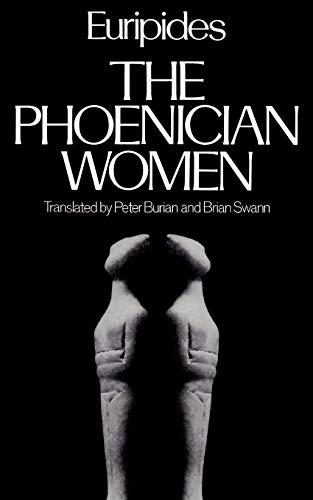
33. The Phoenician Women - Euripides
34. The Suppliant Women - Euripides
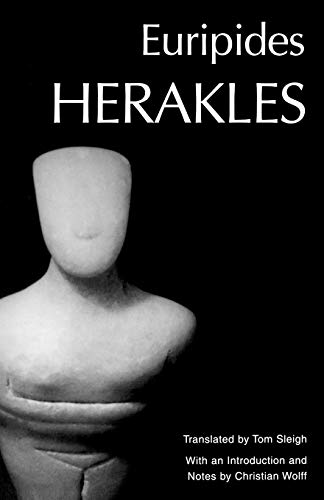
35. Herakles - Euripides
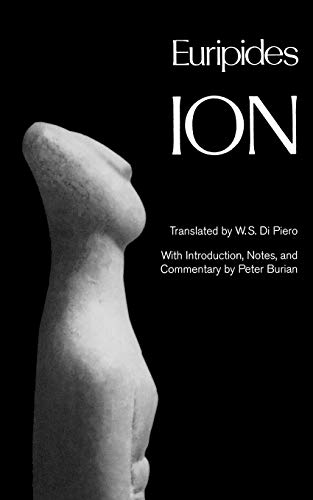
36. Ion - Euripides
37. Iphigenia in Aulis - Euripides
38. Iphigenia in Tauris - Euripides
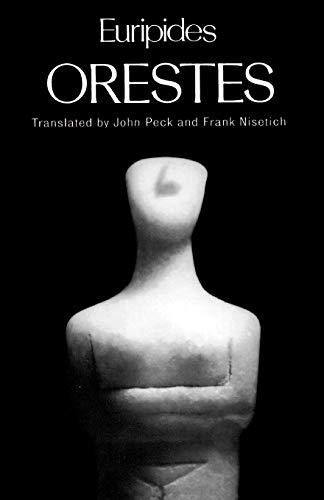
39. Orestes - Euripides
40. Bacchae - Euripides
41. Medea - Euripides
42. Helen - Euripides
43. The Trojan Women - Euripides
44. Hard Times - Charles Dickens
45. The Ladies of Grace Adieu and Other Stories - Susanna Clarke
46. The Big Four - Agatha Christie
47. Rosens namn - Umberto Eco
48. Fursten - Niccolò Machiavelli
49. The Faerie Queene - Edmund Spenser
50. Sonetterna till Orfeus - Rainer Maria Rilke
51. Leoparden - Giuseppe Tomas di Lampedusa
52. Aeneiden - Virgil
53. The 101 Dalmatians - Dodie Smith
54. Roman Elegies - Johann Wolfgang von Goethe
55. Döden i Venedig och andra berättelser - Thomas Mann
56. Sagor: Första boken - Jakob Grimm, Wilhelm Grimm
57. Sagor: Andra boken - Jakob Grimm, Wilhelm Grimm
58. Pietr-le-Letton - Georges Simenon
59. Le charretier de la Providence - Georges Simenon
60. The Bachelors - Muriel Spark
61. Monsieur Gallet décédé - Georges Simenon
62. Le pendu de Saint-Pholien - Georges Simenon
63. Mördaren ljuger inte ensam - Maria Lang
1. They Came to Baghdad - Agatha Christie
2. Hercule Poirot's Christmas - Agatha Christie
3. Curtain: Poirot’s Last Case - Agatha Christie
4. Hemsöborna - August Strindberg
5. Hangsaman - Shirley Jackson
6. The Death of Ivan Ilyich - Leo Tolstoy
7. Jeppe på berget - Ludvig Holberg
8. Kappan - Nikolaj Gogol
9. Peer Gynt - Henrik Ibsen
10. En dag i Ivan Denisovitjs liv - Alexander Solzhenitsyn
11. Anteckningar från ett källarhål - Fyodor Dostoevsky
12. Eugen Onegin - Alexander Pushkin
13. White Nights - Fyodor Dostoevsky
14. The Persians - Aischylos
15. Seven Against Thebes - Aischylos
16. The Suppliants - Aischylos
17. Cover Her Face - P. D. James
18. Agamemnon - Aischylos
19. The Libation Bearers - Aischylos
20. The Eumenides - Aischylos
21. An Unsuitable Job for a Woman - P. D. James
22. Prometheus Bound - Aischylos
23. Antigone - Sophocles
24. Oedipus Rex - Sophocles
25. Electra - Sophocles
26. Philoctetes - Sophocles
27. Oedipus at Colonus - Sophocles
28. Ajax - Sophocles
29. The Women of Trachis - Sophocles
30. Alcestis - Euripides
31. A Mind to Murder - P. D. James
32. Hippolytus - Euripides
33. The Phoenician Women - Euripides
34. The Suppliant Women - Euripides
35. Herakles - Euripides
36. Ion - Euripides
37. Iphigenia in Aulis - Euripides
38. Iphigenia in Tauris - Euripides
39. Orestes - Euripides
40. Bacchae - Euripides
41. Medea - Euripides
42. Helen - Euripides
43. The Trojan Women - Euripides
44. Hard Times - Charles Dickens
45. The Ladies of Grace Adieu and Other Stories - Susanna Clarke
46. The Big Four - Agatha Christie
47. Rosens namn - Umberto Eco
48. Fursten - Niccolò Machiavelli
49. The Faerie Queene - Edmund Spenser
50. Sonetterna till Orfeus - Rainer Maria Rilke
51. Leoparden - Giuseppe Tomas di Lampedusa
52. Aeneiden - Virgil
53. The 101 Dalmatians - Dodie Smith
54. Roman Elegies - Johann Wolfgang von Goethe
55. Döden i Venedig och andra berättelser - Thomas Mann
56. Sagor: Första boken - Jakob Grimm, Wilhelm Grimm
57. Sagor: Andra boken - Jakob Grimm, Wilhelm Grimm
58. Pietr-le-Letton - Georges Simenon
59. Le charretier de la Providence - Georges Simenon
60. The Bachelors - Muriel Spark
61. Monsieur Gallet décédé - Georges Simenon
62. Le pendu de Saint-Pholien - Georges Simenon
63. Mördaren ljuger inte ensam - Maria Lang
4PawsforThought
The year’s reading in covers







5PawsforThought
Challenges & group reads

I joined the Émile Zola Rougon-Macquart in 2024 and almost immediately fell behind. I’ve started to catch up slightly and hope to continue reading this series in 2025 (and beyond – there are 20 books!). The group’s reading plan for 2025 is as follows:
January: La Curée (The Kill)
March: L'Argent (Money)
May: Le Rêve (The Dream)
July: La Conquête de Plassans (The Conquest of Plassans)
September: Pot-Bouille (Pot Luck)
November: Au Bonheur des Dames (The Ladies Paradise/The Ladies' Delight)
As I got behind, I’ll be reading Son Excellence Eugène Rougon (His Excellency Eugene Rougon), which was slotted for November of 2024, in January and try to catch up with the rest in due time.
Paul has set up a fun new challenge called The European Grand Tour, which I’m going to at least dip my toe into during next year. I haven’t set any specific goals yet—it’ll depend a bit on my other reading. The months and themes I’m planning to take part in are as follows:
January: Europe in the 19th Century - European Literature of the 19th Century
February: A Wider Scandinavia - Books by authors from Iceland, Denmark, Norway, Sweden and Finland
March: Into the Red Zone - Books from authors from Countries which were part of the Warsaw Pact
April: Scimitar and Cross - Books from authors from European Countries within the Ottoman Empire
June: Caesar to Meloni - Books written originally in Latin or Italian
July: The Germanic World - Books written by authors writing in German from Germany, Austria, Switzerland
August: Anita Fameulstee Memorial Month - Books by authors from the Benelux countries
October: La Belle France - Books by authors from France
November: The Iberian Peninsula - Books by Spanish authors
There is also the British Authors’ Challenge that I try to join in with every year, and almost inevitably fail. I’m especially looking forward to PD James in April, which Amanda chose after I suggested it. The months and themes/authors I’m hoping to join in on are:
April: PD James
May: Nancy Mitford
June: Tudor & Jacobean Eras (1485-1625)
July: Dodie Smith & Mervyn Peake
September: Alan Moore
October: Christopher Isherwood
December: Historical Mysteries
Wildcard: Susanna Clarke & Terry Pratchett
I tried taking part in the Discworld group read in in 2024, but it didn’t go very well. The group is planning to read the Tiffany Aching books in 2025, and I’ll see if I join in or not. These books are some of the shortest Discworld books, so that’s a plus.

I joined the Émile Zola Rougon-Macquart in 2024 and almost immediately fell behind. I’ve started to catch up slightly and hope to continue reading this series in 2025 (and beyond – there are 20 books!). The group’s reading plan for 2025 is as follows:
January: La Curée (The Kill)
March: L'Argent (Money)
May: Le Rêve (The Dream)
July: La Conquête de Plassans (The Conquest of Plassans)
September: Pot-Bouille (Pot Luck)
November: Au Bonheur des Dames (The Ladies Paradise/The Ladies' Delight)
As I got behind, I’ll be reading Son Excellence Eugène Rougon (His Excellency Eugene Rougon), which was slotted for November of 2024, in January and try to catch up with the rest in due time.
Paul has set up a fun new challenge called The European Grand Tour, which I’m going to at least dip my toe into during next year. I haven’t set any specific goals yet—it’ll depend a bit on my other reading. The months and themes I’m planning to take part in are as follows:
January: Europe in the 19th Century - European Literature of the 19th Century
February: A Wider Scandinavia - Books by authors from Iceland, Denmark, Norway, Sweden and Finland
March: Into the Red Zone - Books from authors from Countries which were part of the Warsaw Pact
April: Scimitar and Cross - Books from authors from European Countries within the Ottoman Empire
June: Caesar to Meloni - Books written originally in Latin or Italian
July: The Germanic World - Books written by authors writing in German from Germany, Austria, Switzerland
August: Anita Fameulstee Memorial Month - Books by authors from the Benelux countries
October: La Belle France - Books by authors from France
November: The Iberian Peninsula - Books by Spanish authors
There is also the British Authors’ Challenge that I try to join in with every year, and almost inevitably fail. I’m especially looking forward to PD James in April, which Amanda chose after I suggested it. The months and themes/authors I’m hoping to join in on are:
April: PD James
May: Nancy Mitford
June: Tudor & Jacobean Eras (1485-1625)
July: Dodie Smith & Mervyn Peake
September: Alan Moore
October: Christopher Isherwood
December: Historical Mysteries
Wildcard: Susanna Clarke & Terry Pratchett
I tried taking part in the Discworld group read in in 2024, but it didn’t go very well. The group is planning to read the Tiffany Aching books in 2025, and I’ll see if I join in or not. These books are some of the shortest Discworld books, so that’s a plus.
6PawsforThought
Exercise

During the past three years I’ve kept track of my steps in an attempt to improve my physical health and well-being. It’s worked quite well, but it’s becoming a little boring. So this year I’m going to try something different. I have three goals with my exercise:
Increased stamina – to stave off the risk of heart and cardiovascular issues that run in the family
Increased strength – to mitigate joint and muscle pain that has been popping up
Continued agility – to make sure I can move the way I want long into the future
I’m vaguely thinking of 5 days of exercise vs two days of rest. I’ll likely still do yoga on the rest days. Forms of cardio I’m planning to include: biking (exercise bike and regular), skiing, swimming, dancing, jumping rope and possibly jogging. Jumping rope is likely to be the only one I do every week, the others will depend on the mood and weather.
Strength-wise I’m looking at bodyweight calisthenics and functional strength training. Also adding in some balancing exercises and of course stretching. I’ve been bad at yoga lately, but hope to get better again.
I will probably end up using some form of habit tracker to see if I keep up as planned.
For January I’m trying a sort-of boot camp for strength training. We’ll see how that goes.
During the past three years I’ve kept track of my steps in an attempt to improve my physical health and well-being. It’s worked quite well, but it’s becoming a little boring. So this year I’m going to try something different. I have three goals with my exercise:
Increased stamina – to stave off the risk of heart and cardiovascular issues that run in the family
Increased strength – to mitigate joint and muscle pain that has been popping up
Continued agility – to make sure I can move the way I want long into the future
I’m vaguely thinking of 5 days of exercise vs two days of rest. I’ll likely still do yoga on the rest days. Forms of cardio I’m planning to include: biking (exercise bike and regular), skiing, swimming, dancing, jumping rope and possibly jogging. Jumping rope is likely to be the only one I do every week, the others will depend on the mood and weather.
Strength-wise I’m looking at bodyweight calisthenics and functional strength training. Also adding in some balancing exercises and of course stretching. I’ve been bad at yoga lately, but hope to get better again.
I will probably end up using some form of habit tracker to see if I keep up as planned.
For January I’m trying a sort-of boot camp for strength training. We’ll see how that goes.
7PawsforThought
As has become tradition, I am posting Alfred, Lord Tennyson’s “Ring Out Wild Bells” as a way to greet the new year. This poem is read (in Swedish translation) on Swedish TV just before the countdown to the new year begins.
Ring out wild bells to the wild sky,
The flying cloud, the frosty light:
The year is dying in the night;
Ring out, wild bells, and let him die.
Ring out the old, ring in the new,
Ring, happy bells, across the snow:
The year is going, let him go;
Ring out the false, ring in the true.
Ring out the grief that saps the mind,
For those that here we see no more;
Ring out the feud of rich and poor,
Ring in redress to all mankind.
Ring out a slowly dying cause,
And ancient forms of party strife;
Ring in the nobler modes of life,
With sweeter manners, purer laws.
Ring out the want, the care, the sin,
The faithless coldness of the times;
Ring out, ring out my mournful rhymes,
But ring the fuller minstrel in.
Ring out false pride in place and blood,
The civic slander and the spite;
Ring in the love of truth and right,
Ring in the common love of good.
Ring out old shapes of foul disease,
Ring out the narrowing lust of gold;
Ring out the thousand wars of old,
Ring in the thousand years of peace.
Ring out wild bells to the wild sky,
The flying cloud, the frosty light:
The year is dying in the night;
Ring out, wild bells, and let him die.
Ring out the old, ring in the new,
Ring, happy bells, across the snow:
The year is going, let him go;
Ring out the false, ring in the true.
Ring out the grief that saps the mind,
For those that here we see no more;
Ring out the feud of rich and poor,
Ring in redress to all mankind.
Ring out a slowly dying cause,
And ancient forms of party strife;
Ring in the nobler modes of life,
With sweeter manners, purer laws.
Ring out the want, the care, the sin,
The faithless coldness of the times;
Ring out, ring out my mournful rhymes,
But ring the fuller minstrel in.
Ring out false pride in place and blood,
The civic slander and the spite;
Ring in the love of truth and right,
Ring in the common love of good.
Ring out old shapes of foul disease,
Ring out the narrowing lust of gold;
Ring out the thousand wars of old,
Ring in the thousand years of peace.
8Carmenere
Happy first thread of 2025! Hope the new year finds you the perfect flat for you to purchase and a safe and comfortable home for your dad.
9PaulCranswick
>7 PawsforThought: Tennyson must have been the Poet Laureate to beat all Laureates as he has a poem for every occasion.
Always glad to see you in the group, Paws. x
Always glad to see you in the group, Paws. x
10PawsforThought
>8 Carmenere: Hi Lynda, thanks for visiting and for the well-wishes.
>9 PaulCranswick: Hi Paul, and thanks for the welcome! I’ve always been fond of Tennyson, but recently realised I haven’t actually read that much by him. This will have to be rectified.
>9 PaulCranswick: Hi Paul, and thanks for the welcome! I’ve always been fond of Tennyson, but recently realised I haven’t actually read that much by him. This will have to be rectified.
12Caroline_McElwee

Looking forward to being a better thread visitor in 2025 Paws.
14PawsforThought
Hi Rhian, Caroline and Ella. Thanks for visiting and for the well-wishes. I’m always happy to see you on my thread.
15PawsforThought
It’s now 2025 in my time zone. I’m starting the year as I hope to continue it - reading. I’ve picked up Agatha Christie’s They Came to Baghdad in the hope that a quick and easy read will get the reading juices flowing for the new year.
I hope you all have a wonderful New Year’s celebration if you are celebrating (and a great evening if you’re not) and that the new year will be kind and generous to you.
I hope you all have a wonderful New Year’s celebration if you are celebrating (and a great evening if you’re not) and that the new year will be kind and generous to you.
16PaulCranswick
Happy 2025, Paws
19thornton37814
Enjoy your 2025 reads!

21PawsforThought
Paul, Micky, Linda Lori and Susan - thank you for visiting and for the well-wishes. I hope I'll be better at visiting every one else's threads in 2025.
24karenmarie
Hello Paws! Happy New Year. Happy first thread.
>1 PawsforThought: Lots of changes this year for you and your parents, for sure. I hope your dad can be placed soon, and that you can find the perfect flat.
>7 PawsforThought: I remembered this from last year, found the poem on my cell phone because I was already upstairs for the night, and read it just before midnight. So hopeful and positive. Thank you for the reminder again.
>1 PawsforThought: Lots of changes this year for you and your parents, for sure. I hope your dad can be placed soon, and that you can find the perfect flat.
>7 PawsforThought: I remembered this from last year, found the poem on my cell phone because I was already upstairs for the night, and read it just before midnight. So hopeful and positive. Thank you for the reminder again.
25PawsforThought
As I mentioned in the first post, I’m going through my belonging and putting the stuff I don’t need, like or have an attachment to up for sale. I’m going to start posting a summary of what I’ve sold every week (if there’s anything to report).
I put a ton of ads up on 1-3 January and got few things sold already:
* a table clock
* a comic book album
* a designer votive candle holder
There are also a few online auctions that have bids, but the auctions have a little over a week left before they close. There were all fairly low priced things, so not a huge difference budget-wise, but I’ve had a lot of people (100+ in 4-5 days) looking at some bigger and more expensive things I’ve put up so I’m hoping someone will eventually buy those.
I put a ton of ads up on 1-3 January and got few things sold already:
* a table clock
* a comic book album
* a designer votive candle holder
There are also a few online auctions that have bids, but the auctions have a little over a week left before they close. There were all fairly low priced things, so not a huge difference budget-wise, but I’ve had a lot of people (100+ in 4-5 days) looking at some bigger and more expensive things I’ve put up so I’m hoping someone will eventually buy those.
26Berly

Good luck finding a new home and selling off the don't-need-anymores. : ) I have my exercise goals, too, since I am supposed to test for my Masters in TKD this May. Losing a few pounds might not be bad either, LOL. Happy reading and I'll be popping in to say Hi now and then!
28PawsforThought
Thanks Kim, thanks Micky!
29PawsforThought
A few more things got sold last week so a bit more money coming in. I also have a planned pick-up of the last bit of porcelain (for now) and a whole heap of auctions are closing later this week so there will be more this sold. One setback: one buyer changed their mind so is sending back the item (and I'll obviously back them back when I get the item). It's in their right, but it's annoying as I was really pleased to have sold that thing (a straightening iron) and I got a decent sum for it.
The things that were sold last week:
* four books
* one pair of earrings
* one pair of sunglasses
* six mugs
* six small plates
The things that were sold last week:
* four books
* one pair of earrings
* one pair of sunglasses
* six mugs
* six small plates
30EllaTim
Hi Paws! Good luck with your auctions. They seem like a good way to get rid of things you don’t want or need anymore. Sending back a straightening iron? What a hassle!
Have a good week ahead.
Have a good week ahead.
31PawsforThought
>30 EllaTim: Hi Ella, thanks for visiting! Yeah, especially since they have to pay for the shipping costs. Personally, I wouldn't have bothered and just sold it on instead.
32Carmenere
Yay! for purging! I've been selling my husbands books (history, militaria) on ebay and also my Rolling Stone magazines from the early 80's. What a relief it is each time an item sells.
They sell slowly but it's nice to get a little extra jingle in my pocket
They sell slowly but it's nice to get a little extra jingle in my pocket
33PawsforThought
>32 Carmenere: Oh, yay! Great that you're getting the books and magazines sold. Yes, it's nice to have the extra cash flowing in.
34PawsforThought
I have taken most of my Neil Gaiman books off the shelf and added them to the pile of books to be sold. It’s something that’s been percolating in my head since I first heard of the allegations a few months ago and after skimming through the Vulture article (I couldn’t stomach reading all of it) it was an easy decision to make. I decided to keep Neverwhere as it’s one of my absolute favourite books, along with the original series of Sandman collections (volumes 1-10, not the extras). And I’m also keeping Good Omens because I’m not letting Terry Pratchett get muddied by this.
Like I said, I’ve been thinking about it for a while, and this whole gross thing is actually not as surprising as it could have been. Aside from Neverwhere and Sandman I never quite connected that much with his “grown up” books, because there was a stream of ickiness that I thought was just me being sensitive, but I realise now that I was actually right.
Now I need to find other authors to like. Ones that write about fantasy in a way that feels like it’s real life, and who mixes in elements of mythology - both well- and little known. And who aren’t abusers.
Like I said, I’ve been thinking about it for a while, and this whole gross thing is actually not as surprising as it could have been. Aside from Neverwhere and Sandman I never quite connected that much with his “grown up” books, because there was a stream of ickiness that I thought was just me being sensitive, but I realise now that I was actually right.
Now I need to find other authors to like. Ones that write about fantasy in a way that feels like it’s real life, and who mixes in elements of mythology - both well- and little known. And who aren’t abusers.
35Caroline_McElwee
Congratulations on your successful sales Paws.
>34 PawsforThought: Don't blame you. I only have one of his that I still haven't read yet, will make a decision when I do. I often think about the conundrum when you love the work, but discover things about the creator that are beyond the pail. Or read a biography and suspect if you met them you wouldn't like them, the latter less problematic.
>34 PawsforThought: Don't blame you. I only have one of his that I still haven't read yet, will make a decision when I do. I often think about the conundrum when you love the work, but discover things about the creator that are beyond the pail. Or read a biography and suspect if you met them you wouldn't like them, the latter less problematic.
36PawsforThought
>35 Caroline_McElwee: Yeah, I had to take some time to gather my thoughts and feelings about that before making a decision. But after reading the article I didn't have to think anymore. I still haven't made my mind up about what to do when the second season of Sandman drops - I adored the first season (as I knew I would), and there are more people involved who will be harmed by viewership dropping.
I find it less of a problem when horrible things are revealed about people who have died - at least then they're not profiting from your money anymore.
I find it less of a problem when horrible things are revealed about people who have died - at least then they're not profiting from your money anymore.
37PaulCranswick
>34 PawsforThought: On Gaiman, I think it is problematic certainly. They remain allegations but it is apparently five unrelated ladies who have made them and that casts more doubts on his behaviour.
I have read two of his books - loved one and didn't like another but I personally won't be in a hurry to read any of his other work.
Have a good weekend, Paws.
I have read two of his books - loved one and didn't like another but I personally won't be in a hurry to read any of his other work.
Have a good weekend, Paws.
38PawsforThought
Last week was, as expected, a very fruitful week for me in terms of clearing out. I had a ton of auctions that ended and more of them than I had anticipated actually sold, so it got a bit frantic trying to package everything and hand it off to be delivered. I've now reached and surpassed my original goal (set a year ago) of selling things for 10 000 SEK (roundabout $/€1000). I'm just shy of 12 000 right now and should be able to reach 14 000. The more money I make, the more I can spend when I move.
I sold the following:
* Five pairs of earrings
* Four comic books
* One small tray
* One pillow cover
* Four clothes hangers
* Four bottles of nail polish
* Five books
* One skirt
* One bottle of setting spray
* One roll of film
* One teeth whitening kit
* Two jigsaw puzzles
* Two pairs of sunglasses
* Two bracelets
* Two pairs of socks
* One hair clip
* Six skeins of yarn
There are a couple of things that haven't been paid for yet, so I'll include those when they've been paid.
I sold the following:
* Five pairs of earrings
* Four comic books
* One small tray
* One pillow cover
* Four clothes hangers
* Four bottles of nail polish
* Five books
* One skirt
* One bottle of setting spray
* One roll of film
* One teeth whitening kit
* Two jigsaw puzzles
* Two pairs of sunglasses
* Two bracelets
* Two pairs of socks
* One hair clip
* Six skeins of yarn
There are a couple of things that haven't been paid for yet, so I'll include those when they've been paid.
39lauralkeet
>38 PawsforThought: That's a really good result, Paws. How satisfying.
40PawsforThought
>39 lauralkeet: Yeah, it feels good to get stuff out. And seeing the numbers ticking upwards is a great feeling.
41PawsforThought
Regarding my clearout and sales, last week was pretty slow compared to the one before as I restarted the unsold auctions and there is still time left on them. I did get paid for a few things that had sold earlier and had a surprise sale last night.
* Two books
* One blanket
* One cushion cover
* One pair of rain boots
* Two books
* One blanket
* One cushion cover
* One pair of rain boots
42EllaTim
>41 PawsforThought: Good for you Paws! Can you see the difference in your house from all the things you have let go? I am surprised you are having so much success in selling!
43PawsforThought
>42 EllaTim: Hi Ella! No, the stuff I'm selling is almost all stuff I've had in cupboards, boxes and drawers so you can't really tell any difference just looking at the room/s. There is one piece of furniture that I'd like to sell, and that would of course be noticeable.
Yeah, it's going quite well at the moment, better than in a long while. I suspect it's a combination of things - I've had a lot of stuff up for sale and people are more likely to buy if you have a lot to pick from (because you can combine shipping so the cost per item goes down). Also, January is a poor month so people might be more interested in buying second hand (not to mention the economic climate more generally now).
And the stuff I have up is good - the majority is brand new, some is gently used.
Yeah, it's going quite well at the moment, better than in a long while. I suspect it's a combination of things - I've had a lot of stuff up for sale and people are more likely to buy if you have a lot to pick from (because you can combine shipping so the cost per item goes down). Also, January is a poor month so people might be more interested in buying second hand (not to mention the economic climate more generally now).
And the stuff I have up is good - the majority is brand new, some is gently used.
44PawsforThought
I finished my first book of 2025!
#1.
They Came to Baghdad by Agatha Christie
This was a fun read. Not the slightest bit believable but fun nonetheless. The protagonist starts out as rather unlikable but she grows on you.
Victoria Jones is a habitual liar and not very good at keeping a job as a typist. After getting fired (again) she bumps into an attractive and interesting man, falls for him immediately and decides to do what it takes, despite not having any money, to follow him to Baghdad where he's going for work.
All the while, there is a big meeting being planned in Baghdad between the leaders of the west and the east, and important documents need to be brought there. But nefarious forces are doing everything they can to stop the documents, and the people bringing them, from reaching Baghdad.
#1.
They Came to Baghdad by Agatha Christie
This was a fun read. Not the slightest bit believable but fun nonetheless. The protagonist starts out as rather unlikable but she grows on you.
Victoria Jones is a habitual liar and not very good at keeping a job as a typist. After getting fired (again) she bumps into an attractive and interesting man, falls for him immediately and decides to do what it takes, despite not having any money, to follow him to Baghdad where he's going for work.
All the while, there is a big meeting being planned in Baghdad between the leaders of the west and the east, and important documents need to be brought there. But nefarious forces are doing everything they can to stop the documents, and the people bringing them, from reaching Baghdad.
45MickyFine
>44 PawsforThought: Woot for first completed book!
46KB23
>44 PawsforThought: well done!!! 👍🏻
47PawsforThought
Thanks for the cheers! It’s been a slow start to the year, but hopefully it’ll pick up.
48PawsforThought
Weekly update on the clearing out and sales.
All the auctions I had up closed on Thursday and a few things did sell. Thankfully everyone paid on time so I was able to drop of the packages during the weekend - I'm going on a work trip tomorrow and will be gone until late Friday).
I sold:
* A tube of tennis balls
* A pair of rain boots
* A skirt
* Two pairs of curtains
* A set of cake scrapers
* A board game
* Seven books
* One pair of earrings
This week will likely not have many - if any - sales, which is fine since I'm on the aforementioned work trip. In fact, I will be coming home with more things as work trips always mean bookshop visits (you have to reward yourself for the boring things).
All the auctions I had up closed on Thursday and a few things did sell. Thankfully everyone paid on time so I was able to drop of the packages during the weekend - I'm going on a work trip tomorrow and will be gone until late Friday).
I sold:
* A tube of tennis balls
* A pair of rain boots
* A skirt
* Two pairs of curtains
* A set of cake scrapers
* A board game
* Seven books
* One pair of earrings
This week will likely not have many - if any - sales, which is fine since I'm on the aforementioned work trip. In fact, I will be coming home with more things as work trips always mean bookshop visits (you have to reward yourself for the boring things).
50PawsforThought
>49 PaulCranswick: They are flat pieces of plastic used to cover cakes in icing (and make the icing textured). I have no idea why I owned some and have no memory of buying them. I don’t even like icing.
51PaulCranswick
>50 PawsforThought: Fascinating! I am sure that the ladies in my house would have known. My youngest in particular loves baking.
52PawsforThought
Whoops, almost forgot to post about another finished book. Another Poirot, because it's comfort reading.
#2.
Hercule Poirot's Christmas by Agatha Christie
I've read this one before but didn't remember the details enough so figured I could reread it. It's not one of my favourite Poirots, but it's okay. A bit far-fetched.
#2.
Hercule Poirot's Christmas by Agatha Christie
I've read this one before but didn't remember the details enough so figured I could reread it. It's not one of my favourite Poirots, but it's okay. A bit far-fetched.
53EllaTim
Congrats on book two! I will remember this for next Christmas. Christie really is comfort reading.
Cake scrapers, I wondered about those too. That kind of thing in my house has usually come from a gift box someone in the family received and passed on to me.
Cake scrapers, I wondered about those too. That kind of thing in my house has usually come from a gift box someone in the family received and passed on to me.
54PawsforThought
>53 EllaTim: Thanks Ella.
I don’t really use that kind of thing either. While I do like baking on occasion, I’m not one to make things that require being covered or decorated. I’m guessing I bought this on a whim when I was buying some other baking stuff.
I don’t really use that kind of thing either. While I do like baking on occasion, I’m not one to make things that require being covered or decorated. I’m guessing I bought this on a whim when I was buying some other baking stuff.
55PawsforThought
I sold a few more things last week. No big things but it still feels good to get things out.
* Three books
* One knitting booklet
* One pair of earrings
* One set of hair pins
* One shirt
* One necklace
* Three books
* One knitting booklet
* One pair of earrings
* One set of hair pins
* One shirt
* One necklace
56PawsforThought
Tiny update on the clearing out and selling of stuff. I sold:
* One book
* One necklace
I wasn't expecting more than that since the auctions end this week. We'll see what happens sales-wise on Friday. March is the third and final month that the auction site lets you have 500 auctions per month for free (it's normally 100). I will most likely have more than 100 things left to sell - I'll have to decide what I think is more likely to sell.
* One book
* One necklace
I wasn't expecting more than that since the auctions end this week. We'll see what happens sales-wise on Friday. March is the third and final month that the auction site lets you have 500 auctions per month for free (it's normally 100). I will most likely have more than 100 things left to sell - I'll have to decide what I think is more likely to sell.
57PawsforThought
#3.
Curtain: Poirots’s Last Case by Agatha Christie
I didn’t actually want to read this one because the idea of Poirot dying makes me really sad. Even despite that, it’s not one of my favourite Poirots. The premise of the book isn’t one I’m too fond of (though I think the “solution” is quite good). And I’m not a big fan of Hastings, who is exactly as he’s always been, despite being older and presumably wiser.
I do have one more Christie at home from the library (not a Poirot, though) but will read some other things first.
Curtain: Poirots’s Last Case by Agatha Christie
I didn’t actually want to read this one because the idea of Poirot dying makes me really sad. Even despite that, it’s not one of my favourite Poirots. The premise of the book isn’t one I’m too fond of (though I think the “solution” is quite good). And I’m not a big fan of Hastings, who is exactly as he’s always been, despite being older and presumably wiser.
I do have one more Christie at home from the library (not a Poirot, though) but will read some other things first.
58MickyFine
>57 PawsforThought: Ugh. Hastings. I detest him (she said after reading like 5 Poirots).
59PawsforThought
>58 MickyFine: Yeah, he's annoying. Kudos to the actor who played him in the Suchet-series because he's just as annoying there so he really caught the essence of the character.
60PawsforThought
Quick update on my clearing out. Last week saw the end of some auctions and I sold the following:
* One jumper
* One shirt
* One blazer
* One cookbook
* One necklace
* One diadem
* One hair clip
Waiting for payment on two more things.
* One jumper
* One shirt
* One blazer
* One cookbook
* One necklace
* One diadem
* One hair clip
Waiting for payment on two more things.
61karenmarie
Hi Paws!
>34 PawsforThought: I guess it’s time – I’ve noted the 8 books I have by Gaiman. I’m including Good Omens only because I’ll never read it again.
I’m impressed with your clean out. Do people have to be local and pick things up, or are you mailing things out?
>34 PawsforThought: I guess it’s time – I’ve noted the 8 books I have by Gaiman. I’m including Good Omens only because I’ll never read it again.
I’m impressed with your clean out. Do people have to be local and pick things up, or are you mailing things out?
62PawsforThought
>61 karenmarie: Hi Karen!
Yeah, I didn't feel comfortable keeping those books any longer.
It depends on what the item is - most things I ship (buyer pays shipping) but larger things and breakables have to be picked up. But clothes, accessories and books can all be shipped without issue. I have a drop off point right next to work, so on week days I can just go there, and if it's a weekend I take them with me when I go for my long walk as there's a drop off point along the route.
Yeah, I didn't feel comfortable keeping those books any longer.
It depends on what the item is - most things I ship (buyer pays shipping) but larger things and breakables have to be picked up. But clothes, accessories and books can all be shipped without issue. I have a drop off point right next to work, so on week days I can just go there, and if it's a weekend I take them with me when I go for my long walk as there's a drop off point along the route.
63PawsforThought
#4.
Hemsöborna by August Strindberg
I read this for the European Grand Tour challenge, with February being the month for Nordic writers. August Strindberg is one of "the greats" in Swedish literary history - perhaps even the one considered the very best. We do have a national book award named after him, after all. To my disgrace, I've never actually read any of his works before, because a horrid experience in school (had to read an excerpt from and then watch a staging of one of his plays) made me assume they were all very serious, drab and difficult to read. This book is none of that. It's written in very easy (if somewhat archaic, because Swedish has changed quite a bit in the past almost 150 years) language, with a sense of humour that borders on farcical. It reminds me rather of another Swedish great, Carl Michael Bellman, who wrote numerous songs that cannot with even the most generous interpretation be considered anything other than bawdy.
The story is set on a small island in the Stockholm archipelago, where a man comes to start working as a farmhand for a widow and her grown son. All the characters are deeply flawed, selfish, heavy drinkers, morally grey, etc. Even the priest - who is perhaps the biggest drunkard of them all. I will probably read more Strindberg after this.
Hemsöborna by August Strindberg
I read this for the European Grand Tour challenge, with February being the month for Nordic writers. August Strindberg is one of "the greats" in Swedish literary history - perhaps even the one considered the very best. We do have a national book award named after him, after all. To my disgrace, I've never actually read any of his works before, because a horrid experience in school (had to read an excerpt from and then watch a staging of one of his plays) made me assume they were all very serious, drab and difficult to read. This book is none of that. It's written in very easy (if somewhat archaic, because Swedish has changed quite a bit in the past almost 150 years) language, with a sense of humour that borders on farcical. It reminds me rather of another Swedish great, Carl Michael Bellman, who wrote numerous songs that cannot with even the most generous interpretation be considered anything other than bawdy.
The story is set on a small island in the Stockholm archipelago, where a man comes to start working as a farmhand for a widow and her grown son. All the characters are deeply flawed, selfish, heavy drinkers, morally grey, etc. Even the priest - who is perhaps the biggest drunkard of them all. I will probably read more Strindberg after this.
64PawsforThought
#5.
Hangsaman by Shirley Jackson
This book is less than 200 pages, but took me forever to finish. I don't really know what I think about it, which is at least partly due to the fact that I don't really know if I understood what it's actually about. On the front cover of the edition I read it says "the story of a haunted, brooding girl trapped in a sinister world of her own making" - which I didn't find an accurate description. I found it to be more a story of a depressed teenager who suffers a horrible assault, she doesn't know how to live with her family and when she goes away to college she doesn't know how to relate to her fellow students. The psychological horror really only comes through in the last ten pages or so, in my opinion.
Hangsaman by Shirley Jackson
This book is less than 200 pages, but took me forever to finish. I don't really know what I think about it, which is at least partly due to the fact that I don't really know if I understood what it's actually about. On the front cover of the edition I read it says "the story of a haunted, brooding girl trapped in a sinister world of her own making" - which I didn't find an accurate description. I found it to be more a story of a depressed teenager who suffers a horrible assault, she doesn't know how to live with her family and when she goes away to college she doesn't know how to relate to her fellow students. The psychological horror really only comes through in the last ten pages or so, in my opinion.
65Berly
Hi there! Way behind, but ready a little. Wow! Great job clearing out stuff. That is on my To-do list for this year. So far, all I've done is taken in some of my daughter's stuff. LOL. I haven't read Curtain: Poirot’s Last Case by Agatha Christie -- I want to but I don't. They are so good, but I don't want it to end. : (
66Whisper1
Hi there! Like you, I am on a mission to downsize. From the attic, to the basement there are boxes of "stuff" that I haven't used in a long, long time. Last week, I culled all my cook books, made three piles, the keepers are ones that I've used, the get rid of are those purchased on a whim and now are going out the door, and, the middle pile is one I visit again to see if I want to keep to get rid of. I've been getting rid of more than I keep...
67PawsforThought
Hi there >65 Berly: and >66 Whisper1:! Thanks for visiting.
It feels wrong to say I'm downsizing as I will need to buy a lot of things when I do move, but I suppose I'm downsizing the amount of stuff I currently own.
It feels wrong to say I'm downsizing as I will need to buy a lot of things when I do move, but I suppose I'm downsizing the amount of stuff I currently own.
68PawsforThought
Small update on the clearing out. Saturday saw a bunch of auctions ending and I sold the following:
* Three comics
* Three books
* One ring
* One headband
* One sleeping mask
* Two cushion covers
* Three comics
* Three books
* One ring
* One headband
* One sleeping mask
* Two cushion covers
69PawsforThought
#6
The Death of Ivan Ilyich by Leo Tolstoy
This was a short read, because I didn't feel like reading one of Tolstoy's mastodon works for the European Grand Tour in March (former Warzaw pact). It tells the story of the life and death of the Ilyich, who is a bureaucrat in Russia in the late 1800. He's not a particularly nice character, and he does not become a better person when he falls ill and suffers great physical pain in his last months of life.
The Death of Ivan Ilyich by Leo Tolstoy
This was a short read, because I didn't feel like reading one of Tolstoy's mastodon works for the European Grand Tour in March (former Warzaw pact). It tells the story of the life and death of the Ilyich, who is a bureaucrat in Russia in the late 1800. He's not a particularly nice character, and he does not become a better person when he falls ill and suffers great physical pain in his last months of life.
70PawsforThought
#7.
Jeppe på berget (Jeppe på bjerget/Jeppe on the Hill) by Ludvig Holberg
Another quick read of a classic, albeit a much lighter read than the previous book. This is a play by the Danish writer Ludwig Holberg written in the early 1700s, that I picked up when I was searching the shelves of the university library for classic works by Nordic authors. I recognised the title at once but am not sure why I know it so well. There was apparently a Swedish TV movie made in the 90s, that might be why.
The titular character is a peasant whose wife regularly beats him with a stick and who himself does little but drink all day. One day when he’s passed out in a pile of manure, the local baron decides to play a prank on him.
Poor Jeppe is viciously made fun of and his alcohol abuse is encouraged by almost everyone.
The play ends with some poetics lines read by the baton, and I found the following stanza interesting considering the current political situation:
“Let once despotic power drive justice from the realm, in every peaceful hamlet a Nero grasps the helm”.
Jeppe på berget (Jeppe på bjerget/Jeppe on the Hill) by Ludvig Holberg
Another quick read of a classic, albeit a much lighter read than the previous book. This is a play by the Danish writer Ludwig Holberg written in the early 1700s, that I picked up when I was searching the shelves of the university library for classic works by Nordic authors. I recognised the title at once but am not sure why I know it so well. There was apparently a Swedish TV movie made in the 90s, that might be why.
The titular character is a peasant whose wife regularly beats him with a stick and who himself does little but drink all day. One day when he’s passed out in a pile of manure, the local baron decides to play a prank on him.
Poor Jeppe is viciously made fun of and his alcohol abuse is encouraged by almost everyone.
The play ends with some poetics lines read by the baton, and I found the following stanza interesting considering the current political situation:
“Let once despotic power drive justice from the realm, in every peaceful hamlet a Nero grasps the helm”.
71PawsforThought
#8.
Kappan (The Overcoat) by Nikolaj Gogol
Another short story by one of the Russian greats for the European Grand Tour challenge in March.
I thought I might have read this one before, a long time ago, but I think it was The Nose I read then.
This is a fun read, even though it’s actually a very tragic storyline of a poor man whose overcoat is so threadbare it can’t be mended anymore and he has to have a new one made, which he scrapes and saves to be able to afford. And then it does not go well.
Gogol might be my favourite Russian author apart from Bulgakov. I love the sarcasm and how they both mercilessly make fun of the society they live in and the people who are in charge of running that society.
Kappan (The Overcoat) by Nikolaj Gogol
Another short story by one of the Russian greats for the European Grand Tour challenge in March.
I thought I might have read this one before, a long time ago, but I think it was The Nose I read then.
This is a fun read, even though it’s actually a very tragic storyline of a poor man whose overcoat is so threadbare it can’t be mended anymore and he has to have a new one made, which he scrapes and saves to be able to afford. And then it does not go well.
Gogol might be my favourite Russian author apart from Bulgakov. I love the sarcasm and how they both mercilessly make fun of the society they live in and the people who are in charge of running that society.
72PaulCranswick
>71 PawsforThought: I have that one on the shelves, Paws and must get to it soon.
Have a great weekend.
Have a great weekend.
73PawsforThought
#9.
Peer Gynt by Henrik Ibsen
Another work for the European Grand Tour, this time something for the February theme of Nordic writers. Henrik Ibsen is one of those writers that has always intimidated me because he’s “one of the greats”, much like how a lot of people—myself included—feel about Dostoyevsky et al. This book, which is actually a play, was much easier to read than I would have thought. The language is easy and like with Ibsen Swedish contemporary Strindberg, there’s a fair amount of debauchery (or hints of it).
Before reading this, all I knew of Peer Gynt was from exposure to Edvard Grieg’s music, which is one of the first pieces of classical music that Nordic kids learn about, and particularly the piece In the Hall of the Mountain King, so I was expecting the trolls to play a larger part in the story, but that’s over pretty quickly. The rest is Peer just being a terrible person as he goes through life and travels around. I’m glad I read it, it it’s not a work I’d say I really liked.
Peer Gynt by Henrik Ibsen
Another work for the European Grand Tour, this time something for the February theme of Nordic writers. Henrik Ibsen is one of those writers that has always intimidated me because he’s “one of the greats”, much like how a lot of people—myself included—feel about Dostoyevsky et al. This book, which is actually a play, was much easier to read than I would have thought. The language is easy and like with Ibsen Swedish contemporary Strindberg, there’s a fair amount of debauchery (or hints of it).
Before reading this, all I knew of Peer Gynt was from exposure to Edvard Grieg’s music, which is one of the first pieces of classical music that Nordic kids learn about, and particularly the piece In the Hall of the Mountain King, so I was expecting the trolls to play a larger part in the story, but that’s over pretty quickly. The rest is Peer just being a terrible person as he goes through life and travels around. I’m glad I read it, it it’s not a work I’d say I really liked.
74Caroline_McElwee
You’re doing well with your flow of sales Paws.
75PawsforThought
#10.
En dag i Ivan Denisovitjs liv (One Day in the Life of Ivan Denisovich by Alexander Solzhenitsyn
I was expecting this to be a thought read, and of course it is—thematically—but it’s also remarkably easy book to read. Probably one of the easiest books by a Russian author that I’ve ever read. This is partly because there is very little of the otherwise so common fad of using a gajillion different names for the same person. Here, almost everyone just goes by their last name (difficult to hold up societal customs in a forced labour camp), except for a few occasions for a few specific people.
I really liked reading this; the story is full of tragedy and injustice but it’s also very much a story about human resilience and finding ways of coping and enjoying what you can.
En dag i Ivan Denisovitjs liv (One Day in the Life of Ivan Denisovich by Alexander Solzhenitsyn
I was expecting this to be a thought read, and of course it is—thematically—but it’s also remarkably easy book to read. Probably one of the easiest books by a Russian author that I’ve ever read. This is partly because there is very little of the otherwise so common fad of using a gajillion different names for the same person. Here, almost everyone just goes by their last name (difficult to hold up societal customs in a forced labour camp), except for a few occasions for a few specific people.
I really liked reading this; the story is full of tragedy and injustice but it’s also very much a story about human resilience and finding ways of coping and enjoying what you can.
77EllaTim
Good for you, still downsizing! So smart to do before a move. When you have your new house you will indeed have to buy new stuff again. But after my move I find I can still release things: they don’t fit in my new home, for instance.
78Berly
Can you come over and help me purge my stuff next?! : ) It is my 2025 goal, but RL keeps getting the way! LOL.
79PawsforThought
>74 Caroline_McElwee:, >76 Whisper1:, >77 EllaTim: and >78 Berly:
Thanks for your kinds words.
I do feel a bit weird when people talk about my "downsizing" because I associate that with moving to a small place and having fewer (particularly fewer large) things like furniture and such, and including things that might feel difficult to be separated from. But really, I'm just selling small things that hold no emotional value to me whatsoever and that is just collecting dust. When I do move, I will have to buy nearly all new furniture (I'll be taking 3-4 pieces of furniture with me, and that does not include a bed, a sofa or a kitchen table) so will be "upsizing" by quite a lot.
Thanks for your kinds words.
I do feel a bit weird when people talk about my "downsizing" because I associate that with moving to a small place and having fewer (particularly fewer large) things like furniture and such, and including things that might feel difficult to be separated from. But really, I'm just selling small things that hold no emotional value to me whatsoever and that is just collecting dust. When I do move, I will have to buy nearly all new furniture (I'll be taking 3-4 pieces of furniture with me, and that does not include a bed, a sofa or a kitchen table) so will be "upsizing" by quite a lot.
80PawsforThought
Oh, I just remembered! You are probably going to think I’m mad after this, but so be it.
After my parents went to dispose of the recyclables at the recycling spot nearby, my mum told me that there was a pile of moving boxes behind the recycling containers. There are unfortunately quite often people who are too lazy to dispose of things properly and so just dump what they no longer want at the recycling spot. Mum had sneaked a peek at what was in the moving boxes and told me about it. And so I walked over there and brought home two lampshades, a bread baking tin and an enamel cast iron pot.
This is not the first time someone in my family has brought things back from a recycling spot or garbage tip. As long as it doesn’t smell and it looks clean, it can come back with us. (I did wash both the bread baking tin and the cast iron post and soaked the lamp shades in alcohol to make sure there weren’t any smells.)
After my parents went to dispose of the recyclables at the recycling spot nearby, my mum told me that there was a pile of moving boxes behind the recycling containers. There are unfortunately quite often people who are too lazy to dispose of things properly and so just dump what they no longer want at the recycling spot. Mum had sneaked a peek at what was in the moving boxes and told me about it. And so I walked over there and brought home two lampshades, a bread baking tin and an enamel cast iron pot.
This is not the first time someone in my family has brought things back from a recycling spot or garbage tip. As long as it doesn’t smell and it looks clean, it can come back with us. (I did wash both the bread baking tin and the cast iron post and soaked the lamp shades in alcohol to make sure there weren’t any smells.)
81Berly
So it's purging and then Upsizing!! Shopping for the new furniture will be fun. : )
And score on the recycled goods!
And score on the recycled goods!
82lauralkeet
>80 PawsforThought: That's a great story! Think of it as doing your part to keep things out of the landfill.
83PawsforThought
>81 Berly: Yes, I suppose so!
I'm quite pleased with my recycled goods, and am looking forward to using the cast iron pot especially as it's the perfect size for baking bread on the stove.
I'm quite pleased with my recycled goods, and am looking forward to using the cast iron pot especially as it's the perfect size for baking bread on the stove.
84EllaTim
Enjoy your new ‘purchases’.
You know how to bake bread in a pot? My Grandma used to do that, but she never taught us unfortunately.
I do it too, rescuing stuff, and my husband even upgrades things before returning them to the recycling shop. I’m using a small glass teapot now, that he has made a new lid for. Found at the garbage bin.
You know how to bake bread in a pot? My Grandma used to do that, but she never taught us unfortunately.
I do it too, rescuing stuff, and my husband even upgrades things before returning them to the recycling shop. I’m using a small glass teapot now, that he has made a new lid for. Found at the garbage bin.
85PawsforThought
>84 EllaTim: Nice to know there are more garbage recyclers out there! I’ve grown up with parents who do it so I’ve been doing it my whole life. My childhood doll’s pram was from a garbage tip.
I haven’t baked a whole lot of bread at all lately but I find it fairly easy to do. There are a lot of good recipes out there online.
I haven’t baked a whole lot of bread at all lately but I find it fairly easy to do. There are a lot of good recipes out there online.
86PawsforThought
11.
Anteckningar från ett källarhål (Notes from Underground) by FFyodor Dostoevsky
This was an interesting although slightly exhausting, despite its very short length, read. The main character spends the entire 126 pages (in my translation) talking about what a terrible person he is and going on tangents where he goes into very fine detail about specific moments in his life when he’s been a real pain in everyone’s s behind. It’s sometimes entertaining, sometimes annoying and sometimes you recognise things you’ve yourself (because we’ve all been weird of horrid at some point in our lives). My favourite part was when he talked about feeling slighted for tiny things and then planning our revenge plans that never get put into action (though one of his is, once and it’s goes so-so).
Anteckningar från ett källarhål (Notes from Underground) by FFyodor Dostoevsky
This was an interesting although slightly exhausting, despite its very short length, read. The main character spends the entire 126 pages (in my translation) talking about what a terrible person he is and going on tangents where he goes into very fine detail about specific moments in his life when he’s been a real pain in everyone’s s behind. It’s sometimes entertaining, sometimes annoying and sometimes you recognise things you’ve yourself (because we’ve all been weird of horrid at some point in our lives). My favourite part was when he talked about feeling slighted for tiny things and then planning our revenge plans that never get put into action (though one of his is, once and it’s goes so-so).
87Caroline_McElwee
>80 PawsforThought: Rehoming useful things is always good, and free!
88PawsforThought
12.
Eugen Onegin (Eugene Onegin) by Alexander Pushkin
I rather enjoyed this novel in verse form. I've read a couple of works b Pushkin before and remember liking them, and I love verse so perhaps it's not surprising that I liked this too. I found it to be rather satirical, but none of the sources I looked at said anything about that so I'm wondering if perhaps it's just my reading of it (or something in the translation).
Eugen Onegin (Eugene Onegin) by Alexander Pushkin
I rather enjoyed this novel in verse form. I've read a couple of works b Pushkin before and remember liking them, and I love verse so perhaps it's not surprising that I liked this too. I found it to be rather satirical, but none of the sources I looked at said anything about that so I'm wondering if perhaps it's just my reading of it (or something in the translation).
89PawsforThought
Another little update on the clearing out. The auction site has allowed for up to 500 free auctions per months during January-March but it's back to the regular 100 from tomorrow so there will be fewer items up for sale going forward. Not sure which items will be prioritised. Last week I sold:
* A set of hair accessories
* A bracelet
* A pair of earrings
* A hair straightener
* A set of hair accessories
* A bracelet
* A pair of earrings
* A hair straightener
90EllaTim
>88 PawsforThought: Hi Paws. I never read anything by Pushkin. You’ve read a translation in verse? In Swedish, or in English? I just read the description of the book here on LT, and they do say ‘highly satirical’ and they mention with, so it’s not you, or the translation!
91PawsforThought
>90 EllaTim: Oh, it says satirical here on LT? I didn't see that, and it wasn't on Wikipedia or any of the three study guides I check either. Good to know it wasn't just me.
Yes, I read a translation in verse. It was in Swedish, and the translator (had kept the same rhyme scheme as Pushkin used. I thought it was a good translation, but then I don't speak Russian so can't compare it to the original.
Yes, I read a translation in verse. It was in Swedish, and the translator (had kept the same rhyme scheme as Pushkin used. I thought it was a good translation, but then I don't speak Russian so can't compare it to the original.
92EllaTim
>91 PawsforThought: No neither do I, speak Russian! But it seems like quite a challenge. Also because Russian and Swedish are not exactly alike.
93PawsforThought
>92 EllaTim:. No indeed, we don’t have very much in common at all.
94PawsforThought
13.
White Nights by Fyodor Dostoevsky
I'm not sure what I think about this book. I think I both like it and don't. The main character could so easily be a modern day incel-like type (mostly just staying home, obsessing over things and people and when he does meet a woman he gets "friend-zoned"), which makes it borderline for me and I was prepared to hate it, but unlike many men like this today he accepts that he isn't "the chosen one".
White Nights by Fyodor Dostoevsky
I'm not sure what I think about this book. I think I both like it and don't. The main character could so easily be a modern day incel-like type (mostly just staying home, obsessing over things and people and when he does meet a woman he gets "friend-zoned"), which makes it borderline for me and I was prepared to hate it, but unlike many men like this today he accepts that he isn't "the chosen one".
95PawsforThought
14.
The Persians by Aeschylos
April is the designated month for reading books from places in the old Ottoman Empire in the Grand European Tour and I’ve taken that as an excuse to read some Ancient Greek plays. The Persians is the oldest of the surviving Ancient Greek plays, and thus the oldest play in the western canon.
I found this to be rather reminiscent of All Quiet on the Western Front as we are served a rather humanised view of the defeated Persians after the Battle of Salamis (which Aeschylos himself might have fought in - he was at the Battle of Marathon) less than a decade after that battle was fought.
15.
Seven Against Thebes by Aeschylos
I initially didn’t really like this play because the rather horrible character of Eteocles tell the women to stay home because women are terrible outside of the kitchen (basically). I don’t accept that kind of language from anyone, including old Greeks so that annoyed me. However, I liked the ending (spoiler, it doesn’t end well for Mister Misogyny) and Antigone was great.
The Persians by Aeschylos
April is the designated month for reading books from places in the old Ottoman Empire in the Grand European Tour and I’ve taken that as an excuse to read some Ancient Greek plays. The Persians is the oldest of the surviving Ancient Greek plays, and thus the oldest play in the western canon.
I found this to be rather reminiscent of All Quiet on the Western Front as we are served a rather humanised view of the defeated Persians after the Battle of Salamis (which Aeschylos himself might have fought in - he was at the Battle of Marathon) less than a decade after that battle was fought.
15.
Seven Against Thebes by Aeschylos
I initially didn’t really like this play because the rather horrible character of Eteocles tell the women to stay home because women are terrible outside of the kitchen (basically). I don’t accept that kind of language from anyone, including old Greeks so that annoyed me. However, I liked the ending (spoiler, it doesn’t end well for Mister Misogyny) and Antigone was great.
96PawsforThought
16.
The Suppliants by Aeschylos
This was interesting and quite unexpected from a genre I primarily associate with bloodshed and war. There is talk of war, but the main focus of this play is about women fleeing from threat of sexual violence (forced marriage is how they talk about it) and how they are received in the land they escape to. It feels very modern for something written about 2500 years ago.
The Suppliants by Aeschylos
This was interesting and quite unexpected from a genre I primarily associate with bloodshed and war. There is talk of war, but the main focus of this play is about women fleeing from threat of sexual violence (forced marriage is how they talk about it) and how they are received in the land they escape to. It feels very modern for something written about 2500 years ago.
97PawsforThought
17.
Cover Her Face by P. D. James
This is the first of the crime novels featuring Inspector Adam Dalgliesh. April is P. D. James month in the British Authors Challenge and as I’ve really been enjoying the new Dalgliesh TV series reading the books seemed like the obvious choice.
I liked this book, though the focus was more on the family suspected of murder than on Dalgliesh himself. I do think this book was better than the TV episode based on it. I did figure out who the killer was (I don’t remember it being the same in the TV series so it may have been changed for TV).
Cover Her Face by P. D. James
This is the first of the crime novels featuring Inspector Adam Dalgliesh. April is P. D. James month in the British Authors Challenge and as I’ve really been enjoying the new Dalgliesh TV series reading the books seemed like the obvious choice.
I liked this book, though the focus was more on the family suspected of murder than on Dalgliesh himself. I do think this book was better than the TV episode based on it. I did figure out who the killer was (I don’t remember it being the same in the TV series so it may have been changed for TV).
98PawsforThought
18.
Agamemnon by Aeschylos
Agamemnon returns home after winning (at great loss) the Trojan war but his wife Clytemnestra isn’t overjoyed to see him. He ends up dead at her hands and I’m honestly on her side in this. He sacrificed their daughter to the gods for good luck in a war he then spends ten years fighting in, only to return home with a new slave “girlfriend” who he tells his wife to the nice to. He deserved what he got. It seems to me that Aeschylos actually liked women, because his plays are full of strong and/or interesting female characters.
Agamemnon by Aeschylos
Agamemnon returns home after winning (at great loss) the Trojan war but his wife Clytemnestra isn’t overjoyed to see him. He ends up dead at her hands and I’m honestly on her side in this. He sacrificed their daughter to the gods for good luck in a war he then spends ten years fighting in, only to return home with a new slave “girlfriend” who he tells his wife to the nice to. He deserved what he got. It seems to me that Aeschylos actually liked women, because his plays are full of strong and/or interesting female characters.
99EllaTim
Hi Paws. What interesting stuff have you been reading! Most of those plays I have only heard of, and it’s what you say, they are so old, how can they still be interesting and worth reading? But it seems you are finding otherwise. I’m tempted to try it too.
How difficult was reading them?
How difficult was reading them?
100Carmenere
I am enjoying your reviews of Ancient Greek plays. Seems humans don’t change all that much thru the milleniums.
101PawsforThought
>100 Carmenere: Glad to hear your enjoying my thoughts/ramblings.
Indeed, people seem to be very much the same. That really shouldn’t be so surprising, because humans are human no matter when in history they live, but I suppose the massive differences in the society we live in (and the distance of time) makes it seem like we should be more different than we are.
Indeed, people seem to be very much the same. That really shouldn’t be so surprising, because humans are human no matter when in history they live, but I suppose the massive differences in the society we live in (and the distance of time) makes it seem like we should be more different than we are.
102Carmenere
>101 PawsforThought: In that respect, humans remind me of their similarities to cats. Haha No matter how many times you tell a cat to get off the counter top, don't scratch the furniture or don't jump on the curtins, they continue to do it, even though you might squirt them with water, the go right on doing the same thing. They like to do those things, it's their nature. It's our nature too, we don't learn, we just like to do what we do regardless of the consequences.
103PawsforThought
>102 Carmenere: Indeed, neither humans nor cats learn different ways unless we want to learn them.
104PawsforThought
19.
The Libation Bearers by Aischylos
Klytaimestra has killed her husband in revenge for sacrificing their daughter to the gods for good fortune in war (and bringing home a new girlfriend/slave from said war). Their son Orestes comes home and is told about this by his sister Electra and then he murders his mother to avenge his father. I really like how Aeschylos has such powerful female characters- they’re way more interesting than the rather boring and one-dimensional male ones.
20.
The Eumenides by Aischylos
This one frustrated me a quite a lot. The story is set around the aftermath of Orestes murdering his mother to avenge his father (whom said mother had in turned murdered). Whether Orestes did the right thing or is debated and the titular Eumenides are out to avenge the murdered Klytaimestra, whereas the goddess Athena is on Orestes side. A trial is held to decide and it’s a dead heat, with Athena casting the deciding vote and therefore getting her way. Athena is my least favourite deity; I doubt there is any female deity in world hasty that is more misogynistic than her, and this story really showcases that.
The Libation Bearers by Aischylos
Klytaimestra has killed her husband in revenge for sacrificing their daughter to the gods for good fortune in war (and bringing home a new girlfriend/slave from said war). Their son Orestes comes home and is told about this by his sister Electra and then he murders his mother to avenge his father. I really like how Aeschylos has such powerful female characters- they’re way more interesting than the rather boring and one-dimensional male ones.
20.
The Eumenides by Aischylos
This one frustrated me a quite a lot. The story is set around the aftermath of Orestes murdering his mother to avenge his father (whom said mother had in turned murdered). Whether Orestes did the right thing or is debated and the titular Eumenides are out to avenge the murdered Klytaimestra, whereas the goddess Athena is on Orestes side. A trial is held to decide and it’s a dead heat, with Athena casting the deciding vote and therefore getting her way. Athena is my least favourite deity; I doubt there is any female deity in world hasty that is more misogynistic than her, and this story really showcases that.
105PawsforThought
21.
An Unsuitable Job for a Woman by P. D. James
Some time in the mid to late 90s there was a mini series made based on this book (and the sequel?) featuring Helen Baxendale as Cordelia Grey. I watched that show with my mum, and alongside Midsomer Murders and The Inspector Lynsey Mysteries, this show was my introduction to “grown up” mysteries and crime fiction. I’ve forgotten most things about the show but what I very clearly remember is the sheer indignation I felt when one of the side characters claimed that being a private investigator was, as quoted in the title, “an unsuitable job for a woman”. Misogynistic *ss.
I liked this book, and Cordelia Grey is an interesting and sympathetic character. I probably wouldn’t have done some of the things she does, but I understood why she did them.
We do also get to meet Adam Dalgliesh (who fired Cordelia’s work partner from the police force years earlier).
An Unsuitable Job for a Woman by P. D. James
Some time in the mid to late 90s there was a mini series made based on this book (and the sequel?) featuring Helen Baxendale as Cordelia Grey. I watched that show with my mum, and alongside Midsomer Murders and The Inspector Lynsey Mysteries, this show was my introduction to “grown up” mysteries and crime fiction. I’ve forgotten most things about the show but what I very clearly remember is the sheer indignation I felt when one of the side characters claimed that being a private investigator was, as quoted in the title, “an unsuitable job for a woman”. Misogynistic *ss.
I liked this book, and Cordelia Grey is an interesting and sympathetic character. I probably wouldn’t have done some of the things she does, but I understood why she did them.
We do also get to meet Adam Dalgliesh (who fired Cordelia’s work partner from the police force years earlier).
106PawsforThought
22.
Prometheus Bound by Aeschylos
This felt different from the other plays I’ve read. Prometheus is bound in chains that can’t be broken because he betrayed the gods by giving humans fire (and some other things). After that, he is visited first by Io and later Hermes. Io mostly complains about how bad her situation is (to be fair, it isn’t great) and Hermes just chastises him and says he should repent for speaking the truth about the vision of the future Prometheus has. Which is really odd. And then the play ends.
It definitely feels like Aeschylos is of Prometheus’ side, which feels in keeping with the vibes I’ve had from him before.
Prometheus Bound by Aeschylos
This felt different from the other plays I’ve read. Prometheus is bound in chains that can’t be broken because he betrayed the gods by giving humans fire (and some other things). After that, he is visited first by Io and later Hermes. Io mostly complains about how bad her situation is (to be fair, it isn’t great) and Hermes just chastises him and says he should repent for speaking the truth about the vision of the future Prometheus has. Which is really odd. And then the play ends.
It definitely feels like Aeschylos is of Prometheus’ side, which feels in keeping with the vibes I’ve had from him before.
107PaulCranswick
Some great reading going on over here, Paws and I agree with Lynda's comments in >100 Carmenere: both on enjoying your reviews and the consistency of human nature..
108PawsforThought
23.
Antigone by Sophocles
Creon (who is an ass), won’t allow anyone to bury Polyneikes because he was part of the war against Thebes. Polyneikes sisters are understandably upset about this and Antigone tries to bury him in secret. When Creon finds out, he wants to kill her, because that always solves all problems.
Antigone is another great female character, and while he’s a smaller character, I found Haimon quite interesting, defending his fiancée/cousin, because it’s always like that, against his father.
It all has a very Romeo and Juliet-type ending,
24.
Oedipus Rex by Sophocles
Probably the most famous of the Greek plays - who hasn’t heard of an Oedipus complex, etc? Most of the action happens towards the end of the play, because Oedipus, like so many characters (particularly the male characters) in these plays, is a dunce who needs to be hit over the head with information for it to seep into his skull. This is also the only one of the plays I was familiar with already as we read part of it when I was in school, approximately two million years ago.
25.
Electra by Sophocles
I both like and don’t like Electra. I dislike that she, like everyone else in these plays, is so again her mother for killing her father (who absolutely had it coming). Also, she is actually a very strong character, but the minute she thinks there a possibility of her brother being alive she regresses and lets him do everything.
Klytaimestra does get a nice speech where she defends herself and her actions, asking why it’s okay for Agamemnon to kill their daughter but not for her to kill Agamemnon.
Antigone by Sophocles
Creon (who is an ass), won’t allow anyone to bury Polyneikes because he was part of the war against Thebes. Polyneikes sisters are understandably upset about this and Antigone tries to bury him in secret. When Creon finds out, he wants to kill her, because that always solves all problems.
Antigone is another great female character, and while he’s a smaller character, I found Haimon quite interesting, defending his fiancée/cousin, because it’s always like that, against his father.
It all has a very Romeo and Juliet-type ending,
24.
Oedipus Rex by Sophocles
Probably the most famous of the Greek plays - who hasn’t heard of an Oedipus complex, etc? Most of the action happens towards the end of the play, because Oedipus, like so many characters (particularly the male characters) in these plays, is a dunce who needs to be hit over the head with information for it to seep into his skull. This is also the only one of the plays I was familiar with already as we read part of it when I was in school, approximately two million years ago.
25.
Electra by Sophocles
I both like and don’t like Electra. I dislike that she, like everyone else in these plays, is so again her mother for killing her father (who absolutely had it coming). Also, she is actually a very strong character, but the minute she thinks there a possibility of her brother being alive she regresses and lets him do everything.
Klytaimestra does get a nice speech where she defends herself and her actions, asking why it’s okay for Agamemnon to kill their daughter but not for her to kill Agamemnon.
109EllaTim
>108 PawsforThought: You are reading quite a storm. At last one I have read: Antigone. It’s been made into a play by modern authors as well, I’m thinking of Jean Anouilh. Well, clicking the touchstone, there is a whole list of them. Interesting.
110PawsforThought
>109 EllaTim: Hi Ella! Well, luckily they’re quite short so I can read one or two a day. I’ve been in a Greek mood lately and after re-listening to one of my favourite podcasts (Natalie Haynes Stands Up for the Classics), which mixes comedy with info about the ancient world, myth and literature I couldn’t miss the opportunity to read these when Paul’s Grand European Tour focused on an area that included Greece. I’m really enjoying reading these so it’s fun.
I still have a couple more Sophocles plays left and then a whole heap of Euripides ones. It’s looking more and more unlikely that I’ll be able to finish them all before the end of the month, which was the plan, but we’ll see. If I read a couple of them in May then so be it.
I can imagine Antigone working well in all sorts of adaptions. I am not familiar with Jean Anouilh, but I probably should be.
I still have a couple more Sophocles plays left and then a whole heap of Euripides ones. It’s looking more and more unlikely that I’ll be able to finish them all before the end of the month, which was the plan, but we’ll see. If I read a couple of them in May then so be it.
I can imagine Antigone working well in all sorts of adaptions. I am not familiar with Jean Anouilh, but I probably should be.
111EllaTim
>110 PawsforThought: Oh yes, you mentioned her podcast, and I listened to bits of it, I think. But then I forgot again. I’ll try to find her again, I like podcasts.
There must be several adaptations. I think the story appealed to people, because of the protest against authority theme.
There must be several adaptations. I think the story appealed to people, because of the protest against authority theme.
112PawsforThought
>111 EllaTim: I listen to so many podcasts, but that’s one I often return to.
113PawsforThought
Haven't updated my sales of decluttered things in a while.
A few things have found new homes since last time:
* A pair of sunglasses
* A shirt
* A dictionary
* Two bags of dried flowers
* A macaron mould
* A skirt
* A blazer
* One pair of earrings
A few things have found new homes since last time:
* A pair of sunglasses
* A shirt
* A dictionary
* Two bags of dried flowers
* A macaron mould
* A skirt
* A blazer
* One pair of earrings
114PawsforThought
26.
Philoctetes by Sophocles
Odysseus, who is one of the worst people in Greek myth (which is really saying something), has decided to take a friend of his along and sail back to a deserted island where he left one of his crewmen Philoctetes because said Philoctetes was wounded and “was making to much noise due to the pain”. But they realise they need Philoctetes’ superb bow and arrow to win the Trojan war so here they are. But Philoctetes understandably hates Odysseus’ gut so he tells his pal Neoptolemus to do the talking and convince Philoctetes to sail back home. Neoptolemus is one of a rare breed of men in Greek myth who had both a heart and a conscience so feels bad about the deceit and eventually spills the beans and lets Philoctetes decide for himself if he wants to come with them.
27.
Oedipus at Colonus by Sophocles
Oedipus and Antigone have left their home town of Thebes after everyone learnt the story of Oedipus and he stuck out his own eyes in horror. They reach the town of Colonus where Oedipus accidentally disrespects on of their sacred spots, but apologises and eventually earns the respect and protection of the town and it’s king Theseus. When his brother-in-law Creon (another contender of “worst person in old Greece) comes to try and kidnap Antigone and Ismene (who also joined them) in order to catch and kill Oedipus so he can bury him without funeral rites. Theseus turns out to be an actually great guy and tells Creon to piss off. Oedipus eventually dies from non-Creon-related causes and Theseus keeps his word and doesn’t let anyone else, including Antigone and Ismene, know where he’s buried.
Philoctetes by Sophocles
Odysseus, who is one of the worst people in Greek myth (which is really saying something), has decided to take a friend of his along and sail back to a deserted island where he left one of his crewmen Philoctetes because said Philoctetes was wounded and “was making to much noise due to the pain”. But they realise they need Philoctetes’ superb bow and arrow to win the Trojan war so here they are. But Philoctetes understandably hates Odysseus’ gut so he tells his pal Neoptolemus to do the talking and convince Philoctetes to sail back home. Neoptolemus is one of a rare breed of men in Greek myth who had both a heart and a conscience so feels bad about the deceit and eventually spills the beans and lets Philoctetes decide for himself if he wants to come with them.
27.
Oedipus at Colonus by Sophocles
Oedipus and Antigone have left their home town of Thebes after everyone learnt the story of Oedipus and he stuck out his own eyes in horror. They reach the town of Colonus where Oedipus accidentally disrespects on of their sacred spots, but apologises and eventually earns the respect and protection of the town and it’s king Theseus. When his brother-in-law Creon (another contender of “worst person in old Greece) comes to try and kidnap Antigone and Ismene (who also joined them) in order to catch and kill Oedipus so he can bury him without funeral rites. Theseus turns out to be an actually great guy and tells Creon to piss off. Oedipus eventually dies from non-Creon-related causes and Theseus keeps his word and doesn’t let anyone else, including Antigone and Ismene, know where he’s buried.
115PawsforThought
28.
Ajax by Sophocles
It’s the middle of the Trojan war and Achilles has died. Ajax wanted his apparently super amazing armour but Odysseus, everyone’s favourite shithead, took it instead so Ajax started sulking and then went on a rampage. He intended to kill people but Athena made him kill sheep and goats instead. Then Menelaos and Agamemnon are absolute shits and don’t want Ajax to have a proper burial (again, this is such a rope in these plays) because he defied them because he was attempting to kill them when he killed the sheep, except he was a volunteer so didn’t actually have to follow their orders. Ajax’s brother Teucer stands up to them and at the end it’s Odysseus, to everyone’s great surprise, who finally gets them to back off and leave it be.
29.
The Women of Trachis by Sophocles
Heracles has been off doing his famous labours and his wife Deianira is getting worried because she’s been told that at this time he will either return home to a safe and calm life or he’ll die, so she’s a bit worried. She sends their son Hyllus to find out. When she learns (from someone else) that Heracles is alive, it has sent a bunch of women, including his new girlfriend Iole, to stay with Deianira, she is remarkably calm and accepts that and send a robe to Heracles that sphe should wear when he returns. Too late, she realises that the robe is poisonous (she though it was drenched in a love potion) and Heracles will die if he puts it on. Thinking that she’s killed her husband she takes her own life, after being berated by Hyllus for killing Heracles. Then Heracles turn up alive, but just barely, curses Deianira, and when Hyllus explains the mistake and his mother’s suicide, he tries to make Hyllus swear to be a total creep and marry Iole. Eventually, Heracles is carried off to be killed so he doesn’t have to suffer the effects of the poison anymore.
Ajax by Sophocles
It’s the middle of the Trojan war and Achilles has died. Ajax wanted his apparently super amazing armour but Odysseus, everyone’s favourite shithead, took it instead so Ajax started sulking and then went on a rampage. He intended to kill people but Athena made him kill sheep and goats instead. Then Menelaos and Agamemnon are absolute shits and don’t want Ajax to have a proper burial (again, this is such a rope in these plays) because he defied them because he was attempting to kill them when he killed the sheep, except he was a volunteer so didn’t actually have to follow their orders. Ajax’s brother Teucer stands up to them and at the end it’s Odysseus, to everyone’s great surprise, who finally gets them to back off and leave it be.
29.
The Women of Trachis by Sophocles
Heracles has been off doing his famous labours and his wife Deianira is getting worried because she’s been told that at this time he will either return home to a safe and calm life or he’ll die, so she’s a bit worried. She sends their son Hyllus to find out. When she learns (from someone else) that Heracles is alive, it has sent a bunch of women, including his new girlfriend Iole, to stay with Deianira, she is remarkably calm and accepts that and send a robe to Heracles that sphe should wear when he returns. Too late, she realises that the robe is poisonous (she though it was drenched in a love potion) and Heracles will die if he puts it on. Thinking that she’s killed her husband she takes her own life, after being berated by Hyllus for killing Heracles. Then Heracles turn up alive, but just barely, curses Deianira, and when Hyllus explains the mistake and his mother’s suicide, he tries to make Hyllus swear to be a total creep and marry Iole. Eventually, Heracles is carried off to be killed so he doesn’t have to suffer the effects of the poison anymore.
116PawsforThought
And that’s all the Sophocles plays! Now on to Euripides. The original plan was to read fifteen of his works but I don’t think I’ll be able to read all those in five days. I’ll do my best and the rest will have to be some other time.
117Caroline_McElwee
Some impressive reading Paws. I've dipped, but not read on your scale.
118PawsforThought
>117 Caroline_McElwee: I’ve rather enjoyed reading them, and found them decidedly easier to read than I had thought. This is the kind of classic literature that I’ve found scary for a long time, but I’m almost always surprised at how easy it turns out to be (I had the same experience when I read The Odyssey).
119Caroline_McElwee
>118 PawsforThought: I really enjoyed The Odyssey in Emily Wilson's translation a few years back Paws, I will read her trans of The Iliad this year.
120PawsforThought
>119 Caroline_McElwee: I spotted her translations when I was looking at books a few days ago. I’m going to buy the latest Swedish translations, which have been well-received, but might get the Wilson ones in the future.
I look forward to your thoughts on The Iliad - I haven’t got to that one yet.
I look forward to your thoughts on The Iliad - I haven’t got to that one yet.
121banjo123
Emily Wilson was at Portland's Arts and Lectures last week, and was terrifically entertaining. I was convinced to read her translation of the Iliad. She thought we should all spend a year learning ancient Greek, and then read the books in the Greek, but I think I am unlikely to do so.
122PawsforThought
>121 banjo123: Oh, that sounds like a fun time!
And I would LOVE to learn Greek, but am focusing on French and German now, and then there’s Latin…
And I would LOVE to learn Greek, but am focusing on French and German now, and then there’s Latin…
123PawsforThought
30.
Alcestis by Euripides
This play was unusual in that it was full of praise for the titular woman (albeit for in my mind bad reasons and in a very “she’s not like other girls” way), where many others have outright said that women are trash.
Alcestis is the most wonderful wife and everyone loves her, and even more so when she chooses to sacrifice her own life so that her husband can live. He is then mourning that he’ll have to be without her (but apparently not sad enough that he considers not letting her sacrifice herself). There are some interesting discussions about dying young versus old and should parents sacrifice themselves for their children, etc. And then we have Heracles stepping in and making everything well again, because he’s apparently nicer to other people’s wife than his own.
Alcestis by Euripides
This play was unusual in that it was full of praise for the titular woman (albeit for in my mind bad reasons and in a very “she’s not like other girls” way), where many others have outright said that women are trash.
Alcestis is the most wonderful wife and everyone loves her, and even more so when she chooses to sacrifice her own life so that her husband can live. He is then mourning that he’ll have to be without her (but apparently not sad enough that he considers not letting her sacrifice herself). There are some interesting discussions about dying young versus old and should parents sacrifice themselves for their children, etc. And then we have Heracles stepping in and making everything well again, because he’s apparently nicer to other people’s wife than his own.
124PawsforThought
31.
A Mind to Murder by P. D. James
I’ve really enjoyed the Adam Dalgliesh books this month and I think I liked this one more than the first, primarily because it’s told from Dalgleish’s perspective so we get to know his better. I did not like the “Ooh, a woman I met at a previous case is attractive - maybe I should date her?” garbage. Hopefully that will be dropped for future books.
A Mind to Murder by P. D. James
I’ve really enjoyed the Adam Dalgliesh books this month and I think I liked this one more than the first, primarily because it’s told from Dalgleish’s perspective so we get to know his better. I did not like the “Ooh, a woman I met at a previous case is attractive - maybe I should date her?” garbage. Hopefully that will be dropped for future books.
125PawsforThought
32.
Hippolytus by Euripides
Athena continues to be an awful character and decides that a human (Hippolytus) being more into another god (Artemis) than her is unforgivable and must be punished. And a good punishment is to make a completely innocent person (his step-mum Phaedra) in love with him. She is in agony and wants to kill herself rather than be dishonourable and do something about how she feels, or even say anything about it. But word gets out, and the titular character proves himself to be another contestant for "worst misogynist in Greek myth", as he slags her off for feelings that were foisted on her and that she didn't tell anyone but her closest maid about. He even talks about wanting to stomp on her head. Lovely guy. Phaedra eventually does kill herself and blames Hippolytus, her husband curses him and wishes him dead.
Hippolytus by Euripides
Athena continues to be an awful character and decides that a human (Hippolytus) being more into another god (Artemis) than her is unforgivable and must be punished. And a good punishment is to make a completely innocent person (his step-mum Phaedra) in love with him. She is in agony and wants to kill herself rather than be dishonourable and do something about how she feels, or even say anything about it. But word gets out, and the titular character proves himself to be another contestant for "worst misogynist in Greek myth", as he slags her off for feelings that were foisted on her and that she didn't tell anyone but her closest maid about. He even talks about wanting to stomp on her head. Lovely guy. Phaedra eventually does kill herself and blames Hippolytus, her husband curses him and wishes him dead.
126Whisper1
>108 PawsforThought: Good Morning. After a few days of overcast, the sun is brightly shining this morning. When I saw
Antigone by Sophocles on your thread, it brought back memories of one of my first college classes. the English professor loved this book and it was required reading. I remember interesting conversations regarding the characters.
Your post of this book bought some smiles. Thanks!
Antigone by Sophocles on your thread, it brought back memories of one of my first college classes. the English professor loved this book and it was required reading. I remember interesting conversations regarding the characters.
Your post of this book bought some smiles. Thanks!
127PawsforThought
>126 Whisper1: I'm glad my post brought back memories for you and a smile on your face.
128markon
>108 PawsforThought: I read Antigone after I saw a play called The Island by Athol Fugard in the mid-1980s that was set in a South African prison and included two prisoners doing a scene from Antigone. I know I read Oedipus Rex, I think in high school. But those are the only two by Sophocles that I've read.
I might need to try this cycle again, and read them in chronological order.
I might need to try this cycle again, and read them in chronological order.
129PawsforThought
33.
The Phoenician Women by Euripides
This is essentially an alternative take on The Seven Against Thebes, with Oedipus’s sons Eteocles and Polyneikes fighting about power in Thebes, because while they had agreed to alternate being kings, Eteocles is an ass and refuses to give up power so his brother amasses an army to fight him. As usual, the women (Jocasta and Antigone) are the ones speaking sense and Creon is his usual moronic and self-absorbed self. It does not end well for either of the brothers.
34.
The Suppliant Women by Euripides
Following the war against Thebes, the mothers of the seven men who lead the charge against the seven gates of the city want to bring back their sons’ dead bodies in order to bury them but the shittiest person in all of Hellas (Creon) refuses so they beg Theseus to help them. Theseus is something very rare, namely a fairly nice and fair man of Ancient Greece, so he agrees and manages to persuade Creon to let the bodies be returned.
The Phoenician Women by Euripides
This is essentially an alternative take on The Seven Against Thebes, with Oedipus’s sons Eteocles and Polyneikes fighting about power in Thebes, because while they had agreed to alternate being kings, Eteocles is an ass and refuses to give up power so his brother amasses an army to fight him. As usual, the women (Jocasta and Antigone) are the ones speaking sense and Creon is his usual moronic and self-absorbed self. It does not end well for either of the brothers.
34.
The Suppliant Women by Euripides
Following the war against Thebes, the mothers of the seven men who lead the charge against the seven gates of the city want to bring back their sons’ dead bodies in order to bury them but the shittiest person in all of Hellas (Creon) refuses so they beg Theseus to help them. Theseus is something very rare, namely a fairly nice and fair man of Ancient Greece, so he agrees and manages to persuade Creon to let the bodies be returned.
130SandDune
Have you read Glorious Exploits by Ferdia Lennon? It's set in Syracuse in the period immediately after Athens was defeated by Syracuse and features two characters obsessed with Euripides.
131PawsforThought
>130 SandDune: No, I’ve not read that one (nor ever heard of it before) but maybe I should look up if it’s available near me. I’m terrible at reading new-ish literature, I’m too busy with the super-old things.
132EllaTim
Your reviews are fun to read, Paws. I am now curious to read those plays. Love the covers, by the way. Is that a series?
133quondame
>130 SandDune: >131 PawsforThought: I enjoyed Glorious Exploits last year, and this year The Last of the Wine tied in with it nicely.
134PawsforThought
>132 EllaTim: Thanks Ella. For the Greek plays, I’ve just picked the covers I liked the best here as I’ve been reading them from a collection but I wanted to catalogue them separately on LT. I’m not quite sure where the black and white covers are from but I’ve seen them on multiple plays so I’m assuming it’s a publisher series.
>133 quondame: Oh, another recommendation! Thank you.
>133 quondame: Oh, another recommendation! Thank you.
135PawsforThought
So this long weekend (as May 1st is a national holiday and I’m a government employee I get the Friday off too) didn’t turn out like I had thought.
My dad died yesterday.
He’s been I’ll with a form of dementia for years (I was talking with my mum on the way home from the hospital last night and we think it was seven years ago that we got the diagnosis for him) and he’s been declining at a fairly rapid pace since about 18 months. Last summer was another step downwards and last weekend he got really bad and wouldn’t open his eyes. On Monday my mum called the hospital and he was admitted. He kept running a really high fever but they could find a reason why - all the tests were negative. When mum and I saw him on Wednesday he was still reacting to our voices, but yesterday one of the nurses called and told us he has been put on oxygen because he was having apnea and his breathing was strained. Mum and I went in to see him and my brothers family drove down. Less than an hour after they arrived, dad stopped breathing.
I’m really glad we all got to say goodbye, even if he wasn’t conscious.
I’ve been expecting this for a long time, and have been grieving in advance for years, but this still hurts so much. At the same time I’m glad he doesn’t have to suffer any longer, and I’m immensely grateful I got to have him for as long as I did. Both my biological grandfathers died at 61 and dad had just turned 79 so I got an extra 18 years I hadn’t counted on.
My dad was a very kind and caring man who cared greatly about others. Unusual for the time, he stayed home for months with both my brother and I when we were little. He always bought me a magazine when I was home sick from school. He gave monthly donations to children’s charities his whole adult life. He was the first person in his family to go to university after having grown up on a sustenance farm with only three books in the house. He was the one who taught me to drive and he instilled a love of 1960s music in both his children.
My dad died yesterday.
He’s been I’ll with a form of dementia for years (I was talking with my mum on the way home from the hospital last night and we think it was seven years ago that we got the diagnosis for him) and he’s been declining at a fairly rapid pace since about 18 months. Last summer was another step downwards and last weekend he got really bad and wouldn’t open his eyes. On Monday my mum called the hospital and he was admitted. He kept running a really high fever but they could find a reason why - all the tests were negative. When mum and I saw him on Wednesday he was still reacting to our voices, but yesterday one of the nurses called and told us he has been put on oxygen because he was having apnea and his breathing was strained. Mum and I went in to see him and my brothers family drove down. Less than an hour after they arrived, dad stopped breathing.
I’m really glad we all got to say goodbye, even if he wasn’t conscious.
I’ve been expecting this for a long time, and have been grieving in advance for years, but this still hurts so much. At the same time I’m glad he doesn’t have to suffer any longer, and I’m immensely grateful I got to have him for as long as I did. Both my biological grandfathers died at 61 and dad had just turned 79 so I got an extra 18 years I hadn’t counted on.
My dad was a very kind and caring man who cared greatly about others. Unusual for the time, he stayed home for months with both my brother and I when we were little. He always bought me a magazine when I was home sick from school. He gave monthly donations to children’s charities his whole adult life. He was the first person in his family to go to university after having grown up on a sustenance farm with only three books in the house. He was the one who taught me to drive and he instilled a love of 1960s music in both his children.
136EllaTim
My sincere condolences, Paws!
Your father sounds like a great Dad. Yes, even when you are prepared losing a parent hurts. {{{Paws}}}
Your father sounds like a great Dad. Yes, even when you are prepared losing a parent hurts. {{{Paws}}}
137lauralkeet
>135 PawsforThought: Paws, I am so sorry for your loss. My parents both had forms of dementia and it was really difficult to see them decline. And as you say, even though you grieve in advance it still hits you like a ton of bricks. I'm glad you and your family were able to be with him when he passed.
Take care of yourself.
Take care of yourself.
138quondame
>135 PawsforThought: Your father sounds like he was a grand man and I am so sorry for your loss.
140PawsforThought
Thank you all for your kind words.
141Caroline_McElwee
>135 PawsforThought: So sorry to hear your sad news Paws, your dad sounds like a lovely man, and good to appreciate those extra years baring in mind previous family experience.
There is a lot of research to say that hearing is the last thing to go, so he may have heard you, even if he didn't understand. Either way I am sure he would have been aware of your presence. Keeping you in my thoughts.
There is a lot of research to say that hearing is the last thing to go, so he may have heard you, even if he didn't understand. Either way I am sure he would have been aware of your presence. Keeping you in my thoughts.
142SandDune
>135 PawsforThought: So sorry to hear this Paws. As you say, even if you feel you have been already grieving the loss of a loved one because of dementia, their final passing is still so difficult. Thinking of you.
143MickyFine
My condolences to you and your family, Paws, at this difficult time. It sounds like you have many wonderful memories of him to cherish.
144atozgrl
Sending you and your family my condolences as well. I am glad you have such happy memories of your father. That helps at such a time, and especially when you have been dealing with dementia. Dementia is so difficult for everyone. Keeping you in my thoughts and prayers.
146PawsforThought
Thanks again for your kind words about my dad. I am very lucky to have had him as a dad at all, and to have had him for as long as I did - even though he wasn't really himself during the last year and a half or so.
People have been really wonderful since they've heard. If my mum and brother and I hadn't been as close as we are this would have been miles more difficult than it already is. But also people at work, friends, neighbours...
The funeral will be next week, and after that we will move on to the legal and practical matters of settling the estate and such. Including getting all the utilities, memberships, insurances, etc. moved to mum's name instead; sending in paperwork about gun ownership to the police (dad had a shotgun for moose hunting) and then selling said gun as no one else in the family has a license; making sure that dad's life insurance is paid out. And so on.
People have been really wonderful since they've heard. If my mum and brother and I hadn't been as close as we are this would have been miles more difficult than it already is. But also people at work, friends, neighbours...
The funeral will be next week, and after that we will move on to the legal and practical matters of settling the estate and such. Including getting all the utilities, memberships, insurances, etc. moved to mum's name instead; sending in paperwork about gun ownership to the police (dad had a shotgun for moose hunting) and then selling said gun as no one else in the family has a license; making sure that dad's life insurance is paid out. And so on.
147PawsforThought
I had a really hard time concentrating on reading last week, which is hardly surprising, but on Friday I managed to focus on reading both on my way to and back from work, and I've been reading a bit during the weekend too so I actually finished two more Greek plays.
35.
Herakles by Euripides
This is quite a different take on Herakles than in The Women of Trachis (including a completely different wife of Heracles). Here, Heracles is actually a decent person who's been out doing his famous labours and when he comes home just in time to stop a neighbouring king from killing his dad, wife and children, the goddess Hera proves that Athena isn't the only godawful goddess in the pantheon and sends the goddess Madness to drive Heracles out of his mind. He subsequently kills both his wife and children.
36.
Ion by Euripides
I'm not quite sure this can actually qualify as a tragedy as it (spoiler) ends happily. No one evens dies (they come close, but everyone's alive at the end). There also aren't really any obvious "bad guys" in this story (other than Apollo, who is actually called out for being a real sh*it and is so well aware of how terrible he's been that he doesn't dare to show his face but sends Athena instead. Athena, in turn, isn't even misogynistic, which is perhaps the most surprising thing about the whole play. This was a nice read, and it's good to know that there are Greek plays that aren't 100% doom and gloom.
35.
Herakles by Euripides
This is quite a different take on Herakles than in The Women of Trachis (including a completely different wife of Heracles). Here, Heracles is actually a decent person who's been out doing his famous labours and when he comes home just in time to stop a neighbouring king from killing his dad, wife and children, the goddess Hera proves that Athena isn't the only godawful goddess in the pantheon and sends the goddess Madness to drive Heracles out of his mind. He subsequently kills both his wife and children.
36.
Ion by Euripides
I'm not quite sure this can actually qualify as a tragedy as it (spoiler) ends happily. No one evens dies (they come close, but everyone's alive at the end). There also aren't really any obvious "bad guys" in this story (other than Apollo, who is actually called out for being a real sh*it and is so well aware of how terrible he's been that he doesn't dare to show his face but sends Athena instead. Athena, in turn, isn't even misogynistic, which is perhaps the most surprising thing about the whole play. This was a nice read, and it's good to know that there are Greek plays that aren't 100% doom and gloom.
148PawsforThought
37.
Iphigenia in Aulis by Euripides
Here we again meet the family of Agamemnon and Klytaimestra and experience the sacrifice of their daughter Iphigenia. The reason being that they need fair winds to sail to Troy to go to war. Apparently it's not an option not to go to war because your friend's wife ditched him, and it's a much better idea to kill your own daughter. In this, Agamemnon is at least remorseful about the whole thing. The whole thing ends fairly happily (surprising, considering the plotline) but it wasn't Euripides who wrote the end as he seems to have died before he got there. It shows, because there are plot holes.
38.
Iphigenia in Tauris by Euripides
We again meet Iphigenia, miraculously not dead despite being sacrificed for good winds. She's instead working as a priestess in Tauris, which holds a famous bust of Artemis. Her brother Orestes and his friend are sent by Apollo to retrieve said bust, not knowing that Iphigenia is there. After nearly killing her brother, Iphigenia and the two men concoct a plan to escape from Tauris and take the bust with them. This is the third Greek play in a row with a happy ending.
Iphigenia in Aulis by Euripides
Here we again meet the family of Agamemnon and Klytaimestra and experience the sacrifice of their daughter Iphigenia. The reason being that they need fair winds to sail to Troy to go to war. Apparently it's not an option not to go to war because your friend's wife ditched him, and it's a much better idea to kill your own daughter. In this, Agamemnon is at least remorseful about the whole thing. The whole thing ends fairly happily (surprising, considering the plotline) but it wasn't Euripides who wrote the end as he seems to have died before he got there. It shows, because there are plot holes.
38.
Iphigenia in Tauris by Euripides
We again meet Iphigenia, miraculously not dead despite being sacrificed for good winds. She's instead working as a priestess in Tauris, which holds a famous bust of Artemis. Her brother Orestes and his friend are sent by Apollo to retrieve said bust, not knowing that Iphigenia is there. After nearly killing her brother, Iphigenia and the two men concoct a plan to escape from Tauris and take the bust with them. This is the third Greek play in a row with a happy ending.
149PawsforThought
39.
Orestes by Euripides
Here we are once again back in one of literature's most tragic families. This time we meet Orestes after he has murdered his mother Clytemnestra (after she killed her husband/Orestes' father Agamemnon). The people of Argos want him killed for his actions, and along with his sister Electra and his friend Pylades he concocts a mad-cap plan to get out of the city alive, which includes killing Helen (who has been returned from Troy after the end of the war) and holding her daughter Hermione ransomed. They manage to kill a bunch of slaves who have done nothing wrong, but when they try to kill Helen Apollo arrives and takes her with him to Olympus, and sends the others away to Athens and Sparta.
40.
Bacchae by Euripides
A bit a fresh breath of air, we are meeting new people (though the play is set in Thebes, which seems to only rival Midsomer in numbers of people killed). This time all the women in the town, including the mother of the king, have decided they're really into a new god called Dionysus and have taken to celebrating him by drinking and partaking in wild feasts (which may or may not include "private feasts") in the forest. The king doesn't like this so tries to have Dionysus imprisoned, which does not go well. The king, Pentheus, ends up being literally ripped to shreds by the intoxicated women. I really liked this one - I think it's one of my favourites of the Greek plays. It's a quick and fun (as fun as graphic murder of family members can be) read, and there are a number of interesting lines that stuck with me, including "Do not mistake the rule of force for true power. Men are not shaped by force."
Orestes by Euripides
Here we are once again back in one of literature's most tragic families. This time we meet Orestes after he has murdered his mother Clytemnestra (after she killed her husband/Orestes' father Agamemnon). The people of Argos want him killed for his actions, and along with his sister Electra and his friend Pylades he concocts a mad-cap plan to get out of the city alive, which includes killing Helen (who has been returned from Troy after the end of the war) and holding her daughter Hermione ransomed. They manage to kill a bunch of slaves who have done nothing wrong, but when they try to kill Helen Apollo arrives and takes her with him to Olympus, and sends the others away to Athens and Sparta.
40.
Bacchae by Euripides
A bit a fresh breath of air, we are meeting new people (though the play is set in Thebes, which seems to only rival Midsomer in numbers of people killed). This time all the women in the town, including the mother of the king, have decided they're really into a new god called Dionysus and have taken to celebrating him by drinking and partaking in wild feasts (which may or may not include "private feasts") in the forest. The king doesn't like this so tries to have Dionysus imprisoned, which does not go well. The king, Pentheus, ends up being literally ripped to shreds by the intoxicated women. I really liked this one - I think it's one of my favourites of the Greek plays. It's a quick and fun (as fun as graphic murder of family members can be) read, and there are a number of interesting lines that stuck with me, including "Do not mistake the rule of force for true power. Men are not shaped by force."
150PawsforThought
41.
Medea by Euripides
Wow, this was quite the read! Medea is rightfully furious because her husband of however many years has decided that he'd quite like to become king one day and a great way of achieving that is to marry the king's daughter. Even though he's already married. The king in question is our old "friend" Creon so this play is filled to the brim with awful men. Everyone thinks Medea should just accept that she's being thrown away but she is the very definition of the phrase "hell hath no fury like a woman scorned". She manages to get a promise from Aegeus that she can live in Athens (where he is king) and not fear persecution. Then she devices a plan to kill Jason's new wife (via a poisoned dress and coronet) and then kill her and Jason's sons to make sure he suffers as much as possible. Despite her acts, it's very clear that the play is on Medea's side in the conflict with Jason (his excuses and reasons are SO WEAK).
Medea by Euripides
Wow, this was quite the read! Medea is rightfully furious because her husband of however many years has decided that he'd quite like to become king one day and a great way of achieving that is to marry the king's daughter. Even though he's already married. The king in question is our old "friend" Creon so this play is filled to the brim with awful men. Everyone thinks Medea should just accept that she's being thrown away but she is the very definition of the phrase "hell hath no fury like a woman scorned". She manages to get a promise from Aegeus that she can live in Athens (where he is king) and not fear persecution. Then she devices a plan to kill Jason's new wife (via a poisoned dress and coronet) and then kill her and Jason's sons to make sure he suffers as much as possible. Despite her acts, it's very clear that the play is on Medea's side in the conflict with Jason (his excuses and reasons are SO WEAK).
151EllaTim
Wow, you are moving through these plays. But what is it with these people? Why do they keep reusing the same people, Iphigenia, Creon? Anyway, glad you are enjoying your reading. You’re making me quite curious.
152PawsforThought
>151 EllaTim: Hi Ella! Yes, it's going along well with reading right now - but plays are generally quite short and quick to read.
That's a good question! I'm sure a lot of it has to do with the fact that a lot of the plays (all?) were written for competitions and maybe those who voted generally preferred themes that they recognised? Also, so many plays are lost and we don't know what they were all about so it's possible they wrote tons of plays about other things but we just don't have them anymore. (Euripides wrote over 90 plays, but less than 20 have survived.) And obviously, these plays are focused around the mythology that the Greeks believed in and most are connected to the Trojan War which loomed very large in Greek society.
That's a good question! I'm sure a lot of it has to do with the fact that a lot of the plays (all?) were written for competitions and maybe those who voted generally preferred themes that they recognised? Also, so many plays are lost and we don't know what they were all about so it's possible they wrote tons of plays about other things but we just don't have them anymore. (Euripides wrote over 90 plays, but less than 20 have survived.) And obviously, these plays are focused around the mythology that the Greeks believed in and most are connected to the Trojan War which loomed very large in Greek society.
153PawsforThought
42.
Helen by Euripides
This is a different story than I was expecting and one I've never heard before. It is centred around Helen (of Troy fame) who, rather than having run away with Paris to Troy has been basically kidnapped by Hermes and dumped in Egypt where she has been living for about 17 years (the Trojan war is long over). The "Helen" that caused the war was instead a mirage created by Hera for revenge purposes. Helen's husband Menelaos shipwrecks in Egypt and the two are reunited and Helen explains the whole mirage issue. They then conspire to make their way back to Greece (by putting on a charade for Theoklymenos, the king in Egypt who wants to force Helen to marry him). Again, a play with a happy ending (but not for long as we know from Orestes that it doesn't end well for Helen back in Greece).
Helen by Euripides
This is a different story than I was expecting and one I've never heard before. It is centred around Helen (of Troy fame) who, rather than having run away with Paris to Troy has been basically kidnapped by Hermes and dumped in Egypt where she has been living for about 17 years (the Trojan war is long over). The "Helen" that caused the war was instead a mirage created by Hera for revenge purposes. Helen's husband Menelaos shipwrecks in Egypt and the two are reunited and Helen explains the whole mirage issue. They then conspire to make their way back to Greece (by putting on a charade for Theoklymenos, the king in Egypt who wants to force Helen to marry him). Again, a play with a happy ending (but not for long as we know from Orestes that it doesn't end well for Helen back in Greece).
154PawsforThought
An update on my clearing out and selling of things. Since the last time I updated I have sold:
* Two books
* One jigsaw puzzle
* One bracelet
* One necklace
* One pair of earrings
* One pair of sunglasses
* Two books
* One jigsaw puzzle
* One bracelet
* One necklace
* One pair of earrings
* One pair of sunglasses
155PawsforThought
43.
The Trojan Women by Euripides
Troy has fallen and the Greek are dividing up the Trojan women amongst themselves for slavery. Hecate, wife of Priam and mother of Hector, Paris and Cassandra, is bemoaning the losses she has had the fate she will now suffer. Her daughter Cassandra has been chosen to become a concubine of Menelaus, which she is surprisingly upbeat about, which is explained by the fact that she can see the future and knows that her arrival in Sparta will lead to Menelaus being killed and his family falling apart which delights her to the point of delirium even though she also knows she herself will also die.
This is the last of the Greek plays I will read for now. My plan was to read them during April for the European Tour challenge, but life got in the way a bit so it took me a few extra weeks. I’d enjoyed reading these, much more than I even thought I would. There is a lot of repetition in terms of plots, but you get different perspectives in the same or similar events, which is nice.
One things that greatly surprised me, and was extra noticeable in the last play, is how much space the women have in these plays. Even in our modern times, women do not get anywhere near as much screen time as men in movies and TV, but I think it’s the opposite way in these plays. The women are also much more interesting characters than the men and way better lines. Methinks the Greek playwrights (Euripides in particular) actually liked women.
The Trojan Women by Euripides
Troy has fallen and the Greek are dividing up the Trojan women amongst themselves for slavery. Hecate, wife of Priam and mother of Hector, Paris and Cassandra, is bemoaning the losses she has had the fate she will now suffer. Her daughter Cassandra has been chosen to become a concubine of Menelaus, which she is surprisingly upbeat about, which is explained by the fact that she can see the future and knows that her arrival in Sparta will lead to Menelaus being killed and his family falling apart which delights her to the point of delirium even though she also knows she herself will also die.
This is the last of the Greek plays I will read for now. My plan was to read them during April for the European Tour challenge, but life got in the way a bit so it took me a few extra weeks. I’d enjoyed reading these, much more than I even thought I would. There is a lot of repetition in terms of plots, but you get different perspectives in the same or similar events, which is nice.
One things that greatly surprised me, and was extra noticeable in the last play, is how much space the women have in these plays. Even in our modern times, women do not get anywhere near as much screen time as men in movies and TV, but I think it’s the opposite way in these plays. The women are also much more interesting characters than the men and way better lines. Methinks the Greek playwrights (Euripides in particular) actually liked women.
156EllaTim
>43 PawsforThought: That’s an interesting conclusion, Paws. One always hears that women didn’t count for much in Greek society, and that they were in a subservient position. And still they do play an important role in these plays! How come?
157banjo123
Good for you, reading the greek plays. I haven't read any of these since college. Pretty amazing that they hold up all these years later.
158PawsforThought
>157 banjo123: It is astounding that they have “kept” for thousands of years and still feel interesting to read. Of course there are bits in some plays that are very outdated but there as many much newer pieces of literature that have aged much more poorly.
This has made me really excited to read more of the classical works, because it seems less scary.
This has made me really excited to read more of the classical works, because it seems less scary.
159PawsforThought
44.
Hard Times by Charles Dickens
I started reading this in January for the European Grand Tour - January was 19th century books. It was not a super fast read, but I did enough it. It’s different from the Dickens I’ve read before, which have primarily been the “young, poor man grows up and makes good” stories (Oliver Twist, David Copperfield, Nicholas Nickleby, Great Expectations). There are children growing up in this story, but more time is spent on people around them. I found the language a little challenging - not the Coketown worker’s dialect used for Stephen Blackpool, but the over-the-top phrasings used by some of the “adults” in the story. Still liked the book, though I’m sad about the ending of one of the characters.
Hard Times by Charles Dickens
I started reading this in January for the European Grand Tour - January was 19th century books. It was not a super fast read, but I did enough it. It’s different from the Dickens I’ve read before, which have primarily been the “young, poor man grows up and makes good” stories (Oliver Twist, David Copperfield, Nicholas Nickleby, Great Expectations). There are children growing up in this story, but more time is spent on people around them. I found the language a little challenging - not the Coketown worker’s dialect used for Stephen Blackpool, but the over-the-top phrasings used by some of the “adults” in the story. Still liked the book, though I’m sad about the ending of one of the characters.
160PawsforThought
45.
The Ladies of Grace Adieu and Other Stories by Susanna Clarke
This is a collection of short stories that are, at least partly, set in the same universe as Clarke masterwork of a debut novel, Jonathan Strange and Mr Norrell. Strange is even part in the first story (The Ladies of Grace Adieu). I quite liked all the stories , but being used to both Strange & Norrell and Piranesi, this isn’t quite on the same level (but, honestly, that’s an incredibly high level to reach). I think some of these would have benefited from being novel-length instead - I could easily see The Ladies of Grace Adieu as a novel.
They were all easy reads that I breezed through, my biggest complaint being that the edition I read had the kind of fancy, hand-torn page edges, that made it difficult for me to see where my bookmarks were.
The Ladies of Grace Adieu and Other Stories by Susanna Clarke
This is a collection of short stories that are, at least partly, set in the same universe as Clarke masterwork of a debut novel, Jonathan Strange and Mr Norrell. Strange is even part in the first story (The Ladies of Grace Adieu). I quite liked all the stories , but being used to both Strange & Norrell and Piranesi, this isn’t quite on the same level (but, honestly, that’s an incredibly high level to reach). I think some of these would have benefited from being novel-length instead - I could easily see The Ladies of Grace Adieu as a novel.
They were all easy reads that I breezed through, my biggest complaint being that the edition I read had the kind of fancy, hand-torn page edges, that made it difficult for me to see where my bookmarks were.
161PawsforThought
46.
The Big Four by Agatha Christie
I like all Agatha Christie’s books, especially the ones with Poirot, but his is definitely not one of my favourites. The premise is too outlandish and the events that take place are far to unbelievable (even for Poirot). It is one unlikely thing after another. I’m glad I’ve read it, but I probably won’t be reading it again (or at least not for a long while).
The Big Four by Agatha Christie
I like all Agatha Christie’s books, especially the ones with Poirot, but his is definitely not one of my favourites. The premise is too outlandish and the events that take place are far to unbelievable (even for Poirot). It is one unlikely thing after another. I’m glad I’ve read it, but I probably won’t be reading it again (or at least not for a long while).
162EllaTim
>161 PawsforThought: Hi Paws. Sounds like one to avoid. Even Agatha has her lesser moments, I guess.
163PawsforThought
>162 EllaTim: Hi Ella! Yeah, if you're a completist then obviously go ahead and read it (it's a quick read, at least), but it's not something I'd really recommend otherwise.
164PawsforThought
47.
The Name of the Rose by Umberto Eco
Phew! This was a long, long book.
I can definitely understand why some people absolutely adore this book, but for me it was a mix of really liking and being bored. I really enjoyed the mystery aspect of the novel, and getting to understand the relationship between the people in the monastery, and even some of the longer discussions about knowledge and the early church’s views on learning. What I didn’t like was church politics and the incredibly long sections describing factions and sects and how they do or don’t relate to each other. This died-in-the-wool atheist thinks churches can be very interesting from a historical and cultural point of view, but I’m really not interested in reading about two 14th century monks debating whether this faction is heretical or not. There is also quite a number of times where more than half a page is just a list of various things or descriptions (often negative about people) which I eventually just glazed over.
It’s still a very good book (though the ending is incredibly tragic) - I just would have enjoyed it more if about 80 or so pages had been trimmed.
The Name of the Rose by Umberto Eco
Phew! This was a long, long book.
I can definitely understand why some people absolutely adore this book, but for me it was a mix of really liking and being bored. I really enjoyed the mystery aspect of the novel, and getting to understand the relationship between the people in the monastery, and even some of the longer discussions about knowledge and the early church’s views on learning. What I didn’t like was church politics and the incredibly long sections describing factions and sects and how they do or don’t relate to each other. This died-in-the-wool atheist thinks churches can be very interesting from a historical and cultural point of view, but I’m really not interested in reading about two 14th century monks debating whether this faction is heretical or not. There is also quite a number of times where more than half a page is just a list of various things or descriptions (often negative about people) which I eventually just glazed over.
It’s still a very good book (though the ending is incredibly tragic) - I just would have enjoyed it more if about 80 or so pages had been trimmed.
165quondame
>164 PawsforThought: Descriptions of remarkable collections always raise misgivings in books. For what can possibly be the narrative use of such bounty? Perhaps this is the book that gave rise to that general foreboding.
166PawsforThought
48.
Fursten (The Prince) by Niccolò Machiavelli
This was an interesting read, though rather frustrating at times. It is written as a type of instruction manual on how to be a successful ruler, with emphasis on cruelty and subjugation. This was normal at the time, but feels incredibly weird in out age - though there are of course places in the world where this is either still a thing or people in power are trying to make it a things again.
One passage that actually made me laugh out loud was where Machiavelli use France as an example of a place where the people loved their ruler. I had to double-check the date of writing (it was 1532, so he couldn't have known what would happen two hundred years later, but still.)
Fursten (The Prince) by Niccolò Machiavelli
This was an interesting read, though rather frustrating at times. It is written as a type of instruction manual on how to be a successful ruler, with emphasis on cruelty and subjugation. This was normal at the time, but feels incredibly weird in out age - though there are of course places in the world where this is either still a thing or people in power are trying to make it a things again.
One passage that actually made me laugh out loud was where Machiavelli use France as an example of a place where the people loved their ruler. I had to double-check the date of writing (it was 1532, so he couldn't have known what would happen two hundred years later, but still.)
167PawsforThought
This message has been deleted by its author.
168PawsforThought
This message has been deleted by its author.
169PawsforThought
This message has been deleted by its author.
170EllaTim
>164 PawsforThought: I just finished this one too, Paws. I quite agree with you here, it seems overly long. The academical discussions between those monks sometimes really went over my head. I did find the background of the discussion about poverty and all the intrigues, and the awful stories of inquisition and torture interesting, though horrible. I was glad we are living in calmer and less superstitious times. But the story of the library, the core of the book as far as I’m concerned was a great read. Did you see the movie?
171PawsforThought
>170 EllaTim: Yes, there were plenty of moments when the discussion held really made me feel like a small child who'd wandered into a university lecture. Just WAY over my head. I did think the background was interesting, but I felt there was just too much of it (an entire chapter about Adso's experience with seeing the trials and punishments?)
I haven't seen the movie, but did see the beginning of a mini series that was airing over New Years here. The holidays took over so I never finished it, though.
I haven't seen the movie, but did see the beginning of a mini series that was airing over New Years here. The holidays took over so I never finished it, though.
172EllaTim
>172 EllaTim: The movie was a lot of fun. Very atmospheric images, and Sean Connery as William (a bit of a mismatch as a character I thought, but nice to look at). And none of those academic discussions any more, of course.
173PaulCranswick
>164 PawsforThought: On my hit list of course but I always have found Eco a pretty difficult author to digest. His book The Island of the Day Before was pretty incomprehensible and Foucault's Pendulum let's just say is challenging.
174PawsforThought
>173 PaulCranswick: I have both Foucault’s Pendulum and The Prague Cemetery borrowed from the library, with the hope of reading them during the summer (or more likely in autumn). I love and admire how knowledgeable Eco was, so I’d like to read more, even if I found this one to me a bit much.
175PawsforThought
49.
The Faerie Queene by Edmund Spenser
This was a long, dense and fairly difficult book to read. It is actually made up of six “books”, all centred around a theme of a particular virtue, which are divided into 12 cantos each, and each canto is between 40 and 80 verses long (mostly around 60). It’s a lot to read, especially since it’s in Middle English and the poetic license taken with sentence structure.
It did take me a while to understand the differences in spelling (U and V being used interchangeably, I being used instead of J, and there being no actual standardised spelling so words are spelled more like how they are pronounced - or were pronounced in 1590 - and sometimes differently in different parts of the book). But after a canto or two I had got into it and really enjoyed the language aspect of it. Being a complete language nerd I loved seeing words like “yuorie” (that’s ivory for modern readers) throughout the book. It did obviously make the reading slower, and I really appreciated the notations and explanations.
The plot, which mostly consists of knights trying to rescue (or reskew, as it were) fair ladies from hideous beasts which moralising over someone being too proud, or nor humble or patient enough, is not particularly interesting.
The Faerie Queene by Edmund Spenser
This was a long, dense and fairly difficult book to read. It is actually made up of six “books”, all centred around a theme of a particular virtue, which are divided into 12 cantos each, and each canto is between 40 and 80 verses long (mostly around 60). It’s a lot to read, especially since it’s in Middle English and the poetic license taken with sentence structure.
It did take me a while to understand the differences in spelling (U and V being used interchangeably, I being used instead of J, and there being no actual standardised spelling so words are spelled more like how they are pronounced - or were pronounced in 1590 - and sometimes differently in different parts of the book). But after a canto or two I had got into it and really enjoyed the language aspect of it. Being a complete language nerd I loved seeing words like “yuorie” (that’s ivory for modern readers) throughout the book. It did obviously make the reading slower, and I really appreciated the notations and explanations.
The plot, which mostly consists of knights trying to rescue (or reskew, as it were) fair ladies from hideous beasts which moralising over someone being too proud, or nor humble or patient enough, is not particularly interesting.
176EllaTim
>175 PawsforThought: Kudos to you, Paws! Well done. It sounds like a bit of a struggle, but if you enjoyed the struggle, all’s well!
177quondame
>175 PawsforThought: Philip Sidney, does not, as far as I could make out, have The Fairie Queene among his poems. I was recently refereed to TFQ as an example of extended iambic pentameter. I was debating whether to dig into it or the alternate offered Paradise Lost. I may go for PL first now.
178PawsforThought
>177 quondame: You’re completely right and I was too tired to write last night. It should be Edmund Spenser. Thanks for pointing it out!
179PawsforThought
50.
Sonetterna till Orfeus (Sonnets to Orpheus) by Rainer Maria Rilke
This is an interesting and beautiful little collection of poems, but I think I would have benefitted from having someone going through them a bit with me. Rilke himself provided comments on some of the poems, which was very helpful.
I read this in Swedish translation (with the German original and the translation side by side), and I think the fact that Swedish and German are so closely related helped keep the language in the translation close while not losing anything. My German is not good enough for reading literature, but I noticed that there were plenty of places where the rhyming words were the same in both language.
I think I’ll re-read this some time in the future, when I have more time to think and digest.
Sonetterna till Orfeus (Sonnets to Orpheus) by Rainer Maria Rilke
This is an interesting and beautiful little collection of poems, but I think I would have benefitted from having someone going through them a bit with me. Rilke himself provided comments on some of the poems, which was very helpful.
I read this in Swedish translation (with the German original and the translation side by side), and I think the fact that Swedish and German are so closely related helped keep the language in the translation close while not losing anything. My German is not good enough for reading literature, but I noticed that there were plenty of places where the rhyming words were the same in both language.
I think I’ll re-read this some time in the future, when I have more time to think and digest.
180Caroline_McElwee
>179 PawsforThought: Rilke is one of my favourite poets Paws. I recently pulled a volume of his selected poems down for a reread soon.
181EllaTim
>179 PawsforThought: Sounds great, Paws. I love to read poems in a different language just like that: the original poem and the translation next to each other.
I often feel like that, that a bit of discussion would be nice.
I often feel like that, that a bit of discussion would be nice.
182PawsforThought
>180 Caroline_McElwee: He is a new acquaintance for me (knew of him, but had never read anything). This certainly didn’t put me off reading more by him in the future.
>181 EllaTim: Ideally, I want to read everything in the original language but alas I do not speak all the languages of the world, and my German is - like I mentioned - not very good. But yes, when it’s not possible to read without translation, it’s great to at least see what the original looks like - you get an idea of the words used and the flow of the language.
>181 EllaTim: Ideally, I want to read everything in the original language but alas I do not speak all the languages of the world, and my German is - like I mentioned - not very good. But yes, when it’s not possible to read without translation, it’s great to at least see what the original looks like - you get an idea of the words used and the flow of the language.
183PawsforThought
51.
Leoparden (The Leopard) - Giuseppe Tomas di Lampedusa
I almost forgot to post about this one. This is listed on so many of the “must read”-lists so I wanted to read it during the Italian and Latin month of the European Grand Tour, but my other reads took so long that I only finished this one last week.
It was an interesting, albeit not nail-bitingly so, read. I think I would have gained more from it if I’d know more about Italian history and this period in particular. In that case this would have been very good extra insight. As it is, I did get interested in learning more about the period, which is always a plus.
Leoparden (The Leopard) - Giuseppe Tomas di Lampedusa
I almost forgot to post about this one. This is listed on so many of the “must read”-lists so I wanted to read it during the Italian and Latin month of the European Grand Tour, but my other reads took so long that I only finished this one last week.
It was an interesting, albeit not nail-bitingly so, read. I think I would have gained more from it if I’d know more about Italian history and this period in particular. In that case this would have been very good extra insight. As it is, I did get interested in learning more about the period, which is always a plus.
184PawsforThought
52.
Aeneiden (The Aeneid) by Virgil
This is essentially a fan fiction sequel to The Iliad and The Odyssey, written some 2000 years ago. Parts of this was very interesting to read, and parts of it was just a slog. The interesting parts included the sojourn at Carthage, with Dido as an important character (albeit fawning over Aeneas) and the description of Aeneas visiting the underworld and seeing everyone who has died. It was only when reading that section that I realised why it was Virgil who guided Dante through Hell in The Inferno.
The latter part on the book is just a seemingly endless description of Aeneas and his crew fighting against the Latins who already live in what is now Italy. It is very graphic and very detailed, with Virgil specifying how blades enter the body and how the blood gushes out every single time. There are also a lot of list of the people taking part, and noting who kills who. It feels somewhat like a reverse version of the first books of the bible with “x begat y” replaced with “x killed y”.
Aeneiden (The Aeneid) by Virgil
This is essentially a fan fiction sequel to The Iliad and The Odyssey, written some 2000 years ago. Parts of this was very interesting to read, and parts of it was just a slog. The interesting parts included the sojourn at Carthage, with Dido as an important character (albeit fawning over Aeneas) and the description of Aeneas visiting the underworld and seeing everyone who has died. It was only when reading that section that I realised why it was Virgil who guided Dante through Hell in The Inferno.
The latter part on the book is just a seemingly endless description of Aeneas and his crew fighting against the Latins who already live in what is now Italy. It is very graphic and very detailed, with Virgil specifying how blades enter the body and how the blood gushes out every single time. There are also a lot of list of the people taking part, and noting who kills who. It feels somewhat like a reverse version of the first books of the bible with “x begat y” replaced with “x killed y”.
185PawsforThought
53.
The 101 Dalmatians by Dodie Smith
I think most people are familiar with the story of the dalmatian puppies that are stolen by the evil Cruella de Vil (what a genius name that is!) to be made into fur coats. This original story is a bit different from the Disney version, with Perdita not being Pongo’s beloved but a different dog altogether, and a few other things. The book definitely makes it clear when it was written, because the gender roles are very firm and there’s a a fairly strong Christian morale being pushed as well. While it might be sacrilegious to say, I think Disney did the right thing by streamlining the story for the animated film. Still a cute story, and I’m glad to have read it.
The 101 Dalmatians by Dodie Smith
I think most people are familiar with the story of the dalmatian puppies that are stolen by the evil Cruella de Vil (what a genius name that is!) to be made into fur coats. This original story is a bit different from the Disney version, with Perdita not being Pongo’s beloved but a different dog altogether, and a few other things. The book definitely makes it clear when it was written, because the gender roles are very firm and there’s a a fairly strong Christian morale being pushed as well. While it might be sacrilegious to say, I think Disney did the right thing by streamlining the story for the animated film. Still a cute story, and I’m glad to have read it.
186EllaTim
>184 PawsforThought: Hi Paws! Nice review, made me laugh. Second part reminded me of Homerus Iliad. Very graphic as well.
187PawsforThought
>186 EllaTim: Thanks Ella! I’ve heard others say it’s similar to The Iliad, but to my eternal shame I’m yet to read that one so can’t comment.
I found it interesting that this one, written during the Roman era, was so graphic whereas the Greek dramas are fairly light on graphic details. Supports my preconceptions about the Romans.
I found it interesting that this one, written during the Roman era, was so graphic whereas the Greek dramas are fairly light on graphic details. Supports my preconceptions about the Romans.
188EllaTim
>187 PawsforThought: Ah no, wait till you’ve started the Iliad. Like reading about a boxing match, blow by blow, and graphic descriptions of body parts severed etc. Sorry!
I started it, last year, I think, but couldn’t finish.
I started it, last year, I think, but couldn’t finish.
189PawsforThought
54.
Romerska elegier (Roman Elegies) by Johann Wolfgang von Goethe
Well, this was not what I was expecting.
As the only thing by Goethe I’d read before was The Sorrows of Young Werther, I was expecting more of the same but in poetry form - namely lots of yearning and pining. This is not that.
The translator of my edition called it Goethe’s “erotic awakening”, which is putting it mildly. It’s an entire poetry collect of smut, quite frankly. Smut mixed with imagery from Roman mythology (which is apt). Apparently Goethe wrote these poems following a trip to Rome, and many of them are written for his later wife whom he met when he returned from said trip. That makes it rather sweet, in a way, but it feels a bit voyeuristic to read.
Romerska elegier (Roman Elegies) by Johann Wolfgang von Goethe
Well, this was not what I was expecting.
As the only thing by Goethe I’d read before was The Sorrows of Young Werther, I was expecting more of the same but in poetry form - namely lots of yearning and pining. This is not that.
The translator of my edition called it Goethe’s “erotic awakening”, which is putting it mildly. It’s an entire poetry collect of smut, quite frankly. Smut mixed with imagery from Roman mythology (which is apt). Apparently Goethe wrote these poems following a trip to Rome, and many of them are written for his later wife whom he met when he returned from said trip. That makes it rather sweet, in a way, but it feels a bit voyeuristic to read.
190PawsforThought
55.
Döden in Venedig och andra berättelser (Death in Venice and Other Stories) by Thomas Mann
This took me a lot longer than I initially thought it would. It's not a long book, but it was a slow read - not helped by the fact that I kept putting off reading it. That was partly my fault and partly the book's fault. There are definitely sections that I liked and thought were interesting and well-written. And then there are parts that I just felt were a slog. Also, most of the stories in the collection have cringiness and embarrassment as important plot/turning points in the stories and I really don't like embarrassment - even in fiction.
Döden in Venedig och andra berättelser (Death in Venice and Other Stories) by Thomas Mann
This took me a lot longer than I initially thought it would. It's not a long book, but it was a slow read - not helped by the fact that I kept putting off reading it. That was partly my fault and partly the book's fault. There are definitely sections that I liked and thought were interesting and well-written. And then there are parts that I just felt were a slog. Also, most of the stories in the collection have cringiness and embarrassment as important plot/turning points in the stories and I really don't like embarrassment - even in fiction.
191EllaTim
>189 PawsforThought: That’s unexpected. I always thought Goethe was strict and serious. Apparently not all the time.
>190 PawsforThought: I’ve read that one ages ago, and wasn’t happy with it either. And embarassment isn’t my favorite emotion either. Did you ever see the movie Death in Venice?
>190 PawsforThought: I’ve read that one ages ago, and wasn’t happy with it either. And embarassment isn’t my favorite emotion either. Did you ever see the movie Death in Venice?
192PawsforThought
>191 EllaTim: Yeah, it was not what I had in mind when thinking of Goethe.
Good to know I’m not the only one who felt like this about Death in Venice. I haven’t watched the film, but I’ve heard a lot about the documentary made a while ago about the young (Swedish) actor who played the boy in the film. Very tragic - his life was essentially ruined by being in the film.
Good to know I’m not the only one who felt like this about Death in Venice. I haven’t watched the film, but I’ve heard a lot about the documentary made a while ago about the young (Swedish) actor who played the boy in the film. Very tragic - his life was essentially ruined by being in the film.
193PawsforThought
56 and 57.
Sagor: Första boken
and
Sagor: Andra boken (German Folk Tales, book 1 and 2) by Jakob and Wilhelm Grimm
Like many other people, I read the Grimm’s fairy tales as a child, and while the copy we had in my childhood home was a pretty thick one, it wasn’t the complete works, so this was an interesting project to finish. Obviously there are the classics that we all know (in their non-Disney-field versions) like Snow White, Little Red Riding Hood, Rumpelstiltskin, Hansel and Gretel, etc. There are also some that I remember were in the copy I read as a child and liked: One-Eye, Two-Eyes, and Three-Eyes; Snow-White and Rose-Red. There’s a ton of others too, many of which are version of the same story, or with very similar elements (wicked stepmother; three brothers/sisters - the youngest being absolutely wonderful in every way; son or daughter orphans a king being cursed to be either an animal or an old, ugly person; people being cursed to forget their beloved). The strangest trope was one I don’t recall having come across before: after a king’s sone has become engaged to his beloved (who is always the youngest of three siblings), he does something that’s puts a spell on him and completely forgets his fiancée. She is heartbroken, but comes up with a plan: she puts on a gorgeous dress and struts around in front of the new fiancée who immediately wants to but the dress. The first fiancée accepts this but the price is that she gets to spend the night in the king’s son’s bedroom. This is repeated three times and then he remembers who she is and they live happily, etc.
Interestingly enough, my copy doesn’t ever state “happily ever after” (or “lyckliga i alla sina dagar, which is the Swedish equivalent) but instead “happily until they died”, which feels more real, quite frankly.
Most of the stories aren’t that interesting and it’s obviously why the famous ones and famous, but it was still an interesting read and I’m glad I read it.
Sagor: Första boken
and
Sagor: Andra boken (German Folk Tales, book 1 and 2) by Jakob and Wilhelm Grimm
Like many other people, I read the Grimm’s fairy tales as a child, and while the copy we had in my childhood home was a pretty thick one, it wasn’t the complete works, so this was an interesting project to finish. Obviously there are the classics that we all know (in their non-Disney-field versions) like Snow White, Little Red Riding Hood, Rumpelstiltskin, Hansel and Gretel, etc. There are also some that I remember were in the copy I read as a child and liked: One-Eye, Two-Eyes, and Three-Eyes; Snow-White and Rose-Red. There’s a ton of others too, many of which are version of the same story, or with very similar elements (wicked stepmother; three brothers/sisters - the youngest being absolutely wonderful in every way; son or daughter orphans a king being cursed to be either an animal or an old, ugly person; people being cursed to forget their beloved). The strangest trope was one I don’t recall having come across before: after a king’s sone has become engaged to his beloved (who is always the youngest of three siblings), he does something that’s puts a spell on him and completely forgets his fiancée. She is heartbroken, but comes up with a plan: she puts on a gorgeous dress and struts around in front of the new fiancée who immediately wants to but the dress. The first fiancée accepts this but the price is that she gets to spend the night in the king’s son’s bedroom. This is repeated three times and then he remembers who she is and they live happily, etc.
Interestingly enough, my copy doesn’t ever state “happily ever after” (or “lyckliga i alla sina dagar, which is the Swedish equivalent) but instead “happily until they died”, which feels more real, quite frankly.
Most of the stories aren’t that interesting and it’s obviously why the famous ones and famous, but it was still an interesting read and I’m glad I read it.
194EllaTim
>192 PawsforThought: I never heard of that, but that’s really sad.
>193 PawsforThought: Kudos to you for reading them all. I loved those fairy tales as a child, but of course just read the selection of well known ones. You are making me curious for the other ones.
How are you doing? Still looking for a house?
>193 PawsforThought: Kudos to you for reading them all. I loved those fairy tales as a child, but of course just read the selection of well known ones. You are making me curious for the other ones.
How are you doing? Still looking for a house?
195PawsforThought
>194 EllaTim: Hi Ella!
Yes, still looking for a place to live. There are multiple factors that need to click so it's taking some time, and there aren't a ton of places out for sale.
Yes, still looking for a place to live. There are multiple factors that need to click so it's taking some time, and there aren't a ton of places out for sale.
196PawsforThought
58.
Pietr-le-Letton by Georges Simenon
This was a short and quick read, and a pretty fun one too. It's the first book in the series of Chief Inspector Maigret and it's not even 200 pages. I liked reading it and will definitely read more in the series. The book does show its age in some places (lots of on the job drinking, multiple mentions of a coal burning fireplace - in the office no less! - and a few instances of time-typical ways of talking about people that wouldn't be okay today) - but not to much. The storyline is a little tricky to keep up with, but that tends to be the case with stories where there are doppelgangers.
Pietr-le-Letton by Georges Simenon
This was a short and quick read, and a pretty fun one too. It's the first book in the series of Chief Inspector Maigret and it's not even 200 pages. I liked reading it and will definitely read more in the series. The book does show its age in some places (lots of on the job drinking, multiple mentions of a coal burning fireplace - in the office no less! - and a few instances of time-typical ways of talking about people that wouldn't be okay today) - but not to much. The storyline is a little tricky to keep up with, but that tends to be the case with stories where there are doppelgangers.
197PawsforThought
59.
Le charretier de la Providence by Georges Simenon
Another mystery to solve by Inspector Maigret when the body of a murdered woman turns up in the stables next to a canal full of freighters and other ships and he has to figure out who she is and why she was murdered. But soon there is another murder.
I found this almost more interesting from a cultural perspective than as a mystery. The world that the book is set in is so different from our modern day that it feels almost as if it’s set in a different world. Horses pulling freighters in canals!
Le charretier de la Providence by Georges Simenon
Another mystery to solve by Inspector Maigret when the body of a murdered woman turns up in the stables next to a canal full of freighters and other ships and he has to figure out who she is and why she was murdered. But soon there is another murder.
I found this almost more interesting from a cultural perspective than as a mystery. The world that the book is set in is so different from our modern day that it feels almost as if it’s set in a different world. Horses pulling freighters in canals!
198PawsforThought
60.
The Bachelors by Muriel Spark
I had no idea what I was getting into when I started this book. I had only read one book by Spark before, The Prime of Miss Jean Brodie, which was fine but I wasn’t wowed by it so didn’t have very high expectations for this. The story revolves around a spiritualist group and a court case brought on by said group’s medium for fraud. While the main characters are all bachelors, the women in the story are just as important if not more. Most of the characters in the story are not very likeable, even outright dislikable, but you still sort of cheer for them - this is something a lot of authors don’t get right when writing dislikable characters. They just write them as terrible and forget to add some kind of “draw”.
The Bachelors by Muriel Spark
I had no idea what I was getting into when I started this book. I had only read one book by Spark before, The Prime of Miss Jean Brodie, which was fine but I wasn’t wowed by it so didn’t have very high expectations for this. The story revolves around a spiritualist group and a court case brought on by said group’s medium for fraud. While the main characters are all bachelors, the women in the story are just as important if not more. Most of the characters in the story are not very likeable, even outright dislikable, but you still sort of cheer for them - this is something a lot of authors don’t get right when writing dislikable characters. They just write them as terrible and forget to add some kind of “draw”.
199LovingLit
>185 PawsforThought: what? I didn't even know it was a book before it was film(s)!
200PawsforThought
>199 LovingLit: Yep, and it has a sequel too, which is apparently completely bonkers.
201PawsforThought
61.
Monsieur Gallet décédé by Georges Simenon
It is remarkable how much intrigue and playing with is-it-a-clue-or-is-it-distraction Simenon can fit into a book that, in my copy, is only just over 160 pages long. I really appreciate the brevity of these novels and never feel that anything is left out. Maigret might not be the most fleshed out main character in literary history but he isn’t completely distant either.
Like the two previous books, this one does require you to pay attention or you will be lost, particularly as things start to unwind towards the end.
Monsieur Gallet décédé by Georges Simenon
It is remarkable how much intrigue and playing with is-it-a-clue-or-is-it-distraction Simenon can fit into a book that, in my copy, is only just over 160 pages long. I really appreciate the brevity of these novels and never feel that anything is left out. Maigret might not be the most fleshed out main character in literary history but he isn’t completely distant either.
Like the two previous books, this one does require you to pay attention or you will be lost, particularly as things start to unwind towards the end.
202PawsforThought
62.
Le pendu de Saint-Pholien by Georges Simenon
The fourth book about detective Maigret, who in this story comes across a mystery quite by chance when he follows a man who behaves mysteriously at a train station. Maigret swaps out the strange mans bag and when he notises this he kills himself. But the only thing in the bag was some dirty clothes that were the wrong size. And then Maigret meets a group of men who all seem to have something to do with the dead man.
This is a different type of story than most mysteries as the dead person at the centre isn't murdered so there is no murder mystery to solve. Maigret is his usual self and considering how much he travels back and forth someone should give him a yearly train pass (maybe InterRail as he goes to Belgium, the Netherlands and Germany multiple times).
Le pendu de Saint-Pholien by Georges Simenon
The fourth book about detective Maigret, who in this story comes across a mystery quite by chance when he follows a man who behaves mysteriously at a train station. Maigret swaps out the strange mans bag and when he notises this he kills himself. But the only thing in the bag was some dirty clothes that were the wrong size. And then Maigret meets a group of men who all seem to have something to do with the dead man.
This is a different type of story than most mysteries as the dead person at the centre isn't murdered so there is no murder mystery to solve. Maigret is his usual self and considering how much he travels back and forth someone should give him a yearly train pass (maybe InterRail as he goes to Belgium, the Netherlands and Germany multiple times).
203PawsforThought
63.
Mördaren ljuger inte ensam by Maria Lang (The Killer Doesn't Lie Alone)
This is the first of many murder mysteries written by Swedish queen of crime fiction Maria Lang. The man character - literature student Puck Ekstedt - is invited to spend some time at an acquaintance's summer house on an island in the idyllic region of Bergslagen. Multiple others are also invited, including Puck's favourite poet and the man she's infatuated with. Soon after arriving, Puck finds one of the other guests dead, but when she's about to show the body to the police (and her beloved), it's suddenly disappeared. And who on the island is actually telling the truth?
Mördaren ljuger inte ensam by Maria Lang (The Killer Doesn't Lie Alone)
This is the first of many murder mysteries written by Swedish queen of crime fiction Maria Lang. The man character - literature student Puck Ekstedt - is invited to spend some time at an acquaintance's summer house on an island in the idyllic region of Bergslagen. Multiple others are also invited, including Puck's favourite poet and the man she's infatuated with. Soon after arriving, Puck finds one of the other guests dead, but when she's about to show the body to the police (and her beloved), it's suddenly disappeared. And who on the island is actually telling the truth?
This topic was continued by PawsforThought reading in 2025, part 2.

