Dilara's 2026 Reading Log Part 2
This is a continuation of the topic Dilara's 2026 Reading Log.
Talk Club Read 2026
Join LibraryThing to post.
1Dilara86
Dilara’s 2026 reading log Part 2
The first thread of the year has over 200 posts and is getting unwieldy, so it's time for a new thread!

This is my ninth year in Club Read. I like literary and speculative fiction, especially from countries other than France, the UK and the US. My aim is to read as widely as possible, with a good mix of places and author backgrounds. I won’t write about all the books I read, but I’ll list them all and review some of them when I can (or when you ask for one). I read in French and English, and welcome posts in both languages.
My previous threads are here:
2026 Part 1
2025 Part 2
2025 Part 1
2024
2023
2022
2021
2020
Spring 2019
Winter 2019
2018
Link to my Global Challenge thread: Dilara's World Tour from 2025 onward which I've been updating regularly. The goal is to read (at least) five books set in each country of the world. Ideally, they’re also written by authors born and bred locally, with a good mix of contemporary literature written by men and women, and classics. I am always looking for books that are considered masterpieces in their own countries or spheres of influence, but overlooked in the Western world, hence my tags writer in banknote and author on stamp, my interest for UNESCO Collection of Representative Works, and my personal Leila and Mejnoun challenge.
My Nobel Laureates in Literature Challenge thread: Dilara reads Nobel Laureates
For the fifth year, I’ll be participating in the Food & Lit challenge over at Litsy, where we cook food and read books from a different country every month. I have been following this religiously, and haven't missed a month so far!
Just like in the three previous years, I am reading books set in the French département whose number is the same as the current year, so, in '26: the Drôme département in Auvergne-Rhône-Alpes, in South-Eastern France, in the Provençal foothills of the Alps.
I am also trying to read forgotten and half-forgotten female authors. Gallica and Libération’s Fières de lettres page was a fantastic source for this, but it isn't being updated anymore. I made a list on LT for this a couple of years ago: https://www.librarything.com/list/44978/all/Fi%C3%A8res-de-lettres . I still have a way to go before I’ve read everything on this list…
________________________________
Year-long Read
Le Decameron by Boccacio
________________________________
Other themes and projects
- Read works inspired by Layla and Majnun
- Read Khosrow and Shirin if I can get my hands on it, because it is a classic, and because I suspect it was the inspiration for Bahadir et Sona
The first thread of the year has over 200 posts and is getting unwieldy, so it's time for a new thread!

This is my ninth year in Club Read. I like literary and speculative fiction, especially from countries other than France, the UK and the US. My aim is to read as widely as possible, with a good mix of places and author backgrounds. I won’t write about all the books I read, but I’ll list them all and review some of them when I can (or when you ask for one). I read in French and English, and welcome posts in both languages.
My previous threads are here:
2026 Part 1
2025 Part 2
2025 Part 1
2024
2023
2022
2021
2020
Spring 2019
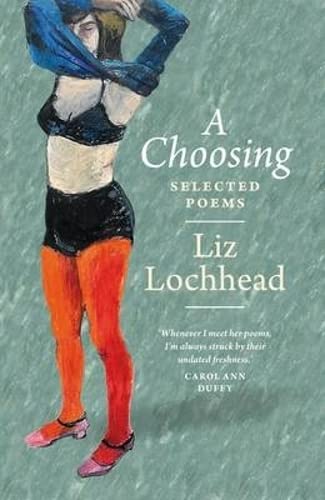
Winter 2019
2018
Link to my Global Challenge thread: Dilara's World Tour from 2025 onward which I've been updating regularly. The goal is to read (at least) five books set in each country of the world. Ideally, they’re also written by authors born and bred locally, with a good mix of contemporary literature written by men and women, and classics. I am always looking for books that are considered masterpieces in their own countries or spheres of influence, but overlooked in the Western world, hence my tags writer in banknote and author on stamp, my interest for UNESCO Collection of Representative Works, and my personal Leila and Mejnoun challenge.
My Nobel Laureates in Literature Challenge thread: Dilara reads Nobel Laureates
For the fifth year, I’ll be participating in the Food & Lit challenge over at Litsy, where we cook food and read books from a different country every month. I have been following this religiously, and haven't missed a month so far!
Just like in the three previous years, I am reading books set in the French département whose number is the same as the current year, so, in '26: the Drôme département in Auvergne-Rhône-Alpes, in South-Eastern France, in the Provençal foothills of the Alps.
I am also trying to read forgotten and half-forgotten female authors. Gallica and Libération’s Fières de lettres page was a fantastic source for this, but it isn't being updated anymore. I made a list on LT for this a couple of years ago: https://www.librarything.com/list/44978/all/Fi%C3%A8res-de-lettres . I still have a way to go before I’ve read everything on this list…
________________________________
Year-long Read
Le Decameron by Boccacio
________________________________
Other themes and projects
- Read works inspired by Layla and Majnun
- Read Khosrow and Shirin if I can get my hands on it, because it is a classic, and because I suspect it was the inspiration for Bahadir et Sona
2Dilara86
Food and Lit 2026
The organisers talked of curating the list to weed out "difficult" countries and of allowing repeat countries, which is not how I envisage this challenge. I have to admit I was rather disappointed, and pondered "soft-quitting", or at least only participating on months with new countries, but as it happens, I won't have to because the 2026 list works for me: the repeats are all for countries listed the year before I joined, with one exception: Ghana, which I'm happy to do again because I haven't filled all my Global Challenge slots for it.
January – Cambodia
February – Libya
March – Mexico
April – North Korea
May – Scotland
June – Croatia
July – Ghana
August – Poland
September – Honduras
October – Fiji
November – Brazil
December – South Africa
The organisers talked of curating the list to weed out "difficult" countries and of allowing repeat countries, which is not how I envisage this challenge. I have to admit I was rather disappointed, and pondered "soft-quitting", or at least only participating on months with new countries, but as it happens, I won't have to because the 2026 list works for me: the repeats are all for countries listed the year before I joined, with one exception: Ghana, which I'm happy to do again because I haven't filled all my Global Challenge slots for it.
January – Cambodia
February – Libya
March – Mexico
April – North Korea
May – Scotland
June – Croatia
July – Ghana
August – Poland
September – Honduras
October – Fiji
November – Brazil
December – South Africa
3Dilara86
My personal Drôme Challenge
The Drôme département is part of Auvergne-Rhône-Alpes, the big a region in the South-East of France that encompasses part of the Massif Central, the Rhône Valley, the Alps and Provence. It is part of the historical province of Dauphiné. Its préfecture and biggest town is Valence, followed by Montélimar (home of nougat), and Romans (home of the famous ravioles).

Drôme in France

Map of the Drôme département

Picture of a lavender field in front of the Glandasse (by Saruman, CC0, via Wikimedia Commons)
Possibilities
Books by Jean Giono, including Noël suivi de La belle hôtesse, which I read a few days ago
Books by Barjavel if I can find something that fits and isn't disgustingly racist
People from the Ecosophy movement: Baptiste Morizot, Christophe Bonneuil, Émilie Hache, Pablo Servigne
Du Rhône à l'Arno by Louis Le Cardonnel
Madame de Sévigné - this would tick several boxes for me
*I mentioned this challenge to a friend who was born and bred in the Drôme, and she said she'd lend me books :-) *
Books I've read so far
The Drôme département is part of Auvergne-Rhône-Alpes, the big a region in the South-East of France that encompasses part of the Massif Central, the Rhône Valley, the Alps and Provence. It is part of the historical province of Dauphiné. Its préfecture and biggest town is Valence, followed by Montélimar (home of nougat), and Romans (home of the famous ravioles).

Drôme in France

Map of the Drôme département

Picture of a lavender field in front of the Glandasse (by Saruman, CC0, via Wikimedia Commons)
Possibilities
Books by Jean Giono, including Noël suivi de La belle hôtesse, which I read a few days ago
Books by Barjavel if I can find something that fits and isn't disgustingly racist
People from the Ecosophy movement: Baptiste Morizot, Christophe Bonneuil, Émilie Hache, Pablo Servigne
Du Rhône à l'Arno by Louis Le Cardonnel
Madame de Sévigné - this would tick several boxes for me
*I mentioned this challenge to a friend who was born and bred in the Drôme, and she said she'd lend me books :-) *
Books I've read so far
4Dilara86
UNESCO Collection of Representative Works
Here's the link to the list of all the works translated and published with UNESCO's support since 1948: https://www.unesco.org/culture/lit/rep/index.php
Leave all fields blank and hit search for the full list, or select a region/country/language/genre and see what comes up!
Wikipedia says there are 455 translations into English and 450 into French ( https://en.wikipedia.org/wiki/UNESCO_Collection_of_Representative_Works )
All titles aren't easily available, but it is a good first step towards finding works that are considered significant in their country of origin.
ETA: or since the link above has gone on the blink again, try the search page here: https://www.unesco.org/xtrans/bsform.aspx?lg=1
Works I've read that were translated through the UNESCO scheme
Song of Lawino by Okot P'Bitek
Golden Pavillion and others by Mishima Yukio
Shrikanto by Saratchandra Chatterji
Me Grandad 'ad an Elephant! by Vaikom Muhammad Basheer
Nepali Visions, Nepali Dreams by Laxmiprasad Devkota
Snow Country and others by Kawabata Yasunari
Speaking of Siva - anonymous
The Makioka Sisters by Tanizaki Junichirô
The Rubaiyat of Omar Khayyam by Omar Khayyam
Vie et passion d'un gastronome chinois by Lu Wenfu
Notre âme ne peut pas mourir by Taras Chevtchenko
Vaste recueil de légendes merveilleuses by Du Nguyễn
Contes du vampire by Somadeva
Carnet de Femme by Layla Al Othman
by
by
by
by
Authors mentioned in the UNESCO list that I have read (possibly still incomplete)
Argentina
Julio Cortázar
Bangladesh
Rabindranath Tagore - Gitanjali
China
Lu Wenfu
Pu Songling
Egypt
Taha Hussein
Naguib Mahfuz
India and the Indian subcontinent pre-partition
Rabindranath Tagore (also claimed by Bengladesh)
Bibhouti Bhoushan Banerji
Somadeva
Vaikom Muhammad Basheer
Kabir
Bankim Chandra Chatterji
Nanak
Rabindranath Tagore - Gitanjali
Iran
Saadi (then part of Persia)
Japan
Mishima Yukio
Inoué Yasushi
Shûsaku Endô
Kobo Abe
Basho
Soseki
Tanizaki Junichirô
Kawabata Yasunari
Kuwait
Layla Al Othman
Mali
Amadou Hampaté Ba
Nepal
Laxmiprasad Devkota
Palestine
Mahmoud Darwich
Jabra Ibrahim Jabra
Sudan
Tayeb Salih
Syria
Abû'l-'Alâ al-Ma'arrî (then part of the Abbasid Caliphate)
Adonis
Tajikistan (then part of Persia)
Rumi
Uganda
Okot P'Bitek
Ukraine
Taras Chevtchenko
Vietnam
Du Nguyễn
Here's the link to the list of all the works translated and published with UNESCO's support since 1948: https://www.unesco.org/culture/lit/rep/index.php
Leave all fields blank and hit search for the full list, or select a region/country/language/genre and see what comes up!
Wikipedia says there are 455 translations into English and 450 into French ( https://en.wikipedia.org/wiki/UNESCO_Collection_of_Representative_Works )
All titles aren't easily available, but it is a good first step towards finding works that are considered significant in their country of origin.
ETA: or since the link above has gone on the blink again, try the search page here: https://www.unesco.org/xtrans/bsform.aspx?lg=1
Works I've read that were translated through the UNESCO scheme
Song of Lawino by Okot P'Bitek
Golden Pavillion and others by Mishima Yukio
Shrikanto by Saratchandra Chatterji
Me Grandad 'ad an Elephant! by Vaikom Muhammad Basheer
Nepali Visions, Nepali Dreams by Laxmiprasad Devkota
Snow Country and others by Kawabata Yasunari
Speaking of Siva - anonymous
The Makioka Sisters by Tanizaki Junichirô
The Rubaiyat of Omar Khayyam by Omar Khayyam
Vie et passion d'un gastronome chinois by Lu Wenfu
Notre âme ne peut pas mourir by Taras Chevtchenko
Vaste recueil de légendes merveilleuses by Du Nguyễn
Contes du vampire by Somadeva
Carnet de Femme by Layla Al Othman
by
by
by
by
Authors mentioned in the UNESCO list that I have read (possibly still incomplete)
Argentina
Julio Cortázar
Bangladesh
Rabindranath Tagore - Gitanjali
China
Lu Wenfu
Pu Songling
Egypt
Taha Hussein
Naguib Mahfuz
India and the Indian subcontinent pre-partition
Rabindranath Tagore (also claimed by Bengladesh)
Bibhouti Bhoushan Banerji
Somadeva
Vaikom Muhammad Basheer
Kabir
Bankim Chandra Chatterji
Nanak
Rabindranath Tagore - Gitanjali
Iran
Saadi (then part of Persia)
Japan
Mishima Yukio
Inoué Yasushi
Shûsaku Endô
Kobo Abe
Basho
Soseki
Tanizaki Junichirô
Kawabata Yasunari
Kuwait
Layla Al Othman
Mali
Amadou Hampaté Ba
Nepal
Laxmiprasad Devkota
Palestine
Mahmoud Darwich
Jabra Ibrahim Jabra
Sudan
Tayeb Salih
Syria
Abû'l-'Alâ al-Ma'arrî (then part of the Abbasid Caliphate)
Adonis
Tajikistan (then part of Persia)
Rumi
Uganda
Okot P'Bitek
Ukraine
Taras Chevtchenko
Vietnam
Du Nguyễn
5Dilara86
May reads
The country of the month for Food and Lit is Scotland
Original languages of the books I've read this month:
That's 81% English and French
21st-century books: 8
20th-century books: 4
19th-century books: 2
18th-century books: 1
17th-century books: 1
16th-century books:
15th-century books:
14th-century books:
Medieval books:
Ancient books:
That's 75% 21st- and 20th-century
The country of the month for Food and Lit is Scotland
-
Décaméron by Boccacio (Livre de poche: 60% Hachette, 40% Albin Michel) - ongoing, language and gender already recorded in January
-
Taste Vietnam - The Morning Glory Cookbook by Trịnh Diễm Vy - language and gender already recorded in April
-
La Belle et la Bête by Madame de Villeneuve (Project Gutenberg)
-
Debout-payé by Gauz (Le livre de poche > Hachette > Bolloré)
-
Cuisine écossaise by Anne Wilson (Könemann, no info other than it failed in 2001 - the original book was first published by Murdoch Books, the original villain)
-
Ce qu'il reste de nous by Jacques Terpant (Futuropolis > Gallimard > Madrigall (minority stake by LVMH, ie Bernard Arnault))
-
Jeanne la fileuse by Honoré Beaugrand (found on BeQ via TV5 Monde - first published by a Fall River, Massachusetts press in 1878)
-
Mémoires sur la ville de Romans by M. Dochier (Les éditions du Bastion - I could not find any information about this publisher; it probably was a small, local press. The name sounds fishy though.) - abandoned
-
Shuggie Bain by Douglas Stuart (Picador > Pan Macmillan > Georg von Holtzbrinck Publishing Group)
-
La terre des femmes by María Sánchez (Rivages > Payot & Rivages > Actes Sud > independent group owned by Françoise Nyssen, Macron's former culture minister)
-
Chant profond du roi de l'ombre by Raúl Quinto (Le temps des cerises, independent, distributed by Harmonia Mundi)
-
Olinda's Adventures: Or the Adventures of a Young Lady by Catharine Trotter
-
La Chouette aveugle by Sâdeq Hedâyat (Les Belles Lettres > manitoba, a small group, distributed by BLD) - publisher, language and gender already recorded in April
-
A Choosing: The Selected Poems of Liz Lochhead by Liz Lochhead
-
The World's Wife by Carol Ann Duffy
-
Le manoir by Isaac Bashevis Singer (Le livre de poche > Hachette > Bolloré)
-
Les Cenelles : choix de poésies indigènes by Armand Lanusse - public domain
-
Le mulâtre by Victor Séjour - public domain
-
Nos Hommes et Notre Histoire : Un hommage littéraire aux figures créoles de la Louisiane by Rodolphe-Lucien Desdunes - public domain
Original languages of the books I've read this month:
- French: 8
- English: 5
- Spanish: 2
- Yiddish: 1
That's 81% English and French
That's 75% 21st- and 20th-century
- Number of female authors this month: 6
- Number of male authors this month: 9
- Mixed male/female collaborations this month:
- Number books from independent publishers and small groups: 2
- Number of books from holding/conglomerate-owned publishers (Albin Michel, Madrigal/Gallimard, Média Participations...): 2
- Including: number of books from far-right-billionaire-owned publishers (Hachette/Bolloré, Editis/Kretinsky): 2
- Number of books from state/academic publishers (CNRS Editions, presses universitaires...):
- Public Domain (Project Gutenberg, etc.): 6
- No information: 3
7Dilara86
>6 labfs39: Thank you, Lisa!
_________________________________
May plans
We're doing Scotland for Food and Lit. This will be the perfect opportunity to read Shuggie Bains, which has been on my TBR shelves for a couple of years, probably. Other possibilities include Olinda's Adventures by Catharine Trotter, poetry by Carol Ann Duffy.
I took down Cuisine écossaise (Step-by-Step Scottish Cooking) by Anne Wilson (or if going by LT's page, Jo Anne Calabria - I haven't gone to the bottom of this) from my shelves, and read it again quickly. It's one of those cheap, thin books from the Step-by-step Cooking series that were ubiquitous in the nineties. I haven't quite decided on a menu yet.
_________________________________
May plans
We're doing Scotland for Food and Lit. This will be the perfect opportunity to read Shuggie Bains, which has been on my TBR shelves for a couple of years, probably. Other possibilities include Olinda's Adventures by Catharine Trotter, poetry by Carol Ann Duffy.
I took down Cuisine écossaise (Step-by-Step Scottish Cooking) by Anne Wilson (or if going by LT's page, Jo Anne Calabria - I haven't gone to the bottom of this) from my shelves, and read it again quickly. It's one of those cheap, thin books from the Step-by-step Cooking series that were ubiquitous in the nineties. I haven't quite decided on a menu yet.
8labfs39
>7 Dilara86: If you can squeeze in a short, quick read from Scotland, I would recommend My Friends the Miss Boyds by Jane Duncan. It's a delightful memoir of the author's childhood in the Scottish highlands. She wrote several more memoirs, continuing her life story, but this first one is my favorite.
9Dilara86
>8 labfs39: Thank you for the recommendation: it does sound delightful!
10Dilara86
There are a number of actions to counter Bolloré's takeover of the publishing world, including anti-Bolloré bookmarks downloadable here: https://desarmerbollore.net/news/operation-marque-pages/
11Dilara86
Ce qu'il reste de nous (what remains of us) by Jacques Terpant

Writer’s gender: male
Writer’s country: France
Original language: French
Translated into: N/A
Location: the village of Hostun in the Drôme département (France)
First published in 2025
Publisher is Futuropolis > Gallimard > Madrigall (minority stake by LVMH, ie Bernard Arnault)
A double page

As people who read my thread know, I like to read books set in the département whose official number is the same as the current year, so in 2026, département number 26: Drôme (see my introductory post here). As it happens, I have a friend who is originally from there. When I saw her for our semi-regular ex-PTA member dinner, I asked her for recommendations, and she offered to lend me some books! Ce qu’il reste de nous is the first of those.
This graphic work is a homage to the artist's home village of Hostun in the Drôme, on the Vercors foothills. He imagined scenes inspired by local historical sources to tell the history of his family and of the area, from the Middle Ages to now. I loved the landscapes – some pannels are simply stunning! –, but I found the dialogues trite, and I am not fond of the way his characters are drawn. I am happy I read it, but people who like fiction scenes in history documentaries (I don't!) would enjoy it more than I did.

Writer’s gender: male
Writer’s country: France
Original language: French
Translated into: N/A
Location: the village of Hostun in the Drôme département (France)
First published in 2025
Publisher is Futuropolis > Gallimard > Madrigall (minority stake by LVMH, ie Bernard Arnault)
A double page

As people who read my thread know, I like to read books set in the département whose official number is the same as the current year, so in 2026, département number 26: Drôme (see my introductory post here). As it happens, I have a friend who is originally from there. When I saw her for our semi-regular ex-PTA member dinner, I asked her for recommendations, and she offered to lend me some books! Ce qu’il reste de nous is the first of those.
This graphic work is a homage to the artist's home village of Hostun in the Drôme, on the Vercors foothills. He imagined scenes inspired by local historical sources to tell the history of his family and of the area, from the Middle Ages to now. I loved the landscapes – some pannels are simply stunning! –, but I found the dialogues trite, and I am not fond of the way his characters are drawn. I am happy I read it, but people who like fiction scenes in history documentaries (I don't!) would enjoy it more than I did.

13FlorenceArt
>11 Dilara86: "fiction scenes in history documentaries" Yeah, I hate those too.
14Dilara86
>13 FlorenceArt: Glad to know I'm not the only one. TV producers' reliance on them is incomprehensible to me. They're typically so cheesy and cringey!
15Dilara86
La Belle et la Bête by Gabrielle-Suzanne de Villeneuve

Writer’s gender: female
Writer’s country: France
Original language: French
Translated into: N/A
Location: unspecified kingdoms, including Isle heureuse, fairyland
First published in 1740
Original publisher unknown; the version I read was found on Wikisource, and is based on a copy published by Merigot père in 1965
A few lines at 33%
This is Madame de Villeneuve's version of Beauty and the Beast. It predates the better-known Leprince de Beaumont version by 16 years, which is actually an abridged version of the former, aimed at children with French as a second language. Both authors were featured in the Fières de lettres series: https://www.liberation.fr/culture/livres/deux-plumes-pour-un-conte-la-double-mat... . I read the Leprince version last month, and thought reading the original would be interesting and fun. The novel is in two parts: the first tells the story of Belle from her father's bankruptcy to the Beast's return to human form, the second that of the Beast, plus all sorts of backstories about both sets of parents. It is longer and more complex in vocabulary, syntax, plot and subtext because it was written for adults. It is also more forthright on sexual matters: the Beast doesn't ask for Belle's hand in marriage in this one. He just asks whether she wants to go to bed with him every night. And respects her answer. You can tell it was written in the 18th century, and not the 19th... I don’t know whether the author can be classed as a “précieuse”, strictly speaking, but that’s the general impression she gives. Her views on marriage, women’s autonomy, and other issues are refreshingly progressive, with the usual caveats about the time period.In view of this, I was rather disappointed that after arguing that a virtuous merchant’ daughter is good enough to marry a prince, the author decided to resolve the tension by making Belle a princess changeling. On the non-progressive side, there was also one mention of slaves. Oh, and the Beast has a trunk and scales.
In some of the other reviews, it's clear there are people who don't like the fact that the story is different from the Disney movie’s. I understand that it can be disorienting, but the fact is, this version is nearly 300 years older than Disney's. And it isn’t for children. It has to be read for what it is.

Writer’s gender: female
Writer’s country: France
Original language: French
Translated into: N/A
Location: unspecified kingdoms, including Isle heureuse, fairyland
First published in 1740
Original publisher unknown; the version I read was found on Wikisource, and is based on a copy published by Merigot père in 1965
A few lines at 33%
Quand la Belle fut éveillée, elle fit attention à ce songe, qui commençoit à lui paroître mystérieux, mais il étoit encore une énigme pour elle. Le désir de revoir son Pere l’emportoit pendant le jour sur les inquiétudes que lui causoient en dormant le Monstre & l’Inconnu. Ainsi ni tranquille la nuit, ni contente le jour, quoiqu’au milieu de la plus grande opulence, elle n’avoit pour calmer les ennuis que le plaisir des spectacles. Elle fût à la Comédie Italienne, d’où, dès la première Scène elle sortit pour aller à l’Opéra, mais elle en sortit encore avec la même promptitude. Son ennui la suivoit partout ; souvent elle ouvroit les six fenêtres plus de six fois chacune sans y trouver un moment de tranquillité. Les nuits qu’elle passoit étoient semblables aux jours ; sans cesse dans l’agitation la tristesse prenoit violemment & sur les attraits, & sur sa santé.
This is Madame de Villeneuve's version of Beauty and the Beast. It predates the better-known Leprince de Beaumont version by 16 years, which is actually an abridged version of the former, aimed at children with French as a second language. Both authors were featured in the Fières de lettres series: https://www.liberation.fr/culture/livres/deux-plumes-pour-un-conte-la-double-mat... . I read the Leprince version last month, and thought reading the original would be interesting and fun. The novel is in two parts: the first tells the story of Belle from her father's bankruptcy to the Beast's return to human form, the second that of the Beast, plus all sorts of backstories about both sets of parents. It is longer and more complex in vocabulary, syntax, plot and subtext because it was written for adults. It is also more forthright on sexual matters: the Beast doesn't ask for Belle's hand in marriage in this one. He just asks whether she wants to go to bed with him every night. And respects her answer. You can tell it was written in the 18th century, and not the 19th... I don’t know whether the author can be classed as a “précieuse”, strictly speaking, but that’s the general impression she gives. Her views on marriage, women’s autonomy, and other issues are refreshingly progressive, with the usual caveats about the time period.
In some of the other reviews, it's clear there are people who don't like the fact that the story is different from the Disney movie’s. I understand that it can be disorienting, but the fact is, this version is nearly 300 years older than Disney's. And it isn’t for children. It has to be read for what it is.
16Dilara86
I've just created a list of all the books on LT's database that were mentioned in Mediapart's economics articles and videos, as found here : La Bibliothèque Mediapart de l’économie
17raton-liseur
>15 Dilara86: I had not idea before you mentionned it in your review that Madame Leprince de Beaumont's version was not the original one (ans was written for children whose French is a second language, fascinating!). Now, I just want to read both versions. They are available on wikisource, so I'll try to give it a go.
18raton-liseur
>16 Dilara86: Interesting list, with a large diversity of books. I was surprised to see that I own 3 books (but have read only one).
19FlorenceArt
>15 Dilara86: How interesting ! I didn’t know about either author to be honest. I see that both versions are available on Kobo, but I may have to go to wikisource for the complete text.
20LolaWalser
Oh, and the Beast has a trunk and scales.
Oh that's wonderful! There is a great Czechoslovak adaptation by Juraj Herz from 1978, in which the Beast is a raptor bird. Makes Marais's pussycat look positively cuddly.
Beauty and the Beast (1978) Modern Trailer
Oh that's wonderful! There is a great Czechoslovak adaptation by Juraj Herz from 1978, in which the Beast is a raptor bird. Makes Marais's pussycat look positively cuddly.
Beauty and the Beast (1978) Modern Trailer
21Dilara86
>17 raton-liseur: I discovered that one was an abridgement of the other when I read the Jul version and did a bit of research, but I learned the Leprince de Beaumont version came second a couple of years ago, at a talk by one of the editors at Talents Hauts. She was rather snootily (and wrongly) berated by someone in the audience for publishing the Villeneuve version rather than the "original" Leprince one, and she had to set her straight on the timeline.
>18 raton-liseur: And I own / have read none! It's a bit sad because I saw when I entered them that had wishlisted half a dozen of them, but never got round to getting hold of them.
>19 FlorenceArt: I look forward to your reviews! It's nice to share notes :-)
>20 LolaWalser: That is a scary Beast!
>18 raton-liseur: And I own / have read none! It's a bit sad because I saw when I entered them that had wishlisted half a dozen of them, but never got round to getting hold of them.
>19 FlorenceArt: I look forward to your reviews! It's nice to share notes :-)
>20 LolaWalser: That is a scary Beast!
22Dilara86
Food and Lit – Scotland in May
II used a small cookbook I bought over two decades ago: Cuisine écossaise by Anne Wilson (that is the name on the cover, but LT also gives Jo Anne Calabria as the author). It’s quite clear that the dishes as shown in the book’s illustrations, and consequently in my pictures, don’t look like the dishes on the Internet :-D There is a distinct possibility that Anne Wilson churned out all sorts of “exotic” cookbooks without first-hand experience…
Anyway, I made rumbledethumps: mashed potatoes mixed with onion, cabbage and cheese (or no cheese for me), then baked until golden.

And Scotch collops: small round of beef fillet, here served in an onion, mushroom and whisky sauce. (Contrary to what is in the top photo, there is no cream in the sauce: I got mixed up with another recipe.)

All very nice, very typical of non-Med European cuisine: it’s almost a beef Stroganoff with stoemp…
I am sooo looking forward to the first raspberries of the season, so that I can make cranachan...
II used a small cookbook I bought over two decades ago: Cuisine écossaise by Anne Wilson (that is the name on the cover, but LT also gives Jo Anne Calabria as the author). It’s quite clear that the dishes as shown in the book’s illustrations, and consequently in my pictures, don’t look like the dishes on the Internet :-D There is a distinct possibility that Anne Wilson churned out all sorts of “exotic” cookbooks without first-hand experience…
Anyway, I made rumbledethumps: mashed potatoes mixed with onion, cabbage and cheese (or no cheese for me), then baked until golden.

And Scotch collops: small round of beef fillet, here served in an onion, mushroom and whisky sauce. (Contrary to what is in the top photo, there is no cream in the sauce: I got mixed up with another recipe.)

All very nice, very typical of non-Med European cuisine: it’s almost a beef Stroganoff with stoemp…
I am sooo looking forward to the first raspberries of the season, so that I can make cranachan...
23WelshBookworm
>22 Dilara86: I love rumpledethumps! I make mine with leeks and broccoli along with the cabbage (and definitely cheese for me!), and seasoned with mace.
24wandering_star
>20 LolaWalser: Great trailer!
25Dilara86
>23 WelshBookworm: Sounds like a nice combo! I'll try it.
26Dilara86
I was lent Mémoires sur la ville de Romans by Jean-Baptiste Dochier (Romans being Romans-sur-Isère, a town in the Drôme département). It is a 1987 re-edition of a 1812 history of the town by a former mayor and amateur historian. The binding and paper feel brittle. I can't open the book more than a fraction for fear of it disintegrating, and it reads like the 19th-century pre-scientific amateur history that it is. So, the benefit-to-effort ratio is in favour of giving up. I feel slightly guilty about it, but on the other hand, I doubt that anybody has actually read this copy cover to cover...
27mabith
Catching up on threads and making a note of the Bandi short stories from your part one thread. I think I've only read non-fiction by North Koreans, so good to get some fiction in.
28Dilara86
>27 mabith: That's great! The Accusation deserves to be better known, as one of the few works written by an insider, and as a work with characters who behave like real people, with good and bad sides, able to feel love and empathy for their friends and family, and who try to do their best given the circumstances, rather than semi-robots driven to full obeisance by fear.
29Dilara86
Ugo Palheta on fascism (in French): https://www.youtube.com/watch?v=6lCzRT7MWyA
30Dilara86
Jeanne la fileuse : épisode de l’émigration Franco-Canadienne aux Etats-Unis (Jeanne the spinner: an episode in the history of Franco-Canadian emigration in the United States) by Honoré Beaugrand
Writer’s gender: male
Writer’s nationality: Canada
Original language: French
Translated into: N/A
Location: the villages of Lavaltrie and Contrecœur (Québec, Canada) and Fall River, Massachusetts (USA)
First published in 1878
Original publisher is a Fall River, Massachusetts press. Public domain e-book downloadable from the Bibliothèque électronique du Québec: https://beq.ebooksgratuits.com/pdf/Beaugrand-Jeanne.pdf
A few lines at 33% of the first section (page 53)
A few lines at 33% of the second section (p 204)
Despite being disappointed with Beaugrand’s Anita : Souvenirs d'un contre-guérillas, I decided to read Jeanne la fileuse because I thought it would be perfect for the Francophonie quarter. It is in part the story of Jeanne, a young Québec woman who crossed the border into the US for work in the 19th century, but there is also a Patriots' Rebellion backstory, other characters’ stories, and plenty of non-fiction asides, including a number of pages on the Passumpsic Railroad, between Montréal and Boston (or more exactly, between Saint-Lambert, Québec and Lowell, Massachusetts), which evidently, the author feels is The Best, for all sorts of reasons he will go into!
This is an odd book by today’s standards, less so by Victorian ones. The first part, set in Québec, is your classic 19th-century rural novel, with poor, virtuous, hardworking peasants, a gruff but not uncaring rich farmer, and a kindly doctor. And a few historical digressions. The second part is set in Fall River after Jeanne leaves her Canadian village, along with another poverty-stricken family, to work in a textile mill (The Granite Mills, which might give you a hint of where this is going ). It turns into a series of articles on railways, Fall River, various public policies, etc. held together by the thinnest of plots. The book is clearly a bit of a political soapbox and a means for Honoré Beaugrand, who at one point was mayor of Montréal, to air his views and ideas on a number of subjects. Because it is clearly and engagingly written (and short), it never felt dull. I quite enjoyed it on the whole. Given the subject matter(s), setting, and place of publication, I do not understand why it hasn’t been translated into English at some point since 1878.
Writer’s gender: male
Writer’s nationality: Canada
Original language: French
Translated into: N/A
Location: the villages of Lavaltrie and Contrecœur (Québec, Canada) and Fall River, Massachusetts (USA)
First published in 1878
Original publisher is a Fall River, Massachusetts press. Public domain e-book downloadable from the Bibliothèque électronique du Québec: https://beq.ebooksgratuits.com/pdf/Beaugrand-Jeanne.pdf
A few lines at 33% of the first section (page 53)
– Au travail ! mes enfants !
Les faucheurs font résonner l’air de leurs outils qu’ils affilent, par un mouvement vif de la pierre qu’ils passent et repassent sur la lame de leurs faux recourbées. Les faneuses reprennent leurs fourches légères et le mouvement du travail recommence.
D’immenses charrettes à ridelles et à limons transportent les foins de la prairie et les déposent, une fois séchés, dans les granges de la ferme. Les essieux crient, les conducteurs encouragent leurs chevaux de la voix, et la scène devient aussi vivante et aussi animée qu’elle était tranquille quelques instants auparavant.
Le soir, tout le personnel de la ferme se rassemble sur le bord du grand fleuve ; un musicien d’occasion fait entendre les sons plus ou moins harmonieux du violon, et en dépit du travail et de la fatigue du jour, les fillettes trouvent encore le temps et le courage d’inviter les faucheurs à une danse sur l’herbe.
La fenaison terminée, les foins sont chargés sur des bateaux et transportés à Montréal.
Parmi les nombreux gars des paroisses environnantes qui étaient venus à Lavaltrie pour offrir leurs bras au fermier Montépel, se trouvait Jules Girard du village de Contrecœur.
A few lines at 33% of the second section (p 204)
C’est pourquoi il est important de produire ici cette preuve indiscutable, à l’appui de l’avancé qui a été fait plus haut, à propos de l’influence du progrès industriel aux États-Unis, sur le mouvement d’émigration qui a enlevé un si grand nombre de citoyens intelligents et laborieux au Canada français.
La ville manufacturière de Fall River, Mass., est située sur la rive droite de la baie « Mount Hope » près de l’embouchure de la Rivière Taunton, à 53 milles au sud de Boston, 183 milles au nord-est de New-York, 14 milles à l’ouest de New-Bedford et 18 milles au nord de Newport-sur-mer. Les premiers établissements datent de l’année 1656, époque à laquelle la législature de Plymouth accorda à certains colons, le droit de s’établir sur les bords et à l’embouchure de la rivière Taunton. La petite colonie fut définitivement organisée en 1659 et les terrains furent légalement acquis de la tribu indienne des Pocassets, pour et en raison de : « vingt pardessus, deux marmites, deux casseroles, huit paires de bottes, six paires de bas, une douzaine de pioches, douze haches, et deux mètres de drap. » Les colons prospérèrent assez bien par ces temps difficiles où le laboureur était forcé de défendre, au prix de sa vie, contre les indiens maraudeurs des environs, sa famille et sa propriété. Les guerres indiennes de 1675 vinrent pendant quelques temps suspendre les travaux de la colonie, mais la défaite et la mort du célèbre Philippe, roi des Wampanoags et des Pocassets, près de Fall River, ramenèrent la paix et la tranquillité sur les rives de la baie « Mount Hope ».
Despite being disappointed with Beaugrand’s Anita : Souvenirs d'un contre-guérillas, I decided to read Jeanne la fileuse because I thought it would be perfect for the Francophonie quarter. It is in part the story of Jeanne, a young Québec woman who crossed the border into the US for work in the 19th century, but there is also a Patriots' Rebellion backstory, other characters’ stories, and plenty of non-fiction asides, including a number of pages on the Passumpsic Railroad, between Montréal and Boston (or more exactly, between Saint-Lambert, Québec and Lowell, Massachusetts), which evidently, the author feels is The Best, for all sorts of reasons he will go into!
This is an odd book by today’s standards, less so by Victorian ones. The first part, set in Québec, is your classic 19th-century rural novel, with poor, virtuous, hardworking peasants, a gruff but not uncaring rich farmer, and a kindly doctor. And a few historical digressions. The second part is set in Fall River after Jeanne leaves her Canadian village, along with another poverty-stricken family, to work in a textile mill (
31Dilara86
La terre des femmes (Tierra de mujeres – Land of Women) by María Sánchez, translated by Aline Valesco

Writer’s gender: female
Writer’s nationality: Spain
Original language: Spanish
Translated into: French
Location: villages near Cordoba, Spain
First published in 2019 (original version), and 2020 (French version)
Publisher is Rivages (Payot & Rivages > Actes Sud > independent group owned by Françoise Nyssen, Macron's former culture minister)
A few lines at 33%
I heard of this book on Saturday, when I watched a video of a talk between Nicolas Framont and Emma Conquet titled “Sortir de la ville capitaliste”. I was able to download it from my library’s website. At the crossroad between poetry, diary, and essay, it is quite a short, illustrated book about the author’s mother, grandmother, and other female ascendents, their place and role in the family and in their rural society, and the way they and their work have been ignored. María Sánchez is a countryside vet from a line of countryside vets, the first woman in her immediate family to work out of home. Although none of the ideas are new, they are conveyed with thought and emotion. Clearly, it struck a chord because it became a best-seller in Spain, despite its rather slow and contemplative writing.
Its themes reminded me of a book I read probably decades ago whose title I cannot remember, a Portuguese novel about women who “held the fort” while men worked away from the village, did all the hard field work and took all the decisions, then pretended the men were in charge for the few weeks they were there. It was a rather angry book in my recollection (and rightfully so).

Writer’s gender: female
Writer’s nationality: Spain
Original language: Spanish
Translated into: French
Location: villages near Cordoba, Spain
First published in 2019 (original version), and 2020 (French version)
Publisher is Rivages (Payot & Rivages > Actes Sud > independent group owned by Françoise Nyssen, Macron's former culture minister)
A few lines at 33%
Quel était le pays que je connaissais et où j’évoluais, et quel était celui que reflétaient ces statistiques ? Où étaient passées toutes ces femmes qui avaient sacrifié et continuaient de sacrifier leur vie et leurs mains à la campagne ? Ma grand-mère entrait-elle dans ces 2,2 %, avec son petit potager et ses poules, sa balance et ses pots de conserve, vendant ses légumes à ses voisines à des prix symboliques ?
I heard of this book on Saturday, when I watched a video of a talk between Nicolas Framont and Emma Conquet titled “Sortir de la ville capitaliste”. I was able to download it from my library’s website. At the crossroad between poetry, diary, and essay, it is quite a short, illustrated book about the author’s mother, grandmother, and other female ascendents, their place and role in the family and in their rural society, and the way they and their work have been ignored. María Sánchez is a countryside vet from a line of countryside vets, the first woman in her immediate family to work out of home. Although none of the ideas are new, they are conveyed with thought and emotion. Clearly, it struck a chord because it became a best-seller in Spain, despite its rather slow and contemplative writing.
Its themes reminded me of a book I read probably decades ago whose title I cannot remember, a Portuguese novel about women who “held the fort” while men worked away from the village, did all the hard field work and took all the decisions, then pretended the men were in charge for the few weeks they were there. It was a rather angry book in my recollection (and rightfully so).
32Dilara86
To watch when I have a bit more time: an interview in French of Lea Ypi by Edwy Plenel
"Face aux ravages du capitalisme marchand et aux désastres du socialisme d’État, Lea Ypi défend un socialisme moral, radicalement démocratique. Professeure de théorie politique à Londres, invitée au Collège de France, cette Albanaise réenchante l’espérance."
All of a sudden, I am more interested in her book, Free: Coming of Age at the End of History, than I've been in a couple of years...
"Face aux ravages du capitalisme marchand et aux désastres du socialisme d’État, Lea Ypi défend un socialisme moral, radicalement démocratique. Professeure de théorie politique à Londres, invitée au Collège de France, cette Albanaise réenchante l’espérance."
All of a sudden, I am more interested in her book, Free: Coming of Age at the End of History, than I've been in a couple of years...
33Dilara86
Chant profond du roi de l'ombre (Martinete del rey sombra) by Raúl Quinto, translated by Raoul Gomez

Writer’s gender: male
Writer’s nationality: Spain
Original language: Spanish
Translated into: French
Location: Spain, especially Cordoba, Madrid (Royal Palace of Aranjuez), Granada, Saragoza, Cartagena
First published in 2023 (Spanish original) and 2025 (French version)
Publisher is Le temps des cerises, independent, distributed by Harmonia Mundi
A few lines from page 100
When I saw that the library had just acquired a book about what is apparently called the Great Gypsy Round-up in English, I had to borrow it. I had never heard of it, but I was intrigued. It is about the 1749 attempt at ethnically cleansing Spain from Gypsies (or Gitanos) ordered by King Ferdinand VI and the marquis of Ensenada. There are more pages on those two, and on the history of the Bourbon House, than about the events, or about specific Gitano characters. The book reads like a poet’s non-fiction, injected with a lot of feeling and emotion. It is also fiction in that the author gets into the minds of historical figures, but there is no plot other than what is dictated by historical facts. I found the overwrought prose annoying, but it is a short book (around 200 pages in French). I wouldn’t be surprised if other types of readers loved it though, so don’t be put off by my lack of enthusiasm.

Writer’s gender: male
Writer’s nationality: Spain
Original language: Spanish
Translated into: French
Location: Spain, especially Cordoba, Madrid (Royal Palace of Aranjuez), Granada, Saragoza, Cartagena
First published in 2023 (Spanish original) and 2025 (French version)
Publisher is Le temps des cerises, independent, distributed by Harmonia Mundi
A few lines from page 100
Arrivent aussi des enfants malades, de Cordoue, qui font pitié et plus peur encore, avec leurs petits visages troués (sic) et leurs regards sans mère ni consolation. Elles sont toutes là. Et ils ne savent que faire d’elles excepté les regarder se briser et pourrir. Le marquis de la Ensenada avait prévu de les envoyer aussi aux arsenaux pour filer le chanvre, mais on lui enlève vite l’idée de la tête, parce qu’il ne faut pas les réunir avec leurs mâles, se souvient-il, et parce que Jorge Juan lui dit clairement que les métiers à filer sont éprouvants et peu adaptés aux mains d’une femme ou d’un enfant.
When I saw that the library had just acquired a book about what is apparently called the Great Gypsy Round-up in English, I had to borrow it. I had never heard of it, but I was intrigued. It is about the 1749 attempt at ethnically cleansing Spain from Gypsies (or Gitanos) ordered by King Ferdinand VI and the marquis of Ensenada. There are more pages on those two, and on the history of the Bourbon House, than about the events, or about specific Gitano characters. The book reads like a poet’s non-fiction, injected with a lot of feeling and emotion. It is also fiction in that the author gets into the minds of historical figures, but there is no plot other than what is dictated by historical facts. I found the overwrought prose annoying, but it is a short book (around 200 pages in French). I wouldn’t be surprised if other types of readers loved it though, so don’t be put off by my lack of enthusiasm.
34Dilara86
Another Food and Lit meal for Scotland in May
Last Sunday, I made salmon in a pepper, whisky and cream sauce (from this recipe: https://www.graysofkilsyth.com/salmon-recipes.htm ), with new potatoes and salad. Very nice, and perfect – I don’t mean it flippantly – for people who don't like fish much, because the pepper sauce overpowered it somewhat.

And for dessert, cranachan with the first local raspberries of the season. I thought they’d never arrive: I was getting rather impatient! Cranachan is typically made with raspberries (or sometimes, other fruit), toasted oatmeal, cream, and honey. I added toasted flaked almonds (not a core ingredient, but I like them). Some people add whisky to the cream, but I didn't.

Last Sunday, I made salmon in a pepper, whisky and cream sauce (from this recipe: https://www.graysofkilsyth.com/salmon-recipes.htm ), with new potatoes and salad. Very nice, and perfect – I don’t mean it flippantly – for people who don't like fish much, because the pepper sauce overpowered it somewhat.

And for dessert, cranachan with the first local raspberries of the season. I thought they’d never arrive: I was getting rather impatient! Cranachan is typically made with raspberries (or sometimes, other fruit), toasted oatmeal, cream, and honey. I added toasted flaked almonds (not a core ingredient, but I like them). Some people add whisky to the cream, but I didn't.

35Dilara86
Shuggie Bain by Douglas Stuart

Writer’s gender: male
Writer’s nationality: British (Scotland)
Original language: English
Translated into: N/A
Location: Glasgow
First published in 2020
Publisher is Picador
A few lines from page 100
Shuggie Bain won the 2020 Booker Prize. It is a gritty tale of poverty and alcoholism set in 1980s Glasgow. Not very intellectually demanding, but it takes a toll mentally, because of its subject matters. It is very moving but also felt cliché (especially in its depiction of gayness) and manipulative in places. It is a first novel, so I don’t want to be too harsh.

Writer’s gender: male
Writer’s nationality: British (Scotland)
Original language: English
Translated into: N/A
Location: Glasgow
First published in 2020
Publisher is Picador
A few lines from page 100
“Ye movin’ in?” said a woman from the door beyond her own. The woman’s blond hair curled back on dark brown roots. It made her look like she had on a child’s wig.
“Yes.”
“All of yeese?” asked the woman.
“Yes, my family and I,” corrected Agnes. She introduced herself and held out her hand.
Shuggie Bain won the 2020 Booker Prize. It is a gritty tale of poverty and alcoholism set in 1980s Glasgow. Not very intellectually demanding, but it takes a toll mentally, because of its subject matters. It is very moving but also felt cliché (especially in its depiction of gayness) and manipulative in places. It is a first novel, so I don’t want to be too harsh.
36Dilara86
Olinda's Adventures: Or the Adventures of a Young Lady by Catharine Trotter

Writer’s gender: female
Writer’s nationality: British
Original language: English
Translated into: N/A
Location: most probably England
First published in 1693, anonymously
Found on Project Gutenberg; original publisher was Samuel Briscoe
A few lines at 33%
The tagged book isn't the perfect fit for Scotland I thought it would be: Catharine Trotter Cockburn had Scottish parents, but lived in England, and the book's settings are unspecified, but likely London/Home Counties/Southern seaside town. Still, I enjoyed this epistolary novella that take the form of letters written by a young woman to her close male “friend”, at a time – towards the end of the Restoration – where women were freer than a century or so later. The author’s tongue is firmly in her cheek. Of course, it requires some concentration: sentences meander a bit, and the English language has evolved. It is a decent precursor to Jane Austen's novels, written by a very young author (14 by some accounts, but most likely 19). It is very much a bluestocking love story, but strip away period detail, change the language, and it could almost be a modern story about friendzoning, not knowing your own heart, and navigating love, marriage, and multiple offers of varying levels of seriousness. Incidentally, it only took a couple of years before a French translation was published, so the book clearly had some success at the time.
ETA: And I learned that a maggot isn't just a grub, it can also be “a fantastic or eccentric idea“, as in “He Courted me with Balls, Musick, and Entertainments, and in the midst of 'em wou'd now and then whisper some pretty Love Maggots.“

Writer’s gender: female
Writer’s nationality: British
Original language: English
Translated into: N/A
Location: most probably England
First published in 1693, anonymously
Found on Project Gutenberg; original publisher was Samuel Briscoe
A few lines at 33%
This is a true and unprejudic'd Character of both; and if you wonder how I cou'd love a Woman with such gross Faults, I must tell you, some of them I did not know then; some I excus'd, for I did not expect perfection, and some my partial kindness made me cover with the Name of some Neighbouring Virtue. You know, Ambrisia has as great advantages of Clarinda in Body as in Mind: I have often heard you praise her outward Beauty, and now I have shew'd you the Beauties of her Soul, tho' they are far greater than I can express, give me leave to wish her yours. Forgive me if I mingle a little self-Interest in my wishes for you, I can't resist a thought of joy for the hopes of finding two Noble Friends in one, by such a happy Union: Think of it Cleander; you only deserve one another.
The tagged book isn't the perfect fit for Scotland I thought it would be: Catharine Trotter Cockburn had Scottish parents, but lived in England, and the book's settings are unspecified, but likely London/Home Counties/Southern seaside town. Still, I enjoyed this epistolary novella that take the form of letters written by a young woman to her close male “friend”, at a time – towards the end of the Restoration – where women were freer than a century or so later. The author’s tongue is firmly in her cheek. Of course, it requires some concentration: sentences meander a bit, and the English language has evolved. It is a decent precursor to Jane Austen's novels, written by a very young author (14 by some accounts, but most likely 19). It is very much a bluestocking love story, but strip away period detail, change the language, and it could almost be a modern story about friendzoning, not knowing your own heart, and navigating love, marriage, and multiple offers of varying levels of seriousness. Incidentally, it only took a couple of years before a French translation was published, so the book clearly had some success at the time.
ETA: And I learned that a maggot isn't just a grub, it can also be “a fantastic or eccentric idea“, as in “He Courted me with Balls, Musick, and Entertainments, and in the midst of 'em wou'd now and then whisper some pretty Love Maggots.“
37FlorenceArt
>36 Dilara86: Sounds like fun! I might try it some time.
38Dilara86
La Chouette aveugle (The Blind Owl) by Sâdeq Hedâyat, translation (when needed) and critical apparatus by Sébastien Jallaud

Writer’s gender: male
Writer’s nationality: Iran
Original language: Farsi, plus two short stories and a few letters in French
Translated into: French
Location: Iran (La chouette aveugle), India, including Bombay (Mumbay) (Sampigué and Lunatique)
The original Blind Owl was first published in 1936; this version was published in 2024.
Publisher is Les Belles Lettres > manitoba, a small group, distributed by BLD
A few lines from page 155 (about 1/3 of the way into La chouette aveugle proper)
(BTW, all the em-dashes are in the original Farsi text written in Arabic characters; they're not a result of using ChatGPT. The translator argued at length for keeping them in the book, whether in Farsi or in French.)
Last month, I went to a talk with Sébastien Jallaud, the translator from Farsi/Persian who worked on establishing an authoritative version of The Blind Owl, re-translated it to current standards, and wrote the accompanying critical apparatus. I'd had this novel in my wishlist since 2013, but it was hard to get hold of it, so I didn’t think twice before buying Jallaud’s annotated, academic translation. The whole book is probably over 500 pages. In April, I read the 100+ pages of introductions, The Blind Owl in translation (that’s only 88 pages), notes, two bonus short stories written directly in French. I then stopped, and only just finished reading the 80+ pages of annexes and the chronology. I am counting the book as finished because all that is left is a very long critical bibliography and the novel in the original Farsi, which I won’t or can’t read.
The Blind Owl is a bit of a cult novel. It is a convoluted, hallucinated piece of poetic prose. I am still thinking about some of the imagery, but frankly, I didn't enjoy the story or the writing all that much. I can see why surrealists loved it, but I've gone off the macabre. Reading the academic version means I went a lot further into the weeds than I wanted to, originally, but I didn’t mind: I probably would have enjoyed the novel even less if I hadn't had access to endnotes explaining references, context, etc.
For a bit of trivia: In Farsi, as in English, there is only one word for all the birds you can see on the book's cover, whether they're round-headed or horned. In French, the round-headed ones are called “chouette“, and the horned ones, “hibou“. So a choice had to be made in the translation…

Writer’s gender: male
Writer’s nationality: Iran
Original language: Farsi, plus two short stories and a few letters in French
Translated into: French
Location: Iran (La chouette aveugle), India, including Bombay (Mumbay) (Sampigué and Lunatique)
The original Blind Owl was first published in 1936; this version was published in 2024.
Publisher is Les Belles Lettres > manitoba, a small group, distributed by BLD
A few lines from page 155 (about 1/3 of the way into La chouette aveugle proper)
« J’ai toujours cru que le silence est la meilleure des choses, j’ai toujours cru que, comme les butors au bord de la mer, il vaut mieux pour chacun étaler ses propres ailes et s’asseoir tout seul — mais maintenant cela n’est plus en mon pouvoir, car ce qui ne devait pas arriver arriva — qui sait, peut-être à l’instant même, ou dans une heure, une poignée de sentinelles ivres viendront pour m’arrêter — je n’ai nulle envie de sauver ma carcasse, d’autant plus qu’il ne reste guère de place à la dénégation — même dans l’hypothèse où j’effacerais les taches de sang — au contraire, avant de tomber entre leurs mains je boirai une coupe de cette flasque de vin, de ce vin hérité que j’ai placé sur l’étagère. —
(BTW, all the em-dashes are in the original Farsi text written in Arabic characters; they're not a result of using ChatGPT. The translator argued at length for keeping them in the book, whether in Farsi or in French.)
Last month, I went to a talk with Sébastien Jallaud, the translator from Farsi/Persian who worked on establishing an authoritative version of The Blind Owl, re-translated it to current standards, and wrote the accompanying critical apparatus. I'd had this novel in my wishlist since 2013, but it was hard to get hold of it, so I didn’t think twice before buying Jallaud’s annotated, academic translation. The whole book is probably over 500 pages. In April, I read the 100+ pages of introductions, The Blind Owl in translation (that’s only 88 pages), notes, two bonus short stories written directly in French. I then stopped, and only just finished reading the 80+ pages of annexes and the chronology. I am counting the book as finished because all that is left is a very long critical bibliography and the novel in the original Farsi, which I won’t or can’t read.
The Blind Owl is a bit of a cult novel. It is a convoluted, hallucinated piece of poetic prose. I am still thinking about some of the imagery, but frankly, I didn't enjoy the story or the writing all that much. I can see why surrealists loved it, but I've gone off the macabre. Reading the academic version means I went a lot further into the weeds than I wanted to, originally, but I didn’t mind: I probably would have enjoyed the novel even less if I hadn't had access to endnotes explaining references, context, etc.
For a bit of trivia: In Farsi, as in English, there is only one word for all the birds you can see on the book's cover, whether they're round-headed or horned. In French, the round-headed ones are called “chouette“, and the horned ones, “hibou“. So a choice had to be made in the translation…
39dchaikin
>35 Dilara86: sorry Shuggie didn’t quite work for you. I had issues, but of a different sort. I’m curious how much he has evolved with his new novel, John of John
40SassyLassy
Looking forward to following along with food from Scotland.
You were wise to leave the cheese out of rumbledethumps. I've never seen it with cheese, but it is great with tons of butter.
Cranachan is wonderful, and good idea to leave out the whisky, which would overpower it I think. Whisky is always best on its own!
If venison is available, you could try collops that way.
Will you be trying making tablet? Flying out of Glasgow back to Canada last year, a large dense object showed up on the x-ray scan of my backpack. When I told the screener what it was, he replied "Ach, well ye can't leave without your tablet!" All screeners should be so friendly.
If Anne Wilson is the writer I think she is, you may be interested in this: https://www.theguardian.com/books/2023/mar/21/c-anne-wilson-obituary
>35 Dilara86: I liked Shuggie Bain, although as you say it was formulaic. After following it up with Young Mungo, I fear Stuart may have become stuck in the same groove.
>39 dchaikin: I haven't read John of John yet. Are you contemplating it?
You were wise to leave the cheese out of rumbledethumps. I've never seen it with cheese, but it is great with tons of butter.
Cranachan is wonderful, and good idea to leave out the whisky, which would overpower it I think. Whisky is always best on its own!
If venison is available, you could try collops that way.
Will you be trying making tablet? Flying out of Glasgow back to Canada last year, a large dense object showed up on the x-ray scan of my backpack. When I told the screener what it was, he replied "Ach, well ye can't leave without your tablet!" All screeners should be so friendly.
If Anne Wilson is the writer I think she is, you may be interested in this: https://www.theguardian.com/books/2023/mar/21/c-anne-wilson-obituary
>35 Dilara86: I liked Shuggie Bain, although as you say it was formulaic. After following it up with Young Mungo, I fear Stuart may have become stuck in the same groove.
>39 dchaikin: I haven't read John of John yet. Are you contemplating it?
41dchaikin
>40 SassyLassy: kinda waiting for the Booker longlist. There are some I might grab regardless.
42Dilara86
>40 SassyLassy: Hello and thank you for dropping by! It's nearly the end of the month, so I'll be moving on from Scotland to Croatia soon. I might fit in another Scottish recipe - most probably drop scones (a bit of a cheat: I make them semi-regularly) - but that is probably going to be it for the near future. I appreciate your notes, and agree that cranachan *is* wonderful!
Loving your anecdote about tablet. I am fortunate that my mother-in-law makes a delicious tablet, so I don't have to spend hours at the stove, stirring a witch's cauldron: I can just eat it :-)
It looks like the Anne Wilson in the obit is a different one. Mine is Australian - and probably younger. She published a string of cheap step-by-step mini-cookbooks (more like leaflets, really) in the 90s. C. Anne Wilson is exactly the sort of food writer that interests me: I'll see if I can get hold of some of her work.
>39 dchaikin: >40 SassyLassy: I feel a bit guilty that I didn't like Shuggie Bain more, but well, that's life... Good to know Young Mungo is more of the same.
Loving your anecdote about tablet. I am fortunate that my mother-in-law makes a delicious tablet, so I don't have to spend hours at the stove, stirring a witch's cauldron: I can just eat it :-)
It looks like the Anne Wilson in the obit is a different one. Mine is Australian - and probably younger. She published a string of cheap step-by-step mini-cookbooks (more like leaflets, really) in the 90s. C. Anne Wilson is exactly the sort of food writer that interests me: I'll see if I can get hold of some of her work.
>39 dchaikin: >40 SassyLassy: I feel a bit guilty that I didn't like Shuggie Bain more, but well, that's life... Good to know Young Mungo is more of the same.
43raton-liseur
>38 Dilara86: A very interesting post and read. Not for me (if surrealists loved it, I am likely to hate it, I never get that kind of things), but I enjoyed reading your post and learning about this book!
44Dilara86
A Choosing: The Selected Poems of Liz Lochhead by Liz Lochhead
Writer’s gender: female
Writer’s nationality: UK (Scotland)
Original language: English (with the occasional bit of Scots)
Translated into: N/A
Location: Scotland, US, N/A
First published in 2011
Publisher is Polygon, An Imprint of Birlinn Limited (independent and Scottish)
A few lines at 33%
I've just finished this poetry collection by former Scots makar (poet laureate) Liz Lochhead.
Some poems, such as the one above, I enjoyed, some left me cold, some rubbed me the wrong way (but then it's fair to say she's a rather abrasive poet).
Writer’s gender: female
Writer’s nationality: UK (Scotland)
Original language: English (with the occasional bit of Scots)
Translated into: N/A
Location: Scotland, US, N/A
First published in 2011
Publisher is Polygon, An Imprint of Birlinn Limited (independent and Scottish)
A few lines at 33%
Lanarkshire Girls
Coming into Glasgow
in our red bus through those green fields. And
summer annoyed us thrusting
leafy branches through the upstairs windows.
Like a boy with a stick through railings,
rattling us. We bent whole treetops
squeezing through and they rained down twigs, broken
bits of foliage, old blossom on the roof,
chucked hard wee balls of unripe fruit,
drumming us out of the country.
I've just finished this poetry collection by former Scots makar (poet laureate) Liz Lochhead.
Some poems, such as the one above, I enjoyed, some left me cold, some rubbed me the wrong way (but then it's fair to say she's a rather abrasive poet).
45Dilara86
>43 raton-liseur: Not for me (if surrealists loved it, I am likely to hate it, I never get that kind of things)
And as it turns out, it wasn't for me either, at least these days: teenage-me might have liked it...
The books in >30 Dilara86: and >31 Dilara86: (Jeanne la fileuse and La terre des femmes) are more likely to be to your taste.
And as it turns out, it wasn't for me either, at least these days: teenage-me might have liked it...
The books in >30 Dilara86: and >31 Dilara86: (Jeanne la fileuse and La terre des femmes) are more likely to be to your taste.
46dchaikin
>44 Dilara86: I like the poem you quoted
47rocketjk
>38 Dilara86: How interesting. The short story I just read out of New Writing from the Middle East, edited by Leo Hamalian, was a short story by Hedâyat called "The Stray Dog." The "New" in the collection's title is a bit misleading for a modern reader, as the book was published in 1978. Anyway, there was nothing surreal about it. Just a well written but sad tale about a lost dog.
48SassyLassy
>42 Dilara86: I have her Food and Drink in Britain, which is indeed comprehensive.
>44 Dilara86: it's fair to say she's a rather abrasive poet Some might say abrasiveness is a characteristic of much contemporary Scottish writing! I did like this extract.
>44 Dilara86: it's fair to say she's a rather abrasive poet Some might say abrasiveness is a characteristic of much contemporary Scottish writing! I did like this extract.
49FlorenceArt
>44 Dilara86: I like the poem too.
50raton-liseur
>45 Dilara86: Yes, I've spotted Honoré Beaugrand in your lattest posts as someone I could enjoy reading. I have never heard about him.
The Spanish book seems interesting as well. You should not tempt me. I try to avoid growing my wishlist but it's difficult.
The Spanish book seems interesting as well. You should not tempt me. I try to avoid growing my wishlist but it's difficult.
51FlorenceArt
>48 SassyLassy: Oh, Food and Drink in Britain sounds delicious !
52LolaWalser
>24 wandering_star:
If you like the story, the whole film is very much worth watching!
>29 Dilara86:
Thanks, that was very interesting. I would quibble, though, with his fencing off of religion as not a factor in fascism. He does this, of course, in order not to grapple with the problem that Islam(ism) poses to leftism and because "islamofascism" is a rightwing dog whistle. Nevertheless, it's a matter of fact that religion DOES compute into fascist worldview -- it did so in innumerable historical examples and still does today, as the rise of "Christofascism" shows clearly enough (or the everlasting importance of both cock-eyed paganism, newageism, and ultra-hardline Christianity etc. for neo-Nazism etc.) Fascism absolutely builds on a national myth, as he says, but national myths incorporate religious myths more often than not (if they don't, chances are we're looking at leftist national myth-building). I happen to be reading about Slovakia after Munich; the Nazi puppet Dr. Tiso was a Catholic priest. Lots of similar examples.
If the project of USian evangelical Christians amounts to fascism (as I agree it does), then it's difficult to argue that conditions in Afghanistan, Iran, Saudi Arabia etc. aren't fascist as well.
If you like the story, the whole film is very much worth watching!
>29 Dilara86:
Thanks, that was very interesting. I would quibble, though, with his fencing off of religion as not a factor in fascism. He does this, of course, in order not to grapple with the problem that Islam(ism) poses to leftism and because "islamofascism" is a rightwing dog whistle. Nevertheless, it's a matter of fact that religion DOES compute into fascist worldview -- it did so in innumerable historical examples and still does today, as the rise of "Christofascism" shows clearly enough (or the everlasting importance of both cock-eyed paganism, newageism, and ultra-hardline Christianity etc. for neo-Nazism etc.) Fascism absolutely builds on a national myth, as he says, but national myths incorporate religious myths more often than not (if they don't, chances are we're looking at leftist national myth-building). I happen to be reading about Slovakia after Munich; the Nazi puppet Dr. Tiso was a Catholic priest. Lots of similar examples.
If the project of USian evangelical Christians amounts to fascism (as I agree it does), then it's difficult to argue that conditions in Afghanistan, Iran, Saudi Arabia etc. aren't fascist as well.
53Dilara86
>46 dchaikin: >49 FlorenceArt: So do I! That was lucky because I don't typically choose my quotes: I just copy a few lines at page 100 or 33% and hope they give a decent idea of what the work is about.
>47 rocketjk: Interesting! This short story is mentioned several times in the book - it is quite central in Hedâyat's life - but it isn't included, unfortunately. He cared deeply about animals, and was a vegetarian, which was rather unusual at the time.
>50 raton-liseur: I try to avoid growing my wishlist but it's difficult.
Don't we all!
>47 rocketjk: Interesting! This short story is mentioned several times in the book - it is quite central in Hedâyat's life - but it isn't included, unfortunately. He cared deeply about animals, and was a vegetarian, which was rather unusual at the time.
>50 raton-liseur: I try to avoid growing my wishlist but it's difficult.
Don't we all!
54FlorenceArt
>29 Dilara86: Very interesting, thanks for the link (and thank you >52 LolaWalser: for reminding me to watch it!).
55Dilara86
Les Cenelles : choix de poésies indigènes by Armand Lanusse, Pierre Dalcour, B. Valcour, Camille Thierry, Michel St Pierre, M. F. Liotau, Joanni Questy, Auguste Populus, Victor Séjour, Dauphin Desormes, Manuel Sylva, Nelson Desbrosses, Numa Lanusse, Jean Boise, Nicol Riquet

Writer’s gender: male
Writer’s nationality: USA, possibly also France for some
Original language: French
Translated into: N/A
Location: N/A, USA (including Louisiana), France, etc.
First published in 1845
Originally published in New Orleans by H. Lauve et Compagnie, re-published by Tintamarre, Centenary College of Louisiana, and available on their website: http://french.centenary.edu/textes/cenelles1.htm
A poem at about 33% of the first section
The Internet tells me “cenelles” probably means “mayhaws” in a Louisiana context. In European French, various kinds of berries, from hawthorn to holly, are called “cenelles”.
This collection of poetry written in French was published in 1845 in New Orleans. It includes poems by the unfortunately-named Armand Lanusse, Victor Séjour, Camille Thierry, and others - all French-educated “free Creoles of color“ from Louisiana. A number of them studied in France, and even settled there, such as Victor Séjour who became a famous (but now forgotten) playwright and was also part of Alexandre Dumas’s roster of ghostwriters. The poems don't necessarily have a strong sense of place. Some are actually songs (there are indications regarding tunes, most of which, unless they were by Béranger, I could not find online). They are quite competent, contain nods to famous French poets (Ronsard, Lamartine, Victor Hugo, Béranger, etc.) and are mostly indistinguishable from European French Romantic poetry of the same era.
Links (all in French) :
Les Créoles de couleur néo-orléanais et leur identité littéraire, an academic article about Creole of color writers, and their historical context
Nos Hommes et Notre Histoire : Un hommage littéraire aux figures créoles de la Louisiane, a book in the public domain that contains short biographies of all the poets in this collection, a sample of poems, and opinion pieces

Writer’s gender: male
Writer’s nationality: USA, possibly also France for some
Original language: French
Translated into: N/A
Location: N/A, USA (including Louisiana), France, etc.
First published in 1845
Originally published in New Orleans by H. Lauve et Compagnie, re-published by Tintamarre, Centenary College of Louisiana, and available on their website: http://french.centenary.edu/textes/cenelles1.htm
A poem at about 33% of the first section
UN AN APRÈS
Il est parfois, hélas ! de ces choses passées
Qui remplissent le cœur de si tristes pensées
Que même avec le temps, ce grand consolateur,
L’âme ressent toujours une amère douleur.
C’est qu’alors en ce monde, où tout n’est que souffrance,
Pour elle s’est éteinte une douce espérance.
Mais toi qui le voulus pardonne moi, Seigneur,
Si la plainte s’échappe un moment de mon cœur.
Jeune encor de l’hymen je reçus les prémices ;
Au comble du bonheur j’en goûtais les délices ;
Je sentais naître alors dans mon cœur agité
Le tendre sentiment de la paternité.
Époux et père heureux, il semblait que ma vie
Aux hommes les plus froids devait porter envie.
Ma fille, me disais-je, ange au ciel aujourd’hui,
Dans ma vieillesse un jour me servira d’appui ;
L’espérance m’ouvrait cet avenir de charmes
Quand non loin mûrissaient mes cruelles alarmes.
Hélas ! trop tôt mon cœur éprouva des regrets
Qui de ma gaîté vive ont terni les reflets.
C’est à l’âge, ô destin ! où l’enfant intéresse,
Où ses bras délicats s’ouvrent à la tendresse,
Que la mort sur son front où naissait la candeur,
Imprima pour toujours sa livide pâleur.
De la rose éphémère elle eut la destinée
Naître et mourir, hélas ! en une matinée !... .
De ce monde, grand Dieu, que meut ta volonté,
Ainsi tu fis le but et la diversité.
Que mon cœur soit brisé par cet arrêt sévère ;
Tu l’as voulu, Seigneur, je n’ai plus qu’à me taire !..
Il faut m’y conformer, reçois donc mes adieux,
O toi dont l’âme pure est maintenant aux cieux ! !...
M. F. Liotau.
The Internet tells me “cenelles” probably means “mayhaws” in a Louisiana context. In European French, various kinds of berries, from hawthorn to holly, are called “cenelles”.
This collection of poetry written in French was published in 1845 in New Orleans. It includes poems by the unfortunately-named Armand Lanusse, Victor Séjour, Camille Thierry, and others - all French-educated “free Creoles of color“ from Louisiana. A number of them studied in France, and even settled there, such as Victor Séjour who became a famous (but now forgotten) playwright and was also part of Alexandre Dumas’s roster of ghostwriters. The poems don't necessarily have a strong sense of place. Some are actually songs (there are indications regarding tunes, most of which, unless they were by Béranger, I could not find online). They are quite competent, contain nods to famous French poets (Ronsard, Lamartine, Victor Hugo, Béranger, etc.) and are mostly indistinguishable from European French Romantic poetry of the same era.
Links (all in French) :
Les Créoles de couleur néo-orléanais et leur identité littéraire, an academic article about Creole of color writers, and their historical context
Nos Hommes et Notre Histoire : Un hommage littéraire aux figures créoles de la Louisiane, a book in the public domain that contains short biographies of all the poets in this collection, a sample of poems, and opinion pieces
56Dilara86
Le mulâtre (The Mulatto) by Victor Séjour
Writer’s gender: male
Writer’s nationality: USA
Original language: French
Translated into: N/A
Location: Haiti
First published in 1837 in La Revue des Colonies, a French newspaper owned by Martinican journalist and Black rights activist Cyrille Bissette
A few lines at 33%
Another work by a 19th-century Black author from Louisiana for the francophone quarter: Le mulâtre, a short story by Victor Séjour. A successful playwright at the time, he is all but forgotten now. This is the story of Georges, a Haitian mulatto slave, son of Laïsa, from Senegal. He doesn't know that Alfred, his owner, is also his father. It's all very melodramatic, and too short to get into without spoiling. Interesting as a historical piece, but it won't appeal to modern tastes.
The original French version is available on Wikisource: https://fr.wikisource.org/wiki/Le_Mul%C3%A2tre
English translation read on Youtube: https://www.youtube.com/watch?v=YzwOGQ6QvU0 (no idea whether it's any good)
Writer’s gender: male
Writer’s nationality: USA
Original language: French
Translated into: N/A
Location: Haiti
First published in 1837 in La Revue des Colonies, a French newspaper owned by Martinican journalist and Black rights activist Cyrille Bissette
A few lines at 33%
Georges avait toutes les dispositions nécessaires à devenir un très honnête homme ; mais c’était une de ces volontés hautaines et tenaces, une de ces organisations orientales qui, poussées loin du chemin de la vertu, marchent sans s’effrayer dans la route du crime. Il aurait donné dix ans de sa vie pour connaître le nom de son père ; mais il n’osait violer la promesse solennelle faite à sa mère mourante. Comme si la nature le poussait vers Alfred ; il l’aimait, autant que l’on puisse aimer un homme : tandis que celui-ci l’estimait, mais de cette estime que l’écuyer porte au plus beau et au plus vigoureux de ses coursiers. À cette époque, une horde de brigands portaient la désolation dans ces lieux ; déjà plus d’un colon avait été leur victime. Une nuit, je ne sais par quel hasard, Georges fut instruit de leur projet. Ils avaient juré d’assassiner Alfred. Aussitôt l’esclave court chez son maître.
Another work by a 19th-century Black author from Louisiana for the francophone quarter: Le mulâtre, a short story by Victor Séjour. A successful playwright at the time, he is all but forgotten now. This is the story of Georges, a Haitian mulatto slave, son of Laïsa, from Senegal. He doesn't know that Alfred, his owner, is also his father. It's all very melodramatic, and too short to get into without spoiling. Interesting as a historical piece, but it won't appeal to modern tastes.
The original French version is available on Wikisource: https://fr.wikisource.org/wiki/Le_Mul%C3%A2tre
English translation read on Youtube: https://www.youtube.com/watch?v=YzwOGQ6QvU0 (no idea whether it's any good)
57Dilara86
Still in my Louisiana rabbit hole...
From https://une-autre-histoire.org/la-marseillaise-noire/ , La Marseillaise noire by Camille Naudin, published in La Tribune de la Nouvelle Orléans in 1867
Fils d’Africains! Tristes victimes,
Qu’un joug absurde abrutissait.
De monstres oubliant les crimes,
Pensons à Jésus qui disait: (bis)
« Peuples, plus de sang, plus de guerre
« Qui font rougir l’humanité,
« Moi je suis la Fraternité,
« Embrassez-vous, vous êtes frères. »
Debout! L’heure est venue, à chaque travailleur
Le pain (bis) qu’il a gagné, qu’importe sa couleur.
Assez longtemps! le fouet infâme
De ses sillons nous a brisés,
Sans nom, sans patrie et sans âme;
Assez de fers! De honte, assez! (bis)
Que dans une sainte alliance
Les noirs et les blancs confondus
À la mort des anciens abus,
Marchant tous pleins de confiance,
Debout! L’heure est venue, à chaque travailleur
Le pain (bis) qu’il a gagné, qu’importe sa couleur.
Debout! C’est l’heure solennelle!
Où sur le vieux monde écroulé
Le despotisme qui chancelle
Vient couronner la Liberté,
La discorde reprend sa pomme,
La raison humaine grandit;
C’est l’intelligence et l’esprit
Et non plus la peau qui fait l’homme.
Debout! L’heure est venue, à chaque travailleur
Le pain (bis) qu’il a gagné, qu’importe sa couleur.
Plus d’ombre! partout la lumière,
C’est l’Évangile qui paraît;
Le blanc dit au noir: mon frère,
À jamais Caïn disparaît
Plus de sang! L’impie ignorance,
Arme terrible du tyran
Aux peuples s’entredéchirant,
Ne dit plus: mort, sang et vengeance.
Debout! L’heure est venue, à chaque travailleur
Le pain (bis) qu’il a gagné, qu’importe sa couleur.
Allons! malgré votre race,
Hommes de couleur, unissez-vous;
Car le soleil luit pour tous.
Que chaque peuple heureux, prospère,
Au fronton de l’humanité,
Grave ces mots: en toi j’espère,
Tu règneras, Égalité.
From https://une-autre-histoire.org/la-marseillaise-noire/ , La Marseillaise noire by Camille Naudin, published in La Tribune de la Nouvelle Orléans in 1867
Fils d’Africains! Tristes victimes,
Qu’un joug absurde abrutissait.
De monstres oubliant les crimes,
Pensons à Jésus qui disait: (bis)
« Peuples, plus de sang, plus de guerre
« Qui font rougir l’humanité,
« Moi je suis la Fraternité,
« Embrassez-vous, vous êtes frères. »
Debout! L’heure est venue, à chaque travailleur
Le pain (bis) qu’il a gagné, qu’importe sa couleur.
Assez longtemps! le fouet infâme
De ses sillons nous a brisés,
Sans nom, sans patrie et sans âme;
Assez de fers! De honte, assez! (bis)
Que dans une sainte alliance
Les noirs et les blancs confondus
À la mort des anciens abus,
Marchant tous pleins de confiance,
Debout! L’heure est venue, à chaque travailleur
Le pain (bis) qu’il a gagné, qu’importe sa couleur.
Debout! C’est l’heure solennelle!
Où sur le vieux monde écroulé
Le despotisme qui chancelle
Vient couronner la Liberté,
La discorde reprend sa pomme,
La raison humaine grandit;
C’est l’intelligence et l’esprit
Et non plus la peau qui fait l’homme.
Debout! L’heure est venue, à chaque travailleur
Le pain (bis) qu’il a gagné, qu’importe sa couleur.
Plus d’ombre! partout la lumière,
C’est l’Évangile qui paraît;
Le blanc dit au noir: mon frère,
À jamais Caïn disparaît
Plus de sang! L’impie ignorance,
Arme terrible du tyran
Aux peuples s’entredéchirant,
Ne dit plus: mort, sang et vengeance.
Debout! L’heure est venue, à chaque travailleur
Le pain (bis) qu’il a gagné, qu’importe sa couleur.
Allons! malgré votre race,
Hommes de couleur, unissez-vous;
Car le soleil luit pour tous.
Que chaque peuple heureux, prospère,
Au fronton de l’humanité,
Grave ces mots: en toi j’espère,
Tu règneras, Égalité.
58Dilara86
Nos Hommes et Notre Histoire : Un hommage littéraire aux figures créoles de la Louisiane (Our People and Our History: Fifty Creole Portraits) by Rodolphe-Lucien Desdunes

Writer’s gender: male
Writer’s nationality: USA
Original language: French
Translated into: N/A
Location: Louisiana
First published in 1911
Original publisher is Arbour & Dupont, imprimeurs-éditeurs, Montréal, Canada – text found online at https://louisiana-anthology.org/texts/desdunes/desdunes--nos_hommes.html
A few lines at around 33%
The book’s subtitles say it all, really : “Notices biographiques accompagnées de réflexions et de souvenirs personnels. Hommage à la population créole, en souvenir des grands hommes qu’elle a produits et des bonnes choses qu’elle a accomplies. ” This book is the perfect companion to Cenelles: it contains short biographies of all the poets featured, plus a few of their poems, general reflections on their work, articles on worthy Black or Creoles Louisianais, politics, race relations, and various subjects of interest to educated Creoles of color. It’s probably a bit niche, but it is engagingly written. It pushed me into a number of rabbit holes, and it helped me fill in the CK sections of authors who don’t have a Wikipedia page.

Writer’s gender: male
Writer’s nationality: USA
Original language: French
Translated into: N/A
Location: Louisiana
First published in 1911
Original publisher is Arbour & Dupont, imprimeurs-éditeurs, Montréal, Canada – text found online at https://louisiana-anthology.org/texts/desdunes/desdunes--nos_hommes.html
A few lines at around 33%
MICHEL ST-PIERRE
M. St-Pierre était poète et maître d’armes. Comme poète il était naturel et gracieux. Tous ses vers sont construits dans un style coulant et plein de charme. St-Pierre était d’un caractère aimant, et ses compositions reflétaient la chaleur de ses affections. Sa bonne nature n’a jamais été mieux révélée que dans sa pièce intitulée Le Changement. C’est celle que nous avons choisie pour introduire M. St-Pierre, étant celle que le poète adressait à l’objet de ses feux, au moment où il voulait passer du célibat au mariage. Chose curieuse, tous les enfants apprennent cette romance avec facilité et la chantent avec plaisir.
Son courage physique et sa fermeté le firent surnommer le Bayard créole. à sa mort, M. Lanusse prononça un discours sur son cercueil, ne manquant pas de faire allusion à la bravoure remarquable de son ami.
M. St-Pierre était de la Nouvelle-Orléans et appartenait à une famille nombreuse et respectable. Ses frères et sœurs ont comme lui reçu les avantages d’une éducation soignée. Tous suivaient avec piété les principes de l’église catholique, dans lesquels ils avaient été élevés.
Ce sens religieux se manifeste assez souvent dans les écrits de notre poète. St-Pierre, à une certaine heure de sa vie, avait voulu se suicider; mais sur les conseils d’un ami, il revint à lui, c’est-à-dire à ces sentiments de foi que la folie seule pouvait affaiblir.
LE CHANGEMENT
Dans une douce indifférence,
Je vivais paisible et content,
L’amour me semblait sans puissance,
Aussi je le bravais souvent;
Mais ces doux plaisirs de ma vie
Hélas! n’ont pu durer toujours,
Puisque vos beaux yeux, Amélie,
En ont interrompu le cours.
Cependant, si je puis vous plaire,
Si vous souriez à mes vœux,
Je vous en fais l’aveu sincère,
Vous m’aurez rendu plus qu’heureux;
Car le bonheur que je respire,
Quand je me trouve auprès de vous,
Est une ivresse... un doux délire
Dont mille amants seraient jaloux!
Sur votre figure jolie,
On voit la bonté, la candeur,
L’innocence et la modestie,
Et tout ce qui marque un bon cœur.
Quand, par un regard plein de flamme,
Parfois j’interroge vos yeux,
L’espoir semble dire à mon âme
Que vous partagerez mes feux.
Nous tenons encore de M. Michel St-Pierre quelques autres pièces dont voici les titres: La Jeune Fille Mourante. — à Une Demoiselle. — Deux Ans Après. — Couplets. — Tu m’as dit: Je t’aime.
The book’s subtitles say it all, really : “Notices biographiques accompagnées de réflexions et de souvenirs personnels. Hommage à la population créole, en souvenir des grands hommes qu’elle a produits et des bonnes choses qu’elle a accomplies. ” This book is the perfect companion to Cenelles: it contains short biographies of all the poets featured, plus a few of their poems, general reflections on their work, articles on worthy Black or Creoles Louisianais, politics, race relations, and various subjects of interest to educated Creoles of color. It’s probably a bit niche, but it is engagingly written. It pushed me into a number of rabbit holes, and it helped me fill in the CK sections of authors who don’t have a Wikipedia page.
59FlorenceArt
>58 Dilara86: délicieusement suranné (la notice comme le poème).
60Dilara86
>59 FlorenceArt: Je n'avais pas vu ça sous cet angle, mais ta description est parfaite :-)
61Dilara86
June reads
The country of the month for Food and Lit is Croatia
Original languages of the books I've read this month:
That's 68% English and French
21st-century books: 13.5
20th-century books: 2.5
19th-century books:
18th-century books: 1
17th-century books:
16th-century books: 2
15th-century books:
14th-century books:
Medieval books:
Ancient books:
That's 84% 21st- and 20th-century
* Found on their website: "Combo Éditions est un groupe d’édition littéraire indépendant fondé en 2023. Nous mettons en avant de nouveaux auteurs pour porter des récits uniques à travers des formats et des angles éditoriaux innovants. Nous nous affranchissons des carcans de l’industrie de l’édition pour que la littérature, la photographie, l’illustration soit accessible au plus grand nombre, et surtout à un nouveau public issu des cultures urbaines."
The country of the month for Food and Lit is Croatia
-
Décaméron by Boccacio (Livre de poche: 60% Hachette, 40% Albin Michel) - ongoing, language and gender already recorded in January
-
Une histoire bien connue & La Résistible Ascension d’Arturo Ui by Johann Chapoutot and Bertolt Brecht (Arche éditeur, independent, collectif Les Désirables)
-
Les villages de Dieu by Emmelie Prophète (Mémoire d'encrier, independent, Canada)
-
Dans la jungle by Adeline Dieudonné (L’Iconoclaste > Margot (a small group), distribution by Interforum (Kretinsky) )
-
À la fin de l’été by Magdalena Blažević (Les Éditions Bleu et Jaune, independent?)
-
Le huitième envoyé by Renato Baretić (Gaïa > Actes Sud (small group) > Françoise Nyssen, a former culture minister for Macron) - ongoing
-
Uncle Maroje by Marin Držić (PDF of a 1967 leaflet found online)
-
Les recettes culte - Ibrik : Ma cuisine des Balkans by Ecaterina Paraschiv (Marabout > Hachette > Bolloré)
-
Paris noir, balade au coeur de l'histoire noire de la ville lumière by Kévi Donat (Faces cachées éditions > Combo éditions (a grouping of independent publishers*)
-
Les Tisserands: Réparer ensemble le tissu déchiré du monde by Abdennour Bidar (Les liens qui libèrent > Actes Sud > Françoises Nyssen, a former culture minister for Macron) - ongoing -but I'm not sure I'll finish it
-
Croatian Tales of Long Ago by Ivana Brlić-Mažuranić (Project Gutenberg)
-
Pina by Titaua Peu (Au vent des îles, independent publisher specialising in literature from Oceania, distributed by Harmonia Mundi, independent)
-
Les deux oursons - Dve mečeta - livre + CD by Véronique Lagny Delatour (author), Rabah Inasliyen (songwriter, narrator), Jelena Stankovic (author, narrator, Julie Stein (illustrator)
-
Xingu, a short story by Edith Wharton
-
La Croatie : Grands voyageurs by Pierre Josse and Bernard Pouchèle, illustrations by Jean-Denis Joubert (Chêne > Hachette > Bolloré)
-
The Rime of the Ancient Mariner: by Samuel Taylor Coleridge
-
Notre dignité: Un féminisme pour les Maghrébines en milieux hostiles by Nesrine Slaoui (Le livre de poche > Hachette > Bolloré)
-
Judith by Marko Marulić, put to music by Katarina Livljanic (Cité de la musique)
-
Une langue venue d'ailleurs by Akira Mizubayashi (Folio > Gallimard > Madrigal, distributed by Sodi)
-
Mes deux papas by Éric Mukendi (Continents noirs > Gallimard > Madrigal, distributed by Sodis)
Original languages of the books I've read this month:
- French: 11
- English: 2
- German: 0.5
- Croatian: 5.5 (arguably, Italian could be added as a secondary language for 2 of those)
That's 68% English and French
That's 84% 21st- and 20th-century
- Number of female authors this month: 8
- Number of male authors this month: 9
- Mixed male/female collaborations this month: 1
- Number books from independent publishers and small groups: 9
- Number of books from holding/conglomerate-owned publishers (Albin Michel, Madrigal/Gallimard, Média Participations...): 2
- Including: number of books from far-right-billionaire-owned publishers (Hachette/Bolloré, Editis/Kretinsky): 3
- Number of books from state/academic publishers (CNRS Editions, presses universitaires...): 1
- Public Domain (Project Gutenberg, etc.): 4
- No information:
* Found on their website: "Combo Éditions est un groupe d’édition littéraire indépendant fondé en 2023. Nous mettons en avant de nouveaux auteurs pour porter des récits uniques à travers des formats et des angles éditoriaux innovants. Nous nous affranchissons des carcans de l’industrie de l’édition pour que la littérature, la photographie, l’illustration soit accessible au plus grand nombre, et surtout à un nouveau public issu des cultures urbaines."
62Dilara86
The latest episode of langue à langue is out, and it's about Le collectionneur de serpents by Jurica Pavičić, a Croatian author unknown to me, except for a mention in rachbxl's 2023 thread. I'm intrigued, but I already have a list of Croatian books for the month, so I added it to my wishlist as a reminder, and we'll see if I can get to him later: there are plenty of his books to choose from in my local library. Speaking of which, I placed a hold on Le roi Gordogane by Radovan Ivšić.
My plans for the month are:
- Read books written in French by authors from as many different places as possible;
- Read books set in Croatia and/or written by Croatian authors.
Reading Globally - the francophone world
So far this quarter, I have read:
- 3 books set in France written by French authors;
- 2 books set in the US written by Canadian authors;
- 1 book set in France and Switzerland written by a French author;
- 1 book set in France written by an Ivorian (possibly also French) author;
- 2 books set in the USA written by US authors;
- 1 book set in Haiti written by a US author.
Last month, I splurged on books, and bought:
Les villages de Dieu by Emmelie Prophète (Haiti/Canada), which I'd been meaning to read for months and thought would fit perfectly in the francophone quarter
Une histoire bien connue & La Résistible Ascension d’Arturo Ui by Johann Chapoutot and Bertolt Brecht, the play and an essay on the play - started in desperation while waiting and waiting at the bus stop, but put on hold for now
Pina by Titaua Peu (Tahiti)
Les tisserands by Abdennour Bidar (non-fiction for my Drôme challenge)
Une langue venue d'ailleurs by Akira Mizubayashi (France/Japan) - I gave up hope on my library ever buying this one, so I bit the bullet because the subject matter interests me
Le huitième envoyé by Renato Baretić (Croatia) - I have high hopes for this one
A la fin de l'été by Magdalena Blažević (Croatia/Bosnia) - really looking forward to it
La ligne de couleur by Igiaba Scego (Italy/Somalia/USA/Haiti/India)
Le mur invisible by Marlen Haushofer (Austria) - has been on my Amazon wishlist for over a decade
My plans for the month are:
- Read books written in French by authors from as many different places as possible;
- Read books set in Croatia and/or written by Croatian authors.
Reading Globally - the francophone world
So far this quarter, I have read:
- 3 books set in France written by French authors;
- 2 books set in the US written by Canadian authors;
- 1 book set in France and Switzerland written by a French author;
- 1 book set in France written by an Ivorian (possibly also French) author;
- 2 books set in the USA written by US authors;
- 1 book set in Haiti written by a US author.
Last month, I splurged on books, and bought:
Les villages de Dieu by Emmelie Prophète (Haiti/Canada), which I'd been meaning to read for months and thought would fit perfectly in the francophone quarter
Une histoire bien connue & La Résistible Ascension d’Arturo Ui by Johann Chapoutot and Bertolt Brecht, the play and an essay on the play - started in desperation while waiting and waiting at the bus stop, but put on hold for now
Pina by Titaua Peu (Tahiti)
Les tisserands by Abdennour Bidar (non-fiction for my Drôme challenge)
Une langue venue d'ailleurs by Akira Mizubayashi (France/Japan) - I gave up hope on my library ever buying this one, so I bit the bullet because the subject matter interests me
Le huitième envoyé by Renato Baretić (Croatia) - I have high hopes for this one
A la fin de l'été by Magdalena Blažević (Croatia/Bosnia) - really looking forward to it
La ligne de couleur by Igiaba Scego (Italy/Somalia/USA/Haiti/India)
Le mur invisible by Marlen Haushofer (Austria) - has been on my Amazon wishlist for over a decade
63Dilara86
Marjane Satrapi died today. We don't have a lot of info yet, but it looks like she couldn't cope with her husband's - Mattias Ripa - death last year. I really enjoyed Persepolis and I feel sad that she won't publish anything anymore, although politically, she was quite a bit to the right of me.
65Dilara86
Le manoir (The Manor) by Isaac Bashevis Singer, translated by Gisèle Bernier and Léon Abramowicz

Writer’s gender: male
Writer’s nationality: Poland, then USA
Original language: Yiddish
Translated into: French
Location: Jambol, a small village in Poland (part of the Prussian then Russian Empires)
First published in 1967; French version published in 1968
Publisher is Le livre de poche > Hachette > Bolloré (but my purchase will not line Bolloré’s pockets because I bought this book second-hand before Hachette was acquired by Bolloré)
A few lines from page 100
A Jewish family saga set in 19th- and 20th-century Poland when it was ruled by Prussia and Russia. It describes very well tensions between characters embodying various types of modernity and tradition, assimilation and self-protection. I have to say I found it less compelling than the other books I read by the same author. As I was nearing the end of its 600 pages and getting slightly fed up, I thought I wouldn't pick up the follow-up book The Estate, but I might have to because nothing is resolved and I want to know what happens to the characters...

Writer’s gender: male
Writer’s nationality: Poland, then USA
Original language: Yiddish
Translated into: French
Location: Jambol, a small village in Poland (part of the Prussian then Russian Empires)
First published in 1967; French version published in 1968
Publisher is Le livre de poche > Hachette > Bolloré (but my purchase will not line Bolloré’s pockets because I bought this book second-hand before Hachette was acquired by Bolloré)
A few lines from page 100
- Sincèrement merci, rebetzine.
- Le bon vin ne vous fera aucun mal.
- Que lisez-vous en ce moment ? » demanda Calman en regrettant aussitôt sa question. Il se serait mordu la langue.
- Un B’nai Issacher. Vous êtes sans doute surpris de voir une femme lire les Écritures. Évidemment, il existe cette vieille maxime qui dit qu’un homme qui enseigne la Torah à sa fille répand l’hérésie. N’empêche que dans ma famille toutes les filles sont instruites. Ma tante, femme du rabbi de Tzozmir, est très érudite.
A Jewish family saga set in 19th- and 20th-century Poland when it was ruled by Prussia and Russia. It describes very well tensions between characters embodying various types of modernity and tradition, assimilation and self-protection. I have to say I found it less compelling than the other books I read by the same author. As I was nearing the end of its 600 pages and getting slightly fed up, I thought I wouldn't pick up the follow-up book The Estate, but I might have to because nothing is resolved and I want to know what happens to the characters...
66Dilara86
>64 labfs39: Indeed. I posted about her in my personal thread because I didn't think it was of general interest on LT, but it looks like her death was picked up by media all over the world, and I've seen posts by various people on both LT and Litsy.
_________________________________
>62 Dilara86: I've just been informed by the library that Le roi Gordogane by Radovan Ivšić has been misplaced :-( I won't be able to read it unless I buy his collected plays for €24.50. Other works are also available in online bookshops, as paper books or e-books. I'll have to think about it.
In the meantime, I downloaded Dans la jungle by Adeline Dieudonné after watching this interview: https://www.youtube.com/watch?v=1Fs5TU2j59E&t=14s
_________________________________
>62 Dilara86: I've just been informed by the library that Le roi Gordogane by Radovan Ivšić has been misplaced :-( I won't be able to read it unless I buy his collected plays for €24.50. Other works are also available in online bookshops, as paper books or e-books. I'll have to think about it.
In the meantime, I downloaded Dans la jungle by Adeline Dieudonné after watching this interview: https://www.youtube.com/watch?v=1Fs5TU2j59E&t=14s
67Dilara86
Dans la jungle (in the jungle) by Adeline Dieudonné

Writer’s gender: female
Writer’s nationality: Belgium
Original language: French
Translated into: N/A
Location: an affluent suburb of Brussels in Brabant wallon
First published in 2026
Publisher is L’Iconoclaste > Margot (a small group), distribution by Interforum (Kretinsky)
A few lines from page 100
I inhaled Dans la jungle, a story of coercive control and revenge murder in Vernes, a leafy, affluent town of Brabant wallon, south of Brussels. The descriptions are almost anthropological, and highlight the parallels between overlooked upper-class unlawfulness (tax evasion, corruption, swindling, speeding, drink-driving), and the harshly-punished petty crimes of the lower classes. The dialogues feel incredibly natural. It is easy to read. Or rather, the writing style is; the subject matter is anxiety-inducing, which makes the story all the more propulsive, but also requires girding one’s loins somewhat. I liked this novel more than La vraie vie (Real Life) by the same author. She knows this microcosm, and it shows.
Link to the interview of Adeline Dieudonné that prompted me to download the book: https://www.youtube.com/watch?v=1Fs5TU2j59E&t=14s

Writer’s gender: female
Writer’s nationality: Belgium
Original language: French
Translated into: N/A
Location: an affluent suburb of Brussels in Brabant wallon
First published in 2026
Publisher is L’Iconoclaste > Margot (a small group), distribution by Interforum (Kretinsky)
A few lines from page 100
Arnaud, Oli, Ethan et Aymeric débarquèrent à l’aéroport de Budapest à 15 h 53, surexcités. Arnaud ignorait tout de ce qui avait été prévu par les trois autres pour son enterrement de vie de garçon. La seule consigne qu’il leur avait donnée lui venait d’Aurélie : pas de strip-tease. L’idée d’une paire de fesses hongroises twerkant sous le nez de son futur mari dépassait son seuil de tolérance. Pas de filles. À part ça, elle leur souhaitait bon amusement.
I inhaled Dans la jungle, a story of coercive control and revenge murder in Vernes, a leafy, affluent town of Brabant wallon, south of Brussels. The descriptions are almost anthropological, and highlight the parallels between overlooked upper-class unlawfulness (tax evasion, corruption, swindling, speeding, drink-driving), and the harshly-punished petty crimes of the lower classes. The dialogues feel incredibly natural. It is easy to read. Or rather, the writing style is; the subject matter is anxiety-inducing, which makes the story all the more propulsive, but also requires girding one’s loins somewhat. I liked this novel more than La vraie vie (Real Life) by the same author. She knows this microcosm, and it shows.
Link to the interview of Adeline Dieudonné that prompted me to download the book: https://www.youtube.com/watch?v=1Fs5TU2j59E&t=14s
68Dilara86
Les villages de Dieu (Cécé) by Emmelie Prophète

Writer’s gender: female
Writer’s nationality: Haiti
Original language: French
Translated into: N/A
Location: the Puissance Divine slum in Haiti
First published in 2020
Publisher is Mémoire d'encrier, independent, Canada
A few lines from page 100
The author, Emmelie Prophète, is a writer, civil servant, diplomat, and cultural actor. She was briefly Haitian minister of culture, then minister of Justice and security, which makes this novel describing gang violence and extra-state rule all the more interesting. I am curious to know what her policies were at the time.
I was left shaken by Les villages de Dieu (literally “God’s villages” because all the slums have religious names), or as it is called in English, Cécé. Cécilia, or Cécé, is a young woman from a slum neighbourhood in Haiti ruled by a violent gang. She relies on sex work and social media influencing for feeding herself and her alcoholic uncle. She – and others – find ways of surviving despite the constraints, but they are also very much hemmed in by them. Young men join up – or are shanghaied into – gangs, women and whole families end up working or depending on them. Great, propulsive, writing on important issues. The last chapters felt a bit rushed, but that is a minor point.

Writer’s gender: female
Writer’s nationality: Haiti
Original language: French
Translated into: N/A
Location: the Puissance Divine slum in Haiti
First published in 2020
Publisher is Mémoire d'encrier, independent, Canada
A few lines from page 100
Patience était une Première Dame, comme l’était l’épouse du Président de la République. Elle avait une horde de personnes à son service qui essayaient de deviner ses désirs, craignaient de tomber en disgrâce à ses yeux, la priaient d’intervenir pour elles auprès du Chef. Elle portait des robes longues, c’était élégant, elle s’entourait de mystère, il y avait une seule chose à savoir la concernant et dont on pouvait parler sans craindre qu’il vous arrive quelque malheur : elle était la compagne du Chef. Elle n’avait pas de passé connu.
Patience voulait que les femmes s’organisent. Qu’elles comprennent leur importance et leur rôle dans le développement de la Cité. Elle souhaitait les réunir en association. Pierrot avait été chargé de transmettre les invitations aux plus « vaillantes » pour une réunion qui se tiendrait jeudi matin.
The author, Emmelie Prophète, is a writer, civil servant, diplomat, and cultural actor. She was briefly Haitian minister of culture, then minister of Justice and security, which makes this novel describing gang violence and extra-state rule all the more interesting. I am curious to know what her policies were at the time.
I was left shaken by Les villages de Dieu (literally “God’s villages” because all the slums have religious names), or as it is called in English, Cécé. Cécilia, or Cécé, is a young woman from a slum neighbourhood in Haiti ruled by a violent gang. She relies on sex work and social media influencing for feeding herself and her alcoholic uncle. She – and others – find ways of surviving despite the constraints, but they are also very much hemmed in by them. Young men join up – or are shanghaied into – gangs, women and whole families end up working or depending on them. Great, propulsive, writing on important issues. The last chapters felt a bit rushed, but that is a minor point.
69Dilara86
Food and Lit – Croatia in June
My first foray into Croatian food is blitva s krumpirom (chard and potatoes), as mentioned in this post by LolaWalser. I used the recipe on this page with the help of my browser’s automatic translation function: https://web.coolinarika.com/recept/blitva-s-krumpirom-e562d120-6389-11eb-9098-02... . Although I didn’t remember the name, I am 100% sure I ate it on holiday in both Croatia and Slovenia, making it one of those few Food & Lit dishes for which I have a point of comparison.
This is a dish I actually made back in May because the recipe I found first required green garlic, which has a very short season that doesn’t extend into June (I have since seen recipes with regular garlic…) It also calls for a specific kind of chard, which on the picture, looked like something I can get from North-African stalls at the market, but I missed the seasonal window by a week, and so had to use standard Swiss chard.

This is tasty and easy to make (the ingredients are: Swiss chard, potatoes, salt, olive oil, garlic, parsley, and optionally, 1/2 small teaspoon of Vegeta seasoning). I want to include it in my regular roster.
As an aside, I sort of wish I hadn’t already read The Banquet in Blitva (English Wikipedia says "'Blitva' is a play on the words 'blitva' (Croatian for 'Swiss chard') and 'Litva' (Croatian for 'Lithuania')") because this month would have been a perfect opportunity for it :-D
My first foray into Croatian food is blitva s krumpirom (chard and potatoes), as mentioned in this post by LolaWalser. I used the recipe on this page with the help of my browser’s automatic translation function: https://web.coolinarika.com/recept/blitva-s-krumpirom-e562d120-6389-11eb-9098-02... . Although I didn’t remember the name, I am 100% sure I ate it on holiday in both Croatia and Slovenia, making it one of those few Food & Lit dishes for which I have a point of comparison.
This is a dish I actually made back in May because the recipe I found first required green garlic, which has a very short season that doesn’t extend into June (I have since seen recipes with regular garlic…) It also calls for a specific kind of chard, which on the picture, looked like something I can get from North-African stalls at the market, but I missed the seasonal window by a week, and so had to use standard Swiss chard.

This is tasty and easy to make (the ingredients are: Swiss chard, potatoes, salt, olive oil, garlic, parsley, and optionally, 1/2 small teaspoon of Vegeta seasoning). I want to include it in my regular roster.
As an aside, I sort of wish I hadn’t already read The Banquet in Blitva (English Wikipedia says "'Blitva' is a play on the words 'blitva' (Croatian for 'Swiss chard') and 'Litva' (Croatian for 'Lithuania')") because this month would have been a perfect opportunity for it :-D
70dchaikin
You’ve had a busy early June
>55 Dilara86: >56 Dilara86: >58 Dilara86: - what interesting reads. I don’t know anything about cajun French literature. Especially not from the 19th-century.
>63 Dilara86: Satrapi hit a soft sore spot in me too. Such a sad loss
>65 Dilara86: interesting. I need to read more Singer
>68 Dilara86: fascinating about Haiti
>55 Dilara86: >56 Dilara86: >58 Dilara86: - what interesting reads. I don’t know anything about cajun French literature. Especially not from the 19th-century.
>63 Dilara86: Satrapi hit a soft sore spot in me too. Such a sad loss
>65 Dilara86: interesting. I need to read more Singer
>68 Dilara86: fascinating about Haiti
71kidzdoc
>68 Dilara86: Nice review of Cécé, Dilara. I also read it this year; perhaps I should add my review to the Reading Globally second quarter theme as well, even though I read it in the first quarter of the year.
72Dilara86
>70 dchaikin: You’ve had a busy early June
Yes, I was busy catching up, writing posts about books I read in May...
what interesting reads. I don’t know anything about cajun French literature. Especially not from the 19th-century.
They were low-hanging fruit for me: the original French versions are all in the public domain, listed and downloadable from a single website. It's a bit disappointing that not more of them are available in English translation (>56 Dilara86: and >58 Dilara86: are though). Surely they're of historical importance to Louisiana people, and by extension, to the whole country? Just to nitpick (sorry!), those three works were written by "free creoles of color", with a distinct origin and culture from Cajuns. They're the descendants of Whites, and African slaves brought to Louisiana or the Caribbean islands ("of color" in a French colonial context means "mixed-race"), whereas Cajuns are the descendants of French Acadians forcibly displaced when the Canadian territories where they had settled passed into British hands.
Satrapi hit a soft sore spot in me too. Such a sad loss
I never thought it would make international news. I can't write that it was a pleasant surprise, because well, she died, but at least, her death didn't go unnoticed.
>71 kidzdoc: perhaps I should add my review to the Reading Globally second quarter theme as well
Why not? There's already another member posting about books they read earlier, it'll give another viewpoint, and it could inspire others to read it :-)
Yes, I was busy catching up, writing posts about books I read in May...
what interesting reads. I don’t know anything about cajun French literature. Especially not from the 19th-century.
They were low-hanging fruit for me: the original French versions are all in the public domain, listed and downloadable from a single website. It's a bit disappointing that not more of them are available in English translation (>56 Dilara86: and >58 Dilara86: are though). Surely they're of historical importance to Louisiana people, and by extension, to the whole country? Just to nitpick (sorry!), those three works were written by "free creoles of color", with a distinct origin and culture from Cajuns. They're the descendants of Whites, and African slaves brought to Louisiana or the Caribbean islands ("of color" in a French colonial context means "mixed-race"), whereas Cajuns are the descendants of French Acadians forcibly displaced when the Canadian territories where they had settled passed into British hands.
Satrapi hit a soft sore spot in me too. Such a sad loss
I never thought it would make international news. I can't write that it was a pleasant surprise, because well, she died, but at least, her death didn't go unnoticed.
>71 kidzdoc: perhaps I should add my review to the Reading Globally second quarter theme as well
Why not? There's already another member posting about books they read earlier, it'll give another viewpoint, and it could inspire others to read it :-)
73kidzdoc
>72 Dilara86: Thanks! Will do.
74dchaikin
>72 Dilara86: thanks for the correction on creole vs cajun. French… so i assumed… incorrectly
75Dilara86
À la fin de l’été (In Late Summer) by Magdalena Blažević, translated by Chloé Billon

Writer’s gender: female
Writer’s nationality: Bosnia
Original language: Croatian
Translated into: French
Location: Bosnian countryside, plus (briefly), the city of Z. (Zenica?) – the Bosna River features prominently
First published in 2022 (Croatian original), and 2024 (French translation)
Publisher is Les Éditions Bleu et Jaune, independent?
A few lines from page 100
In Late summer won the Tportal Award in 2023, and was shortlisted for the 2026 Dublin Award. I found this title by chance when browsing its French publisher’s website, looking for Croatian books. As it happens, it is set in Bosnia, and was written in Croatian by a Bosnia national (I'd guess part of the Croatian minority). So, I’m not sure it can count towards my Croatia Food and Lit Challenge…
In Late summer is a short novel that describes the horrors of the Bosnian war (fear, violence, displacement, death…) as experienced by a family in the countryside. It is told in poetic, dream-like vignettes, through the eyes of Ivana, a teenage girl we know from the start died.
I'm ambivalent about this book. It is both polished and moving, but it feels overwritten to me, and the (French) translation could have done with better editing: there are a few typos, odd word choices, and awkward turns of phrases. Nothing so awful that I would regret buying and reading it, however.

Writer’s gender: female
Writer’s nationality: Bosnia
Original language: Croatian
Translated into: French
Location: Bosnian countryside, plus (briefly), the city of Z. (Zenica?) – the Bosna River features prominently
First published in 2022 (Croatian original), and 2024 (French translation)
Publisher is Les Éditions Bleu et Jaune, independent?
A few lines from page 100
Même si elle a les entrailles en ébullition, du dehors, la peur est froide. Ses lèvres pâles et sèches. Son front rafraîchi de rosée. Les jurons et la bave qui se répandent sur son visage lui écarquillent les yeux. Son ouïe est aiguisée. L’oreille éclate de sons inconnus. Il est clair que le grincement de marches et le cliquetis du métal annoncent la mort.
Et la chanson est si feutrée. Pattes de chat sur le tapis.
In Late summer won the Tportal Award in 2023, and was shortlisted for the 2026 Dublin Award. I found this title by chance when browsing its French publisher’s website, looking for Croatian books. As it happens, it is set in Bosnia, and was written in Croatian by a Bosnia national (I'd guess part of the Croatian minority). So, I’m not sure it can count towards my Croatia Food and Lit Challenge…
In Late summer is a short novel that describes the horrors of the Bosnian war (fear, violence, displacement, death…) as experienced by a family in the countryside. It is told in poetic, dream-like vignettes, through the eyes of Ivana, a teenage girl we know from the start died.
I'm ambivalent about this book. It is both polished and moving, but it feels overwritten to me, and the (French) translation could have done with better editing: there are a few typos, odd word choices, and awkward turns of phrases. Nothing so awful that I would regret buying and reading it, however.
76rasdhar
>11 Dilara86: The artwork in Ce qu'il reste de nous looks lovely, but I agree, I don't love fiction scenes in history documentaries, as a general rule.
Your food posts are so fabulous. I have been muttering "rumbledethumps" to myself over and over again while thinking of potatoes.
Your food posts are so fabulous. I have been muttering "rumbledethumps" to myself over and over again while thinking of potatoes.
77Dilara86
>76 rasdhar: Scottish dish names are in a league of their own: rumbledethumps, cock-a-leekie, neeps and tatties...
78Dilara86
Uncle Maroje by Marin Držić, translated by Sonia Bićanić
Writer’s gender: male
Writer’s nationality: Ragusa (a small republic centered on Dubrovnik, in present-day Croatia)
Original language: Croatian (with a good helping of Italian)
Translated into: English
Location: Rome (Italy)
First performed in 1551, first print in 1876; I read the PDF of a version printed by Vjesnik in 1967 for Dubrovnik’s summer festival
Publisher is Vjesnik? (Yugoslavia’s national newspaper)
The double page at around 33%

LolaWalser suggested I read Uncle Maroje, a classic Renaissance play, for Croatia month, and I did! Hunting down a translation was tricky, but I found a PDF of an older version here: https://croatian-literature-in-english.com/documents/Drzic%20-%20Dundo%20Maroje.... There is more Croatian lit here: https://croatian-literature-in-english.com/reader.htm
This is the story of Uncle Maroje, a rich Dubrovnik (or as it is called throughout the play, “Town”) merchant, who travels to Rome to look for his wayward son Maro/Marin. He was supposed to go to Florence for business, but decided instead to take a pleasure trip to Rome, live the high life, and spend his father’s 5,000 ducats on luxuries and a courtesan called Laura. His betrothed Pera, her cousin and her nurse are also after him. And Ugo, a rich German man in love with Laura keeps bothering him. Oh, and everyone has sidekicks – usually servants – who move the plot along. It reads like a Shakespeare comedy with added Italian. A lot of it (I’d say around 1/5th of the text is in Italian). There is even a Jewish merchant, who keeps being bad-mouthed by other characters with the usual money-grabbing antisemitic tropes, which has to be intentionally funny because it is pure projection on their part: they’re the ones who are being tight-fisted and dishonest – he isn’t.
It wasn’t an easy read for various reasons: language, the lack of stage directions and scene numbers in the PDF, a character indifferently named Maro and Marin, a plot that’s all over the place… Not to mention the fact that Uncle Maroje is actually the sequel to another play that disappeared, and that it lacked an ending (written centuries later by Mihovil Kombol and Ranko Marinković). I had to read some sections several times to understand what was going on, but it was fun. If it ever gets put on stage, I’ll buy a seat in a heartbeat.
Incidentally, I also learned that the Republic of Ragusa had a colonial settlement in India: Gaudalim near Goa.
Writer’s gender: male
Writer’s nationality: Ragusa (a small republic centered on Dubrovnik, in present-day Croatia)
Original language: Croatian (with a good helping of Italian)
Translated into: English
Location: Rome (Italy)
First performed in 1551, first print in 1876; I read the PDF of a version printed by Vjesnik in 1967 for Dubrovnik’s summer festival
Publisher is Vjesnik? (Yugoslavia’s national newspaper)
The double page at around 33%

LolaWalser suggested I read Uncle Maroje, a classic Renaissance play, for Croatia month, and I did! Hunting down a translation was tricky, but I found a PDF of an older version here: https://croatian-literature-in-english.com/documents/Drzic%20-%20Dundo%20Maroje.... There is more Croatian lit here: https://croatian-literature-in-english.com/reader.htm
This is the story of Uncle Maroje, a rich Dubrovnik (or as it is called throughout the play, “Town”) merchant, who travels to Rome to look for his wayward son Maro/Marin. He was supposed to go to Florence for business, but decided instead to take a pleasure trip to Rome, live the high life, and spend his father’s 5,000 ducats on luxuries and a courtesan called Laura. His betrothed Pera, her cousin and her nurse are also after him. And Ugo, a rich German man in love with Laura keeps bothering him. Oh, and everyone has sidekicks – usually servants – who move the plot along. It reads like a Shakespeare comedy with added Italian. A lot of it (I’d say around 1/5th of the text is in Italian). There is even a Jewish merchant, who keeps being bad-mouthed by other characters with the usual money-grabbing antisemitic tropes, which has to be intentionally funny because it is pure projection on their part: they’re the ones who are being tight-fisted and dishonest – he isn’t.
It wasn’t an easy read for various reasons: language, the lack of stage directions and scene numbers in the PDF, a character indifferently named Maro and Marin, a plot that’s all over the place… Not to mention the fact that Uncle Maroje is actually the sequel to another play that disappeared, and that it lacked an ending (written centuries later by Mihovil Kombol and Ranko Marinković). I had to read some sections several times to understand what was going on, but it was fun. If it ever gets put on stage, I’ll buy a seat in a heartbeat.
Incidentally, I also learned that the Republic of Ragusa had a colonial settlement in India: Gaudalim near Goa.
79Dilara86
Le huitième envoyé by Renato Baretić, translated by Chloé Billon

Writer’s gender: male
Writer’s nationality: Croatia
Original language: Croatian (plus a local dialect that’s Italian-based)
Translated into: French
Location: the fictional island of Terzola, Croatia
First published in 2003, French version published in 2016
Publisher is Gaïa (owned by Actes Sud (small group) > Françoise Nyssen, a former culture minister for Macron)
A few lines from page 100
Samples of dialect, page 41 and page 59
This book published in 2003 tells the story of Siniša Mesnjak, a disgraced politician from Zagreb, sent to Croatia’s most remote island: Terzola, mainly to make himself scarce for a bit, and if possible, organise local elections, something none of the previous seven commissioners have been able to do, for reasons that become increasingly clear as we read on. The inhabitants are mostly pensioners back on the island after a life’s work in Australian mines. They speak a kind of Italian-based Sabir with a good helping of English words, rather than standard Croatian (the translator deserves a medal!); they’re quite old, set in their ways, and quite excentric. They get all their needs met from a weekly supply boat run from Italy. It’s all a bit suspicious, but Zagreb politics are just as dodgy, so nobody’s spared.
I liked the book's themes (politicking, life in an isolated community), and its playfulness with language, but the tone and humour didn't work for me. I found it too coarse and unsubtle. It was redeemed somewhat by the author’s evident love for his zany characters and the island. Obviously, your mileage may vary.
There’s also a film based on this novel, if you’re interested: https://www.imdb.com/video/vi2845096473/?playlistId=tt7830960&ref_=tt_ov_ov_...

Writer’s gender: male
Writer’s nationality: Croatia
Original language: Croatian (plus a local dialect that’s Italian-based)
Translated into: French
Location: the fictional island of Terzola, Croatia
First published in 2003, French version published in 2016
Publisher is Gaïa (owned by Actes Sud (small group) > Françoise Nyssen, a former culture minister for Macron)
A few lines from page 100
Ce n’était vraisemblablement pas exactement le même endroit, mais Siniša conclut malgré tout que ça l’était : précisément l’endroit où Tonino avait, deux mois et demi plus tôt, jeté de cette même poupe le chapelet de Tonkica et la bouteille de Guinness… Il resta, appuyé sur un genou, le regard pensivement fixé sur le point où il avait pour la dernière fois discerné l’éclat blanc du pot de chambre.
- Ne sois pas triste, je te prêterai le mien le temps qu’un nouveau arrive d’Italie, le consola Tonino en lui posant la main sur l’épaule.
Samples of dialect, page 41 and page 59
- Ma quellu hè Primu Mur, a quello custí, su quella banda, Sicun Lur. Fraont ouol, sekeunde ouol.
- Ah! Aha, c’est-à-dire, celui-ci, c’est le Premier mur, et celui-là, le Deuxième Mur. Excusez-moi, mais… Vous parlez aussi une sorte d’anglais, n’est-ce pas ?
- Stralianu.
Iè, nun abbisugnà, intervint énergiquement Bart Gambamoglić depuis le deuxième rang, però abbisugnà altercarssi, creà partiti, liste, annuià vicinatu, divida paesu ! Ma che ! È percosa ?
This book published in 2003 tells the story of Siniša Mesnjak, a disgraced politician from Zagreb, sent to Croatia’s most remote island: Terzola, mainly to make himself scarce for a bit, and if possible, organise local elections, something none of the previous seven commissioners have been able to do, for reasons that become increasingly clear as we read on. The inhabitants are mostly pensioners back on the island after a life’s work in Australian mines. They speak a kind of Italian-based Sabir with a good helping of English words, rather than standard Croatian (the translator deserves a medal!); they’re quite old, set in their ways, and quite excentric. They get all their needs met from a weekly supply boat run from Italy. It’s all a bit suspicious, but Zagreb politics are just as dodgy, so nobody’s spared.
I liked the book's themes (politicking, life in an isolated community), and its playfulness with language, but the tone and humour didn't work for me. I found it too coarse and unsubtle. It was redeemed somewhat by the author’s evident love for his zany characters and the island. Obviously, your mileage may vary.
There’s also a film based on this novel, if you’re interested: https://www.imdb.com/video/vi2845096473/?playlistId=tt7830960&ref_=tt_ov_ov_...
80Dilara86
À la découverte du Paris noir - Balade au coeur de l'histoire noire de la Ville lumière (Discovering Black Paris – A walk at the heart of the City of Light’s Black history) by Kévi Donat

Writer’s gender: male
Writer’s nationality: France
Original language: French
Translated into: N/A
Location: Paris
First published in 2025
Publisher is Faces cachées éditions (part of Combo éditions, a grouping of independent publishers)
A few lines from page 100
Kévi Donat is a podcaster and tour guide who specialises in Paris's Black history. His book is split in three sections that match his tours:
- Rive gauche for institutional and intellectual Black historical figures;
-Rive droite for artists (including African-American expats) and the Goutte d'or African neighbourhood;
- Seine noire for historical figures and events (with many crossovers between the three).
It was an informative and pleasant read. Inevitably, some of the information didn’t quite match what I’d read in other places, and I could nit-pick the author’s choices and explanations, but it would be counterproductive because this book does what it set out to do very well.
Some of the people and events mentioned: Alexandre Dumas père, General Alexandre Dumas, Paulette Nardal, Josephine Baker, James Baldwin, Gaston Monnerville, Maryse Condé, Toussaint-Louverture, Jean-Baptiste Belley, Jane Vialle, Aimé Césaire, the 1956 International Congress of Black Writers and Artists, Haiti independence, the shambles that was the abolition(s) of slavery... A handful of white men and women linked to Black emancipations for good or bad reasons are also mentioned (Thomas Jefferson, Louise Michel, Colbert).
Recommended. I'd be surprised if it wasn't translated into English soon.
Link to his website: https://www.leparisnoir.com/

Writer’s gender: male
Writer’s nationality: France
Original language: French
Translated into: N/A
Location: Paris
First published in 2025
Publisher is Faces cachées éditions (part of Combo éditions, a grouping of independent publishers)
A few lines from page 100
40 rue Pierre-Fontaine
Joséphine Baker (1906-1975)
Le point de rendez-vous se situe en face du Moulin Rouge, mais la balade commence véritablement devant une plaque commémorative. Pour s’y rendre, il faut traverser la promenade Roland-Lesaffre et arriver rue Fontaine. C’est au numéro 40 que se trouve une plaque en hommage à Joséphine Baker.
« Joséphine Baker, artiste de music-hall, résistante, militante des droits, tint un cabaret de 1926 à 1928 favorisant l diffusion du jazz et de la culture afro-américaine. »
Kévi Donat is a podcaster and tour guide who specialises in Paris's Black history. His book is split in three sections that match his tours:
- Rive gauche for institutional and intellectual Black historical figures;
-Rive droite for artists (including African-American expats) and the Goutte d'or African neighbourhood;
- Seine noire for historical figures and events (with many crossovers between the three).
It was an informative and pleasant read. Inevitably, some of the information didn’t quite match what I’d read in other places, and I could nit-pick the author’s choices and explanations, but it would be counterproductive because this book does what it set out to do very well.
Some of the people and events mentioned: Alexandre Dumas père, General Alexandre Dumas, Paulette Nardal, Josephine Baker, James Baldwin, Gaston Monnerville, Maryse Condé, Toussaint-Louverture, Jean-Baptiste Belley, Jane Vialle, Aimé Césaire, the 1956 International Congress of Black Writers and Artists, Haiti independence, the shambles that was the abolition(s) of slavery... A handful of white men and women linked to Black emancipations for good or bad reasons are also mentioned (Thomas Jefferson, Louise Michel, Colbert).
Recommended. I'd be surprised if it wasn't translated into English soon.
Link to his website: https://www.leparisnoir.com/
81kidzdoc
>80 Dilara86: This sounds interesting. I'll definitely look for an English translation if I visit Paris again.
82Dilara86
Food and Lit – Croatia in June
Ajvar is not specifically Croatian – my exotic supermarket has a dozen different brands from various central and eastern European countries, but I made it using a Croatian recipe, with the directions and quantities given here: https://sinfulkitchen.com/croatian-roasted-red-pepper-and-eggplant-spread-ajvar/ . It is not a Croatian website, which means the quantities are workable out of peak pepper season, for someone not looking to preserve half a vegetable garden. Ajvar is actually quite easy to make, if fiddly. You chargrill or bake aubergines (eggplants) and red peppers (the pointy ones seem to be more authentic, but the ones I find here are too thin, so I supplemented them with the more fleshy bells), remove their skins (that’s the tedious part), mash or grind them with garlic, add salt, vinegar and a good helping of olive oil, and simmer until it’s thick and glossy. You can use it as a condiment, or spread it on bread. If I have the energy and outside temperatures allow, I’ll make pogača (Croatian focacia) to go with it using this recipe: https://travelhonestly.com/croatian-bread/ .

If peppers are cheap this summer or if someone with a vegetable garden shares their glut, I might just make a big batch and preserve it. It’s delicious, and it could work out cheaper than imported jars (plus, I can never remember which brands I like).
Ajvar is not specifically Croatian – my exotic supermarket has a dozen different brands from various central and eastern European countries, but I made it using a Croatian recipe, with the directions and quantities given here: https://sinfulkitchen.com/croatian-roasted-red-pepper-and-eggplant-spread-ajvar/ . It is not a Croatian website, which means the quantities are workable out of peak pepper season, for someone not looking to preserve half a vegetable garden. Ajvar is actually quite easy to make, if fiddly. You chargrill or bake aubergines (eggplants) and red peppers (the pointy ones seem to be more authentic, but the ones I find here are too thin, so I supplemented them with the more fleshy bells), remove their skins (that’s the tedious part), mash or grind them with garlic, add salt, vinegar and a good helping of olive oil, and simmer until it’s thick and glossy. You can use it as a condiment, or spread it on bread. If I have the energy and outside temperatures allow, I’ll make pogača (Croatian focacia) to go with it using this recipe: https://travelhonestly.com/croatian-bread/ .

If peppers are cheap this summer or if someone with a vegetable garden shares their glut, I might just make a big batch and preserve it. It’s delicious, and it could work out cheaper than imported jars (plus, I can never remember which brands I like).
83Dilara86
>81 kidzdoc: Fingers crossed it's available when you visit! (Although if not, you might be able to book a tour in English with the author.)
84kidzdoc
>83 Dilara86: Great idea, Dilara. I did see that he leads tours of Black Paris, along with other tour operators.
85baswood
>79 Dilara86: Thats a great cover picture
86LolaWalser
Everything you cook looks so yummy! In Dalmatia you'd find that blitva looks (and possibly tastes) different to Swiss chard, but it's close enough (as I tell myself all the time). Ajvar is indeed an all-Balkan condiment. For whatever reason I don't have the habit and yet I always like it when it's offered. Kudos for making your own. Yes, I believe the LONG sweet peppers are preferred, not sure why. There's a trick to getting rid of the skin easily once they are roasted, it should peel off smoothly if they are well done.
>78 Dilara86:, >79 Dilara86:
Wow, impressed by the effort you put in this! Reading Držić must place you in some very special set of French readers! :) His plays have been the mainstay of the Dubrovnik Summer Festival for many decades, not to mention other stagings. Just a note on language -- "Dundo Maroje" is set in Rome, with a number of Italian characters, so there is some actual Italian spoken. But Maroje himself and his pals from Dubrovnik speak mostly dubrovački and a comic, malformed Italian. Like many of Molière's targets, Maroje is a parvenu who tries to give himself airs.
In "Osmi povjerenik", otoh, Baretić invented islanders' dialect out of full cloth. It doesn't correspond to any of existing Dalmatian dialects but rather alludes to them and the condition of people speaking them (returned from emigration, old "gastarbeiters").
Since I'm gabbing away, I might note that the "Italian" involved in shaping Dalmatian and (some) Istrian dialects isn't, properly speaking, "Italian", but Venetian. More important, the influence is lexical (i.e. a variable percentage of words was borrowed/derives from Venetian), while the grammar of all surviving dialects is Slavic. Italians don't understand Dalmatian dialects and Dalmatians (and Istrians) by and large don't speak Italian.
And now I wish I had recommended something less linguistically involved in both cases, I'm afraid a good deal of the humour lies in that flavour (but also I just realised I had read the Baretić much longer ago than I thought).
Držić, however... if nothing else, you can say now that you've read a Renaissance playwright predating both Shakespeare and Molière -- an Eastern European, a Balkan, Slavic savage. :)
>78 Dilara86:, >79 Dilara86:
Wow, impressed by the effort you put in this! Reading Držić must place you in some very special set of French readers! :) His plays have been the mainstay of the Dubrovnik Summer Festival for many decades, not to mention other stagings. Just a note on language -- "Dundo Maroje" is set in Rome, with a number of Italian characters, so there is some actual Italian spoken. But Maroje himself and his pals from Dubrovnik speak mostly dubrovački and a comic, malformed Italian. Like many of Molière's targets, Maroje is a parvenu who tries to give himself airs.
In "Osmi povjerenik", otoh, Baretić invented islanders' dialect out of full cloth. It doesn't correspond to any of existing Dalmatian dialects but rather alludes to them and the condition of people speaking them (returned from emigration, old "gastarbeiters").
Since I'm gabbing away, I might note that the "Italian" involved in shaping Dalmatian and (some) Istrian dialects isn't, properly speaking, "Italian", but Venetian. More important, the influence is lexical (i.e. a variable percentage of words was borrowed/derives from Venetian), while the grammar of all surviving dialects is Slavic. Italians don't understand Dalmatian dialects and Dalmatians (and Istrians) by and large don't speak Italian.
And now I wish I had recommended something less linguistically involved in both cases, I'm afraid a good deal of the humour lies in that flavour (but also I just realised I had read the Baretić much longer ago than I thought).
Držić, however... if nothing else, you can say now that you've read a Renaissance playwright predating both Shakespeare and Molière -- an Eastern European, a Balkan, Slavic savage. :)
87Dilara86
>85 baswood: It is! (although only tangentially related to the book's contents)
>86 LolaWalser: Thank you for this long and informative post!
There's a trick to getting rid of the skin easily once they are roasted, it should peel off smoothly if they are well done.
Peeling the peppers was easy but fiddly, if you see what I mean? The skin is thin. You can peels off large pieces in one go and that's very satisfying, but there are always stragglers that are slippery and harder to spot... Also, the long peppers were more tricky because the flesh was thinner and mushier (they probably respond better to quick charring than baking). I get demotivated when I read those recipes that call for 7 or 10 kilos of peppers :-)
Reading Držić must place you in some very special set of French readers!
Which is sad!
Baretić invented islanders' dialect out of full cloth...
Reading all those words ending in "u" reminded me of Corsican. Would those endings evoke (a) specific Italian dialect(s) to the Croatian reader, or something completely different?
And now I wish I had recommended something less linguistically involved in both cases, I'm afraid a good deal of the humour lies in that flavour
I'm sure a lot of it went over my head, but I think I got the authors' intentions in both works, and that's a good start! And I enjoyed the multi-cultural/multi-linguistic aspects as a concept, even if I didn't necessarily grasp the nuances and subtexts. Plus, there were footnotes.
As an aside: the translator of Le huitième envoyé played with the islanders' language too. So, English loan words were rendered phonetically, using French spelling (if you si ouate aïe mine), and it's possible she also tweaked the dialectal Italian. In any case, I see that the word used by the islanders for "envoyé" is "poveri" in the film's trailer, and "diferi" in the book.
>86 LolaWalser: Thank you for this long and informative post!
There's a trick to getting rid of the skin easily once they are roasted, it should peel off smoothly if they are well done.
Peeling the peppers was easy but fiddly, if you see what I mean? The skin is thin. You can peels off large pieces in one go and that's very satisfying, but there are always stragglers that are slippery and harder to spot... Also, the long peppers were more tricky because the flesh was thinner and mushier (they probably respond better to quick charring than baking). I get demotivated when I read those recipes that call for 7 or 10 kilos of peppers :-)
Reading Držić must place you in some very special set of French readers!
Which is sad!
Baretić invented islanders' dialect out of full cloth...
Reading all those words ending in "u" reminded me of Corsican. Would those endings evoke (a) specific Italian dialect(s) to the Croatian reader, or something completely different?
And now I wish I had recommended something less linguistically involved in both cases, I'm afraid a good deal of the humour lies in that flavour
I'm sure a lot of it went over my head, but I think I got the authors' intentions in both works, and that's a good start! And I enjoyed the multi-cultural/multi-linguistic aspects as a concept, even if I didn't necessarily grasp the nuances and subtexts. Plus, there were footnotes.
As an aside: the translator of Le huitième envoyé played with the islanders' language too. So, English loan words were rendered phonetically, using French spelling (if you si ouate aïe mine), and it's possible she also tweaked the dialectal Italian. In any case, I see that the word used by the islanders for "envoyé" is "poveri" in the film's trailer, and "diferi" in the book.
88Dilara86
Les deux oursons - Dve mečeta - livre + CD by Véronique Lagny Delatour (writer), Jelena Stankovic (writer and narrator), Rabah Inasliyen (songwriter and narrator), and Julie Stein (illustrator)

Writers’ gender: 3 female, 1 male
Writer’s nationality: France, France via Yugoslavia, Algeria
Original language: Serbo-Croatian, French
Translated into: French
Location: N/A (or somewhere in a former Yugoslav country)
First published in 2010
Publisher is Le Verger des Hespérides (independent?), distributed by Myosiris Diffusion
A random page and a half

This is a bilingual book, with text in Serbo-Croatian and French, I found at my local library. There’s also a CD with a song and the story read in both languages. I was surprised at first that they had a book in Serbo-Croatian because they don’t carry a lot of foreign-language works, and when they do, it’s typically in a language spoken locally. And then I remembered there used to be a Bosnian fast-food place just across the road…
Two hungry bear cubs only have one piece of hard cheese between them. Unable to agree on how to share it equally, they let the fox divide it for them. Unsurprisingly, he tricks them and eats most of it himself! If only they hadn't bickered and let someone else take charge... Propaganda for Yugoslavian self-management? 😉The illustrations are cute and I actually agree with the story's message.

Writers’ gender: 3 female, 1 male
Writer’s nationality: France, France via Yugoslavia, Algeria
Original language: Serbo-Croatian, French
Translated into: French
Location: N/A (or somewhere in a former Yugoslav country)
First published in 2010
Publisher is Le Verger des Hespérides (independent?), distributed by Myosiris Diffusion
A random page and a half

This is a bilingual book, with text in Serbo-Croatian and French, I found at my local library. There’s also a CD with a song and the story read in both languages. I was surprised at first that they had a book in Serbo-Croatian because they don’t carry a lot of foreign-language works, and when they do, it’s typically in a language spoken locally. And then I remembered there used to be a Bosnian fast-food place just across the road…
Two hungry bear cubs only have one piece of hard cheese between them. Unable to agree on how to share it equally, they let the fox divide it for them. Unsurprisingly, he tricks them and eats most of it himself! If only they hadn't bickered and let someone else take charge... Propaganda for Yugoslavian self-management? 😉The illustrations are cute and I actually agree with the story's message.
89Dilara86
Food and Lit – Croatia in June
Palačinke sa orasima
A pancake dessert I made using a couple of automatically-translated online recipes and a Youtube video. I did as I was told in this post by LolaWalser, and folded the pancakes into quarters.
One of the issues I had with most of the Croatian recipes I found online was quantities: they all feed a crowd, and there’s only two of us right now. I chose this dish because, apart from the fact that it was recommended to me and that it looked delicious, it seemed scalable. I halved the quantities found on one of the websites, then adjusted the amount of liquids by eye for the batter when I saw that it looked far too thick to spread on a frying pan. I used both milk and sparkling water. (The translations either gave “acidic water” or “mineral water”. Since the palačinka/palacsinta recipes I came across in the past all used sparkling, that’s what I went with.)

It was delicious! They look paler on the photo than in real life, although they could have been a richer brown had I used more sugar for caramelisation. I was too stingy with it because the quantity given in the ingredients list seemed scarily high, but in fact, this volume of pancakes can withstand it.
Palačinke sa orasima
A pancake dessert I made using a couple of automatically-translated online recipes and a Youtube video. I did as I was told in this post by LolaWalser, and folded the pancakes into quarters.
One of the issues I had with most of the Croatian recipes I found online was quantities: they all feed a crowd, and there’s only two of us right now. I chose this dish because, apart from the fact that it was recommended to me and that it looked delicious, it seemed scalable. I halved the quantities found on one of the websites, then adjusted the amount of liquids by eye for the batter when I saw that it looked far too thick to spread on a frying pan. I used both milk and sparkling water. (The translations either gave “acidic water” or “mineral water”. Since the palačinka/palacsinta recipes I came across in the past all used sparkling, that’s what I went with.)

It was delicious! They look paler on the photo than in real life, although they could have been a richer brown had I used more sugar for caramelisation. I was too stingy with it because the quantity given in the ingredients list seemed scarily high, but in fact, this volume of pancakes can withstand it.
90LolaWalser
>89 Dilara86:
Nailed it! They are just crêpes, but very popular. Do you like crème brulée? If yes, you may be interested in rožata, another popular dessert, but more finicky. No idea if this is the best recipe but I liked the link:
https://mediterraneandietunesco.org/dalmatinska-rozata/
>88 Dilara86:
That does look cute and I salute the message. The text is in Serbian (basically two words make it not-Croatian). It reminded me of a childhood favourite of generations of (ex)Yugoslavs (and apparently still going strong), Ježeva kućica by Branko Ćopić, a Bosnian Serb writer. I couldn't quickly find a French translation but there is a French version of a recent animated film made in conjunction with the Canadian National Film Board
La maison du hérisson
The French version sounds much better than the English, although sadly neither come close to the scrumptiousness of Ćopić's language. Beginning with the title, the diminutive "kućica" (from "kuća") is immediately so much more cosy and touching, it's the hedgehog's LITTLE house, it's smol and cute and warm... And then there are all these expressions, folksy and invented, that lose all juice when translated flatly--but the French version tries.
>87 Dilara86:
Reading all those words ending in "u" reminded me of Corsican.
I actually wondered whether the translator didn't use Corsican to convey "islanderness"! But I'm not familiar enough with it to say for sure. Unfortunately I can't easily locate my book to compare, but I don't recall Baretić's version sounding like that. I'll be on the lookout for it.
Here's a fun anecdote: I found an interview with him and he mentions that he insisted that the Serbian editions render the speech of the islanders in Cyrillic font. It seemed to have amused him no end. I don't get it, but I was amused that he was amused.
Nailed it! They are just crêpes, but very popular. Do you like crème brulée? If yes, you may be interested in rožata, another popular dessert, but more finicky. No idea if this is the best recipe but I liked the link:
https://mediterraneandietunesco.org/dalmatinska-rozata/
>88 Dilara86:
That does look cute and I salute the message. The text is in Serbian (basically two words make it not-Croatian). It reminded me of a childhood favourite of generations of (ex)Yugoslavs (and apparently still going strong), Ježeva kućica by Branko Ćopić, a Bosnian Serb writer. I couldn't quickly find a French translation but there is a French version of a recent animated film made in conjunction with the Canadian National Film Board
La maison du hérisson
The French version sounds much better than the English, although sadly neither come close to the scrumptiousness of Ćopić's language. Beginning with the title, the diminutive "kućica" (from "kuća") is immediately so much more cosy and touching, it's the hedgehog's LITTLE house, it's smol and cute and warm... And then there are all these expressions, folksy and invented, that lose all juice when translated flatly--but the French version tries.
>87 Dilara86:
Reading all those words ending in "u" reminded me of Corsican.
I actually wondered whether the translator didn't use Corsican to convey "islanderness"! But I'm not familiar enough with it to say for sure. Unfortunately I can't easily locate my book to compare, but I don't recall Baretić's version sounding like that. I'll be on the lookout for it.
Here's a fun anecdote: I found an interview with him and he mentions that he insisted that the Serbian editions render the speech of the islanders in Cyrillic font. It seemed to have amused him no end. I don't get it, but I was amused that he was amused.
91Dilara86
>90 LolaWalser: I am very interested in rožata! Not sure whether I can get my hands on rose liqueur though. I saw on an online recipe for skradinska torta (something I would very much like to taste, but cannot justify making unless we invite a crowd over!) that we can substitute rose water, so I might try that instead.
The text is in Serbian
Should I remove "-Croatian" from "Serbo-Croatian" in my post, then? I went with what was on the book's cover...
Thank you for the link to the video. The felt animals and decor are adorable!
The text is in Serbian
Should I remove "-Croatian" from "Serbo-Croatian" in my post, then? I went with what was on the book's cover...
Thank you for the link to the video. The felt animals and decor are adorable!
92LolaWalser
>91 Dilara86:
Eh, it's only about how pedantic you feel. "Serbo-Croatian", or in some recent iteration "BCS" or "BCMS" designations (Bosnian/Croatian/Montenegrin/Serbian), express the link, the commonality, between these languages. But any single text of sufficient length will belong to one and not more than one of the variants, i.e. have distinctive features. So Serbo-Croatian isn't exactly wrong, it's just not precise.
Glad you liked the cartoon! On the "Yugoslav" version I noticed that the contributors are people of all the shades of ex-Yugoslavia, some (likely) Serbs, lots of Croats: Rundek (frontman of a legendary rock group, he did the music), half a dozen others... The narrator is the great Rade Šerbedžija, ethnic Serb from Croatia.
It hit me only yesterday that the hedgehog's "home" could be a metaphor for something larger (what, I was just a kid when I read it!) We let Hervé down big time. T_T
Eh, it's only about how pedantic you feel. "Serbo-Croatian", or in some recent iteration "BCS" or "BCMS" designations (Bosnian/Croatian/Montenegrin/Serbian), express the link, the commonality, between these languages. But any single text of sufficient length will belong to one and not more than one of the variants, i.e. have distinctive features. So Serbo-Croatian isn't exactly wrong, it's just not precise.
Glad you liked the cartoon! On the "Yugoslav" version I noticed that the contributors are people of all the shades of ex-Yugoslavia, some (likely) Serbs, lots of Croats: Rundek (frontman of a legendary rock group, he did the music), half a dozen others... The narrator is the great Rade Šerbedžija, ethnic Serb from Croatia.
It hit me only yesterday that the hedgehog's "home" could be a metaphor for something larger (what, I was just a kid when I read it!) We let Hervé down big time. T_T
93Dilara86
Food and Lit – Croatia in June
Pogača
I thought I had posted about it, but evidently not. The day after I made ajvar, I baked pogača, the Croatian version of focaccia/fougasse, etc. using this recipe: https://travelhonestly.com/croatian-bread/ and realising that once again on this website, the quantities of liquid given in the ingredients list are too low and have to be adjusted...
It was standard bread (no herb, spice or unusual ingredients), but there are few things nicer than fresh bread, straight out of the oven. I paired it with ajvar, and something that is not Croatian (sorry!): merguez sausages.

Pogača
I thought I had posted about it, but evidently not. The day after I made ajvar, I baked pogača, the Croatian version of focaccia/fougasse, etc. using this recipe: https://travelhonestly.com/croatian-bread/ and realising that once again on this website, the quantities of liquid given in the ingredients list are too low and have to be adjusted...
It was standard bread (no herb, spice or unusual ingredients), but there are few things nicer than fresh bread, straight out of the oven. I paired it with ajvar, and something that is not Croatian (sorry!): merguez sausages.

94Dilara86
>92 LolaWalser: Thank you!
Unrelated to previous posts: I have a food question that you might be able to answer - and that could be linked to a French obsession. Fats and oils: are types of oil (or other fats) - olive, walnut, pumpkin seed, etc. linked to geography and culture in significant ways? Walnut oil is mentioned in Le huitième envoyé, and that went ping in my head because that is the traditional oil where I live. There was also a brief mention of pumpkin seed oil in (I think?) À la fin de l’été (an oil that I remember as being very important to Slovenians). Being a Mediterranean country, I assumed there would be olive oil everywhere in Croatia, but that clearly isn't the case. In that way, it looks like this is similar to France in that there is this assumption by some foreigners that we use olive oil everywhere, when that is definitely not the case in most of the country.
Unrelated to previous posts: I have a food question that you might be able to answer - and that could be linked to a French obsession. Fats and oils: are types of oil (or other fats) - olive, walnut, pumpkin seed, etc. linked to geography and culture in significant ways? Walnut oil is mentioned in Le huitième envoyé, and that went ping in my head because that is the traditional oil where I live. There was also a brief mention of pumpkin seed oil in (I think?) À la fin de l’été (an oil that I remember as being very important to Slovenians). Being a Mediterranean country, I assumed there would be olive oil everywhere in Croatia, but that clearly isn't the case. In that way, it looks like this is similar to France in that there is this assumption by some foreigners that we use olive oil everywhere, when that is definitely not the case in most of the country.
95Dilara86
Judith, with lyrics by Marko Marulić, translated by Charles Béné, put to music and sung by Katarina Livljanic, music based on anonymous 16th- century agonies played by Ensemble Dialogos – advice by Bratislav Lučin

Writer’s gender: male
Writer’s nationality: Split, Republic of Venice (modern-day Croatia)
Original language: Croatian
Translated into: French
Location: Bethulia (Israel)
Poem written in 1501; first published in 1521, concert recorded in 2008
Publisher is Cité de la musique, a musical institution with a concert hall in Paris
A page of the concert programme

A 14-minute video of the music: https://www.youtube.com/watch?v=5HjLTVPU7uc
Marko Marulić is a poet, lawyer and Renaissance humanist from Split, which was then part of the Republic of Venice. He is Croatia’s national poet, and as you can see on his LT author page, his face used to be on banknotes. Judita, or Judith, is his most famous work. The poem, written in the Croatian vernacular rather than Latin or Italian, tells the well-known story of the biblical Judith who, to save her people, cut Holophernes’s head after getting him drunk. I simply had to read it this month. Which is easier said than done… I looked up Marko Marulić on my library’s website. They didn’t have any of his works on paper, but they did have a streamable concert recording of Judith put to music by musicologist Katarina Livljanic, with a programme PDF that includes the lyrics in Croatian and their translation into French. It is a musical adaptation, and may not include the full, uncut work, but this is the best I could find. I also read a partial translation into English here: https://croatian-literature-in-english.com/documents/Marulic%20-%20Judith.pdf but I like the French translation by Charles Béné better. It doesn’t rhyme and therefore doesn’t descend into doggerel, it flows well, has a biblical feel, and is very elegant. I’ll see if I can get hold of the full translation somewhere, if only to see how much Livljanic left out... It was a joy to read.
I loved the music, reconstructed from anonymous 16th- century agonies found in Zagreb’s national library manuscripts, especially the instrumental parts. The Croatian lyrics and side-by-side translation were really easy to follow on the programme. Being able to hear the poetry, even in a language I don’t know, really added to the experience.

Writer’s gender: male
Writer’s nationality: Split, Republic of Venice (modern-day Croatia)
Original language: Croatian
Translated into: French
Location: Bethulia (Israel)
Poem written in 1501; first published in 1521, concert recorded in 2008
Publisher is Cité de la musique, a musical institution with a concert hall in Paris
A page of the concert programme

A 14-minute video of the music: https://www.youtube.com/watch?v=5HjLTVPU7uc
Marko Marulić is a poet, lawyer and Renaissance humanist from Split, which was then part of the Republic of Venice. He is Croatia’s national poet, and as you can see on his LT author page, his face used to be on banknotes. Judita, or Judith, is his most famous work. The poem, written in the Croatian vernacular rather than Latin or Italian, tells the well-known story of the biblical Judith who, to save her people, cut Holophernes’s head after getting him drunk. I simply had to read it this month. Which is easier said than done… I looked up Marko Marulić on my library’s website. They didn’t have any of his works on paper, but they did have a streamable concert recording of Judith put to music by musicologist Katarina Livljanic, with a programme PDF that includes the lyrics in Croatian and their translation into French. It is a musical adaptation, and may not include the full, uncut work, but this is the best I could find. I also read a partial translation into English here: https://croatian-literature-in-english.com/documents/Marulic%20-%20Judith.pdf but I like the French translation by Charles Béné better. It doesn’t rhyme and therefore doesn’t descend into doggerel, it flows well, has a biblical feel, and is very elegant. I’ll see if I can get hold of the full translation somewhere, if only to see how much Livljanic left out... It was a joy to read.
I loved the music, reconstructed from anonymous 16th- century agonies found in Zagreb’s national library manuscripts, especially the instrumental parts. The Croatian lyrics and side-by-side translation were really easy to follow on the programme. Being able to hear the poetry, even in a language I don’t know, really added to the experience.
96LolaWalser
>95 Dilara86:
Thanks for the video link, very interesting. I think the composer used the Istrian scale, the double reed and gusle (what they called a "fiddle" but looks more like a lute) combo is also common in Istrian/Northern Adriatic folklore. If you liked the sound of this, check out Tamara Obrovac, she does some amazing Istrian folklore/jazz fusion thing, for example: Tanac / Dance.
(The lyrics are simply "Divojka bi tancala / Pošla bi na samanj" {The girl would like to dance / She would go to the fair}, with random interjections "tancaj lipa moja" "hoj lipa mala divojko" etc. {dance my beautiful, allez etc.})
I'm glad you got to read Marulic in a version that didn't entirely deaden his language. Yes, he's formally recognised as the "father" of Croatian literature, but the actual language he spoke and wrote was chakavian from Split (splitska čakavica), an older (today antiquated) version of current Dalmatian. It's a bit like the connection between early Provençal poetry and French literature.
>94 Dilara86:
If you look at a map of Croatia, it's noticeable that its highly improbable shape vertically consists of two parts, northern and southern. Only the south is Mediterranean. The north is a different country (and we don't like it! ;)). For most of Croatian history the two had little to do with each other; even travel wasn't easy until relatively recently. So, traditionally you'd find olive oil only in the south, up north it was lard and butter. If you look for traditional recipes this division will still be evident, but as for actual everyday cooking globalisation has made it more homogeneous, what with the exposure the Mediterranean diet and olive oil etc. had had.
I hope the heatwave hasn't been too awful for you!
Thanks for the video link, very interesting. I think the composer used the Istrian scale, the double reed and gusle (what they called a "fiddle" but looks more like a lute) combo is also common in Istrian/Northern Adriatic folklore. If you liked the sound of this, check out Tamara Obrovac, she does some amazing Istrian folklore/jazz fusion thing, for example: Tanac / Dance.
(The lyrics are simply "Divojka bi tancala / Pošla bi na samanj" {The girl would like to dance / She would go to the fair}, with random interjections "tancaj lipa moja" "hoj lipa mala divojko" etc. {dance my beautiful, allez etc.})
I'm glad you got to read Marulic in a version that didn't entirely deaden his language. Yes, he's formally recognised as the "father" of Croatian literature, but the actual language he spoke and wrote was chakavian from Split (splitska čakavica), an older (today antiquated) version of current Dalmatian. It's a bit like the connection between early Provençal poetry and French literature.
>94 Dilara86:
If you look at a map of Croatia, it's noticeable that its highly improbable shape vertically consists of two parts, northern and southern. Only the south is Mediterranean. The north is a different country (and we don't like it! ;)). For most of Croatian history the two had little to do with each other; even travel wasn't easy until relatively recently. So, traditionally you'd find olive oil only in the south, up north it was lard and butter. If you look for traditional recipes this division will still be evident, but as for actual everyday cooking globalisation has made it more homogeneous, what with the exposure the Mediterranean diet and olive oil etc. had had.
I hope the heatwave hasn't been too awful for you!
97baswood
>94 Dilara86: it looks like this is similar to France in that there is this assumption by some foreigners that we use olive oil everywhere, when that is definitely not the case in most of the country.
That surprises me, I use olive oil much of the time and in my local supermarket there are more bottles of olive oil than any other kind. I presume Italians use more than we do, because the range of olive oil in their delicatessan shops is bewildering.
That surprises me, I use olive oil much of the time and in my local supermarket there are more bottles of olive oil than any other kind. I presume Italians use more than we do, because the range of olive oil in their delicatessan shops is bewildering.
98FlorenceArt
>97 baswood: My understanding has always been that it’s olive oil in the south, butter in the north.
99Dilara86
>97 baswood: there are more bottles of olive oil than any other kind
Apart from cheap neutral oils in plastic bottles, you mean?
I think we have to differentiate between the use of specific oils/fats as a marker of cultural identities, which is a very important one in France and what I was concerned with in my post, and actual use, which is also driven by fashion, marketing, availability, and health messages. All that LolaWalser writes about Croatia in >96 LolaWalser: also applies to France. And what Florence says in >98 FlorenceArt: about the oil/butter line is a very ingrained part of the way we see ourselves that can be harnessed in jokes and popular culture to this day. Of course, it's always more complex on the ground, but the mental image is very much this.
Have a look at this 1961 map of cooking fat (so, nothing on salad oils, unfortunately) usage found here: https://www.persee.fr/doc/ahess_0395-2649_1961_num_16_4_421728. It is completely outdated (lard use is residual today), but it is still an accurate representation of regional cultural identities as a construct.

Supermarkets are funny though. In my part of Western France, the traditional cooking fat is lard, and the traditional oil is walnut, but you wouldn't necessarily know it from looking in a shop. Hardly anyone uses lard on an everyday basis these days, but walnut oil is still a staple. However, up until a decade or two ago, it was actually hard to find in supermarkets: people pressed their own, bartered, or bought it directly from farmers. Before the invention of neutral oils, olive oil was the most-used oil in regions where it grew AND regions without strong oil-seed growing traditions, but everywhere else, people used locally-grown grapeseed, walnut, almond, olive, etc. Off the top of my head, walnut oil is the traditional oil in Poitou, Périgord, most of the Massif central, probably extending into the Alps, for the simple reason that walnut trees grow in all of those places, whereas olive trees need a Mediterranean climate to thrive.
And that was a lot more than most people ever wanted to know about French oils ;-)
Apart from cheap neutral oils in plastic bottles, you mean?
I think we have to differentiate between the use of specific oils/fats as a marker of cultural identities, which is a very important one in France and what I was concerned with in my post, and actual use, which is also driven by fashion, marketing, availability, and health messages. All that LolaWalser writes about Croatia in >96 LolaWalser: also applies to France. And what Florence says in >98 FlorenceArt: about the oil/butter line is a very ingrained part of the way we see ourselves that can be harnessed in jokes and popular culture to this day. Of course, it's always more complex on the ground, but the mental image is very much this.
Have a look at this 1961 map of cooking fat (so, nothing on salad oils, unfortunately) usage found here: https://www.persee.fr/doc/ahess_0395-2649_1961_num_16_4_421728. It is completely outdated (lard use is residual today), but it is still an accurate representation of regional cultural identities as a construct.

Supermarkets are funny though. In my part of Western France, the traditional cooking fat is lard, and the traditional oil is walnut, but you wouldn't necessarily know it from looking in a shop. Hardly anyone uses lard on an everyday basis these days, but walnut oil is still a staple. However, up until a decade or two ago, it was actually hard to find in supermarkets: people pressed their own, bartered, or bought it directly from farmers. Before the invention of neutral oils, olive oil was the most-used oil in regions where it grew AND regions without strong oil-seed growing traditions, but everywhere else, people used locally-grown grapeseed, walnut, almond, olive, etc. Off the top of my head, walnut oil is the traditional oil in Poitou, Périgord, most of the Massif central, probably extending into the Alps, for the simple reason that walnut trees grow in all of those places, whereas olive trees need a Mediterranean climate to thrive.
And that was a lot more than most people ever wanted to know about French oils ;-)
100Dilara86
Croatian Tales of Long Ago by Ivana Brlić-Mažuranić, translated by Fanny S. Copeland, illustrated by Vladimir Kirin and Morris Meredith Williams

Writer’s gender: female
Writer’s nationality: Croatia (when it was part of Austria-Hungary, then Yugoslavia)
Original language: Croatian
Translated into: English
Location: N/A, fairytale Balkans
Original version first published in 1916, with the English translation published shortly after, in 1922
The original publisher is the Matica hrvatska publishing house (independent); the English-language publisher is Frederick A. Stokes. I read the Project Gutenberg e-book.
A few lines at 33%
Ivana Brlić-Mažuranić is a famous Croatian children’s writer, amongst other things. She was nominated for the Nobel Prize in Literature four times, but obviously never received it. I wanted to read The Brave Adventures of Lapitch, but couldn’t find it and so settled on Croatian Tales of Long Ago, available on Project Gutenberg. It contains six folktales with a central European flavour. I enjoyed them all, but also loved the lavish illustrations. The translation was quaint, but pleasantly so (I had to look up words a lot more than usual, including “zany” used as a noun!) Recommended.

Writer’s gender: female
Writer’s nationality: Croatia (when it was part of Austria-Hungary, then Yugoslavia)
Original language: Croatian
Translated into: English
Location: N/A, fairytale Balkans
Original version first published in 1916, with the English translation published shortly after, in 1922
The original publisher is the Matica hrvatska publishing house (independent); the English-language publisher is Frederick A. Stokes. I read the Project Gutenberg e-book.
A few lines at 33%
ONCE upon a beautiful summer night the men were watching their horses in the meadow. And as they watched, they fell asleep. And as they slept, the fairies flew out of the clouds to have some sport with the horses, as is the fairies’ way. Each fairy caught a horse, mounted it, and then whipped it with her golden hair, urging it round and round the dewy meadow.
Among the fairies there was one quite young and tiny, called Curlylocks, who had come down to earth from the clouds for the first time that night.
Curlylocks thought it lovely to ride through the night like a whirlwind. And it so happened that she had got hold of the most spirited horse of all—a Black—small, but fierce as fire. The Black galloped round and round with the other horses, but he was the swiftest of all. Soon he was all in a lather of foam.
But Curlylocks wanted to ride faster still. She bent down and pinched the Black’s right ear. The horse started, reared, and then bolted straight ahead, leaving behind the rest of the horses, the meadow and all, as he flew away like the wind with Curlylocks into the wide, wide world.
Curlylocks thoroughly enjoyed her lightning ride. The Black went like the wind, by field and by river, by meadow and mountain, over dale and hill. “Good gracious! what a lot of things there are in the world!” thought Curlylocks, full of delight as she looked at all the pretty sights. But what pleased her best was when they came through a country where there were mountains all covered with glorious forests, and at the foot of the mountains two golden fields like two great gold kerchiefs, and in the midst of them two white villages, like two white doves, and a little further on a great sheet of water.
Ivana Brlić-Mažuranić is a famous Croatian children’s writer, amongst other things. She was nominated for the Nobel Prize in Literature four times, but obviously never received it. I wanted to read The Brave Adventures of Lapitch, but couldn’t find it and so settled on Croatian Tales of Long Ago, available on Project Gutenberg. It contains six folktales with a central European flavour. I enjoyed them all, but also loved the lavish illustrations. The translation was quaint, but pleasantly so (I had to look up words a lot more than usual, including “zany” used as a noun!) Recommended.
101baswood
>99 Dilara86: Merci, c'est très intéressant.
102Dilara86
Pina by Titaua Peu

Writer’s gender: female
Writer’s nationality: France (Polynésie française)
Original language: French
Translated into: N/A
Location: Tahiti (mainly Papeete), other Polynesian islands, Paris (France)
First published in 2016
Publisher is Au vent des îles, an independent publisher specialising in literature from Oceania, distributed by Harmonia Mundi (independent)
A few lines from page 100
This is the story of a dysfunctional Polynesian family, mired in poverty and violence, in a seedy area of Papeete, Tahiti’s capital. It is mainly centered on Pina, a 10-year old girl with responsibilities that nobody her age should have, but her alcoholic, violent and incestuous father, her checked-out mother, and her various other family members all get point-of-view sections. Every possible trigger warning applies, but the writing doesn’t feel voyeuristic, thankfully. Tahiti’s political and socio-economic issues are described at length, but not particularly skilfully. I found this novel badly written, bloated and disjointed. Its timeline doesn’t make sense (My guess is that the author started writing it in the 90s/00s, then picked it up again a decade or two later, but didn’t fully go over her old material). It is an ambitious work, with clear nods to Toni Morrison, let down by its delivery. It could have been so much better with the help of a good editor. It is possible that the English translation smooths over some of the flaws, and is a better book. I very much wish I liked this novel more than I did.

Writer’s gender: female
Writer’s nationality: France (Polynésie française)
Original language: French
Translated into: N/A
Location: Tahiti (mainly Papeete), other Polynesian islands, Paris (France)
First published in 2016
Publisher is Au vent des îles, an independent publisher specialising in literature from Oceania, distributed by Harmonia Mundi (independent)
A few lines from page 100
Il n’avait pas goûté à la mort pour rien. Et Pina enfin, au regard lourd d’innocence. Pina, celle qu’on croyait bête. Pina, enfin, la petite blessée souvent. Le sphynx, finalement.
This is the story of a dysfunctional Polynesian family, mired in poverty and violence, in a seedy area of Papeete, Tahiti’s capital. It is mainly centered on Pina, a 10-year old girl with responsibilities that nobody her age should have, but her alcoholic, violent and incestuous father, her checked-out mother, and her various other family members all get point-of-view sections. Every possible trigger warning applies, but the writing doesn’t feel voyeuristic, thankfully. Tahiti’s political and socio-economic issues are described at length, but not particularly skilfully. I found this novel badly written, bloated and disjointed. Its timeline doesn’t make sense (My guess is that the author started writing it in the 90s/00s, then picked it up again a decade or two later, but didn’t fully go over her old material). It is an ambitious work, with clear nods to Toni Morrison, let down by its delivery. It could have been so much better with the help of a good editor. It is possible that the English translation smooths over some of the flaws, and is a better book. I very much wish I liked this novel more than I did.
103Dilara86
>101 baswood: De rien !
104SassyLassy
>99 Dilara86: And that was a lot more than most people ever wanted to know about French oils ;-)
Not so! I found this really interesting, especially about walnut oils. I have difficulty with them as I don't use them that often, and they have a tendency to go "off" quite quickly.
Going back to pumpkin seed oil, are pumpkins grown widely? I think of them as a north and South American plant.
Lard - yuck! Definitely on the unsalted butter side of solid fats.
Enjoyed all the linguistic discussion with Lola too.
Not so! I found this really interesting, especially about walnut oils. I have difficulty with them as I don't use them that often, and they have a tendency to go "off" quite quickly.
Going back to pumpkin seed oil, are pumpkins grown widely? I think of them as a north and South American plant.
Lard - yuck! Definitely on the unsalted butter side of solid fats.
Enjoyed all the linguistic discussion with Lola too.
105Dilara86
>104 SassyLassy: I've had too many "specialty" oils go rancid in the blink of an eye. I now keep them in the fridge, and it helps.
are pumpkins grown widely?
I'm not sure we (in France) grow and eat as many as people in the Americas do, but we do grow them: they're a classic winter vegetable, typically made into soup. We don't do sweet pumpkin pies. Pumpkin-seed oil is a bit niche here. It's typically imported from either Austria or Slovenia, where it's a traditional oil, and only stocked in organic shops, and possibly lidl twice a year...
are pumpkins grown widely?
I'm not sure we (in France) grow and eat as many as people in the Americas do, but we do grow them: they're a classic winter vegetable, typically made into soup. We don't do sweet pumpkin pies. Pumpkin-seed oil is a bit niche here. It's typically imported from either Austria or Slovenia, where it's a traditional oil, and only stocked in organic shops, and possibly lidl twice a year...
106Dilara86
>96 LolaWalser: Thank you for the link. I also looked her up in Deezer: they have 8 of her LPs, so there's plenty to discover.
I've also listened to a compilation titled Croatian Roots Music selection, with songs by MIROSLAV EVAČIĆ, Tamara Obrovac, CINKUŠI, Livio Morosin, and Rade Serbedzija.
So, traditionally you'd find olive oil only in the south, up north it was lard and butter. If you look for traditional recipes this division will still be evident, but as for actual everyday cooking globalisation has made it more homogeneous, what with the exposure the Mediterranean diet and olive oil etc. had had.
Exactly like France!
I've also listened to a compilation titled Croatian Roots Music selection, with songs by MIROSLAV EVAČIĆ, Tamara Obrovac, CINKUŠI, Livio Morosin, and Rade Serbedzija.
So, traditionally you'd find olive oil only in the south, up north it was lard and butter. If you look for traditional recipes this division will still be evident, but as for actual everyday cooking globalisation has made it more homogeneous, what with the exposure the Mediterranean diet and olive oil etc. had had.
Exactly like France!
107lilisin
>105 Dilara86:
Pumpkin in Japan is a popular side dish as kabocha no nimono.
https://www.justonecookbook.com/simmered-kabocha-squash/
It's also really tasty as tempura.
As a French person living in Japan, the Japanese pumpkin is also nice for French velouté.
Pumpkin in Japan is a popular side dish as kabocha no nimono.
https://www.justonecookbook.com/simmered-kabocha-squash/
It's also really tasty as tempura.
As a French person living in Japan, the Japanese pumpkin is also nice for French velouté.
108Dilara86
Mes deux papas (My two dads) by Éric Mukendi

Writer’s gender: male
Writer’s nationality: Born in the Democratic Republic of the Congo (when it was still called Zaire), moved to France as a child. My educated guess is that he now has both nationalities.
Original language: French
Translated into: N/A
Location: Bondy (a just working-class town outside Paris) and Paris (France)
First published in 2023
Publisher is Continents noirs (Gallimard > Madrigal, distributed by Sodis)
A few lines from page 100
I wishlisted this book back in 2023 because I read an article online that described it as a rare book on African gay fatherhood. I thought Francophone Quarter and Pride month would be the perfect opportunity to read it, something that the writer of the article clearly hadn't done, I now realise… None of the characters are gay.
This is a novel written in the first person about a teenage boy born in Congo and living in Bondy (Mbappé's home town, for the soccer/football fans here) with his uncle who has been raising him and appears on French official records as his father, and his uncle's white wife who adopted him. And then, his biological father turns up after making his way from the RDC to Tunisia to France over 7 years. Hence the two dads in the title. Also, he gets his first girlfriend, a rich girl living in Paris proper. The plot serves to expose various cultural differences between Congolese and French people, poor and rich, Parisians and banlieusards. A short, easy read but not a very perceptive one, at least as far as sociological observations about class in France are concerned. I also found the faux-naïve writing grating. The book is about a 14-year-old, and it feels like its readership shouldn’t be much older, but to be honest, if they need resources to understand the world around them, I’d rather they read something less simplistic. It touches on important subjects, but I was unconvinced by its unsophisticated execution. YMMV, and once again, I wish I liked this book .

Writer’s gender: male
Writer’s nationality: Born in the Democratic Republic of the Congo (when it was still called Zaire), moved to France as a child. My educated guess is that he now has both nationalities.
Original language: French
Translated into: N/A
Location: Bondy (a just working-class town outside Paris) and Paris (France)
First published in 2023
Publisher is Continents noirs (Gallimard > Madrigal, distributed by Sodis)
A few lines from page 100
Je suis sorti en poussant tellement fort la portière que je crois bien avoir rayé la voiture d’à côté, mais c’est à cause du bruit que cela a fait quand elle a rencontré l’autre bagnole que je dis ça, parce que pour le reste, je n’ai fait que courir, mais cette fois-ci je pleurais toutes les larmes de mon corps. Je me sentais comme quelqu’un qui vient d’échapper au plus grand des dangers, comme si j’étais passé à un cheveu de ne plus jamais être tout à fait moi-même.
I wishlisted this book back in 2023 because I read an article online that described it as a rare book on African gay fatherhood. I thought Francophone Quarter and Pride month would be the perfect opportunity to read it, something that the writer of the article clearly hadn't done, I now realise… None of the characters are gay.
This is a novel written in the first person about a teenage boy born in Congo and living in Bondy (Mbappé's home town, for the soccer/football fans here) with his uncle who has been raising him and appears on French official records as his father, and his uncle's white wife who adopted him. And then, his biological father turns up after making his way from the RDC to Tunisia to France over 7 years. Hence the two dads in the title. Also, he gets his first girlfriend, a rich girl living in Paris proper. The plot serves to expose various cultural differences between Congolese and French people, poor and rich, Parisians and banlieusards. A short, easy read but not a very perceptive one, at least as far as sociological observations about class in France are concerned. I also found the faux-naïve writing grating. The book is about a 14-year-old, and it feels like its readership shouldn’t be much older, but to be honest, if they need resources to understand the world around them, I’d rather they read something less simplistic. It touches on important subjects, but I was unconvinced by its unsophisticated execution. YMMV, and once again, I wish I liked this book .
109Dilara86
>107 lilisin: This recipe looks delicious.
110Dilara86
Une langue venue d'ailleurs by Akira Mizubayashi

Writer’s gender: male
Writer’s nationality: Japan
Original language: French
Translated into: N/A
Location: various places in Japan, Montpellier and Paris in France
First published in 2011
Publisher is Folio (Gallimard > Madrigal, distributed by Sodi)
A few lines from page 100
In his memoir written in French, Japanese writer/academic Akira Mizubayashi explores his interest in the French language, how he chose, discovered, learned, and maintained it, and what it means to him. I found him insufferably self-centered at first, but the book grew on me: his passion is contagious. It occurs to me he tackles French like a music student a score: he practices his linguistic scales, is sensitive to the musicality of the language, analyses every detail, and reads the same texts over and over. Frankly, he sounds a bit obsessed. He likes Rousseau and 18th-century literature, music, especially Mozart and Le nozze di Figaro (he has a thing for Susanna), and loves his dog Mélodie. If you’ve read some of his other books, none of this should surprise you: music is central to Fractured Soul, a book that reads like a 18th-century novel, all tell and no show; Mélodie : chronique d’une passion is an extended eulogy for his dog.
I wasn’t going to read any more of Mizubayashi’s books, but lilisin convinced me to give this one a chance, which I did eventually (it took me 7 years!), and I’m glad I did. Having said that, this is going to be a Marmite work: I don’t think his pages on his academic work, for example, are going to appeal to everyone.
Something that struck me in the book: the author studied at the University of Montpellier (like Rabelais, Petrarch, Nostradamus, Marc Bloch and others, in earlier times) in the 70s, a utopian time where you could, as a foreign postgrad student, stroll into the secretary's office at the end of your year abroad, tell them that you'd quite like to take a course over the summer, and they'd find you a grant just like that in a couple of days. If only that was still the way things worked!

Writer’s gender: male
Writer’s nationality: Japan
Original language: French
Translated into: N/A
Location: various places in Japan, Montpellier and Paris in France
First published in 2011
Publisher is Folio (Gallimard > Madrigal, distributed by Sodi)
A few lines from page 100
On s’était donné rendez-vous pour la séance de vingt heures, dans un cinéma près de la place de la Comédie. C’est tout ce qui me revient aujourd’hui. J’ai oublié le nom du cinéma, le titre du film, l’histoire qu’il racontait ; je ne me souviens de rien. Qui étaient ces deux ou trois camarades ? Qu’avons-nous fait avant et après le film ? Rien. Rien ne s’est conservé. Strictement rien, sauf un sentiment intolérable de gêne et d’échec lié à cette sortie nocturne.
In his memoir written in French, Japanese writer/academic Akira Mizubayashi explores his interest in the French language, how he chose, discovered, learned, and maintained it, and what it means to him. I found him insufferably self-centered at first, but the book grew on me: his passion is contagious. It occurs to me he tackles French like a music student a score: he practices his linguistic scales, is sensitive to the musicality of the language, analyses every detail, and reads the same texts over and over. Frankly, he sounds a bit obsessed. He likes Rousseau and 18th-century literature, music, especially Mozart and Le nozze di Figaro (he has a thing for Susanna), and loves his dog Mélodie. If you’ve read some of his other books, none of this should surprise you: music is central to Fractured Soul, a book that reads like a 18th-century novel, all tell and no show; Mélodie : chronique d’une passion is an extended eulogy for his dog.
I wasn’t going to read any more of Mizubayashi’s books, but lilisin convinced me to give this one a chance, which I did eventually (it took me 7 years!), and I’m glad I did. Having said that, this is going to be a Marmite work: I don’t think his pages on his academic work, for example, are going to appeal to everyone.
Something that struck me in the book: the author studied at the University of Montpellier (like Rabelais, Petrarch, Nostradamus, Marc Bloch and others, in earlier times) in the 70s, a utopian time where you could, as a foreign postgrad student, stroll into the secretary's office at the end of your year abroad, tell them that you'd quite like to take a course over the summer, and they'd find you a grant just like that in a couple of days. If only that was still the way things worked!
111Dilara86
July reads
The country of the month for Food and Lit is Ghana (for the second time)
Original languages of the books I've read this month:
That's xx% English and French
21st-century books:
20th-century books: 1
19th-century books:
18th-century books:
17th-century books:
16th-century books:
15th-century books:
14th-century books:
Medieval books:
Ancient books:
That's x% 21st- and 20th-century
The country of the month for Food and Lit is Ghana (for the second time)
-
Décaméron by Boccacio (Livre de poche: 60% Hachette, 40% Albin Michel) - ongoing, language and gender already recorded in January
-
Mrs Dalloway by Virginia Woolf (Project Gutenberg) - ongoing
- by
- by
- by
- by
- by
- by
Original languages of the books I've read this month:
- French:
- English: 1
That's xx% English and French
That's x% 21st- and 20th-century
- Number of female authors this month:
- Number of male authors this month:
- Mixed male/female collaborations this month:
- Number books from independent publishers and small groups:
- Number of books from holding/conglomerate-owned publishers (Albin Michel, Madrigal/Gallimard, Média Participations...):
- Including: number of books from far-right-billionaire-owned publishers (Hachette/Bolloré, Editis/Kretinsky):
- Number of books from state/academic publishers (CNRS Editions, presses universitaires...):
- Public Domain (Project Gutenberg, etc.): 1
- No information:
112Dilara86
Looking back at my reading in June, nothing stood out in any major way, but I really liked the following books:
- On the fiction side: Les villages de Dieu by Emmelie Prophète and Dans la jungle by Adeline Dieudonné, both by female authors writing in French, but very different books: one set in a Haitian slum, the other in an affluent town in Brussel's green-belt;
- On the non-fiction side: À la découverte du Paris noir - Balade au coeur de l'histoire noire de la Ville lumière by Kévi Donat and Nos Hommes et Notre Histoire : Un hommage littéraire aux figures créoles de la Louisiane by Rodolphe-Lucien Desdunes, both concerned with Black history - of Paris, and Louisiane;
- For poetry, Judith/Judita by Croatian author Marko Marulić, put to music and sung in Croatian by Katarina Livljanic, with a translation in the concert programme by Charles Béné, was a pleasant surprise.
My tentative plans for July are:
- Possibilities for Ghanaian lit: Tarikh Es-Soudan by Abderrahmane Es Saâdi (public domain), Woman, Eat Me Whole: Poems by Ama Asantewa Diaka (Everand), The The Hundred Wells of Salaga by Ayesha Harruna Attah (Everand), Ashanti Saga: Change of Plans by Alice R. O'Grady;
- Get to 3/4th of the Decameron;
- Read The Wall by Marlen Haushofer and Une fille sans histoire by Tassadit Imache (already on my shelves).
- On the fiction side: Les villages de Dieu by Emmelie Prophète and Dans la jungle by Adeline Dieudonné, both by female authors writing in French, but very different books: one set in a Haitian slum, the other in an affluent town in Brussel's green-belt;
- On the non-fiction side: À la découverte du Paris noir - Balade au coeur de l'histoire noire de la Ville lumière by Kévi Donat and Nos Hommes et Notre Histoire : Un hommage littéraire aux figures créoles de la Louisiane by Rodolphe-Lucien Desdunes, both concerned with Black history - of Paris, and Louisiane;
- For poetry, Judith/Judita by Croatian author Marko Marulić, put to music and sung in Croatian by Katarina Livljanic, with a translation in the concert programme by Charles Béné, was a pleasant surprise.
My tentative plans for July are:
- Possibilities for Ghanaian lit: Tarikh Es-Soudan by Abderrahmane Es Saâdi (public domain), Woman, Eat Me Whole: Poems by Ama Asantewa Diaka (Everand), The The Hundred Wells of Salaga by Ayesha Harruna Attah (Everand), Ashanti Saga: Change of Plans by Alice R. O'Grady;
- Get to 3/4th of the Decameron;
- Read The Wall by Marlen Haushofer and Une fille sans histoire by Tassadit Imache (already on my shelves).
113raton-liseur
>112 Dilara86: You had a great June month. I enjoyed following your literary and food adventure, although did not comment often.
I'll follow July as well, with some Ghanean books and shelves-books that look promising!
I'll follow July as well, with some Ghanean books and shelves-books that look promising!

