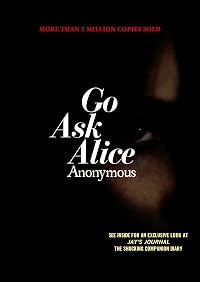
Go Ask Alice
by Beatrice Sparks
On This Page
Description
A fifteen-year-old drug user chronicles her daily struggle to escape the pull of the drug world.Tags
Recommendations
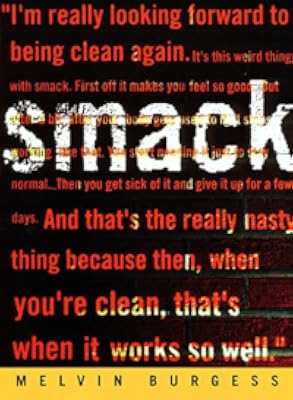
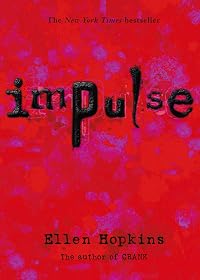
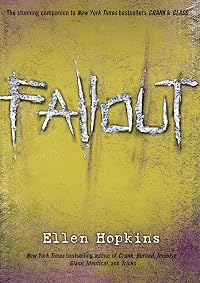
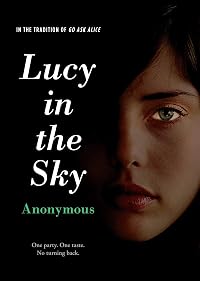
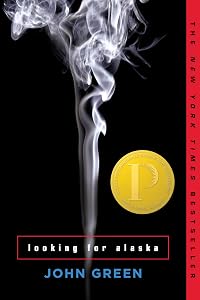
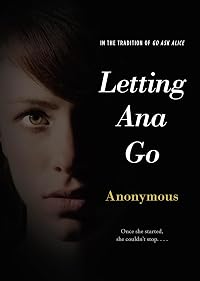
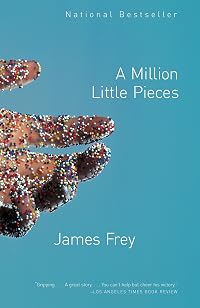
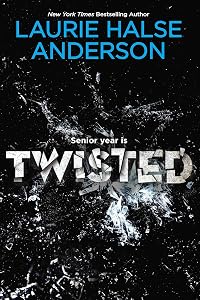
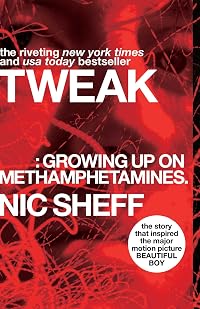
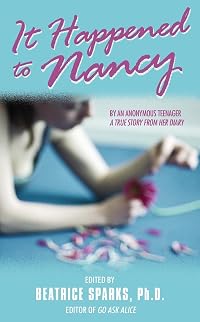
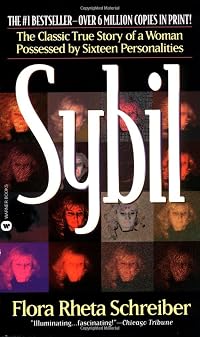
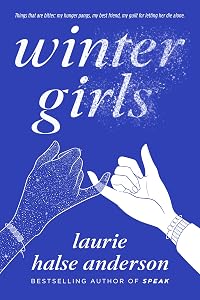
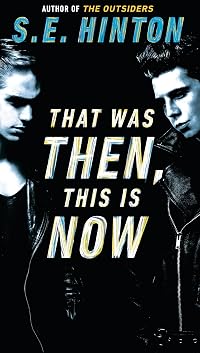
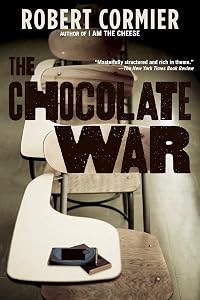
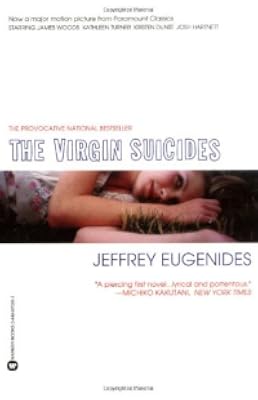
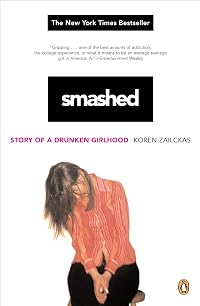
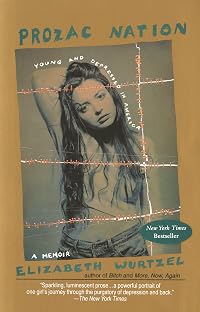
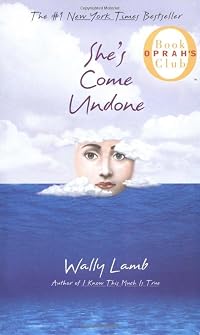
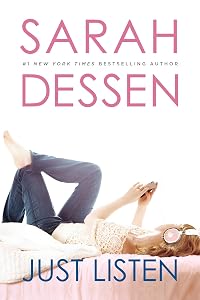
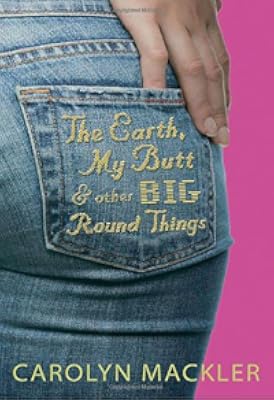
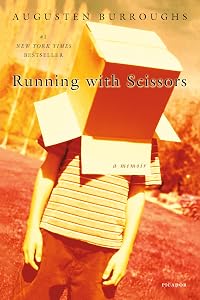
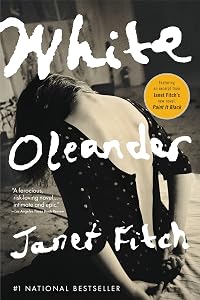
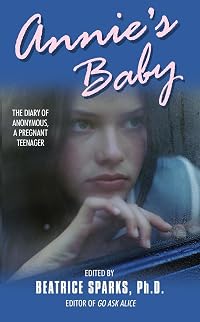
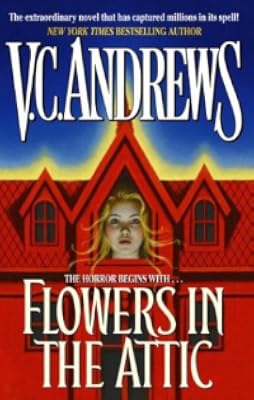
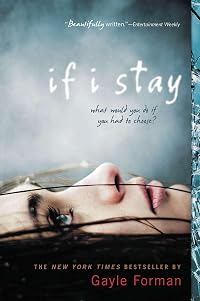
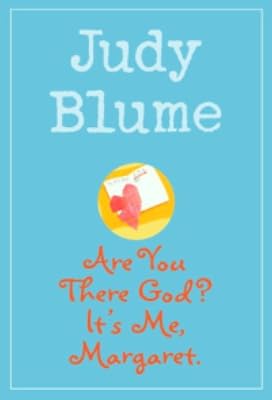
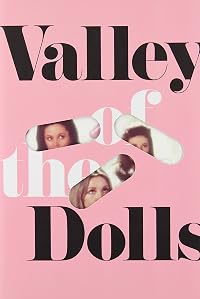
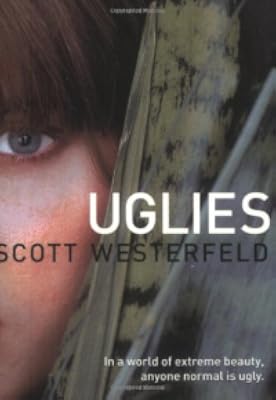
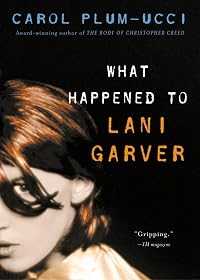
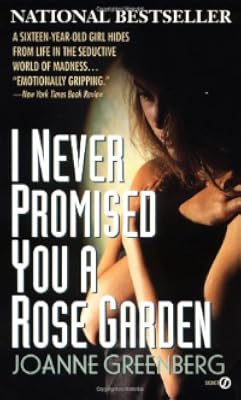
Member Recommendations
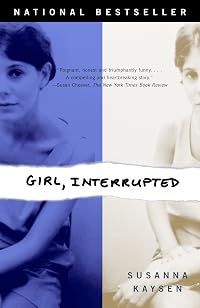
anthrofashion A true story in West-Berlin from 1976-1978. Christiane become addicted to heroine at the age of 13. Heartbreaking.
21

sundancer They are both written by a female protagonist about the same age, and they both give in to peer pressure and both are very intelligent and wise beyond their years. They both have similar personalities and both end up dying shortly after their last journal entry.
03
Member Reviews
This book is a complete and utter piece of shit. I only finished it because it was so short and because I occasionally indulge in a hate-read.
For those who are unfamiliar with the lore, Go Ask Alice is purported to be the posthumous diary of a teenage girl whose chance encounter with LSD at a party led her down a rapidly degenerate path that had her turning tricks, living on the streets, and ending up dead within the span of a year. It was published in 1971, at the height of the American establishment freakout around drug culture, and it’s clearly written by a person who has never knowingly been in the same room with an “illegal” substance.
We now know that the real author was Beatrice Sparks, a Mormon youth counselor who produced show more several sham stories of this nature to scare kids senseless about drugs, Satanism, pregnancy, etc. Sparks claimed to have a PhD, but there was never any confirmation that she earned a doctorate or had formal training as a counselor.
It’s crap—utter garbage. A contrivance made up and published by uptight old people who would rather blame drugs on their kids’ behavior than their own shitty, repressive parenting. It doesn’t even read like the voice of a teenager, and the “reefer madness” levels of hysteria around LSD and drug culture are so transparent at one point I yelled at the damn book to shut the fuck up.
And look, I’m not a fool. I know all to well that addiction is a thing, and that we can (and must) do more for people who legitimately suffer from its effects. But having your first drug experience by getting your Coke spiked with LSD at a party and having a good trip, then ending up dead a year later is preposterous and insulting.
Anyway, fuck this book. show less
For those who are unfamiliar with the lore, Go Ask Alice is purported to be the posthumous diary of a teenage girl whose chance encounter with LSD at a party led her down a rapidly degenerate path that had her turning tricks, living on the streets, and ending up dead within the span of a year. It was published in 1971, at the height of the American establishment freakout around drug culture, and it’s clearly written by a person who has never knowingly been in the same room with an “illegal” substance.
We now know that the real author was Beatrice Sparks, a Mormon youth counselor who produced show more several sham stories of this nature to scare kids senseless about drugs, Satanism, pregnancy, etc. Sparks claimed to have a PhD, but there was never any confirmation that she earned a doctorate or had formal training as a counselor.
It’s crap—utter garbage. A contrivance made up and published by uptight old people who would rather blame drugs on their kids’ behavior than their own shitty, repressive parenting. It doesn’t even read like the voice of a teenager, and the “reefer madness” levels of hysteria around LSD and drug culture are so transparent at one point I yelled at the damn book to shut the fuck up.
And look, I’m not a fool. I know all to well that addiction is a thing, and that we can (and must) do more for people who legitimately suffer from its effects. But having your first drug experience by getting your Coke spiked with LSD at a party and having a good trip, then ending up dead a year later is preposterous and insulting.
Anyway, fuck this book. show less
This was written by Nancy Reagan* as propaganda for her "Just Say NO" anti-drugs campaign. It contains every single cliche about how making friends with anyone whose social life doesn't involve Christian youth clubs will inevitably lead to the sort of parties where teenagers can drink beer and have a puff of a joint and it is downhill all the way from there.
Drugs lead to getting in with a bad crowd, having sex, stealing, dealing, prostitution, homelessness and insanity! Only the pastor can save her. But no, once she is persuaded to go home, those good old non-drug taking, Christian hometown folks are visiting the sins of the daughter on the parents with social isolation and threats, so eventually they move to a new town. A new show more beginning, nah... we all know you can't escape drugs when you start on the slippery slope of that first puff and it will end badly.
An overdose, death. Inevitably... predictably.
You'd think that the book would be much praised by the sort of ultra-conservative parents who actually believe in this kind of crap, but no, every year it makes the list of the most-challenged books. So Nancy Reagan* didn't succeed with this particular element of her campaign.
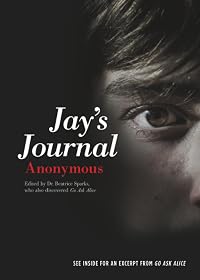
*I lied, it wasn't written by Nancy Reagan. It was written by the author [a:Beatrice Sparks|69007|Beatrice Sparks|http://d.gr-assets.com/authors/1352647770p2/69007.jpg] who lived in Utah (clue?) and worked in the State Mental hospital. She also wrote another "true" diary, Jay's Journal about how getting involved in the occult led to suicide, another one on a kid's life on the streets, one about a single, pregnant, teenage girl, all supposedly based on real diaries. There might even have been more.
I was going to shelve this book on my Crap Authors OR unreadable books shelves, but actually in a kind of train-wreck way it was rather enjoyable. It's worth seeing the film if you can, it's so B movie that it's great fun. I was stoned when I watched it, I think that added considerably to my enjoyment. show less
Drugs lead to getting in with a bad crowd, having sex, stealing, dealing, prostitution, homelessness and insanity! Only the pastor can save her. But no, once she is persuaded to go home, those good old non-drug taking, Christian hometown folks are visiting the sins of the daughter on the parents with social isolation and threats, so eventually they move to a new town. A new show more beginning, nah... we all know you can't escape drugs when you start on the slippery slope of that first puff and it will end badly.
An overdose, death. Inevitably... predictably.
You'd think that the book would be much praised by the sort of ultra-conservative parents who actually believe in this kind of crap, but no, every year it makes the list of the most-challenged books. So Nancy Reagan* didn't succeed with this particular element of her campaign.
*I lied, it wasn't written by Nancy Reagan. It was written by the author [a:Beatrice Sparks|69007|Beatrice Sparks|http://d.gr-assets.com/authors/1352647770p2/69007.jpg] who lived in Utah (clue?) and worked in the State Mental hospital. She also wrote another "true" diary, Jay's Journal about how getting involved in the occult led to suicide, another one on a kid's life on the streets, one about a single, pregnant, teenage girl, all supposedly based on real diaries. There might even have been more.
I was going to shelve this book on my Crap Authors OR unreadable books shelves, but actually in a kind of train-wreck way it was rather enjoyable. It's worth seeing the film if you can, it's so B movie that it's great fun. I was stoned when I watched it, I think that added considerably to my enjoyment. show less
Go Ask Alice is a really interesting book that tries to market itself like the diary of a teenage girl who got caught up in a whirlwind of drug use and drug addiction while still in high school, and all of the chaos that entails (getting addicted to a cocktail of different drugs, getting caught up in drug trafficking because of a college boy she likes, running away from home, unwanted sexual encounters, the struggle of staying clean and away from drugs, etc.). In some US schools, this book becomes the subject of assignment reading, but in others this book is banned in schools due to the contents (which honestly are pretty tame by 2026 standards, so anyone of any age expecting this to be Euphoria but in book form will need to look show more elsewhere for high school sex, drugs and other complications). That's actually how I first encountered this book: a girl read it in my history class when she needed to focus on the lesson, and the teacher calling her out for it (I'll never forget the teacher saying "I know it's a raunchy book, but put it away!"). It stuck in my mind ever since, and I'd see more modern copies of the paperback book in bookstores, but never picked it up until a video on the book got recommended to me on YouTube and I figured "eh, why not?" and decided to give this popular controversial book a read.
And honestly, the book is FINE provided you read with as a work of bad fiction and not something actually based on a true story. It's not the thrills and chills you might expect if this book were written today, especially with high school centered media tends to be a lot more sexual and dark when it comes to tackling taboo subject matter - compared to that, Go Ask Alice is really tame and feels just one step in quality above other anti-drug propaganda you might be subjected to in schools whether it's other assigned reading, or some play or movie you have to sit through instead of attending class normally. However it IS still anti-drug propaganda - it's just a little better than most because it feels like The Room or Empress Theresa but with a teenage girl addicted to drugs in a world just trying to force her to use drugs again while she tries to be a good girl. The only realistic aspect of the story is her internal monologue with all of it's emotional flip-flopping, trying to be hopeful, struggling with standard teenage issues with her family that clearly loves her but doesn't really bother to understand her until she rebels by running away the first time, struggling to be and stay a certain way, not feeling brave enough to confess what you've done in your past when you were using your substance of choice. That part of the story is the only aspect that aged well in my opinion because I feel like that multi-directional inner monologue has only become the form especially now that we have social media and more open discussions about neurological disorders like autism or ADHD. So while it feels totally fictional and totally not like a real story, part of me did like the prose for that reason alone.
But also keep in mind that the main character had a pretty cushy and privileged life with a family that took her back, and seemingly no legal consequences? So that part isn't entirely realistic (it can be provided no one snitched on you or reported you to save their own skin, but obviously not everyone will be that lucky - and this was written in the 70s before the social panopticon we live in now wasn't as established as it is now) and it even feels a bit like anti-drug redemption arc fanfic, but at least it's not just a trauma conga line of a story where the main character keeps getting worse and worse and NEVER gets better then dies at the end like the infamous hentai manga Metamorphosis. I think Go Ask Alice tends to get marketed as one such trauma conga line because the main character got curious, made a few mistakes and ended up getting addicted to drugs, and mistaking the book for 1970s Metamorphosis is what makes the book seem a lot more scandalous than it actually is but REALLY isn't!
It's a hopeful outlook on dealing with drug addiction that everyone who really wants to change and overcome addiction hopes for, but that's just it: it's a sort of hopeful fanfic of a story that unfortunately not everyone will experience in the real world. And I think the book tries to lead you on with that feeling of hopefulness only to slam your hopes for the main character down back to reality with it's ending in an attempt to be realistic when it feels like it comes out of no where (I suppose there is the argument that it can be left up to interpretation of what happened, but the very end makes the book feel just a little disjointed and like propaganda that once you do drugs even just once for any reason, nothing good will ever happen to you again).
The book is also controversial not for it's content but the fact that while this is marketed as the diary of a dead teenage girl who struggled with addiction - the story is complete fiction simply marketed as a memoir and true story in order to get the author Beatrice Sparks money and notoriety as deaths related to drugs and LSD (and even deaths suspected to be caused by drugs and LSD that couldn't be confirmed) were on the rise, and she also tried to market herself as a professional who understood teens going through hard times. She'd later go onto write Jay's Journal - a book that helped fuel the Satanic Panic in the late 20th Century - and basically stomped on the grave of a dead teenage boy who committed suicide and ruined the lives of his surviving family members by painting him as a drug-addicted Satanist... Seriously imagine being a grieving family who decide to trust this popular author who claims to be a professional therapist with the diary of your dead son or brother, only for it to be turned into Satan-loving fan fiction with the author totally profiting off of your pain and the pain of a dead teenager who can no longer advocate for himself and would go on to have his grave repeatedly defaced because the fictional version of him completely took over the world...
So yeah, Go Ask Alice isn't a memoir based on a true story - just a work of fiction marketing itself as a memoir by an author hungry for fame, trying to sell herself as someone just trying to help and relate to the youth. So I can only rate and review Go Ask Alice as a work of fiction, not an adaptation of a true story based on a found diary.
And as fiction, it's just fine. It's not particularly remarkable or life changing. It's just hope fuel up to a certain point and would be the best case scenario for anyone trying to get off of or stay off of drugs. It's not that scandalous or "spicy" as it may sometimes be marketed as, but even it's dark points don't get that much detail besides a simple mention, and the internal conflict the main character feels does seem realistic even though this story is not based in reality whatsoever. It's just fine. Not anything more than just fine. However the context behind the story, the reason for it's creation and it's author is what really made the book an interesting read for me, which definitely contributed to my strange enjoyment of it as a work of fiction; actually hoping for this main character in 1970s America struggling with her family, school and drugs will get better only for Beatrice Sparks to remind me the story is shock propaganda at the end. show less
And honestly, the book is FINE provided you read with as a work of bad fiction and not something actually based on a true story. It's not the thrills and chills you might expect if this book were written today, especially with high school centered media tends to be a lot more sexual and dark when it comes to tackling taboo subject matter - compared to that, Go Ask Alice is really tame and feels just one step in quality above other anti-drug propaganda you might be subjected to in schools whether it's other assigned reading, or some play or movie you have to sit through instead of attending class normally. However it IS still anti-drug propaganda - it's just a little better than most because it feels like The Room or Empress Theresa but with a teenage girl addicted to drugs in a world just trying to force her to use drugs again while she tries to be a good girl. The only realistic aspect of the story is her internal monologue with all of it's emotional flip-flopping, trying to be hopeful, struggling with standard teenage issues with her family that clearly loves her but doesn't really bother to understand her until she rebels by running away the first time, struggling to be and stay a certain way, not feeling brave enough to confess what you've done in your past when you were using your substance of choice. That part of the story is the only aspect that aged well in my opinion because I feel like that multi-directional inner monologue has only become the form especially now that we have social media and more open discussions about neurological disorders like autism or ADHD. So while it feels totally fictional and totally not like a real story, part of me did like the prose for that reason alone.
But also keep in mind that the main character had a pretty cushy and privileged life with a family that took her back, and seemingly no legal consequences? So that part isn't entirely realistic (it can be provided no one snitched on you or reported you to save their own skin, but obviously not everyone will be that lucky - and this was written in the 70s before the social panopticon we live in now wasn't as established as it is now) and it even feels a bit like anti-drug redemption arc fanfic, but at least it's not just a trauma conga line of a story where the main character keeps getting worse and worse and NEVER gets better then dies at the end like the infamous hentai manga Metamorphosis. I think Go Ask Alice tends to get marketed as one such trauma conga line because the main character got curious, made a few mistakes and ended up getting addicted to drugs, and mistaking the book for 1970s Metamorphosis is what makes the book seem a lot more scandalous than it actually is but REALLY isn't!
It's a hopeful outlook on dealing with drug addiction that everyone who really wants to change and overcome addiction hopes for, but that's just it: it's a sort of hopeful fanfic of a story that unfortunately not everyone will experience in the real world. And I think the book tries to lead you on with that feeling of hopefulness only to slam your hopes for the main character down back to reality with it's ending in an attempt to be realistic when it feels like it comes out of no where (I suppose there is the argument that it can be left up to interpretation of what happened, but the very end makes the book feel just a little disjointed and like propaganda that once you do drugs even just once for any reason, nothing good will ever happen to you again).
The book is also controversial not for it's content but the fact that while this is marketed as the diary of a dead teenage girl who struggled with addiction - the story is complete fiction simply marketed as a memoir and true story in order to get the author Beatrice Sparks money and notoriety as deaths related to drugs and LSD (and even deaths suspected to be caused by drugs and LSD that couldn't be confirmed) were on the rise, and she also tried to market herself as a professional who understood teens going through hard times. She'd later go onto write Jay's Journal - a book that helped fuel the Satanic Panic in the late 20th Century - and basically stomped on the grave of a dead teenage boy who committed suicide and ruined the lives of his surviving family members by painting him as a drug-addicted Satanist... Seriously imagine being a grieving family who decide to trust this popular author who claims to be a professional therapist with the diary of your dead son or brother, only for it to be turned into Satan-loving fan fiction with the author totally profiting off of your pain and the pain of a dead teenager who can no longer advocate for himself and would go on to have his grave repeatedly defaced because the fictional version of him completely took over the world...
So yeah, Go Ask Alice isn't a memoir based on a true story - just a work of fiction marketing itself as a memoir by an author hungry for fame, trying to sell herself as someone just trying to help and relate to the youth. So I can only rate and review Go Ask Alice as a work of fiction, not an adaptation of a true story based on a found diary.
And as fiction, it's just fine. It's not particularly remarkable or life changing. It's just hope fuel up to a certain point and would be the best case scenario for anyone trying to get off of or stay off of drugs. It's not that scandalous or "spicy" as it may sometimes be marketed as, but even it's dark points don't get that much detail besides a simple mention, and the internal conflict the main character feels does seem realistic even though this story is not based in reality whatsoever. It's just fine. Not anything more than just fine. However the context behind the story, the reason for it's creation and it's author is what really made the book an interesting read for me, which definitely contributed to my strange enjoyment of it as a work of fiction; actually hoping for this main character in 1970s America struggling with her family, school and drugs will get better only for Beatrice Sparks to remind me the story is shock propaganda at the end. show less
I read Go Ask Alice for the first time yesterday and had what was for me a profound reaction. I was shaken, I was stunned, I was moved in a way that few books have moved me. I believed the story completely, though the unnamed main character seemed surprisingly literate, intelligent, and self-aware. Perhaps not the typical American or West Coast fifteen year old girl, but, hey, Anne Frank was several cuts above typical too. Maybe "Alice" was special. I liked her, she had zest in her hopes and reactions to the wide emotional swings teenagers have. She was perhaps a kind of teen-age Madame Bovary, whose lust for life tragically spilled over into uncontrollable excess.
Fast forward twenty-four hours and now I find out the whole thing may show more well be a hoax. The Anne Frank / Bovary qualities I admired now appear to reflect no more than faulty execution by the Mormon social worker who penned it anonymously but then sometime later decided to come forward to collect fame and royalties. Ouch.
First reaction: What a fool I am to have been so totally taken in! And what an out-of-it fool never to have read the book before or registered the chatter about its authenticity. What kind of head-in-the-sand clown am I? (Maybe that's all a little harsh).
But wait. To be honest, Go Ask Alice continues to have deep effect on me. I'm still shaking from it. What's with that, I wonder.
Then I notice that this book has been reviewed over 11,500 times on Goodreads, and many if not most of the reviews seem to dismiss it totally as hoax and/or propaganda. But then I check out where the book ends up on the lists: #9 on Best Teen Books on Real Problems, #86 on Best Young Adult Books. Is the better performance on lists because anti-drug propagandists somehow prefer list voting to review writing? Could there be something therapeutic or even curative in this book that review writers are loath to come out and admit?
For me there's a great deal in it that's worth my while. It's about important stuff. It's about how, for adolescents who are passionate about life, the pieces don't fit. It's about how their peers are as confused as they are and how the grown-ups are witless and clueless, having apparently mostly forgotten what it was like being young, passionate, vulnerable, and transitional, instead regarding it all as a "normal" rite of passage. And yet the pain of this normalcy can be so intense, too intense for us adults to condone having largely damped or mislaid it. For me, "Alice's" intense pain was real, even if she wasn't.
Adolescence is a life or death matter, I conclude, and all adolescents die, perhaps not literally but surely in terms of the painful changes they go through and the hopes, ideals, and personae that are lost and betrayed. We could say they die sacrificially so the grown-up world they eventually join can go on with its deadly norms and, as we see today, more stupid wars.
At the risk of ranting like a graybeard Holden Caulfield, my takeaway is that adolescence is indeed sacrificial, that it has tragic elements, that the pain is real, searing and sometimes appalling; and that the sacrifices are not recognized as they should be. Maybe it's my own pained adolescence crying out to me right now; if so, I'll memorialize that too.
So, hoax or no, five stars for the hurt it delivered that I needed to relive. show less
Fast forward twenty-four hours and now I find out the whole thing may show more well be a hoax. The Anne Frank / Bovary qualities I admired now appear to reflect no more than faulty execution by the Mormon social worker who penned it anonymously but then sometime later decided to come forward to collect fame and royalties. Ouch.
First reaction: What a fool I am to have been so totally taken in! And what an out-of-it fool never to have read the book before or registered the chatter about its authenticity. What kind of head-in-the-sand clown am I? (Maybe that's all a little harsh).
But wait. To be honest, Go Ask Alice continues to have deep effect on me. I'm still shaking from it. What's with that, I wonder.
Then I notice that this book has been reviewed over 11,500 times on Goodreads, and many if not most of the reviews seem to dismiss it totally as hoax and/or propaganda. But then I check out where the book ends up on the lists: #9 on Best Teen Books on Real Problems, #86 on Best Young Adult Books. Is the better performance on lists because anti-drug propagandists somehow prefer list voting to review writing? Could there be something therapeutic or even curative in this book that review writers are loath to come out and admit?
For me there's a great deal in it that's worth my while. It's about important stuff. It's about how, for adolescents who are passionate about life, the pieces don't fit. It's about how their peers are as confused as they are and how the grown-ups are witless and clueless, having apparently mostly forgotten what it was like being young, passionate, vulnerable, and transitional, instead regarding it all as a "normal" rite of passage. And yet the pain of this normalcy can be so intense, too intense for us adults to condone having largely damped or mislaid it. For me, "Alice's" intense pain was real, even if she wasn't.
Adolescence is a life or death matter, I conclude, and all adolescents die, perhaps not literally but surely in terms of the painful changes they go through and the hopes, ideals, and personae that are lost and betrayed. We could say they die sacrificially so the grown-up world they eventually join can go on with its deadly norms and, as we see today, more stupid wars.
At the risk of ranting like a graybeard Holden Caulfield, my takeaway is that adolescence is indeed sacrificial, that it has tragic elements, that the pain is real, searing and sometimes appalling; and that the sacrifices are not recognized as they should be. Maybe it's my own pained adolescence crying out to me right now; if so, I'll memorialize that too.
So, hoax or no, five stars for the hurt it delivered that I needed to relive. show less
First read this when it came out and I was thirteen. I stayed up the whole night to finish it. Revisiting the novel over fifty years later was a completely different yet no less satisfying experience. The author captures the unnamed first-person teenage girl's voice convincingly, and it's fascinating to see how her expressive powers evolve and grow over the course of the narrative a la Daniel Keyes' Flowers for Algernon, as she gets involved with, and is profoundly influenced by, a variety of shady, hippie characters introducing her to powerful drug experiences. The book was meant to frighten teenagers away from drugs, but it had the opposite effect on me.
Edit: 18/07/2014 After some research, I've finally found out that this book is NOT a true story, at all. It was passed off as a real, anonymous diary for years and years, but the author is actually [a:Beatrice Sparks|69007|Beatrice Sparks|https://d.gr-assets.com/authors/1352647770p2/69007.jpg]
Does this change my opinion of the book? Only slightly. I'd like to know when I'm about to be cheated out of my opinion. If I'd known this beforehand, I probably would not have felt so invested in the book. So, yeah, you can say I am really, seriously, beyond pissed. But I'm not going to change my review because, at the time, this is what I felt.
Consider this a friendly warning that it isn't a true story.
***
WARNING: Triggers are contained within show more this review.
Read more reviews at The Beautiful World of Books!
Go Ask Alice is the first book that I have read that had me bawling my eyes out from around 50% up to right at the very end. It's raw, brutal and terrifying.
You're inside a fifteen-year-old anonymous girl's head.
You're watching her struggling to fit in.
You begin getting that clammy feeling in your hands and neck that means something horrid is going to happen.
You watch a fifteen-year-old spiral out of control, and there is nothing you can do to help her.
After some research before writing this review, I'm still not 100% sure if this is a true story or if it's based on true events. Everything I have looked at either tells me it's unknown or it's true, so I'm not going to be adamant about the 'true story' bit. The passage I quoted at the top is a note from the editors, but that doesn't mean much, really.
It's a difficult book to review, the worst one so far this year. We have no idea whose diary we're reading, or who this girl even is (we're never actually given a name). All we know is that it takes place in the late sixties/early seventies, when drugs were easier to come by than alcohol; when drugs were literally given out in the streets.
It's not an easy book to read, either. From the outset, I knew it was going to be a tough book, one I wasn't sure I could stomach. It hit too close to home with the drugs (I've known and lost friends to extensive drug abuse and it's the most horrible feeling when you watch them abandon themselves and there is nothing you can do. They're too far gone to listen) but it's the most accurate portrayal of the downward spiral drugs have to offer; it shows the ugliest parts of an addict, that they are willing to do anything just to get high. People become so dependant that when they're not constantly on, they can't remember what it's like to feel free and happy without chemicals in their bodies.
We follow a fifteen year old's journey on this route. She's always struggled to fit in -- maybe she was too pudgy, then far too skinny, her hair wasn't right, she was too nice or not nice at all -- and at a party, her drink is spiked and suddenly, she's accepted:
Except it's true what they say; once you pop, you can't stop...
And from there, it just gets worse...
She tries to stop:
But she's not strong willed enough, and quickly things begin to spiral...
The writing completely changes during the book. We start off with a proper, educated young girl with perfect grammar and a sweet tone that made me want to befriend her. But by 52% (just after the waterworks started), the writing gets ugly, there's horrible amounts of cussing, talks of baby prostitutes and of selling her body for the drugs she so desperately needs. It's grimy, horrible, dirty and disgusting. It would make even the cleanest of people stay off drugs for the rest of their lives. After every high, every crazy passage written, you get a sad, depressing passage when she hits a low. You see her struggling with herself, not understanding who she is or what she's doing. She's desperate and slowly going insane.
It's a wake up call kind of book. As I mentioned before, I've known heavy drug users, people so stuck in their circle they're not sure whether they're meat or fish. When it gets to that point, it's very, very hard to get them out of it. In the end, if they don't want to save themselves, there's absolutely nothing you can do.
This book should absolutely not be read by anyone who cannot handle the following triggers: drugs, rape, abuse and sex. It is a blunt and cruel diary of a girl and she doesn't skim over the facts. It's there in black and white. I've warned you.
I'm still iffy about the rating, because I simply have no idea how I should rate something likes this. So, for now, I'm going to leave it as it is and will come back to it at some point.
If you are interested in the story, but don't think you can hack the book, there is a 1973 movie adaptation. show less
Does this change my opinion of the book? Only slightly. I'd like to know when I'm about to be cheated out of my opinion. If I'd known this beforehand, I probably would not have felt so invested in the book. So, yeah, you can say I am really, seriously, beyond pissed. But I'm not going to change my review because, at the time, this is what I felt.
Consider this a friendly warning that it isn't a true story.
***
WARNING: Triggers are contained within show more this review.
Read more reviews at The Beautiful World of Books!
"Go Ask Alice is based on the actual diary of a fifteen-year-old drug user. It is not a definitive statement on the middle-class, teenage drug world. It does not offer any solutions. It is, however, a highly personal and specific chronicle. As such, we hope it will provide insights into the increasingly complicated world in which we live."
Go Ask Alice is the first book that I have read that had me bawling my eyes out from around 50% up to right at the very end. It's raw, brutal and terrifying.
You're inside a fifteen-year-old anonymous girl's head.
You're watching her struggling to fit in.
You begin getting that clammy feeling in your hands and neck that means something horrid is going to happen.
You watch a fifteen-year-old spiral out of control, and there is nothing you can do to help her.
After some research before writing this review, I'm still not 100% sure if this is a true story or if it's based on true events. Everything I have looked at either tells me it's unknown or it's true, so I'm not going to be adamant about the 'true story' bit. The passage I quoted at the top is a note from the editors, but that doesn't mean much, really.
It's a difficult book to review, the worst one so far this year. We have no idea whose diary we're reading, or who this girl even is (we're never actually given a name). All we know is that it takes place in the late sixties/early seventies, when drugs were easier to come by than alcohol; when drugs were literally given out in the streets.
It's not an easy book to read, either. From the outset, I knew it was going to be a tough book, one I wasn't sure I could stomach. It hit too close to home with the drugs (I've known and lost friends to extensive drug abuse and it's the most horrible feeling when you watch them abandon themselves and there is nothing you can do. They're too far gone to listen) but it's the most accurate portrayal of the downward spiral drugs have to offer; it shows the ugliest parts of an addict, that they are willing to do anything just to get high. People become so dependant that when they're not constantly on, they can't remember what it's like to feel free and happy without chemicals in their bodies.
We follow a fifteen year old's journey on this route. She's always struggled to fit in -- maybe she was too pudgy, then far too skinny, her hair wasn't right, she was too nice or not nice at all -- and at a party, her drink is spiked and suddenly, she's accepted:
Now that I think back I should have known what was happening! And dum-dum should have known, but I thought the whole party was so strange and exciting that I guess I just wasn't listening or maybe I didn't want to listen - I'd have been scared to death if I'd known. So I'm glad they did it to me, because now I can feel free and honest and virtuous about not having made the decision myself. And besides the whole experience is over and past and I'll never think of it again.
Except it's true what they say; once you pop, you can't stop...
For two days now I've tried to convince myself that using LSD makes me a "dope addict" and all the other low-class, unclean, despicable things I've heard about kids that use LSD and all the other drugs; but I'm so, so, so, so, so curious, I simply can't wait to try pot, only once, I promise! I simply have to see if it's everything that it's cracked up not to be! All the things I've heard about LSD were obviously written by uninformed, ignorant people like my parents...
And from there, it just gets worse...
Remember I told you I had a date with Bill? Well he introduced me to torpedos on Friday and speed on Sunday. They are both like riding shooting stars through the Milky Way, only a million, trillion times better. The Speed was a little scary at first because Bill had to inject it right into my arm.
She tries to stop:
I don't know why I shouldn't use drugs, because they're wild and they're beautiful and they're wonderful, but I know I shouldn't, and I won't! I won't ever again. I hereby solemnly promise that I will from this very day forward live so that everyone I know can be proud of me and so that I can be proud of myself!
But she's not strong willed enough, and quickly things begin to spiral...
Last night Doris was really low. We've run out of pot and money and we're both hungry... Oh, to be stoned, to have someone tie me off and give me a shot of anything...
The writing completely changes during the book. We start off with a proper, educated young girl with perfect grammar and a sweet tone that made me want to befriend her. But by 52% (just after the waterworks started), the writing gets ugly, there's horrible amounts of cussing, talks of baby prostitutes and of selling her body for the drugs she so desperately needs. It's grimy, horrible, dirty and disgusting. It would make even the cleanest of people stay off drugs for the rest of their lives. After every high, every crazy passage written, you get a sad, depressing passage when she hits a low. You see her struggling with herself, not understanding who she is or what she's doing. She's desperate and slowly going insane.
Dear Diary, I feel awfully bitched and pissed off at everybody. I'm really confused. I've been the digger here, but now when I face a girl it's like facing a boy. I get all excited and turned-on. I want to screw with the girl, you know, and then I get all tensed-up and scared...
It's a wake up call kind of book. As I mentioned before, I've known heavy drug users, people so stuck in their circle they're not sure whether they're meat or fish. When it gets to that point, it's very, very hard to get them out of it. In the end, if they don't want to save themselves, there's absolutely nothing you can do.
This book should absolutely not be read by anyone who cannot handle the following triggers: drugs, rape, abuse and sex. It is a blunt and cruel diary of a girl and she doesn't skim over the facts. It's there in black and white. I've warned you.
I'm still iffy about the rating, because I simply have no idea how I should rate something likes this. So, for now, I'm going to leave it as it is and will come back to it at some point.
If you are interested in the story, but don't think you can hack the book, there is a 1973 movie adaptation. show less
This book is crap on its own. But those of you old enough to remember the latter portion of the 70s might remember that Beatrice Sparks, the "editor" of Go Ask Alice, also "edited" a bunch of other alarmist books aimed at teens, all supposedly taken from teenagers' diaries. One was called "Jay's Journal," and was purportedly about a teen who gets involved with Satanism and eventually commits suicide to escape the horror of it all.
Even as a 12-year-old, however, it was obvious to me that every single one of these books was written by the same person (Ms. Sparks, presumably). It's not as though you had to perform a sophisticated rhetorical analysis to see that the authors were the same; there were all these stupid little tics in the show more writing common to all the books. The one I happen to remember is that the author would repeat things three times and then put an exclamation point after them, as in, "This evening was great great great!" I suppose it was her attempt to imitate unbridled teenage exuberance, or something. Anyway, apart from the fact that this book is a fraud, it's also stupid. Don't bother.
(I will say that after reading the scene where our heroine drinks a Coke that someone has laced with LSD, whereupon she immediately starts on the road to JUNKIEDOM and DEATH, I was terrified to drink anything at a party.) show less
Even as a 12-year-old, however, it was obvious to me that every single one of these books was written by the same person (Ms. Sparks, presumably). It's not as though you had to perform a sophisticated rhetorical analysis to see that the authors were the same; there were all these stupid little tics in the show more writing common to all the books. The one I happen to remember is that the author would repeat things three times and then put an exclamation point after them, as in, "This evening was great great great!" I suppose it was her attempt to imitate unbridled teenage exuberance, or something. Anyway, apart from the fact that this book is a fraud, it's also stupid. Don't bother.
(I will say that after reading the scene where our heroine drinks a Coke that someone has laced with LSD, whereupon she immediately starts on the road to JUNKIEDOM and DEATH, I was terrified to drink anything at a party.) show less
Members
- Recently Added By
Lists

NPRs your favorites: 100 Best Ever Teen Novels
237 works; 49 members

Banned Books Week 2014
268 works; 63 members

Books About Girls
219 works; 17 members

Fiction with Women's Names in the Title
378 works; 15 members

BitLife
212 works; 4 members

Florida's Book Bans and Challenges
311 works; 4 members

The Worst Bestsellers Podcast
295 works; 5 members

Books You Read During High School (For School)
301 works; 52 members

Books With Complete Sentence Titles
374 works; 15 members

Books Tagged Abuse
152 works; 4 members

Blue Pyramid 1,276 Best Books of All Time
1,248 works; 32 members

1970s
657 works; 23 members

Epistolary Books
105 works; 27 members

Swinging Seventies
255 works; 18 members

Banned or Challenged Books
400 works; 41 members

Runaways -- children's/young adult fiction
98 works; 4 members

Female Author
1,235 works; 64 members

Gen X Library
245 works; 4 members

Most Popular Young Adult Lit on LT
100 works; 4 members
Female Protagonist
1,056 works; 57 members
Author Information

Some Editions
Awards and Honors
Distinctions
Notable Lists
Series
Belongs to Publisher Series
Work Relationships
Common Knowledge
- Canonical title
- Go Ask Alice
- Original title
- Go Ask Alice
- Original publication date
- 1971
- People/Characters
- Jessica
- Related movies
- Go Ask Alice (1973 | IMDb)
- First words
- Yesterday I remember thinking I was the happiest person in the whole earth, in the whole galaxy, in all of God's creation.
- Last words
- (Click to show. Warning: May contain spoilers.)What must be of concern is that she died, and that she was only one of thousands of drug deaths that year.
- Original language
- English
- Disambiguation notice
- Now known to have been written by Beatrice Sparks
Classifications
- Genres
- Teen, Young Adult
- DDC/MDS
- 362.29092 — Society, government, & culture Social problems and social services Social Welfare Mental illness Substance abuse Biography; History By Place Biography
- LCC
- PZ7 .G534 — Language and Literature Fiction and juvenile belles lettres Fiction and juvenile belles lettres Juvenile belles lettres
- BISAC
Statistics
- Members
- 9,678
- Popularity
- 1,056
- Reviews
- 236
- Rating
- (3.43)
- Languages
- 9 — Dutch, English, French, German, Greek, Italian, Russian, Spanish, Swedish
- Media
- Paper, Audiobook, Ebook
- ISBNs
- 79
- UPCs
- 1
- ASINs
- 34