On This Page
Description
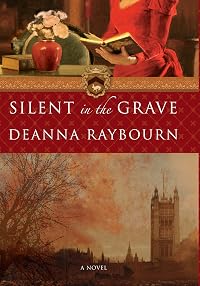
Only from New York Times bestselling author Deanna Raybourn, go back to where it all began with the original Lady Julia Grey historical mystery series. "Let the wicked be ashamed, and let them be silent in the grave." These ominous words are the last threat that Sir Edward Grey receives from his killer. Before he can show them to Nicholas Brisbane, the private inquiry agent he has retained for his protection, he collapses and dies at his London home, in the presence of his wife, Julia, and a show more roomful of dinner guests. Prepared to accept that Edward's death was due to a long-standing physical infirmity, Julia is outraged when Brisbane visits and suggests that her husband was murdered. It is a reaction she comes to regret when she discovers damning evidence for herself, and realizes the truth. Determined to bring the murderer to justice, Julia engages the enigmatic Brisbane to help her investigate Edward's demise. Dismissing his warnings that the investigation will be difficult, if not impossible, Julia presses forward, following a trail of clues that lead her to even more unpleasant truths, and ever closer to a killer who waits expectantly for her arrival. show lessTags
Recommendations



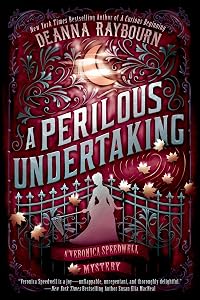
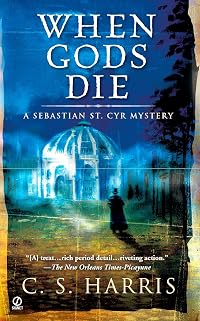
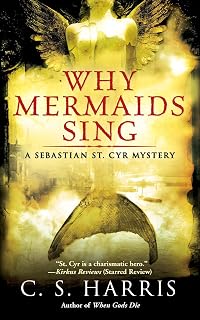

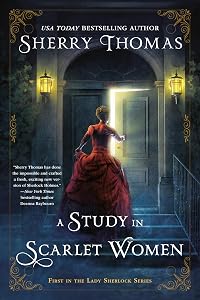
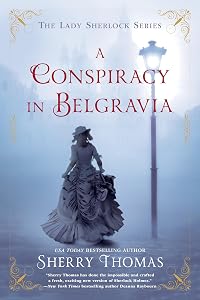
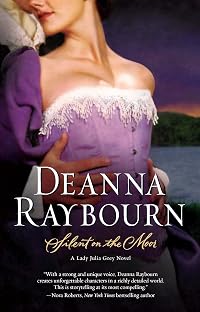
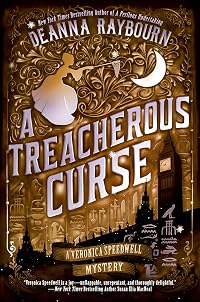
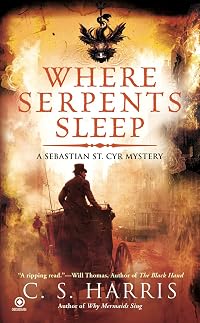


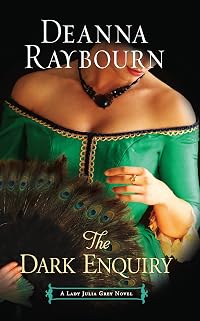
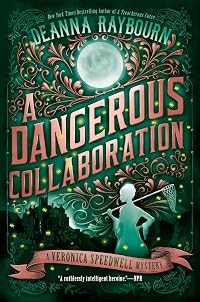
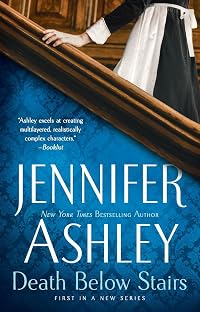
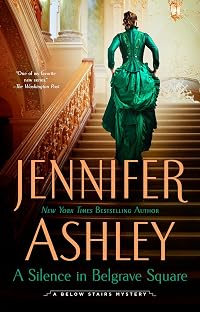

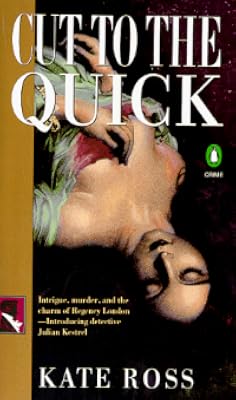




Member Recommendations
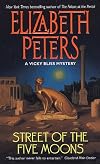
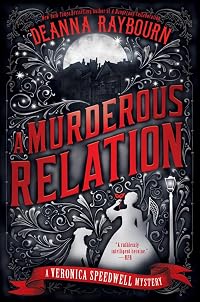
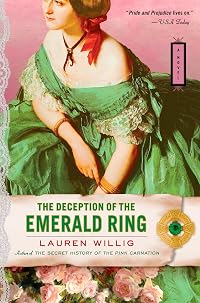
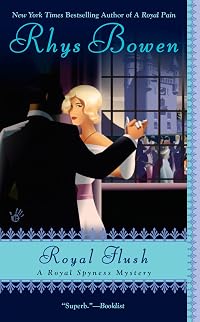
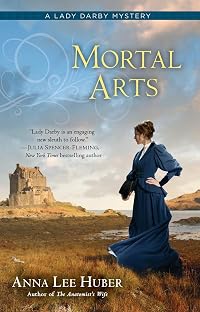
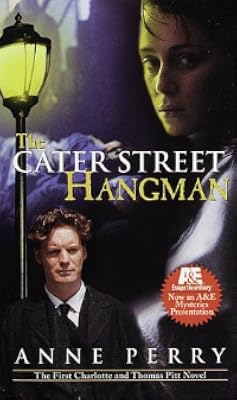
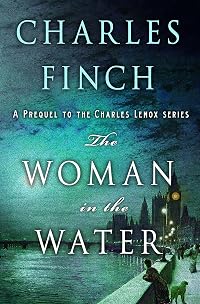
faither Although not set in nearly the same time period (1970s-ish and mid-1800s), Vicky Bliss and Lady Julia Gray are similar heroes. Witty, stubborn and intelligent if they were contemporaries, I'd like to think they would be partners.
40
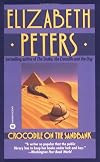
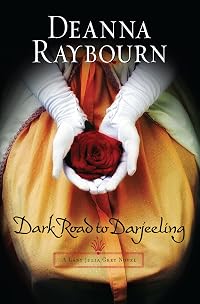
aseaver If you liked the Lady Julia Grey mysteries, give Amelia Peabody a try. The quaint Victorian time frame, the interesting plot lines, even the slightly zany and varied secondary cast, all combine for a consistently great read.
20
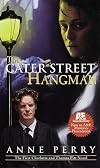
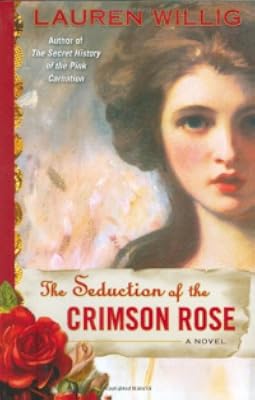
readr Same kind of headstrong female character set in 19th century England, a creepy mystery, and some romance.
32
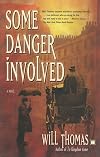
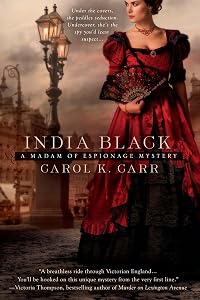
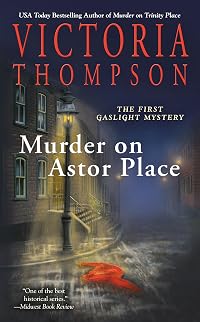
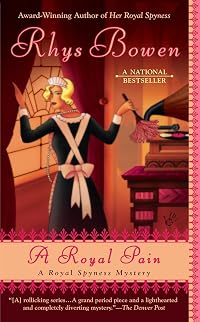
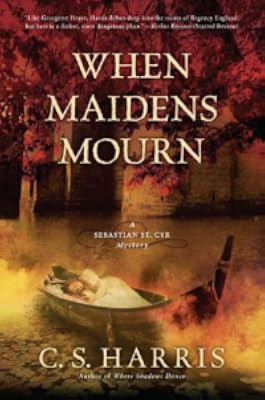
lindymc Another well-developed mystery set in London, England in the late 1880's.
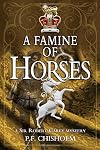
lindymc The first of a delightful historical mystery series featuring Sir Robert Carey (nephew of Queen Elizabeth I), set along the English/Scottish border.
Member Reviews
Two years and several hundred books into my epub exploration project, little takes me by surprise. [b:Silent in the Grave|267869|Silent in the Grave|Deanna Raybourn|http://photo.goodreads.com/books/1284530530s/267869.jpg|259684] was an exception.
The literary quotations at the beginning of each chapter, from a wide variety of sources and all completely appropriate, hinted at a well-read, articulate author. Reading the story confirmed this supposition.
What at first appeared to be a Holmes-homage Victorian mystery began to shift shape in mid-narrative and I quickly gave up any attempt to categorise this book by genre.
The characters (of whom there are many) are distinctive and memorable. This in sharp contrast to most of the ebooks I've show more read, where even my own Goodreads reviews cannot reverse instant amnesia.
Lady Julia Grey, the eponymous heroine of the series, teams up with a mysterious and eccentric 'private inquirer' to solve the mystery of her husband's sudden death. The first-person narrative reflects the intelligence and tenacity of the heroine, and the more we learn about Brisbane, the Holmesian inquirer, the more the mystery thickens.
My only quibble about this near-perfect mystery is the similarity in the names of two of the female servants. I found it difficult to keep them separate in my mind, even though their personalities and backgrounds were strikingly different.
Awarding this book five stars in not only a no-brainer, but also makes me wonder if I should downgrade some of the other five-star ratings I've given in the past. [b:Silent in the Grave|267869|Silent in the Grave|Deanna Raybourn|http://photo.goodreads.com/books/1284530530s/267869.jpg|259684] is in a league of its own.
Highly recommended and a joy to read. show less
The literary quotations at the beginning of each chapter, from a wide variety of sources and all completely appropriate, hinted at a well-read, articulate author. Reading the story confirmed this supposition.
What at first appeared to be a Holmes-homage Victorian mystery began to shift shape in mid-narrative and I quickly gave up any attempt to categorise this book by genre.
The characters (of whom there are many) are distinctive and memorable. This in sharp contrast to most of the ebooks I've show more read, where even my own Goodreads reviews cannot reverse instant amnesia.
Lady Julia Grey, the eponymous heroine of the series, teams up with a mysterious and eccentric 'private inquirer' to solve the mystery of her husband's sudden death. The first-person narrative reflects the intelligence and tenacity of the heroine, and the more we learn about Brisbane, the Holmesian inquirer, the more the mystery thickens.
My only quibble about this near-perfect mystery is the similarity in the names of two of the female servants. I found it difficult to keep them separate in my mind, even though their personalities and backgrounds were strikingly different.
Awarding this book five stars in not only a no-brainer, but also makes me wonder if I should downgrade some of the other five-star ratings I've given in the past. [b:Silent in the Grave|267869|Silent in the Grave|Deanna Raybourn|http://photo.goodreads.com/books/1284530530s/267869.jpg|259684] is in a league of its own.
Highly recommended and a joy to read. show less
Silent in the Grave is billed as a murder mystery, but it is more about style and relationships than about solving a crime. Julia's husband dies after a seizure at a party the couple were hosting. Her reaction is surprising until we learn how little passion there was in their union. Her relationship with a detective, Nicholas Brisbane, is a different story, which is evident as they start to work together to determine if her husband was murdered and, if so, by whom. The detective work in the plot seems weak. Suspects are dismissed on intuition and clues are found through luck, but the way Julia learns more and more about Nicholas makes the book worth reading. They are drawn to each other's strengths, but fearful as they learn their show more flaws.
Raybourn's language is wonderful and pulls the reader into the eloquence of the wealthy class in 19th century England. Here is a description of Julia listening to Nicholas play a violin.
His eyes remained closed as his fingers flew over the strings, spilling forth surely more notes than were possible from a single violin. For one mad moment I actually thought there were more of them, an entire orchestra of violins spilling out of this one instrument. I had never heard anything like it--it was poetry and seduction and light and shadow and every other contradiction I could think of. It seemed impossible to breathe while listening to that music, and yet all I was doing was breathing, quite heavily. The music itself had become as palpable a presence in that room as another person would have been--and its presence was something out of myth.
This book is the first in a series. I would like to read more. show less
Raybourn's language is wonderful and pulls the reader into the eloquence of the wealthy class in 19th century England. Here is a description of Julia listening to Nicholas play a violin.
His eyes remained closed as his fingers flew over the strings, spilling forth surely more notes than were possible from a single violin. For one mad moment I actually thought there were more of them, an entire orchestra of violins spilling out of this one instrument. I had never heard anything like it--it was poetry and seduction and light and shadow and every other contradiction I could think of. It seemed impossible to breathe while listening to that music, and yet all I was doing was breathing, quite heavily. The music itself had become as palpable a presence in that room as another person would have been--and its presence was something out of myth.
This book is the first in a series. I would like to read more. show less
When Sir Edward Grey collapses during a house party, the last thing his widow expects to hear is that he was murdered. When Nicholas Brisbane explains to Lady Julia Grey what he believes to be the truth she doesn’t believe it – refuses to believe it.
It’s been almost a year since her husband has passed, and Lady Julia decides to start cleaning out her husbands office. What she finds tucked away in his desk startles her to be sure, for it’s one of the threatening notes that Brisbane told her about nearly a year ago. Needing to know the truth, Lady Julia teams up with Mr. Brisbane in an attempt to find the person who murdered her husband. In doing so, she stumbles into an unknown world of danger and thrills.
So, uh… WOW. It seems, show more over the last couple of weeks I’ve been seeing the name Deanna Raybourn everywhere I look, so of course I wanted to see what all the fuss was about. I’m glad to say that I see it.
Silent in the Grave was addictive, I was glued to the pages. So glued that I read the last sentence of the book, squealed and ran to my bookshelf to start the second… at 4:30 in the morning. Raybourn simply kept me wanting to read.
The investigation into Sir Edward’s death was intriguing. I wanted to know what would happen next. Once I thought I had it all figured it out, Raybourn would toss another curve ball leaving me whirling… and wanting more. Silent in the Grave certainly kept me on my toes.
The characters, specifically Lady Julia and Mr. Brisbane… well, that’s just another reason to read this book. The tension between the two is palpable. Lady Julia, throughout the investigation begins to find reasons to enjoy life instead of living in the haze she inhabited while her husband was alive. Nicholas Brisbane was a bag of jolly’s to get to know. He is mysterious, infuriating, and swoon-worthy all at the same time. Lady Julia’s family, the Marches, are simply fascinating. Really, each and every character in the book is someone I wish I could know in real life.
Silent in the Grave was absolutely fantastic and I highly, highly recommend it for the story, the characters… everything about it. I’ll be continuing and revisiting this series without a doubt. show less
It’s been almost a year since her husband has passed, and Lady Julia decides to start cleaning out her husbands office. What she finds tucked away in his desk startles her to be sure, for it’s one of the threatening notes that Brisbane told her about nearly a year ago. Needing to know the truth, Lady Julia teams up with Mr. Brisbane in an attempt to find the person who murdered her husband. In doing so, she stumbles into an unknown world of danger and thrills.
So, uh… WOW. It seems, show more over the last couple of weeks I’ve been seeing the name Deanna Raybourn everywhere I look, so of course I wanted to see what all the fuss was about. I’m glad to say that I see it.
Silent in the Grave was addictive, I was glued to the pages. So glued that I read the last sentence of the book, squealed and ran to my bookshelf to start the second… at 4:30 in the morning. Raybourn simply kept me wanting to read.
The investigation into Sir Edward’s death was intriguing. I wanted to know what would happen next. Once I thought I had it all figured it out, Raybourn would toss another curve ball leaving me whirling… and wanting more. Silent in the Grave certainly kept me on my toes.
The characters, specifically Lady Julia and Mr. Brisbane… well, that’s just another reason to read this book. The tension between the two is palpable. Lady Julia, throughout the investigation begins to find reasons to enjoy life instead of living in the haze she inhabited while her husband was alive. Nicholas Brisbane was a bag of jolly’s to get to know. He is mysterious, infuriating, and swoon-worthy all at the same time. Lady Julia’s family, the Marches, are simply fascinating. Really, each and every character in the book is someone I wish I could know in real life.
Silent in the Grave was absolutely fantastic and I highly, highly recommend it for the story, the characters… everything about it. I’ll be continuing and revisiting this series without a doubt. show less
Lady Julia Grey tells this story of the year after her husband collapses and dies at a dinner party. When Nicholas Brisbane comes to tell her that her husband had hired him because of some threatening letters he had received, she isn't convinced that he was murdered. After all, he had a long-standing heart condition that ran in his family that would also explain his death.
However, after almost a year in mourning, she is clearing out her husband's study and finds one of the notes. For her own peace of mind, she needs to know whether or not her husband was murdered. She contacts Nicholas Brisbane again to hire him to assist her in finding out what happened to her husband.
Lady Julia is the daughter of an Earl and was left independently show more wealthy by her husband's death but she still feels bound by the social mores of 1886 London. Her father raised her and her 9 brothers and sisters using some quite radical ideas which makes society's rules rather a tight fit for a woman who is bright and educated. However, as a daughter of the eccentric March family, Julia herself longs to be normal and conventional. The investigation will push her well out of her comfort zone as she uncovers secrets that will change her life.
Julia also gets to know Nicholas in the course of the investigation. He is not the sort of man who has littered her life previously. He begins as a rather mysterious character but some of his past is revealed in the course of the investigation too.
I loved the setting and Julia as a character. Julia is well aware that she lives a privileged life and feels that it is her duty to help those less fortunate. Her maid is a former prostitute from an organization her aunt supports to train these women for useful employment. She has also made a place in her home for a gypsy who was shunned by her family despite the widespread prejudice against gypsies. I loved her reaction to the family doctor who kept things from her and who refuses to work with a Jewish doctor. I loved her eccentric family. I loved the support and love shown by her father. I loved her sister Portia who tries to convince Julia to become more adventurous. I loved the juxtaposition of Victorian morals, especially regarding sexuality, to Julia's more liberal beliefs.
This was an excellent story. While I am sorry that I didn't discover this series when it was first written, I am glad that I have many more of Lady Julia's adventures available for me to read now. show less
However, after almost a year in mourning, she is clearing out her husband's study and finds one of the notes. For her own peace of mind, she needs to know whether or not her husband was murdered. She contacts Nicholas Brisbane again to hire him to assist her in finding out what happened to her husband.
Lady Julia is the daughter of an Earl and was left independently show more wealthy by her husband's death but she still feels bound by the social mores of 1886 London. Her father raised her and her 9 brothers and sisters using some quite radical ideas which makes society's rules rather a tight fit for a woman who is bright and educated. However, as a daughter of the eccentric March family, Julia herself longs to be normal and conventional. The investigation will push her well out of her comfort zone as she uncovers secrets that will change her life.
Julia also gets to know Nicholas in the course of the investigation. He is not the sort of man who has littered her life previously. He begins as a rather mysterious character but some of his past is revealed in the course of the investigation too.
I loved the setting and Julia as a character. Julia is well aware that she lives a privileged life and feels that it is her duty to help those less fortunate. Her maid is a former prostitute from an organization her aunt supports to train these women for useful employment. She has also made a place in her home for a gypsy who was shunned by her family despite the widespread prejudice against gypsies. I loved her reaction to the family doctor who kept things from her and who refuses to work with a Jewish doctor. I loved her eccentric family. I loved the support and love shown by her father. I loved her sister Portia who tries to convince Julia to become more adventurous. I loved the juxtaposition of Victorian morals, especially regarding sexuality, to Julia's more liberal beliefs.
This was an excellent story. While I am sorry that I didn't discover this series when it was first written, I am glad that I have many more of Lady Julia's adventures available for me to read now. show less
Lady Julia Grey and her husband Edward are giving a dinner party when he is suddenly struck with convulsions. One of the guests, Nicholas Brisbane, immediately rushes to help, but Edward dies later that night. Julia is unsure what to think or feel, especially when Nicholas comes to her door claiming that Edward feared for his life and that he may have been murdered. Julia has heard the coroner’s reports and dismisses Nicholas immediately. One year later, however, she finds an incriminating piece of evidence suggesting that Brisbane was actually telling the truth. The trail has gone cold, but she enlists his help to determine whether her husband was murdered and if so, who did it.
I loved this book, from the first word to the last, and show more usually that only happens with my favorite authors. I picked it up and simply did not want to put it down, ever again. I think it’s the way that Raybourn writes, very elegantly, carefully, but with a little twist of humor, exactly how I’d envision a Victorian lady thinking. Or perhaps it just suits me. Whatever the combination, I was immediately swept into the book and Julia came to feel like a close friend.
I’m not a huge fan of mysteries, but I definitely felt that this one was well within my comfort range. I always understood what was happening and why characters reached certain conclusions, but I could never have guessed the ending. In fact, it’s very cleverly done so that the culprit’s name isn’t said in the scene and I actually thought it was the wrong guy! I was ready to throw the book across the room until I realized who it was, and then I realized that Deanna Raybourn deserves serious accolades for making it so tricky yet so obvious once you “get it”, because then it all makes perfect sense. I guess I could just be slow (and indeed I am according to Amazon reviews), but I was genuinely surprised. I enjoyed all the little side plots and the quirky characters, even the sleazy ones, because they really created an atmosphere for the whole story.
In conclusion, fantastic book. I adored it. I want to read it again. It’s so much fun and so enthralling and it has an edge of cleverness which makes it all come together really well.
http://chikune.com/blog/?p=501 show less
I loved this book, from the first word to the last, and show more usually that only happens with my favorite authors. I picked it up and simply did not want to put it down, ever again. I think it’s the way that Raybourn writes, very elegantly, carefully, but with a little twist of humor, exactly how I’d envision a Victorian lady thinking. Or perhaps it just suits me. Whatever the combination, I was immediately swept into the book and Julia came to feel like a close friend.
I’m not a huge fan of mysteries, but I definitely felt that this one was well within my comfort range. I always understood what was happening and why characters reached certain conclusions, but I could never have guessed the ending. In fact, it’s very cleverly done so that the culprit’s name isn’t said in the scene and I actually thought it was the wrong guy! I was ready to throw the book across the room until I realized who it was, and then I realized that Deanna Raybourn deserves serious accolades for making it so tricky yet so obvious once you “get it”, because then it all makes perfect sense. I guess I could just be slow (and indeed I am according to Amazon reviews), but I was genuinely surprised. I enjoyed all the little side plots and the quirky characters, even the sleazy ones, because they really created an atmosphere for the whole story.
In conclusion, fantastic book. I adored it. I want to read it again. It’s so much fun and so enthralling and it has an edge of cleverness which makes it all come together really well.
http://chikune.com/blog/?p=501 show less
When Lady Julia Grey's husband collapses in front of her and dies a few hours later, it's not exactly unexpected: Sir Edward had a congenital heart condition, and his father and grandfather both died before the age of 35. So why does the enigmatic Nicholas Brisbane think Edward was murdered? Julia isn't willing to even consider such a thing . . . until, while cleaning out Edward's desk, she discovers a threatening letter he received just before his death. Who would want to kill her charming, urbane husband -- and why?
Oh, I so enjoyed this book! Much more for the characters and setting than the actual mystery -- though I am pleased to note that I was correct about who did it, though I had the motive wrong. Recommended to readers who show more enjoy historical fiction with unconventional characters. Also, the first two lines are just hilarious. show less
Oh, I so enjoyed this book! Much more for the characters and setting than the actual mystery -- though I am pleased to note that I was correct about who did it, though I had the motive wrong. Recommended to readers who show more enjoy historical fiction with unconventional characters. Also, the first two lines are just hilarious. show less
This is a great book & I give it highest recommendations. Ms. Raybourn writes with a delicate sense of humor and a deft turn of phrase. This is an intelligently written book for the intelligent reader. For on thing, I love that each chapter begins with a quote or bit of poem or old proverb that gives the slightest forshadow of the chapter to come.
As for the setting, the reader gets a good solid understanding of the environment of 1880's London, England, i.e., lifestyle, clothing fashions, food, customs, etiquette, etc., without being beat over the head with heavy-handed explanations and/or descriptions.
The two leading characters - Lady Julia Grey and Nicholas Brisbane - are simply marvelous. The tension between them is palpable and show more very well developed. The intellectual tension between them is every bit as fun and intriguing as the physical attraction. Both characters are multi-layered and Ms. Raybourn does an excellent job in showing us glimpses of the past experiences, background, hopes, failures, etc. that motivate them and make them who they are.
And the book is peppered with a supporting cast of characters that is second to none and enhances the book's overall charm, warmth and depth. Included are Lady Julia's nine eccentric and wildly different siblings, her father (who is delightful), her aunts (one of whom is referred to as the Ghoul), Brisbane's manservant/confidant, and his former mistress and now dear friend of Lady Julia's.
But don't think for a minute this is a light-hearted, slapstick kind of book. Quite the contrary. Ms. Raybourn weaves a tight plot with several intertwining threads that all reach a very satisfying conclusion ... although one that leaves the reader wanting more ... which Ms. Raybourn supplies in the sequel - Silent in the Sanctuary.
Historical mysteries are favorites of mine and I have read books by many authors within this broad genre, including such authors as Patricia Finney (aka P.F. Chisholm), Will Thomas, Jacqueline Winspear, Rhys Bowen, Victoria Thompson and Priscilla Royal. I happily rank Ms. Raybourn among the top two or three.
From setting to characters to plotline(s) to dialogue, I just can't find too much wrong with this book. Ms. Raybourn writes with a confident grace and style that is never forced and very enjoyable to read.
(Review written by LoisAnn, Lindymc's daughter.) show less
As for the setting, the reader gets a good solid understanding of the environment of 1880's London, England, i.e., lifestyle, clothing fashions, food, customs, etiquette, etc., without being beat over the head with heavy-handed explanations and/or descriptions.
The two leading characters - Lady Julia Grey and Nicholas Brisbane - are simply marvelous. The tension between them is palpable and show more very well developed. The intellectual tension between them is every bit as fun and intriguing as the physical attraction. Both characters are multi-layered and Ms. Raybourn does an excellent job in showing us glimpses of the past experiences, background, hopes, failures, etc. that motivate them and make them who they are.
And the book is peppered with a supporting cast of characters that is second to none and enhances the book's overall charm, warmth and depth. Included are Lady Julia's nine eccentric and wildly different siblings, her father (who is delightful), her aunts (one of whom is referred to as the Ghoul), Brisbane's manservant/confidant, and his former mistress and now dear friend of Lady Julia's.
But don't think for a minute this is a light-hearted, slapstick kind of book. Quite the contrary. Ms. Raybourn weaves a tight plot with several intertwining threads that all reach a very satisfying conclusion ... although one that leaves the reader wanting more ... which Ms. Raybourn supplies in the sequel - Silent in the Sanctuary.
Historical mysteries are favorites of mine and I have read books by many authors within this broad genre, including such authors as Patricia Finney (aka P.F. Chisholm), Will Thomas, Jacqueline Winspear, Rhys Bowen, Victoria Thompson and Priscilla Royal. I happily rank Ms. Raybourn among the top two or three.
From setting to characters to plotline(s) to dialogue, I just can't find too much wrong with this book. Ms. Raybourn writes with a confident grace and style that is never forced and very enjoyable to read.
(Review written by LoisAnn, Lindymc's daughter.) show less
Members
- Recently Added By
Published Reviews
Book to be savored, yet devoured in one sitting.
added by MunchkinMommy
Lists

Historical Fiction
889 works; 91 members

Detective/Mystery Fiction set in the Gilded Age
12 works; 6 members

Jean's 12in12 Mystery List TBR
10 works; 1 member

British Mystery
469 works; 14 members

Recommend the 20 best books you've read in the last five years
2,168 works; 603 members

Books Read in 2011
684 works; 20 members

Books Read in 2017
4,249 works; 130 members

Books Read in 2021
5,361 works; 114 members

Gaslamp Mysteries
78 works; 4 members

Best Mysteries With a Historical Setting
292 works; 160 members

Books Read in 2014
2,344 works; 89 members
Author Information

31+ Works 18,139 Members
Deanna Raybourn grew up in San Antonio, Texas. At the age of 23 she wrote her first novel. She married her college sweetheart and after the birth of their fist child she left teaching to become a mom and full-time writer. Her debut novel, Silent in the Grave, was published in January 2007. It is the first in the Lady Julia Grey Mystery series. show more Silent in the Grave won the 2008 RITA Award for Novel with Strong Romantic Elements. The Lady Julia Grey series has been nominated for several other awards, including an Agatha, a Daphne du Maurier, a Last Laugh, and two Dilys Winns. Raybourn lives in Virginia with her husband and daughter. (Bowker Author Biography) show less

Deanna Raybourn is a LibraryThing Author, an author who lists their personal library on LibraryThing.
Some Editions
Awards and Honors
Series

Belongs to Publisher Series
Work Relationships
Is contained in
Common Knowledge
- Canonical title
- Silent in the Grave
- Original publication date
- 2006-12-19
- People/Characters
- Lady Julia Grey; Sir Edward Grey; Nicholas Brisbane; Lord March; Hon. Valerius March; Dr. Griggs (show all 14); Sir Simon Grey; Aquinas; Morag; Desmond; Magda; Renard; Hortense "Fleur" de Bellefleur; Dr. Mordecai Bent
- Important places
- London, England, UK
- Dedication
- This book is dedicated to the memory of my grandmother, Patricia Nile Russell, and my grandfather, John Lucas Jones, Jr.
- First words
- To say that I met Nicholas Brisbane over my husband's dead body is not entirely accurate.
- Quotations
- Let the wicked be ashamed, and let them be silent in the grave.
- Last words
- (Click to show. Warning: May contain spoilers.)But that is a tale for another time.
- Publisher's editor
- Gray, Valerie
- Blurbers
- Harper, Karen; Snyder, Maria V.; Anand, Valerie
- Canonical DDC/MDS
- 813
Classifications
Statistics
- Members
- 2,397
- Popularity
- 8,208
- Reviews
- 143
- Rating
- (3.95)
- Languages
- English, Italian, Spanish
- Media
- Paper, Audiobook, Ebook
- ISBNs
- 20
- ASINs
- 13