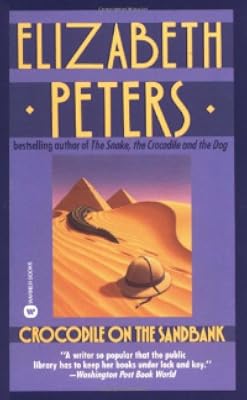
Crocodile on the Sandbank
by Elizabeth Peters
Amelia Peabody [Chronological Order] (1, 1884–85), Amelia Peabody [Publication order] (1)
On This Page
Description
Amelia Peabody, that indomitable product of the Victorian age, embarks on her first Egyptian adventure armed with unshakable self-confidence, a journal to record her thoughts, and, of course, a sturdy umbrella. On her way, Amelia rescues young Evelyn Barton-Forbes, who has been "ruined" and abandoned on the streets of Rome by her rascally lover. With a typical disregard for convention, Amelia promptly hires her fellow countrywoman as a companion and takes her to Cairo. Eluding Evelyn's show more former lover, who wants her back, and Evelyn's cousin Lord Ellesmere, who wishes to marry her, the two women sail up the Nile to an archaeological site that is home to a rather lively mummy. Soon strange visitations, suspicious accidents, and a botched kidnapping convince Amelia that there is a plot afoot to harm Evelyn. show lessTags
Recommendations
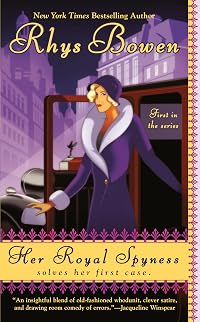
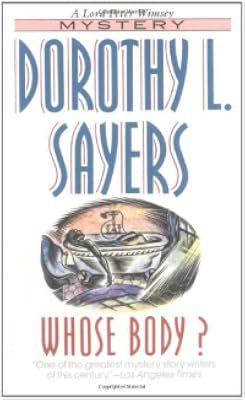

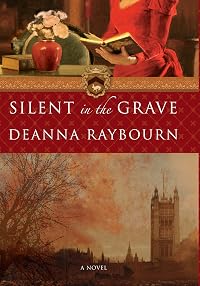


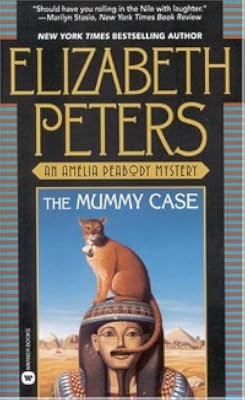
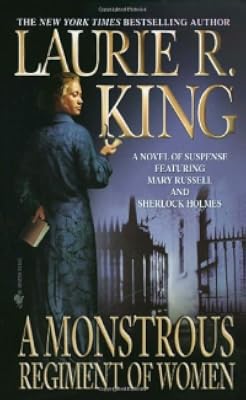
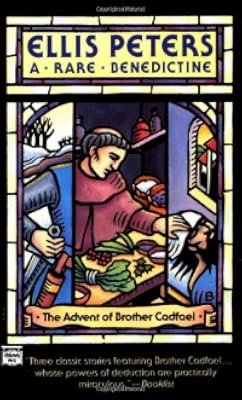

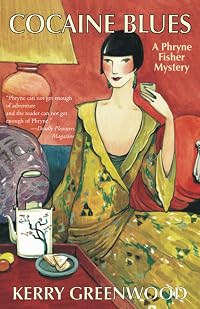
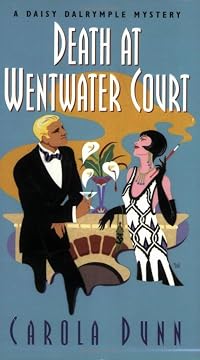

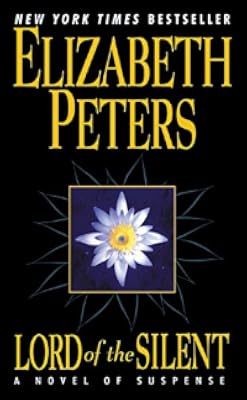

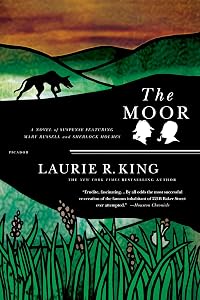
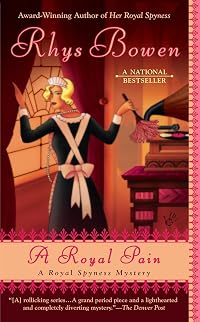
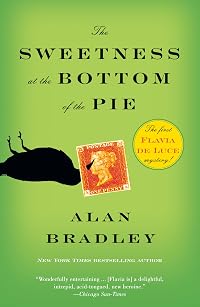
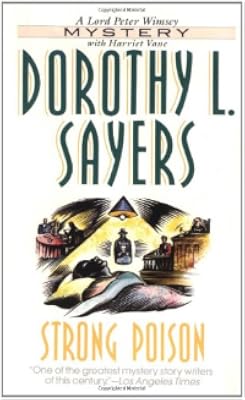
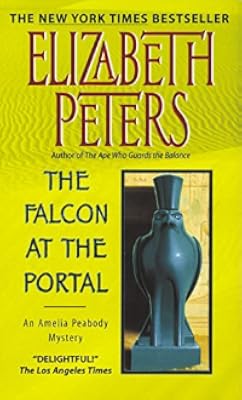
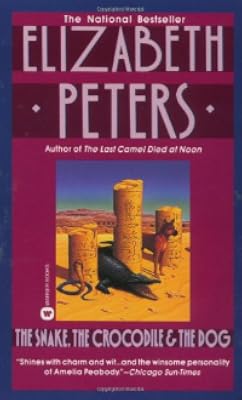





Member Recommendations

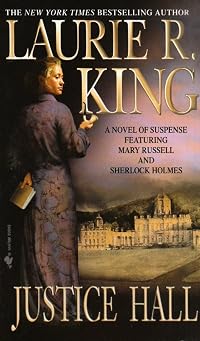
nessreader The heroine of Soulless has a similar outlook to early Amelia Peabody (but I should warn that the Peabody series is cosy crime/romance, with no supernatural element while Soulless is gleeful fantasy) Both have strong willed on-the-shelf spinsters who are active protagonists in their story.
lquilter Without knowing, I'd imagine that Gail Carriger had read Elizabeth Peters' Amelia Peabody series (beginning with Crocodile on the Sandbank) before writing Blameless (et seq). Similar era, similarly cranky and forthright spinster protagonist, similar sort of love affair, similar witty dialog and observations. The Amelia Peabody books are, of course, "straight" historical mystery, without the steampunk elements of Carriger's series, but I imagine that Carriger fans who read out-of-genre also will enjoy the Peters' series. Similarly, Peters fans who like SF, steampunk, or vampires/werewolves, might enjoy the Carriger series.
121
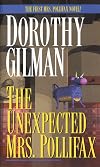

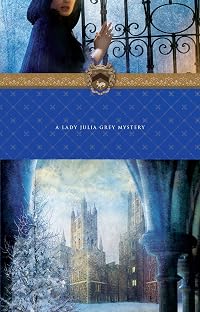
_Zoe_ Wrapped is YA and considerably fluffier, but it shares the common element of an independent-minded nineteenth-century woman encountering an Egyptological mystery.
30

Cynara Florence went down the Nile in a dahabiyya thirty-two years before the great fictional Victorian lady Amelia Peabody, but there's still much overlap!
20
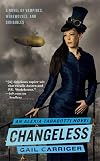
majkia Alexia Terabotti Maccon and Amelia Peabody seriously have a lot in common. And not just parasols. Also bear shaped husbands, attitude, and intrepidity (if that's a word)
31
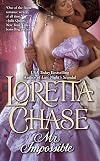
Caramellunacy Mr Impossible is a Regency romance novel set in Egypt. The strong intelligent heroine is something of an expert in Egyptian antiquities and is determined to help her brother get out of trouble. The general premise is a lot like the movie The Mummy. Those who enjoyed the romantic angle and the Egyptian setting in Crocodile on the Sandbank may find a lot to like in Chase's Mr Impossible.
20
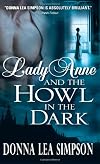
Caramellunacy Both novels feature a prickly, very intelligent 'spinster' unravelling a seemingly paranormal mystery while charming a large and irascible love interest. There were snippets of dialogue in Lady Anne that definitely reminded me of the Amelia Peabody novels.
Crocodile on the Sandbank - archaeological mystery set in Egypt.
Lady Anne - Gothic romance
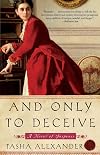
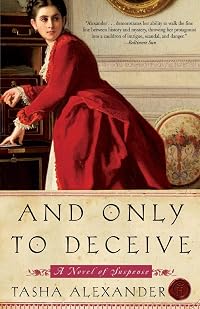
Caramellunacy Unconventional heroines rebel against Victorian mores to pursue their intellectual interests. The Elizabeth Peters novels are sillier (including prodding people with parasols) and is set against a backdrop of Egyptian archaeology. The Tasha Alexander mysteries are less openly subversive of Victorian morals, and And Only to Deceive draws on Homer's Iliad.

lquilter Without knowing, I'd imagine that Gail Carriger had read Elizabeth Peters' Amelia Peabody series (beginning with Crocodile on the Sandbank) before writing Blameless (et seq). Similar era, similarly cranky and forthright spinster protagonist, similar sort of love affair, similar witty dialog and observations. The Amelia Peabody books are, of course, "straight" historical mystery, without the steampunk elements of Carriger's series, but I imagine that Carriger fans who read out-of-genre also will enjoy the Peters' series. Similarly, Peters fans who like SF, steampunk, or vampires/werewolves, might enjoy the Carriger series.
11
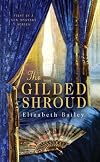
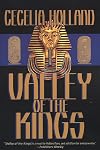
themulhern The books are very different in tone. The shared theme is archaeology and Akhenaten.
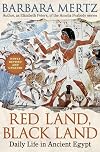
themulhern The Egyptological fiction by this author really complements her Egyptological non-fiction and vice-versa. I read the non-fiction because I had been reading the fiction, and I'm happy to say that the non-fiction does deepen one's understanding of the fiction. But it is also possible that after reading the non-fiction one might dip into the fiction and find that one was enjoying the fiction much more because of one's existing knowledge.
pedro_felipe The two series have similar writing styles and are set at roughly the same time period. Moreover, the female leads are both independent-thinking women who are, at first, seemingly destined to spinsterhood.

humouress Both books are about lady adventurers solving mysteries in early 20th century Egypt
Member Reviews
This book is a bit of an older vintage, since it has been written in 1975, but it still reads extremely fresh – or rather, it would, if this was not the kind of book you’re unlikely to find in publisher catalogs today. It’s a slow-burning, slowly building mystery that reads like a mix of a gothic story, an Agatha Christie novel and an Indiana Jones novelization, with a middle-aged, self-reliant heroine who has both the makings of an excellent governess and of an even more excellent army surgeon, who orders men around and is obeyed even when those men think she is being a meddling, ignorant woman, because not doing what Amelia Peabody wants is never a good idea. Nowadays, you might say she wasn’t a likable character, but good show more lord does Amelia Peabody not care whether anybody likes her or not. It’s not her job to be liked. In fact, as an independent heiress of her father’s if not fortune, then still rather considerable wealth, nothing is her job if she doesn’t want it to be. The job she wants is that of an archeologist, and when the opportunity arises, she grabs it by the throat and doesn’t let it go till it surrenders and gives her whatever she wants. Amelia Peabody is the kind of person I want to be, even though I might not personally fancy crouching in the sand and being burned to a crisp day in and day out. (Other than, say, Ella, who would love to become a archeologist-flavored crisp.)
FEMALE FRIENDSHIP MAKES EVERYTHING AWESOME
“Crocodile on the Sandbank” is the first book in a series 19 historical mysteries by Egyptologist Barbara Mertz aka Elizabeth Peters, and as such it sets the scene for the whole premise of ‘Amelia Peabody, archeologist adventurer’.
We first meet Amelia shortly after the death of her father, and we learn her reasons for not marrying (namely, that she’s no interested in any of her suitors and feels that most of them are out for her fortune anyway, since she’s not exactly of marrying age anymore). Instead of finding a husband and giving up all that nice money, she decides that, after years of being her father’s helpmate and then nurse, it’s time for her to indulge a little, so she decides to spend the winter sailing up the Nile, like many English people did in the 1880s. But when she comes to Rome, from where she’s supposed to sail to Alexandria, her travel companion becomes sick – and without a travel companion, there is no way even a woman in her 30s could go to Egypt (and even today that’d be kind of a bummer, wouldn’t it? Who wants to spend the whole winter all alone?). But lo and behold, on a walk through Rome she stumbles over Evelyn Barton-Forbes, an English girl sick and down on her luck after she eloped with her Italian tutor and then was left by said Italian tutor, in a city where she doesn’t know anybody, and with no way back, since her grandfather disinherited her. And so, Amelia found herself a travel companion after all, and off they go to Egypt.
I don’t usually put plot descriptions into my reviews, but I love the set-up of “Crocodile on the Sandbank” a lot, even though the beginning is a little slow, especially because the whole book is narrated by Amelia herself and her often slightly meandering style takes a little getting used to. Once you do get used to the style of the book, though, it just feels so authentic that I actually found myself thinking that the book might have been written a lot earlier than 1975 (this is again a case of a friend recommending me a book and me reading it without even looking up when it was written). At no point does the description of Amelia’s surroundings sound anything but absolutely natural, if kind of sober, except when Amelia starts waxing poetic about archeology and archeological findings. There is also a lot of jargon and a lot of the kind of professional gossip that just makes you feel like you’re there yourself, in 1880s Egypt, hearing about all those new developments and controversies in the world of archeology.
I guess ‘new developments in archeology’ should be a great segue to Emerson, but to be honest, I don’t like Emerson, so let me talk about Evelyn first, because Evelyn I do like, very much so. If anybody had tried to create a character just for me to enjoy, then I’m pretty sure that character would be very close to Evelyn. She is kind, shy, and, let’s face it, kind of fatalistic, and she faints about 8 times in the novel (seriously, so much fainting), which makes her a very stark contrast to no-nonsense, cast-iron parasol wielding Amelia, whose only reason to faint would be if she worked under the brooding Egyptian sun for 12 hours without drinking a sip of water, which is a very likely thing for her to do.
But still, Evelyn might not be physically strong, but when the going gets rough, she is very much able to hold her own and to postpone the fainting on later, when it’s save to do so. She is also amazingly loyal to Amelia – and she is also the most likely person to make sure that Amelia does not spend 12 hours under the brooding Egyptian sun without drinking some water. Evelyn doesn’t only pay back her salvation by Amelia by being her constant companion and helpmate, even in very difficult situations (did I mention that Amelia fancies herself an amateur nurse?), but by opening up to her, showing Amelia her most secret wounds, she also gets Amelia to open up herself. Theirs is one of the most beautiful female friendships I’ve read in a long while, and, let’s face it, there aren’t that many of those in fiction in general.
A DESERT FULL OF DUDES
Okay, now let’s actually talk about Emerson. God, I hate that guy. I guess he redeems himself later, and I guess his assholery plays into the whole broody-hero-trope, but just… What. An. Asshole. He basically introduces himself to Amelia by yelling at her for gently removing some dust from an extremely neglected exhibition piece in an extremely neglected museum, implying that she is a stupid woman and that she is a ‘rampageous British female at her clumsiest and most arrogant’. And then he just keeps on insulting her. I hate this guy. He might be a visionary archeologist and Egyptologist, and he does get a little less obnoxious later on – a little – and the fact that his brother Walter is a huge sweetheart makes reading about him a little more bearable – again, a little – but still, I did not grow to like him. What an ass.
It might be thanks to the rather matter-of-fact writing style of the book that I still enjoyed it so much, even with Emerson being his asshole-y self. The book never actually claims that Emerson is not an asshole, just that he and Amelia have the kinds of personalities that sometimes work well together. I didn’t need to like him to understand why Amelia eventually takes a liking to him. And to be honest, that is quite an achievement.
One thing I did like was the portrayal of Egyptian natives in the book. There was definitely a certain distance between the native Egyptian characters of the book and the English characters, but in a book set in 1880s Egypt, that is pretty much a given. However, Amelia shows great respect both for her translator Michael and for the crew of the pleasure ship she chartered, under Captain Hassan. As I already said, Amelia fancies herself an amateur nurse, and she earns quite a bit of respect among the men on her ship by stitching them up whenever there is any kind of injury. This mutual respect creates a certain loyalty between both the crew and Amelia, which later turns out to be of vital importance for the plot. And while there are several descriptions of misogynistic behavior among the Egyptian natives in this book, the fact that Radcliff ‘Let’s Yell at Strangers’ Emerson is also in this book at least makes it clear that misogynistic thoughts, actions and words aren’t a monopoly of Muslim men.
The plot of “Crocodile on the Sandbank” is a mix of travel novel and mystery, though less of the whodunit kind and more of the gothic-inspired ‘we need to figure out what is behind these strange goings on’. There is a mummy, and there is an action-packed finale involving so many characters that at some point you’re like ‘Wait, who’s where now?’, but the whole thing is a lot of fun, even though the mystery plot really only kicks in properly at the 50% mark of the book. Still, the thing that I enjoyed most wasn’t necessarily the plot, but the characters, the descriptions of 1880s Egypt (which were surprisingly less racist than I’d have imagined), and Amelia’s very palpable love of archeology. The book might be over 40 years old by now, but it honestly is a perfect example of how the distance between an author and a historical novel, especially if an author is an expert on the subject field she writes in, can transcend time differences between an author and a reader, so that it just feels so fresh and current that I’m pretty sure it’s still going to be a great read in another 40 years.
Want to read more of my reviews? Visit me on The Bookabelles Blog or follow me here on Goodreads :) show less
FEMALE FRIENDSHIP MAKES EVERYTHING AWESOME
“Crocodile on the Sandbank” is the first book in a series 19 historical mysteries by Egyptologist Barbara Mertz aka Elizabeth Peters, and as such it sets the scene for the whole premise of ‘Amelia Peabody, archeologist adventurer’.
We first meet Amelia shortly after the death of her father, and we learn her reasons for not marrying (namely, that she’s no interested in any of her suitors and feels that most of them are out for her fortune anyway, since she’s not exactly of marrying age anymore). Instead of finding a husband and giving up all that nice money, she decides that, after years of being her father’s helpmate and then nurse, it’s time for her to indulge a little, so she decides to spend the winter sailing up the Nile, like many English people did in the 1880s. But when she comes to Rome, from where she’s supposed to sail to Alexandria, her travel companion becomes sick – and without a travel companion, there is no way even a woman in her 30s could go to Egypt (and even today that’d be kind of a bummer, wouldn’t it? Who wants to spend the whole winter all alone?). But lo and behold, on a walk through Rome she stumbles over Evelyn Barton-Forbes, an English girl sick and down on her luck after she eloped with her Italian tutor and then was left by said Italian tutor, in a city where she doesn’t know anybody, and with no way back, since her grandfather disinherited her. And so, Amelia found herself a travel companion after all, and off they go to Egypt.
I don’t usually put plot descriptions into my reviews, but I love the set-up of “Crocodile on the Sandbank” a lot, even though the beginning is a little slow, especially because the whole book is narrated by Amelia herself and her often slightly meandering style takes a little getting used to. Once you do get used to the style of the book, though, it just feels so authentic that I actually found myself thinking that the book might have been written a lot earlier than 1975 (this is again a case of a friend recommending me a book and me reading it without even looking up when it was written). At no point does the description of Amelia’s surroundings sound anything but absolutely natural, if kind of sober, except when Amelia starts waxing poetic about archeology and archeological findings. There is also a lot of jargon and a lot of the kind of professional gossip that just makes you feel like you’re there yourself, in 1880s Egypt, hearing about all those new developments and controversies in the world of archeology.
I guess ‘new developments in archeology’ should be a great segue to Emerson, but to be honest, I don’t like Emerson, so let me talk about Evelyn first, because Evelyn I do like, very much so. If anybody had tried to create a character just for me to enjoy, then I’m pretty sure that character would be very close to Evelyn. She is kind, shy, and, let’s face it, kind of fatalistic, and she faints about 8 times in the novel (seriously, so much fainting), which makes her a very stark contrast to no-nonsense, cast-iron parasol wielding Amelia, whose only reason to faint would be if she worked under the brooding Egyptian sun for 12 hours without drinking a sip of water, which is a very likely thing for her to do.
But still, Evelyn might not be physically strong, but when the going gets rough, she is very much able to hold her own and to postpone the fainting on later, when it’s save to do so. She is also amazingly loyal to Amelia – and she is also the most likely person to make sure that Amelia does not spend 12 hours under the brooding Egyptian sun without drinking some water. Evelyn doesn’t only pay back her salvation by Amelia by being her constant companion and helpmate, even in very difficult situations (did I mention that Amelia fancies herself an amateur nurse?), but by opening up to her, showing Amelia her most secret wounds, she also gets Amelia to open up herself. Theirs is one of the most beautiful female friendships I’ve read in a long while, and, let’s face it, there aren’t that many of those in fiction in general.
A DESERT FULL OF DUDES
Okay, now let’s actually talk about Emerson. God, I hate that guy. I guess he redeems himself later, and I guess his assholery plays into the whole broody-hero-trope, but just… What. An. Asshole. He basically introduces himself to Amelia by yelling at her for gently removing some dust from an extremely neglected exhibition piece in an extremely neglected museum, implying that she is a stupid woman and that she is a ‘rampageous British female at her clumsiest and most arrogant’. And then he just keeps on insulting her. I hate this guy. He might be a visionary archeologist and Egyptologist, and he does get a little less obnoxious later on – a little – and the fact that his brother Walter is a huge sweetheart makes reading about him a little more bearable – again, a little – but still, I did not grow to like him. What an ass.
It might be thanks to the rather matter-of-fact writing style of the book that I still enjoyed it so much, even with Emerson being his asshole-y self. The book never actually claims that Emerson is not an asshole, just that he and Amelia have the kinds of personalities that sometimes work well together. I didn’t need to like him to understand why Amelia eventually takes a liking to him. And to be honest, that is quite an achievement.
One thing I did like was the portrayal of Egyptian natives in the book. There was definitely a certain distance between the native Egyptian characters of the book and the English characters, but in a book set in 1880s Egypt, that is pretty much a given. However, Amelia shows great respect both for her translator Michael and for the crew of the pleasure ship she chartered, under Captain Hassan. As I already said, Amelia fancies herself an amateur nurse, and she earns quite a bit of respect among the men on her ship by stitching them up whenever there is any kind of injury. This mutual respect creates a certain loyalty between both the crew and Amelia, which later turns out to be of vital importance for the plot. And while there are several descriptions of misogynistic behavior among the Egyptian natives in this book, the fact that Radcliff ‘Let’s Yell at Strangers’ Emerson is also in this book at least makes it clear that misogynistic thoughts, actions and words aren’t a monopoly of Muslim men.
The plot of “Crocodile on the Sandbank” is a mix of travel novel and mystery, though less of the whodunit kind and more of the gothic-inspired ‘we need to figure out what is behind these strange goings on’. There is a mummy, and there is an action-packed finale involving so many characters that at some point you’re like ‘Wait, who’s where now?’, but the whole thing is a lot of fun, even though the mystery plot really only kicks in properly at the 50% mark of the book. Still, the thing that I enjoyed most wasn’t necessarily the plot, but the characters, the descriptions of 1880s Egypt (which were surprisingly less racist than I’d have imagined), and Amelia’s very palpable love of archeology. The book might be over 40 years old by now, but it honestly is a perfect example of how the distance between an author and a historical novel, especially if an author is an expert on the subject field she writes in, can transcend time differences between an author and a reader, so that it just feels so fresh and current that I’m pretty sure it’s still going to be a great read in another 40 years.
Want to read more of my reviews? Visit me on The Bookabelles Blog or follow me here on Goodreads :) show less
Amelia Peabody, an eccentric and outspoken woman for her time, and a "spinster" by choice, pauses in Italy while making her way to Egypt for a pleasure tour. There she befriends Evelyn, a young woman in complicated circumstances, and invites her along as her traveling companion. The two ladies begin a trip up the Nile, stopping in Amarna where a mystery unfolds before them.
Amelia is a hoot, and it might be fun to see where this series goes. The author is a professional archaeologist, so she really knows what she's talking about when it comes to incorporating those details into the plot. However, the zeitgeist as presented (both the setting in the mid-1880s and publish date of 1975) are a bit off-putting. Even the "good guys" frequently show more drop casual racist comments. For that reason, I'm not sure I'll read further. I've got too much good stuff on my list to spend time reading something that makes me cringe. show less
Amelia is a hoot, and it might be fun to see where this series goes. The author is a professional archaeologist, so she really knows what she's talking about when it comes to incorporating those details into the plot. However, the zeitgeist as presented (both the setting in the mid-1880s and publish date of 1975) are a bit off-putting. Even the "good guys" frequently show more drop casual racist comments. For that reason, I'm not sure I'll read further. I've got too much good stuff on my list to spend time reading something that makes me cringe. show less
I've now read this three times, I just can't remember exact dates -- there's no ritual re-read on June 29.
I love Amelia Peabody -- I love her parasol wielding ferocity, her outspoken opinions, her snobbish British upper class self, with its disdain for propriety that doesn't suit her and her big heart. I find her exasperating, endearing, hilarious, and I deeply enjoy her fraught, over-the-top Victorian adventures.
That said, oh, damn, why do I love a book set so firmly in British Colonialism, with all its toxic, reeking miasma of racist opinions and filthy behavior? I think the opinions of Egyptians expressed in this book are rancid and ignorant. I think this changes and develops over time, so I will see how much it continues as I show more re-read the series on audio. show less
I love Amelia Peabody -- I love her parasol wielding ferocity, her outspoken opinions, her snobbish British upper class self, with its disdain for propriety that doesn't suit her and her big heart. I find her exasperating, endearing, hilarious, and I deeply enjoy her fraught, over-the-top Victorian adventures.
That said, oh, damn, why do I love a book set so firmly in British Colonialism, with all its toxic, reeking miasma of racist opinions and filthy behavior? I think the opinions of Egyptians expressed in this book are rancid and ignorant. I think this changes and develops over time, so I will see how much it continues as I show more re-read the series on audio. show less
Plucky English gentlewoman meets homicidal mummy in Victorian Egypt - excellent fun.
This is an excellent light read, guaranteed to bring a smile to the reader’s lips and perhaps even provoke the urge to shout “Hurrah” from time to time.
This was my first encounter with the redoubtable Amelia Peabody, an unmarried English gentlewoman who. having decided to use her recently inherited wealth to pursue her passion for Egyptology, finds herself adopting a young woman of damaged reputation , working alongside a fierce and focused archaeologist who has a will and a temper as strong as her own, and confronted with what appears to be a homicidal mummy.
The book is written in the form of a journal in which Amelia Peabody addresses the reader show more directly, showing us the world through her eyes. Amelia has a sharp wit, a strong will and absolutely no tolerance for people who flap about rather than getting on with what needs to be done.
Set in the 1880s, when Egypt was jointly ruled by the British and the French, Gordon was besieged at Khartoum and the British Empire was at its zenith, Elizabeth Peters brings to life the brio, pride and pragmatism that powered the empire. The language is authentic without being impenetrable and the plot has just enough twists to be interesting without having to venture into the implausibly Byzantine.
The book is carried by Amelia Peabody, you either like and admire her or you should be reading something else. I’m sure this is an opinion she would share.
Barbara Rosenblat gives Amelia the perfect accent for her class and period and does a creditable job of producing distinctive voices for the wide range of characters, male, female, English and Foreign that populate this tale.
I recommend this audio book to anyone who needs cheering up but cannot tolerate saccharine feel-good slush. This is more like a brisk walk and pleasurable cup of tea with a stimulating , if slightly overwhelming, companion. show less
This is an excellent light read, guaranteed to bring a smile to the reader’s lips and perhaps even provoke the urge to shout “Hurrah” from time to time.
This was my first encounter with the redoubtable Amelia Peabody, an unmarried English gentlewoman who. having decided to use her recently inherited wealth to pursue her passion for Egyptology, finds herself adopting a young woman of damaged reputation , working alongside a fierce and focused archaeologist who has a will and a temper as strong as her own, and confronted with what appears to be a homicidal mummy.
The book is written in the form of a journal in which Amelia Peabody addresses the reader show more directly, showing us the world through her eyes. Amelia has a sharp wit, a strong will and absolutely no tolerance for people who flap about rather than getting on with what needs to be done.
Set in the 1880s, when Egypt was jointly ruled by the British and the French, Gordon was besieged at Khartoum and the British Empire was at its zenith, Elizabeth Peters brings to life the brio, pride and pragmatism that powered the empire. The language is authentic without being impenetrable and the plot has just enough twists to be interesting without having to venture into the implausibly Byzantine.
The book is carried by Amelia Peabody, you either like and admire her or you should be reading something else. I’m sure this is an opinion she would share.
Barbara Rosenblat gives Amelia the perfect accent for her class and period and does a creditable job of producing distinctive voices for the wide range of characters, male, female, English and Foreign that populate this tale.
I recommend this audio book to anyone who needs cheering up but cannot tolerate saccharine feel-good slush. This is more like a brisk walk and pleasurable cup of tea with a stimulating , if slightly overwhelming, companion. show less
It has been many years since I've read a mystery story, and I wasn't quite sure if I would still like them as much as I had in my youth. Either I do, or I simply chose the right book with which to renew that genre interest, because I found Crocodile on the Sandbank to be an enjoyable read. It reminded me of a cross between Indiana Jones and a younger version of Miss Marple or Jessica Fletcher (I loved Murder, She Wrote when I was a kid), or perhaps a more mature version of the Nancy Drew books that I was crazy about in my tweens/teens, only in a more exotic location. Crocodile on the Sandbank, and the entire Amelia Peabody series, fall into the cozy mystery genre as they are very gentle mysteries that aren't particularly frightening and show more don't have any objectionable elements. Even more mature content like Evelyn's affair is merely alluded to and never spelled out in so many words. This made for some fun, old-fashioned sleuthing that is, in my opinion, appropriate for mystery aficionados of all ages, although the advanced vocabulary and authenticity of the historical voice would probably be more suited for teen and adult readers. Elizabeth Peters began writing the Amelia Peabody series in the 1970s, and had I heard of it back then, I may have been reading them as a teen.
Amelia was a fun character to read about. She is a firmly on-the-shelf spinster who has no intentions of marrying and an independent woman of means, so she decides to indulge her passion for history and her dream of traveling by going on a trip to Egypt. Amelia is an unflappable, no-nonsense woman with a plucky, adventurous spirit and a very straight-forward way of dealing with life. This forthright nature was very much in evidence in the first question that she asked Evelyn after her friend confessed to having had an affair. Somehow, it didn't really surprise me, but it did make me laugh nonetheless. Amelia is also a feminist who has little use for the traditional Victorian conventions, and sometimes wishes she had been born a man, so that she would be more respected. Even though Amelia is very much a thinker and a scholar, it is obvious that she has a very kind heart and a willingness to help others. She is quite skilled in medical matters and assists many people along the way who are sick or injured which always seems to help put her in their good graces. She is also the consummate matchmaker when she realizes that Evelyn has fallen in love. I found it interesting and amusing that Amelia immediately recognized Evelyn's love for Walter, but when she started falling for Emerson, she didn't initially discern it as the same emotion in herself. All in all, I really admired Amelia, and a part of me would love to be her, but in reality, I'm probably much closer in personality to Evelyn.
Crocodile on the Sandbank is told in first-person perspective with Amelia, of course, as the narrator. It is written in a slightly different style than other first-person books that I have read, so it took me a little while to get used to it. For me, the reading of the book was rather like sitting down to tea with Amelia while listening as she related her story. It had a rather quaint, intimate feel to it. The book takes a “just-the-facts” approach and is a little light on descriptive details of the environment. In fact, early in the story, Amelia comments that she will not indulge in such descriptions so as not to bore the reader, and if the reader wants more detail, they should go read a travelogue. Normally, this would be a downside for me, because I tend to enjoy lush, vivid depictions of the setting, but for the most part, enough information was given to make me feel like I was in the hot sands of the Egyptian desert with Amelia. There are also not a lot of deep insights into the secondary characters. The reader really only gets to know them through Amelia's eyes. Even though I usually prefer to know the other characters' thoughts and feelings, I once again, for the most part, did not view this as a weakness as I normally would. I think this was owing in large part to the genre. Since the story is primarily about the mystery of a mummy stalker who appears to be trying to scare them away from their archaeological dig site, rather than the relationships, I didn't necessarily feel a burning need to get inside the other characters' heads like I would if it were a romance.
As things were, I got to know the other characters well enough. I liked Amelia's friend, Evelyn. She is a sweet, and perhaps slightly naïve, young woman who allowed herself to be seduced by a scoundrel which ruined her relationship with her grandfather and left her destitute. Amelia rescues her off the street and hires her as a companion for her trip. On the outside, Evelyn seems very delicate, but on the inside she is made of much sterner stuff than one might think at first glance, and in spite of her indiscretion, she has a certain strength of character as well. I adored Evelyn's love interest, Walter, the more charming and amiable of the two Emerson brothers, a team of archaeologists who are working to unearth the history and treasures of Egypt. If he were one of my romance heroes, he'd be the sweet beta who gets all moony-eyed over his lady love, but can't quite bring himself to declare his feelings. Yet, when he finally does (at Amelia's prodding), it was in the most romantic way possible, giving me a major, “Awwwww!” moment. Then there is Emerson. Actually his name is Radcliffe, but Amelia never calls him by his first name. It's OK though, because he always call her Peabody instead of Amelia too. If Walter is the romantic beta, Emerson is the alpha. He's rude and abrasive, rarely having anything nice to say about anyone, and he gets under Amelia's skin in more ways than one right from the moment they meet. Although Emerson certainly tries his best, Amelia never allows him to run rough-shod over her, instead giving back as good as she gets whenever he let the insults fly which made for some fun bantering. Even though he could be a real bear sometimes, I liked that Emerson's heart was in the right place when it came to the preservation and proper study of the antiquities that were being treated with flippancy even by the government agency that was supposed to be protecting them. Other than the antiquities though, Emerson could seem pretty cold and indifferent at times, so it took me a while to really warm up to him. When he finally started to reveal his feelings, it was worth the wait.
Aside from the colorful characters, Crocodile on the Sandbank had a fun plot. In fact, I waffled a bit on my star rating, and the only thing that really prevented it from earning keeper status from me was that the pacing is a little too slow in places. Especially during the first half of the book, there are several long passages of narration where there isn't much excitement or action. There are also a couple of passages where a secondary character goes off into what is essentially a soliloquy of narration. Preferring a more liberal mixture of narrative and dialog, I found these passages to be a bit too sluggish for my taste, leaving my mind occasionally wandering. Once the mystery portion of the story really got going, I thoroughly enjoyed the action, adventure and intrigue, as well as trying to figure out the answer to the puzzle. I did correctly discern the culprit and their motive (although not all the details of “how”) before it was revealed, but it didn't detract from the fun of getting there, as I ended up second guessing myself more than once. Overall, the narrative built very nicely to an exciting conclusion. Anyone who enjoys a good mystery/adventure yarn with a plucky heroine, an exotic setting and a dash of romance, should like this book. Crocodile on the Sandbank is the first of the Amelia Peabody series, and my first read by Elizabeth Peters. I found it to be a nice departure from my usual romance fare that has left me looking forward to trying the next book in the series when I'm, once again, in the mood for something different. There are currently 18 books in the Amelia Peabody series. A complete list of all the books and their recommended reading order can be found on the official Amelia Peabody website. show less
Amelia was a fun character to read about. She is a firmly on-the-shelf spinster who has no intentions of marrying and an independent woman of means, so she decides to indulge her passion for history and her dream of traveling by going on a trip to Egypt. Amelia is an unflappable, no-nonsense woman with a plucky, adventurous spirit and a very straight-forward way of dealing with life. This forthright nature was very much in evidence in the first question that she asked Evelyn after her friend confessed to having had an affair. Somehow, it didn't really surprise me, but it did make me laugh nonetheless. Amelia is also a feminist who has little use for the traditional Victorian conventions, and sometimes wishes she had been born a man, so that she would be more respected. Even though Amelia is very much a thinker and a scholar, it is obvious that she has a very kind heart and a willingness to help others. She is quite skilled in medical matters and assists many people along the way who are sick or injured which always seems to help put her in their good graces. She is also the consummate matchmaker when she realizes that Evelyn has fallen in love. I found it interesting and amusing that Amelia immediately recognized Evelyn's love for Walter, but when she started falling for Emerson, she didn't initially discern it as the same emotion in herself. All in all, I really admired Amelia, and a part of me would love to be her, but in reality, I'm probably much closer in personality to Evelyn.
Crocodile on the Sandbank is told in first-person perspective with Amelia, of course, as the narrator. It is written in a slightly different style than other first-person books that I have read, so it took me a little while to get used to it. For me, the reading of the book was rather like sitting down to tea with Amelia while listening as she related her story. It had a rather quaint, intimate feel to it. The book takes a “just-the-facts” approach and is a little light on descriptive details of the environment. In fact, early in the story, Amelia comments that she will not indulge in such descriptions so as not to bore the reader, and if the reader wants more detail, they should go read a travelogue. Normally, this would be a downside for me, because I tend to enjoy lush, vivid depictions of the setting, but for the most part, enough information was given to make me feel like I was in the hot sands of the Egyptian desert with Amelia. There are also not a lot of deep insights into the secondary characters. The reader really only gets to know them through Amelia's eyes. Even though I usually prefer to know the other characters' thoughts and feelings, I once again, for the most part, did not view this as a weakness as I normally would. I think this was owing in large part to the genre. Since the story is primarily about the mystery of a mummy stalker who appears to be trying to scare them away from their archaeological dig site, rather than the relationships, I didn't necessarily feel a burning need to get inside the other characters' heads like I would if it were a romance.
As things were, I got to know the other characters well enough. I liked Amelia's friend, Evelyn. She is a sweet, and perhaps slightly naïve, young woman who allowed herself to be seduced by a scoundrel which ruined her relationship with her grandfather and left her destitute. Amelia rescues her off the street and hires her as a companion for her trip. On the outside, Evelyn seems very delicate, but on the inside she is made of much sterner stuff than one might think at first glance, and in spite of her indiscretion, she has a certain strength of character as well. I adored Evelyn's love interest, Walter, the more charming and amiable of the two Emerson brothers, a team of archaeologists who are working to unearth the history and treasures of Egypt. If he were one of my romance heroes, he'd be the sweet beta who gets all moony-eyed over his lady love, but can't quite bring himself to declare his feelings. Yet, when he finally does (at Amelia's prodding), it was in the most romantic way possible, giving me a major, “Awwwww!” moment. Then there is Emerson. Actually his name is Radcliffe, but Amelia never calls him by his first name. It's OK though, because he always call her Peabody instead of Amelia too. If Walter is the romantic beta, Emerson is the alpha. He's rude and abrasive, rarely having anything nice to say about anyone, and he gets under Amelia's skin in more ways than one right from the moment they meet. Although Emerson certainly tries his best, Amelia never allows him to run rough-shod over her, instead giving back as good as she gets whenever he let the insults fly which made for some fun bantering. Even though he could be a real bear sometimes, I liked that Emerson's heart was in the right place when it came to the preservation and proper study of the antiquities that were being treated with flippancy even by the government agency that was supposed to be protecting them. Other than the antiquities though, Emerson could seem pretty cold and indifferent at times, so it took me a while to really warm up to him. When he finally started to reveal his feelings, it was worth the wait.
Aside from the colorful characters, Crocodile on the Sandbank had a fun plot. In fact, I waffled a bit on my star rating, and the only thing that really prevented it from earning keeper status from me was that the pacing is a little too slow in places. Especially during the first half of the book, there are several long passages of narration where there isn't much excitement or action. There are also a couple of passages where a secondary character goes off into what is essentially a soliloquy of narration. Preferring a more liberal mixture of narrative and dialog, I found these passages to be a bit too sluggish for my taste, leaving my mind occasionally wandering. Once the mystery portion of the story really got going, I thoroughly enjoyed the action, adventure and intrigue, as well as trying to figure out the answer to the puzzle. I did correctly discern the culprit and their motive (although not all the details of “how”) before it was revealed, but it didn't detract from the fun of getting there, as I ended up second guessing myself more than once. Overall, the narrative built very nicely to an exciting conclusion. Anyone who enjoys a good mystery/adventure yarn with a plucky heroine, an exotic setting and a dash of romance, should like this book. Crocodile on the Sandbank is the first of the Amelia Peabody series, and my first read by Elizabeth Peters. I found it to be a nice departure from my usual romance fare that has left me looking forward to trying the next book in the series when I'm, once again, in the mood for something different. There are currently 18 books in the Amelia Peabody series. A complete list of all the books and their recommended reading order can be found on the official Amelia Peabody website. show less
Finally, I got to find out how Peabody and Emerson met. This is the first book of this series and I loved it.
Amelia Peabody is an English spinster of independent means and a taste for adventure. She decides to go to Egypt and hires a female companion to accompany her. However, while they are still in Italy this companion fails her and falls ill. Amelia is touring the Forum trying to decide what to do when she is distracted by a crowd around a young woman. Peabody asserts herself and takes the young woman, Evelyn, under her wing. She discovers that Evelyn left her grandfather's home in England with an Italian man who has now abandoned her. The grandfather is near death and Evelyn has no one to turn to. Amelia asks her to accompany her show more to Egypt as her companion and that is what they do. In Cairo Peabody hires a dahabeeyah to take them up the Nile to see the sights. Before they can get underway they encounter the Emerson brothers and sparks fly. Evelyn and Walter are attracted to each other but Peabody and Radcliffe seem to have an immediate antipathy to each other. Thus, when Amelia and Evelyn visit the Emerson archeological patch events get interesting. Add an animated Mummy walking in the night and Evelyn's cousin Lucas who wants to marry Evelyn and you have a gripping plot. Of course, it all works out in the end.
Anyone who has read Peters' later books or anyone who likes historical adventure will like this book. show less
Amelia Peabody is an English spinster of independent means and a taste for adventure. She decides to go to Egypt and hires a female companion to accompany her. However, while they are still in Italy this companion fails her and falls ill. Amelia is touring the Forum trying to decide what to do when she is distracted by a crowd around a young woman. Peabody asserts herself and takes the young woman, Evelyn, under her wing. She discovers that Evelyn left her grandfather's home in England with an Italian man who has now abandoned her. The grandfather is near death and Evelyn has no one to turn to. Amelia asks her to accompany her show more to Egypt as her companion and that is what they do. In Cairo Peabody hires a dahabeeyah to take them up the Nile to see the sights. Before they can get underway they encounter the Emerson brothers and sparks fly. Evelyn and Walter are attracted to each other but Peabody and Radcliffe seem to have an immediate antipathy to each other. Thus, when Amelia and Evelyn visit the Emerson archeological patch events get interesting. Add an animated Mummy walking in the night and Evelyn's cousin Lucas who wants to marry Evelyn and you have a gripping plot. Of course, it all works out in the end.
Anyone who has read Peters' later books or anyone who likes historical adventure will like this book. show less
“Men are frail creatures, of course; one does not expect them to exhibit the steadfastness of women.”
Barbara Mertz was one creative gal - she hooked me with her gothic mysteries under the Barbara Michaels penname, but I never indulged as much in her straight mystery stories under the name Elizabeth Peters. I finally took the plunge and tried the first book in her long-running series set around Egyptian adventures.
Amelia Peabody is quite a character - feminist for her times, tough and determined, loyal and intelligent. She can get down and dirty with the best of them when it comes to discovering, uncovering and fixing up artifacts. Without intention, she amuses characters and readers alike with her antics and attitude. She may be show more stuffy, but she's fun to like. Prim and proper can deliver the most giggles, especially with bad luck befalls on her and her companion on their travels. In this first book she discovers her love of ancient artifacts and Egypt.
Side characters give fun times too - where would Amelia be without her loyal and sweet companion, Evelyn, and the brothers Walter and Emerson? It's not a particularly romantic book and it's kept completely PG, but sparks start to fly and I'm sure most readers were happy when Emerson finally starts losing his prejudice towards Amelia and sees her for what she is: an ideal partner in exploration, both Egypt and life.
The mummy stuff was just funny. Practical Amelia refuses to be scared off by demented legends of the small minded populace, but even she must face stumbling mummies wrapped in bandages when they try to break into her camp!
It's a mystery without a murder, but there's plenty to figure out. The ambience of Egypt erupts through the pages, making me feel a bit of an itch myself when it comes to traveling and marveling at the world's mysteries. Nah, I'll just sit at home and read (I'm not luckily wealthy like Amelia and fear Egyptian snakes too much), but still...let's hear it for the Armchair Travelers. show less
Barbara Mertz was one creative gal - she hooked me with her gothic mysteries under the Barbara Michaels penname, but I never indulged as much in her straight mystery stories under the name Elizabeth Peters. I finally took the plunge and tried the first book in her long-running series set around Egyptian adventures.
Amelia Peabody is quite a character - feminist for her times, tough and determined, loyal and intelligent. She can get down and dirty with the best of them when it comes to discovering, uncovering and fixing up artifacts. Without intention, she amuses characters and readers alike with her antics and attitude. She may be show more stuffy, but she's fun to like. Prim and proper can deliver the most giggles, especially with bad luck befalls on her and her companion on their travels. In this first book she discovers her love of ancient artifacts and Egypt.
Side characters give fun times too - where would Amelia be without her loyal and sweet companion, Evelyn, and the brothers Walter and Emerson? It's not a particularly romantic book and it's kept completely PG, but sparks start to fly and I'm sure most readers were happy when Emerson finally starts losing his prejudice towards Amelia and sees her for what she is: an ideal partner in exploration, both Egypt and life.
The mummy stuff was just funny. Practical Amelia refuses to be scared off by demented legends of the small minded populace, but even she must face stumbling mummies wrapped in bandages when they try to break into her camp!
It's a mystery without a murder, but there's plenty to figure out. The ambience of Egypt erupts through the pages, making me feel a bit of an itch myself when it comes to traveling and marveling at the world's mysteries. Nah, I'll just sit at home and read (I'm not luckily wealthy like Amelia and fear Egyptian snakes too much), but still...let's hear it for the Armchair Travelers. show less
Members
- Recently Added By
Published Reviews
added by AoifeT
Lists

Best Historical Fiction
620 works; 262 members

Historical Fiction
889 works; 89 members

Favorite Series
238 works; 94 members

Favorite Literary Love Stories
182 works; 100 members

Crime and Mysteries to Read
746 works; 31 members

British Mystery
469 works; 14 members
Top 100 Mystery Novels of All Time
98 works; 9 members

Top Five Books of 2017
757 works; 230 members

Female Protagonist
1,056 works; 57 members

egypt novels
16 works; 2 members

Crinoline and gumption
12 works; 1 member
Our Favorite Comfort Reads
334 works; 200 members

Books We Love to Reread
695 works; 298 members

Gaslamp Mysteries
78 works; 4 members
Best Audiobooks
240 works; 114 members

Best Mysteries With a Historical Setting
292 works; 160 members

Books Read in 2026
2,158 works; 70 members

Scholar Novels
26 works; 4 members

Cozy Mystery List
26 works; 2 members

Books Read in 2023
5,638 works; 147 members

Books Read in 2019
4,052 works; 110 members

Series to Try Out
92 works; 1 member
Favorite Romance Fiction
247 works; 115 members

Comedy of Manners
73 works; 1 member

Books Read in 2020
4,379 works; 124 members

Books discovered on LibraryThing
256 works; 36 members

Books Read in 2016
4,666 works; 199 members

Swinging Seventies
255 works; 18 members

Books Read in 2014
2,344 works; 89 members

Books tagged "feel good"
129 works; 20 members

Carole's List
445 works; 13 members

Books Read in 2013
1,630 works; 51 members

Books We Resisted Reading
178 works; 113 members
Author Information

60+ Works 58,698 Members
Some Editions
Awards and Honors
Series

Amelia Peabody [Chronological Order]
20 works (1, 1884–85)

Amelia Peabody [Publication order]
20 works (1)
Belongs to Publisher Series
Work Relationships
Common Knowledge
- Canonical title
- Crocodile on the Sandbank
- Original title
- Crocodile on the Sandbank
- Alternate titles*
- La sfida della mummia
- Original publication date
- 1975
- People/Characters
- Amelia Peabody Emerson; Radcliffe Emerson; Walter Emerson; Evelyn Barton-Forbes Emerson; Michael Bedawee; Reis Hassan (show all 10); Lucas Hayes, Lord Ellesmere; Abdullah ibn Hassan al Wahhab; Alberto; Gaston Maspero
- Important places
- El Amarna, Egypt; Rome, Italy; Giza, Egypt; Saqqara, Egypt; Shepheard's Hotel, Cairo, Egypt
- Important events
- Victorian Era (1837 | 1901); Mahdist War (1881 | 1899)
- Epigraph
- The love of my beloved is on yonder side
A width of water is between us
and a crocodile waiteth on the sandbank.
—Ancient Egyptian Love Poem - Dedication
- To my son Peter
- First words
- When I first set eyes on Evelyn Barton-Forbes she was walking the streets of Rome—
- Quotations
- "Stop," he ordered, in a low but compelling voice. "Do no take another step, or I fire! D--- it," he added vexedly, "does the monstrosity understand English? How absurd this is!" "It understands the gesture, at least," I ... (show all)called, thrusting head and shoulders through the window. "Lucas, for pity's sake, seize it! Don't stand there deriding its linguistic inadequacies!"
- Last words
- (Click to show. Warning: May contain spoilers.)With the right person, under the right circumstances - it is perfectly splendid!
- Blurbers
- Stasio, Marilyn
- Original language
- English
*Some information comes from Common Knowledge in other languages. Click "Edit" for more information.
Classifications
- Genres
- Fiction and Literature, Mystery, Historical Fiction
- DDC/MDS
- 813.54 — Literature & rhetoric American literature in English American fiction in English 1900-1999 1945-1999
- LCC
- PZ4 .M577 — Language and Literature Fiction and juvenile belles lettres Fiction and juvenile belles lettres Fiction in English
- BISAC
Statistics
- Members
- 4,991
- Popularity
- 2,819
- Reviews
- 246
- Rating
- (3.91)
- Languages
- 16 — Czech, Dutch, English, Finnish, French, German, Greek, Hungarian, Italian, Japanese, Russian, Serbian, Spanish, Turkish, Portuguese (Portugal), Portuguese (Brazil)
- Media
- Paper, Audiobook, Ebook
- ISBNs
- 61
- ASINs
- 44