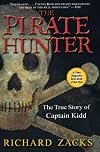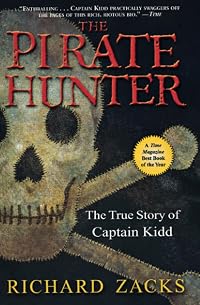
The Pirate Hunter: The True Story of Captain Kidd
by Richard Zacks
On This Page
Description
Captain Kidd has gone down in history as America's most ruthless buccaneer, fabulously rich, burying treasure up and down the eastern seaboard. But it turns out that most everyone, from novelists to scholars, has the story all wrong. Captain William Kidd was no career cutthroat; he was a tough, successful New York sea captain who was hired to chase pirates in the 1690s. His three-year odyssey aboard the aptly named Adventure Galley would pit him against arrogant Royal Navy commanders, show more jealous East India Company captains, storms, starvation, angry natives, and, above all, flesh-and-blood pirates. Captain Kidd found himself facing a long-forgotten rogue by the name of Robert Culliford, who lured Kidd's crew to mutiny not once but twice.Through painstaking research, author Richard Zacks has pieced together the never-before-told story of Kidd versus Culliford, of pirate hunter versus pirate, as they fought each other in an unscripted duel across the oceans of the world. One man would hang in the harbor; the other would walk away with the treasure. The Pirate Hunter delivers something rare: an authentic pirate story for grown-ups. show lessTags
Recommendations



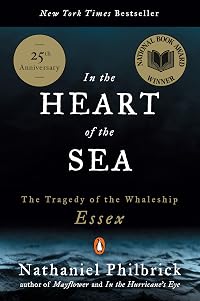
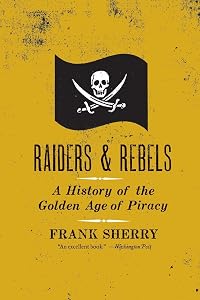
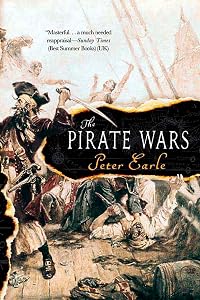
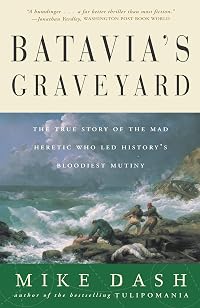
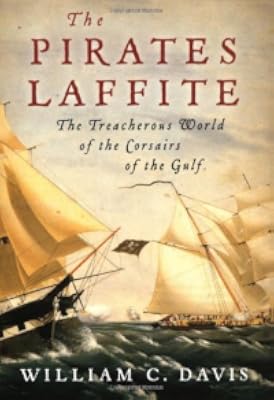
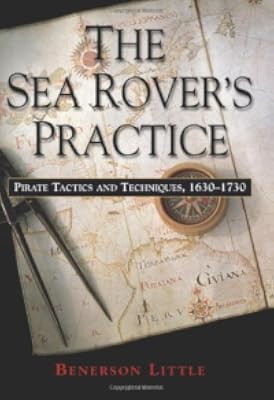
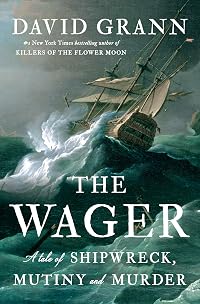
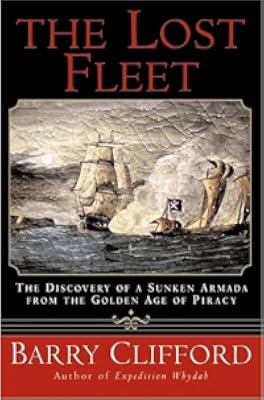
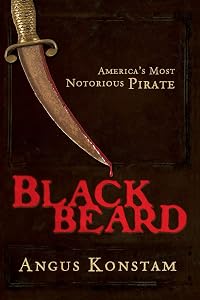
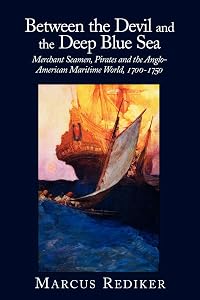
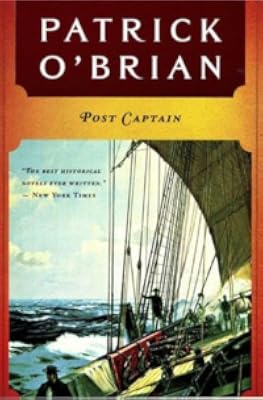
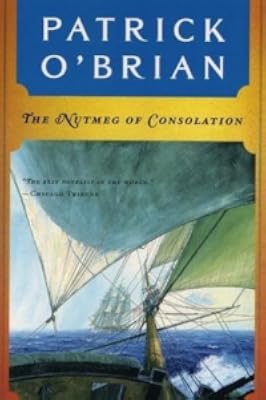
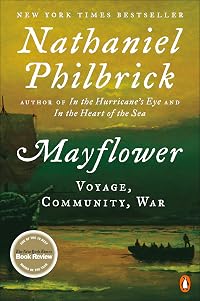

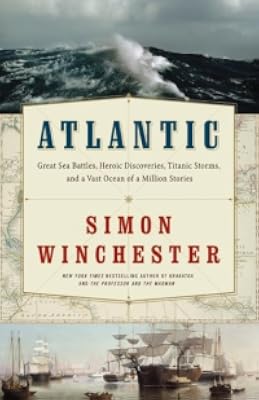
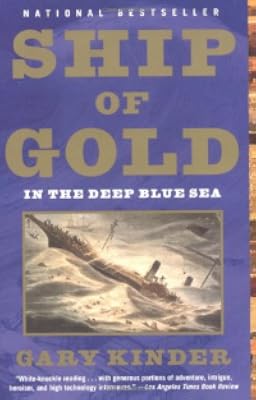
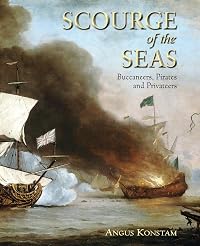
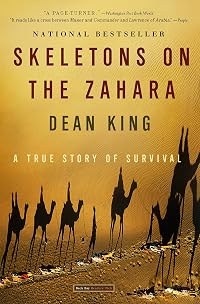
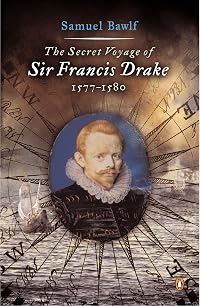
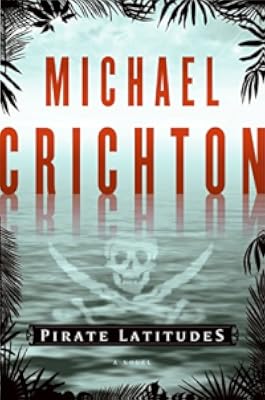
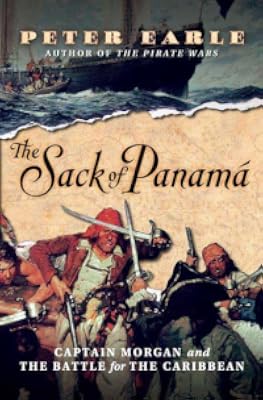

Member Recommendations
Member Reviews
I feel like everyone knows about Captain Kidd at this point, by name or maybe even by reputation. I certainly thought I did, but this biography has even more to offer. Richard Zacks spares no detail in any aspect of Kidd's life in "The Pirate Hunter." What I learned from this was that Kidd was not the notorious pirate that history has made him out to be. In fact, compared to many he hardly fit the definition of one. Based out of New York City, Kidd was a married man, one of its wealthiest citizens, and unlike most, commanded a galley ship rather than a strictly sailing one. As a privateer, he was in possession of a proper Letter of Marque, but that is not to say he didn't encounter and work alongside a few pirates. Gossip and rumor show more dogged him for most of his career, despite his best attempts to stick to his assigned mission of hunting pirates. He may or may not have been aware of the hidden agenda of his sponsors back in London. But it was ultimately his swagger and arrogance that would be his undoing.
The only reason that this one didn't get 5 ⭐, is because as informative as it is, it gets pretty long-winded at times. It doesn't pertain to Kidd directly, but one more thing bothered me. When Zacks addresses Robert Culliford, who served with Kidd aboard a French privateer, he's adamant that the man was heterosexual. Most historians agree the man was gay or bisexual. But Zacks weakly attempts to describe Robert and his "great consort" Jon Swann as "best of friends." What I did appreciate was the inclusion of testimonies often overlooked that prove, if only a little, that Kidd did not deserve to be labeled a pirate for his actions. The East India Company, and rich Englishmen pulling the strings certainly had it out for him. Not exactly a "riotous bio" but this book definitely allowed me to re-evaluate my opinion of Kidd. I recommend it! show less
The only reason that this one didn't get 5 ⭐, is because as informative as it is, it gets pretty long-winded at times. It doesn't pertain to Kidd directly, but one more thing bothered me. When Zacks addresses Robert Culliford, who served with Kidd aboard a French privateer, he's adamant that the man was heterosexual. Most historians agree the man was gay or bisexual. But Zacks weakly attempts to describe Robert and his "great consort" Jon Swann as "best of friends." What I did appreciate was the inclusion of testimonies often overlooked that prove, if only a little, that Kidd did not deserve to be labeled a pirate for his actions. The East India Company, and rich Englishmen pulling the strings certainly had it out for him. Not exactly a "riotous bio" but this book definitely allowed me to re-evaluate my opinion of Kidd. I recommend it! show less
Reviews on this book seem a bit mixed, which puzzles me a bit. I found it to be a wonderful read, bringing to life characters such as Captain Kidd and Captain Culliford. I had known little about Kidd before reading this except that he was purportedly one of the most notable pirates of the 17th century. The truth is far from this, his mistake not becoming a pirate, but trusting powerful, greedy people when his luck was down and they would be liable to face scandal. Along the way I learned a bit about what the pirate life was really like (not as romantic as the movies, which was no surprise really) and the English justice system, which makes me glad to have what we have today. As many faults as our system has, it is a vast improvement show more over what Kidd faced. The real irony was that Kidd, who refused to turn pirate was hanged for being a pirate, while a number of members of his crew who did turn pirate received pardons. show less
The Pirate Hunter, by Richard Zacks, completely turned around any notion I had about the notorious Captain Kidd. Zacks research shows that Captain Kidd's reputation as a villain and terror on the high seas was undeserved. Rather, it appears that Kidd was maligned by others for a variety of reasons, which ultimately led to his capture, trial, execution, and his historical reputation as a pirate.
Zacks narrative gives the reader an appreciation of what life in Britain and the Colonies was like at the end of the 17th Century, and what a sailors life was like in those times. Also interesting was how others in that era, including rogue pirates such as Robert Culliford, were pardoned for their crimes, while Kidd, apparently innocent of acts show more of piracy, ended up being condemned.
The book may have been a little longer than necessary, and some of the detail added didn't justify inclusion in terms of painting the picture of Kidd's life. But in fairness to the author, I'm sure that if I had spent as much time as he must have done in digging up all the historical facts from these times, I wouldn't have wanted them to go unrecorded either. show less
Zacks narrative gives the reader an appreciation of what life in Britain and the Colonies was like at the end of the 17th Century, and what a sailors life was like in those times. Also interesting was how others in that era, including rogue pirates such as Robert Culliford, were pardoned for their crimes, while Kidd, apparently innocent of acts show more of piracy, ended up being condemned.
The book may have been a little longer than necessary, and some of the detail added didn't justify inclusion in terms of painting the picture of Kidd's life. But in fairness to the author, I'm sure that if I had spent as much time as he must have done in digging up all the historical facts from these times, I wouldn't have wanted them to go unrecorded either. show less
I enjoyed this book and would especially recommend it to lawyers who might enjoy a look into the legal process of the period. I delighted in Zack's prose style which was literate, but never overwhelmed the text. Now that interactive features are available online, I would have liked a timeline to show the various ships and which mates were on them as it got quite tangled. I also enjoyed the descriptions of Manhattan and how people of the time lived, which is very different from the skyscrapers we all know and love. I appreciated the revelations that Kidd was a legal pirate hunter authorized by the king and how he tried to stick to his original mission. I also enjoyed how his life was shown in comparison to Culliford who did turn pirate show more while Kidd protested his innocence. show less
Zacks sympathetic portrayal of Captain Kidd highlights the corruption of early 18th century England, as well as the telling the tale of danger on the high seas. Kidd was commissioned as a privateer, sponsored by some highly-placed nobles in English society and carrying a commission by the king. Privateers, however, occupied a legal gray area. Unlike a military ship, there was no guaranteed pay -- the ship had to take a prize for the crew to get paid. Legal prizes were enemies of state, or pirate vessels. They also did not get prime military seaman to crew the ship -- often, ships were filled with dregs from prisons and other naturally inclined ne'er-do-wells.
Kidd maintained to the end he operated as an honorable privateer, serving his show more commission. However, He once faced a mutiny by his crew, anxious for a prize when none was forthcoming. In a fit of passion, Kidd clocked the gunnery officer with what became a fatal blow when the gunner encouraged the crew to take an allied Dutch vessel. This would be Kidd's undoing in the end.
The first half of the story details a captain determined to do right, but often facing a dilemma due to the nature of his work. Kidd takes an Arab vessel, which ought to pay off handsomely. Things just don't work out that way, however, and when docked in Puritanical Boston, he is arrested on unspecified charges.
The remainder of the book details Kidd's incarceration, as well as the fate of other rouges associated with Kidd at the time. In the end, Kidd's treasure was inaccessible, and the resulting poverty was the primary reason he could not afford legal council that likely could have exonerated him. As it turned out, perjuring "witnesses" commanded the attention of the jury, and things didn't work out so well for the erstwhile captain. The fact his treasure horde was never found grants Kidd a legacy that endures to this day.
In related events, the decedents of Kidd ultimately did well for themselves once property in New York and Manhattan was restored to his widow. His descendants include governors and senators and one signatory of the Declaration of Independence. Sometimes, bad things happen to not-so-bad people, and this book is testimony to one history's most illustrious examples. show less
Kidd maintained to the end he operated as an honorable privateer, serving his show more commission. However, He once faced a mutiny by his crew, anxious for a prize when none was forthcoming. In a fit of passion, Kidd clocked the gunnery officer with what became a fatal blow when the gunner encouraged the crew to take an allied Dutch vessel. This would be Kidd's undoing in the end.
The first half of the story details a captain determined to do right, but often facing a dilemma due to the nature of his work. Kidd takes an Arab vessel, which ought to pay off handsomely. Things just don't work out that way, however, and when docked in Puritanical Boston, he is arrested on unspecified charges.
The remainder of the book details Kidd's incarceration, as well as the fate of other rouges associated with Kidd at the time. In the end, Kidd's treasure was inaccessible, and the resulting poverty was the primary reason he could not afford legal council that likely could have exonerated him. As it turned out, perjuring "witnesses" commanded the attention of the jury, and things didn't work out so well for the erstwhile captain. The fact his treasure horde was never found grants Kidd a legacy that endures to this day.
In related events, the decedents of Kidd ultimately did well for themselves once property in New York and Manhattan was restored to his widow. His descendants include governors and senators and one signatory of the Declaration of Independence. Sometimes, bad things happen to not-so-bad people, and this book is testimony to one history's most illustrious examples. show less
Wonderful and informative account of the history of Captain William Kidd. Zacks has done an incredible amount of research in finding the real story of Captain Kidd and his subsequent trial for piracy. The book has just the right balance of novel style writing blended with facts and figures. It gives a good insight into the workings of the English system of law in the early 18th century, and how frightening it could be if you were on the wrong side of it. The audiobook version, narrated by Michael Prichard, is well recorded.
This was a really well done book telling Captain Kidd’s actual story. I enjoyed Zack’s writing style, and he introduces each chapter well. However, while he did manage to keep the story interesting and easy to read, there were occasions where it was harder to focus due to a few lengthy descriptions. I did enjoy this book, though, and I do recommend it.
Members
- Recently Added By
Author Information

7 Works 3,564 Members
Some Editions
Awards and Honors
Notable Lists
Common Knowledge
- Original publication date
- 2002
- People/Characters
- Captain William Kidd; Frederick Flypse; Steven Delancy; Sarah Bradley Cox Oort Kidd; James Emott; Governor Alexander Hamilton (show all 39); Richard Barleycorn; Robert Lamley; Commodore Thomas Warren; Allen Catchpoole; Robert Culliford; John Swann; William Mason; James Gilliam; James Croft; Captain Leonard Edgecombe; John Leckie; Captain George Wallis; Colonel Codrington; Jean-Baptiste du Casse; Sir Timothy Thornhill; Jacob Leisler; William Cox; John Oort; Charles Talbot, Earl of Shrewsbury; Henry Sidney, Earl of Romney; Lord John Somers; Admiral Edward Russell; Samuel Bradley; Philip French; Captain Giles Shelley; Governor Lord Bellomont; Captain Phinney; Edward Barlow; William Willock; Duncan Campbell; Darby Mullins; Jean Dubois; Pierre Mingueneau
- Important places
- Manhattan, New York, New York, USA; Funchal, Madeira, Portugal; St. Iago, Cape Verde Islands; Bombay, Maharashtra, India; Nicobar Islands; Marie-Galante, Guadeloupe, Carribbean (show all 14); Port Royal, Jamaica, Caribbean Islands; London, England, UK; Mohelia, Madagascar; Daman, Dadra and Nagar Haveli and Daman and Diu, India; Mocha Island, Biobío Region, Chile; St. Mary's, Madagascar; Block Island, Rhode Island, USA; Marshalsea Prison, Southwark, England, UK
- Dedication
- To Kristine Y. Dahl
- First words
- New York in the summer of 1696 was an ink spot on the tip of the map of Manhattan, a struggling seaport with a meager population of 5,000, about a fifth of them African slaves.
- Last words
- (Click to show. Warning: May contain spoilers.)He never appeared again in official records, and for three centuries he escaped the notoriety that he so richly deserved.
- Blurbers
- Sides, Hampton; Harrigan, Stephen; Ball, Edward; Bamford, James; Ehrenreich, Barbara; Clinton, Catherine (show all 7); Brooks, Geraldine
- Original language
- English
Classifications
- Genres
- History, Religion & Spirituality, Nonfiction, Biography & Memoir, General Nonfiction, Philosophy, Food & Cooking
- DDC/MDS
- 364.135 — Society, government, & culture Social problems and social services Crime Criminal offenses Political and related offenses International offenses
- LCC
- G537 .K5 .Z33 — Geography, Anthropology and Recreation Geography (General) Adventures, shipwrecks, buried treasure, etc.
- BISAC
Statistics
- Members
- 992
- Popularity
- 26,550
- Reviews
- 11
- Rating
- (3.76)
- Languages
- English, Finnish, Spanish
- Media
- Paper, Audiobook, Ebook
- ISBNs
- 21
- ASINs
- 7