On This Page
Description
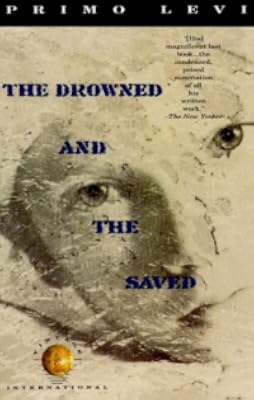
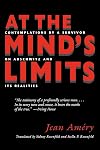
"In his final book before his death, Primo Levi returns once more to his time at Auschwitz in a moving meditation on memory, resiliency, and the struggle to comprehend unimaginable tragedy. Drawing on history, philosophy, and his own personal experiences, Levi asks if we have already begun to forget about the Holocaust. His last book before his death, Levi returns to the subject that would define his reputation as a writer and a witness. Levi breaks his book into eight essays, ranging from show more topics like the unreliability of memory to how violence twists both the victim and the victimizer. He shares how difficult it is for him to tell his experiences with his children and friends. He also debunks the myth that most of the Germans were in the dark about the Final Solution or that Jews never attempted to escape the camps. As the Holocaust recedes into the past and fewer and fewer survivors are left to tell their stories, The Drowned and the Saved is a vital first-person testament. Along with Elie Wiesel and Hannah Arendt, Primo Levi is remembered as one of the most powerful and perceptive writers on the Holocaust and the Jewish experience during World War II. This is an essential book both for students and literary readers. Reading Primo Levi is a lesson in the resiliency of the human spirit."--Publisher description. show lessTags
Recommendations

































Member Recommendations
Eustrabirbeonne Cette oeuvre essentielle de Primo Levi, qui peut être considérée comme son testament (il s'agit de l'avant-dernier ouvrage publié de son vivant), n'a malheureusement pas été retenue par l'édition Bouquins.
Member Reviews
The Drowned and the Saved by Primo Levi
4 stars
The Drowned and the Saved was Primo Levi’s last book, published shortly before his death. The book is comprised of 8 chapters that read like short essays or meditations. The book explores the rationale behind the concentration camps during World War II and attempts to explain the mindset behind both the oppressors and the oppressed. Levi draws on his own experience as a prisoner in Auschwitz. There are chapters on memory, shame, gray zone (e.g. blurred lines between “us vs. them,” the situation of the intellectual prisoner, communication, and useless violence.
This was a wonderfully written and smart book. Levi’s speculations about various aspects central to the existence and show more consequences of extermination camps are fascinating. He writes in a way that is passionate, yet at the same time, he is able to reflect on what was a traumatic time in his life in a way that is intellectual rather than emotional.
I particularly appreciated the chapter on shame. He links this sense of shame to rates of suicide following liberation. I am a psychologist and I’ve worked with military Veterans including a few from WWII. I will never forget one WWII vet that I worked with who had witnessed and experienced many traumatic events during his service, but what he was most affected by was his experience of liberating one of the extermination camps. Like Levi, he talked about the differences between the movie versions of liberation as being joyful and big celebrations and his own experience seeing prisoners when he arrived at the camp. He talked about the pervasive sense of shame and anguish that preceded the immediate liberation.
The last chapter of the book is a series of excerpts from letters between Levi and German readers who responded to the first published German translation of “Survival in Auschwitz.” It is a powerful chapter that explores some of the perspectives of Germans citizens living during the time of the Holocaust.
Quotes:
The World into which one was precipitated was terrible, yes, but also indecipherable: it did not conform to any model; the enemy was all around but also inside, the “we” lost its limits, the contenders were not two, one could not discern a single frontier but rather many confused, perhaps innumerable frontiers, which stretched between each of us.
Thus the Lager, on a small scale but with amplified characteristics, reproduced the hierarchical structure of the totalitarian state, in which all power is invested from above and control from below is almost impossible.
Conceiving and organizing the squads was National Socialism’s most demonic crime. Behind the pragmatic aspect other more subtle aspects can be perceived. This institution represented an attempt to shift onto others – specifically the victims – the burden of guilt, so that they were deprived of even the solace of innocence.
A single Anne Frank excites more emotion than the myriads who suffered as she did but whose image has remained in the shadows. Perhaps it is necessary that it can be so. If we had to and were able to suffer the sufferings of everyone, we could not live.
show less
4 stars
The Drowned and the Saved was Primo Levi’s last book, published shortly before his death. The book is comprised of 8 chapters that read like short essays or meditations. The book explores the rationale behind the concentration camps during World War II and attempts to explain the mindset behind both the oppressors and the oppressed. Levi draws on his own experience as a prisoner in Auschwitz. There are chapters on memory, shame, gray zone (e.g. blurred lines between “us vs. them,” the situation of the intellectual prisoner, communication, and useless violence.
This was a wonderfully written and smart book. Levi’s speculations about various aspects central to the existence and show more consequences of extermination camps are fascinating. He writes in a way that is passionate, yet at the same time, he is able to reflect on what was a traumatic time in his life in a way that is intellectual rather than emotional.
I particularly appreciated the chapter on shame. He links this sense of shame to rates of suicide following liberation. I am a psychologist and I’ve worked with military Veterans including a few from WWII. I will never forget one WWII vet that I worked with who had witnessed and experienced many traumatic events during his service, but what he was most affected by was his experience of liberating one of the extermination camps. Like Levi, he talked about the differences between the movie versions of liberation as being joyful and big celebrations and his own experience seeing prisoners when he arrived at the camp. He talked about the pervasive sense of shame and anguish that preceded the immediate liberation.
The last chapter of the book is a series of excerpts from letters between Levi and German readers who responded to the first published German translation of “Survival in Auschwitz.” It is a powerful chapter that explores some of the perspectives of Germans citizens living during the time of the Holocaust.
Quotes:
The World into which one was precipitated was terrible, yes, but also indecipherable: it did not conform to any model; the enemy was all around but also inside, the “we” lost its limits, the contenders were not two, one could not discern a single frontier but rather many confused, perhaps innumerable frontiers, which stretched between each of us.
Thus the Lager, on a small scale but with amplified characteristics, reproduced the hierarchical structure of the totalitarian state, in which all power is invested from above and control from below is almost impossible.
Conceiving and organizing the squads was National Socialism’s most demonic crime. Behind the pragmatic aspect other more subtle aspects can be perceived. This institution represented an attempt to shift onto others – specifically the victims – the burden of guilt, so that they were deprived of even the solace of innocence.
A single Anne Frank excites more emotion than the myriads who suffered as she did but whose image has remained in the shadows. Perhaps it is necessary that it can be so. If we had to and were able to suffer the sufferings of everyone, we could not live.
show less
The Drowned and the Saved forms the third book in what is called the Auschwitz Trilogy. The earlier books, If This is A Man, and The Truce recount Levi’s actual experience of surviving the camp and returning back home via USSR.
Levi, in this book, explores the barren landscape left in the wake of the second world war, as he tries to make sense of what he suffered through his period of suffering as a prisoner at the Auschwitz concentration camp. Recurring themes of guilt, memory, anger, and shame are discussed with each chapter focusing on a different aspect of understanding the functioning of the camp, and the hateful psychology that inspired it. Levi explains how despite the popular narrative, things in these camps were hardly morally show more binary. There was an imminent presence of a “grey zone”: prisoners being complicit in the oppression of their fellow prisoners due to the distorted illusion of choice. A group of Jews were tasked with herding the unfortunate Jews into the gas chambers, and later cleaning out the corpses and burning them. The ashes were used as tar to be sprinkled on the roads outside the camps. This group was fated to be the victims of gas chambers themselves, with another group of Jews taking their role in the slaughter. Levi explains the Nazi mentality behind such acts of passive aggression as being manipulative towards the victims, in order to fabricate the narrative of Jews themselves being part of the atrocities committed against their own people. Another recurring theme is that of the survivors’ guilt. The feeling that you made it out alive because you were a part of the system that killed so many others, and you are implicitly responsible for so many who couldn’t make it out alive. The shame of being reduced to living out of animal instincts, the abject departure of brotherhood, empathy, humanity, and every other lofty virtue that humans boast of in times of comfort and peace.
Levi also emphasises on memory, and how the society tries to undermine the horrifying aspects of its past, how the memories are distorted or even denied to fuel a certain narrative. He sadly reflects that the true abomination of Holocaust will never be known because those who suffered it never made out alive to tell their tales. It was them who actually witnessed the absolute destruction of the facade of civility that men hide behind. There were no true survivors of the Holocaust, only hollowed out souls inside breathing shadows. It is no surprise that many survivors of the camp committed suicide in later stages of their lives, including Primo Levi in 1987.
Reading this book can be an emotionally harrowing experience, but the lucid and reflective tone of the prose will help you understand the human nature like never before. The question still lingers like an afterthought, whether what took place over the course of five years between 1940 to 45 in Nazi camps, in the heartland of Europe which claimed to bring the light of civilisation to the world, is true humanity unmasked, or was it merely a product of its time, a lesson of history that shall never be repeated, or forgotten? show less
Levi, in this book, explores the barren landscape left in the wake of the second world war, as he tries to make sense of what he suffered through his period of suffering as a prisoner at the Auschwitz concentration camp. Recurring themes of guilt, memory, anger, and shame are discussed with each chapter focusing on a different aspect of understanding the functioning of the camp, and the hateful psychology that inspired it. Levi explains how despite the popular narrative, things in these camps were hardly morally show more binary. There was an imminent presence of a “grey zone”: prisoners being complicit in the oppression of their fellow prisoners due to the distorted illusion of choice. A group of Jews were tasked with herding the unfortunate Jews into the gas chambers, and later cleaning out the corpses and burning them. The ashes were used as tar to be sprinkled on the roads outside the camps. This group was fated to be the victims of gas chambers themselves, with another group of Jews taking their role in the slaughter. Levi explains the Nazi mentality behind such acts of passive aggression as being manipulative towards the victims, in order to fabricate the narrative of Jews themselves being part of the atrocities committed against their own people. Another recurring theme is that of the survivors’ guilt. The feeling that you made it out alive because you were a part of the system that killed so many others, and you are implicitly responsible for so many who couldn’t make it out alive. The shame of being reduced to living out of animal instincts, the abject departure of brotherhood, empathy, humanity, and every other lofty virtue that humans boast of in times of comfort and peace.
Levi also emphasises on memory, and how the society tries to undermine the horrifying aspects of its past, how the memories are distorted or even denied to fuel a certain narrative. He sadly reflects that the true abomination of Holocaust will never be known because those who suffered it never made out alive to tell their tales. It was them who actually witnessed the absolute destruction of the facade of civility that men hide behind. There were no true survivors of the Holocaust, only hollowed out souls inside breathing shadows. It is no surprise that many survivors of the camp committed suicide in later stages of their lives, including Primo Levi in 1987.
Reading this book can be an emotionally harrowing experience, but the lucid and reflective tone of the prose will help you understand the human nature like never before. The question still lingers like an afterthought, whether what took place over the course of five years between 1940 to 45 in Nazi camps, in the heartland of Europe which claimed to bring the light of civilisation to the world, is true humanity unmasked, or was it merely a product of its time, a lesson of history that shall never be repeated, or forgotten? show less
C'est arrivé et tout cela peut arriver de nouveau : c'est le noyau de ce que nous avons à dire. ' Primo Levi (1919-1987) n'examine pas son expérience des camps nazis comme un accident de l'histoire, mais comme un événement exemplaire qui permet de comprendre jusqu'où peut aller l'homme dans le rôle du bourreau ou dans celui de la victime. Quelles sont les structures d'un système autoritaire et quelles sont les techniques pour anéantir la personnalité d'un individu ? Quel rapport sera créé entre les oppresseurs et les opprimés ? Comment se crée et se construit un monstre ? Est-il possible de comprendre de l'intérieur la logique de la machine de l'extermination ? Est-il possible de se révolter contre elle ? Primo Levi ne show more se borne pas à décrire les aspects des camps qui restaient obscurs jusqu'aujourd'hui, mais dresse un bilan pour lutter contre l'accoutumance à la dégradation de l'humain. show less
Shortly after completing THE DROWNED AND THE SAVED, Primo Levi committed suicide. The matter of his death was sudden, violent and unpremiditated, and there were some who argue that he killed himself because he was tormented by guilt - guilt that he had survived the horrors of Auschwitz while others, better than he, had gone to the wall.
THE DROWNED AND THE SAVED is Levi's impassioned attempt to understand the 'rationale' behind the concentration camps, was completed shortly before his tragic death in 1987.
THE DROWNED AND THE SAVED dispels the myth that Primo Levi forgave the Germans for what they did to his people. He didn't and couldn't forgive. He refused, however, to indulge in what he called 'the bestial vice of hatred' which is an show more entirely different matter. The voice that sounds in his writing is that of a reasonable man...it warns and reminds us that the unimaginable can happen again. A would-be tyrant is waiting in the wings, with 'beautiful words' on his lips. The book is constantly impressing on us the need to learn from the past, to make sense of the senseless' PAUL BAILEY show less
THE DROWNED AND THE SAVED is Levi's impassioned attempt to understand the 'rationale' behind the concentration camps, was completed shortly before his tragic death in 1987.
THE DROWNED AND THE SAVED dispels the myth that Primo Levi forgave the Germans for what they did to his people. He didn't and couldn't forgive. He refused, however, to indulge in what he called 'the bestial vice of hatred' which is an show more entirely different matter. The voice that sounds in his writing is that of a reasonable man...it warns and reminds us that the unimaginable can happen again. A would-be tyrant is waiting in the wings, with 'beautiful words' on his lips. The book is constantly impressing on us the need to learn from the past, to make sense of the senseless' PAUL BAILEY show less
The Drowned and the Saved, by Primo Levi is quite the intense and thought-provoking book. It is the kind of writing that leaves one speechless long after reading it.
Memory is fallible through the years. And, often we choose to remember what we want. No matter, Levi believes that we must remember, in order to combat the disease that ran rampant within the Nazi culture, and the Jewish inmate population. Primo Levi remembers all too well, and does not lessen his participation in being part of the “saved”. He acknowledges his acts, and remembers all the demeaning events and situations, for the future of mankind, hoping that no similar events will occur again.
Memory is fallible through the years. And, often we choose to remember what we want. No matter, Levi believes that we must remember, in order to combat the disease that ran rampant within the Nazi culture, and the Jewish inmate population. Primo Levi remembers all too well, and does not lessen his participation in being part of the “saved”. He acknowledges his acts, and remembers all the demeaning events and situations, for the future of mankind, hoping that no similar events will occur again.
Primo Levi's "The Drowned and the Saved" is a collection of essays focused on his life as a Polish Jew who survived interment at Auschwitz and went on to write a series of books about his experiences.
Levi's essays are thought provoking as he attempts to understand why he survived and others did not; the reasons that much of a country allowed this to happen and how a traumatic event can form and individual but not define them.
I probably would have given this an even higher rating had I read Levi's "Survival in Auschwitz" first, as it contains more thorough account of his experiences (apparently) and is referred to often in "The Drowned and the Saved." Even without knowing the background material, I still found these essays to be show more powerful and thought provoking. show less
Levi's essays are thought provoking as he attempts to understand why he survived and others did not; the reasons that much of a country allowed this to happen and how a traumatic event can form and individual but not define them.
I probably would have given this an even higher rating had I read Levi's "Survival in Auschwitz" first, as it contains more thorough account of his experiences (apparently) and is referred to often in "The Drowned and the Saved." Even without knowing the background material, I still found these essays to be show more powerful and thought provoking. show less
Another one of Levi's profound memoirs which speak to not only the horrors of the concentration camp, but to the moral "gray zone" found in all of us. We tend to look at things in terms of white and black -- good and evil; but sometimes, as in Levi's case, humans are faced with the truth that things they would not normally do are the only options for survival. This, to me, is levi's best work and should not be missed.
Members
- Recently Added By
Lists

1001 Books You Must Read Before You Die
1,448 works; 1,134 members

Italian Literature
557 works; 42 members

Llibres que he llegit el 2013
47 works; 1 member

1,001 BYMRBYD Concensus
723 works; 27 members

The Burned Letter Book List
56 works; 1 member
Author Information

167+ Works 25,381 Members
Primo Levi was born on July 31, 1919 in Turin, Italy. He pursued a career in chemistry, and spent the early years World War II as a research chemist in Milan. Upon the German invasion of northern Italy, Levi, an Italian Jew, joined an anti-fascist group and was captured and sent to the Auschwitz concentration camp in Poland. He was able to survive show more the camp, due in part to his value to the Nazis as a chemist. After the war ended, Levi did chemistry work in a Turin paint factory while beginning his writing career. His first book, If This Is a Man (title later was changed to Survival in Auschwitz) was published in 1947 and its sequel, The Truce (later retitled The Reawakening) came out in 1958. These two books recount Levi's story of surviving concentration camp life. Levi also published poetry, short stories, and novels, some under the pen name Damianos Malabaila. His 1985, largely autobiographical work, The Periodic Table, cemented his world fame. Awards in tribute to his writing included the Kenneth B. Smilen fiction award, presented by the Jewish Museum in New York. Ironically, despite his surviving Auschwitz, Primo Levi appears to have died by suicide, in Turin on April 11, 1987. (Bowker Author Biography) show less
Some Editions
Awards and Honors
Notable Lists
Series

Belongs to Publisher Series
ET Tascabili [Einaudi] (1104)
Gli struzzi [Einaudi] (305)
Work Relationships
Common Knowledge
- Canonical title*
- De verdronkenen en de geredden : essays
- Original title
- I sommersi e i salvati
- Original publication date
- 1986; 1988 (Rosenthal English translation) (Rosenthal English translation)
- Important places
- Auschwitz concentration camp, Oświęcim, Lesser Poland, Poland
- Important events
- Holocaust; Shoah
- Quotations
- It is naive, absurd, and historically false to believe that an infernal system such as National Socialism sanctifies its victims: on the contrary, it degrades them, it makes them resemble itself, and this all the more when th... (show all)ey are available, blank, and lacking a political or moral armature.
It is the duty of righteous men to make war on all undeserved privilege, but one must not forget that this is a war without end.
The "saved" of the Lager were not the best, those predestined to do good, the bearers of a message: what I had seen and lived through proved the exact contrary. Preferably the worst survived, the selfish, the violent, the ins... (show all)ensitive, the collaborators of the "gray zone," the spies. It was not a certain rule (there were none, nor are there certain rules in human matters), but it was nevertheless a rule. I felt innocent, yes, but enrolled among the saved and therefore in permanent search of a justification in my own eyes and those of others. The worst survived, that is, the fittest; the best all died.
The ocean of pain, past and present, surrounded us, and its level rose from year to year until it almost submerged us. It was useless to close one's eyes or turn one's back to it because it was all around, in every direction,... (show all) all the way to the horizon. It was not possible for us nor did we want to become islands; the just among us, neither more nor less numerous than in any other human group, felt remorse, shame, and pain for the misdeeds that others and not they had committed, and in which they felt involved, because they sensed that what had happened around them and in their presence, and in them, was irrevocable. Never again could it be cleansed; it would prove that man, the human species--we, in short--had the potential to construct an infinite enormity of pain, and that pain is the only force created from nothing, without cost and without effort. It is enough not to see, not to listen, not to act.
In what direction could they flee? To whom could they turn for shelter? They were outside the world, men and women made of air. - Original language
- Italian
*Some information comes from Common Knowledge in other languages. Click "Edit" for more information.
Classifications
- Genres
- Nonfiction, Biography & Memoir, History, General Nonfiction
- DDC/MDS
- 940.53150392404386 — History & geography History of Europe History of Europe 1918- World War II, 1939-1945 Social, political, economic history; Holocaust
- LCC
- D804.3 .L4813 — History of Europe, Asia, Africa and Oceania History (General) World War II (1939-1945)
- BISAC
Statistics
- Members
- 2,379
- Popularity
- 8,232
- Reviews
- 19
- Rating
- (4.35)
- Languages
- 15 — Catalan, Danish, Dutch, English, French, German, Greek, Hebrew, Italian, Japanese, Korean, Russian, Spanish, Turkish, Portuguese (Portugal)
- Media
- Paper, Audiobook, Ebook
- ISBNs
- 50
- ASINs
- 11