There is 1 current discussion about this work.
On This Page
Description
Death comes to us all. When he came to Mort, he offered him a job. Henceforth, Death is no longer going to be the end, merely the means to an end. It's an offer Mort can't refuse. As Death's apprentice he'll have free board, use of the company horse, and being dead isn't compulsory. It's a dream job, until he discovers that it can be a killer on his love life.Tags
Recommendations
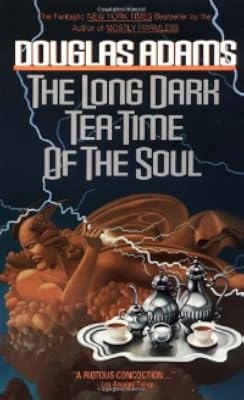
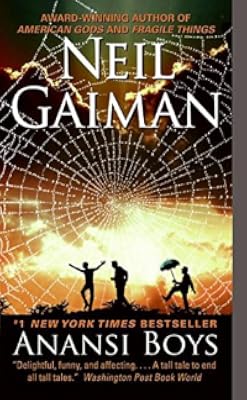
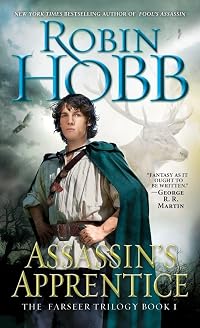

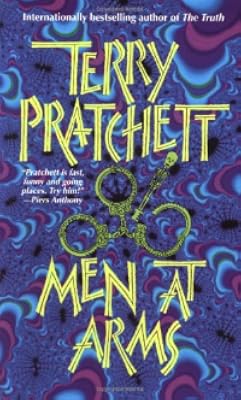
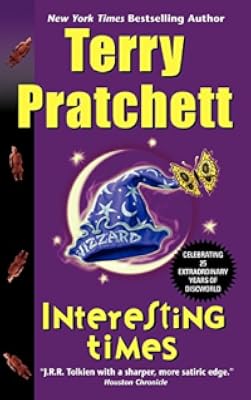
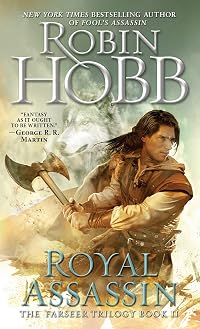
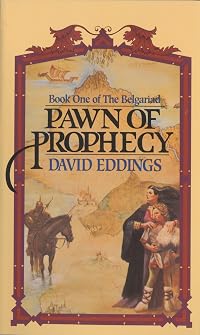
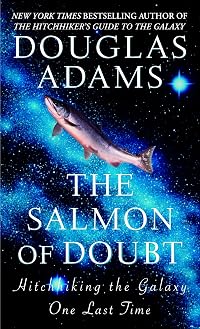
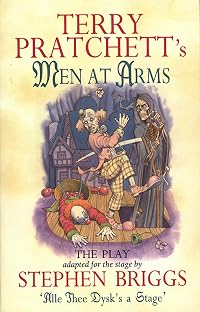
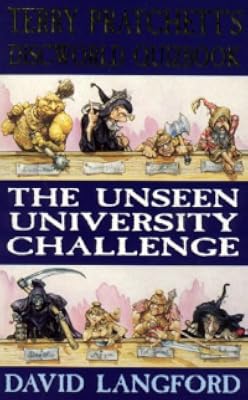
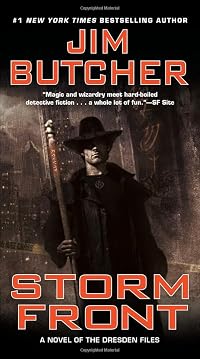
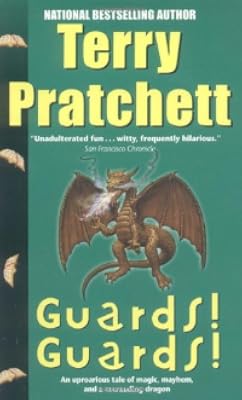
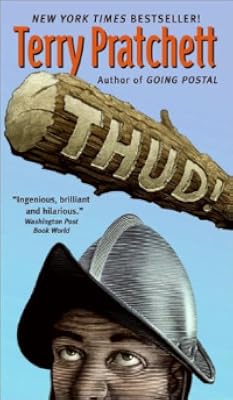
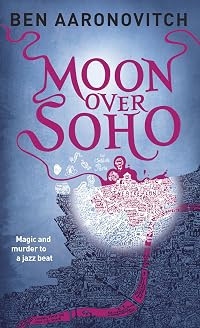
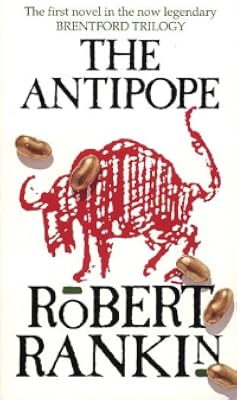
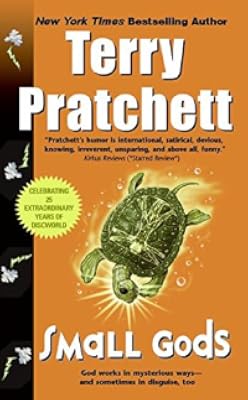
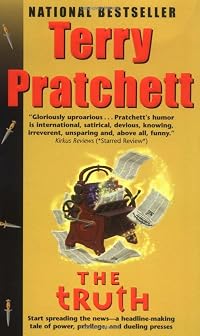
Member Recommendations
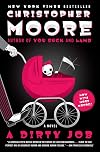
Zaklog Although American, not British, Christopher Moore has a very similar sense of humor to Pratchett's. And if you like a story about an unsuspecting, innocent (and often clumsy) man accidentally becoming the Grim Reaper, you'll probably like Moore's book as well. Another wonderful characteristic the two authors share is their ability to combine a bizarre sense of humor with very serious moral subjects.
So once you finish the newest Pratchett novel, be sure to check out Christopher Moore.
10
PitcherBooks While Howard's Cabal is a Necromancer (one who can raise the dead - in a fashion) And Pratchett's DEATH is the embodiment of death (which comes to us all)... The commonality is really that wonderful quirky British humor. Pratchett is an old favorite of mine and I have read every one of his books. Howard is my new favorite and I plan to read every one of his books. If you like one, odds are you'll totally enjoy the other...
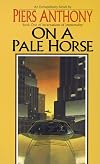
ijustgetbored Similar theme: Death gets a replacement. Wry, with a healthy helping of social critique.
34
Member Reviews
I pulled this dusty old gem off my bookshelves a few days ago because the SciFi and Fantasy Bookclub on Goodreads chose it as their selection to read for January 2013. I tried to pace myself, taking three days to read it in order to prolong the enjoyment. I had forgotten how incredibly good it is.
Mort is the story of a gangly young man who becomes Death’s apprentice. If you are familiar with Discworld, you may know Death - tall guy, boney, wears a black cloak, often seen with a scythe and in the company of a white horse named Binky. He is the anthropomorphic personification of the ultimate and final reality - and he likes kittens.
In this story, Death apparently wants an apprentice for two reasons. One is that he has an adopted show more daughter, Ysabell, whom he thinks could use some company. The backstory for this is vague, but it seems that Death either took pity on her or was simply curious after he ‘collected’ her parents. It’s hard to tell with him sometimes. He has a wonderfully odd way of looking at things.
The other reason to have an apprentice is that he wants a break from the ‘duty.’ This turns out less well than Death might have hoped. On his first solo mission to free souls from their mortal anchors, Mort does something wrong. He saves a young princess from the knife of the assassin fated to kill her, and this disrupts the interrelated web of causality and creates a cosmic paradox. The world thinks she’s dead, but because of Mort’s intervention, she’s not, at least not from a biological perspective. This leads to complications.
Like many of Pratchett’s books, Mort is full of clever wordplay and philosophical humor. For example, at one point Mort says, “I’ve heard about boredom, but I’ve never had a chance to try it.” This cracks me up because it’s dryly funny in the context of the story, but it also philosophically insightful, or at least I found it so. This book is filled with such little Easter eggs, little bits of prose that provoke a smile in passing but can be opened to find even more inside them.
This, in my opinion, is one of the best of Pratchett’s books, the worst of which are some of the most enjoyable stories I’ve ever read. I highly recommend it.
*Update - re-re-reread again.* show less
Mort is the story of a gangly young man who becomes Death’s apprentice. If you are familiar with Discworld, you may know Death - tall guy, boney, wears a black cloak, often seen with a scythe and in the company of a white horse named Binky. He is the anthropomorphic personification of the ultimate and final reality - and he likes kittens.
In this story, Death apparently wants an apprentice for two reasons. One is that he has an adopted show more daughter, Ysabell, whom he thinks could use some company. The backstory for this is vague, but it seems that Death either took pity on her or was simply curious after he ‘collected’ her parents. It’s hard to tell with him sometimes. He has a wonderfully odd way of looking at things.
The other reason to have an apprentice is that he wants a break from the ‘duty.’ This turns out less well than Death might have hoped. On his first solo mission to free souls from their mortal anchors, Mort does something wrong. He saves a young princess from the knife of the assassin fated to kill her, and this disrupts the interrelated web of causality and creates a cosmic paradox. The world thinks she’s dead, but because of Mort’s intervention, she’s not, at least not from a biological perspective. This leads to complications.
Like many of Pratchett’s books, Mort is full of clever wordplay and philosophical humor. For example, at one point Mort says, “I’ve heard about boredom, but I’ve never had a chance to try it.” This cracks me up because it’s dryly funny in the context of the story, but it also philosophically insightful, or at least I found it so. This book is filled with such little Easter eggs, little bits of prose that provoke a smile in passing but can be opened to find even more inside them.
This, in my opinion, is one of the best of Pratchett’s books, the worst of which are some of the most enjoyable stories I’ve ever read. I highly recommend it.
*Update - re-re-reread again.* show less
Moltə di noi avranno presente la sensazione di non sapere cosa fare della propria vita, soprattutto quando si è giovani e inespertə: genitore e adultə in generale vi chiedono cosa prenderete a fare e il vostro cervello produce solo un errore 404 costante perché non avete un interesse o una caratteristica che vi sembra traducibile in un lavoro. Evidentemente anche su Mondo Disco ci sono persone così e una di queste è il nostro Morty che, spinto dalla famiglia a diventare un apprendista, finirà per avere il più insolito dei maestri: Morte.
Quello di Morte è un lavoraccio: ogni giorno muore un sacco di gente e anche se Morte non va a trovare ogni singola persona che tira le cuoia su Mondo Disco, ma solo quando si tratta di show more un’occasione speciale, non è sempre facile avere a che fare con gente appena morta. O con gente che sai che deve morire anche se non sarebbe giusto. Perché Morte non è giusta o sbagliata, semplicemente è.
Il primo incarico in cui Morty andrà da solo, infatti, non andrà proprio liscio. Potete prenderlo come un incoraggiamento per i vostri primi giorni di lavoro: per quanto possiate commettere degli errori, dubito che siano della portata di una morta lasciata in vita che finirà braccata dalla storia che vuole passarle sopra per correggere lo sbaglio della sua esistenza. Il lavoro di Morte non prevede la compassione che spinge a cambiare il destino di una persona: la compassione di Morte è un taglio affilato.
Morte è giustamente uno dei personaggi più amati di Mondo Disco: la sua etica – la possiamo chiamare così? – non segue la logica umana (e, infatti, Morty avrà delle difficoltà a seguirla), ma non possiamo proprio dire che sia crudele: Morte non si diverte a fare il suo lavoro, non ha niente contro le persone che va a prendere – anzi, i suoi tentativi di capire il mondo umano sono piuttosto esilaranti -: è solo maledettamente bravo a farlo.
Menzione d’onore per i personaggi femminili, che nelle opere di Pratchett riescono a essere iconici anche quando non sono le protagoniste della storia: il modo in cui l’autore gioca con lo stereotipo della principessa da salvare potrebbe valere da solo la lettura del libro. Come se Morte non fosse già sufficiente. show less
Quello di Morte è un lavoraccio: ogni giorno muore un sacco di gente e anche se Morte non va a trovare ogni singola persona che tira le cuoia su Mondo Disco, ma solo quando si tratta di show more un’occasione speciale, non è sempre facile avere a che fare con gente appena morta. O con gente che sai che deve morire anche se non sarebbe giusto. Perché Morte non è giusta o sbagliata, semplicemente è.
Il primo incarico in cui Morty andrà da solo, infatti, non andrà proprio liscio. Potete prenderlo come un incoraggiamento per i vostri primi giorni di lavoro: per quanto possiate commettere degli errori, dubito che siano della portata di una morta lasciata in vita che finirà braccata dalla storia che vuole passarle sopra per correggere lo sbaglio della sua esistenza. Il lavoro di Morte non prevede la compassione che spinge a cambiare il destino di una persona: la compassione di Morte è un taglio affilato.
Morte è giustamente uno dei personaggi più amati di Mondo Disco: la sua etica – la possiamo chiamare così? – non segue la logica umana (e, infatti, Morty avrà delle difficoltà a seguirla), ma non possiamo proprio dire che sia crudele: Morte non si diverte a fare il suo lavoro, non ha niente contro le persone che va a prendere – anzi, i suoi tentativi di capire il mondo umano sono piuttosto esilaranti -: è solo maledettamente bravo a farlo.
Menzione d’onore per i personaggi femminili, che nelle opere di Pratchett riescono a essere iconici anche quando non sono le protagoniste della storia: il modo in cui l’autore gioca con lo stereotipo della principessa da salvare potrebbe valere da solo la lettura del libro. Come se Morte non fosse già sufficiente. show less
The best of the Discworld books, by far. Well worth several readings, which is something you cannot say about most of these installments. The story and the characters, in this one, match the quality of both the silly humor and sly wit. A great fractured fairy tale, of Death taking a holiday, and his apprentice not being quite up to the job. All Life breaks loose . . . and that's not a good thing, apparently.
Who knew?
Who knew?
Many years ago, my dear friend Sasha introduced me to Discworld. I don't remember exactly which book she threw my way first, but it is with great clarity that I recall first picking up this particular one. [book: Mort] was what fully sold me on Discworld originally, and it was with the cozy feeling of tugging a well-worn coat on that I reread this book. It was as good as I remembered it being, if not better now that there has been an ample bit of time between readings.
[book: Mort] tells the story of a boy who becomes the apprentice of Death, who really wants to give te whole human pleasure thing a try. Only Death isn't particularly good at being human, nor is Mort particularly great at being Death. When hormones get in the way and he show more spares a Princess's life, all of reality is just a bit disheveled and it's up to him and Death's adopted daughter Ysabel to try and set things right.
While [book: Mort] lacks the cutting/amusing social commentary of [book: Equal Rites] it makes up for it all with the wonderful character of Death himself. Death is one of [author: Terry Pratchett]'s best characters, and I honestly can't wait to read more of his storyline as I continue down the Discworld rabbit hole this year. [book: Reaper Man] in particular I remember adoring... show less
[book: Mort] tells the story of a boy who becomes the apprentice of Death, who really wants to give te whole human pleasure thing a try. Only Death isn't particularly good at being human, nor is Mort particularly great at being Death. When hormones get in the way and he show more spares a Princess's life, all of reality is just a bit disheveled and it's up to him and Death's adopted daughter Ysabel to try and set things right.
While [book: Mort] lacks the cutting/amusing social commentary of [book: Equal Rites] it makes up for it all with the wonderful character of Death himself. Death is one of [author: Terry Pratchett]'s best characters, and I honestly can't wait to read more of his storyline as I continue down the Discworld rabbit hole this year. [book: Reaper Man] in particular I remember adoring... show less
This was my introduction to the discworld and is still (just about) my favourite.
Death comes to all of us, when he came to Mort, he offered him a job. This is the first in the series to feature Death. The death of the disk world is, in his own words, AN ANTHROPOMORPHIC PERSONIFICATION, meaning that he looks how people imagine he does, So he's a skeleton that walks, talks (in block capitals like lead being dropped on granite), eats curry and rides a horse called Binky. Which only goes to show you never can tell.
Where he gets the idea of hiring an apprentice is never quite explained, but he end up hiring Mortimer (Mort for short). There is a host of trouble, which starts when death takes the evening off and leaves "the Duty" to Mort - show more the part of his body that does the thinking isn't his brain. Reality becomes confused in a mess of teenage emotions and misunderstandings. Captures that awkward phase in life very well and turns it into a hilarious disaster of epic proportions.
You know what? it doesn't matter how many times I read this, I still love it. I tried reading it a bit more critically this time, but it still had me under its spell. I get the impression that Pratchett is an intelligent & erudite man, and that his does his readers the credit of assuming that they are equally intelligent. He doesn't explain all of the references he makes between that reality and this, he just assumes you're going to recognise them. If I could give it more than 5 stars I would - 11 out of 10 every time.
Added 31Oct14
Another re-read while sitting in hospital waiting room and on a train - for which something light and easy to pickup and put down is essential. It's the details that I love. The small things that seem inconsequential, but together they make a complete package.
Re-read 2022.
It has been far too long since I last read this. At one level it is like I am 16 again and I'm discovering this fantastical universe for the first time. It is magical, and bizarre, but he never treats it with anything less than with respect - it's a combination that works really well. Pratchett holds a mirror up to the world, and it doesn't always reflect back the world as it is - some times it is as we wish it were or fear it is. It's brilliant and yes that may well be the rose tinted glasses or the glass or red talking, but I don't care. I love every minute of this. Death might just be my favourite character in the entire series, I love the way he is presented, the dichotomy he represents and how entirely human he appears. show less
Death comes to all of us, when he came to Mort, he offered him a job. This is the first in the series to feature Death. The death of the disk world is, in his own words, AN ANTHROPOMORPHIC PERSONIFICATION, meaning that he looks how people imagine he does, So he's a skeleton that walks, talks (in block capitals like lead being dropped on granite), eats curry and rides a horse called Binky. Which only goes to show you never can tell.
Where he gets the idea of hiring an apprentice is never quite explained, but he end up hiring Mortimer (Mort for short). There is a host of trouble, which starts when death takes the evening off and leaves "the Duty" to Mort - show more the part of his body that does the thinking isn't his brain. Reality becomes confused in a mess of teenage emotions and misunderstandings. Captures that awkward phase in life very well and turns it into a hilarious disaster of epic proportions.
You know what? it doesn't matter how many times I read this, I still love it. I tried reading it a bit more critically this time, but it still had me under its spell. I get the impression that Pratchett is an intelligent & erudite man, and that his does his readers the credit of assuming that they are equally intelligent. He doesn't explain all of the references he makes between that reality and this, he just assumes you're going to recognise them. If I could give it more than 5 stars I would - 11 out of 10 every time.
Added 31Oct14
Another re-read while sitting in hospital waiting room and on a train - for which something light and easy to pickup and put down is essential. It's the details that I love. The small things that seem inconsequential, but together they make a complete package.
Re-read 2022.
It has been far too long since I last read this. At one level it is like I am 16 again and I'm discovering this fantastical universe for the first time. It is magical, and bizarre, but he never treats it with anything less than with respect - it's a combination that works really well. Pratchett holds a mirror up to the world, and it doesn't always reflect back the world as it is - some times it is as we wish it were or fear it is. It's brilliant and yes that may well be the rose tinted glasses or the glass or red talking, but I don't care. I love every minute of this. Death might just be my favourite character in the entire series, I love the way he is presented, the dichotomy he represents and how entirely human he appears. show less
Mort, Mort, MORT. His name is Mort, not boy or that fellow or you there or sir. Oh and he's changing fast; becoming realer than real and more solid by the day, brown eyes becoming blue fireballs and that voice - oh boy, that voice. And he has the weight of the universe on his shoulders.
I wouldn't say Mort is ambitious, nay, maybe stubborn and determined? I mean, that combination alone is bound to upset the apple cart. From waiting until the very last stroke of midnight to be apprenticed right up to the duel of fates...just kidding - but there is a duel of sorts. And everything in between. Mort and Death are actually quite symbiotic. Mort carrying out the task that Death carries out and Death having a quasi-existential crisis inside show more multiple fabrics of time. In the end, I have to say I believe Death feels affection, familial attachment even but I won't go so far as to say Death feels love. Oh but he sure does love curries. WHY WOULDN'T I LOVE CURRY? ~ I imagine Death asking in that voice.
I will say this, Sir Terry Pratchett took death and made the entity feel relatable. I have adored the personification of death in a few books, The Book Thief, Under The Whispering Door, Sandman but this is the first time I found myself laughing out loud and blurting out between tears "Gosh I love Death" which granted kind of freaked me out at first.
In the end, this is the WEIRDEST love story out there and I totally dig it. show less
I wouldn't say Mort is ambitious, nay, maybe stubborn and determined? I mean, that combination alone is bound to upset the apple cart. From waiting until the very last stroke of midnight to be apprenticed right up to the duel of fates...just kidding - but there is a duel of sorts. And everything in between. Mort and Death are actually quite symbiotic. Mort carrying out the task that Death carries out and Death having a quasi-existential crisis inside show more multiple fabrics of time. In the end, I have to say I believe Death feels affection, familial attachment even but I won't go so far as to say Death feels love. Oh but he sure does love curries. WHY WOULDN'T I LOVE CURRY? ~ I imagine Death asking in that voice.
I will say this, Sir Terry Pratchett took death and made the entity feel relatable. I have adored the personification of death in a few books, The Book Thief, Under The Whispering Door, Sandman but this is the first time I found myself laughing out loud and blurting out between tears "Gosh I love Death" which granted kind of freaked me out at first.
In the end, this is the WEIRDEST love story out there and I totally dig it. show less
Having finished the final Discworld novel earlier this year, and having recently marked the first anniversary of Terry Pratchett's passing, this seemed like a good time to start a re-read of the series, or at least a partial one. Plus, a friend of mine is currently reading the Discworld books for the first time, and there's nothing like watching someone else discovering something you've loved to make you nostalgic for it.
I figured I'd start with the Death books, mainly because Death is probably my favorite character in the entire series. Well, OK, maybe it's a toss-up between him and Granny Weatherwax, but I remember liking the Death books, overall, a little more than the witches ones.
I was, however, a teensy bit nervous about show more revisiting this one. I remembered it as possibly my favorite of the series, but that doesn't seem to be a widely shared opinion, and it seemed very likely to me that the only reason I remember it with such fondness is because it's the point where I fell in love with the series, not because it was actually a standout.
Well, there may be something in that, but if there is, I don't care, because I loved it this time, too. Admittedly, the plot is slighter than most of the others, but that's not at all a problem, as this one is really all about the characters and the world-building. (And the witty writing, of course.) And I don't care if the ending features an almost literal deus ex machina, either, it still left me feeling all warm and fuzzy. There may be a couple of oddities here due to this being very early in the series and Pratchett not having worked out all the details of his world and its inhabitants yet, but they're pretty minor.
My affection for Discworld's Death has only been reinforced by revisiting his first appearance as a major character, too. I confess, I am something of a sucker for this particular character type: the inhuman outsider looking in on humanity with a sort of wistful affection but a limited amount of understanding. And Pratchett captures that in a deft, subtle way that hints at a lot of complexity inside that fleshless skull. (Or, y'know, wherever it is that Death keeps his complexity.)
Much as I enjoyed this re-read, though, there is a note of melancholy to it, too. Because it's impossible not to compare the prose in this one to that of the last few Discworld books, written after a particularly cruel and unfair manifestation of a particularly cruel and unfair disease got its evil hooks into Pratchett's brain. And the contrast is hard to ignore: the more recent books may be perfectly decently written, with occasional flashes of bright wit, but they don't remotely come close to the exuberant, playful linguistic cleverness that's evident in almost every paragraph of Mort. Death has it right: there is no justice.
Anyway. I will definitely be continuing to re-visit the Disc from time to time over the course of, I don't know, maybe the next year or so. Re-reading the entire series is entirely too daunting a project for me, I'm afraid, but I am planning on at least reading through the rest of the Death books, and then the City Watch ones
And I'm still sad that there will be no more Discworld books from Sir Terry, but this exercise has reminded that all the ones he already gave us are still sitting on my shelves waiting to be loved all over again, and that makes me happy. show less
I figured I'd start with the Death books, mainly because Death is probably my favorite character in the entire series. Well, OK, maybe it's a toss-up between him and Granny Weatherwax, but I remember liking the Death books, overall, a little more than the witches ones.
I was, however, a teensy bit nervous about show more revisiting this one. I remembered it as possibly my favorite of the series, but that doesn't seem to be a widely shared opinion, and it seemed very likely to me that the only reason I remember it with such fondness is because it's the point where I fell in love with the series, not because it was actually a standout.
Well, there may be something in that, but if there is, I don't care, because I loved it this time, too. Admittedly, the plot is slighter than most of the others, but that's not at all a problem, as this one is really all about the characters and the world-building. (And the witty writing, of course.) And I don't care if the ending features an almost literal deus ex machina, either, it still left me feeling all warm and fuzzy. There may be a couple of oddities here due to this being very early in the series and Pratchett not having worked out all the details of his world and its inhabitants yet, but they're pretty minor.
My affection for Discworld's Death has only been reinforced by revisiting his first appearance as a major character, too. I confess, I am something of a sucker for this particular character type: the inhuman outsider looking in on humanity with a sort of wistful affection but a limited amount of understanding. And Pratchett captures that in a deft, subtle way that hints at a lot of complexity inside that fleshless skull. (Or, y'know, wherever it is that Death keeps his complexity.)
Much as I enjoyed this re-read, though, there is a note of melancholy to it, too. Because it's impossible not to compare the prose in this one to that of the last few Discworld books, written after a particularly cruel and unfair manifestation of a particularly cruel and unfair disease got its evil hooks into Pratchett's brain. And the contrast is hard to ignore: the more recent books may be perfectly decently written, with occasional flashes of bright wit, but they don't remotely come close to the exuberant, playful linguistic cleverness that's evident in almost every paragraph of Mort. Death has it right: there is no justice.
Anyway. I will definitely be continuing to re-visit the Disc from time to time over the course of, I don't know, maybe the next year or so. Re-reading the entire series is entirely too daunting a project for me, I'm afraid, but I am planning on at least reading through the rest of the Death books, and then the City Watch ones
And I'm still sad that there will be no more Discworld books from Sir Terry, but this exercise has reminded that all the ones he already gave us are still sitting on my shelves waiting to be loved all over again, and that makes me happy. show less
Members
- Recently Added By
Lists

Best Fantasy Novels
821 works; 358 members

BBC Big Read
191 works; 46 members

20th Century Literature
1,161 works; 55 members
Best Satire
188 works; 29 members

Top Five Books of 2013
1,562 works; 721 members

Stories About Other Worlds
145 works; 13 members

Favourite Books
1,820 works; 316 members

Novels Published in 1987
81 works; 19 members

1980s
356 works; 23 members

Books I've Read More Than Once
602 works; 49 members

Survey of Fantasy Classics
111 works; 23 members

Top Five Books of 2020
982 works; 350 members
Folio Society
831 works; 48 members

BBC Radio 4 Bookclub
341 works; 13 members

Books tagged favorites
390 works; 30 members

Genre Benders: Comic Fantasy
97 works; 16 members

Books Read in 2023
5,638 works; 147 members

rest, peace, fiction
16 works; 4 members

Huxley's reading log 2016
84 works; 3 members

Mind Expanding Books by hackerkid
581 works; 8 members

Tagged Parallel Worlds
43 works; 11 members

Grim Reaper
15 works; 8 members

Books Read in 2014
2,344 works; 89 members

Books Read in 2015
3,299 works; 129 members
Speculative Fiction to Read
706 works; 32 members

Funny Books
33 works; 2 members

Fate vs. Free Will
63 works; 8 members

Books on my Kindle
162 works; 3 members

Books Read in 2005
185 works; 7 members

Princess Tales
130 works; 4 members

Books Read in 2017
4,249 works; 130 members
Everybody Has A 'Best Books List'. Here is mine.
20 works; 1 member

Books Read in 2020
4,379 works; 123 members
Books Read in 2016
4,666 works; 199 members

Julie's Read in 2021
19 works; 1 member

Books Read in 2021
5,361 works; 114 members

Em's (Adult) List of Read Books in 2024
24 works; 1 member

Michael Dirda's 100 Best Comic Novels
100 works; 1 member

The Five Books That Represent Us
391 works; 150 members

Books Read in 2026
2,129 works; 70 members

Fiction with Men's Given Names in the Title
302 works; 11 members
Books We Want To Read Again For The First Time
384 works; 160 members

Books Read in 2025
4,128 works; 98 members

Requests
19 works; 1 member

Books Read in 2024
4,727 works; 128 members

Books Read in 2019
4,052 works; 110 members
Books We Love to Reread
695 works; 298 members

SOPA Book Recommendations
19 works; 1 member
Alphabetical Books
211 works; 3 members

NOVELAS Y RELATOS DE HUMOR
60 works; 1 member

Books Read in 2013
1,630 works; 51 members
Eldritch Exarch Press - Appendix N
244 works; 1 member

Mythical Monsters of the World
199 works; 79 members
Talk Discussions
Current Discussions
Folio Archives 471: Mort by Terry Pratchett.- LIMITED EDITION 2016 in Folio Society Devotees (March 31)
Author Information

423+ Works 581,602 Members
Terry Pratchett was on born April 28, 1948 in Beaconsfield, United Kingdom. He left school at the age of 17 to work on his local paper, the Bucks Free Press. While with the Press, he took the National Council for the Training of Journalists proficiency class. He also worked for the Western Daily Press and the Bath Chronicle. He produced a series show more of cartoons for the monthly journal, Psychic Researcher, describing the goings-on at the government's fictional paranormal research establishment, Warlock Hall. In 1980, he was appointed publicity officer for the Central Electricity Generating Board with responsibility for three nuclear power stations. His first novel, The Carpet People, was published in 1971. His first Discworld novel, The Colour of Magic, was published in 1983. He became a full-time author in 1987. He wrote more than 70 books during his lifetime including The Dark Side of the Sun, Strata, The Light Fantastic, Equal Rites, Mort, Sourcery, Truckers, Diggers, Wings, Dodger, Raising Steam, Dragons at Crumbling Castle: And Other Tales, and The Shephard's Crown. He was diagnosis with early onset Alzheimer's disease in 2007. He was knighted for services to literature in 2009 and received the World Fantasy award for life achievement in 2010. He died on March 12, 2015 at the age of 66. (Bowker Author Biography) show less
Some Editions
Awards and Honors
Awards
Notable Lists
BBC's Big Read (65)
Series


Belongs to Publisher Series
Work Relationships
Is contained in
Has the adaptation
Is abridged in
Has as a reference guide/companion
Common Knowledge
- Canonical title
- Mort
- Original title
- Mort
- Original publication date
- 1987-11
- People/Characters
- Mort [Discworld]; Death [Discworld]; Ysabell; Igneous Cutwell; Alberto Malich; Princess Keli of Sto Lat (show all 25); Rincewind; the Patrician of Ankh Morpork; Lezek; Hamesh; Binky [Discworld]; the Duke of Sto Helit; King Olerve of Sto Lat; Pilgarlic; Goodie Ammeline Hamstring; Abbot Lobsang (54th Abbot of the Listening Monks); Moghedron; Terpsic Mims; Gwladys Mims; Lord Rodley of Quirm; Hummock M'guk; Mr. Liona Keeble; Harga; the Sun Emperor of the Agatean Empire; Nine Turning Mirrors
- Important places
- Sto Lat, Discworld (fictional); Ankh-Morpork, Discworld (fictional); Death's Country (fictional); Discworld (fictional); Sheepridge, Discworld (fictional); Curry Gardens, Ankh-Morpork, Discworld (Restaurant | fictional) (show all 10); The Shades, Ankh-Morpork, Discworld (fictional); The Mended Drum Tavern, Filigree Street, Ankh-Morpork, Discworld (fictional); Harga's House of Ribs, Down by the Docks, Ankh-Morpork, Discworld (fictional); The Pyramids of Tsort, by the Tsort River, Discworld (fictional)
- Related movies
- Terry Pratchett's Mort (2017 | IMDb)
- Dedication
- To Rhianna
- First words
- This is the bright candlelit room where the lifetimers are stored - shelf upon shelf of them, squat hourglasses, one for every living person, pouring their fine sand from the future into the past.
- Quotations
- There should be a word for that brief period just after waking when the mind is full of warm pink nothing.
‘[Death] doesn’t like wizards and witches much,’ Mort volunteered.
‘Nobody likes a smartass,’ she said with some satisfaction. ‘We give him trouble, you see. Priests don’t, so he likes priests.’
‘Heâ... (show all)€™s never said,’ said Mort.
‘Ah. They’re always telling folk how much better it’s going to be when they’re dead. We tell them it could be pretty good right here if only they’d put their minds to it.’ - Last words
- (Click to show. Warning: May contain spoilers.)I PREFER AU REVOIR, he said.
- Blurbers
- Mertz, Barbara; Byatt, A. S.; Ellison, Harlan; McCaffrey, Anne
- Original language
- English
Classifications
Statistics
- Members
- 17,819
- Popularity
- 367
- Reviews
- 282
- Rating
- (4.06)
- Languages
- 23 — Bulgarian, Catalan, Chinese, Czech, Danish, Dutch, English, Estonian, Finnish, French, German, Hungarian, Italian, Norwegian (Bokmål), Polish, Portuguese, Romanian, Russian, Serbian, Slovenian, Spanish, Swedish, Turkish
- Media
- Paper, Audiobook, Ebook
- ISBNs
- 106
- UPCs
- 1
- ASINs
- 54