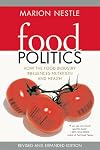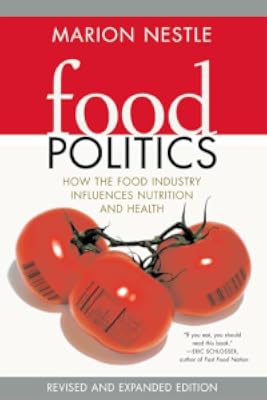
Food Politics: How the Food Industry Influences Nutrition and Health
by Marion Nestle
On This Page
Description
We all witness, in advertising and on supermarket shelves, the fierce competition for our food dollars. In this engrossing exposé, Marion Nestle goes behind the scenes to reveal how the competition really works and how it affects our health. The abundance of food in the United States--enough calories to meet the needs of every man, woman, and child twice over--has a downside. Our over-efficient food industry must do everything possible to persuade people to eat more--more food, more often, show more and in larger portions--no matter what it does to waistlines or well-being. Like manufacturing cigarettes or building weapons, making food is big business. Food companies in 2000 generated nearly 9 00 billion in sales. They have stakeholders to please, shareholders to satisfy, and government regulations to deal with. It is nevertheless shocking to learn precisely how food companies lobby officials, co-opt experts, and expand sales by marketing to children, members of minority groups, and people in developing countries. We learn that the food industry plays politics as well as or better than other industries, not least because so much of its activity takes place outside the public view. Editor of the 1988 Surgeon General's Report on Nutrition and Health, Nestle is uniquely qualified to lead us through the maze of food industry interests and influences. She vividly illustrates food politics in action: watered-down government dietary advice, schools pushing soft drinks, diet supplements promoted as if they were First Amendment rights. When it comes to the mass production and consumption of food, strategic decisions are driven by economics--not science, not common sense, and certainly not health. No wonder most of us are thoroughly confused about what to eat to stay healthy.An accessible and balanced account, Food Politics will forever change the way we respond to food industry marketing practices. By explaining how much the food industry influences government nutrition policies and how cleverly it links its interests to those of nutrition experts, this path-breaking book helps us understand more clearly than ever before what we eat and why. show lessTags
Recommendations



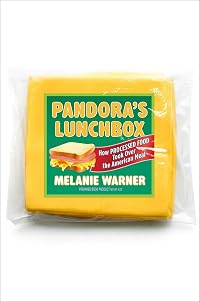
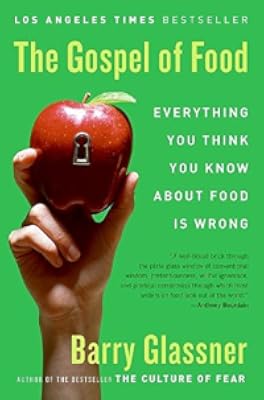
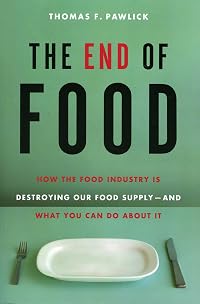
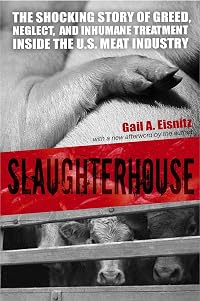
Member Recommendations
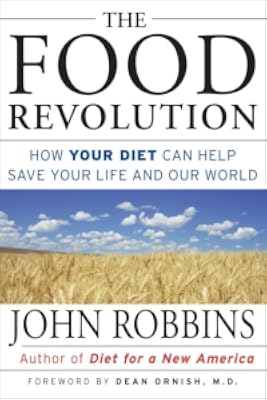
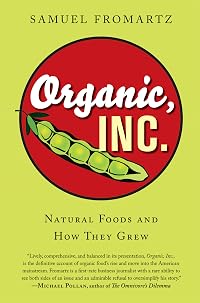
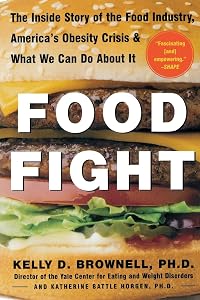
drm19 Books about the food industry and its influence on science and government programs and recommendations.
Member Reviews
I wasn't expecting to learn much from this book, having already poured through books like Fast Food Nation, The Omnivore's Dilemma, School Lunch Politics, Organic, Inc., and Toxic Sludge is Good For You, but I feel that this book has a lot to offer above and beyond what other books discuss about food politics.
Although at times the book can get a bit hard to follow in all of the nuanced policy decisions made by the FDA and USDA, it still packs a pretty solid punch. Marion Nestle does a great job exposing exactly how the food industry has slowly, but surely, gotten its way with food policy decisions and has done a great job of making the FDA a pretty powerless government entity.
A large portion of this book details how the supplement show more industry came to be able to label products making health claims with little or no scientific basis whatsoever, and how this has led to food products following suit. (Case in point: "healthy" Froot Loops with fiber, and also grams of sugar.)
This book is a recommended read for anybody interested in food, how it is marketed, regulated and sold. show less
Although at times the book can get a bit hard to follow in all of the nuanced policy decisions made by the FDA and USDA, it still packs a pretty solid punch. Marion Nestle does a great job exposing exactly how the food industry has slowly, but surely, gotten its way with food policy decisions and has done a great job of making the FDA a pretty powerless government entity.
A large portion of this book details how the supplement show more industry came to be able to label products making health claims with little or no scientific basis whatsoever, and how this has led to food products following suit. (Case in point: "healthy" Froot Loops with fiber, and also grams of sugar.)
This book is a recommended read for anybody interested in food, how it is marketed, regulated and sold. show less
Marion Nestle has been frequently involved in government policy on food and nutrition, and Food Politics is a well-written account of the machinations behind the scenes. She discusses the meat and dairy industries, soft drinks, vitamins and supplements, and Olestra, among other manufacturers, who often pressure the FDA into refraining from making policies which would cramp their respective industries.
I'm afraid that I'm going to be rather more cynical about food and nutritional information, now that this book has discussed how little those policies take the public good into account, compared with how much lobbying, lawsuits, and intimidation affect them. Also, Food Politics was published in 2002 - I would be happy to see a "Food show more Politics - Part 2" that discusses the meat/dairy industry's reaction to Atkins and South Beach and the like, as well as the strong lobbying by the corn industry over HFCS. Nestle ends with the point that we as consumers ought to be more informed about our food, and "vote with our forks" against some of the corruption that has tainted nutritional information. show less
I'm afraid that I'm going to be rather more cynical about food and nutritional information, now that this book has discussed how little those policies take the public good into account, compared with how much lobbying, lawsuits, and intimidation affect them. Also, Food Politics was published in 2002 - I would be happy to see a "Food show more Politics - Part 2" that discusses the meat/dairy industry's reaction to Atkins and South Beach and the like, as well as the strong lobbying by the corn industry over HFCS. Nestle ends with the point that we as consumers ought to be more informed about our food, and "vote with our forks" against some of the corruption that has tainted nutritional information. show less
"Marion Nestle’s entire book Food Politics was basically a reaction to her experiences with the USDA and the FDA, and how the food industry was able to manipulate all the recommendations to send the message that people should be eating more, especially eating more meat, dairy, and refined foods. The only thing the government got past these powerful lobbies were recommendations to eat sugar and fat sparingly; the meat industry felt they could take advantage of those particular recommendations, and that’s basically why."--http://pandagon.net/index.php/site/comments/pigs_uneaten_and_free_to_fly_go_soaring_past_the_usda_offices/
Sometimes there are books that cause you to really think about your life and your habits. This is one of them. Not easy to read, because it deals with where we live every day, but a vitally important subject. After all, as the author indicates, what we eat can hurt us.
An amazing, fascinating book. The insider's take on the FDA and the stranglehold the food industry has on politics is incredible. I highly recommend this to anyone concerned about, well, Food Politics.
i preferred this book to the What to Eat one. This topic (food politics) is a real speciality of the author's. She is very convincing that food processors are not our friends.
vested intests are and wide. many professional organizations with dubious conflict of interest policies.
food processors can hamstring governments and make them mince their words; making their official recommendations less than optimal.
makes me appreciate the Worlds Healthiest Foods book even more!!!!!
who you going to trust!!
vested intests are and wide. many professional organizations with dubious conflict of interest policies.
food processors can hamstring governments and make them mince their words; making their official recommendations less than optimal.
makes me appreciate the Worlds Healthiest Foods book even more!!!!!
who you going to trust!!
i hate everything
Members
- Recently Added By
Published Reviews
ThingScore 75
Though not in the muckraking genre of Eric Schlosser's ''Fast Food Nation,'' Dr. Nestle examines what she sees as the industry's manipulation of America's eating habits while enumerating many conflicts of interest among nutritional authorities. Combining the scientific background of a researcher and the skills of a teacher, she has made a complex subject easy to understand.
added by jlelliott
Lists

University Presses
155 works; 1 member

2024 Reading List
49 works; 1 member
Author Information

Awards and Honors
Series
Belongs to Publisher Series
Common Knowledge
- Canonical title
- Food Politics: How the Food Industry Influences Nutrition and Health
- First words
- This book is about how the food industry influences what we eat and, therefore, our health.
- Last words
- (Click to show. Warning: May contain spoilers.)This ability to exercise democratic power holds much hope for achieving a more equitable balance of interests in matters pertaining to food and health.
Classifications
- Genres
- Nonfiction, Sociology, Politics and Government, General Nonfiction, Food & Cooking, Science & Nature
- DDC/MDS
- 338.4764130973 — Society, government, & culture Economics Production Secondary industries and services Services and specific products Technology
- LCC
- TX360 .U6 .N47 — Technology Home economics Home economics Nutrition. Foods and food supply
- BISAC
Statistics
- Members
- 942
- Popularity
- 28,315
- Reviews
- 11
- Rating
- (3.83)
- Languages
- English
- Media
- Paper, Audiobook, Ebook
- ISBNs
- 8
- ASINs
- 6