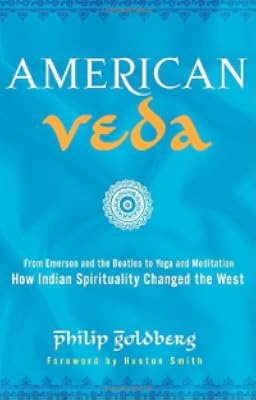
American Veda
by Philip Goldberg
On This Page
Description
Traces the history and influence of Indian spirituality in the United States while explaining how Hinduism and Vedic tradition have shaped American practices, ranging from prayer and pop culture to relationships and meditation.Tags
Recommendations



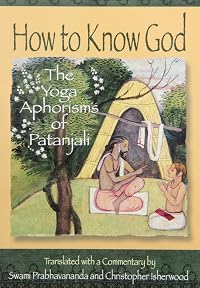
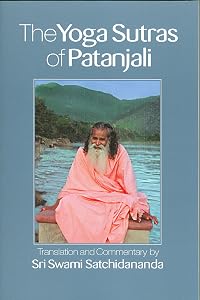


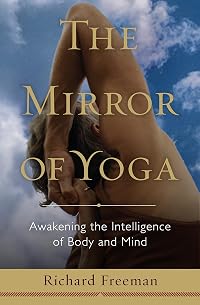



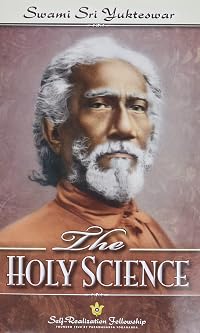
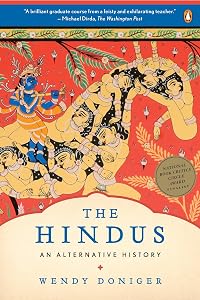
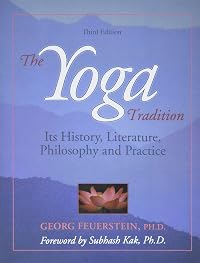
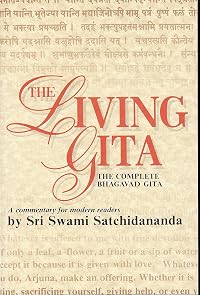



Member Recommendations
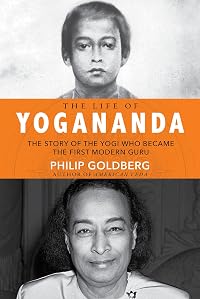
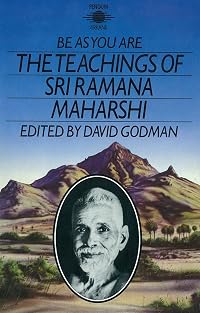
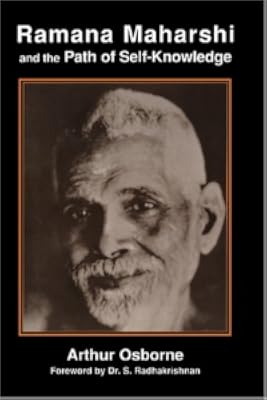
Mr.Durick Another book on the reception of Eastern religiosity rooted in the Vedic sensibility in America.
Member Reviews
Goldberg says in the introduction that he's no academic (true) and that he's tried to approach the material as a good journalist. What he doesn't say is that he's a true believer who is going to interpret all the data he finds in the most positive light for it being related to the Indian Vedanta tradition. In doing this he leaves out or ignores vasts amounts of information from Zoroastrianism to the foibles of Madame Blavatsky. If you want an unbiased account of the influence of Indian philosophy on the West, look elsewhere.
Some of the people who have thought most closely about relating to what is ultimate and important are the Hindus (although that may be a misnomer). Several of them have brought their findings to America, and the history of their reception can be interesting.
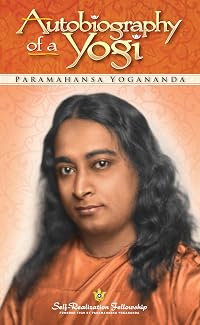
The history of their reception is the subject of the book American Veda by Philip Goldberg. It touches only lightly on the thinking. I have heard a lot of names over the years even having sought and read The Autobiography of a Yogi in my young adult days when one had to chase it down. In the recent documentary about Paramahansa Yogananda Goldberg was cited a few times, so I chased down his book, an almost instantaneous chase with the internet.
To get two hundred years into fewer than show more 400 pages requires some thinning, but I still think that there is a solid survey here. The author does not grind any axes, and you can see in it how the problem the Transcendentalists faced about whether to restructure the interior or do justice in the exterior has impacted the reception of the Indian message in America. It starts with Emerson and runs through some of the less obvious diversions like Unity and Religious Science. But it concentrates on the people bringing the Vedas even as it recognizes the secularization of asanas and meditation.
I think I got quite a bit out of this book. show less
The history of their reception is the subject of the book American Veda by Philip Goldberg. It touches only lightly on the thinking. I have heard a lot of names over the years even having sought and read The Autobiography of a Yogi in my young adult days when one had to chase it down. In the recent documentary about Paramahansa Yogananda Goldberg was cited a few times, so I chased down his book, an almost instantaneous chase with the internet.
To get two hundred years into fewer than show more 400 pages requires some thinning, but I still think that there is a solid survey here. The author does not grind any axes, and you can see in it how the problem the Transcendentalists faced about whether to restructure the interior or do justice in the exterior has impacted the reception of the Indian message in America. It starts with Emerson and runs through some of the less obvious diversions like Unity and Religious Science. But it concentrates on the people bringing the Vedas even as it recognizes the secularization of asanas and meditation.
I think I got quite a bit out of this book. show less
After more than a 100 years of contact with Vedanta and Indian spiritualism, starting with Vivekananda's address in 1893 in Chicago, it seems that it has penetrated the very core of American thinking. Here is an excerpt,
In five to thirty minutes from my home in Los Angeles, I can be at any of the following: The Self-Realization Fellowship's lake shrine; the Sivananda Yoga-Vedanta Center; the Hare Krishna temple; Ananda L.A.; the Siddha Yoga Meditation Center; the Sri Aurobindo Center; the Universal Shaiva Fellowship; the Transcendental Meditation center; Radha Govinda Dham; classes Loyola Marymount's Yoga Philosophy Program; regular satsangs or study groups with devotees of Satya Sai Baba, Mata Amritanandamayi, Ramana Maharishi, Neem show more Karoli Baba, Swami Rudrananda, Adi Da Samraj, Ma Jaya Sati Bhagvati, Eckhart Tolle and Krishnamurti. show less
In five to thirty minutes from my home in Los Angeles, I can be at any of the following: The Self-Realization Fellowship's lake shrine; the Sivananda Yoga-Vedanta Center; the Hare Krishna temple; Ananda L.A.; the Siddha Yoga Meditation Center; the Sri Aurobindo Center; the Universal Shaiva Fellowship; the Transcendental Meditation center; Radha Govinda Dham; classes Loyola Marymount's Yoga Philosophy Program; regular satsangs or study groups with devotees of Satya Sai Baba, Mata Amritanandamayi, Ramana Maharishi, Neem show more Karoli Baba, Swami Rudrananda, Adi Da Samraj, Ma Jaya Sati Bhagvati, Eckhart Tolle and Krishnamurti. show less
After more than a 100 years of contact with Vedanta and Indian spiritualism, starting with Vivekananda's address in 1893 in Chicago, it seems that it has penetrated the very core of American thinking. Here is an excerpt,
In five to thirty minutes from my home in Los Angeles, I can be at any of the following: The Self-Realization Fellowship's lake shrine; the Sivananda Yoga-Vedanta Center; the Hare Krishna temple; Ananda L.A.; the Siddha Yoga Meditation Center; the Sri Aurobindo Center; the Universal Shaiva Fellowship; the Transcendental Meditation center; Radha Govinda Dham; classes Loyola Marymount's Yoga Philosophy Program; regular satsangs or study groups with devotees of Satya Sai Baba, Mata Amritanandamayi, Ramana Maharishi, Neem show more Karoli Baba, Swami Rudrananda, Adi Da Samraj, Ma Jaya Sati Bhagvati, Eckhart Tolle and Krishnamurti. show less
In five to thirty minutes from my home in Los Angeles, I can be at any of the following: The Self-Realization Fellowship's lake shrine; the Sivananda Yoga-Vedanta Center; the Hare Krishna temple; Ananda L.A.; the Siddha Yoga Meditation Center; the Sri Aurobindo Center; the Universal Shaiva Fellowship; the Transcendental Meditation center; Radha Govinda Dham; classes Loyola Marymount's Yoga Philosophy Program; regular satsangs or study groups with devotees of Satya Sai Baba, Mata Amritanandamayi, Ramana Maharishi, Neem show more Karoli Baba, Swami Rudrananda, Adi Da Samraj, Ma Jaya Sati Bhagvati, Eckhart Tolle and Krishnamurti. show less
amazon.com review:
In February 1968 the Beatles went to India for an extended stay with their new guru, Maharishi Mahesh Yogi. It may have been the most momentous spiritual retreat since Jesus spent those forty days in the wilderness.
With these words, Philip Goldberg begins his monumental work, American Veda, a fascinating look at India’s remarkable impact on Western culture. This eye-opening popular history shows how the ancient philosophy of Vedanta and the mind-body methods of Yoga have profoundly affected the worldview of millions of Americans and radically altered the religious landscape.
What exploded in the 1960s actually began more than two hundred years earlier, when the United States started importing knowledge as well as show more tangy spices and colorful fabrics from Asia. The first translations of Hindu texts found their way into the libraries of John Adams and Ralph Waldo Emerson. From there the ideas spread to Henry David Thoreau, Walt Whitman, and succeeding generations of receptive Americans, who absorbed India’s “science of consciousness” and wove it into the fabric of their lives. Charismatic teachers like Swami Vivekananda and Paramahansa Yogananda came west in waves, prompting leading intellectuals, artists, and scientists such as Aldous Huxley, Joseph Campbell, Allen Ginsberg, J. D. Salinger, John Coltrane, Dean Ornish, and Richard Alpert, aka Ram Dass, to adapt and disseminate what they learned from them. The impact has been enormous, enlarging our current understanding of the mind and body and dramatically changing how we view ourselves and our place in the cosmos.
Goldberg paints a compelling picture of this remarkable East-to-West transmission, showing how it accelerated through the decades and eventually moved from the counterculture into our laboratories, libraries, and living rooms. Now physicians and therapists routinely recommend meditation, words like karma and mantra are part of our everyday vocabulary, and Yoga studios are as ubiquitous as Starbuckses. The insights of India’s sages permeate so much of what we think, believe, and do that they have redefined the meaning of life for millions of Americans—and continue to do so every day.
Rich in detail and expansive in scope, American Veda shows how we have come to accept and live by the central teaching of Vedic wisdom: “Truth is one, the wise call it by many names.” show less
In February 1968 the Beatles went to India for an extended stay with their new guru, Maharishi Mahesh Yogi. It may have been the most momentous spiritual retreat since Jesus spent those forty days in the wilderness.
With these words, Philip Goldberg begins his monumental work, American Veda, a fascinating look at India’s remarkable impact on Western culture. This eye-opening popular history shows how the ancient philosophy of Vedanta and the mind-body methods of Yoga have profoundly affected the worldview of millions of Americans and radically altered the religious landscape.
What exploded in the 1960s actually began more than two hundred years earlier, when the United States started importing knowledge as well as show more tangy spices and colorful fabrics from Asia. The first translations of Hindu texts found their way into the libraries of John Adams and Ralph Waldo Emerson. From there the ideas spread to Henry David Thoreau, Walt Whitman, and succeeding generations of receptive Americans, who absorbed India’s “science of consciousness” and wove it into the fabric of their lives. Charismatic teachers like Swami Vivekananda and Paramahansa Yogananda came west in waves, prompting leading intellectuals, artists, and scientists such as Aldous Huxley, Joseph Campbell, Allen Ginsberg, J. D. Salinger, John Coltrane, Dean Ornish, and Richard Alpert, aka Ram Dass, to adapt and disseminate what they learned from them. The impact has been enormous, enlarging our current understanding of the mind and body and dramatically changing how we view ourselves and our place in the cosmos.
Goldberg paints a compelling picture of this remarkable East-to-West transmission, showing how it accelerated through the decades and eventually moved from the counterculture into our laboratories, libraries, and living rooms. Now physicians and therapists routinely recommend meditation, words like karma and mantra are part of our everyday vocabulary, and Yoga studios are as ubiquitous as Starbuckses. The insights of India’s sages permeate so much of what we think, believe, and do that they have redefined the meaning of life for millions of Americans—and continue to do so every day.
Rich in detail and expansive in scope, American Veda shows how we have come to accept and live by the central teaching of Vedic wisdom: “Truth is one, the wise call it by many names.” show less
Ratings
Members
- Recently Added By
Author Information
18+ Works 353 Members
Philip Goldberg grew up in Brooklyn and now lives in Los Angeles. A professional writer for more than 40 years, he is author or co-author of some 25 books published in more than a dozen languages. He is also a skilled public speaker, a workshop leader, a spiritual counselor, and the co-host of the popular podcast Spirit Matters. He blogs at show more Elephant Journal and Spirituality Health, and contributes to other publications. His most recent book prior to this one, American Veda, chronicles the impact of India's spiritual teachings on the West; it was named by The Huffington Post and Library Journal as one of the Top 10 Religion Books of 2010. www.philipgoldberg.com show less
Common Knowledge
- Canonical title
- American Veda
- Alternate titles
- American Veda: From Emerson and the Beatles to Yoga and Meditation: How Indian Spirituality Changed the West
- Original publication date
- 2010
- People/Characters
- Swami Vivekananda; Paramahansa Yogananda; Huston Smith; Joseph Campbell; Gerald Heard; Aldous Huxley (show all 48); Jiddu Krishnamurti; Swami Prabhavananda; Paul Brunton; Michael Murphy; Ramana Maharshi; Sri Aurobindo; Ralph Waldo Emerson; Christopher Isherwood; Maharishi Mahesh Yogi; Swami Muktananda; B. K. S. Iyengar; Neem Karoli Baba; Ram Dass; Krishna Das; Deepak Chopra; Ravi Shankar; Steven Katz; Robert K. C. Forman; Franklin Jones; Ken Wilber; Wendy Doniger; Mircea Eliade; Georg Feuerstein; Madeline De Joly; Swami Abhishiktananda; Anandamayi Ma; John Coltrane; Franklin Merrell-Wolff; Ananda Coomaraswamy; T. V. K. Desikachar; Deva Premal; Sharon Gannon; Philip Glass; Daniel Goleman; Ramakrishna; Andrew Harvey; Indra Devi; Sally Kempton; Judith Lasater; Paul Muller-Ortega; Nisargadatta Maharaj; Eckhart Tolle
- Epigraph
- Passage to India
Lo, soul, seest thou not God's purpose from the first?
The earth to be spann'd, connected by network,
The races, neighbors, to marry and be given in marriage,
The oceans to be cross'd, the distant... (show all) brought near,
The islands welded together.
A worship new I sing,
You captains, voyagers, explorers, yours,
You engineers, you architects, machinists, yours,
You, not for trade or transportation only,
But in God's name, and for thy sake O soul.
--Walt Whitman, "Passage to india" - First words
- In February 1968 the Beatles went to India for an extended stay with their new guru, Maharishi Mahesh Yogi
- Blurbers
- Beckwith, Michael Bernard; Friend, John; Chapple, Christopher; Soni, Varun; Harvey, Andrew; Walsh, Roger
- Original language
- English US
Classifications
- Genres
- Religion & Spirituality, Nonfiction, History, General Nonfiction, Music
- DDC/MDS
- 294.50973 — Religion Other religions Dharmic religions Hinduism Hinduism by place Hinduism in North America Hinduism in the United States
- LCC
- BL1168 .U532 .G66 — Philosophy, Psychology and Religion Religions. Mythology. Rationalism Religions. Mythology. Rationalism History and principles of religions Asian. Oriental By religion By region or country
- BISAC
Statistics
- Members
- 142
- Popularity
- 231,369
- Reviews
- 5
- Rating
- (3.79)
- Languages
- English
- Media
- Paper, Ebook
- ISBNs
- 3
- ASINs
- 1