On This Page
Description
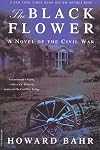
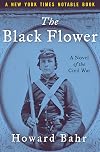
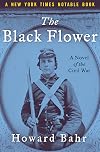
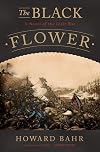
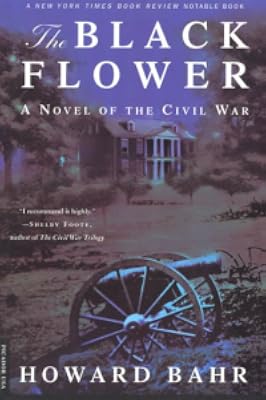
At twenty-six, Bushrod Carter is already an old soldier, a veteran of all his regiment's campaigns since Shiloh. Now, on an Indian summer afternoon in 1864, Bushrod finds himself in the line of battle once again, on a plain below the obscure village of Franklin, Tennessee. In the madness and violence of the great battle, he must confront his soul, learn from his comrades and from a young girl struggling with her own harsh past.This timeless portrait of a young man's suffering in war has won show more praise for its originality and power. The Black Flower is a story not only of war, but of men and women seeking redemption. Stripped of all that anchors them, they at last turn to honor and courage and love.
. show less
Tags
Recommendations





Member Reviews
“They wandered aimlessly through the wreckage of the battlefield. Now and then a hand would claw at their trouser legs. Voices rose from the shadows, disembodied like voices in dreams. Some demanded relief, others begged; they asked for water or for a surgeon, they asked for mothers and sisters, these voices. Some begged to be shot. From all these the boys shrank in guilty horror.”
Confederate soldiers and friends from Mississippi, Bushrod, Jack, and Virgil, are part of the same company fighting the American Civil War. We follow them as they participate in the Battle of Franklin in Tennessee. Protagonist Bushrod meets Anna, whose cousin’s house is taken over and used as a field hospital. The plot revolves around a small number of show more characters. They have become war weary and seriously consider desertion.
I had never read anything by Howard Bahr before and was very impressed with his writing. The storyline illustrates the terrible death toll taken in the Civil War. It is does not touch on the causes. It is intensely focused on the relationships between friends. As may be expected in a book about war, it is extremely sad. It is a powerful story of attempting to retain human compassion in the midst of devastation.
“In the tricky, shifting light of the fire, the sleepers—Anna, Bushrod, and Nebo—seemed figures in a very old painting, caught in a vanished moment of repose. It was easy to believe that they might sleep forever, free of pain and grief and confusion, pardoned from all things and especially from tomorrow. They might never change—only the colors around them, already soft, yielding year by year to the benign erosion of time. It was an illusion, of course, for the constellations above were moving ahead of the sun, and the light of day would dissolve the shadows and awaken the sleepers to movement, to life or to death, as it always did. But for now they slept and dreamed, and their peace, for all its deception, was no less real to them.” show less
Confederate soldiers and friends from Mississippi, Bushrod, Jack, and Virgil, are part of the same company fighting the American Civil War. We follow them as they participate in the Battle of Franklin in Tennessee. Protagonist Bushrod meets Anna, whose cousin’s house is taken over and used as a field hospital. The plot revolves around a small number of show more characters. They have become war weary and seriously consider desertion.
I had never read anything by Howard Bahr before and was very impressed with his writing. The storyline illustrates the terrible death toll taken in the Civil War. It is does not touch on the causes. It is intensely focused on the relationships between friends. As may be expected in a book about war, it is extremely sad. It is a powerful story of attempting to retain human compassion in the midst of devastation.
“In the tricky, shifting light of the fire, the sleepers—Anna, Bushrod, and Nebo—seemed figures in a very old painting, caught in a vanished moment of repose. It was easy to believe that they might sleep forever, free of pain and grief and confusion, pardoned from all things and especially from tomorrow. They might never change—only the colors around them, already soft, yielding year by year to the benign erosion of time. It was an illusion, of course, for the constellations above were moving ahead of the sun, and the light of day would dissolve the shadows and awaken the sleepers to movement, to life or to death, as it always did. But for now they slept and dreamed, and their peace, for all its deception, was no less real to them.” show less
5 Stars - I do wish there were a rating "Stupendous"
Perhaps if I had been born in Oxford, Mississippi, I could have been a great writer. Seems everyone who puts pen to paper in that town writes something extraordinary. Howard Bahr is my new favorite writer. He puts emotion into his work without saccharin; he brings reality with all its starkness and tempers it with a bit of humor; and he finds what it is that essentially makes us human, the parts we most try to hide and keep to ourselves, and he lays them bare for the world to see. He collapses you into tears that purge your soul, and you cry not only for his characters who have touched you so, but for yourself and for all the potential that was lost and buried in your world before you show more came.
I have always loved the Civil War. I was born into a South that still remembered its loss and mourned them as if they were fresh. I grew up in the shadow of Kennesaw Mountain and I went there and felt the blood still rushing beneath its calm surface. I felt the pride and the shame and the waste of that war as if I had known it in some regard closer than a history book. My grandfather, whose older brothers had fought in it, carried a bit of it in his soul and remembered its aftermath and the impact that it had on their lives.
And they would look out over the stones and the grass and the tranquil bloodless fields and find, each in his turn, the only truth that was left them: that the stones possessed a logic of their own, that it all seemed to make sense once but didn’t now, and whatever meaning there once was could no longer be got at by old men drowsing in the sunlight with full bellies and no one to shoot at them. With this, all distinctions blurred--between enemies, between the living and the dead--until the old men arose and knocked out their pipes and walked away, wanting to forgive everyone, starting with themselves.
But this is not largely the tale of those old men who survived and felt the moments after the war. This is, rather, Bushrod Carter’s very personal story of the war he fought, of the losses he endured, and of his own attempt to make sense of it all. At its beginning, we find Bushrod, his friends, Jack Bishop and Virgil C. Johnson, and the army of the Confederacy about to engage in one of the bloodiest and most useless battles of the entire war, the Battle of Franklin, Tennessee. They are about to cross the land of the McGavock’s, intersect with the lives there, and change a sweet and peaceful home beside a meandering river into a witness to battle, an onsite hospital, and a river of blood. Bushrod must grapple with every inch of moral territory a man can encounter: a love for his fellow man, the memory of a life before, the madness of continuing to pursue a cause no one can even remember, and a belief in a God who seems absent most of the time.
...but he had never figured out how God could look down on such madness and not take a hand. The best he could do was to remind himself that men made their own troubles mostly, and that God spent a lot of time grieving Himself.
Amen. War now is so different, so impersonal in some ways; we kill men that we do not have to look into the eyes of while we do it. But, in this war, we are fighting ourselves, our own, and we must look into the face of the man we kill and try not to see that what we slay is a piece of ourselves. Perhaps that is what has always made this war seem different to me. That and the feeling that of all the avoidable wars in the history of mankind, this one was the most avoidable.
Needless to say, I will read the rest of Bahr’s works. His two other Civil War books are on order. I am grateful to Diane at the Southern Literary Trail for introducing me to this marvelous writer. Not since Cold Mountain have I read a Civil War novel that brought me so close to the hearts of the men who fought and the women who witnessed and paid the price in loss and remembrance. show less
Perhaps if I had been born in Oxford, Mississippi, I could have been a great writer. Seems everyone who puts pen to paper in that town writes something extraordinary. Howard Bahr is my new favorite writer. He puts emotion into his work without saccharin; he brings reality with all its starkness and tempers it with a bit of humor; and he finds what it is that essentially makes us human, the parts we most try to hide and keep to ourselves, and he lays them bare for the world to see. He collapses you into tears that purge your soul, and you cry not only for his characters who have touched you so, but for yourself and for all the potential that was lost and buried in your world before you show more came.
I have always loved the Civil War. I was born into a South that still remembered its loss and mourned them as if they were fresh. I grew up in the shadow of Kennesaw Mountain and I went there and felt the blood still rushing beneath its calm surface. I felt the pride and the shame and the waste of that war as if I had known it in some regard closer than a history book. My grandfather, whose older brothers had fought in it, carried a bit of it in his soul and remembered its aftermath and the impact that it had on their lives.
And they would look out over the stones and the grass and the tranquil bloodless fields and find, each in his turn, the only truth that was left them: that the stones possessed a logic of their own, that it all seemed to make sense once but didn’t now, and whatever meaning there once was could no longer be got at by old men drowsing in the sunlight with full bellies and no one to shoot at them. With this, all distinctions blurred--between enemies, between the living and the dead--until the old men arose and knocked out their pipes and walked away, wanting to forgive everyone, starting with themselves.
But this is not largely the tale of those old men who survived and felt the moments after the war. This is, rather, Bushrod Carter’s very personal story of the war he fought, of the losses he endured, and of his own attempt to make sense of it all. At its beginning, we find Bushrod, his friends, Jack Bishop and Virgil C. Johnson, and the army of the Confederacy about to engage in one of the bloodiest and most useless battles of the entire war, the Battle of Franklin, Tennessee. They are about to cross the land of the McGavock’s, intersect with the lives there, and change a sweet and peaceful home beside a meandering river into a witness to battle, an onsite hospital, and a river of blood. Bushrod must grapple with every inch of moral territory a man can encounter: a love for his fellow man, the memory of a life before, the madness of continuing to pursue a cause no one can even remember, and a belief in a God who seems absent most of the time.
...but he had never figured out how God could look down on such madness and not take a hand. The best he could do was to remind himself that men made their own troubles mostly, and that God spent a lot of time grieving Himself.
Amen. War now is so different, so impersonal in some ways; we kill men that we do not have to look into the eyes of while we do it. But, in this war, we are fighting ourselves, our own, and we must look into the face of the man we kill and try not to see that what we slay is a piece of ourselves. Perhaps that is what has always made this war seem different to me. That and the feeling that of all the avoidable wars in the history of mankind, this one was the most avoidable.
Needless to say, I will read the rest of Bahr’s works. His two other Civil War books are on order. I am grateful to Diane at the Southern Literary Trail for introducing me to this marvelous writer. Not since Cold Mountain have I read a Civil War novel that brought me so close to the hearts of the men who fought and the women who witnessed and paid the price in loss and remembrance. show less
This is a beautifully written and powerful novel of the American Civil War as seen through the eyes of foot soldiers and civilians during the war's final, desperate (for the South) year. The first section of the book shows us Bushrod Carter and his comrades of the Cumberland Rifles as they form up near a farm house and await marching orders into a battle that, to their practiced soldiers' eyes as they survey the battleground they have to cross and the Federal works they have to storm, they seem to have little hope of winning or even surviving. Here are two passages I can't resist showing you.
"For the last time, Bushrod looked up to see his army spread out across the plain. What he could see of the brigades and grand divisions still show more advanced in order; had there been no Strangers, no fatal purpose, no guns or muskets across the way, they might have marched on forever under their bright banners and gleaming bayonets. But already behind the ordered lines the fields were dotted with rags of the Departed, and the smoke was rising, the white smoke that soon would hide them all. Bushrod knew it was only the smoke of the guns, but for a moment it seemed as if it might have risen from the long way itself, like the mysterious fogs that crept from the ditches and hollows in the lonely country nights, that were cold on the face and made saddle horses run wild. Well, no matter. The smoke was rising; into the smoke the long lines passed, and Bushrod knew he would see them no more. 'Goodbye,' he said aloud. 'Goodbye, goodbye.'"
And
"The house itself seemed indifferent. It stood serene above the clamor in the yard: old-fashioned, melancholy, the white portico still holding the afternoon's light. It was built of brick like so many of these Tennessee houses, and it seemed to have stood there since the creation of the world. Bushrod thought how it would still be rooted in time long, long after they were gone, when all that was left of all these boys would be a half-seen shadow among the oaks, a voice mistaken for the wind, a button or a belt buckle turned up by the garden plow. For a moment, Bushrod regarded the house with shame and yearning. He had done so much, come so far--if only he could quit for a little while, slip away somehow and hide himself among those quiet rooms until morning, when all this would be over and done and he could start afresh. He was tired, and he wished for the first time in his life that he could save himself from being forgotten."
These passages to me demonstrate both the book's strengths and its weaknesses, such as they are. Strengths, in that the writing is strong and pretty compelling. The weakness is that at places it is over-written. We are told straight away that Bushrod is a college graduate, and a student of literature, so we can forgive the narrative's eloquence, to a point, although the writing does call attention to itself from time to time. However, Bahr seems able to rein in even his most self-conscious reveries just before they go over the edge, as in, for me, the second passage above, which meanders just a touch too long but concludes with a thought that, at least for me, brings us powerfully right back down to earth and into the here and now.
But I am over-emphasizing my quibbles with the book, I fear. This is a terrific novel. The horrors of war are shown us through the eyes of Bushrod and his comrades. The sorrow and loss of war are shown us throw the eyes of a young woman waiting in that house to help tend to the wounded of the impending battle.
If the soldiers are a touch too eloquent, the characterizations of them are true to life nevertheless. I have been thinking about the book frequently over the past three days since I finished it. I recommend it highly. show less
"For the last time, Bushrod looked up to see his army spread out across the plain. What he could see of the brigades and grand divisions still show more advanced in order; had there been no Strangers, no fatal purpose, no guns or muskets across the way, they might have marched on forever under their bright banners and gleaming bayonets. But already behind the ordered lines the fields were dotted with rags of the Departed, and the smoke was rising, the white smoke that soon would hide them all. Bushrod knew it was only the smoke of the guns, but for a moment it seemed as if it might have risen from the long way itself, like the mysterious fogs that crept from the ditches and hollows in the lonely country nights, that were cold on the face and made saddle horses run wild. Well, no matter. The smoke was rising; into the smoke the long lines passed, and Bushrod knew he would see them no more. 'Goodbye,' he said aloud. 'Goodbye, goodbye.'"
And
"The house itself seemed indifferent. It stood serene above the clamor in the yard: old-fashioned, melancholy, the white portico still holding the afternoon's light. It was built of brick like so many of these Tennessee houses, and it seemed to have stood there since the creation of the world. Bushrod thought how it would still be rooted in time long, long after they were gone, when all that was left of all these boys would be a half-seen shadow among the oaks, a voice mistaken for the wind, a button or a belt buckle turned up by the garden plow. For a moment, Bushrod regarded the house with shame and yearning. He had done so much, come so far--if only he could quit for a little while, slip away somehow and hide himself among those quiet rooms until morning, when all this would be over and done and he could start afresh. He was tired, and he wished for the first time in his life that he could save himself from being forgotten."
These passages to me demonstrate both the book's strengths and its weaknesses, such as they are. Strengths, in that the writing is strong and pretty compelling. The weakness is that at places it is over-written. We are told straight away that Bushrod is a college graduate, and a student of literature, so we can forgive the narrative's eloquence, to a point, although the writing does call attention to itself from time to time. However, Bahr seems able to rein in even his most self-conscious reveries just before they go over the edge, as in, for me, the second passage above, which meanders just a touch too long but concludes with a thought that, at least for me, brings us powerfully right back down to earth and into the here and now.
But I am over-emphasizing my quibbles with the book, I fear. This is a terrific novel. The horrors of war are shown us through the eyes of Bushrod and his comrades. The sorrow and loss of war are shown us throw the eyes of a young woman waiting in that house to help tend to the wounded of the impending battle.
If the soldiers are a touch too eloquent, the characterizations of them are true to life nevertheless. I have been thinking about the book frequently over the past three days since I finished it. I recommend it highly. show less
This was a beautifully written, heartbreaking novel of a couple of days (one battle) in the Civil War. Interspersed with the battle and its aftermath are memories of characters that give depth to their story. There is war, romance, treachery, heartbreak and more packed into this brief period. I found it very moving.
The one thing that there is NOT in this book is a discussion of slavery - or even mention of slaves aside from one that carries some bodies. I'm sure this was intentional on the part of the author but am not sure of the reasons. Perhaps in the day-to-day war, with so many of the actual fighters coming from poor families, it wasn't really the issue that was at the forefront of every mind. But it seemed strange how little it show more was acknowledged.
Overall, I highly recommend this book! show less
The one thing that there is NOT in this book is a discussion of slavery - or even mention of slaves aside from one that carries some bodies. I'm sure this was intentional on the part of the author but am not sure of the reasons. Perhaps in the day-to-day war, with so many of the actual fighters coming from poor families, it wasn't really the issue that was at the forefront of every mind. But it seemed strange how little it show more was acknowledged.
Overall, I highly recommend this book! show less
This book is so hauntingly beautiful that it makes me shiver. The writing serves as a window into the soul, the deep humanity, of these men, and you just ache for what they are about to do. Wow. Bahr's prose is at once searing and lovely. It wounds you as the reader. I highly recommend this for anyone who has ever visited a Civil War battlefield and felt a presence still lingering. You think about the words long after turning that final page.
Astonishing. I've read a few books about the American Civil War and this one most certainly stands out. It took a while to get going, but it was worth the perseverance. Brilliantly constructed, historically accurate, it's an eloquent and impactful journey through the horrors of war.
Howard Bahr's prose is something to die for. The story could be complete crap (it isn't) and the characters could be right off the shelf (they aren't) and this book would still be one of the greatest because of the language Bahr uses to write it.
Members
- Recently Added By
Lists

Top Five Books of 2021
604 works; 180 members
Author Information

Awards and Honors
Series

Common Knowledge
- Important events
- American Civil War; Battle of Franklin
Classifications
Statistics
- Members
- 388
- Popularity
- 80,671
- Reviews
- 20
- Rating
- (3.99)
- Languages
- English
- Media
- Paper, Audiobook, Ebook
- ISBNs
- 14
- ASINs
- 1